Bitter Chinese Herbal Medicine Exerts Pharmacological Effects via TAS2Rs: A Systematic Review from Natural Ligands to Therapeutic Potential

Abstract
1. Introduction
2. Methods
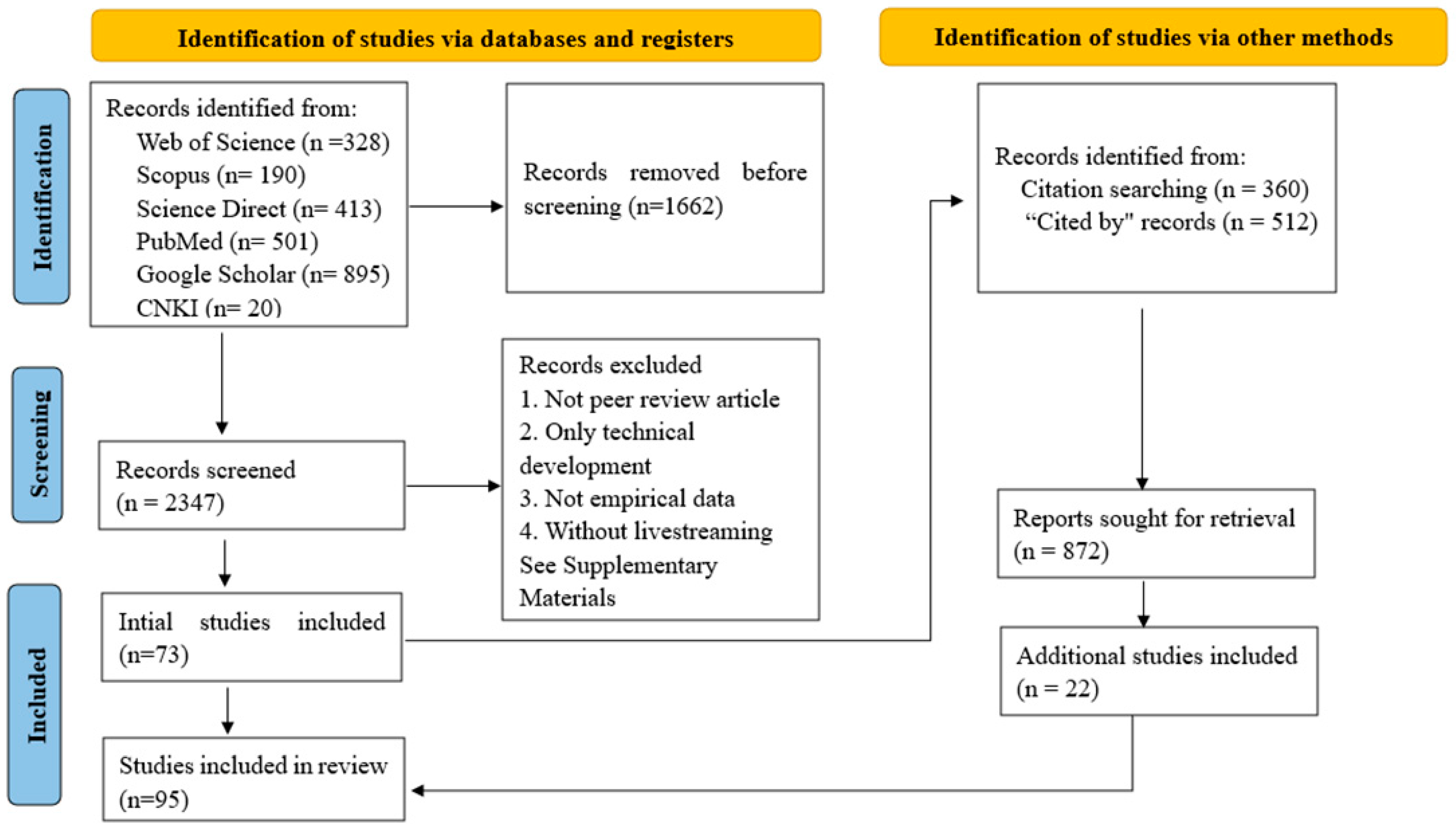
2.1. Literature Search and Study Selection
2.2. Eligibility and Filtering Criteria
3. Results
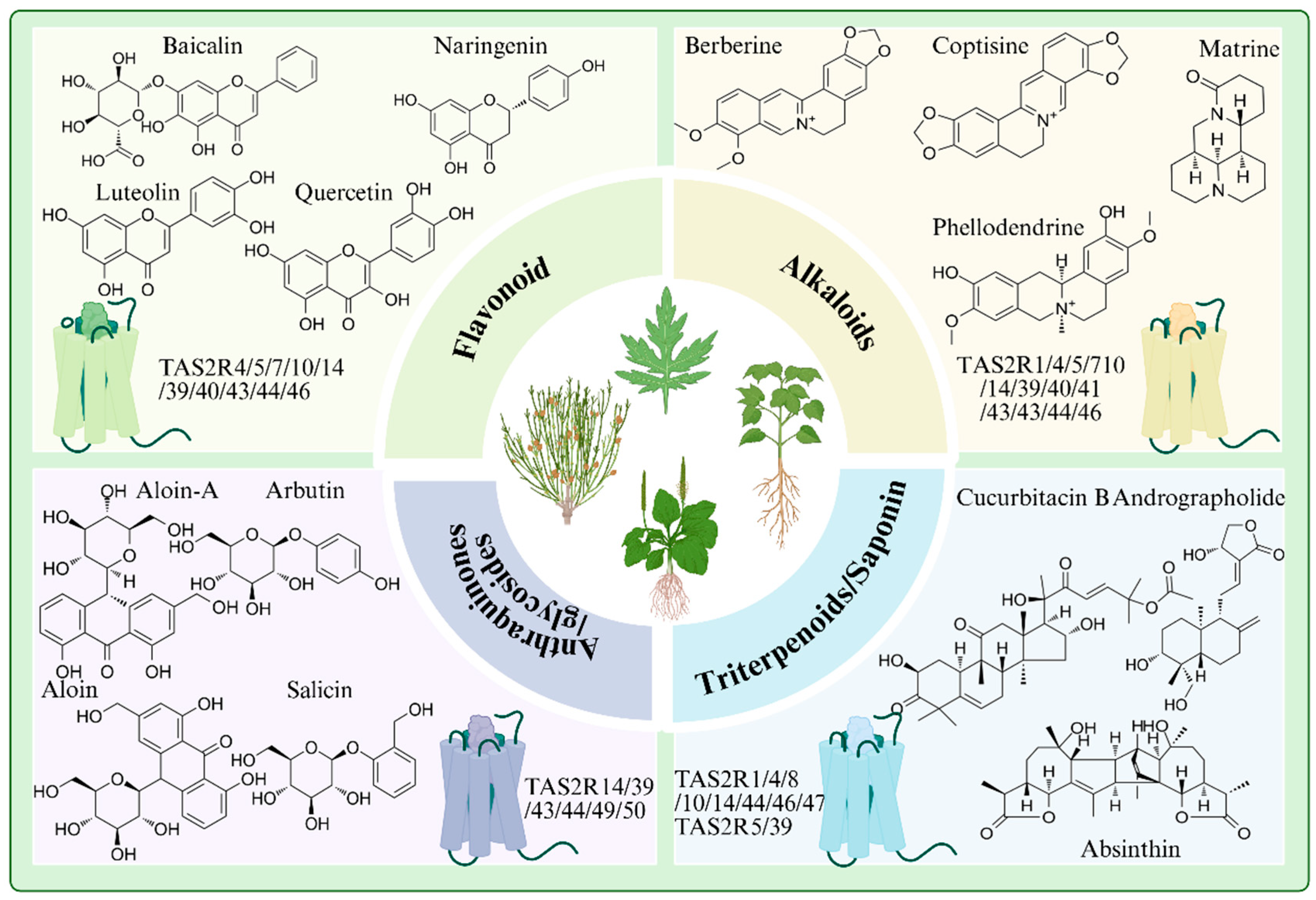
3.1. Natural Ligands of TAS2Rs Derived from BCHM
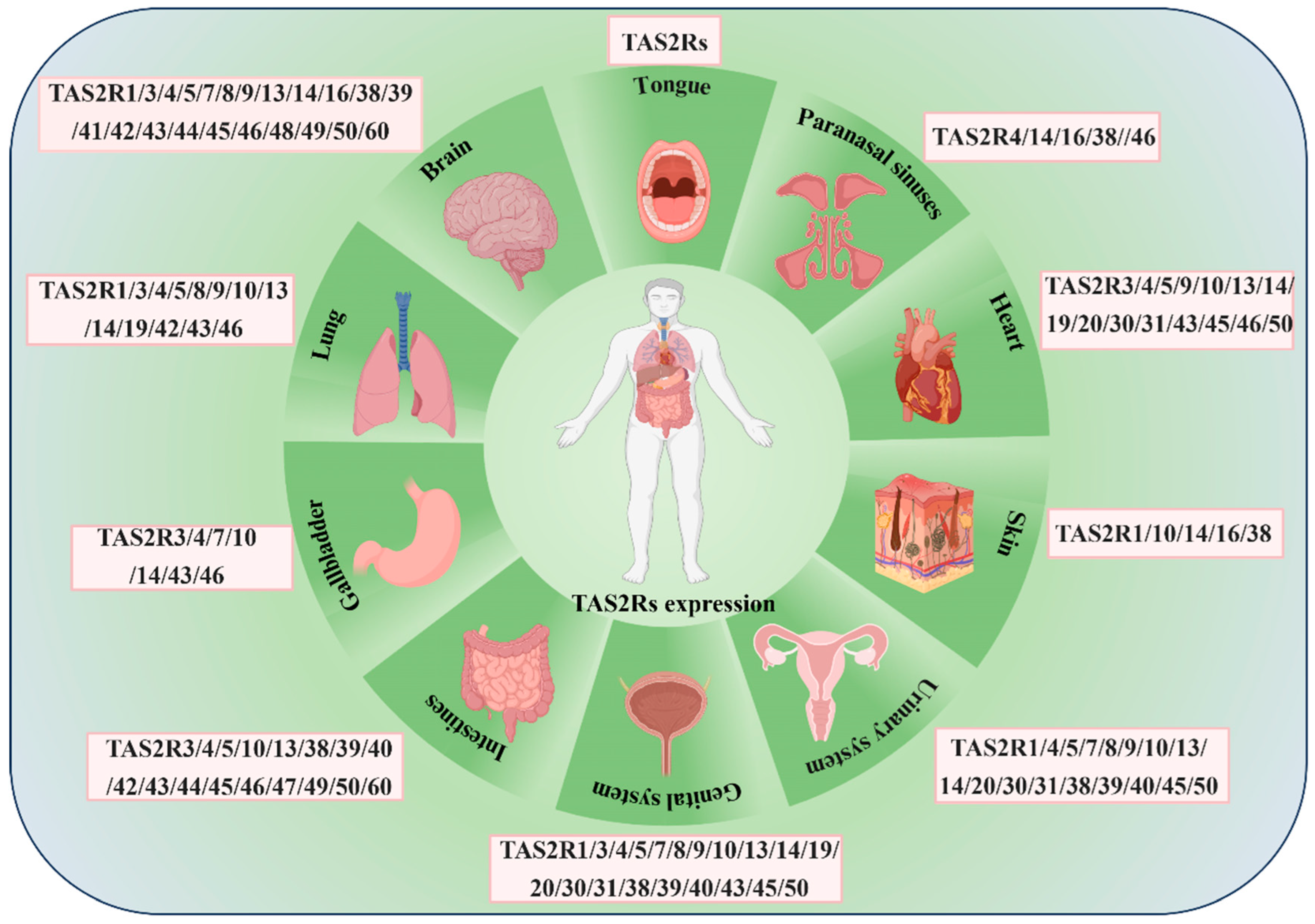
3.2. The Expression and Physiological Functions of TAS2Rs
3.2.1. Respiratory System
3.2.2. Digestive System
3.2.3. Cardiovascular System
3.2.4. Immune System
3.2.5. Urogenital System
3.2.6. Nervous System
3.3. The Structural Characteristics and Signaling Transduction Regulatory Mechanisms of TAS2Rs
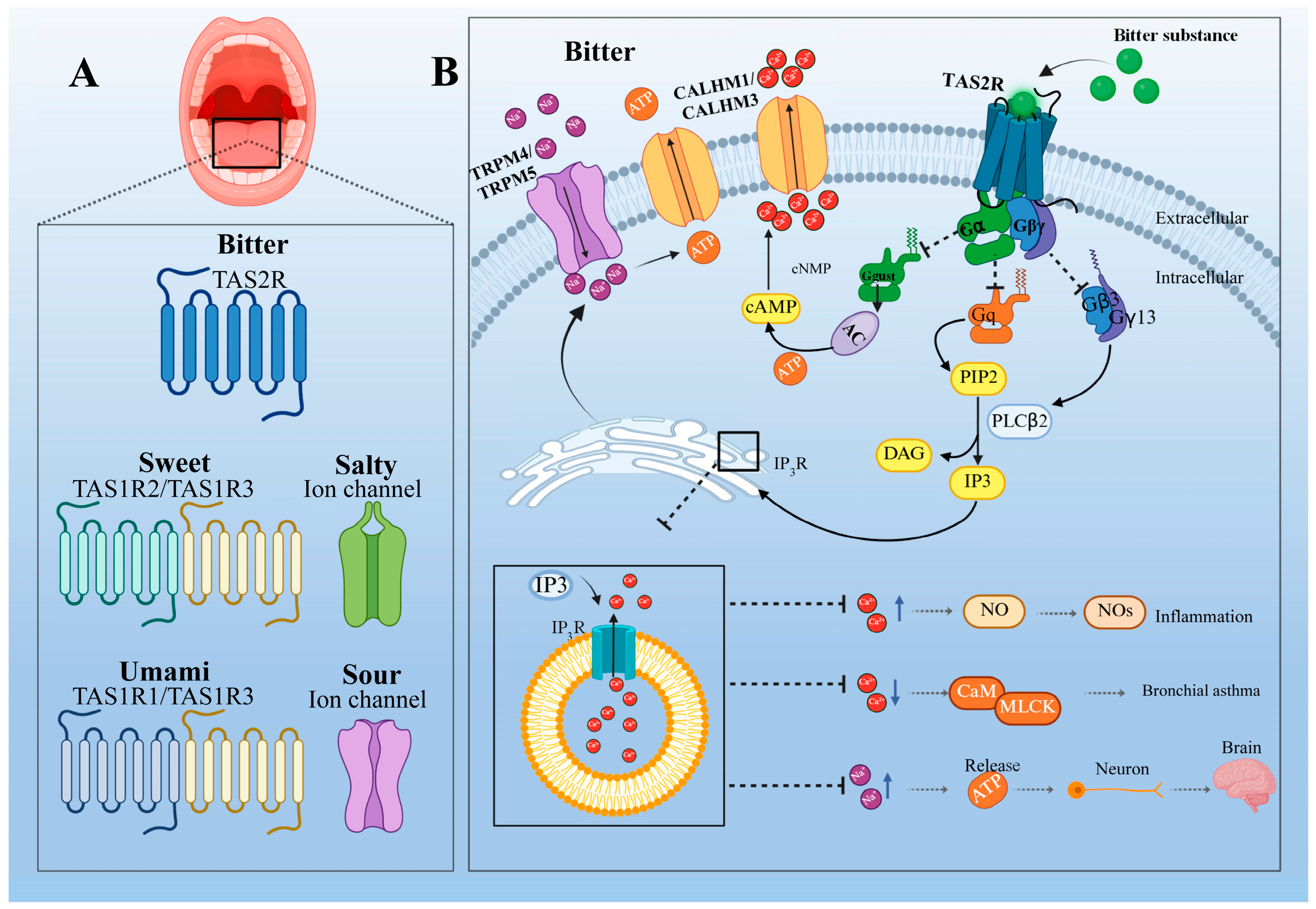
3.3.1. Signaling Transduction Regulatory Mechanism
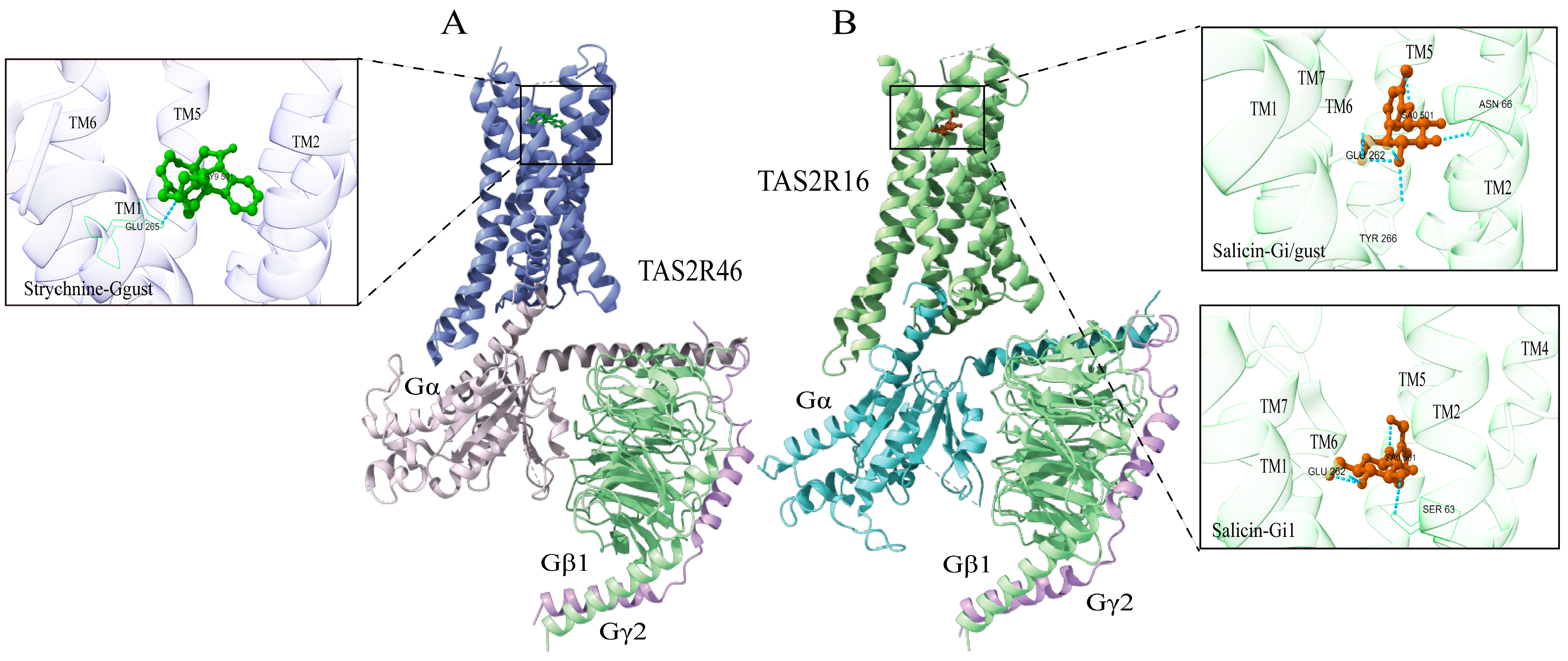
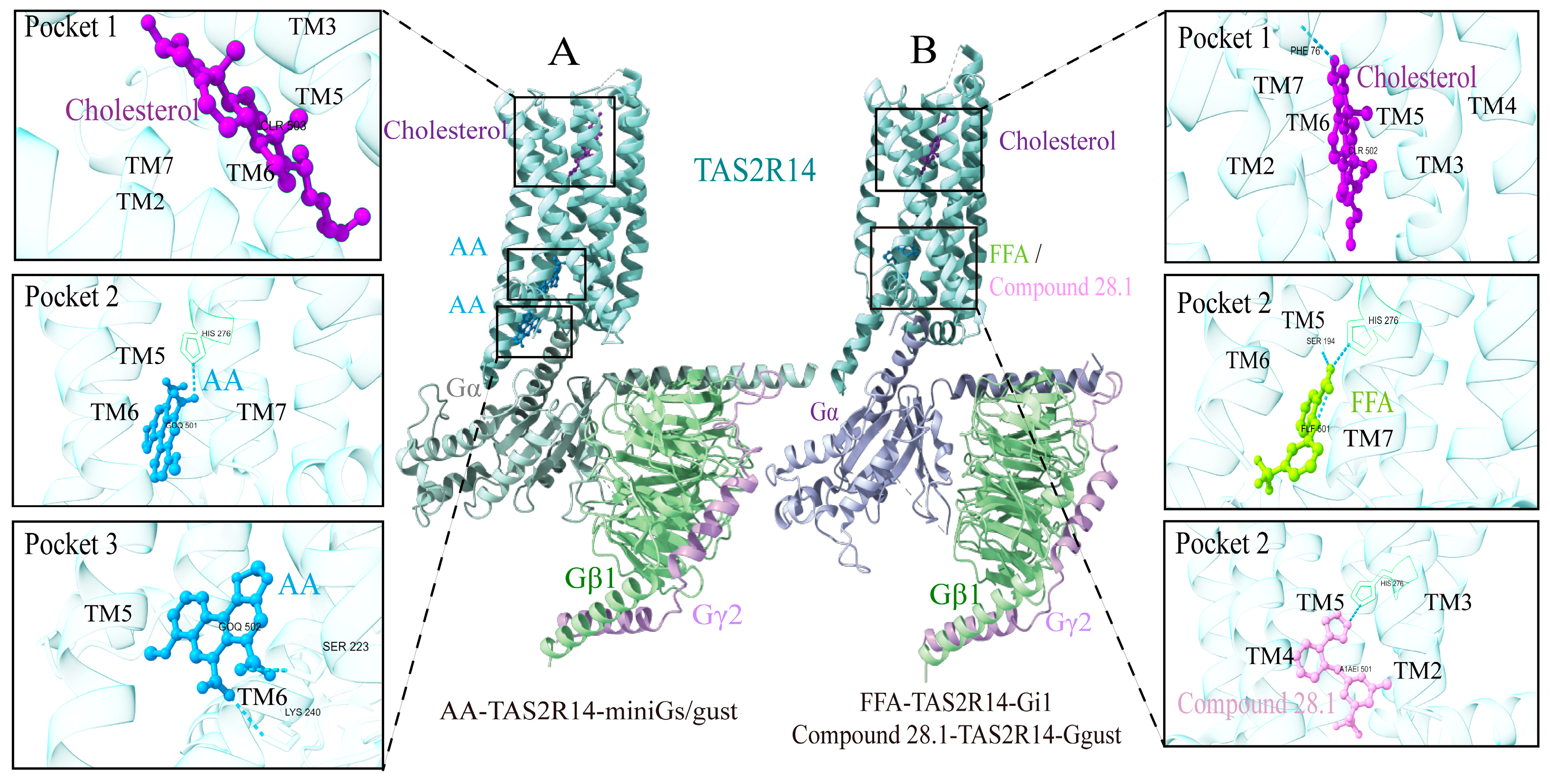
3.3.2. Structure Features and Ligand Binding Modes of TAS2Rs
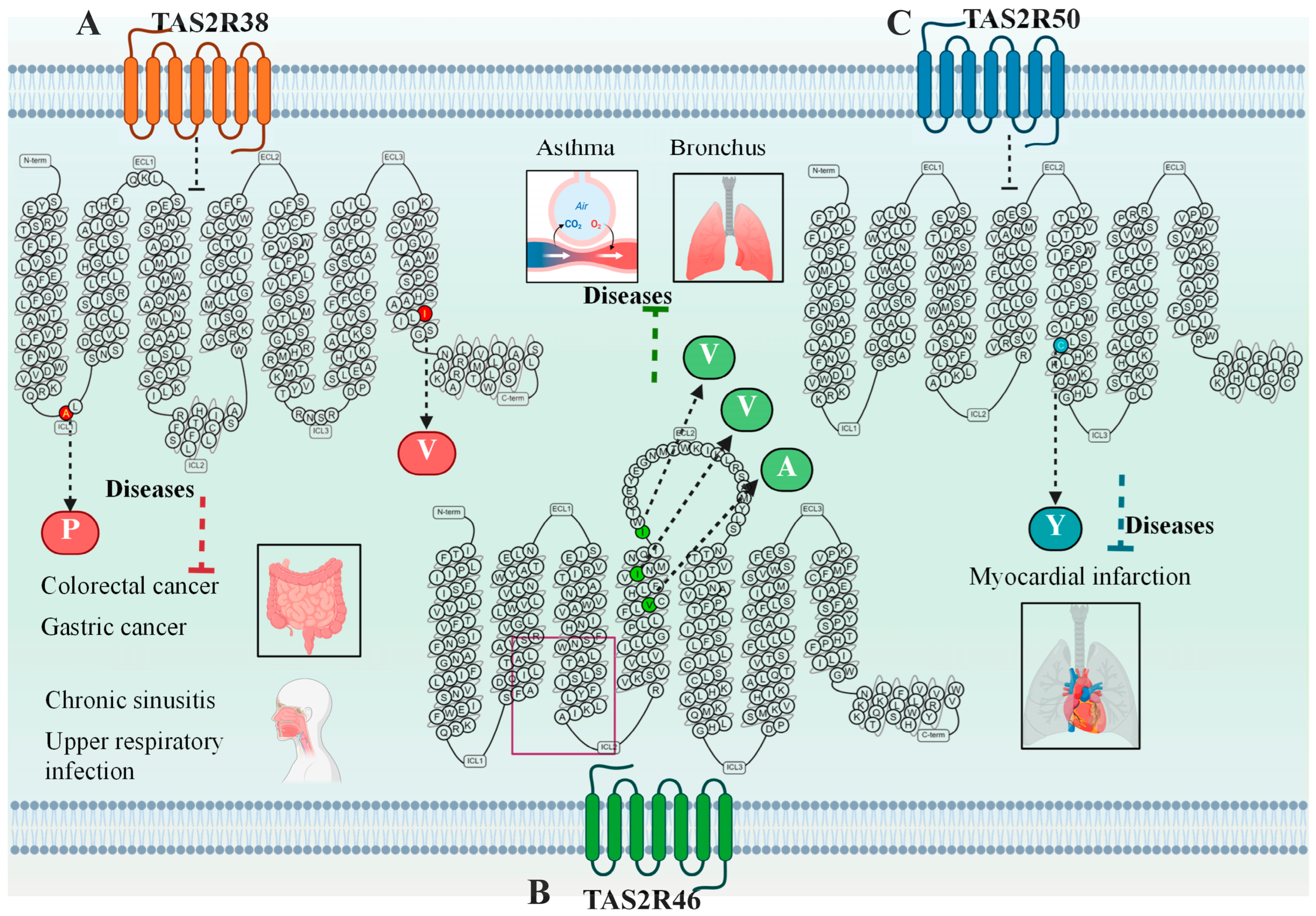
3.4. SNPs and Pathological Mechanisms of TAS2Rs
3.4.1. SNPs of TAS2R38
3.4.2. SNPs of TAS2R46
3.4.3. SNPs of TAS2R50
3.4.4. SNPs of Other TAS2Rs
4. Discussion
5. Conclusions
Supplementary Materials
Author Contributions
Funding
Institutional Review Board Statement
Informed Consent Statement
Data Availability Statement
Acknowledgments
Conflicts of Interest
Abbreviations
| TAS2Rs | Bitter taste receptors. |
| GPCRs | G protein-coupled receptors |
| BCHM | Bitter Chinese herbal medicine |
| TCMs | traditional Chinese medicines |
| AC | adenylate cyclase |
| PTC | phenylthiocarbamide |
| GLP-1 | Glucagon-Like Peptide-1 |
| cAMP | cyclic adenosine monophosphate |
| cNMP | nucleotide-inhibitory channels |
| PIP2 | phosphatidylinositol 4,5-bisphosphate |
| IP3 | inositol trisphosphate |
| DAG | diacylglycerol |
| IP3RIII | type III IP3 receptors |
| SNPs | Single nucleotide polymorphisms |
| GDM | Gestational Diabetes Mellitus |
| cryo-EM | cryo-electron microscopy |
| CRC | colorectal cancer |
| GC | gastric cancer |
References
- Wang, H.; Wei, W.F.; Liu, J.; Zhang, S.; Zhao, Y.L.; Yu, Z.G. The characterization of traditional Chinese medicine natures and flavors using network pharmacology integrated strategy. J. Tradit. Complement. Med. 2024, 14, 343–349. [Google Scholar] [CrossRef] [Scilit]
- Ahmad, R.; Dalziel, J.E. G protein-coupled receptors in taste physiology and pharmacology. Front. Pharmacol. 2020, 11, 587664. [Google Scholar] [CrossRef] [Scilit] [PubMed]
- Talmon, M.; Pollastro, F.; Fresu, L.G. The Complex Journey of the Calcium Regulation Downstream of TAS2R Activation. Cells 2022, 11, 3638. [Google Scholar] [CrossRef] [Scilit] [PubMed]
- Lu, P.; Moore Simas, T.A.; Delpapa, E.; ZhuGe, R.H. Bitter taste receptors in the reproductive system: Function and therapeutic implications. J. Cell. Physiol. 2024, 239, e31179. [Google Scholar] [CrossRef] [Scilit]
- Liszt, K.I.; Wang, Q.L.; Farhadipour, M.; Segers, A.; Thijs, T.; Nys, L.; Deleus, E.; Van der Schueren, B.; Gerner, C.; Neuditschko, B.; et al. Human intestinal bitter taste receptors regulate innate immune responses and metabolic regulators in obesity. J. Clin. Investig. 2022, 132, e144828. [Google Scholar] [CrossRef] [Scilit] [PubMed]
- Kim, D.; An, S.S.; Lam, H.; Leahy, J.W.; Liggett, S.B. Identification and Characterization of Novel Bronchodilator Agonists Acting at Human Airway Smooth Muscle Cell TAS2R5. ACS Pharmacol. Transl. Sci. 2020, 3, 1069–1075. [Google Scholar] [CrossRef] [Scilit]
- Sun, S.Y.; Yang, Y.X.; Xiong, R.Y.; Ni, Y.Y.; Ma, X.J.; Hou, M.; Chen, L.; Xu, Z.P.; Chen, L.; Ji, M.J. Oral berberine ameliorates high-fat diet-induced obesity by activating TAS2Rs in tuft and endocrine cells in the gut. Life Sci. 2022, 311, 121141. [Google Scholar] [CrossRef] [Scilit] [PubMed]
- Kiriyama, Y.; Tokumaru, H.; Sadamoto, H.; Nochi, H. Biological Actions of Bile Acids via Cell Surface Receptors. Int. J. Mol. Sci. 2025, 26, 5004. [Google Scholar] [CrossRef] [Scilit] [PubMed]
- Huang, T.T.; Gu, P.P.; Zheng, T.; Gou, L.S.; Liu, Y.W. Piperine, as a TAS2R14 agonist, stimulates the secretion of glucagon-like peptide-1 in the human enteroendocrine cell line Caco-2. Food. Funct. 2022, 13, 242–254. [Google Scholar] [CrossRef] [Scilit] [PubMed]
- Liszt, K.I.; Ley, J.P.; Lieder, B.; Behrens, M.; Stöger, V.; Reiner, A.; Hochkogler, C.M.; Köck, E.; Marchiori, A.; Hans, J.; et al. Caffeine induces gastric acid secretion via bitter taste signaling in gastric parietal cells. Proc. Natl. Acad. Sci. USA 2017, 114, E6260–E6269. [Google Scholar] [CrossRef] [Scilit] [PubMed]
- Wang, Q.; Farhadipour, M.; Thijs, T.; Ruilova Sosoranga, E.; Van der Schueren, B.; Ceulemans, L.J.; Deleus, E.; Lannoo, M.; Tack, J.; Depoortere, I. Bitter-tasting drugs tune GDF15 and GLP-1 expression via bitter taste or motilin receptors in the intestine of patients with obesity. Mol. Metab. 2024, 88, 102002. [Google Scholar] [CrossRef] [Scilit]
- Meyerhof, W.; Batram, C.; Kuhn, C.; Brockhoff, A.; Chudoba, E.; Bufe, B.; Appendino, G.; Behrens, M. The molecular receptive ranges of human TAS2R bitter taste receptors. Chem. Senses 2010, 35, 157–170. [Google Scholar] [CrossRef] [Scilit]
- Behrens, M.; Gu, M.; Fan, S.J.; Huang, C.; Meyerhof, W. Bitter substances from plants used in traditional Chinese medicine exert biased activation of human bitter taste receptors. Chem. Biol. Drug Des. 2018, 91, 422–433. [Google Scholar] [CrossRef] [Scilit] [PubMed]
- Zeng, B.; Wei, A.L.; Zhou, Q.; Yuan, M.H.; Lei, K.L.; Liu, Y.S.; Song, J.W.; Guo, L.; Ye, Q. Andrographolide: A review of its pharmacology, pharmacokinetics, toxicity and clinical trials and pharmaceutical researches. Phytother. Res. 2022, 36, 336–364. [Google Scholar] [CrossRef] [Scilit] [PubMed]
- Song, D.Y.; Hao, J.Y.; Fan, D.M. Biological properties and clinical applications of berberine. Front. Med. 2020, 14, 564–582. [Google Scholar] [CrossRef] [Scilit]
- Wen, Y.Q.; Wang, Y.Z.; Zhao, C.X.; Zhao, B.Y.; Wang, J.G. Baicalin: An active natural product with potential medicinal values. J. Asian Nat. Prod. Res. 2025, 27, 1087–1111. [Google Scholar] [CrossRef] [Scilit]
- Hu, X.L.; Ao, W.Z.; Gao, M.X.; Wu, L.J.; Pei, Y.; Liu, S.H.; Wu, Y.R.; Zhao, F.; Sun, Q.Q.; Liu, J.L.; et al. Bitter taste TAS2R14 activation by intracellular tastants and cholesterol. Nature 2024, 631, 459–466. [Google Scholar] [CrossRef] [Scilit]
- Xu, W.X..; Wu, L.J.; Liu, S.H.; Liu, X.; Cao, X.L.; Zhou, C.; Zhang, J.Y.; Fu, Y.; Guo, Y.; Wu, Y.R.; et al. Structural basis for strychnine activation of human bitter taste receptor TAS2R46. Science 2022, 377, 1298–1304, Erratum in Science 2022, 388, eadx9419. [Google Scholar] [CrossRef] [Scilit] [PubMed]
- Kim, Y.; Gumpper, R.H.; Liu, Y.F.; Kocak, D.D.; Xiong, Y.; Cao, C.; Deng, Z.J.; Krumm, B.E.; Jain, M.K.; Zhang, S.C.; et al. Bitter taste receptor activation by cholesterol and an intracellular tastant. Nature 2024, 628, 664–671, Correction in Nature 2024, 630, 8016. [Google Scholar] [CrossRef] [Scilit]
- Wang, X.; Zhou, C.; Ao, W.Z.; Wu, L.J.; Wu, Y.R.; Xu, W.X.; Liu, S.H.; Tan, Q.W.; Wang, L.; Zhao, F.; et al. Structural basis of β-glucopyranoside salicin recognition by a human bitter taste GPCR. Cell Rep. 2025, 44, 115604. [Google Scholar] [CrossRef] [Scilit]
- Page, M.J.; McKenzie, J.E.; Bossuyt, P.M.; Boutron, I.; Hoffmann, T.C.; Mulrow, C.D.; Shamseer, L.; Tetzlaff, J.M.; Akl, E.A.; Brennan, S.E.; et al. The PRISMA 2020 statement: An updated guideline for reporting systematic reviews. BMJ 2021, 372, n71. [Google Scholar] [CrossRef] [Scilit] [PubMed]
- Zhang, Y.X..; Wang, X.; Wang, S.F.; Zhang, Y.L.; Qiao, Y.J. Traditional Chinese Bitter Flavor theory: Is there any relation with taste type II receptors? Eur. J. Integr. Med. 2016, 8, 980–990. [Google Scholar] [CrossRef] [Scilit]
- Tong, A.Y.; Yang, H.Y.; Yu, X.H.; Wang, D.K.; Guan, J.; Zhao, M.; Li, J. Mechanisms and novel therapeutic roles of bitter taste receptors in diseases. Theranostics 2025, 15, 3961–3978. [Google Scholar] [CrossRef] [Scilit] [PubMed]
- Fan, K.Q.; Zhang, L.M.; Song, F.Y.; Zhang, Y.H.; Chen, T.; Cheng, X.; Su, N.; Zou, Y.; Yu, T.; Tan, F.T.; et al. Pharmacological properties and therapeutic potential of berberine: A comprehensive review. Front. Pharmacol. 2025, 16, 1604071. [Google Scholar] [CrossRef] [Scilit] [PubMed]
- Ren, L.; Ruan, X.Q.; Dong, H.L.; Cheng, Y.Y.; Shon, K.Y.; Chang, C.; Gu, R.J.; Sun, Z.G. The bitter flavor of Banxia Xiexin decoction activates TAS2R38 to ameliorate low-grade inflammation in the duodenum of mice with functional dyspepsia. J. Ethnopharmacol. 2025, 341, 119309. [Google Scholar] [CrossRef] [Scilit]
- Jiao, S.W.; Yi, H.L. OVA Inhalation and Baicalin Intervention: Unraveling Their Impact on Hepatic Function and the Involvement of Bitter Taste Signaling. J. Agric. Food Chem. 2026, 74, 1388–1399. [Google Scholar] [CrossRef] [Scilit]
- Cui, G.L.; Wang, M.L.; Li, X.F.; Wang, C.; Shon, K.Y.; Liu, Z.T.; Ren, L.; Yang, X.X.; Li, X.M.; Wu, Y.Y.; et al. Berberine in combination with evodiamine ameliorates gastroesophageal reflux disease through TAS2R38/TRPV1-mediated regulation of MAPK/NF-κB signaling pathways and macrophage polarization. Phytomedicine 2024, 135, 156251. [Google Scholar] [CrossRef] [Scilit]
- Gervis, J.E.; Westerman, K.E.; Cole, J.B.; Merino, J.; Cromer, S.J.; Udler, M.S. Functional variants in the TAS2R38 bitter taste receptor associate with postprandial glycemia. medRxiv 2025. [Google Scholar] [CrossRef] [Scilit] [PubMed]
- Meng, X.H.; Xi, Z.C.; Chen, X.W.; Green, D.; Zhou, Y.H.; Xian, Y.; Zhang, H.M. Limonin: Advances in extraction, synthesis, pharmacological mechanisms, and structural optimization for therapeutic potential. Fitoterapia 2025, 186, 106861. [Google Scholar] [CrossRef] [Scilit] [PubMed]
- De La Peña, R.; Hodgson, H.; Liu, J.C.; Stephenson, M.J.; Martin, A.C.; Owen, C.; Harkess, A.; Leebens-Mack, J.; Jimenez, L.E.; Osbourn, A.; et al. Complex scaffold remodeling in plant triterpene biosynthesis. Science 2023, 379, 361–368. [Google Scholar] [CrossRef] [Scilit]
- Hu, Y.X.; Cai, W.; Zhang, H.H.; Yu, C.H.; Yu, W.Y.; Jin, X.Y.; Ying, H.Z. Establishment and application of a model for screening natural active components with anti-asthma effects based on lung bitter taste receptors. Chin. Herb. Med. 2016, 47, 775–780. [Google Scholar]
- Tiroch, J.; Sterneder, S.; Di Pizio, A.; Lieder, B.; Hoelz, K.; Holik, A.K.; Pignitter, M.; Behrens, M.; Somoza, M.; Ley, J.P.; et al. Bitter Sensing TAS2R50 Mediates the trans-Resveratrol-Induced Anti-inflammatory Effect on Interleukin 6 Release in HGF-1 Cells in Culture. J. Agric. Food Chem. 2021, 69, 13339–13349. [Google Scholar] [CrossRef] [Scilit] [PubMed]
- Behrens, M.; Meyerhof, W. Gustatory and extragustatory functions of mammalian taste receptors. Physiol. Behav. 2011, 105, 4–13. [Google Scholar] [CrossRef] [Scilit]
- Sharma, P.; Conaway, S., Jr.; Deshpande, D. Bitter Taste Receptors in the Airway Cells Functions. Handb. Exp. Pharmacol. 2022, 275, 203–227. [Google Scholar]
- Carey, R.M.; Palmer, J.N.; Adappa, N.D.; Lee, R.J. Loss of CFTR function is associated with reduced bitter taste receptor-stimulated nitric oxide innate immune responses in nasal epithelial cells and macrophages. Front. Immunol. 2023, 14, 1096242. [Google Scholar] [CrossRef] [Scilit]
- Stoeger, V.; Holik, A.K.; Hölz, K.; Dingjan, T.; Hans, J.; Ley, J.P.; Krammer, G.E.; Niv, M.Y.; Somoza, M.M.; Somoza, V. Bitter-Tasting Amino Acids l-Arginine and l-Isoleucine Differentially Regulate Proton Secretion via T2R1 Signaling in Human Parietal Cells in Culture. J. Agric. Food Chem. 2020, 68, 3434–3444. [Google Scholar] [CrossRef] [Scilit]
- Trius-Soler, M.; Moreno, J.J. Bitter taste receptors: Key target to understand the effects of polyphenols on glucose and body weight homeostasis. Pathophysiological and pharmacological implications. Biochem. Pharmacol. 2024, 228, 116192. [Google Scholar] [CrossRef] [Scilit]
- Bloxham, C.J.; Foster, S.R.; Thomas, W.G. A Bitter Taste in Your Heart. Front. Physiol. 2020, 11, 431. [Google Scholar] [CrossRef] [Scilit] [PubMed]
- Foster, S.R.; Porrello, E.R.; Purdue, B.; Chan, H.W.; Voigt, A.; Frenzel, S.; Hannan, R.D.; Moritz, K.M.; Simmons, D.G.; Molenaar, P.; et al. Expression, regulation and putative nutrient-sensing function of taste GPCRs in the heart. PLoS ONE 2013, 8, e64579. [Google Scholar] [CrossRef] [Scilit]
- Lund, T.C.; Kobs, A.J.; Kramer, A.; Nyquist, M.; Kuroki, M.T.; Osborn, J.; Lidke, D.S.; Low-Nam, S.T.; Blazar, B.R.; Tolar, J. Bone marrow stromal and vascular smooth muscle cells have chemosensory capacity via bitter taste receptor expression. PLoS ONE 2013, 8, e58945. [Google Scholar] [CrossRef] [Scilit] [PubMed]
- Pensato, V.; Laginestra, M.A.; Falvo, P.; Orecchioni, S.; Talarico, G.; De Marchi, E.; Bruno, S.; Mongiorgi, S.; Mitola, G.; Bertolini, F.; et al. Bitter Taste Receptor Agonist Denatonium Inhibits Stemness Characteristics in Hematopoietic Stem/Progenitor Cells. Stem Cells 2024, 42, 42–54. [Google Scholar] [CrossRef] [Scilit] [PubMed]
- Rudolph, E.; Dychtenberg, H.; Pozniak, A.; Pundir, P. Bitter Taste Receptors in Bacterial Infections and Innate Immunity. Immun. Inflamm. Dis. 2025, 13, e70232. [Google Scholar] [CrossRef] [Scilit] [PubMed]
- Welcome, M.O. The bitterness of genitourinary infections: Properties, ligands of genitourinary bitter taste receptors and mechanisms linking taste sensing to inflammatory processes in the genitourinary tract. Eur. J. Obstet. Gynecol. Reprod. Biol. 2020, 247, 101–110. [Google Scholar] [CrossRef] [Scilit] [PubMed]
- Grădinaru, T.C.; Vlad, A.; Gilca, M. Bitter phytochemicals as novel candidates for skin disease treatment. Curr. Issues Mol. Biol. 2023, 46, 299–326. [Google Scholar] [CrossRef] [Scilit]
- Welcome, M.O.; Mastorakis, N.E. The taste of neuroinflammation: Molecular mechanisms linking taste sensing to neuroinflammatory responses. Pharmacol. Res. 2021, 167, 105557. [Google Scholar] [CrossRef] [Scilit] [PubMed]
- Chen, J.; Larson, E.D.; Anderson, C.B.; Agarwal, P.; Frank, D.N.; Kinnamon, S.C.; Ramakrishnan, V.R. Expression of Bitter Taste Receptors and Solitary Chemosensory Cell Markers in the Human Sinonasal Cavity. Chem. Senses 2019, 44, 483–495. [Google Scholar] [CrossRef] [Scilit] [PubMed]
- Carey, R.M.; Hariri, B.M.; Adappa, N.D.; Palmer, J.N.; Lee, R.J. HSP90 Modulates T2R Bitter Taste Receptor Nitric Oxide Production and Innate Immune Responses in Human Airway Epithelial Cells and Macrophages. Cells 2022, 11, 1478. [Google Scholar] [CrossRef] [Scilit]
- Yan, C.H.; Hahn, S.; McMahon, D.; Bonislawski, D.; Kennedy, D.W.; Adappa, N.D.; Palmer, J.N.; Jiang, P.; Lee, R.J.; Cohen, N.A. Nitric oxide production is stimulated by bitter taste receptors ubiquitously expressed in the sinonasal cavity. Am. J. Rhinol. Allergy 2017, 31, 85–92. [Google Scholar] [CrossRef] [Scilit]
- Jalševac, F.; Descamps-Solà, M.; Grau-Bové, C.; Segú, H.; Auguet, T.; Avilés-Jurado, F.X.; Balaguer, F.; Jorba, R.; Beltrán-Debón, R.; Blay, M.T.; et al. Profiling bitter taste receptors (TAS2R) along the gastrointestinal tract and their influence on enterohormone secretion. Gender- and age-related effects in the colon. Front. Endocrinol. 2024, 15, 1436580. [Google Scholar] [CrossRef] [Scilit] [PubMed]
- Camillo, L.; Pollastro, F.; Talmon, M.; Fresu, L.G. Bitter Taste Receptors 38 and 46 Regulate Intestinal Peristalsis. Int. J. Mol. Sci. 2025, 26, 2092. [Google Scholar] [CrossRef] [Scilit]
- Sternini, C.; Rozengurt, E. Bitter taste receptors as sensors of gut luminal contents. Nat. Rev. Gastroenterol. Hepatol. 2025, 22, 39–53. [Google Scholar] [CrossRef] [Scilit]
- Luo, X.C.; Chen, Z.H.; Xue, J.B.; Zhao, D.X.; Lu, C.; Li, Y.H.; Li, S.M.; Du, Y.W.; Liu, Q.; Wang, P.; et al. Infection by the parasitic helminth Trichinella spiralis activates a Tas2r-mediated signaling pathway in intestinal tuft cells. Proc. Natl. Acad. Sci. USA 2019, 116, 5564–5569. [Google Scholar] [CrossRef] [Scilit]
- Wei, X.Y.; Lyu, F.F.; Jia, F.Y.; Zhang, L.H.; Zhang, M.; Xu, Q.; Hua, S.Y. Bitter taste receptors in the gut-vascular axis: A novel target for immune and metabolic regulation of hypertension. Front. Immunol. 2025, 16, 1714761. [Google Scholar] [CrossRef] [Scilit]
- Bloxham, C.J.; Hulme, K.D.; Fierro, F.; Fercher, C.; Pegg, C.L.; O’Brien, S.L.; Foster, S.R.; Short, K.R.; Furness, S.G.B.; Reichelt, M.E.; et al. Cardiac human bitter taste receptors contain naturally occurring variants that alter function. Biochem. Pharmacol. 2024, 219, 115932. [Google Scholar] [CrossRef] [Scilit] [PubMed]
- Tsai, C.C.; Li, Y.C.; Chang, L.C.; Huang, S.C. Bitter taste receptor agonists induce vasorelaxation in porcine coronary arteries. Front. Pharmacol. 2025, 16, 1578913. [Google Scholar] [CrossRef] [Scilit]
- Malki, A.; Fiedler, J.; Fricke, K.; Ballweg, I.; Pfaffl, M.W.; Krautwurst, D. Class I odorant receptors, TAS1R and TAS2R taste receptors, are markers for subpopulations of circulating leukocytes. J. Leukoc. Biol. 2015, 97, 533–545. [Google Scholar] [CrossRef] [Scilit] [PubMed]
- Maurer, S.; Wabnitz, G.H.; Kahle, N.A.; Stegmaier, S.; Prior, B.; Giese, T.; Gaida, M.M.; Samstag, Y.; Hänsch, G.M. Tasting Pseudomonas aeruginosa Biofilms: Human Neutrophils Express the Bitter Receptor T2R38 as Sensor for the Quorum Sensing Molecule N-(3-Oxododecanoyl)-l-Homoserine Lactone. Front. Immunol. 2015, 6, 369. [Google Scholar] [CrossRef] [Scilit] [PubMed]
- Tran, H.T.T.; Herz, C.; Ruf, P.; Stetter, R.; Lamy, E. Human T2R38 bitter taste receptor expression in resting and activated lymphocytes. Front. Immunol. 2018, 9, 2949. [Google Scholar] [CrossRef] [Scilit] [PubMed]
- Grassin-Delyle, S.; Salvator, H.; Mantov, N.; Abrial, C.; Brollo, M.; Faisy, C.; Naline, E.; Couderc, L.J.; Devillier, P. Bitter taste receptors (TAS2Rs) in human lung macrophages: Receptor expression and inhibitory effects of TAS2R agonists. Front. Physiol. 2019, 10, 1267. [Google Scholar] [CrossRef] [Scilit] [PubMed]
- Talmon, M.; Camillo, L.; Vietti, I.; Pollastro, F.; Fresu, L.G. Bitter taste receptor 46 (hTAS2R46) protects monocytes/macrophages from oxidative stress. Int. J. Mol. Sci. 2024, 25, 7325. [Google Scholar] [CrossRef] [Scilit]
- Deckmann, K.; Filipski, K.; Krasteva-Christ, G.; Fronius, M.; Althaus, M.; Rafiq, A.; Papadakis, T.; Renno, L.; Jurastow, I.; Wessels, L.; et al. Bitter triggers acetylcholine release from polymodal urethral chemosensory cells and bladder reflexes. Proc. Natl. Acad. Sci. USA 2014, 111, 8287–8292. [Google Scholar] [CrossRef] [Scilit] [PubMed]
- Zhai, K.; Yang, Z.; Zhu, X.F.; Nyirimigabo, E.; Mi, Y.; Wang, Y.; Liu, Q.H.; Man, L.B.; Wu, S.L.; Jin, J.; et al. Activation of bitter taste receptors (tas2rs) relaxes detrusor smooth muscle and suppresses overactive bladder symptoms. Oncotarget 2016, 7, 21156–21167. [Google Scholar] [CrossRef] [Scilit]
- Governini, L.; Semplici, B.; Pavone, V.; Crifasi, L.; Marrocco, C.; De Leo, V.; Arlt, E.; Gudermann, T.; Boekhoff, I.; Luddi, A.; et al. Expression of taste receptor 2 subtypes in human testis and sperm. J. Clin. Med. 2020, 9, 264. [Google Scholar] [CrossRef] [Scilit]
- Semplici, B.; Luongo, F.P.; Passaponti, S.; Landi, C.; Governini, L.; Morgante, G.; De Leo, V.; Piomboni, P.; Luddi, A. Bitter taste receptors expression in human granulosa and cumulus cells: New perspectives in female fertility. Cells 2021, 10, 3127. [Google Scholar] [CrossRef] [Scilit] [PubMed]
- Luongo, F.P.; Passaponti, S.; Haxhiu, A.; Raeispour, M.; Belmonte, G.; Governini, L.; Casarini, L.; Piomboni, P.; Luddi, A. Bitter Taste Receptors and Endocrine Disruptors: Cellular and Molecular Insights from an In Vitro Model of Human Granulosa Cells. Int. J. Mol. Sci. 2022, 23, 15540. [Google Scholar] [CrossRef] [Scilit] [PubMed]
- Singh, N.; Vrontakis, M.; Parkinson, F.; Chelikani, P. Functional bitter taste receptors are expressed in brain cells. Biochem. Biophys. Res. Commun. 2011, 406, 146–151. [Google Scholar] [CrossRef] [Scilit]
- Duarte, A.C.; Santos, J.; Costa, A.R.; Ferreira, C.L.; Tomás, J.; Quintela, T.; Ishikawa, H.; Schwerk, C.; Schroten, H.; Ferrer, I.; et al. Bitter taste receptors profiling in the human blood-cerebrospinal fluid-barrier. Biochem. Pharmacol. 2020, 177, 113954. [Google Scholar] [CrossRef] [Scilit] [PubMed]
- Roper, S.D. Signal transduction and information processing in mammalian taste buds. Pflugers Arch. 2007, 454, 759–776. [Google Scholar] [CrossRef] [Scilit]
- Kolesnikov, S.S.; Margolskee, R.F. A cyclic-nucleotide-suppressible conductance activated by transducin in taste cells. Nature 1995, 376, 85–88. [Google Scholar] [CrossRef] [Scilit]
- Tuzim, K.; Korolczuk, A. An update on extra-oral bitter taste receptors. J. Transl. Med. 2021, 19, 440, Correction in J. Transl. Med. 2021, 19, 478. [Google Scholar] [CrossRef] [Scilit]
- Richter, P.; Andersen, G.; Kahlenberg, K.; Mueller, A.U.; Pirkwieser, P.; Boger, V.; Somoza, V. Sodium-Permeable Ion Channels TRPM4 and TRPM5 are Functional in Human Gastric Parietal Cells in Culture and Modulate the Cellular Response to Bitter-Tasting Food Constituents. J. Agric. Food Chem. 2024, 72, 4906–4917. [Google Scholar] [CrossRef] [Scilit] [PubMed]
- Cheng, W.; Yao, M.Y.; Liu, F.N. Bitter Taste Receptor as a Therapeutic Target in Orthopaedic Disorders. Drug Des. Devel. Ther. 2021, 15, 895–903. [Google Scholar] [CrossRef] [Scilit]
- Talmon, M.; Rossi, S.; Lim, D.; Pollastro, F.; Palattella, G.; Ruffinatti, F.A.; Marotta, P.; Boldorini, R.; Genazzani, A.A.; Fresu, L.G. Absinthin, an agonist of the bitter taste receptor hTAS2R46, uncovers an ER-to-mitochondria Ca(2+)-shuttling event. J. Biol. Chem. 2019, 294, 12472–12482. [Google Scholar] [CrossRef] [Scilit]
- Talmon, M.; Massara, E.; Quaregna, M.; De Battisti, M.; Boccafoschi, F.; Lecchi, G.; Puppo, F.; Bettega Cajandab, M.A.; Salamone, S.; Bovio, E.; et al. Bitter taste receptor (TAS2R) 46 in human skeletal muscle: Expression and activity. Front. Pharmacol. 2023, 14, 1205651. [Google Scholar] [CrossRef] [Scilit]
- Cheng, L.; Xia, F.; Li, Z.Y.; Shen, C.L.; Yang, Z.Q.; Hou, H.L.; Sun, S.Y.; Feng, Y.Y.; Yong, X.H.; Tian, X.W.; et al. Structure, function and drug discovery of GPCR signaling. Mol. Biomed. 2023, 4, 46. [Google Scholar] [CrossRef] [Scilit]
- Brockhoff, A.; Behrens, M.; Massarotti, A.; Appendino, G.; Meyerhof, W. Broad tuning of the human bitter taste receptor hTAS2R46 to various sesquiterpene lactones, clerodane and labdane diterpenoids, strychnine, and denatonium. J. Agric. Food Chem. 2007, 55, 6236–6243. [Google Scholar] [CrossRef] [Scilit]
- Cannariato, M.; Fanunza, R.; Zizzi, E.A.; Miceli, M.; Di Benedetto, G.; Deriu, M.A.; Pallante, L. Exploring TAS2R46 biomechanics through molecular dynamics and network analysis. Front. Mol. Biosci. 2024, 11, 1473675. [Google Scholar] [CrossRef] [Scilit]
- Bartáková, V.; Kuricová, K.; Zlámal, F.; Bělobrádková, J.; Kaňková, K. Differences in food intake and genetic variability in taste receptors between Czech pregnant women with and without gestational diabetes mellitus. Eur. J. Nutr. 2018, 57, 513–521. [Google Scholar] [CrossRef] [Scilit]
- Carrai, M.; Steinke, V.; Vodicka, P.; Pardini, B.; Rahner, N.; Holinski-Feder, E.; Morak, M.; Schackert, H.K.; Görgens, H.; Stemmler, S.; et al. Association between TAS2R38 gene polymorphisms and colorectal cancer risk: A case-control study in two independent populations of Caucasian origin. PLoS ONE 2011, 6, e20464. [Google Scholar] [CrossRef] [Scilit]
- Yamaki, M.; Saito, H.; Isono, K.; Goto, T.; Shirakawa, H.; Shoji, N.; Satoh-Kuriwada, S.; Sasano, T.; Okada, R.; Kudoh, K.; et al. Genotyping analysis of bitter-taste receptor genes TAS2R38 and TAS2R46 in Japanese patients with gastrointestinal cancers. J Nutr. Sci. Vitaminol. 2017, 63, 148–154. [Google Scholar] [CrossRef] [Scilit] [PubMed]
- Choi, J.H.; Lee, J.; Choi, I.J.; Kim, Y.W.; Ryu, K.W.; Kim, J. Genetic Variation in the TAS2R38 Bitter Taste Receptor and Gastric Cancer Risk in Koreans. Sci. Rep. 2016, 6, 26904. [Google Scholar] [CrossRef] [Scilit] [PubMed]
- Cantone, E.; Negri, R.; Roscetto, E.; Grassia, R.; Catania, M.R.; Capasso, P.; Maffei, M.; Soriano, A.A.; Leone, C.A.; Iengo, M.; et al. In vivo biofilm formation, gram-negative infections and TAS2R38 polymorphisms in CRSw NP patients. Laryngoscope 2018, 128, E339–E345. [Google Scholar] [CrossRef] [Scilit]
- Lee, R.J.; Xiong, G.; Kofonow, J.M.; Chen, B.; Lysenko, A.; Jiang, P.; Abraham, V.; Doghramji, L.; Adappa, N.D.; Palmer, J.N.; et al. T2R38 taste receptor polymorphisms underlie susceptibility to upper respiratory infection. J. Clin. Invest. 2012, 122, 4145–4159. [Google Scholar] [CrossRef] [Scilit]
- Dżaman, K.; Zagor, M.; Stachowiak, M.; Bielińska, B.; Sarnowska, E.; Krzeski, A.; Kantor, I. The correlation of TAS2R38 gene variants with higher risk for chronic rhinosinusitis in Polish patients. Otolaryngol. Pol. 2016, 70, 13–18. [Google Scholar] [CrossRef] [Scilit]
- Parsa, S.; Mogharab, V.; Ebrahimi, M.; Ahmadi, S.R.; Shahi, B.; Mehramiz, N.J.; Foroughian, M.; Zarenezhad, M.; Kalani, N.; Abdi, M.H.; et al. COVID-19 as a worldwide selective event and bitter taste receptor polymorphisms: An ecological correlational study. Int. J. Biol. Macromol. 2021, 177, 204–210. [Google Scholar] [CrossRef] [Scilit]
- Choi, J.H.; Lee, J.; Oh, J.H.; Chang, H.J.; Sohn, D.K.; Shin, A.; Kim, J. Variations in the bitterness perception-related genes TAS2R38 and CA6 modify the risk for colorectal cancer in Koreans. Oncotarget 2017, 8, 21253–21265. [Google Scholar] [CrossRef] [Scilit]
- Lecchi, G.; Mocchetti, C.; Tunesi, D.; Berto, A.; Balasubramanian, H.B.; Biswas, S.; Bagchi, A.; Pollastro, F.; Fresu, L.G.; Talmon, M. Single-nucleotide polymorphisms of TAS2R46 affect the receptor downstream calcium regulation in histamine-challenged cells. Cells 2024, 13, 1204. [Google Scholar] [CrossRef] [Scilit]
- Talmon, M.; Bosso, L.; Quaregna, M.; Lopatriello, A.; Rossi, S.; Gavioli, D.; Marotta, P.; Caprioglio, D.; Boldorini, R.; Miggiano, R.; et al. Anti-inflammatory Activity of Absinthin and Derivatives in Human Bronchoepithelial Cells. J. Nat. Prod. 2020, 83, 1740–1750, Correction in J. Nat. Prod. 2020, 83, 2815–2816. [Google Scholar] [CrossRef] [Scilit] [PubMed]
- Shiffman, D.; O’Meara, E.S.; Bare, L.A.; Rowland, C.M.; Louie, J.Z.; Arellano, A.R.; Lumley, T.; Rice, K.; Iakoubova, O.; Luke, M.M.; et al. Association of gene variants with incident myocardial infarction in the Cardiovascular Health Study. Arterioscler. Thromb. Vasc. Biol. 2008, 28, 173–179. [Google Scholar] [CrossRef] [Scilit]
- Barontini, J.; Antinucci, M.; Tofanelli, S.; Cammalleri, M.; Dal Monte, M.; Gemignani, F.; Vodicka, P.; Marangoni, R.; Vodickova, L.; Kupcinskas, J.; et al. Association between polymorphisms of TAS2R16 and susceptibility to colorectal cancer. BMC Gastroenterol. 2017, 17, 104. [Google Scholar] [CrossRef] [Scilit]
- Choi, J.H.; Lee, J.; Yang, S.; Lee, E.K.; Hwangbo, Y.; Kim, J. Genetic variations in TAS2R3 and TAS2R4 bitterness receptors modify papillary carcinoma risk and thyroid function in Korean females. Sci. Rep. 2018, 8, 15004. [Google Scholar] [CrossRef] [Scilit]
- Gentiluomo, M.; Crifasi, L.; Luddi, A.; Locci, D.; Barale, R.; Piomboni, P.; Campa, D. Taste receptor polymorphisms and male infertility. Hum. Reprod. 2017, 32, 2324–2331. [Google Scholar] [CrossRef] [Scilit] [PubMed]
- Zhang, X.; Ma, J.; Zhang, A.; Zhang, J.; Wu, L.; Wang, F.; Hu, D. Bitter taste receptors as therapeutic targets: A review of the role and recent advances of bitter traditional Chinese medicine in bronchial asthma. J. Asthma 2025, 62, 2009–2017. [Google Scholar] [CrossRef] [Scilit] [PubMed]
- Costa, A.R.; Duarte, A.C.; Costa-Brito, A.R.; Gonçalves, I.; Santos, C.R.A. Bitter taste signaling in cancer. Life Sci. 2023, 315, 121363. [Google Scholar] [CrossRef] [Scilit] [PubMed]




Disclaimer/Publisher’s Note: The statements, opinions and data contained in all publications are solely those of the individual author(s) and contributor(s) and not of MDPI and/or the editor(s). MDPI and/or the editor(s) disclaim responsibility for any injury to people or property resulting from any ideas, methods, instructions or products referred to in the content. |
© 2026 by the authors. Licensee MDPI, Basel, Switzerland. This article is an open access article distributed under the terms and conditions of the Creative Commons Attribution (CC BY) license.
Share and Cite
Li, L.; Dong, R.; Feng, S.; Huang, Y.; Li, X.; Que, H.; Li, H.; Wang, P.; Fey, L.-K.; Zhang, Y.; et al. Bitter Chinese Herbal Medicine Exerts Pharmacological Effects via TAS2Rs: A Systematic Review from Natural Ligands to Therapeutic Potential. Int. J. Mol. Sci. 2026, 27, 3073. https://doi.org/10.3390/ijms27073073
Li L, Dong R, Feng S, Huang Y, Li X, Que H, Li H, Wang P, Fey L-K, Zhang Y, et al. Bitter Chinese Herbal Medicine Exerts Pharmacological Effects via TAS2Rs: A Systematic Review from Natural Ligands to Therapeutic Potential. International Journal of Molecular Sciences. 2026; 27(7):3073. https://doi.org/10.3390/ijms27073073
Chicago/Turabian StyleLi, Lian, Ruitong Dong, Shibu Feng, Yan Huang, Xin Li, Hanyun Que, Huan Li, Peng Wang, Leu-Kim Fey, Yi Zhang, and et al. 2026. "Bitter Chinese Herbal Medicine Exerts Pharmacological Effects via TAS2Rs: A Systematic Review from Natural Ligands to Therapeutic Potential" International Journal of Molecular Sciences 27, no. 7: 3073. https://doi.org/10.3390/ijms27073073
APA StyleLi, L., Dong, R., Feng, S., Huang, Y., Li, X., Que, H., Li, H., Wang, P., Fey, L.-K., Zhang, Y., Cong, Z., & Zhang, S. (2026). Bitter Chinese Herbal Medicine Exerts Pharmacological Effects via TAS2Rs: A Systematic Review from Natural Ligands to Therapeutic Potential. International Journal of Molecular Sciences, 27(7), 3073. https://doi.org/10.3390/ijms27073073