Article

Paeoniflorin Modulates TREM-1/NF-κB/LXRα/ABCG1 Pathway to Improve Cholesterol Metabolism and Inflammation in Hyperlipidemic Rat

1
Institute of Basic Theory for Chinese Medicine, China Academy of Chinese Medical Sciences, Beijing 100700, China
2
Experimental Research Centre of China Academy of Chinese Medical Sciences, Beijing 100700, China
3
Institute of Chinese Materia Medica, China Academy of Chinese Medical Sciences, Beijing 100700, China
4
China Association of Chinese Medicine, Beijing 100700, China
*
Authors to whom correspondence should be addressed.
These authors have contributed equally to this work and share the first authorship.
Int. J. Mol. Sci. 2026, 27(7), 3039; https://doi.org/10.3390/ijms27073039
Submission received: 24 February 2026 / Revised: 16 March 2026 / Accepted: 23 March 2026 / Published: 26 March 2026

Abstract

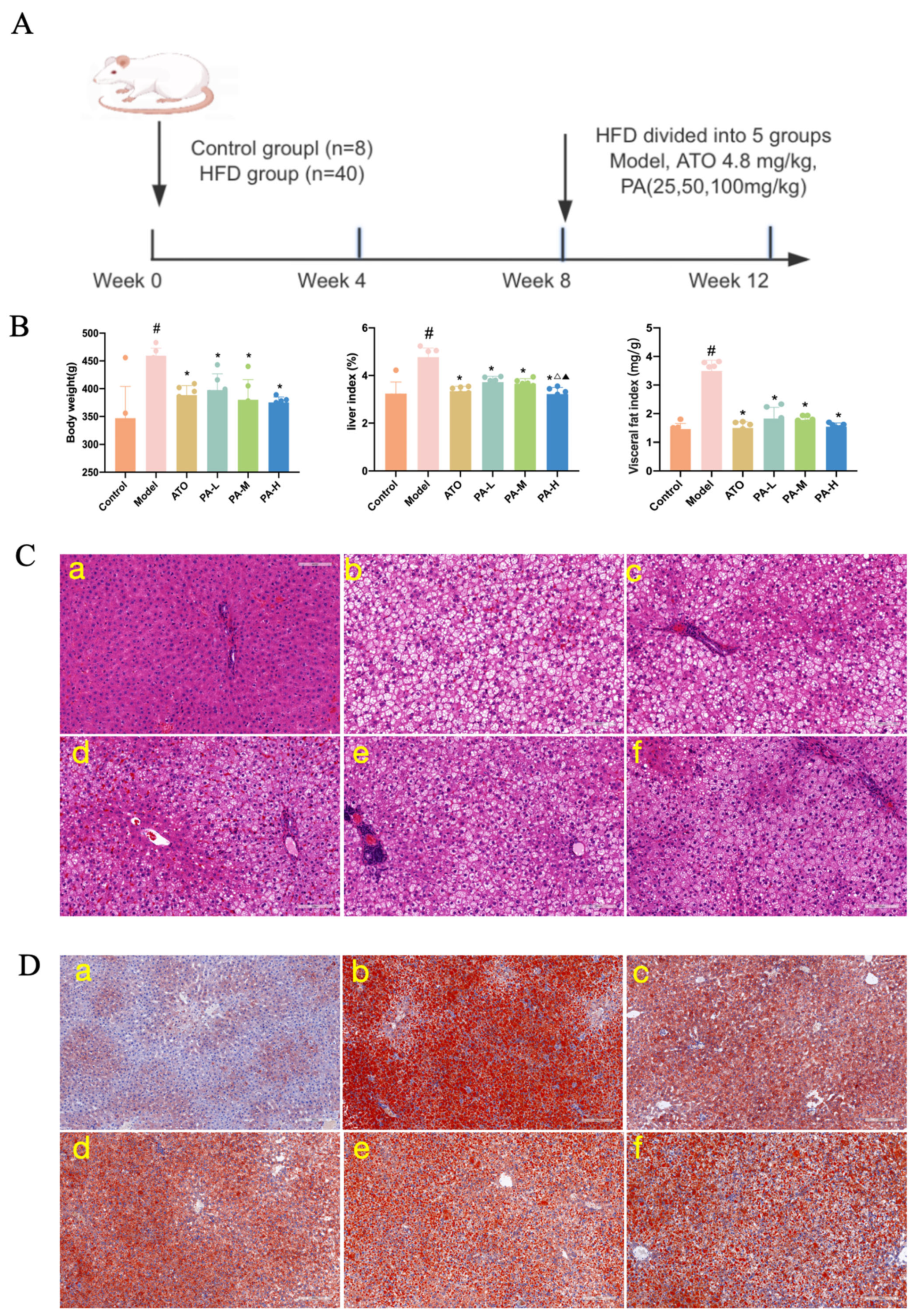
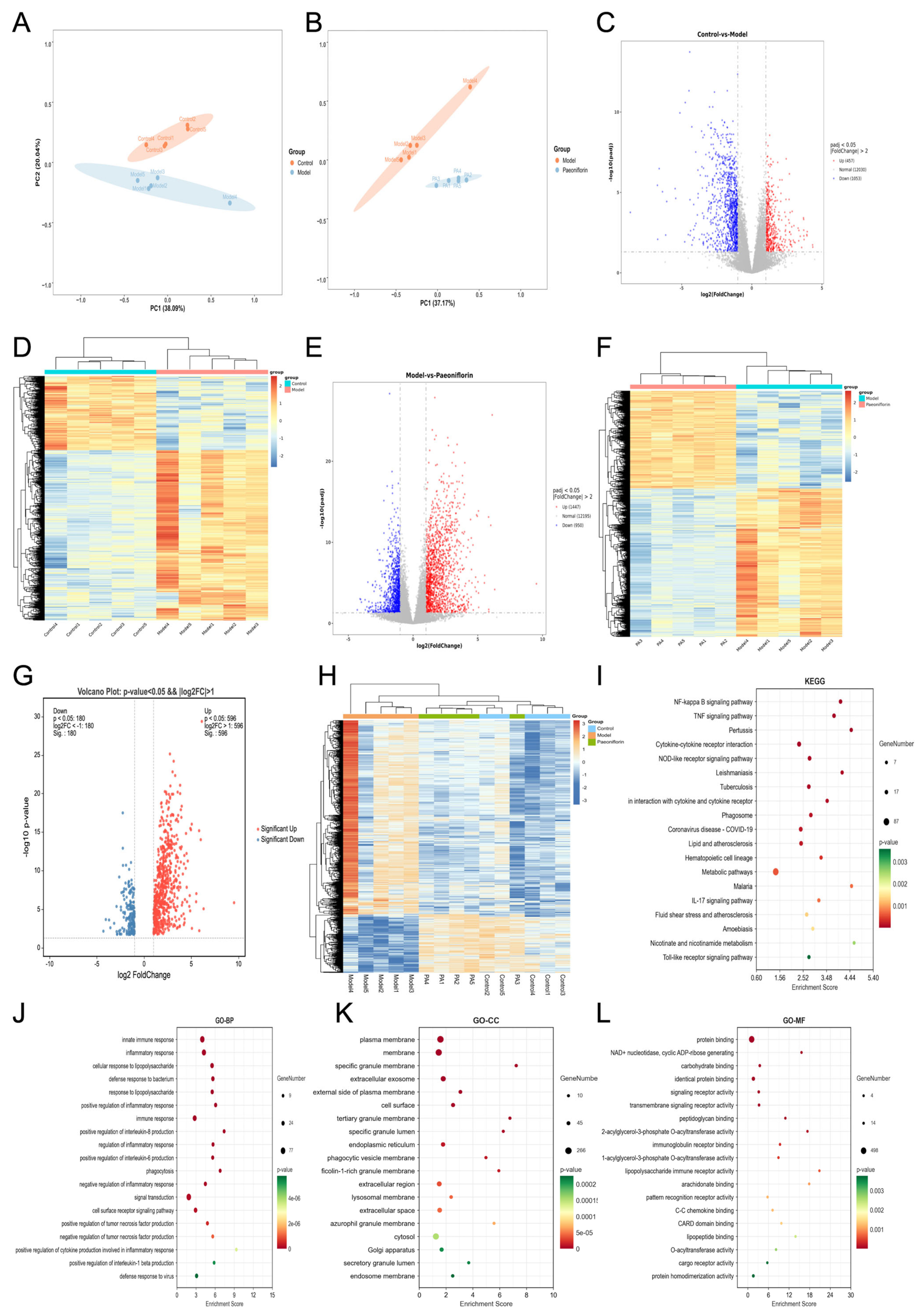
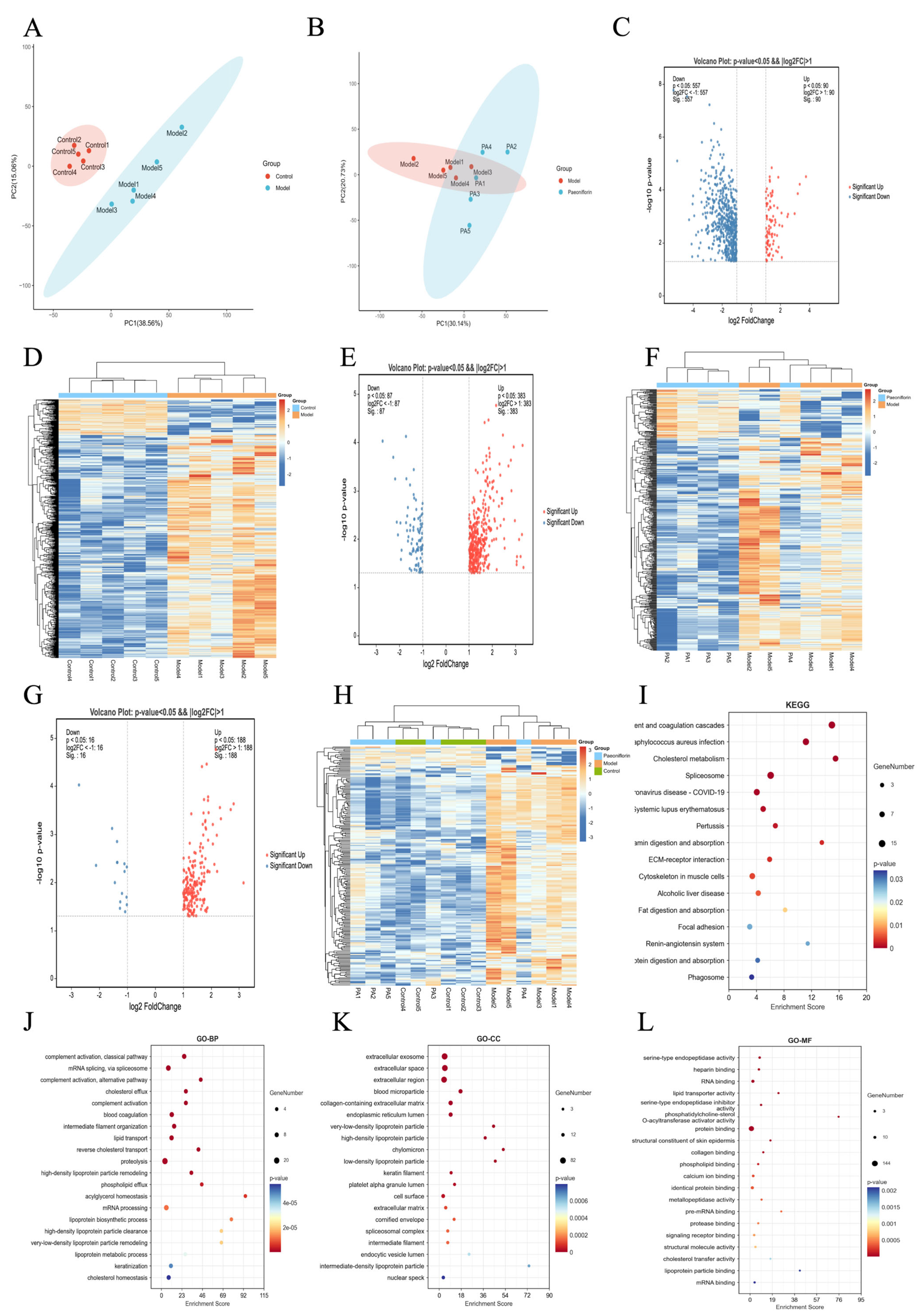
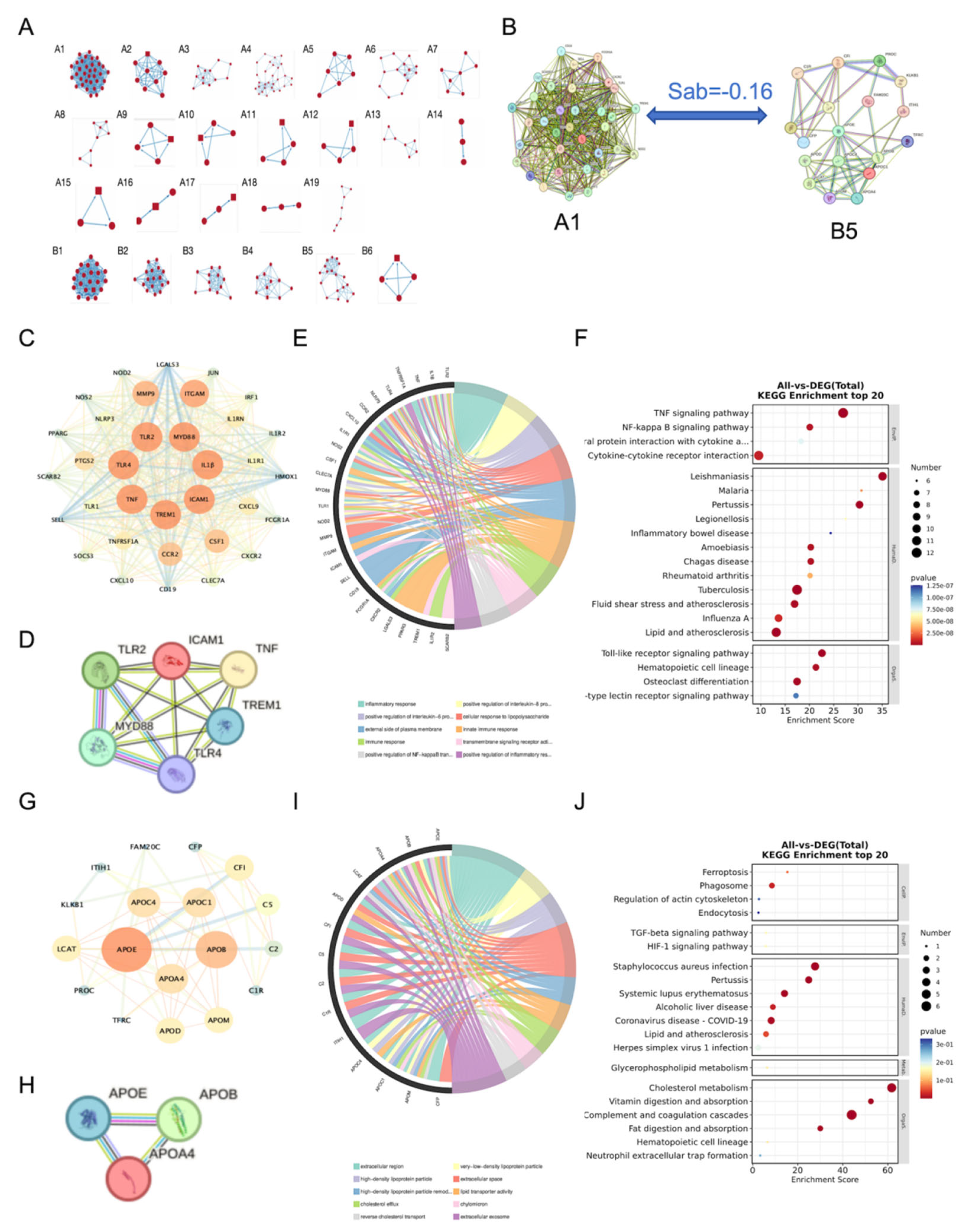
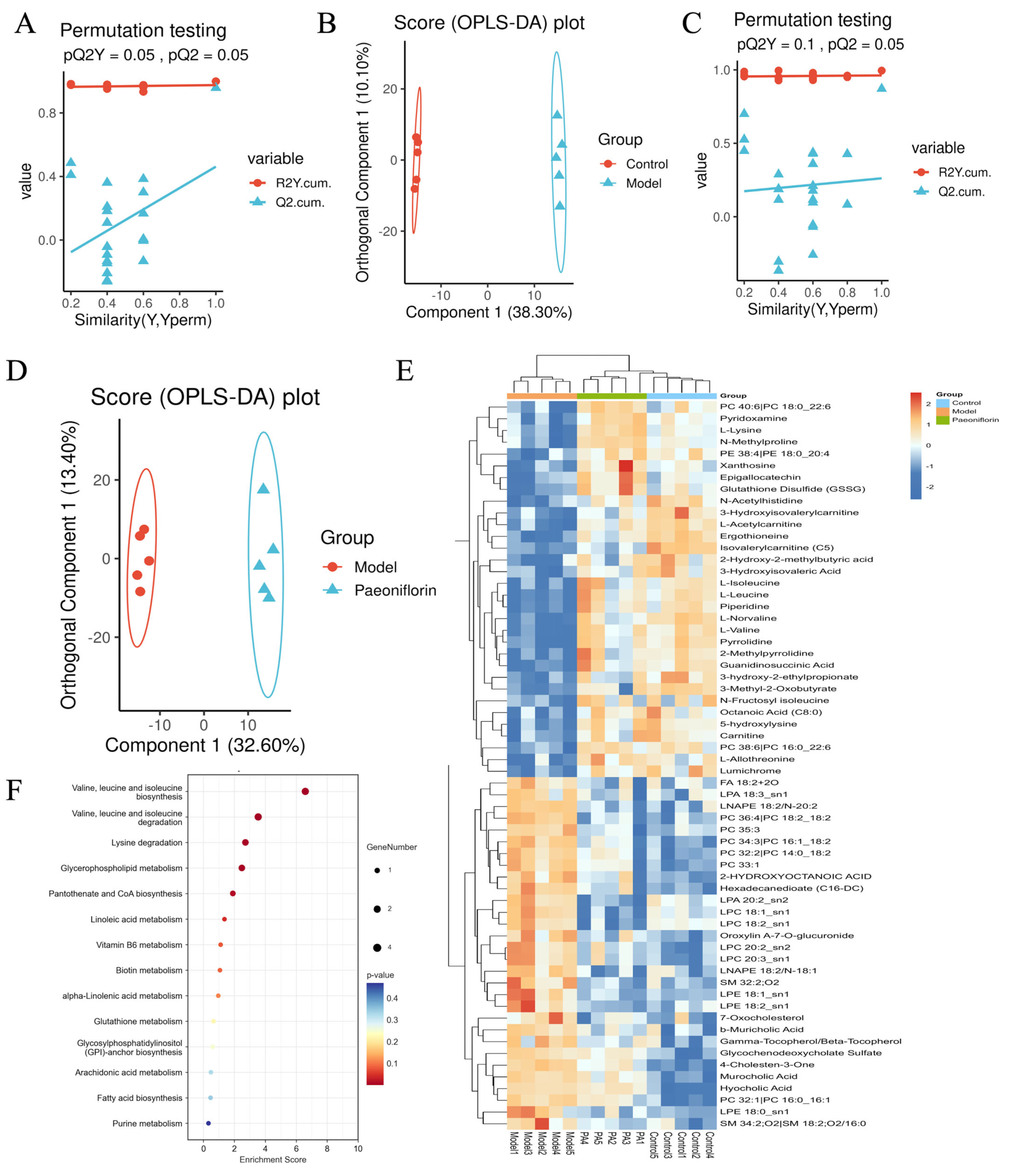
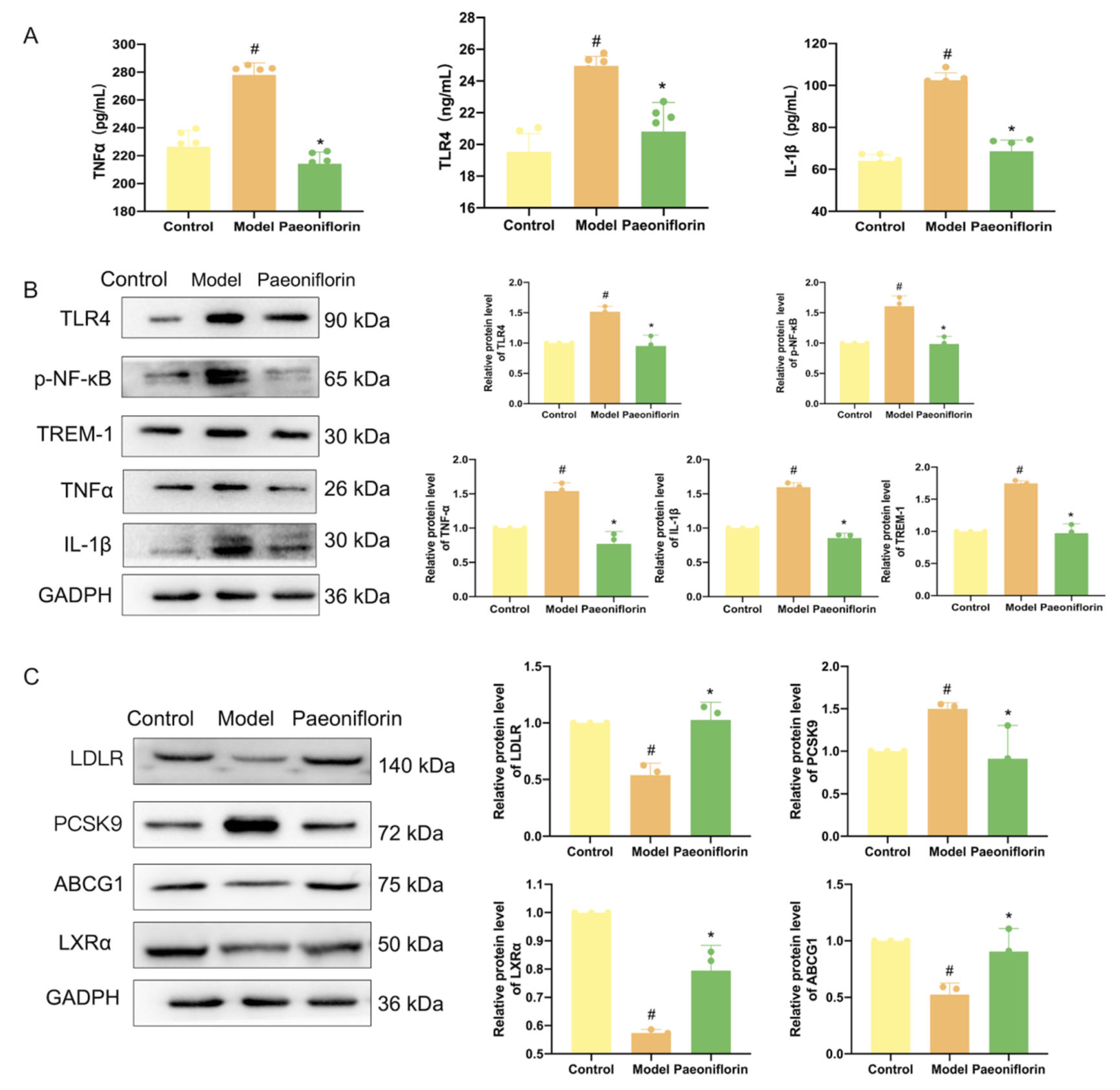
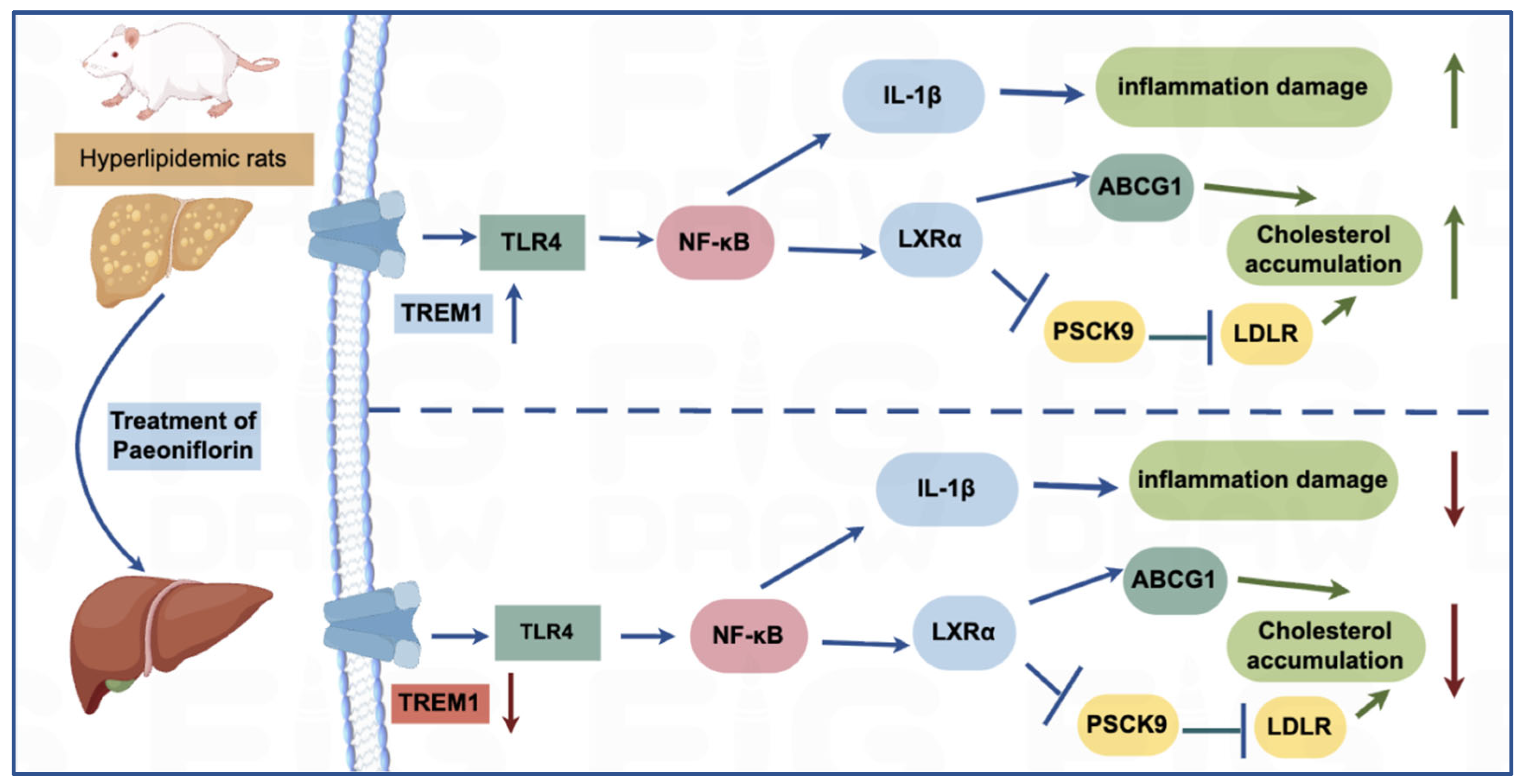
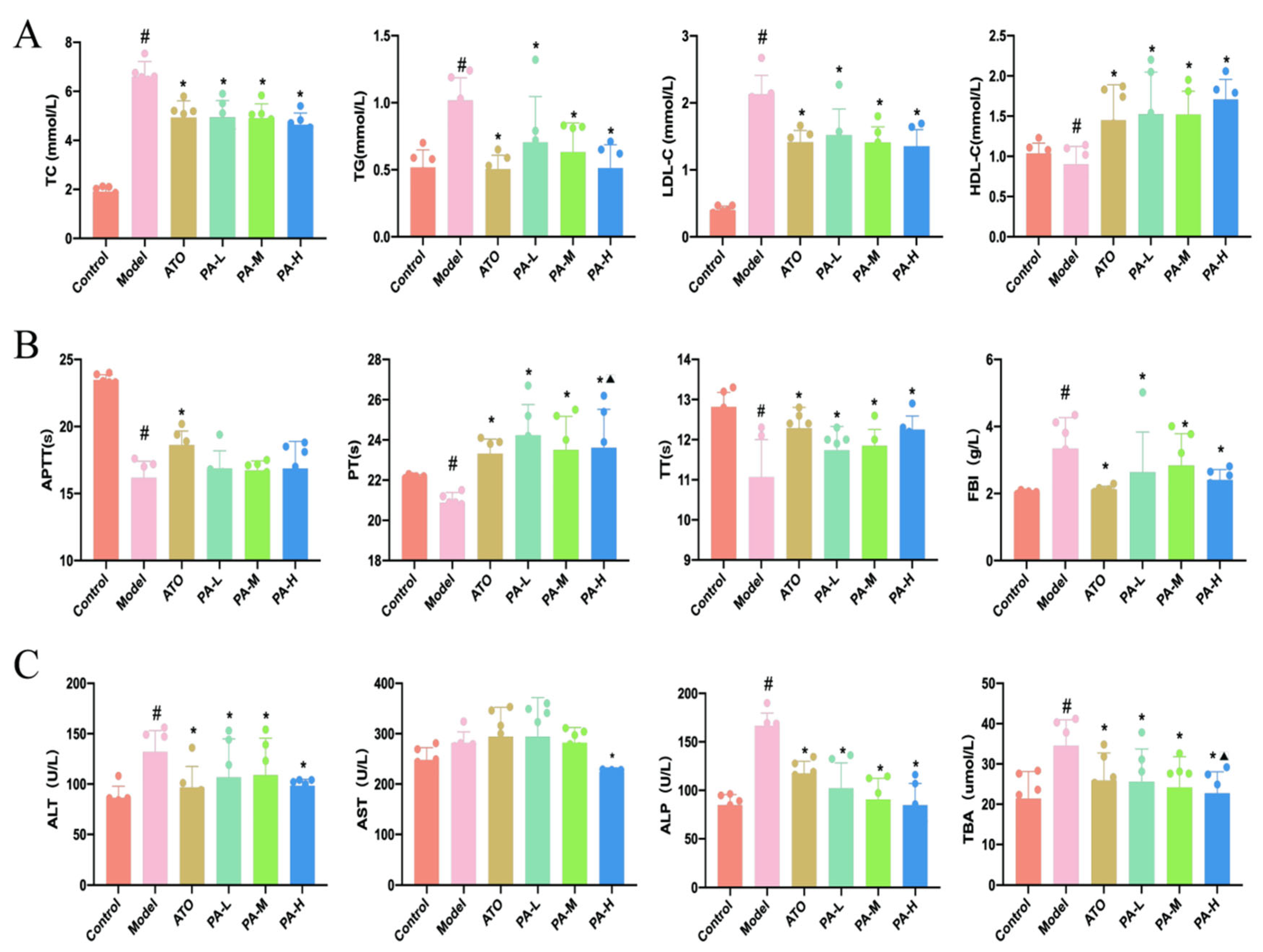
This study aimed to systematically elucidate the antihyperlipidemic mechanism of paeoniflorin, and we adopted an integrated multi-omics strategy to screen the key molecular targets and regulatory pathways involved in its action, followed by experimental validation to verify the potential regulatory effects of paeoniflorin on the screened targets and metabolic processes. Rats with high-fat diet-induced hyperlipidemia received paeoniflorin treatment. Liver histopathology was evaluated using hematoxylin–eosin and Oil Red O staining. Serum levels of total cholesterol, triglycerides, low-density lipoprotein cholesterol, high-density lipoprotein cholesterol, alanine aminotransferase, aspartate aminotransferase, alkaline phosphatase, total bile acids, activated partial thromboplastin time, prothrombin time, thrombin time, and fibrinogen were measured using a biochemical analyzer. Integrated multi-omics analyses were performed to investigate paeoniflorin’s lipid-lowering mechanism. Critical pathways and targets identified were validated using Western blotting. Paeoniflorin alleviated pathological liver damage in hyperlipidemic rats and improved blood lipid levels, coagulation function, and liver function markers. Multi-omics analyses verified that paeoniflorin downregulated the expression of TREM-1, TLR4, NF-κB, TNF-α, and IL-1β, thereby alleviating hepatic inflammation. Paeoniflorin also upregulated the expression of low-density lipoprotein receptors (LDLR), liver X receptor alpha (LXRα), and ATP-binding cassette subfamily G member 1 (ABCG1), while downregulating proprotein convertase subtilisin/kexin type 9 (PCSK9) expression, contributing to balanced cholesterol metabolism. Paeoniflorin normalized glycerophospholipid and branched-chain amino acid metabolism, which correlated with reduced inflammation and improved cholesterol metabolism. Paeoniflorin ameliorates hyperlipidemia through multitarget mechanisms, potentially by suppressing the TREM-1-TLR4-NF-κB signaling pathway to reduce inflammation and by regulating cholesterol metabolism via the PCSK9-LDLR and LXRα-ABCG1 pathways.
Keywords: hyperlipidemic rat; paeoniflorin; multi-omics; inflammation; cholesterol metabolism hyperlipidemic rat; paeoniflorin; multi-omics; inflammation; cholesterol metabolism