1. Introduction
Panax ginseng C. A. Meyer is an important medicinal plant resource in Asia and even in the world. It occupies an important position in traditional Chinese medicine (TCM), including a series of bioactive chemicals that play a key role in promoting health and treating diseases [
1]. Studies have shown that
P. ginseng has a wide range of pharmacological effects. These include enhancing immune function, antioxidant activity, and tumor growth inhibition, which are attributed to its diverse bioactive components. These effects are partly attributed to various biological substances found in ginseng, including acidic polysaccharides [
2], exosomes [
3], and others. These substances play a crucial role in regulating the body’s immunity, promoting blood circulation, and enhancing health. They also serve as functional factors enabling ginseng’s biological activity, clinical drug development, and functional food innovation, forming the cornerstone for advancing ginseng’s modern medical and health applications.
Ginseng polysaccharides are the second most important active compounds in
P. ginseng after ginsenosides, and they also serve as the core components of ginseng macromolecules [
4]. With the development of extraction and separation technologies, the application of biomacromolecules such as ginseng polysaccharides has become increasingly widespread. Ginseng biomacromolecules constitute a crucial class of bioactive components within ginseng, serving as the fundamental material basis for its medicinal and nutritional value [
5]. Modern research has revealed that ginseng polysaccharides, pectins, proteins, and exosomes exhibit significant anti-cancer properties, immune-boosting effects, anti-aging benefits, and lipid metabolism regulation capabilities [
5,
6]. As studies deepen, it has become clear that the biological activity of ginseng macromolecules is closely linked to the composition of polysaccharides, the spatial structure of proteins, and the binding sites of glycosidic bonds. How to leverage the potential value of these ginseng macromolecules represents a major focus in current ginseng research.
Previous studies have conducted comprehensive analyses of active components, such as ginsenosides and polypeptides in ginseng, clarifying their potential value in promoting health and combating diseases [
7,
8]. In recent years, research on the biological substances in ginseng, such as polysaccharides, pectin, exosomes, proteins, and dietary fibers, has been gradually increasing. These studies have underscored their pharmacological significance [
9]. The pharmacological activities of these biological substances highlight their importance in the functional food sector. Additionally, the biomolecules in ginseng have been incorporated into functional candies, baked goods, health foods, and other products. These biomolecules not only enrich the nutritional profile of foods but also enhance product value by leveraging ginseng’s traditional efficacy and nutritional benefits [
10]. Further exploration of their properties and activities will advance the modernization of TCM and benefit global health.
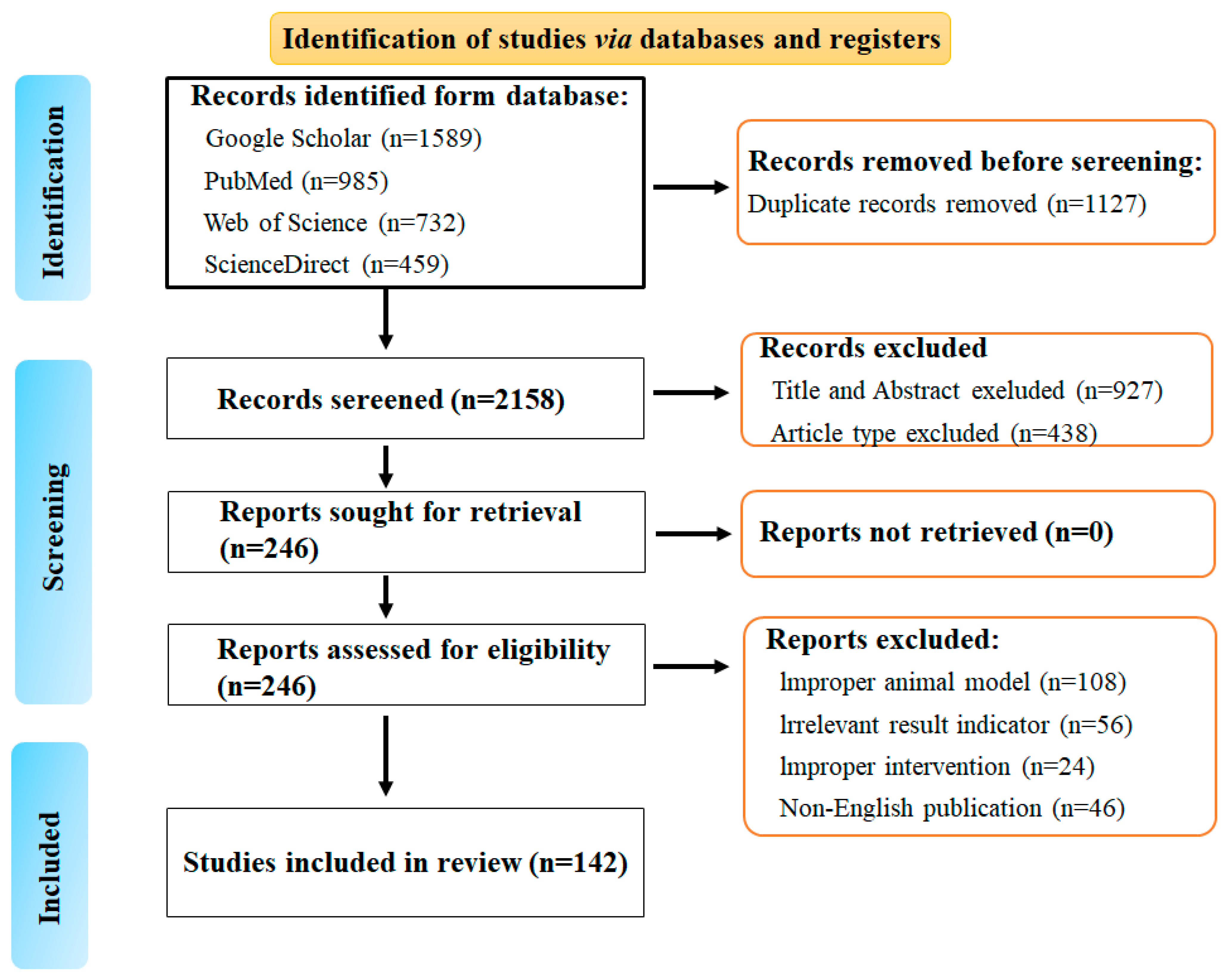
Relevant literature was systematically searched in PubMed, Web of Science, Google scholar and ScienceDirect databases. Search terms included antitumor, anti-cancer, pharmacological effects, antidiabetic, anti-aging, ginseng polysaccharides, ginseng pectin, ginseng proteins, ginseng exosomes, ginseng dietary fiber, and ginseng biomacromolecules. Eligible studies encompassed research on the biological activity, pharmacological effects, and applications of ginseng polysaccharides, ginseng pectin, ginseng proteins, ginseng exosomes, ginseng dietary fiber, or ginseng biomacromolecules in vitro and in vivo experimental models. Results addressed the structural characteristics, research progress, and potential molecular mechanisms of ginseng macromolecules, such as antioxidant effects, apoptosis, lipid metabolism, inflammation, anti-aging, angiogenesis, metastasis, and immunomodulation. Studies involving ginsenosides, amino acids, compound formulations, non-English publications, and duplicate records were excluded. This review adheres to the PRISMA guidelines, with the literature screening process illustrated in
Figure 1.
This review aims to summarize research progress on ginseng biomacromolecules in the food sector, focusing on their structural characteristics, biological activities, and application strategies in food. It also deepens our understanding of ginseng’s mechanisms of action across various health conditions while advancing its research and application expansion, providing crucial references for promoting ginseng’s widespread use in modern medicine and health fields.
2. The Current Application Status of Ginseng Polysaccharides and Pectin
Ginseng polysaccharides are important active components in
P. ginseng. They are complex biomacromolecules formed by the connection of arabinose (Ara), galactose (Gal), rhamnose (Rha), galacturonic acid (Gal A) and glucuronic acid (Glu A) through glycosidic bonds, with a molecular weight range of 3.5 × 10
3~2.0 × 10
6 Da [
10,
11]. They mainly contain neutral sugars and acidic sugars, and the active component is mainly acidic pectin. Studies have confirmed that the roots, stems, leaves, flowers and fruits of ginseng all contain polysaccharides, which possess biological activities such as anti-cancer, anti-inflammatory, anti-aging, immune regulation and enhancing the body’s metabolism. Even some of their pharmacological effects are superior to those of ginsenosides, and they have broad application potential [
4].
2.1. The Physicochemical Properties of Ginseng Polysaccharides
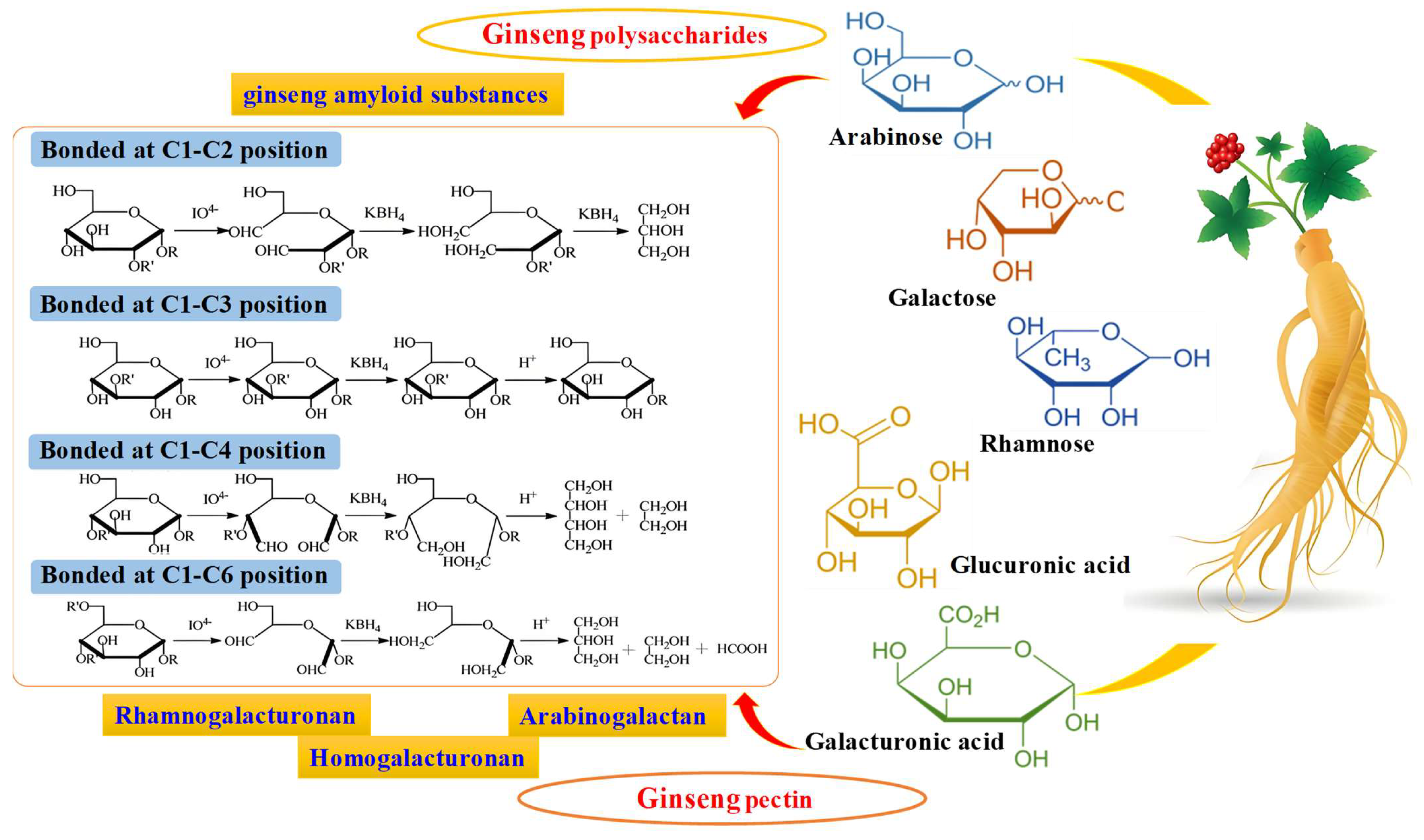
The polysaccharide content of ginseng is approximately 5%, mainly composed of ginseng amyloid substances and ginseng pectin. Among them, ginseng amyloid substances account for approximately 80%, with the main component being amyloid glucan, which is composed of α -
D–(1,4) -glucan, 6-branched α -
D–(1,4) -glucan, 3-branched α -
D–(1,6) -glucan, and α -
D–(1,6) -glucan without side chains [
11] (
Figure 2). Ginseng pectin accounts for approximately 20% and is the main active substance of ginseng polysaccharides. It is an acidic heteropolysaccharide mixture mainly composed of Gal, Gal A, Rha, arabinoxylan (AX), etc., forming three structural domains: rhamnogalacturonans (RG), homogalacturonan (HG), and arabinogalactan (AG) [
12].
The RG components in ginseng pectin primarily consist of two types: RG-I and RG-II. Among these, RG-I is the most extensively studied domain and is most closely associated with biological activity. Its backbone primarily consists of alternating α-1,2-linked Rha and α-1,4-linked Gal A units. Side chains of galactan, arabinan, and AG are attached to the Rha residues [
5]. Modern research has found that the composition and length of the RG side chain have a significant impact on the biological activity of RG-I [
11]. The AG side chain in RG-I is a necessary structure for stimulating macrophage secretion of nitric oxide and promoting lymphocyte proliferation [
9]. Moreover, the ginseng pectin fragment rich in RG-I (such as RG-I-4) can effectively inhibit the adhesion of cancer cells and the binding of the immune checkpoint protein galectin-3 (Gal-3) to T cells, exerting anti-tumor effects [
10,
12]. HG is formed by the linear connection of D-Gal A through α-1,4-glycosidic bonds. It is one of the main chains of ginseng pectin and accounts for approximately 10% of ginseng polysaccharides. It is a crucial component for maintaining the molecular framework and physical properties. Furthermore, the biological activity of the HG domain is closely related to the degree of esterification (DE). The carboxyl group at the C-6 position of the Gal A residue can be esterified, which affects the solubility, gelation ability and interaction with immune cells of pectin.
RG-I-4 is an RG-I domain purified from ginseng pectin using DEAE-cellulose ion exchange chromatography and enzymatic hydrolysis. It primarily consists of GalA, Glc, Ara, Gal, and Rha [
13]. Research has found that the structure of water-soluble ginseng pectin (WGPA-2-RG) isolated from ginseng polysaccharides, with a molecular weight of approximately 1 × 10
3 Da, mainly consists of the pectin fraction with the AG domain structure. The AG side chains in its structure are essential for stimulating the secretion of nitric oxide and the proliferation of lymphocytes [
14]. These structural characteristics can finely regulate the polarity and charge distribution of molecules and the interactions between biomolecules, activating specific signaling systems. Meantime, the spatial conformation and chemical modification of WGPA-2-RG enhance its anti-tumor efficacy through precise molecular engineering in synergy. The study found that after removal of Ara and Gal residues from in the polysaccharide domains (RG-I-4 and WGPA-2-RG) of ginseng pectin through hydrolysis, the phagocytic promoting effect on macrophages did not change [
15]. This suggests that Ara and Gal may not be the key structural units responsible for the polysaccharide’s immune-activating function. Instead, its phagocytosis-promoting effect likely depends on the polysaccharide’s backbone configuration, acetyl groups, RG-regions, or overall spatial conformation. This finding provides important clues for further elucidating the structural basis of ginseng pectin’s immune activity, suggesting that subsequent studies may focus on the mechanisms of action of core functional domains or modified groups that remain intact after hydrolysis [
16].
Additionally, ginseng polysaccharide exhibits various biological activities, including immune system regulation [
17,
18,
19], inhibition of tumor cell migration, antioxidant effects, and others. These activities highlight the potential of ginseng polysaccharide in promoting health and provide a scientific basis for understanding the overall medicinal value of P. ginseng. The main functions related to ginseng polysaccharide are summarized in (
Table 1). However, due to the high molecular weight of ginseng polysaccharides, it is very difficult to clarify the entire structure using chemical and spectral techniques. Therefore, the structure-activity relationship is not yet fully clear, and a large amount of research is still needed in the future to determine the structure of ginseng polysaccharides [
20].
2.2. Biological Function of Ginseng Polysaccharides and Pectin
Pharmacological studies have shown that ginseng polysaccharides mainly exert positive and negative regulatory effects on the immune system of the body by regulating immune cells and immune factors, and also possess various activities such as anti-cancer, anti-diabetic and antioxidant properties [
27,
28]. In addition, ginseng polysaccharides can enhance the body’s metabolism by increasing intestinal absorption and influencing the metabolism of intestinal microorganisms, and have multiple biological effects such as repairing intestinal mucosa, treating ulcerative colitis (UC) [
29] and non-alcoholic fatty liver disease (NAFLD) [
30,
31].
2.2.1. Immunoregulatory Activity
Ginseng pectin, as an important acidic polysaccharide, has shown a multi-dimensional mechanism of action in immune regulation [
32,
33]. Kim et al. [
34] found that ginseng undergoes enhanced immunomodulatory activity following solid-state fermentation with ganoderma lucidum mycelium (GL). The isolated ginseng polysaccharides demonstrated over 70% greater activity than non-fermented ginseng polysaccharides (NG-CP) in promoting macrophage activity, anti-inflammatory effects, and intestinal immune regulation. Gao et al. [
35] confirmed that acidic polysaccharides (GL-PI, GL-PII, and GL-PIV) isolated from ginseng stems and leaves exhibit anti-complement activity, which provided a structural basis for its immunomodulatory effects. In addition, red ginseng acidic polysaccharide can activate the TLR2 receptor, trigger the ERK/JNK signaling pathway, and then activate the nuclear transcription factors NF-κB and AP-1, up-regulate the expression of iNOS and the production of nitric oxide and thus enhance the phagocytosis activity of macrophages [
36]. Ginseng polysaccharides can also directly activate monocytes and THP-1 cells, promote the production of IL-8, and then recruit neutrophils and T cells to the site of inflammation to enhance anti-infection [
37]. In the experimental autoimmune encephalomyelitis (EAE) model, ginseng acidic polysaccharide plays a therapeutic role by inhibiting the proliferation of autoreactive T cells and the production of inflammatory cytokines, and promoting the generation of regulatory T cells, especially by activating the transcription factor Foxp3 [
38]. These results indicate that ginseng pectin and its related acidic polysaccharides regulate the immune response through various mechanisms, enhance the immune defense ability of the body, and show potential application value in the treatment of autoimmune diseases.
2.2.2. Anti-Tumor Activity
Research on the anti-tumor effects of ginseng polysaccharides has gradually increased in recent years. Relevant literature indicates that ginseng polysaccharides inhibit various types of cancer cells, including those of lung, liver, and breast cancer [
26,
39]. A series of studies indicated that ginseng polysaccharides exerts anti-tumor effects through various mechanisms, including the induction of apoptosis [
40,
41,
42], inhibition of cell migration [
23], and regulation of tumor necrosis factor (TNF-α) [
43]. For instance, Cheng et al. [
40] found that ginseng pectin rich in mannose inhibits the proliferation of human colorectal adenocarcinoma cells (HT-29) and induces cell cycle arrest at the G2/M phase. The anti-proliferative effect was significantly enhanced after heat treatment and also promoted caspase-3 activation. Xue et al. [
44] confirmed that ginseng pectin specifically inhibits Gal-3-induced T-cell apoptosis, potentially through PKC/ERK and ROS/ERK pathways. In vivo studies also demonstrated ginseng’s efficacy in suppressing Sarcoma-180 tumor growth in mice while promoting T-cell proliferation and IL-2 expression. More importantly, the combination of HG-type ginseng pectin with paclitaxel significantly enhances antitumor efficacy with high safety [
24]. The aforementioned studies conclusively demonstrate the synergistic effects of ginseng polysaccharides with chemotherapeutic agents [
45,
46,
47] opening new avenues for tumor prevention and treatment while revealing application strategies for ginseng polysaccharides in antitumor therapy. However, due to the structural complexity of ginseng polysaccharides, future research should focus on elucidating the structure-activity relationships underlying their antitumor effects and clarifying the molecular mechanisms of action to provide practical and effective therapeutic strategies for clinical anti-cancer drugs.
2.2.3. Antioxidant and Anti-Aging Activity
Research indicates that ginseng polysaccharides exert antioxidant effects through mechanisms such as scavenging free radicals, enhancing antioxidant enzyme activity, and inhibiting oxidative stress signaling pathways [
21]. Furthermore, antioxidant activity is closely correlated with the molecular weight of the polysaccharides. When molecular weight decreases, the antioxidant action of ginseng polysaccharides primarily occurs via free radical scavenging. Furthermore, the antioxidant activity of ginseng polysaccharides is associated with galactosamine (GalA) residues on their side chains, a characteristic linked to oxidative stress-induced aging. Wang et al. [
48] demonstrated that acidic polysaccharides extracted from ginseng exhibit significant anti-aging effects, closely associated with inhibiting ROS production, counteracting oxidative stress damage, and regulating the FOXO/DAF-16 and Nrf2/SKN-1 pathways. These findings confirm the potent antioxidant and anti-aging activity of ginseng polysaccharides, though the precise mechanisms underlying their anti-aging effects warrant further investigation.
2.2.4. Regulation of Glucose and Lipid Metabolism
Previous studies have demonstrated that ginseng polysaccharides regulate glucose and lipid metabolism. Sun et al. [
49] established a high-fat diet-induced non-alcoholic fatty liver disease (NAFLD) mouse model, showing that ginseng polysaccharides (WGPA) can modulate carbohydrate digestion and absorption, fatty acid biosynthesis, the pentose phosphate pathway, and fatty acid metabolism. This improves hepatic metabolic dysfunction and prevents NAFLD [
50,
51]. Furthermore, this process is also associated with gut microbiota dysbiosis [
52], alterations in short-chain fatty acids (SCFAs) and insulin resistance [
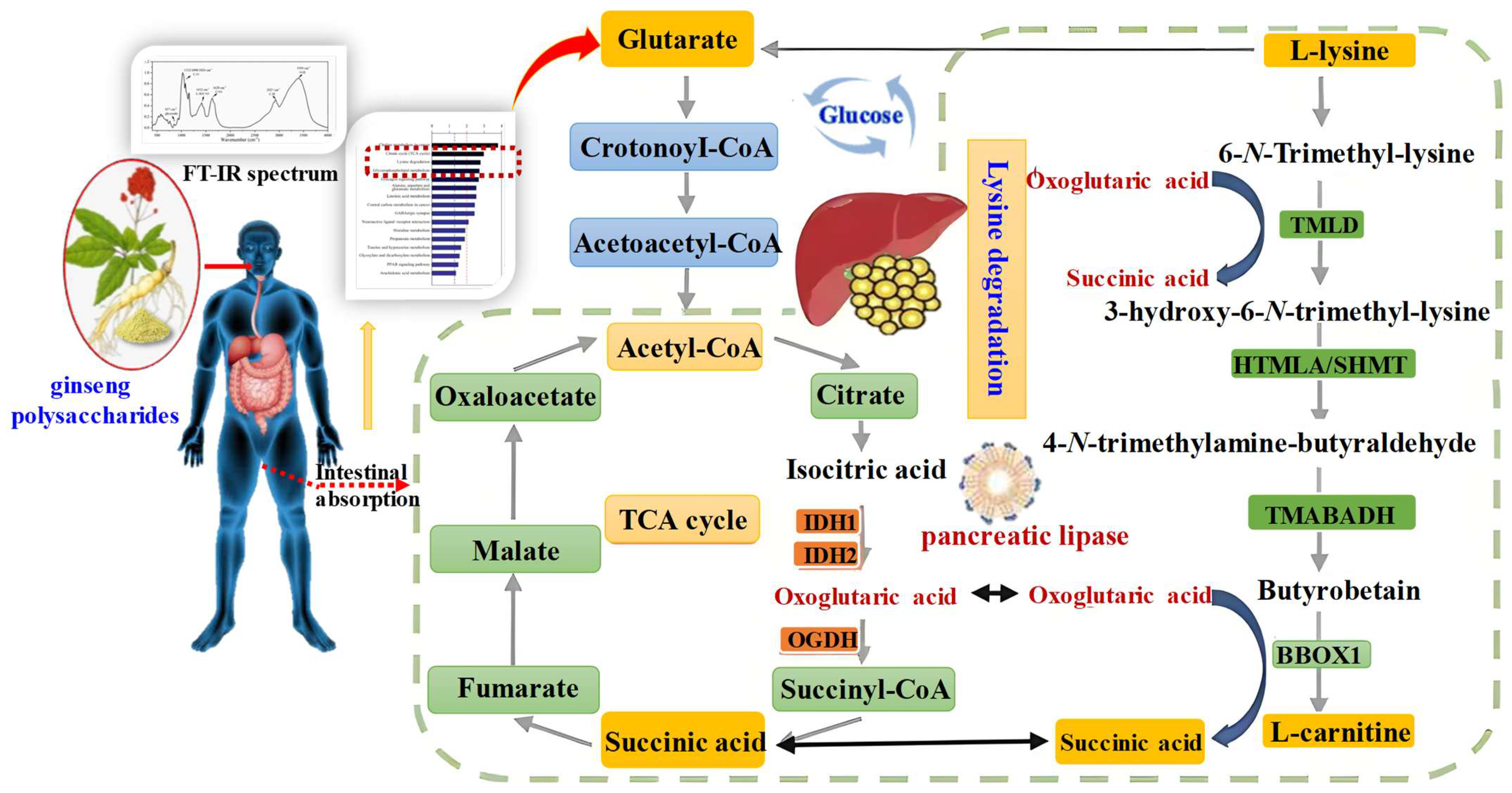
53]. The pathways by which ginseng polysaccharides regulate lipid metabolism are shown in
Figure 3. Research has confirmed that ginseng polysaccharides can target and regulate glucose and lipid metabolism, activate the AMPK pathway, increase hepatic glycogen content, and promote lipolysis [
54]. This improves lipid metabolism disorders in diabetic and obese rats, laying the foundation for the development of clinically relevant drugs. These studies indicate that ginseng polysaccharides offer novel insights for dietary and therapeutic interventions in diabetes management. However, the glucose and lipid metabolism activity of ginseng polysaccharides varies depending on the methods used for their separation and purification. Therefore, future research should focus on structure-activity relationships, and it is necessary to conduct relevant clinical trials to comprehensively explore its detailed mechanism and therapeutic effect, and propose more effective clinical application strategies.
2.2.5. Other Biological Activities
Ginseng polysaccharides, as key bioactive substances regulating systemic functions, exhibit not only the aforementioned biological activities, but also anti-inflammatory [
55], fatigue-relieving [
56,
57,
58], neuroprotective [
59], antiviral [
60], radiation-protective [
61,
62], anti-depressant [
63], and antibacterial properties [
12,
64]. Currently, pharmacokinetic studies of ginseng polysaccharides have primarily focused on experimental animal models. Previous researchers employed FITC fluorescent labeling combined with HPLC-MS/MS technology to systematically elucidate the pharmacokinetic characteristics in rats. When administered orally via gavage, ginseng acidic polysaccharides demonstrated significantly superior absorption compared to neutral polysaccharides, whereas no difference was observed with intravenous administration. Tissue distribution exhibited high targeting, with predominant accumulation in the kidneys, liver, and reproductive organs [
50,
57]. Furthermore, ginseng acidic polysaccharides demonstrate significant anti-diabetic retinopathy and intestinal protective effects in vivo, showing great potential for application in mitochondrial function and intestinal mucosal barrier function [
65]. In summary, ginseng polysaccharides possess diverse pharmacological activities with high safety profiles, leading to expanding clinical applications. Their anti-tumor and anti-diabetic effects are particularly prominent, making them a key focus of modern research. However, clinical drug development based on these polysaccharides remains limited, necessitating further studies to elucidate their mechanisms of action.
2.3. Application Strategies for Ginseng Polysaccharides and Pectin in Related Fields
Ginseng polysaccharides are natural bioactive compounds, which exhibit significant pharmacological effects and relatively high safety profiles, exhibiting minimal adverse reactions. Consequently, they are highly suitable for extensive application in pharmaceuticals and functional foods. Notably, due to their excellent biocompatibility, ginseng polysaccharides have been demonstrated to serve as effective drug carriers, finding promising applications in the development of food additives and vaccine adjuvants [
66]. In addition, ginseng polysaccharides also can be used as natural thickening agents and stabilizers, and have strong application value in food development. However, it is important to note that current research still has certain limitations and remains in the preclinical stage, with insufficient clinical validation. At the same time, the stems, leaves and fruits of ginseng are rich in ginseng pectin, which has development value in animal food additives and poultry production [
67]. This sustainable approach embodies environmental protection principles while also opening new avenues for innovation and development in the food industry, contributing to the construction of a green economy [
68].
Ginseng polysaccharides possess both water solubility and biocompatibility. They not only serve as natural thickeners and stabilizers to enhance food texture, imparting a smoother mouthfeel to beverages, yogurt, and similar products, but also confer functional properties such as immune modulation and antioxidant effects. This is achieved by regulating gut microbiota balance and boosting immune cell activity. Studies have found that ginseng polysaccharides can also be applied in animal production, not only improve the growth performance of broilers and the production performance of laying hens, but also have the functions of reducing the diarrhea rate and mortality rate of poultry and serving as an adjuvant for vaccines [
69]. In addition, adding ginseng polysaccharides to the diet can also be conducive to intensive pig farming, improve the production performance of pigs, and reduce their reliance on antibiotics [
70]. Therefore, the comprehensive utilization of ginseng polysaccharides and its by-products is not only economically significant but also contributes to environmental benefits, demonstrating practical value in a win-win situation.
3. The Current Application Status of Ginseng Exosomes
Plant exosomes are nanovesicles secreted by plant cells [
71], enriched with a diverse array of bioactive molecules that serve as critical mediators of intercellular communication. They encompass DNA, small RNA, proteins, and lipids, all playing essential roles in intercellular communication. Additionally, processing via nanovesicle technology significantly enhances their stability and bioavailability in food processing. Ginseng exosomes share these characteristics, facilitating not only intrinsic signaling but also potentially playing a pivotal role in the interplay between food processing and biological functions. Notably, the biomolecules within ginseng exosomes are closely linked to the plant’s pharmacological activity, opening new avenues for researchers and providing a clear framework for exploring ginseng’s therapeutic potential and underlying mechanisms. Through in-depth investigation of ginseng exosomes and their bioinformation molecules, we may elucidate ginseng’s traditional medicinal value and develop innovative exosome therapies or health foods. This research field holds significant theoretical implications for both plant biology and pharmacology.
3.1. Extraction and Characterization Techniques of Ginseng Exosomes
Currently, multiple methodological approaches are employed for the extraction of ginseng exosomes. These include differential centrifugation and ultracentrifugation–ExoQuick combination method, primarily utilizing a series of gradient centrifugation steps [
71,
72]. Low-speed centrifugation at 2000×
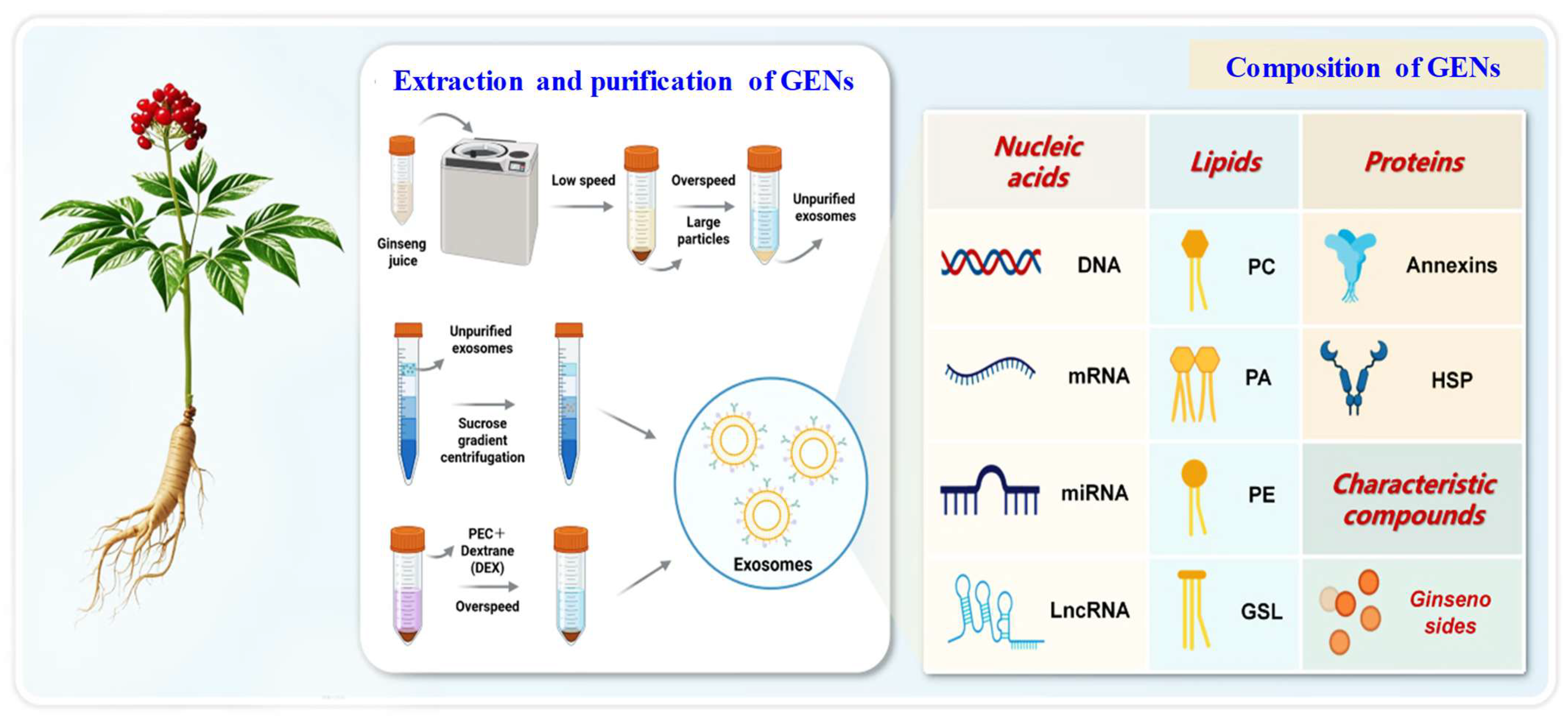
g removes cellular debris, followed by high-speed centrifugation to isolate exosomes. Additionally, ginseng exosome purification can be enhanced by integrating sucrose density gradient centrifugation. This technique offers relative simplicity and cost-effectiveness; however, it may compromise fragile exosomal membrane proteins during processing, potentially affecting functional integrity in subsequent applications. The functional properties of ginseng exosomes are closely linked to their intricate composition, which includes lipids, proteins, nucleic acids, and other characteristic compounds [
72]. The nucleic acids carried by extracellular vesicles can regulate the gene expression of recipient cells (
Figure 4). ginseng exosomes mainly contain various types of DNA [
73], mRNA, miRNA, etc. [
74]. Among lipid constituents, phosphatidylcholine (PC) represents approximately 50% of the exosomal membrane lipids. In conjunction with sphingomyelin, phosphatidylcholine contributes to forming a robust bilayer structure, enhancing resistance to digestive enzyme degradation and ensuring extracellular vesicles stability and activity in complex physiological environments [
75,
76]. More importantly, ginseng exosomes also contain polysaccharides and small molecule metabolites. The interactions among these components provide a solid biological foundation for the various biological functions of the extracellular vesicles, such as intercellular communication and immune regulation.
3.2. Biological Function of Ginseng Exosomes
3.2.1. Anti-Cancer Effect
Modern research has revealed that ginseng exosomes enhance the body’s immune response by activating T cells and macrophages, thereby improving resistance to pathogens. This immunomodulatory effect plays a crucial role in tumor therapy [
77]. In oncology, ginseng exosomes have been explored for their anti-tumor mechanisms, primarily through modulation of the tumor microenvironment (TME) [
78] One principal mechanism involves activation of the mTOR–T-bet signaling axis via suppression of macrophage-derived ARG1. This modulation reduces T cell exhaustion and enhances the cytotoxic function of CD8+ T cells. In the MC38 colon cancer model, ginseng exosomes treatment has been shown to suppress tumor progression and improve immune surveillance within the TME [
79]. At the same time, ginseng exosomes indirectly affect systemic immune homeostasis by regulating gut microbiota composition [
80]. This dual regulatory effect—direct immune activation and microenvironment remodeling—offers novel insights for applications in immune-related diseases such as cancer and chronic infections [
72]. Moreover, ginseng exosomes can act synergistically with conventional chemotherapeutic agents. Ginseng exosomes–cisplatin co-delivery system has demonstrated enhanced anti-cancer efficacy by targeting tumor cells, inhibiting proliferation and migration, and promoting apoptosis. This combination strategy highlights the potential of ginseng exosomes to improve therapeutic outcomes in chemoresistant tumors [
81].
3.2.2. Anti-Inflammatory and Neuroprotective Effects
In immunological contexts, ginseng exosomes exert regulatory effects by modulating immune cell function [
82]. One primary mechanism involves regulating macrophage polarization—a critical determinant in the inflammatory response [
83]. ginseng exosomes can suppress pro-inflammatory signaling pathways, particularly the TLR4/NF-κB axis. By inhibiting this pathway, ginseng exosomes reduce the production of pro-inflammatory cytokines, such as TNF-α and IL-6, while concurrently enhancing the secretion of the anti-inflammatory cytokine IL-10 [
84]. This dual regulatory effect contributes to immune homeostasis and mitigates excessive inflammatory responses.
Furthermore, modern research has revealed that the anti-inflammatory activity of ginseng exosomes is closely associated with neuroprotection. Ginseng exosomes can effectively delay the progression of neurodegenerative diseases such as Alzheimer’s and Parkinson’s [
85]. This effect is achieved by suppressing neuroinflammation and oxidative stress while protecting neuronal function. Simultaneously, they further enhance the capacity for neural regeneration, demonstrating their therapeutic potential in neurological disorders. Current research requires further clarification of specific molecular mechanisms, such as the targets of particular miRNAs within exosomes and their role in neural differentiation. However, existing evidence indicates that ginseng exosomes provide a comprehensive therapeutic strategy for multisystem diseases by synergistically exerting anti-inflammatory, repair-promoting, and neuroprotective functions.
3.2.3. Antioxidant Activity
Ginseng exosomes serve as one of the primary carriers of active components, exerting antioxidant effects by scavenging free radicals and mitigating oxidative stress damage [
86]. Choi et al. [
87] reported that ginseng exosomes can significantly reduce the level of reactive oxygen species (ROS) within cells and effectively alleviate oxidative damage caused by the accumulation of ROS. This property holds considerable promise for applications in anti-aging and the prevention of age-related diseases [
88]. Furthermore, studies have confirmed that ginseng exosomes exhibit high hydroxyl radical scavenging capacity, metal ion chelation ability, and iron ion reduction capacity [
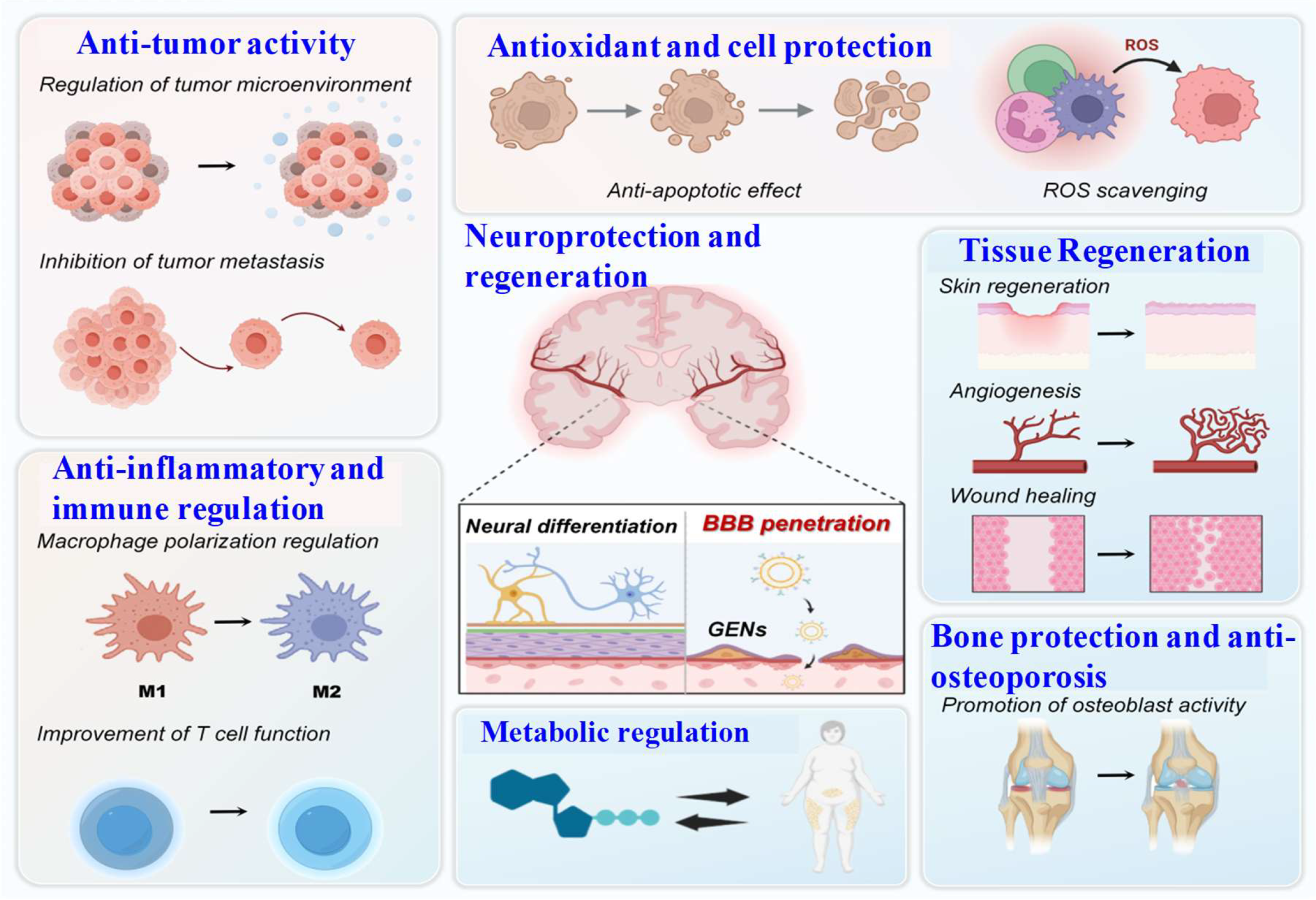
89]. These findings collectively demonstrate that ginseng exosomes possess potent antioxidant properties. Overall, ginseng exosomes exhibit significant anti-cancer, anti-inflammatory, neuroprotective, and antioxidant activities, making them a promising new carrier for disease prevention and health foods (
Figure 5).
3.2.4. Metabolic Regulatory Effects
Metabolic regulation is a process that controls the synthesis, decomposition and energy conversion of substances through neural, humoral and other mechanisms to adapt to changes in the internal and external environment. This process is closely related to the function of biological barriers [
90]. Biological barriers create a stable physical and chemical environment for metabolic activities by maintaining “internal environmental homeostasis”. For instance, the barrier formed by the tight connection of intestinal mucosal epithelial cells (IECs) can prevent harmful substances such as bacteria and toxins in the intestines from entering the bloodstream, thus avoiding the interference of these substances with the normal functions of metabolic organs such as the liver and pancreas (insulin secretion and glycolipid metabolism). In addition, the metabolic state can also directly affect the structural integrity and functional activity of the barrier. Studies have shown that obesity can cause abnormal fat metabolism, leading to chronic inflammation and damage the vascular endothelial barrier (increasing the risk of cardiovascular diseases) [
91]. The hyperglycemic state of diabetic patients can damage the skin barrier, causing wound infections that are difficult to recover from. Ginseng exosomes suppress activity within the pentose phosphate pathway (PPP) in lung cancer models, disrupting tumor cell energy metabolism and attenuating epithelial–mesenchymal transition (EMT) [
92]. These effects underscore the regulatory role of ginseng exosomes in modulating tumor metabolism.
3.3. Application Strategies for Ginseng Exosomes in Related Fields
Ginseng exosomes demonstrate promising potential as drug delivery carriers and in food development, effectively enhancing the bioavailability of foods [
93]. Simultaneously, ginseng exosomes exhibit significant therapeutic efficacy in treating cancer, immune system disorders, and other conditions, providing scientific rationale for functional food research and development [
94]. Research indicated that leveraging ginseng exosomes as core technology enables them to maintain activity in acidic foods like fruit juices and carbonated beverages while masking the characteristic bitterness of ginseng. This effectively addresses the challenge of balancing efficacy and palatability in functional foods, thereby enhancing the value of health supplements and promoting overall human wellness [
86]. Compared to other plant exosomes [
95,
96], ginseng exosomes offer additional advantages of high bioavailability, pronounced effects, and precise targeting. Rich in bioactive compounds such as ginsenosides and specific small RNAs, these components enhance their stability, bioavailability, and precise gene regulation capabilities within target cells, holding promise for advancing the development of functional foods. Nevertheless, the mechanisms and kinetics underlying ginseng exosome delivery remain unclear. Large-scale extraction and purification processes are both challenging and costly, necessitating the development of efficient extraction and purification techniques to elucidate their practical application value.
4. The Current Application Status of Ginseng Proteins
Proteins are crucial natural active ingredients in
P. ginseng, possessing irreplaceable pharmacological effects. In recent years, advances in biotechnology and proteomics have significantly heightened scientific interest in ginseng protein research [
91]. These proteins exhibit a broad spectrum of biological activities, including immune system regulation, antioxidant effects, and anti-inflammatory effects. Furthermore, ginseng protein exhibits enhanced digestibility and low allergenicity following enzymatic hydrolysis. Its diverse bioactive peptides, such as ginseng hypotensive peptides and antioxidant peptides, effectively assist in regulating blood pressure, boosting immunity, scavenging free radicals, and promoting cellular growth and repair [
97]. Based on the aforementioned research findings, ginseng protein demonstrates significant potential for application as a nutritional fortifier in functional foods and sports nutrition products. This approach not only supplements high-quality protein but also imparts specific health benefits to products, partially addressing the nutritional needs of diverse populations. These unique biological characteristics have positioned ginseng protein as a focal point in current pharmacological and nutritional research [
90]. However, the safety profile, scope of application, human allergenicity, and regulatory data for ginseng protein in functional foods and drug development remain incomplete and warrant further investigation. Therefore, this section summarizes the current research status of ginseng protein, primarily covering its composition, biological functions, and specific application areas, aiming to provide a foundation for in-depth studies on ginseng protein.
4.1. The Composition and Extraction Process of Ginseng Protein
Ginseng proteins primarily originate from the root of ginseng, exhibiting a highly complex internal structure. Over 40 distinct types have been identified to date, categorized into RNA-like proteases, ribonuclease-like proteins, and chitin-like proteins. Among these, RNA-like proteases constitute the predominant protein component of
P. ginseng [
98]. Ginseng proteins are primarily composed of essential and non-essential amino acids. However, their unique peptide composition and spatial structure confer significant biological activity. The specific arrangement of amino acids determines the functions and characteristics of ginseng proteins. With advances in biotechnology, ginseng proteins can be extracted using neutral buffer extraction, rapid solvent extraction, and sulfate fractionation precipitation methods. However, the extraction method varies for each specific protein type, closely related to its physiological function (
Table 2). As research deepens, the roles of these bioactive components are increasingly recognized, revealing their potential benefits for animal and human health.
4.2. Biological Functions of Ginseng Protein
Modern research has discovered that specific proteins extracted from ginseng can stimulate macrophage activity, enhancing their phagocytic capacity and efficiency in eliminating pathogens, thereby significantly boosting immune system function. Beyond regulating immune function, ginseng proteins exhibit significant anti-inflammatory and antibacterial activities [
99,
107,
108]. By suppressing inflammatory responses and mitigating the damage caused by inflammation to the body, they achieve therapeutic effects for various inflammatory diseases. Cole et al. [
109] employed a combined proteomics and peptidomics analysis to investigate the antibacterial activity of ginseng total proteins and their hydrolysate products. Results demonstrated that ginseng proteins and peptides exhibit significant antimicrobial properties when subjected to simulated gastrointestinal digestion and microbial community changes. This discovery deepens our understanding of ginseng’s biological activity and provides crucial insights for developing novel antimicrobial agents.
Research has revealed that glycoproteins and certain functionally specialized proteins in ginseng exhibit remarkable antioxidant properties, effectively scavenging free radicals and shielding cells from oxidative damage [
110,
111]. Under specific conditions, they can also delay the aging process and enhance the survival capacity of aging cells under oxidative stress, thereby maintaining their normal functions. Consequently, ginseng’s total proteins and glycoproteins contribute to delaying aging and promoting cellular health by alleviating oxidative stress and eliminating ROS aggregation [
112,
113].
Research has confirmed that ginseng proteins possess multiple pharmacological effects, including antitumor, anti-radiation [
114], anti-viral, antioxidant, anti-fatigue, and neuroprotective properties [
115,
116,
117]. They effectively improve cognitive impairment, thereby exerting therapeutic effects on Alzheimer’s disease [
118]. The aforementioned studies demonstrate that ginseng protein may exert neuroprotective effects through mechanisms such as regulating neurotransmitters, further supporting its potential application in preventing and treating neurological diseases. In addition, some studies have mentioned that ginseng protein may alleviate the symptoms related to hyperlipidemia by regulating insulin sensitivity, lipid metabolism, and other related pathways.
4.3. Application Strategies for Ginseng Proteins in Related Fields
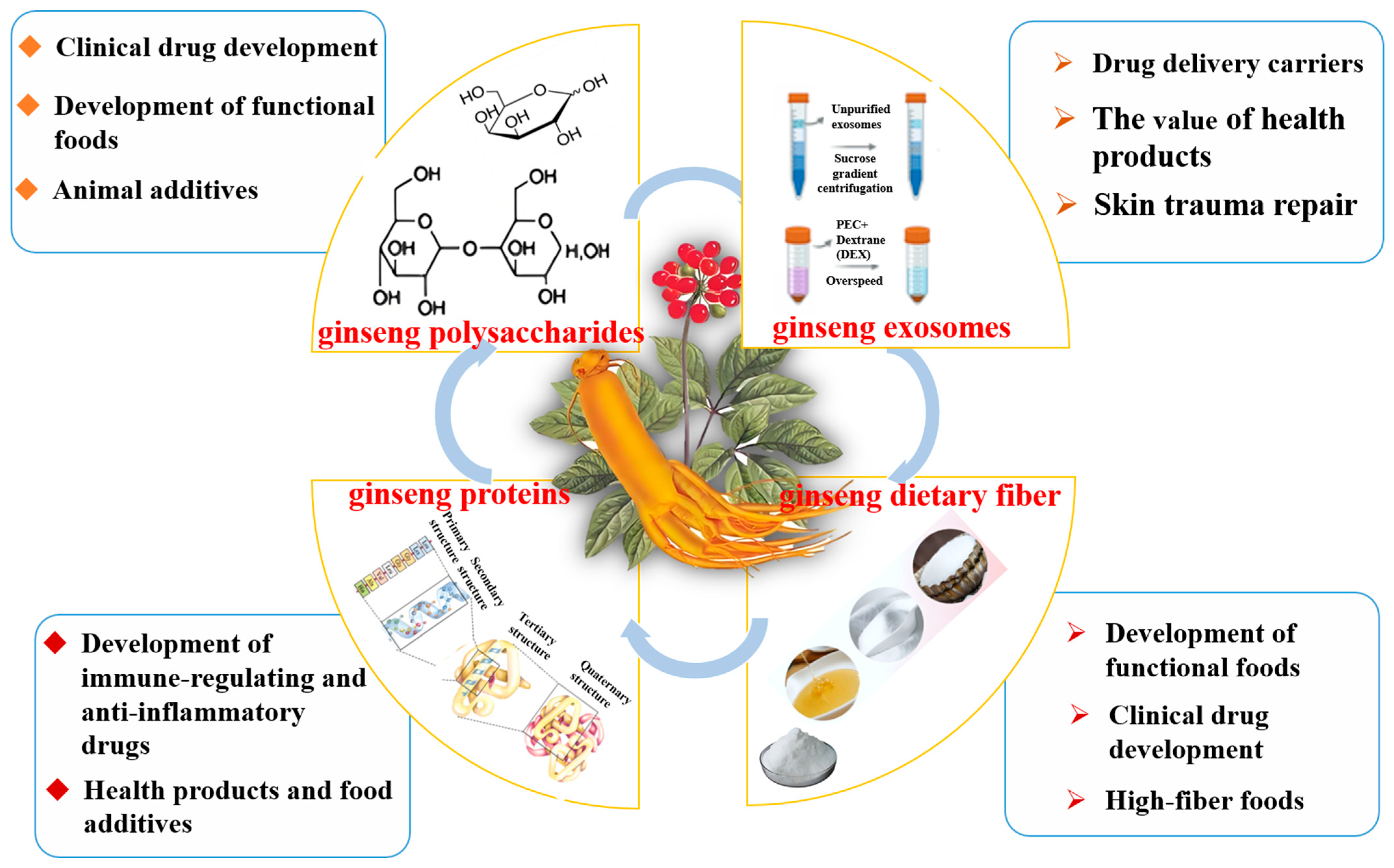
The diverse biological functions of ginseng proteins provide a strong basis for promoting their application in food-related fields and make them an ideal choice for developing novel immunomodulators and anti-inflammatory drugs. These functional proteins can serve as health supplements and food additives, endowing products with specific health benefits to enhance quality of life while meeting the nutritional needs of diverse populations and boosting the nutritional value of foods [
119]. With the continuous application of proteomics technology, integrating mass spectrometry with bioinformatics has become a key focus in modern research, significantly advancing the structural elucidation and quantitative analysis of multiple proteins in ginseng. In summary, an in-depth analysis of the composition and functional effects of ginseng proteins will clarify their biological characteristics, providing a solid scientific basis for pharmacological and nutritional applications. This not only enriches the nutritional profile of modern foods but also enhances the added value of functional products by leveraging ginseng’s traditional efficacy, aligning with contemporary consumer trends toward “natural, healthy, and functional” food choices. With advancing research, ginseng protein holds promise to drive the development of novel therapeutic approaches, propel progress in the health industry, and contribute to improving public health (
Figure 6).
5. The Current Application Status of Ginseng Dietary Fiber
Ginseng dietary fiber is a functional dietary fiber extracted from ginseng residue as the core raw material through processes such as composite enzymatic methods, microbial fermentation, or ultrasound-assisted enzymatic hydrolysis. As a representative product of ginseng deep processing, it is primarily categorized into soluble dietary fiber (SDF) and insoluble dietary fiber (IDF). Rich in carbohydrates, proteins, glucuronic acid, and various amino acids, it is a natural macromolecular substance with high nutritional value and low caloric content. Research confirms that ginseng dietary fiber effectively regulates gut microbiota composition. Its water-soluble components exhibit significant lipid-lowering effects and anti-aging activity, while also demonstrating glucose adsorption, antioxidant properties, and the ability to improve the intestinal microenvironment [
120,
121]. In recent years, researchers have recognized the immense application value of ginseng dietary fiber. This review section covers the diversity, structural characteristics, functional activities, and other aspects of ginseng dietary fiber [
122].
5.1. Composition and Classification of Ginseng Dietary Fiber
In the ginseng-related industries, a significant amount of dietary fiber primarily derives from the industrial residues generated during ginseng processing [
123,
124]. Non-medicinal parts of ginseng are often regarded as byproducts of the ginseng industry chain and serve as a significant source for extracting ginseng dietary fiber. Ginseng dietary fiber possesses a unique porous structure and polysaccharide functional groups, endowing it with outstanding physicochemical properties. This foundation supports its potential biological functions and applications within the food sector. Specifically, ginseng dietary fiber primarily consists of cellulose, hemicellulose, lignin, acidic heteropolysaccharides, and minerals. Research indicates that water-soluble fibers (such as acidic heteropolysaccharides) exhibit excellent solubility, significantly enhancing bioavailability and promoting human absorption and utilization. Conversely, insoluble dietary fiber (such as cellulose) plays a crucial role in stimulating intestinal motility and improving digestive health [
125]. This complements the functions of soluble fiber, offering diverse application value in fields like food and pharmaceuticals.
5.2. Biological Function of Ginseng Dietary Fiber
Research has confirmed that ginseng dietary fiber possesses unique therapeutic effects in improving intestinal mucosal barrier function and modulating the composition and function of the gut microbiota [
126]. This is primarily reflected in enhanced intestinal barrier integrity and elevated levels of SCFAs, which serve as energy sources for maintaining homeostasis within the intestinal mucosal epithelial cells [
127]. These SCFAs are important energy sources for intestinal epithelial cells and play a key role in maintaining intestinal health and function [
128]. In particular, water-soluble dietary fibers exhibit significant prebiotic effects, effectively regulating the gut microbiota, improving the intestinal microecology, and promoting the growth of bifidobacterium and lactobacillius [
122,
129]. Additionally, water-soluble fiber increases the concentration of SCFAs in stool, further promoting gastrointestinal health [
130]. Meanwhile, insoluble dietary fiber possesses water-absorbing properties that effectively enhance water retention within the intestines and stimulate intestinal peristalsis, thereby effectively preventing constipation. Therefore, increasing dietary fiber intake, particularly from foods rich in ginseng components, plays a significant positive role in maintaining and improving intestinal health.
Ginseng dietary fiber can regulate glucose and lipid metabolism as well as insulin resistance, thereby helping to improve the health in metabolic diseases. SDF slows digestion primarily by delaying the rate at which glucose enters the bloodstream, thereby stabilizing blood sugar levels [
131,
132]. This effect enhances glucose tolerance and significantly reduces the risk of type 2 diabetes. Particularly, the regulation of blood sugar response by dietary fiber further lowers diabetes risk [
133]. Additionally, research indicates that ginseng dietary fiber possesses certain blood pressure-lowering effects. Its primary mechanism lies in the reversible ion exchange between ginseng dietary fiber and sodium ions within the gastrointestinal tract, which promotes the excretion of sodium from the body, thereby achieving an auxiliary effect in regulating blood pressure [
134]. This mechanism indicated that ginseng dietary fiber possesses significant biological functions in preventing hypertension and its associated cardiovascular complications.
Furthermore, research indicated that ginseng dietary fiber enhances the total antioxidant capacity of serum [
135] and lowers the concentration of inflammatory markers associated with various pathological conditions [
136]. These antioxidant and anti-inflammatory effects make ginseng dietary fiber beneficial for improving metabolic health and regulating immune responses. In addition to these biological activities, ginseng dietary fiber increases the levels of insulin-like growth factors (IGF-1 and IGF-2) and immunoglobulins (IgA, IgM, and IgG), thereby enhancing overall immune function [
129]. These factors play crucial roles in body growth, tissue repair, and immune responses, underscoring the importance of ginseng dietary fiber in promoting overall health.
5.3. Application Strategies for Ginseng Dietary in Related Fields
Previous studies have conclusively demonstrated that ginseng dietary fiber effectively regulates intestinal health and possesses biological functions that lower blood sugar and blood lipids. It can be used as an additive in high-fiber foods or as a dietary supplement in modern foods to enhance flavor and nutritional value [
137]. Notably, consuming ginseng dietary fiber induces a feeling of fullness, which aids in controlling food intake. In the functional food sector, ginseng dietary fiber demonstrates significant application potential. As a dietary supplement, it helps improve digestive health, enhance quality of life, and boost the body’s immunity. This characteristic not only effectively increases the added value of ginseng products but also promotes the integration of ginseng medicine with health and nutrition.
Additionally, the waste liquid and residue generated during the extraction of ginseng dietary fiber can be reprocessed to produce bio-based biodegradable food packaging materials. These materials combine freshness preservation and antimicrobial properties while being naturally degradable, offering an alternative to traditional plastic packaging. This contributes to the food industry’s “carbon reduction” goals and aligns with global green development principles.
6. Safety Assessment of Ginseng Biomacromolecules
To date, no reports of toxicity associated with ginseng biomacromolecules have been documented; however, safety assessment remains critical for the development and application of ginseng macromolecules. Existing research indicates that ginseng polysaccharides, proteins, and dietary fiber exhibit minimal side effects, significant biological activity, well-defined targets, and relatively high safety profiles. These components show promising potential in experimental animal studies and functional product development, though clinical research remains limited. However, as clinical practice and research advance, while acknowledging their therapeutic effects, attention must be paid to polysaccharide purity and variations in administration routes. During use, the primary principle should be avoiding excessive dosing while fully considering individual variations, particularly for populations with unique constitutions and special groups like the elderly and children. Medications must also be rationally combined based on the principle of syndrome differentiation and treatment. Risk prevention and control should be implemented throughout the usage process, organically integrating drug use with early warning monitoring and adaptive assessment of herbal toxicity to establish a scientific, standardized evaluation pathway and system.
7. Conclusions and Prospects
With technological innovations in the food industry and evolving demands in the consumer market, modern research on ginseng biomacromolecules has become a focal point. Among these, ginseng polysaccharides, proteins, exosomes, and dietary fiber hold significant importance in the pharmacological characteristics of ginseng. Particularly, structural analysis, biological functions, and application potential are key areas for in-depth exploration of ginseng’s functional factors. These biomacromolecules play a pivotal role in food processing, exhibiting diverse applications and emerging as core ingredients in functional food development. Ginseng biomacromolecules offer multiple benefits, including immune enhancement, sleep improvement, anti-diabetic effects, gut microbiota regulation, and fatigue relief. Their comprehensive incorporation into foods can elevate nutritional value and meet consumer demand for health-promoting products. Simultaneously, ginseng biomacromolecules also can be optimized through scientific formulation and advanced processing based on physiological indicators and metabolic characteristics of different populations. By dynamically adjusting process parameters such as temperature and pH during food processing, the activity of biomacromolecules is maximally preserved. This addresses the technical challenge of “activity loss versus efficiency imbalance” in food processing, enabling the development of personalized foods. For instance, a sleep-aid meal replacement shakes containing high-activity ginseng polysaccharides and γ-aminobutyric acid (GABA) can be tailored for individuals experiencing immune suppression due to sleep deprivation. Similarly, a sports recovery drink combining ginseng peptides with branched-chain amino acids (BCAAs) can be designed for fitness enthusiasts, leveraging the rapid absorption of peptides to shorten muscle repair cycles. It Is noteworthily that despite significant achievements in previous research on ginseng biomacromolecules, further exploration is needed to clarify the relationship between their molecular structures and pharmacological activities, as well as their application value in the food sector, thereby defining their development potential. Furthermore, in ginseng-related products, the dosage of ginseng is strictly regulated. Excessive daily intake by adults may lead to nervous system hyperactivity symptoms such as excitement, anxiety, and insomnia. This restriction limits the addition of ginseng biomacromolecules in such foods and the full expression of their product efficacy.
In the future, research should focus on elucidating the specific mechanisms of action and nutritional value of these biomacromolecules. Simultaneously, to effectively harness its health benefits, efforts should be made to explore how modern biotechnology can enhance its extraction and application levels, addressing technical challenges such as the susceptibility of biomacromolecules to degradation, low bioavailability, and diminished efficacy. For instance, researchers could establish a more comprehensive scientific foundation for studying ginseng and its bioactive molecules through interdisciplinary collaboration and the integration of modern biotechnology with advanced chemical analysis techniques. In particular, given the challenges we face, including the low yield of plant-derived exosomes, the heterogeneity of pectin structure affecting reproducibility, and the limited clinical data on protein safety, future work should focus on scalable production methods and standardized characterization protocols.
In conclusion, research on ginseng polysaccharides, pectin, exosomes, dietary fiber, and proteins has achieved significant progress in food-related fields. This has promoted the efficient utilization of the entire ginseng plant, enhanced resource utilization rates, prevented resource wastage, increased the added value of ginseng products, and driven the transformation of the ginseng industry from traditional processing to deep development, thereby boosting industrial competitiveness. We anticipate that future research will further unlock the potential value of these bioactive molecules, driving the in-depth development and application of ginseng and its related products. This will enhance market recognition for functional foods and meet consumers’ personalized needs.
Author Contributions
Conceptualization, methodology, software, M.W.; formal analysis, investigation, and C.C.; resources, M.Z. and W.L.; data curation, J.L., C.C. and M.W.; writing—original draft preparation, Y.L.; writing—review and editing, M.Z. and W.L.; supervision, project administration, Y.L., M.Z. and W.L.; funding acquisition, M.Z. and W.L. All authors have read and agreed to the published version of the manuscript.
Funding
This research was funded by the grant of National Natural Science Foundation of China (82505158) and Jilin Province health science and technology ability improvement project (2023JC031).
Institutional Review Board Statement
Not applicable.
Informed Consent Statement
Not applicable.
Data Availability Statement
No new data were created or analyzed in this study. Data sharing is not applicable to this article.
Conflicts of Interest
The authors declare no conflicts of interest.
Abbreviations
The following abbreviations are used in this manuscript:
| AG | arabinogalactan |
| Ara | arabinose |
| AX | arabinoxylan |
| DE | degree of esterification |
| EAE | experimental autoimmune encephalomyelitis |
| Gal A | galacturonic acid |
| Gal | galactose |
| GAL-3 | galectin-3 |
| GDNPs | ginseng-derived nanoparticles |
| GENs | ginseng extract nanoparticles |
| Glu A | glucuronic acid |
| HG | homogalacturonan |
| HT-29 | human colorectal adenocarcinoma cells |
| IgA/IgM/IgG | immunoglobulin A/M/G |
| IGF-1/2 | insulin-like growth factor-1/2 |
| IL-1α/β | interleukin-1 alpha/beta |
| IL-6 | interleukin-6 |
| MDA | malondialdehyde |
| NAFLD | non-alcoholic fatty liver disease |
| RG | rhamnogalacturonan |
| RG-I | rhamnogalacturonan I |
| RG-II | rhamnogalacturonan II |
| Rha | rhamnose |
| ROS | reactive oxygen species |
| SCFAs | short-chain fatty acids |
| SDF | soluble dietary fiber |
| TAMs | tumor-associated macrophages |
| IDF | insoluble dietary fiber |
| TCM | traditional Chinese medicine |
| TNF-α | tumor necrosis factor-alpha |
| TOR | target of rapamycin |
| UC | ulcerative colitis |
| WGPA | water-soluble ginseng pectin acid |
References
- Corso, C.R.; Mulinari Turin de Oliveira, N.; Moura Cordeiro, L.; Sauruk da Silva, K.; da Silva Soczek, S.H.; Frota Rossato, V.; Fernandes, E.S.; Maria-Ferreira, D. Polysaccharides with Antitumor Effect in Breast Cancer: A Systematic Review of Non-Clinical Studies. Nutrients 2021, 13, 2008. [Google Scholar] [CrossRef]
- Choi, K.T. Botanical characteristics, pharmacological effects and medicinal components of Korean Panax ginseng C A Meyer. Acta Pharmacol. Sin. 2008, 29, 1109–1118. [Google Scholar] [CrossRef]
- Cai, Y.; Zhang, L.; Zhang, Y.; Lu, R. Plant-Derived Exosomes as a Drug-Delivery Approach for the Treatment of Inflammatory Bowel Disease and Colitis-Associated Cancer. Pharmaceutics 2022, 14, 822. [Google Scholar] [CrossRef]
- Shen, H.; Zhang, L.; Xu, J.-D.; Ding, Y.-F.; Zhou, J.; Wu, J.; Zhang, W.; Mao, Q.; Liu, L.-F.; Zhu, H.; et al. Effect of sulfur-fumigation process on ginseng: Metabolism and absorption evidences. J. Ethnopharmacol. 2020, 256, 112799. [Google Scholar] [CrossRef] [PubMed]
- Zhao, F.; Yin, C.; Cao, M.; Qian, Y.; Zhang, L.; Tian, Y.; Zhong, X.; Fang, X.; Tao, A. The potential, challenges, and prospects of Panax quinquefolium L. polysaccharides as future multipurpose biomacromolecules. Int. J. Biol. Macromol. 2025, 304, 140769. [Google Scholar] [CrossRef] [PubMed]
- Sun, X.; Liu, M.; Aimin, R.; Xiao, Y.; An, Z.; Bai, R.; Cheng, Y.; Huang, Z.; Xu, J.; Wen, J.; et al. Protective effect of an oriented PCL electrospun membrane loaded with red ginseng polysaccharides and magnetic nanoparticles against nerve injury of mice. Int. J. Biol. Macromol. 2025, 310, 143222. [Google Scholar] [CrossRef]
- Lee, Y.Y.; Kim, S.D.; Park, S.C.; Rhee, M.H. Panax ginseng: Inflammation, platelet aggregation, thrombus formation, and atherosclerosis crosstalk. J. Ginseng Res. 2022, 46, 54–61. [Google Scholar] [CrossRef] [PubMed]
- Sun, M.; Liu, G.C.; Wang, M.Y.; Wang, W.T.; Zhang, Z.H.; Yu, H.; Sun, H.M.; Wang, C.M.; Liu, W. Panax ginseng C. A. Mey. Targeting Pyroptosis for Treatment of Diabetes Related Metabolic Diseases: A Review of Potential Therapeutic Strategies. Phytotherapy Res. 2025, 39, 5744–5764. [Google Scholar] [CrossRef]
- Guo, M.; Shao, S.; Wang, D.; Zhao, D.; Wang, M. Recent progress in polysaccharides from Panax ginseng C. A. Meyer. Food Funct. 2021, 12, 494–518. [Google Scholar] [CrossRef]
- Xu, M.; Ren, J.; Jiang, Z.; Zhou, S.; Wang, E.; Li, H.; Wu, W.; Zhang, X.; Wang, J.; Jiao, L. Structural characterization and immunostimulant activities of polysaccharides fractionated by gradient ethanol precipitation method from Panax ginseng C. A. Meyer. Front. Pharmacol. 2024, 15, 1388206. [Google Scholar] [CrossRef]
- Zhao, B.; Lv, C.; Lu, J. Natural occurring polysaccharides from Panax ginseng C. A. Meyer: A review of isolation, structures, and bioactivities. Int. J. Biol. Macromol. 2019, 133, 324–336. [Google Scholar] [CrossRef] [PubMed]
- Lee, J.-H.; Shim, J.S.; Lee, J.S.; Kim, M.-K.; Chung, M.-S.; Kim, K.H. Pectin-like acidic polysaccharide from Panax ginseng with selective antiadhesive activity against pathogenic bacteria. Carbohydr. Res. 2006, 341, 1154–1163. [Google Scholar] [CrossRef] [PubMed]
- Agoda-Tandjawa, G.; Durand, S.; Gaillard, C.; Garnier, C.; Doublier, J.L. Properties of cellulose/pectins composites: Implication for structural and mechanical properties of cell wall. Carbohydr. Polym. 2012, 90, 1081–1091. [Google Scholar] [CrossRef] [PubMed]
- Zhang, X.; Li, S.; Sun, L.; Ji, L.; Zhu, J.; Fan, Y.; Tai, G.; Zhou, Y. Further analysis of the structure and immunological activity of an RG-I type pectin from Panax ginseng. Carbohydr. Polym. 2012, 89, 519–525. [Google Scholar] [CrossRef]
- Wu, D.; Zheng, J.; Hu, W.; Zheng, X.; He, Q.; Linhardt, R.J.; Ye, X.; Chen, S. Structure-activity relationship of Citrus segment membrane RG-I pectin against Galectin-3: The galactan is not the only important factor. Carbohydr. Polym. 2020, 245, 116526. [Google Scholar] [CrossRef]
- Shao, S.; Wang, D.; Zheng, W.; Li, X.; Zhang, H.; Zhao, D.; Wang, M. A unique polysaccharide from Hericium erinaceus mycelium ameliorates acetic acid-induced ulcerative colitis rats by modulating the composition of the gut microbiota, short chain fatty acids levels and GPR41/43 respectors. Int. Immunopharmacol. 2019, 71, 411–422. [Google Scholar] [CrossRef]
- Han, S.-K.; Song, J.-Y.; Yun, Y.-S.; Yi, S.-Y. Ginsan improved Th1 immune response inhibited by gamma radiation. Arch. Pharmacal Res. 2005, 28, 343–350. [Google Scholar] [CrossRef]
- Tomoda, M.; Takeda, K.; Shimizu, N.; Gonda, R.; Ohara, N.; Takada, K.; Hirabayashi, K. Characterization of Two Acidic Polysaccharides Having Immunological Activities from the Root of Panax ginseng. Biol. Pharm. Bull. 1993, 16, 22–25. [Google Scholar] [CrossRef]
- Dai, K.Y.; Liu, C.; Ji, H.Y.; Liu, A.J. Structural characteristics and anti-tumor activity of alkali-extracted acidic polysaccharide extracted from Panax ginseng. Int. J. Biol. Macromol. 2025, 305, 141230. [Google Scholar] [CrossRef]
- Ren, T.; Liu, F.; Wang, D.; Li, B.; Jiang, P.; Li, J.; Li, H.; Chen, C.; Wu, W.; Jiao, L. Rhamnogalacturonan-I enriched pectin from steamed ginseng ameliorates lipid metabolism in type 2 diabetic rats via gut microbiota and AMPK pathway. J. Ethnopharmacol. 2023, 301, 115862. [Google Scholar] [CrossRef]
- Li, S.-L.; Zhang, S.; Fu, L.; Chen, C.; Zhang, W.-H.; Li, W. Chemical structure and beneficial roles of active biomacromolecules from Ginseng: A narrative review. Acupunct. Herb. Med. 2025, 5, 366–378. [Google Scholar] [CrossRef]
- Sun, L.; Wu, D.; Ning, X.; Yang, G.; Lin, Z.; Tian, M.; Zhou, Y. α-Amylase-assisted extraction of polysaccharides from Panax ginseng. Int. J. Biol. Macromol. 2015, 75, 152–157. [Google Scholar] [CrossRef]
- Fan, Y.; Cheng, H.; Li, S.; Wang, J.; Liu, D.; Hao, M.; Gao, X.; Fan, E.; Tai, G.; Zhou, Y. Relationship of the inhibition of cell migration with the structure of ginseng pectic polysaccharides. Carbohydr. Polym. 2010, 81, 340–347. [Google Scholar] [CrossRef]
- Shin, H.J.; Kim, Y.S.; Kwak, Y.S.; Song, Y.B.; Kim, Y.S.; Park, J.D. Enhancement of Antitumor Effects of Paclitaxel (Taxol) in Combination with Red Ginseng Acidic Polysaccharide (RGAP). Planta Med. 2004, 70, 1033–1038. [Google Scholar] [CrossRef] [PubMed]
- Yu, Y.; Nie, J.; Zhao, B.; Tan, J.; Lv, C.; Lu, J. Structure characterization and anti-fatigue activity of an acidic polysaccharide from Panax ginseng C. A. Meyer. J. Ethnopharmacol. 2023, 301, 115831. [Google Scholar] [CrossRef] [PubMed]
- Shi, H.; Yu, L.; Shi, Y.; Lu, J.; Teng, H.; Zhou, Y.; Sun, L. Structural Characterization of a Rhamnogalacturonan I Domain from Ginseng and Its Inhibitory Effect on Galectin-3. Molecules 2017, 22, 1016. [Google Scholar] [CrossRef]
- Youn, S.H.; Lee, S.M.; Han, C.K.; In, G.; Park, C.K.; Hyun, S.H. Immune Activity of Polysaccharide Fractions Isolated from Korean Red Ginseng. Molecules 2020, 25, 3569. [Google Scholar] [CrossRef]
- Bing, S.J.; Ha, D.; Hwang, I.; Park, E.; Ahn, G.; Song, J.Y.; Jee, Y. Protective Effects on Central Nervous System by Acidic Polysaccharide of Panax ginseng in Relapse-Remitting Experimental Autoimmune Encephalomyelitis-Induced SJL/J Mice. Am. J. Chin. Med. 2016, 44, 1099–1110. [Google Scholar] [CrossRef]
- Zhu, H.; Cao, J.; Liang, X.; Luo, M.; Wang, A.; Hu, L.; Li, R. Polysaccharides from Panax ginseng promote intestinal epithelial cell migration through affecting the Ca(2+) related regulators. J. Ginseng Res. 2023, 47, 89–96. [Google Scholar] [CrossRef]
- Wu, Y.; Yin, W.; Hao, P.; Chen, Y.; Yu, L.; Yu, X.; Wu, Y.; Li, X.; Wang, W.; Zhou, H.; et al. Polysaccharide from Panax japonicus C.A. Mey prevents non-alcoholic fatty liver disease development based on regulating liver metabolism and gut microbiota in mice. Int. J. Biol. Macromol. 2024, 260, 129430. [Google Scholar] [CrossRef]
- Liu, W.; Sun, M.; Zhang, H.; Wang, W.T.; Song, J.; Wang, M.Y.; Wang, C.M.; Sun, H.M. Targeting regulation of lipid metabolism with polysaccharide of traditional Chinese medicine for the treatment of non-alcoholic fatty liver disease: A review. Int. J. Biol. Macromol. 2025, 306, 141660. [Google Scholar] [CrossRef]
- Sun, X.B.; Matsumoto, T.; Yamada, H. Purification of immune complexes clearance enhancing polysaccharide from the leaves of panax ginseng, and its biological activities. Phytomedicine 1994, 1, 225–231. [Google Scholar] [CrossRef] [PubMed]
- Loh, S.H.; Park, J.Y.; Cho, E.H.; Nah, S.Y.; Kang, Y.S. Animal lectins: Potential receptors for ginseng polysaccharides. J. Ginseng Res. 2017, 41, 1–9. [Google Scholar] [CrossRef] [PubMed]
- Kim, H.; Suh, H.J.; Kang, C.-M.; Lee, K.-H.; Hwang, J.-H.; Yu, K.-W. Immunological Activity of Ginseng Is Enhanced by Solid-State Culture with Ganoderma lucidum Mycelium. J. Med. Food 2014, 17, 150–160. [Google Scholar] [CrossRef] [PubMed]
- Gao, Q.-P.; Kiyohara, H.; Yamada, H. Further structural studies of anti-complementary acidic heteroglycans from the leaves of Panax ginseng C.A. Meyer. Carbohydr. Res. 1990, 196, 111–125. [Google Scholar] [CrossRef]
- Byeon, S.E.; Lee, J.; Kim, J.H.; Yang, W.S.; Kwak, Y.-S.; Kim, S.Y.; Choung, E.S.; Rhee, M.H.; Cho, J.Y. Molecular Mechanism of Macrophage Activation by Red Ginseng Acidic Polysaccharide from Korean Red Ginseng. Mediat. Inflamm. 2012, 2012, 732860. [Google Scholar] [CrossRef]
- Lee, J.I.; Park, K.S.; Cho, I.H. Panax ginseng: A candidate herbal medicine for autoimmune disease. J. Ginseng Res. 2019, 43, 342–348. [Google Scholar] [CrossRef]
- Sonoda, Y.; Kasahara, T.; Mukaida, N.; Shimizu, N.; Tomoda, M.; Takeda, T. Stimulation of interleukin-8 production by acidic polysaccharides from the root of Panax ginseng. Immunopharmacology 1998, 38, 287–294. [Google Scholar] [CrossRef]
- Lee, Y.S.; Chung, I.S.; Lee, I.R.; Kim, K.H.; Hong, W.S.; Yun, Y.S. Activation of multiple effector pathways of immune system by the antineoplastic immunostimulator acidic polysaccharide ginsan isolated from Panax ginseng. Anticancer. Res. 1997, 17, 323–331. [Google Scholar]
- Cheng, H.; Li, S.; Fan, Y.; Gao, X.; Hao, M.; Wang, J.; Zhang, X.; Tai, G.; Zhou, Y. Comparative studies of the antiproliferative effects of ginseng polysaccharides on HT-29 human colon cancer cells. Med Oncol. 2010, 28, 175–181. [Google Scholar] [CrossRef]
- Li, C.; Tian, Z.-N.; Cai, J.-P.; Chen, K.-X.; Zhang, B.; Feng, M.-Y.; Shi, Q.-T.; Li, R.; Qin, Y.; Geng, J.-S. Panax ginseng polysaccharide induces apoptosis by targeting Twist/AKR1C2/NF-1 pathway in human gastric cancer. Carbohydr. Polym. 2014, 102, 103–109. [Google Scholar] [CrossRef] [PubMed]
- Zheng, Y.; Si, Y.; Xu, X.; Gu, H.; He, Z.; Zhao, Z.; Feng, Z.; Su, J.; Mayo, K.H.; Zhou, Y.; et al. Ginseng-derived type I rhamnogalacturonan polysaccharide binds to galectin-8 and antagonizes its function. J. Ginseng Res. 2024, 48, 202–210. [Google Scholar] [CrossRef] [PubMed]
- Song, J.Y.; Han, S.K.; Son, E.H.; Pyo, S.N.; Yun, Y.S.; Yi, S.Y. Induction of secretory and tumoricidal activities in peritoneal macrophages by ginsan. Int. Immunopharmacol. 2002, 2, 857–865. [Google Scholar] [CrossRef] [PubMed]
- Gao, X.; Zhi, Y.; Sun, L.; Peng, X.; Zhang, T.; Xue, H.; Tai, G.; Zhou, Y. The inhibitory effects of a rhamnogalacturonan I (RG-I) domain from ginseng pectin on galectin-3 and its structure-activity relationship. J. Biol. Chem. 2013, 288, 33953–33965. [Google Scholar] [CrossRef]
- Bettariga, F.; Taaffe, D.R.; Crespo-Garcia, C.; Clay, T.D.; De Santi, M.; Baldelli, G.; Adhikari, S.; Gray, E.S.; Galvão, D.A.; Newton, R.U. A single bout of resistance or high-intensity interval training increases anti-cancer myokines and suppresses cancer cell growth in vitro in survivors of breast cancer. Breast Cancer Res. Treat. 2025, 213, 171–180. [Google Scholar] [CrossRef]
- Kim, K.-H.; Lee, Y.-S.; Jung, I.-S.; Park, S.-Y.; Chung, H.-Y.; Lee, I.-R.; Yun, Y.-S. Acidic Polysaccharide from Panax ginseng, Ginsan, Induces Th1 Cell and Macrophage Cytokines and Generates LAK Cells in Synergy with rIL-2. Planta Medica 2007, 64, 110–115. [Google Scholar] [CrossRef]
- Zhang, T.; Miller, M.C.; Zheng, Y.; Zhang, Z.; Xue, H.; Zhao, D.; Su, J.; Mayo, K.H.; Zhou, Y.; Tai, G. Macromolecular assemblies of complex polysaccharides with galectin-3 and their synergistic effects on function. Biochem. J. 2017, 474, 3849–3868. [Google Scholar] [CrossRef]
- Niu, H.; Dou, Z.; Hou, K.; Wang, W.; Chen, X.; Chen, X.; Chen, H.; Fu, X. A critical review of RG-I pectin: Sources, extraction methods, structure, and applications. Crit Rev Food Sci Nutr 2024, 64, 8911–8931. [Google Scholar] [CrossRef]
- Sun, C.; Chen, Y.; Li, X.; Tai, G.; Fan, Y.; Zhou, Y. Anti-hyperglycemic and anti-oxidative activities of ginseng polysaccharides in STZ-induced diabetic mice. Food Funct. 2014, 5, 845–848. [Google Scholar] [CrossRef]
- Wang, H.; Yang, Y.; Wang, S.; Li, C.; Chen, C.; Wan, X.; Li, D.; Li, Y. Polysaccharides of Floccularia luteovirens Alleviate Oxidative Damage and Inflammatory Parameters of Diabetic Nephropathy in db/db Mice. Front. Biosci. 2023, 28, 82. [Google Scholar] [CrossRef]
- Chen, Q.; Zhu, L.; Tang, Y.; Zhao, Z.; Yi, T.; Chen, H. Preparation-related structural diversity and medical potential in the treatment of diabetes mellitus with ginseng pectins. Ann. New York Acad. Sci. 2017, 1401, 75–89. [Google Scholar] [CrossRef]
- Gou, S.; Tang, L.; Huang, H.; Ni, Y.; Shi, T.; Li, W.; Wan, Y.; Zhao, X. Research Progress on Nutritional Components, Functional Active Components, and Pharmacological Properties of Floccularia luteovirens. Curr. Issues Mol. Biol. 2025, 47, 742. [Google Scholar] [CrossRef] [PubMed]
- Ren, T.; Xu, M.; Zhou, S.; Ren, J.; Li, B.; Jiang, P.; Li, H.; Wu, W.; Chen, C.; Fan, M.; et al. Structural characteristics of mixed pectin from ginseng berry and its anti-obesity effects by regulating the intestinal flora. Int. J. Biol. Macromol. 2023, 242, 124687. [Google Scholar] [CrossRef] [PubMed]
- Liu, Q.; Zhang, Z.; Ji, P.; Liu, J.; Chen, B.; Ma, E.; Qi, H.; Hou, T.; Huang, Q.; Ding, L.; et al. Ginseng polysaccharide components attenuate obesity and liver lipid accumulation by regulating fecal microbiota and hepatic lysine degradation. Int. J. Biol. Macromol. 2024, 269, 131872. [Google Scholar] [CrossRef] [PubMed]
- Wang, D.; Wang, H.; Li, Y.; Lu, J.; Tang, X.; Yang, D.; Wang, M.; Zhao, D.; Liu, F.; Zhang, S.; et al. Alistipes senegalensis is Critically Involved in Gut Barrier Repair Mediated by Panax Ginseng Neutral Polysaccharides in Aged Mice. Adv. Sci. 2025, 12, e16427. [Google Scholar] [CrossRef]
- Wang, J.; Sun, C.; Zheng, Y.; Pan, H.; Zhou, Y.; Fan, Y. The effective mechanism of the polysaccharides from Panax ginseng on chronic fatigue syndrome. Arch. Pharmacal Res. 2013, 37, 530–538. [Google Scholar] [CrossRef]
- Wang, J.; Li, S.; Fan, Y.; Chen, Y.; Liu, D.; Cheng, H.; Gao, X.; Zhou, Y. Anti-fatigue activity of the water-soluble polysaccharides isolated from Panax ginseng C. A. Meyer. J. Ethnopharmacol. 2010, 130, 421–423. [Google Scholar] [CrossRef]
- Jiao, Y.; Chen, J.; Hao, F.; Tian, M.; Hughes, C. Ginseng Pectin WGPA Alleviates Exercise-Induced Fatigue by Enhancing Gluconeogenesis. Evidence-Based Complement. Altern. Med. eCAM 2022, 2022, 7973380. [Google Scholar] [CrossRef]
- Dong, B.; Hou, Z.; Zheng, Z.; Xing, J.; Zhao, N.; Liu, Z.; Liu, S. Influence of enzymatic modification on the structure, antioxidant activity, and prebiotic activity of ginseng neutral polysaccharide. Int. J. Biol. Macromol. 2025, 284, 138007. [Google Scholar] [CrossRef]
- Yue, F.; Xu, J.; Zhang, S.; Hu, X.; Wang, X.; Lü, X. Structural features and anticancer mechanisms of pectic polysaccharides: A review. Int. J. Biol. Macromol. 2022, 209, 825–839. [Google Scholar] [CrossRef]
- Song, J.-Y.; Han, S.-K.; Bae, K.-G.; Lim, D.-S.; Son, S.-J.; Jung, I.-S.; Yi, S.-Y.; Yun, Y.-S. Radioprotective Effects of Ginsan, an Immunomodulator. Radiat. Res. 2003, 159, 768–774. [Google Scholar] [CrossRef]
- Park, E.; Hwang, I.; Song, J.Y.; Jee, Y. Acidic polysaccharide of Panax ginseng as a defense against small intestinal damage by whole-body gamma irradiation of mice. Acta Histochem. 2011, 113, 19–23. [Google Scholar] [CrossRef]
- Wang, J.; Flaisher-Grinberg, S.; Li, S.; Liu, H.; Sun, L.; Zhou, Y.; Einat, H. Antidepressant-like effects of the active acidic polysaccharide portion of ginseng in mice. J. Ethnopharmacol. 2010, 132, 65–69. [Google Scholar] [CrossRef] [PubMed]
- Lee, J.-H.; Shim, J.S.; Chung, M.-S.; Lim, S.-T.; Kim, K.H. Inhibition of Pathogen Adhesion to Host Cells by Polysaccharides from Panax ginseng. Biosci. Biotechnol. Biochem. 2014, 73, 209–212. [Google Scholar] [CrossRef] [PubMed]
- Jung, E.; Pyo, M.K.; Kim, J. Pectin-Lyase-Modified Ginseng Extract and Ginsenoside Rd Inhibits High Glucose-Induced ROS Production in Mesangial Cells and Prevents Renal Dysfunction in db/db Mice. Molecules 2021, 26, 367. [Google Scholar] [CrossRef] [PubMed]
- Liu, L.; Fishman, M.L.; Kost, J.; Hicks, K.B. Pectin-based systems for colon-specific drug delivery via oral route. Biomaterials 2003, 24, 3333–3343. [Google Scholar] [CrossRef]
- Sun, J.; Zhong, X.; Sun, D.; Cao, X.; Yao, F.; Shi, L.; Liu, Y. Structural characterization of polysaccharides recovered from extraction residue of ginseng root saponins and its fruit nutrition preservation performance. Front. Nutr. 2022, 9, 934927. [Google Scholar] [CrossRef]
- Zhao, G.; Niu, Y.; Wang, H.; Qin, S.; Zhang, R.; Wu, Y.; Xiao, X.; Xu, Y.; Yang, C. Effects of three different plant-derived polysaccharides on growth performance, immunity, antioxidant function, and cecal microbiota of broilers. J. Sci. Food Agric. 2024, 104, 1020–1029. [Google Scholar] [CrossRef]
- Liu, J.; Wang, H.; Luo, J.; Chen, T.; Xi, Q.; Sun, J.; Wei, L.; Zhang, Y. Synergism of fermented feed and ginseng polysaccharide on growth performance, intestinal development, and immunity of Xuefeng black-bone chickens. BMC Vet. Res. 2024, 20, 13. [Google Scholar] [CrossRef]
- Xi, Q.Y.; Jiang, Y.; Zhao, S.; Zeng, B.; Wang, F.; Wang, L.N.; Jiang, Q.Y.; Zhang, Y.L. Effect of ginseng polysaccharides on the immunity and growth of piglets by dietary supplementation during late pregnancy and lactating sows. Anim. Sci. J. 2017, 88, 863–872. [Google Scholar] [CrossRef]
- Cao, M.; Diao, N.; Cai, X.; Chen, X.; Xiao, Y.; Guo, C.; Chen, D.; Zhang, X. Plant exosome nanovesicles (PENs): Green delivery platforms. Mater. Horizons 2023, 10, 3879–3894. [Google Scholar] [CrossRef]
- Yang, S.; Fan, L.; Yin, L.; Zhao, Y.; Li, W.; Zhao, R.; Jia, X.; Dong, F.; Zheng, Z.; Zhao, D.; et al. Ginseng exosomes modulate M1/M2 polarisation by activating autophagy and target IKK/IкB/NF-кB to alleviate inflammatory bowel disease. J. Nanobiotechnology 2025, 23, 198–212. [Google Scholar] [CrossRef]
- Yang, S.; Guo, J.; Chen, D.; Sun, Z.; Pu, L.; Sun, G.; Yang, M.; Peng, Y. The Cardioprotective Effect of Ginseng Derived Exosomes via Inhibition of Oxidative Stress and Apoptosis. ACS Appl. Bio Mater. 2025, 8, 814–824. [Google Scholar] [CrossRef]
- Gurunathan, S.; Kang, M.H.; Kim, J.H. A Comprehensive Review on Factors Influences Biogenesis, Functions, Therapeutic and Clinical Implications of Exosomes. Int. J. Nanomed. 2021, 16, 1281–1312. [Google Scholar] [CrossRef] [PubMed]
- Leung, A.K.L.; Sharp, P.A. MicroRNA Functions in Stress Responses. Mol. Cell 2010, 40, 205–215. [Google Scholar] [CrossRef] [PubMed]
- Lukasik, A.; Zielenkiewicz, P. Plant MicroRNAs—Novel Players in Natural Medicine? Int. J. Mol. Sci. 2016, 18, 9. [Google Scholar] [CrossRef] [PubMed]
- Tang, P.; Liu, S.; Zhang, J.; Ai, Z.; Hu, Y.; Cui, L.; Zou, H.; Li, X.; Wang, Y.; Nan, B.; et al. Ginsenosides as dietary supplements with immunomodulatory effects: A review. Appl. Biol. Chem. 2024, 67, 27. [Google Scholar] [CrossRef]
- Cao, M.; Yan, H.; Han, X.; Weng, L.; Wei, Q.; Sun, X.; Lu, W.; Wei, Q.; Ye, J.; Cai, X.; et al. Ginseng-derived nanoparticles alter macrophage polarization to inhibit melanoma growth. J. Immunother. Cancer 2019, 7, 326. [Google Scholar] [CrossRef]
- Han, X.; Wei, Q.; Lv, Y.; Weng, L.; Huang, H.; Wei, Q.; Li, M.; Mao, Y.; Hua, D.; Cai, X.; et al. Ginseng-derived nanoparticles potentiate immune checkpoint antibody efficacy by reprogramming the cold tumor microenvironment. Mol. Ther. 2022, 30, 327–340. [Google Scholar] [CrossRef]
- Kim, J.; Zhu, Y.; Chen, S.; Wang, D.; Zhang, S.; Xia, J.; Li, S.; Qiu, Q.; Lee, H.; Wang, J. Anti-glioma effect of ginseng-derived exosomes-like nanoparticles by active blood–brain-barrier penetration and tumor microenvironment modulation. J. Nanobiotechnology 2023, 21, 253. [Google Scholar] [CrossRef]
- Yang, S.; Li, W.; Bai, X.; Di Nunzio, G.; Fan, L.; Zhao, Y.; Ren, L.; Zhao, R.; Bian, S.; Liu, M.; et al. Ginseng-derived nanoparticles alleviate inflammatory bowel disease via the TLR4/MAPK and p62/Nrf2/Keap1 pathways. J. Nanobiotechnology 2024, 22, 48. [Google Scholar] [CrossRef]
- Kim, J.; Zhang, S.; Zhu, Y.; Wang, R.; Wang, J. Amelioration of colitis progression by ginseng-derived exosome-like nanoparticles through suppression of inflammatory cytokines. J. Ginseng Res. 2023, 47, 627–637. [Google Scholar] [CrossRef] [PubMed]
- Wu, W.; Zhang, B.; Wang, W.; Bu, Q.; Li, Y.; Zhang, P.; Zeng, L. Plant-Derived Exosome-Like Nanovesicles in Chronic Wound Healing. Int. J. Nanomed. 2024, 19, 11293–11303. [Google Scholar] [CrossRef] [PubMed]
- Wang, X.; Yu, Y.; Li, X.; Liu, C.; Lu, Z.; Wang, Z. Ginseng-Derived Exosomes-Loaded Thermosensitive Hydrogel for the Treatment of Periodontitis. Mol. Pharm. 2026. [Google Scholar] [CrossRef] [PubMed]
- Ma, C.; Liu, K.; Wang, F.; Fei, X.; Niu, C.; Li, T.; Liu, L. Neutrophil membrane-engineered Panax ginseng root-derived exosomes loaded miRNA 182-5p targets NOX4/Drp-1/NLRP3 signal pathway to alleviate acute lung injury in sepsis: Experimental studies. Int. J. Surg. 2024, 110, 72–86, Erratum in Int. J. Surg. 2025, 111, 2765. https://doi.org/10.1097/JS9.0000000000002337. [Google Scholar] [CrossRef]
- Subin, J.A.; Shrestha, R.L.S. Computational Assessment of the Phytochemicals of Panax ginseng C.A. Meyer Against Dopamine Receptor D1 for Early Huntington’s Disease Prophylactics. Cell Biochem. Biophys. 2024, 82, 3413–3423. [Google Scholar] [CrossRef]
- Choi, W.; Cho, J.H.; Park, S.H.; Kim, D.S.; Lee, H.P.; Kim, D.; Kim, H.S.; Kim, J.H.; Cho, J.Y. Ginseng root-derived exosome-like nanoparticles protect skin from UV irradiation and oxidative stress by suppressing activator protein-1 signaling and limiting the generation of reactive oxygen species. J. Ginseng Res. 2024, 48, 211–219. [Google Scholar] [CrossRef]
- Cho, E.-G.; Choi, S.-Y.; Kim, H.; Choi, E.-J.; Lee, E.-J.; Park, P.-J.; Ko, J.; Kim, K.P.; Baek, H.S. Panax ginseng-Derived Extracellular Vesicles Facilitate Anti-Senescence Effects in Human Skin Cells: An Eco-Friendly and Sustainable Way to Use Ginseng Substances. Cells 2021, 10, 486. [Google Scholar] [CrossRef]
- Huang, X.; Li, N.; Pu, Y.; Zhang, T.; Wang, B. Neuroprotective Effects of Ginseng Phytochemicals: Recent Perspectives. Molecules 2019, 24, 2939. [Google Scholar] [CrossRef]
- Feng, X.; Jia, Y.; Cao, X.; Ji, T.; Zhao, Y.; Tian, H.; Li, N.; Cheng, Z.; Chen, L. Morita therapy for schizophrenia: An updated meta-analysis. Asian J. Psychiatry 2020, 53, 102169. [Google Scholar] [CrossRef]
- Shang, P.; Cao, X.; You, S.; Feng, X.; Li, N.; Jia, Y. Problem-solving therapy for major depressive disorders in older adults: An updated systematic review and meta-analysis of randomized controlled trials. Aging Clin. Exp. Res. 2021, 33, 1465–1475. [Google Scholar] [CrossRef] [PubMed]
- Wang, D.; Xu, D.; Zhang, Y.; Zhao, D.; Wang, M. A novel oligosaccharide isolated from Hericium erinaceus and its protection against LPS-induced Caco-2 cells via the TLR4/NF-kappaB pathway. J. Food Biochem. 2020, 44, e13135. [Google Scholar] [CrossRef] [PubMed]
- Xu, X.H.; Yuan, T.J.; Dad, H.A.; Shi, M.Y.; Huang, Y.Y.; Jiang, Z.H.; Peng, L.H. Plant Exosomes As Novel Nanoplatforms for MicroRNA Transfer Stimulate Neural Differentiation of Stem Cells In Vitro and In Vivo. Nano Lett. 2021, 21, 8151–8159. [Google Scholar] [CrossRef] [PubMed]
- Chen, J.; Huang, Q.; Li, J.; Yao, Y.; Sun, W.; Zhang, Z.; Qi, H.; Chen, Z.; Liu, J.; Zhao, D.; et al. Panax ginseng against myocardial ischemia/reperfusion injury: A review of preclinical evidence and potential mechanisms. J. Ethnopharmacol. 2023, 300, 115715. [Google Scholar] [CrossRef]
- Zhang, J.; Tian, S.; Guo, L.; Zhao, H.; Mao, Z.; Miao, M. Chinese herbal medicine-derived extracellular vesicles as novel biotherapeutic tools: Present and future. J. Transl. Med. 2024, 22, 1059. [Google Scholar] [CrossRef]
- Anusha, R.; Ashin, M.; Priya, S. Ginger exosome-like nanoparticles (GELNs) induced apoptosis, cell cycle arrest, and anti-metastatic effects in triple-negative breast cancer MDA-MB-231 cells. Food Chem. Toxicol. 2023, 182, 114102. [Google Scholar] [CrossRef]
- Zhang, Z.; Huang, Q.; Zhao, D.; Lian, F.; Li, X.; Qi, W. The impact of oxidative stress-induced mitochondrial dysfunction on diabetic microvascular complications. Front. Endocrinol. 2023, 14, 1112363. [Google Scholar] [CrossRef]
- Nagappan, A.; Karunanithi, N.; Sentrayaperumal, S.; Park, K.I.; Park, H.-S.; Lee, D.H.; Kang, S.-R.; Kim, J.-A.; Senthil, K.; Natesan, S.; et al. Comparative Root Protein Profiles of Korean Ginseng (Panax ginseng) and Indian Ginseng (Withania somnifera). Am. J. Chin. Med. 2012, 40, 203–218. [Google Scholar] [CrossRef]
- Ng, T.B.; Wang, H. Panaxagin, a new protein from Chinese ginseng possesses anti-fungal, anti-viral, translation-inhibiting and ribonuclease activities. Life Sci. 2001, 68, 739–749. [Google Scholar] [CrossRef]
- Wang, H.X.; Ng, T.B. Isolation of a ribonuclease from sanchi ginseng (Panax pseudoginseng) flowers distinct from other ginseng ribonucleases. Biochem. Biophys. Res. Commun. 2006, 343, 198–202. [Google Scholar] [CrossRef]
- Lam, S.K.; Ng, T.B. Isolation of a Novel Thermolabile Heterodimeric Ribonuclease with Antifungal and Antiproliferative Activities from Roots of the Sanchi Ginseng Panax notoginseng. Biochem. Biophys. Res. Commun. 2001, 285, 419–423. [Google Scholar] [CrossRef]
- Wang, H.X.; Ng, T.B. A ribonuclease from Chinese ginseng (Panax ginseng) flowers. Protein Expr. Purif. 2004, 33, 195–199. [Google Scholar] [CrossRef]
- Moiseyev, G.P.; Fedoreyeva, L.I.; Zhuravlev, Y.N.; Yasnetskaya, E.; Jekel, P.A.; Beintema, J.J. Primary structures of two ribonucleases from ginseng calluses. FEBS Lett. 1998, 407, 207–210. [Google Scholar] [CrossRef] [PubMed]
- Zhang, C.; Yu, H.; Bao, Y.; An, L.; Jin, F. Purification and Characterization of Ginsenoside- beta -Glucosidase from Ginseng. Chem. Pharm. Bull. 2001, 49, 795–798. [Google Scholar] [CrossRef] [PubMed]
- Lam, S.K.; Ng, T.B. Isolation of a small chitinase-like antifungal protein from Panax notoginseng (sanchi ginseng) roots. Int. J. Biochem. Cell Biol. 2001, 33, 287–292. [Google Scholar] [CrossRef] [PubMed]
- Lam, S.K.; Ng, T.B. A xylanase from roots of sanchi ginseng (Panax notoginseng) with inhibitory effects on human immunodeficiency virus-1 reverse transcriptase. Life Sci. 2002, 70, 3049–3058. [Google Scholar] [CrossRef]
- Wang, L.; Huang, Y.; Yin, G.; Wang, J.; Wang, P.; Chen, Z.Y.; Wang, T.; Ren, G. Antimicrobial activities of Asian ginseng, American ginseng, and notoginseng. Phytotherapy Res. 2019, 34, 1226–1236. [Google Scholar] [CrossRef]
- Cai, K.; Wang, J.; Wang, M.; Zhang, H.; Wang, S.; Zhao, Y. Molecular cloning, recombinant expression, and antifungal functional characterization of the lipid transfer protein from Panax ginseng. Biotechnol. Lett. 2016, 38, 1229–1235. [Google Scholar] [CrossRef]
- Colzani, M.; Altomare, A.; Caliendo, M.; Aldini, G.; Righetti, P.G.; Fasoli, E. The secrets of Oriental panacea: Panax ginseng. J. Proteom. 2016, 130, 150–159. [Google Scholar] [CrossRef]
- Hu, S.; Huo, L.; He, J.; Jin, Y.; Deng, Y.; Liu, D. Ginseng glycoprotein and ginsenoside facilitate anti UV damage effects in diabetic rats. Front. Pharmacol. 2022, 13, 1075594. [Google Scholar] [CrossRef]
- Kim, C.; Choi, J.-E. Effects of radioprotective ginseng protein on UV induced sister chromatid exchanges. Arch. Pharmacal Res. 1988, 11, 93–98. [Google Scholar] [CrossRef]
- Al-Kuraishy, H.M.; Al-Hussaniy, H.A.; Al-Gareeb, A.I.; Negm, W.A.; El-Kadem, A.H.; Batiha, G.E.; Welson, N.N.; Mostafa-Hedeab, G.; Qasem, A.H.; Conte-Junior, C.A. Combination of Panax ginseng C. A. Mey and Febuxostat Boasted Cardioprotective Effects Against Doxorubicin-Induced Acute Cardiotoxicity in Rats. Front. Pharmacol. 2022, 13, 905828. [Google Scholar] [CrossRef] [PubMed]
- Liu, M.; Yu, S.; Wang, J.; Qiao, J.; Liu, Y.; Wang, S.; Zhao, Y. Ginseng protein protects against mitochondrial dysfunction and neurodegeneration by inducing mitochondrial unfolded protein response in Drosophila melanogaster PINK1 model of Parkinson’s disease. J. Ethnopharmacol. 2020, 247, 112213. [Google Scholar] [CrossRef] [PubMed]
- Luo, H.; Hu, J.; Wang, Y.; Chen, Y.; Zhu, D.; Jiang, R.; Qiu, Z. In vivo and in vitro neuroprotective effects of Panax ginseng glycoproteins. Int. J. Biol. Macromol. 2018, 113, 607–615. [Google Scholar] [CrossRef]
- Fang, X.; Zhang, X.; Zhang, Y.; Zhang, X.; Shan, M.; Guan, S.; Qiu, Z.; Zhu, D.; Luo, H. Exploring the potential of ginseng glycoprotein to improve learning and memory in mice via Notch signaling pathway and structural analysis using multi-information fusion based on liquid chromatography-mass spectrometry. J. Ethnopharmacol. 2023, 303, 115978. [Google Scholar] [CrossRef]
- Fang, X.; Zhu, D.; Chen, Y.; Song, L.; Jiang, R.; Shan, M.; Qiu, Z.; Luo, H. LC-MS/MS analysis of partial structure of Panax ginseng protein and its distribution in vivo. Int. J. Biol. Macromol. 2020, 150, 695–704. [Google Scholar] [CrossRef]
- Li, H.; Kang, T.; Qi, B.; Kong, L.; Jiao, Y.; Cao, Y.; Zhang, J.; Yang, J. Neuroprotective effects of ginseng protein on PI3K/Akt signaling pathway in the hippocampus of D -galactose/AlCl3 inducing rats model of Alzheimer’s disease. J. Ethnopharmacol. 2016, 179, 162–169. [Google Scholar] [CrossRef]
- Li, H.; Song, J.; Zhang, J.; Wang, T.; Yan, Y.; Tao, Z.; Li, S.; Zhang, H.; Kang, T.; Yang, J. Ginseng Protein Reverses Amyloid Beta Peptide and H2O2 Cytotoxicity in Neurons, and Ameliorates Cognitive Impairment in AD Rats Induced by a Combination of D-Galactose and AlCl3. Phytotherapy Res. 2017, 31, 284–295. [Google Scholar] [CrossRef]
- Nam, M.H.; Kim, S.I.; Liu, J.R.; Yang, D.C.; Lim, Y.P.; Kwon, K.-H.; Yoo, J.S.; Park, Y.M. Proteomic analysis of Korean ginseng (Panax ginseng C.A. Meyer). J. Chromatogr. B 2005, 815, 147–155. [Google Scholar] [CrossRef]
- Lee, H.Y.; Lee, J.H.; Shin, E.C.; Cho, D.Y.; Jung, J.G.; Kim, M.J.; Jeong, J.B.; Kang, D.; Kang, S.S.; Cho, K.M. Changes in Chemical Compositions and Antioxidant Activities from Fresh to Fermented Red Mountain-Cultivated Ginseng. Molecules 2022, 27, 4550. [Google Scholar] [CrossRef]
- Zheng, Y.; Tian, H.; Li, Y.; Wang, X.; Shi, P. Effects of carboxymethylation, hydroxypropylation and dual enzyme hydrolysis combination with heating on physicochemical and functional properties and antioxidant activity of coconut cake dietary fibre. Food Chem. 2021, 336, 127688. [Google Scholar] [CrossRef]
- Jeon, H.J.; You, S.-H.; Nam, E.H.; Truong, V.-L.; Bang, J.-H.; Bae, Y.-J.; Rarison, R.H.G.; Kim, S.-K.; Jeong, W.-S.; Jung, Y.H.; et al. Red ginseng dietary fiber promotes probiotic properties of Lactiplantibacillus plantarum and alters bacterial metabolism. Front. Microbiol. 2023, 14, 1139386. [Google Scholar] [CrossRef]
- Yang, L.; Hua, M.; Li, D.; Li, F.; He, Y.; Miao, X.; Sun, M.; Niu, H.; An, F.; Wang, J.; et al. Protective Effects of Ginseng Soluble Dietary Fiber and Its Fecal Microbiota Extract on Antibiotic-Induced Gut Dysbiosis Obese Mice. J. Microbiol. Biotechnol. 2025, 35, e2502013. [Google Scholar] [CrossRef]
- Yu, I.-S.; Lee, J.-S.; Kim, S.-D.; Kim, Y.-H.; Park, H.-W.; Ryu, H.-J.; Lee, J.-H.; Lee, J.-M.; Jung, K.; Na, C.; et al. Monitoring heavy metals, residual agricultural chemicals and sulfites in traditional herbal decoctions. BMC Complement. Altern. Med. 2017, 17, 154. [Google Scholar] [CrossRef] [PubMed]
- Jiang, G.; Ramachandraiah, K.; Tan, C.; Cai, N.; Ameer, K.; Feng, X. Modification of Ginseng Insoluble Dietary Fiber by Enzymatic Method: Structural, Rheological, Thermal and Functional Properties. Foods 2023, 12, 2809. [Google Scholar] [CrossRef] [PubMed]
- Liu, Z.; Li, L.; Ma, S.; Ye, J.; Zhang, H.; Li, Y.; Sair, A.T.; Pan, J.; Liu, X.; Li, X.; et al. High-Dietary Fiber Intake Alleviates Antenatal Obesity-Induced Postpartum Depression: Roles of Gut Microbiota and Microbial Metabolite Short-chain Fatty Acid Involved. J. Agric. Food Chem. 2020, 68, 13697–13710. [Google Scholar] [CrossRef] [PubMed]
- Shin, J.; Jin, D.Y.; Seo, S.H.; Yu, H.Y.; Kim, S.K.; Lee, S.H.; Shin, E.H.; Kim, J.S. Modulation of Gut Microbiota by Red Ginseng Extract Powder and Dietary Fiber in Obese Mice: Identification of Key Microbial Candidates. J. Microbiol. Biotechnol. 2025, 35, e2506016. [Google Scholar] [CrossRef]
- Song, H.; Lee, J.; Yi, S.; Kim, W.-H.; Kim, Y.; Namgoong, B.; Choe, A.; Cho, G.; Shin, J.; Park, Y.; et al. Red Ginseng Dietary Fiber Shows Prebiotic Potential by Modulating Gut Microbiota in Dogs. Microbiol. Spectr. 2023, 11, e0094923. [Google Scholar] [CrossRef]
- Sun, Y.; Chen, S.; Wei, R.; Xie, X.; Wang, C.; Fan, S.; Zhang, X.; Su, J.; Liu, J.; Jia, W.; et al. Metabolome and gut microbiota variation with long-term intake of Panax ginseng extracts on rats. Food Funct. 2018, 9, 3547–3556. [Google Scholar] [CrossRef]
- Qu, D.; Bo, P.P.; Li, Z.M.; Sun, Y.S. Effects of whole nutritional formula foods on nutritional improvement and intestinal flora in malnourished rats. Food Sci. Nutr. 2023, 12, 1724–1735. [Google Scholar] [CrossRef]
- Hua, M.; Lu, J.; Qu, D.; Liu, C.; Zhang, L.; Li, S.; Chen, J.; Sun, Y. Structure, physicochemical properties and adsorption function of insoluble dietary fiber from ginseng residue: A potential functional ingredient. Food Chem. 2019, 286, 522–529. [Google Scholar] [CrossRef]
- Papathanasopoulos, A.; Camilleri, M. Dietary fiber supplements: Effects in obesity and metabolic syndrome and relationship to gastrointestinal functions. Gastroenterology 2010, 138, 65–72.e2. [Google Scholar] [CrossRef]
- Li, C.; Uppal, M. Canadian Diabetes Association National Nutrition Committee Clinical Update on Dietary Fibre in Diabetes: Food Sources to Physiological Effects. Can. J. Diabetes 2010, 34, 355–361. [Google Scholar] [CrossRef]
- Patel, S.; Hawkley, L.C.; Cacioppo, J.T.; Masi, C.M. Dietary fiber and serum 16α-hydroxyestrone, an estrogen metabolite associated with lower systolic blood pressure. Nutrition 2011, 27, 778–781. [Google Scholar] [CrossRef] [PubMed]
- Kim, H.M.; Song, Y.; Hyun, G.H.; Long, N.P.; Park, J.H.; Hsieh, Y.S.Y.; Kwon, S.W. Characterization and Antioxidant Activity Determination of Neutral and Acidic Polysaccharides from Panax Ginseng C. A. Meyer. Molecules 2020, 25, 791. [Google Scholar] [CrossRef]
- Ma, M.; Li, Y.; He, Y.; Li, D.; Niu, H.; Sun, M.; Miao, X.; Su, Y.; Zhang, H.; Hua, M.; et al. The Combination of Bacillus natto JLCC513 and Ginseng Soluble Dietary Fiber Attenuates Ulcerative Colitis by Modulating the LPS/TLR4/NF-κB Pathway and Gut Microbiota. J. Microbiol. Biotechnol. 2024, 34, 1287–1298. [Google Scholar] [CrossRef]
- Jeon, H.J.; You, S.-h.; Kwon, M.; Shin, M.; Kim, S.-K.; Jung, Y.H. Multilayer coatings containing red ginseng dietary fibre improve the survivability and stability of probiotic bacteria. Int. J. Food Sci. Technol. 2023, 58, 1497–1505. [Google Scholar] [CrossRef]
| Disclaimer/Publisher’s Note: The statements, opinions and data contained in all publications are solely those of the individual author(s) and contributor(s) and not of MDPI and/or the editor(s). MDPI and/or the editor(s) disclaim responsibility for any injury to people or property resulting from any ideas, methods, instructions or products referred to in the content. |