Therapeutic Effects of Vitamins in Endometriosis Patients: A Systematic Review of Randomized Controlled Trials

 ,
,  ,
,  , ,
, ,  and
and
Abstract
1. Introduction
1.1. Definition and Epidemiology
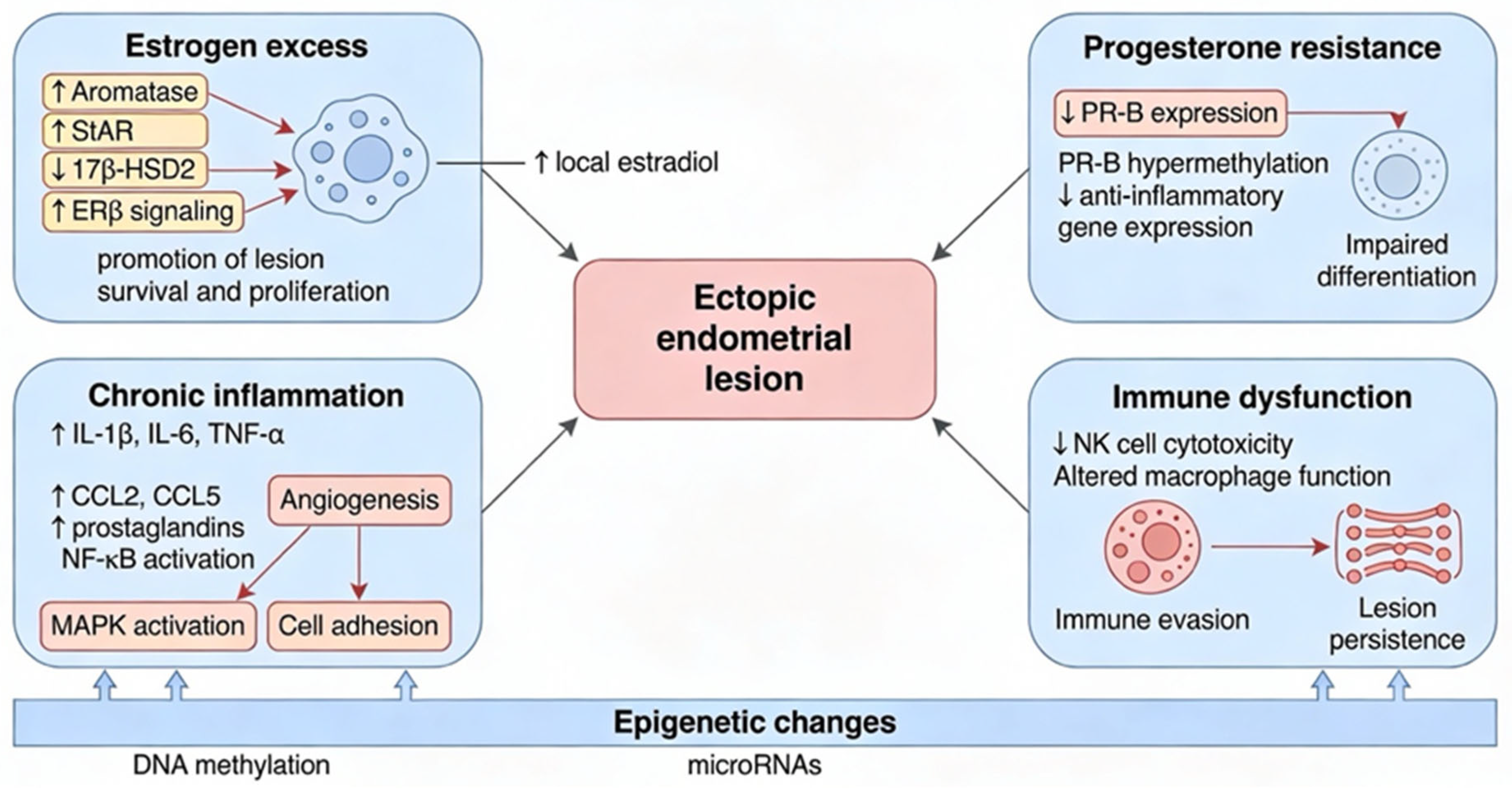
1.2. Molecular Pathways
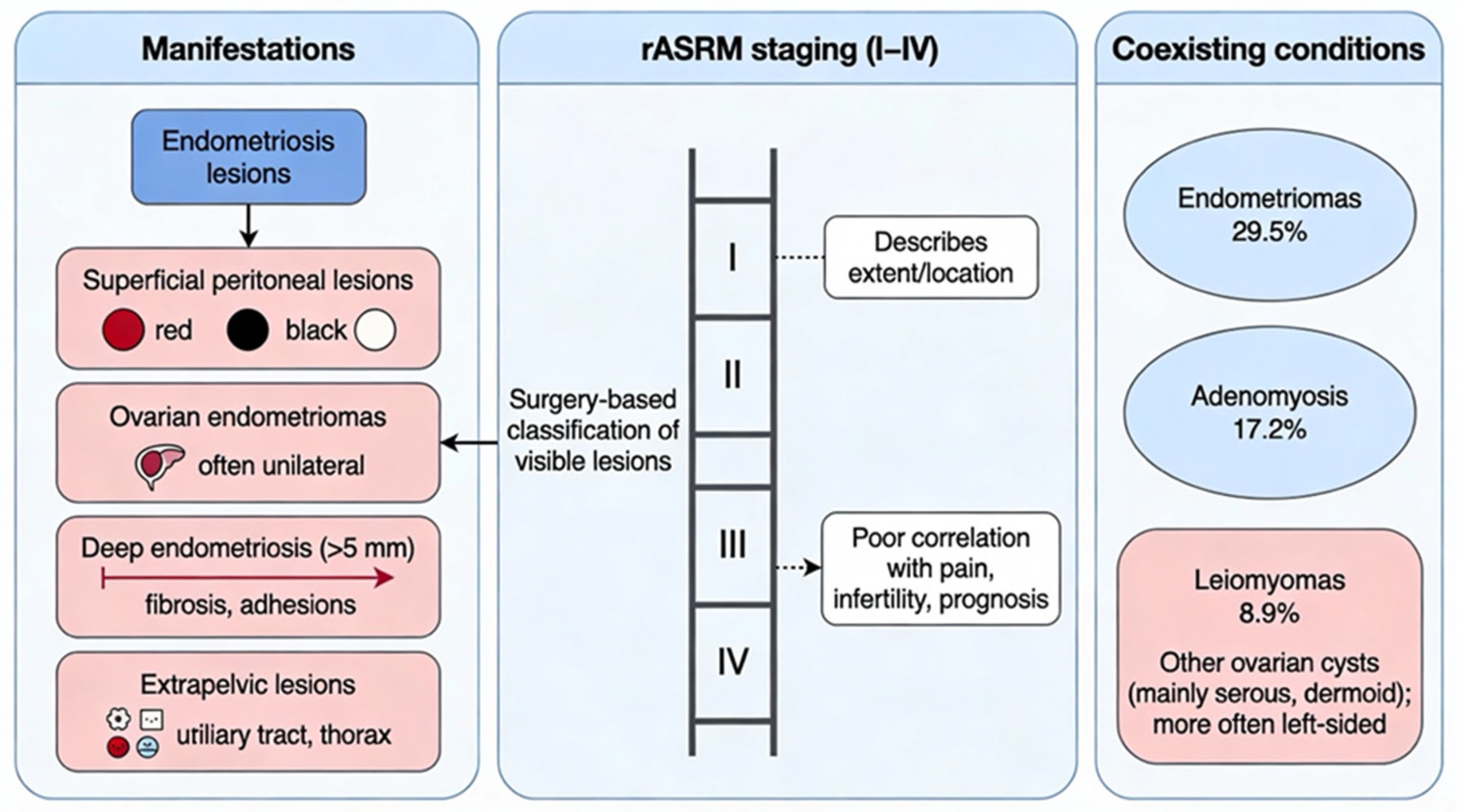
1.3. Manifestations and Classifications
Objective
2. Methods
2.1. Registration
2.2. Research Aim
2.3. Research Question and (PICO) Framework
2.4. Eligibility Criteria
2.5. Screening Process
2.6. Charting and Data Extraction
2.7. Risk-of-Bias Assessment and Quality Assessment
3. Results
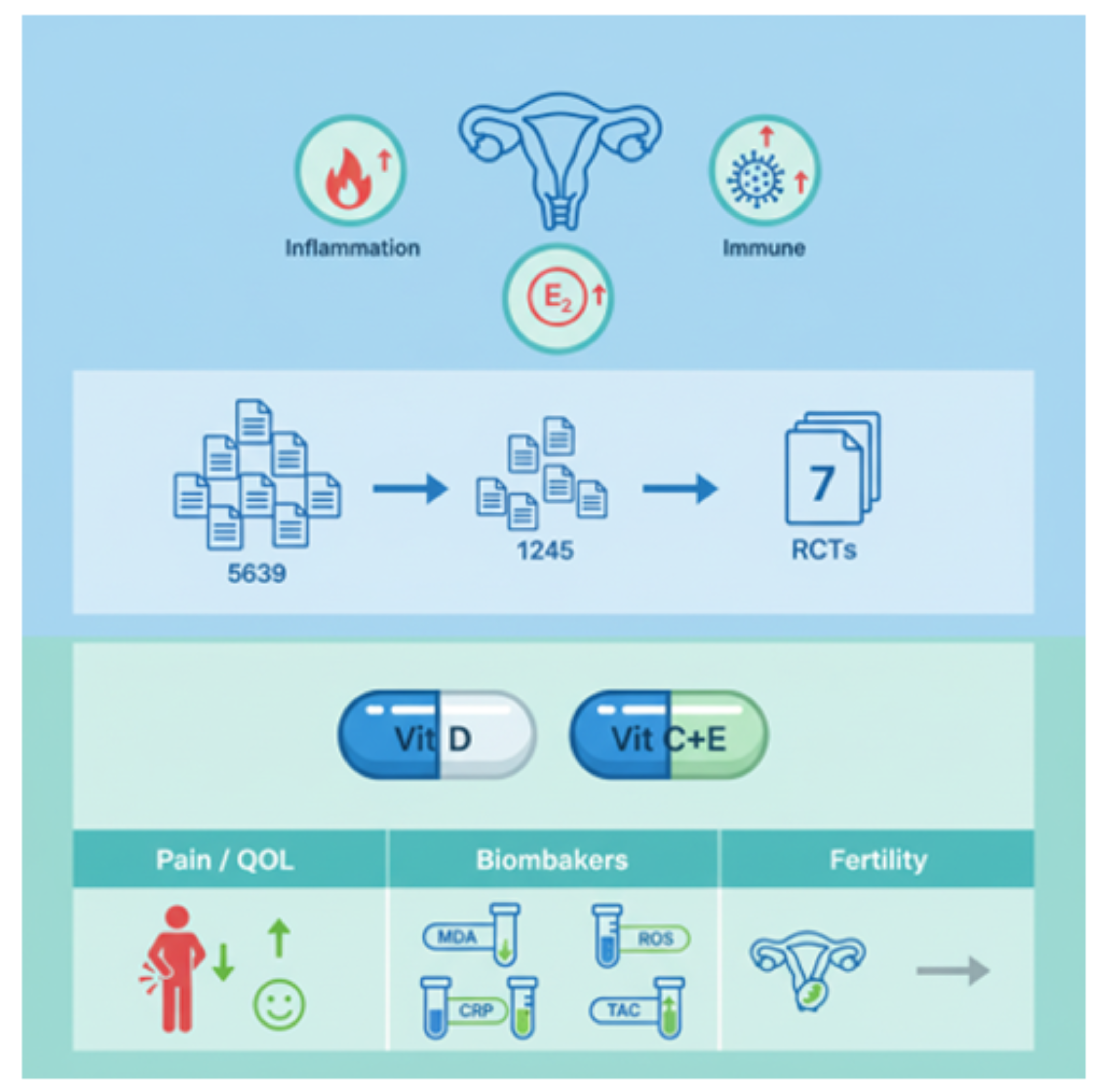
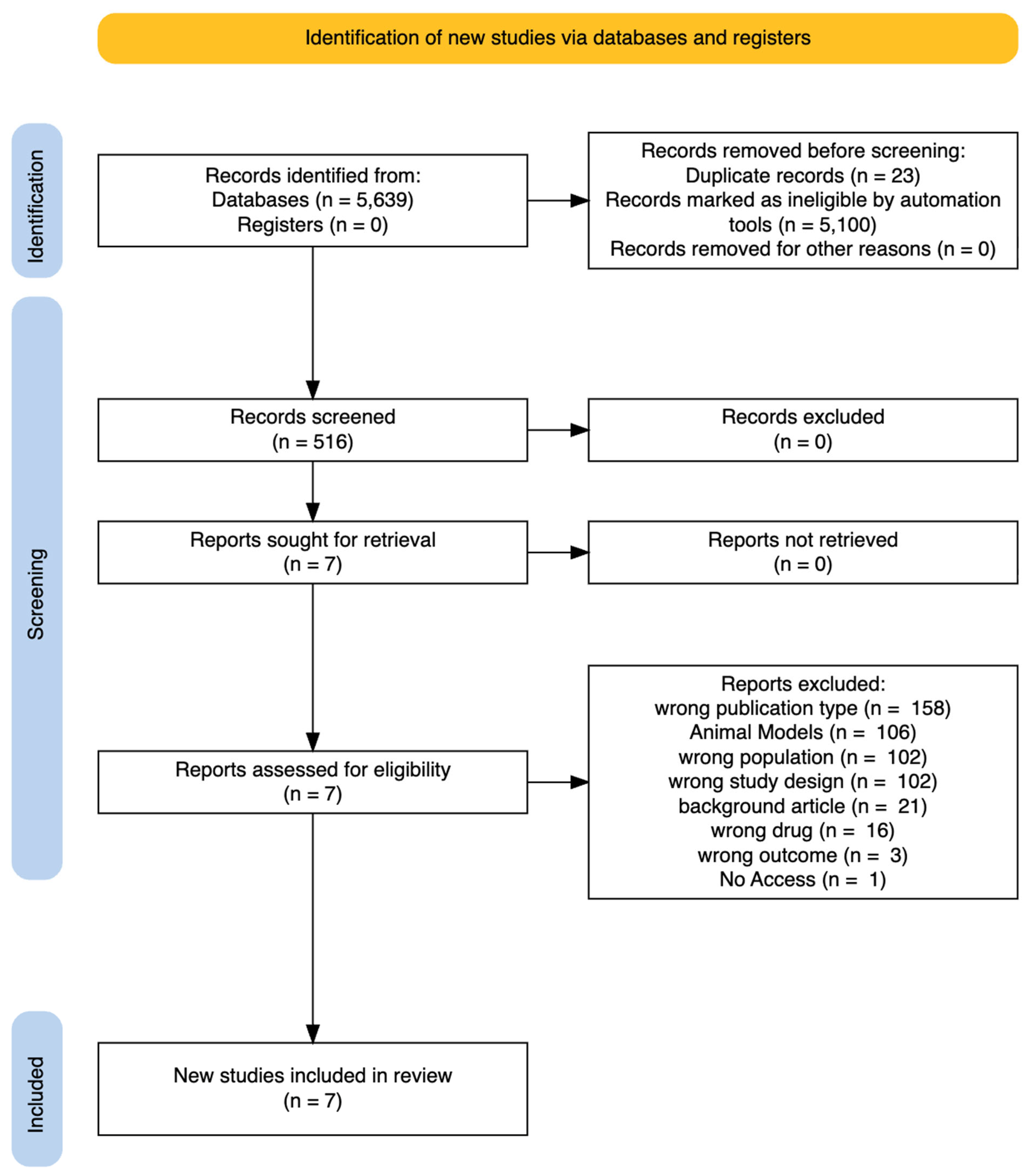
3.1. PRISMA-Guided Study Screening and Eligibility Assessment
3.2. Therapeutic Outcomes of Vitamin D in Endometriosis: Evidence from RCTs
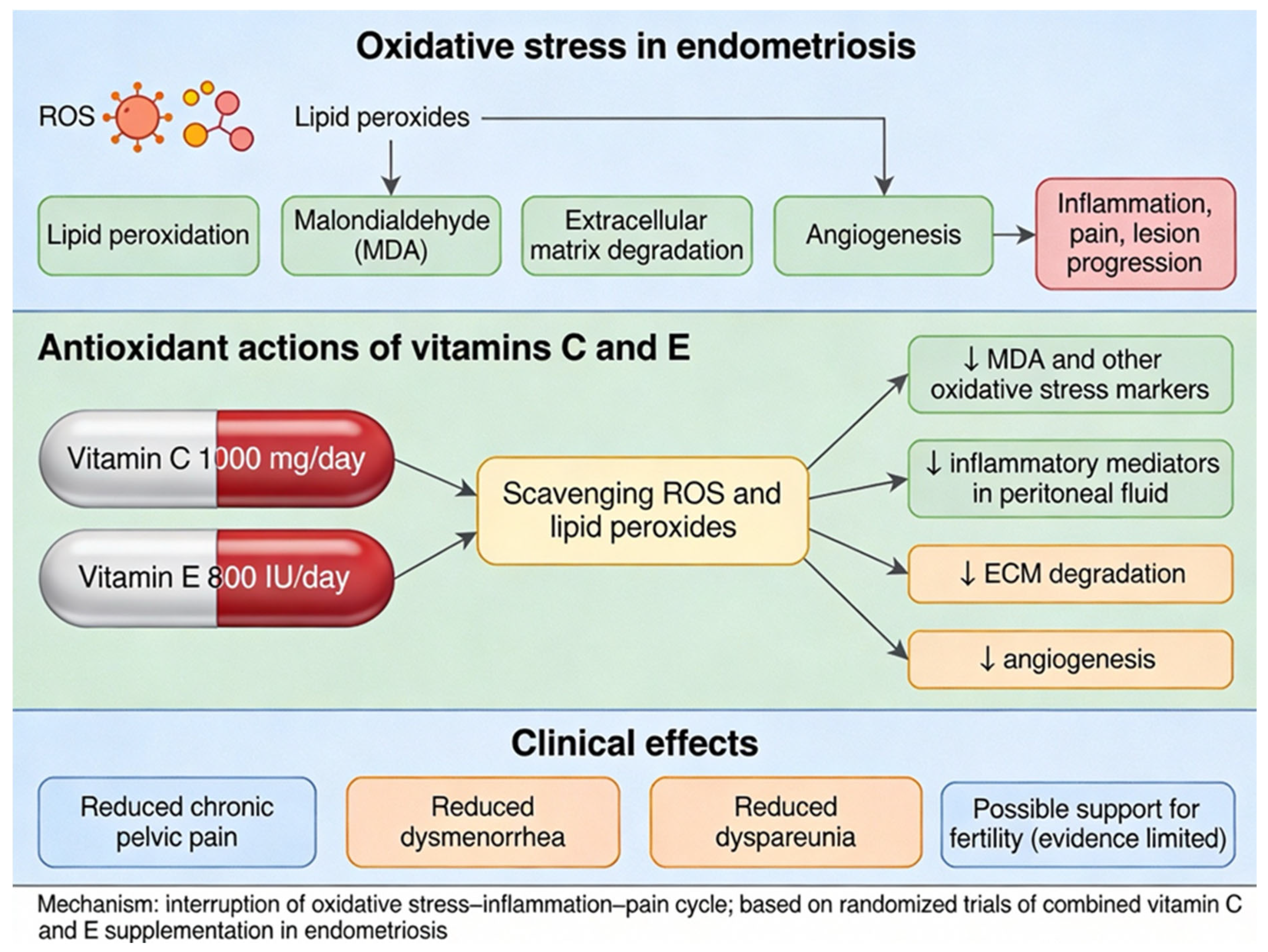
3.3. Effects of Antioxidant Supplementation (Vitamins C and E) on Oxidative Stress and Clinical Outcomes
3.4. Interpretation of Jadad Scale Quality Assessment
3.5. Interpretation of Cochrane RoB 2 Tool
4. Discussion
4.1. Vitamin D and Endometriosis
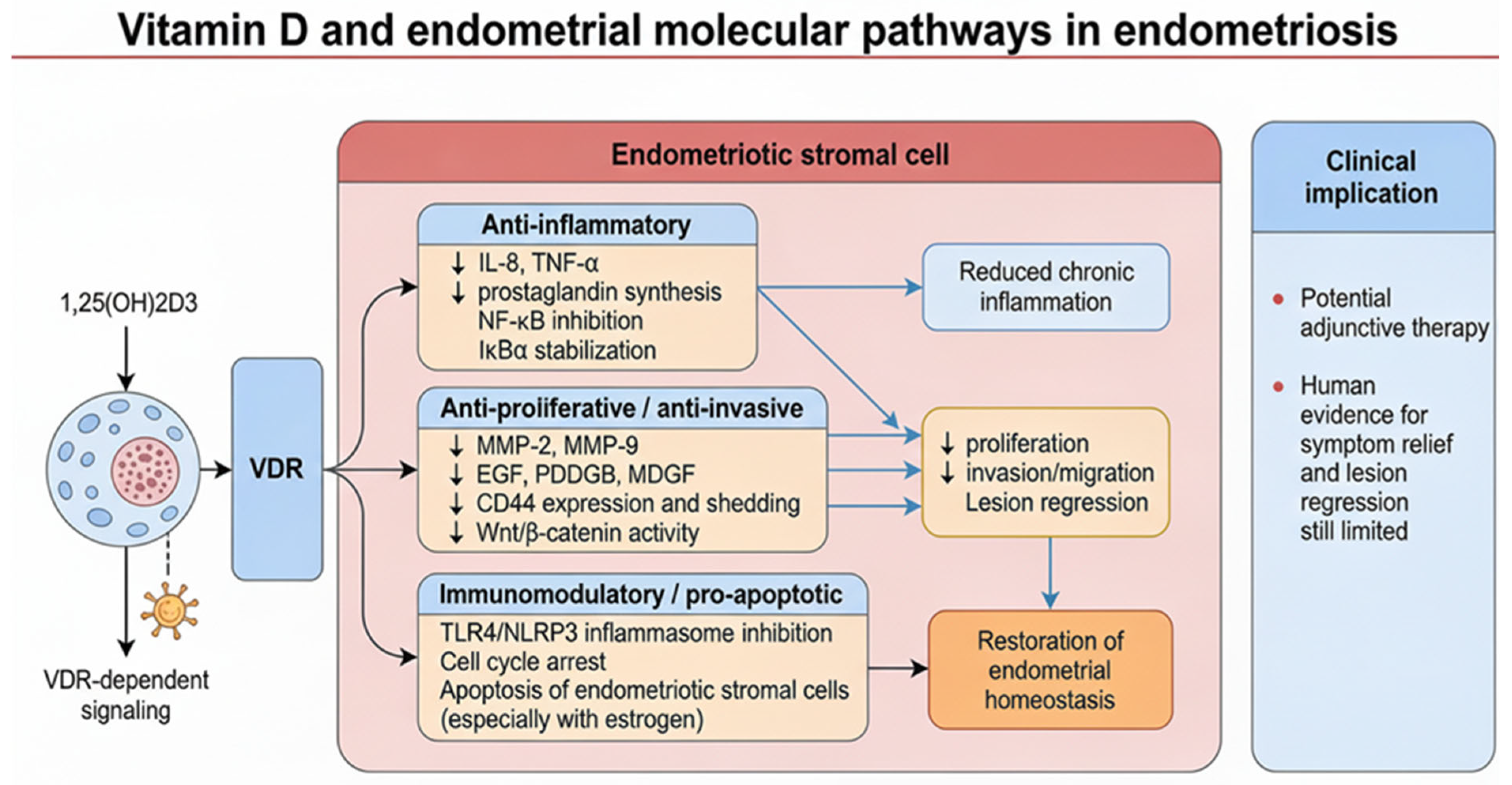
4.1.1. Modulator of Endometrial Molecular Pathways
4.1.2. Clinical Evidence for Vitamin D in Endometriosis Management
4.2. Vitamins C and E and Endometriosis
4.2.1. Clinical Effects of Vitamins C and E in Endometriosis
4.2.2. The Role of Vitamins C and E in Endometriosis Management
4.2.3. Mechanistic Rationale for Vitamin D, C, and E in Endometriosis
Limitations and Prospective Views
5. Conclusions
Supplementary Materials
Author Contributions
Funding
Data Availability Statement
Conflicts of Interest
References
- Zondervan, K.T.; Becker, C.M.; Missmer, S.A. Endometriosis. N. Engl. J. Med. 2020, 382, 1244–1256. [Google Scholar] [CrossRef] [PubMed]
- Maulenkul, T.; Kuandyk, A.; Makhadiyeva, D.; Dautova, A.; Terzic, M.; Oshibayeva, A.; Moldaliyev, I.; Ayazbekov, A.; Maimakov, T.; Saruarov, Y.; et al. Understanding the impact of endometriosis on women’s life: An integrative review of systematic reviews. BMC Women’s Health 2024, 24, 524. [Google Scholar] [CrossRef] [PubMed]
- Parasar, P.; Ozcan, P.; Terry, K.L. Endometriosis: Epidemiology, Diagnosis and Clinical Management. Curr. Obs. Gynecol. Rep. 2017, 6, 34–41. [Google Scholar] [CrossRef] [PubMed]
- Rahmioglu, N.; Zondervan, K. Endometriosis: Disease mechanisms and health disparities. Bull. World Health Organ. 2024, 102, 919–921. [Google Scholar] [CrossRef]
- Taylor, H.S.; Kotlyar, A.M.; Flores, V.A. Endometriosis is a chronic systemic disease: Clinical challenges and novel innovations. Lancet 2021, 397, 839–852. [Google Scholar] [CrossRef]
- As-Sanie, S.; Mackenzie, S.C.; Morrison, L.; Schrepf, A.; Zondervan, K.T.; Horne, A.W.; Missmer, S.A. Endometriosis. JAMA 2025, 334, 64. [Google Scholar] [CrossRef]
- Mariadas, H.; Chen, J.-H.; Chen, K.-H. The Molecular and Cellular Mechanisms of Endometriosis: From Basic Pathophysiology to Clinical Implications. Int. J. Mol. Sci. 2025, 26, 2458. [Google Scholar] [CrossRef]
- Cano-Herrera, G.; Salmun Nehmad, S.; Ruiz de Chávez Gascón, J.; Vionet, A.M.; van Tienhoven, X.A.; Martínez, M.F.O.; Alvarez, M.M.; Rivero, M.X.V.; Torres, M.F.L.; Valverde, M.J.B.; et al. Endometriosis: A Comprehensive Analysis of the Pathophysiology, Treatment, and Nutritional Aspects, and Its Repercussions on the Quality of Life of Patients. Biomedicines 2024, 12, 1476. [Google Scholar] [CrossRef]
- American Society for Reproductive Medicine. Revised American Society for Reproductive Medicine classification of endometriosis: 1996. Fertil. Steril. 1997, 67, 817–821. [Google Scholar] [CrossRef]
- Lee, S.-Y.; Koo, Y.-J.; Lee, D.-H. Classification of endometriosis. Yeungnam Univ. J. Med. 2021, 38, 10–18. [Google Scholar] [CrossRef]
- Schippert, C.; Witte, Y.; Bartels, J.; Garcia-Rocha, G.-J.; Jentschke, M.; Hillemanns, P.; Kundu, S. Reproductive capacity and recurrence of disease after surgery for moderate and severe endometriosis—A retrospective single center analysis. BMC Women’s Health 2020, 20, 144. [Google Scholar] [CrossRef] [PubMed]
- Matalliotaki, C.; Matalliotakis, M.; Ieromonachou, P.; Goulielmos, G.N.; Zervou, M.I.; Laliotis, A.; Spandidos, D.A.; Arici, A.; Matalliotakis, I. Co-existence of benign gynecological tumors with endometriosis in a group of 1000 women. Oncol. Lett. 2017, 15, 1529–1532. [Google Scholar] [CrossRef] [PubMed]
- Mehdizadehkashi, A.; Rokhgireh, S.; Tahermanesh, K.; Eslahi, N.; Minaeian, S.; Samimi, M. The effect of vitamin D supplementation on clinical symptoms and metabolic profiles in patients with endometriosis. Gynecol. Endocrinol. 2021, 37, 640–645. [Google Scholar] [CrossRef] [PubMed]
- Pazhohan, A.; Danaei-Mehrabad, S.; Mohamad-Rezaeii, Z.; Amidi, F.; Khodarahmian, M.; Nashtaei, M.S.; Sobhani, A.; Farajzadeh, M.A. The modulating effects of vitamin D on the activity of β-catenin in the endometrium of women with endometriosis: A randomized exploratory trial. Gynecol. Endocrinol. 2021, 37, 278–282. [Google Scholar] [CrossRef]
- Nodler, J.L.; Divasta, A.D.; Vitonis, A.F.; Karevicius, S.; Malsch, M.; Sarda, V.; Fadayomi, A.; Harris, H.R.; Missmer, S.A. Supplementation with vitamin D or ω-3 fatty acids in adolescent girls and young women with endometriosis (SAGE): A double-blind, randomized, placebo-controlled trial. Am. J. Clin. Nutr. 2020, 112, 229–236. [Google Scholar] [CrossRef]
- Almassinokiani, F.; Khodaverdi, S.; Solaymani-Dodaran, M.; Akbari, P.; Pazouki, A. Effects of vitamin D on endometriosis-related pain: A double-blind clinical trial. Med. Sci. Monit. 2016, 22, 4960–4966. [Google Scholar] [CrossRef]
- Amini, L.; Chekini, R.; Nateghi, M.R.; Haghani, H.; Jamialahmadi, T.; Sathyapalan, T.; Sahebkar, A. The Effect of Combined Vitamin C and Vitamin e Supplementation on Oxidative Stress Markers in Women with Endometriosis: A Randomized, Triple-Blind Placebo-Controlled Clinical Trial. Pain Res. Manag. 2021, 2021, 5529741. [Google Scholar] [CrossRef]
- Santanam, N.; Kavtaradze, N.; Murphy, A.; Dominguez, C.; Parthasarathy, S. Antioxidant supplementation reduces endometriosis-related pelvic pain in humans. Transl. Res. 2013, 161, 189–195. [Google Scholar] [CrossRef]
- Mier-Cabrera, J.; Genera-García, M.; De la Jara-Díaz, J.; Perichart-Perera, O.; Vadillo-Ortega, F.; Hernández-Guerrero, C. Effect of vitamins C and E supplementation on peripheral oxidative stress markers and pregnancy rate in women with endometriosis. Int. J. Gynecol. Obstet. 2008, 100, 252–256. [Google Scholar] [CrossRef]
- Cermisoni, G.C.; Alteri, A.; Corti, L.; Rabellotti, E.; Papaleo, E.; Viganò, P.; Sanchez, A.M. Vitamin D and Endometrium: A Systematic Review of a Neglected Area of Research. Int. J. Mol. Sci. 2018, 19, 2320. [Google Scholar] [CrossRef]
- Jennings, B.S.; Hewison, M. Vitamin D and Endometriosis: Is There a Mechanistic Link? Cell Biochem. Funct. 2025, 43, e70037. [Google Scholar] [CrossRef] [PubMed]
- Zhong, Q.; Jin, Z.; Ma, J.; Liao, Z.; Lai, H.; Chen, S. 1,25-Dihydroxy vitamin D 3 inhibits LPS-mediated inflammatory responses in endometriosis. Ann. Med. 2025, 57, 2523563. [Google Scholar] [CrossRef] [PubMed]
- Miyashita, M.; Koga, K.; Izumi, G.; Sue, F.; Makabe, T.; Taguchi, A.; Nagai, M.; Urata, Y.; Takamura, M.; Harada, M.; et al. Effects of 1,25-Dihydroxy Vitamin D3 on Endometriosis. J. Clin. Endocrinol. Metab. 2016, 101, 2371–2379. [Google Scholar] [CrossRef] [PubMed]
- Pazhohan, A.; Amidi, F.; Akbari-Asbagh, F.; Seyedrezazadeh, E.; Aftabi, Y.; Abdolalizadeh, J.; Khodarahmian, M.; Khanlarkhani, N.; Sobhani, A. Expression and shedding of CD44 in the endometrium of women with endometriosis and modulating effects of vitamin D: A randomized exploratory trial. J. Steroid Biochem. Mol. Biol. 2018, 178, 150–158. [Google Scholar] [CrossRef]
- Rashidi, N.; Arefi, S.; Sadri, M.; Delbandi, A.-A. Effect of active vitamin D on proliferation, cell cycle and apoptosis in endometriotic stromal cells. Reprod. Biomed. Online 2023, 46, 436–445. [Google Scholar] [CrossRef]
- Mohagheghian Yaghoubi, H.; Samadi, M.; Tajik, N.; Babaheidarian, P.; Movahedinia, S.; Rashidi, N.; Delbandi, A.-A. Immunomodulatory effects of vitamin D3 on gene expression of MDGF, EGF and PDGFB in endometriosis. Reprod. Biomed. Online 2020, 41, 782–789. [Google Scholar] [CrossRef]
- Kalaitzopoulos, D.R.; Samartzis, N.; Daniilidis, A.; Leeners, B.; Makieva, S.; Nirgianakis, K.; Dedes, I.; Metzler, J.M.; Imesch, P.; Lempesis, I.G. Effects of vitamin D supplementation in endometriosis: A systematic review. Reprod. Biol. Endocrinol. 2022, 20, 176. [Google Scholar] [CrossRef]
- Xie, B.; Liao, M.; Huang, Y.; Hang, F.; Ma, N.; Hu, Q.; Wang, J.; Jin, Y.; Qin, A. Association between vitamin D and endometriosis among American women: National Health and Nutrition Examination Survey. PLoS ONE 2024, 19, e0296190. [Google Scholar] [CrossRef]
- van Tienhoven, X.A.; Ruiz de Chávez Gascón, J.; Cano-Herrera, G.; Nehme, J.A.S.; Torun, A.A.S.; Gonzalez, M.F.B.; Salazar, F.E.; Brozon, A.S.; Rosas, E.G.R.; Ocampo, D.C.; et al. Vitamin D in Reproductive Health Disorders: A Narrative Review Focusing on Infertility, Endometriosis, and Polycystic Ovarian Syndrome. Int. J. Mol. Sci. 2025, 26, 2256. [Google Scholar] [CrossRef]
- Dymanowska-Dyjak, I.; Frankowska, K.; Abramiuk, M.; Polak, G. Oxidative Imbalance in Endometriosis-Related Infertility—The Therapeutic Role of Antioxidants. Int. J. Mol. Sci. 2024, 25, 6298. [Google Scholar] [CrossRef]
- Clower, L.; Fleshman, T.; Geldenhuys, W.J.; Santanam, N. Targeting Oxidative Stress Involved in Endometriosis and Its Pain. Biomolecules 2022, 12, 1055. [Google Scholar] [CrossRef]
- Bayu, P.; Wibisono, J.J. Vitamin C and E antioxidant supplementation may significantly reduce pain symptoms in endometriosis: A systematic review and meta-analysis of randomized controlled trials. PLoS ONE 2024, 19, e0301867. [Google Scholar] [CrossRef]
- Abramiuk, M.; Mertowska, P.; Frankowska, K.; Świechowska-Starek, P.; Satora, M.; Polak, G.; Dymanowska-Dyjak, I.; Grywalska, E. How Can Selected Dietary Ingredients Influence the Development and Progression of Endometriosis? Nutrients 2024, 16, 154. [Google Scholar] [CrossRef] [PubMed]
- Markowska, A.; Antoszczak, M.; Markowska, J.; Huczyński, A. The Role of Selected Dietary Factors in the Development and Course of Endometriosis. Nutrients 2023, 15, 2773. [Google Scholar] [CrossRef] [PubMed]
- Zheng, S.-H.; Chen, X.-X.; Chen, Y.; Wu, Z.-C.; Chen, X.-Q.; Li, X.-L. Antioxidant vitamins supplementation reduce endometriosis related pelvic pain in humans: A systematic review and meta-analysis. Reprod. Biol. Endocrinol. 2023, 21, 79. [Google Scholar] [CrossRef] [PubMed]
- Carr, A.C.; Zhu, B.-Z.; Frei, B. Potential Antiatherogenic Mechanisms of Ascorbate (Vitamin C) and α-Tocopherol (Vitamin E). Circ. Res. 2000, 87, 349–354. [Google Scholar] [CrossRef]
- Sies, H.; Stahl, W.; Sundquist, A.R. Antioxidant Functions of Vitamins. Ann. N. Y. Acad. Sci. 1992, 669, 7–20. [Google Scholar] [CrossRef]
- Traber, M.G.; Stevens, J.F. Vitamins C and E: Beneficial effects from a mechanistic perspective. Free Radic. Biol. Med. 2011, 51, 1000–1013. [Google Scholar] [CrossRef]
- Moabedi, M.; Milajerdi, A. The effect of co-administration of vitamin E and C supplements on plasma oxidative stress biomarkers and antioxidant capacity: A GRADE-assessed systematic review and meta-analysis of randomized controlled trials with meta-regression. Front. Immunol. 2025, 16, 1547888. [Google Scholar] [CrossRef]
- Lisowska-Myjak, B.; Skarżyńska, E.; Wróbel, M.; Mańka, G.; Kiecka, M.; Lipa, M.; Warzecha, D.; Spaczyński, R.; Piekarski, P.; Banaszewska, B.; et al. Investigation of the Changes in Concentrations of Vitamin D-Binding Protein and Lactoferin in Plasma and Peritoneal Fluid of Patients with Endometriosis. Int. J. Mol. Sci. 2023, 24, 7828. [Google Scholar] [CrossRef]
- Cacciottola, L.; Donnez, J.; Dolmans, M.-M. Can Endometriosis-Related Oxidative Stress Pave the Way for New Treatment Targets? Int. J. Mol. Sci. 2021, 22, 7138. [Google Scholar] [CrossRef]
- Huang, L.; Shi, L.; Li, M.; Yin, X.; Ji, X. Oxidative stress in endometriosis: Sources, mechanisms and therapeutic potential of antioxidants (Review). Int. J. Mol. Med. 2025, 55, 72. [Google Scholar] [CrossRef]
- Cuffaro, F.; Russo, E.; Amedei, A. Endometriosis, Pain, and Related Psychological Disorders: Unveiling the Interplay among the Microbiome, Inflammation, and Oxidative Stress as a Common Thread. Int. J. Mol. Sci. 2024, 25, 6473. [Google Scholar] [CrossRef]
- Assaf, L.; Eid, A.A.; Nassif, J. Role of AMPK/mTOR, mitochondria, and ROS in the pathogenesis of endometriosis. Life Sci. 2022, 306, 120805. [Google Scholar] [CrossRef]
- Martire, F.G.; Costantini, E.; d’Abate, C.; Capria, G.; Piccione, E.; Andreoli, A. Endometriosis and Nutrition: Therapeutic Perspectives. J. Clin. Med. 2025, 14, 3987. [Google Scholar] [CrossRef]
- Page, M.J.; McKenzie, J.E.; Bossuyt, P.M.; Boutron, I.; Hoffmann, T.C.; Mulrow, C.D.; Shamseer, L.; Tetzlaff, J.M.; Akl, E.A.; Brennan, S.E.; et al. The PRISMA 2020 statement: An updated guideline for reporting systematic reviews. BMJ 2021, 372, n71. [Google Scholar] [CrossRef]



| P (Population) | Women of reproductive age (18–50 years) with confirmed diagnosis of endometriosis (by laparoscopy, imaging, or clinical criteria). |
| I (Intervention) | Vitamin supplementation with vitamins D, C, or E, alone or in combination (any dose, any duration). |
| C (Comparison) | Placebo, no intervention, or standard medical care (e.g., hormonal therapy, surgical intervention). |
| O (Outcome) | Primary outcomes: reduction in pain scores (dysmenorrhea, chronic pelvic pain, and dyspareunia); improvement in quality of life; and changes in oxidative stress markers (MDA, ROS) and inflammatory biomarkers (IL-6, CRP, TNF-α). Secondary outcomes: fertility-related measures (pregnancy rate, time to pregnancy) when reported. |
| Category | Inclusion Criteria | Exclusion Criteria |
|---|---|---|
| Study Design | Randomized controlled trials (RCTs), including parallel or crossover designs | Non-randomized studies, observational studies, case reports, and reviews |
| Population | Females of reproductive age with a confirmed diagnosis of endometriosis | Studies involving animals, men, postmenopausal women, or those without confirmed diagnosis |
| Intervention | Supplementation with vitamins (e.g., vitamin D, C, E, A, or multivitamin combinations) alone or in combination | Non-vitamin interventions, herbal remedies, or dietary patterns without vitamin focus |
| Comparator | Placebo, no intervention, or conventional medical therapy | Studies without a control group or inappropriate comparator |
| Outcomes | Pain relief, inflammatory marker changes, oxidative stress markers, and quality of life | Studies reporting only fertility outcomes without assessment of pain, quality of life, or biochemical markers were excluded |
| Language | Full-text articles published in English | Articles published in languages other than English |
| Publication Type | Peer-reviewed journals | Abstracts, conference proceedings, letters, or editorials |
| Criteria | Pazhohan (2021) [14] | Nodler (2020) [15] | Santanam (2013) [18] | Mehdizadehkashi (2021) [13] | Almassinokiani (2016) [16] | Amini (2021) [17] | Mier-Cabrera (2008) [19] |
|---|---|---|---|---|---|---|---|
| Randomization described | Yes | Yes | Yes | Yes | Yes | Yes | Yes |
| Method of randomization | Not explained | Permuted blocks | Not detailed | Computer-generated | Not detailed | Simple random | Not detailed |
| Blinding described | No | Double-blind | Placebo-controlled | Double-blind | Double-blind | Triple-blind | Double-blind |
| Blinding method appropriate | Not discussed | Capsules matched | Unclear matching | Capsules matched | Not explained | Identical coding | Bars matched in taste/appearance |
| Withdrawals/dropouts reported | One dropout | Yes, detailed | Reported | Five withdrawals | One pregnancy-related | Criteria stated | Two dropouts noted |
| Score | Quality Rating | |
|---|---|---|
| Pazhohan et al. [14] | 2/5 | Low quality |
| Nodler et al. [15] | 5/5 | High quality |
| Santanam et al. [18] | 3/5 | Moderate quality |
| Mehdizadehkashi et al. [13] | 5/5 | High quality |
| Almassinokiani et al. [16] | 3/5 | Moderate quality |
| Amini et al. [17] | 5/5 | High quality |
| Mier-Cabrera et al. [19] | 4/5 | High quality |
| Study (Year) | Main Outcome Assessed for RoB | Randomization Process | Deviations from Intended Interventions | Missing Outcome Data | Measurement of the Outcome | Selection of Reported Result | Overall RoB |
|---|---|---|---|---|---|---|---|
| Pazhohan 2021 [14] | Molecular outcome (active β-catenin; vitamin D vs. routine care) | Some concerns (randomization mentioned, method not fully described, no explicit allocation concealment) | Low risk (no clear protocol deviations; interventions well-defined) | Low risk (minimal exclusions; reasons reported) | Low risk (biochemical/molecular lab assays, outcome assessors unlikely to be influenced by knowledge of group) | Some concerns (no published protocol; limited detail on whether all prespecified outcomes were reported) | Some concerns |
| Nodler 2020 [15] | Pelvic pain (VAS; vitamin D3/fish oil/placebo) | Low risk (permuted block randomization described; clear randomization procedure) | Low risk (double-blind, matched capsules; no major deviations from assigned interventions) | Low risk (attrition described and balanced; reasons provided) | Low risk (validated pain scales; identical procedures across arms; blinding maintained) | Some concerns (no detailed protocol/public registration for specific outcomes; selective reporting cannot be fully ruled out) | Low risk |
| Santanam 2013 [18] | Pelvic pain and peritoneal cytokines (vitamin C + E vs. placebo) | Some concerns (randomization reported but method not fully described; allocation concealment unclear) | Low risk (placebo-controlled, double-blind; no evidence of systematic deviations) | Low risk (dropouts described; outcome data largely complete) | Low risk (standardized VAS and ELISA measurements; assessors likely blinded) | Some concerns (no explicit protocol; possibility of selective emphasis on significant outcomes) | Some concerns |
| Mehdizadehkashi 2021 [13] | Pelvic pain, hs-CRP, TAC (vitamin D vs. placebo) | Low risk (computer-generated randomization described; allocation approach reasonably clear) | Low risk (double-blind, matched placebo; no major deviations) | Low risk (reported completion rates; withdrawals minimal and balanced) | Low risk (validated pain scales and lab markers; blinding maintained) | Some concerns (no registered protocol referenced; unclear if all outcomes analyzed were prespecified) | Low risk |
| Almassinokiani 2016 [16] | Post-operative pain (VAS; vitamin D vs. placebo) | Some concerns (randomization mentioned, but method and allocation concealment not clearly described) | Low risk (double-blind, placebo-controlled; no notable deviations) | Low risk (follow-up described; attrition limited) | Low risk (VAS measurements; likely blinded outcome assessment) | Some concerns (no accessible protocol; negative primary result reported, but selective reporting cannot be fully assessed) | Some concerns |
| Amini 2021 [17] | Pain and oxidative stress markers (vitamin C + E vs. placebo) | Low risk (randomization with clear description and triple-blinding) | Low risk (triple-blind design reduces risk of deviations; adherence procedures described) | Low risk (dropouts minimal and documented) | Low risk (VAS and biochemical markers with blinded lab assessment) | Some concerns (no detailed preregistered analysis plan cited) | Low risk |
| Mier-Cabrera 2008 [19] | Oxidative stress markers and pregnancy (vitamin C + E bar vs. placebo bar) | Some concerns (randomization and allocation procedures not fully detailed; older trial) | Low risk (double-blind, matched bars; no evidence of systematic deviations) | Low risk (small sample but attrition reported; pregnancy outcome analyzed on available data) | Low risk (laboratory assays and objective pregnancy outcome; blinding likely preserved) | Some concerns (no protocol; high risk of unreported negative or exploratory outcomes cannot be ruled out) | Some concerns |
| Study | Randomization | Deviations | Missing Data | Measurement | Selection | Overall |
|---|---|---|---|---|---|---|
| Pazhohan 2021 [14] |  |  | | | | |
| Nodler 2020 [15] | | | | | | |
| Santanam 2013 [18] | | | | | | |
| Mehdizadehkashi 2021 [13] | | | | | | |
| Almassinokiani 2016 [16] | | | | | | |
| Amini 2021 [17] | | | | | | |
| Mier-Cabrera 2008 [19] | | | | | | |
| Study Reference | Year | Country | Type of Study | Sample Size | Participant Details | Age Range | Mean Age | Vitamin(s) Investigated | Formulation/Dosage | Intervention Duration | Control Condition | Outcome Measures | Key Results | Adverse Effects |
|---|---|---|---|---|---|---|---|---|---|---|---|---|---|---|
| Mehdizadehkashi et al. [13] | 2021 | Iran | Randomized, double-blind, placebo-controlled trial | 60 (50 completed: 25 per group) | Women with confirmed endometriosis | 18–40 years | ≈35.2 ± 7 years | Vitamin D | 50,000 IU vitamin D orally every 2 weeks | 12 weeks | Placebo with identical appearance | Pelvic pain, lipid ratio, hs-CRP, TAC, glycemic and inflammatory markers | ↓ Pelvic pain, ↓ hs-CRP, ↓ total/HDL cholesterol ratio, ↑ TAC; no effect on glycemic indices or other clinical symptoms | None reported |
| Pazhohan et al. [14] | 2021 | Iran | Randomized exploratory trial | 34 (17 per group; 1 excluded from intervention due to pregnancy) | Women with stage III/IV endometriosis, infertile, regular cycles, BMI 18.5–30 kg/m2 | 22–37 years | ≈30.2 ± 2.4 years | Vitamin D | 50,000 IU orally per week (D-VIGEL 50000) | 12–14 weeks | Routine hospital protocol (surgery + OCP) | Expression/activity of β-catenin (gene/protein), serum 25(OH)D, endometrial biopsy | ↓ Active β-catenin protein, ↓ ratio of active/total β-catenin; no change in gene expression levels; ↑ serum 25(OH)D in intervention group | None reported |
| Nodler et al. [15] | 2020 | USA | Double-blind RCT, 3-arm parallel | 69 (27 Vit D, 20 Fish Oil, 22 Placebo) | Adolescent girls and young women (12–25 y) with surgically confirmed endometriosis and pelvic pain | 12–25 y | ≈19.7 y | Vitamin D3 + Omega-3 FA | Vitamin D3: 2000 IU/day; Fish Oil: 1000 mg/day; Placebo: lactose capsule | 6 months | Placebo (identical capsule) | Pain via visual analog scale (VAS); quality of life (SF-12); catastrophic thinking; pain medication usage; serum 25(OH)D and Omega-3 FA compliance | VAS pain ↓ in all groups; Vit D group had statistically significant ↓ pain (p = 0.02) but similar to placebo group (p = 0.07); Fish oil less effective. No statistical difference vs. placebo. | Minor (e.g., loose stools); most dropped due to personal reasons or follow-ups |
| Almassinokiani et al. [16] | 2016 | Iran | Double-blind randomized trial | 38 women | Post-laparoscopy endometriosis patients | 15–40 years | 29.89 yrs | Vitamin D3 | 50,000 IU cholecalciferol weekly | 12 weeks + follow-up to 24 wks post-op | Placebo | VAS scores for pelvic pain and dysmenorrhea | No statistically significant difference in pain scores between vitamin D and placebo groups at 24 weeks post-surgery | None reported |
| Study Reference | Year | Country | Type of Study | Sample Size | Participant Details | Age Range | Mean Age | Vitamin(s) Investigated | Formulation/Dosage | Intervention Duration | Control Condition | Outcome Measures | Key Results | Adverse Effects |
|---|---|---|---|---|---|---|---|---|---|---|---|---|---|---|
| Amini et al. [17] | 2021 | Iran | Randomized, triple-blind, placebo-controlled clinical trial | 60 (30 per group) | Women aged 15–45 years with laparoscopically confirmed stage I–III endometriosis | 15–45 years | 35.7 ± 5.71 years | Vitamin C and vitamin E | Vitamin C: 1000 mg/day (2 × 500 mg); vitamin E: 800 IU/day (2 × 400 IU) | 8 weeks | Placebo tablets (mannitol, magnesium stearate, PVP) | Malondialdehyde (MDA), ROS, TAC levels; VAS for pelvic pain, dysmenorrhea, dyspareunia | ↓ MDA and ROS; no change in TAC; significant ↓ in pelvic pain, dysmenorrhea, and dyspareunia compared to placebo | None reported |
| Santanam et al. [18] | 2013 | USA | Randomized, placebo-controlled clinical trial | 59 (46 antioxidant, 13 placebo) | Women aged 19–41 years with pelvic pain and history of endometriosis and/or infertility | 19–41 years | Not specified | Vitamin C and vitamin E | Vitamin E: 1200 IU/day (3 × 400 IU); vitamin C: 1000 mg/day (2 × 500 mg) | 8 weeks | Placebo pills | VAS for chronic pelvic pain, dysmenorrhea, dyspareunia; ELISA for RANTES, IL-6, MCP-1 in peritoneal fluid | ↓ Chronic pelvic pain (43%), ↓ dysmenorrhea (37%), ↓ dyspareunia (24%), ↓ inflammatory markers (RANTES, IL-6, MCP-1) | None reported |
| Mier-Cabrera et al. [19] | 2008 | Mexico | Randomized, double-blind trial | 34 (16 vit group, 18 placebo) | Infertile women with stage I–II endometriosis confirmed via laparoscopy | 25–35 years | ≈32.7 ± 2.4 years | Vitamin C and vitamin E | Daily antioxidant bar: vitamin C 343 mg + vitamin E 84 mg | 6 months | Identical placebo bar | Plasma/peritoneal levels of MDA and LOOHs; pregnancy rate | ↓ Plasma MDA from month 4; ↓ LOOHs by month 6 in vit group vs. placebo; no change in peritoneal fluid markers; pregnancy rate ↑ (19% vs. 12%) but not statistically significant | None reported |
Disclaimer/Publisher’s Note: The statements, opinions and data contained in all publications are solely those of the individual author(s) and contributor(s) and not of MDPI and/or the editor(s). MDPI and/or the editor(s) disclaim responsibility for any injury to people or property resulting from any ideas, methods, instructions or products referred to in the content. |
© 2026 by the authors. Licensee MDPI, Basel, Switzerland. This article is an open access article distributed under the terms and conditions of the Creative Commons Attribution (CC BY) license.
Share and Cite
Tsokkou, S.; Matsas, A.; Konstantinidis, I.; Karopoulou, E.; Papamitsou, T.; Stamoula, E. Therapeutic Effects of Vitamins in Endometriosis Patients: A Systematic Review of Randomized Controlled Trials. Int. J. Mol. Sci. 2026, 27, 1476. https://doi.org/10.3390/ijms27031476
Tsokkou S, Matsas A, Konstantinidis I, Karopoulou E, Papamitsou T, Stamoula E. Therapeutic Effects of Vitamins in Endometriosis Patients: A Systematic Review of Randomized Controlled Trials. International Journal of Molecular Sciences. 2026; 27(3):1476. https://doi.org/10.3390/ijms27031476
Chicago/Turabian StyleTsokkou, Sophia, Alkis Matsas, Ioannis Konstantinidis, Evaggelia Karopoulou, Theodora Papamitsou, and Eleni Stamoula. 2026. "Therapeutic Effects of Vitamins in Endometriosis Patients: A Systematic Review of Randomized Controlled Trials" International Journal of Molecular Sciences 27, no. 3: 1476. https://doi.org/10.3390/ijms27031476
APA StyleTsokkou, S., Matsas, A., Konstantinidis, I., Karopoulou, E., Papamitsou, T., & Stamoula, E. (2026). Therapeutic Effects of Vitamins in Endometriosis Patients: A Systematic Review of Randomized Controlled Trials. International Journal of Molecular Sciences, 27(3), 1476. https://doi.org/10.3390/ijms27031476