Angiopoietin-like Protein 3 (ANGPTL3) Targeting in the Management of Dyslipidemias

 , ,
, ,
Abstract
1. Introduction
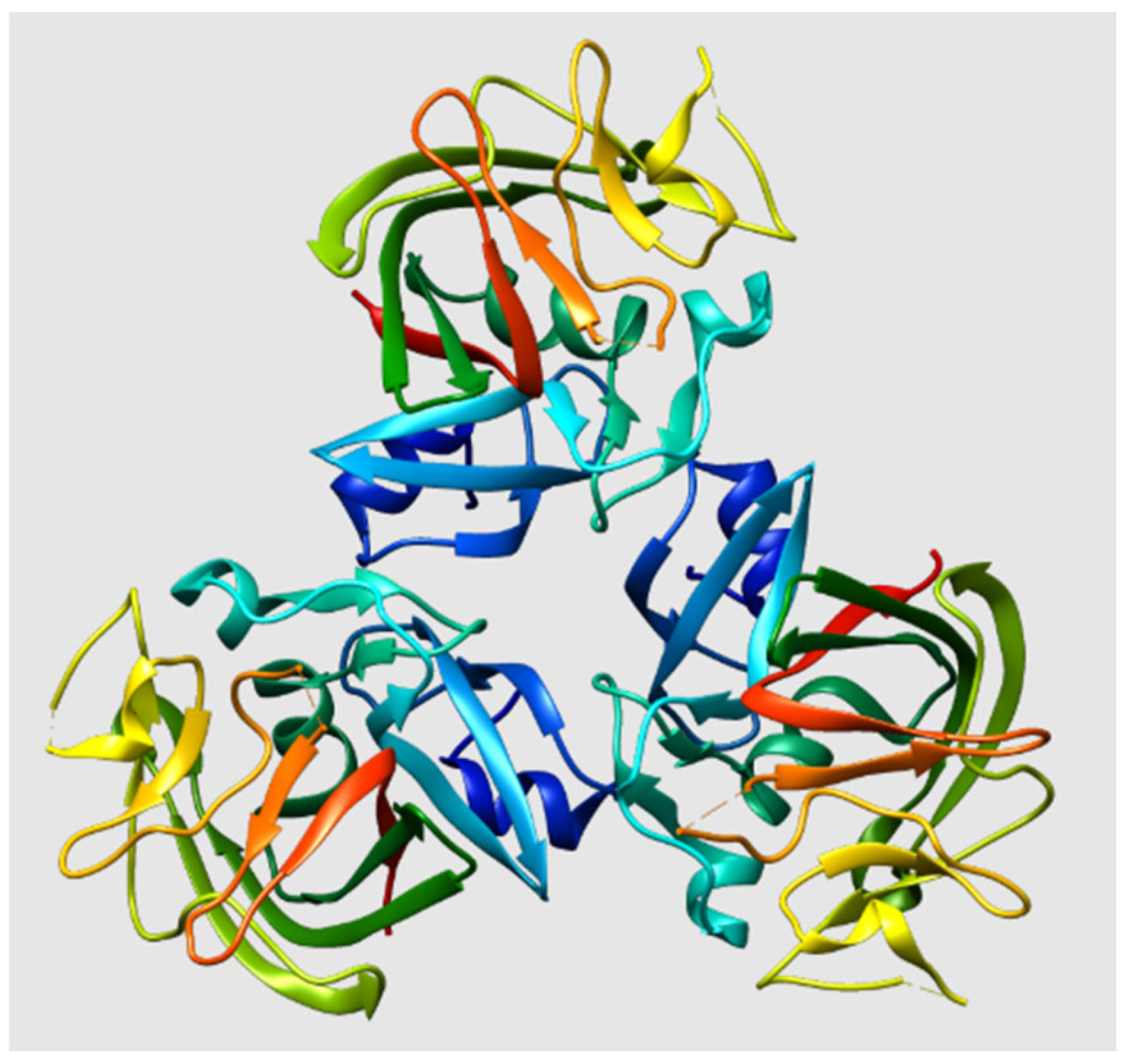
2. Angiopoietin-like Protein 3 (ANGPTL3): Structure and Function
3. Targeting ANGPTL3 in the Clinical Setting
3.1. Monoclonal Antibody Targeting ANGPTL3, Evinacumab

| Clinical Trial | Study Design | Results | |
|---|---|---|---|
| Gaudet D et al. The New England Journal of Medicine 2017 [29] | Phase 2 NCT02265952 | Single-group, open-label, proof-of-concept, Phase 2 clinical trial 9 HoFH participants 4 week evinacumab treatment | reduction in LDL-cholesterol 49 ± 23% apoB 46 ± 18% non-HDL-C 49 ± 22%, TG 47% HDL-cholesterol 36 ± 16% |
| Rosenson RS et al. The New England Journal of Medicine 2020 [31] | Phase 2 NCT03175367 | Double-blind, placebo-controlled, Phase 2 trial across 20 countries 272 patients with hypercholesterolemia Treatment sc or iv evinacumab or placebo for 16 weeks. | LDL-C reduction: 56.0%: with 450 mg/w sc 52.9%: with 300 mg/w sc 38.5%: with 200 mg/2w sc 50.5%: with 15 mg/kg/Q4W iv 24.2%: with 5 mg/kg/Q4W iv |
| Reeskamp LF et al. Arteriosclerosis, thrombosis, and Vascular Biology 2021 [32] | Phase 2 NCT04722068 | Lipoprotein kinetics of subjects enrolled in the R1500-CL-1331 clinical trial (NCT02265952) to assess the mechanism by which the evinacumab may affect lipid levels in HoFH subjects | LDL-cholesterol reduction: 59 ± 2% Increased IDL apoB and LDL apoB fractional catabolic rate: 616 ± 504% and 113 ± 14% |
| Wiegman A et al. Circulation 2024 [36] | Phase 3 NCT04233918 | Pediatric patients with HoFH with LDL-C > 130 mg/dL | Reduction in LDL-cholesterol −48.3% from baseline to week 24. Reduction in apoB −41.3%, non-high-density lipoprotein cholesterol −48.9%, and total cholesterol −49.1% |
| Gaudet D et al. European Heart Journal 2024 [37] | Phase 3 NCT03409744 | Open-label, single-group, Phase 3 clinical trial at 38 sites across 12 countries 116 HoFH patients 15 mg/kg intravenous every 4 weeks | Reduction in LDL-cholesterol: 43.6% in the overall population 41.7% and 55.4% in adults and adolescents. Evinacumab well tolerated. |
3.2. RNA-Based Agents Targeting ANGPTL3
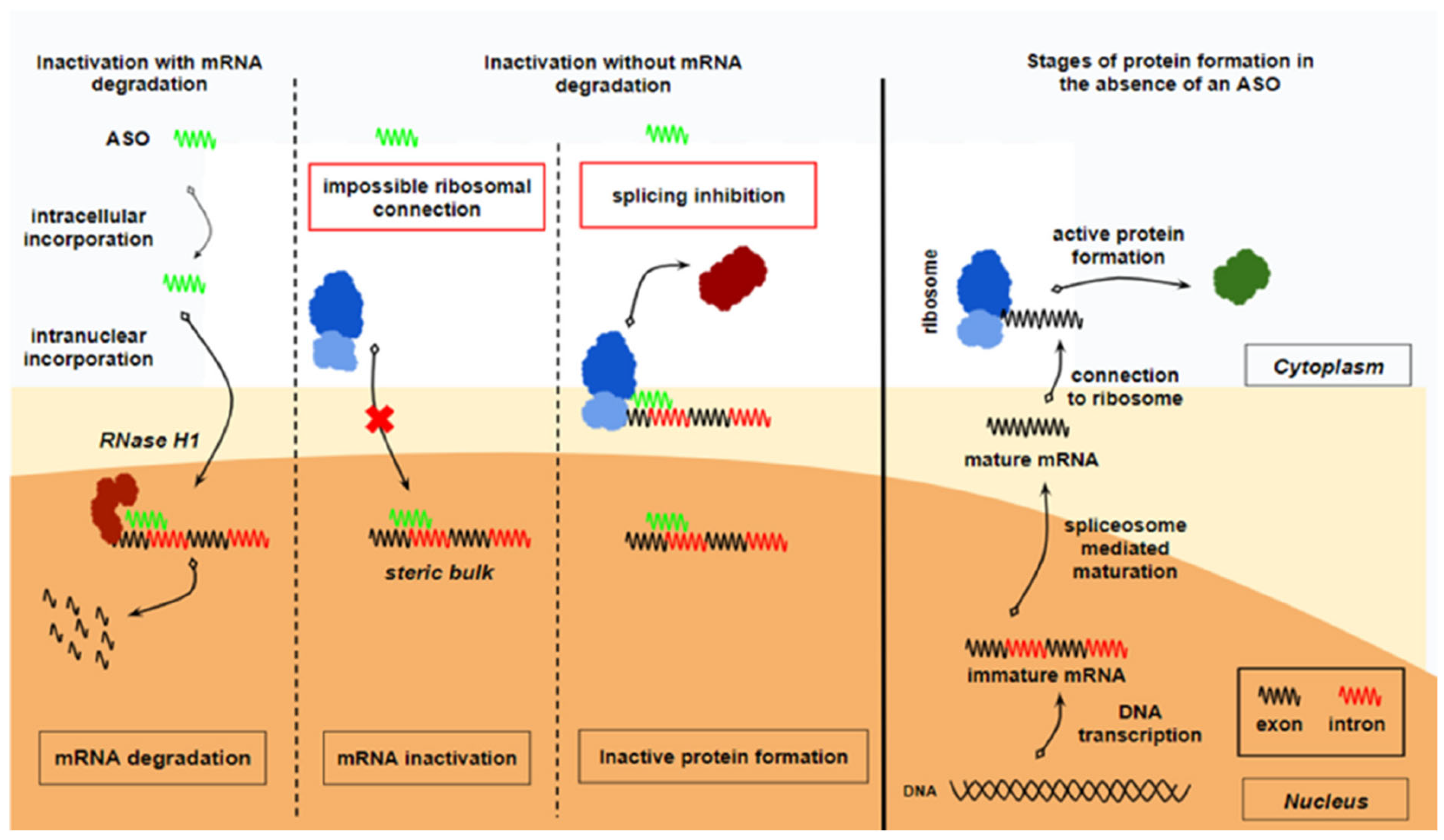
3.2.1. Antisense Oligonucleotides (ASOs)
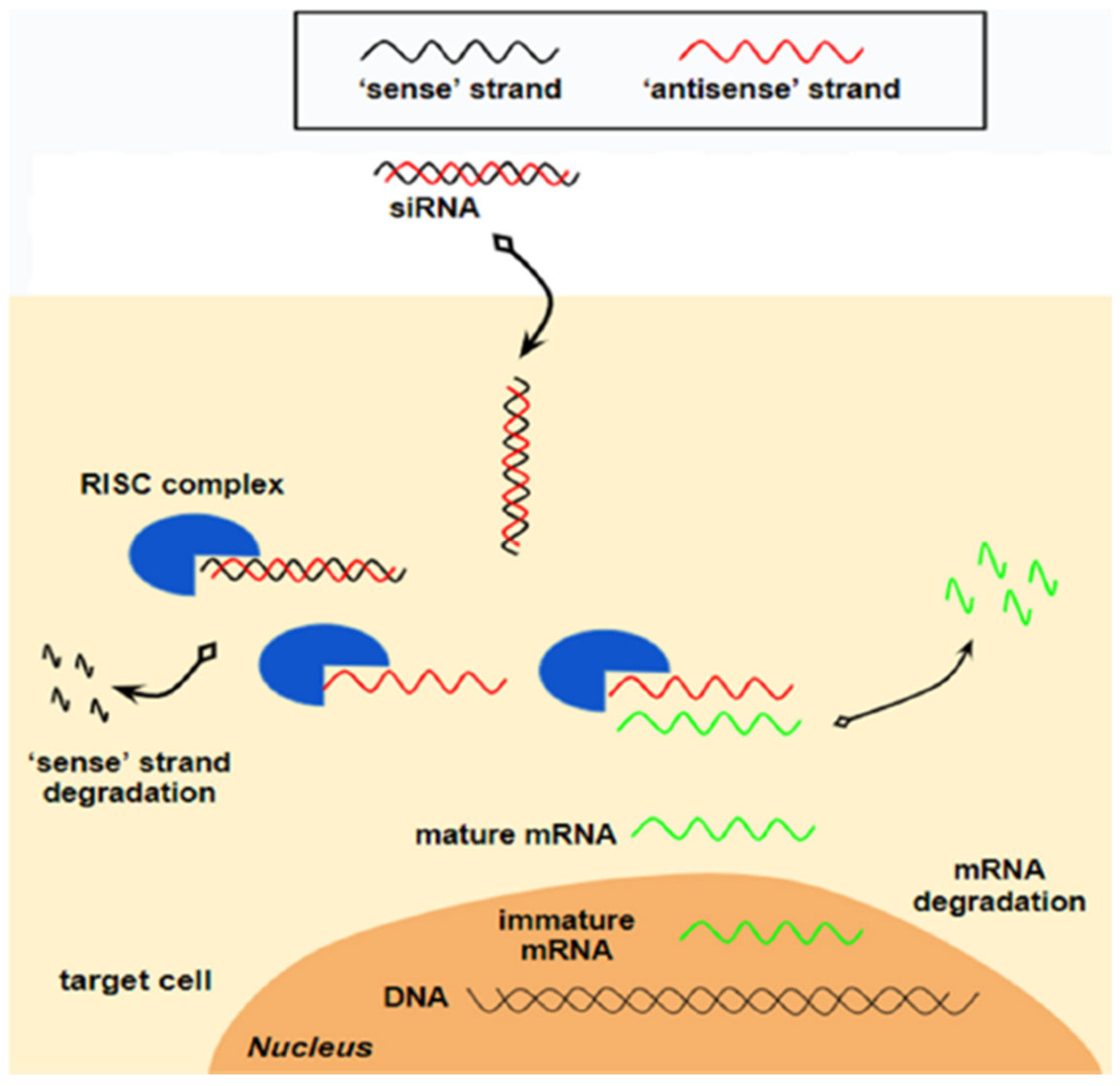
3.2.2. Small (Short) Interfering RNAs (siRNAs)
4. Promising Gene Editing for Dyslipidemias
5. Conclusions—Future Directions
Author Contributions
Funding
Data Availability Statement
Conflicts of Interest
References
- Roth, G.A.; Mensah, G.A.; Fuster, V. The Global Burden of Cardiovascular Diseases and Risks: A Compass for Global Action. J. Am. Coll. Cardiol. 2020, 76, 2980–2981. [Google Scholar] [CrossRef]
- Di Cesare, M.; Perel, P.; Taylor, S.; Kabudula, C.; Bixby, H.; Gaziano, T.A.; McGhie, D.V.; Mwangi, J.; Pervan, B.; Narula, J.; et al. The Heart of the World. Glob. Heart 2024, 19, 11. [Google Scholar] [CrossRef] [PubMed]
- Wang, Y.; Wang, X.; Wang, C.; Zhou, J. Global, Regional, and National Burden of Cardiovascular Disease, 1990–2021: Results From the 2021 Global Burden of Disease Study. Cureus 2024, 16, e74333. [Google Scholar] [CrossRef] [PubMed]
- Vaduganathan, M.; Mensah, G.A.; Turco, J.V.; Fuster, V.; Roth, G.A. The Global Burden of Cardiovascular Diseases and Risk: A Compass for Future Health. J. Am. Coll. Cardiol. 2022, 80, 2361–2371. [Google Scholar] [CrossRef] [PubMed]
- Silverman, M.G.; Ference, B.A.; Im, K.; Wiviott, S.D.; Giugliano, R.P.; Grundy, S.M.; Braunwald, E.; Sabatine, M.S. Association Between Lowering LDL-C and Cardiovascular Risk Reduction Among Different Therapeutic Interventions: A Systematic Review and Meta-analysis. JAMA 2016, 316, 1289–1297. [Google Scholar] [CrossRef] [PubMed]
- Pirillo, A.; Casula, M.; Olmastroni, E.; Norata, G.D.; Catapano, A.L. Global epidemiology of dyslipidaemias. Nat. Rev. Cardiol. 2021, 18, 689–700. [Google Scholar] [CrossRef]
- Martin, S.S.; Aday, A.W.; Almarzooq, Z.I.; Anderson, C.A.M.; Arora, P.; Avery, C.L.; Baker-Smith, C.M.; Barone Gibbs, B.; Beaton, A.Z.; Boehme, A.K.; et al. 2024 Heart Disease and Stroke Statistics: A Report of US and Global Data from the American Heart Association. Circulation 2024, 149, e347–e913, Erratum in Circulation 2024, 149, e1164. Erratum in Circulation 2025, 151, e1095. https://doi.org/10.1161/CIR.0000000000001344. [Google Scholar] [CrossRef] [PubMed]
- Jang, Y.; Rhee, E.J.; Choi, S.H. Innovative Lipid-Lowering Strategies: RNA-Based, Small Molecule, and Protein-Based Therapies. Endocrinol. Metab. 2025, 40, 668–686. [Google Scholar] [CrossRef]
- Tokgozoglu, L.; Libby, P. The dawn of a new era of targeted lipid-lowering therapies. Eur. Heart J. 2022, 43, 3198–3208. [Google Scholar] [CrossRef]
- Hato, T.; Tabata, M.; Oike, Y. The role of angiopoietin-like proteins in angiogenesis and metabolism. Trends Cardiovasc. Med. 2008, 18, 6–14. [Google Scholar] [CrossRef]
- Santulli, G. Angiopoietin-like proteins: A comprehensive look. Front. Endocrinol. 2014, 5, 4. [Google Scholar] [CrossRef] [PubMed]
- Shimizugawa, T.; Ono, M.; Shimamura, M.; Yoshida, K.; Ando, Y.; Koishi, R.; Ueda, K.; Inaba, T.; Minekura, H.; Kohama, T.; et al. ANGPTL3 decreases very low density lipoprotein triglyceride clearance by inhibition of lipoprotein lipase. J. Biol. Chem. 2002, 277, 33742–33748. [Google Scholar] [CrossRef] [PubMed]
- Shimamura, M.; Matsuda, M.; Yasumo, H.; Okazaki, M.; Fujimoto, K.; Kono, K.; Shimizugawa, T.; Ando, Y.; Koishi, R.; Kohama, T.; et al. Angiopoietin-like protein3 regulates plasma HDL cholesterol through suppression of endothelial lipase. Arterioscler. Thromb. Vasc. Biol. 2007, 27, 366–372. [Google Scholar] [CrossRef] [PubMed]
- Conklin, D.; Gilbertson, D.; Taft, D.W.; Maurer, M.F.; Whitmore, T.E.; Smith, D.L.; Walker, K.M.; Chen, L.H.; Wattler, S.; Nehls, M.; et al. Identification of a mammalian angiopoietin-related protein expressed specifically in liver. Genomics 1999, 62, 477–482. [Google Scholar] [CrossRef] [PubMed]
- Ono, M.; Shimizugawa, T.; Shimamura, M.; Yoshida, K.; Noji-Sakikawa, C.; Ando, Y.; Koishi, R.; Furukawa, H. Protein region important for regulation of lipid metabolism in angiopoietin-like 3 (ANGPTL3): ANGPTL3 is cleaved and activated in vivo. J. Biol. Chem. 2003, 278, 41804–41809. [Google Scholar] [CrossRef]
- Camenisch, G.; Pisabarro, M.T.; Sherman, D.; Kowalski, J.; Nagel, M.; Hass, P.; Xie, M.H.; Gurney, A.; Bodary, S.; Liang, X.H.; et al. ANGPTL3 stimulates endothelial cell adhesion and migration via integrin alpha vbeta 3 and induces blood vessel formation in vivo. J. Biol. Chem. 2002, 277, 17281–17290. [Google Scholar] [CrossRef]
- Visualisation de la Protéine Cristallisée ANGPTL3 à Partir de L’identifiant PDB 6EUA Sur le Logiciel UCSF Chimera. Available online: https://fr.wikipedia.org/wiki/Fichier:ANGPTL3.png (accessed on 10 November 2025).
- Koishi, R.; Ando, Y.; Ono, M.; Shimamura, M.; Yasumo, H.; Fujiwara, T.; Horikoshi, H.; Furukawa, H. Angptl3 regulates lipid metabolism in mice. Nat. Genet. 2002, 30, 151–157. [Google Scholar] [CrossRef]
- Romeo, S.; Yin, W.; Kozlitina, J.; Pennacchio, L.A.; Boerwinkle, E.; Hobbs, H.H.; Cohen, J.C. Rare loss-of-function mutations in ANGPTL family members contribute to plasma triglyceride levels in humans. J. Clin. Investig. 2009, 119, 70–79. [Google Scholar] [CrossRef]
- Teslovich, T.M.; Musunuru, K.; Smith, A.V.; Edmondson, A.C.; Stylianou, I.M.; Koseki, M.; Pirruccello, J.P.; Ripatti, S.; Chasman, D.I.; Willer, C.J.; et al. Biological, clinical and population relevance of 95 loci for blood lipids. Nature 2010, 466, 707–713. [Google Scholar] [CrossRef]
- Hegele, R.A.; Ban, M.R.; Hsueh, N.; Kennedy, B.A.; Cao, H.; Zou, G.Y.; Anand, S.; Yusuf, S.; Huff, M.W.; Wang, J. A polygenic basis for four classical Fredrickson hyperlipoproteinemia phenotypes that are characterized by hypertriglyceridemia. Hum. Mol. Genet. 2009, 18, 4189–4194. [Google Scholar] [CrossRef]
- Kathiresan, S.; Willer, C.J.; Peloso, G.M.; Demissie, S.; Musunuru, K.; Schadt, E.E.; Kaplan, L.; Bennett, D.; Li, Y.; Tanaka, T.; et al. Common variants at 30 loci contribute to polygenic dyslipidemia. Nat. Genet. 2009, 41, 56–65. [Google Scholar] [CrossRef] [PubMed]
- Kathiresan, S.; Melander, O.; Guiducci, C.; Surti, A.; Burtt, N.P.; Rieder, M.J.; Cooper, G.M.; Roos, C.; Voight, B.F.; Havulinna, A.S.; et al. Six new loci associated with blood low-density lipoprotein cholesterol, high-density lipoprotein cholesterol or triglycerides in humans. Nat. Genet. 2008, 40, 189–197, Erratum in Nat. Genet. 2008, 40, 1384. [Google Scholar] [CrossRef]
- Willer, C.J.; Sanna, S.; Jackson, A.U.; Scuteri, A.; Bonnycastle, L.L.; Clarke, R.; Heath, S.C.; Timpson, N.J.; Najjar, S.S.; Stringham, H.M.; et al. Newly identified loci that influence lipid concentrations and risk of coronary artery disease. Nat. Genet. 2008, 40, 161–169. [Google Scholar] [CrossRef] [PubMed]
- De Castro-Oros, I.; Cenarro, A.; Tejedor, M.T.; Baila-Rueda, L.; Mateo-Gallego, R.; Lamiquiz-Moneo, I.; Pocovi, M.; Civeira, F. Common genetic variants contribute to primary hypertriglyceridemia without differences between familial combined hyperlipidemia and isolated hypertriglyceridemia. Circ. Cardiovasc. Genet. 2014, 7, 814–821. [Google Scholar] [CrossRef] [PubMed][Green Version]
- Xie, X.; Shi, X.; Zhang, Y.; Su, S.; Jiang, C.; Miao, L.; Wang, J.; Peng, D.; Lv, L.; Chai, X.; et al. Angiopoietin-Like 3 Antibody Therapy in Patients with Suboptimally Controlled Hyperlipidemia: A Phase 2 Study. J. Am. Coll. Cardiol. 2025, 85, 1821–1835. [Google Scholar] [CrossRef] [PubMed]
- Poiron, C.; Wu, Y.; Ginestoux, C.; Ehrenmann, F.; Duroux, P.; Lefranc, M.-P. IMGT/mAb-DB: The IMGT® database for therapeutic monoclonal antibodies. In Proceedings of the 11èmes Journées Ouvertes de Biologie, Informatique et Mathématiques (JOBIM), Montpellier, France, 7–9 September 2010. Poster 13. [Google Scholar]
- Harada-Shiba, M.; Ali, S.; Gipe, D.A.; Gasparino, E.; Son, V.; Zhang, Y.; Pordy, R.; Catapano, A.L. A randomized study investigating the safety, tolerability, and pharmacokinetics of evinacumab, an ANGPTL3 inhibitor, in healthy Japanese and Caucasian subjects. Atherosclerosis 2020, 314, 33–40. [Google Scholar] [CrossRef] [PubMed]
- Gaudet, D.; Gipe, D.A.; Pordy, R.; Ahmad, Z.; Cuchel, M.; Shah, P.K.; Chyu, K.Y.; Sasiela, W.J.; Chan, K.C.; Brisson, D.; et al. ANGPTL3 Inhibition in Homozygous Familial Hypercholesterolemia. N. Engl. J. Med. 2017, 377, 296–297. [Google Scholar] [CrossRef]
- Banerjee, P.; Chan, K.C.; Tarabocchia, M.; Benito-Vicente, A.; Alves, A.C.; Uribe, K.B.; Bourbon, M.; Skiba, P.J.; Pordy, R.; Gipe, D.A.; et al. Functional Analysis of LDLR (Low-Density Lipoprotein Receptor) Variants in Patient Lymphocytes to Assess the Effect of Evinacumab in Homozygous Familial Hypercholesterolemia Patients with a Spectrum of LDLR Activity. Arterioscler. Thromb. Vasc. Biol. 2019, 39, 2248–2260. [Google Scholar] [CrossRef]
- Rosenson, R.S.; Burgess, L.J.; Ebenbichler, C.F.; Baum, S.J.; Stroes, E.S.G.; Ali, S.; Khilla, N.; Hamlin, R.; Pordy, R.; Dong, Y.; et al. Evinacumab in Patients with Refractory Hypercholesterolemia. N. Engl. J. Med. 2020, 383, 2307–2319. [Google Scholar] [CrossRef]
- Reeskamp, L.F.; Millar, J.S.; Wu, L.; Jansen, H.; van Harskamp, D.; Schierbeek, H.; Gipe, D.A.; Rader, D.J.; Dallinga-Thie, G.M.; Hovingh, G.K.; et al. ANGPTL3 Inhibition with Evinacumab Results in Faster Clearance of IDL and LDL apoB in Patients with Homozygous Familial Hypercholesterolemia—Brief Report. Arterioscler. Thromb. Vasc. Biol. 2021, 41, 1753–1759. [Google Scholar] [CrossRef]
- Reeskamp, L.F.; Nurmohamed, N.S.; Bom, M.J.; Planken, R.N.; Driessen, R.S.; van Diemen, P.A.; Luirink, I.K.; Groothoff, J.W.; Kuipers, I.M.; Knaapen, P.; et al. Marked plaque regression in homozygous familial hypercholesterolemia. Atherosclerosis 2021, 327, 13–17. [Google Scholar] [CrossRef] [PubMed]
- Jin, M.; Meng, F.; Yang, W.; Liang, L.; Wang, H.; Fu, Z. Efficacy and Safety of Evinacumab for the Treatment of Hypercholesterolemia: A Meta-Analysis. J. Cardiovasc. Pharmacol. 2021, 78, 394–402. [Google Scholar] [CrossRef] [PubMed]
- Raal, F.J.; Rosenson, R.S.; Reeskamp, L.F.; Kastelein, J.J.P.; Rubba, P.; Duell, P.B.; Koseki, M.; Stroes, E.; Ali, S.; Banerjee, P.; et al. The Long-Term Efficacy and Safety of Evinacumab in Patients with Homozygous Familial Hypercholesterolemia. JACC. Adv. 2023, 2, 100648. [Google Scholar] [CrossRef] [PubMed]
- Wiegman, A.; Greber-Platzer, S.; Ali, S.; Reijman, M.D.; Brinton, E.A.; Charng, M.J.; Srinivasan, S.; Baker-Smith, C.; Baum, S.; Brothers, J.A.; et al. Evinacumab for Pediatric Patients with Homozygous Familial Hypercholesterolemia. Circulation 2024, 149, 343–353, Erratum in Circulation 2025, 152, e22. https://doi.org/10.1161/CIR.0000000000001350. [Google Scholar] [CrossRef]
- Gaudet, D.; Greber-Platzer, S.; Reeskamp, L.F.; Iannuzzo, G.; Rosenson, R.S.; Saheb, S.; Stefanutti, C.; Stroes, E.; Wiegman, A.; Turner, T.; et al. Evinacumab in homozygous familial hypercholesterolaemia: Long-term safety and efficacy. Eur. Heart J. 2024, 45, 2422–2434, Erratum in Eur. Heart J. 2024, 45, 4314. https://doi.org/10.1093/eurheartj/ehae594. [Google Scholar] [CrossRef] [PubMed]
- Markham, A. Evinacumab: First Approval. Drugs 2021, 81, 1101–1105. [Google Scholar] [CrossRef]
- Gareri, C.; Polimeni, A.; Giordano, S.; Tamme, L.; Curcio, A.; Indolfi, C. Antisense Oligonucleotides and Small Interfering RNA for the Treatment of Dyslipidemias. J. Clin. Med. 2022, 11, 3884. [Google Scholar] [CrossRef]
- Stephenson, M.L.; Zamecnik, P.C. Inhibition of Rous sarcoma viral RNA translation by a specific oligodeoxyribonucleotide. Proc. Natl. Acad. Sci. USA 1978, 75, 285–288. [Google Scholar] [CrossRef]
- Huggett, B.; Paisner, K. The commercial tipping point. Nat. Biotechnol. 2017, 35, 708–709. [Google Scholar] [CrossRef]
- Dhuri, K.; Bechtold, C.; Quijano, E.; Pham, H.; Gupta, A.; Vikram, A.; Bahal, R. Antisense Oligonucleotides: An Emerging Area in Drug Discovery and Development. J. Clin. Med. 2020, 9, 2004. [Google Scholar] [CrossRef]
- Gouni-Berthold, I.; Berthold, H.K. Antisense oligonucleotides for the treatment of dyslipidemia. Curr. Pharm. Des. 2011, 17, 950–960. [Google Scholar] [CrossRef] [PubMed]
- Belgrad, J.; Fakih, H.H.; Khvorova, A. Nucleic Acid Therapeutics: Successes, Milestones, and Upcoming Innovation. Nucleic Acid. Ther. 2024, 34, 52–72. [Google Scholar] [CrossRef] [PubMed]
- Egli, M.; Manoharan, M. Chemistry, structure and function of approved oligonucleotide therapeutics. Nucleic Acids Res. 2023, 51, 2529–2573. [Google Scholar] [CrossRef] [PubMed]
- Kosmas, C.E.; Bousvarou, M.D.; Tsamoulis, D.; Gianniou, M.; Papakonstantinou, E.J.; Rallidis, L.S. Novel RNA-Based Therapies in the Management of Dyslipidemias. Int. J. Mol. Sci. 2025, 26, 1026. [Google Scholar] [CrossRef]
- Graham, M.J.; Lee, R.G.; Brandt, T.A.; Tai, L.J.; Fu, W.; Peralta, R.; Yu, R.; Hurh, E.; Paz, E.; McEvoy, B.W.; et al. Cardiovascular and Metabolic Effects of ANGPTL3 Antisense Oligonucleotides. N. Engl. J. Med. 2017, 377, 222–232. [Google Scholar] [CrossRef] [PubMed]
- Gaudet, D.; Karwatowska-Prokopczuk, E.; Baum, S.J.; Hurh, E.; Kingsbury, J.; Bartlett, V.J.; Figueroa, A.L.; Piscitelli, P.; Singleton, W.; Witztum, J.L.; et al. Vupanorsen, an N-acetyl galactosamine-conjugated antisense drug to ANGPTL3 mRNA, lowers triglycerides and atherogenic lipoproteins in patients with diabetes, hepatic steatosis, and hypertriglyceridaemia. Eur. Heart J. 2020, 41, 3936–3945. [Google Scholar] [CrossRef] [PubMed]
- ClinicalTrials.gov Identifier: NCT04516291. A Phase 2b Randomized, Double-Blind, Placebo-Controlled, Parallel Group, Dose-Ranging Study to Assess the Efficacy, Safety, and Tolerability of Vupanorsen (PF-07285557) in Statin-Treated Participants with Dyslipidemia. Available online: https://clinicaltrials.gov/ct2/show/NCT04516291 (accessed on 13 March 2022).
- Pfizer Inc. Pfizer and Ionis Announce Discontinuation of Vupanorsen Clinical Development Program. Available online: https://www.pfizer.com/news/press-release/press-release-detail/pfizer-and-ionis-announce-discontinuation-vupanorsen (accessed on 13 March 2022).
- Agrawal, N.; Dasaradhi, P.V.; Mohmmed, A.; Malhotra, P.; Bhatnagar, R.K.; Mukherjee, S.K. RNA interference: Biology, mechanism, and applications. Microbiol. Mol. Biol. Rev. 2003, 67, 657–685. [Google Scholar] [CrossRef] [PubMed]
- Alshaer, W.; Zureigat, H.; Al Karaki, A.; Al-Kadash, A.; Gharaibeh, L.; Hatmal, M.M.; Aljabali, A.A.A.; Awidi, A. siRNA: Mechanism of action, challenges, and therapeutic approaches. Eur. J. Pharmacol. 2021, 905, 174178, Erratum in Eur. J. Pharmacol. 2022, 916, 174741. https://doi.org/10.1016/j.ejphar.2022.174741. [Google Scholar] [CrossRef]
- Masana, L.; Ibarretxe, D. New drugs for treating dyslipidemias. From small molecules to small interfering RNAs. Clin. Investig. Arterioscler. 2024, 36, S15–S23. [Google Scholar] [CrossRef]
- Dudek, H.; Abrams, M.; Saxena, U.; Turanov, A.; Brown, B.; Ruotolo, G.; Michael, L. Identification and Characterization of Solbinsiran, a GalNAc Conjugated siRNA Targeting Angiopoietin-Like 3. Circulation 2023, 148, A12705. [Google Scholar] [CrossRef]
- Ray, K.K.; Linnebjerg, H.; Michael, L.F.; Shen, X.; Ma, X.; Lim, S.; Zhen, E.Y.; Dudek, H.; Abrams, M.; Saxena, U.; et al. Effect of ANGPTL3 Inhibition with Solbinsiran in Preclinical and Early Human Studies. J. Am. Coll. Cardiol. 2025, 85, 1803–1818. [Google Scholar] [CrossRef]
- Ray, K.K.; Oru, E.; Rosenson, R.S.; Jones, J.; Ma, X.; Walgren, J.; Haupt, A.; Verma, S.; Gaudet, D.; Nicholls, S.J.; et al. Durability and efficacy of solbinsiran, a GalNAc-conjugated siRNA targeting ANGPTL3, in adults with mixed dyslipidaemia (PROLONG-ANG3): A double-blind, randomised, placebo-controlled, phase 2 trial. Lancet 2025, 405, 1594–1607, Erratum in Lancet 2025, 405, 1579. https://doi.org/10.1016/S0140-6736(25)00829-3. [Google Scholar] [CrossRef]
- Watts, G.F.; Schwabe, C.; Scott, R.; Gladding, P.A.; Sullivan, D.; Baker, J.; Clifton, P.; Hamilton, J.; Given, B.; Melquist, S.; et al. RNA interference targeting ANGPTL3 for triglyceride and cholesterol lowering: Phase 1 basket trial cohorts. Nat. Med. 2023, 29, 2216–2223. [Google Scholar] [CrossRef] [PubMed]
- Rosenson, R.S.; Gaudet, D.; Hegele, R.A.; Ballantyne, C.M.; Nicholls, S.J.; Lucas, K.J.; San Martin, J.; Zhou, R.; Muhsin, M.; Chang, T.; et al. Zodasiran, an RNAi Therapeutic Targeting ANGPTL3, for Mixed Hyperlipidemia. N. Engl. J. Med. 2024, 391, 913–925. [Google Scholar] [CrossRef] [PubMed]
- Clinicaltrials.gov. Study of ARO-ANG3 in Participants with Homozygous Familial Hypercholesterolemia (HOFH) (Gateway). Available online: https://www.clinicaltrials.gov/study/NCT05217667 (accessed on 10 November 2025).
- Gurevitz, C.; Bajaj, A.; Khera, A.V.; Do, R.; Schunkert, H.; Musunuru, K.; Rosenson, R.S. Gene therapy and genome editing for lipoprotein disorders. Eur. Heart J. 2025, 46, 3420–3433. [Google Scholar] [CrossRef] [PubMed]
- Stankov, S.; Cuchel, M. Gene editing for dyslipidemias: New tools to “cut” lipids. Atherosclerosis 2023, 368, 14–24. [Google Scholar] [CrossRef]
- Bonowicz, K.; Jerka, D.; Piekarska, K.; Olagbaju, J.; Stapleton, L.; Shobowale, M.; Bartosinski, A.; Lapot, M.; Bai, Y.; Gagat, M. CRISPR-Cas9 in Cardiovascular Medicine: Unlocking New Potential for Treatment. Cells 2025, 14, 131. [Google Scholar] [CrossRef]
- Lauerer, A.M.; Caravia, X.M.; Maier, L.S.; Chemello, F.; Lebek, S. Gene editing in common cardiovascular diseases. Pharmacol. Ther. 2024, 263, 108720. [Google Scholar] [CrossRef]
- Morrow, P.K.; Chen, Y.S.; Serwer, L.; Detwiler, Z.; Flanagan, N.; Koch, E.; Lei Zhang, M.; Mu, M.; Nguyen, T.; Sula, E.; et al. Abstract 16908: CTX310: An investigational in vivo CRISPR-based therapy efficiently and durably reduces ANGPTL3 protein and triglyceride levels in non-human primates after a single dose. Circulation 2023, 148, A16908. [Google Scholar] [CrossRef]
- Laffin, L.J.; Nicholls, S.J.; Scott, R.S.; Clifton, P.M.; Baker, J.; Sarraju, A.; Singh, S.; Wang, Q.; Wolski, K.; Xu, H.; et al. Phase 1 Trial of CRISPR-Cas9 Gene Editing Targeting ANGPTL3. N. Engl. J. Med. 2025, 393, 2119–2130. [Google Scholar] [CrossRef]
- Li, X.; Gao, Y.; Zhang, Z.; Deng, W.; Cao, W.; Wei, X.; Gao, Z.; Yao, L.; Wang, S.; Xie, Y.; et al. Biosafety considerations triggered by genome-editing technologies. Biosaf. Health 2025, 7, 141–151. [Google Scholar] [CrossRef] [PubMed]


| Therapy | Mechanism | Key LDL-C/TG Reduction (Trials) | Safety Concerns | Status (2025) |
|---|---|---|---|---|
| Evinacumab | Binds/inhibits ANGPTL3 protein | LDL-C: 43–59% TG: 47% (ELIPSE HoFH, n = 64) | Infusion reactions (3–16%) | FDA/EMA-approved for HoFH ≥ 12 y |
| Zodasiran (ARO-ANG3) | Blocks gene mRNA transcripts | TG: 63% LDL-C by 20% | Transient glycemic changes | Phase 2 |
| Solbinsiran (LY3561774) | Blocks gene mRNA transcripts | TG: 73%, LDL-C: 30% | Well-tolerated | Phase 2 |
| CTX310 (CRISPR/Cas9) | DSB-induced knockout | TG: 82%; LDL-C: 86% (Phase 1, n = 15) | Transient ALT ↑ (1/15) | Phase 1 ongoing |
| SHR1918 | Binds/inhibits ANGPTL3 protein | LDL-C: 21.7% to 29.9% (Phase 2, NCT06109831) | Well-tolerated | Phase 2 |
| Clinical Trial | Study Design | Results | |
|---|---|---|---|
| Graham et al. The New England Journal of Medicine 2017 [47] | Phase 1 NCT02709850 | Double-blind, placebo-controlled, Phase 1 clinical trial 44 healthy volunteers (TGs 90–150 mg/dL) 20, 40, o 80 mg subcutaneous | TG: reduction 33.2–63.1% LDL-cholesterol: reduction 1.3–32.9% VLDL-cholesterol: reduction 27.9–60.0% Non-HDL-cholesterol: reduction 10–36% ApoB: reduction 3.4–25.7% ApoCIII: reduction 18.9–58.8% |
| Gaudet D et al. European Heart Journal 2020 [48] | Phase 2 NCT03371355 | Randomized, double-blind, placebo-controlled, multicenter, dose-ranging study 105 patients having TGs > 150 mg/dL, T2DM, hepatic steatosis and a body mass index (BMI) between 27 and 40 kg/m2 6 months treatment 40 or 80 mg every 4 weeks or 20 mg weekly. | TG reduction 36% with 40 mg every 4 weeks reduction 53% with 80 mg every 4 weeks reduction 47% with 20 mg weekly Total Cholesterol reduction 19% with 80 Q4W “remnant” cholesterol reduction 38% with 80 mg every 4 weeks non-HDL-C reduction 18% with 80 mg every 4 weeks |
| Clinical Trial | Study Design | Results | |
|---|---|---|---|
| Solbinsiran (LY3561774) | |||
| Ray KK et al. J. Am. Coll. Cardiol. 2025 [55] | Phase 1-NCT04644809 | Patients with mixed dyslipidemia. Single subcutaneous doses of solbinsiran (24–960 mg) or matching placebo. Repeat dose study, subcutaneous solbinsiran (208 or 480 mg) or matching placebo on days 1 and 29 was evaluated. | Dose-dependent mean % reductions in ANGPTL3 up to 86%, TG up to 73%, LDL-cholesterol up to 30%, non-HDL-cholesterol up to 41%, and apoB up to 30%. Repeat-dose study: reductions in ANGPTL3 of 89%, TG up to 70%, LDL-cholesterol up to 42%, non-HDL-cholesterol up to 46%, and apoB up to 36%. |
| Ray KK et al. Lancet 2025 [56] | Phase 2-NCT05256654 | Phase 2b, multicenter, double-blind, placebo-controlled, parallel-group (175 mixed dyslipidemia patients) Solbinsiran (three dosage regimens 100 mg, 400 mg, 800 mg) vs. placebo. | Solbinsiran, at a dose of 400 mg, provided durable reductions in serum ANGPTL3 concentrations in adults with mixed dyslipidaemia. Significant and sustained reductions in apoB, TG, non-HDL cholesterol, and LDL-cholesterol. Solbinsiran administration was well tolerated, with a low incidence of adverse events. |
| Zodasiran (ARO-ANG3) | |||
| Watts GF et al. Nat. Med. 2023 [57] | Phase 1-NCT03747224 | Phase 1, randomized, placebo-controlled, open-label trial. One cohort of 9 participants with hepatic steatosis vs. 52 healthy participants | Reduction in ANGPTL3 (mean −45% to −78%) 85 days after dose. Reductions in TG (median −34% to −54%) and non-HDL-cholesterol (mean −18% to −29%). Well tolerated. |
| Rosenson RS et al. N. Engl. J. Med. 2024 [58] | ARCHES-2 Phase 2b-NCT04832971 | Phase 2, dose-ranging, double-blind, randomized, placebo-controlled (204 patients, mixed hyperlipidemia) Zodasiran (50, 100, or 200 mg SC on day 1 and week 12) vs. placebo | At week 24: TG reduced by 63%, ANGPTL3 by 73.7%, non-HDL-C by 36.4%, LDL-C by 20%, and Lp(a) by 20%. No hepatic fat increase; transient HbA1C elevation. Well tolerated. |
| Study of ARO-ANG3 in Participants with Homozygous Familial Hypercholesterolemia (HOFH) (Gateway) [59] | Phase 2-NCT05217667 | Phase 2, open label clinical trial (18 patients; homozygous familial hypercholesterolemia (HoFH) LDL-C > 100 mg/dL) Zodasiran (SC administration for 36 weeks, followed by up to eight open-label doses in a 24 month extension). | Participants who will complete the first 36 week treatment period may opt to continue in an additional 24 month extension period during which they will receive up to 8 open-label doses of ARO-ANG3. |
Disclaimer/Publisher’s Note: The statements, opinions and data contained in all publications are solely those of the individual author(s) and contributor(s) and not of MDPI and/or the editor(s). MDPI and/or the editor(s) disclaim responsibility for any injury to people or property resulting from any ideas, methods, instructions or products referred to in the content. |
© 2026 by the authors. Licensee MDPI, Basel, Switzerland. This article is an open access article distributed under the terms and conditions of the Creative Commons Attribution (CC BY) license.
Share and Cite
Kosmas, C.E.; Rallidis, L.S.; Hoursalas, I.; Papakonstantinou, E.J.; Kostara, C.E. Angiopoietin-like Protein 3 (ANGPTL3) Targeting in the Management of Dyslipidemias. Int. J. Mol. Sci. 2026, 27, 921. https://doi.org/10.3390/ijms27020921
Kosmas CE, Rallidis LS, Hoursalas I, Papakonstantinou EJ, Kostara CE. Angiopoietin-like Protein 3 (ANGPTL3) Targeting in the Management of Dyslipidemias. International Journal of Molecular Sciences. 2026; 27(2):921. https://doi.org/10.3390/ijms27020921
Chicago/Turabian StyleKosmas, Constantine E., Loukianos S. Rallidis, Ioannis Hoursalas, Evangelia J. Papakonstantinou, and Christina E. Kostara. 2026. "Angiopoietin-like Protein 3 (ANGPTL3) Targeting in the Management of Dyslipidemias" International Journal of Molecular Sciences 27, no. 2: 921. https://doi.org/10.3390/ijms27020921
APA StyleKosmas, C. E., Rallidis, L. S., Hoursalas, I., Papakonstantinou, E. J., & Kostara, C. E. (2026). Angiopoietin-like Protein 3 (ANGPTL3) Targeting in the Management of Dyslipidemias. International Journal of Molecular Sciences, 27(2), 921. https://doi.org/10.3390/ijms27020921