Impact of Silver Nanoparticles on the Gut Microbiota of the Earthworm Eisenia fetida
 ,
,  , , , , and
Abstract
1. Introduction
2. Results
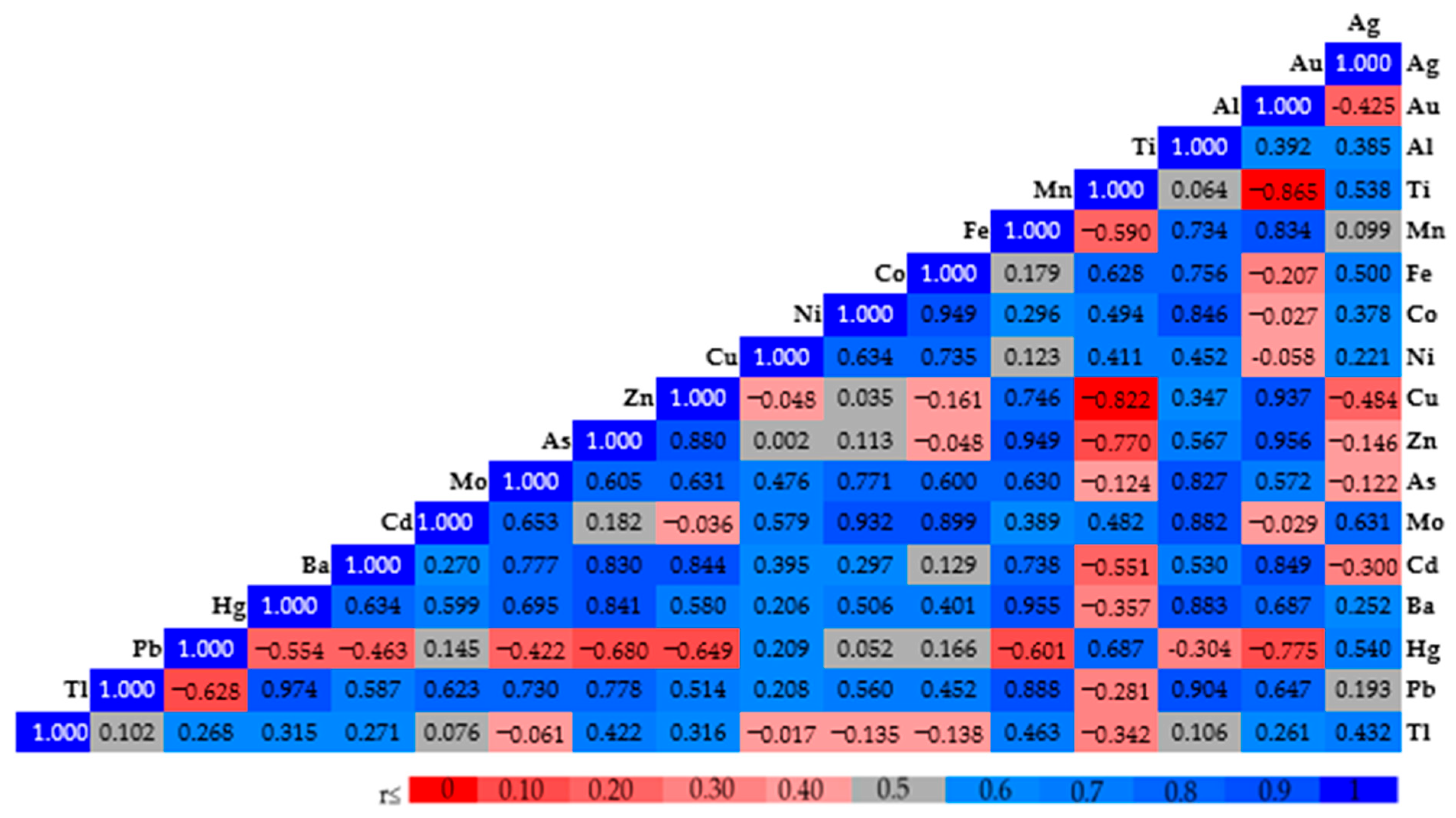
2.1. Trace Element’s Concentration in E. fetida Tissues
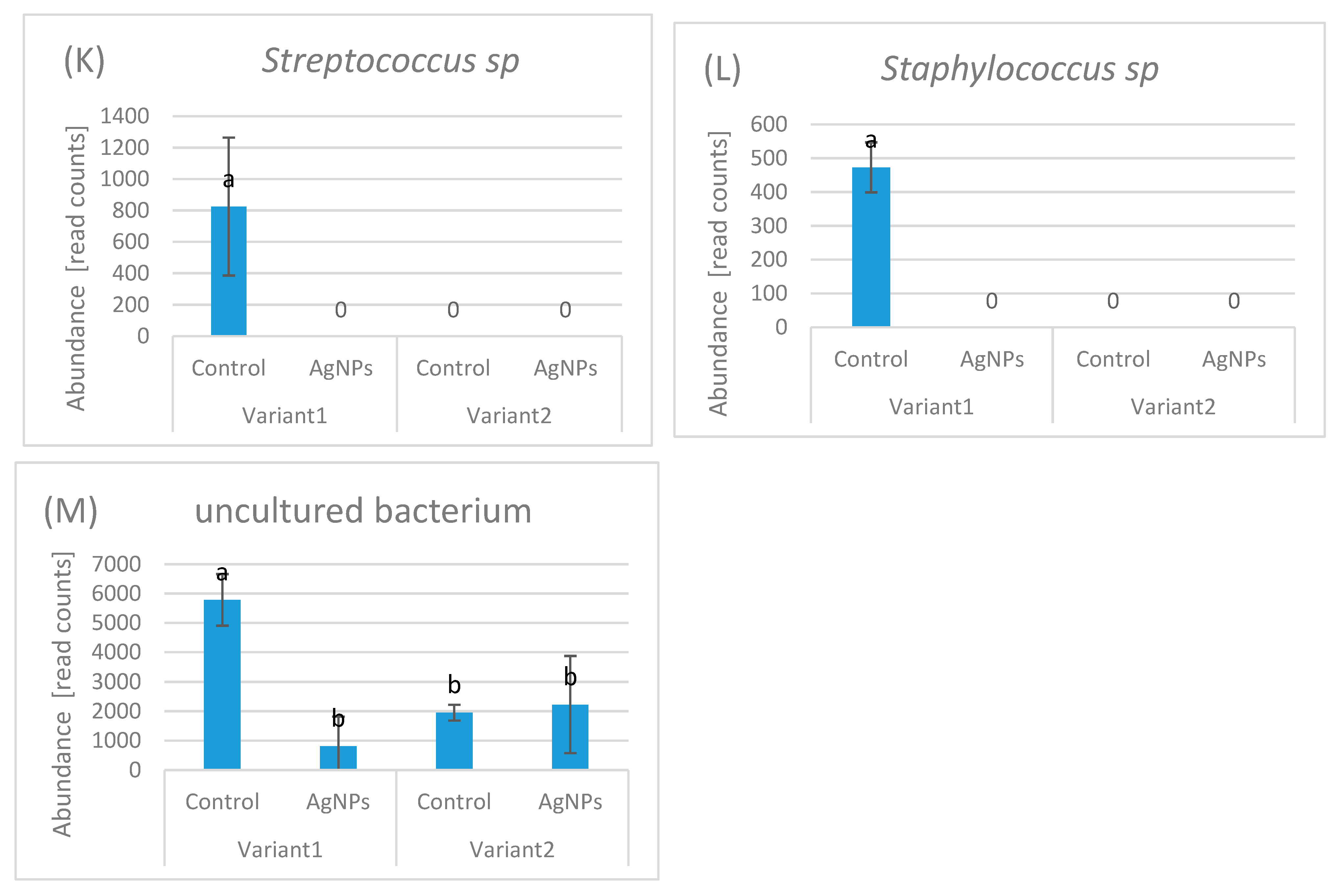
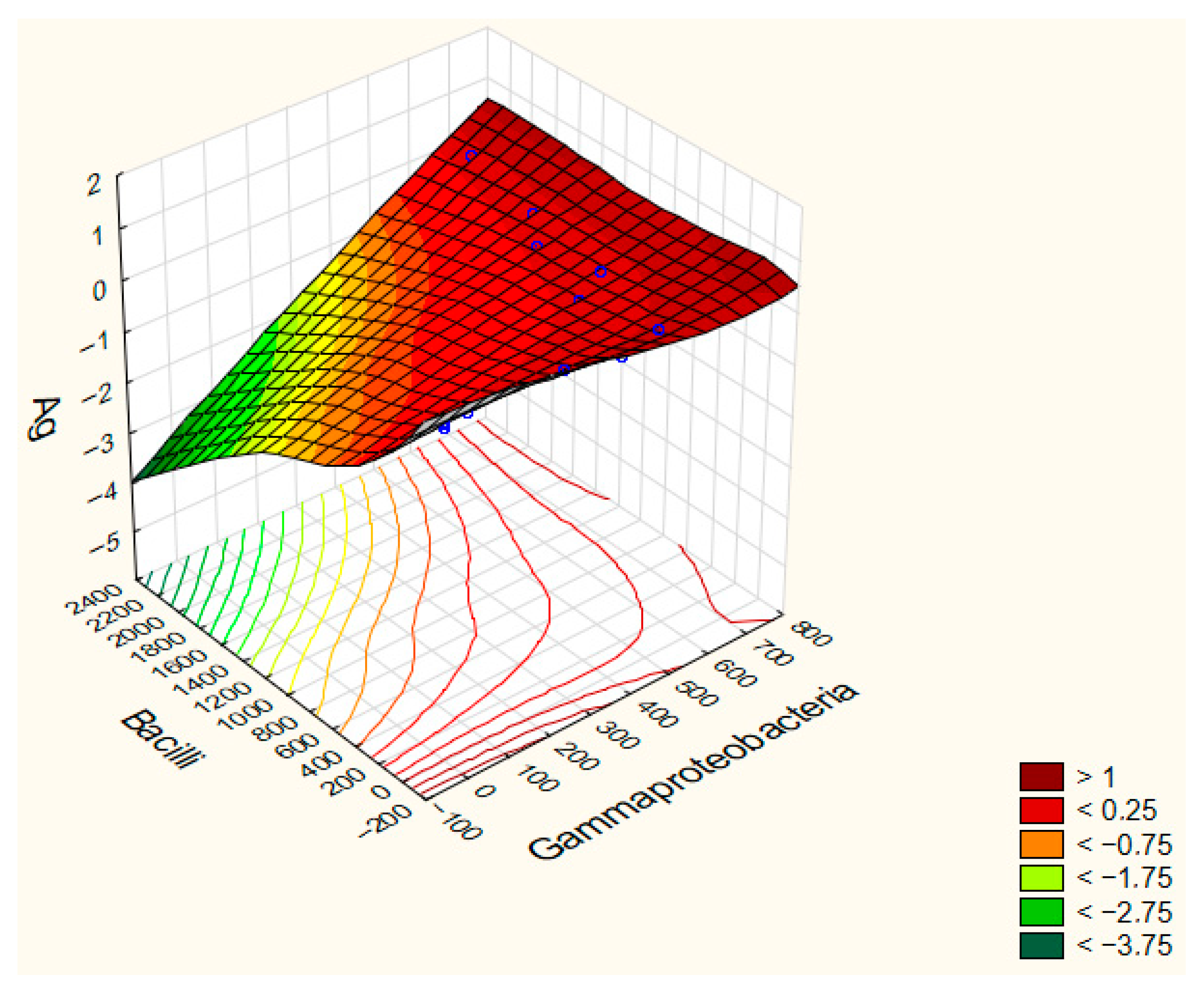
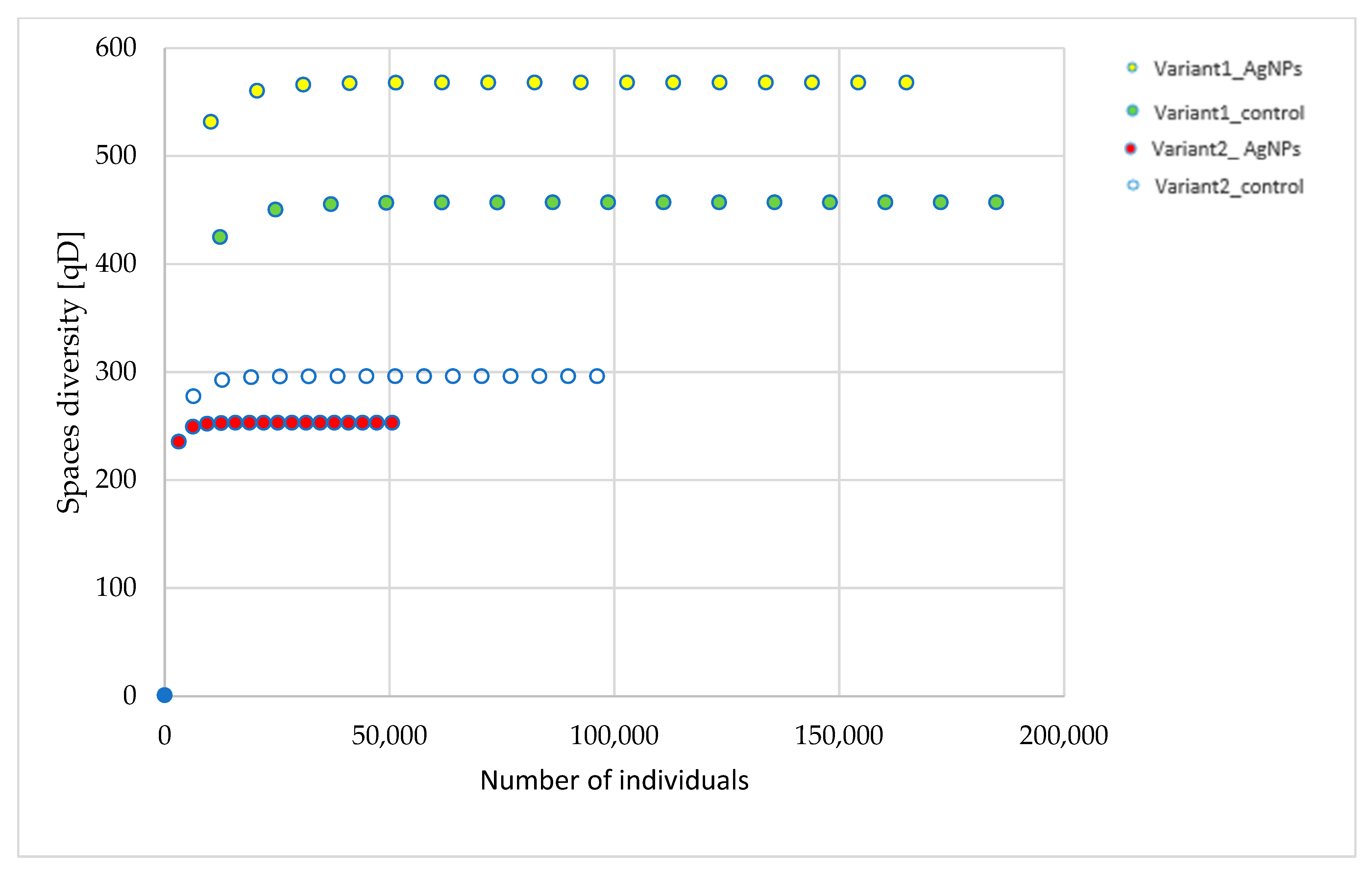
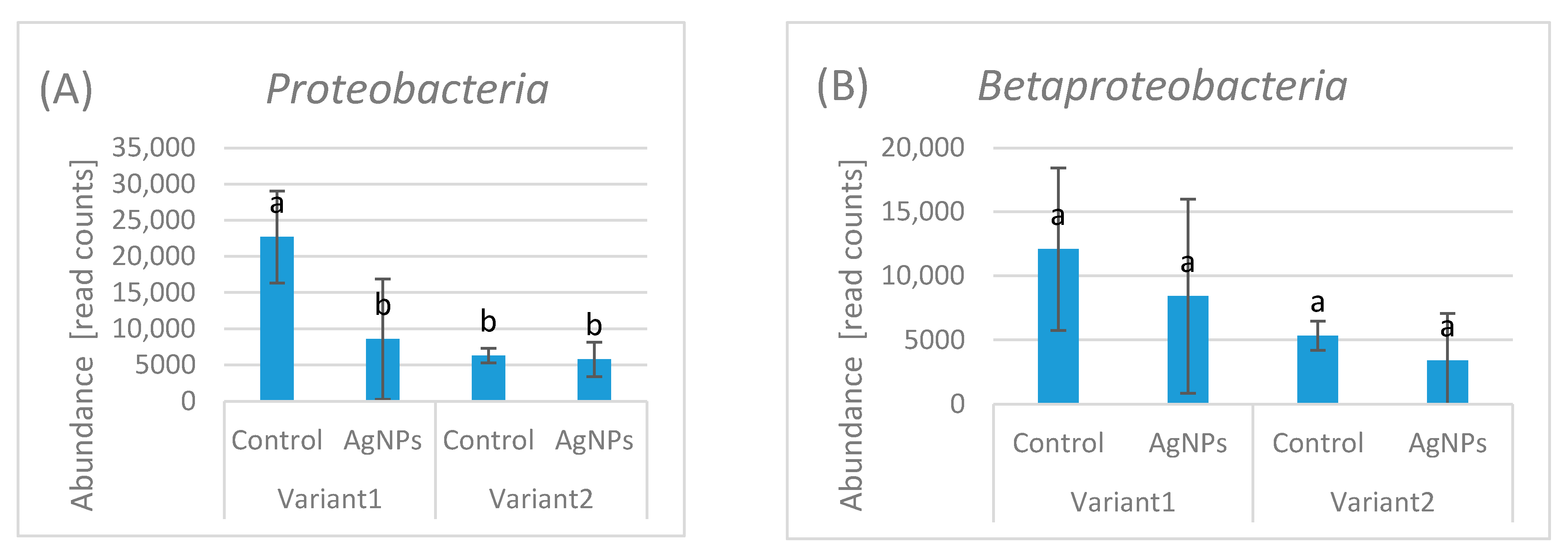
2.2. Bacterial Community Abundance
3. Discussion
4. Materials and Methods
4.1. Experiment Design
- Variant 1: Standard horticultural substrate by Klasmann (Geeste, Germany), ProLine Potgrond line, commonly used in organic cultivation. This substrate was composed of high-moor peat (H5–H8) with the following chemical characteristics: nitrogen content 350–450 mg·kg−1, phosphorus pentoxide 250–350 mg·kg−1, potassium oxide 350–500 mg·kg−1, magnesium oxide 100–200 mg·kg−1, salt content 1.0–1.8 mg·kg−1, and pH (H2O) in the range of 5.5–6.5.
- Variant 2: Compost obtained from horticultural and household organic waste. The final chemical composition of the compost was as follows: neutral pH of 6.8, electrical conductivity of 2.9 mS·cm−1. The macro- and micronutrient profile included: nitrates (215 mg·kg−1), ammonium (47 mg·kg−1), phosphorus (308 mg·kg−1), potassium (746 mg·kg−1), calcium (1763 mg·kg−1), magnesium (234 mg·kg−1), sodium (259 mg·kg−1), sulfates (156 mg·kg−1), chloride (282 mg·kg−1), iron (50.8 mg·kg−1), manganese (15.4 mg·kg−1), copper (1.62 mg·kg−1), and zinc (11.4 mg·kg−1). The organic carbon content was 28.1%, and total nitrogen was 1.12%, resulting in a C/N ratio of 25:1.
4.2. Experimental Variants Used in the Study
- Variant 1 (control): 200 cm3 of substrate V1, 10 E. fetida individuals, and 21 mL of distilled water;
- Variant 1 (AgNPs): 200 cm3 of substrate, 10 E. fetida individuals, 20 mL of distilled water, and 1 mL of AgNPs solution at 10.85 mg/L;
- Variant 2 (control): 200 cm3 of compost, 10 E. fetida individuals, and 21 mL of distilled water;
- Variant 2 (AgNPs): 200 cm3 of compost, 10 E. fetida individuals, 20 mL of distilled water, and 1 mL of AgNPs solution at 10.85 mg/L.
4.3. ICP-MS Measurements
4.4. DNA Extraction, Libraries Preparation and Sequencing
4.5. Statistical Analysis
5. Conclusions
Author Contributions
Funding
Institutional Review Board Statement
Informed Consent Statement
Data Availability Statement
Conflicts of Interest
References
- Kim, S.W.; Jung, J.H.; Lamsal, K.; Kim, Y.S.; Min, J.S.; Lee, Y.S. Antifungal Effects of Silver Nanoparticles (AgNPs) against Various Plant Pathogenic Fungi. Mycobiology 2012, 40, 53–58. [Google Scholar] [CrossRef] [PubMed] [PubMed Central]
- Khan, S.; Zahoor, M.; Khan, R.S.; Ikram, M.; Islam, N.U. The impact of silver nanoparticles on the growth of plants: The agriculture applications. Heliyon 2023, 9, e16928. [Google Scholar] [CrossRef] [PubMed]
- Wasule, D.L.; Shingote, P.R.; Saxena, S. Exploitation of functionalized green nanomaterials for plant disease management. Discov. Nano 2024, 19, 118. [Google Scholar] [CrossRef] [PubMed] [PubMed Central]
- Alfosea-Simón, F.J.; Burgos, L.; Alburquerque, N. Silver Nanoparticles Help Plants Grow, Alleviate Stresses, and Fight Against Pathogens. Plants 2025, 14, 428. [Google Scholar] [CrossRef]
- Trotta, F.; Da Silva, S.; Massironi, A.; Mirpoor, S.F.; Lignou, S.; Ghawi, S.K.; Charalampopoulos, D. Advancing Food Preservation: Sustainable Green-AgNPs Bionanocomposites in Paper-Starch Flexible Packaging for Prolonged Shelf Life. Polymers 2024, 16, 941. [Google Scholar] [CrossRef] [PubMed]
- Gemail, M.M.; Elesawi, I.E.; Jghef, M.M.; Alharthi, B.; Alsanei, W.A.; Chen, C.; El-Hefnawi, S.M.; Gad, M.M. Influence of Wax and Silver Nanoparticles on Preservation Quality of Murcott Mandarin Fruit during Cold Storage and after Shelf-Life. Coatings 2023, 13, 90. [Google Scholar] [CrossRef]
- Kaegi, R.; Voegelin, A.; Sinnet, B.; Hagendorfer, H.; Burkhardt, M.; Siegrist, H. Behavior of metallic silver nanoparticles in a pilot wastewater treatment plant. Environ. Sci. Technol. 2011, 45, 3902–3908. [Google Scholar] [CrossRef]
- Ma, R.; Levard, C.; Judy, J.D.; Unrine, J.M.; Durenkamp, M.; Martin, B.; Jefferson, B.; Lowry, G.V. Fate of zinc oxide and silver nanoparticles in a pilot wastewater treatment plant and in processed biosolids. Environ. Sci. Technol. 2014, 48, 104–112. [Google Scholar] [CrossRef]
- Levard, C.; Hotze, E.M.; Lowry, G.V.; Brown, G.E. Environmental transformations of silver nanoparticles: Impact on stability and toxicity. Environ. Sci. Technol. 2012, 46, 6900–6914. [Google Scholar] [CrossRef] [PubMed]
- Kaegi, R.; Voegelin, A.; Ort, C.; Sinnet, B.; Thalmann, B.; Krismer, J.; Hagendorfer, H.; Elumelu, M.; Mueller, E. Fate and transformation of silver nanoparticles in urban wastewater systems. Water Res. 2013, 47, 3866–3877. [Google Scholar] [CrossRef]
- Lombi, E.; Donner, E.; Taheri, S.; Tavakkoli, E.; Jaemting, A.K.; McClure, S.; Naidu, R.; Miller, B.W.; Scheckel, K.G.; Vasilev, K. Transformation of four silver/silver chloride nanoparticles during anaerobic treatment of wastewater and post-processing of sewage sludge. Environ. Pollut. 2013, 176, 193–197. [Google Scholar] [CrossRef]
- Impellitteri, C.A.; Harmon, S.; Silva, R.G.; Miller, B.W.; Scheckel, K.G.; Luxton, T.P.; Schupp, D.; Panguluri, S. Transformation of silver nanoparticles in fresh, aged, and incinerated biosolids. Water Res. 2013, 47, 3878–3886. [Google Scholar] [CrossRef]
- Reinsch, B.C.; Levard, C.; Li, Z.; Ma, R.; Wise, A.; Gregory, K.B.; Brown, G.E.; Lowry, G.V. Sulfidation of silver nanoparticles decreases Escherichia coli growth inhibition. Environ. Sci. Technol. 2012, 46, 6992–7000. [Google Scholar] [CrossRef]
- Starnes, D.L.; Lichtenberg, S.S.; Unrine, J.M.; Starnes, C.P.; Oostveen, E.K.; Lowry, G.V.; Bertsch, P.M.; Tsyusko, O.V. Distinct transcriptomic responses of Caenorhabditis elegans to pristine and sulfidized silver nanoparticles. Environ. Pollut. 2016, 213, 314–321. [Google Scholar] [CrossRef]
- Cucina, M.; De Nisi, P.; Sordi, S.; Adani, F. Sewage Sludge as N-Fertilizers for Crop Production Enabling the Circular Bioeconomy in Agriculture: A Challenge for the New EU Regulation 1009/2019. Sustainability 2021, 13, 13165. [Google Scholar] [CrossRef]
- Szołdrowska, D.; Smol, M. Rolnicze wykorzystanie komunalnych osadów ściekowych w obliczu wyzwań Europejskiego Zielonego Ładu. Przemysł Chem. 2022, 101, 1130–1135. (In Polish) [Google Scholar] [CrossRef]
- Kulikowski, Ł.; Piętka, P.; Kiepurski, J. Processing sewage sludge for mineral-organic fertilizer on the mobile platform. Ecol. Eng. Environ. Technol. 2019, 20, 38–44. [Google Scholar] [CrossRef] [PubMed]
- Choi, O.; Hu, Z. Size dependent and reactive oxygen species related nanosilver toxicity to nitrifying bacteria. Environ. Sci. Technol. 2008, 42, 4583–4588. [Google Scholar] [CrossRef] [PubMed]
- Kraas, M.; Schlich, K.; Knopf, B.; Wege, F.; Kägi, R.; Terytze, K.; Hund-Rinke, K. Long-term effects of sulfidized silver nanoparticles in sewage sludge on soil microflora. Environ. Toxicol. Chem. 2017, 36, 3305–3313. [Google Scholar] [CrossRef]
- Stegemeier, J.P.; Schwab, F.; Colman, B.P.; Webb, S.M.; Newville, M.; Lanzirotti, A.; Winkler, C.; Wiesner, M.R.; Lowry, G. Speciation matters: Bioavailability of silver and silver sulfide nanoparticles to alfalfa (Medicago sativa). Environ. Sci. Technol. 2015, 49, 8451–8460. [Google Scholar] [CrossRef]
- Wang, P.; Menzies, N.W.; Lombi, E.; Sekine, R.; Blamey, F.P.C.; Hernandez-Soriano, M.C.; Cheng, M.; Kappen, P.; Peijnenburg, W.J.G.M.; Tang, C.; et al. Silver sulfide nanoparticles (Ag2S-NPs) are taken up by plants and are phytotoxic. Nanotoxicology 2015, 9, 1041–1049. [Google Scholar] [CrossRef]
- Coutris, C.; Hertel-Aas, T.; Lapied, E.; Joner, E.J.; Oughton, D.H. Bioavailability of cobalt and silver nanoparticles to the earthworm Eisenia fetida. Nanotoxicology 2012, 6, 186–195. [Google Scholar] [CrossRef]
- Kool, P.L.; Ortiz, M.D.; van Gestel, C.A.M. Chronic toxicity of ZnO nanoparticles, non-nano ZnO and ZnCl2 to Folsomia candida (Collembola) in relation to bioavailability in soil. Environ. Pollut. 2011, 159, 2713–2719. [Google Scholar] [CrossRef] [PubMed]
- Unrine, J.M.; Hunyadi, S.E.; Tsyusko, O.V.; Rao, W.; Shoults-Wilson, W.A.; Bertsch, P.M. Evidence for bioavailability of Au nanoparticles from soil and biodistribution within earthworms (Eisenia fetida). Environ. Sci. Technol. 2010, 44, 8308–8313. [Google Scholar] [CrossRef]
- Heggelund, L.; Diez-Ortiz, M.; Spurgeon, D.J.; Svendsen, C. Soil pH effects on the comparative toxicity of dissolved zinc, non-nano and nano ZnO to the earthworm Eisenia fetida. Nanotoxicology 2013, 5, 559–572. [Google Scholar] [CrossRef]
- Chinnathambi, A.; Alharbi, S.A.; Joshi, D.V.S.; Jhanani, G.K.; Onuma, R.; Jutamas, K.; Anupong, W. Synthesis of AgNPs from leaf extract of Naringi crenulata and evaluation of its antibacterial activity against multidrug resistant bacteria. Environ. Res. 2023, 216, 114455. [Google Scholar] [CrossRef] [PubMed]
- Kwak, J.I.; An, Y.-J. Trophic transfer of silver nanoparticles from earthworms disrupts the locomotion of springtails (Collembola). J. Hazard. Mater. 2016, 315, 110–116. [Google Scholar] [CrossRef]
- Vishwakarma, K.; Singh, V.P.; Prasad, S.M.; Chauhan, D.K.; Tripathi, D.K.; Sharma, S. Silicon and plant growth promoting rhizobacteria differentially regulate AgNP-induced toxicity in Brassica juncea: Implication of nitric oxide. J. Hazard. Mater. 2020, 390, 121806. [Google Scholar] [CrossRef]
- Antisari, V.L.; Carbone, S.; Gatti, A.; Ferrando, S.; Nacucchi, M.; Pascalis, F.; Gambardella, C.; Badalucco, L.; Laudicina, V.A. Effect of cobalt and silver nanoparticles and ions on Lumbricus rubellus health and on microbial community of earthworm faeces and soil. Appl. Soil Ecol. 2016, 108, 62–71. [Google Scholar] [CrossRef]
- Morgan, A.J.; Kille, P.; Sturzenbaum, S.R. Microevolution and ecotoxicology of metals in invertebrates. Environ. Sci. Technol. 2007, 41, 1085–1096. [Google Scholar] [CrossRef]
- Morgan, A.J.; Kille, P.; Bennett, A.; O’Reilly, M.; Fisher, P.; Charnock, J.M. Pb and Zn imaging and in situ speciation at the geogenic/biogenic interface in sentinel earthworms using electron microprobe and synchrotron micro-focus X-ray spectroscopy. Environ. Pollut. 2013, 173, 68–74. [Google Scholar] [CrossRef] [PubMed]
- Chelkha, M.; Blanco-Pérez, R.; Bueno-Pallero, F.; Amghar, S.; Harti, A.; Campos-Herrera, R. Cutaneous excreta of the earthworm Eisenia fetida (Haplotaxida: Lumbricidae) might hinder the biological control performance of entomopathogenic nematodes. Soil Biol. Biochem. 2020, 141, 107691. [Google Scholar] [CrossRef]
- Brown, G.G.; Doube, B.M. Functional interactions between earthworms, microorganisms, organic matter, and plants. In Earthworm Ecology, 2nd ed.; Edwards, C.A., Ed.; CRC Press: Boca Raton, FL, USA; pp. 213–239. [CrossRef]
- Domínguez, J.M.; Airay, M.; Gómez-Brandón, M. The role of earthworms on the decomposition of organic matter and nutrient cycling. Ecosistemas 2009, 18, 20–31. [Google Scholar]
- Demuynck, S.; Grumiaux, F.; Mottier, V.; Schikorski, D.; Lemière, S.; Leprêtre, A. Metal-lothionein response following cadmium exposure in the oligochaete Eisenia fetida. Comp. Biochem. Physiol. Toxicol. Pharmacol. CBP 2006, 144, 34–46. [Google Scholar] [CrossRef]
- Vijver, M.G.; Van Gestel, C.A.M.; Lanno, R.P.; Van Straalen, N.M.; Peijnenburg, W.J.G.M. Internal metal sequestration and its ecotoxicological relevance: A review. Environ. Sci. Technol. 2004, 38, 4705–4712. [Google Scholar] [CrossRef]
- Baccaro, M.; Undas, A.K.; de Vriendt, J.; van den Berg, J.H.J.; Peters, R.J.B.; van den Brink, N.W. Ageing, dissolution and biogenic formation of nanoparticles: How do these factors affect the uptake kinetics of silver nanoparticles in earthworms? Environ. Sci. Nano 2018, 5, 1107–1116. [Google Scholar] [CrossRef]
- Zhang, Y.; Huang, C.; Zhao, J.; Hu, L.; Yang, L.; Zhang, Y.; Sang, W. Insights into tolerance mechanisms of earthworms (Eisenia fetida) in copper-contaminated soils by integrating multi-omics analyses. Environ. Res. 2024, 252, 118910. [Google Scholar] [CrossRef]
- McCall, K.A.; Huang, C.; Fierke, C.A. Function and mechanism of zinc metalloenzymes. J. Nutr. 2000, 130, 1437S–1446S. [Google Scholar] [CrossRef] [PubMed]
- Adamus, J.P.; Ruszczyńska, A.; Wyczałkowska-Tomasik, A. Molybdenum’s Role as an Essential Element in Enzymes Catabolizing Redox Reactions: A Review. Biomolecules 2024, 14, 869. [Google Scholar] [CrossRef]
- Zhu, Q.; Chen, B.; Zhang, F.; Zhang, B.; Guo, Y.; Pang, M.; Huang, L.; Wang, T. Toxic and essential metals: Metabolic interactions with the gut microbiota and health implications. Front. Nutr. 2024, 11, 1448388. [Google Scholar] [CrossRef] [PubMed]
- Morgan, J.E.; Morgan, A.J. The distribution of cadmium, copper, lead, zinc and calcium in the tissues of the earthworm Lumbricus rubellus sampled from one contaminated and four polluted soils. Oecologia 1990, 84, 559–566. [Google Scholar] [CrossRef] [PubMed]
- Morgan, J.E.; Morgan, A.J. Differences in the accumulated metal concentration in two epigeic earthworm species (Lumbricus rubellus and Dendrodrilus rubidus) living in contaminated soils. Bull. Environ. Contam. Toxicol. 1991, 47, 296–301. [Google Scholar] [CrossRef]
- Morgan, J.E.; Morgan, A.J. Seasonal changes in the tissue metal (Cd, Zn and Pb) concentrations in two ecophysiologically dissimilar earthworm species: Pollutionmonitoring implications. Environ. Pollut. 1993, 82, 1–7. [Google Scholar] [CrossRef]
- Reinecke, S.A.; Reinecke, A.J. The influence of lead and manganese on spermatozoa of Eisenia fetida (Oligochaeta). Soil Biol. Biochem. 1997, 29, 737–742. [Google Scholar] [CrossRef]
- Langdon, C.J.; Piearce, T.G.; Meharg, A.A.; Semple, K.T. Resistance to copper toxicity in populations of the earth-worms Lumbricus rubellus and Dendrodrillus rubidus form contaminated mine wastes. Environ. Toxicol. Chem. 2001, 20, 2336–2341. [Google Scholar] [CrossRef] [PubMed]
- Kennette, D.; Hendershot, W.; Tomlin, A.; Sauve, S. Uptake of trace metals by the earthworm Lumbricus terrestris L. in urban contaminated soils. Appl. Soil Ecol. 2002, 19, 191–198. [Google Scholar] [CrossRef]
- Hartenstein, R.; Neuhauser, E.F.; Collier, J. Accumulation of heavy metals in the earthworm Eisenia fetida. J. Environ. Qual. 1980, 9, 23–26. [Google Scholar] [CrossRef]
- Beyer, W.N.; Cromartie, E.J.; Moment, G.B. Accumulation of methylmercury in the earthworm, Eisenia fetida, and its effect on regeneration. Bull. Environ. Contam. Toxicol. 1985, 35, 157–162. [Google Scholar] [CrossRef]
- Langdon, C.J.; Piearce, T.G.; Black, S.; Semple, K.T. Resistance to arsenic toxicity in a population of the earthworm Lumbricus rubellus. Soil Biol. Biochem. 1999, 31, 1963–1967. [Google Scholar] [CrossRef]
- Van Gestel, C.A.M.; Dirven-Van Breemen, E.M.; Baerselman, R. Accumulation and elimination of cadmium, chromium and zinc and effects on growth and reproduction in Eisenia andrei (Oligochaeta annelida). Sci. Total Environ. 1993, 134, 585–597. [Google Scholar] [CrossRef]
- Gupta, S.K.; Sundararaman, V. Biological response of earthworm Pheretima posthuma to inorganic cadmium. Indian J. Exp. Biol. 1990, 28, 71–73. [Google Scholar]
- Kim, H.J.; Shin, K.H.; Cha, C.J.; Hur, H.G. Analysis of aerobic and culturable bacterial community structures in earthworm (Eisenia foetida) intestine. Agric. Chem. Biotechnol. 2004, 47, 137–142. [Google Scholar]
- Valle-Molinares, R.; Borges, S.; Ríos-Velázquez, C. Characterization of possible symbionts in Onychochaeta borincana (Annelida: Glossoscolecidae). Eur. J. Soil Biol. 2007, 43, S14–S18. [Google Scholar] [CrossRef]
- Brito-Vega, H.; Espinosa-Victoria, D. Bacterial diversity in the digestive tract of earthworms (Oligochaeta). J. Biol. Sci. 2009, 9, 192–199. [Google Scholar] [CrossRef]
- Kramer, S.; Marhan, S.; Ruess, L.; Armbruster, W.; Butenschoen, O.; Haslwimmer, H.; Kuzyakov, Y.; Pausch, J.; Scheunemann, N.; Schoene, J.; et al. Carbon flow into microbial and fungal biomass as a basis for the belowground food web of agroecosystems. Pedobiologia 2012, 55, 111–119. [Google Scholar] [CrossRef]
- Shi, L.L.; Shenglei, U.F. Review of soil biodiversity research: History, current status and future challenges. Chin. Sci. Bull. 2014, 59, 493–509. [Google Scholar] [CrossRef]
- Hwang, E.T.; Lee, J.H.; Chae, Y.J.; Kim, Y.S.; Kim, B.C.; Sang, B.; Gu, M.B. Analysis of the toxic mode of action of silver nanoparticles using stress-specific bioluminescent bacteria. Small 2008, 4, 746–750. [Google Scholar] [CrossRef] [PubMed]
- Bottero, J.Y.; Auffan, M.; Rose, J.; Mouneyrac, C.; Botta, C.; Labille, J.; Chaneac, C. Manufactured metal and metal-oxide nanoparticles: Properties and perturbing mechanisms of their biological activity in ecosystems. Comptes Rendus Geosci. 2011, 343, 168–176. [Google Scholar] [CrossRef]
- Ratte, H.T. Bioaccumulation and toxicity of silver compounds: A review. Environ. Toxicol. Chem. 1999, 18, 89–108. [Google Scholar] [CrossRef]
- Holden, P.A.; Schimel, J.P.; Godwin, H.A. Five reasons to use bacteria when assessing manufactured nanomaterial environmental hazards and fates. Curr. Opin. Biotechnol. 2014, 27, 73–78. [Google Scholar] [CrossRef]
- Grün, A.-L.; Emmerling, C. Long-term effects of environmentally relevant concentrations of silver nanoparticles on major soil bacterial phyla of a loamy soil. Environ. Sci. Eur. 2018, 30, 31. [Google Scholar] [CrossRef]
- Grün, A.L.; Manz, W.; Kohl, Y.L.; Meier, F.; Straskraba, S.; Jost, C.; Drexel, R.; Emmerling, C. Impact of silver nanoparticles (AgNP) on soil microbial community depending on functionalization, concentration, exposure time, and soil texture. Environ. Sci. Eur. 2019, 31, 15. [Google Scholar] [CrossRef]
- Adamowska, M.; Pałuba, B.; Hyk, W. Electrochemical Determination of Nanoparticle Size: Combined Theoretical and Experimental Study for Matrixless Silver Nanoparticles. Molecules 2022, 27, 2592. [Google Scholar] [CrossRef]
- Skwiercz, A.; Hyk, W.; Muszyńska, M.; Skubij, N.; Kaniszewski, S. Effect of Soil Treatment with Silver and Gold Nanoparticles on the Accumulation of Ag, Au, and Other Elements in Earthworm Eisenia fetida and Their Vitality. Turk. J. Agric. Food Sci. Technol. 2025, 13, 1303–1309. [Google Scholar] [CrossRef]
- Klindworth, A.; Pruesse, E.; Schweer, T.; Peplies, J.; Quast, C.; Horn, M.; Glöckner, F.O. Evaluation of general 16S ribosomal RNA gene PCR primers for classical and next-generation sequencing-based diversity studies. Nucleic Acids Res. 2013, 41, e1. [Google Scholar] [CrossRef] [PubMed]
- Zapałowska, A.; Skwiercz, A.; Tereba, A.; Puchalski, C.; Malewski, T. Next-Generation Sequencing for Evaluating the Soil Nematode Diversity and Its Role in Composting Processes. Int. J. Mol. Sci. 2023, 24, 15749. [Google Scholar] [CrossRef] [PubMed]
- FastQC Project. Available online: https://www.bioinformatics.babraham.ac.uk/projects/fastqc/ (accessed on 9 December 2025).
- Bolger, A.M.; Lohse, M.; Usadel, B. Trimmomatic: A flexible trimmer for Illumina sequence data. Bioinformatics 2014, 30, 2114–2120. [Google Scholar] [CrossRef]
- Schloss, P.D.; Westcott, S.L.; Ryabin, T.; Hall, J.R.; Hartmann, M.; Hollister, E.B.; Lesniewski, R.A.; Oakley, B.B.; Parks, D.H.; Robinson, C.J.; et al. Introducing mothur: Open-Source, Platform-Independent, Community-Supported Software for Describing and Comparing Microbial Communities. Appl. Environ. Microbiol. 2009, 75, 7537–7541. [Google Scholar] [CrossRef]
- Marcelino, V.R.; Clausen, P.T.L.C.; Buchmann, J.P.; Wille, M.; Iredell, J.R.; Meyer, W.; Lund, O.; Sorrell, T.C.; Holmes, E.C. CCMetagen: Comprehensive and accurate identification of eukaryotes and prokaryotes in metagenomic data. Genome Biol. 2020, 21, 103. [Google Scholar] [CrossRef]
- Vu, D.; Groenewald, M.; Szöke, S.; Cardinali, G.; Eberhardt, U.; Stielow, B.; de Vries, M.; Verkleij, G.; Crous, P.; Boekhout, T.; et al. DNA barcoding analysis of more than 9000 yeast isolates contributes to quantitative thresholds for yeast species and genera delimitation. Stud. Mycol. 2016, 85, 91–105. [Google Scholar] [CrossRef]





| Nanoparticle Size | Number of Nanoparticles (×105) | Concentration of Metal | Total Metal Content (mg/L) | ||
|---|---|---|---|---|---|
| Mean Size (nm) | Most Frequent Size (nm) | In NPs Form (µg/L) | In Ionic Form (mg/L) | ||
| 52 ± 1.15 | 44 ± 0.88 | 241 ± 42 | 12.92 ± 0.68 | 10.84 ± 0.3 | 10.85 ± 0.3 |
Disclaimer/Publisher’s Note: The statements, opinions and data contained in all publications are solely those of the individual author(s) and contributor(s) and not of MDPI and/or the editor(s). MDPI and/or the editor(s) disclaim responsibility for any injury to people or property resulting from any ideas, methods, instructions or products referred to in the content. |
© 2026 by the authors. Licensee MDPI, Basel, Switzerland. This article is an open access article distributed under the terms and conditions of the Creative Commons Attribution (CC BY) license.
Share and Cite
Zapałowska, A.; Malewski, T.; Skwiercz, A.T.; Kaniszewski, S.; Muszyńska, M.; Hyk, W.; Masłoń, A. Impact of Silver Nanoparticles on the Gut Microbiota of the Earthworm Eisenia fetida. Int. J. Mol. Sci. 2026, 27, 864. https://doi.org/10.3390/ijms27020864
Zapałowska A, Malewski T, Skwiercz AT, Kaniszewski S, Muszyńska M, Hyk W, Masłoń A. Impact of Silver Nanoparticles on the Gut Microbiota of the Earthworm Eisenia fetida. International Journal of Molecular Sciences. 2026; 27(2):864. https://doi.org/10.3390/ijms27020864
Chicago/Turabian StyleZapałowska, Anita, Tadeusz Malewski, Andrzej Tomasz Skwiercz, Stanislaw Kaniszewski, Magdalena Muszyńska, Wojciech Hyk, and Adam Masłoń. 2026. "Impact of Silver Nanoparticles on the Gut Microbiota of the Earthworm Eisenia fetida" International Journal of Molecular Sciences 27, no. 2: 864. https://doi.org/10.3390/ijms27020864
APA StyleZapałowska, A., Malewski, T., Skwiercz, A. T., Kaniszewski, S., Muszyńska, M., Hyk, W., & Masłoń, A. (2026). Impact of Silver Nanoparticles on the Gut Microbiota of the Earthworm Eisenia fetida. International Journal of Molecular Sciences, 27(2), 864. https://doi.org/10.3390/ijms27020864