Abstract
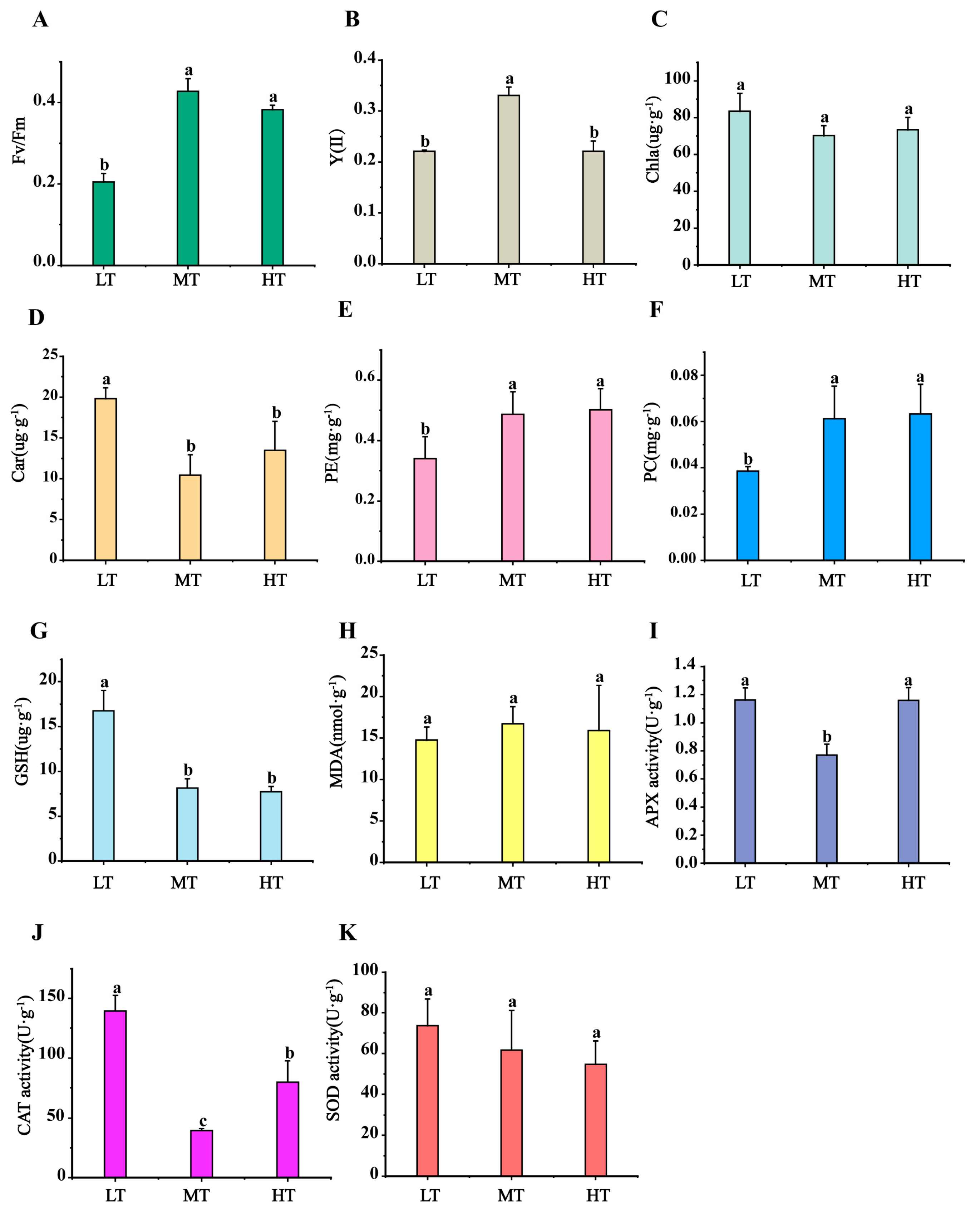
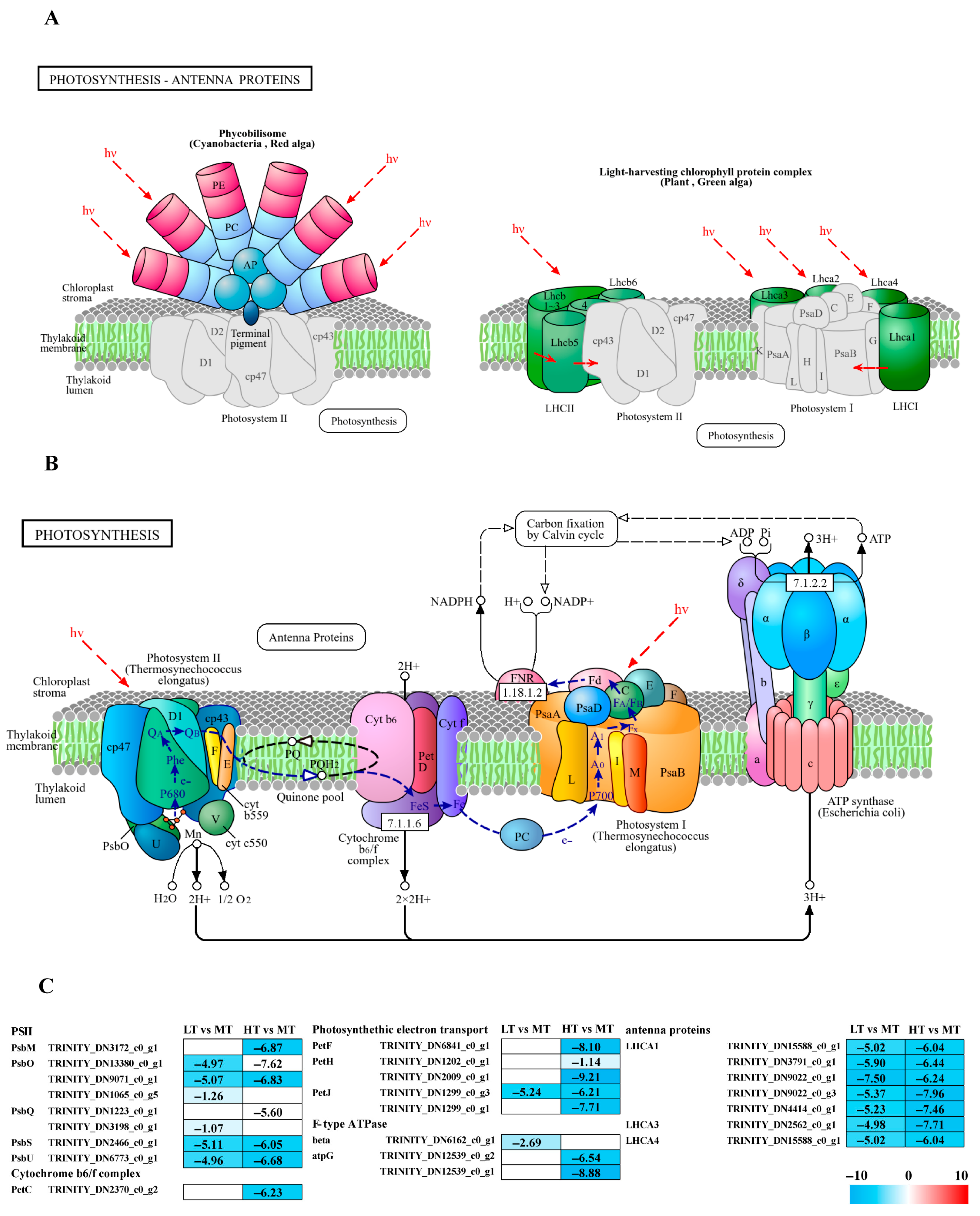
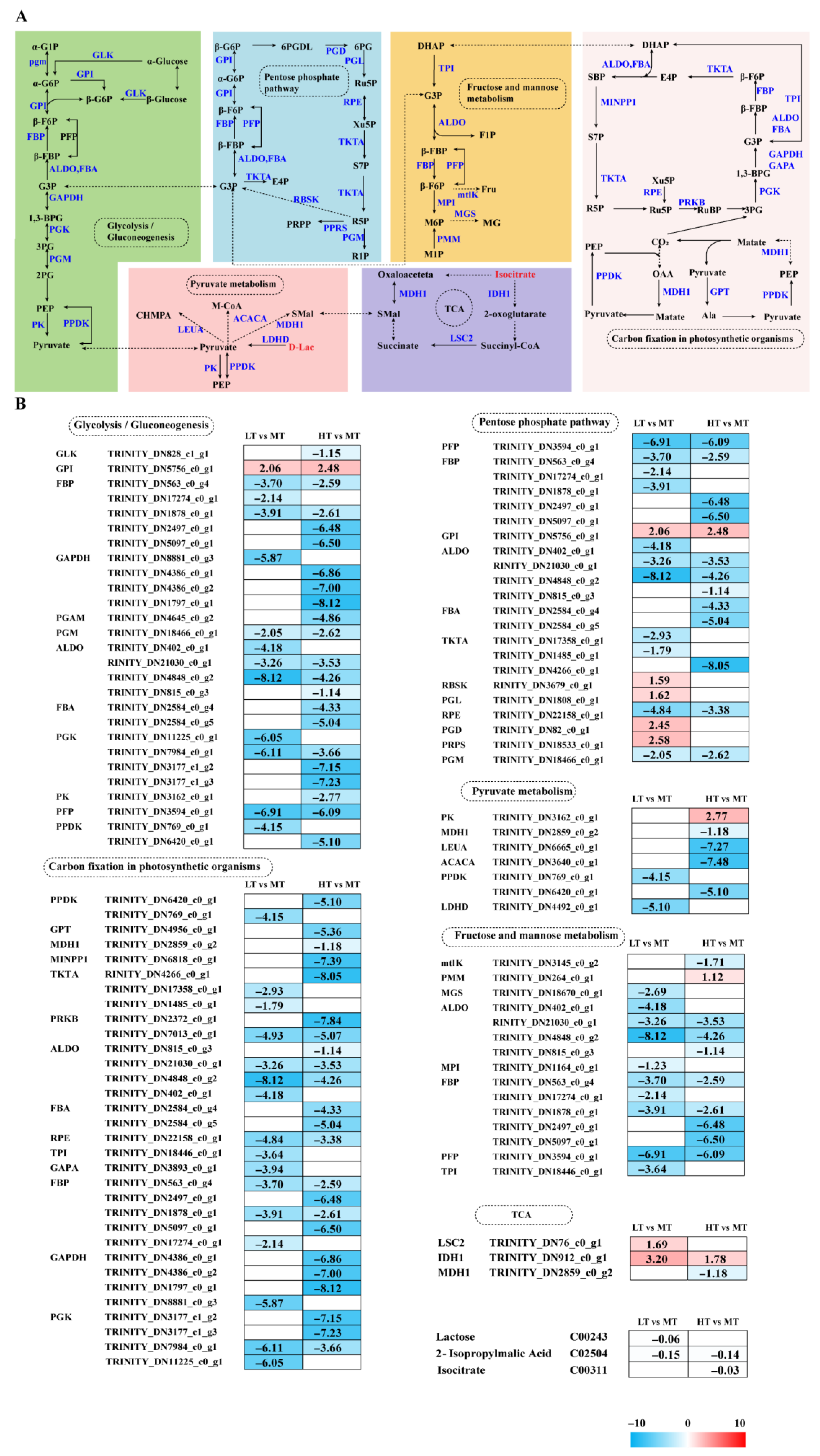
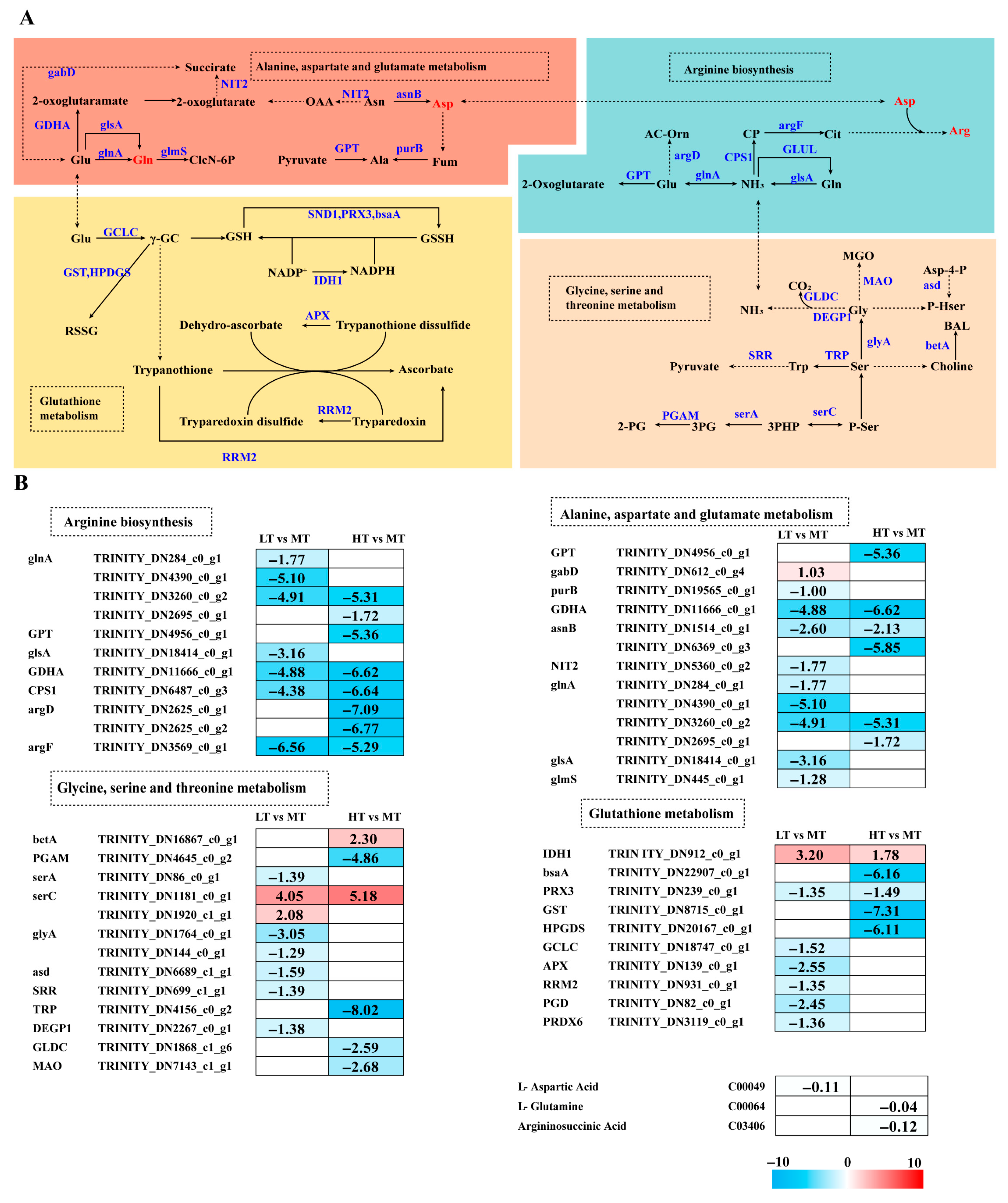
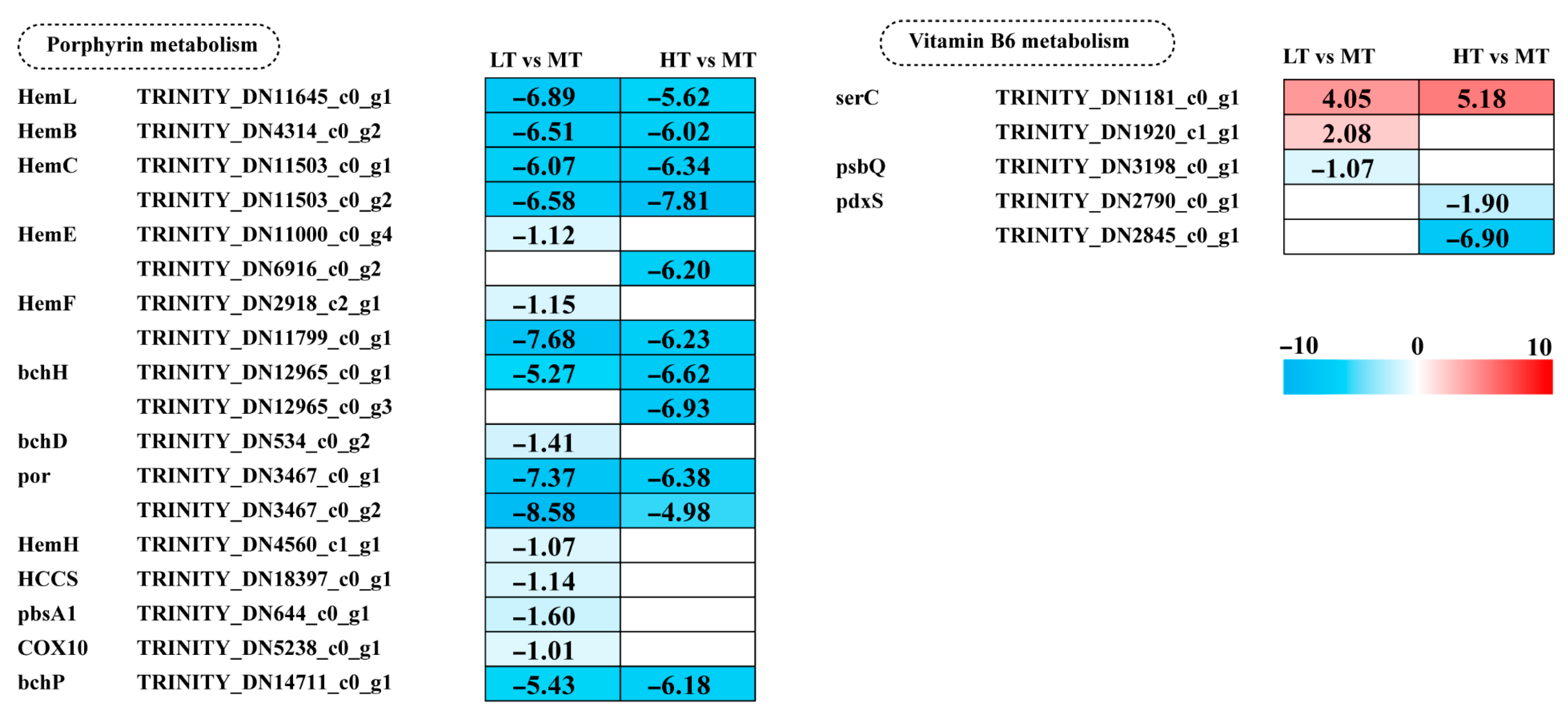
Betaphycus gelatinus, a member of the Eucheumatoideae, serves as the primary source for carrageenan extraction and has significant economic value. The growth and reproduction of B. gelatinus are significantly impacted by seasonal fluctuations in seawater temperature. To explore its adaptive mechanisms under temperature stress, we cultured the algae at 15 °C (Low temperature, LT), 27 °C (Medium temperature, MT), and 36 °C (High temperature, HT) for 2 h and conducted subsequent physiological, transcriptomics, and metabolomics analyses. The photosynthetic performance of B. gelatinus significantly declined under both LT and HT stress conditions. Carotenoid content increased significantly under LT conditions, while chlorophyll a showed no significant change. Phycocyanin and phycoerythrin decreased significantly under LT conditions, but there was no significant difference under HT conditions. Under LT stress, glutathione (GSH) levels, ascorbate peroxidase (APX) activity, and catalase (CAT) activity all increased significantly. Under HT stress, APX and CAT activities increased significantly, while superoxide dismutase (SOD) activity and malondialdehyde (MDA) levels remained unchanged. Transcriptomics and metabolomics analyses suggested that photosynthesis, carbohydrate metabolism, amino acid biosynthesis, porphyrin metabolism, and vitamin B6 metabolism are involved in the acute temperature stress response of B. gelatinus. Under both HT and LT, most genes in the targeted metabolic pathways were significantly downregulated (p < 0.05), while only a few were upregulated. Specifically, in carbohydrate metabolism, only nine genes were upregulated, while all others were downregulated. Moreover, all the genes involved in photosynthesis, photosynthetic carbon fixation, arginine biosynthesis, and porphyrin metabolism were downregulated. In contrast, only four genes involved in GSH metabolism, alanine, aspartate, and glutamate metabolism, and glycine, serine, and threonine metabolism were upregulated. These results suggest that temperature stress markedly suppresses the transcription of key genes in these pathways and that the few upregulated genes in these pathways may contribute to compensatory mechanisms or regulatory network reprogramming during stress responses. These findings help clarify how B. gelatinus adapts to different temperature stresses and provide a basis for developing improved germplasm to support stable production under climate variability.