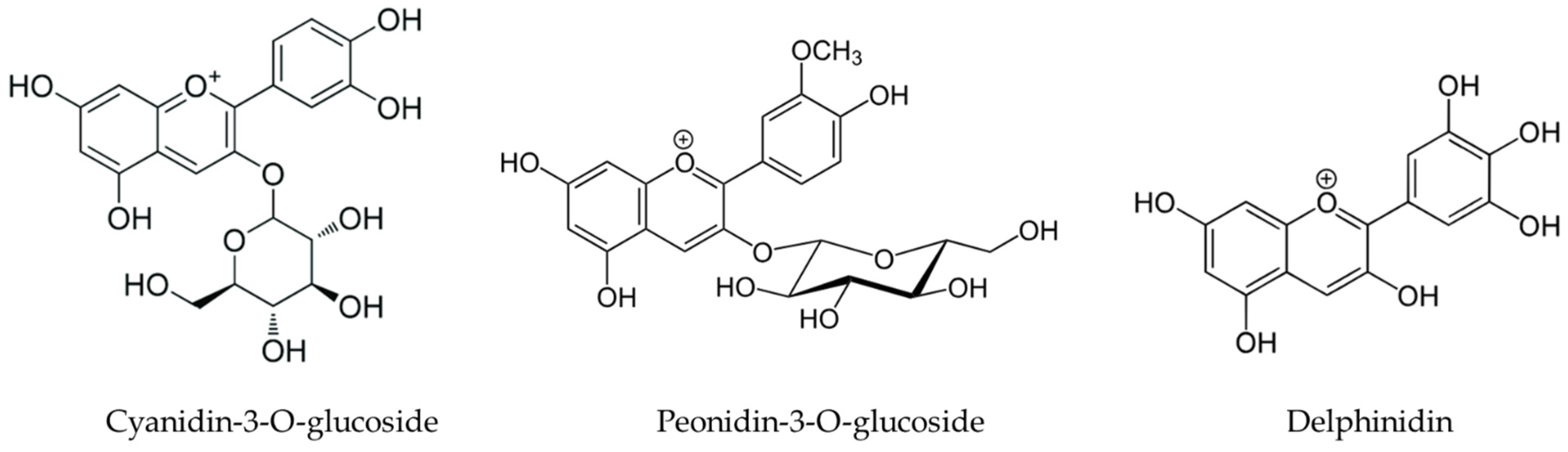
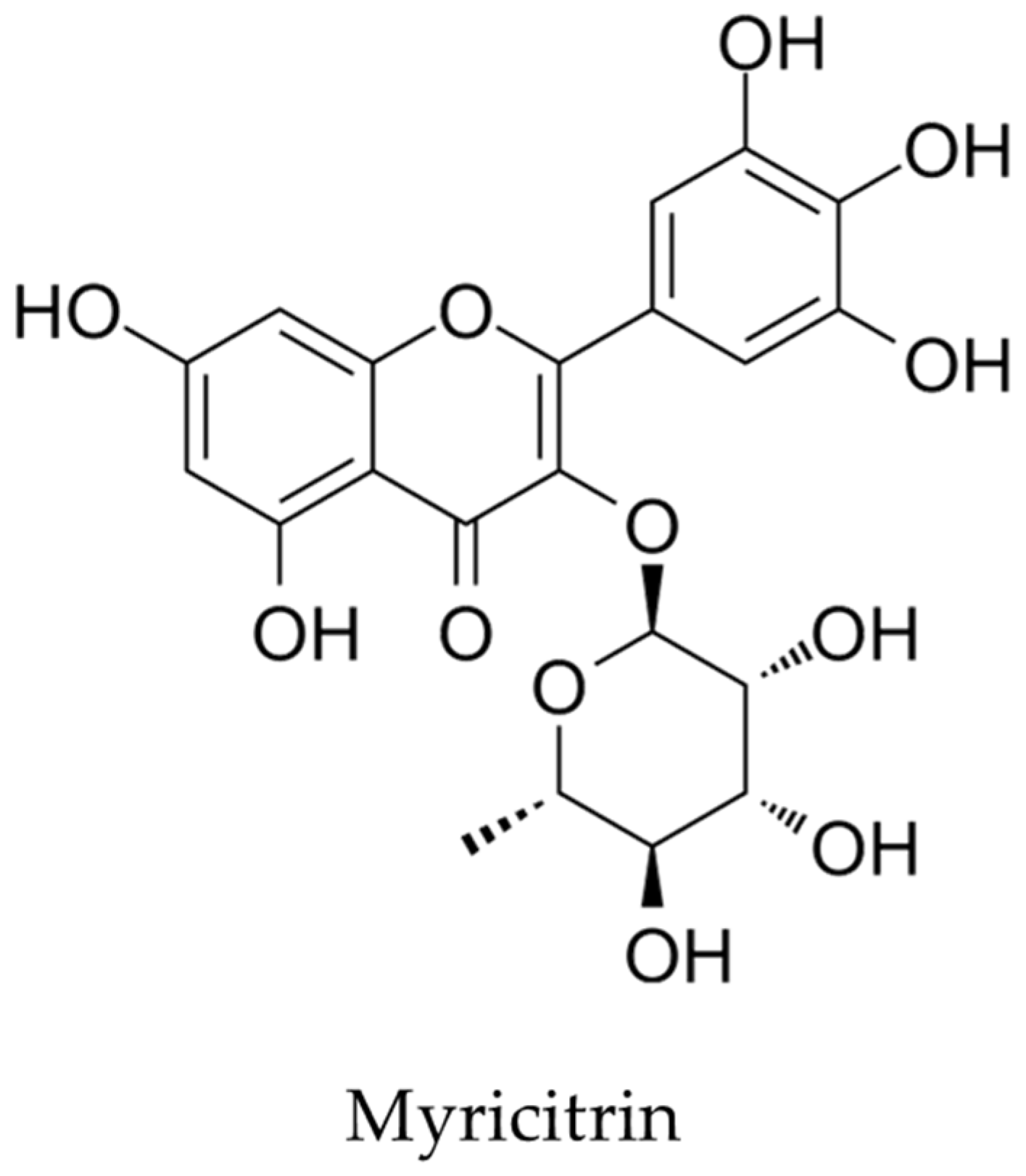
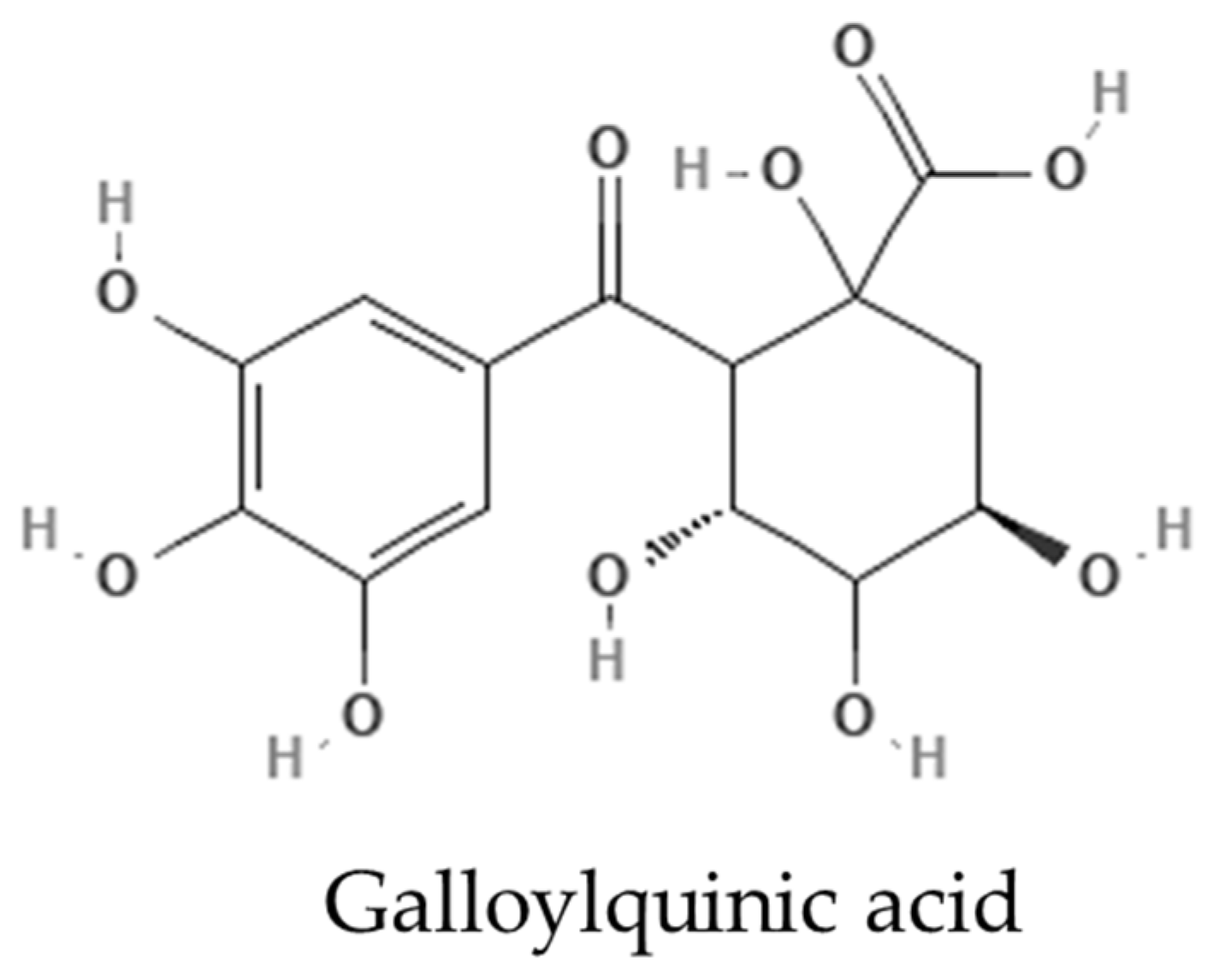
Phytochemical, Nutritional and Physicochemical Characteristics of Fruits and Leaves from the Myrica L. Genus: A Systematic Review




Abstract
1. Introduction
2. Materials and Methods
2.1. Study Design
2.2. Eligibility Criteria
2.3. Literature Search
2.4. Data Collection and Extraction
2.5. Data Analysis
2.6. Study-Quality Assessment
3. Results and Discussion
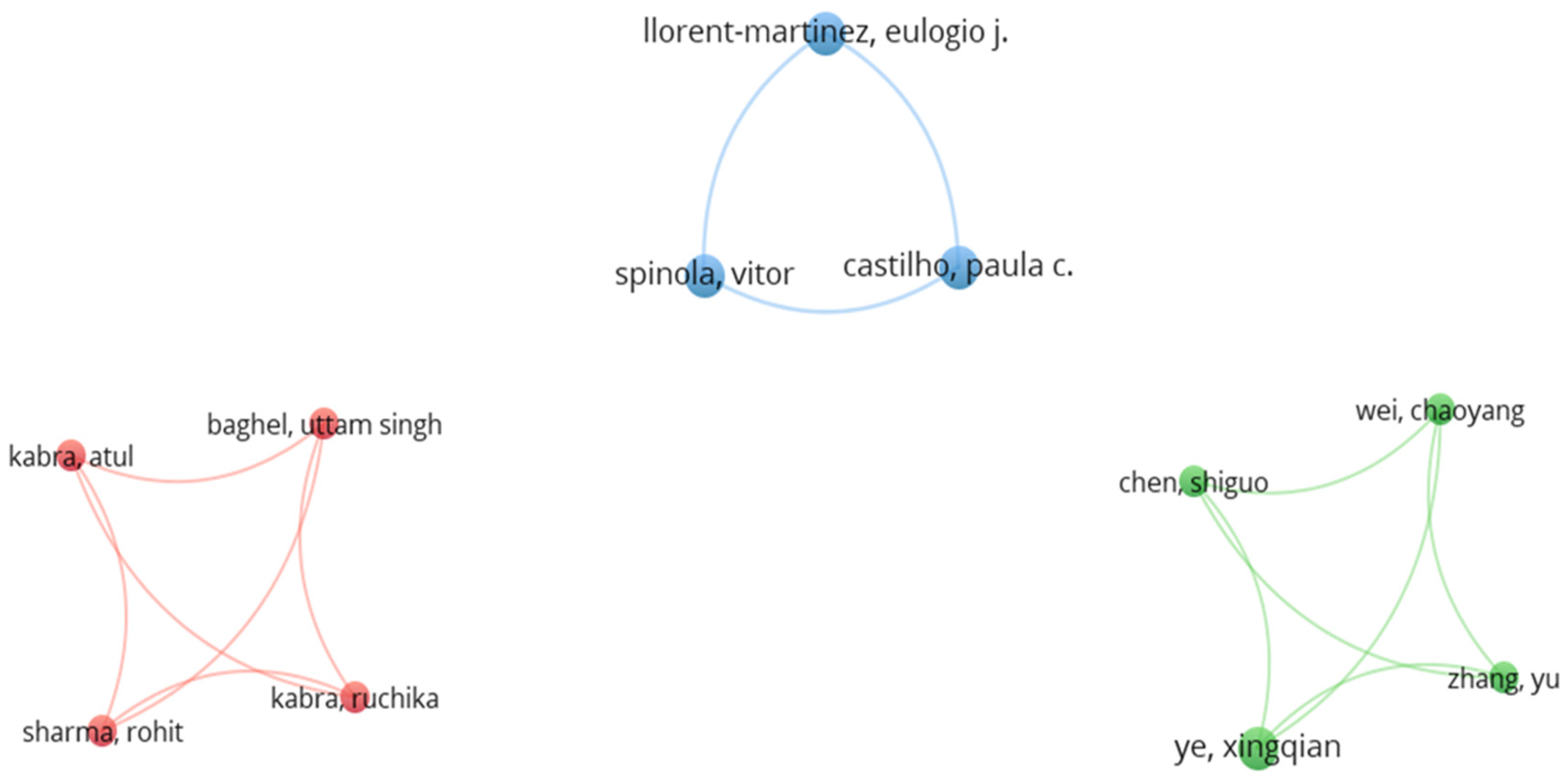
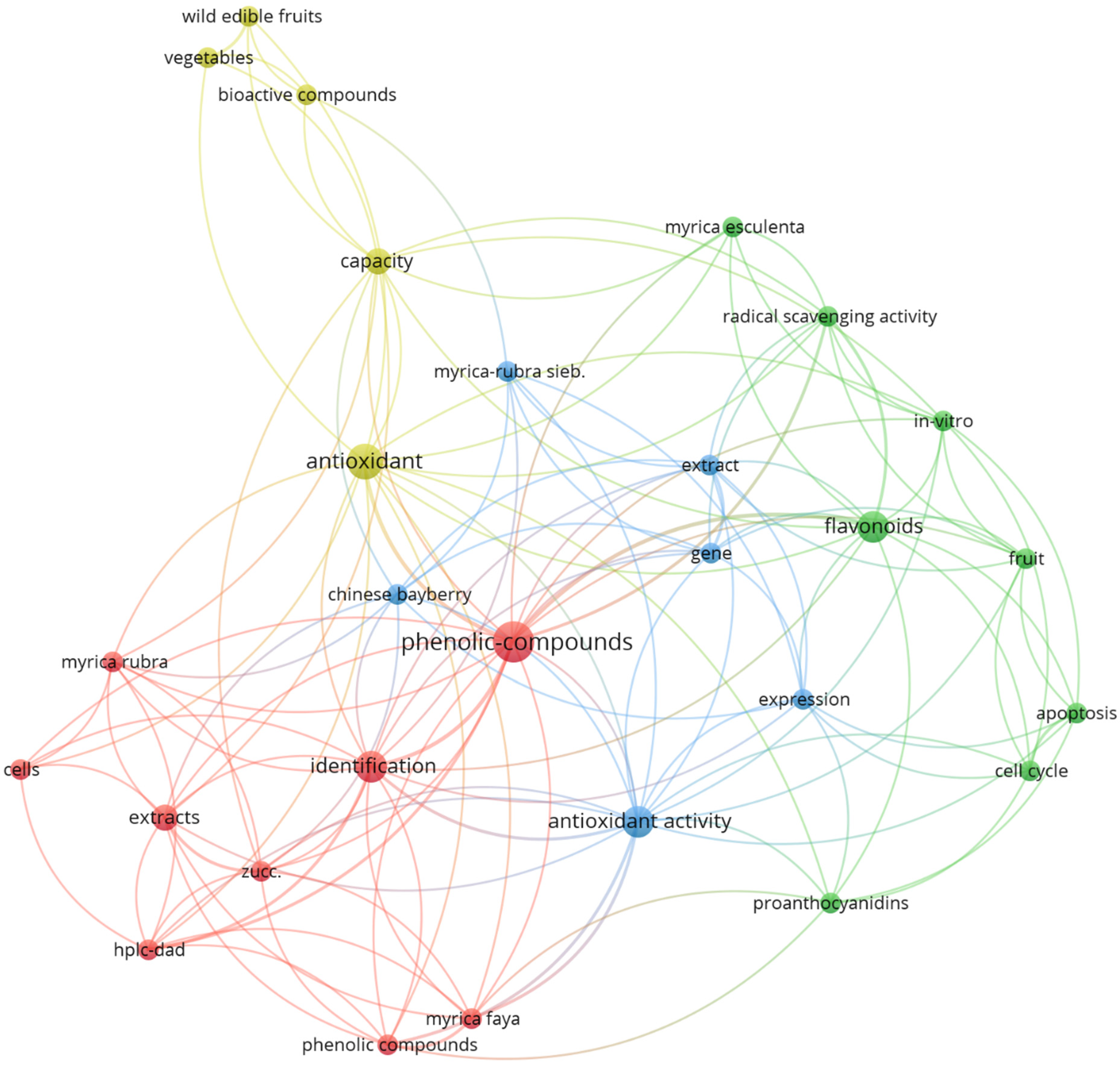
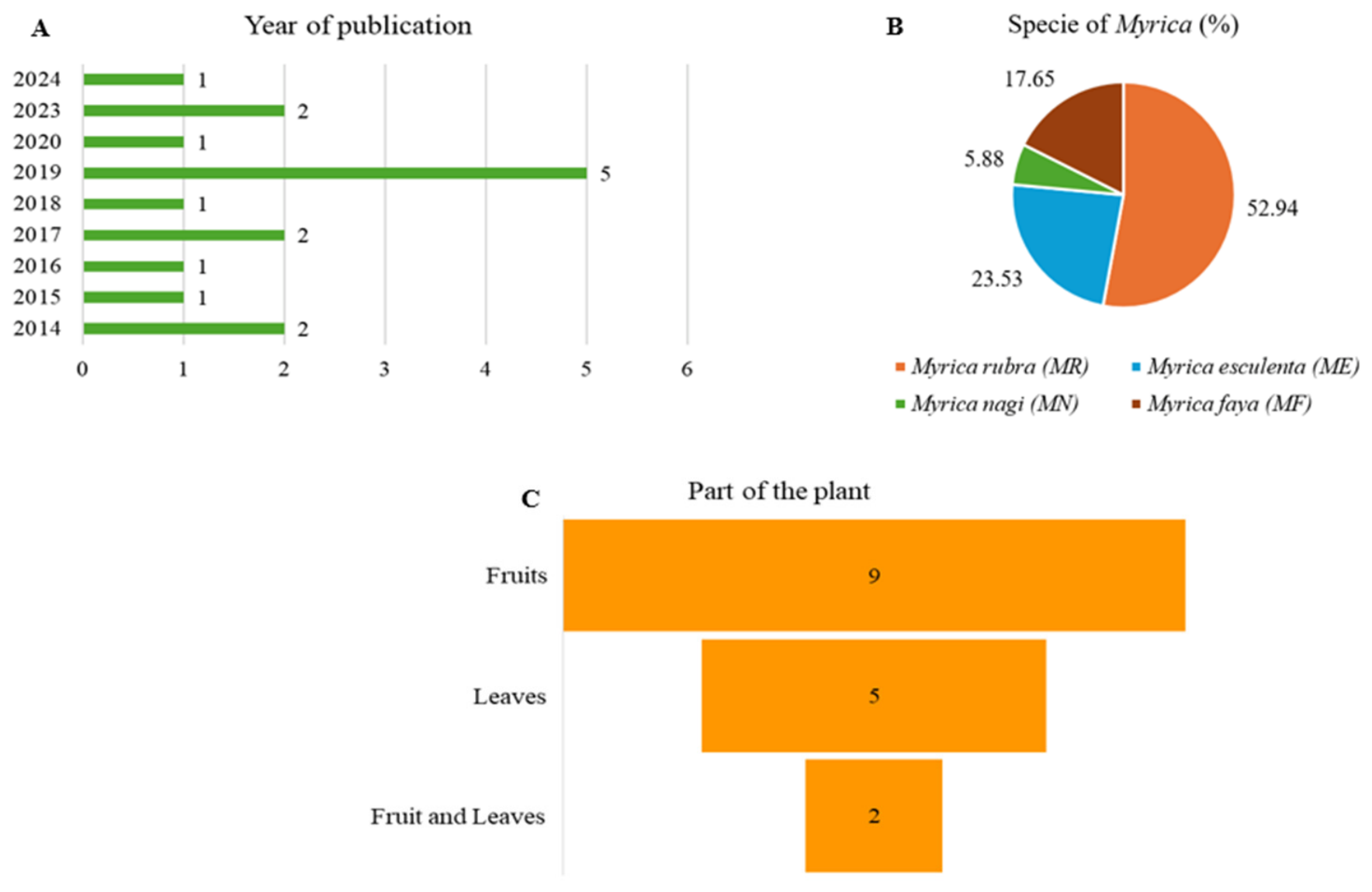
3.1. Bibliometric Analysis
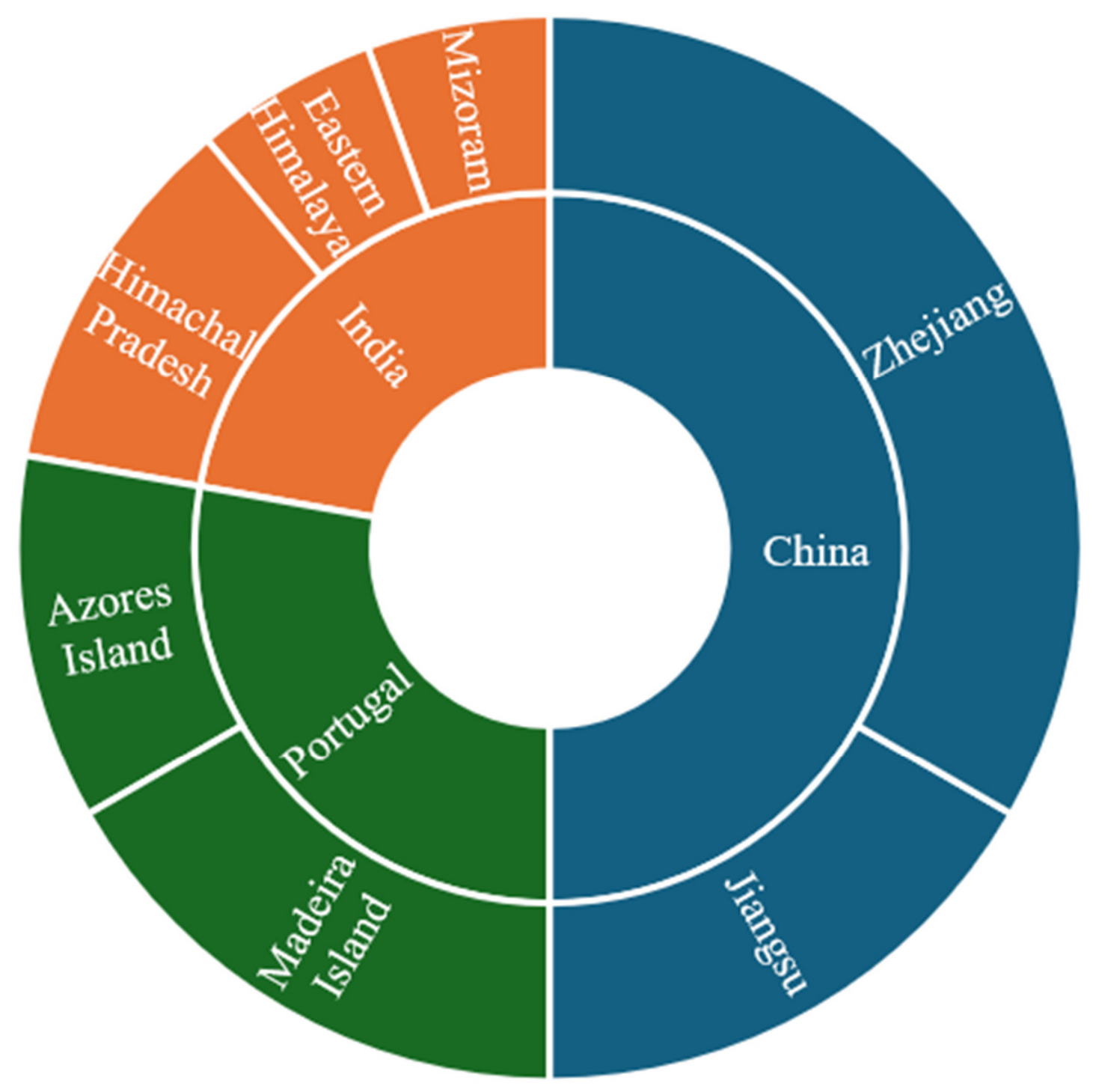
3.2. Research Characteristics
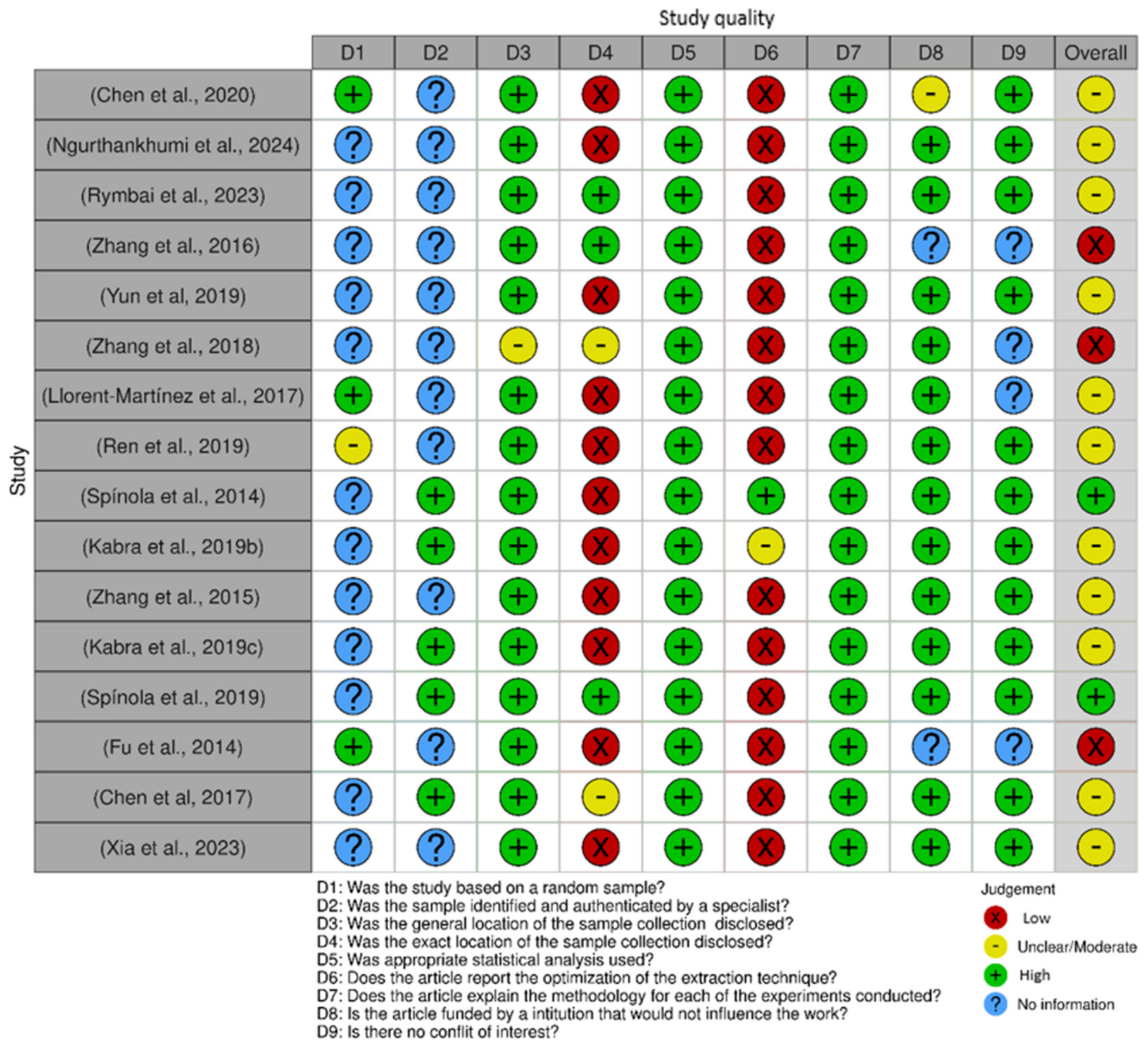
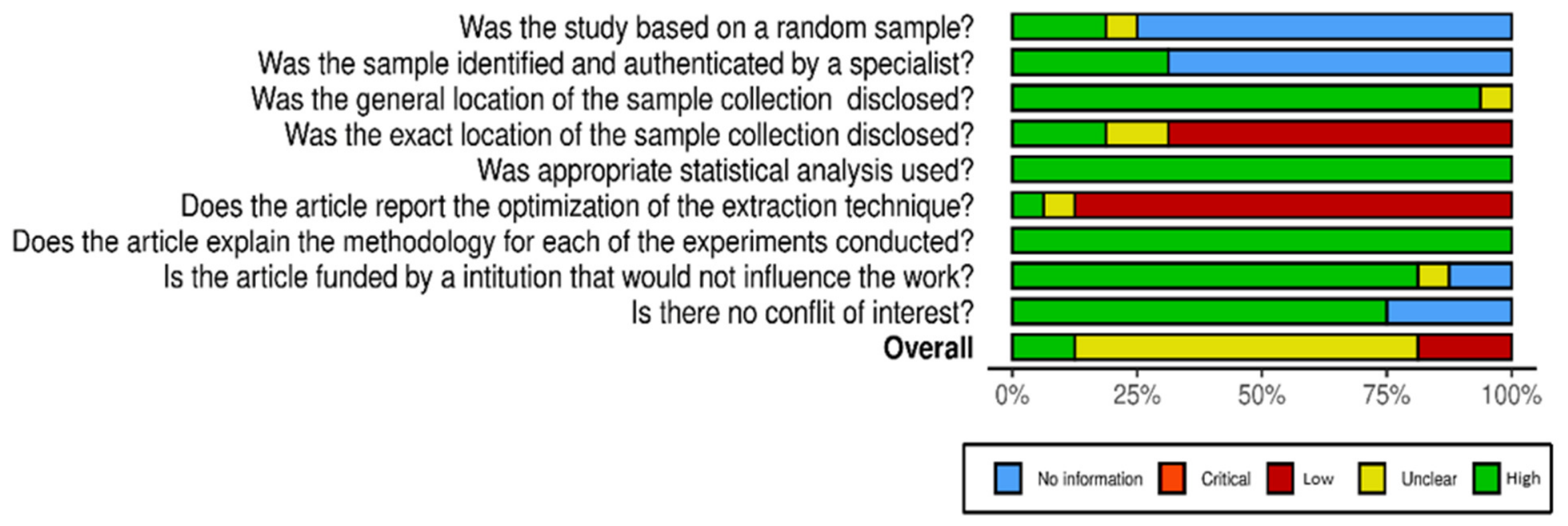
3.3. Study-Quality
3.4. Physicochemical, Nutritional, and Phytochemical Composition of the Fruits
3.4.1. Physicochemical Parameters
3.4.2. Nutritional Composition
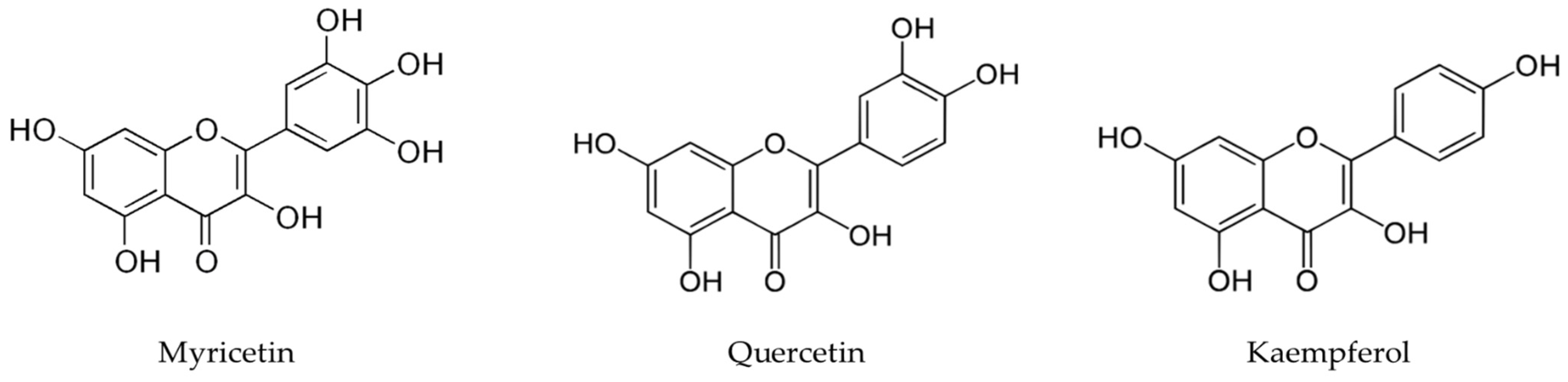
3.4.3. Chemical Composition
3.5. Phytochemical, Physicochemical, and Nutritional Composition of the Leaves
3.5.1. Physicochemical Parameters
3.5.2. Nutritional Composition
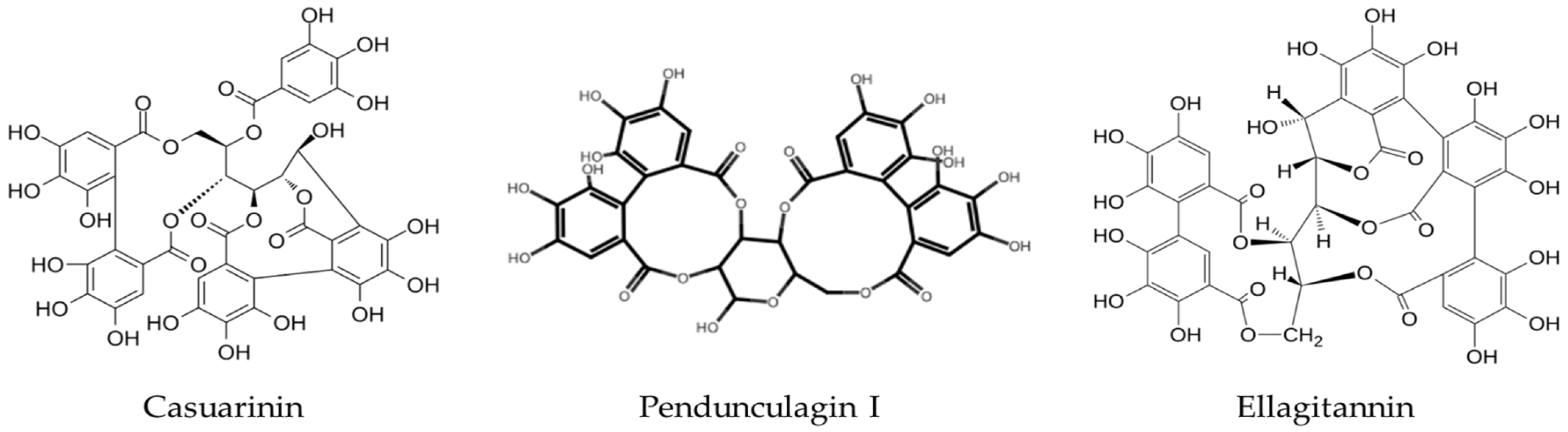
3.5.3. Chemical Composition
3.6. The Potential for Valorization of Fruits and Leaves from the Myrica L. Genus
4. Conclusions and Future Prospects
Supplementary Materials
Author Contributions
Funding
Data Availability Statement
Acknowledgments
Conflicts of Interest
Abbreviations
| AE | Atropine equivalent |
| CIRG | Colour Index for Red Grapes |
| DE | Dried extract |
| DGE | Diosgenin equivalent |
| DW | Dry weight |
| FW | Fresh weight |
| GAE | Gallic acid equivalent |
| ME | Myrica esculenta |
| MF | Myrica faya |
| MN | Myrica nagi |
| MR | Myrica rubra |
| QE | Quercetin equivalent |
| RE | Rutin equivalent |
| TSS | Total soluble solids |
References
- Usman, A.B.; Abubakar, S.; Alaku, C.; Nnadi, O. Plant: A Necessity of Life. Int. Lett. Nat. Sci. 2014, 20, 151–159. [Google Scholar] [CrossRef] [Scilit][Green Version]
- Knapp, S. People and plants: The unbreakable bond. Plants People Planet 2018, 1, 20–26. [Google Scholar] [CrossRef] [Scilit]
- Schaal, B. Plants and people: Our shared history and future. Plants People Planet 2018, 1, 14–19. [Google Scholar] [CrossRef] [Scilit]
- Moses, T.; Goossens, A. Plants for human health: Greening biotechnology and synthetic biology. J. Exp. Bot. 2017, 68, 4009–4011. [Google Scholar] [CrossRef] [Scilit] [PubMed]
- Raven, P.H. Plants make our existence possible. Plants People Planet 2020, 3, 2–6. [Google Scholar] [CrossRef] [Scilit]
- Azizi, A.; Mahboob, M.; Monib, A.W.; Hassand, M.H.; Sediqi, S.; Niazi, P. The Role of Plants in Human Health. Br. J. Biol. Stud. 2023, 3, 08–12. [Google Scholar] [CrossRef]
- Ghorbanpour, M.; Hadian, J.; Nikabadi, S.; Varma, A. Importance of Medicinal and Aromatic Plants in Human Life. In Medicinal Plants and Environmental Challenges; Springer: Cham, Switzerland, 2017; pp. 1–23. [Google Scholar]
- The Editors of Encyclopaedia Britannica “Myricaceae”. Encyclopedia Britannica. 3 November 2024. Available online: https://www.britannica.com/plant/Myricaceae (accessed on 3 November 2024).
- Kubitzki, K. Myricaceae. In Flowering Plants · Dicotyledons: Magnoliid, Hamamelid and Caryophyllid Families; Kubitzki, K., Rohwer, J.G., Bittrich, V., Eds.; Springer: Berlin/Heidelberg, Germany, 1993; pp. 453–457. [Google Scholar]
- Sandall, E.L.; Maureaud, A.A.; Guralnick, R.; McGeoch, M.A.; Sica, Y.V.; Rogan, M.S.; Booher, D.B.; Edwards, R.; Franz, N.; Ingenloff, K.; et al. A globally integrated structure of taxonomy to support biodiversity science and conservation. Trends Ecol. Evol. 2023, 38, 1143–1153. [Google Scholar] [CrossRef] [Scilit] [PubMed]
- Bhatt, I.D.; Rawat, S.; Rawal, R.S. Chapter 28—Himalayan bayberries. In Nutritional Composition and Antioxidant Properties of Fruits and Vegetables; Jaiswal, A.K., Ed.; Academic Press: Cambridge, MA, USA, 2020; pp. 457–465. [Google Scholar]
- Board of Trustees of the Royal Botanic Gardens. Myrica L. Available online: https://powo.science.kew.org/taxon/urn:lsid:ipni.org:names:30023028-2 (accessed on 20 April 2024).
- International Plant Names Index. Available online: http://www.ipni.org (accessed on 20 April 2024).
- Gtari, M.; Dawson, J.O. An overview of actinorhizal plants in Africa. Funct. Plant Biol. 2011, 38, 653–661. [Google Scholar] [CrossRef] [Scilit] [PubMed]
- Silva, P.T.M.; Silva, M.A.F.; Silva, L.; Seca, A.M.L. Ethnobotanical Knowledge in Sete Cidades, Azores Archipelago: First Ethnomedicinal Report. Plants 2019, 8, 256. [Google Scholar] [CrossRef] [Scilit] [PubMed]
- Agrawal, K.; Vibha; Singh, N. Pharmacognostical, phytochemical and pharmacological Aspects of Myrica rubra (Chinese Bayberry): An update. Pharmacol. Res. Mod. Chin. Med. 2024, 10, 100357. [Google Scholar] [CrossRef] [Scilit]
- Silva, B.J.C.; Seca, A.M.L.; Barreto, M.D.; Pinto, D. Recent Breakthroughs in the Antioxidant and Anti-Inflammatory Effects of Morella and Myrica Species. Int. J. Mol. Sci. 2015, 16, 17160–17180. [Google Scholar] [CrossRef] [Scilit] [PubMed]
- Ali, G. Flavonoids and phenolic acids: Role and biochemical activity in plants and human. J. Med. Plants Res. 2011, 5, 6697–6703. [Google Scholar] [CrossRef] [Scilit]
- Lin, D.R.; Xiao, M.S.; Zhao, J.J.; Li, Z.H.; Xing, B.S.; Li, X.D.; Kong, M.Z.; Li, L.Y.; Zhang, Q.; Liu, Y.W.; et al. An Overview of Plant Phenolic Compounds and Their Importance in Human Nutrition and Management of Type 2 Diabetes. Molecules 2016, 21, 1374. [Google Scholar] [CrossRef] [Scilit] [PubMed]
- Rana, A.; Samtiya, M.; Dhewa, T.; Mishra, V.; Aluko, R.E. Health benefits of polyphenols: A concise review. J. Food Biochem. 2022, 46, e14264. [Google Scholar] [CrossRef] [Scilit] [PubMed]
- Ameer, K.; Shahbaz, H.M.; Kwon, J.H. Green Extraction Methods for Polyphenols from Plant Matrices and Their Byproducts: A Review. Compr. Rev. Food Sci. Food Saf. 2017, 16, 295–315. [Google Scholar] [CrossRef] [Scilit] [PubMed]
- Lourenço, S.C.; Moldao-Martins, M.; Alves, V.D. Antioxidants of Natural Plant Origins: From Sources to Food Industry Applications. Molecules 2019, 24, 4132. [Google Scholar] [CrossRef] [Scilit] [PubMed]
- Singh, P.; Konar, A.; Thakur, M.K. Chapter 11—An insight into plant polyphenols in prevention of brain aging. In Plant Bioactives as Natural Panacea Against Age-Induced Diseases; Pandey, K.B., Suttajit, M., Eds.; Elsevier: Amsterdam, The Netherlands, 2023; pp. 215–234. [Google Scholar]
- Su, X.; Zhou, D.; Li, N. Chapter 8—Bioactive stilbenes from plants. In Studies in Natural Products Chemistry; Rahman, A.-U., Ed.; Elsevier: Amsterdam, The Netherlands, 2022; Volume 73, pp. 265–403. [Google Scholar]
- Altemimi, A.; Lakhssassi, N.; Baharlouei, A.; Watson, D.G.; Lightfoot, D.A. Phytochemicals: Extraction, Isolation, and Identification of Bioactive Compounds from Plant Extracts. Plants 2017, 6, 42. [Google Scholar] [CrossRef] [Scilit] [PubMed]
- Dias, M.C.; Pinto, D.; Silva, A.M.S. Plant Flavonoids: Chemical Characteristics and Biological Activity. Molecules 2021, 26, 5377. [Google Scholar] [CrossRef] [Scilit] [PubMed]
- Samtiya, M.; Aluko, R.E.; Dhewa, T.; Moreno-Rojas, J.M. Potential Health Benefits of Plant Food-Derived Bioactive Components: An Overview. Foods 2021, 10, 839. [Google Scholar] [CrossRef] [Scilit] [PubMed]
- Rosa, G.P.; Silva, B.J.C.; Seca, A.M.L.; Moujir, L.M.; Barreto, M.C. Phytochemicals with Added Value from Morella and Myrica Species. Molecules 2020, 25, 6052. [Google Scholar] [CrossRef] [Scilit] [PubMed]
- Ahmad, G.; Khan, S.U.; Mir, S.A.; Iqbal, M.J.; Pottoo, F.H.; Dhiman, N.; Malik, F.; Ali, A. Myrica esculenta Buch.-Ham. (ex D. Don): A Review on its Phytochemistry, Pharmacology and Nutritional Potential. Comb. Chem. High Throughput Screen 2022, 25, 2372–2386. [Google Scholar] [CrossRef] [Scilit] [PubMed]
- Bhatia, D.; Goyal, P. A review of pharmacological and pharmacognostic profile of Myrica nagi. Res. J. Pharm. Technol. 2021, 14, 1109–1114. [Google Scholar] [CrossRef] [Scilit]
- Bhatt, S.C.; Kumar, V.; Gupta, A.K.; Mishra, S.; Naik, B.; Rustagi, S.; Preet, M.S. Insights on bio-functional properties of Myrica esculenta plant for nutritional and livelihood security. Food Chem. Adv. 2023, 3, 100434. [Google Scholar] [CrossRef] [Scilit]
- He, X.H.; Chen, L.G.; Asghar, S.; Chen, Y. Red Bayberry (Myrica rubra), a promising fruit and forest tree in China. J. Am. Pomol. Soc. 2004, 58, 163–168. [Google Scholar] [CrossRef] [Scilit]
- Kabra, A.; Martins, N.; Sharma, R.; Kabra, R.; Baghel, U.S. Myrica esculenta Buch.-Ham. ex D. Don: A Natural Source for Health Promotion and Disease Prevention. Plants 2019, 8, 149. [Google Scholar] [CrossRef] [Scilit] [PubMed]
- Mo, J.L.; Rashwan, A.K.; Osman, A.I.; Eletmany, M.R.; Chen, W. Potential of Chinese Bayberry (Myrica rubra Sieb. et Zucc.) Fruit, Kernel, and Pomace as Promising Functional Ingredients for the Development of Food Products: A Comprehensive Review. Food Bioprocess Technol. 2024, 17, 3506–3524. [Google Scholar] [CrossRef] [Scilit]
- Skene, K.R.; Sprent, J.I.; Raven, J.A.; Herdman, L. Myrica gale L. J. Ecol. 2000, 88, 1079–1094. [Google Scholar] [CrossRef] [Scilit]
- Sood, P.; Shri, R. A Review on Ethnomedicinal, Phytochemical and Pharmacological Aspects of Myrica esculenta. Indian J. Pharm. Sci. 2018, 80, 2–13. [Google Scholar] [CrossRef]
- Sun, C.D.; Huang, H.Z.; Xu, C.J.; Li, X.; Chen, K.S. Biological Activities of Extracts from Chinese Bayberry (Myrica rubra Sieb. et Zucc.): A Review. Plant Foods Hum. Nutr. 2013, 68, 97–106. [Google Scholar] [CrossRef] [Scilit] [PubMed]
- Zhang, S.; Yu, Z.; Sun, L.; Ren, H.; Zheng, X.; Liang, S.; Qi, X. An overview of the nutritional value, health properties, and future challenges of Chinese bayberry. PeerJ 2022, 10, e13070. [Google Scholar] [CrossRef] [Scilit] [PubMed]
- Moher, D.; Liberati, A.; Tetzlaff, J.; Altman, D.G.; Group, P. Preferred reporting items for systematic reviews and meta-analyses: The PRISMA statement. Int. J. Surg. 2010, 8, 336–341. [Google Scholar] [CrossRef] [Scilit] [PubMed]
- Knobloch, K.; Yoon, U.; Vogt, P.M. Preferred reporting items for systematic reviews and meta-analyses (PRISMA) statement and publication bias. J. Craniomaxillofac. Surg. 2011, 39, 91–92. [Google Scholar] [CrossRef] [Scilit] [PubMed]
- Page, M.J.; McKenzie, J.E.; Bossuyt, P.M.; Boutron, I.; Hoffmann, T.C.; Mulrow, C.D.; Shamseer, L.; Tetzlaff, J.M.; Akl, E.A.; Brennan, S.E.; et al. The PRISMA 2020 statement: An updated guideline for reporting systematic reviews. Res. Methods Rep. 2021, 372, n71. [Google Scholar] [CrossRef] [Scilit] [PubMed]
- Chen, F.; Wang, Y.; Ni, H.; Yan, B. The 3at gene determines fruit color of Myrica rubra (Myricaceae). Gen. Mol. Res. 2020, 19, 1–18. [Google Scholar] [CrossRef] [Scilit]
- Ngurthankhumi, R.; Hazarika, T.K.; Lalruatsangi, E.; Lalnunsangi, T.; Lalhmangaihzuali, H.P. Bioactive constituents and health promoting compounds of few wild edible fruits of North-East India. Int. J. Food Prop. 2024, 27, 927–950. [Google Scholar] [CrossRef] [Scilit]
- Rymbai, H.; Verma, V.K.; Talang, H.; Assumi, S.R.; Devi, M.B.; Sangma, R.H.C.H.; Biam, K.P.; Chanu, L.J.; Makdoh, B.; Singh, A.R.; et al. Biochemical and antioxidant activity of wild edible fruits of the eastern Himalaya, India. Front. Nutr. 2023, 10, 1039965. [Google Scholar] [CrossRef] [Scilit] [PubMed]
- Zhang, Y.; Chen, S.; Wei, C.; Gong, H.; Li, L.; Ye, X. Chemical and Cellular Assays Combined with In Vitro Digestion to Determine the Antioxidant Activity of Flavonoids from Chinese Bayberry (Myrica rubra Sieb. et Zucc.) Leaves. PLoS ONE 2016, 11, e0167484. [Google Scholar] [CrossRef] [Scilit] [PubMed]
- Yun, D.W.; Cai, H.H.; Liu, Y.P.; Xiao, L.X.; Song, J.F.; Liu, J. Development of active and intelligent films based on cassava starch and Chinese bayberry (Myrica rubra Sieb. et Zucc.) anthocyanins. RSC Adv. 2019, 9, 30905–30916. [Google Scholar] [CrossRef] [Scilit] [PubMed]
- Zhang, Y.; Chen, S.; Wei, C.; Rankin, G.O.; Rojanasakul, Y.; Ren, N.; Ye, X.; Chen, Y.C. Dietary Compound Proanthocyanidins from Chinese bayberry (Myrica rubra Sieb. et Zucc.) leaves inhibit angiogenesis and regulate cell cycle of cisplatin-resistant ovarian cancer cells via targeting Akt pathway. J. Funct. Foods 2018, 40, 573–581. [Google Scholar] [CrossRef] [Scilit] [PubMed]
- Llorent-Martinez, E.J.; Spinola, V.; Castilho, P.C. Evaluation of the inorganic content of six underused wild berries from Portugal: Potential new sources of essential minerals. J. Food Compost. Anal. 2017, 59, 153–160. [Google Scholar] [CrossRef] [Scilit]
- Ren, H.; Yu, H.; Zhang, S.; Liang, S.; Zheng, X.; Zhang, S.; Yao, P.; Zheng, H.; Qi, X. Genome sequencing provides insights into the evolution and antioxidant activity of Chinese bayberry. BMC Genom. 2019, 20, 458. [Google Scholar] [CrossRef] [Scilit] [PubMed]
- Spínola, V.; Llorent-Martínez, E.J.; Gouveia, S.; Castilho, P.C. Myrica faya: A new source of antioxidant phytochemicals. J. Agric. Food Chem. 2014, 62, 9722–9735. [Google Scholar] [CrossRef] [Scilit] [PubMed]
- Kabra, A.; Sharma, R.; Singla, S.; Kabra, R.; Baghel, U.S. Pharmacognostic characterization of Myrica esculenta leaves. J. Ayurveda Integr. Med. 2019, 10, 18–24. [Google Scholar] [CrossRef] [Scilit] [PubMed]
- Zhang, X.; Huang, H.; Zhang, Q.; Fan, F.; Xu, C.; Sun, C.; Li, X.; Chen, K. Phytochemical Characterization of Chinese Bayberry (Myrica rubra Sieb. et Zucc.) of 17 Cultivars and Their Antioxidant Properties. Int. J. Mol. Sci. 2015, 16, 12467–12481. [Google Scholar] [CrossRef] [Scilit] [PubMed]
- Kabra, A.; Sharma, R.; Hano, C.; Kabra, R.; Martins, N.; Baghel, U.S. Phytochemical Composition, Antioxidant, and Antimicrobial Attributes of Different Solvent Extracts from Myrica esculenta Buch.-Ham. ex. D. Don Leaves. Biomolecules 2019, 9, 357. [Google Scholar] [CrossRef] [Scilit] [PubMed]
- Spínola, V.; Llorent-Martínez, E.J.; Castilho, P.C. Polyphenols of Myrica faya inhibit key enzymes linked to type II diabetes and obesity and formation of advanced glycation end-products (in vitro): Potential role in the prevention of diabetic complications. Food Res. Int. 2019, 116, 1229–1238. [Google Scholar] [CrossRef] [Scilit] [PubMed]
- Fu, Y.; Qiao, L.; Cao, Y.; Zhou, X.; Liu, Y.; Ye, X. Structural elucidation and antioxidant activities of proanthocyanidins from Chinese bayberry (Myrica rubra Sieb. et Zucc.) leaves. PLoS ONE 2014, 9, e96162. [Google Scholar] [CrossRef] [Scilit] [PubMed]
- Chen, P.; Lin, X.; Yang, C.H.; Tang, X.; Chang, Y.W.; Zheng, W.; Luo, L.; Xu, C.; Chen, Y.H. Study on Chemical Profile and Neuroprotective Activity of Myrica rubra Leaf Extract. Molecules 2017, 22, 1226. [Google Scholar] [CrossRef] [Scilit] [PubMed]
- Xia, W.; Gong, E.R.; Lin, Y.Y.; Zheng, B.S.; Yang, W.H.; Li, T.; Zhang, S.; Li, P.; Liu, R.H. Wild pink bayberry free phenolic extract induces mitochondria-dependent apoptosis and G0/G1 cell cycle arrest through p38/MAPK and PI3K/Akt pathway in MDA-MB-231 cancer cells. Food Sci. Hum. Wellness 2023, 12, 1510–1518. [Google Scholar] [CrossRef] [Scilit]
- Joanna Briggs Institute. MAStARI: Joanna Briggs Institute Reviewer’s Manual 2014; Joanna Briggs Institute, University of Adelaide: North Adelaide, Australia, 2014. [Google Scholar]
- Gadioli, I.L.; da Cunha, M.S.B.; de Carvalho, M.V.O.; Costa, A.M.; Pineli, L.L.O. A systematic review on phenolic compounds in Passiflora plants: Exploring biodiversity for food, nutrition, and popular medicine. Crit. Rev. Food Sci. Nutr. 2018, 58, 785–807. [Google Scholar] [CrossRef] [Scilit] [PubMed]
- McGuinness, L.A.; Higgins, J.P.T. Risk-of-bias VISualization (robvis): An R package and Shiny web app for visualizing risk-of-bias assessments. Res. Synth. Methods 2021, 12, 55–61. [Google Scholar] [CrossRef] [Scilit] [PubMed]
- Gonçalves, A.C.; Campos, G.; Alves, G.; Garcia-Viguera, C.; Moreno, D.A.; Silva, L.R. Physical and phytochemical composition of 23 Portuguese sweet cherries as conditioned by variety (or genotype). Food Chem. 2021, 335, 127637. [Google Scholar] [CrossRef] [Scilit] [PubMed]
- Vursavuş, K.; Kelebek, H.; Selli, S. A study on some chemical and physico-mechanic properties of three sweet cherry varieties (Prunus avium L.) in Turkey. J. Food Eng. 2006, 74, 568–575. [Google Scholar] [CrossRef] [Scilit]
- Ruiz-Torralba, A.; Guerra-Hernández, E.; Garcia-Villanova, B. Antioxidant capacity, polyphenol content and contribution to dietary intake of 52 fruits sold in Spain. CyTA-J. Food 2018, 16, 1131–1138. [Google Scholar] [CrossRef] [Scilit]
- Tosun, M.; Ercisli, S.; Karlidag, H.; Sengul, M. Characterization of Red Raspberry (Rubus idaeus L.) Genotypes for Their Physicochemical Properties. J. Food Sci. 2009, 74, C575–C579. [Google Scholar] [CrossRef] [Scilit] [PubMed]
- Yıldız, G.; İzli, N.; Ünal, H.; Uylaşer, V. Physical and chemical characteristics of goldenberry fruit (Physalis peruviana L.). J. Food Sci. Technol. 2015, 52, 2320–2327. [Google Scholar] [CrossRef] [Scilit] [PubMed]
- Ilhan, G.; Gundogdu, M.; Karlović, K.; Židovec, V.; Vokurka, A.; Ercişli, S. Main Agro-Morphological and Biochemical Berry Characteristics of Wild-Grown Sea Buckthorn (Hippophae rhamnoides L. ssp. caucasica Rousi) Genotypes in Turkey. Sustainability 2021, 13, 1198. [Google Scholar] [CrossRef] [Scilit]
- Tang, X.; Tigerstedt, P.M.A. Variation of physical and chemical characters within an elite sea buckthorn (Hippophae rhamnoides L.) breeding population. Sci. Hortic. 2001, 88, 203–214. [Google Scholar] [CrossRef] [Scilit]
- Scalisi, A.; O’Connell, M.G.; Islam, M.S.; Goodwin, I. A Fruit Colour Development Index (CDI) to Support Harvest Time Decisions in Peach and Nectarine Orchards. Horticulturae 2022, 8, 459. [Google Scholar] [CrossRef] [Scilit]
- Sharma, S.; Katoch, V.; Kumar, S.; Chatterjee, S. Functional relationship of vegetable colors and bioactive compounds: Implications in human health. J. Nutr. Biochem. 2021, 92, 108615. [Google Scholar] [CrossRef] [Scilit] [PubMed]
- Carreño, J.; Martínez, A.; Almela, L.; Fernández-López, J.A. Proposal of an index for the objective evaluation of the colour of red table grapes. Food Res. Int. 1995, 28, 373–377. [Google Scholar] [CrossRef] [Scilit]
- Fernández-López, J.; Almela, L.; Muñoz, J.A.; Hidalgo, V.; Carreño, J. Dependence between colour and individual anthocyanin content in ripening grapes. Food Res. Int. 1998, 31, 667–672. [Google Scholar] [CrossRef] [Scilit]
- Ly, B.; Dyer, E.; Feig, J.; Chien, A.; Bino, S. Research Techniques Made Simple: Cutaneous Colorimetry: A Reliable Technique for Objective Skin Color Measurement. J. Investig. Dermatol. 2020, 140, 3–12.e11. [Google Scholar] [CrossRef] [Scilit] [PubMed]
- Guiné, R.; Almeida, C.; Correia, P.; Mendes, M. Modelling the Influence of Origin, Packing and Storage on Water Activity, Colour and Texture of Almonds, Hazelnuts and Walnuts Using Artificial Neural Networks. Food Bioprocess Technol. 2015, 8, 1113–1125. [Google Scholar] [CrossRef] [Scilit]
- Di Vittori, L.; Mazzoni, L.; Battino, M.; Mezzetti, B. Pre-harvest factors influencing the quality of berries. Sci. Hortic. 2018, 233, 310–322. [Google Scholar] [CrossRef] [Scilit]
- Tyagi, S.; Sahay, S.; Imran, M.; Rashmi, K.; Mahesh, S. Pre-harvest factors influencing the postharvest quality of fruits: A review. Curr. J. Appl. Sci. Technol. 2017, 23, 1–12. [Google Scholar] [CrossRef] [Scilit]
- Tiwari, U.; Cummins, E. Factors influencing levels of phytochemicals in selected fruit and vegetables during pre- and post-harvest food processing operations. Food Res. Int. 2013, 50, 497–506. [Google Scholar] [CrossRef] [Scilit]
- Schulz, M.; Chim, J.F. Nutritional and bioactive value of Rubus berries. Food Biosci. 2019, 31, 100438. [Google Scholar] [CrossRef] [Scilit]
- Basak, J.K.; Madhavi, B.G.; Paudel, B.; Kim, N.E.; Kim, H.T. Prediction of Total Soluble Solids and pH of Strawberry Fruits Using RGB, HSV and HSL Colour Spaces and Machine Learning Models. Foods 2022, 11, 2086. [Google Scholar] [CrossRef] [Scilit] [PubMed]
- Zhang, J.; Nie, J.-y.; Li, J.; Zhang, H.; Li, Y.; Farooq, S.; Bacha, S.A.S.; Wang, J. Evaluation of sugar and organic acid composition and their levels in highbush blueberries from two regions of China. J. Integr. Agric. 2020, 19, 2352–2361. [Google Scholar] [CrossRef] [Scilit]
- Zhao, Y. Berry Fruit: Value-Added Products for Health Promotion, 1st ed.; CRC Press: Boca Raton, FL, USA, 2007. [Google Scholar]
- Subbiah, V.; Zhong, B.; Nawaz, M.A.; Barrow, C.J.; Dunshea, F.R.; Suleria, H.A.R. Screening of Phenolic Compounds in Australian Grown Berries by LC-ESI-QTOF-MS/MS and Determination of Their Antioxidant Potential. Antioxidants 2020, 10, 26. [Google Scholar] [CrossRef] [Scilit] [PubMed]
- Orsavová, J.; Juríková, T.; Bednaříková, R.; Mlček, J. Total Phenolic and Total Flavonoid Content, Individual Phenolic Compounds and Antioxidant Activity in Sweet Rowanberry Cultivars. Antioxidants 2023, 12, 913. [Google Scholar] [CrossRef] [Scilit] [PubMed]
- Imran, M.; Saeed, F.; Hussain, G.; Imran, A.; Mehmood, Z.; Gondal, T.A.; El-Ghorab, A.; Ahmad, I.; Pezzani, R.; Arshad, M.U.; et al. Myricetin: A comprehensive review on its biological potentials. Food Sci. Nutr. 2021, 9, 5854–5868. [Google Scholar] [CrossRef] [Scilit] [PubMed]
- Semwal, D.K.; Semwal, R.B.; Combrinck, S.; Viljoen, A. Myricetin: A Dietary Molecule with Diverse Biological Activities. Nutrients 2016, 8, 90. [Google Scholar] [CrossRef] [Scilit] [PubMed]
- Dabeek, W.M.; Marra, M.V. Dietary Quercetin and Kaempferol: Bioavailability and Potential Cardiovascular-Related Bioactivity in Humans. Nutrients 2019, 11, 2288. [Google Scholar] [CrossRef] [Scilit] [PubMed]
- Guimarães, R.; Barros, L.; Dueñas, M.; Carvalho, A.M.; Queiroz, M.J.R.P.; Santos-Buelga, C.; Ferreira, I.C.F.R. Characterisation of phenolic compounds in wild fruits from Northeastern Portugal. Food Chem. 2013, 141, 3721–3730. [Google Scholar] [CrossRef] [Scilit] [PubMed]
- Salau, V.F.; Erukainure, O.L.; Islam, M.S. Chapter 29—Phenolics: Therapeutic applications against oxidative injury in obesity and type 2 diabetes pathology. In Pathology; Preedy, V.R., Ed.; Academic Press: Cambridge, MA, USA, 2020; pp. 297–307. [Google Scholar]
- Jimenez-Garcia, S.N.; Guevara-Gonzalez, R.G.; Miranda-Lopez, R.; Feregrino-Perez, A.A.; Torres-Pacheco, I.; Vazquez-Cruz, M.A. Functional properties and quality characteristics of bioactive compounds in berries: Biochemistry, biotechnology, and genomics. Food Res. Int. 2013, 54, 1195–1207. [Google Scholar] [CrossRef] [Scilit]
- Olivas-Aguirre, F.J.; Rodrigo-García, J.; Martínez-Ruiz, N.D.R.; Cárdenas-Robles, A.I.; Mendoza-Díaz, S.O.; Álvarez-Parrilla, E.; González-Aguilar, G.A.; De la Rosa, L.A.; Ramos-Jiménez, A.; Wall-Medrano, A. Cyanidin-3-O-glucoside: Physical-Chemistry, Foodomics and Health Effects. Molecules 2016, 21, 1264. [Google Scholar] [CrossRef] [Scilit] [PubMed]
- Husain, A.; Chanana, H.; Khan, S.A.; Dhanalekshmi, U.M.; Ali, M.; Alghamdi, A.A.; Ahmad, A. Chemistry and Pharmacological Actions of Delphinidin, a Dietary Purple Pigment in Anthocyanidin and Anthocyanin Forms. Front. Nutr. 2022, 9, 746881. [Google Scholar] [CrossRef] [Scilit] [PubMed]
- Chai, Z.; Herrera-Balandrano, D.D.; Yu, H.; Beta, T.; Zeng, Q.; Zhang, X.; Tian, L.; Niu, L.; Huang, W. A comparative analysis on the anthocyanin composition of 74 blueberry cultivars from China. J. Food Compost. Anal. 2021, 102, 104051. [Google Scholar] [CrossRef] [Scilit]
- Toledo-Martín, E.M.; García-García, M.D.C.; Font, R.; Moreno-Rojas, J.M.; Salinas-Navarro, M.; Gómez, P.; Del Río-Celestino, M. Quantification of Total Phenolic and Carotenoid Content in Blackberries (Rubus fructicosus L.) Using Near Infrared Spectroscopy (NIRS) and Multivariate Analysis. Molecules 2018, 23, 3191. [Google Scholar] [CrossRef] [Scilit] [PubMed]
- Khoo, H.-E.; Prasad, K.; Kong, K.-W.; Jiang, Y.; Ismail, A. Carotenoids and Their Isomers: Color Pigments in Fruits and Vegetables. Molecules 2011, 16, 1710–1738. [Google Scholar] [CrossRef] [Scilit] [PubMed]
- López-Moreno, M.; Garcés-Rimón, M.; Miguel, M. Antinutrients: Lectins, goitrogens, phytates and oxalates, friends or foe? J. Funct. Foods 2022, 89, 104938. [Google Scholar] [CrossRef] [Scilit]
- Onyenweaku, E.O.; Kesa, H. Micronutrient and antinutrient content of semi-processed fruit peels: Towards boosting immunity. Health SA Gesondheid 2024, 29, 2682. [Google Scholar] [CrossRef] [Scilit] [PubMed]
- Koubouris, G.; Bouranis, D.; Vogiatzis, E.; Nejad, A.R.; Giday, H.; Tsaniklidis, G.; Ligoxigakis, E.K.; Blazakis, K.; Kalaitzis, P.; Fanourakis, D. Leaf area estimation by considering leaf dimensions in olive tree. Sci. Hortic. 2018, 240, 440–445. [Google Scholar] [CrossRef] [Scilit]
- Laryea, D.; Barimah, J.; Yanney, P.; Quarcoo, C. Effect of Drying Methods on Phytochemicals, Antioxidant Activity and Total Phenolic Content of Dandelion Leaves. Am. J. Food Nutr. 2017, 5, 136–141. [Google Scholar]
- Momin, R.K.; Kadam, V.B. Determination of Ash Values of Some Medicinal Plants of Genus Sesbania of Marathwada Region in Maharashtra. J. Phytol. 2011, 3, 52–54. [Google Scholar]
- Mahadevi, M.; Azhagu Madhavan, S. Natural movement and therapeutic different bioactive constituents and biochemical composition of (Carica papaya l.). Int. J. Bot. Stud. 2021, 6, 224–228. [Google Scholar]
- Arawande, J.; Adeleke, A.; Orimoloye, O.; Adebisi, S.; Amuho, E.; Olugbenga Olufemi, I. Extractive Values and Antioxidant Properties of Leaves, Seeds, Pods and Coats of Moringa Plant. Biomed. J. Sci. Tech. Res. 2021, 39, 31530–31536. [Google Scholar] [CrossRef] [Scilit]
- Shabbir, H.; Kausar, T.; Noreen, S.; Rehman, H.u.; Hussain, A.; Huang, Q.; Gani, A.; Su, S.; Nawaz, A. In Vivo Screening and Antidiabetic Potential of Polyphenol Extracts from Guava Pulp, Seeds and Leaves. Animals 2020, 10, 1714. [Google Scholar] [CrossRef] [Scilit] [PubMed]
- Sabbatini, G.; Mari, E.; Ortore, M.G.; Di Gregorio, A.; Fattorini, D.; Di Carlo, M.; Galeazzi, R.; Vignaroli, C.; Simoni, S.; Giorgini, G.; et al. Hop leaves: From waste to a valuable source of bioactive compounds—A multidisciplinary approach to investigating potential applications. Heliyon 2024, 10, e37593. [Google Scholar] [CrossRef] [Scilit] [PubMed]
- Birhanie, Z.M.; Xiao, A.; Yang, D.; Huang, S.; Zhang, C.; Zhao, L.; Liu, L.; Li, J.; Chen, A.; Tang, H.; et al. Polysaccharides, Total Phenolic, and Flavonoid Content from Different Kenaf (Hibiscus cannabinus L.) Genotypes and Their Antioxidants and Antibacterial Properties. Plants 2021, 10, 1900. [Google Scholar] [CrossRef] [Scilit] [PubMed]
- Agustin, Y.; Endang, H.; Anis, A.; Feni, D.; Kadek Niti, P.; Sya’idah Nur, F. Total Phenolic Content and Antioxidant Activities of Leaves and Bark Extract of Adenanthera pavonina L. Nat. Prod. Sci. 2023, 29, 24–30. [Google Scholar] [CrossRef] [Scilit]
- Styczyńska, S.; Przybył, J.; Kosakowska, O.; Węglarz, Z.; Baczek, K. Intraspecific Variability of Stinging Nettle (Urtica dioica L.). Molecules 2023, 28, 1505. [Google Scholar] [CrossRef] [Scilit] [PubMed]
- Szopa, A.; Kokotkiewicz, A.; Kubica, P.; Banaszczak, P.; Wojtanowska-Krośniak, A.; Krosniak, M.; Marzec-Wróblewska, U.; Badura, A.; Zagrodzki, P.; Bucinski, A.; et al. Comparative analysis of different groups of phenolic compounds in fruit and leaf extracts of Aronia sp.: A. melanocarpa, A. arbutifolia, and A. ×prunifolia and their antioxidant activities. Eur. Food Res. Technol. 2017, 243, 1645–1657. [Google Scholar] [CrossRef] [Scilit]
- Barros, J.G.L.; Fernandes, R.; Abraão, A.; Costa, R.D.; Aires, A.; Gouvinhas, I.; Granato, D.; Barros, A.N. Characterization of Azorean Plant Leaves for Sustainable Valorization and Future Advanced Applications in the Food, Cosmetic, and Pharmaceutical Industries. Antioxidants 2024, 13, 325. [Google Scholar] [CrossRef] [Scilit] [PubMed]
- Sadeer, N.B.; Llorent-Martínez, E.J.; Bene, K.; Fawzi Mahomoodally, M.; Mollica, A.; Ibrahime Sinan, K.; Stefanucci, A.; Ruiz-Riaguas, A.; Fernández-de Córdova, M.L.; Zengin, G. Chemical profiling, antioxidant, enzyme inhibitory and molecular modelling studies on the leaves and stem bark extracts of three African medicinal plants. J. Pharm. Biomed. Anal. 2019, 174, 19–33. [Google Scholar] [CrossRef] [Scilit] [PubMed]
- Karlińska, E.; Masny, A.; Cieślak, M.; Macierzyński, J.; Pecio, Ł.; Stochmal, A.; Kosmala, M. Ellagitannins in roots, leaves, and fruits of strawberry (Fragaria × ananassa Duch.) vary with developmental stage and cultivar. Sci. Hortic. 2021, 275, 109665. [Google Scholar] [CrossRef] [Scilit]
- Atanasov, A.G.; Waltenberger, B.; Pferschy-Wenzig, E.M.; Linder, T.; Wawrosch, C.; Uhrin, P.; Temml, V.; Wang, L.M.; Schwaiger, S.; Heiss, E.H.; et al. Discovery and resupply of pharmacologically active plant-derived natural products: A review. Biotechnol. Adv. 2015, 33, 1582–1614. [Google Scholar] [CrossRef] [Scilit] [PubMed]
- Batiha, G.E.; Beshbishy, A.M.; Ikram, M.; Mulla, Z.S.; Abd El-Hack, M.E.; Taha, A.E.; Algammal, A.M.; Elewa, Y.H.A. The Pharmacological Activity, Biochemical Properties, and Pharmacokinetics of the Major Natural Polyphenolic Flavonoid: Quercetin. Foods 2020, 9, 374. [Google Scholar] [CrossRef] [Scilit] [PubMed]
- Chopra, B.; Dhingra, A.K. Natural products: A lead for drug discovery and development. Phytother. Res. 2021, 35, 4660–4702. [Google Scholar] [CrossRef] [Scilit] [PubMed]
- Fraga, C.G.; Croft, K.D.; Kennedy, D.O.; Tomás-Barberán, F.A. The effects of polyphenols and other bioactives on human health. Food Funct. 2019, 10, 514–528. [Google Scholar] [CrossRef] [Scilit] [PubMed]
- Fridlender, M.; Kapulnik, Y.; Koltai, H. Plant derived substances with anti-cancer activity: From folklore to practice. Front. Plant Sci. 2015, 6, 799. [Google Scholar] [CrossRef] [Scilit] [PubMed]
- Kumar, M.; Tomar, M.; Amarowicz, R.; Saurabh, V.; Nair, M.S.; Maheshwari, C.; Sasi, M.; Prajapati, U.; Hasan, M.; Singh, S.; et al. Guava (Psidium guajava L.) Leaves: Nutritional Composition, Phytochemical Profile, and Health-Promoting Bioactivities. Foods 2021, 10, 752. [Google Scholar] [CrossRef] [Scilit] [PubMed]
- Ma, X.Y.; Yang, W.; Kallio, H.; Yang, B.R. Health promoting properties and sensory characteristics of phytochemicals in berries and leaves of sea buckthorn (Hippophae rhamnoides). Crit. Rev. Food Sci. Nutr. 2022, 62, 3798–3816. [Google Scholar] [CrossRef] [Scilit] [PubMed]
- Thomford, N.E.; Senthebane, D.A.; Rowe, A.; Munro, D.; Seele, P.; Maroyi, A.; Dzobo, K. Natural Products for Drug Discovery in the 21st Century: Innovations for Novel Drug Discovery. Int. J. Mol. Sci. 2018, 19, 1578. [Google Scholar] [CrossRef] [Scilit] [PubMed]
- Zhang, Z.H.; Li, X.J.; Sang, S.Y.; McClements, D.J.; Chen, L.; Long, J.; Jiao, A.Q.; Jin, Z.Y.; Qiu, C. Polyphenols as Plant-Based Nutraceuticals: Health Effects, Encapsulation, Nano-Delivery, and Application. Foods 2022, 11, 2189. [Google Scholar] [CrossRef] [Scilit] [PubMed]
- Joseph, S.V.; Edirisinghe, I.; Burton-Freeman, B.M. Fruit Polyphenols: A Review of Anti-inflammatory Effects in Humans. Crit. Rev. Food Sci. Nutr. 2016, 56, 419–444. [Google Scholar] [CrossRef] [Scilit] [PubMed]
- Talhaoui, N.; Taamalli, A.; Gómez-Caravaca, A.M.; Fernández-Gutiérrez, A.; Segura-Carretero, A. Phenolic compounds in olive leaves: Analytical determination, biotic and abiotic influence, and health benefits. Food Res. Int. 2015, 77, 92–108. [Google Scholar] [CrossRef] [Scilit]
- Li, W.; Chen, H.; Xu, B.; Wang, Y.; Zhang, C.; Cao, Y.; Xing, X. Research progress on classification, sources and functions of dietary polyphenols for prevention and treatment of chronic diseases. J. Future Foods 2023, 3, 289–305. [Google Scholar] [CrossRef] [Scilit]
- Fernández de Córdova, M.L.; Medina, A.R. Chapter 29—Analytical Methods for Determination of Polyphenols in Beer. In Processing and Impact on Antioxidants in Beverages; Preedy, V., Ed.; Academic Press: San Diego, CA, USA, 2014; pp. 289–299. [Google Scholar]
- Papoutsis, K.; Zhang, J.; Bowyer, M.C.; Brunton, N.; Gibney, E.R.; Lyng, J. Fruit, vegetables, and mushrooms for the preparation of extracts with α-amylase and α-glucosidase inhibition properties: A review. Food Chem. 2021, 338, 128119. [Google Scholar] [CrossRef] [Scilit] [PubMed]
- Krga, I.; Milenkovic, D. Anthocyanins: From Sources and Bioavailability to Cardiovascular-Health Benefits and Molecular Mechanisms of Action. J. Agric. Food Chem. 2019, 67, 1771–1783. [Google Scholar] [CrossRef] [Scilit] [PubMed]
- Nile, S.H.; Park, S.W. Edible berries: Bioactive components and their effect on human health. Nutrition 2014, 30, 134–144. [Google Scholar] [CrossRef] [Scilit] [PubMed]
- Qi, S.; Feng, Z.; Li, Q.; Qi, Z.; Zhang, Y. Myricitrin Modulates NADPH Oxidase-Dependent ROS Production to Inhibit Endotoxin-Mediated Inflammation by Blocking the JAK/STAT1 and NOX2/p47phox Pathways. Oxid. Med. Cell. Longev. 2017, 2017, 9738745. [Google Scholar] [CrossRef] [Scilit] [PubMed]
- Domitrović, R.; Rashed, K.; Cvijanović, O.; Vladimir-Knežević, S.; Škoda, M.; Višnić, A. Myricitrin exhibits antioxidant, anti-inflammatory and antifibrotic activity in carbon tetrachloride-intoxicated mice. Chem.-Biol. Interact. 2015, 230, 21–29. [Google Scholar] [CrossRef] [Scilit] [PubMed]
- Rajasekar, N.; Sivanantham, A.; Ravikumar, V.; Rajasekaran, S. An overview on the role of plant-derived tannins for the treatment of lung cancer. Phytochemistry 2021, 188, 112799. [Google Scholar] [CrossRef] [Scilit] [PubMed]
- Tiwari, N.; Kumar, A.; Singh, A.K.; Bajpai, S.; Agrahari, A.K.; Kishore, D.; Tiwari, V.K.; Singh, R.K. Leishmaniasis control: Limitations of current drugs and prospects of natural products. In Discovery and Development of Therapeutics from Natural Products Against Neglected Tropical Diseases; Brahmachari, G., Ed.; Elsevier: Amsterdam, The Netherlands, 2019; pp. 293–350. [Google Scholar]
- Gush, L.; Shah, S.; Gilani, F. Chapter 23—Macronutrients and micronutrients. In A Prescription for Healthy Living; Short, E., Ed.; Academic Press: Cambridge, MA, USA, 2021; pp. 255–273. [Google Scholar]
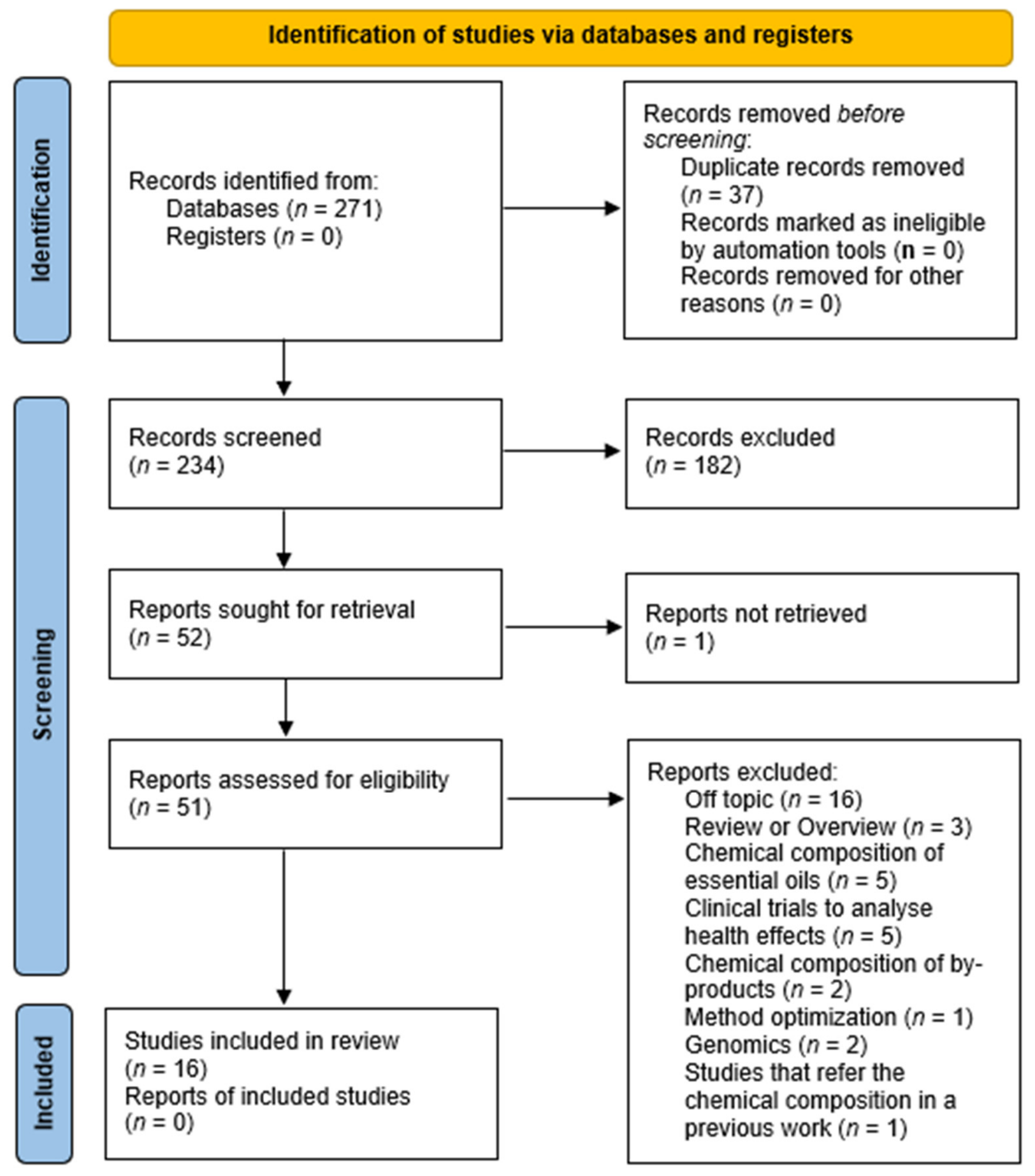







| Inclusion Criteria |
| English |
| Last 10 years (2014–2024) |
| Open-access |
| Article |
| Studies on the nutritional profile, physicochemical parameters and chemical composition of different species from the Myrica L. genus |
| Studies focusing on the fruits and/or leaves of different species from the Myrica L. genus |
| Exclusion criteria |
| Book chapters, conference papers, opinion articles, editorial material, review papers and meta-analysis |
| Off-topic |
| Chemical composition of essential oils |
| Clinical trials to analyze health effects |
| Chemical composition of by-products |
| Method optimization |
| Genomics |
| Studies that refer to the chemical composition in a previous works |
| Species of Myrica L. | Ref. | Moisture (%) | Weight (g) | Edible Rate (%) | Titratable Acidity (%) | pH |
|---|---|---|---|---|---|---|
| MR | (Chen et al. 2020; Zhang, 2015) [42,52] | 8.81–28.17 | 94.30–97.39 | 2.63–2.92 | ||
| ME | (Ngurthankhumi et al. 2024; Rymbai et al. 2023) [43,44] | 86.75–89.00 | 13.26 ± 1.83 * | 1.38–3.32 | ||
| MN | (Rymbai et al. 2023) [44] | 83.62 ± 1.52 * | 8.30 ± 0.56 * | 2.45 ± 0.04 * | ||
| MF | (Spínola et al. 2014) [50] | 4.02 |
| Species of Myrica L. | Ref. | Fruit Length (cm) | Fruit Diameter (cm) | Fruit Circumference (cm) | Fruit Volume (cm3) |
|---|---|---|---|---|---|
| ME | (Rymbai et al. 2023) [44] | 3.14 ± 0.15 * | 2.73 ± 0.11 * | 8.13 ± 0.31 * | 14.64 ± 1.76 * |
| MN | (Rymbai et al. 2023) [44] | 1.52 ± 0.05 * | 1.23 ± 0.08 * | 3.64 ± 0.24 * | 9.07 ± 0.70 * |
| Species of Myrica L. | Ref. | Seed Weight (g) | Seed Length (mm) | Seed Breadth (mm) | Seed Number per Fruit |
|---|---|---|---|---|---|
| ME | (Rymbai et al. 2023) [44] | 2.03 ± 0.06 * | 19.62 ± 0.18 * | 13.74 ± 0.03 * | 1.00 |
| MN | (Rymbai et al. 2023) [44] | 1.32 ± 0.06 * | 10.03 ± 0.05 * | 0.82 ± 0.04 * | 1.00 |
| Species of Myrica L. | Ref. | L* Value | a* Value | b* Value | CIRG |
|---|---|---|---|---|---|
| MR | (Zhang et al. 2015) [52] | 1.96–12.39 | |||
| ME | (Rymbai et al. 2023) [44] | 54.2 ± 6.36 * | 15.7 ± 4.29 * | 29.6 ± 2.05 * | |
| MN | (Rymbai et al. 2023) [44] | 25.6 ± 1.57 * | 28.5 ± 1.51 * | 9.3 ± 0.67 * |
| Species of Myrica L. | Ref. | Energy (kcal) | Carbohydrates (%) | Starch (mg/100 g) | Protein (%) | Lipids (%) | Crude Fiber (%) |
|---|---|---|---|---|---|---|---|
| ME | (Ngurthankhumi et al. 2024) [43] | 434.17 ± 13.36 * | 79.84 ± 3.74 * | 7.62 ± 0.02 * | 25.02 ± 0.43 * | 1.64 ± 0.03 * | 4.72 ± 0.44 * |
| Species of Myrica L. | Ref. | Total Sugar (%) | Sucrose (mg/g FW) | Fructose (mg/g FW) | Glucose (mg/g FW) | TSS (ºBrix) |
|---|---|---|---|---|---|---|
| MR | (Chen et al. 2020; Zhang et al. 2015) [42,52] | 40.00–65.85 | 5.00–14.66 | 5.00–12.33 | 8.89–11.67 | |
| ME | (Ngurthankhumi et al. 2024; Rymbai et al. 2023) [43,44] | 4.27–17.59 | 5.83–12.03 | |||
| MN | (Rymbai et al. 2023) [44] | 6.83 | 6.76 ± 0.43 * | |||
| MF | (Spínola et al. 2014) [50] | 14.87 |
| Species of Myrica L. | Ref. | Ascorbic Acid (mg/100 g) | Citric Acid (mg/g FW) | Malic Acid (mg/g FW) |
|---|---|---|---|---|
| MR | (Chen et al. 2020; Zhang et al. 2015) [42,52] | 1.79–4.20 | 7.84–22.06 | 0.12–1.16 |
| ME | (Ngurthankhumi et al. 2024; Rymbai et al. 2023) [43,44] | 22.50–60.68 | ||
| MN | (Rymbai et al. 2023) [44] | 7.50–15.00 |
| Species of Myrica L. | Ref. | Total Phenolics | Total Flavonoids | Total Flavonols (mg QE/g) |
|---|---|---|---|---|
| MR | (Xia et al. 2023; Zhang et al. 2015) [52,57] | 1.31–4.90 a | ||
| (Zhang et al. 2015) [52] | 0.85–1.91 c | |||
| (Ren et al. 2019) [49] | 20.00–60.00 d | |||
| ME | (Rymbai et al. 2023) [44] | 10.00–15.00 a | 4.50–6.00 e | 1.00–2.00 |
| MN | (Rymbai et al. 2023) [44] | 10.00–15.00 a | 3.00–4.50 e | 1.00–2.00 |
| MF | (Spínola et al. 2014) [50] | 52.30 b,* | 6.68–42.10 f | |
| (Spínola et al. 2019) [54] | 43.04–62.94 b |
| Species of Myrica L. | Ref. | Total Individual Phenolics | Total Phenolic Acids (mg/100 g DW) | Total Flavonols | Total Flavanols | Total Flavones |
|---|---|---|---|---|---|---|
| MF | (Spínola et al. 2014) [50] | 820.11 ± 46.71 a,* | 45.73 ± 0.97 * | 268.81 ± 9.43 a,* | 37.80 ± 1.22 a,* | 82.69 ± 4.79 a,* |
| (Spínola et al. 2019) [54] | 34.52–43.63 b | 2.93–6.26 b | 0.39–2.29 b | 0.11–0.25 b |
| Species of Myrica L. | Ref. | Total Anthocyanins (mg/g) | Total Carotenoids (mg/g) |
|---|---|---|---|
| MR | (Chen et al. 2020; Yun et al. 2019) [42,46] | 0.17–273.00 | |
| (Chen et al. 2020) [42] | 5.00–12.00 | ||
| ME | (Ngurthankhumi et al. 2024; Rymbai et al. 2023) [43,44] | 0.70–3.10 | 0.01–0.12 |
| MN | (Rymbai et al. 2023) [44] | 1.50–1.70 | 0.13–0.15 |
| Species of Myrica L. | Ref. | Total Anthocyanins | Total Ellagitannins (mg/g DE) | Total Hydroxycinnamic Acids (mg/g DE) | Total Hydroxybenzoic Acids (mg/g DE) |
|---|---|---|---|---|---|
| MF | (Spínola et al. 2014) [50] | 385.09 ± 6.61 a,* | |||
| (Spínola et al. 2019) [54] | 25.64–36.13 b | 0.77–1.35 | 0.40–1.12 | 1.28–2.01 |
| Species of Myrica L. | Ref. | Phytic Acid (mg/100 g) | Total Oxalate (mg/100 g) | Saponin (mg/100 g DGE) | Alkaloid (mg/100 g AE) | Tannin (mg/100 g) |
|---|---|---|---|---|---|---|
| ME | (Ngurthankhumi et al. 2024) [43] | 3.67 ± 0.13 * | 6.60 ± 2.20 * | 6.94 ± 0.48 * | 153.47 ± 3.53 * | 138.44 ± 1.02 * |
| Species of Myrica L. | Ref. | Total Phenolics | Total Flavonoids |
|---|---|---|---|
| MR | (Zhang et al. 2016) [45] | 920.78 ± 18.88 b,* | |
| (Zhang et al. 2016) [45] | 669.18 ± 40.95 b,*,§ | ||
| (Zhang et al. 2018) [47] | 378.28 ± 0.97 a,* | ||
| ME | (Kabra et al. 2019b) [53] | 62.38–88.94 d | 35.77–67.44 c |
| MF | (Spínola et al. 2019; Spínola et al. 2014) [50,54] | 212.43–257.76 e | 54.89–127.20 f |
| Species of Myrica L. | Ref. | Total Individual Phenolics | Total Phenolic Acids | Total Flavonols | Total Flavanols | Total Flavones |
|---|---|---|---|---|---|---|
| MF | (Spínola et al. 2014) [50] | 1540.38 ± 87.76 a,* | 7.53 ± 0.9 a,* | 1241.97 ± 10.79 a,* | 178.04 ± 4.33 a,* | 26.38 ± 1.48 a,* |
| (Spínola et al. 2019) [54] | 83.45–102.35 b | 26.79–46.04 b | 21.99–30.78 b | 0.41–1.06 b |
| Species of Myrica L. | Ref. | Total Hydroxycinnamic Acids (mg/g DE) | Total Hydroxybenzoic Acids (mg/g DE) | Total Ellagitannins |
|---|---|---|---|---|
| MF | (Spínola et al. 2014) [50] | 86.46 ± 6.75 a,* | ||
| (Spínola et al. 2019) [54] | 0.03–0.24 | 4.49–8.36 | 18.96–33.79 b |
Disclaimer/Publisher’s Note: The statements, opinions and data contained in all publications are solely those of the individual author(s) and contributor(s) and not of MDPI and/or the editor(s). MDPI and/or the editor(s) disclaim responsibility for any injury to people or property resulting from any ideas, methods, instructions or products referred to in the content. |
© 2026 by the authors. Licensee MDPI, Basel, Switzerland. This article is an open access article distributed under the terms and conditions of the Creative Commons Attribution (CC BY) license.
Share and Cite
Florença, S.G.; Barroca, M.J.; Lima, M.J.; Nunes, C. Phytochemical, Nutritional and Physicochemical Characteristics of Fruits and Leaves from the Myrica L. Genus: A Systematic Review. Int. J. Mol. Sci. 2026, 27, 8237. https://doi.org/10.3390/ijms27188237
Florença SG, Barroca MJ, Lima MJ, Nunes C. Phytochemical, Nutritional and Physicochemical Characteristics of Fruits and Leaves from the Myrica L. Genus: A Systematic Review. International Journal of Molecular Sciences. 2026; 27(18):8237. https://doi.org/10.3390/ijms27188237
Chicago/Turabian StyleFlorença, Sofia G., Maria João Barroca, Maria João Lima, and Cláudia Nunes. 2026. "Phytochemical, Nutritional and Physicochemical Characteristics of Fruits and Leaves from the Myrica L. Genus: A Systematic Review" International Journal of Molecular Sciences 27, no. 18: 8237. https://doi.org/10.3390/ijms27188237
APA StyleFlorença, S. G., Barroca, M. J., Lima, M. J., & Nunes, C. (2026). Phytochemical, Nutritional and Physicochemical Characteristics of Fruits and Leaves from the Myrica L. Genus: A Systematic Review. International Journal of Molecular Sciences, 27(18), 8237. https://doi.org/10.3390/ijms27188237