Review

Role of Focal Adhesion Kinase and NRF2 Pathways in Gastrointestinal Wound Healing
by
Olivia G. Cleveland
1 and
Emilie E. Vomhof-DeKrey
1,2,3,*
1
Department of Pathology, School of Medicine and the Health Sciences, University of North Dakota, Grand Forks, ND 58201, USA
2
Department of Biomedical Sciences, School of Medicine and the Health Sciences, University of North Dakota, Grand Forks, ND 58201, USA
3
Department of Surgery, School of Medicine and the Health Sciences, University of North Dakota, Grand Forks, ND 58201, USA
*
Author to whom correspondence should be addressed.
Int. J. Mol. Sci. 2026, 27(14), 6335; https://doi.org/10.3390/ijms27146335
Submission received: 23 June 2026 / Revised: 14 July 2026 / Accepted: 15 July 2026 / Published: 16 July 2026
(This article belongs to the Special Issue Advanced Research in Antioxidant Activity: Second Edition)

Abstract

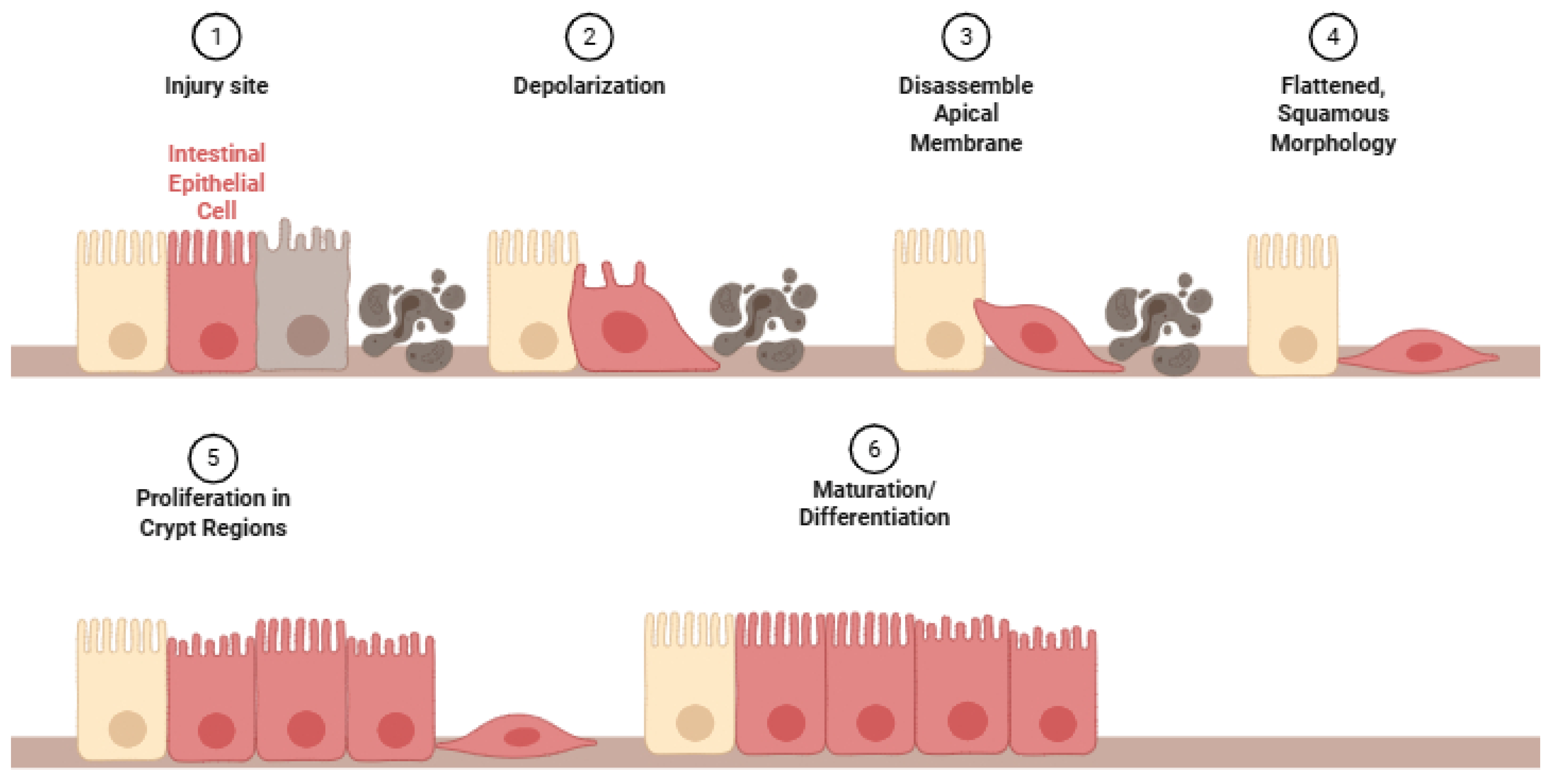
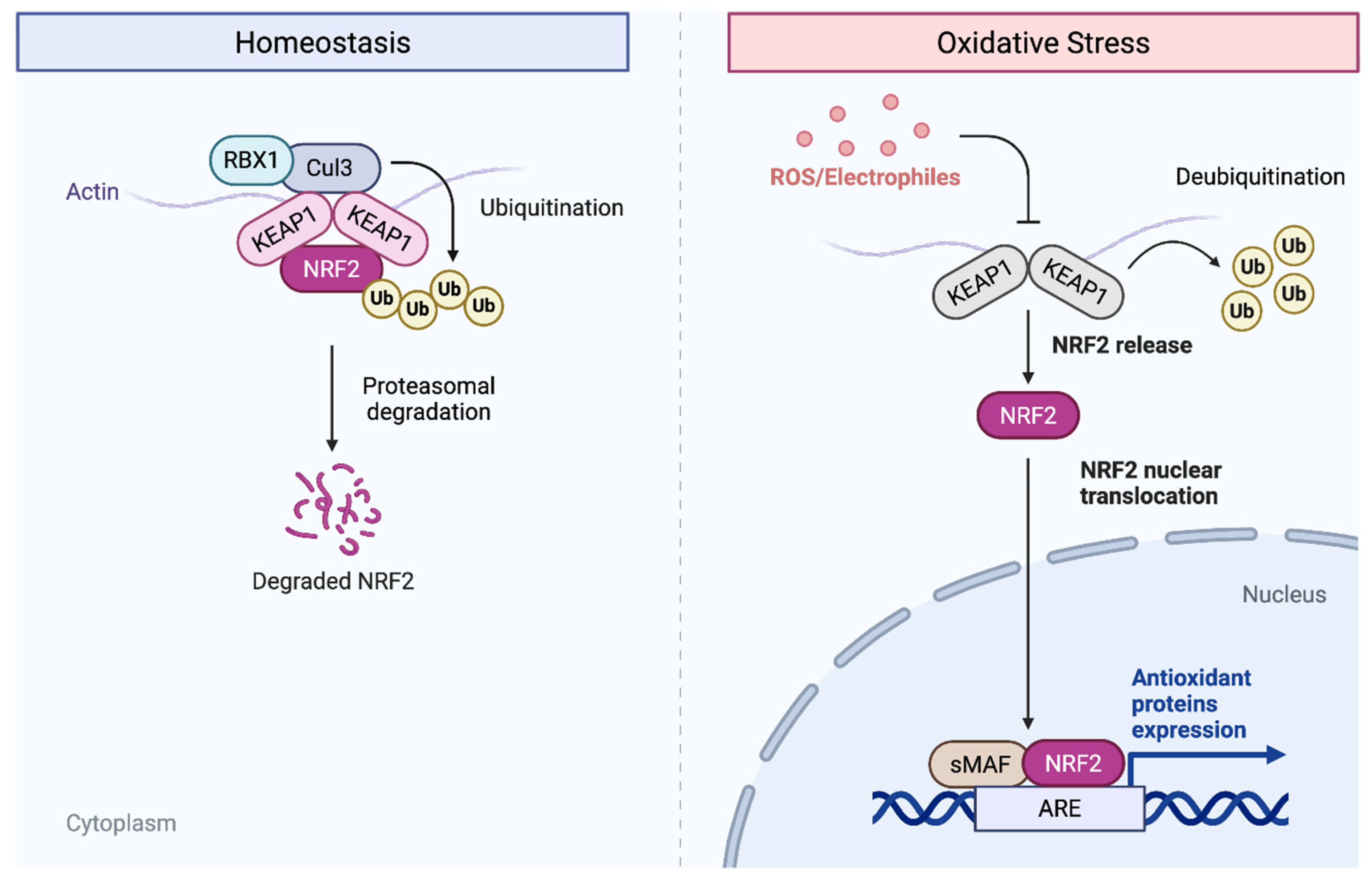
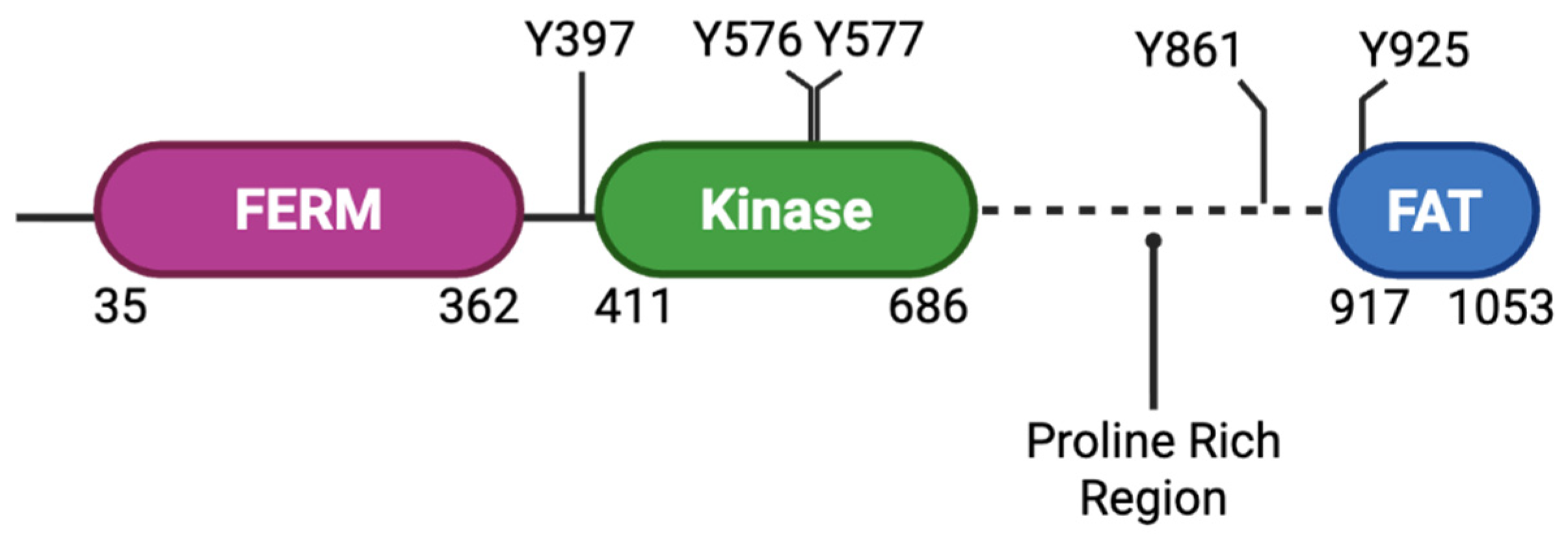
The gastrointestinal epithelium forms a critical barrier that regulates nutrient absorption while preventing the translocation of harmful luminal contents. Disruption of this barrier initiates a coordinated wound healing response involving epithelial restitution, proliferation, and differentiation. Focal adhesion kinase (FAK) is central to this process, regulating focal adhesion (FA) turnover and cytoskeletal dynamics required for epithelial migration. Activation of FAK via phosphorylation at tyrosine 397 (Y397) promotes cell motility, proliferation, and survival, whereas loss of function impairs mucosal repair and exacerbates tissue injury. Effective wound healing also requires tight regulation of reactive oxygen species (ROS). The nuclear factor erythroid 2-related factor 2 (NRF2) pathway governs antioxidant defenses by inducing cytoprotective genes, including SOD1, CAT, GCLC, GCLM, and NQO1, restoring redox homeostasis and limiting inflammation. NRF2 deficiency results in increased oxidative stress, heightened inflammatory signaling, and delayed wound healing. While both FAK and NRF2 are independently essential for gastrointestinal wound healing, their mechanistic relationship remains unclear. Emerging evidence suggests that they may be functionally linked through redox-dependent signaling where FAK-mediated ROS production may promote NRF2 activation, while NRF2-driven antioxidant responses maintain conditions necessary for sustained FAK signaling. This coordinated interaction highlights a redox-sensitive feedback mechanism critical for efficient gastrointestinal wound repair.
Keywords: epithelial restitution; reactive oxygen species; antioxidant; mucosal repair epithelial restitution; reactive oxygen species; antioxidant; mucosal repair