Article

Comparison of Volatile Compounds of Some Medicinal Plants from Lamiaceae Family by HS-SPME Method

by
Zeynep Ergun
1,
Elmira Ziya Motalebipour
2,3,
Nesibe Ebru Kafkas
4 and
Mujgan Guney
5,*
1
Department of Biology, Faculty of Engineering and Natural Sciences, Osmaniye Korkut Ata University, Osmaniye 80000, Turkey
2
Department of Agronomy and Plant Breeding, Faculty of Agriculture, Water, Food and Nutraceuticals, Isf. C, Islamic Azad University, Isfahan 1477893780, Iran
3
Medicinal Plant Research Center, Isf. C., Islamic Azad University, Isfahan 1477893780, Iran
4
Department of Horticulture, Faculty of Agriculture, Cukurova University, Adana 01330, Turkey
5
Department of Horticulture, Faculty of Agriculture, Yozgat Bozok University, Yozgat 66900, Turkey
*
Author to whom correspondence should be addressed.
Int. J. Mol. Sci. 2026, 27(10), 4601; https://doi.org/10.3390/ijms27104601
Submission received: 9 April 2026 / Revised: 29 April 2026 / Accepted: 3 May 2026 / Published: 20 May 2026
(This article belongs to the Special Issue Methodological Advances in Phytochemical Analysis)

Abstract

This study investigates the volatile composition of twelve medicinal plant species belonging to the Lamiaceae family, which are widely recognized for their diverse biological activities, including antioxidant, antibacterial, and antifungal properties. Despite extensive studies on essential oils, comparative analyses using solvent-free techniques under different microclimatic conditions remain limited. This study investigates the volatile compounds in twelve medicinal plants from the Lamiaceae family using headspace solid-phase microextraction coupled with gas chromatography–mass spectrometry (HS-SPME/GC-MS). Lamiaceae plants are recognized for their diverse medicinal properties, including antioxidative, antibacterial, and antifungal effects. A total of 74 volatile compounds were identified, encompassing terpenes, alcohols, esters, aldehydes, and ketones. Notably, Lavandula spica L. exhibited the highest number of unique volatiles (28), while Melissa officinalis L. had the fewest (16). Key compounds included Citral (65.48%) in Melissa officinalis L., Menthol (33.37%) and Menthyl acetate (30.53%) in Mentha piperita L., Carvone (45.86%) in Mentha spicata L., and Eucalyptol (54.71%) in Origanum syriacum L. Plants from Adana Botanic Park were rich in terpenes and ketones, whereas those from Osmaniye contained higher levels of alcohols, aldehydes, and esters. The findings emphasize the impact of geographic location on volatile profiles and suggest avenues for further research into medicinal efficacy and optimal dosage. This study supports the sustainable use of plant biodiversity (SDG 15) and highlights the importance of bioactive compounds for human health and well-being (SDG 3).

1. Introduction

The Lamiaceae family, comprising 236 genera and 6900 to 7200 species, stands out as one of the most significant herbal families due to its diverse array of medicinal plants [1]. Among the prominent genera with notable medicinal potential are Lavandula, Mentha, Melissa, Origanum, Rosmarinus, Salvia, Sideritis, and Thymus [2]. Lavenders (Lavandula spp.), a standout member of the Lamiaceae family, include more than 39 species distributed across Arabia, the Mediterranean region, Asia, Northern Africa, and the Middle East [3].
Lavandula species are characterized by aromatic compounds such as linalool, α-pinene, limonene, cineole, cis- and trans-ocimene, 3-octanone, camphor, caryophyllene, and terpinene-4-ol [4]. Lavandula spica L. and Lavandula dentata L., which are endemic and widely distributed in the Mediterranean part of Turkey, hold special importance. Lavender is in high demand in flavoring, food, and pharmaceutical industries due to its robust aroma [5]. A study indicated that the use of lavender oil aromatherapy among individuals diagnosed with fibromyalgia led to a significant enhancement in their quality of life [6].
The Mentha genus, comprising 18 species, is another famous source of medicinal herbs within the Lamiaceae family. This genus is widely distributed in North America, Europe, Asia, and Africa. Mints are valued for their anti-inflammatory and analgesic properties, making them a valuable tool in folk medicine for addressing various ailments. Among the main species within this genus are Mentha spicata and Mentha piperita L. Mentha piperita L. is a hybrid of M. spicata and M. aquatic. The key components extracted from Mentha are identified as menthol, Menthone, and 1,8 cineol [7].
The Melissa genus stands out as an aromatic herb within the Lamiaceae family, with its native range encompassing Europe, Asia, southwestern Siberia, and northern Africa. Notably, Melissa officinalis L., known as lemon balm, English balm, and sweet balm, is another member of the mint family. Key compounds present in M. officinalis L. include citronellol, citral, and linalool [8]. These compounds contribute to its antiviral and antibacterial effects, making it a valuable treatment for ailments caused by viruses and bacteria.
The genus Origanum is a subshrub within the Lamiaceae family, native to Europe, Asia, and North Africa. This genus is pivotal in traditional medicine, particularly in addressing respiratory complaints. With over 18 hybrids and 43 species, Origanum holds significant diversity [9].
Origanum majorana L., Origanum syriacum var. bevanii, and Origanum syriacum L. are endemic species, widely distributed in the Mediterranean region. Notable compounds found in the Origanum genus include terpinene-4-ol, cis-sabinene, and o-cymene, with their quantities varying among different species [10].
Rosmarinus officinalis L., commonly known as rosemary, is a perennial herbaceous plant renowned for its antioxidant and anti-inflammatory properties, which also belongs to the Lamiaceae family and is native to the Mediterranean region. However, due to its valuable culinary and medicinal attributes, it has been widely cultivated across the globe [3]. The versatility of Rosmarinus officinalis L. (rosemary) is evident through its extensive use in the realms of cooking, medicine, and cosmetics. Its robust flavor and aromatic qualities have contributed to its popularity as a culinary ingredient, while its therapeutic potential has been acknowledged for centuries [3]. Beyond its culinary and medicinal roles, rosemary’s antibacterial and antifungal attributes have led to its inclusion in aromatherapy, where it is believed to aid in stress reduction and memory enhancement. The compound makeup of rosemary is notably rich in terpenes, including alpha-pinene, beta-pinene, and camphor. These constituents contribute to its distinct properties and applications [11].
Salvia L., commonly referred to as sage, is a notable genus within the mint family, Lamiaceae. This genus encompasses a diverse array of plants, exceeding 900 species that are distributed globally, primarily in temperate regions. Among the prominent members of the Salvia genus, Salvia officinalis L. holds particular significance. This species boasts a broad spectrum of primary and secondary metabolites, contributing to its valuable medicinal and nutritional attributes. Secondary metabolites in Salvia officialis L. include terpenoids, phenolic acids, flavonoids, and tannins. Notably, terpenoids such as thujone, camphor, and cineole are present, each possessing distinct medicinal properties. Thujone, for instance, has been linked to various effects, while camphor and cineole are recognized for their antimicrobial and antifungal properties. These compounds collectively contribute to the diverse therapeutic potential associated with sage [12].
Sideritis spp., commonly referred to as mountain tea, stands as a noteworthy genus of flowering plants within the Lamiaceae family. Indigenous to the Mediterranean region, this genus has gained popularity as an herbal tea. With a substantial presence of over 150 species, Sideritis has a rich history in traditional medicine due to its recognized anti-inflammatory, antioxidant, and antimicrobial attributes. In more recent times, scientific exploration has illuminated the potential of Sideritis as a treatment for Alzheimer’s disease and other neurological disorders. This research has underscored its significance beyond traditional applications [13]. The secondary metabolites found within Sideritis spp., notably rosmarinic acid and apigenin, are particularly noteworthy for their significant antioxidant and anti-inflammatory properties. These compounds contribute to the diverse therapeutic potential of Sideritis, making it a valued herbal remedy with potential implications for various health conditions [14].
Thymus L., a perennial shrub belonging to the Lamiaceae family, is more commonly recognized as thyme. Originating in the Mediterranean region, this plant has been cultivated and valued for its aromatic and medicinal attributes over many centuries. Among the various species within this genus, Thymus vulgaris L. stands out, renowned for its remarkable medicinal qualities. This species has earned a prominent place as a natural remedy, addressing an array of health concerns, including respiratory infections, digestive troubles, and inflammatory conditions. The therapeutic potential of Thymus vulgaris L. can be attributed to its composition, which is rich in compounds like thymol and carvacrol. These bioactive constituents contribute to the plant’s antibacterial, antiviral, and antifungal properties. The presence of these compounds underscores its traditional and contemporary uses as a powerful and versatile herbal remedy [15].
Indeed, the medicinal plant species within the Lamiaceae family hold considerable significance in natural medicine, pharmacology, cosmetology, and aromatherapy due to their diverse secondary metabolites. These include alcohols, aldehydes, ketones, esters, terpenes, and phenolic compounds, which confer antimicrobial, antiviral, antioxidant, and anti-inflammatory activities [16,17,18].
Despite extensive studies on essential oils of Lamiaceae species obtained mainly through hydrodistillation, little is known about their volatile composition when analyzed using solvent-free techniques that preserve thermolabile and low-volatility compounds. Moreover, the influence of distinct microclimates on the volatile profiles of these medicinal plants remains underexplored.
Therefore, the novelty of this study lies in applying HS-SPME/GC-MS to comparatively profile the volatiles of 12 medicinal plants collected from two different Turkish provinces (Adana and Osmaniye), thereby addressing the gap in knowledge on how geographical origin affects volatile composition when assessed by this technique.

2. Result and Discussion

2.1. Volatile Compounds of the Lamiaceae Family

Table 1 includes information on the percentage component distribution, retention time, and retention indices for each volatile compound identified in the studied samples. Detected volatile compounds within the Lamiaceae family encompass a diverse array of chemical family groups, comprising 3 volatiles in aldehydes, 23 volatiles in alcohols, 7 volatiles in esters, 3 volatiles in ketones, and 37 volatiles in terpenes. Out of the 74 volatile compounds investigated in this study, terpenes exhibited the widest diversity, while the smallest range was observed in aldehydes (Figure 1). The presence of volatile compounds varied in terms of abundance across different species, ranging from high to low quantities. Additionally, certain compounds were not detected in certain studied species. Terpenes were found to have the highest percentage of volatiles, whereas esters exhibited the lowest percentage. Among the volatile compounds, terpenes emerged as the dominant category for the Lamiaceae family species.
The investigation encompassing 12 distinct Lamiaceae species yielded diverse volatile compound profiles. Specifically, Lavandula spica L. featured 28 volatiles, while Lavandula dentata L. and Mentha spicata each contained 23 volatiles. Mentha piperita L. exhibited 20 volatiles, Melissa officinalis L. had 16, and Origanum majorana L. had 25. Notably, Origanum syriacum var. bevanii showcased 22, while Origanum syriacum L. and Rosmarinus officinalis L. each featured 21 and 26 volatiles, respectively. Salvia officinalis L. contained 21 volatiles, Sideritis spp. L. had 18, and Thymus vulgaris L. featured 24. The most extensive and least extensive species-specific volatile components were observed in Lavandula spica L. with 28 volatiles and Melissa officinalis L. with 16 volatiles, respectively (Table 1).
In various species of the Lamiaceae family, the terpenes category exhibited notable high-quantity compounds such as eucalyptol, p-cymene, α-thujone, trans-sabinene hydrate, caryophyllene, and β-Pinene. Among the alcohol chemical family, l-(-)-menthol, α-terpineol, 1-Borneol, and Linalool were found in significant quantities. Notably, the esters category was characterized by high quantities of Menthyl acetate and neryl acetate. In terms of aldehydes, citral emerged as a high-quantity compound. Lastly, carvone and camphor stood out as compounds of substantial quantity within the ketones category (Table 2).
This comprehensive study underscores the diverse range of volatile compounds within different Lamiaceae species. Significant percentages of volatile compounds were identified in specific species. For instance, citral from the Aldehyde chemical family was notably present in Melissa officinalis L. at a percentage of 65.48%. Among the Alcohol chemical family, L(-)Menthol was detected in Mentha piperita L. at a level of 33.37%. Menthyl acetate, categorized within the Ester chemical family, stood out in Mentha piperita L. at a level of 30.53%. Within the Ketone chemical family, carvone was identified in Mentha spicata L. at a percentage of 45.86%. Noteworthy, eucalyptol, a member of the Terpen chemical family, was found in Origanum syriacum L. at a percentage of 54.71% (Table 2).
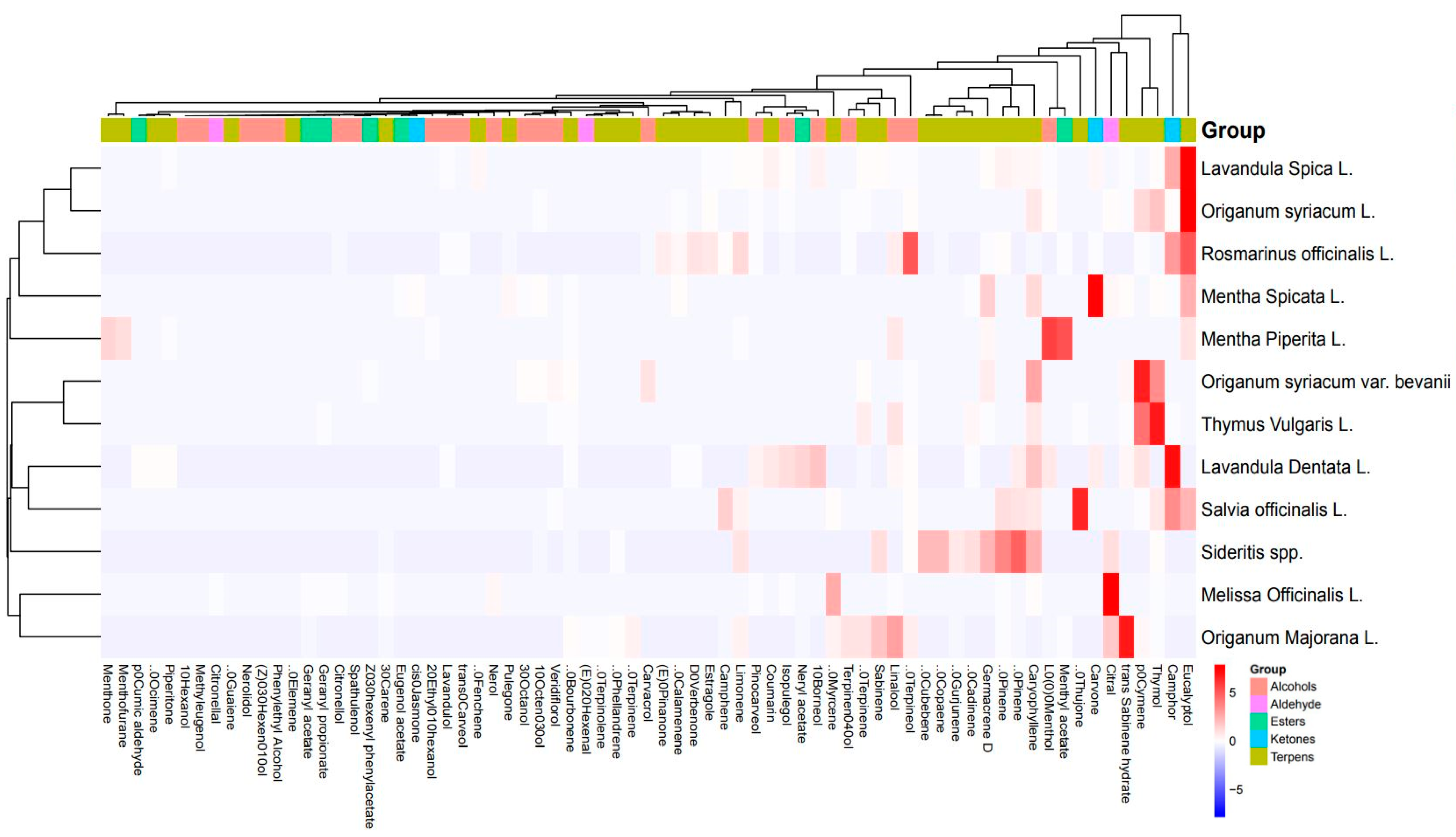
The heatmap analysis for the aroma profile of 12 species from the Lamiaceae family reveals distinct groupings of species based on their concentrations of specific chemical compounds such as alcohols, aldehydes, esters, ketones, and terpenes (Figure 2). Each species exhibits a unique chemical composition that contributes to its aroma, with several notable patterns emerging from the analysis. Mentha species, including Mentha spicata L. and Mentha piperita L., are particularly rich in menthol, menthone, and other related compounds, placing them in a distinct cluster due to their strong minty aroma profiles. On the other hand, Melissa officinalis L. stands out with high levels of citral, making it unique among the other species for its lemon-like scent. The presence of high aldehyde concentrations in Melissa officinalis L. contrasts with species like Lavandula spica L. and Lavandula dentata L., which are rich in linalool and geranyl acetate, compounds that contribute to their sweet and floral scents commonly associated with lavender oils.
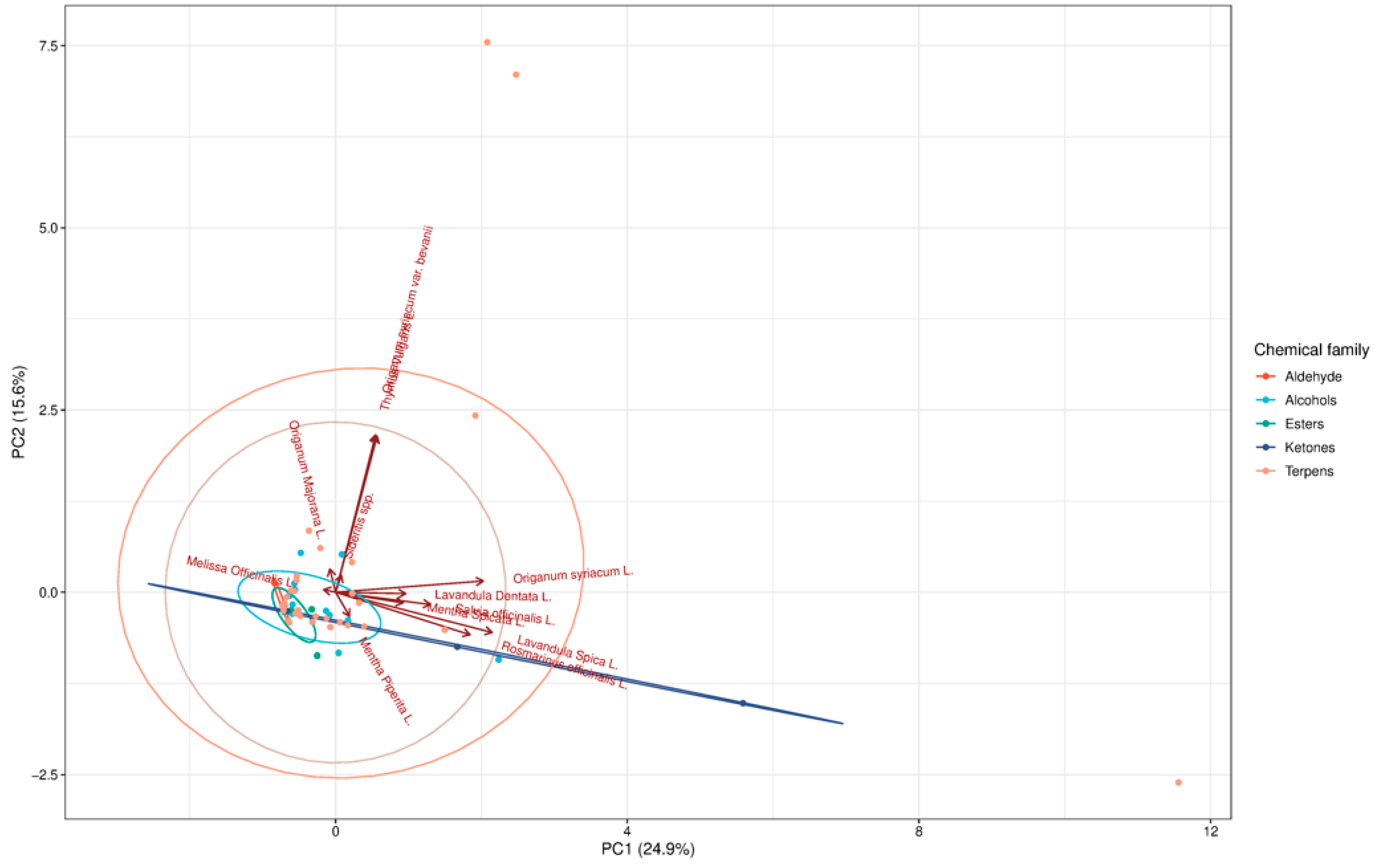
The principal component analysis (PCA) also clearly separated the studied Lamiaceae species based on their volatile compound profiles obtained by HS-SPME. The first two principal components (PC1: 24.9%, PC2: 16.5%) together explained over 40% of the total variance, indicating that a considerable proportion of the chemical variation among species was captured. Samples such as Origanum syriacum and Lavandula stoechas were distinctly positioned along PC1, largely influenced by high contributions from terpenes and ketones, while Melissa officinalis and Mentha spicata clustered closer together, reflecting their higher alcohol contents. The strong loadings of compounds such as linalool, geraniol, and camphor suggest that these metabolites were the main drivers of separation among species. The PCA biplot therefore highlights the chemical diversity of Lamiaceae volatiles and demonstrates that terpenes and alcohols are the most discriminative chemical families. This chemometric approach provides a clear comparative framework, enabling differentiation of closely related taxa based on their volatile fingerprints (Figure 3).
Terpenes such as thymol, carvacrol, and eucalyptol are prominent in species like Thymus vulgaris L., Origanum syriacum L., and Rosmarinus officinalis L., which group together due to their strong herbal and camphoraceous aromas, making them valuable in medicinal and antiseptic applications. The dendrogram included in the heatmap illustrates these relationships by clustering species that share similar concentrations of these key compounds. For example, the close clustering of Origanum majorana L. and Origanum syriacum L. reflects their similar terpene profiles, while species like Sideritis spp. and Salvia officinalis L. form another cluster based on their diverse chemical makeup, particularly in terms of their high terpene content.
The clustering of species based on their chemical profiles helps to identify potential uses for each plant. For instance, species high in alcohols like Linalool (e.g., lavender species) are ideal for perfumery, while those rich in menthol and menthone (e.g., mint species) are suitable for medicinal and culinary purposes. The high terpene concentrations in species like Thymus vulgaris L. and Origanum syriacum L. highlight their antimicrobial and antifungal properties, making them valuable for therapeutic use. Overall, this heatmap analysis underscores the chemical diversity within the Lamiaceae family and provides a comprehensive framework for understanding how different species can be clustered based on their aroma profiles for various applications.

2.2. Variation in Volatile Compounds Among Plant Species

The analysis of aromatic compounds within the Lamiaceae family has unveiled a diverse range of constituents that significantly contribute to their distinct scent profiles and potential therapeutic attributes. Within Lavandula spica L., Eucalyptol emerges as a prominent element, constituting a significant portion (41.29%) alongside Camphor (15.21%). Eucalyptol carries a refreshing, camphor-like fragrance with a hint of peppery coolness. Its alluring aromatic and flavor qualities make it valuable in fragrances and cosmetics and as a flavor enhancer. Eucalyptol has demonstrated antinociceptive properties, suggesting potential calming and central nervous system depressant effects [19]. Inhalation of eucalyptus aromatherapy oil, abundant in over 80% of eucalyptol, has proven effective in mitigating post-COVID-19 syndrome symptoms, such as breathlessness, back pain, and anxiety affecting individuals worldwide and potentially bearing labor and financial repercussions [6]. Furthermore, the therapeutic potential of eucalyptol spans cardiovascular treatments, antimicrobial effects, anti-inflammatory benefits, and respiratory disorder support, corroborated by numerous studies [1]. Conversely, Eucalyptol remains undetected in Lavandula dentata L., where Camphor (29.82%), Caryophyllene (8.58%), 1-Borneol (8.4%), and Neryl acetate (6.37%) emerge as primary volatile compounds. The prevalence of camphor-rich compounds in Lavandula species is validated by multiple scientific publications [4]. However, some researchers have reported linalool as the principal compound in the essential oil of Lavandula species [20]. Both Camphor and 1-Borneol have demonstrated extensive and diverse pharmacological effects, encompassing anti-inflammatory, analgesic, and antipyretic properties and notable antimicrobial activity [21].
Melissa officinalis L. exhibited a notable abundance of Citral (65.48%) and β-Myrcene (23.06%). Previous studies have documented the presence of Citral in Melissa species [22], while the occurrence of β-Myrcene was initially observed in this study. Myrcene finds application in cosmetics, soaps, detergents, and as a versatile food additive. It also holds a foundational role in creating essential fragrances such as menthol, citral, citronellol, and others, which are pivotal in the production of commercially significant compounds. Several studies have also revealed the properties of β-Myrcene, encompassing anxiolytic, antioxidant, anti-aging, anti-inflammatory, and analgesic attributes [23].
The dominant volatile compounds in Mentha spicata L. were Carvone (45.86%) and eucalyptol (16.27%). On the other hand, the primary volatile compounds in Mentha piperita L. consisted of L-(-)-Menthol (33.37%), Menthyl acetate (30.53%), Menthone (8.9%) and Eucalyptol (6.31%).
The investigation by Park et al. [24] reported eucalyptol (46.28 ± 4.25), caryophyllene (5.47 ± 0.49), and menthol (3.02 ± 0.22) as the major components in Mentha spp., which are quite similar to the volatile compounds identified in the present study, although caryophyllene was found at a higher level in our results.
In the current study, the highlighted volatile compounds of three Origanum species: Origanum majorana L., Origanum syriacum L., and Origanum syriacum var. bevanii comprised trans sabinene hydrate (30.63%), eucalyptol (54.71%), and p-cymene (36.21%), respectively. Terpenes have consistently emerged as the key active components in Oregano species [25]. Rosmarinus officinalis L. exhibited α-Terpineol (22.19%), camphor (13.92%), and eucalyptol (22.42%) as its primary compounds. This study marks the first identification of α-Terpineol and eucalyptol in this context. Salvia officinalis L. featured α-thujone (30.97%) and camphor (17.54%) as its prominent volatile compounds. In the case of Sideritis spp., the major component was β-pinene (18.09%), differing from the observations of Kardali et al. [26] which α-pinene was the primary compound. Thymus vulgaris L. demonstrated richness in thymol (42.43%) and p-cymene (27.6%).
The species of the Lamiaceae family for this study were collected from two distinct locations, Adana Botanik Park and Osmaniye, providing insight into the contrasting climate of these regions. The discernible differences in weather patterns and climatic attributes reflect the distinctive conditions between Osmaniye and Adana. Osmaniye in southern Turkey exhibits a Mediterranean climate characterized by hot, dry summers and moderate, wet winters. Meanwhile, Adana, located nearby, shares a Mediterranean climate but tends to be slightly warmer and more arid due to its lower elevation and proximity to the Mediterranean Sea. This results in Adana often having warmer summertime temperatures and receiving less precipitation compared to Osmaniye. Despite the overall similarity in climate, these subtle variations in temperature and rainfall underscore the existence of microclimatic nuances, even within close proximity. These factors may contribute to the observed variations in volatile compounds; however, differences between species should also be considered. According to the literature, variations in volatile compounds are influenced by factors such as genetic background, location, seasonal changes, and developmental stages [27,28]. For instance, environmental conditions, including climate and edaphic factors, have been shown to significantly affect volatile composition and chemotype variability in Origanum vulgare populations [29]. Similarly, climatic parameters such as precipitation and geographic origin were reported to influence key volatile compounds in Mentha pulegium populations collected from different habitats [30]. Therefore, although species-related differences are predominant, the possible contribution of microclimatic conditions to the observed volatile profiles cannot be excluded.

3. Materials and Methods

3.1. Material

Leaves of twelve distinct members of the Lamiaceae plant family, including Sweet Marjoram, Lemon Balm, Bible Hyssop, Hybrid Mint, Greek Sage, Lavender, Fringed Lavender, Za’atar, Spearmint, Rosemary, Sage, and Thyme, without undergoing any treatments, were used in the current study. The plant materials were collected from Ali Nihat Gokyigit Botanical Garden (n = 7) and Osmaniye (n = 5) in July 2019 (Table 3), corresponding to the transition between vegetative growth and early flowering stage. Formal taxonomic identification of the plant material was performed by Dr. Zeynep Ergun based on regional floristic references and morphological characteristics. A voucher specimen of this material was not deposited in a publicly accessible herbarium. Following collection, the plant samples were appropriately labeled based on their origin and were subsequently stored at a temperature of −20 °C. For subsequent analyses, one gram of each ground plant material was used.

3.2. Methods

3.2.1. HS-SPME Extraction of Volatile Compounds

Volatile compounds were extracted using the Headspace-Solid Phase Microextraction (HS-SPME) technique. Ground samples were homogenized with 5 M calcium chloride (CaCl2) to increase ionic strength and facilitate the release of volatile compounds into the headspace, as described in similar extraction protocols [31]. A 100 µm PDMS fiber was employed because it is widely used for monoterpene-rich matrices such as Lamiaceae essential oils. Although CAR/PDMS fibers were also tested, the PDMS fiber yielded a higher number of compounds in our samples and therefore was selected for subsequent analyses. The fiber was exposed to the sample headspace and incubated for 30 min at 30 °C with magnetic stirring. The extraction time was chosen based on preliminary trials showing equilibrium after 30 min, consistent with the literature [31].

3.2.2. GC/MS Analysis

Analysis was conducted using a Shimadzu GC/MS equipped with a DB-Wax column (30 m × 0.25 mm × 0.5 µm). Helium was used as the carrier gas at a flow rate of 1.4 mL/min (adjusted to the optimal linear velocity for this column). The oven temperature program started at 40 °C, increased at 10 °C/min to 200 °C (16 min), and was held for 10 min, giving a total run time of ~26 min. This correction addresses a discrepancy in the original text regarding ramp duration. Compound identification was performed tentatively by comparing mass spectra with NIST/Wiley libraries and retention indices. Retention indices were calculated against a C7–C30 n-alkane series under identical conditions, and reference RI values for DB-Wax were obtained from the NIST database. Quantification was expressed as a relative percentage of total ion current (TIC) peak areas, which provides a semi-quantitative comparison among samples but does not account for compound-specific ionization efficiencies. All analyses were performed in triplicate. Relative standard deviations (RSD%) were calculated for major compounds to assess analytical precision.

3.2.3. Statistical Analysis

Multivariate analyses were performed using R software version 4.4.1. Principal component analysis (PCA) was conducted to evaluate variation among samples based on volatile compound profiles. In addition, heatmap analysis was applied to visualize clustering patterns and the relative abundance of compounds across samples. Hierarchical clustering was performed using Euclidean distance and the complete linkage method. Data were standardized (row-wise scaling) prior to analysis, and heatmaps were generated using the pheatmap package in R version 4.4.1 (2024-06-14).

4. Conclusions

The Lamiaceae family includes numerous species widely used in traditional medicine. In this study, twelve species collected from Adana and Osmaniye (Turkey) exhibited diverse volatile profiles comprising aldehydes, alcohols, esters, ketones, and terpenes. Among these, terpenes were the dominant chemical group across all species, consistent with previous essential oil studies. Unlike many earlier works that applied hydrodistillation, our study utilized HS-SPME/GC-MS, which allowed detection of thermolabile and low-volatility compounds that are often lost during conventional extraction. This represents one of the first comparative HS-SPME-based surveys of multiple Lamiaceae species grown under different microclimatic conditions. The comparative results demonstrated that plants collected from Osmaniye were relatively richer in aldehydes, alcohols, and esters, whereas plants from Adana contained higher levels of ketones and terpenes. These findings highlight the significant influence of local microclimatic factors on volatile composition, an aspect rarely considered in previous research. It is important to note that the compounds were tentatively identified based on library matching and retention indices, and quantification was semi-quantitative. Therefore, results should be interpreted as relative rather than absolute concentrations. Future work should validate major compounds using pure standards, apply mixed-phase SPME fibers for broader coverage, and integrate chemometric tools (PCA, cluster analysis) to better resolve interspecies differences. Overall, this study contributes new insights into the volatile diversity of Lamiaceae species under different Turkish microclimates and demonstrates the utility of HS-SPME/GC-MS as a complementary approach to hydrodistillation. These results may support future standardization of medicinal plant products and guide cultivation strategies aimed at optimizing the yield of bioactive volatile constituents.

Author Contributions

Conceptualization, Z.E. and M.G.; methodology, M.G. and N.E.K.; analysis, M.G.; investigation, Z.E. and M.G.; writing—original draft, E.Z.M.; writing, review and editing, M.G.; supervision, M.G.; taxonomic identification, Z.E. All authors have read and agreed to the published version of the manuscript.

Funding

The APC was funded by Project Coordination, Implementation and Research Center, Yozgat Bozok University, grant number “FED-2026-2190”.

Institutional Review Board Statement

Not applicable.

Informed Consent Statement

Not applicable.

Data Availability Statement

The original contributions presented in this study are included in the article. Further inquiries can be directed to the corresponding author.

Conflicts of Interest

The authors declare that they have no financial or non-financial competing interests related to this research. There is no conflict of interest in the conduct or reporting of this study.

Abbreviations

The following abbreviations are used in this manuscript:
HS-SPMEHeadspace Solid-Phase Microextraction
GC-MSGas Chromatography–Mass Spectrometry
M.Mentha
TICTotal Ion Current
RSD%Relative Standard Deviation (percentage)
PDMSPolydimethylsiloxane
CARCarboxen
NISTNational Institute of Standards and Technology
RIRetention Index
RTRetention Time
PCAPrincipal Component Analysis
Spp.Species
DB-WAXDurabond Wax (polyethylene glycol–based stationary phase gas chromatography column)

References

  1. Fidan, H.; Stankov, S.; Ivanova, T.; Stoyanova, A.; Damyanova, S.; Ercisli, S. Characterization of aromatic compounds and antimicrobial properties of four spice essential oils from family Lamiaceae. Ukr. Food J. 2019, 8, 227–238. [Google Scholar] [CrossRef]
  2. Bekut, M.; Brkić, S.; Kladar, N.; Dragović, G.; Gavarić, N.; Božin, B. Potential of selected Lamiaceae plants in anti-(retro)viral therapy. Pharmacol. Res. 2018, 133, 301–314. [Google Scholar] [CrossRef]
  3. Uritu, C.M.; Mihai, C.T.; Stanciu, G.D.; Dodi, G.; Alexa-Stratulat, T.; Luca, A.; Leon-Constantin, M.M.; Stefanescu, R.; Bild, V.; Melnic, S.; et al. Medicinal plants of the family Lamiaceae in pain therapy: A review. Pain Res. Manag. 2018, 2018, 7801543. [Google Scholar] [CrossRef]
  4. Hajhashemi, V.; Ghannadi, A.; Sharif, B. Anti-inflammatory and analgesic properties of the leaf extracts and essential oil of Lavandula angustifolia Mill. J. Ethnopharmacol. 2003, 89, 67–71. [Google Scholar] [CrossRef]
  5. Büyükokuroğlu, M.E.; Gepdiremen, A.; Hacimüftüoğlu, A.; Oktay, M. The effects of aqueous extract of Lavandula angustifolia flowers in glutamate-induced neurotoxicity of cerebellar granular cell culture of rat pups. J. Ethnopharmacol. 2003, 84, 91–94. [Google Scholar] [CrossRef] [PubMed]
  6. Yasa Ozturk, G.; Safçi, S.B. Effects of eucalyptus essential oil in post-COVID syndrome: A pilot study. J. Immunol. Clin. Microbiol. 2022, 7, 82–87. [Google Scholar]
  7. Ruiz del Castillo, M.L.; Santa-María, G.; Herraiz, M.; Blanch, G.P. A comparative study of the ability of different techniques to extract menthol from Mentha piperita. J. Chromatogr. Sci. 2003, 41, 385–389. [Google Scholar] [CrossRef]
  8. Sarar, E.; Kökdil, G. Constituents of the essential oil from Melissa officinalis. Planta Med. 1991, 57, 89–90. [Google Scholar] [CrossRef]
  9. Anastasaki, M.; Bertsias, A.; Pirintsos, S.A.; Castanas, E.; Lionis, C. Post-market outcome of an extract of traditional Cretan herbs on upper respiratory tract infections: A pragmatic, prospective observational study. BMC Complement. Altern. Med. 2017, 17, 466. [Google Scholar] [CrossRef] [PubMed][Green Version]
  10. Barazandeh, M.M. Identification of the essential oil composition from Origanum majorana L. Pajohesh Sazandegi J. 2000, 14, 38–40. [Google Scholar]
  11. Rasooli, I.; Fakoor, M.H.; Yadegarinia, D.; Gachkar, L.; Allameh, A.; Rezaei, M.B. Antimycotoxigenic characteristics of Rosmarinus officinalis and Trachyspermum copticum L. essential oils. Int. J. Food Microbiol. 2008, 122, 135–139. [Google Scholar] [CrossRef]
  12. Russo, A.; Formisano, C.; Rigano, D.; Senatore, F.; Delfine, S.; Cardile, V.; Rosselli, S.; Bruno, M. Chemical composition and anticancer activity of essential oils of Mediterranean sage (Salvia officinalis L.) grown in different environmental conditions. Food Chem. Toxicol. 2013, 55, 42–47. [Google Scholar] [CrossRef]
  13. Deveci, E.; Tel-Çayan, G.; Duru, M.E.; Öztürk, M. Phytochemical contents, antioxidant effects, and inhibitory activities of key enzymes associated with Alzheimer’s disease, ulcer, and skin disorders of Sideritis albiflora and Sideritis leptoclada. J. Food Biochem. 2019, 43, e13078. [Google Scholar] [CrossRef]
  14. Janeska, B.; Stefova, M.; Alipieva, K. Assay of flavonoid aglycones from species of the genus Sideritis (Lamiaceae) from Macedonia with HPLC UV DAD. Acta Pharm. 2007, 57, 371–377. [Google Scholar] [CrossRef]
  15. González-Minero, F.J.; Bravo-Díaz, L.; Ayala-Gómez, A. Rosmarinus officinalis L. (rosemary): An ancient plant with uses in personal healthcare and cosmetics. Cosmetics 2020, 7, 77. [Google Scholar] [CrossRef]
  16. Piątkowska, E.; Rusiecka-Ziółkowska, J. Influence of essential oils on infectious agents. Adv. Clin. Exp. Med. 2016, 25, 989–995. [Google Scholar] [CrossRef]
  17. Karpiński, T.M. Essential oils of Lamiaceae family plants as antifungals. Biomolecules 2020, 10, 103. [Google Scholar] [CrossRef]
  18. Bendif, H.H. Phytochemical constituents of Lamiaceae family. RHAZES Green Appl. Chem. 2021, 11, 71–88. [Google Scholar]
  19. Bhowal, M.; Gopal, M. Eucalyptol: Safety and pharmacological profile. J. Pharm. Sci. 2015, 5, 125–131. [Google Scholar] [CrossRef]
  20. Yasa Ozturk, G.; Bashan, I. The effect of aromatherapy with lavender oil on the health-related quality of life in patients with fibromyalgia. J. Food Qual. 2021, 2021, 9938630. [Google Scholar] [CrossRef]
  21. Mei, Y.; Li, L.; Fan, L.; Fan, W.; Liu, L.; Zhang, F.; Wang, Z. The history, stereochemistry, ethnopharmacology, and quality assessment of borneol. J. Ethnopharmacol. 2023, 300, 115697. [Google Scholar] [CrossRef]
  22. Alizadeh Behbahani, B.; Shahidi, F. Melissa officinalis essential oil: Chemical compositions, antioxidant potential, total phenolic content, and antimicrobial activity. Nutr. Food Sci. Res. 2019, 6, 17–25. [Google Scholar] [CrossRef]
  23. Surendran, S.; Qassadi, F.; Surendran, G.; Lilley, D.; Heinrich, M. Myrcene—What are the potential health benefits of this flavouring and aroma agent? Front. Nutr. 2021, 8, 699666. [Google Scholar]
  24. Park, Y.J.; Baskar, T.B.; Yeo, S.K.; Arasu, M.V.; Al-Dhabi, N.A.; Lim, S.S.; Park, S.U. Composition of volatile compounds and in vitro antimicrobial activity of nine Mentha spp. SpringerPlus 2016, 5, 1628. [Google Scholar] [CrossRef]
  25. Ozkan, G.; Baydar, H.; Erbas, S. The influence of harvest time on essential oil composition, phenolic constituents, and antioxidant properties of Turkish oregano (Origanum onites L.). J. Sci. Food Agric. 2010, 90, 205–209. [Google Scholar] [CrossRef]
  26. Kardali, M.O.; Velasco-Negueruela, A.; Alonso, M.P. Essential oil constituents of Sideritis ibanyezii Pau. Bot. Complut. 2000, 24, 101–106. [Google Scholar]
  27. Üçüncüoğlu, D.; Sivri-Özay, D. Geographical origin impact on volatile composition and some quality parameters of virgin olive oils extracted from the “Ayvalık” variety. Heliyon 2020, 6, e04987. [Google Scholar] [CrossRef]
  28. Dursun, A.; Çalışkan, O.; Güler, Z.; Bayazit, S.; Türkmen, D.; Gündüz, K. Effect of harvest maturity on volatile compounds profiling and eating quality of hawthorn (Crataegus azarolus L.) fruit. Sci. Hortic. 2021, 288, 110398. [Google Scholar] [CrossRef]
  29. Freire, C.S.; Cardoso, M.D.G.; Póvoa, O.; Farinha, N.; Nelson, D.L.; Machado, A.M.; Figueiredo, A.C. Comparative Evaluation of the Volatile Profile of the Essential Oil, the Hydrolate and the Plant Material from Origanum vulgare Subsp. Virens Grown in Portugal. Foods 2025, 14, 4175. [Google Scholar] [CrossRef] [PubMed]
  30. Mkaddem, M.; Boussaid, M.; Fadhel, N.B. Variability of Volatiles in Tunisian Mentha pulegium L. (Lamiaceae). J. Essent. Oil Res. 2007, 19, 211–214. [Google Scholar] [CrossRef]
  31. Zarifikhosroshahi, M.; Murathan, Z.T.; Kafkas, E.; Okatan, V. Variation in volatile and fatty acid contents among Viburnum opulus L. fruits growing in different locations. Sci. Hortic. 2020, 264, 109160. [Google Scholar] [CrossRef]
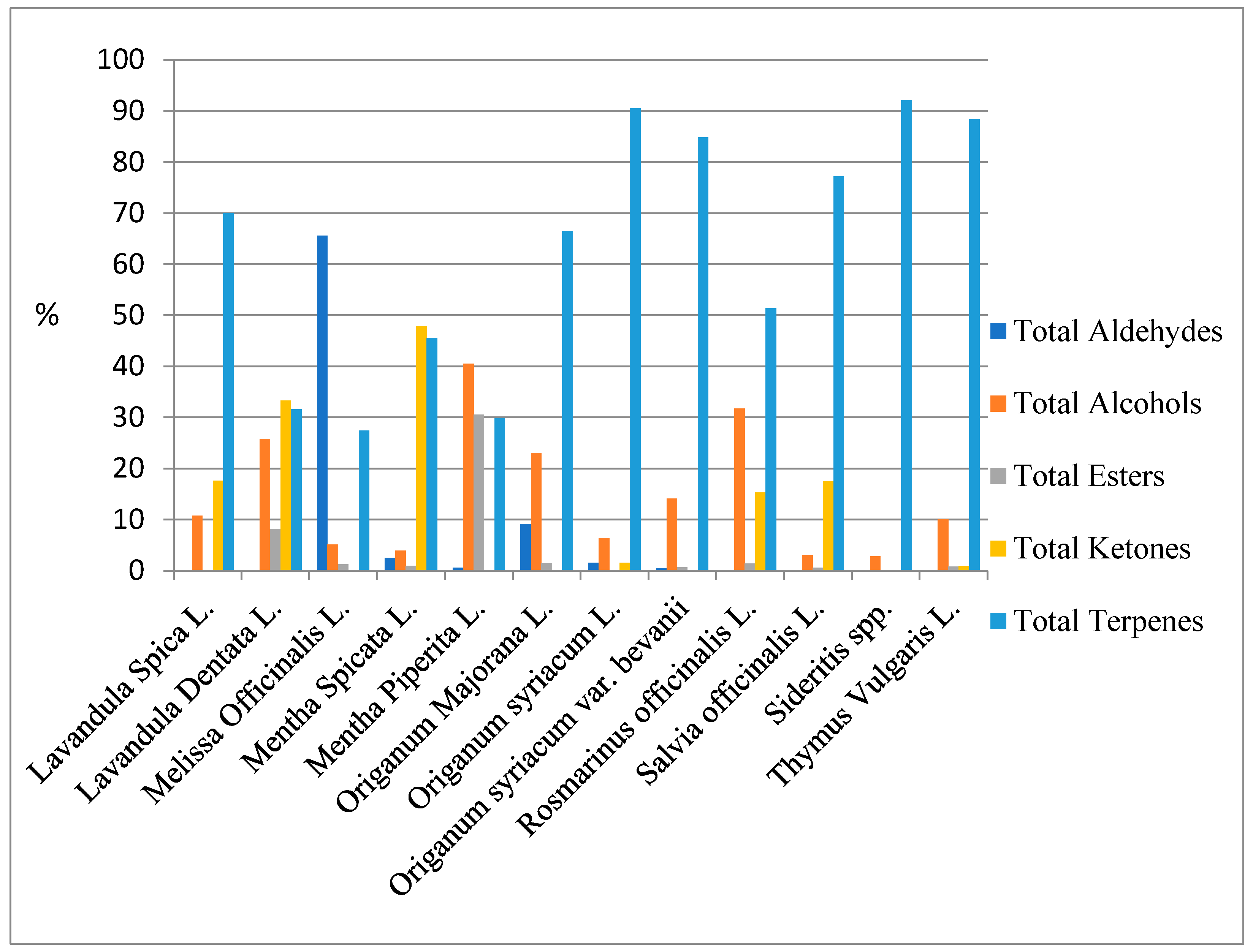
Figure 1. Total aroma compounds (%) by chemical family in 12 species of Lamiacea family.
Ijms 27 04601 g001
Figure 2. Heatmap of volatile aroma profiles in 12 Lamiaceae species obtained by HS-SPME, illustrating the distribution and relative abundance of major chemical compounds across taxa.
Ijms 27 04601 g002
Figure 3. Principal component analysis (PCA) of volatile aroma profiles in 12 Lamiaceae species obtained by HS-SPME, showing separation of taxa according to major chemical families.
Ijms 27 04601 g003
Table 1. Number of Aroma Compounds per Chemical Family in 12 Species of Lamiacea Family.
NOChemical Family/SpeciesAldehydesAlcoholsEstersKetonesTerpenes
1Lavandula spica L.080218
2Lavandula dentata L.072212
3Melissa officinalis L.26206
4Mentha spicata L.18239
5Mentha piperita L.161012
6Origanum majorana L.243016
7Origanum syriacum var. bevanii181110
8Origanum syriacum L.191011
9Rosmarinus officinalis L.091214
10Salvia officinalis L.051114
11Sideritis spp.030014
12Thymus vulgaris L.092112
Table 2. Volatile compounds, retention times, retention indices, and percentage compositions of the studied species of the Lamiaceae family.
Chemical FamilyCompounds NameR.TRIDB-wax123456789101112
Aldehyde(E)-2-Hexenal10.0512281227N.D.N.D.N.D.N.D.N.D.0.8N.D.0.48N.D.N.D.N.D.N.D.
Citronellal17.4014901488N.D.N.D.0.11N.D.N.D.N.D.N.D.N.D.N.D.N.D.N.D.N.D.
Citral23.7517421741N.D.N.D.65.482.470.548.291.52N.D.N.D.N.D.5.2N.D.
Total Aldehydes N.D.N.D.65.592.470.548.291.52N.D.N.D.N.D.N.D.N.D.
Alcohols1-Hexanol 13.6913561359N.D.N.D.N.D.N.D.N.D.N.D.N.D.N.D.N.D.N.D.N.D.N.D.
(Z)-3-Hexen-1-ol14.6013881379N.D.N.D.N.D.N.D.N.D.N.D.0.26N.D.N.D.N.D.N.D.N.D.
3-Octanol 14.8613961393N.D.N.D.N.D.0.960.12N.D.N.D.1.6N.D.N.D.N.D.N.D.
1-Octen-3-ol 16.4914581450N.D.N.D.N.D.1.74N.D.N.D.0.361.84N.D.0.080.60.39
2-Ethyl-1-hexanol17.5414951495N.D.N.D.N.D.N.D.1.42N.D.N.D.N.D.N.D.N.D.N.D.N.D.
Linalool19.12155615560.792.2110.335.1213.910.110.193.880.06N.D.6.44
Isopulegol19.50157115711.465.530.12N.D.N.D.N.D.1.38N.D.0.43N.D.N.D.N.D.
Terpinen-4-ol20.4516071602N.D.N.D.0.060.23N.D.5.10.43N.D.0.97N.D.N.D.N.D.
L-(-)-Menthol21.42164716450.763.95N.D.N.D.33.370.361.920.19N.D.N.D.N.D.0.26
Pinocarveol21.78166116541.953.130.18N.D.N.D.N.D.0.360.541.080.380.210.33
α-Terpineol22.80170117061.161.69N.D.N.D.N.D.3.651.570.8922.191.51.951.07
1-Borneol22.93170817063.78.4N.D.N.D.N.D.N.D.N.D.N.D.N.D.N.D.N.D.N.D.
Lavandulol24.30176016860.610.88N.D.N.D.N.D.N.D.N.D.N.D.0.99N.D.N.D.N.D.
Citronellol24.5117741764N.D.N.D.0.6N.D.N.D.N.D.N.D.N.D.0.51N.D.N.D.N.D.
Nerol 25.2818071797N.D.N.D.3.120.15N.D.N.D.N.D.N.D.N.D.N.D.N.D.0.3
trans-Carveol26.0318411833N.D.N.D.N.D.N.D.N.D.N.D.N.D.N.D.1.11N.D.N.D.N.D.
Phenylethyl Alcohol27.83192119180.3N.D.N.D.0.18N.D.N.D.N.D.N.D.N.D.N.D.N.D.N.D.
Methyleugenol30.1320292030N.D.N.D.N.D.N.D.N.D.N.D.N.D.N.D.N.D.N.D.N.D.N.D.
Nerolidol30.5320492014N.D.N.D.N.D.0.14N.D.N.D.N.D.N.D.N.D.N.D.N.D.N.D.
Carvacrol34.0322242240N.D.N.D.N.D.0.180.35N.D.N.D.6.090.56N.D.N.D.0.32
Veridiflorol31.4620932092N.D.N.D.N.D.N.D.0.12N.D.N.D.2.45N.D.1.02N.D.0.6
Spathulenol35.7323062129N.D.N.D.N.D.N.D.N.D.N.D.N.D.0.27N.D.N.D.N.D.0.3
Total Alcohols10.7325.795.081.2138.9623.025.7710.6231.72 0 0 0
EstersMenthyl acetate18.6915401541N.D.N.D.N.D.0.230.530.880.12N.D.1.340.54N.D.N.D.
Neryl acetate23.6417381737N.D.6.37N.D.N.D.N.D.0.17N.D.N.D.N.D.N.D.N.D.0.16
Geranyl acetate24.3617681768N.D.N.D.0.4N.D.N.D.0.4N.D.N.D.N.D.N.D.N.D.N.D.
p-Cumic aldehyde24.9017911794N.D.1.79N.D.N.D.N.D.N.D.N.D.N.D.N.D.N.D.N.D.N.D.
Geranyl propionate25.7818291828N.D.N.D.0.83N.D.N.D.N.D.N.D.N.D.N.D.N.D.N.D.0.61
Eugenol acetate33.1721812263N.D.N.D.N.D.0.75N.D.N.D.N.D.N.D.N.D.N.D.N.D.N.D.
Z-3-hexenyl phenylacetate34.3222382220N.D.N.D.N.D.N.D.N.D.N.D.N.D.0.65N.D.N.D.N.D.N.D.
Total Esters08.161.230.7500.5700.650 0 0 0
KetonesCamphor 18.201520153615.2129.82N.D.0.54N.D.N.D.1.49N.D.13.9217.54N.D.0.87
Carvone 23.86174017442.383.44N.D.45.86N.D.N.D.N.D.N.D.1.38N.D.N.D.N.D.
cis-Jasmone28.1319351938N.D.N.D.N.D.1.46N.D.N.D.N.D.N.D.N.D.N.D.N.D.N.D.
Total Ketones17.5933.26047.86001.49015.3 0 0 0
Terpensα-Pinene 4.98100610153.31N.D.0.82N.D.N.D.1.36N.D.0.191.696.1514.6N.D.
Camphene5.85106810591.3N.D.N.D.N.D.N.D.0.29N.D.N.D.1.697.94N.D.N.D.
β-Pinene6.71110210962.63.54N.D.N.D.0.50.7N.D.N.D.N.D.5.1318.09N.D.
Sabinene7.05111711191.54N.D.N.D.N.D.0.199.41N.D.N.D.N.D.0.144.88N.D.
α-Phellandrene8.2311621160N.D.N.D.N.D.N.D.N.D.1.44N.D.N.D.N.D.N.D.0.96N.D.
β-Myrcene8.3411661178N.D.N.D.23.06N.D.0.543.33N.D.N.D.N.D.1.64N.D.N.D.
α-Terpinene8.9811881183N.D.N.D.N.D.N.D.N.D.3.06N.D.N.D.N.D.N.D.N.D.N.D.
Limonene9.20119511931.79N.D.N.D.N.D.1.343.38N.D.N.D.6.292.884.59N.D.
Eucalyptol9.531207120241.29N.D.N.D.16.276.31N.D.54.71N.D.22.4211.57N.D.N.D.
γ-Terpinene10.64124912512.150.71N.D.N.D.N.D.5.31.232.2N.D.0.16N.D.4.6
3-Carene10.9312591162N.D.N.D.0.58N.D.N.D.0.25N.D.N.D.N.D.N.D.0.56N.D.
p-Cymene11.43127612750.454.83N.D.N.D.N.D.2.49.8836.210.90.7N.D.27.6
α-Terpinolene11.7512871288N.D.N.D.N.D.N.D.N.D.1.34N.D.N.D.N.D.0.18N.D.N.D.
α-Fenchene14.94139914022.29N.D.N.D.N.D.N.D.N.D.N.D.N.D.N.D.N.D.N.D.N.D.
α-Thujone15.6314251416N.D.N.D.N.D.N.D.N.D.N.D.N.D.N.D.N.D.30.97N.D.0.83
α-Cubebene16.6114621460N.D.N.D.N.D.N.D.N.D.N.D.N.D.N.D.N.D.N.D.8.87N.D.
Menthone16.7814921473N.D.N.D.N.D.N.D.8.9N.D.N.D.N.D.N.D.N.D.N.D.N.D.
trans Sabinene hydrate16.79146814741.242.02N.D.1.85 N.D.30.630.532.45N.D.0.59N.D.1.08
Menthofurane17.4614921497N.D.N.D.N.D.N.D.7.35N.D.N.D.N.D.N.D.N.D.N.D.N.D.
α-Copaene17.6414981491N.D.N.D.N.D.N.D.N.D.N.D.N.D.0.510.28N.D.9.080.23
β-Bourbonene18.3615271528N.D.1.22N.D.0.680.591.67N.D.2.2N.D.N.D.0.630.85
α-Gurjunene18.6815391529N.D.N.D.N.D.N.D.N.D.0.63N.D.N.D.N.D.N.D.3.76N.D.
(E)-Pinanone19.0015521548N.D.N.D.N.D.N.D.0.2N.D.N.D.N.D.3.56N.D.N.D.N.D.
β-Ocimene20.14159412330.551.96N.D.N.D.N.D.N.D.0.12N.D.N.D.N.D.N.D.N.D.
β-Elemene20.2415981599N.D.N.D.N.D.N.D.0.41N.D.N.D.N.D.N.D.N.D.N.D.N.D.
β-Guaiene20.2615991663N.D.N.D.0.06N.D.N.D.N.D.N.D.N.D.N.D.N.D.N.D.N.D.
Caryophyllene20.37160316082.788.582.548.75 N.D.N.D.6.7215.880.74.629.825.65
D-Verbenone22.98170917230.271.1N.D.N.D.N.D.N.D.N.D.N.D.4.94N.D.N.D.N.D.
Germacrene D23.23172017101.94N.D.N.D.10.652.77N.D.0.314.350.78N.D.9.491.22
Piperitone23.55173417350.871.64N.D.N.D.0.7N.D.N.D.N.D.N.D.N.D.N.D.0.39
σ-Cadinene24.3917691749N.D.0.85N.D.0.64N.D.N.D.N.D.0.25N.D.N.D.5.083.07
α-Calamenene26.1218451837N.D.0.8N.D.1.66N.D.N.D.0.41N.D.2.61N.D.N.D.0.39
Pulegone26.6318671631N.D.N.D.N.D.2.75N.D.N.D.N.D.N.D.0.49N.D.N.D.N.D.
Thymol33.52219821461.41N.D.0.352.29N.D.1.2714.1220.240.644.521.6542.43
Estragole22.38168516850.99N.D. N.D.N.D.N.D.N.D.2.460.344.34N.D.N.D.N.D.
Coumarin39.95245924583.224.35N.D.N.D.N.D.N.D.N.D.N.D.N.D.N.D.N.D.N.D.
Total Terpens69.9931.627.4145.5429.866.4690.4984.8251.3377.1992.0688.34
Table 3. Studied twelve different species of the Lamiaceae family.
NoNameSpeciesPlace of Collection
1LavenderLavandula spica L.Adana Botanik Park
2Fringed Lavender or French Lavender,Lavandula dentata L.Adana Botanik Park
3Lemon BalmMelissa officinalis L.Adana Botanik Park
4Spearmint, Garden Mint, Common Mint, Lamb Mint, Mackerel MintMentha spicata L.Osmaniye
5Hybrid Mint (Peppermint)Mentha piperita L.Osmaniye
6MarjoramOriganum majorana L.Adana Botanik Park
7Bible Hyssop, Biblical-Hyssop, Lebanese Oregano, Syrian OreganoOriganum syriacum var. bevaniiAdana Botanik Park
8Za’atarOriganum syriacum L.Adana Botanik Park
9RosemaryRosmarinus officinalis L.Osmaniye
10Common Sage, SageSalvia officinalis L.Osmaniye
11Greek SageSideritis spp.Adana Botanik Park
12Common Thyme, German Thyme, Garden Thyme, ThymeThymus vulgaris L.Osmaniye
Disclaimer/Publisher’s Note: The statements, opinions and data contained in all publications are solely those of the individual author(s) and contributor(s) and not of MDPI and/or the editor(s). MDPI and/or the editor(s) disclaim responsibility for any injury to people or property resulting from any ideas, methods, instructions or products referred to in the content.