1. Introduction
The skin functions as the body’s largest protective barrier and is continuously exposed to environmental stressors, including pollutants, lifestyle factors, and ultraviolet (UV) radiation [
1,
2]. Among these, UVB radiation is a major extrinsic driver of premature skin aging, or photoaging, which manifests as wrinkles, pigmentation, and loss of elasticity due to cumulative oxidative, inflammatory, and extracellular matrix (ECM) damage [
2,
3,
4]. Because photoaging is largely preventable, interest has grown in strategies that strengthen the skin’s endogenous defenses in addition to topical sunscreens. However, concerns regarding the photostability, environmental impact, and user compliance associated with mineral UV filters have stimulated the exploration of systemic, orally delivered photoprotective agents [
5,
6].
Centella asiatica, a medicinal herb widely used in Asian traditional medicine, contains pentacyclic triterpenoids—asiaticoside, madecassoside, asiatic acid, and madecassic acid—known to promote wound repair, collagen synthesis, and antioxidant and anti-inflammatory responses [
7,
8,
9,
10,
11,
12,
13,
14]. These bioactivities have made
C. asiatica a prominent ingredient in topical dermatological formulations, where it has demonstrated benefits for skin hydration, barrier restoration, ECM remodeling [
8,
15,
16,
17,
18,
19], and protection against cellular photodamage [
20,
21,
22]. Previous experimental and clinical investigations also indicate that oral
C. asiatica may exert systemic effects, including improved wound healing and enhanced skin hydration in individuals with diabetes-associated xerosis [
23,
24].
Despite these advances, important knowledge gaps remain. First, most prior UVB-related studies have focused on topical formulations or on extracts lacking defined phytochemical standardization, making it difficult to compare doses or translate findings to nutraceutical applications. Second, existing oral studies have rarely incorporated a chemically standardized extract with a quantifiable marker such as asiaticoside, which is critical for reproducibility. Third, no previous investigations have simultaneously evaluated multiple physiological domains—including barrier lipids (hyaluronic acid, ceramide), ECM components (collagen, MMPs), oxidative stress markers, inflammatory cytokines, and gene expression—in a single in vivo model under a controlled oral dosing regimen. Finally, dose–response relationships for oral C. asiatica in UVB-induced photoaging remain insufficiently defined.
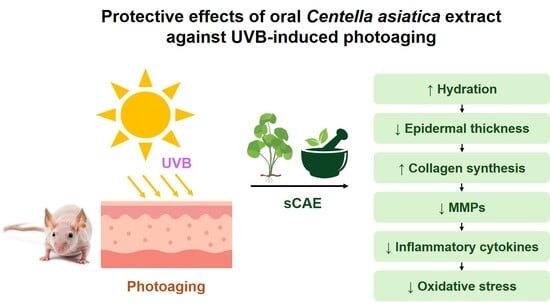
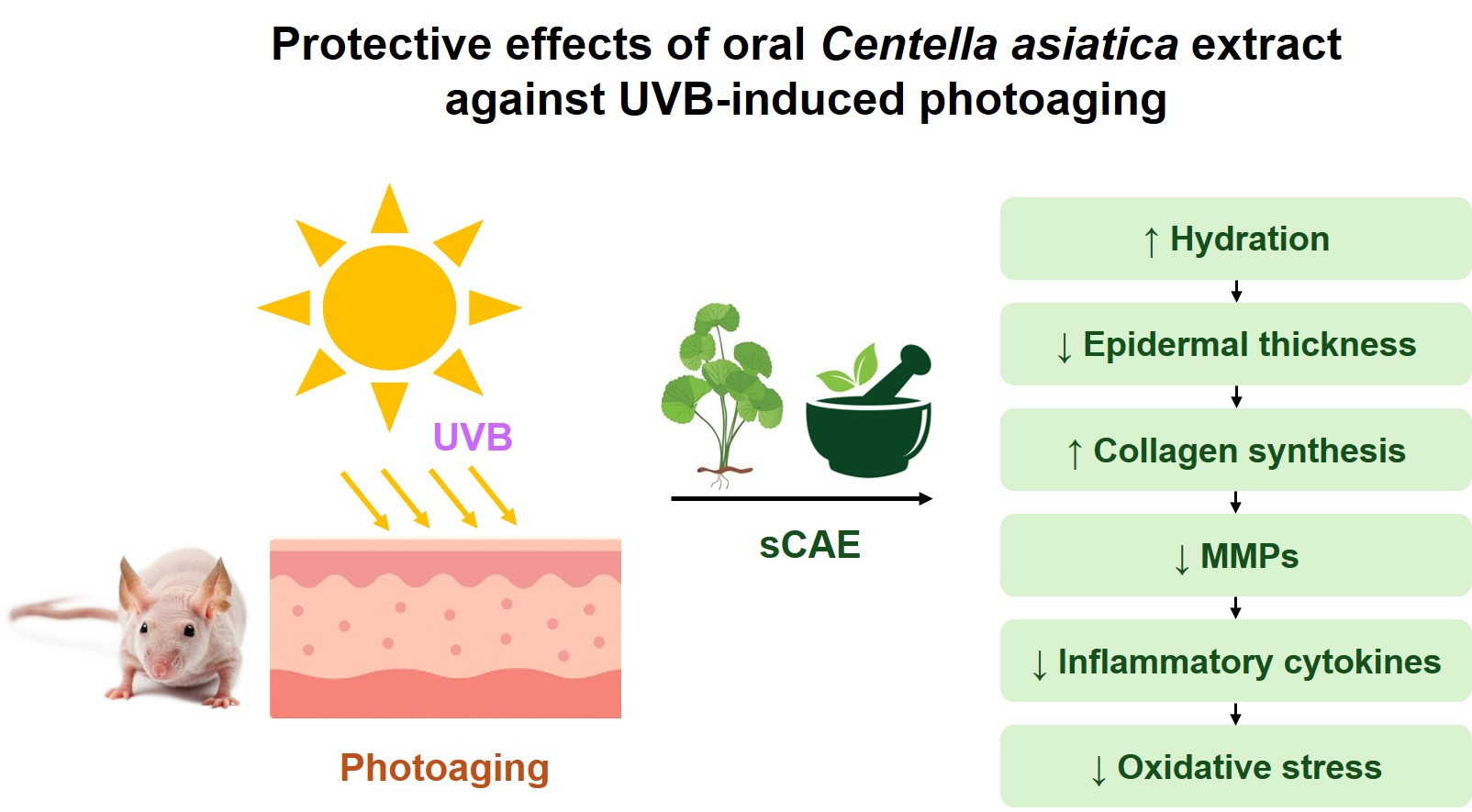
To address these gaps, the present study investigated the effects of an asiaticoside-standardized C. asiatica extract (sCAE) administered orally at two doses (40 and 80 mg/kg/day) in UVB-irradiated Skh:HR-1 hairless mice. By integrating biophysical measurements, histology, biochemical assays, and transcriptional profiling, this work provides comprehensive mechanistic insight into the anti-photoaging potential of standardized oral C. asiatica. Our findings highlight the capacity of sCAE to improve barrier function, ECM integrity, inflammation, and oxidative stress, thereby supporting its development as a nutricosmetic candidate for systemic photoprotection and skin health.
3. Discussion
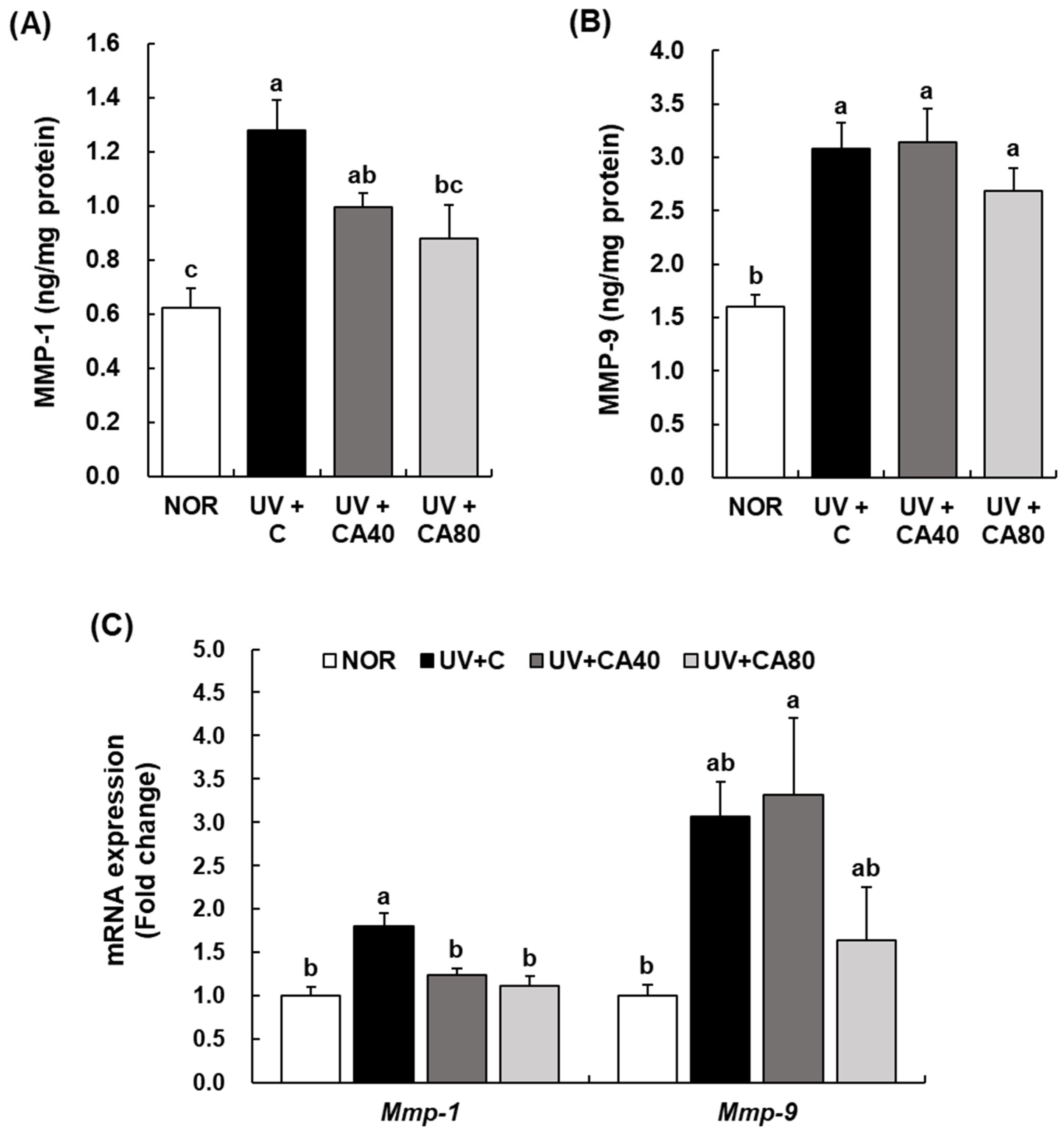
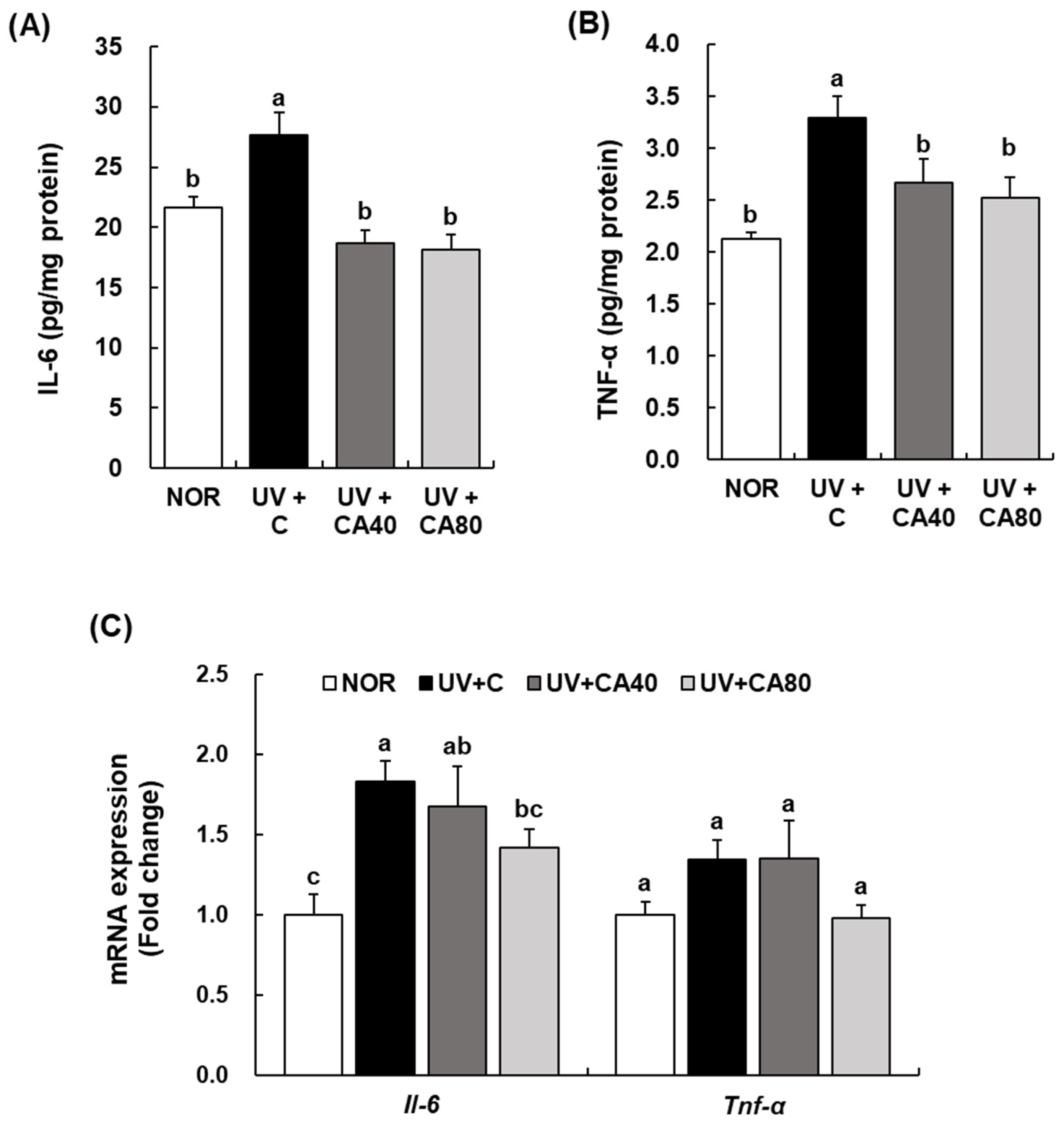
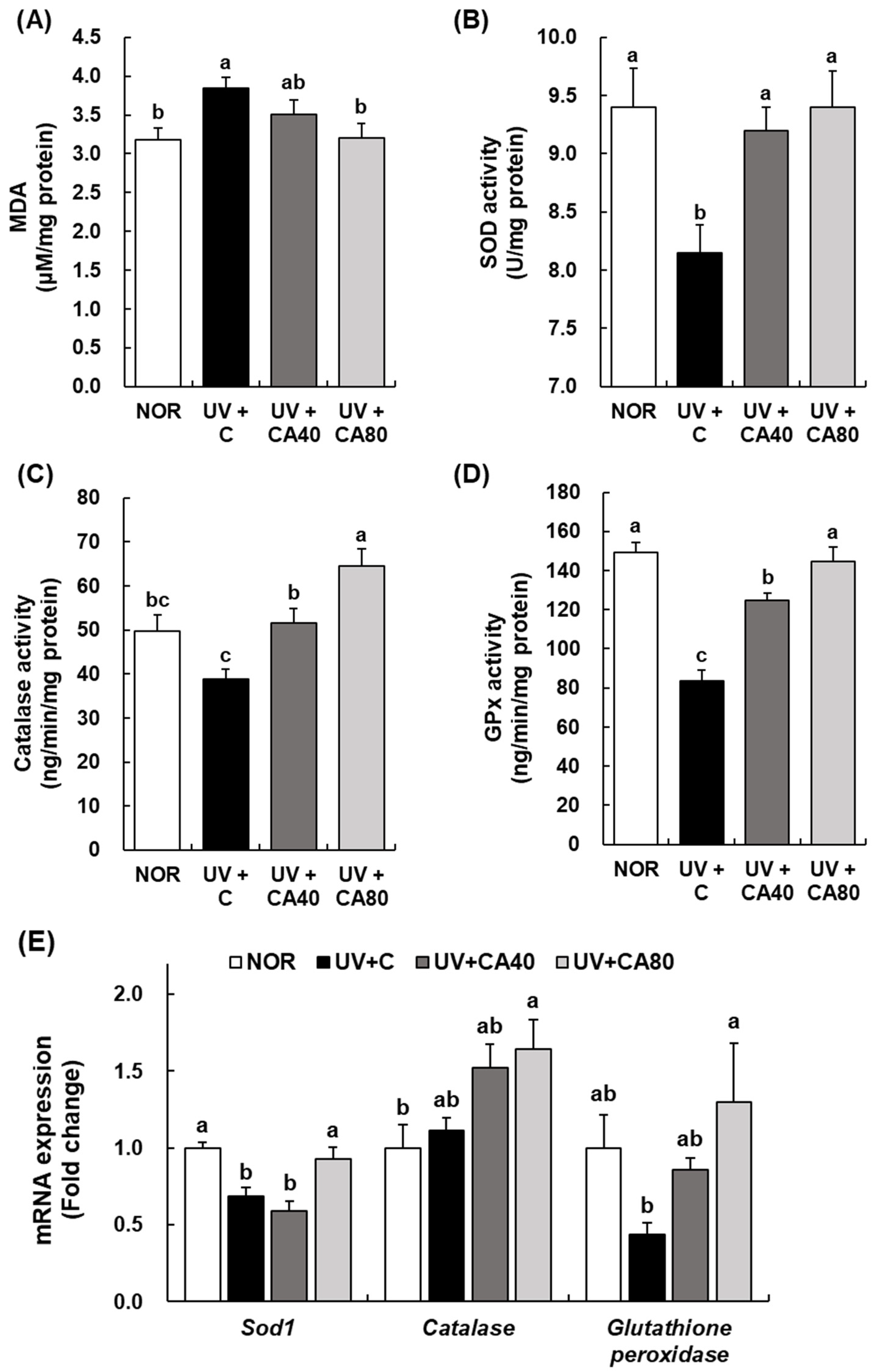
In this study, we demonstrated that oral administration of sCAE effectively mitigated UVB-induced skin photoaging in Skh:HR-1 hairless mice through coordinated modulation of skin barrier function, extracellular matrix (ECM) integrity, inflammatory signaling, and oxidative stress. sCAE significantly improved skin hydration, elasticity, and wrinkle parameters, accompanied by a reduction in transepidermal water loss, indicating restoration of epidermal barrier function. These effects were associated with recovery of hyaluronic acid and ceramide levels and with upregulation of genes involved in barrier lipid and glycosaminoglycan biosynthesis, suggesting enhanced structural and functional support of the stratum corneum. At the dermal level, sCAE preserved collagen content and suppressed UVB-induced upregulation of MMP-1 and MMP-9, indicating attenuation of ECM degradation rather than simple transcriptional activation of collagen genes. This distinction is mechanistically important, as UVB-driven collagen loss is largely mediated by proteolytic degradation through MMP activation. In parallel, sCAE reduced the expression of pro-inflammatory cytokines, including TNF-α and IL-6, which are known to amplify MMP expression and disrupt ECM homeostasis under photoaging conditions. Moreover, sCAE markedly reduced lipid peroxidation while enhancing endogenous antioxidant enzyme activities, including SOD, catalase, and GPx, suggesting that suppression of oxidative stress may further contribute to inhibition of ROS-driven MMP induction and inflammatory signaling. Importantly, these protective effects exhibited a clear dose–response relationship, with the higher dose of sCAE (80 mg/kg) consistently producing outcomes that more closely approximated those of non-irradiated controls across multiple functional and molecular endpoints. This dose-dependent pattern supports the biological plausibility of sCAE efficacy and suggests that sufficient systemic exposure is required to effectively counteract the interconnected oxidative, inflammatory, and ECM-degrading pathways activated by chronic UVB exposure.
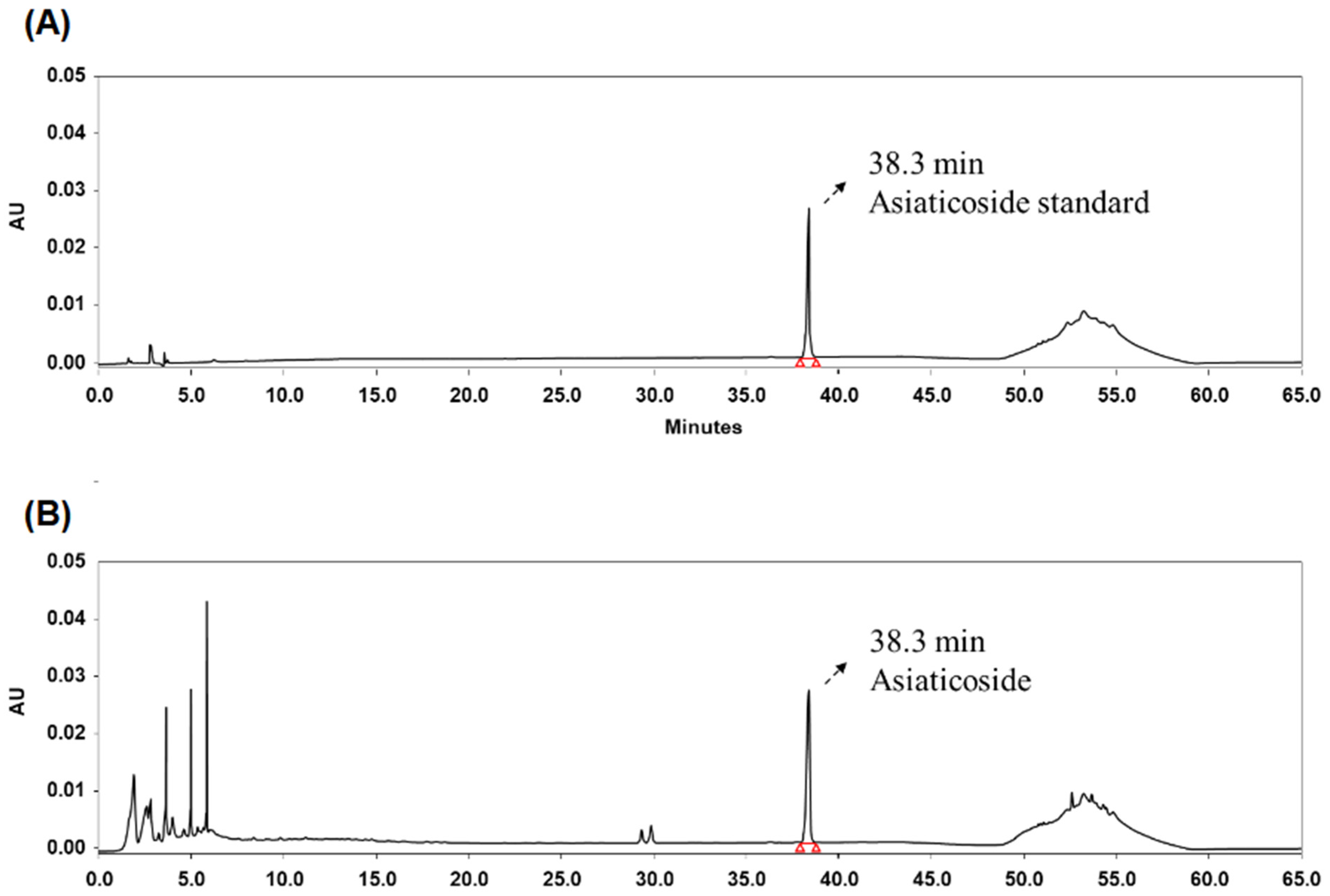
The quantification of asiaticoside in sCAE confirmed a content of 70 mg/g, supporting the consistency and reliability of the test material used in this study. Asiaticoside is a well-characterized pentacyclic triterpenoid saponin recognized as one of the principal bioactive constituents responsible for the pharmacological actions of
C. asiatica, including its antioxidant, anti-inflammatory, and skin-regenerative properties [
25,
26]. Similar HPLC-based standardization approaches have been reported in prior studies. Lu et al. [
22] reported asiaticoside-induced collagen synthesis in human dermal fibroblasts and highlighted the importance of dose-controlled administration of purified extracts in achieving reproducible biological outcomes. Likewise, Jiang et al. [
20], quantified asiaticoside and demonstrated its anti-photoaging potential through TGF-β1/Smad pathway modulation in UV-exposed cells. Compared with these previous reports, the current study provides an essential extension by confirming both the chemical composition and the biological efficacy of a standardized oral formulation of
C. asiatica extract in an in vivo photoaging model. The use of an extract standardized to a specific asiaticoside concentration not only enhances the reproducibility of results but also facilitates the translation of preclinical findings into potential human applications. These findings support the rationale for using standardized phytochemical-rich formulations in future nutraceutical development aimed at skin health and anti-aging applications.
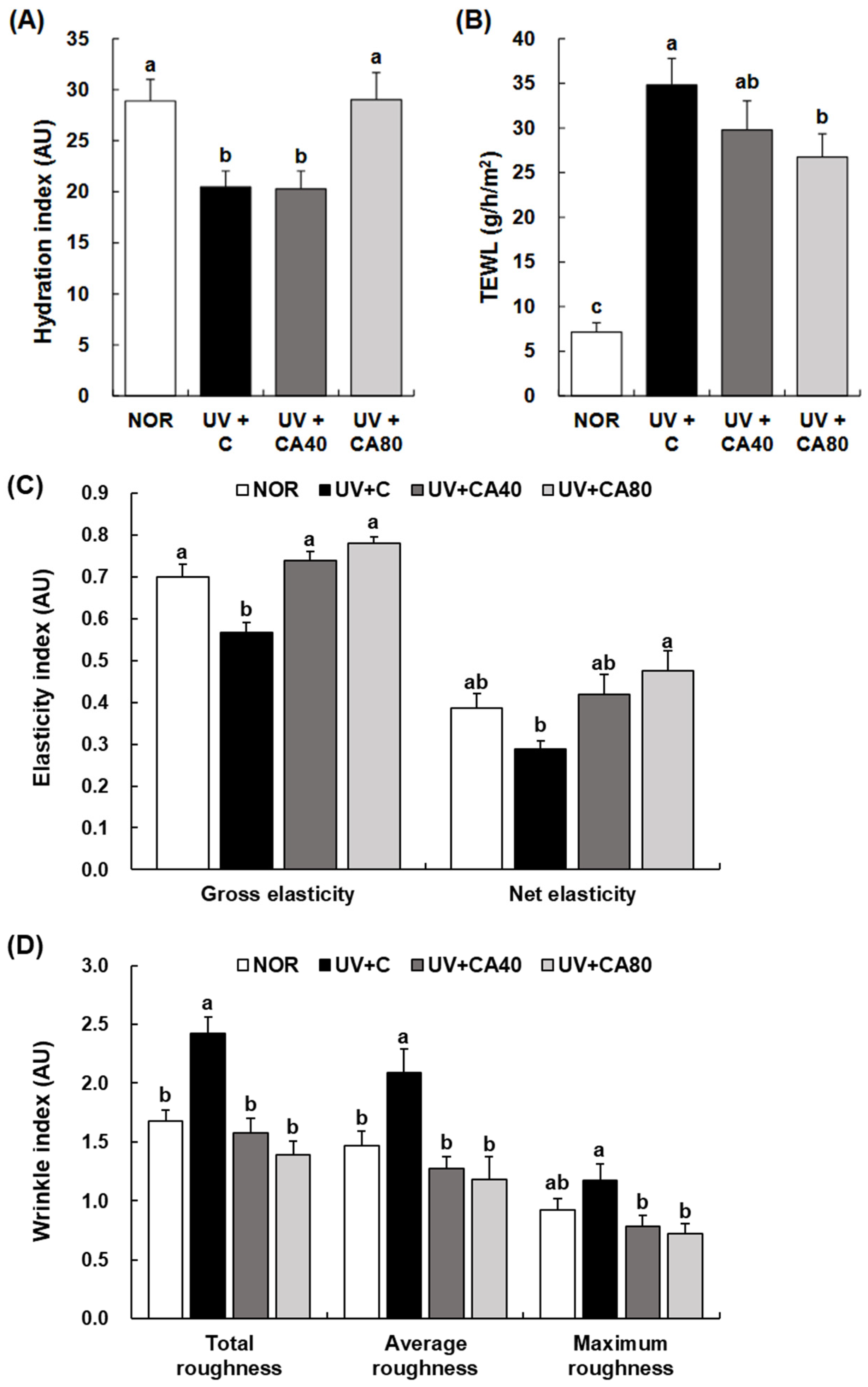
Oral administration of sCAE significantly alleviated UVB-induced photoaging in hairless mice by reducing wrinkle formation, restoring skin hydration and elasticity, and improving barrier function. These findings are consistent with earlier reports demonstrating the skin-protective effects of
C. asiatica. Legiawati et al. [
24] reported that combined oral and topical administration of
C. asiatica improved skin hydration and reduced pro-aging markers in patients with type 2 diabetes and dry skin. Similarly, Sunikumar et al. [
11], found that topical application of
C. asiatica extracts enhanced wound healing and improved skin architecture in rodent models. Unlike previous studies, the present investigation employed a well-characterized, standardized extract containing 70 mg/g of asiaticoside. It evaluated its efficacy through oral delivery in a UVB-induced photoaging mouse model. Notably, quantitative assessments of wrinkle morphology using skin replicas, along with biophysical measurements such as TEWL and elasticity, provided objective evidence of sCAE’s anti-photoaging effects. These results underscore the reliability and translational potential of using sCAE as a dietary supplement to promote skin health. Taken together, our findings suggest that
C. asiatica is not only a traditional wound-healing agent but also a promising oral nutricosmetic candidate capable of mitigating extrinsic skin aging. Compared to topical agents, oral administration offers the advantage of systemic absorption, potentially providing broader and longer-lasting protection against photoaging-related damage.
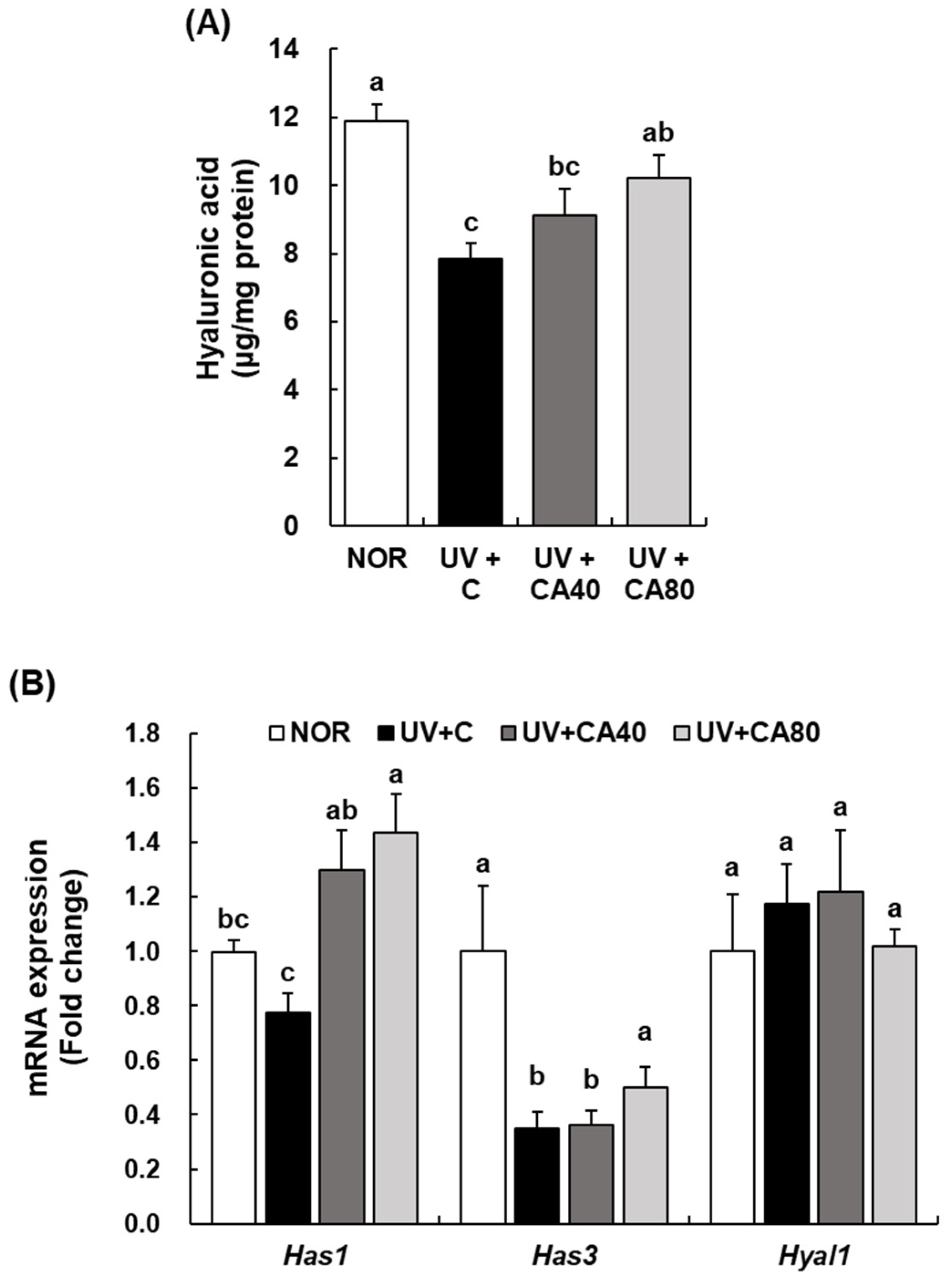
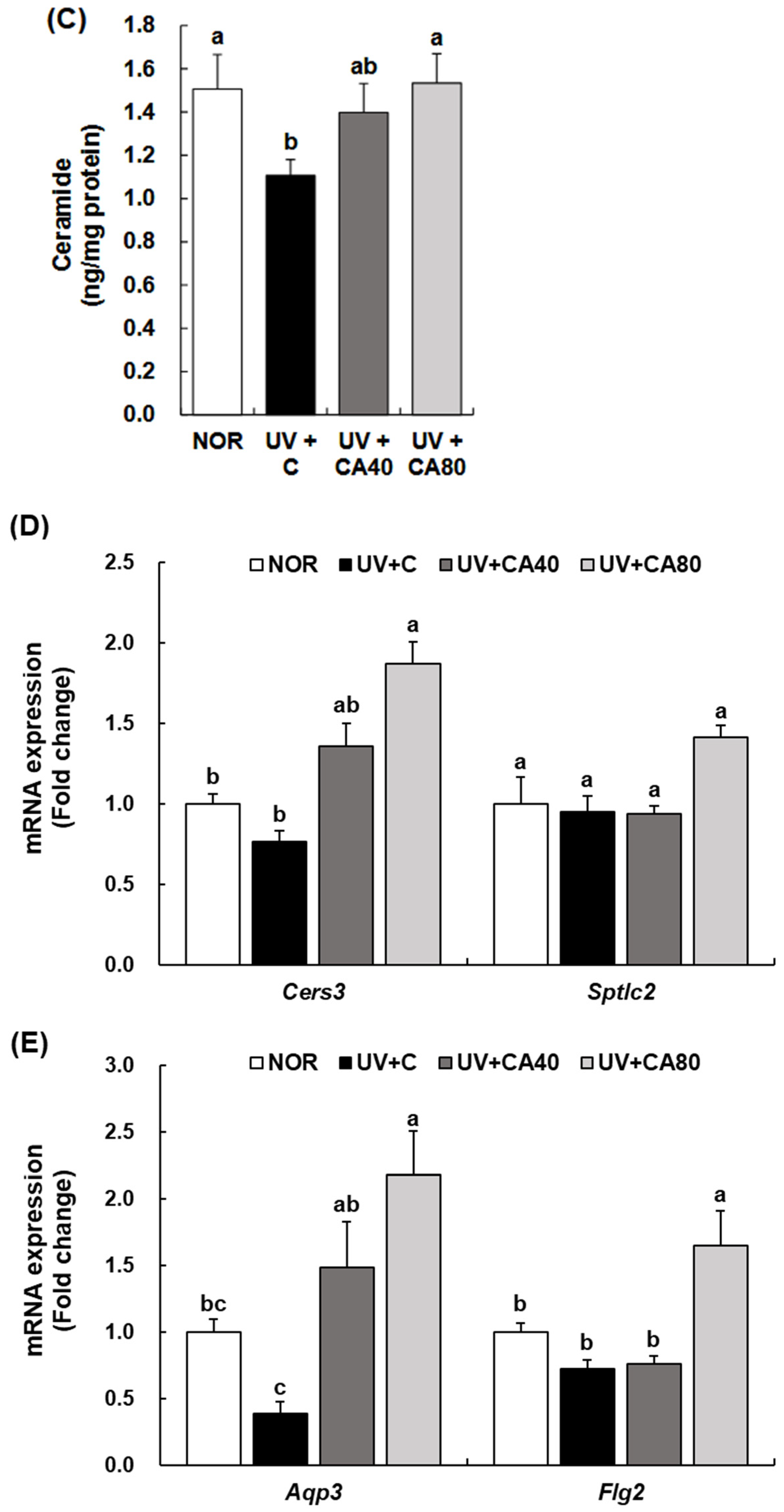
Disruption of the skin barrier and reduction in essential moisturizing factors such as hyaluronic acid and ceramides are hallmark features of UVB-induced photoaging [
27]. In this study, oral administration of sCAE significantly restored the levels of hyaluronic acid and ceramide in UVB-irradiated hairless mice, and upregulated the expression of related biosynthetic genes (
Has1,
Has3, and
Sptlc2), suggesting its beneficial role in improving skin hydration and lipid barrier homeostasis. These findings are consistent with previous reports demonstrating the moisturizing and barrier-reinforcing effects of
C. asiatica. Shen et al. [
28], showed that madecassoside, a major triterpenoid of
C. asiatica, upregulated HAS1–3 and AQP3 in human keratinocytes, increasing hyaluronan content and supporting moisture retention. In line with these cellular findings, a randomized assessor-blinded clinical study reported improved skin hydration and reduced TEWL after topical use of a formulation containing
C. asiatica–derived actives [
29]. Compared to those studies, our work provides direct in vivo evidence that orally administered, standardized
C. asiatica extract can restore both the biochemical (ELISA) and transcriptional (qPCR) profiles of key hydration-related markers in UVB-compromised skin. Notably, the dose-dependent response observed with sCAE administration underscores its potential for tailored therapeutic strategies. These results suggest that sCAE may serve as a promising oral intervention for reinforcing the skin’s natural moisturizing factors and ceramide biosynthesis, contributing to the prevention of UVB-induced barrier disruption and dryness. As such, sCAE holds substantial potential as a nutraceutical ingredient in skin health formulations targeting extrinsic aging and compromised barrier function.
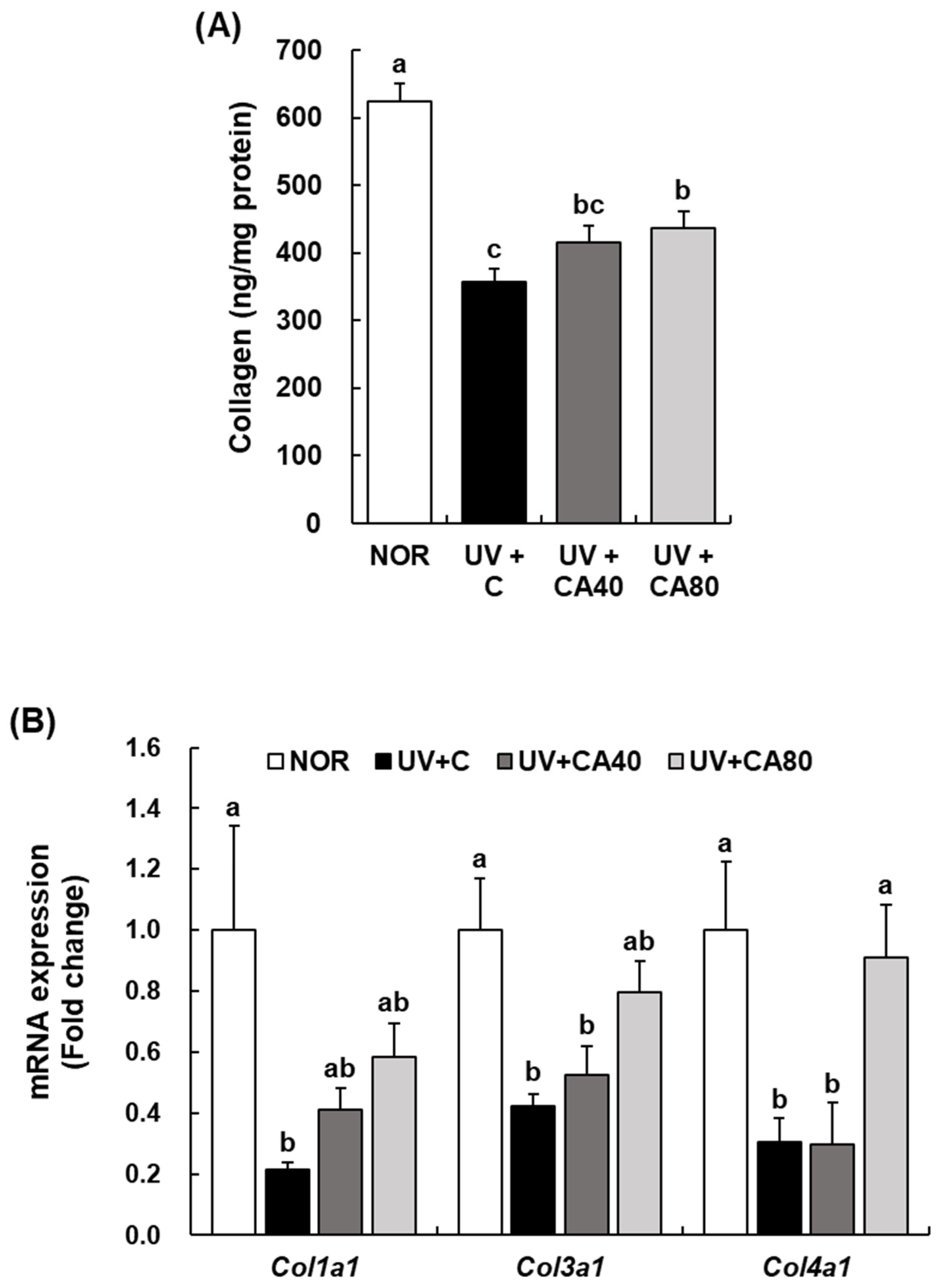
Photoaging is characterized by collagen degradation and ECM disorganization, primarily mediated by increased MMPs activity and reduced collagen biosynthesis [
30]. In the present study, oral administration of sCAE significantly upregulated the expression of collagen, while downregulating MMP-1 and MMP-9 at both the protein and mRNA levels in UVB-irradiated hairless mice. These findings suggest that sCAE protects dermal structure by promoting ECM remodeling and suppressing UVB-induced collagen degradation. Notably, a divergence between collagen protein content and collagen-related gene expression was observed, prompting further consideration of ECM regulatory mechanisms. The apparent discrepancy between collagen protein content and collagen-related mRNA expression observed in
Figure 5 likely reflects the complex, multi-level regulation of ECM homeostasis. Collagen protein accumulation represents the net balance between synthesis and degradation and is subject to temporal delays relative to transcriptional changes. UVB-induced collagen loss is primarily driven by MMP-mediated degradation rather than transcriptional suppression alone. Accordingly, partial restoration of collagen protein content following sCAE administration may occur through inhibition of ECM degradation, even when collagen mRNA expression remains incompletely recovered. In addition, post-transcriptional and post-translational regulatory mechanisms further contribute to differences between mRNA expression and protein abundance. Similar discrepancies between collagen mRNA and protein levels have been reported in other UVB-induced photoaging models. These results are consistent with previous studies reporting the collagen-stimulating and MMP-inhibitory properties of
C. asiatica and its active compounds. Kencana et al. [
31] conducted a comprehensive bioinformatics and molecular docking study that predicted asiaticoside exhibits strong binding affinity to key skin-aging mediators such as MMP-9, suggesting it may directly inhibit ECM degradation pathways. Furthermore, Rahmawati et al. [
32] also observed that oral and topical
C. asiatica extract reduced UVB-induced dermal MMP-1 activity and preserved skin structure in hairless rats. Compared to these prior studies, our findings provide more comprehensive in vivo evidence showing that oral supplementation with a chemically standardized extract (70 mg/g asiaticoside) results in a dual action—enhancing collagen synthesis while inhibiting ECM-degrading enzymes. The dose-dependent effects observed further support the reproducibility and potential clinical relevance of sCAE as a nutraceutical ingredient. These results highlight the therapeutic potential of sCAE in maintaining dermal ECM integrity under UVB-induced oxidative stress conditions. By simultaneously targeting both synthesis and degradation pathways, sCAE may serve as a multifunctional anti-photoaging agent capable of preserving skin firmness and structural integrity.
Chronic exposure to UVB radiation induces inflammation-mediated skin aging by upregulating pro-inflammatory cytokines such as TNF-α and IL-6, which accelerate matrix degradation and impair skin homeostasis [
33]. In this study, oral administration of sCAE attenuated UVB-induced increases in both the protein and mRNA levels of TNF-α and IL-6, indicating its potent anti-inflammatory action in photoaged skin. These findings are consistent with previous studies demonstrating the anti-inflammatory properties of
C. asiatica and its triterpenoid constituents. Cho et al. [
14] reported that
C. asiatica extract inhibited inflammatory responses in LPS-stimulated macrophages by downregulating the IRAK1-TAK1 signaling axis. Moreover, Jiang et al. [
20] showed that asiaticoside suppressed UV-induced expression of TNF-α and IL-6 in dermal fibroblasts via the TGF-β1/Smad pathway, thereby reducing oxidative and inflammatory stress. In vivo, Rahmawati et al. [
32] observed that
C. asiatica extract lowered MMP-1 and inflammatory cytokines in UVB-irradiated skin tissues, further supporting its systemic anti-inflammatory potential. Compared to those reports, our study uniquely confirms the anti-inflammatory efficacy of oral sCAE in an animal model of UVB-induced photoaging, with apparent dose-dependent effects. The simultaneous downregulation of both cytokine protein levels and gene expression enhances the reliability of the evidence and strengthens the rationale for sCAE as a dietary anti-photoaging strategy. Taken together, these results highlight that the photoprotective effects of sCAE are not only attributed to antioxidant and ECM-preserving actions, but also to its ability to suppress chronic inflammation—an essential driver of extrinsic skin aging. These properties support the utility of sCAE as a promising nutraceutical intervention for inflammatory skin conditions aggravated by UV exposure.
Oxidative stress is a major contributor to UVB-induced photoaging, primarily through the accumulation of reactive oxygen species that trigger lipid peroxidation and impair the skin’s antioxidant defense systems [
34]. In the present study, oral administration of sCAE reduced MDA levels—a well-established marker of lipid peroxidation-while concurrently enhancing the activities of endogenous antioxidant enzymes such as SOD, catalase, and GPx. These results indicate that sCAE mitigates UVB-induced oxidative damage and supports redox homeostasis in the skin. These findings are consistent with earlier reports on the antioxidant properties of
C. asiatica [
35]. Jayashree et al. [
13] demonstrated that
C. asiatica extract reduced MDA levels and increased SOD and CAT activities in lymphoma-bearing mice. Furthermore, Rachpirom et al. [
19] confirmed that a standardized
C. asiatica extract improved antioxidant capacity and reduced oxidative biomarkers in murine wound models. Compared to these studies, our findings extend the evidence base by demonstrating that orally administered, asiaticoside-standardized sCAE not only reduces oxidative stress markers but also restores key enzymatic antioxidant defenses in vivo under UVB-induced stress conditions. Taken together, these results suggest that the anti-photoaging effects of sCAE are in part mediated by its ability to neutralize oxidative stress and reinforce the skin’s endogenous antioxidant network. Such dual action supports the development of sCAE as a nutritional antioxidant agent for skin health, particularly in populations chronically exposed to environmental oxidative stressors such as UV radiation.
To further integrate these findings and clarify their mechanistic interrelationships, correlation analysis was performed across key skin biophysical and molecular parameters. The correlation analysis provides additional mechanistic insight into the coordinated effects of oral sCAE on UVB-induced skin photoaging. The positive associations between TEWL and MMPs or inflammatory cytokines, together with the inverse relationships between collagen content and MMP expression, support the role of ECM degradation in barrier dysfunction. Moreover, the strong negative correlations between antioxidant enzyme activities and MDA suggest that oxidative stress modulation is closely linked to the preservation of skin structure and function. These findings reinforce the integrated antioxidant, anti-inflammatory, and ECM-preserving actions of sCAE.
Although upstream signaling pathways were not directly examined in the present study, extensive evidence from previous studies provides mechanistic context for the observed ECM-protective effects of oral sCAE. UVB-induced collagen degradation is primarily mediated through activation of MAPK (ERK, JNK, p38) and AP-1 signaling, leading to upregulation of MMPs, while suppression of TGF-β/Smad signaling impairs collagen synthesis. Asiaticoside and related triterpenoids from C. asiatica have been reported to inhibit MAPK and NF-κB activation, thereby reducing MMP expression and inflammatory cytokine production, while simultaneously activating the TGF-β1/Smad pathway to promote collagen synthesis in dermal fibroblasts. In addition, asiaticoside has been shown to enhance antioxidant defenses via Nrf2-dependent pathways, which may indirectly preserve ECM integrity by attenuating ROS-driven MMP induction. The coordinated modulation of these pathways provides a plausible mechanistic framework explaining the simultaneous restoration of collagen, suppression of MMPs, reduction in inflammatory cytokines, and enhancement of antioxidant capacity observed in the present study.
This study possesses several notable strengths. First, it utilized a chemically standardized C. asiatica extract (sCAE) containing 70 mg/g of asiaticoside, ensuring reproducibility and scientific reliability. Second, the study employed a well-established UVB-induced photoaging mouse model and comprehensively evaluated the protective effects of sCAE using macroscopic, biophysical, histological, biochemical, and molecular endpoints. The inclusion of two dose groups allowed for dose–response analysis, further reinforcing the validity of the findings. Moreover, the study provided mechanistic insights by demonstrating that sCAE exerts its anti-photoaging effects through multiple pathways, including enhancement of collagen synthesis, suppression of MMPs, attenuation of inflammatory cytokines, and restoration of antioxidant defense. Lastly, by focusing on oral administration, the study highlights the potential of sCAE as a nutricosmetic or dietary intervention for skin health and photoaging prevention.
While the present study provides strong evidence for the anti-photoaging effects of sCAE in a UVB-induced hairless mouse model, several limitations should be acknowledged. First, the experiments were conducted exclusively in male Skh:HR-1 mice, which may limit the generalizability of the findings to females, other age groups, or humans. Sex hormones, particularly estrogen, are known to modulate skin barrier function, collagen synthesis, inflammatory responses, and antioxidant capacity, and may influence both susceptibility to UVB-induced photoaging and responsiveness to nutraceutical interventions. Although the use of male mice was intended to reduce variability associated with estrous cycle–dependent hormonal fluctuations, future studies incorporating female animals and sex-specific analyses will be essential to determine whether similar efficacy and mechanisms are observed across sexes. Second, while multiple molecular and biochemical biomarkers were quantified, upstream signaling pathways implicated in ECM remodeling and oxidative stress regulation, such as MAPK, NF-κB, and Nrf2 signaling, were not directly examined. Further mechanistic studies employing pathway-specific inhibitors or genetic models are warranted to clarify the precise molecular targets of sCAE. Third, the bioavailability and metabolic fate of asiaticoside following oral administration were not assessed, limiting direct linkage between systemic exposure and observed efficacy. In addition, although the extract was standardized for asiaticoside content, the potential synergistic contributions of other bioactive triterpenoids, including madecassoside and asiatic acid, were not independently evaluated. Finally, from a statistical perspective, although Duncan’s multiple range test was used as the primary post hoc method due to its sensitivity in nutritional and preclinical studies, certain protein-level parameters—such as collagen content and MMP-9 expression—did not retain statistical significance under the more conservative Tukey’s HSD correction, likely reflecting biological variability inherent in in vivo protein measurements and stringent control of family-wise error. Importantly, the overall directional trends remained consistent across statistical approaches, and key functional and mechanistic outcomes—including skin barrier parameters, inflammatory cytokines, and antioxidant enzyme activities—were robust under both methods. Future studies incorporating larger sample sizes, additional dose levels, longitudinal designs, topical comparison arms, and ultimately clinical trials will be necessary to fully validate the safety, efficacy, and mechanisms of sCAE as an anti-photoaging nutraceutical.
4. Materials and Methods
4.1. Preparation of sCAE
Dried C. asiatica leaves were extracted twice with 70% (v/v) ethanol at 80 °C for 6 h. The resulting extract was filtered and concentrated under reduced pressure at 65 °C to 20–25° Brix. The concentrate was then spray-dried to obtain a powder as sCAE (InnerCicaTM, 3H LABS Co. Ltd., Goyang, Republic of Korea), which was stored under light-protected, sealed conditions until use.
4.2. Quantification of Asiaticoside in sCAE
sCAE was analyzed by high-performance liquid chromatography (HPLC) using the Waters e2695 system equipped with a photodiode array detector (Waters Co., Ltd., Milford, MA, USA). Separations were performed on a Cadenza C18 column (250 × 4.6 mm, 3 µm; Imtakt, Portland, OR, USA) maintained at 40 °C, with a flow rate of 1.0 mL/min. The mobile phases were distilled water (A) and acetonitrile (B). A linear gradient was applied as follows (A/B, v/v): 0 min, 90/10; 10 min, 80/20; 40 min, 73/27; 45 min, 80/20; 51 min, 20/80; and 55 min, 90/10. The injection volume was 10 µL, and the UV wavelength was set at 206 nm. Asiaticoside used as a reference standard, was purchased from Chengdu Biopurify Phytochemicals, Ltd. (Chengdu, China).
4.3. Ethical Statement and Animal Care
All animal experimental protocols were approved by the Institutional Animal Care and Use Committee of Sahmyook University (approved number: SYUIACUC 2024-011). The care and use of the animals followed established guidelines for the care and use of laboratory animals.
Five-week-old male Skh:HR-1 hairless mice were procured from Raonbio Co., Ltd. (Yongin, Republic of Korea). The mice were maintained under controlled conditions (23 ± 3 °C, 50 ± 10% relative humidity, and 12 h light/dark cycles) and provided with a commercial rodent diet and tap water ad libitum.
To minimize potential confounding factors, all animals were housed within the same room under identical environmental conditions, and cages were randomly assigned to rack positions to eliminate location-related effects. All treatments, including oral gavage and UVB irradiation, were administered at the same time each day to reduce variability associated with circadian rhythms. Measurements such as body weight, food intake, and skin-related indices were obtained in a consistent order across all groups to avoid systematic measurement bias. Throughout the experimental period, animals were closely monitored for general health indicators—including body weight, food consumption, grooming, posture, and any abnormal behaviors. No adverse effects related to sCAE administration were observed. Aside from the factors explicitly monitored and controlled, no additional confounding variables were identified during the study period.
All animals were sourced as specific pathogen-free (SPF) and had no history of prior experimental procedures before arrival. Skh:HR-1 hairless mice are immunocompetent despite lacking pelage hair, and no abnormalities in health or immune status were observed during the acclimation period.
4.4. Experiment Design, UVB Irradiation, and Treatment
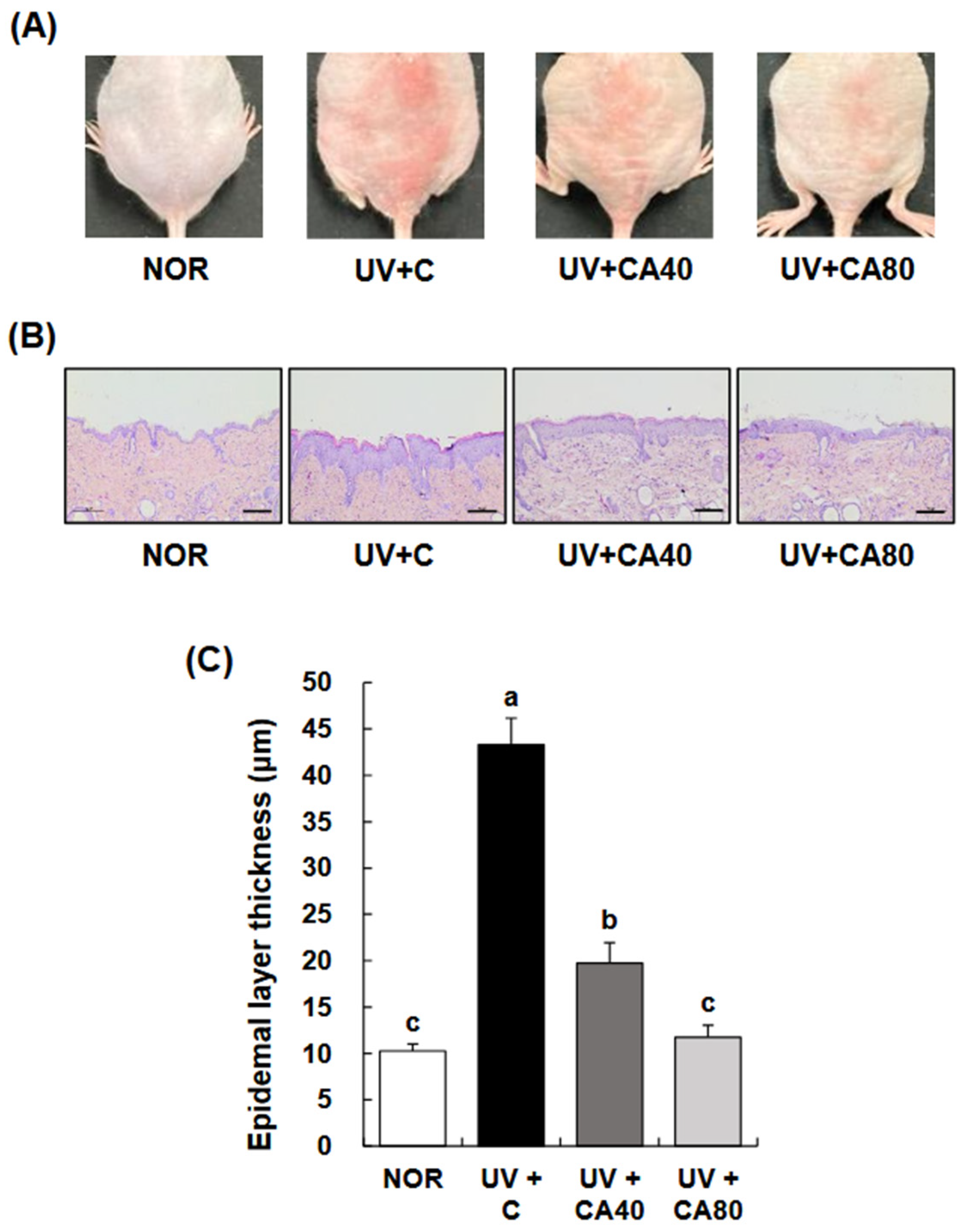
After a one-week acclimation period, a total of 40 Skh:HR-1 hairless mice were used in this study. Animals were randomly assigned to experimental groups using a computer-generated random allocation sequence to minimize selection bias. In addition, cage positions were randomized throughout the study period to avoid potential environmental confounding factors, such as rack location or differential light exposure. Each mouse served as an independent experimental unit for all outcome measurements and statistical analyses. The four groups consisted of: (i) normal control group (without UVB irradiation, vehicle-treated group, NOR); (ii) UVB-irradiated control group (UVB irradiation, vehicle-treated group, UV+C); (iii) UVB-irradiated and 40 mg/kg body weight (BW)/day sCAE-treated group, UV+CA40); and (iv) UVB-irradiated and 80 mg/kg BW/day sCAE-treated group, UV+CA80). A pre-specified study protocol, including the research question, experimental design, dosing plan, UVB irradiation schedule, outcome measures, and statistical analysis approach, was prepared before conducting the experiment and approved within the IACUC application (SYUIACUC 2024-011). No deviations from the protocol occurred, and the study was not registered in a public repository, consistent with current norms for preclinical animal research.
The primary outcome measure of this study was the improvement of UVB-induced photoaging severity, assessed by quantitative wrinkle parameters derived from dorsal skin replicas (total roughness, average roughness, and maximum roughness). Secondary outcome measures included skin hydration, transepidermal water loss (TEWL), elasticity indices, epidermal thickness, antioxidant enzyme activities, ECM-related markers (collagen, MMP-1, MMP-9), pro-inflammatory cytokines, and barrier components (hyaluronic acid and ceramide).
The sample size was determined a priori based on power considerations derived from previously published UVB-induced photoaging studies using Skh:HR-1 hairless mice. Prior studies evaluating key endpoints such as epidermal thickness, wrinkle parameters, and transepidermal water loss have reported large effect sizes (Cohen’s d ≈ 1.1–1.3). Based on these effect sizes, a group size of 8–10 animals was estimated to provide at least 80% statistical power at a significance level of α = 0.05. Considering the 8-week UVB irradiation protocol and potential inter-individual variability, a conservative sample size of 10 mice per group was selected to ensure statistical robustness. No animals were excluded from the analysis. No predefined inclusion or exclusion criteria were established for animals or individual data points, and all animals assigned to each group completed the study. All data collected were retained for statistical analysis without omission.
UVB irradiation was performed using a UVB-specific irradiator (UV1-100, BoTech, Gunpo, Republic of Korea) equipped with a GL20SE lamp (Sankyo Denki, Yokohama, Japan) emitting wavelengths of 280–325 nm (peak 306 nm). All mice, except those in the NOR group, were irradiated three times per week for 8 weeks following a progressively increasing UVB dose schedule: 60 mJ/cm2 (weeks 1–2), 120 mJ/cm2 (weeks 3–4), 180 mJ/cm2 (weeks 5–6), and 240 mJ/cm2 (weeks 7–8). During the same 8-week period, mice received daily oral gavage of vehicle (distilled water) or sCAE (40 or 80 mg/kg BW/day).
Body weight and food intake were measured weekly throughout the study to monitor growth, nutritional status, and potential treatment-related effects. Upon completion of the 8-week treatment period, mice were fasted overnight for 16 h to standardize metabolic conditions before sample collection. To minimize stress and ensure humane handling, mice were anesthetized with tribromoethanol diluted in tertiary amyl alcohol (250 mg/kg BW, intraperitoneal injection). All skin physiological parameters, including transepidermal water loss, hydration index, elasticity, and wrinkle analysis using skin replicas, were assessed at a single standardized terminal time point following completion of the 8-week UVB irradiation and oral treatment period. All measurements were performed prior to euthanasia under controlled environmental conditions and at the same time of day for all animals to minimize circadian and environmental variability. Following anesthesia, various biophysical skin indices were measured. Mice were then euthanized by cervical dislocation, and dorsal skin tissues were promptly harvested for histological, biochemical, and molecular analyses.
To reduce measurement and observer bias, personnel responsible for UVB irradiation and oral gavage were aware of group assignments due to procedural requirements. However, all outcome assessments—including macroscopic skin evaluation, wrinkle replica analysis, transepidermal water loss, hydration and elasticity measurements, histological quantification, ELISA-based biochemical assays, enzymatic activity measurements, and quantitative real-time PCR analyses—were performed by investigators who remained blinded to group allocation until all data collection and analyses were completed.
4.5. Evaluation of the Indices Reflecting the Skin Condition
Skin hydration index, transepidermal water loss (TEWL), and elasticity index were estimated using Corneometer® CM825, Tewameter® TM300, and Cutometer® MPA580 (CourageKhazaka Electronic GmbH, Köln, Germany), respectively. To evaluate wrinkle condition, skin replicas were cast on the dorsal skin surface of mice using SILFLO (Flexico Developments Ltd., Tokyo, Japan) and measured with a Visionmeter SV600 (Courage-Khazaka Electronic GmbH, Köln, Germany). The topography of the skin surface was then analyzed to determine its total roughness (the distance between the highest peak and the lowest value), average roughness (the average of the 5 maximum distances), and maximum roughness (the largest value of the 5 maximum distances.
4.6. Histological Examination
Dorsal skin tissues were fixed in 4% paraformaldehyde immediately after removal. The fixed skin tissues were embedded in paraffin, sectioned to a thickness of 5 µm, deparaffinized with xylene, and rehydrated in a series of decreasing alcohols, culminating in distilled water. The tissue sections were stained with hematoxylin and eosin (H&E). The histological changes were blindly examined and photographed at 100× magnification under a light microscope (ECLIPSE Ts2, Nikon, Tokyo, Japan). The thickness of the epidermal layer was measured.
4.7. Enzyme-Linked Immunosorbent Assay (ELISA)
Dorsal skin tissues were homogenized in phosphate-buffered saline and centrifuged at 5000 rpm for 10 min. The supernatant was collected and subjected to ELISA. The protein content of the supernatant was measured using a bicinchoninic acid (BCA) protein assay kit (Thermo Scientific, Rockford, IL, USA). The levels of hyaluronic acid (R&D Systems, Minneapolis, MN, USA), ceramide (MyBioSource, San Diego, CA, USA), collagen (Abcam, Cambridge, UK), matrix metalloproteinase (MMP)-1 (MyBioSource), MMP-9 (R&D Systems), interleukin (IL)-6 (R&D Systems), and tumor necrosis factor (TNF)-α (R&D Systems) in skin homogenates were measured using the relevant ELISA kits according to the manufacturer’s instructions.
4.8. Measurement of Lipid Peroxidation and Antioxidant Enzyme Activities
The dorsal skin homogenates were prepared, and the protein content of each was measured as described above. To evaluate lipid peroxidation in skin homogenates, the malondialdehyde (MDA) content was determined using a thiobarbituric acid reactive substance (TBARS) assay kit (Cayman Chemical, Ann Arbor, MI, USA). The activities of superoxide dismutase (SOD, Cayman Chemical), catalase (Cayman Chemical), and glutathione peroxidase (GPx, Cayman Chemical) in skin homogenates were measured using the relevant assay kits, according to the manufacturer’s instructions.
4.9. Quantitative Real-Time Reverse Transcription Polymerase Chain Reaction (RT-PCR)
The total RNA was extracted from dorsal skin using a Trizol
® reagent (Invitrogen Life Technologies, Carlsbad, CA, USA). Single-strand complementary DNA was synthesized using a HyperScript
TM RT Master Mix kit (GeneAll Biotechnology, Seoul, Republic of Korea). Real-time PCR was performed using the specific primers, as listed in
Table 1, a QuntiNova
TM SYBR Green PCR kit (Qiagen, Valencia, CA, USA), and real-time thermal cycler (CFX96
TM Real-time system, Bio-Rad Laboratories, Hercules, CA, USA). All procedures were performed following the manufacturer’s instructions. The results were analyzed using CFX Maestro
TM Software (version 2.2, Bio-Rad Laboratories). The relative mRNA expression levels of target genes were normalized to those of glyceraldehyde 3-phosphate dehydrogenase (
Gapdh).
4.10. Statistical Analysis
All data are presented as the mean ± standard error of the mean (SEM). Statistical analysis was performed with One-way analysis of variance followed by Duncan’s multiple comparisons test using the SPSS software (IBM SPSS Statistics 26, IBM Corp., Armonk, NY, USA). Prior to one-way analysis of variance (ANOVA), the assumptions of normality and homogeneity of variances were evaluated. Normality of data distribution was assessed using the Shapiro–Wilk test, which is appropriate for small-to-moderate sample sizes (n = 10 per group). Homogeneity of variances was examined using Levene’s test. All datasets satisfied the assumptions of normal distribution and equal variance; therefore, no data transformations were required prior to statistical analysis. Post hoc comparisons were initially performed using Duncan’s multiple range test, which is widely applied in nutritional science and preclinical functional food studies, particularly in experiments with equal group sizes and multiple dose groups where sensitivity in detecting intergroup differences is required. To further strengthen the robustness of the statistical conclusions, major datasets were additionally reanalyzed using Tukey’s honestly significant difference (HSD) test, a more conservative post hoc method commonly used in biomedical research. In all bar graphs, different superscript letters above the bars indicate statistically significant differences among groups at p < 0.05, as determined by Duncan’s multiple range test following one-way ANOVA. Unless otherwise stated, the sample size for each group was n = 10, and these details are explicitly included in the corresponding figure legends to ensure transparency and reproducibility.




 ,
,