Review

Liquid Biopsy in Pituitary Neuroendocrine Tumors—Potential Biomarkers for Diagnosis, Prognosis, and Therapy


by
Ligia Gabriela Tataranu
1,2
1
Neurosurgical Department, Carol Davila University of Medicine and Pharmacy, 020022 Bucharest, Romania
2
Neurosurgical Department, Bagdasar-Arseni Clinical Emergency Hospital, 041915 Bucharest, Romania
Int. J. Mol. Sci. 2025, 26(9), 4058; https://doi.org/10.3390/ijms26094058
Submission received: 2 April 2025 / Revised: 23 April 2025 / Accepted: 24 April 2025 / Published: 25 April 2025
(This article belongs to the Topic Liquid Biopsy: A Modern Method Transforming Biomedicine)

Abstract

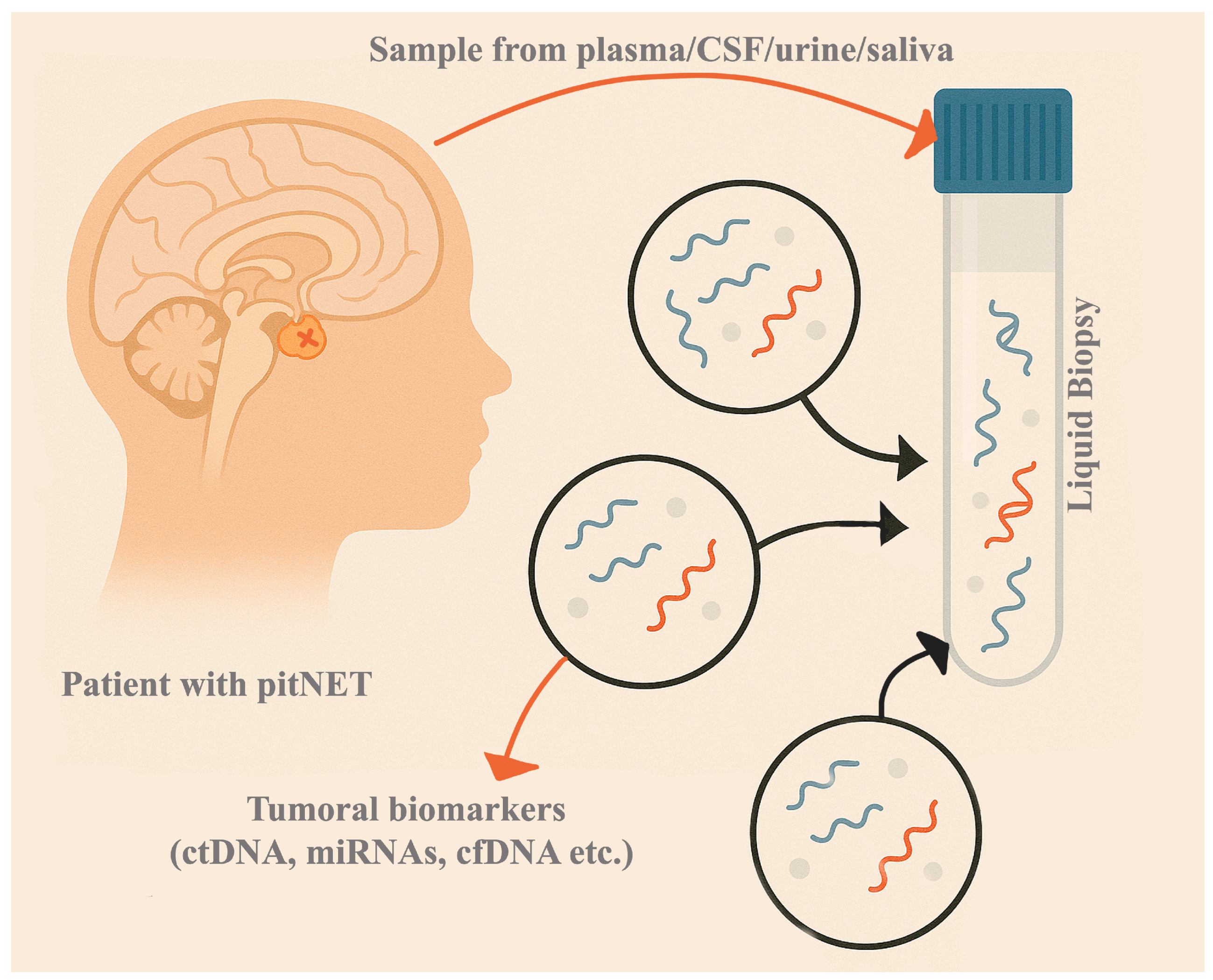
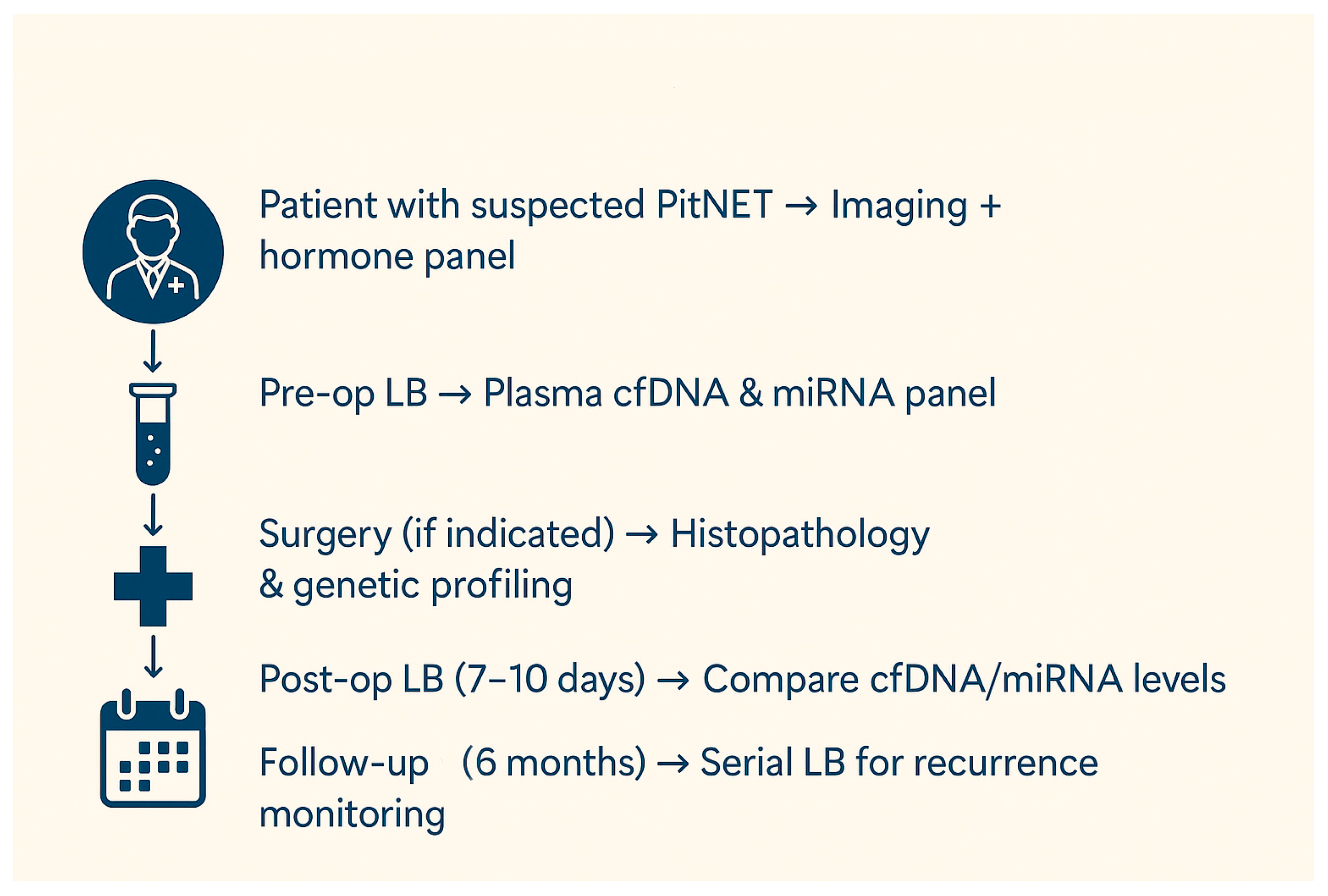
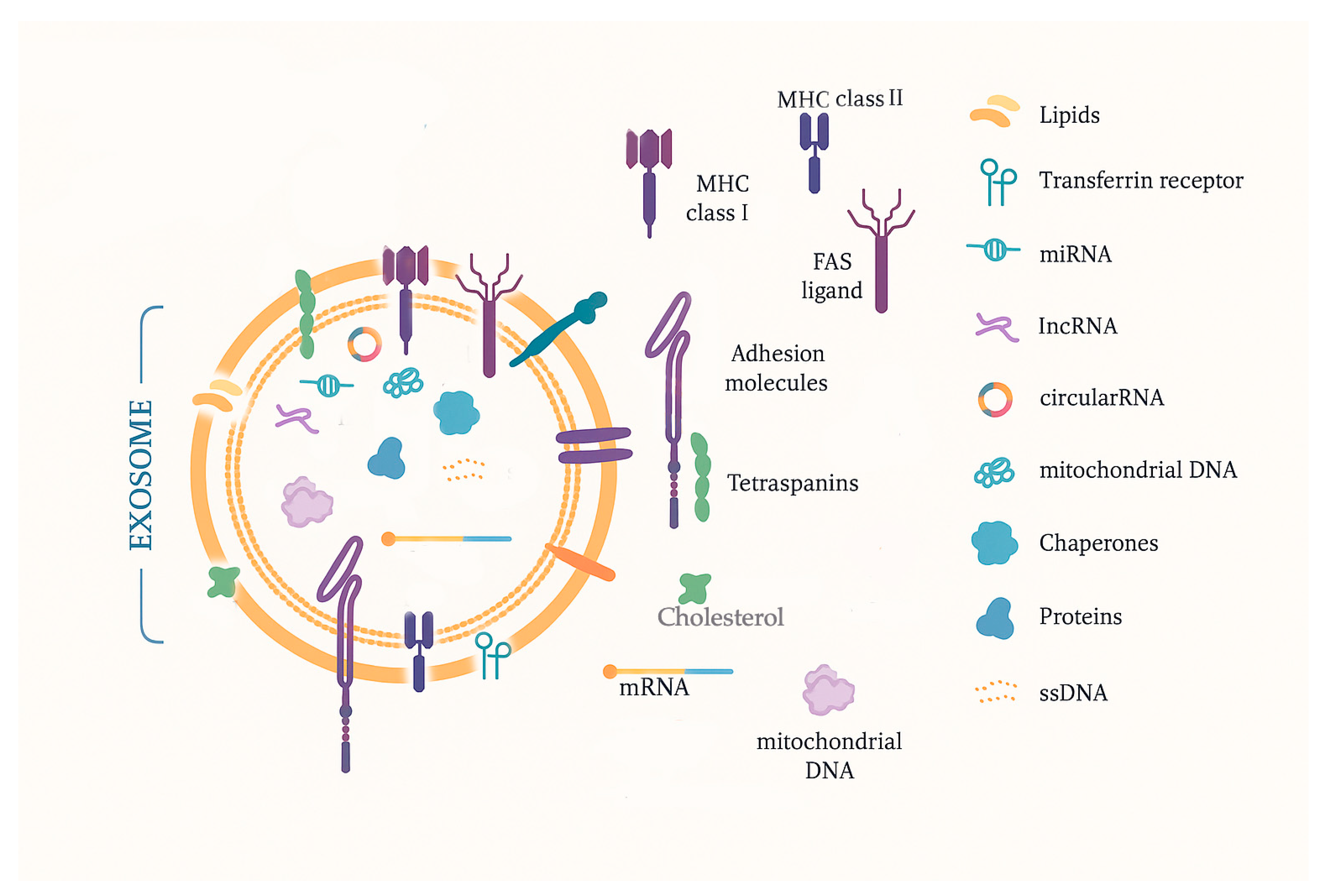
Pituitary neuroendocrine tumors (PitNETs) are slow-growing neoplasms with various clinical presentations, often leading to diagnostic challenges. While neuroimaging assessment and histopathological evaluation remain the gold standard for diagnosis, emerging research highlights the potential of liquid biopsy, mainly through the analysis of circulating non-coding RNAs (ncRNAs), as a promising diagnostic and prognostic tool. Recent studies have demonstrated distinct expression profiles in different types and subtypes of tumors, with implications in assessing tumor aggressiveness and predicting treatment response. The current article summarizes data about potential biofluid markers implicated in PitNET development, mainly circulating tumor DNA (ctDNA), cell-free RNAs (cfRNA), circulating tumor cells (CTCs), and exosomes. Many studies on genetic and molecular markers in PitNET tissue samples provide exciting information about tumor biology, but to date, specific studies on liquid biopsy biomarkers are still few. Over the past years, a certain understanding of the mechanisms involved in pituitary tumorigenesis has been gained, including the landscape of genomic alterations, changes in epigenetic profile, crucial molecules involved in specific signaling pathways, and non-coding RNA molecules with critical roles in malignant transformation. Genetic and molecular characterization of the PitNETs could help distinguish between functional and non-functional PitNETs, different types and subtypes of pituitary tumors, and invasive and non-invasive forms. Further studies are required to identify and validate innovative biomarkers or therapeutic targets for treating PitNET. Integrating liquid biopsy into clinical workflows could revolutionize the management of pituitary adenomas, enabling more personalized and less invasive diagnostic and therapeutic strategies.
Keywords: liquid biopsy; PitNET; pituitary tumors; circulating tumor DNA; cell-free RNA; circulating tumor cells; exosomes liquid biopsy; PitNET; pituitary tumors; circulating tumor DNA; cell-free RNA; circulating tumor cells; exosomes