Functionalized Carbon Dots from Bio-Based Precursors as Promising Fluorescent Probes for Cancer Cell Imaging

 ,
,
Abstract
1. Introduction
2. Results
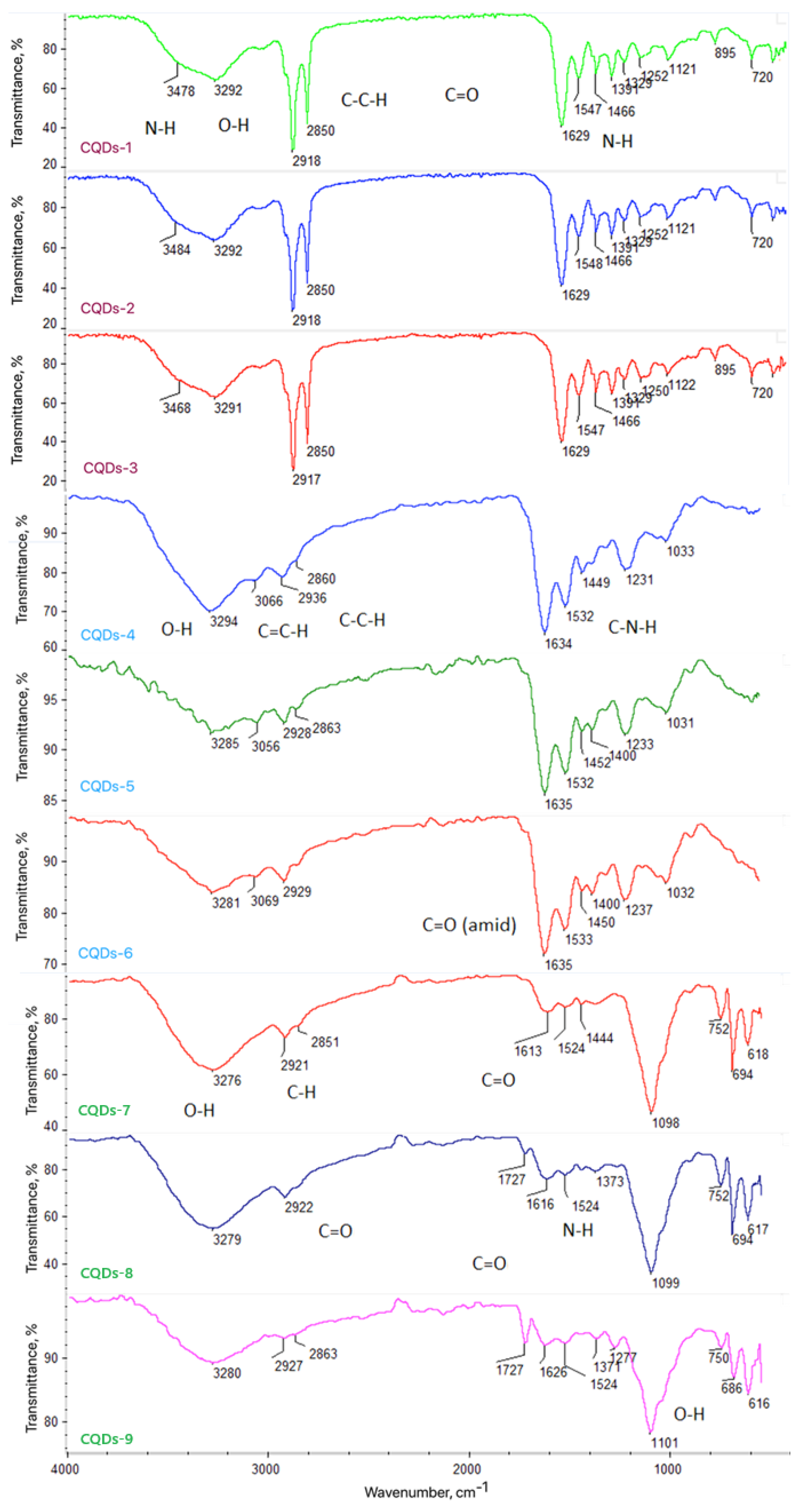
2.1. FT-IR Analysis
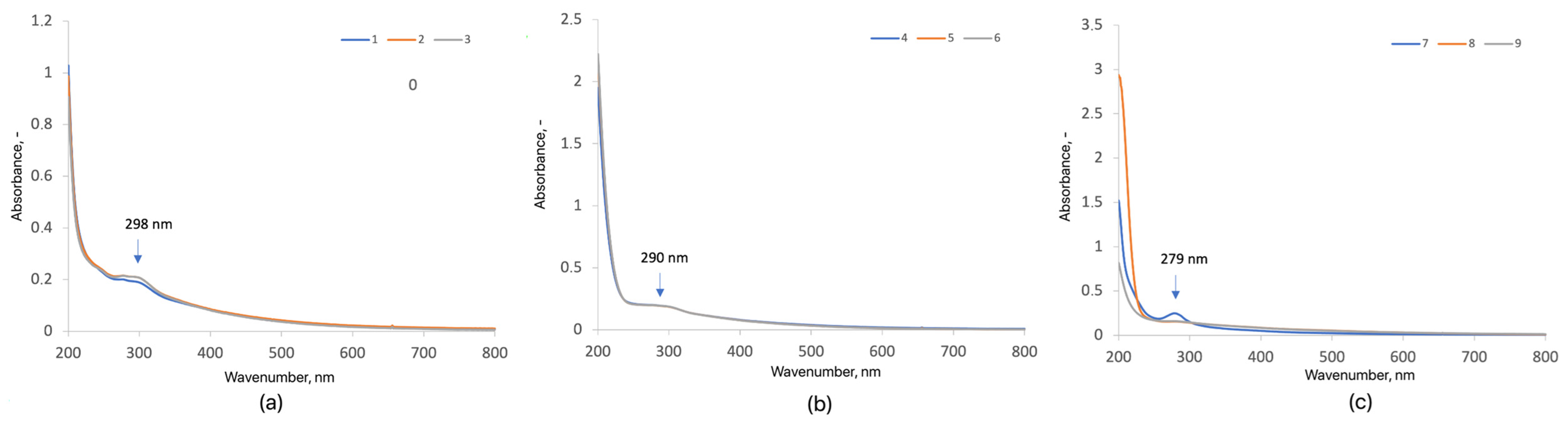
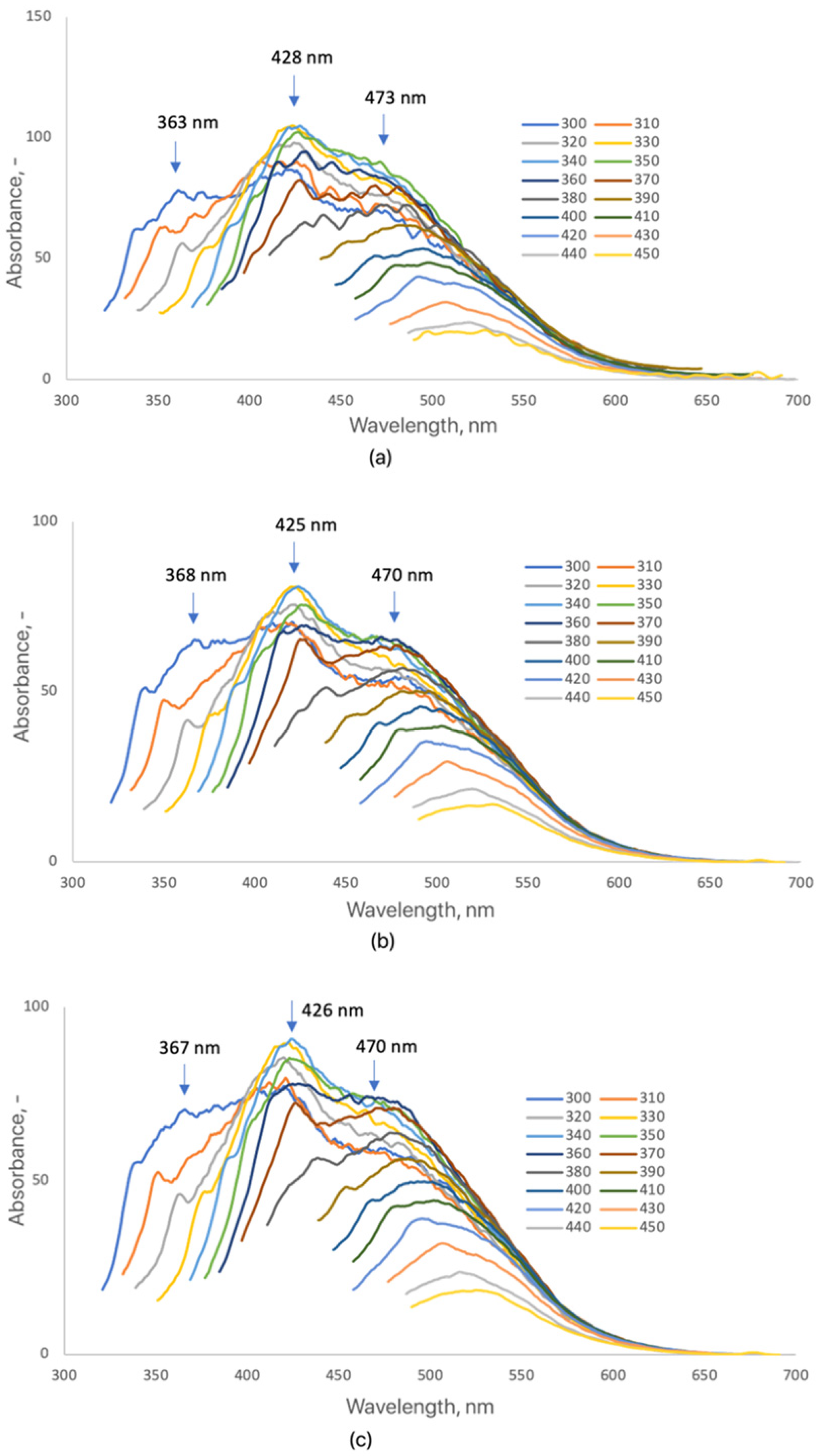
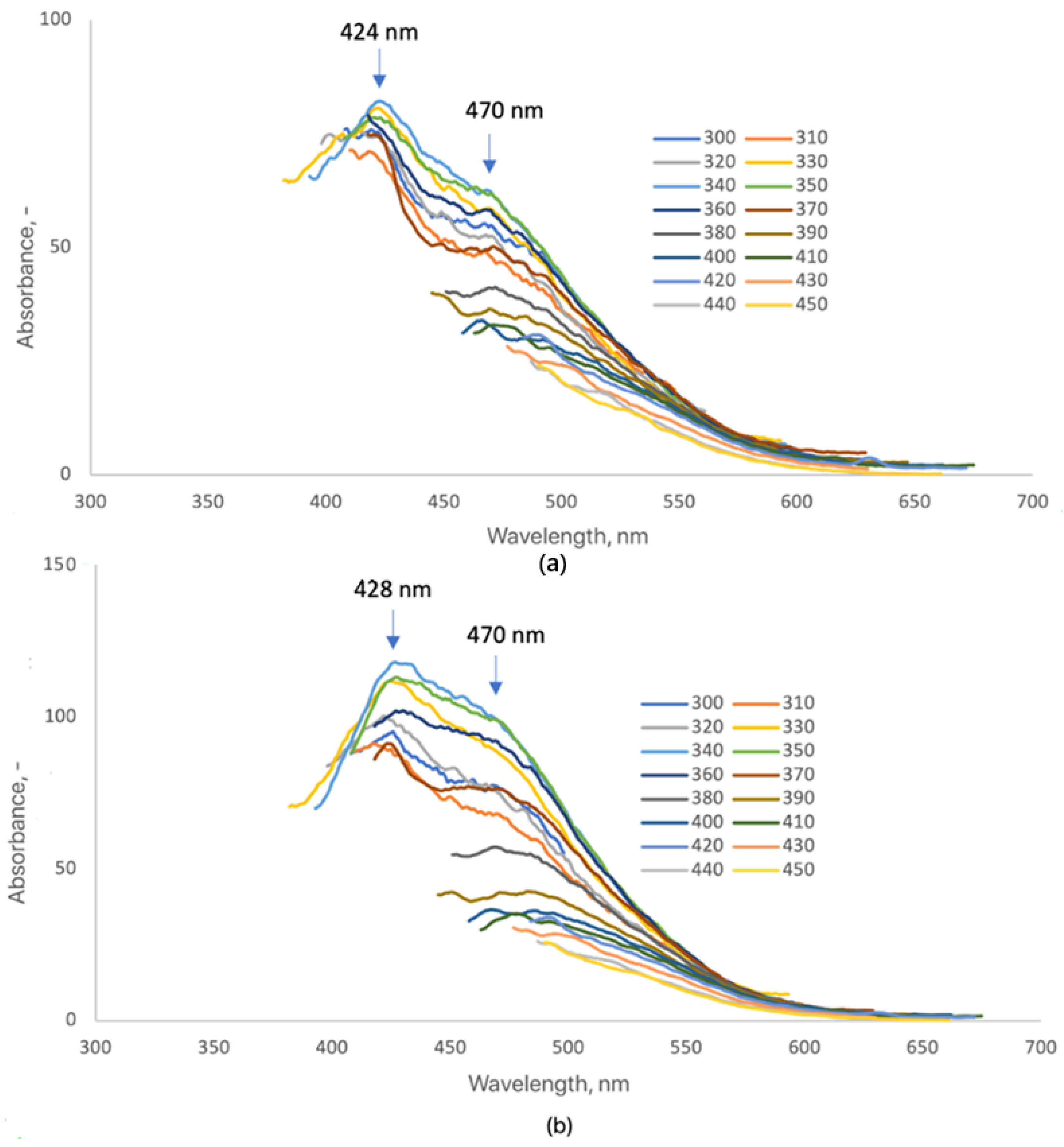
2.2. UV–Vis Characterization
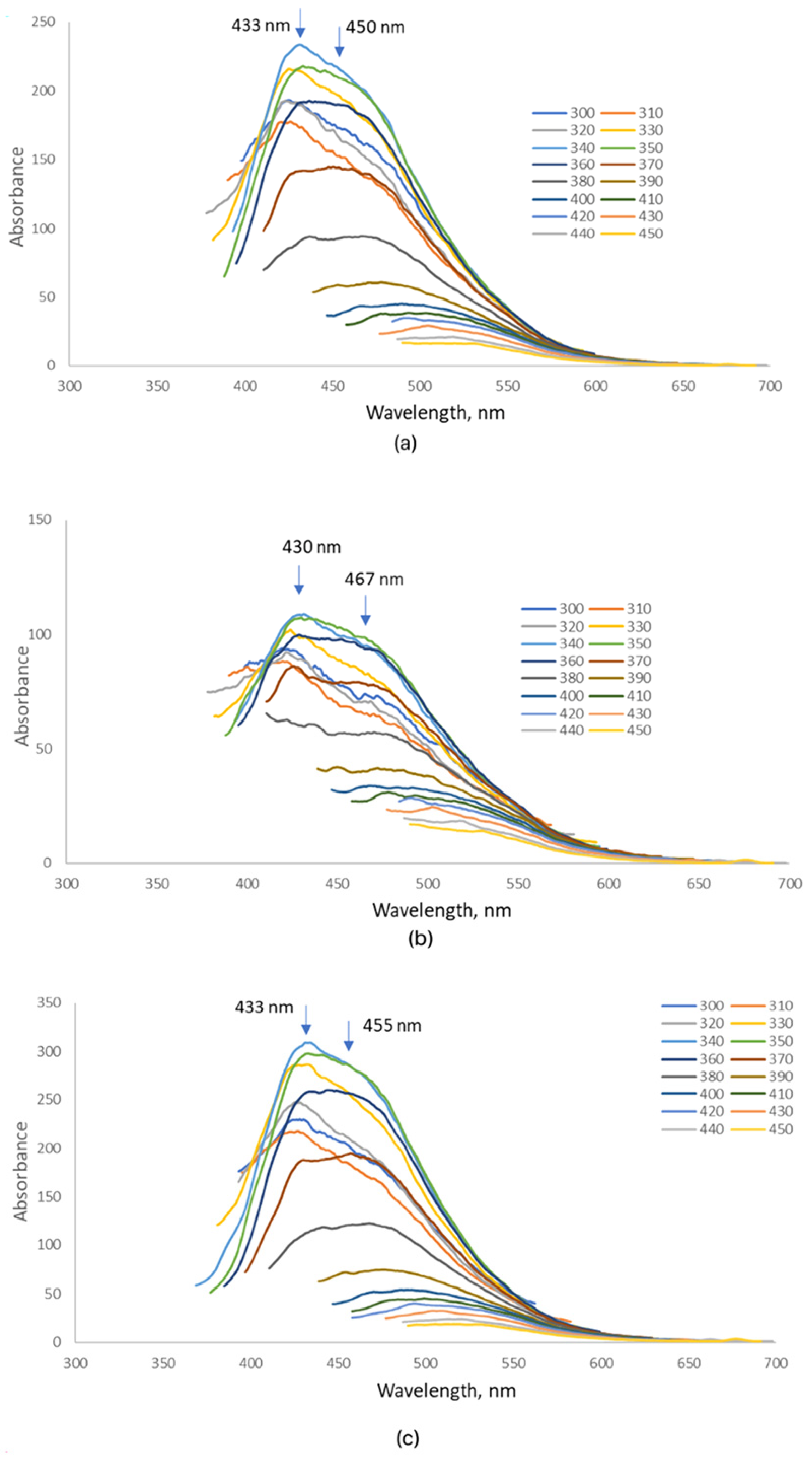
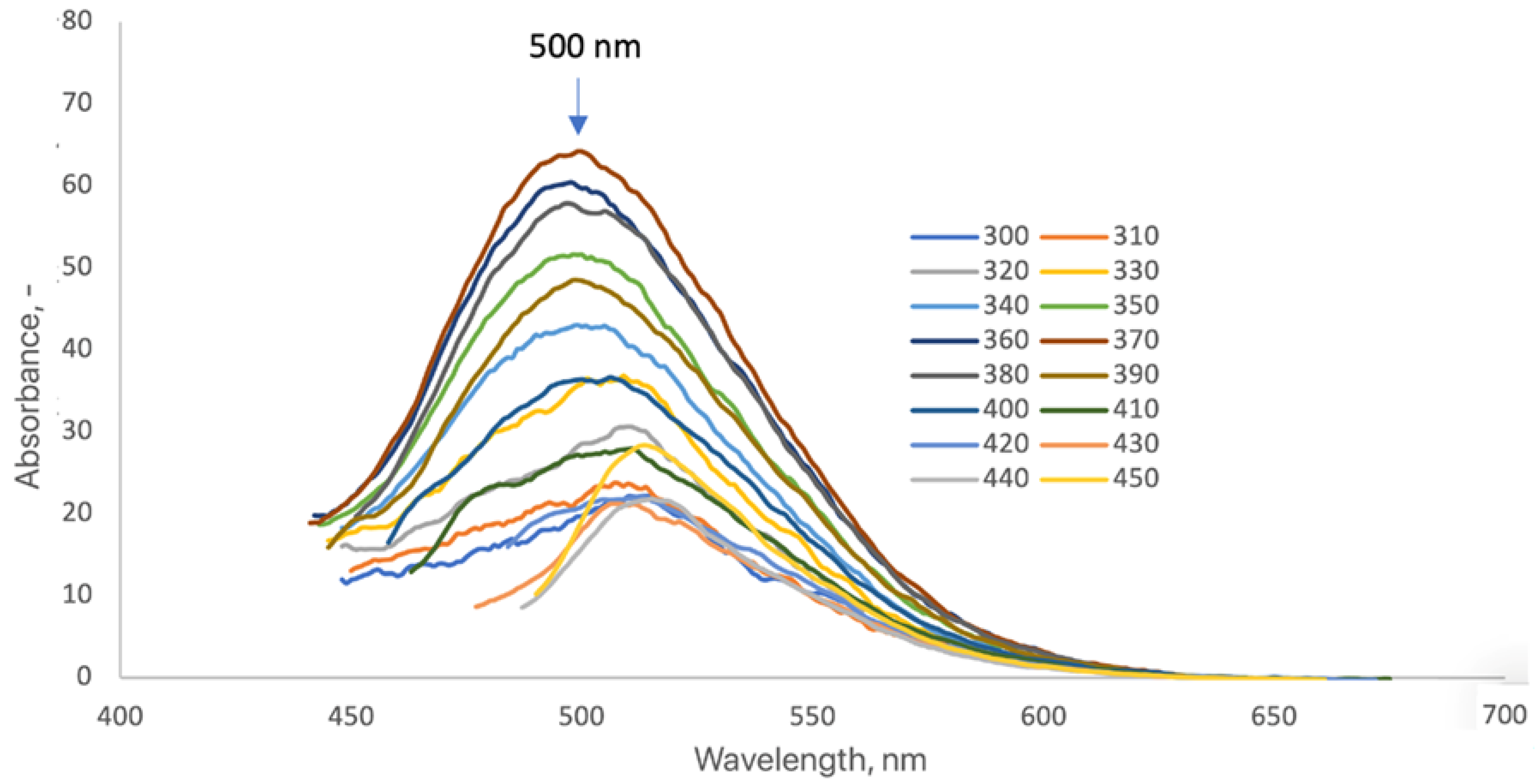
2.3. Fluorescence
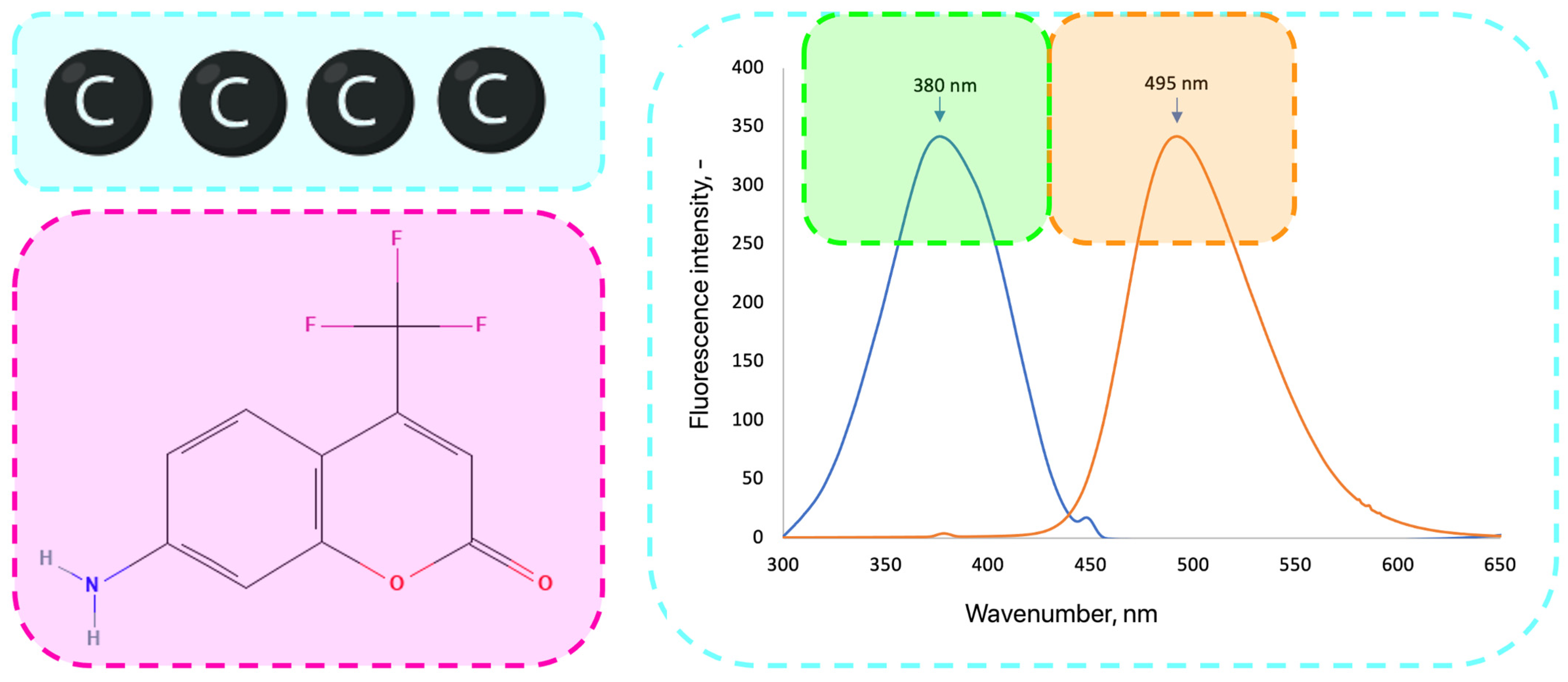
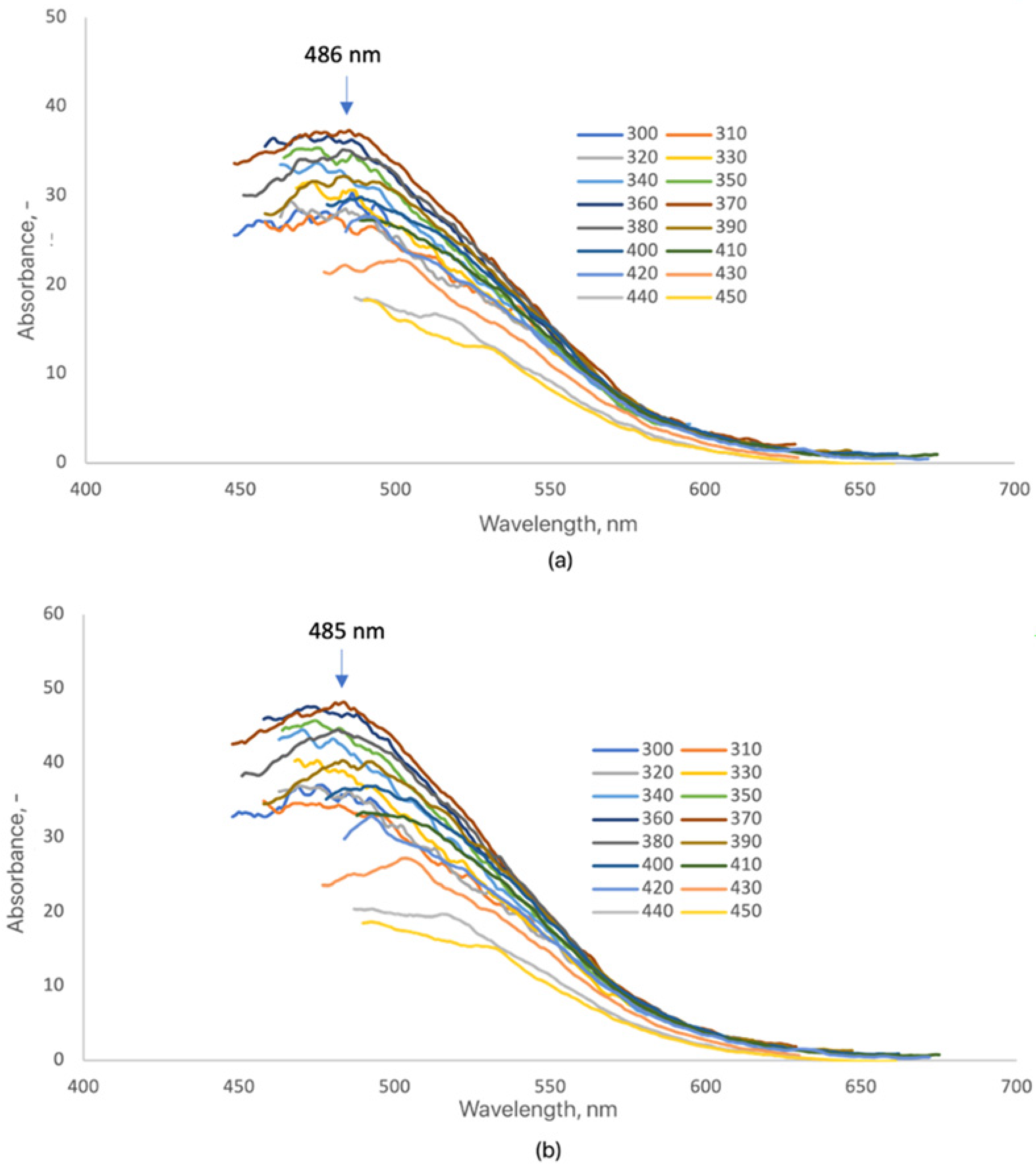
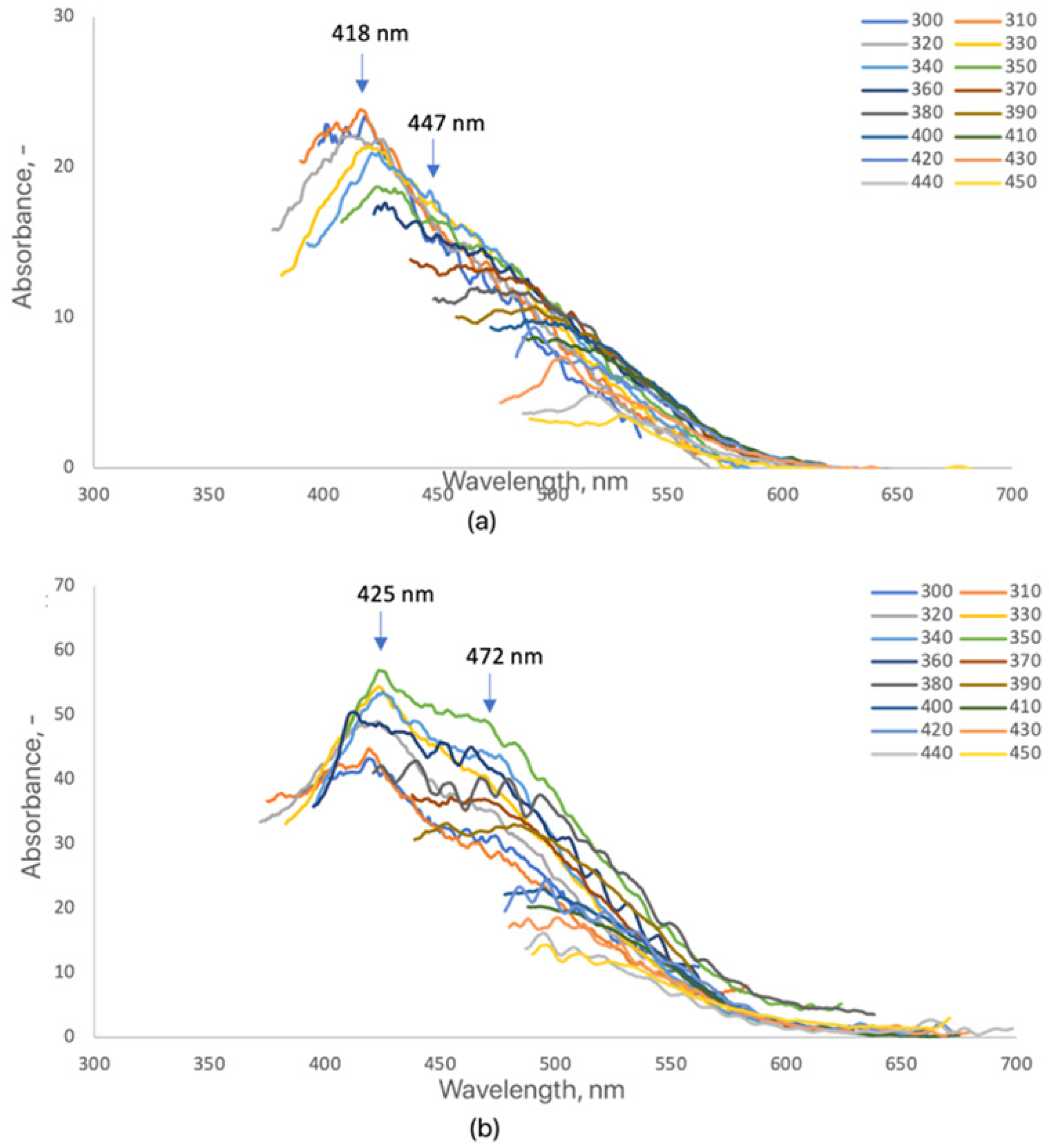
2.4. Spectroscopic Characterization After CQD Modification via Cumarin Doping
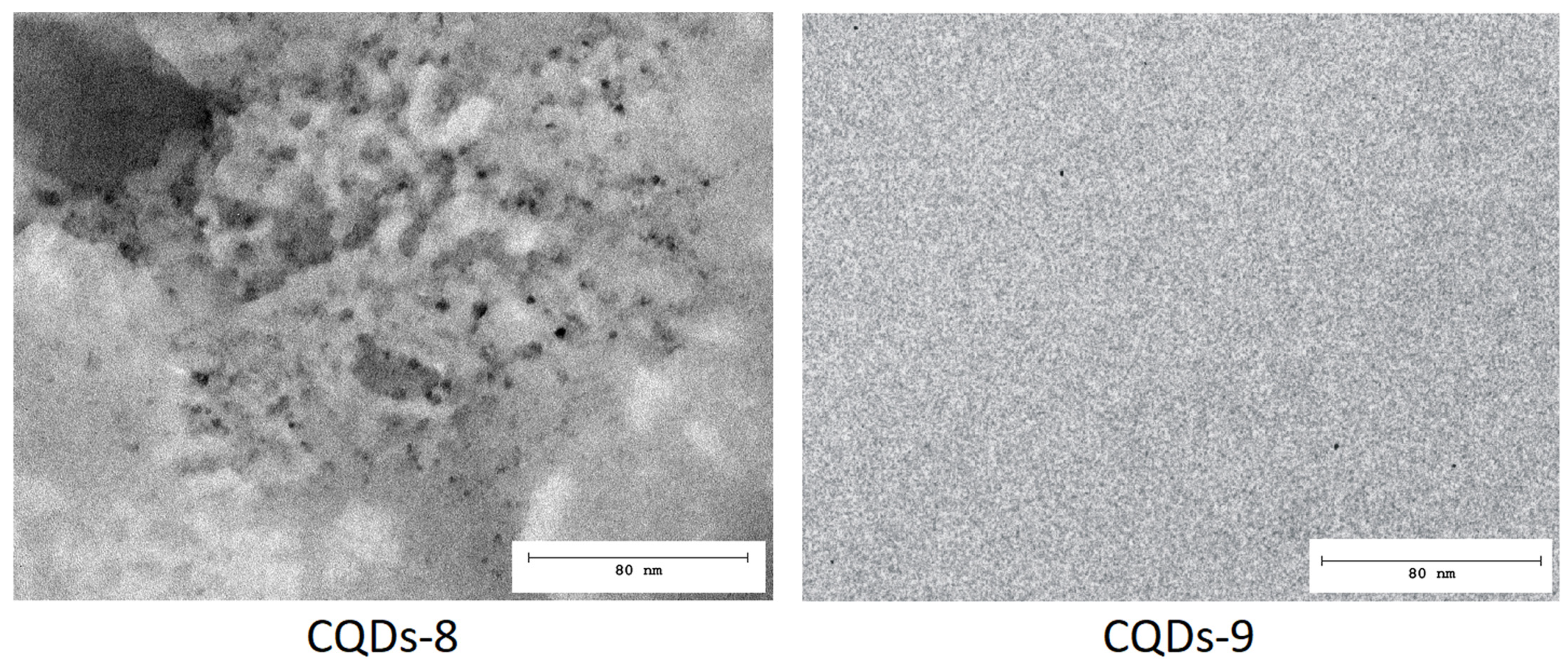
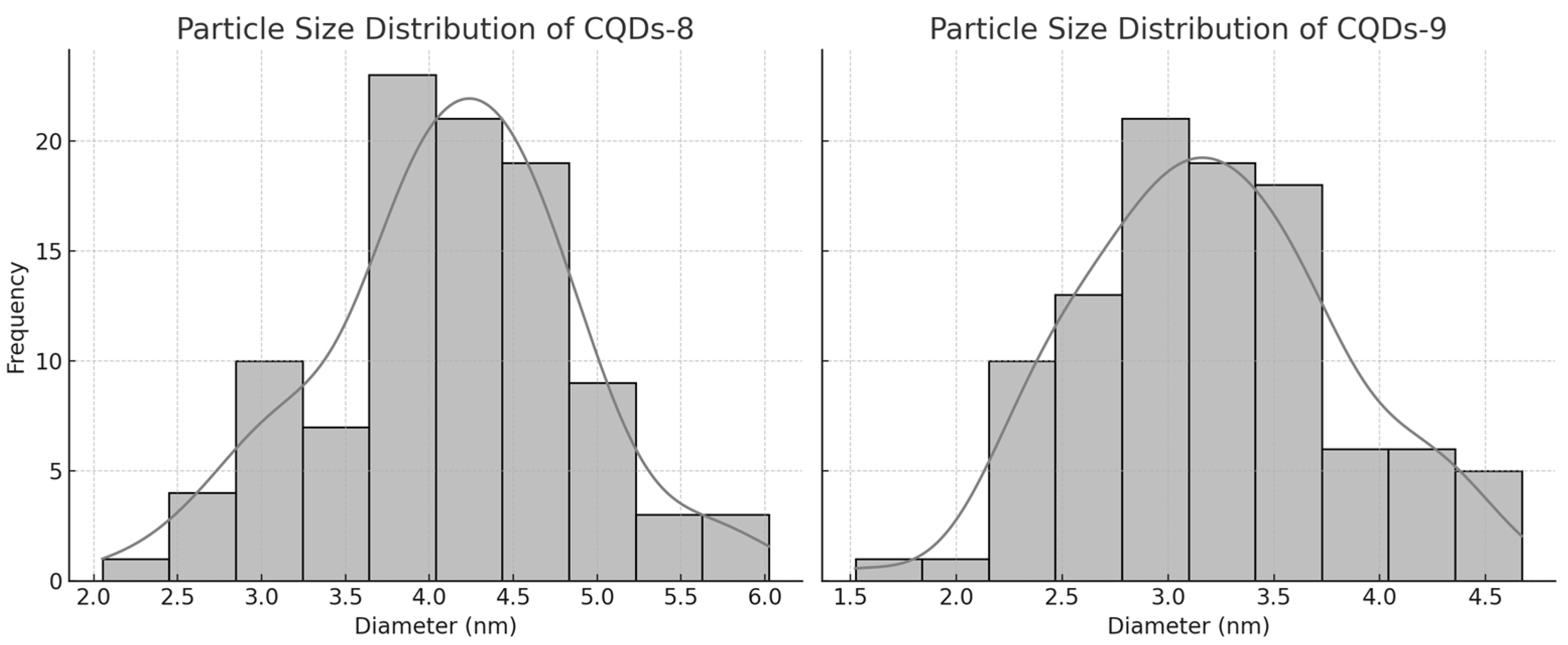
2.5. TEM Imaging
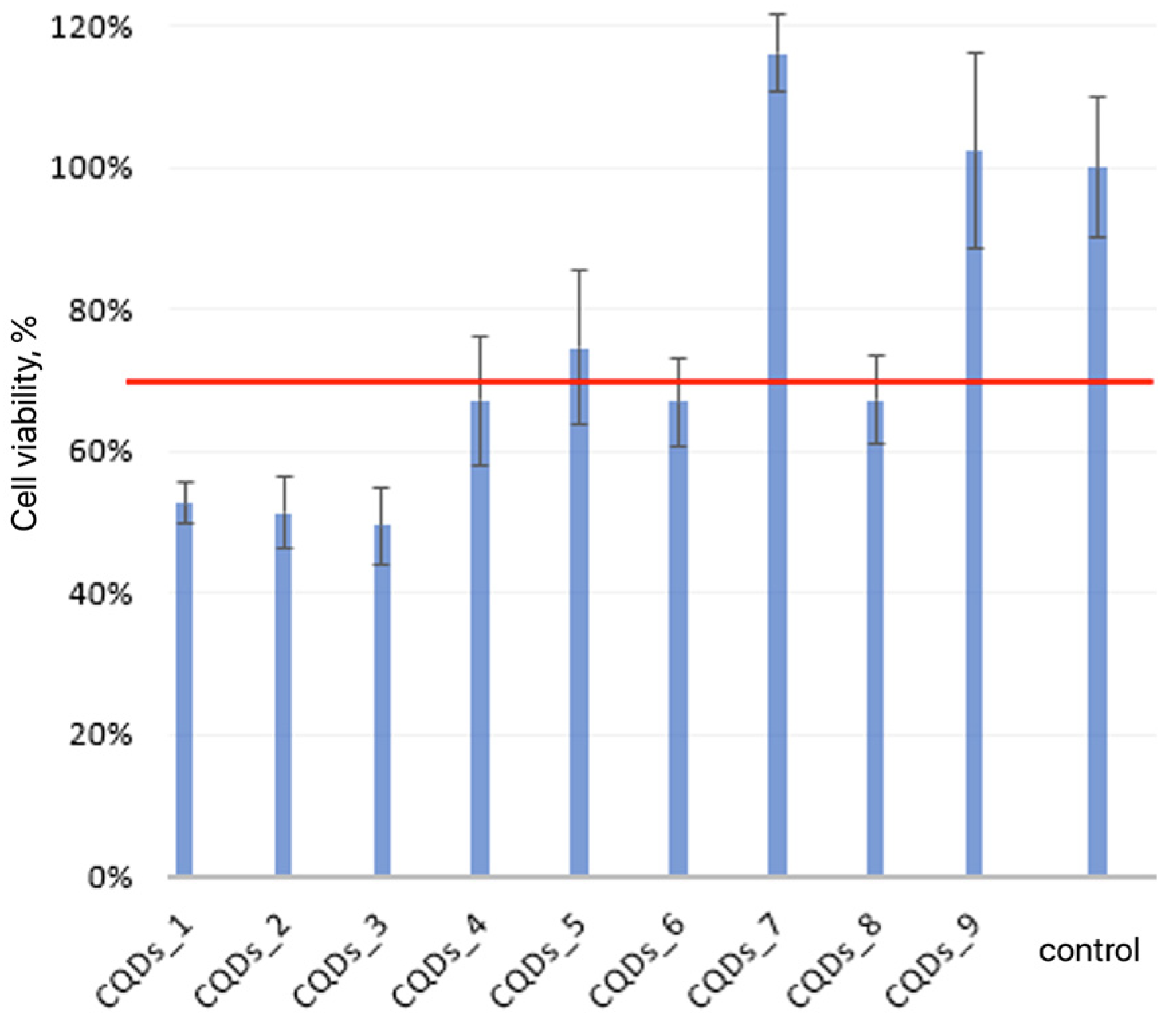
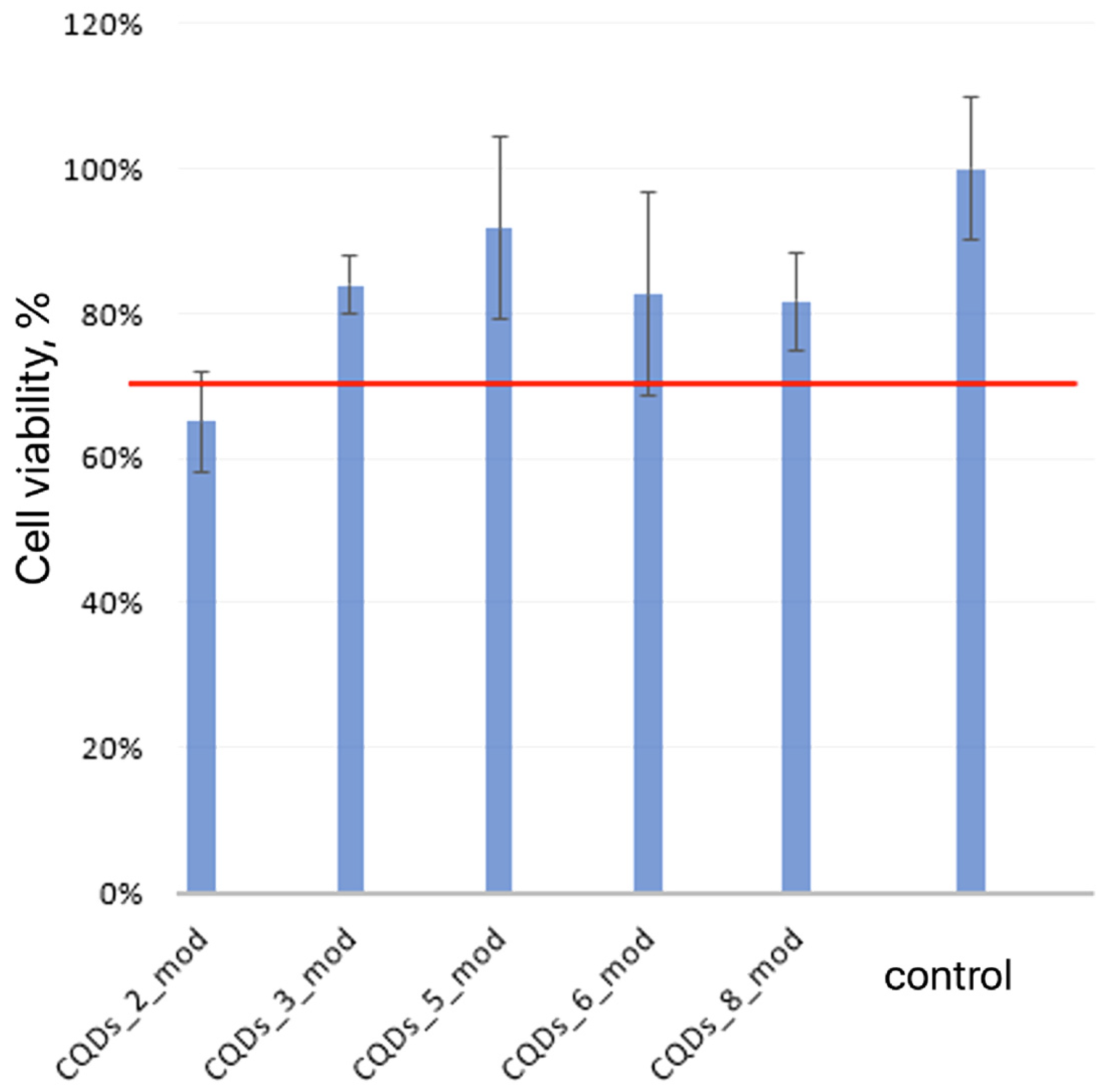
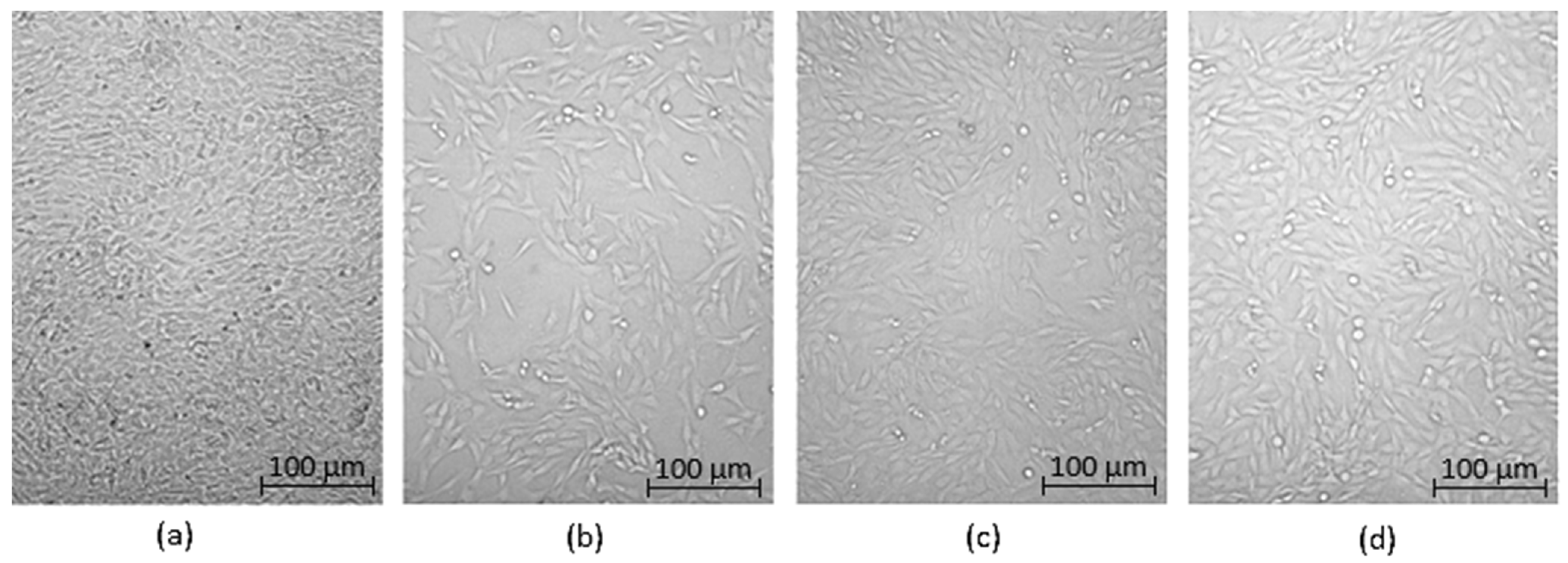
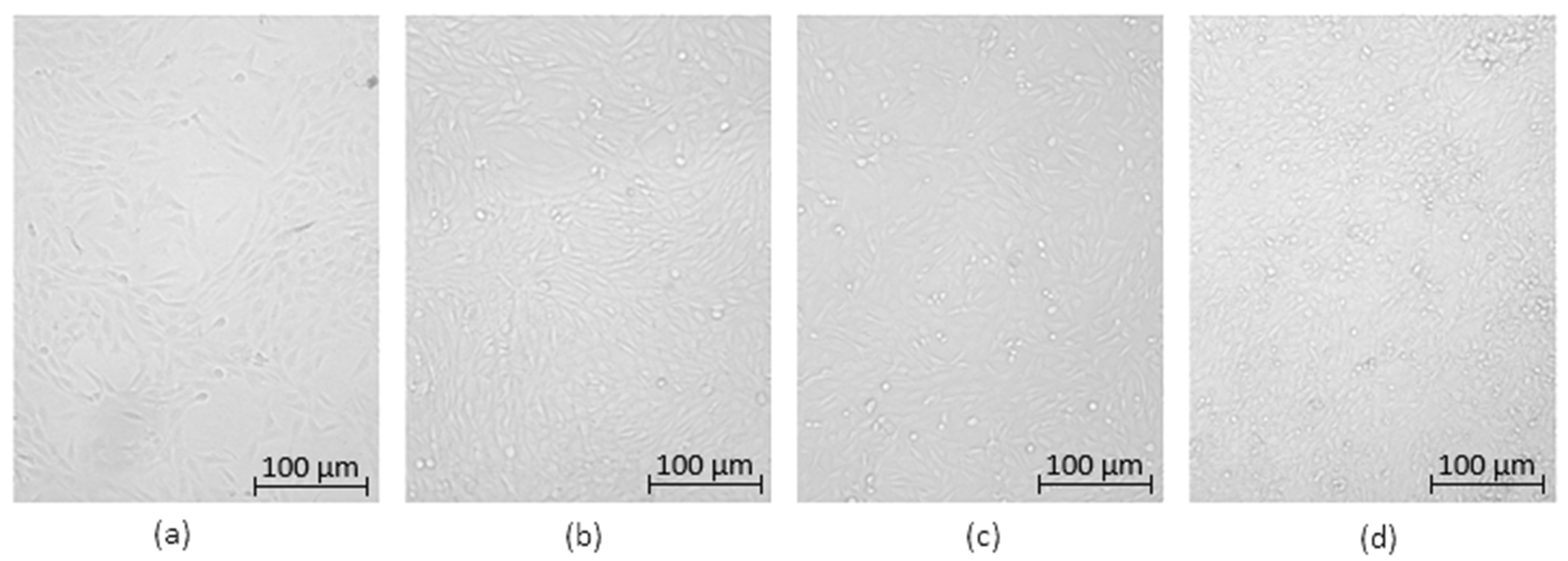
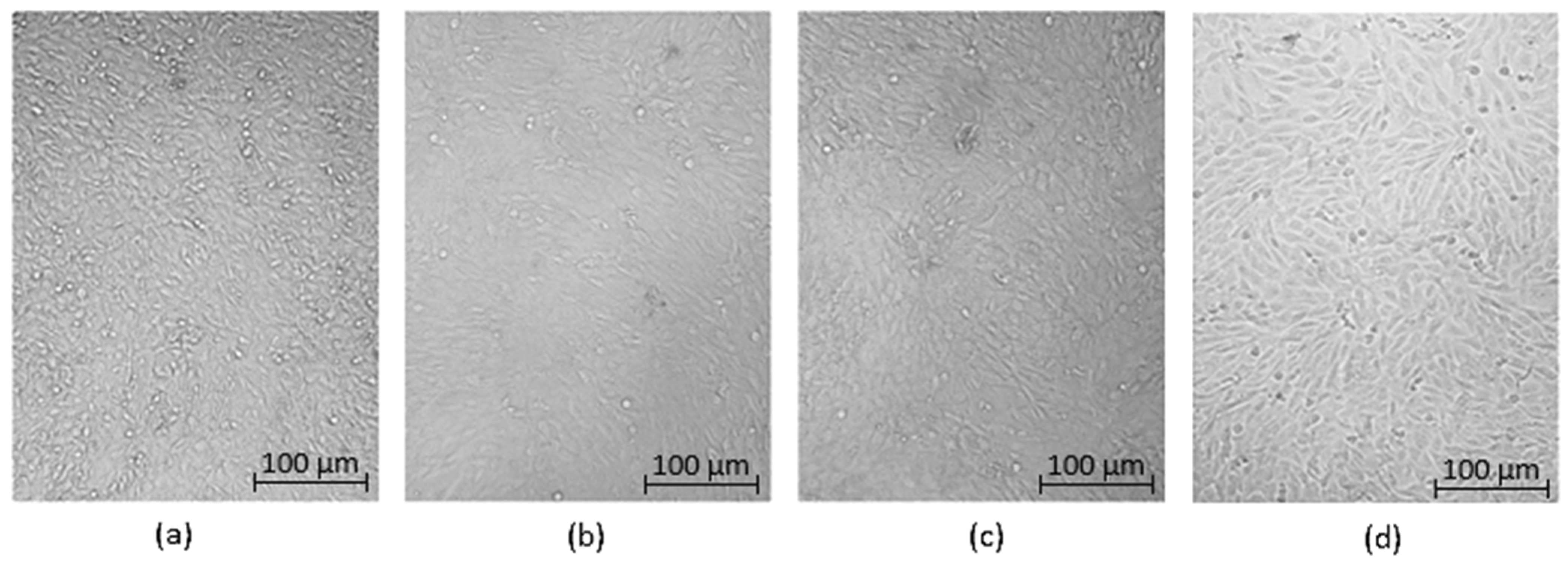
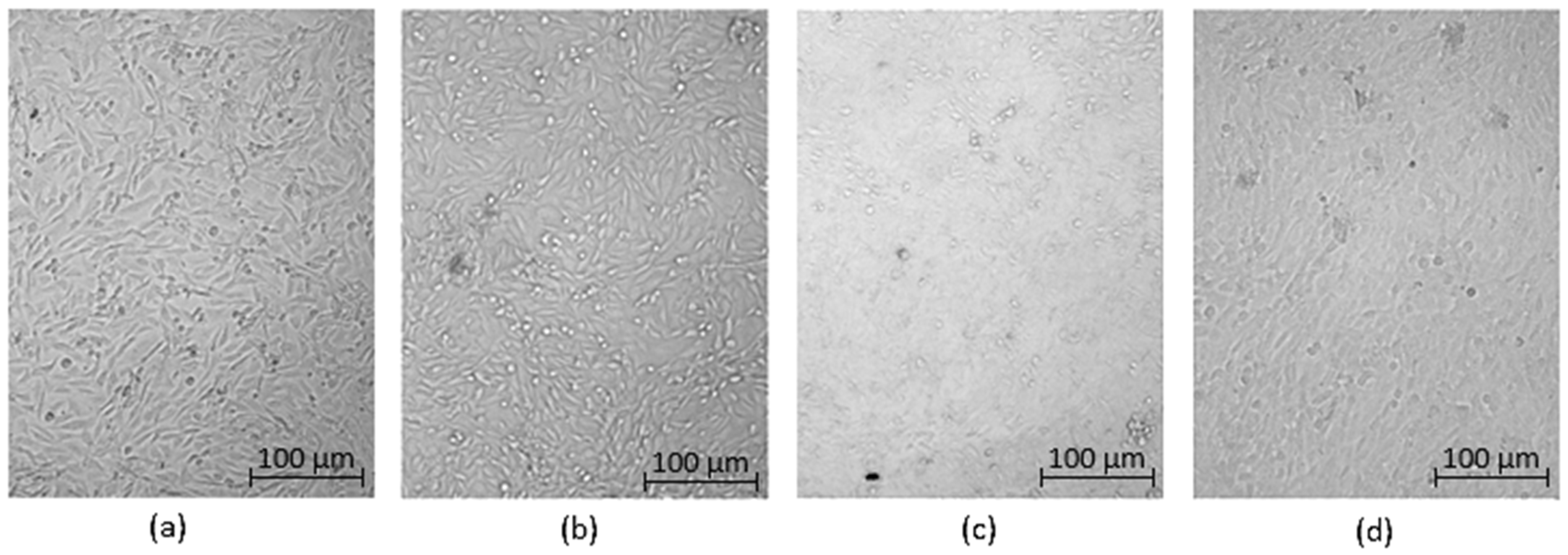
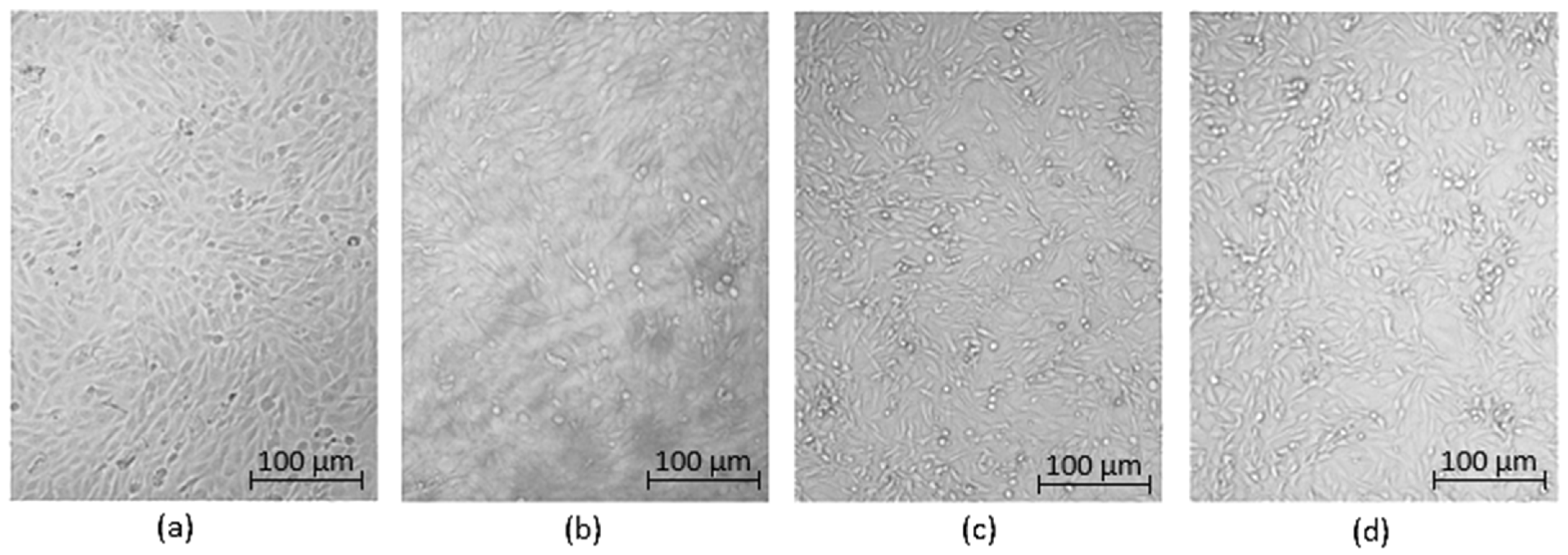
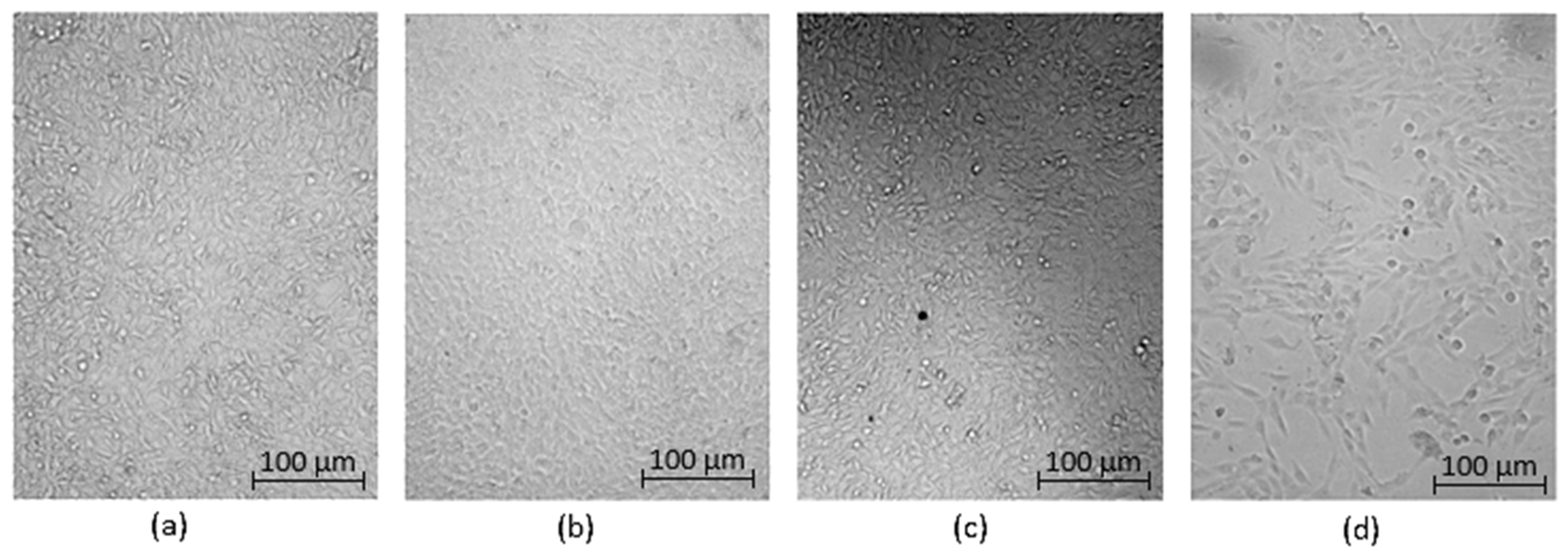
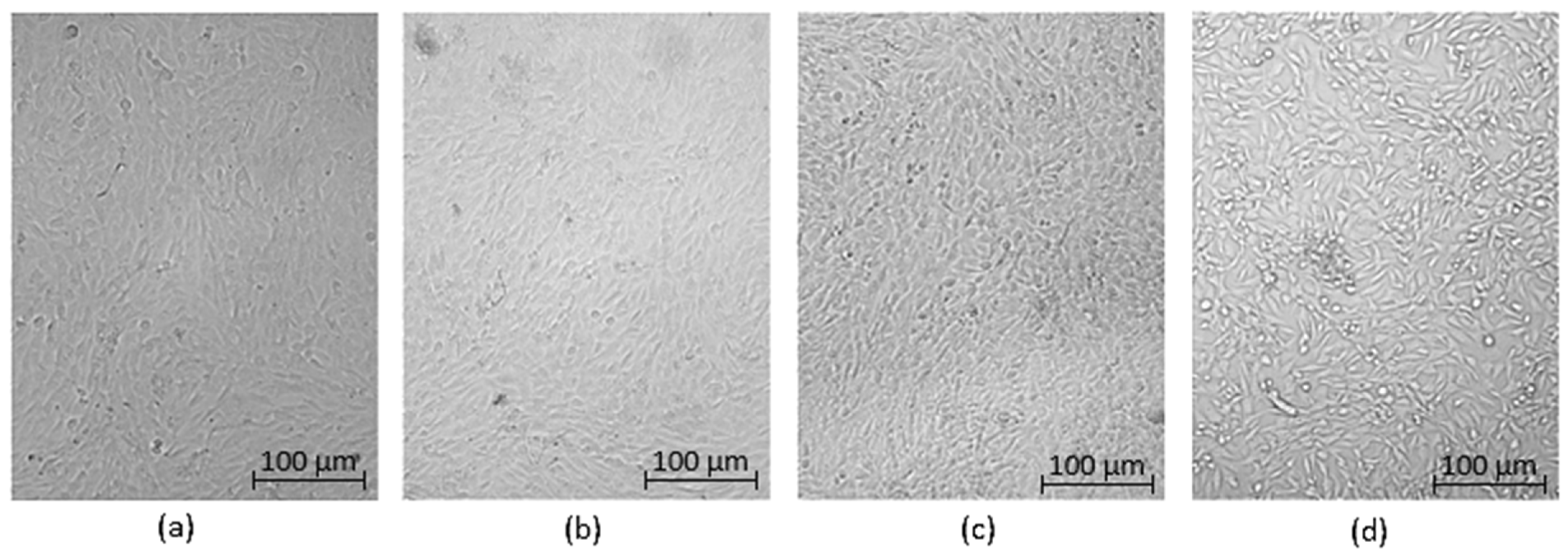
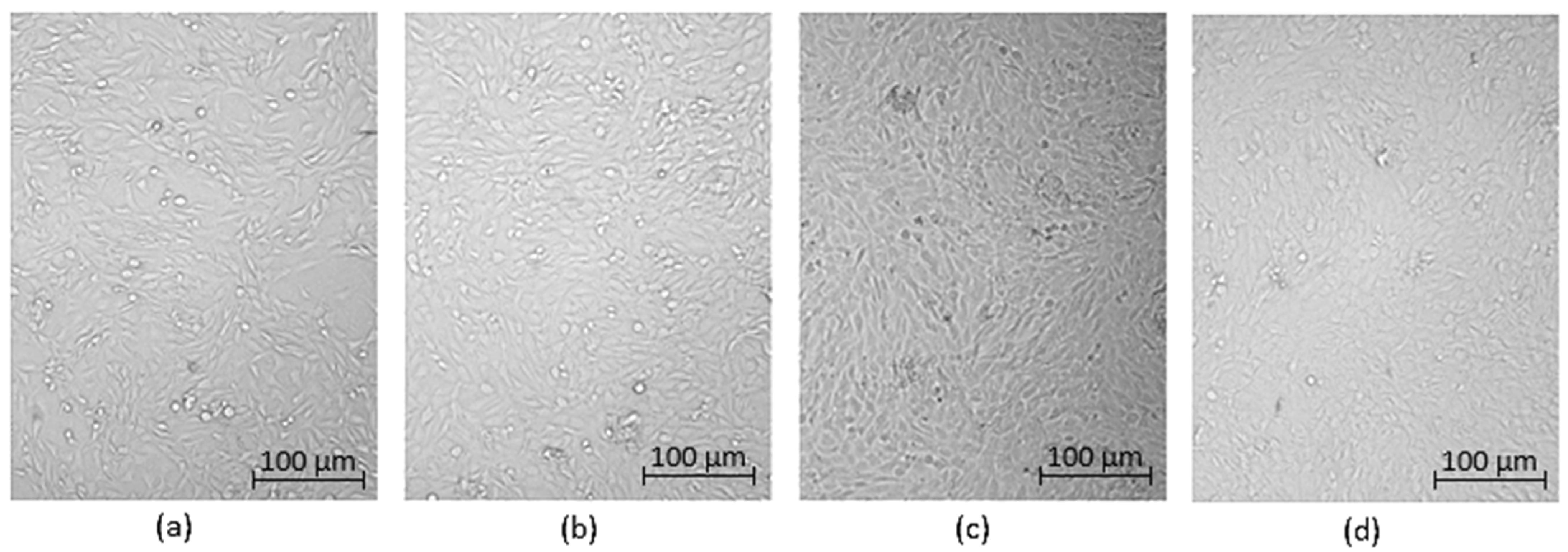
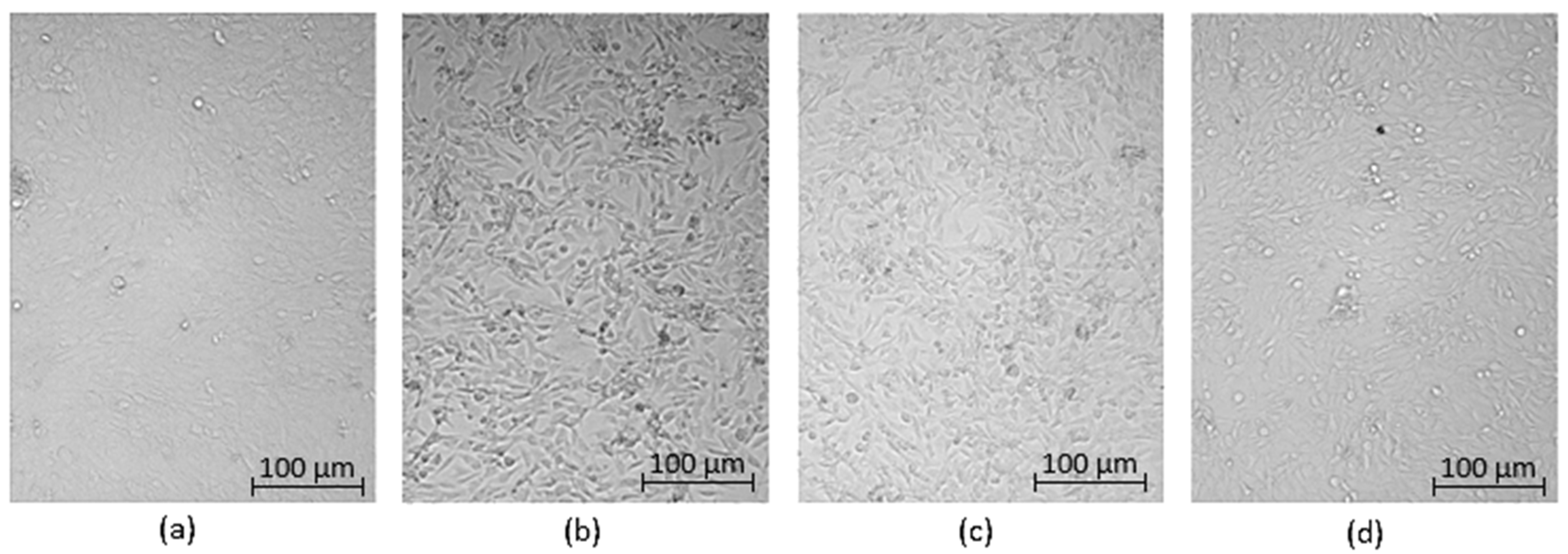
2.6. Cytotoxicity Assessment
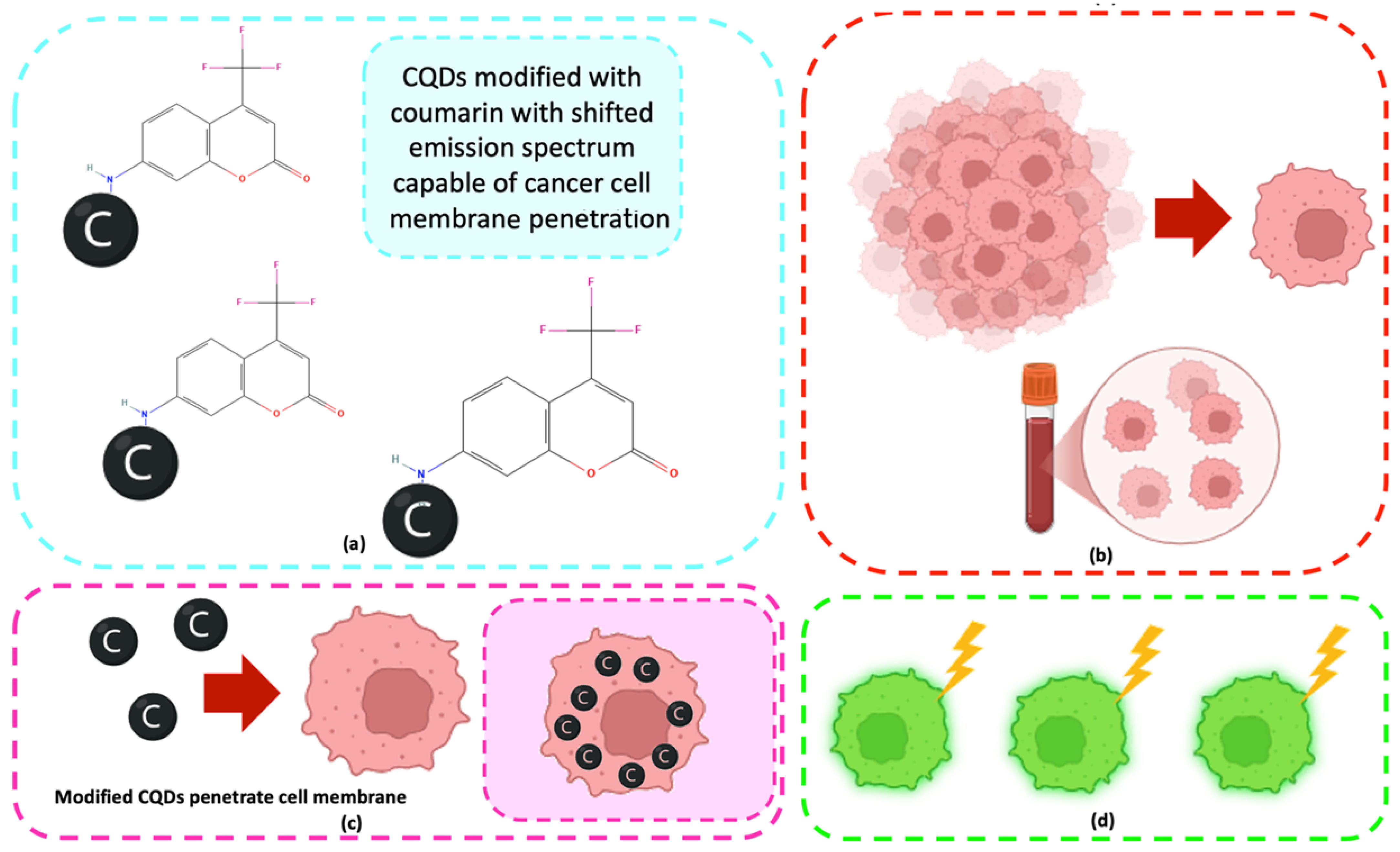
2.7. In Vitro Bioimaging
3. Discussion
4. Materials and Methods
4.1. Materials
4.2. Methods
4.2.1. CQD Synthesis and Modification
4.2.2. UV–Vis Spectroscopy of CQDs and Modified CQDs
4.2.3. Fluorescence Measurement of Carbon Quantum Dot (CQD) Solutions
4.2.4. FT-IR Analysis
4.2.5. TEM Imaging of CQD Samples
4.2.6. Bright-Field and Fluorescence Microscopic Cell Observations
4.2.7. Qualitative and Quantitative Assessment on Osteosarcoma MG-63 Cell Line
4.2.8. In Vitro Bioimaging on 1321N1 Cell Line
5. Conclusions
Author Contributions
Funding
Institutional Review Board Statement
Informed Consent Statement
Data Availability Statement
Acknowledgments
Conflicts of Interest
References
- Kamal, A.; Hong, S.; Ju, H. Carbon Quantum Dots: Synthesis, Characteristics, and Quenching as Biocompatible Fluorescent Probes. Biosensors 2025, 15, 99. [Google Scholar] [CrossRef]
- Lee, W.; Ko, S. Synthesis and Characterization of Lignocellulose-Based Carbon Quantum Dots (CQDs) and Their Antimicrobial and Antioxidant Functionalities. Molecules 2025, 30, 667. [Google Scholar] [CrossRef]
- Magagula, L.P.; Masemola, C.M.; Motaung, T.E.; Moloto, N.; Linganiso-Dziike, E.C. Synthesis of Cellulose-Based Fluorescent Carbon Dots for the Detection of Fe(III) in Aqueous Solutions. Processes 2025, 13, 257. [Google Scholar] [CrossRef]
- Majid, A.; Ahmad, K.; Tan, L.; Niaz, W.; Na, W.; Huiru, L.; Wang, J. The Advanced Role of Carbon Quantum Dots in Nano-Food Science: Applications, Bibliographic Analysis, Safety Concerns, and Perspectives. C 2025, 11, 1. [Google Scholar] [CrossRef]
- Zamora-Valencia, C.A.; Reyes-Valderrama, M.I.; Escobar-Alarcón, L.; Garibay-Febles, V.; Rodríguez-Lugo, V. Effect of Concentration and pH on the Photoluminescent Properties of CQDs Obtained from Actinidia deliciosa. Crystals 2025, 15, 206. [Google Scholar] [CrossRef]
- Cui, L.; Ren, X.; Sun, M.; Liu, H.; Xia, L. Carbon dots: Synthesis, properties and applications. Nanomaterials 2021, 11, 3419. [Google Scholar] [CrossRef]
- Kohli, H.K.; Parab, D. Green synthesis of carbon quantum dots and applications: An insight. Next Mater. 2025, 8, 100527. [Google Scholar] [CrossRef]
- Wang, F.; Zhang, Y.; Li, H.; Gong, W.; Han, J.; Jiang, S.; Li, D.; Yao, Z. Application of carbon quantum dots as fluorescent probes in the detection of antibiotics and heavy metals. Food Chem. 2025, 463, 141122. [Google Scholar] [CrossRef]
- Zheng, J.; Lian, Z.; Liu, T.; Ouyang, M.; Jiang, S.; Yuan, X.; Zhou, L. A review for carbon dots-based fluorescent sensing tools for antibiotic and pesticide residues: Progress, challenge, and perspective. Food Control 2025, 172, 111201. [Google Scholar] [CrossRef]
- Rasal, A.S.; Subrahmanya, T.M.; Kizhepat, S.; Getachew, G.; Ghule, A.V.; Devan, R.S.; Hung, W.S.; Fahmi, M.Z.; Wibrianto, A.; Chang, J.Y. Carbon quantum dots: Classification-structure-property-application relationship for biomedical and environment remediation. Coord. Chem. Rev. 2025, 533, 216510. [Google Scholar] [CrossRef]
- Jamaludin, N.; Tan, T.L.; Zaman, A.S.K.; Sadrolhosseini, A.R.; Rashid, S.A. Acid-free hydrothermal-extraction and molecular structure of carbon quantum dots derived from empty fruit bunch biochar. Materials 2020, 13, 3356. [Google Scholar] [CrossRef] [PubMed]
- Desmond, L.J.; Phan, A.N.; Gentile, P. Critical overview on the green synthesis of carbon quantum dots and their application for cancer therapy. Environ. Sci. Nano 2021, 8, 848–862. [Google Scholar] [CrossRef]
- Janus, Ł.; Radwan-Pragłowska, J.; Piątkowski, M.; Bogdał, D. Facile Synthesis of Surface-Modified Carbon Quantum Dots (CQDs) for Biosensing and Bioimaging. Materials 2020, 13, 3313. [Google Scholar] [CrossRef]
- Huang, C.; Dong, H.; Su, Y.; Wu, Y.; Narron, R.; Yong, Q. Synthesis of carbon quantum dot nanoparticles derived from byproducts in bio-refinery process for cell imaging and in vivo bioimaging. Nanomaterials 2019, 9, 387. [Google Scholar] [CrossRef]
- John, V.L.; Nair, Y.; Vinod, T.P. Doping and surface modification of carbon quantum dots for enhanced functionalities and related applications. Part. Part. Syst. Charact. 2021, 38, 2100170. [Google Scholar] [CrossRef]
- Cui, L.; Ren, X.; Wang, J.; Sun, M. Synthesis of homogeneous carbon quantum dots by ultrafast dual-beam pulsed laser ablation for bioimaging. Mater. Today Nano 2020, 12, 100091. [Google Scholar] [CrossRef]
- Hosseini Ghazvini, S.M.B.; Safari, P.; Mobinikhaledi, A.; Moghanian, H.; Rasouli, H. Synthesis, characterization, anti-diabetic potential and DFT studies of 7-hydroxy-4-methyl-2-oxo-2H-chromene-8-carbaldehyde oxime. Spectrochim. Acta Part A Mol. Biomol. Spectrosc. 2018, 205, 111–131. [Google Scholar] [CrossRef]
- Decker, K.; Page, M.; Boyd, A.; Macallister, I.; Ginsberg, M.; Aksimentiev, A. Selective permeability of truncated Aquaporin 1 in silico. ACS Biomater. Sci. Eng. 2017, 3, 342–348. [Google Scholar] [CrossRef]
- Halder, A.; Godoy-Gallardo, M.; Ashley, J.; Feng, X.; Zhou, T.; Hosta-Rigau, L.; Sun, Y. One-pot green synthesis of biocompatible graphene quantum dots and their cell uptake studies. ACS Appl. Bio Mater. 2018, 1, 452–461. [Google Scholar] [CrossRef]
- Deng, Y.; Qian, J.; Zhou, Y. Solvothermal synthesis and inkjet printing of carbon quantum dots. ChemistrySelect 2020, 5, 14930–14934. [Google Scholar] [CrossRef]
- Alaghmandfard, A.; Sedighi, O.; Rezaei, N.T.; Abedini, A.A.; Khachatourian, A.M.; Toprak, M.S.; Seifalian, A. Recent advances in the modification of carbon-based quantum dots for biomedical applications. Mater. Sci. Eng. C 2021, 120, 111756. [Google Scholar] [CrossRef]
- Sun, M.; Han, Y.; Yuan, X.; Jing, P.; Zhang, L.; Zhao, J.; Zheng, Y. Efficient full-color emitting carbon-dot-based composite phosphors by chemical dispersion. Nanoscale 2020, 12, 15823–15831. [Google Scholar] [CrossRef]
- Praneerad, J.; Neungnoraj, K.; In, I.; Paoprasert, P. Environmentally friendly supercapacitor based on carbon dots from durian peel as an electrode. Key Eng. Mater. 2019, 803, 115–119. [Google Scholar] [CrossRef]
- Kumar, S.; Aziz, S.K.T.; Girshevitz, O.; Nessim, G.D. One-step synthesis of N-doped graphene quantum dots from chitosan as a sole precursor using chemical vapor deposition. J. Phys. Chem. C 2018, 122, 2343–2349. [Google Scholar] [CrossRef]
- Zhao, H.; Liu, G.; You, S.; Camargo, F.V.A.; Zavelani-Rossi, M.; Wang, X.; Sun, C.; Liu, B.; Zhang, Y.; Han, G.; et al. Gram-scale synthesis of carbon quantum dots with a large Stokes shift for the fabrication of eco-friendly and high-efficiency luminescent solar concentrators. Energy Environ. Sci. 2021, 14, 396–406. [Google Scholar] [CrossRef]
- Fernandes, S.; da Silva, J.C.G.E.; da Silva, L.P. Comparative life cycle assessment of high-yield synthesis routes for carbon dots. NanoImpact 2021, 23, 100332. [Google Scholar] [CrossRef]
- Yan, F.; Bai, Z.; Ma, T.; Sun, X.; Zu, F.; Luo, Y.; Chen, L. Surface modification of carbon quantum dots by fluorescein derivative for dual-emission ratiometric fluorescent hypochlorite biosensing and in vivo bioimaging. Sens. Actuators B Chem. 2019, 296, 126638. [Google Scholar] [CrossRef]
- Al-Hetty, H.R.A.K.; Jalil, A.T.; Al-Tamimi, J.H.Z.; Shakier, H.G.; Kandeel, M.; Saleh, M.M.; Naderifar, M. Engineering and surface modification of carbon quantum dots for cancer bioimaging. Inorg. Chem. Commun. 2023, 149, 110433. [Google Scholar] [CrossRef]
- Suner, S.S.; Sahiner, M.; Ayyala, R.S.; Bhethanabotla, V.R.; Sahiner, N. Nitrogen-doped arginine carbon dots and its metal nanoparticle composites as antibacterial agent. C J. Carbon Res. 2020, 6, 58. [Google Scholar] [CrossRef]
- Hayes, D.F.; Smerage, J.B. Circulating tumor cells. Prog. Mol. Biol. Transl. Sci. 2010, 95, 95–112. [Google Scholar] [CrossRef] [PubMed]
- Batth, I.S.; Mitra, A.; Rood, S.; Kopetz, S.; Menter, D.; Li, S. CTC analysis: An update on technological progress. Transl. Res. 2019, 212, 14–25. [Google Scholar] [CrossRef] [PubMed]
- Kumar, P.; Bhatt, G.; Kaur, R.; Dua, S.; Kapoor, A. Synthesis and modulation of the optical properties of carbon quantum dots using microwave radiation. Fuller. Nanotub. Carbon Nanostruct. 2020, 28, 724–731. [Google Scholar] [CrossRef]
- Fadlelmoula, A.; Pinho, D.; Carvalho, V.H.; Catarino, S.O.; Minas, G. Fourier transform infrared (FTIR) spectroscopy to analyze human blood over the last 20 years: A review towards lab-on-a-chip devices. Micromachines 2022, 13, 187. [Google Scholar] [CrossRef] [PubMed]
- Vidlarova, M.; Rehulkova, A.; Stejskal, P.; Prokopova, A.; Slavik, H.; Hajduch, M.; Srovnal, J. Recent advances in methods for circulating tumor cell detection. Int. J. Mol. Sci. 2023, 24, 3902. [Google Scholar] [CrossRef]
- Kanellopoulos, P.; Nock, B.A.; Krenning, E.P.; Maina, T. Reshaping [99mTc]Tc-DT11 to DT14D Tagged with Trivalent Radiometals for NTS1R-Positive Cancer Theranostics. Pharmaceutics 2025, 17, 310. [Google Scholar] [CrossRef]
- Codrich, M.; Biasotto, A.; D’Aurizio, F. Circulating Biomarkers of Thyroid Cancer: An Appraisal. J. Clin. Med. 2025, 14, 1582. [Google Scholar] [CrossRef] [PubMed]
- Szostakowska-Rodzos, M.; Grzybowska, E.A.; Mysliwy, I.; Zub, R.; Jagiello-Gruszfeld, A.; Rubach, M.; Konieczna, A.; Fabisiewicz, A. The Combined Assessment of CTC and ESR1 Status in Liquid Biopsy Samples Enhances the Clinical Value of Prediction in Metastatic Breast Cancer. Int. J. Mol. Sci. 2025, 26, 2038. [Google Scholar] [CrossRef]
- Szerenyi, D.; Jarvas, G.; Guttman, A. Multifaceted Approaches in Epithelial Cell Adhesion Molecule-Mediated Circulating Tumor Cell Isolation. Molecules 2025, 30, 976. [Google Scholar] [CrossRef]
- Lin, L.; Roccuzzo, G.; Yakymiv, Y.; Marchisio, S.; Ortolan, E.; Funaro, A.; Senetta, R.; Pala, V.; Bagot, M.; de Masson, A.; et al. The CD39/CD73/Adenosine and NAD/CD38/CD203a/CD73 Axis in Cutaneous T-Cell Lymphomas. Cells 2025, 14, 309. [Google Scholar] [CrossRef]
- Broseghini, E.; Carosi, F.; Berti, M.; Compagno, S.; Ghelardini, A.; Fermi, M.; Querzoli, G.; Filippini, D.M. Salivary Gland Cancers in the Era of Molecular Analysis: The Role of Tissue and Liquid Biomarkers. Cancers 2025, 17, 660. [Google Scholar] [CrossRef] [PubMed]
- Schott, D.; Pizon, M.; Drozdz, S.; Mäurer, I.; Wurschi, G.; Pachmann, K.; Mäurer, M. Circulating Epithelial Tumor Cells (CETC/CTC) in Prostate Cancer: Potential Prognostic Marker for the Risk of Recurrence During Radiotherapy. Int. J. Mol. Sci. 2025, 26, 1548. [Google Scholar] [CrossRef]
- Gavioli, V.D.; Filho, M.V.B.; Castro, G.R.; Filho, P.T.H.; Ferrasi, A.C.; Pedrosa, V.A. Rapid Isolation of Circulating Tumor Cells from Glioblastoma Patients Using a Lateral Filter Array Microfluidic Device. Chemosensors 2025, 13, 64. [Google Scholar] [CrossRef]
- Ho, C.-R.; Tsai, H.-J.; Wang, J.-R.; Wang, C.-T.; Chiou, C.-C.; Cheng, J.-C.; Chiang, S.-F.; Tseng, C.-P. Development of PowerMag System II for Isolation of Circulating Tumor Cells with Improved Purity. Biomedicines 2025, 13, 431. [Google Scholar] [CrossRef]
- Prkačin, I.; Mokos, M.; Ferara, N.; Šitum, M. Melanoma’s New Frontier: Exploring the Latest Advances in Blood-Based Biomarkers for Melanoma. Cancers 2024, 16, 4219. [Google Scholar] [CrossRef]
- Liang, S.; Bai, X.; Gu, Y. Improving Circulating Tumor Cell Detection Using Image Synthesis and Transformer Models in Cancer Diagnostics. Sensors 2024, 24, 7822. [Google Scholar] [CrossRef]
- Liu, H.; Ye, T.; Mao, C. Fluorescent carbon nanoparticles derived from candle soot. Angew. Chem. Int. Ed. 2007, 46, 6473–6475. [Google Scholar] [CrossRef]
- Pal, T.; Mohiyuddin, S.; Packirisamy, G. Facile and green synthesis of multicolor fluorescence carbon dots from curcumin: In vitro and in vivo bioimaging and other applications. ACS Omega 2018, 3, 831–843, Correction in ACS Omega 2018, 3, 5887. [Google Scholar] [CrossRef] [PubMed]
- Liu, H.; Li, Z.; Sun, Y.; Geng, X.; Hu, Y.; Meng, H.; Ge, J.; Qu, L. Synthesis of Luminescent Carbon Dots with Ultrahigh Quantum Yield and Inherent Folate Receptor-Positive Cancer Cell Targetability. Sci. Rep. 2018, 8, 1086. [Google Scholar] [CrossRef] [PubMed]
- Atchudan, R.; Chandra Kishore, S.; Gangadaran, P.; Edison, T.N.J.I.; Perumal, S.; Rajendran, R.L.; Alagan, M.; Al-Rashed, S.; Ahn, B.-C.; Lee, Y.R. Tunable fluorescent carbon dots from biowaste as fluorescence ink and imaging human normal and cancer cells. Environ. Res. 2022, 204, 112365. [Google Scholar] [CrossRef]
- Anpalagan, K.; Valiyakath Karakkat, J.; Jelinek, R.; Kadamannil, N.N.; Zhang, T.; Cole, I.; Nurgali, K.; Yin, H.; Lai, D.T.H. A Green Synthesis Route to Derive Carbon Quantum Dots for Bioimaging Cancer Cells. Nanomaterials 2023, 13, 2103. [Google Scholar] [CrossRef]
- Latha, B.D.; Soumya, K.; More, N.; Mounika, C.; Guduru, A.T.; Singh, G.; Kapusetti, G. Fluorescent carbon quantum dots for effective tumor diagnosis: A comprehensive review. Biomed. Eng. Adv. 2023, 5, 100072. [Google Scholar] [CrossRef]
- Bhattacharya, T.; Shin, G.H.; Kim, J.T. Carbon dots: Opportunities and challenges in cancer therapy. Pharmaceutics 2023, 15, 1019. [Google Scholar] [CrossRef]
- Murugan, B.M.; Saleem, S.V.A.; Selvan, G.P.; Vijayakumar, T.S.; Prakash, S.; Murugesan, G. Synthesis of carbon quantum dots from “De-oiled copra cake” by hydrothermal mechanism: In the realm of bioimaging. J. Pharm. Biomed. Anal. Open 2025, 5, 100060. [Google Scholar] [CrossRef]
- Cui, H.; Li, R.; Du, J.; Meng, Q.-F.; Wang, Y.; Wang, Z.-X.; Chen, F.-F.; Dong, W.-F.; Cao, J.; Yang, L.-L.; et al. Rapid and Efficient Isolation and Detection of Circulating Tumor Cells Based on ZnS:Mn2+ Quantum Dots and Magnetic Nanocomposites. Talanta 2019, 202, 230–236. [Google Scholar] [CrossRef]
- Wang, H.; Yang, S.; Chen, L.; Li, Y.; He, P.; Wang, G.; Dong, H.; Ma, P.; Ding, G. Tumor Diagnosis Using Carbon-Based Quantum Dots: Detection Based on the Hallmarks of Cancer. Bioact. Mater. 2024, 33, 174–222. [Google Scholar] [CrossRef]
- Kim, Y.J.; Rho, W.-Y.; Park, S.-m.; Jun, B.-H. Optical nanomaterial-based detection of biomarkers in liquid biopsy. J. Hematol. Oncol. 2024, 17, 10. [Google Scholar] [CrossRef] [PubMed]
- Chai, L.; Zhou, J.; Feng, H.; Tang, C.; Huang, Y.; Qian, Z. Functionalized carbon quantum dots with dopamine for tyrosinase activity monitoring and inhibitor screening: In vitro and intracellular investigation. ACS Appl. Mater. Interfaces 2015, 7, 23564–23574. [Google Scholar] [CrossRef] [PubMed]
- Unnikrishnan, B.; Wu, R.-S.; Wei, S.-C.; Huang, C.-C.; Chang, H.-T. Fluorescent Carbon Dots for Selective Labeling of Subcellular Organelles. ACS Omega 2020, 5, 11248–11261. [Google Scholar] [CrossRef]
- Kuo, C.W.; Chueh, D.-Y.; Chen, P. Real-time in vivo imaging of subpopulations of circulating tumor cells using antibody conjugated quantum dots. J. Nanobiotechnol. 2019, 17, 26. [Google Scholar] [CrossRef]
- Zhang, P.; Draz, M.S.; Xiong, A.; Yan, W.; Han, H.; Chen, W. Immunoengineered magnetic-quantum dot nanobead system for the isolation and detection of circulating tumor cells. J. Nanobiotechnol. 2021, 19, 116. [Google Scholar] [CrossRef]





| Study (Year) | CQD Source/Modification | Application Target | Emission/(QY) | Cells/CTC Context | Key Contribution |
|---|---|---|---|---|---|
| Liu et al., ACS Angew. Chem. Int. Ed (2007) [46] | Candle soot–derived CQDs (nitric acid–oxidized) | Fluorescent labeling and biosensing. | Multicolor emission (415–615 nm) | - | Simple synthesis of multicolor fluorescent CQDs from candle soot using a low-cost carbon source. |
| Pal et al., ACS Omega (2018) [47] | Curcumin-derived, PEI-passivated CQDs. | Multicolor bioimaging and biolabeling | Multicolor (blue–green–red) | Tested in cancer (A549, HCT-15) and normal (NIH 3T3) cells; | Green synthesis of PEI-passivated, multicolor CQDs from curcumin with in vitro and in vivo bioimaging capability. |
| Liu et al., Sci. Rep. (2018) [48] | Folic acid–derived, nitrogen-doped CQDs synthesized by one-step hydrothermal treatment. | Targeted fluorescence imaging of folate receptor–positive cancer cells. | Blue emission (~400 nm) | Tested on folate receptor–positive cancer cells (HeLa, SKOV-3) and FR-negative A549 cells; | One-step synthesis of ultrabright, folate-targeting CQDs with record-high QY enabling selective imaging of FR-positive cancer cells. |
| Al-Hetty et al., Inorg. Chem. Commun (2022) [28] | CQDs from diverse chemical and biomass precursors, engineered via heteroatom doping and surface functionalization (review). | Cancer bioimaging (in vitro and in vivo), including targeted tumor imaging and imaging-guided therapy. | Tunable emission from blue to NIR | In vitro and in vivo cancer cell and tumor models. | omprehensive review of CQD/GQD engineering strategies enabling targeted cancer bioimaging and imaging-guided therapy. |
| Anpalagan et al., Nanomaterials (2023) [50] | Bread-derived CQDs (green synthesis) | Bioimaging of colon cancer cells (CT-26 and HT-29) | Green fluorescence (~540 nm) | Tested on mouse (CT-26) and human (HT-29) colon cancer cells | Demonstration of a rapid, chemical-free, low-energy synthesis of biocompatible CQDs from bread for cancer cell bioimaging. |
| Latha et al., Biomed. Eng. Adv (2023) (review) [51] | Various biomass- and chemically derived CQDs with surface/dopant modifications. | Tumor diagnosis | Tunable visible–NIR fluorescence with reported QY values up to ~94% | Cancer cells (in vitro) | Systematic review of CQDs for cancer imaging and diagnosis. |
| Bhattacharya et al., Pharmaceutics (2023) [52] | Diverse CQDs from chemical precursors and biowaste with surface functionalization/doping | Targeted imaging and therapy of breast, cervical, lung, liver, and brain cancers. | Tunable blue–NIR emission with reported QY values ranging from a few % up to >90% | In vitro and in vivo studies on multiple cancer cell lines and tumor models; | Comprehensive review of CQDs as multifunctional nanotheranostic agents for cancer imaging and therapy. |
| Murugan B. et al., J. Pharm. Biomed. Anal. Open (2025) [53] | CQDs synthesized from de-oiled copra cake biowaste via one-pot hydrothermal carbonization | Biocompatible fluorescence bioimaging in biological systems. | Blue fluorescence with excitation-independent emission; | General biological cell and organism imaging models | Demonstration of a green, biowaste-derived CQD platform for biocompatible fluorescence bioimaging. |
| Cui et al., Talanta (2019) [54] | QD-labeled magnetic platform | CTC detection in clinical samples | Bright, narrowband QD emission for detection | CTCs (model/clinical) | Clinical validation of an opto-magnetic approach to CTC detection. |
| Wang. H. et al. Bioact. Mater,. (2024) [55] | Carbon dots, graphene quantum dots, and polymer dots derived from chemical or biomass precursors with surface functionalization and heteroatom doping (review). | Tumor diagnosis via fluorescence imaging and detection of cancer hallmarks (tumor tissues and biomarkers). | Tunable fluorescence from UV–visible to NIR | In vitro and in vivo tumor cell models; includes CTC-related biomarker detection (reviewed studies). | Framework linking CQD structure–function design to cancer hallmarks for improved tumor diagnosis. |
| Kim et al., J. Hematol. Oncol. (2024) (review) [56] | Carbon dots from chemical or biomass precursors with surface functionalization/doping. | Optical detection of liquid biopsy biomarkers (CTCs, ctDNA, proteins, exosomes) | Broad tunable fluorescence (UV–Vis–NIR) | CTC detection and analysis in liquid biopsy | Systematic comparison of optical nanomaterial strategies (including carbon dots) for ultrasensitive detection of CTCs, ctDNA, proteins, and exosomes in liquid biopsy. |
| Chai, L et al., ACS Appl. Mater. Interfaces 2015) (review) [57] | Activated carbon–derived CQDs chemically oxidized and covalently functionalized with dopamine (Dopa-CQDs) | Tyrosinase activity monitoring, inhibitor screening, and intracellular imaging (melanoma cells). | Blue emission (~425 nm) | Tested in melanoma (B16) and HeLa cells | Development of dopamine-functionalized CQDs enabling real-time intracellular tyrosinase sensing and inhibitor screening via PET-based fluorescence quenching. |
| Unnikrishnan et al., ACS Omega (2020) [58] | Various CDs; organelle-/target-directed functionalization | Selective subcellular labeling | Visible emission enhanced by coumarin | L929 fibroblasts (live imaging) | Mechanistic basis: how functional groups/bioligands enable specificity supporting surface modification selection |
| Sample | Glucosamine, g | Betaine, g | Marine Collagen, g | Dopamine Hydrochloride, g | Reaction Time, min |
|---|---|---|---|---|---|
| CQDs-1 | 1.00 | 0.10 | 0.0 | 0.0 | 3 |
| CQDs-2 | 4 | ||||
| CQDs-3 | 5 | ||||
| CQDs-4 | 0.0 | 0.1 | 3 | ||
| CQDs-5 | 4 | ||||
| CQDs-6 | 5 | ||||
| CQDs-7 | 0.0 | 0.05 | 3 | ||
| CQDs-8 | 4 | ||||
| CQDs-9 | 5 |
Disclaimer/Publisher’s Note: The statements, opinions and data contained in all publications are solely those of the individual author(s) and contributor(s) and not of MDPI and/or the editor(s). MDPI and/or the editor(s) disclaim responsibility for any injury to people or property resulting from any ideas, methods, instructions or products referred to in the content. |
© 2025 by the authors. Licensee MDPI, Basel, Switzerland. This article is an open access article distributed under the terms and conditions of the Creative Commons Attribution (CC BY) license (https://creativecommons.org/licenses/by/4.0/).
Share and Cite
Janus, Ł.; Radwan-Pragłowska, J.; Kołodziej-Nowak, A.; Sierakowska-Byczek, A. Functionalized Carbon Dots from Bio-Based Precursors as Promising Fluorescent Probes for Cancer Cell Imaging. Int. J. Mol. Sci. 2025, 26, 12185. https://doi.org/10.3390/ijms262412185
Janus Ł, Radwan-Pragłowska J, Kołodziej-Nowak A, Sierakowska-Byczek A. Functionalized Carbon Dots from Bio-Based Precursors as Promising Fluorescent Probes for Cancer Cell Imaging. International Journal of Molecular Sciences. 2025; 26(24):12185. https://doi.org/10.3390/ijms262412185
Chicago/Turabian StyleJanus, Łukasz, Julia Radwan-Pragłowska, Aleksandra Kołodziej-Nowak, and Aleksandra Sierakowska-Byczek. 2025. "Functionalized Carbon Dots from Bio-Based Precursors as Promising Fluorescent Probes for Cancer Cell Imaging" International Journal of Molecular Sciences 26, no. 24: 12185. https://doi.org/10.3390/ijms262412185
APA StyleJanus, Ł., Radwan-Pragłowska, J., Kołodziej-Nowak, A., & Sierakowska-Byczek, A. (2025). Functionalized Carbon Dots from Bio-Based Precursors as Promising Fluorescent Probes for Cancer Cell Imaging. International Journal of Molecular Sciences, 26(24), 12185. https://doi.org/10.3390/ijms262412185