Review

Gut Bacteria Provide Genetic and Molecular Reporter Systems to Identify Specific Diseases

Department of Microbiology, Stellenbosch University, Stellenbosch 7600, South Africa
Int. J. Mol. Sci. 2024, 25(8), 4431; https://doi.org/10.3390/ijms25084431
Submission received: 22 March 2024 / Revised: 15 April 2024 / Accepted: 17 April 2024 / Published: 17 April 2024
(This article belongs to the Special Issue The Inflammatory and Immune Response to Helicobacter pylori Infection)

Abstract

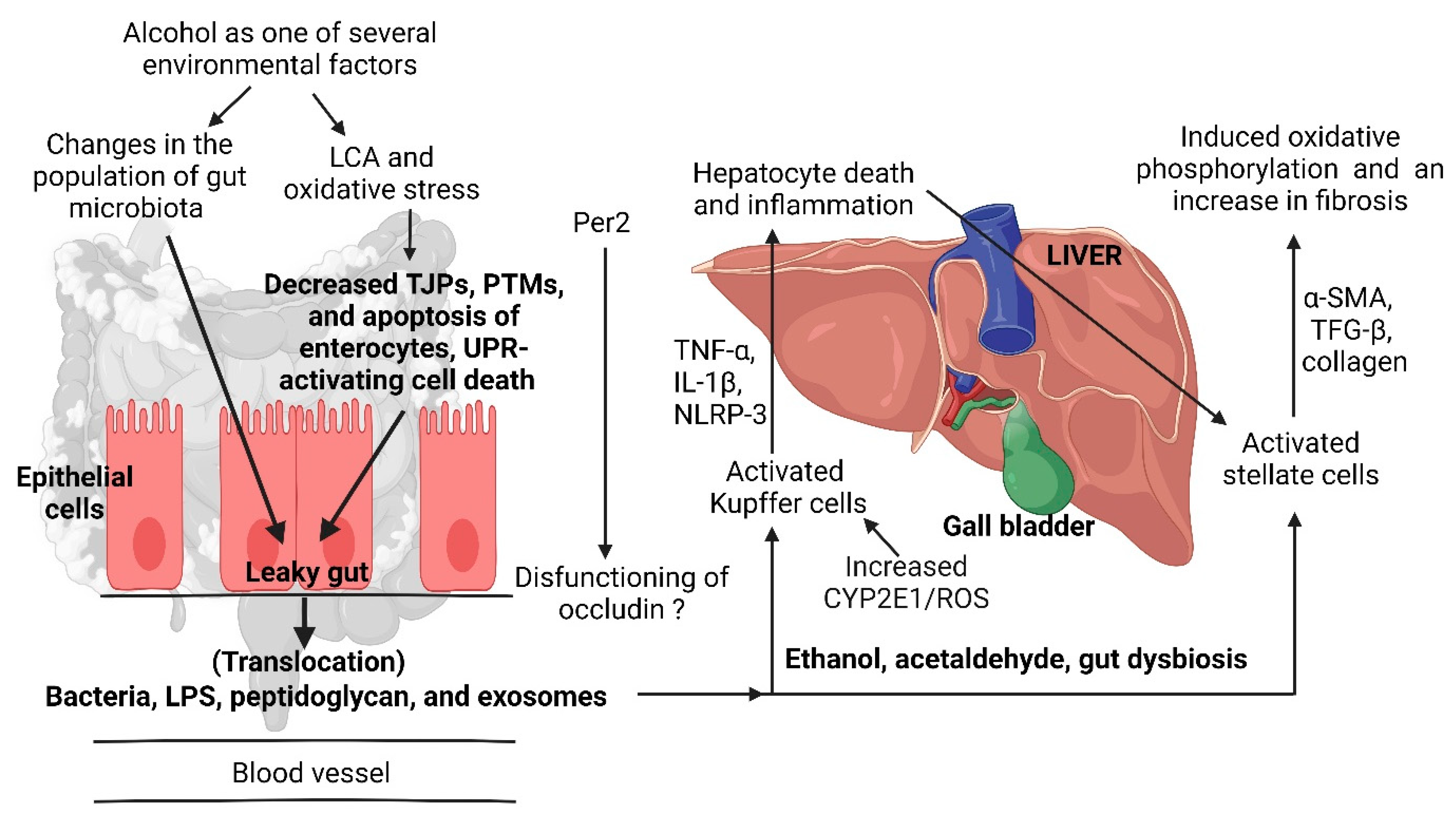
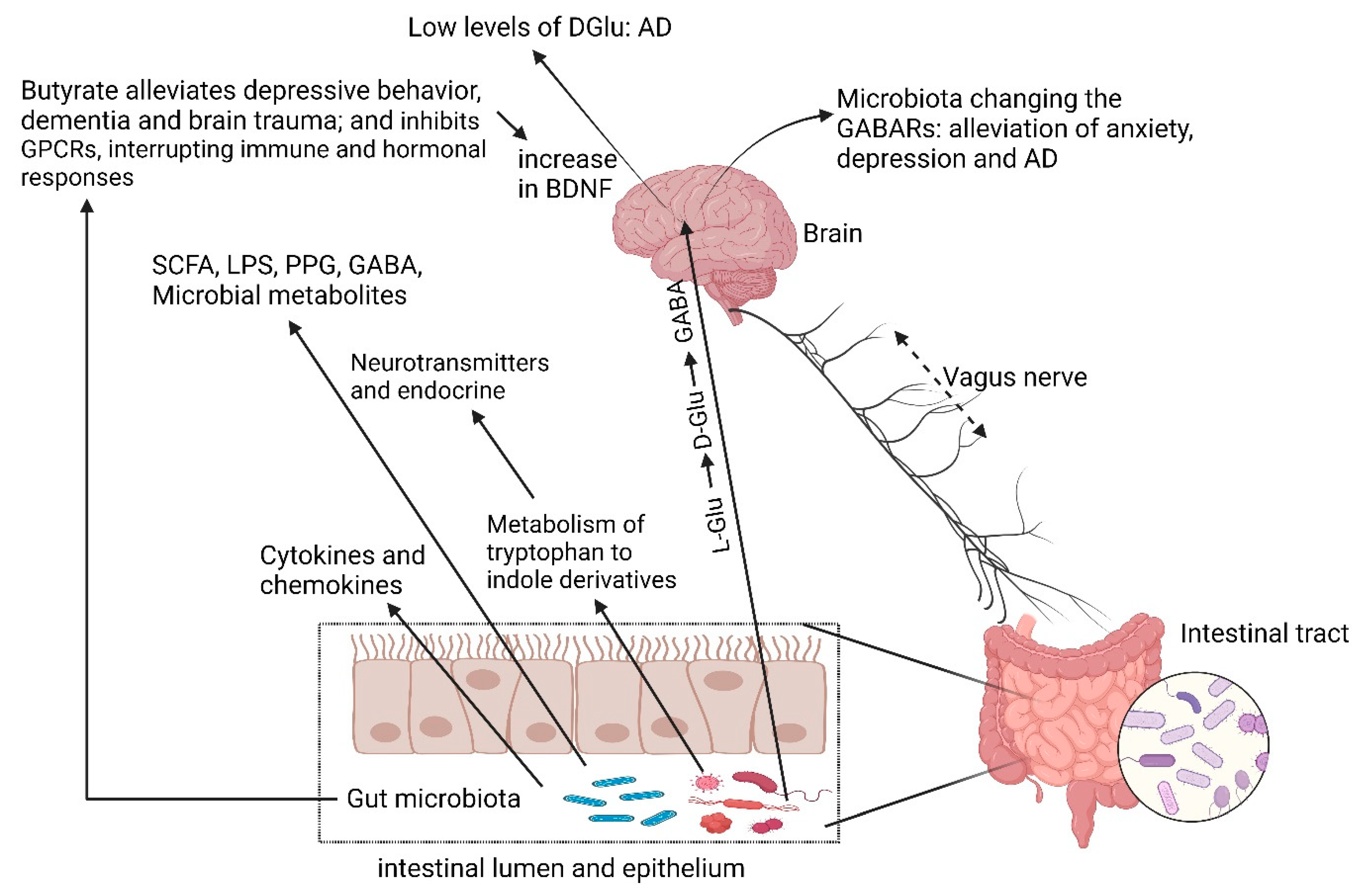
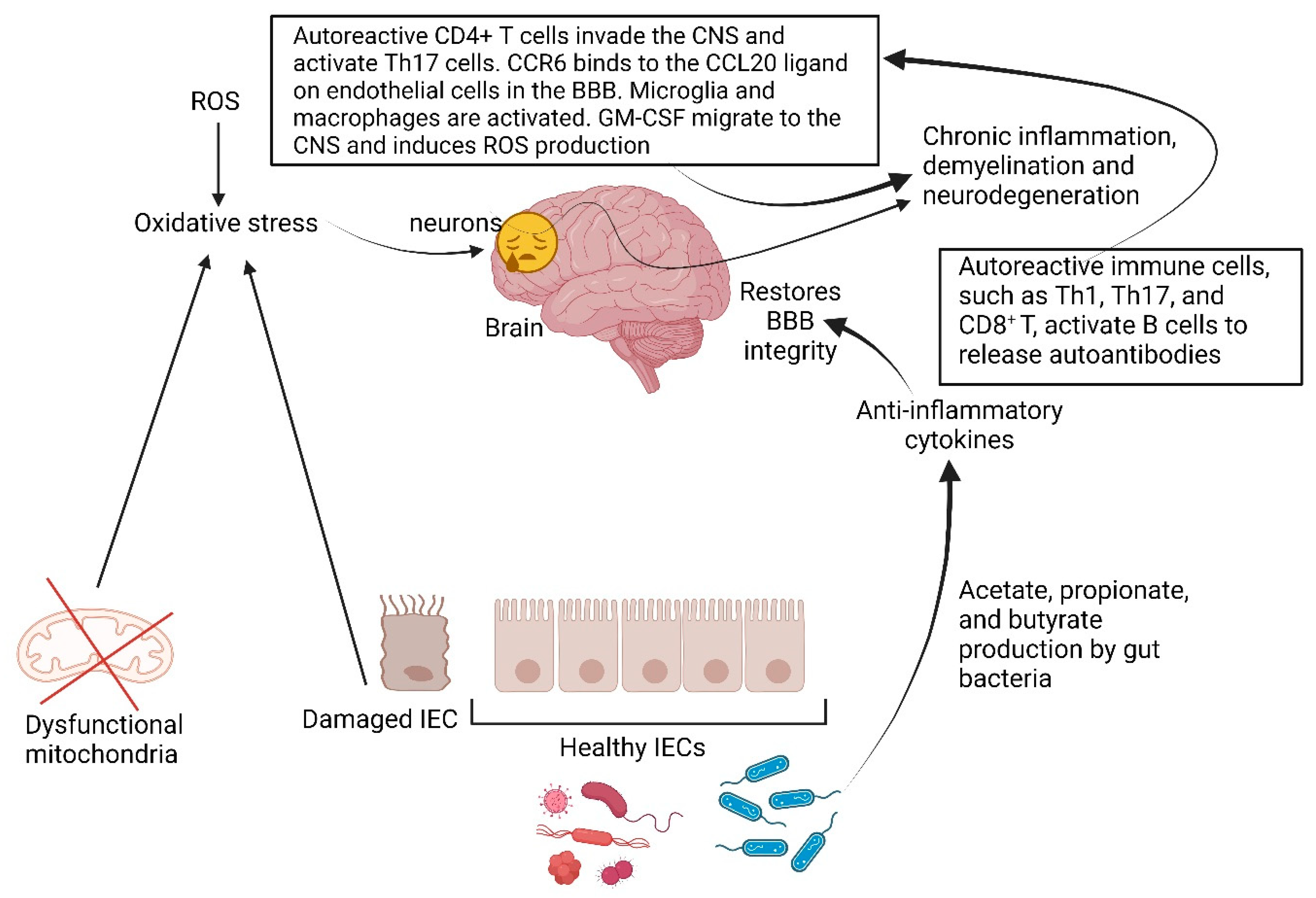
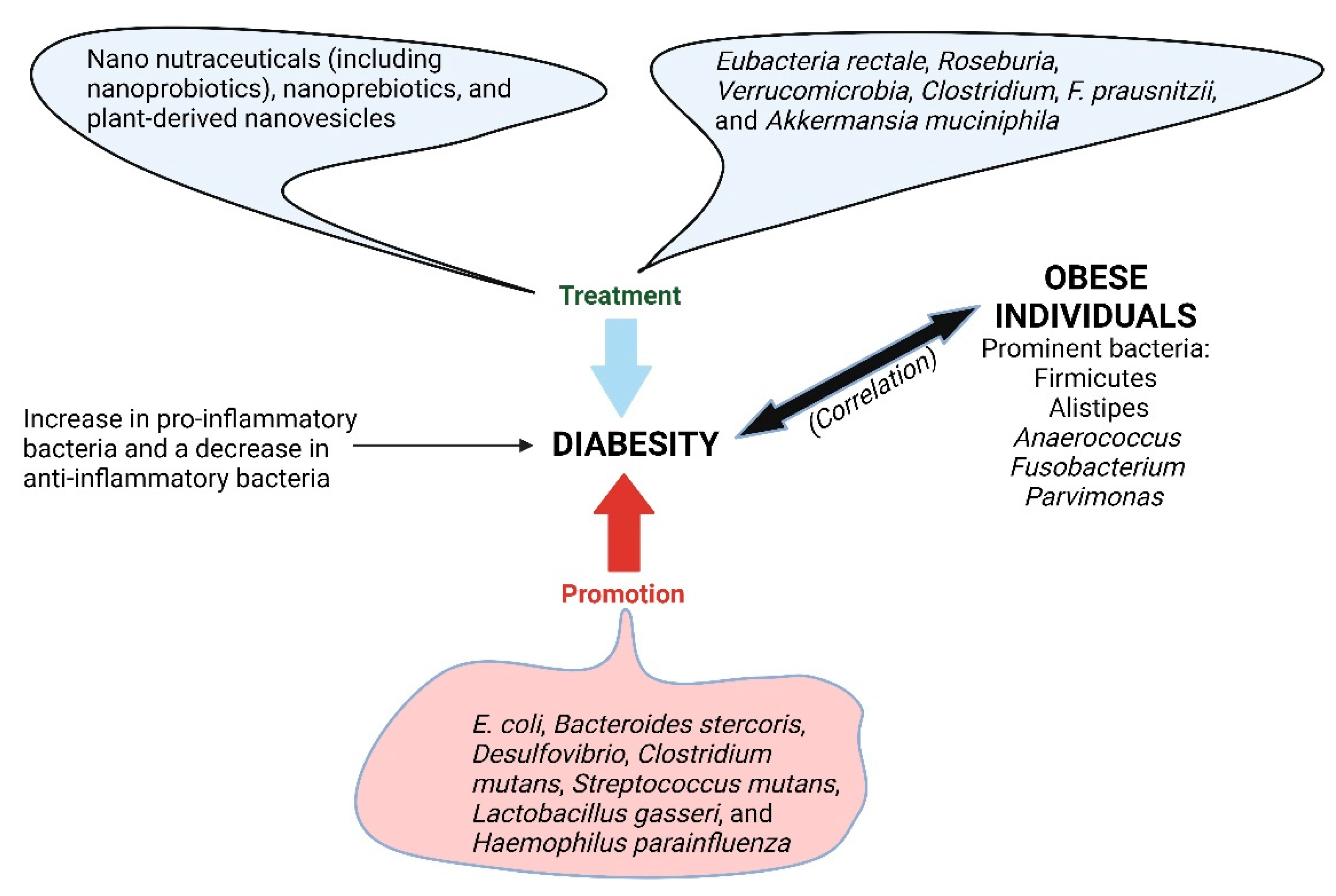
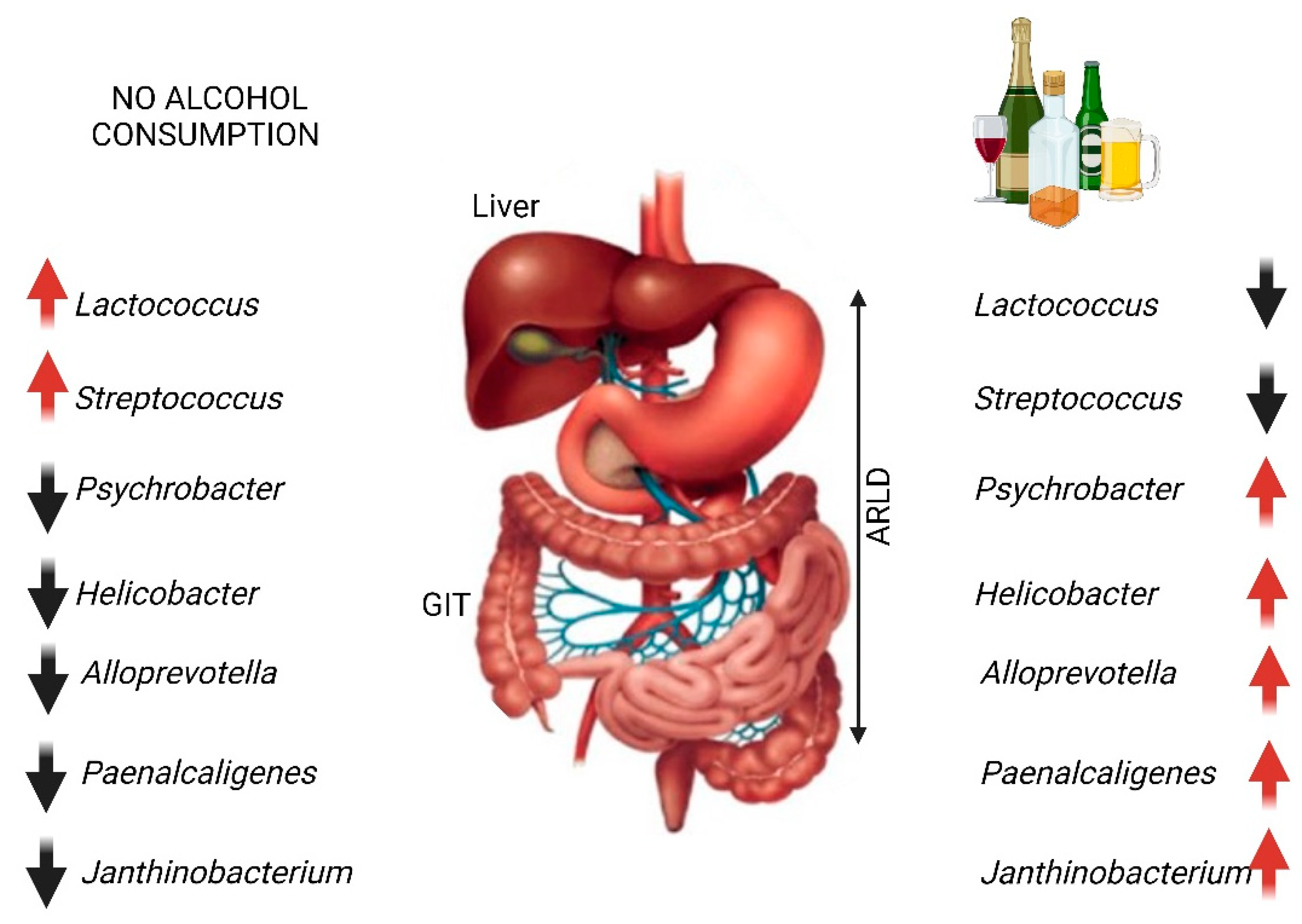
With genetic information gained from next-generation sequencing (NGS) and genome-wide association studies (GWAS), it is now possible to select for genes that encode reporter molecules that may be used to detect abnormalities such as alcohol-related liver disease (ARLD), cancer, cognitive impairment, multiple sclerosis (MS), diabesity, and ischemic stroke (IS). This, however, requires a thorough understanding of the gut–brain axis (GBA), the effect diets have on the selection of gut microbiota, conditions that influence the expression of microbial genes, and human physiology. Bacterial metabolites such as short-chain fatty acids (SCFAs) play a major role in gut homeostasis, maintain intestinal epithelial cells (IECs), and regulate the immune system, neurological, and endocrine functions. Changes in butyrate levels may serve as an early warning of colon cancer. Other cancer-reporting molecules are colibactin, a genotoxin produced by polyketide synthetase-positive Escherichia coli strains, and spermine oxidase (SMO). Increased butyrate levels are also associated with inflammation and impaired cognition. Dysbiosis may lead to increased production of oxidized low-density lipoproteins (OX-LDLs), known to restrict blood vessels and cause hypertension. Sudden changes in SCFA levels may also serve as a warning of IS. Early signs of ARLD may be detected by an increase in regenerating islet-derived 3 gamma (REG3G), which is associated with changes in the secretion of mucin-2 (Muc2). Pro-inflammatory molecules such as cytokines, interferons, and TNF may serve as early reporters of MS. Other examples of microbial enzymes and metabolites that may be used as reporters in the early detection of life-threatening diseases are reviewed.
Keywords: gut microbiota; reporter systems; diseases gut microbiota; reporter systems; diseases