Article

Scutellaria baicalensis Induces Cell Apoptosis and Elicits Mesenchymal–Epithelial Transition to Alleviate Metastatic Hepatocellular Carcinoma via Modulating HSP90β

1
Surgical Critical Care Division of Cardiovascular Surgical Department, Kaohsiung Veterans General Hospital, Kaohsiung 813, Taiwan
2
Department of Traditional Chinese Medicine, Chang Gung Memorial Hospital at Keelung, Keelung 204, Taiwan
3
TMU Research Center of Cancer Translational Medicine, Taipei 110, Taiwan
4
Graduate Institute of Cancer Biology and Drug Discovery, College of Medical Science and Technology, Taipei Medical University, Taipei 110, Taiwan
5
National Research Institute of Chinese Medicine, Ministry of Health and Welfare, Taipei 112, Taiwan
6
Liver Research Center, Chang Gung Memorial Hospital, Taoyuan 333, Taiwan
7
School of Traditional Chinese Medicine, Chang Gung University, Taoyuan 333, Taiwan
8
Research Center for Food and Cosmetic Safety and Chinese Herbal Medicine, College of Human Ecology, Chang Gung University of Science and Technology, Taoyuan 333, Taiwan
*
Author to whom correspondence should be addressed.
Int. J. Mol. Sci. 2024, 25(5), 3073; https://doi.org/10.3390/ijms25053073
Submission received: 18 January 2024 / Revised: 4 March 2024 / Accepted: 4 March 2024 / Published: 6 March 2024

Abstract

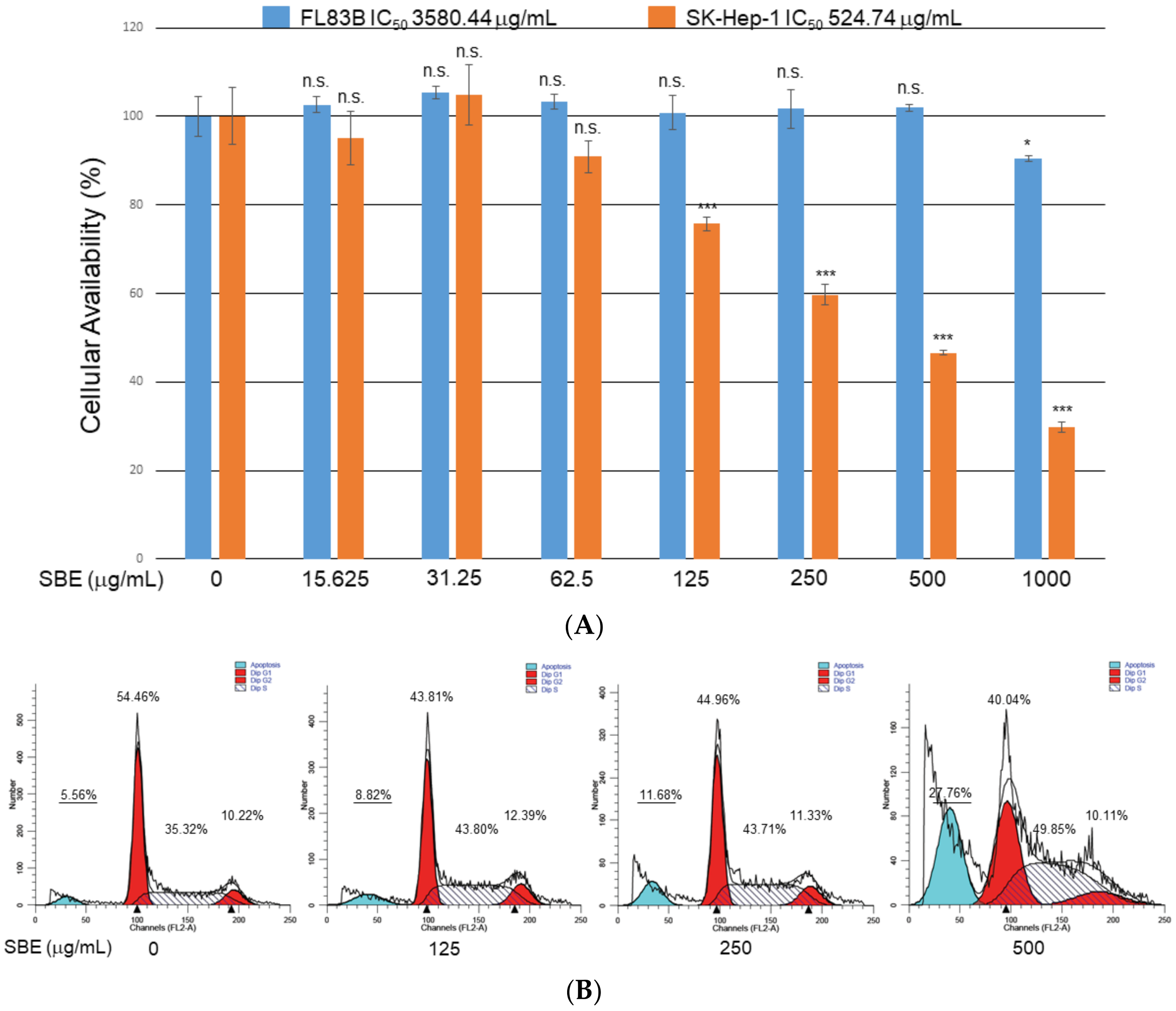
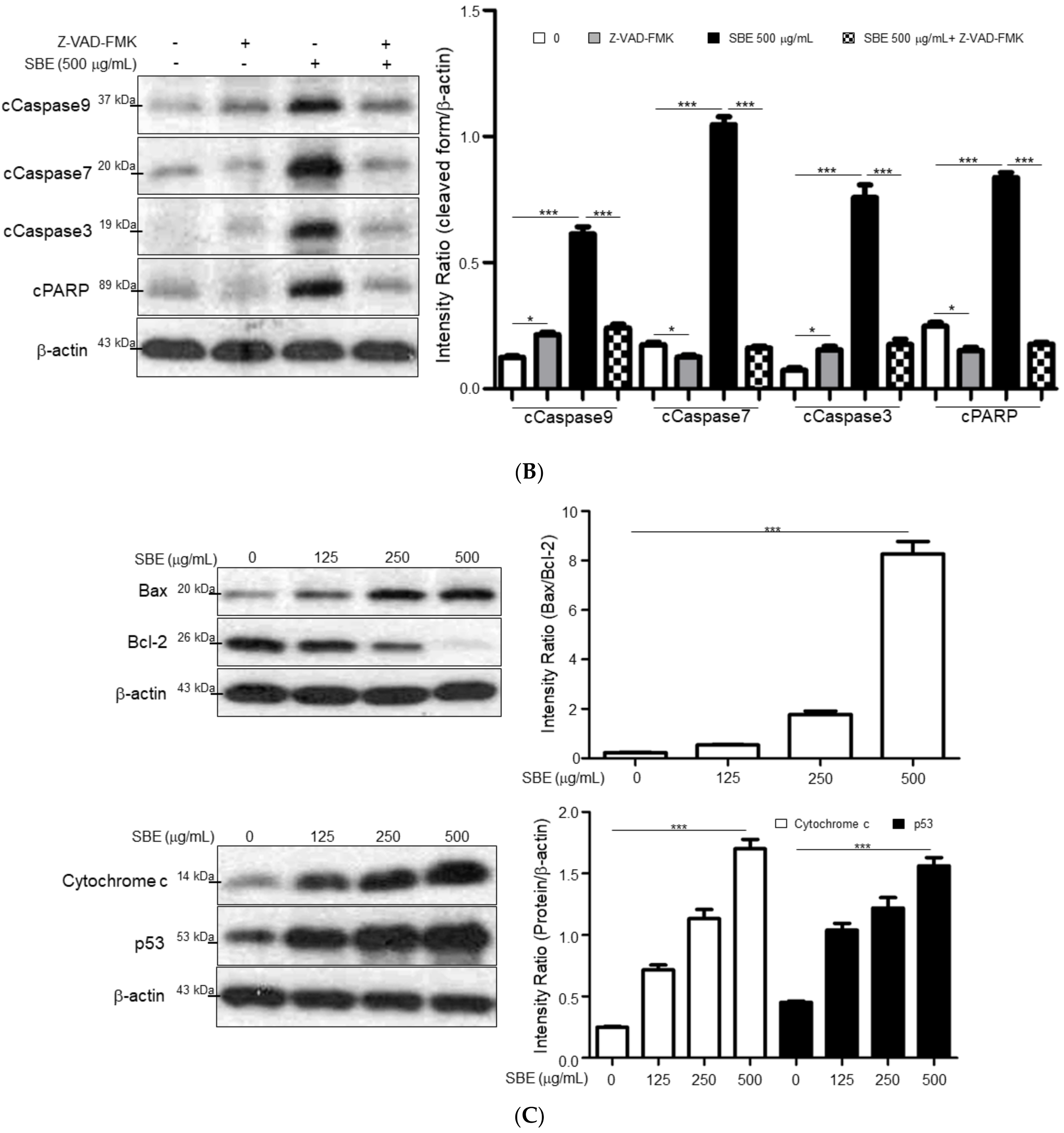
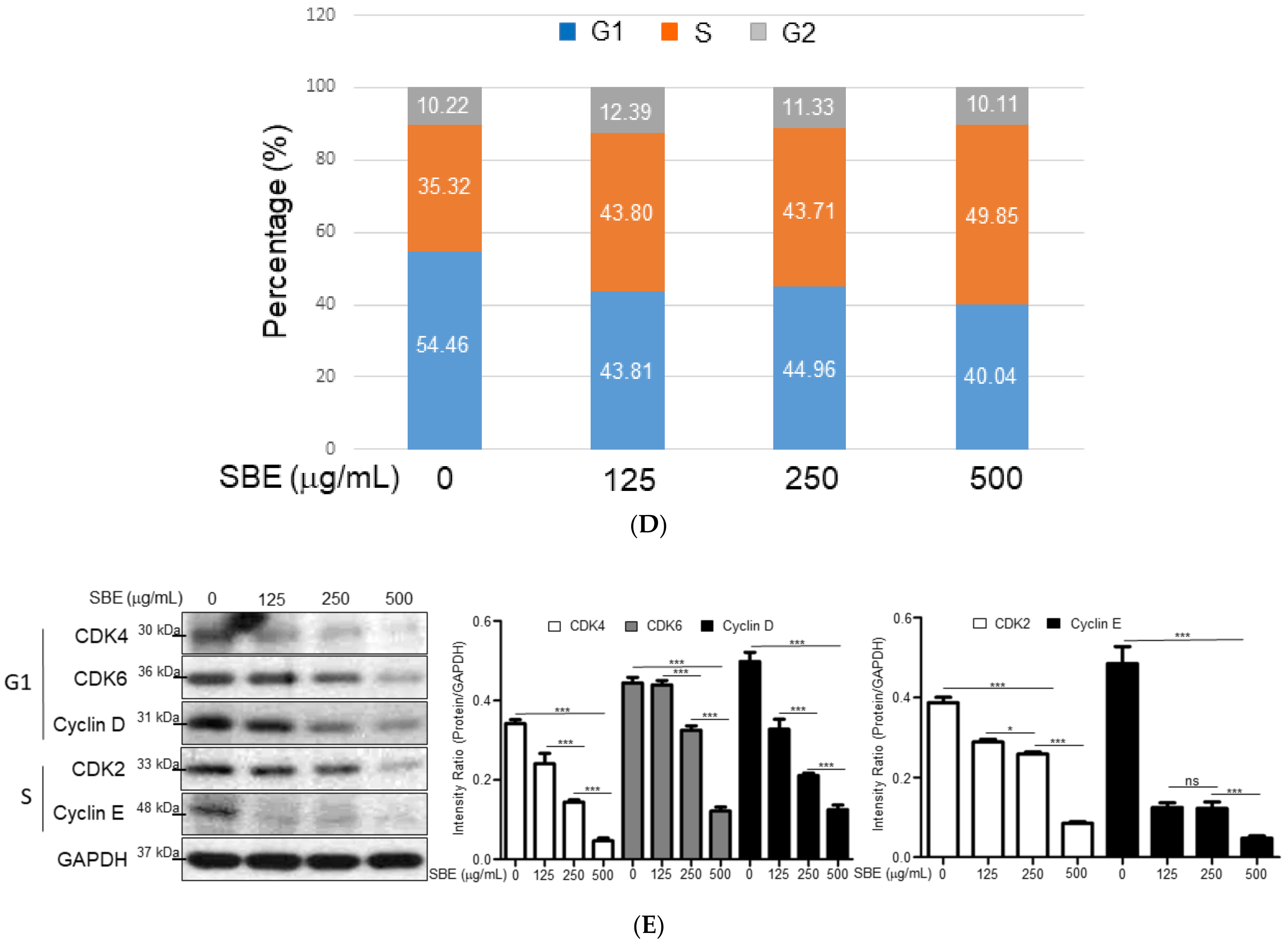
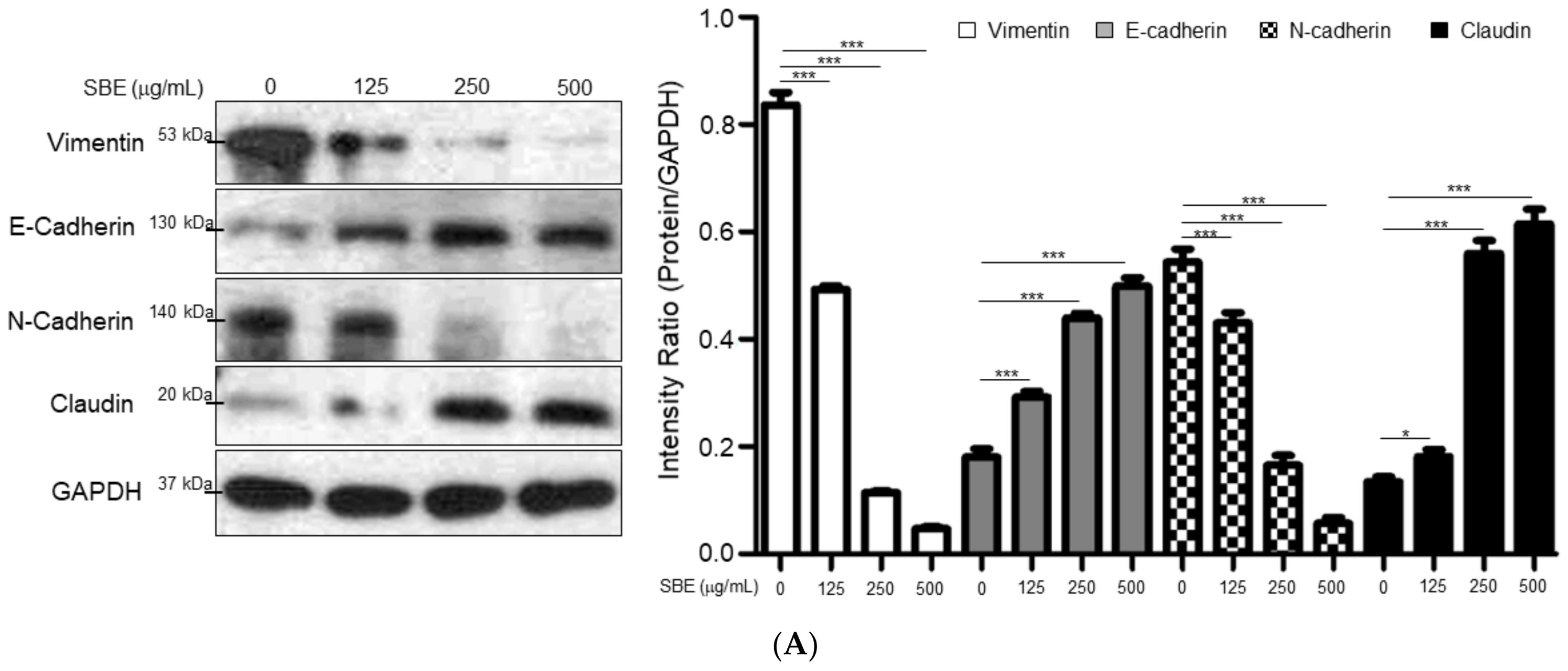
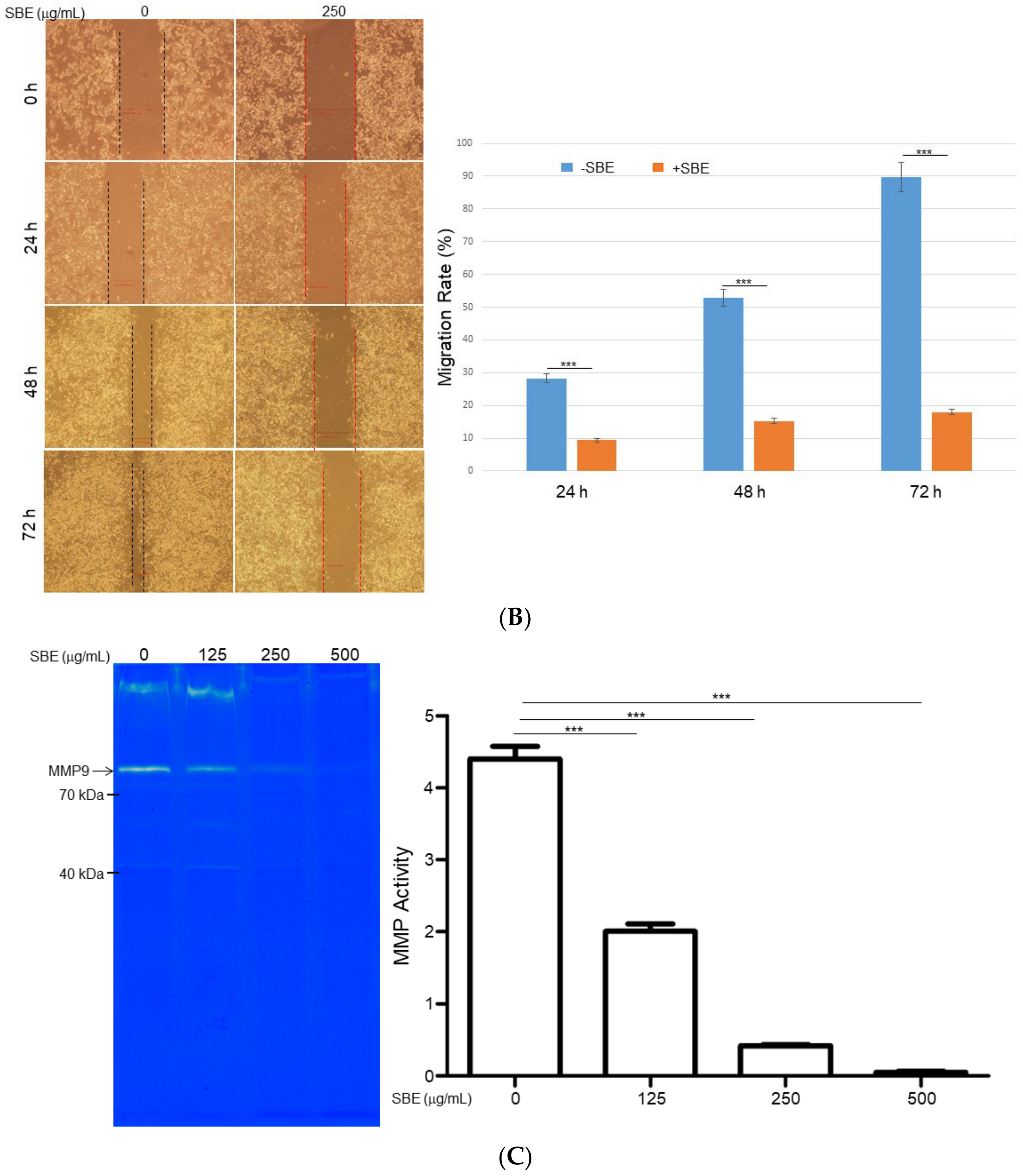
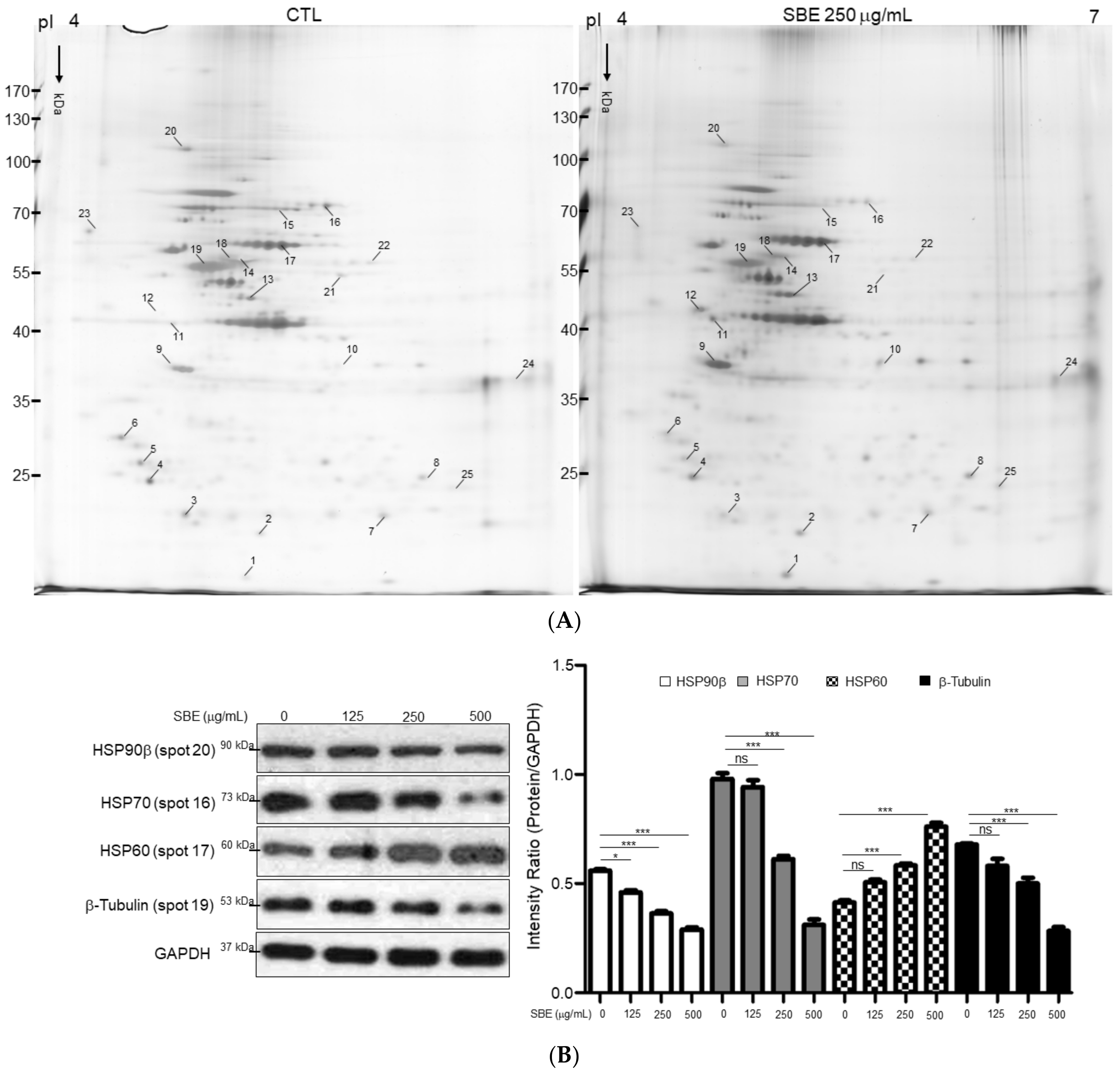
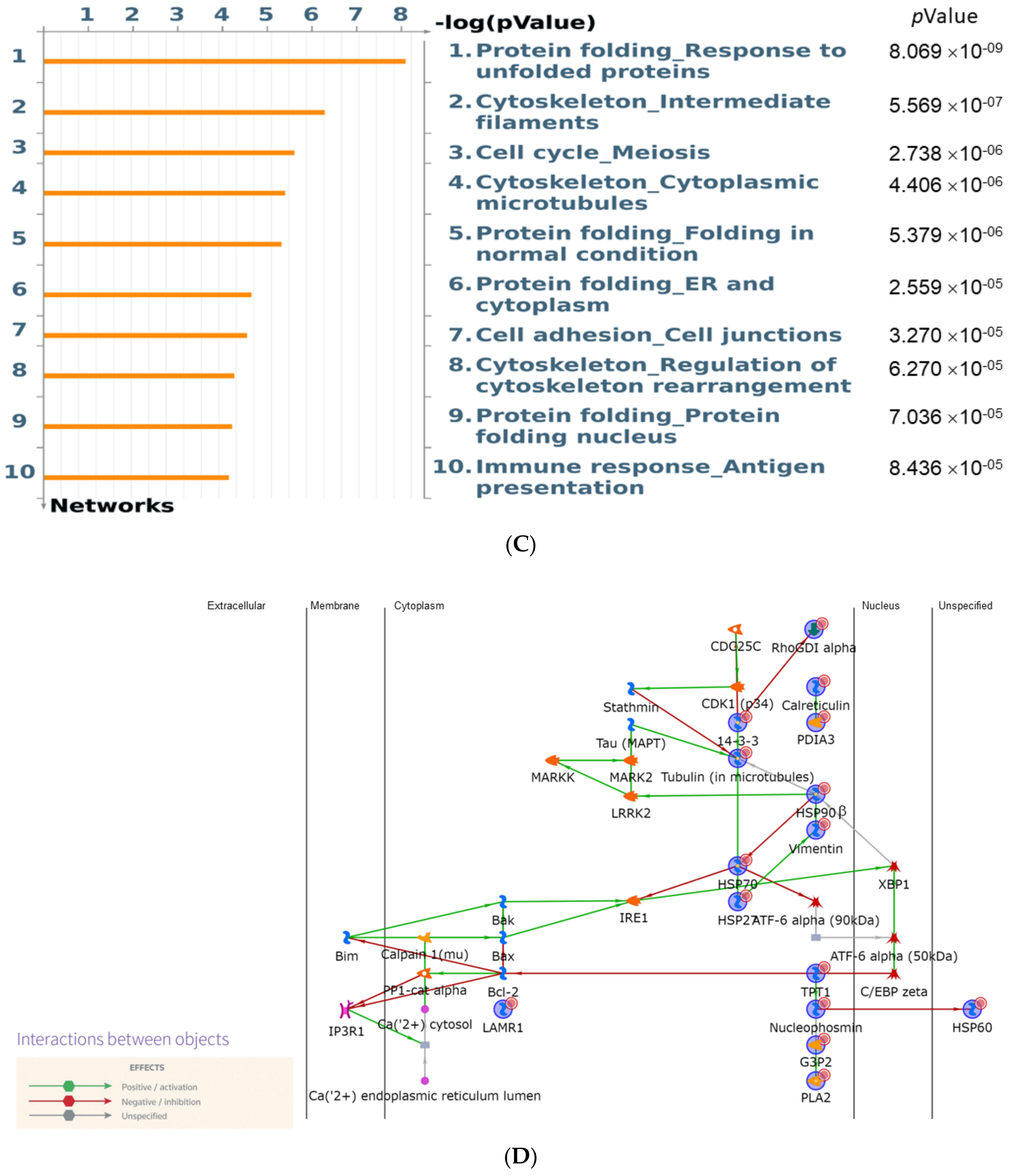
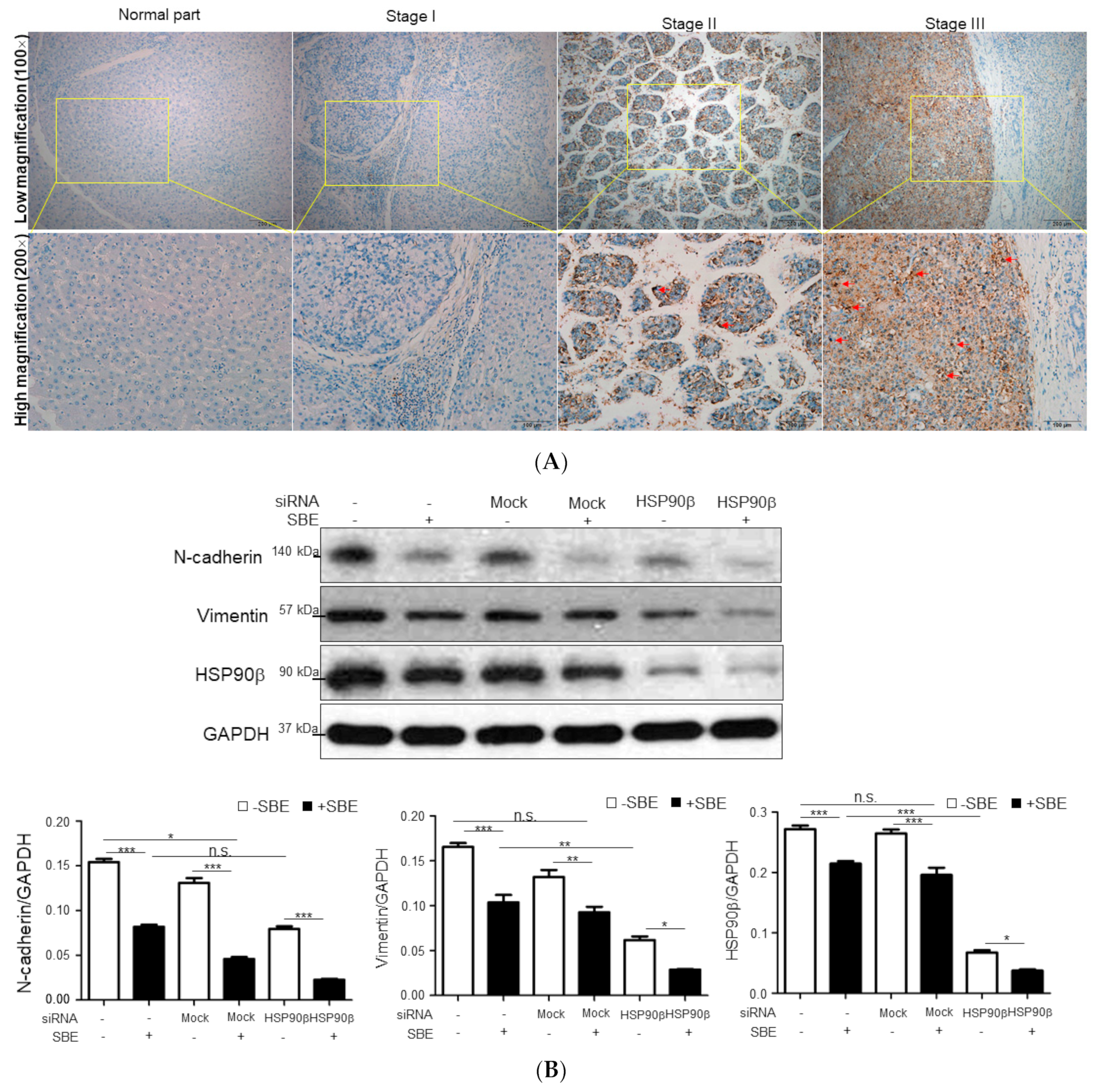
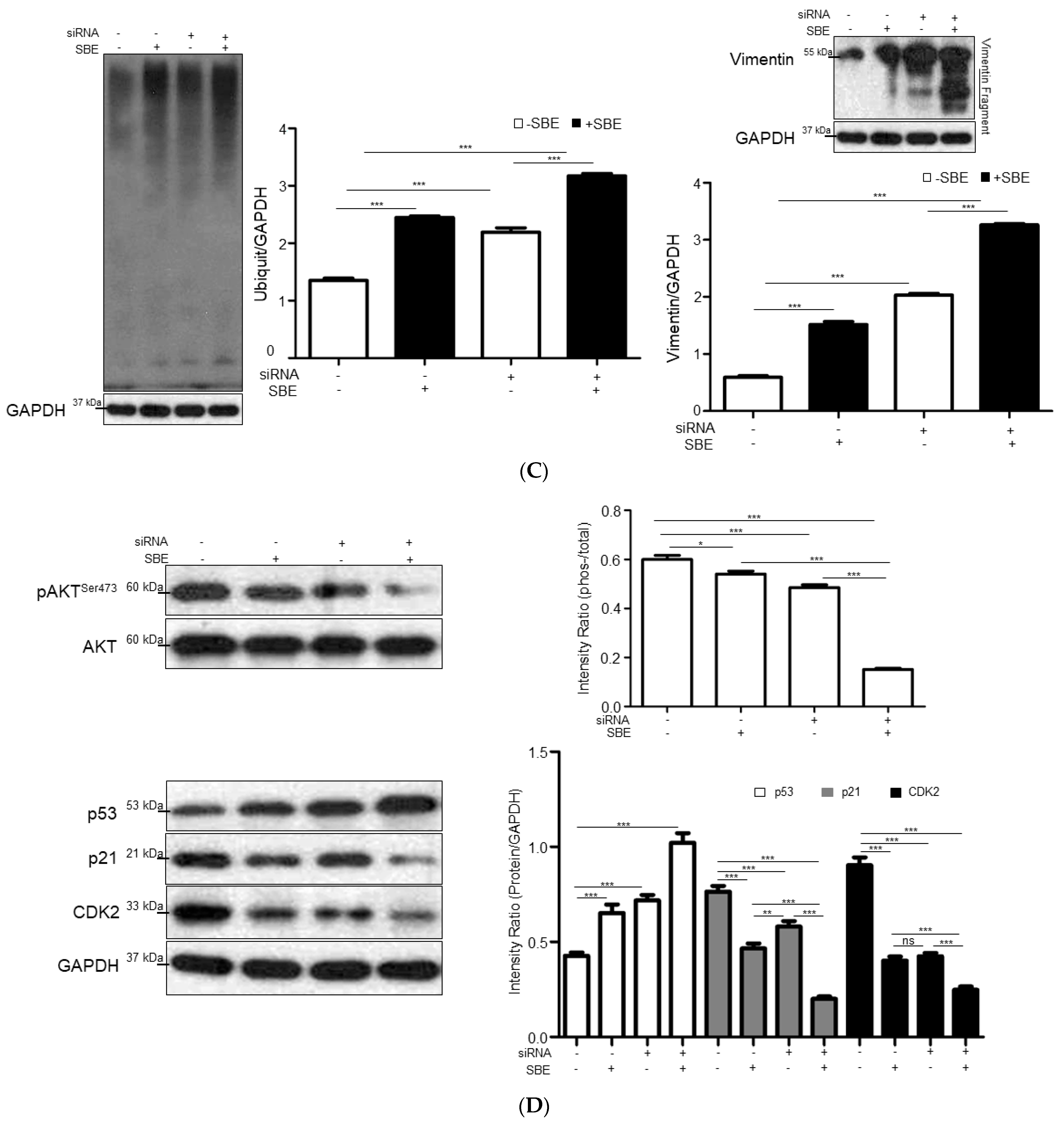
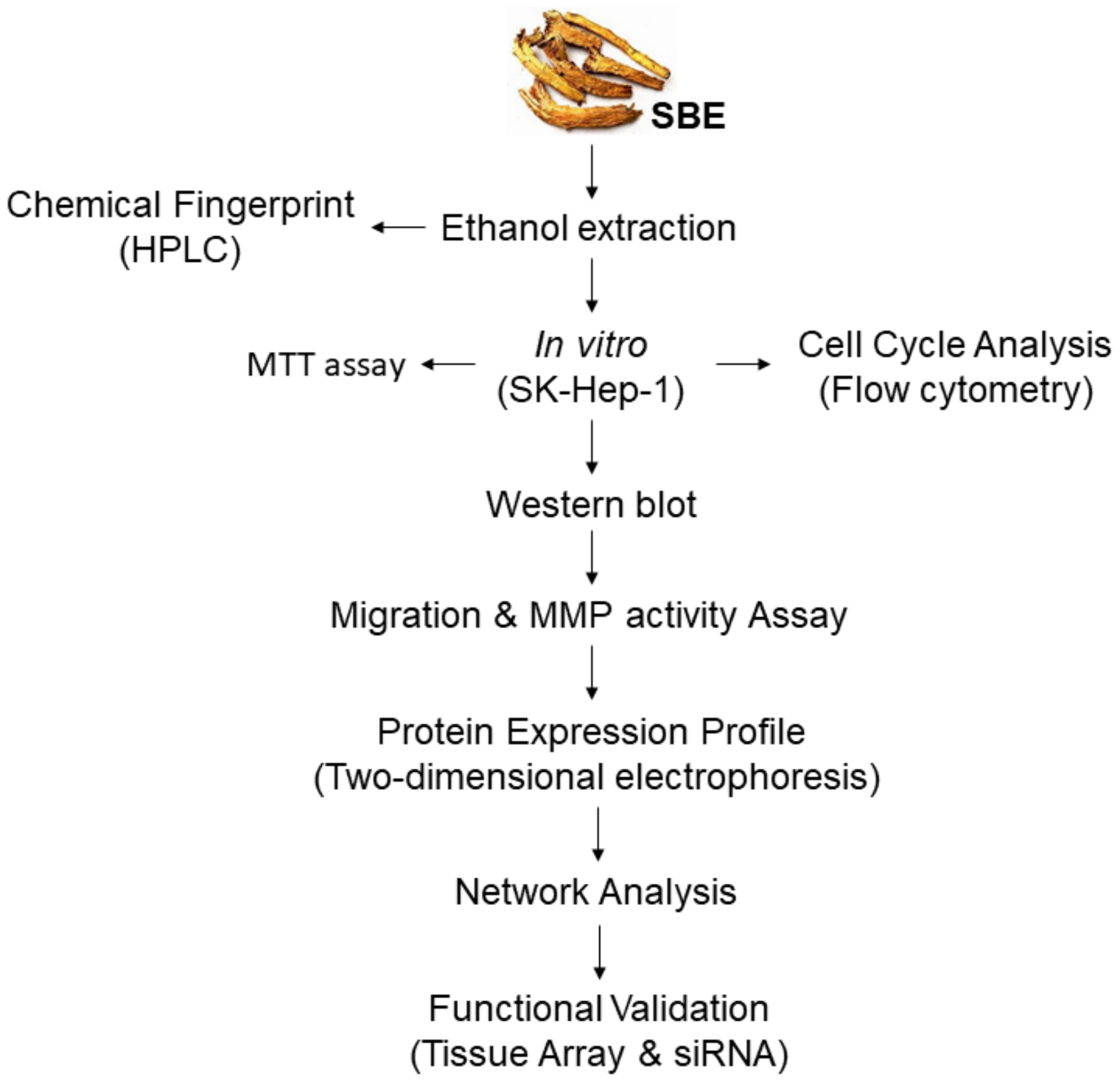
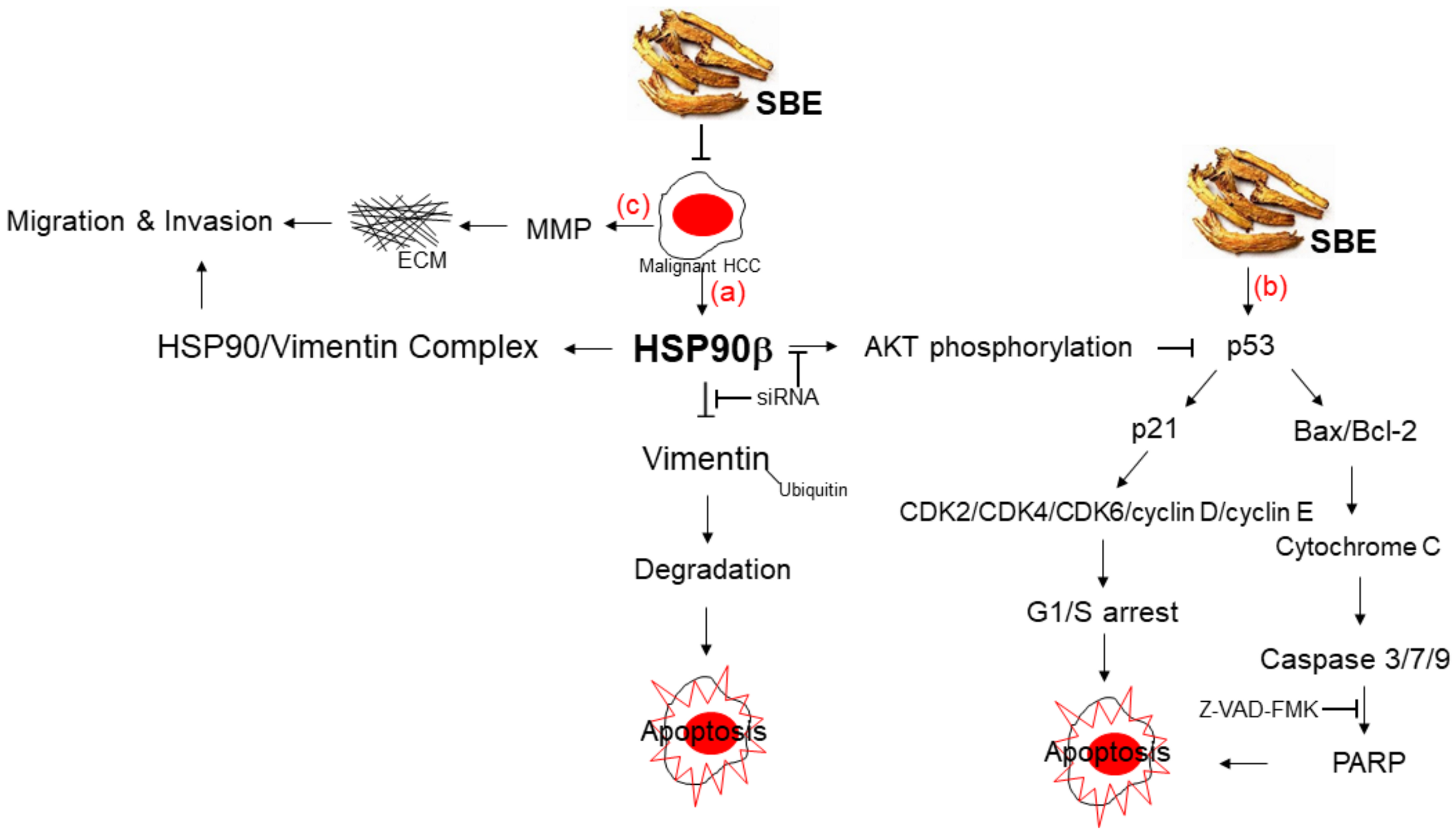
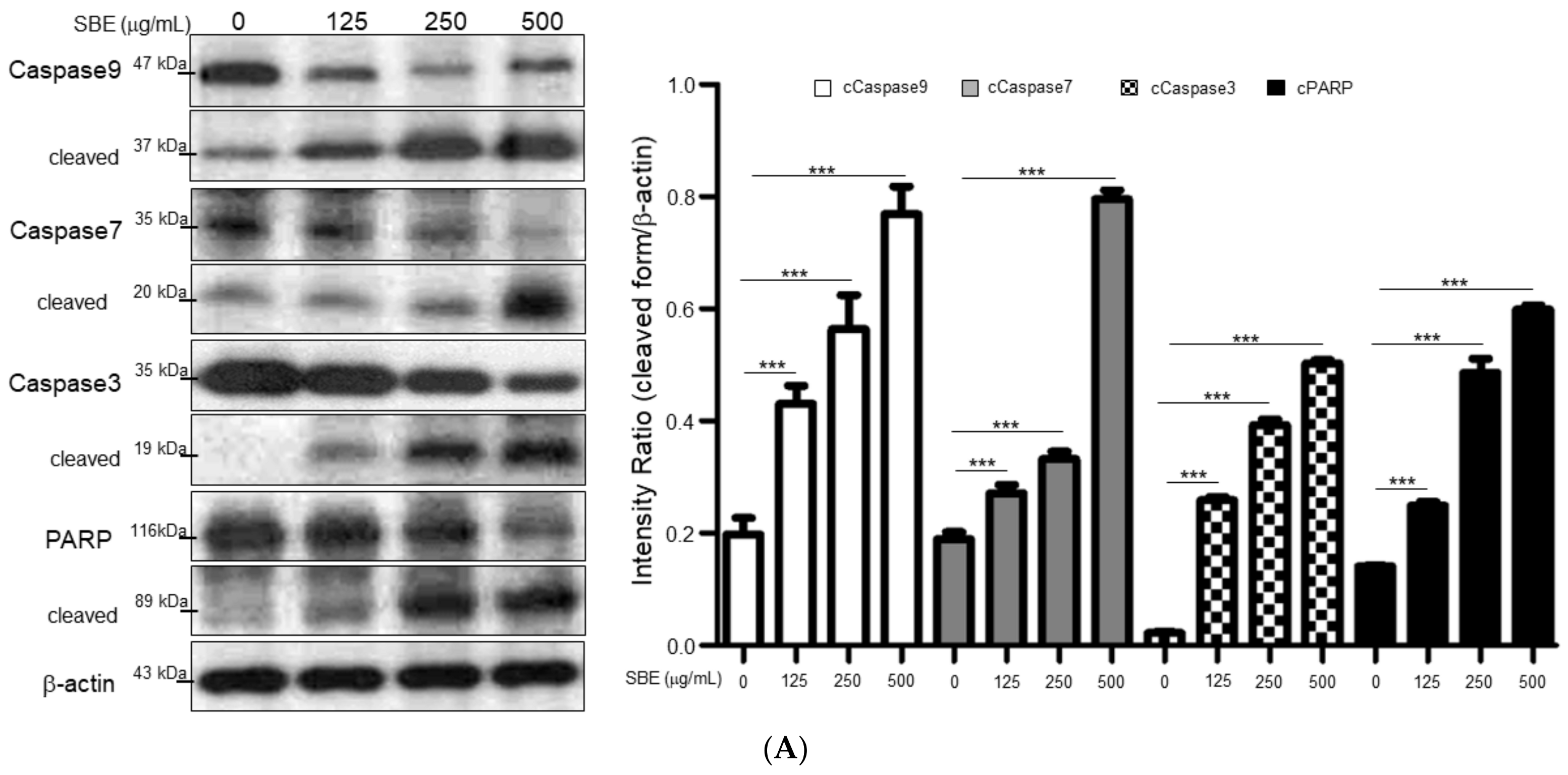
Hepatocellular carcinoma is one of the most common malignant tumors in the world and shows strong metastatic potential. Current medicine for hepatocellular carcinoma therapy is invalid, while Scutellaria baicalensis Georgi exhibits the pharmaceutical potential to treat liver diseases and liver cancer. Herein, we verified the inhibitory properties and the pivotal molecules regimented by Scutellaria baicalensis on advanced hepatocellular carcinoma. At first, the viability of SK-Hep-1 cells was significantly reduced under treatment of Scutellaria baicalensis extract in a dose-dependent manner without affecting the growth of normal hepatocyte. Scutellaria baicalensis extract application could remarkably cause apoptosis of SK-Hep-1 cells through p53/cytochrome C/poly-ADP ribose polymerase cascades and arrest the cell cycle at the G1/S phase by downregulating cyclin-dependent kinases. Meanwhile, administration of Scutellaria baicalensis extract remarkably attenuated the migration capability as well as suppressed matrix metalloproteinase activity of advanced hepatocellular carcinoma cells. The proteome profiles and network analysis particularly implied that exposure to Scutellaria baicalensis extract downregulated the expression of HSP90β, and the clinical stage of hepatocellular carcinoma is also positively correlated with the HSP90β level. Combined treatment of Scutellaria baicalensis extract and HSP90β siRNAs could markedly enhance the ubiquitination activity and the degradation of vimentin to subsequently inhibit the metastatic property of SK-Hep-1 cells. Moreover, application of Scutellaria baicalensis extract and HSP90β siRNAs depleted phosphorylation of AKT, which stimulated the expression of p53 and consecutively triggered cell apoptosis. These findings suggest that HSP90β may be a prospective target for the effective therapy of advanced hepatocellular carcinoma via accelerating apoptosis of hepatocellular carcinoma cells and eliciting mesenchymal–epithelial transition with the administration of Scutellaria baicalensis extract.
Keywords: hepatocellular carcinoma; Scutellaria baicalensis; metastasis; HSP90β; cell cycle; apoptosis hepatocellular carcinoma; Scutellaria baicalensis; metastasis; HSP90β; cell cycle; apoptosis