Article

Comparative Analysis of Transposable Elements in Strawberry Genomes of Different Ploidy Levels

1
College of Horticulture, Fujian Agriculture and Forestry University, Fuzhou 350002, China
2
Haixia Institute of Science and Technology, Fujian Agriculture and Forestry University, Fuzhou 350002, China
*
Author to whom correspondence should be addressed.
Int. J. Mol. Sci. 2023, 24(23), 16935; https://doi.org/10.3390/ijms242316935
Submission received: 27 October 2023 / Revised: 25 November 2023 / Accepted: 27 November 2023 / Published: 29 November 2023
(This article belongs to the Special Issue Advances in Research for Fruit Crop Breeding and Genetics 2023)

Abstract

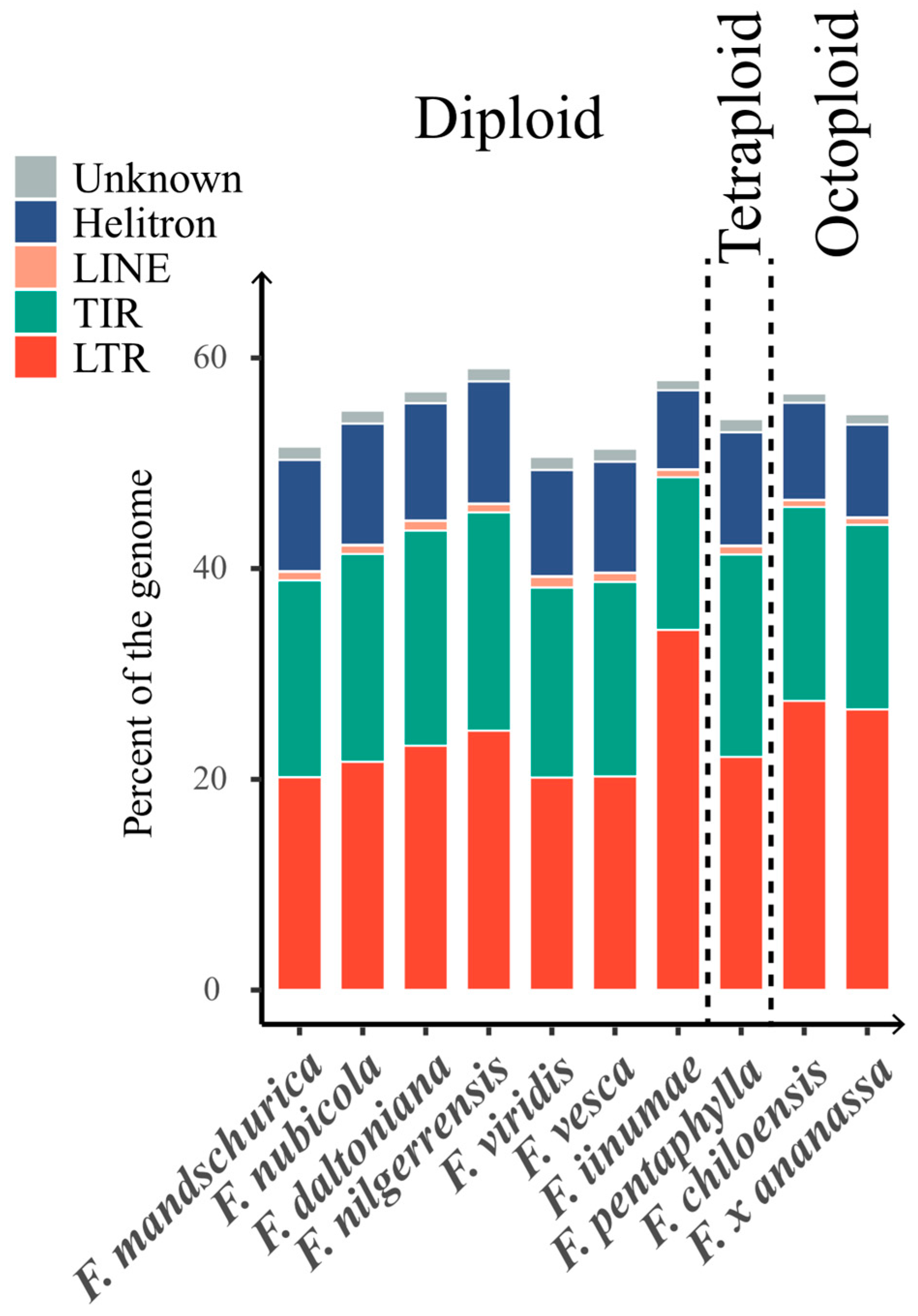
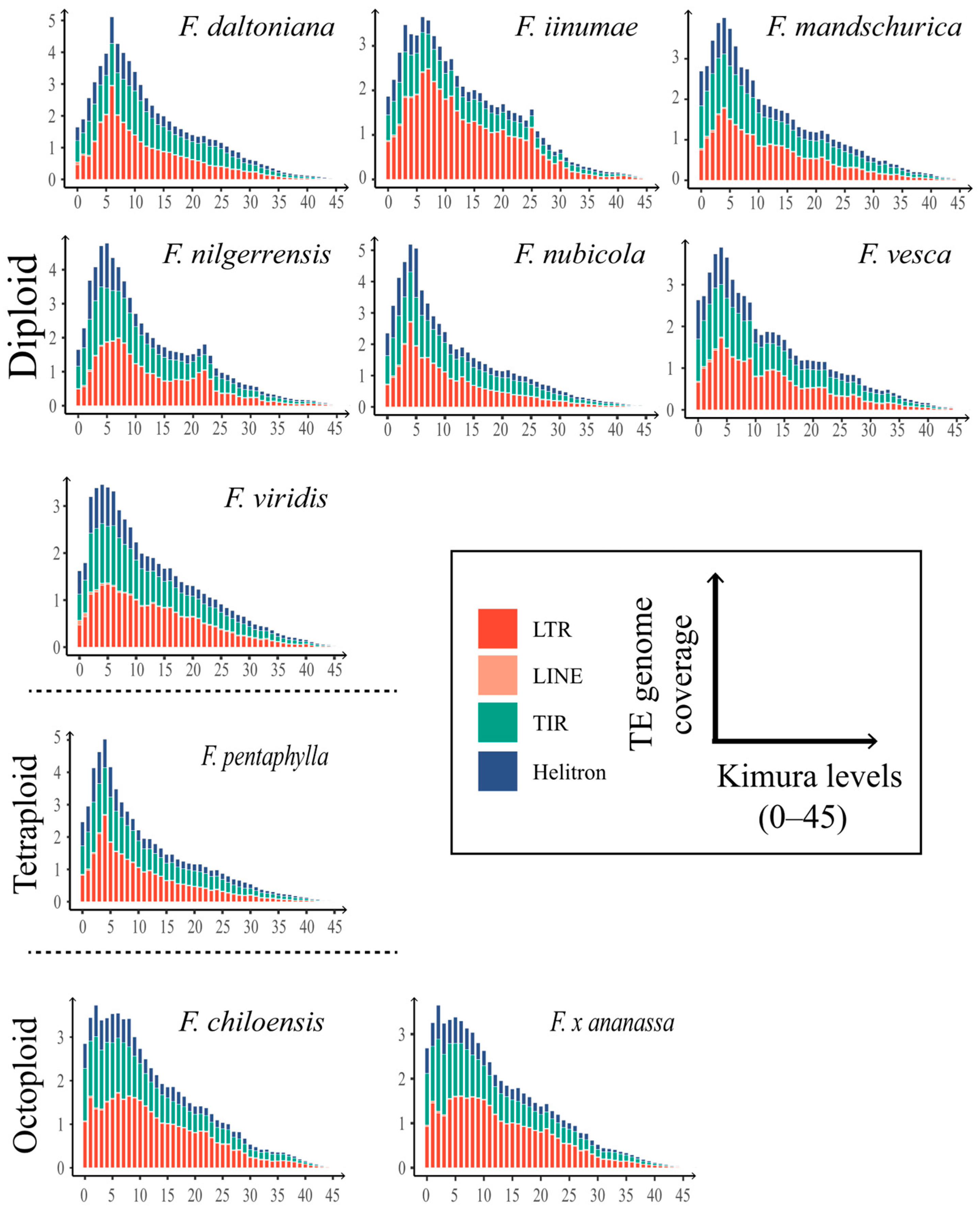
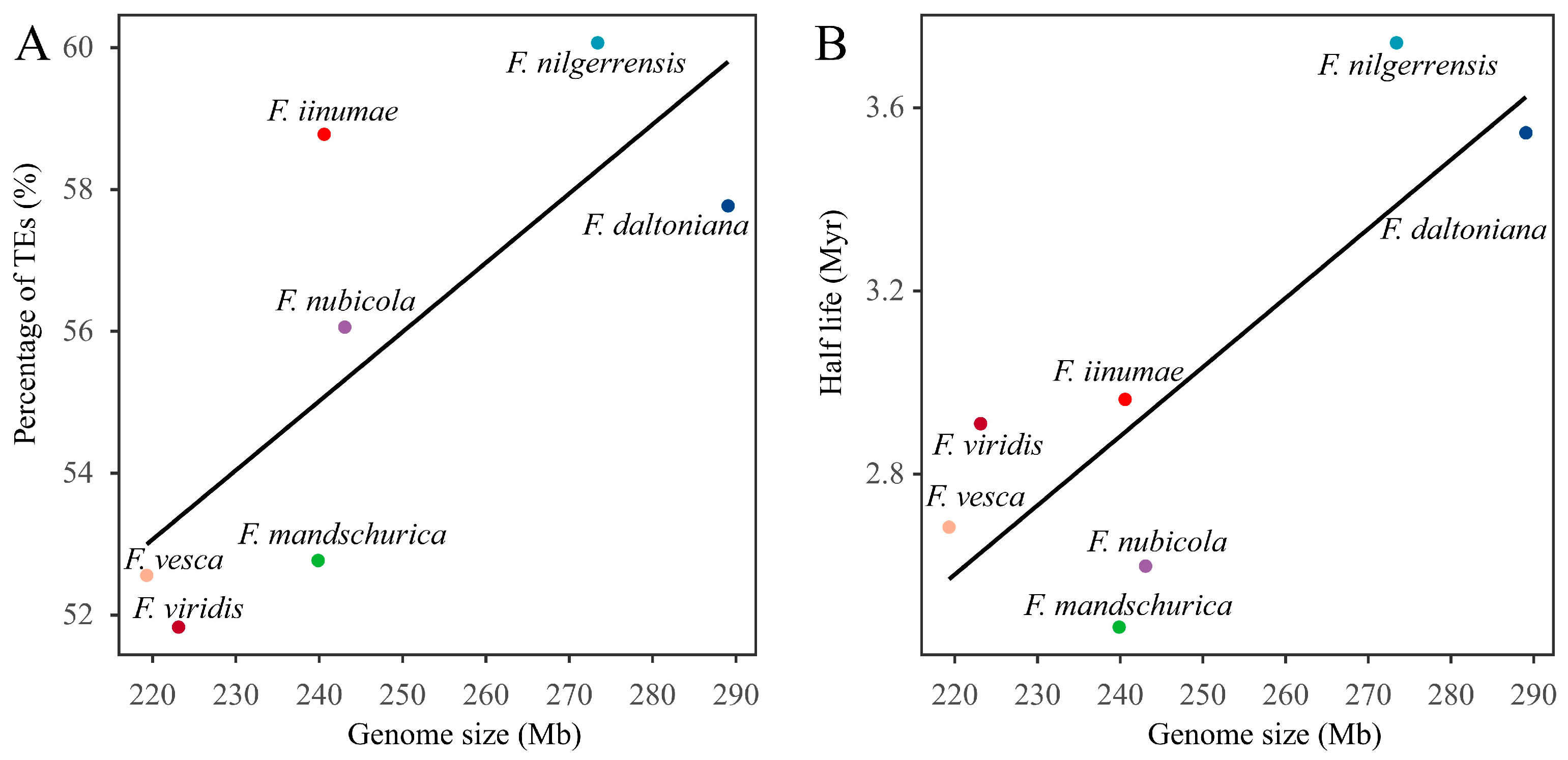
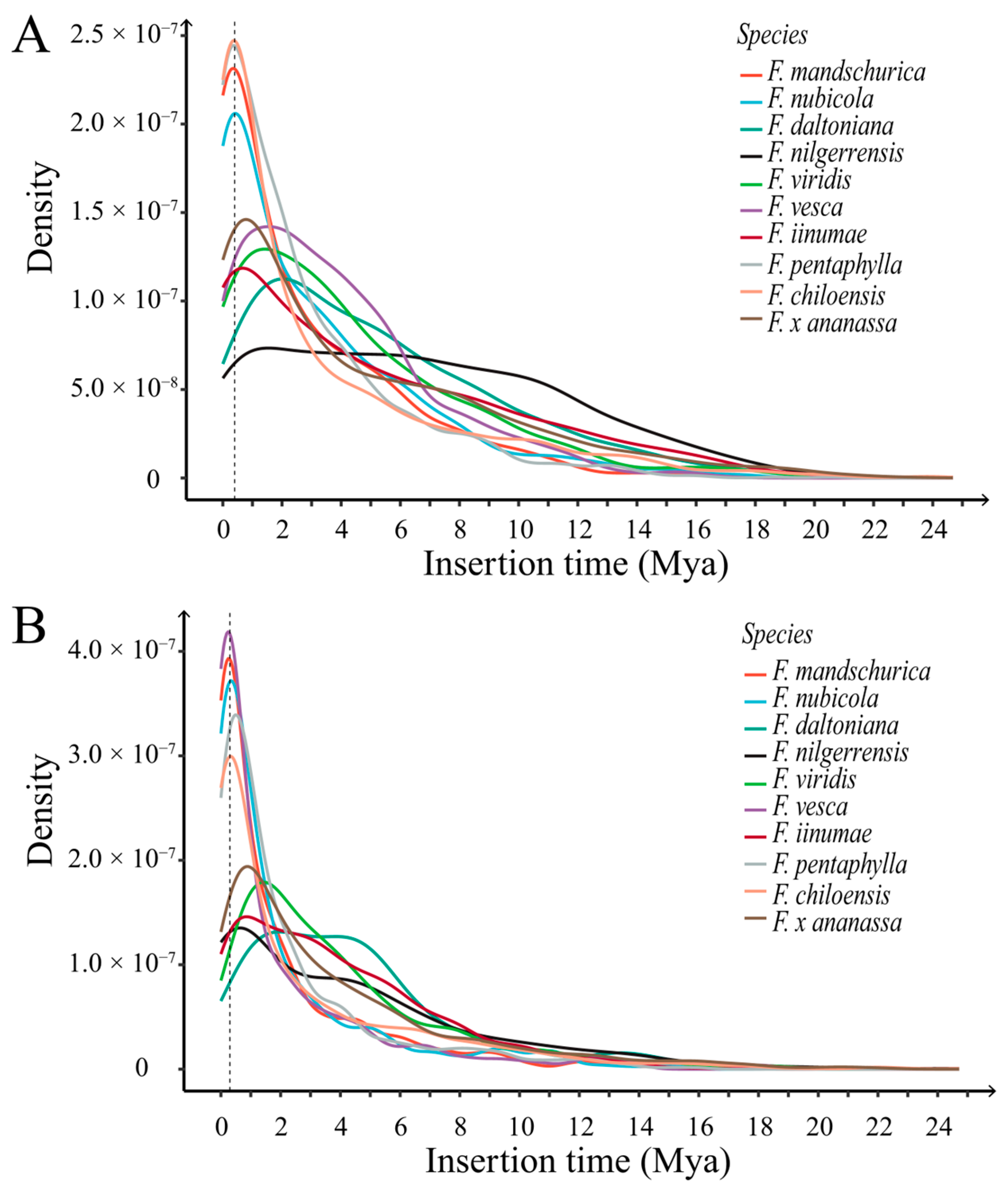
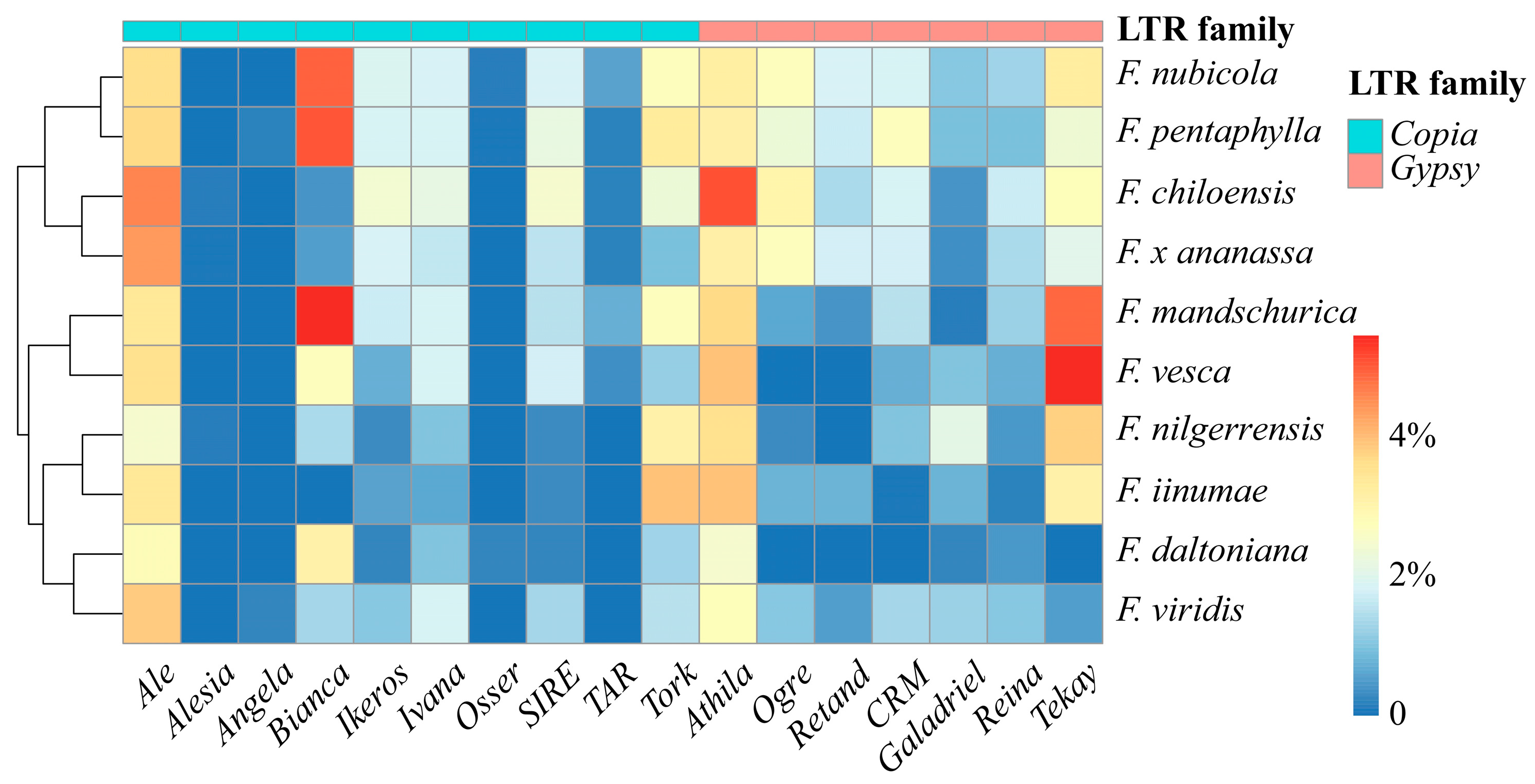
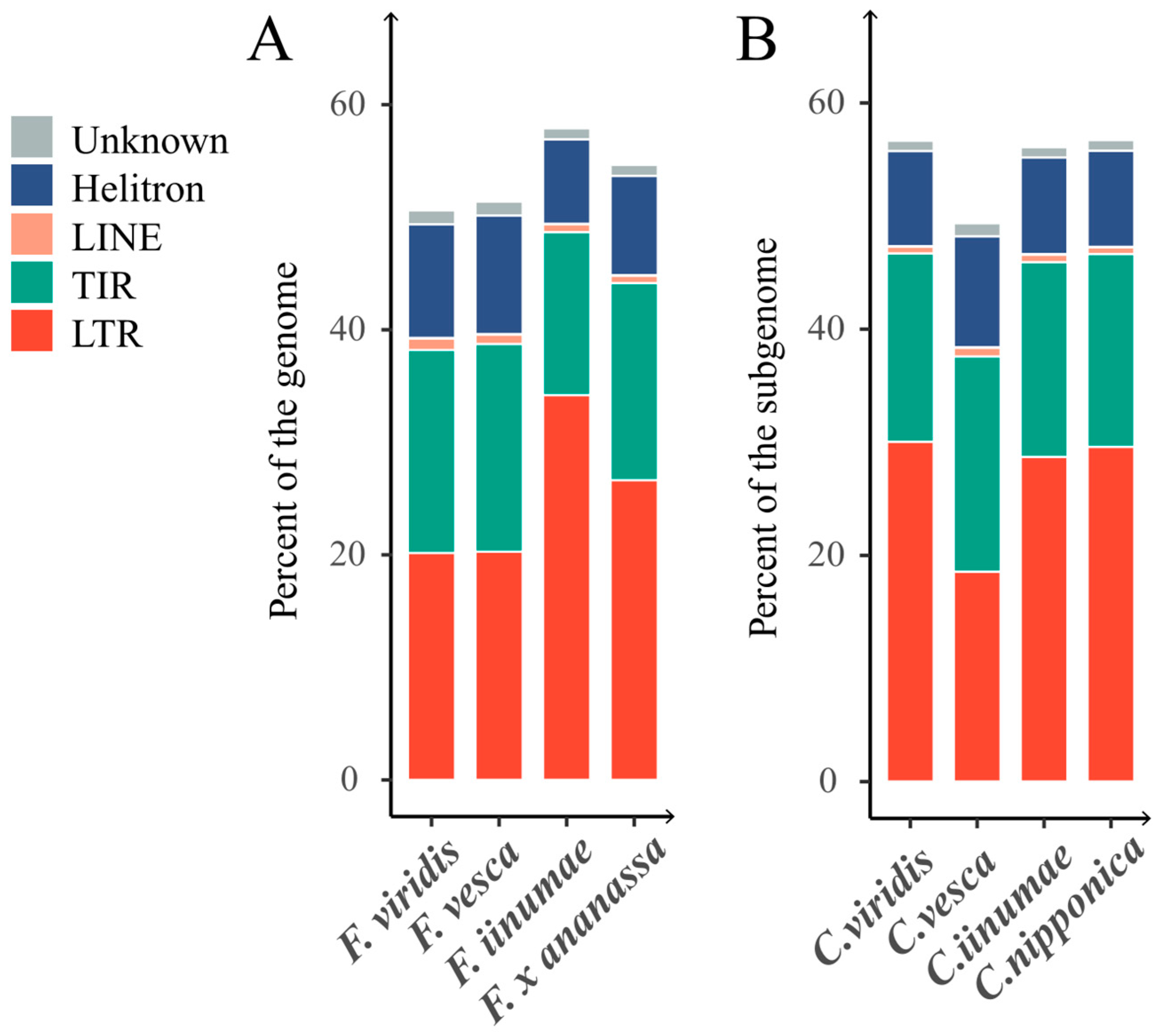
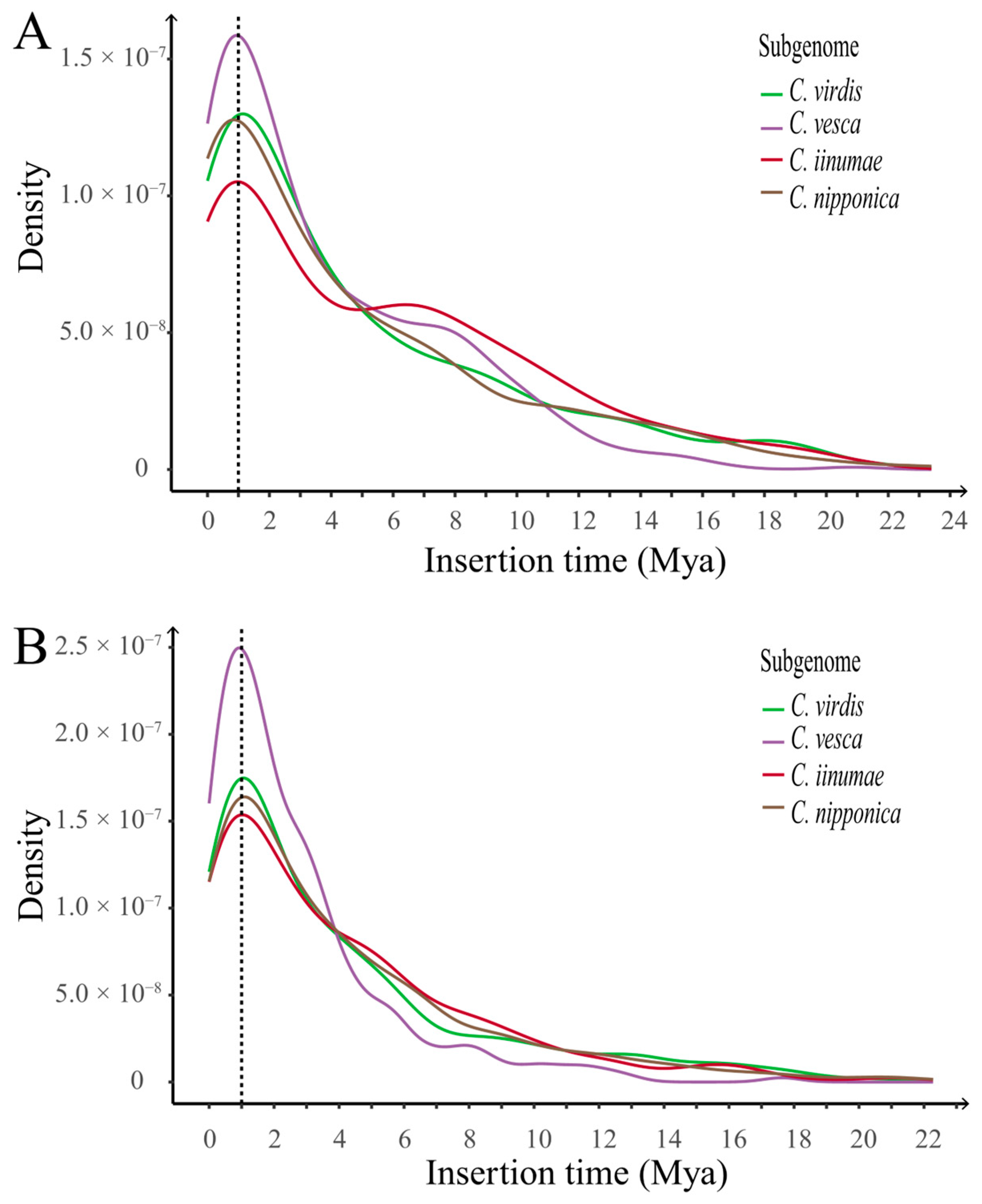
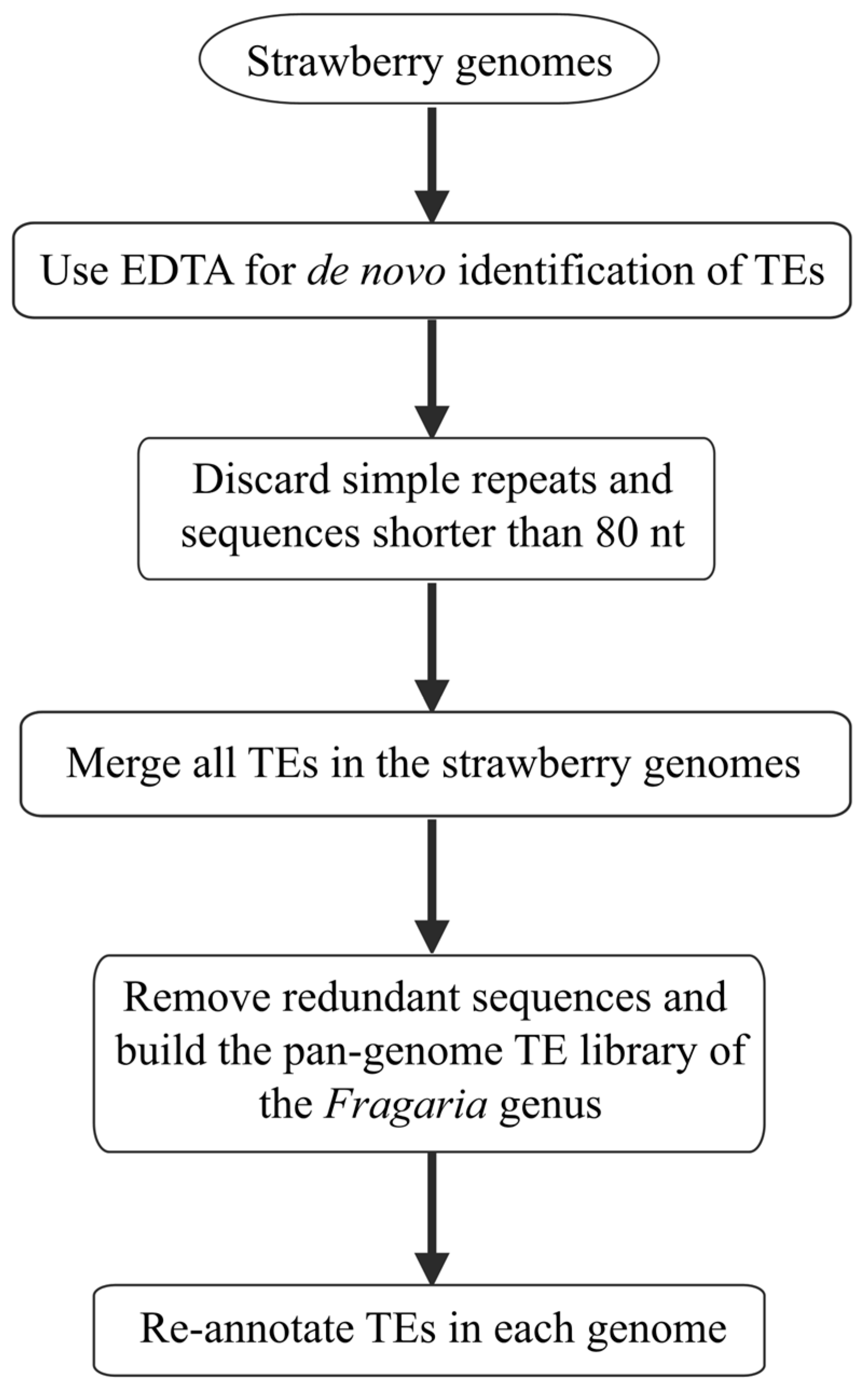
Transposable elements (TEs) make up a large portion of plant genomes and play a vital role in genome structure, function, and evolution. Cultivated strawberry (Fragaria x ananassa) is one of the most important fruit crops, and its octoploid genome was formed through several rounds of genome duplications from diploid ancestors. Here, we built a pan-genome TE library for the Fragaria genus using ten published strawberry genomes at different ploidy levels, including seven diploids, one tetraploid, and two octoploids, and performed comparative analysis of TE content in these genomes. The TEs comprise 51.83% (F. viridis) to 60.07% (F. nilgerrensis) of the genomes. Long terminal repeat retrotransposons (LTR-RTs) are the predominant TE type in the Fragaria genomes (20.16% to 34.94%), particularly in F. iinumae (34.94%). Estimating TE content and LTR-RT insertion times revealed that species-specific TEs have shaped each strawberry genome. Additionally, the copy number of different LTR-RT families inserted in the last one million years reflects the genetic distance between Fragaria species. Comparing cultivated strawberry subgenomes to extant diploid ancestors showed that F. vesca and F. iinumae are likely the diploid ancestors of the cultivated strawberry, but not F. viridis. These findings provide new insights into the TE variations in the strawberry genomes and their roles in strawberry genome evolution.
Keywords: Fragaria; cultivated strawberry; transposable elements (TEs); genome evolution; long terminal repeat retrotransposons (LTR-RTs) Fragaria; cultivated strawberry; transposable elements (TEs); genome evolution; long terminal repeat retrotransposons (LTR-RTs)