Article

Network Pharmacology and Bioinformatics Study of Geniposide Regulating Oxidative Stress in Colorectal Cancer


Guangdong Provincial Key Laboratory IRADS, Department of Life Sciences, BNU-HKBU United International College, Zhuhai 519087, China
*
Author to whom correspondence should be addressed.
Int. J. Mol. Sci. 2023, 24(20), 15222; https://doi.org/10.3390/ijms242015222
Submission received: 1 September 2023 / Revised: 8 October 2023 / Accepted: 12 October 2023 / Published: 16 October 2023

Abstract

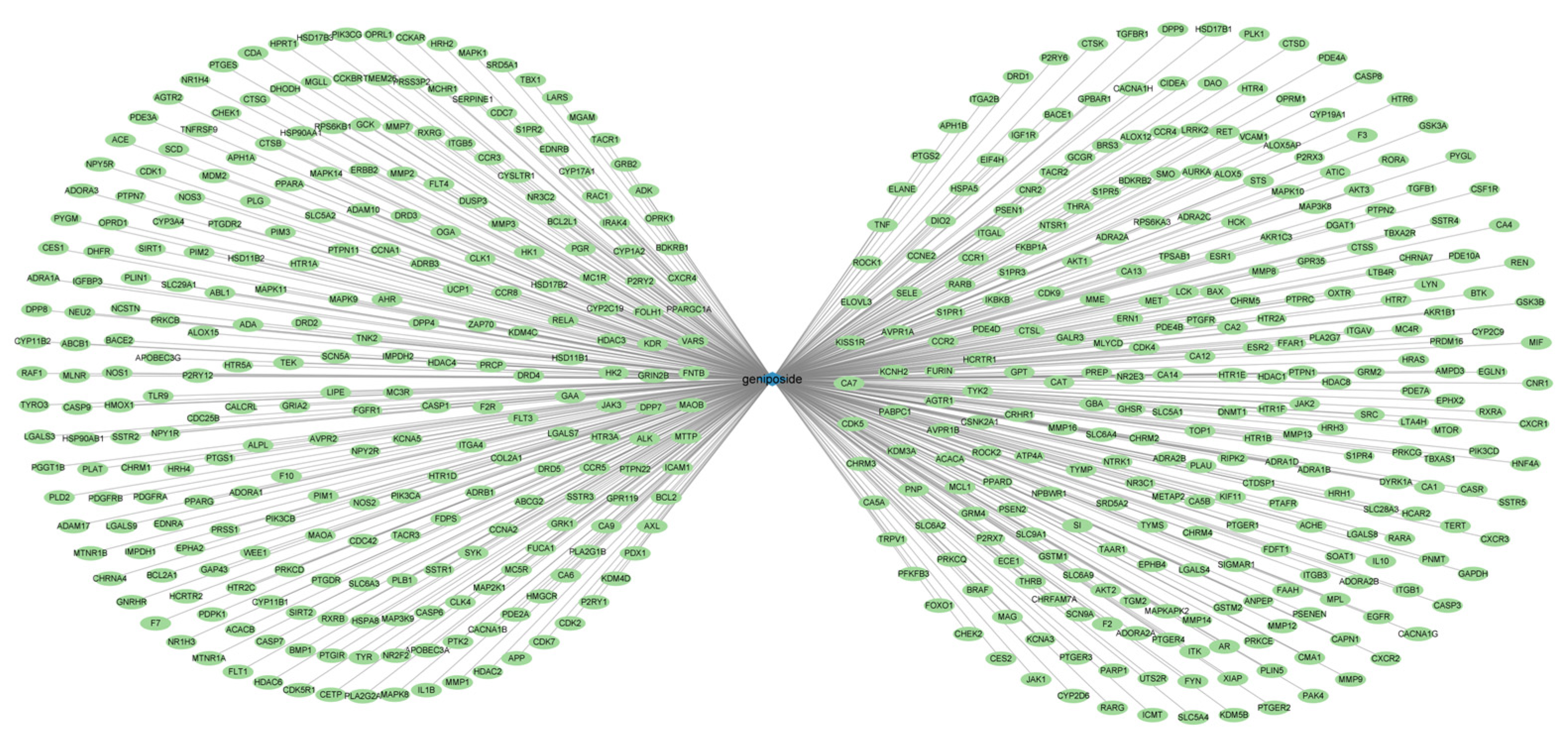
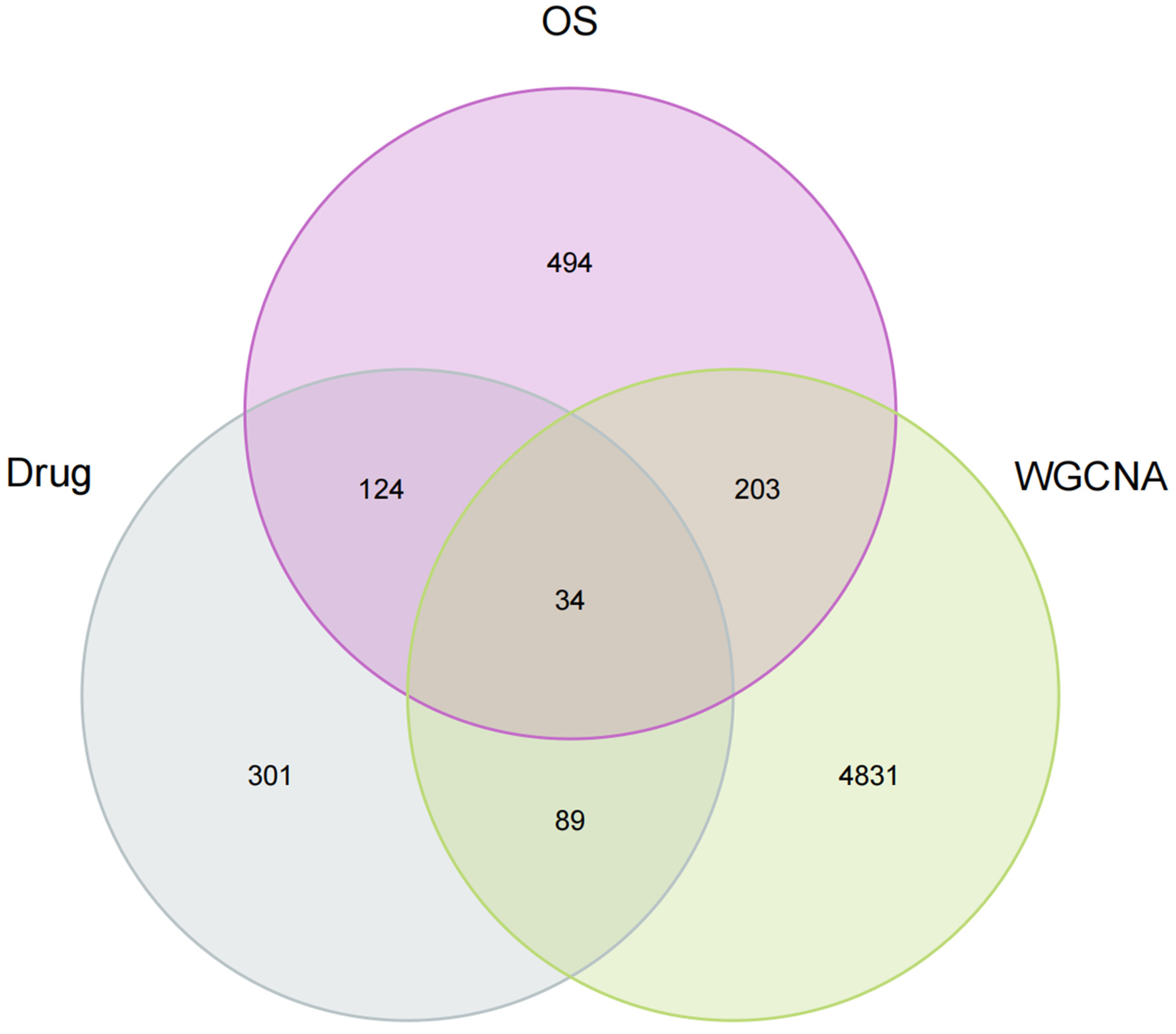
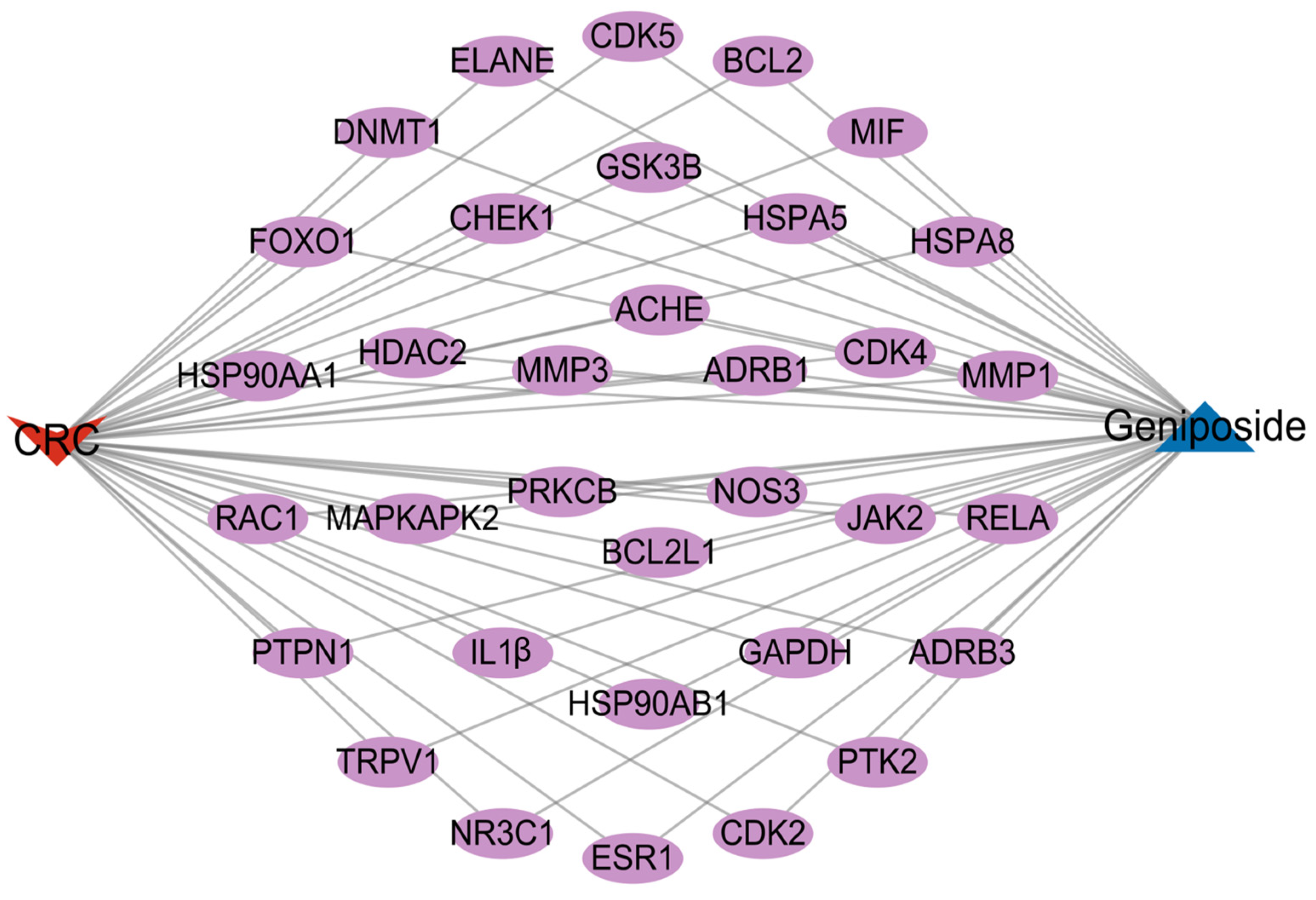
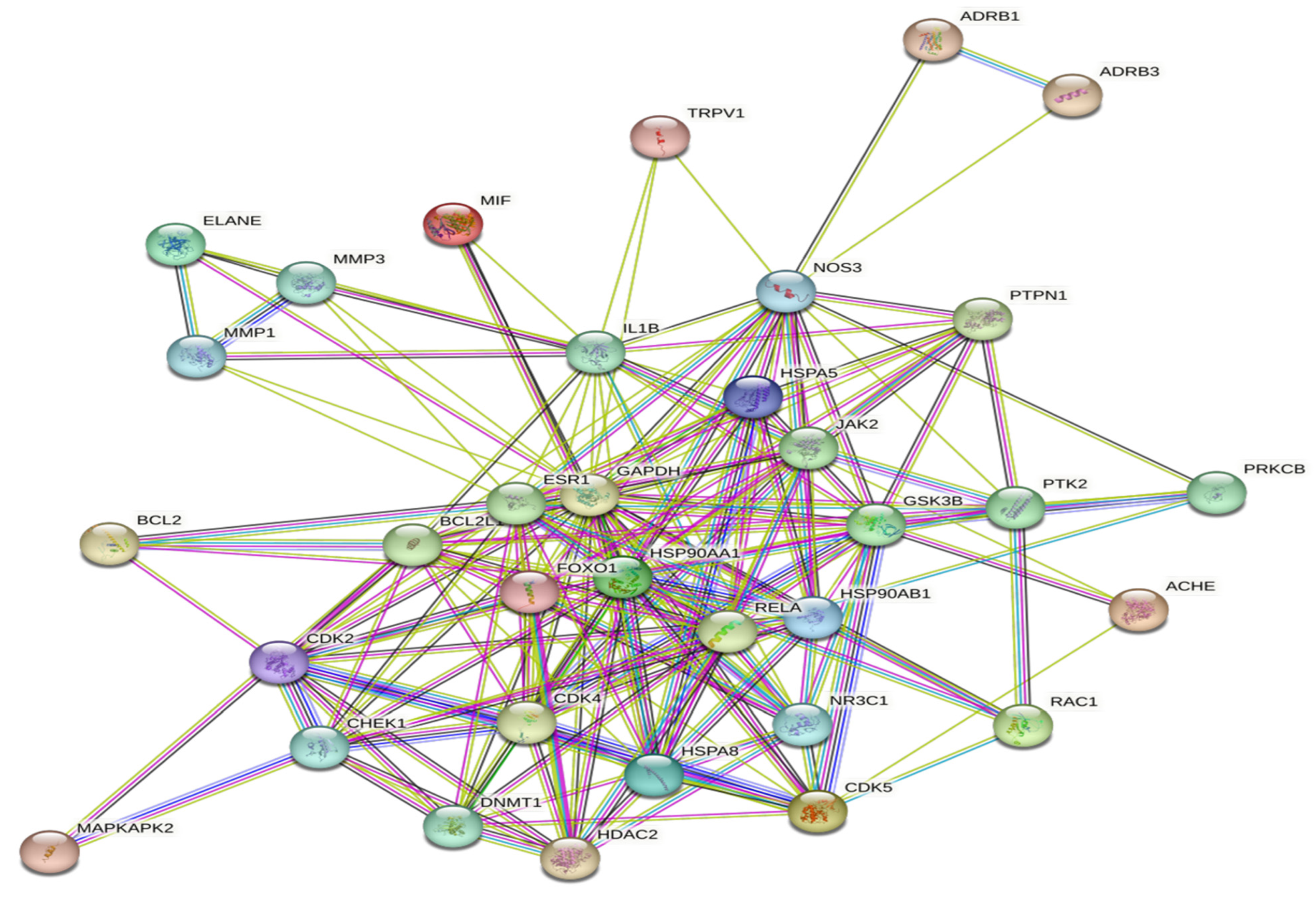
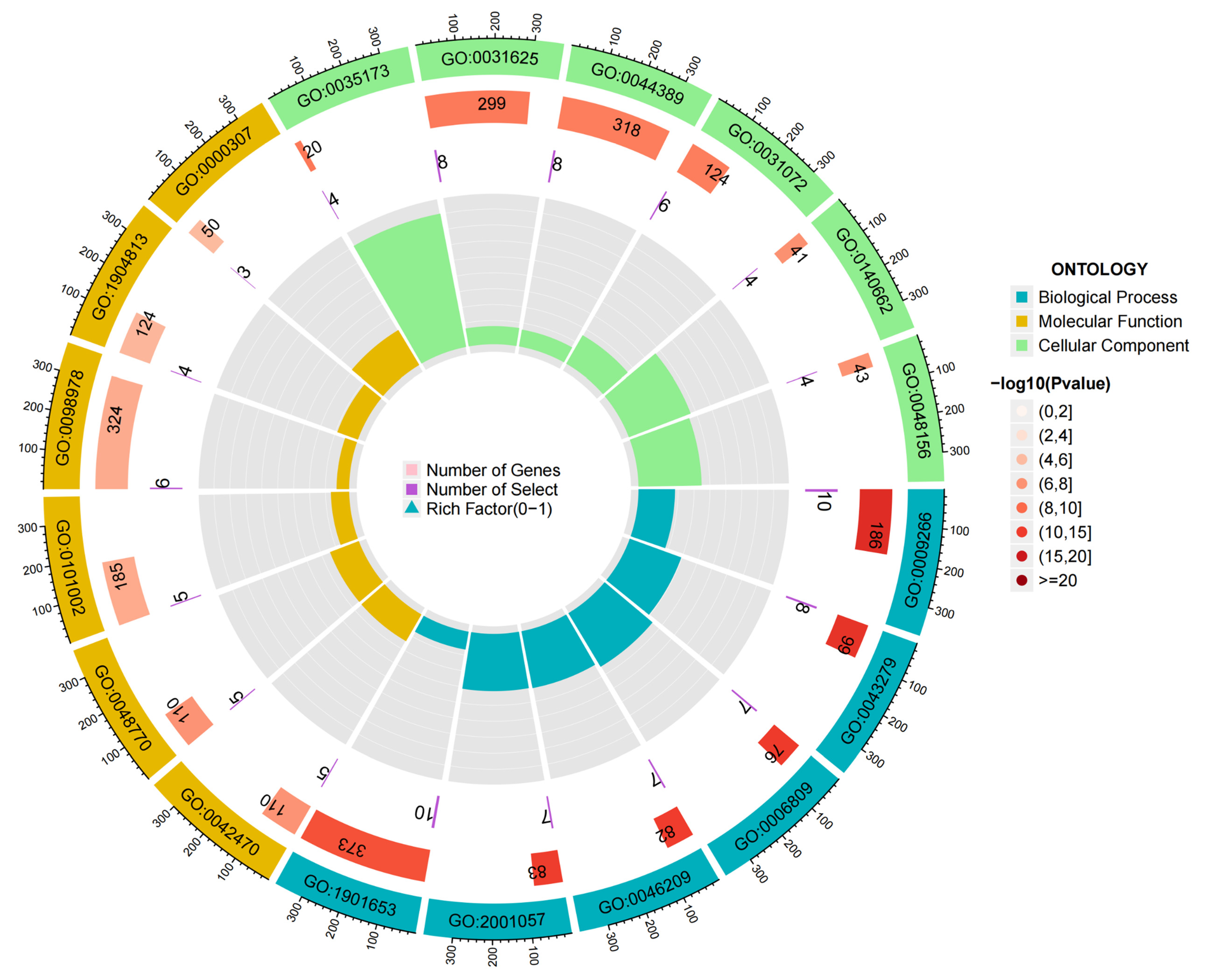
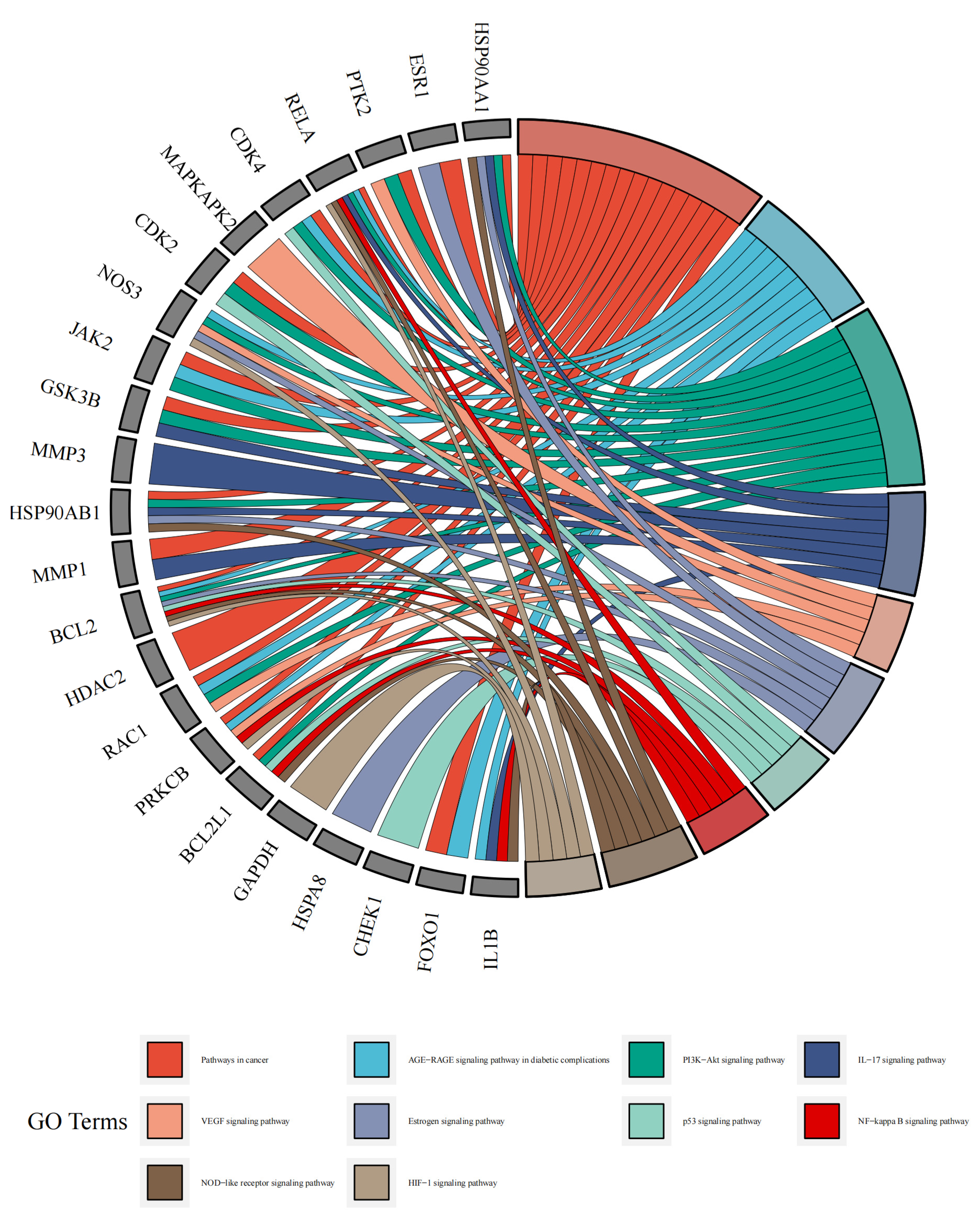
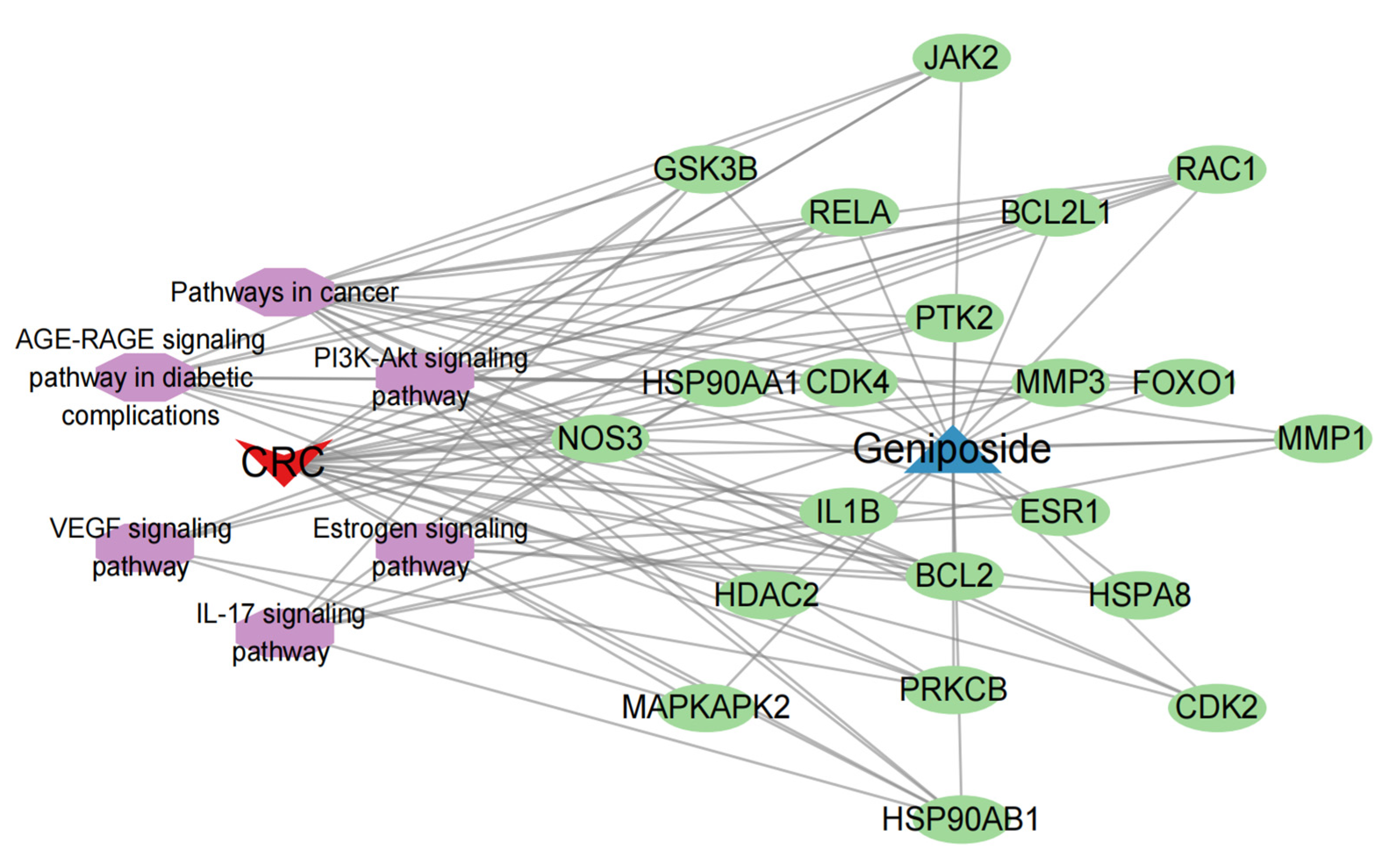
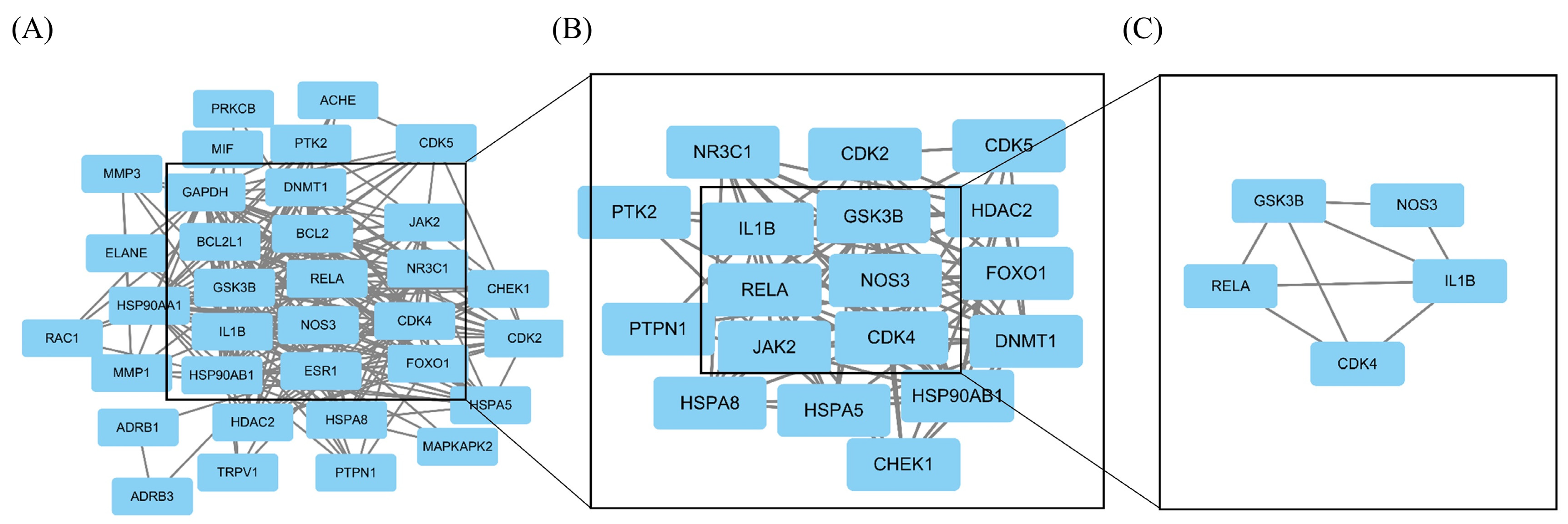
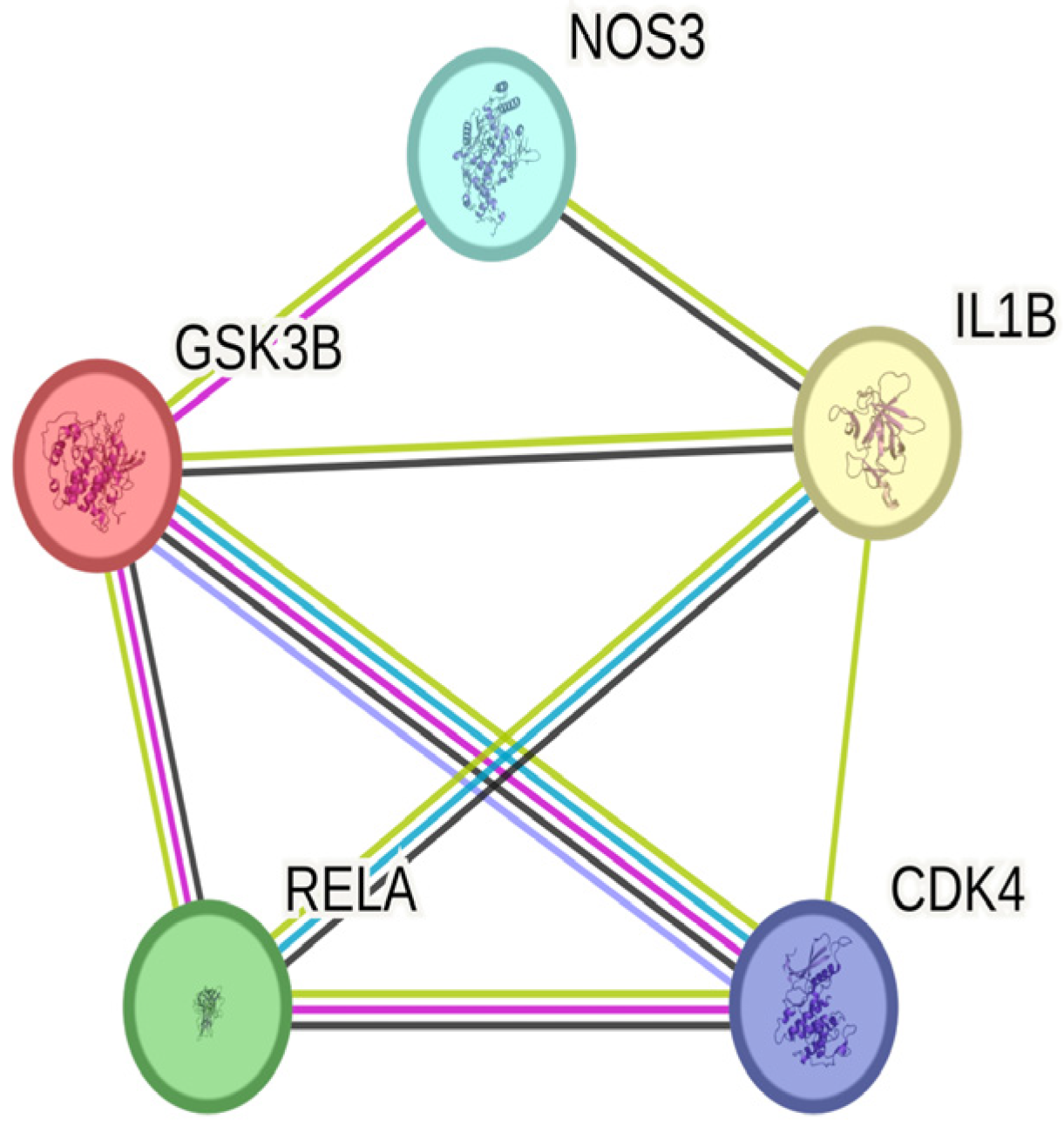
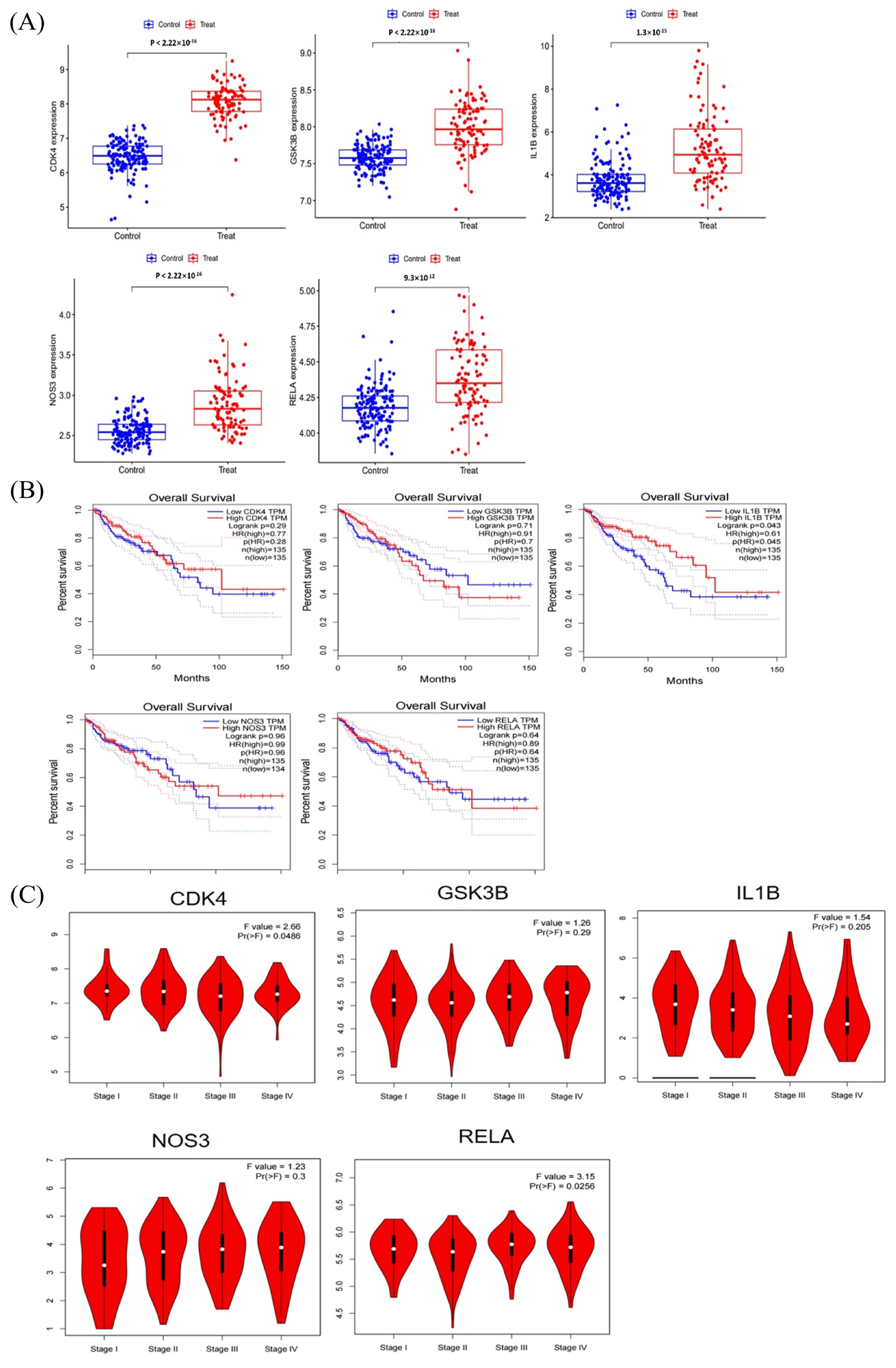
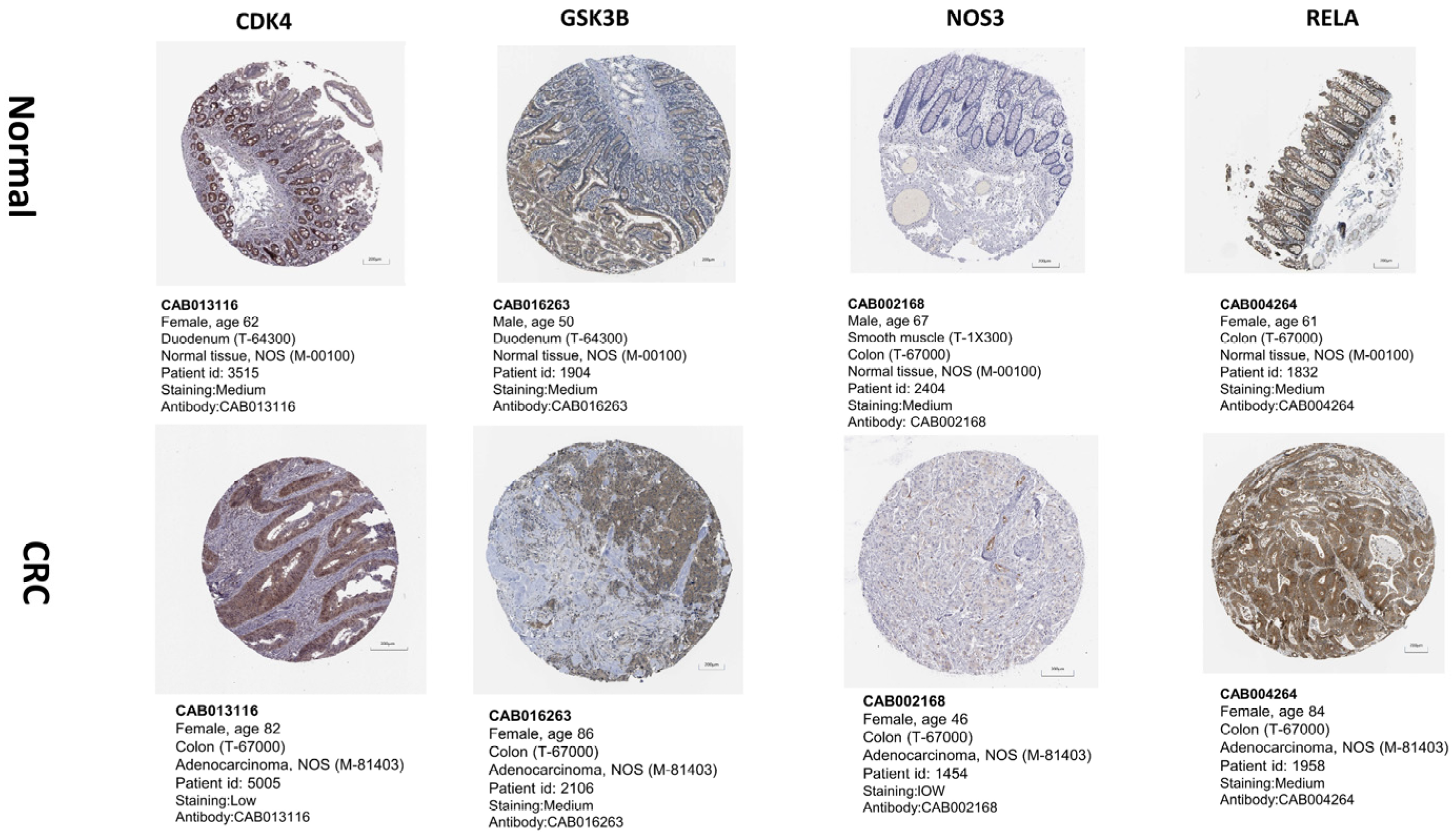
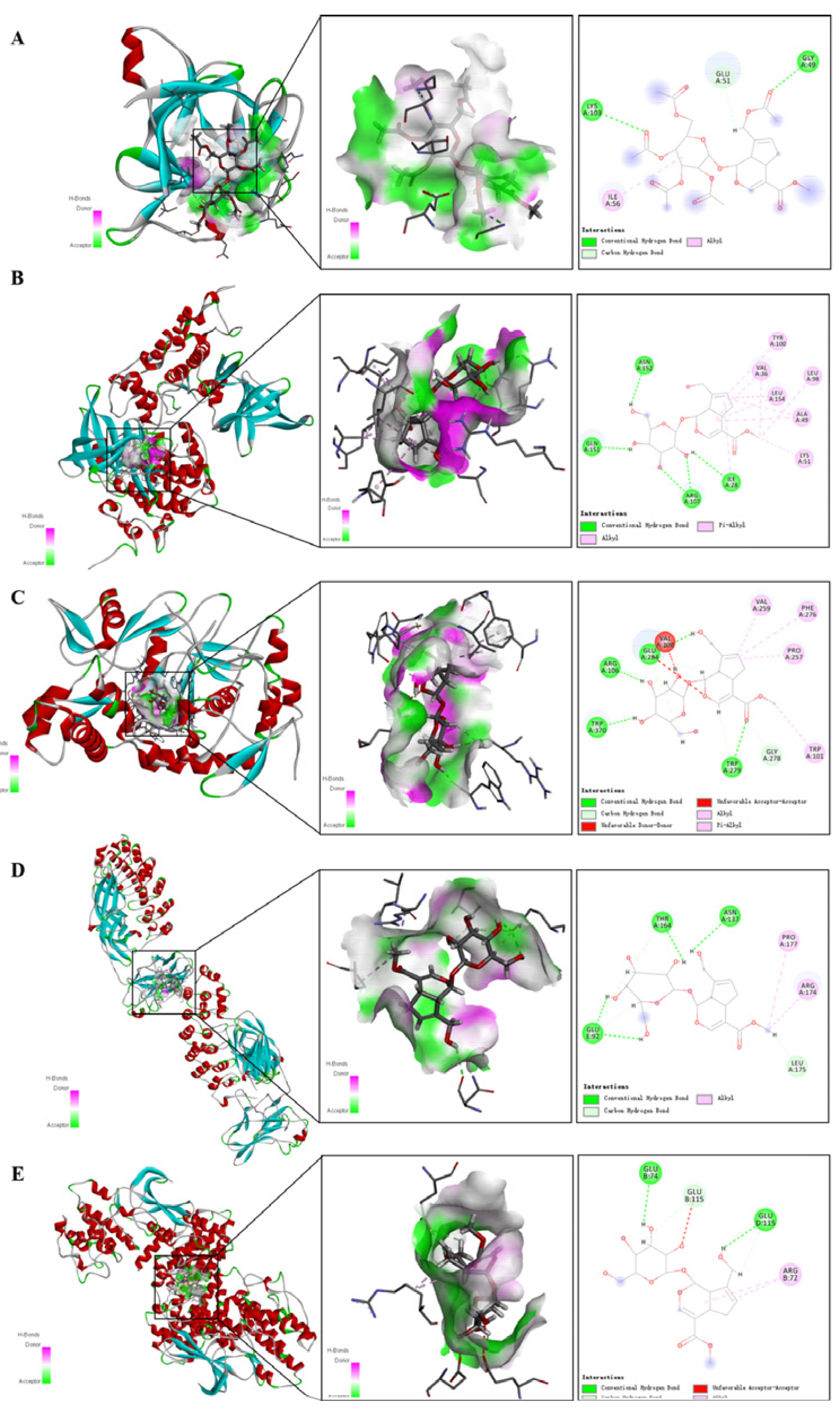
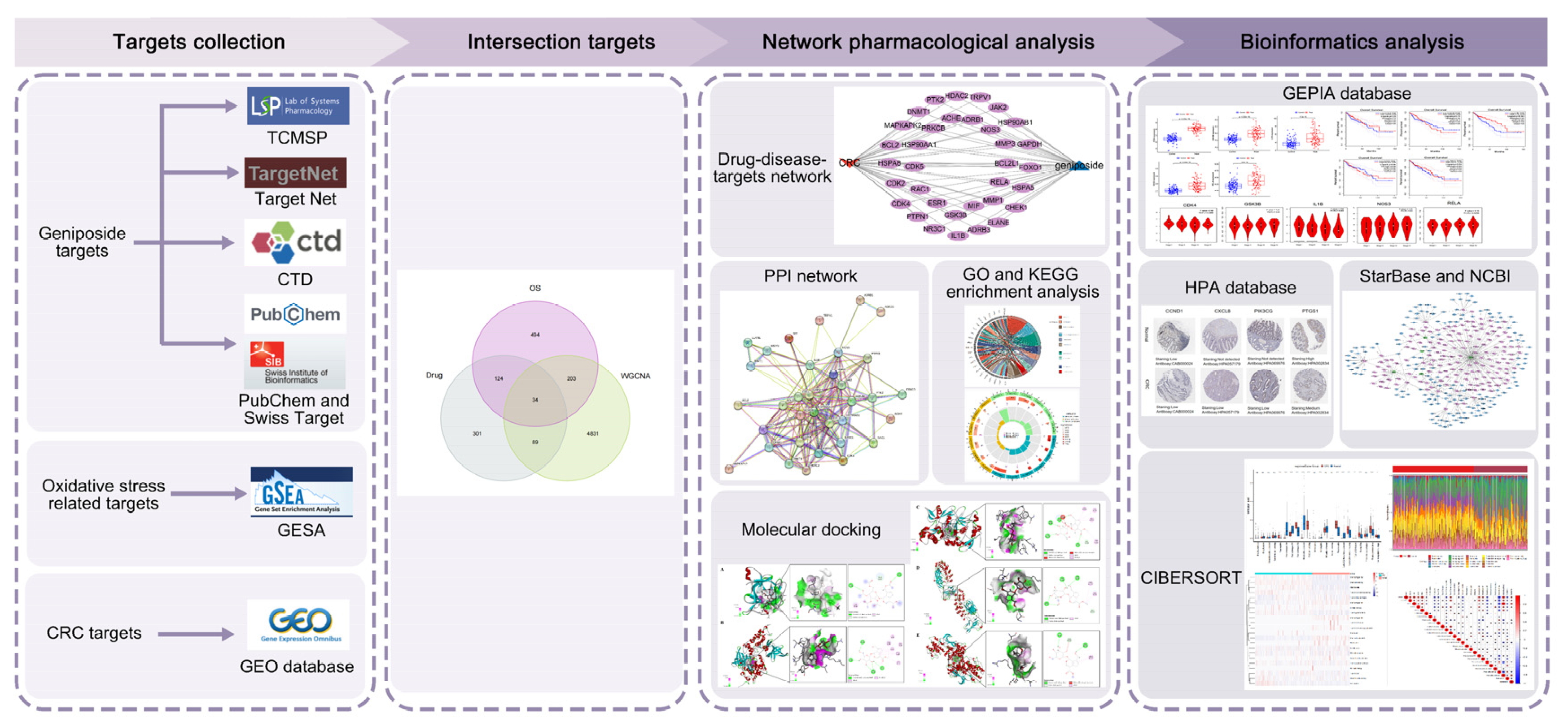
This study aims to identify the mechanism of geniposide regulating oxidative stress in colorectal cancer (CRC) through network pharmacology and bioinformatics analysis. Targets of geniposide, oxidative stress-related targets and targets related to CRC were applied from databases. The hub genes for geniposide regulating oxidative stress in CRC were identified with the protein–protein interaction (PPI) network. Furthermore, we applied Gene ontology (GO) and Kyoto Encyclopedia of Genes and Genomes (KEGG) enrichment to analyze the hub genes from a macro perspective. We verified the hub genes by molecular docking, GEPIA, HPA and starBase database. We identified five hub genes: IL1B, GSK3B, NOS3, RELA and CDK4. GO analysis results suggested that the anti-colorectal cancer effect of geniposide by regulating oxidative stress is possibly related to the influence of multiple biological processes, including response to temperature stimulus, response to alkaloid, nitric oxide biosynthetic process, nitric oxide metabolic process, reactive nitrogen species metabolic process, cellular response to peptide, etc. KEGG enrichment analysis results indicated that the PI3K–Akt signaling pathway, IL-17 signaling pathway, p53 signaling pathway, NF-κB signaling pathway and NOD-like receptor signaling pathway are likely to be the significant pathways. Molecular docking results showed that the geniposide had a good binding activity with the hub genes. This study demonstrates that geniposide can regulate oxidative stress in CRC, and induction of oxidative stress is one of the possible mechanisms of anti-recurrence and metastasis effects of geniposide against CRC.
Keywords: oxidative stress; CRC; network pharmacology; molecular docking; bioinformatics; geniposide oxidative stress; CRC; network pharmacology; molecular docking; bioinformatics; geniposide