Review

Sclerostin: From Molecule to Clinical Biomarker
Department of Clinical Chemistry, and Department of Biomedical and Clinical Sciences, Linköping University, SE-581 85 Linköping, Sweden
*
Author to whom correspondence should be addressed.
Int. J. Mol. Sci. 2022, 23(9), 4751; https://doi.org/10.3390/ijms23094751
Submission received: 16 February 2022 / Revised: 12 April 2022 / Accepted: 22 April 2022 / Published: 26 April 2022
(This article belongs to the Special Issue Mechanisms of Endocrine and Molecular Bone Regulation)

Abstract

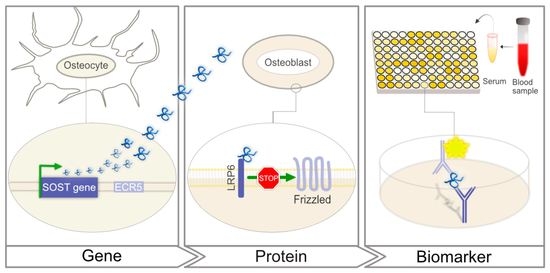
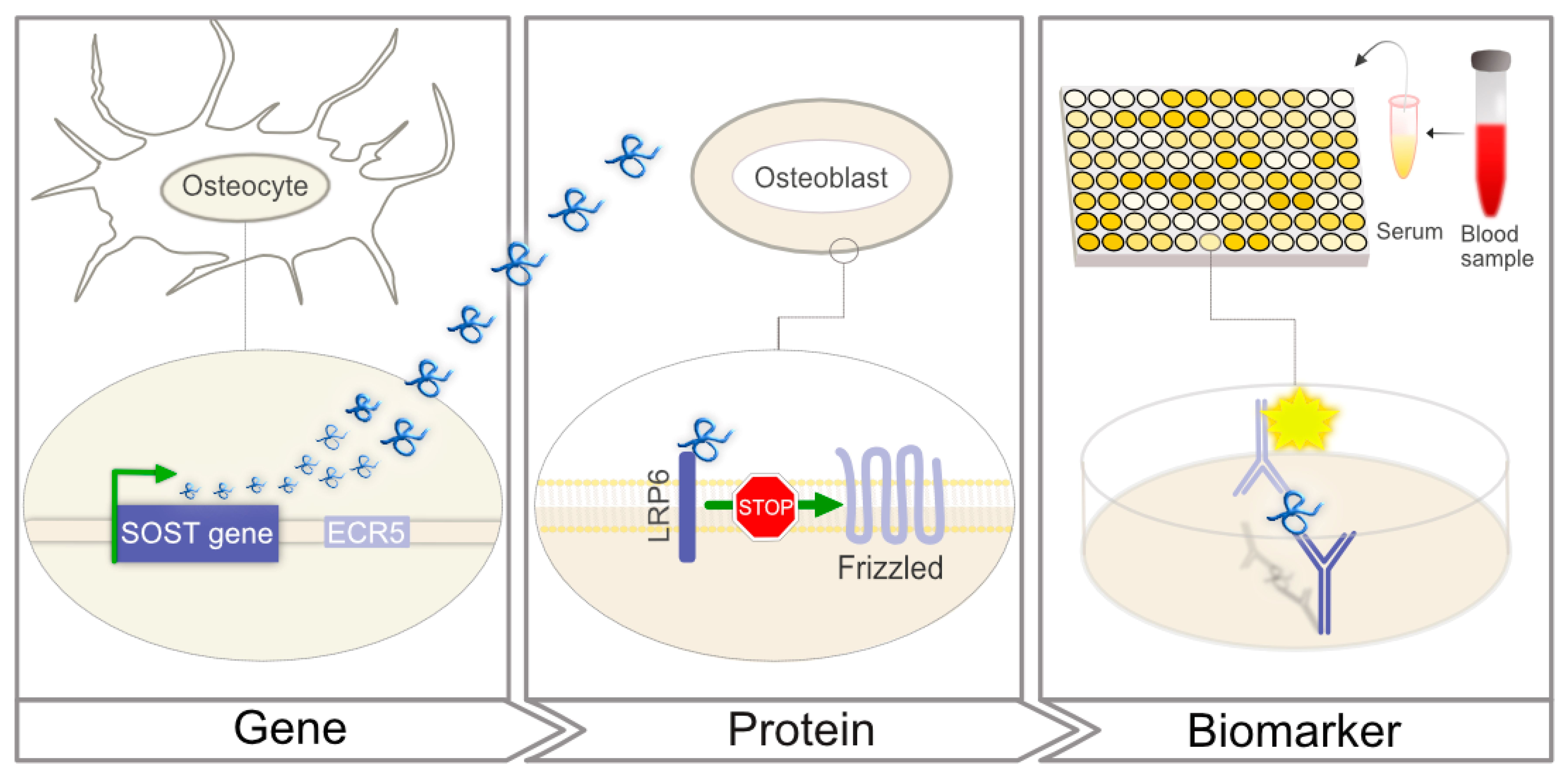
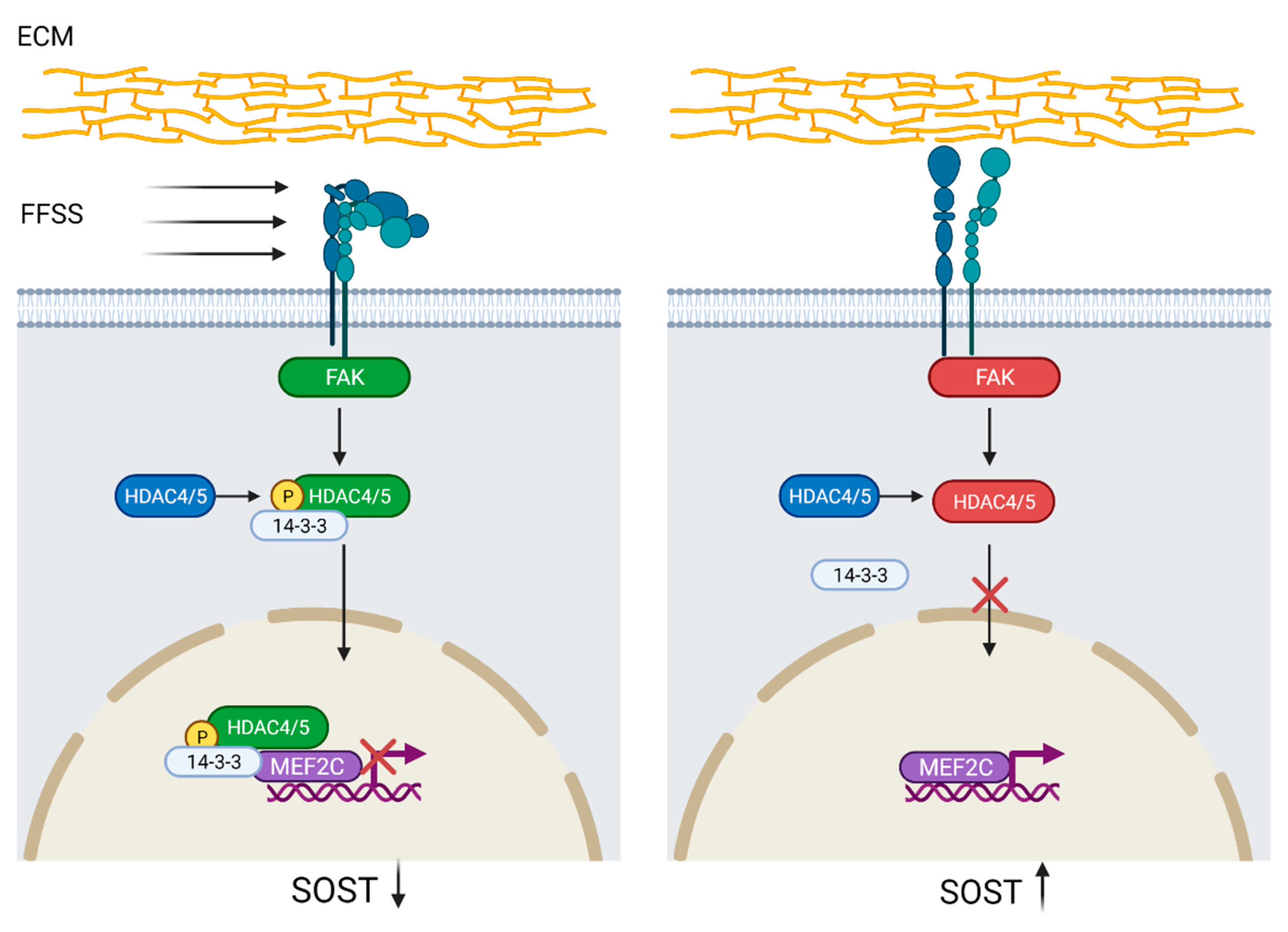
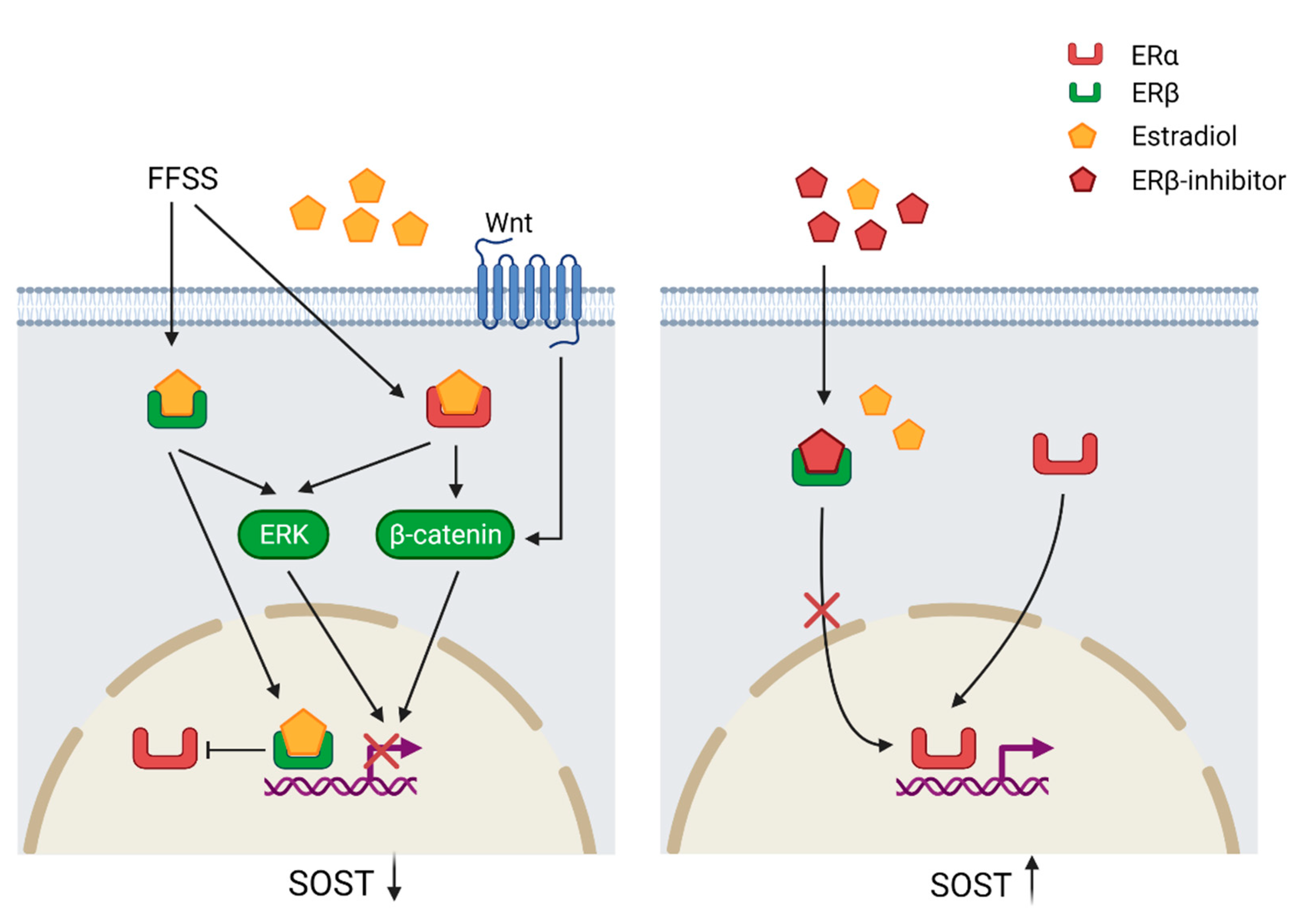
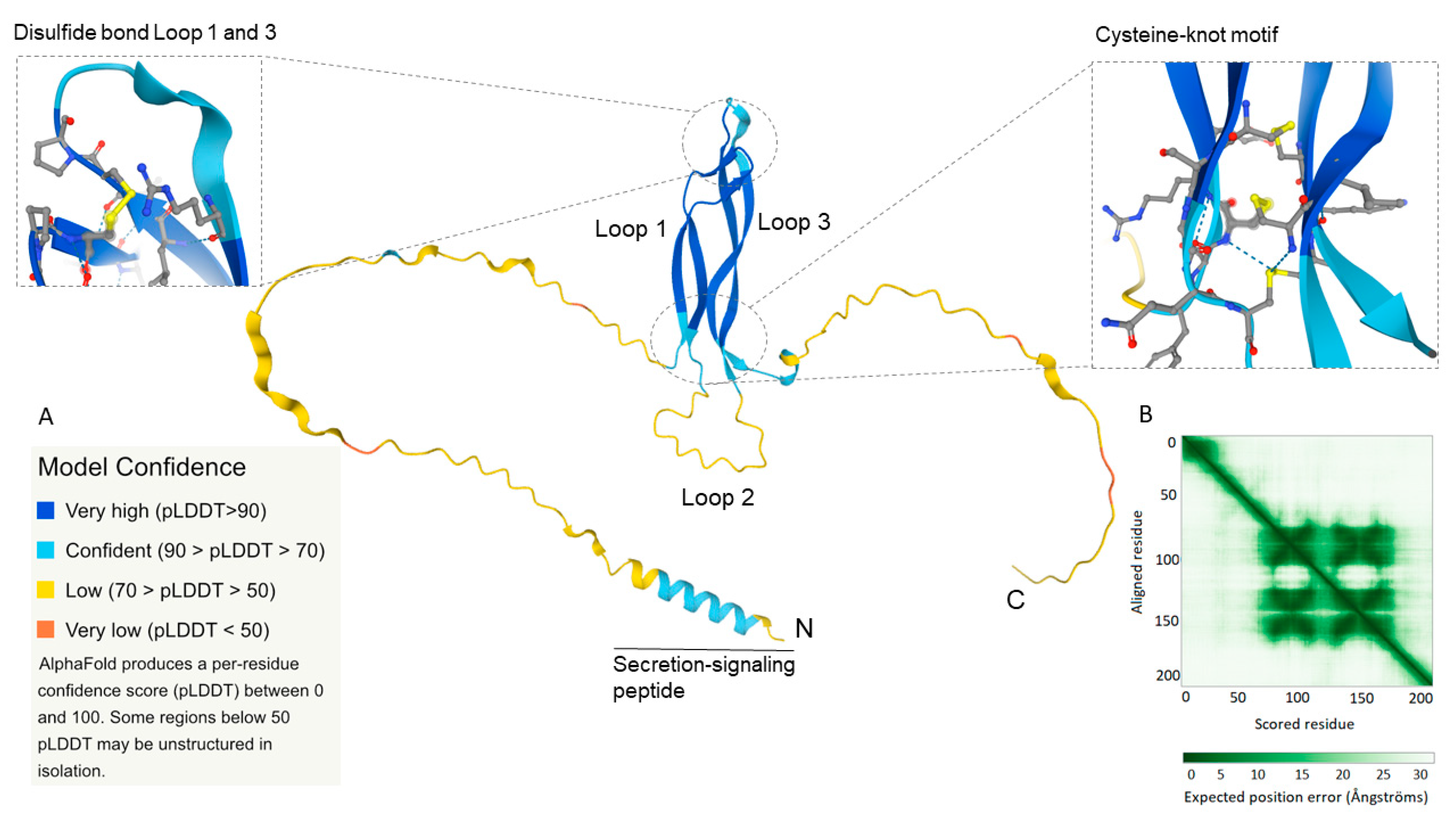
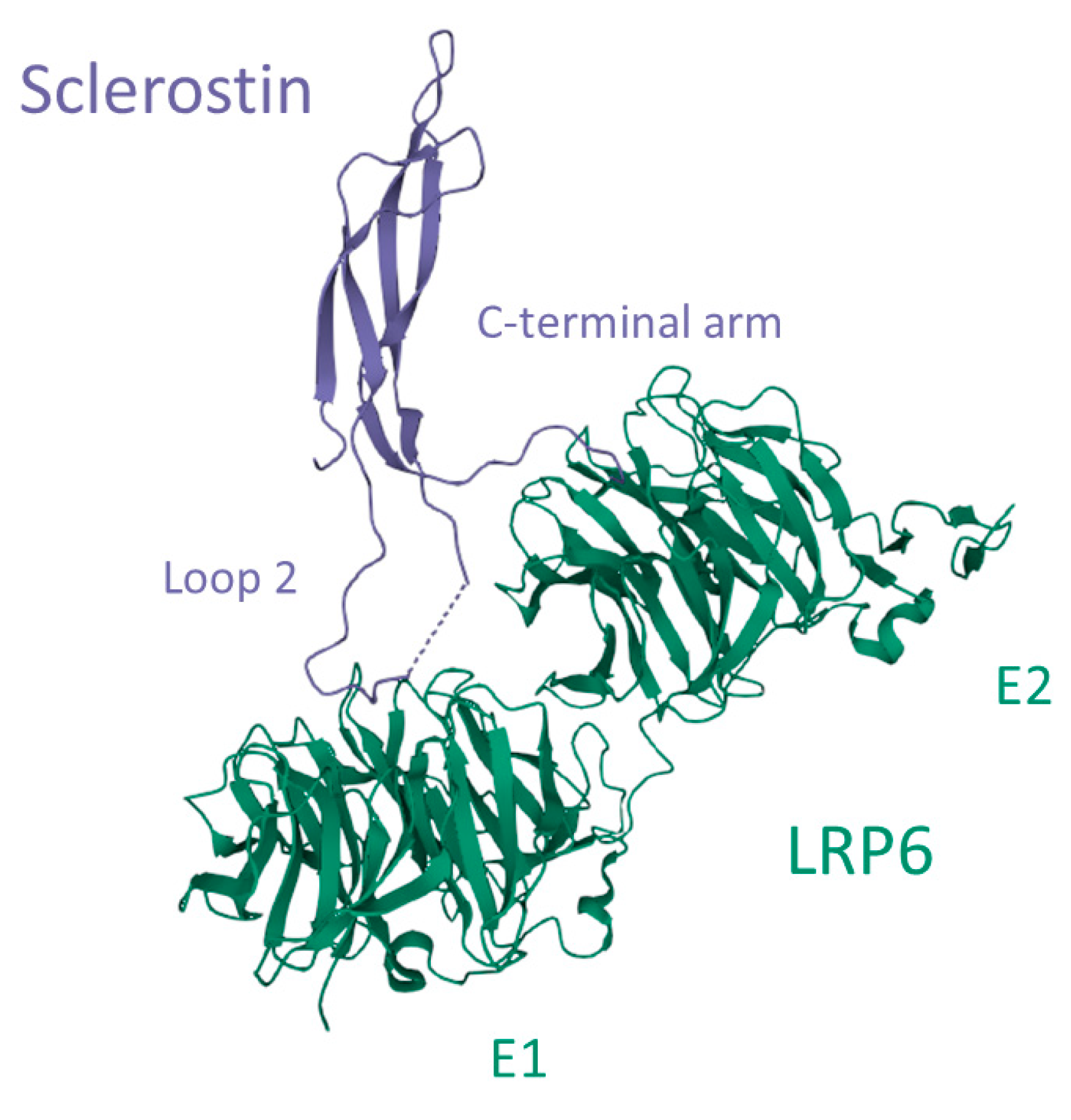
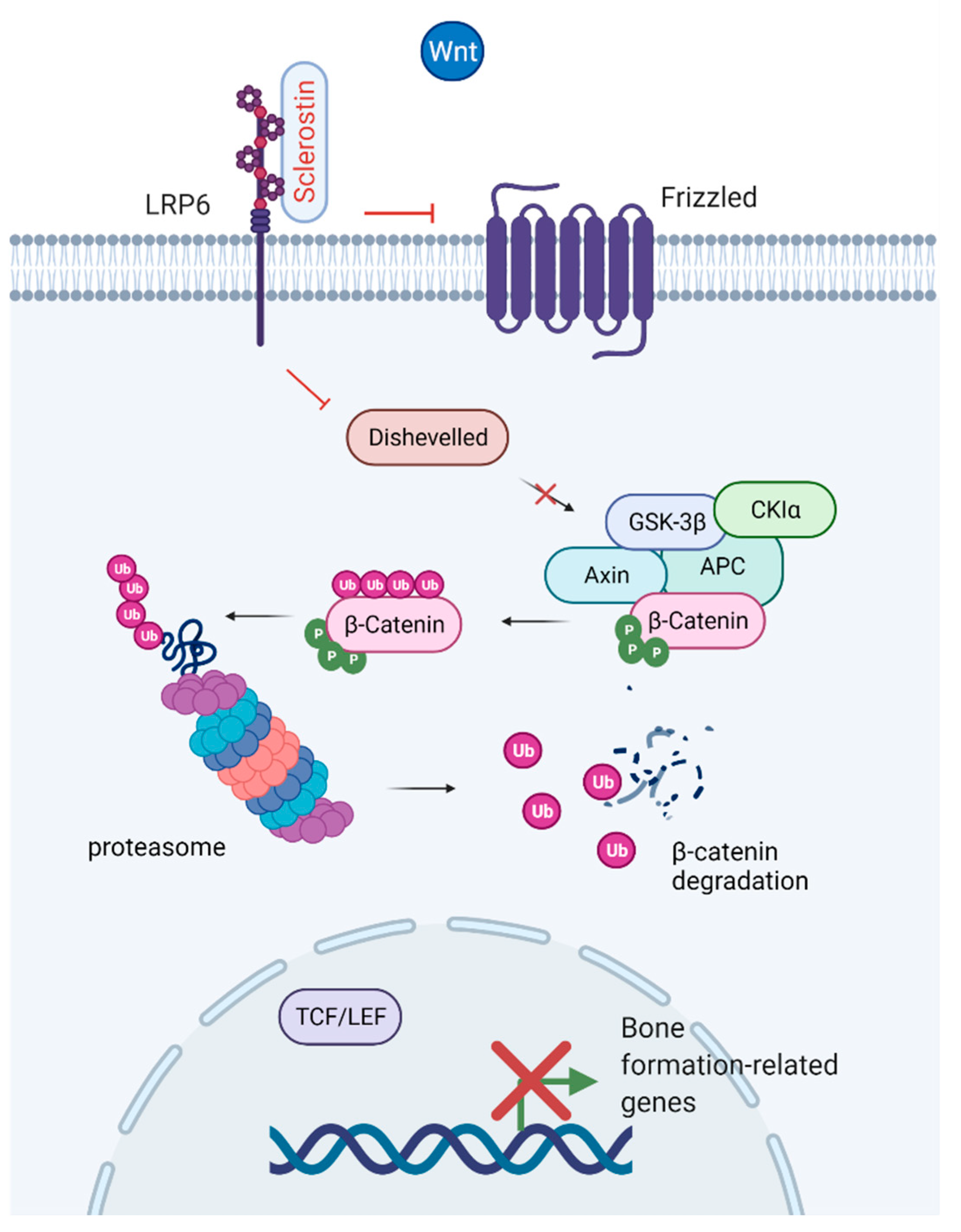
Sclerostin, a glycoprotein encoded by the SOST gene, is mainly produced by mature osteocytes and is a critical regulator of bone formation through its inhibitory effect on Wnt signaling. Osteocytes are differentiated osteoblasts that form a vast and highly complex communication network and orchestrate osteogenesis in response to both mechanical and hormonal cues. The three most commonly described pathways of SOST gene regulation are mechanotransduction, Wnt/β-catenin, and steroid signaling. Downregulation of SOST and thereby upregulation of local Wnt signaling is required for the osteogenic response to mechanical loading. This review covers recent findings concerning the identification of SOST, in vitro regulation of SOST gene expression, structural and functional properties of sclerostin, pathophysiology, biological variability, and recent assay developments for measuring circulating sclerostin. The three-dimensional structure of human sclerostin was generated with the AlphaFold Protein Structure Database applying a novel deep learning algorithm based on the amino acid sequence. The functional properties of the 3-loop conformation within the tertiary structure of sclerostin and molecular interaction with low-density lipoprotein receptor-related protein 6 (LRP6) are also reviewed. Second-generation immunoassays for intact/biointact sclerostin have recently been developed, which might overcome some of the reported methodological obstacles. Sclerostin assay standardization would be a long-term objective to overcome some of the problems with assay discrepancies. Besides the use of age- and sex-specific reference intervals for sclerostin, it is also pivotal to use assay-specific reference intervals since available immunoassays vary widely in their methodological characteristics.
Keywords: β-catenin; bone; bone formation; immunoassay; LRP6; mechanotransduction; osteocyte; reference interval; SOST; Wnt signaling β-catenin; bone; bone formation; immunoassay; LRP6; mechanotransduction; osteocyte; reference interval; SOST; Wnt signaling
Graphical Abstract