Review

Natural Compounds as Promising Adjuvant Agents in The Treatment of Gliomas

by
Francesca Persano
1,2,*,
Giuseppe Gigli
1,2 and
Stefano Leporatti
2,*
1
Department of Mathematics and Physics, University of Salento, Via Per Arnesano, 73100 Lecce, Italy
2
CNR Nanotec-Istituto di Nanotecnologia, Via Monteroni, 73100 Lecce, Italy
*
Authors to whom correspondence should be addressed.
Int. J. Mol. Sci. 2022, 23(6), 3360; https://doi.org/10.3390/ijms23063360
Submission received: 28 February 2022 / Revised: 17 March 2022 / Accepted: 18 March 2022 / Published: 20 March 2022

Abstract

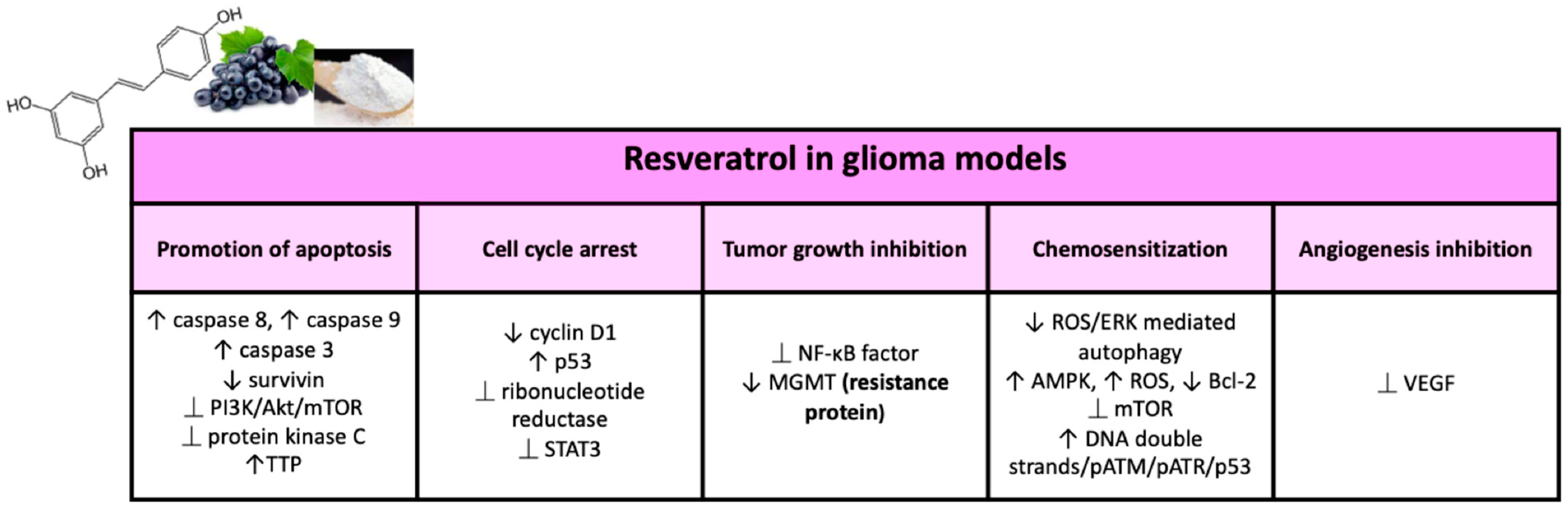
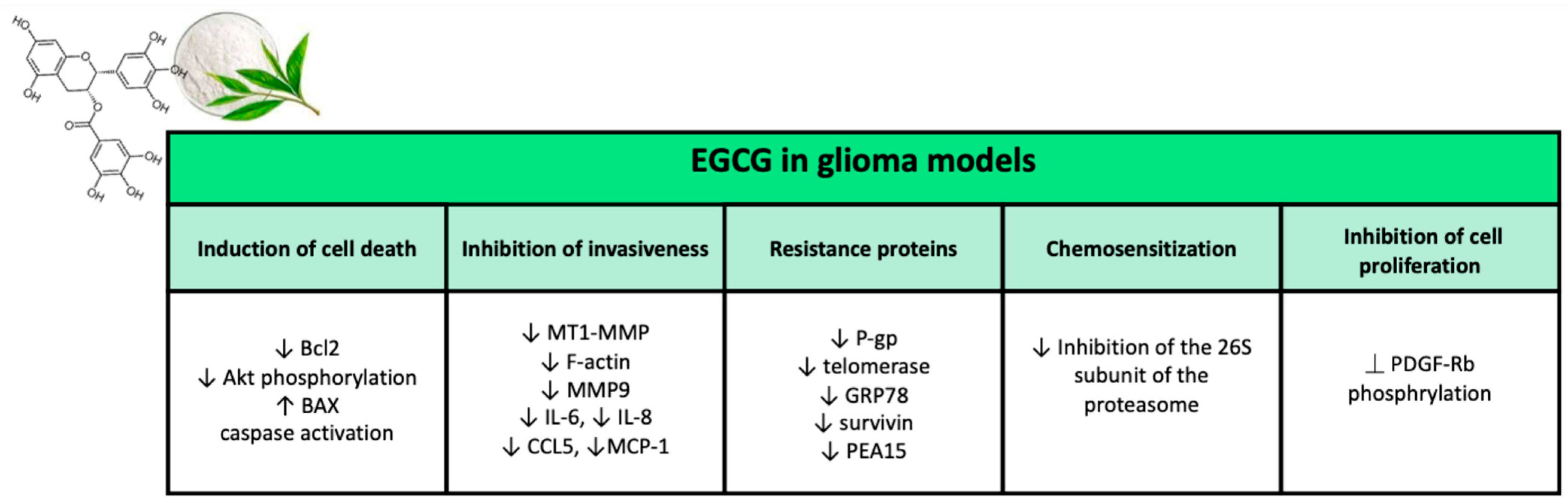
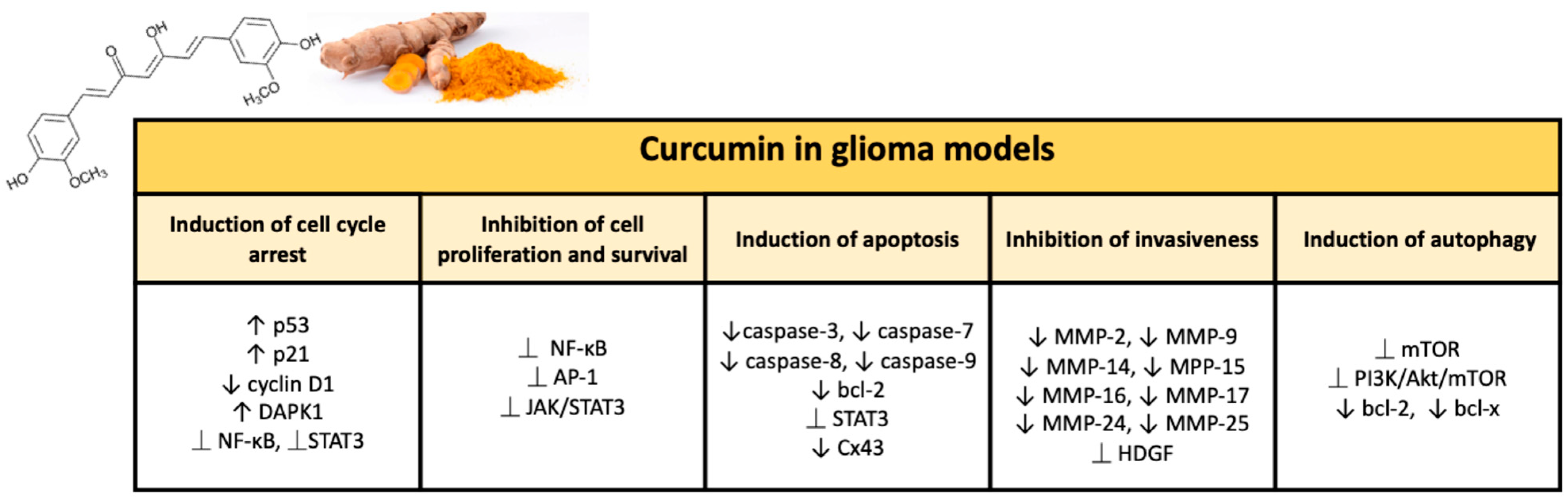
In humans, glioblastoma is the most prevalent primary malignant brain tumor. Usually, glioblastoma has specific characteristics, such as aggressive cell proliferation and rapid invasion of surrounding brain tissue, leading to a poor patient prognosis. The current therapy—which provides a multidisciplinary approach with surgery followed by radiotherapy and chemotherapy with temozolomide—is not very efficient since it faces clinical challenges such as tumor heterogeneity, invasiveness, and chemoresistance. In this respect, natural substances in the diet, integral components in the lifestyle medicine approach, can be seen as potential chemotherapeutics. There are several epidemiological studies that have shown the chemopreventive role of natural dietary compounds in cancer progression and development. These heterogeneous compounds can produce anti-glioblastoma effects through upregulation of apoptosis and autophagy; allowing the promotion of cell cycle arrest; interfering with tumor metabolism; and permitting proliferation, neuroinflammation, chemoresistance, angiogenesis, and metastasis inhibition. Although these beneficial effects are promising, the efficacy of natural compounds in glioblastoma is limited due to their bioavailability and blood–brain barrier permeability. Thereby, further clinical trials are necessary to confirm the in vitro and in vivo anticancer properties of natural compounds. In this article, we overview the role of several natural substances in the treatment of glioblastoma by considering the challenges to be overcome and future prospects.
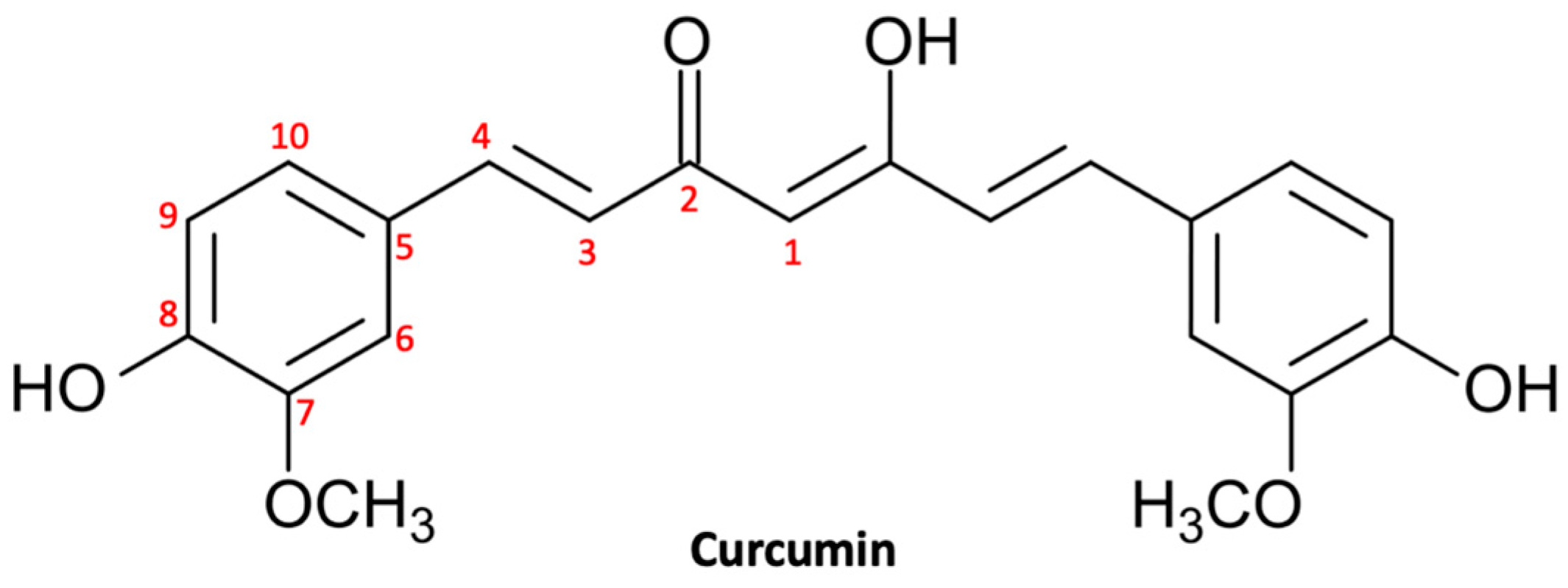
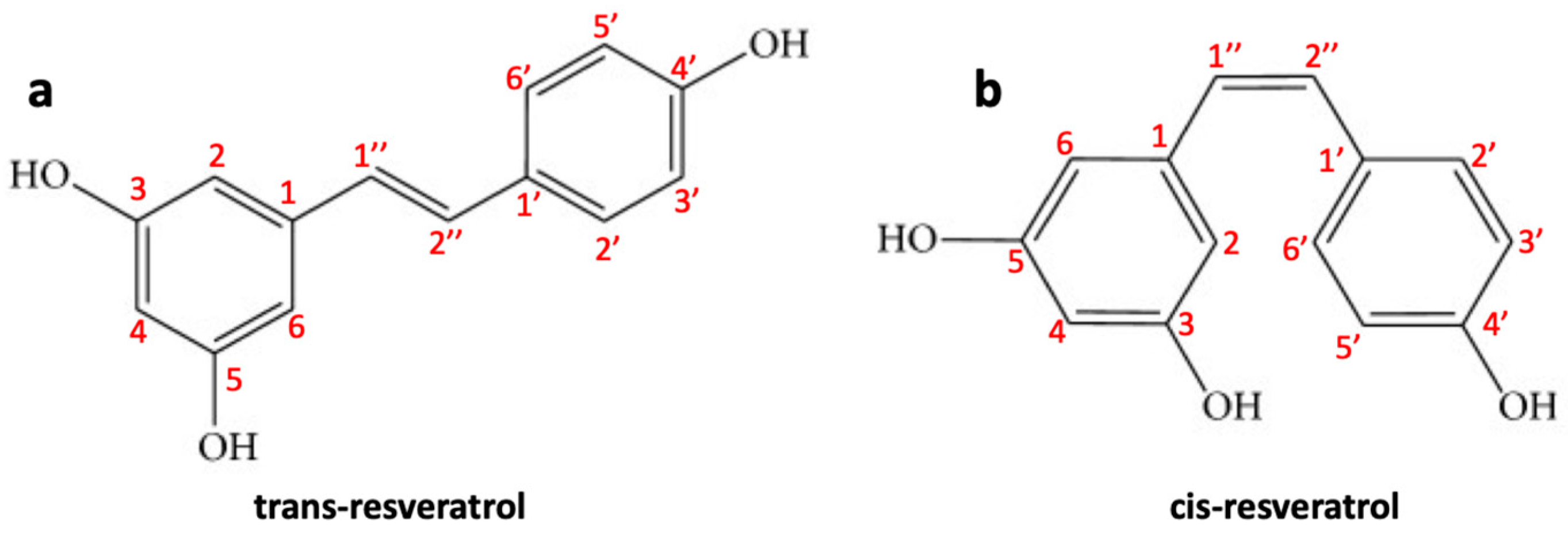
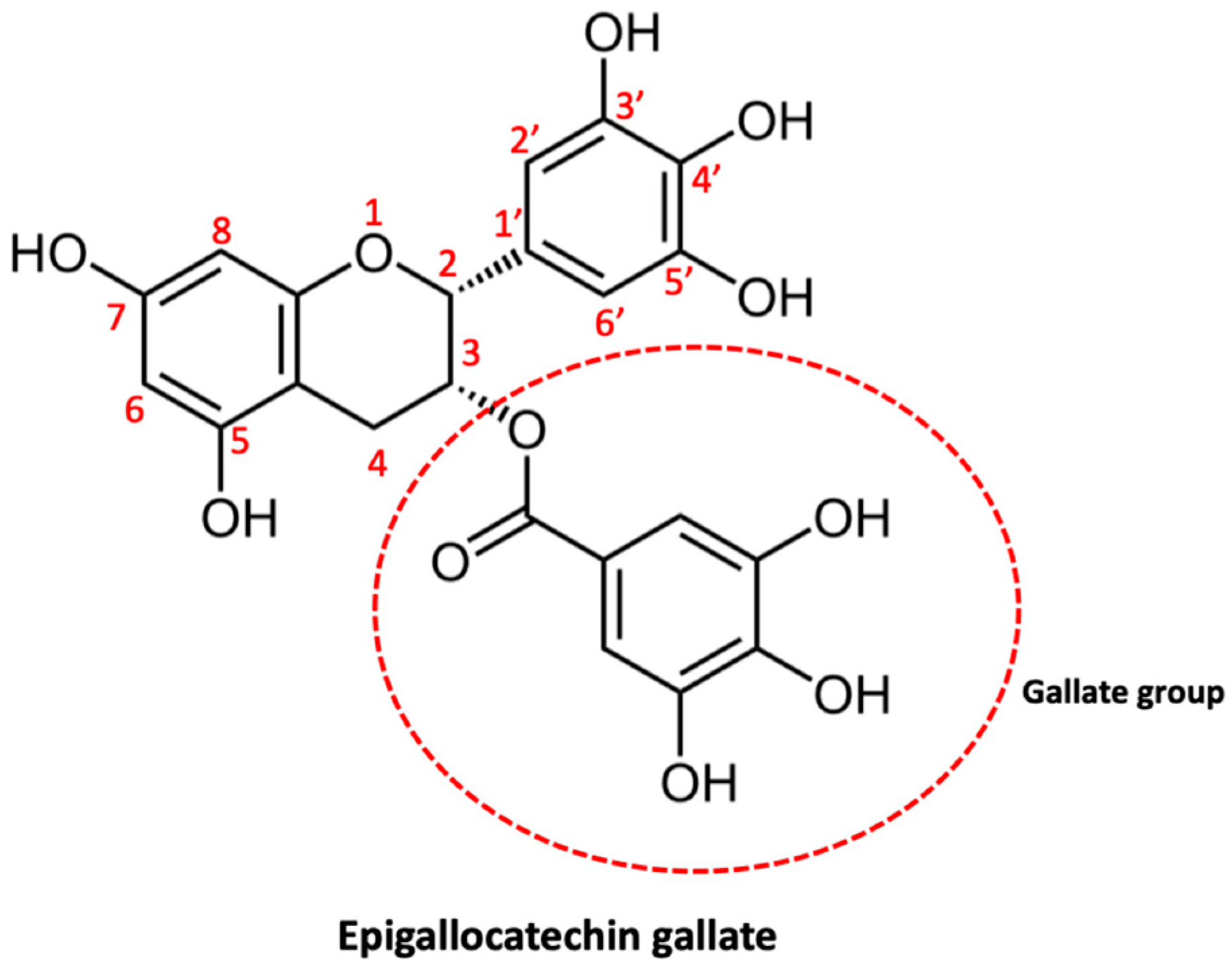
Keywords: natural compounds; brain tumors; glioma tumors; glioblastoma; resveratrol; curcumin; epigallocatechin gallate natural compounds; brain tumors; glioma tumors; glioblastoma; resveratrol; curcumin; epigallocatechin gallate