Review

Diet and Male Fertility: The Impact of Nutrients and Antioxidants on Sperm Energetic Metabolism

by
Alessandra Ferramosca
* and
Vincenzo Zara
Department of Biological and Environmental Sciences and Technologies, University of Salento, I-73100 Lecce, Italy
*
Author to whom correspondence should be addressed.
Int. J. Mol. Sci. 2022, 23(5), 2542; https://doi.org/10.3390/ijms23052542
Submission received: 27 January 2022 / Revised: 21 February 2022 / Accepted: 24 February 2022 / Published: 25 February 2022
(This article belongs to the Collection Feature Papers in Bioactives and Nutraceuticals)

Abstract

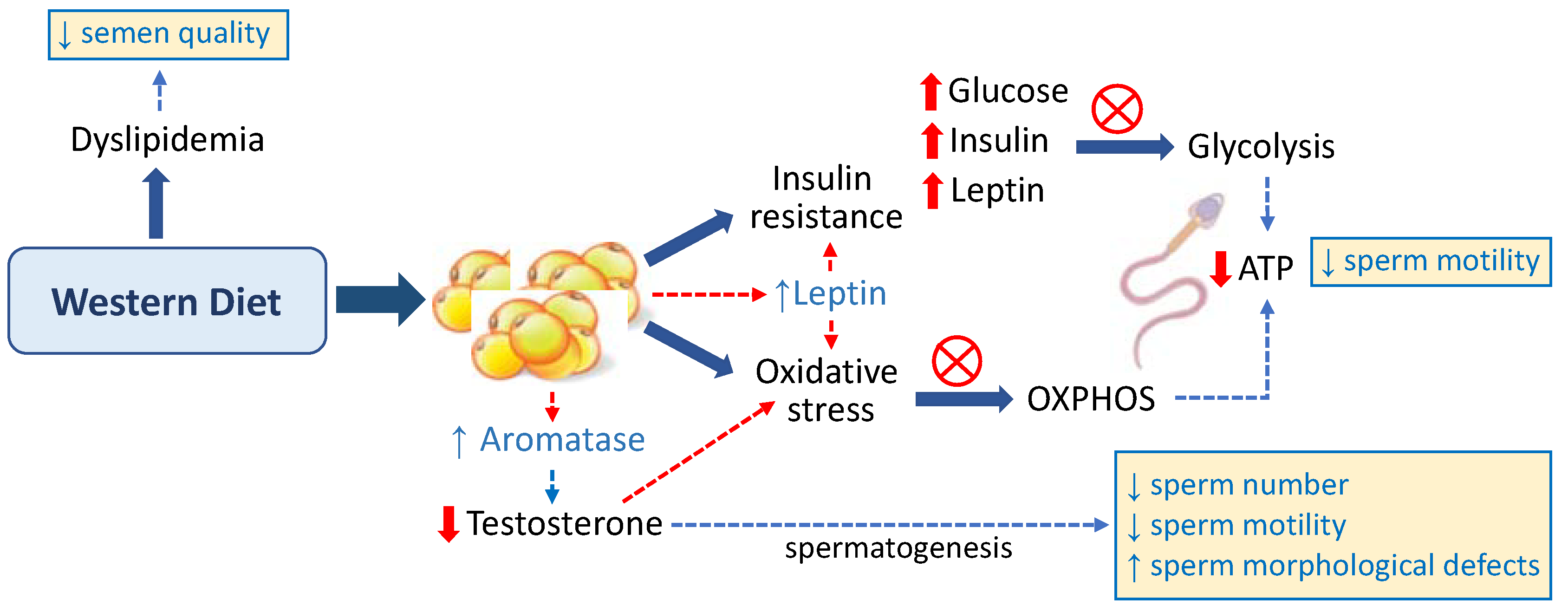
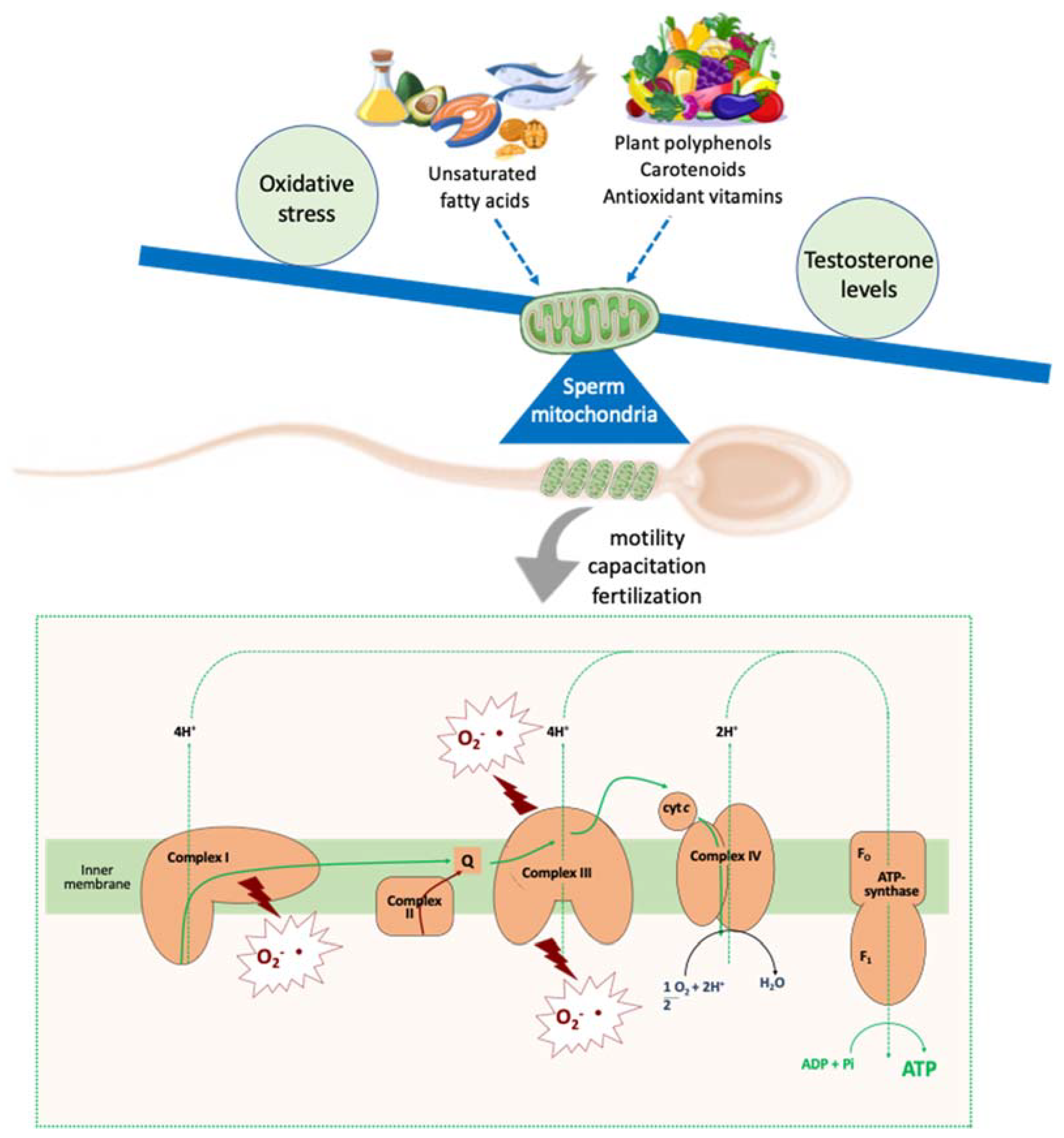
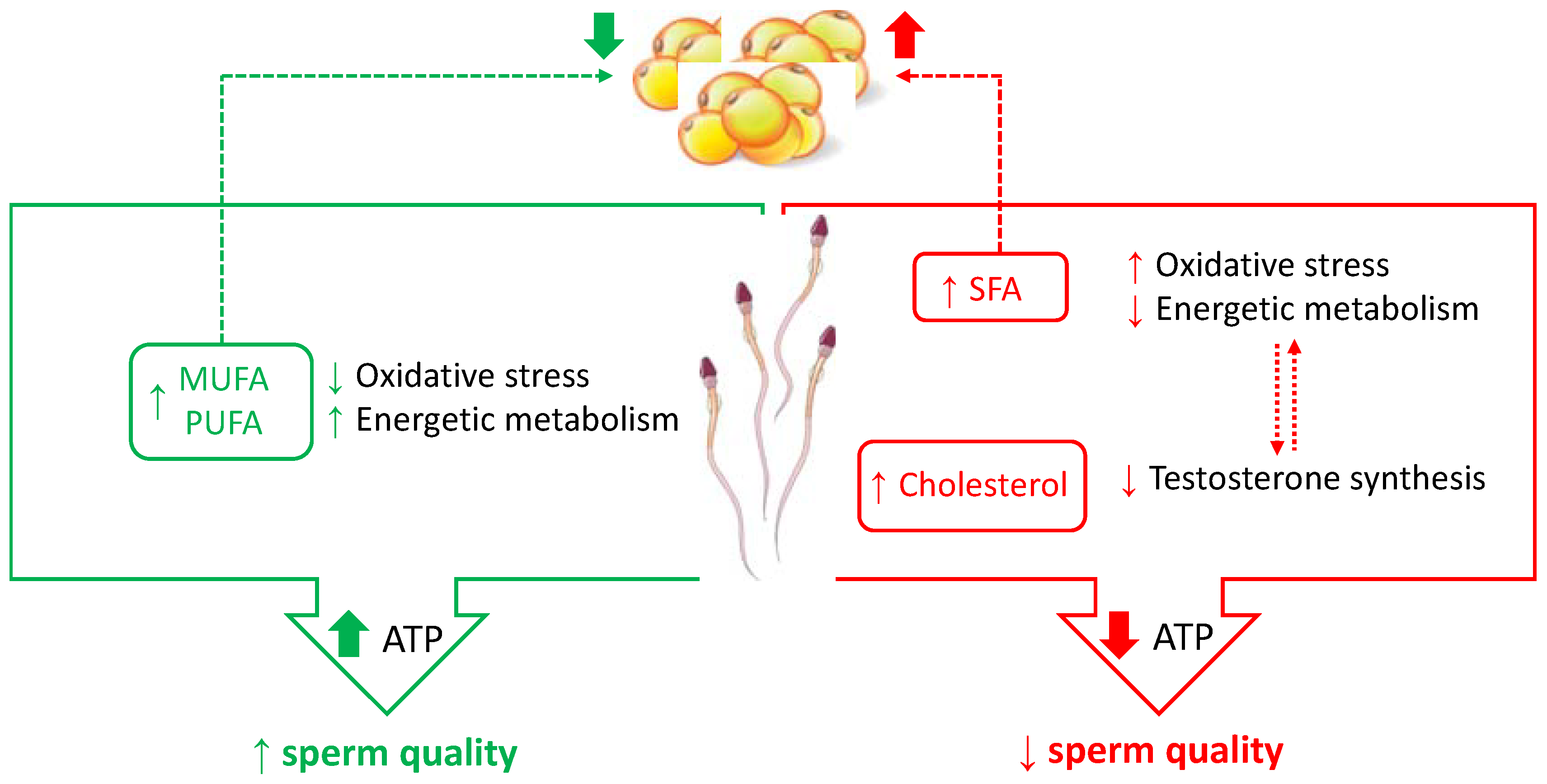
Diet might affect male reproductive potential, but the biochemical mechanisms involved in the modulation of sperm quality remain poorly understood. While a Western diet is considered a risk factor for male infertility, the Mediterranean diet seems to protect against male infertility; moreover, the role of a vegetarian habitus in the preservation of sperm quality is controversial. The aim of this review is to analyze the molecular effects of single nutrients on sperm quality, focusing on their involvement in biochemical mechanisms related to sperm bioenergetics. It appears that diets rich in saturated fatty acids (SFA) and low in polyunsaturated fatty acids (PUFA) negatively affect sperm quality, whereas unsaturated fatty acids supplementation ameliorates sperm quality. In fact, the administration of PUFA, especially omega-3 PUFA, determined an increase in mitochondrial energetic metabolism and a reduction in oxidative damage. Carbohydrates and proteins are also nutritional modulators of oxidative stress and testosterone levels, which are strictly linked to sperm mitochondrial function, a key element for sperm quality. Moreover, many dietary natural polyphenols differentially affect (positively or negatively) the mitochondrial function, depending on their concentration. We believe that an understanding of the biochemical mechanisms responsible for sperm quality will lead to more targeted and effective therapeutics for male infertility.
Keywords: spermatozoa; infertility; obesity; fatty acids; sugar; bioactive molecules; mitochondria; metabolism spermatozoa; infertility; obesity; fatty acids; sugar; bioactive molecules; mitochondria; metabolism