Review

Anticarcinogenic Effects of Isothiocyanates on Hepatocellular Carcinoma

1
Institute of Life Sciences, College of Life and Environmental Science, Wenzhou University, Wenzhou 325035, China
2
Biomedicine Collaborative Innovation Center of Zhejiang Province, Wenzhou University, Wenzhou 325035, China
*
Authors to whom correspondence should be addressed.
Int. J. Mol. Sci. 2022, 23(22), 13834; https://doi.org/10.3390/ijms232213834
Submission received: 29 September 2022 / Revised: 2 November 2022 / Accepted: 8 November 2022 / Published: 10 November 2022

Abstract

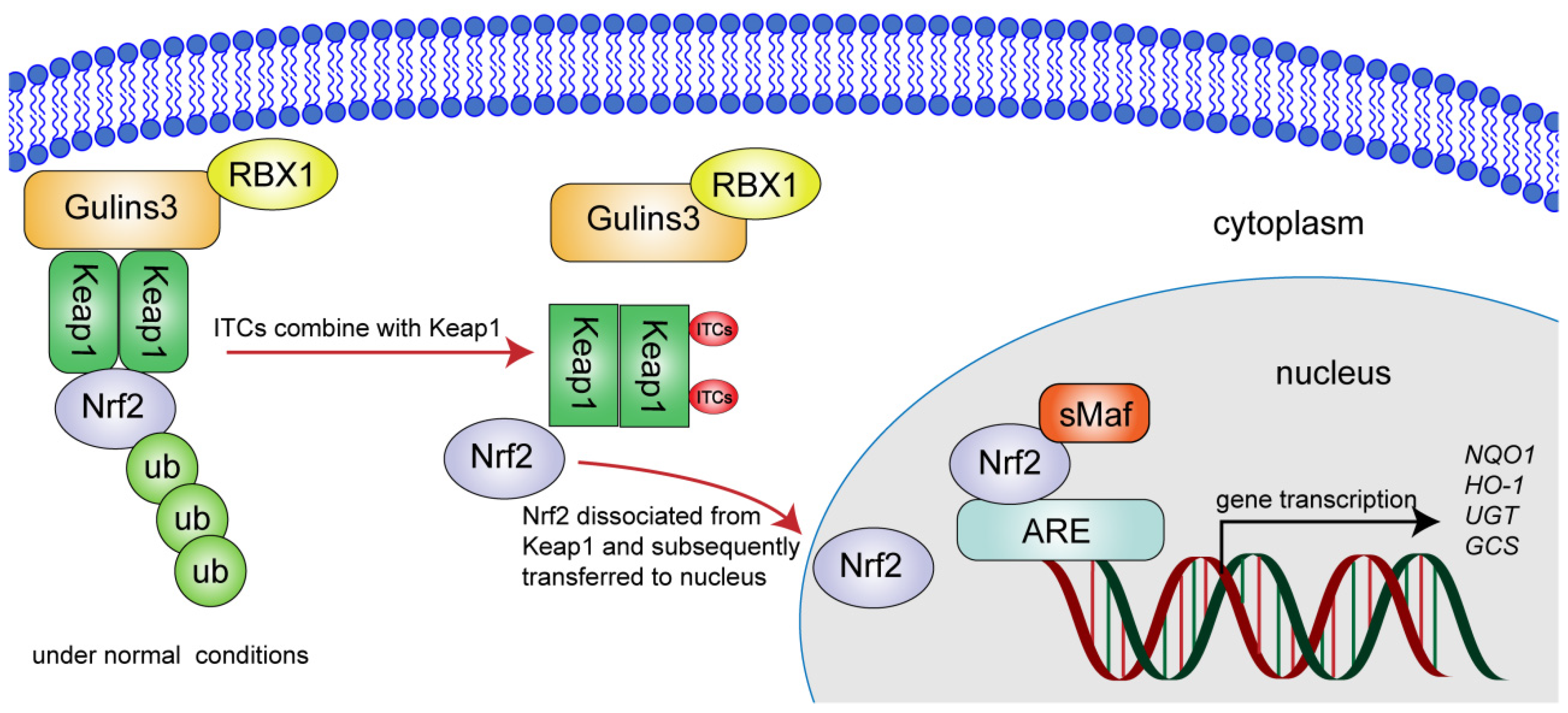
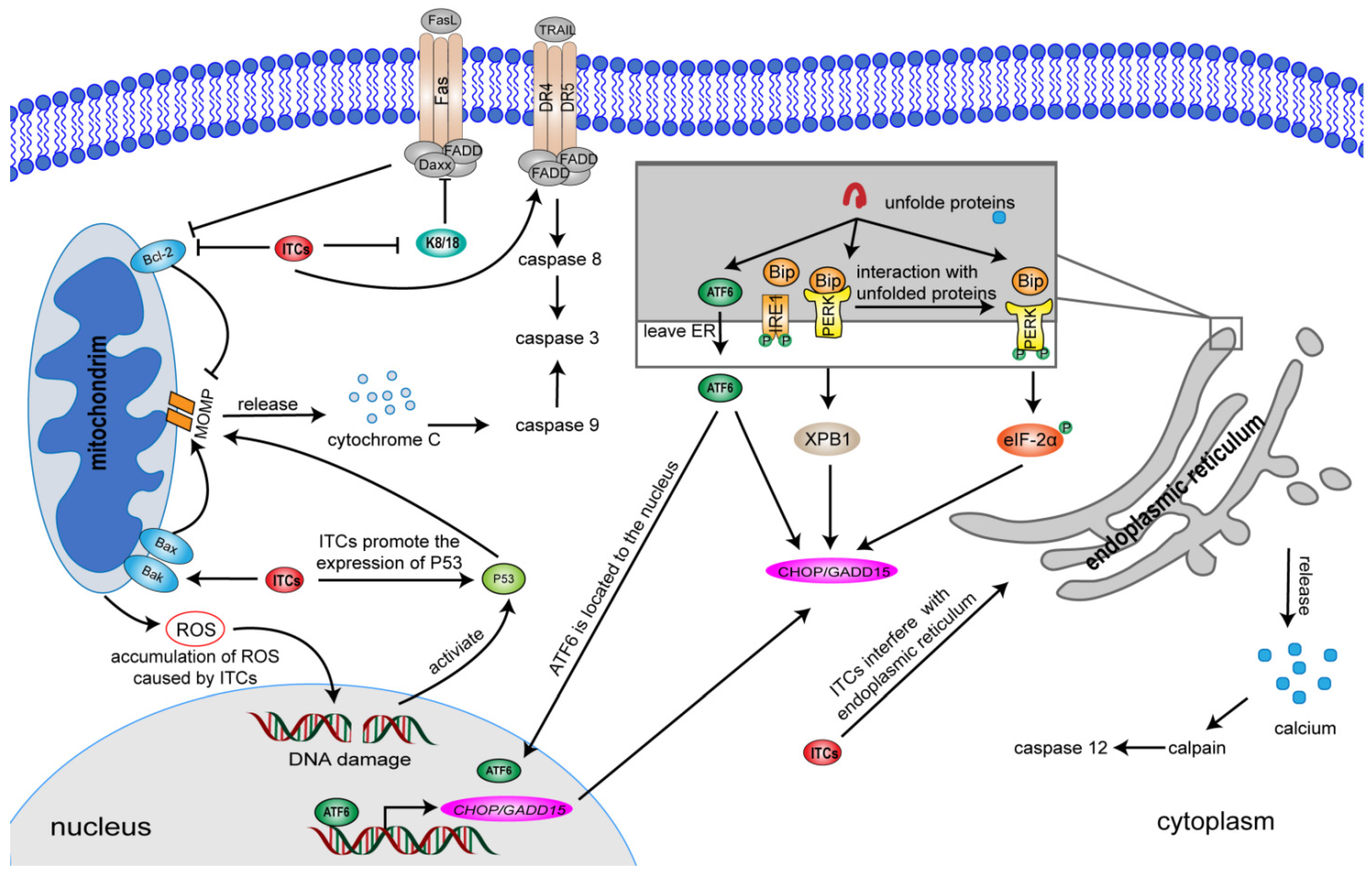
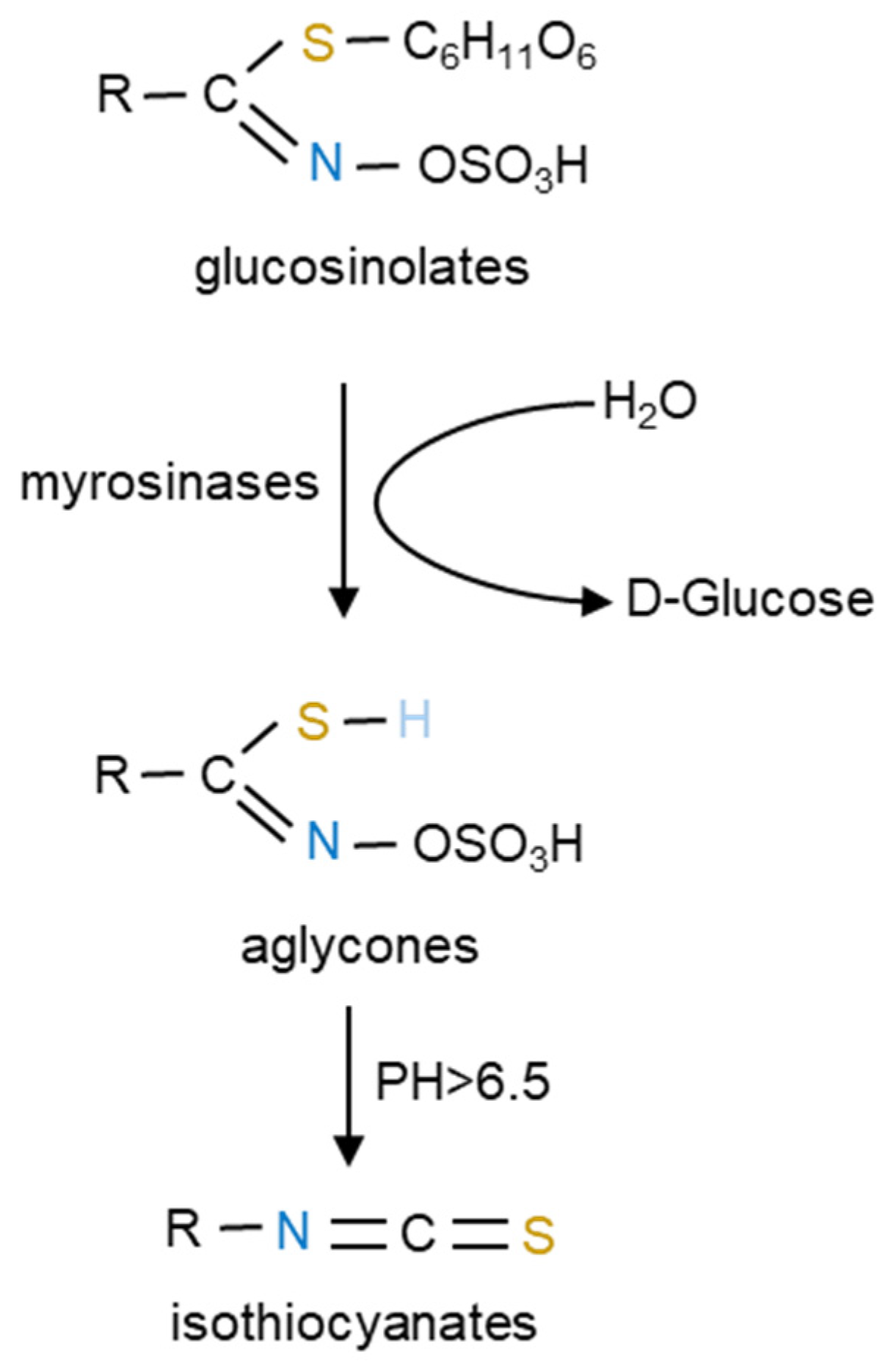
Hepatocellular carcinoma (HCC) is the most common type of primary liver cancer, accounting for about 90% of cases. Sorafenib, lenvatinib, and the combination of atezolizumab and bevacizumab are considered first-line treatments for advanced HCC. However, clinical application of these drugs has also caused some adverse reactions such as hypertension, elevated aspartate aminotransferases, and proteinuria. At present, natural products and their derivatives have drawn more and more attention due to less side effects as cancer treatments. Isothiocyanates (ITCs) are one type of hydrolysis products from glucosinolates (GLSs), secondary plant metabolites found exclusively in cruciferous vegetables. Accumulating evidence from encouraging in vitro and in vivo animal models has demonstrated that ITCs have multiple biological activities, especially their potentially health-promoting activities (antibacterial, antioxidant, and anticarcinogenic effects). In this review, we aim to comprehensively summarize the chemopreventive, anticancer, and chemosensitizative effects of ITCs on HCC, and explain the underlying molecular mechanisms.
Keywords: hepatocellular carcinoma; isothiocyanates; chemoprevention; anticarcinogenic activity; chemosensitization; combination therapies hepatocellular carcinoma; isothiocyanates; chemoprevention; anticarcinogenic activity; chemosensitization; combination therapies