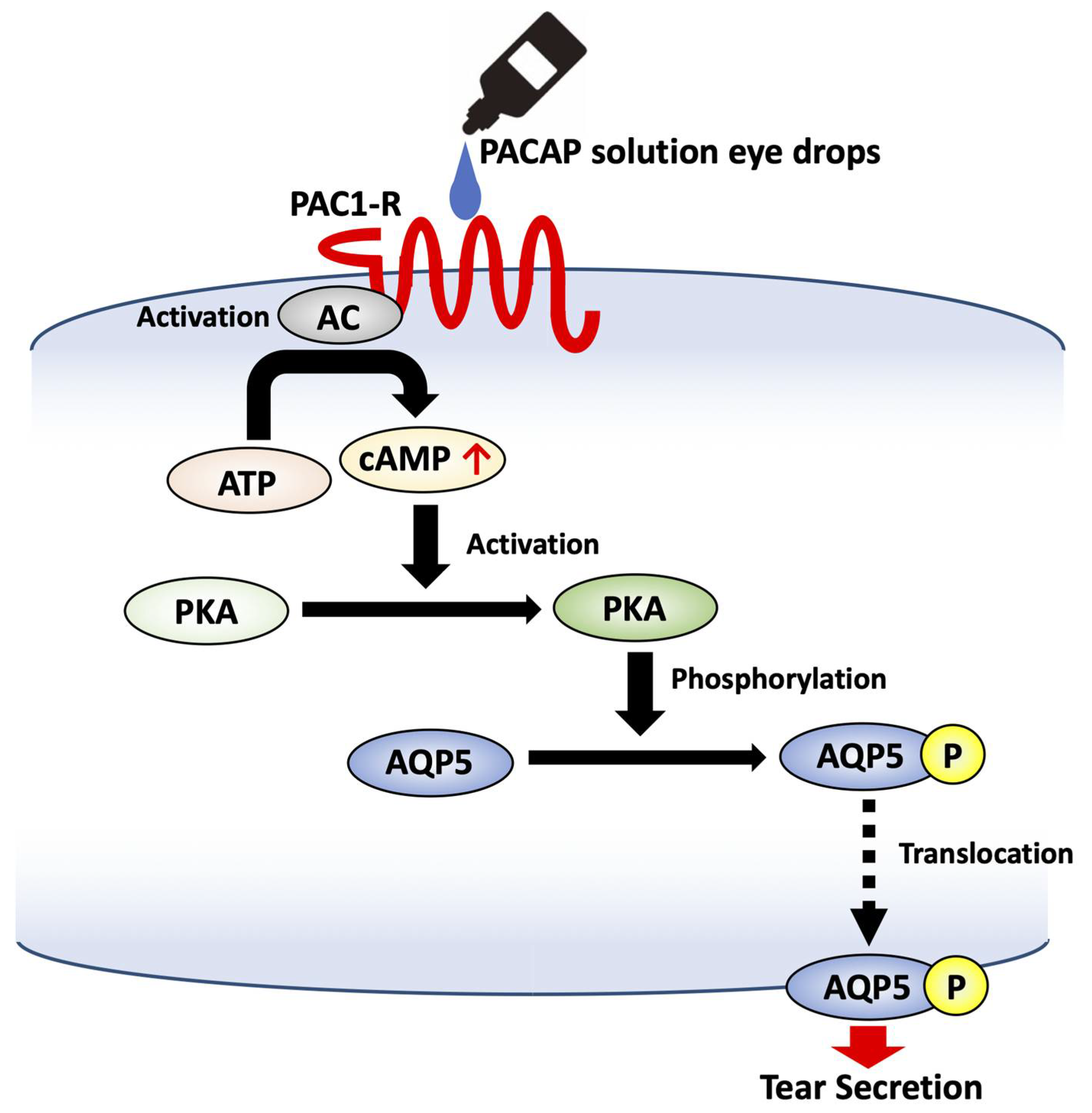
Potential Therapeutic Role of Pituitary Adenylate Cyclase-Activating Polypeptide for Dry Eye Disease
Abstract
Share and Cite
Hirabayashi, T.; Shibato, J.; Kimura, A.; Yamashita, M.; Takenoya, F.; Shioda, S. Potential Therapeutic Role of Pituitary Adenylate Cyclase-Activating Polypeptide for Dry Eye Disease. Int. J. Mol. Sci. 2022, 23, 664. https://doi.org/10.3390/ijms23020664
Hirabayashi T, Shibato J, Kimura A, Yamashita M, Takenoya F, Shioda S. Potential Therapeutic Role of Pituitary Adenylate Cyclase-Activating Polypeptide for Dry Eye Disease. International Journal of Molecular Sciences. 2022; 23(2):664. https://doi.org/10.3390/ijms23020664
Chicago/Turabian StyleHirabayashi, Takahiro, Junko Shibato, Ai Kimura, Michio Yamashita, Fumiko Takenoya, and Seiji Shioda. 2022. "Potential Therapeutic Role of Pituitary Adenylate Cyclase-Activating Polypeptide for Dry Eye Disease" International Journal of Molecular Sciences 23, no. 2: 664. https://doi.org/10.3390/ijms23020664
APA StyleHirabayashi, T., Shibato, J., Kimura, A., Yamashita, M., Takenoya, F., & Shioda, S. (2022). Potential Therapeutic Role of Pituitary Adenylate Cyclase-Activating Polypeptide for Dry Eye Disease. International Journal of Molecular Sciences, 23(2), 664. https://doi.org/10.3390/ijms23020664