Communication

High Monocyte Count Associated with Human Cytomegalovirus Replication In Vivo and Glucocorticoid Therapy May Be a Hallmark of Disease


by
Przemyslaw Zdziarski
1,* and
Andrzej Gamian
2
1
Lower Silesian Oncology, Pulmonology and Hematology Center, P.O. Box 1818, 50-385 Wroclaw, Poland
2
Hirszfeld Institute of Immunology and Experimental Therapy, Polish Academy of Sciences, 53-114 Wroclaw, Poland
*
Author to whom correspondence should be addressed.
Int. J. Mol. Sci. 2022, 23(17), 9595; https://doi.org/10.3390/ijms23179595
Submission received: 16 July 2022 / Revised: 16 August 2022 / Accepted: 19 August 2022 / Published: 24 August 2022
(This article belongs to the Special Issue Virus Replication)

Abstract

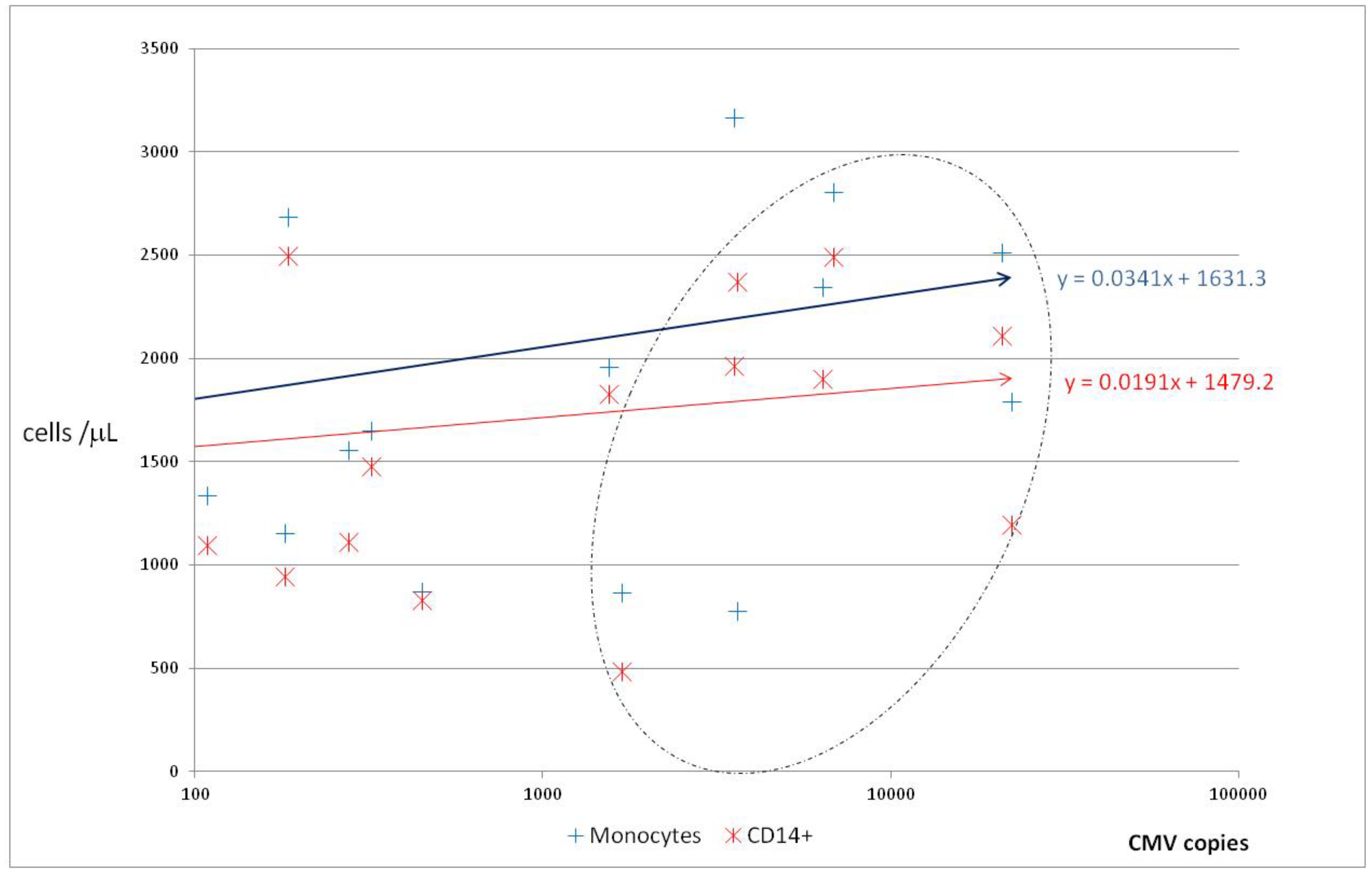
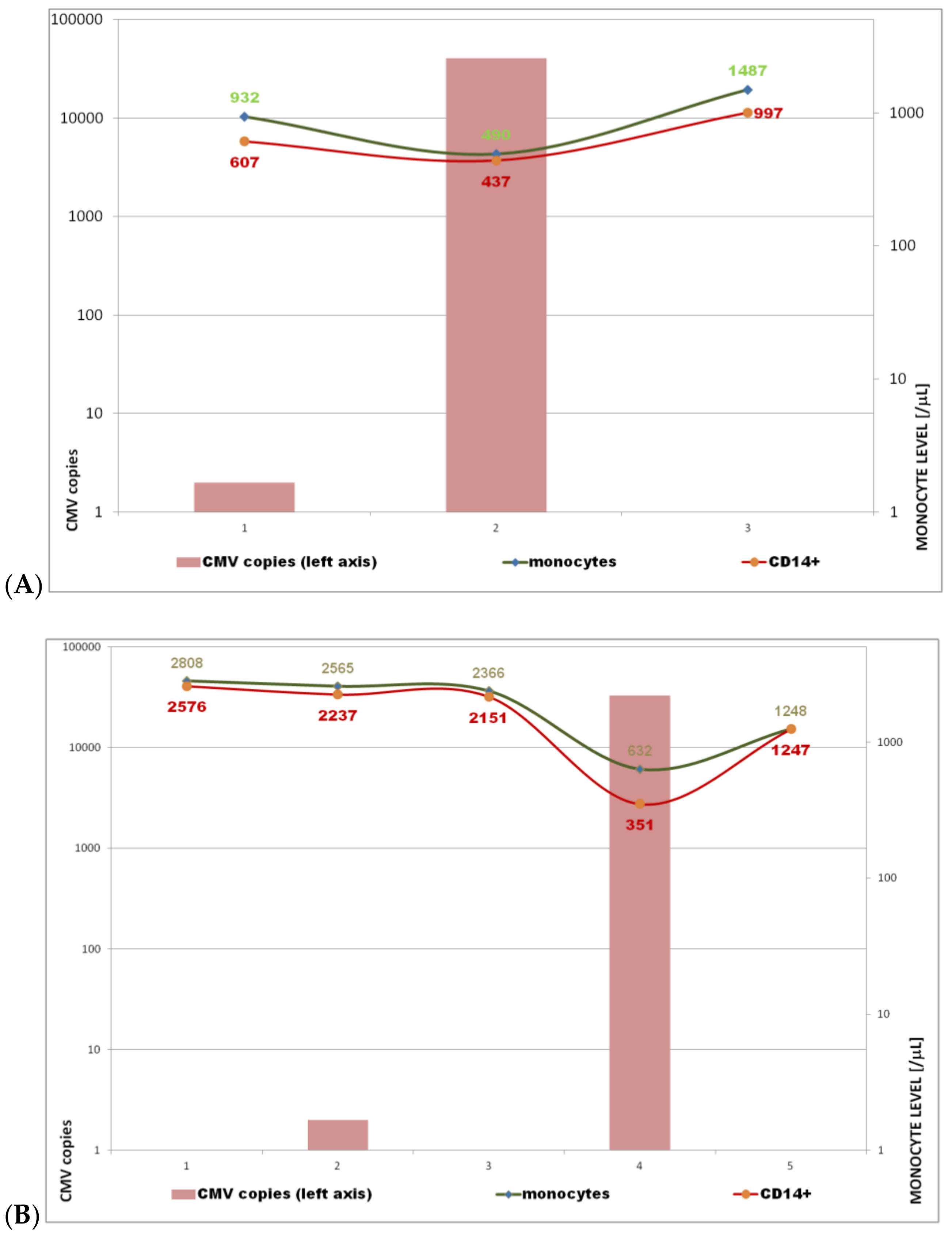
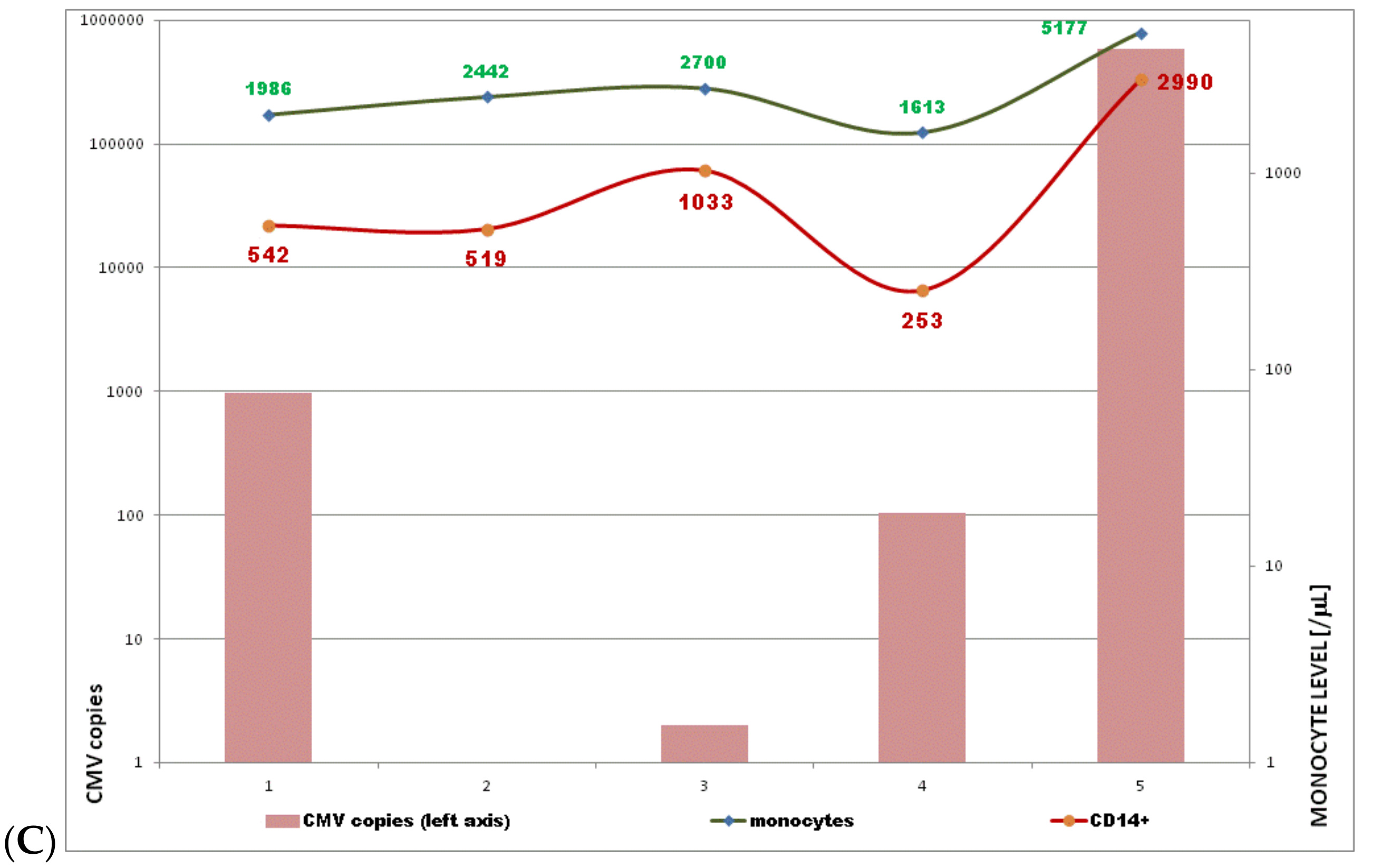
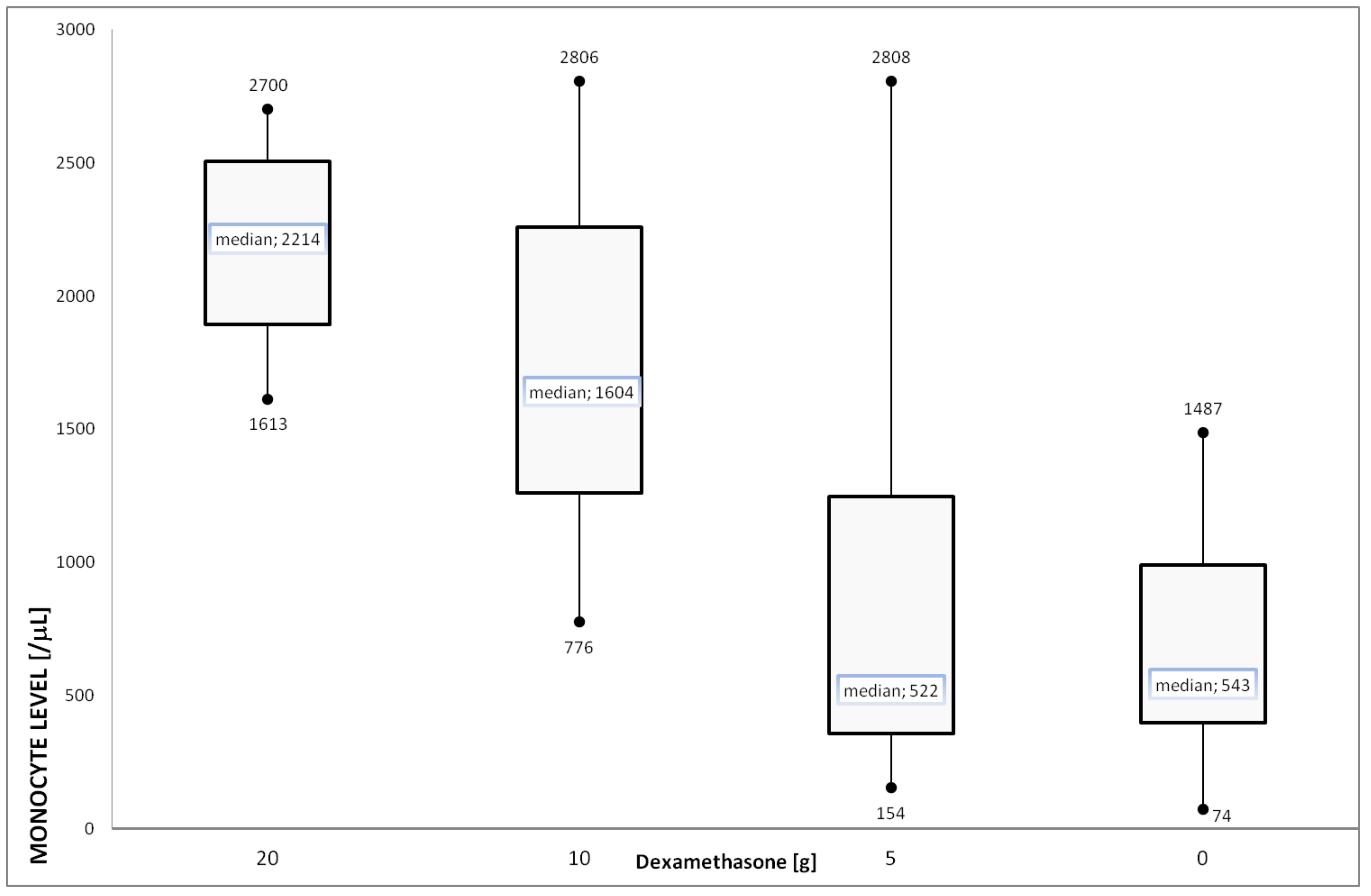
Cytomegalovirus (CMV) syndrome and infectious disease are defined as pathogen detection with appropriate clinical symptoms, but there are not pathognomonic signs of CMV disease. Although the prodrome of acute minor viral infections leukopenia (lymphopenia and neutropenia) is noted with onset of fever, followed by monocytosis, the role of monocytosis in CMV disease has not been described. Furthermore, under influence of corticosteroid therapy, CMV reactivation and monocytosis are described, but without a strict relationship with steroids dose. In the study, the monocyte level was investigated during the CMV infectious process. Regrettably, a non-selected group of 160 patients with high CMV viremia showed high dispersion of monocyte level and comparable with the median value for healthy subjects. Therefore, we investigated monocyte level in CMV-infected patients in relation to the logarithmic phase of the infectious process. Samples from patients with active CMV replication (exponential growth of CMV viremia) were tested. Significant monocytosis (above 1200/µL) during the logarithmic phase of CMV infection (with exponent between 3.23 and 5.77) was observed. Increased count and percentage of monocytes correlated with viral replication in several clinical situations except when there was a rapid recovery without relapse. Furthermore, glucocorticoids equivalent to 10 and 20 mg of dexamethasone during a 2–3-week period caused monocytosis—significant increase (to 1604 and 2214/µL, respectively). Conclusion: In light of the logarithmic increase of viral load, high monocytosis is a hallmark of CMV replication. In the COVID-19 era, presence of high virus level, especially part of virome (CMV) in the molecular technique, is not sufficient for the definition of either proven or probable CMV replication at any site. These preliminary observations merit additional studies to establish whether this clinical response is mediated by monocyte production or by decrease of differentiation to macrophages.
Keywords: virome; cytomegalovirus (CMV) kinetics; definitions of cytomegalovirus disease; virus replication; clinical model/translational medicine; homogeneous sample of subjects logarithmic phase of infection; innate immune response; monocytes characteristics and analysis; CD14; monocytosis; mononucleosis virome; cytomegalovirus (CMV) kinetics; definitions of cytomegalovirus disease; virus replication; clinical model/translational medicine; homogeneous sample of subjects logarithmic phase of infection; innate immune response; monocytes characteristics and analysis; CD14; monocytosis; mononucleosis