Article

Establishment of a Sheep Model for Hind Limb Peripheral Nerve Injury: Common Peroneal Nerve

1
Departamento de Clínicas Veterinárias, Instituto de Ciências Biomédicas de Abel Salazar (ICBAS), Universidade do Porto (UP), Rua de Jorge Viterbo Ferreira, nº 228, 4050-313 Porto, Portugal
2
Centro de Estudos de Ciência Animal (CECA), Instituto de Ciências, Tecnologias e Agroambiente da Universidade do Porto (ICETA), Rua D. Manuel II, Apartado 55142, 4051-401 Porto, Portugal
3
Department of Clinical and Biological Sciences, Cavalieri Ottolenghi Neuroscience Institute, University of Turin, Regione Gonzole 10, 10043 Orbassano, TO, Italy
4
CECAV, Centro de Ciência Animal e Veterinária, Universidade de Trás-os-Montes e Alto Douro (UTAD), Quinta de Prados, 5001-801 Vila Real, Portugal
5
Departamento de Ciências Veterinárias, Universidade de Trás-os-Montes e Alto Douro (UTAD), Quinta de Prados, 5001-801 Vila Real, Portugal
*
Author to whom correspondence should be addressed.
Int. J. Mol. Sci. 2021, 22(3), 1401; https://doi.org/10.3390/ijms22031401
Submission received: 21 December 2020 / Revised: 27 January 2021 / Accepted: 27 January 2021 / Published: 30 January 2021

Abstract

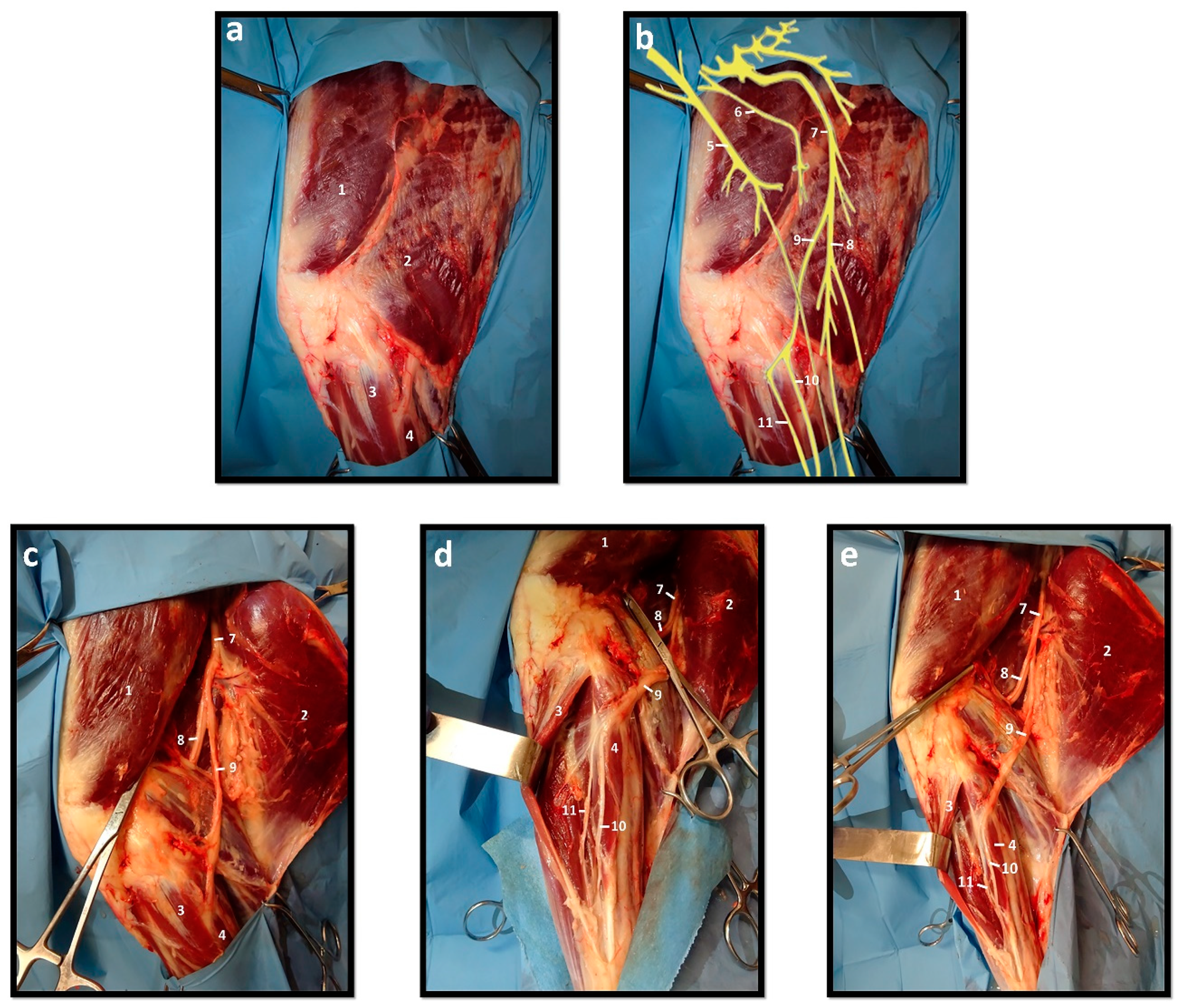
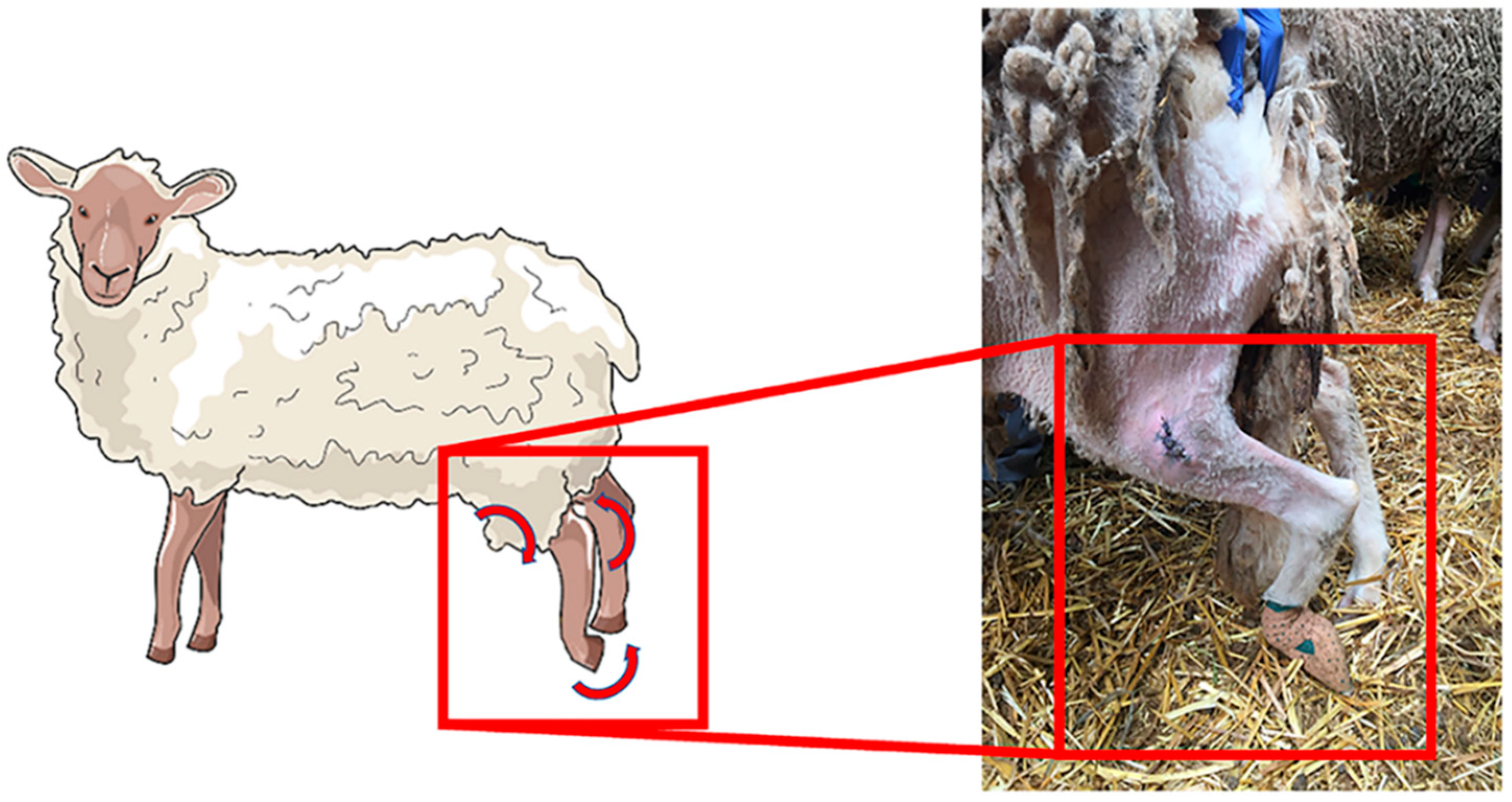
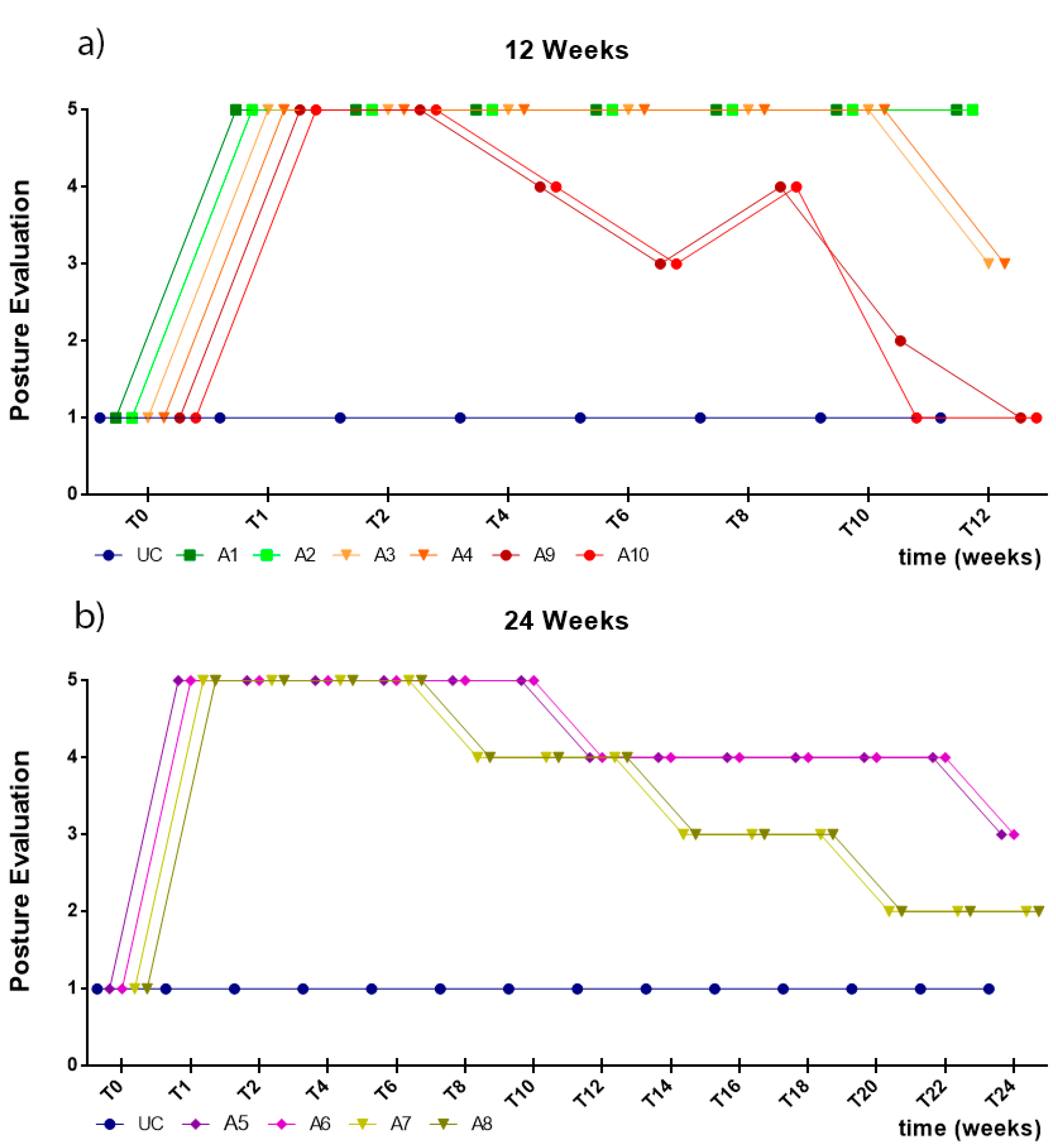
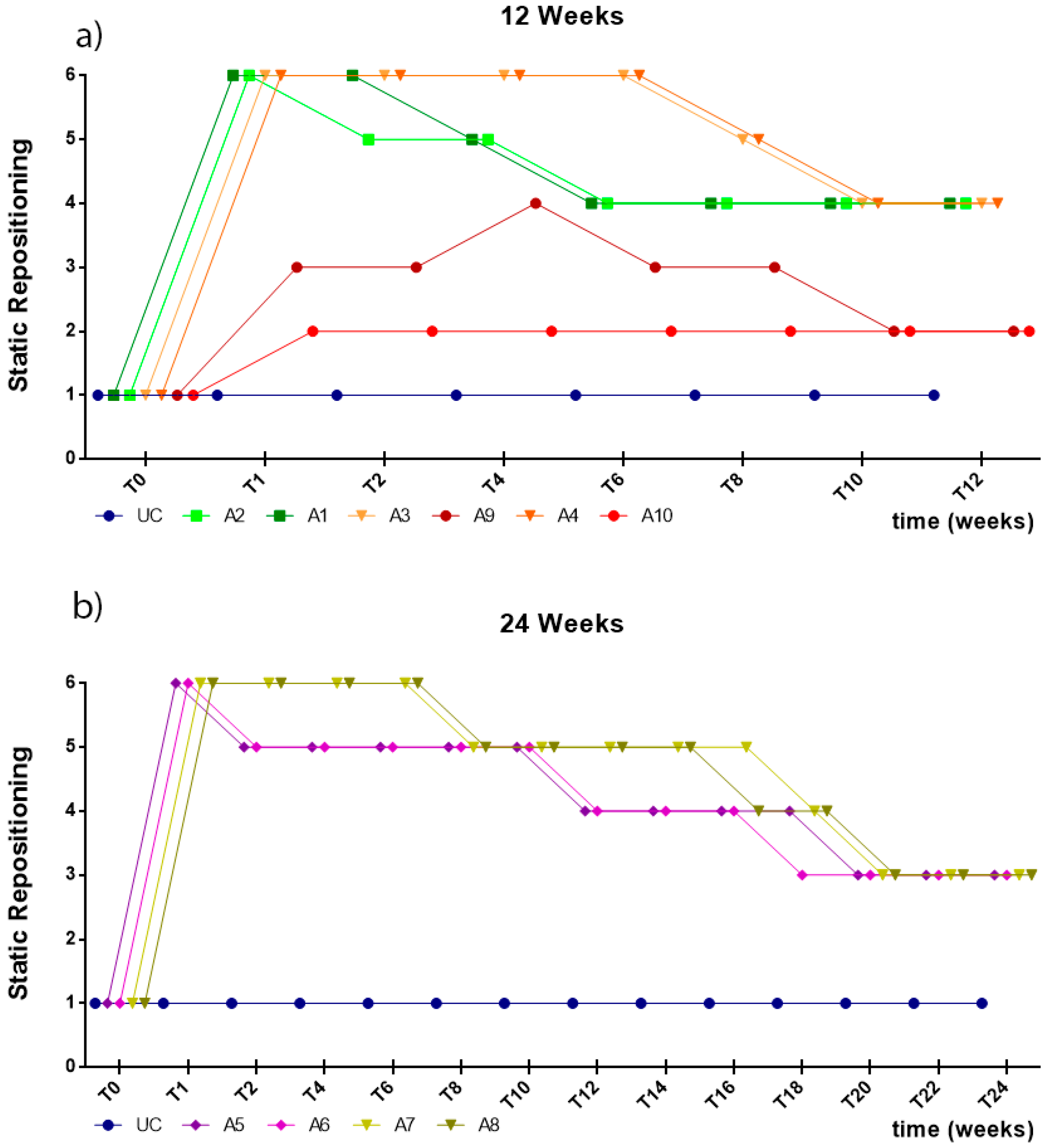
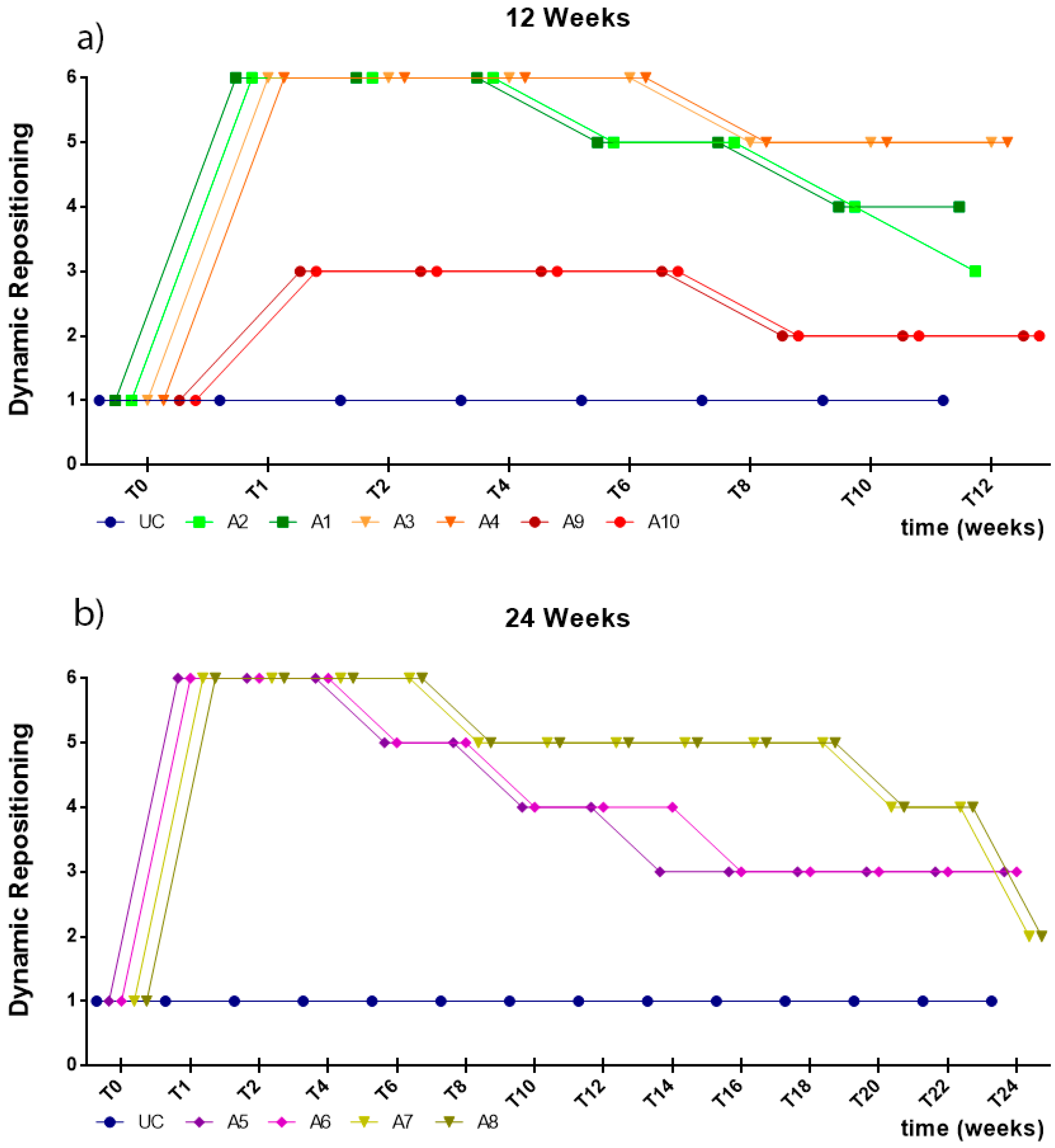
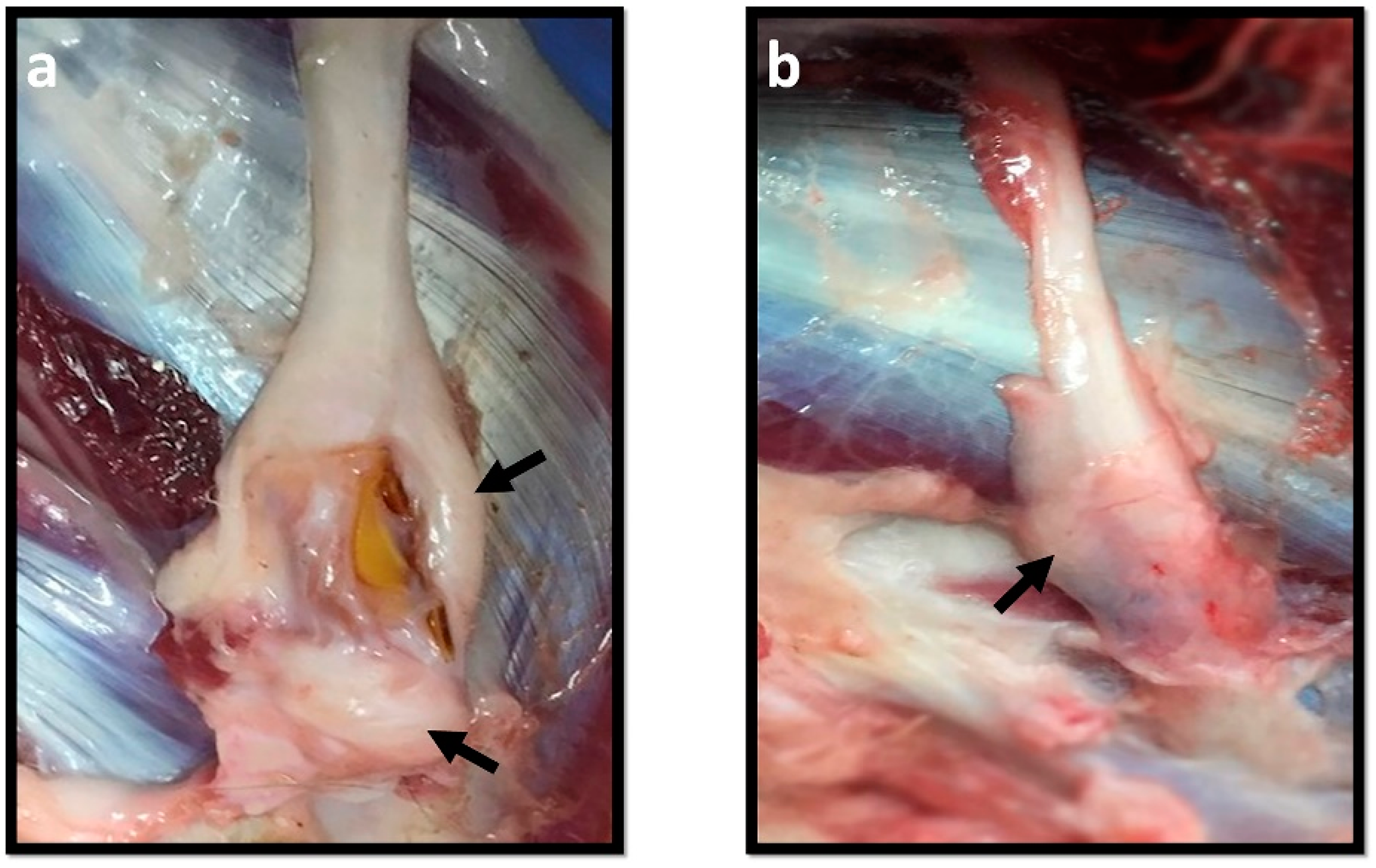
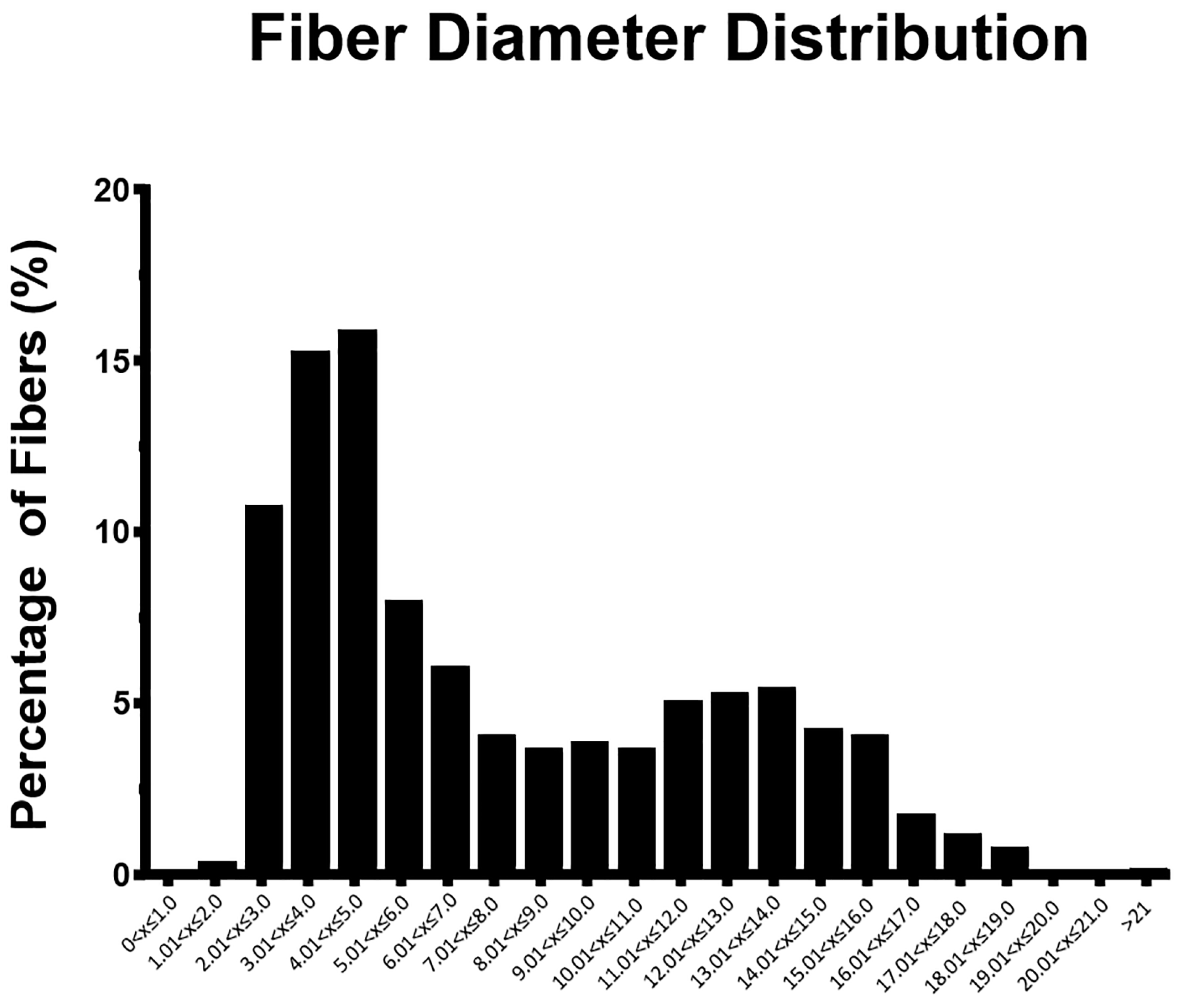
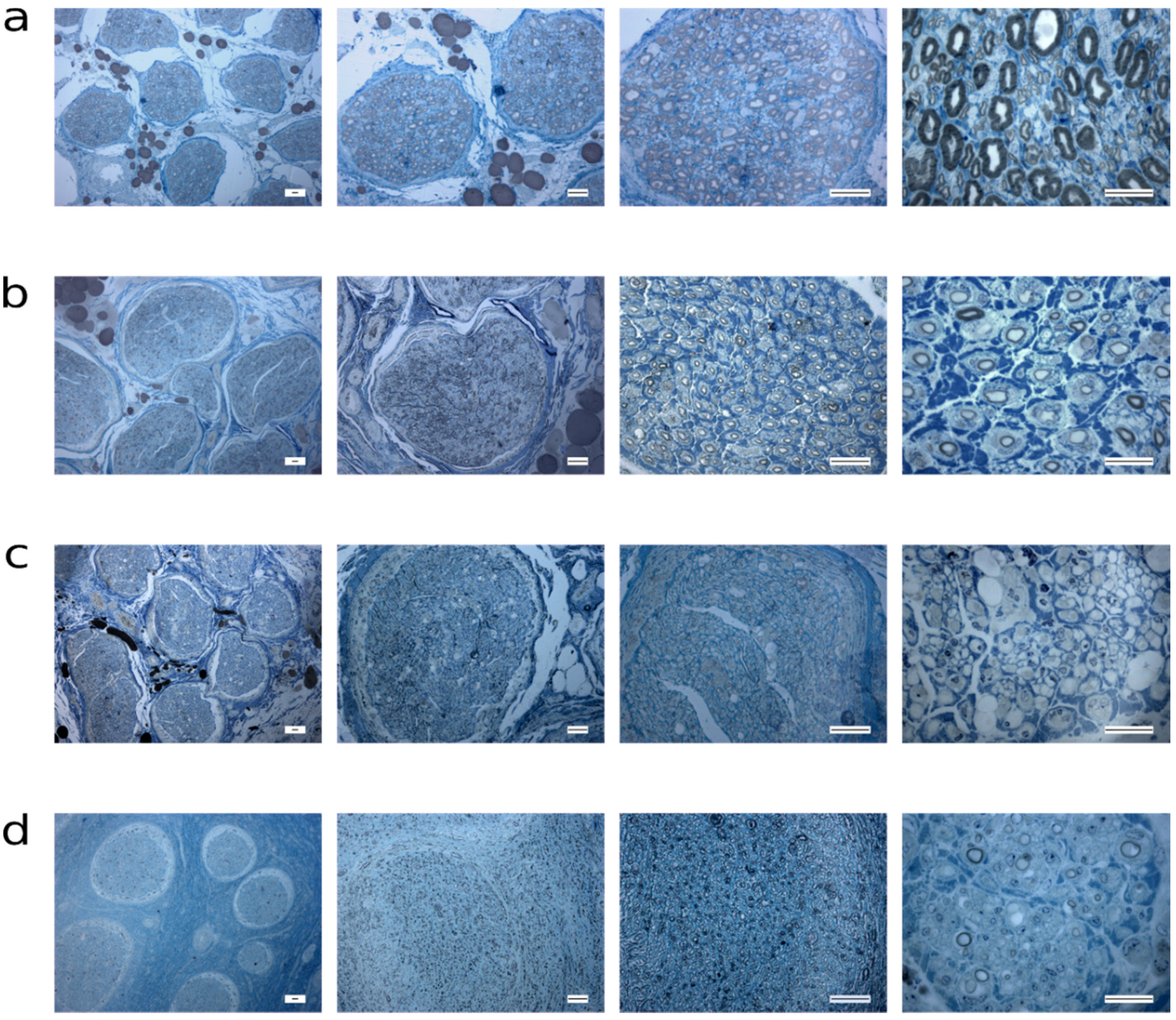
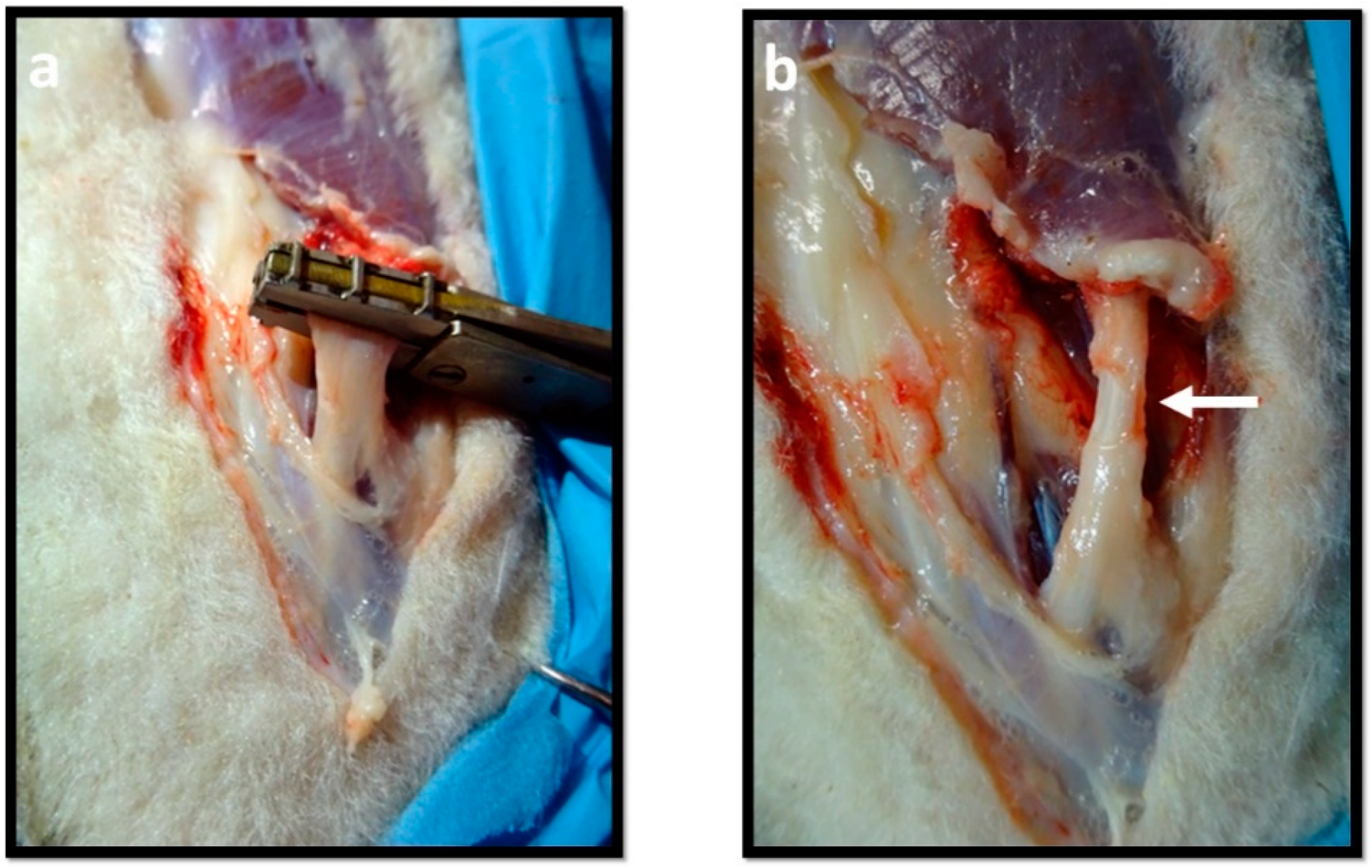
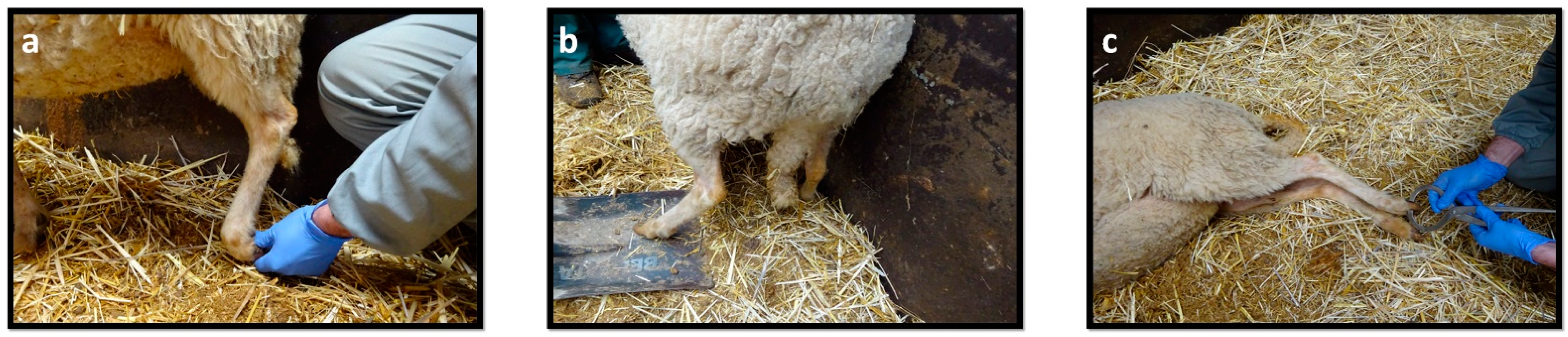
Thousands of people worldwide suffer from peripheral nerve injuries and must deal daily with the resulting physiological and functional deficits. Recent advances in this field are still insufficient to guarantee adequate outcomes, and the development of new and compelling therapeutic options require the use of valid preclinical models that effectively replicate the characteristics and challenges associated with these injuries in humans. In this study, we established a sheep model for common peroneal nerve injuries that can be applied in preclinical research with the advantages associated with the use of large animal models. The anatomy of the common peroneal nerve and topographically related nerves, the functional consequences of its injury and a neurological examination directed at this nerve have been described. Furthermore, the surgical protocol for accessing the common peroneal nerve, the induction of different types of nerve damage and the application of possible therapeutic options were described. Finally, a preliminary morphological and stereological study was carried out to establish control values for the healthy common peroneal nerves regarding this animal model and to identify preliminary differences between therapeutic methods. This study allowed to define the described lateral incision as the best to access the common peroneal nerve, besides establishing 12 and 24 weeks as the minimum periods to study lesions of axonotmesis and neurotmesis, respectively, in this specie. The post-mortem evaluation of the harvested nerves allowed to register stereological values for healthy common peroneal nerves to be used as controls in future studies, and to establish preliminary values associated with the therapeutic performance of the different applied options, although limited by a small sample size, thus requiring further validation studies. Finally, this study demonstrated that the sheep is a valid model of peripheral nerve injury to be used in pre-clinical and translational works and to evaluate the efficacy and safety of nerve injury therapeutic options before its clinical application in humans and veterinary patients.
Keywords: peripheral nerve injury; peripheral nerve regeneration; common peroneal nerve; animal model; sheep model; nerve anatomy; neurological exam; nerve stereology peripheral nerve injury; peripheral nerve regeneration; common peroneal nerve; animal model; sheep model; nerve anatomy; neurological exam; nerve stereology