Next Article in Journal
A Deeper Assessment of ω3-Poly-Unsaturated Fatty Acids in Polycystic Ovary Syndrome Management. Comment on Regidor et al. Chronic Inflammation in PCOS: The Potential Benefits of Specialized Pro-Resolving Lipid Mediators (SPMs) in the Improvement of the Resolutive Response. Int. J. Mol. Sci. 2021, 22, 384
Article

Ruthenium Complexes with 2-Pyridin-2-yl-1H-benzimidazole as Potential Antimicrobial Agents: Correlation between Chemical Properties and Anti-Biofilm Effects

by
Agnieszka Jabłońska-Wawrzycka
1,*,
Patrycja Rogala
1,
Grzegorz Czerwonka
2,
Katarzyna Gałczyńska
2,
Marcin Drabik
3 and
Magdalena Dańczuk
4
1
Institute of Chemistry, Jan Kochanowski University of Kielce, 7 Uniwersytecka Str., 25-406 Kielce, Poland
2
Institute of Biology, Jan Kochanowski University of Kielce, 7 Uniwersytecka Str., 25-406 Kielce, Poland
3
Institute of Physics, Jan Kochanowski University of Kielce, 7 Uniwersytecka Str., 25-406 Kielce, Poland
4
Faculty of Environmental, Geomatic and Energy Engineering, Kielce University of Technology, 7 Tysiąclecia Państwa Polskiego Ave., 25-314 Kielce, Poland
*
Author to whom correspondence should be addressed.
Int. J. Mol. Sci. 2021, 22(18), 10113; https://doi.org/10.3390/ijms221810113
Submission received: 3 August 2021 / Revised: 3 September 2021 / Accepted: 15 September 2021 / Published: 18 September 2021
(This article belongs to the Special Issue Microbial Biofilms and Antibiofilm Agents 2.0)

Abstract

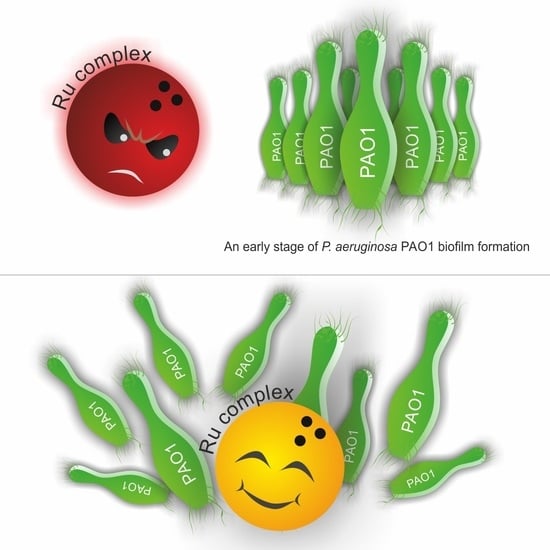
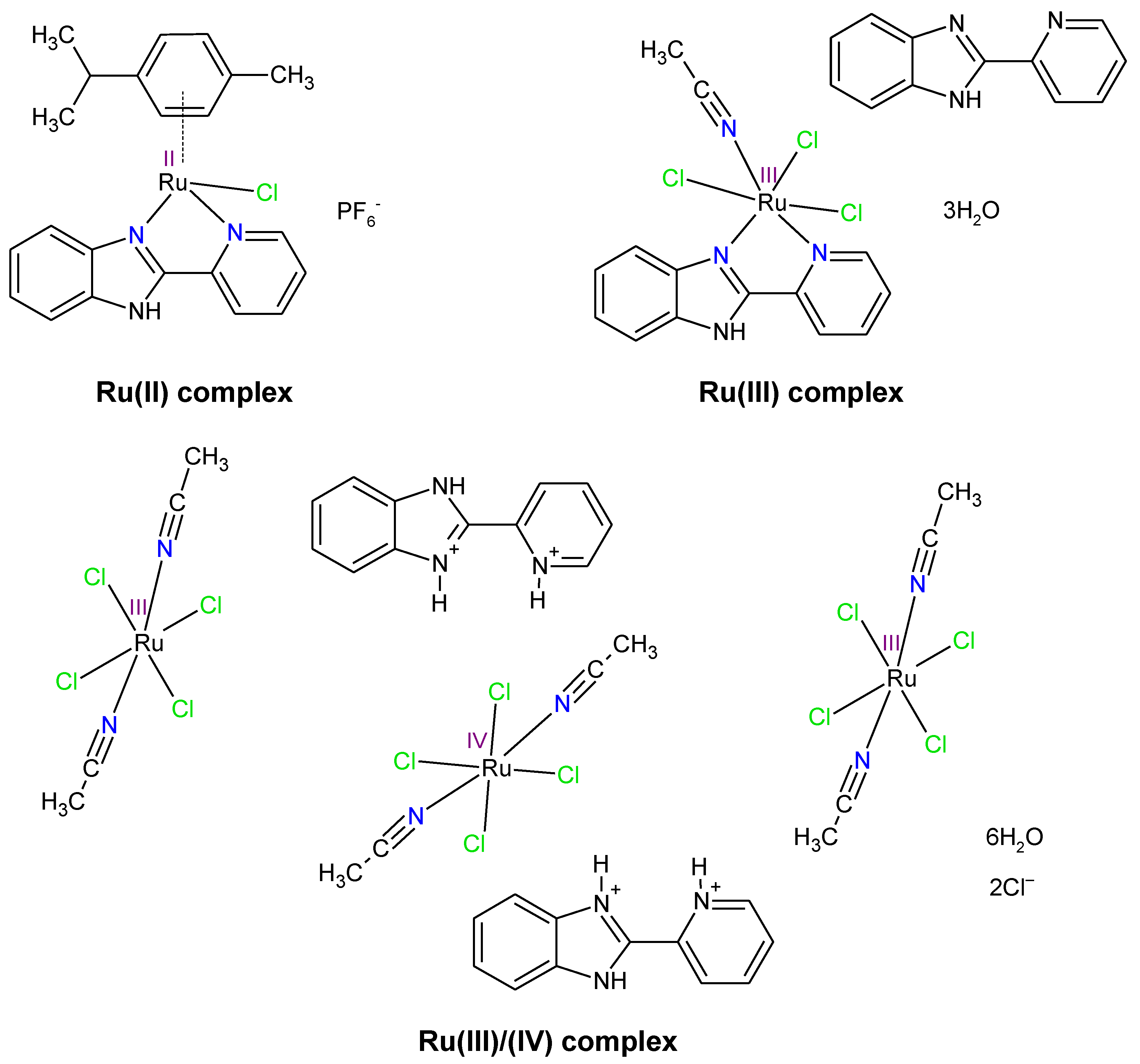
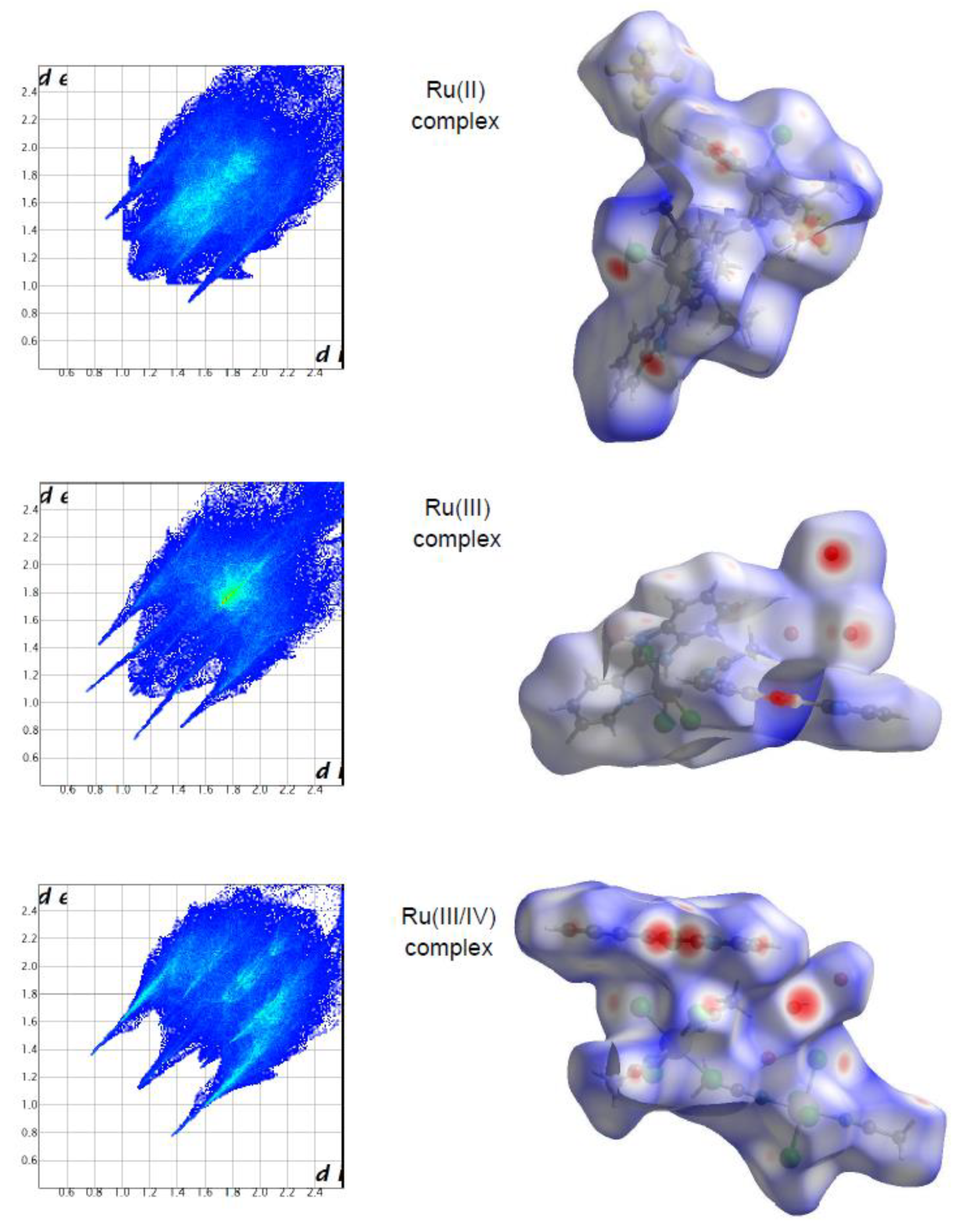
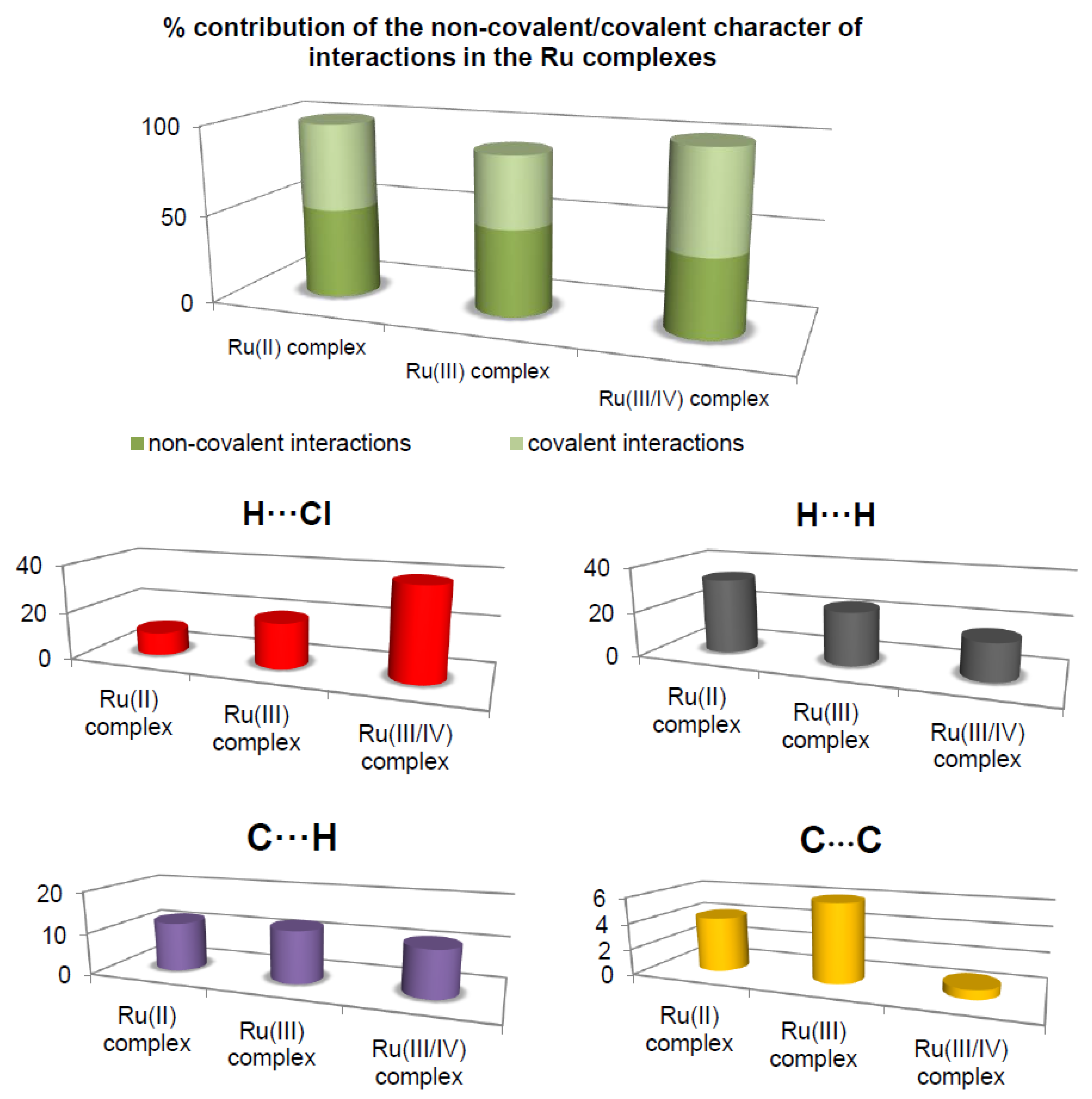
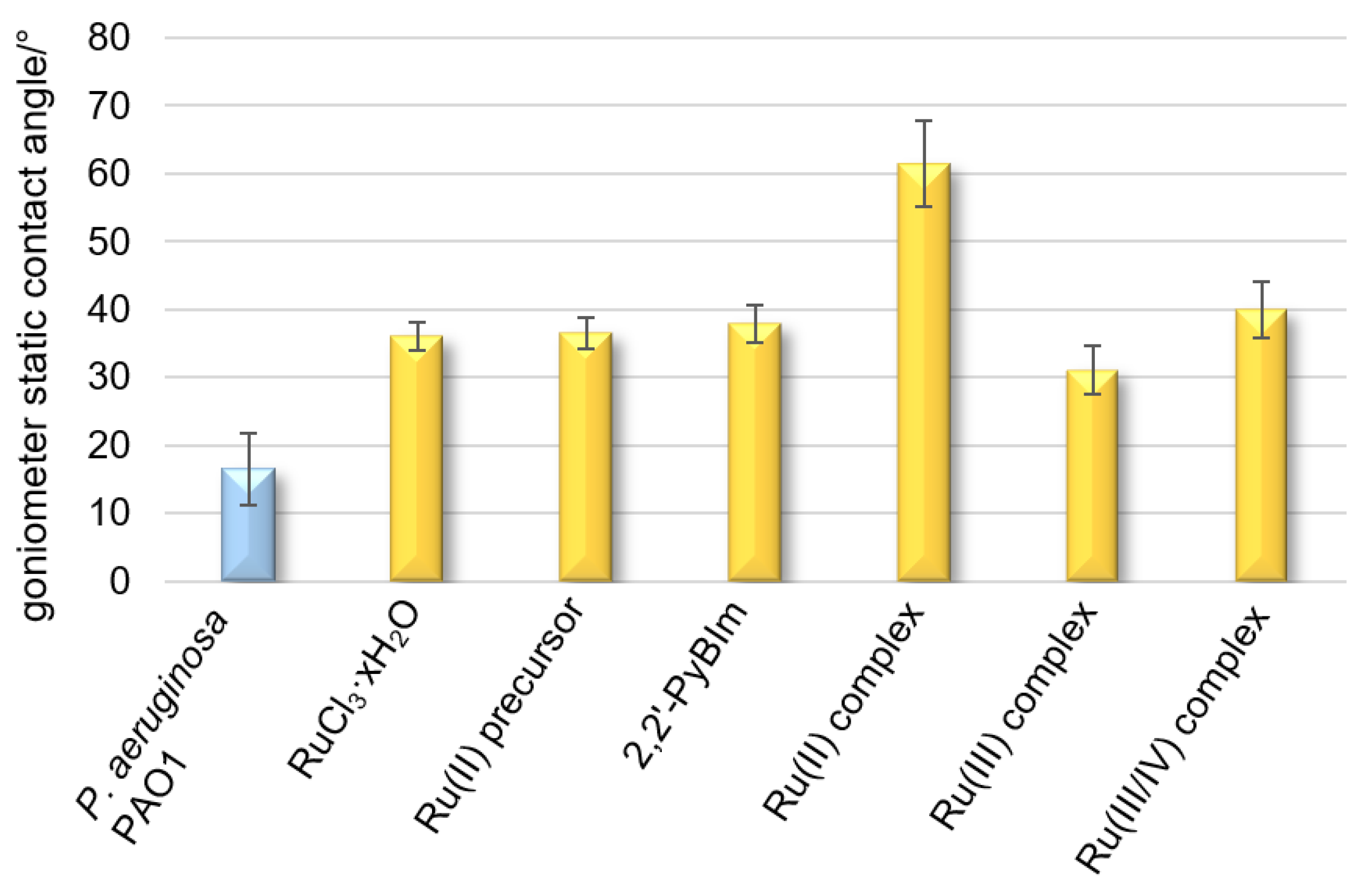
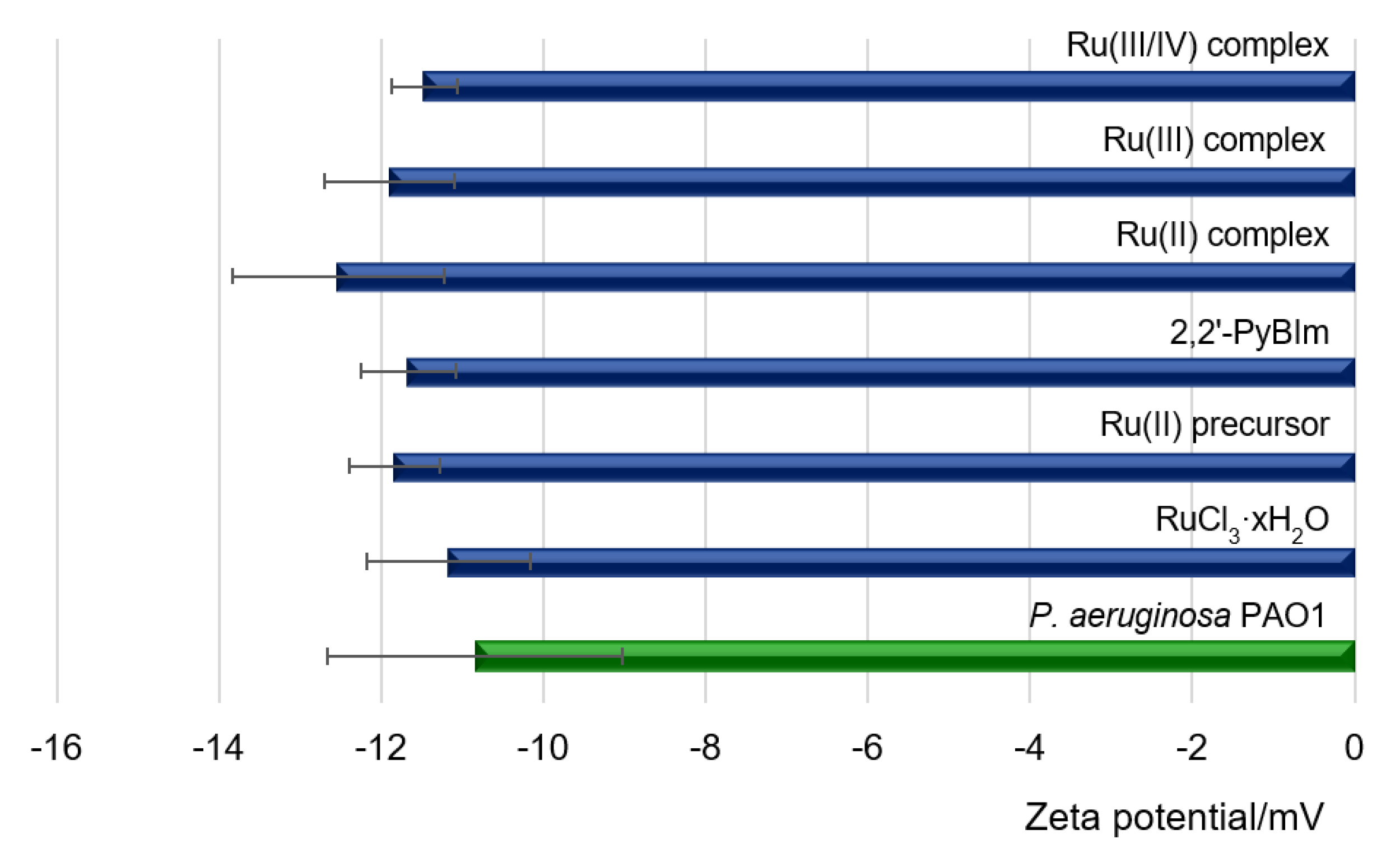
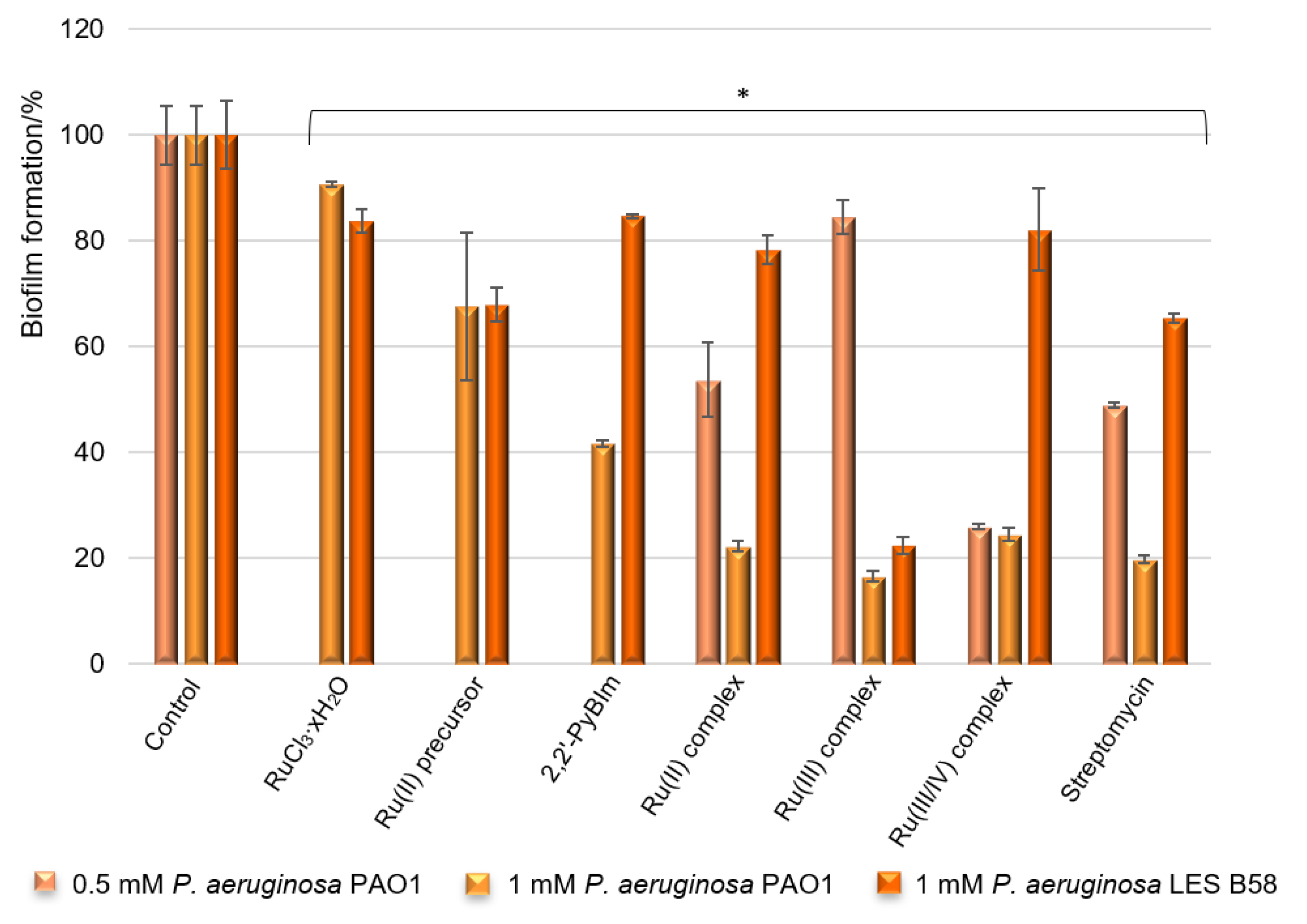
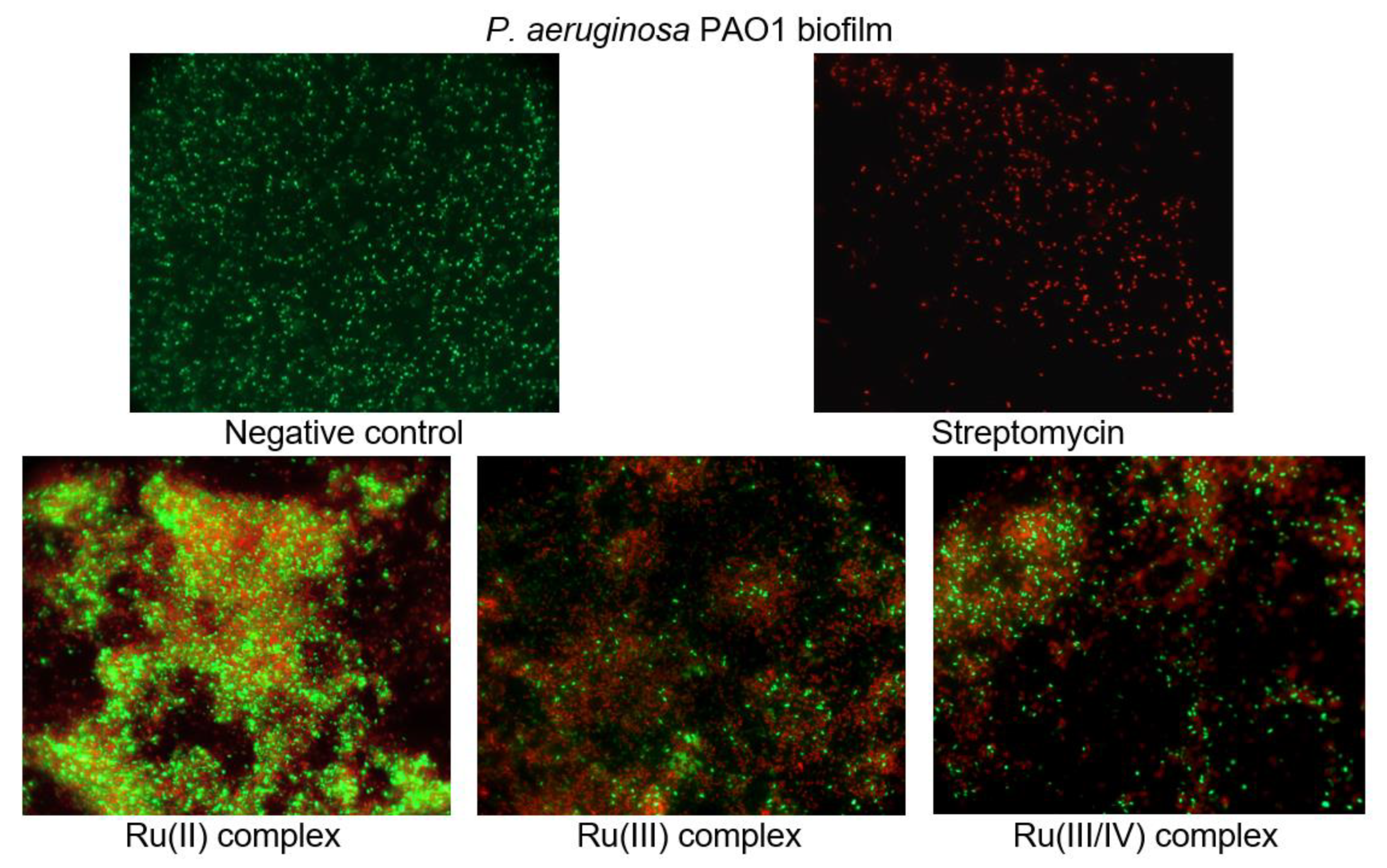
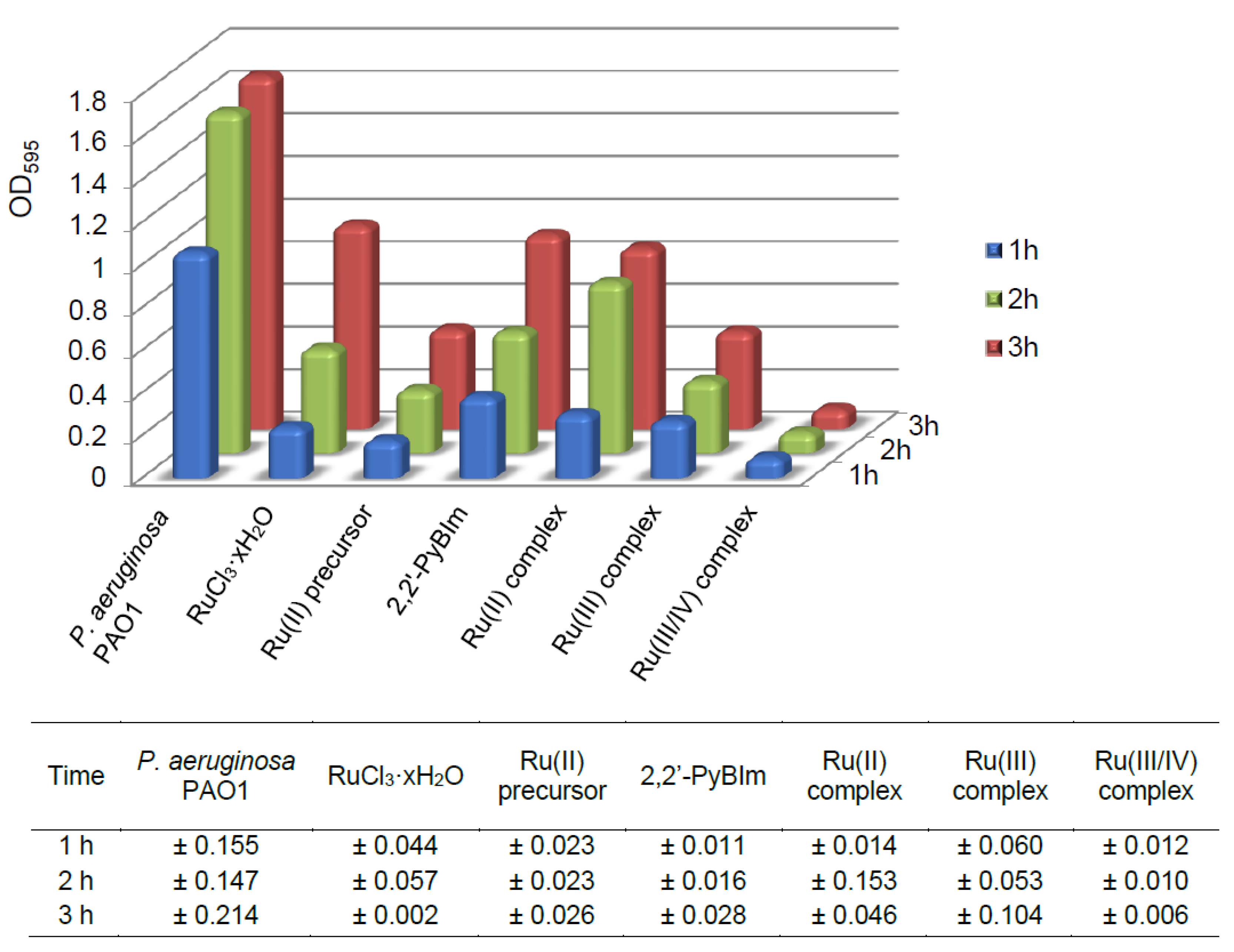
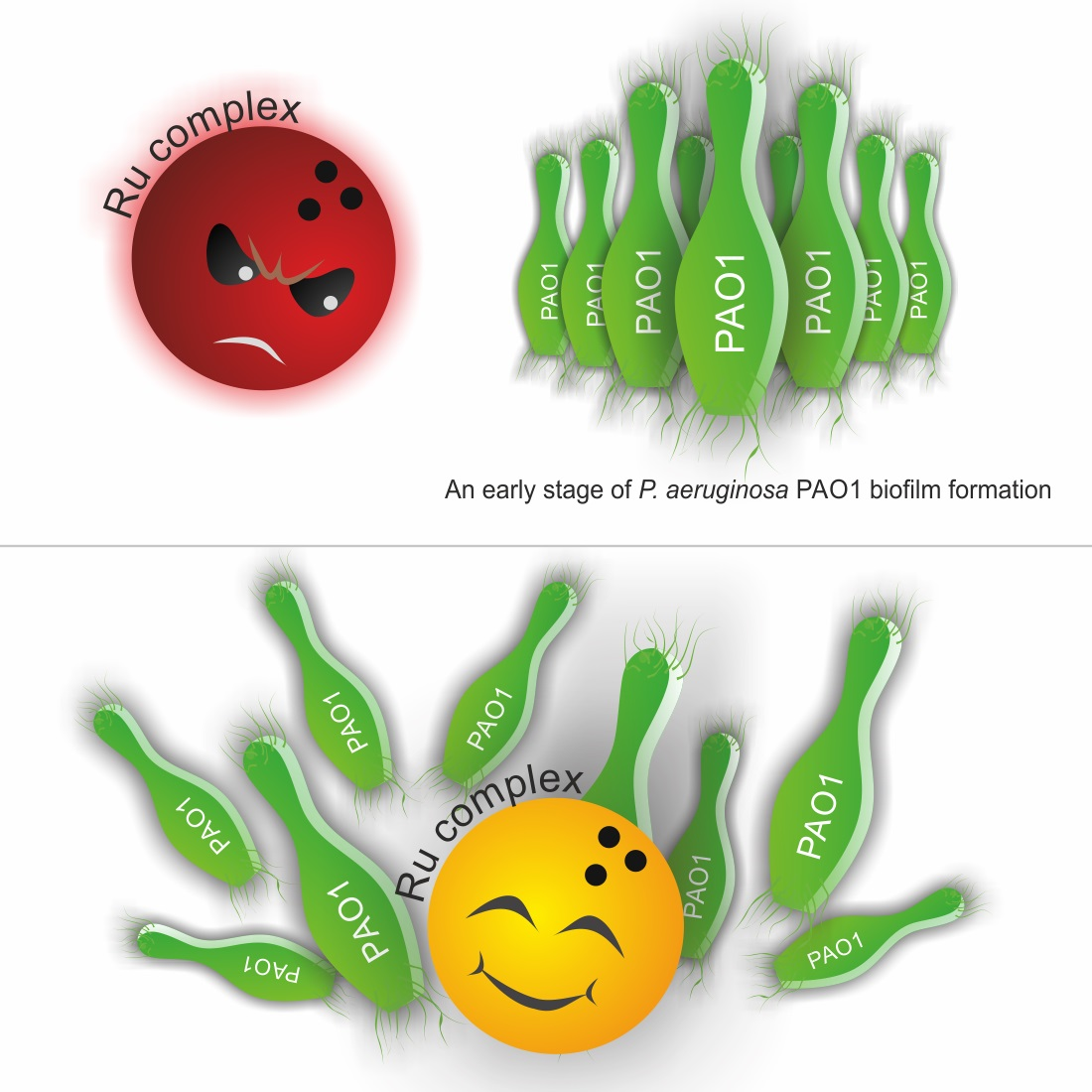
Antimicrobial resistance is a growing public health concern that requires urgent action. Biofilm-associated resistance to antimicrobials begins at the attachment phase and increases as the biofilms maturate. Hence, interrupting the initial binding process of bacteria to surfaces is essential to effectively prevent biofilm-associated problems. Herein, we have evaluated the antibacterial and anti-biofilm activities of three ruthenium complexes in different oxidation states with 2-pyridin-2-yl-1H-benzimidazole (L1 = 2,2′-PyBIm): [(η6-p-cymene)RuIIClL1]PF6 (Ru(II) complex), mer-[RuIIICl3(CH3CN)L1]·L1·3H2O (Ru(III) complex), (H2L1)2[RuIIICl4(CH3CN)2]2[RuIVCl4(CH3CN)2]·2Cl·6H2O (Ru(III/IV) complex). The biological activity of the compounds was screened against Escherichia coli, Staphylococcus aureus, and Pseudomonas aeruginosa strains. The results indicated that the anti-biofilm activity of the Ru complexes at concentration of 1 mM was better than that of the ligand alone against the P. aeruginosa PAO1. It means that ligand, in combination with ruthenium ion, shows a synergistic effect. The effect of the Ru complexes on cell surface properties was determined by the contact angle and zeta potential values. The electric and physical properties of the microbial surface are useful tools for the examined aggregation phenomenon and disruption of the adhesion. Considering that intermolecular interactions are important and largely define the functions of compounds, we examined interactions in the crystals of the Ru complexes using the Hirshfeld surface analysis.
Keywords: ruthenium complexes; electrochemistry; Hirshfeld surface analysis; antibacterial and anti-biofilm activity; contact angle; zeta potential; adhesion study ruthenium complexes; electrochemistry; Hirshfeld surface analysis; antibacterial and anti-biofilm activity; contact angle; zeta potential; adhesion study
Graphical Abstract