Next Article in Journal
Modeling In Vitro Osteoarthritis Phenotypes in a Vascularized Bone Model Based on a Bone-Marrow Derived Mesenchymal Cell Line and Endothelial Cells
Next Article in Special Issue
Anti-Inflammatory Effect of Beta-Caryophyllene Mediated by the Involvement of TRPV1, BDNF and trkB in the Rat Cerebral Cortex after Hypoperfusion/Reperfusion
Previous Article in Journal
Pharmacokinetic Drug–Drug Interactions among Antiepileptic Drugs, Including CBD, Drugs Used to Treat COVID-19 and Nutrients
Previous Article in Special Issue
Neuroprotection Mediated by Human Blood Plasma in Mouse Hippocampal Slice Cultures and in Oxidatively Stressed Human Neurons
 
 
Retraction published on 13 July 2026, see Int. J. Mol. Sci. 2026, 27(14), 6230.
Article

RETRACTED: Deciphering the Potential Neuroprotective Effects of Luteolin against Aβ142-Induced Alzheimer’s Disease

Division of Life Science and Applied Life Science (BK21 Four), College of Natural Sciences, Gyeongsang National University, Jinju 52828, Korea
*
Author to whom correspondence should be addressed.
These authors equally contributed to this paper.
Int. J. Mol. Sci. 2021, 22(17), 9583; https://doi.org/10.3390/ijms22179583
Submission received: 20 August 2021 / Revised: 31 August 2021 / Accepted: 2 September 2021 / Published: 3 September 2021 / Retracted: 13 July 2026
(This article belongs to the Special Issue Natural Products and Neuroprotection 3.0)

Abstract

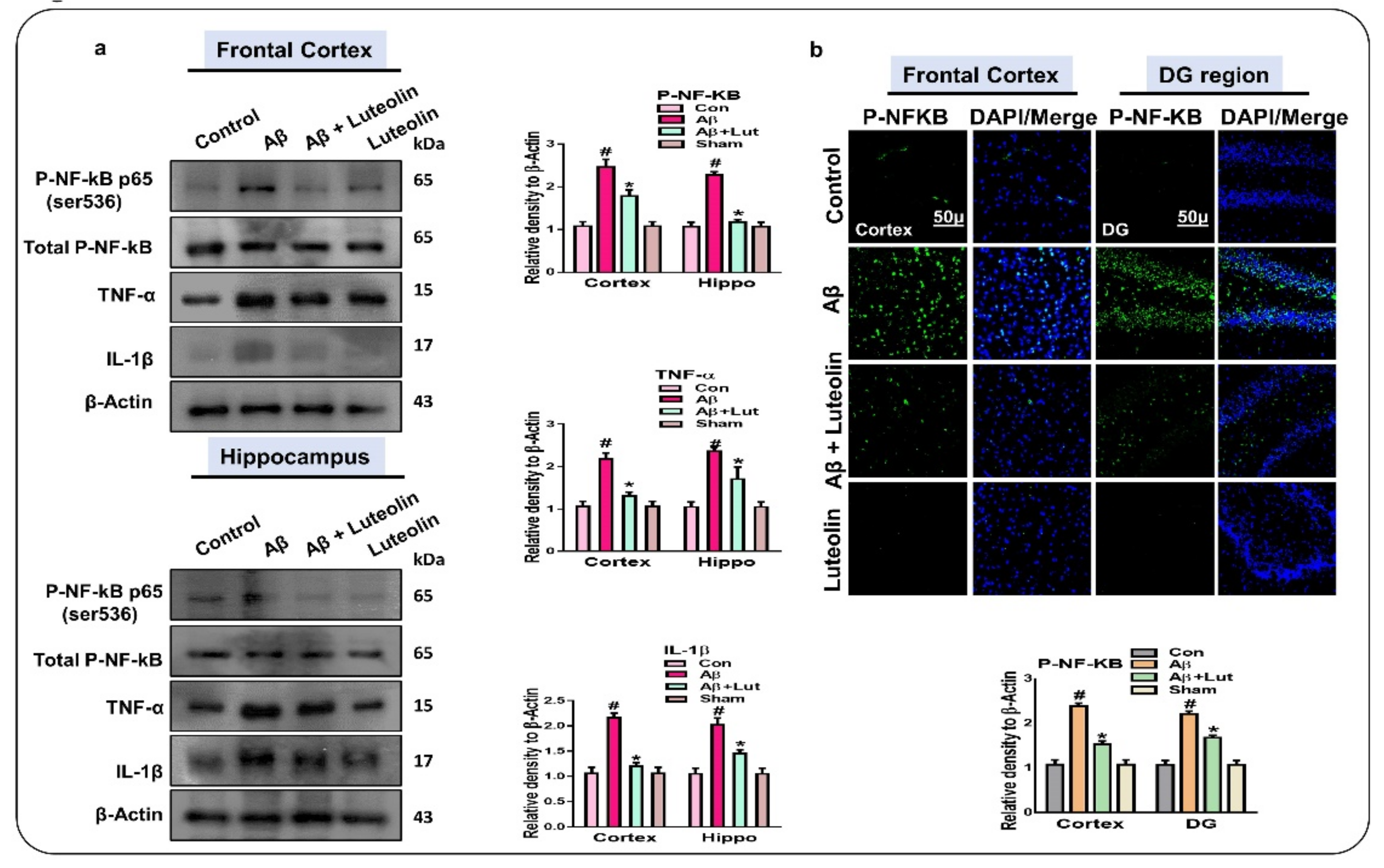
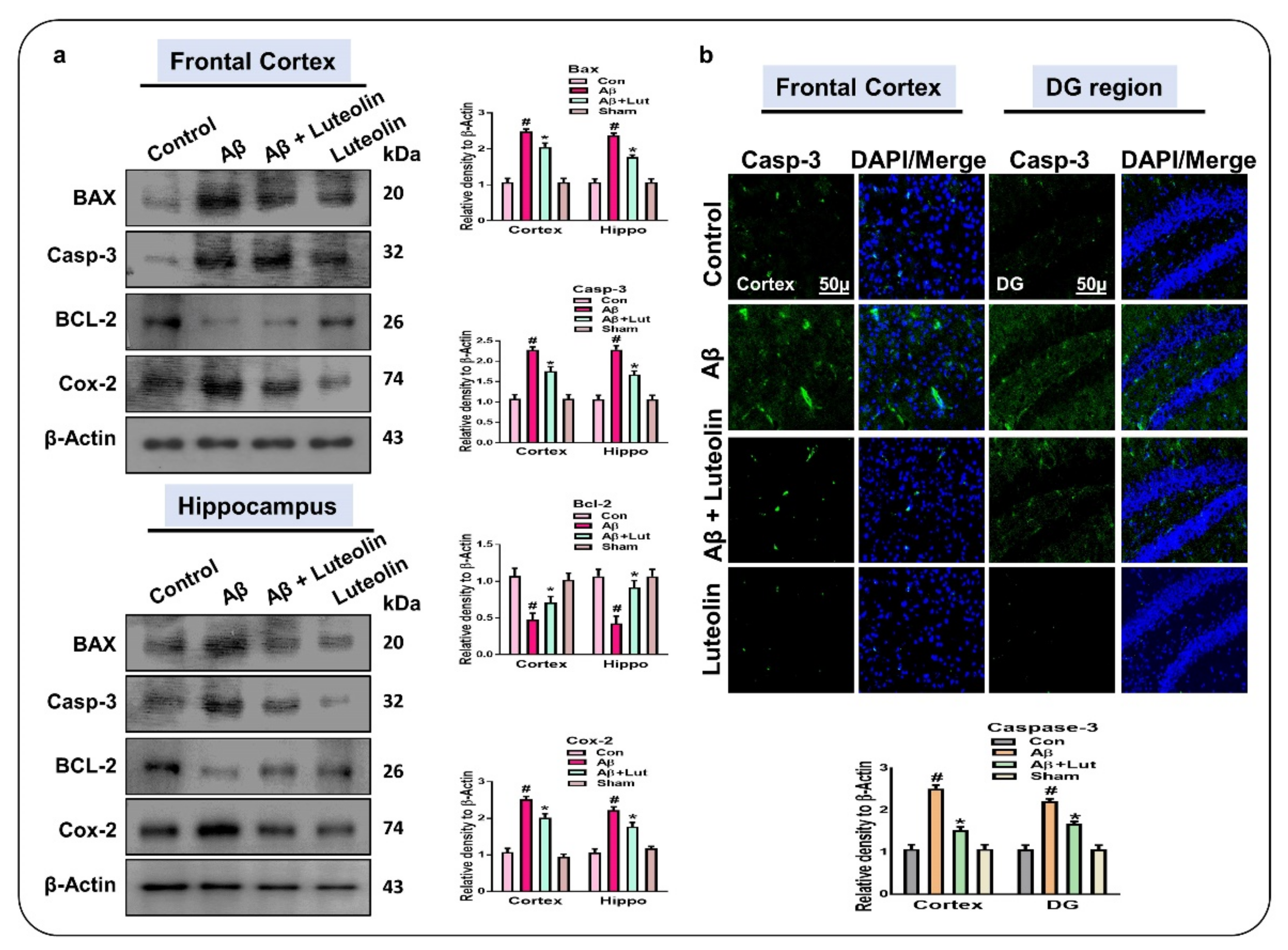
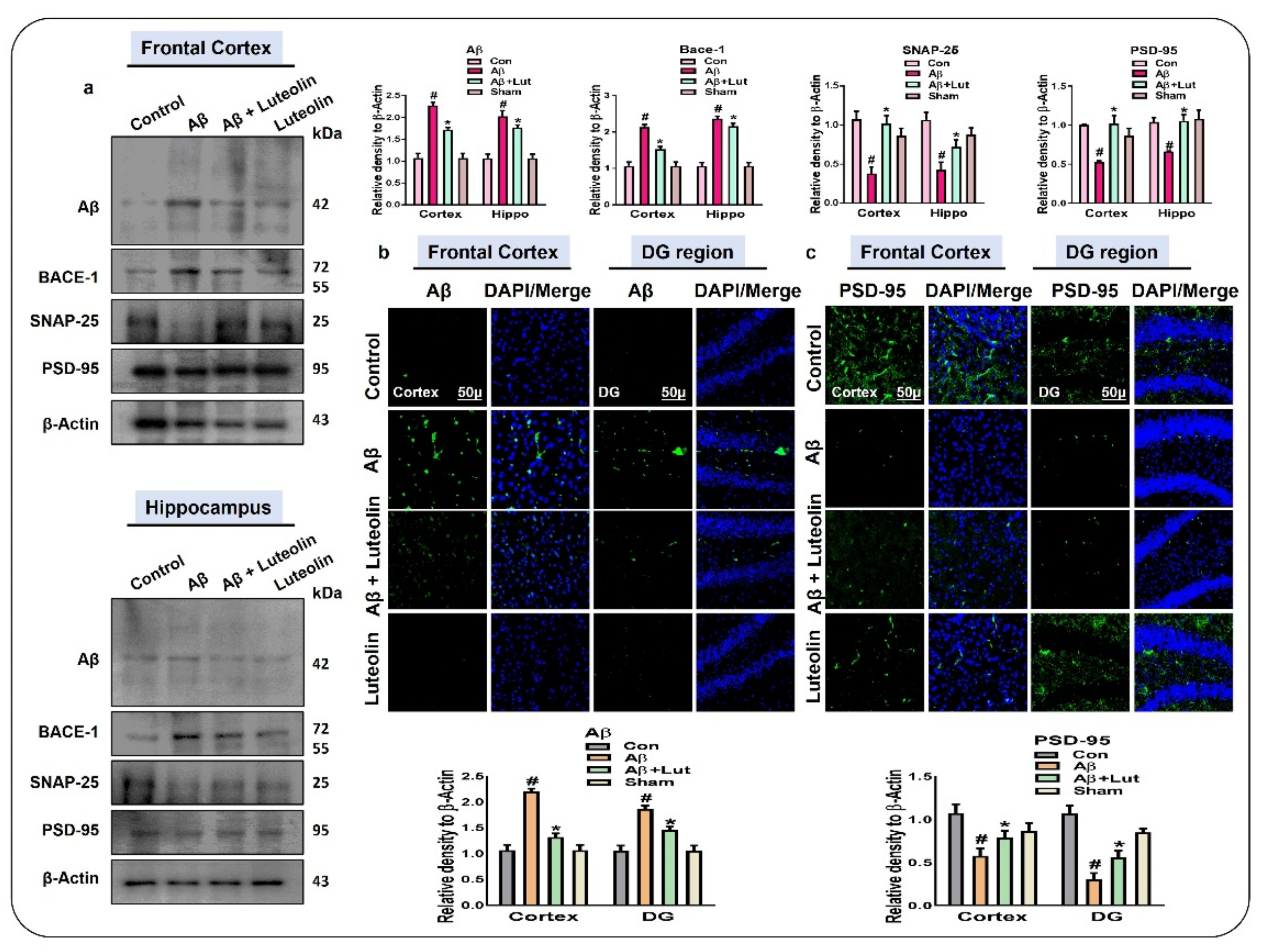
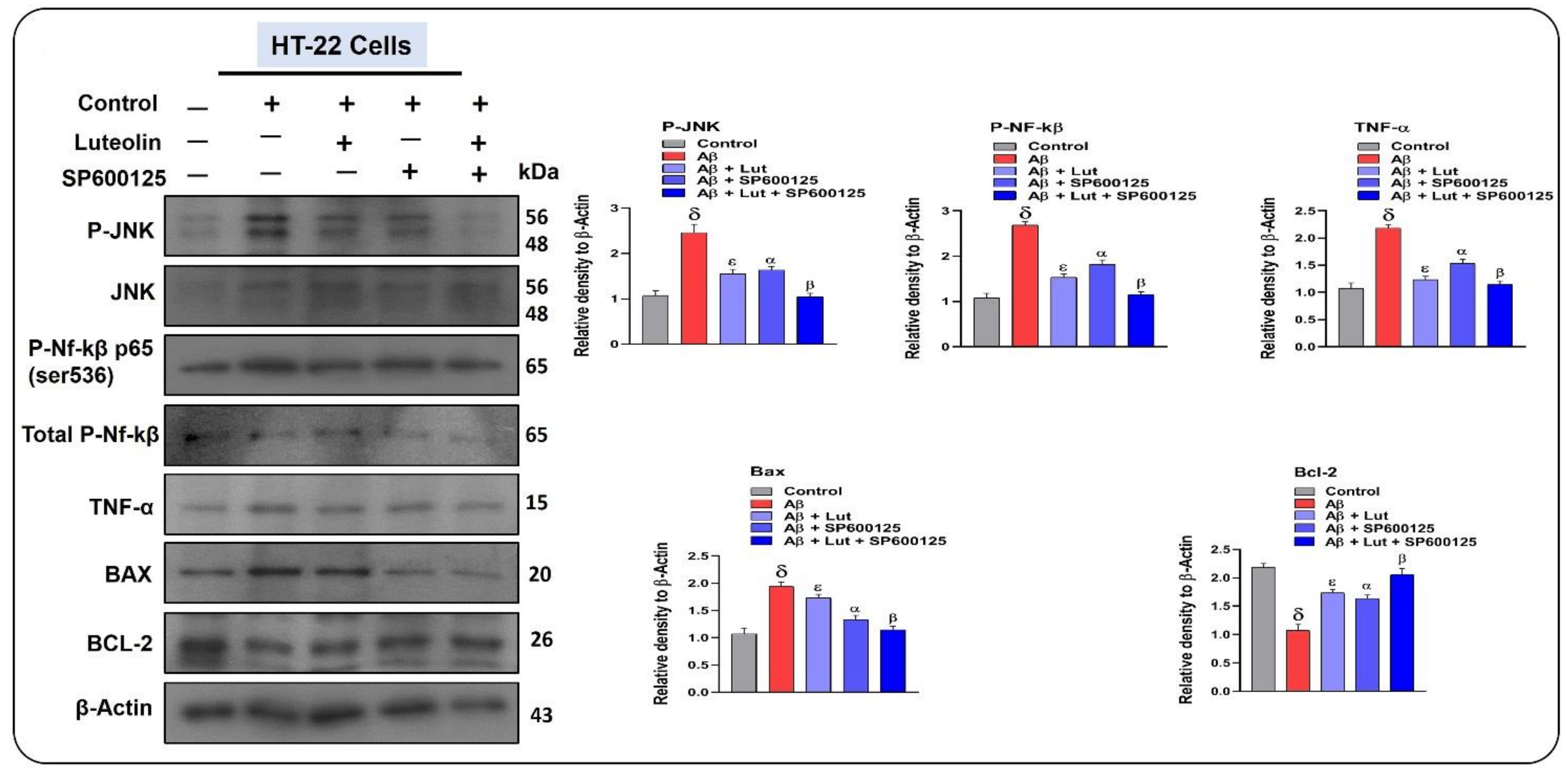
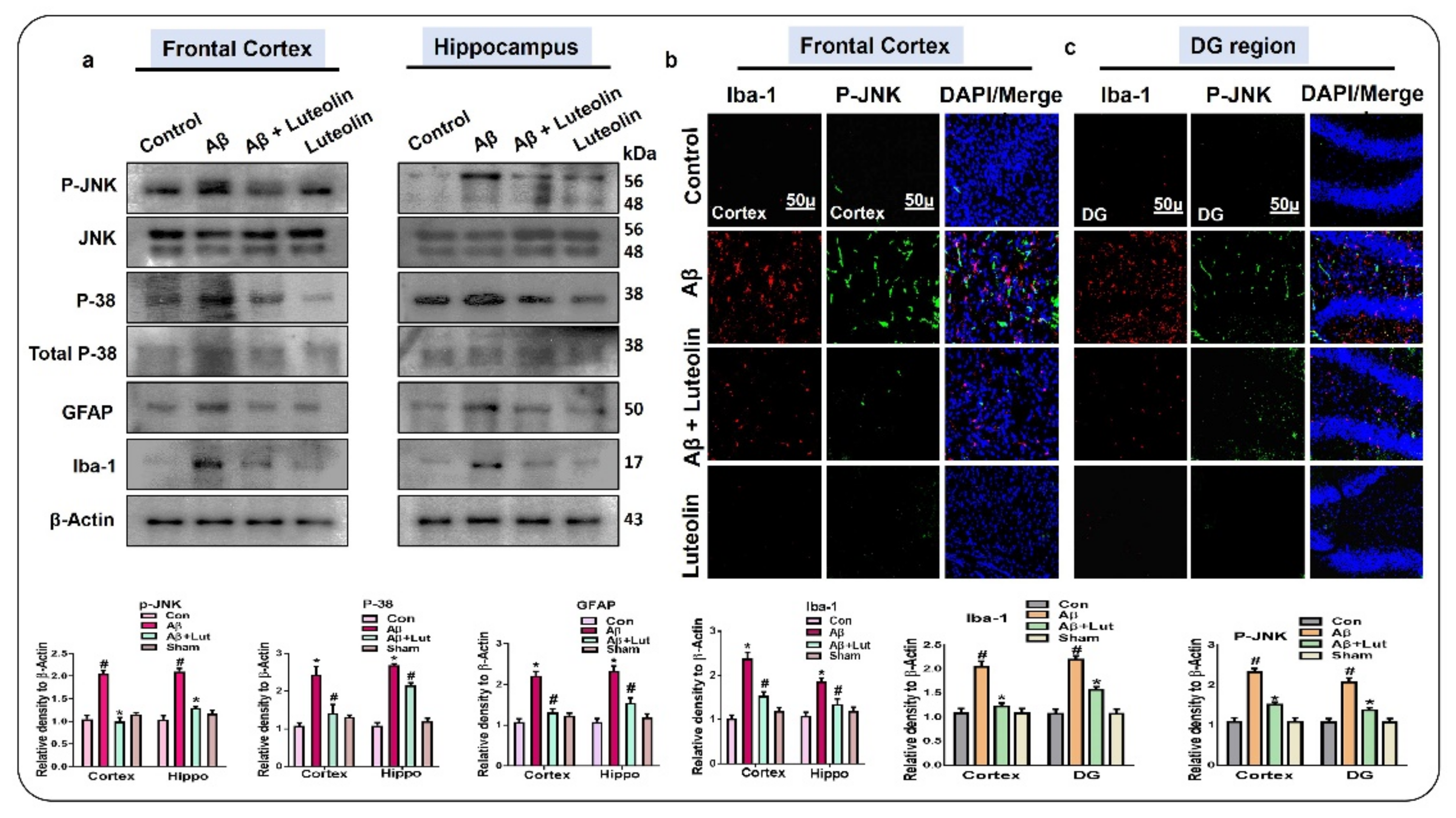
The current study was undertaken to unveil the protective effects of Luteolin, a natural flavonoid, against amyloid-beta (Aβ142)-induced neuroinflammation, amyloidogenesis, and synaptic dysfunction in mice. For the development of an AD mouse model, amyloid-beta (Aβ142, 5 μL/5 min/mouse) oligomers were injected intracerebroventricularly (i.c.v.) into mice’s brain by using a stereotaxic frame. After that, the mice were treated with Luteolin for two weeks at a dose of 80 mg/kg/day. To monitor the biochemical changes, we conducted western blotting and immunofluorescence analysis. According to our findings, the infusion of amyloid-beta activated c-Jun N-terminal kinases (p-JNK), p38 mitogen-activated protein kinases, glial fibrillary acidic protein (GFAP), and ionized calcium adaptor molecule 1 (Iba-1) in the cortex and hippocampus of the experimental mice; these changes were significantly inhibited in Aβ142 + Luteolin-treated mice. Likewise, we also checked the expression of inflammatory markers, such as p-nuclear factor-kB p65 (p-NF-kB p65 (Ser536), tissue necrosis factor (TNF-α), and Interleukin1-β (IL-1β), in Aβ142-injected mice brain, which was attenuated in Aβ142 + Luteolin-treated mice brains. Further, we investigated the expression of pro- and anti-apoptotic cell death markers such as Bax, Bcl-2, Caspase-3, and Cox-2, which was significantly reduced in Aβ142 + Lut-treated mice brains compared to the brains of the Aβ-injected group. The results also indicated that with the administration of Aβ142, the expression levels of β-site amyloid precursor protein cleaving enzyme (BACE-1) and amyloid-beta (Aβ142) were significantly enhanced, while they were reduced in Aβ142 + Luteolin-treated mice. We also checked the expression of synaptic markers such as PSD-95 and SNAP-25, which was significantly enhanced in Aβ142 + Lut-treated mice. To unveil the underlying factors responsible for the protective effects of Luteolin against AD, we used a specific JNK inhibitor, which suggested that Luteolin reduced Aβ-associated neuroinflammation and neurodegeneration via inhibition of JNK. Collectively, our results indicate that Luteolin could serve as a novel therapeutic agent against AD-like pathological changes in mice.
Keywords: amyloid-beta; Alzheimer’s disease; luteolin; neurodegeneration; neuroprotection amyloid-beta; Alzheimer’s disease; luteolin; neurodegeneration; neuroprotection