Article

Serum Tau Proteins as Potential Biomarkers for the Assessment of Alzheimer’s Disease Progression


1
Department of Pharmacology, College of Medicine, Gachon University, Incheon 21936, Korea
2
Neuroscience Research Institute, Gachon University, Incheon 21565, Korea
3
Department of Neurology, Gil Medical Center, Gachon University, Incheon 21565, Korea
4
Department of Brain Science, Graduate School, Daegu Gyeungbuk Institute of Science and Technology, Daegu 42988, Korea
5
Department of Health Sciences and Technology, GAIHST, Gachon University, Incheon 21936, Korea
*
Author to whom correspondence should be addressed.
Int. J. Mol. Sci. 2020, 21(14), 5007; https://doi.org/10.3390/ijms21145007
Submission received: 22 June 2020 / Revised: 10 July 2020 / Accepted: 13 July 2020 / Published: 15 July 2020
(This article belongs to the Special Issue Peripheral Biomarkers in Neurodegenerative Diseases 2.0)

Abstract

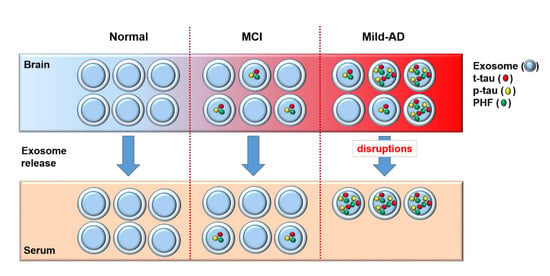
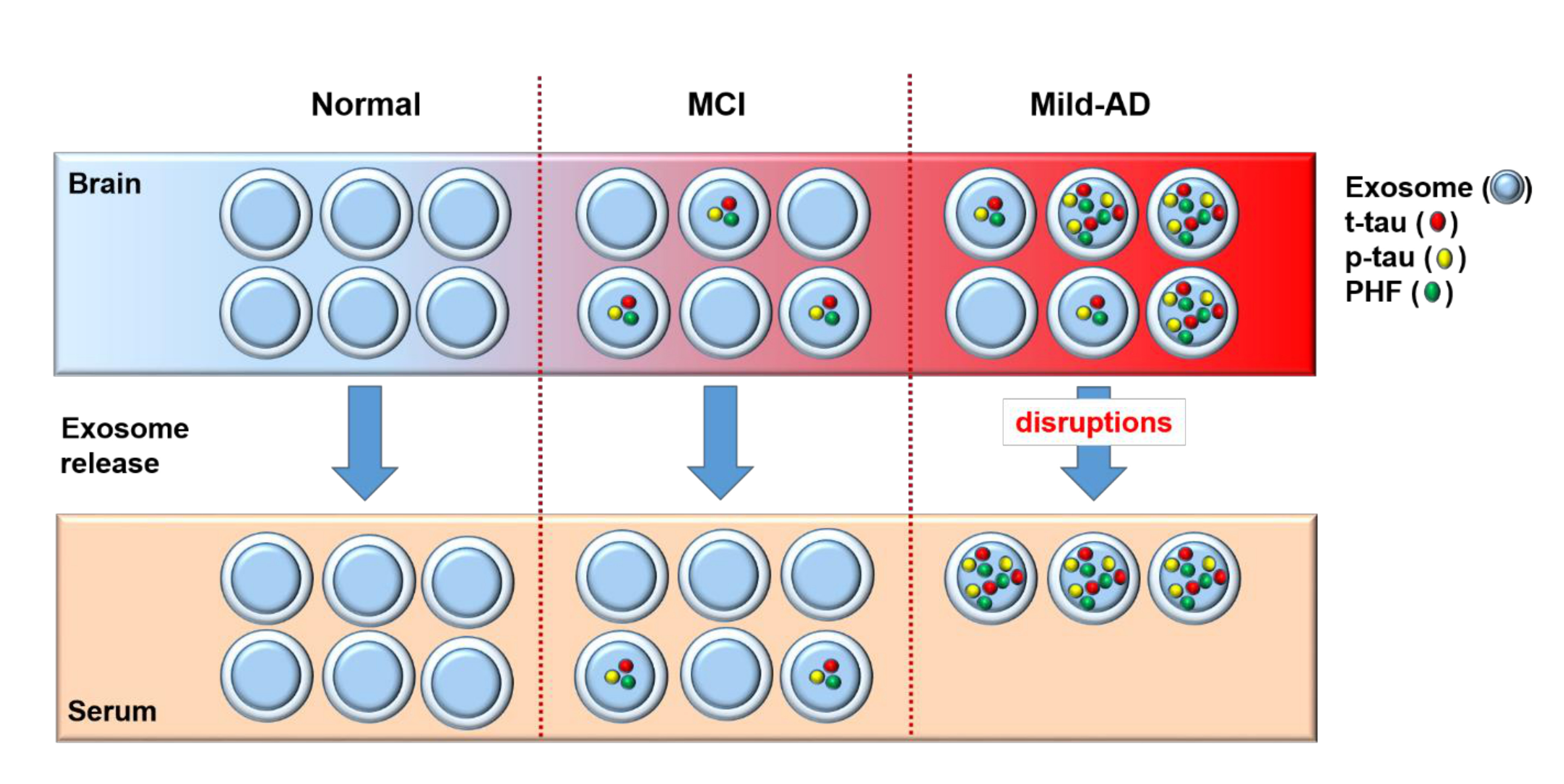
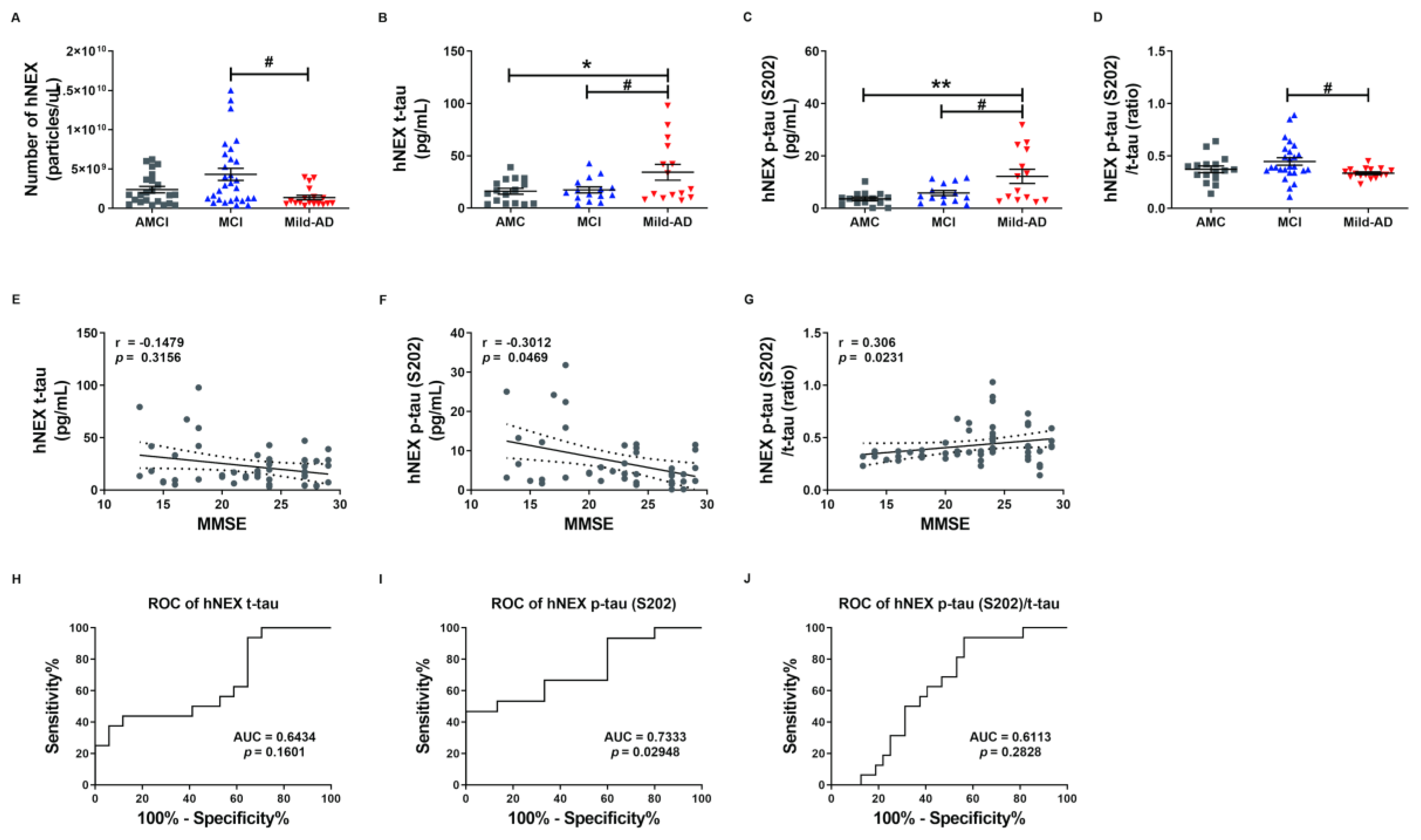
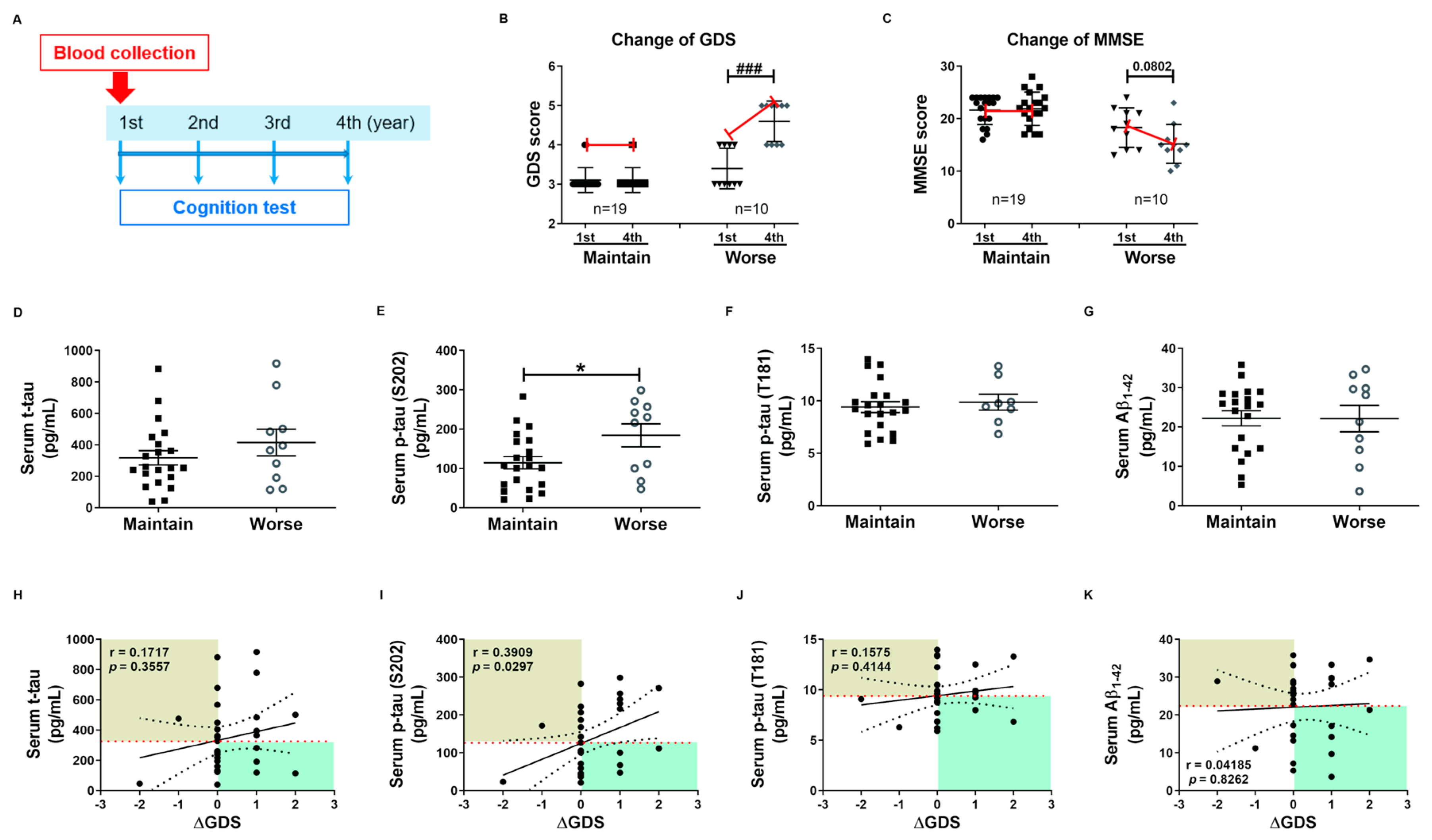
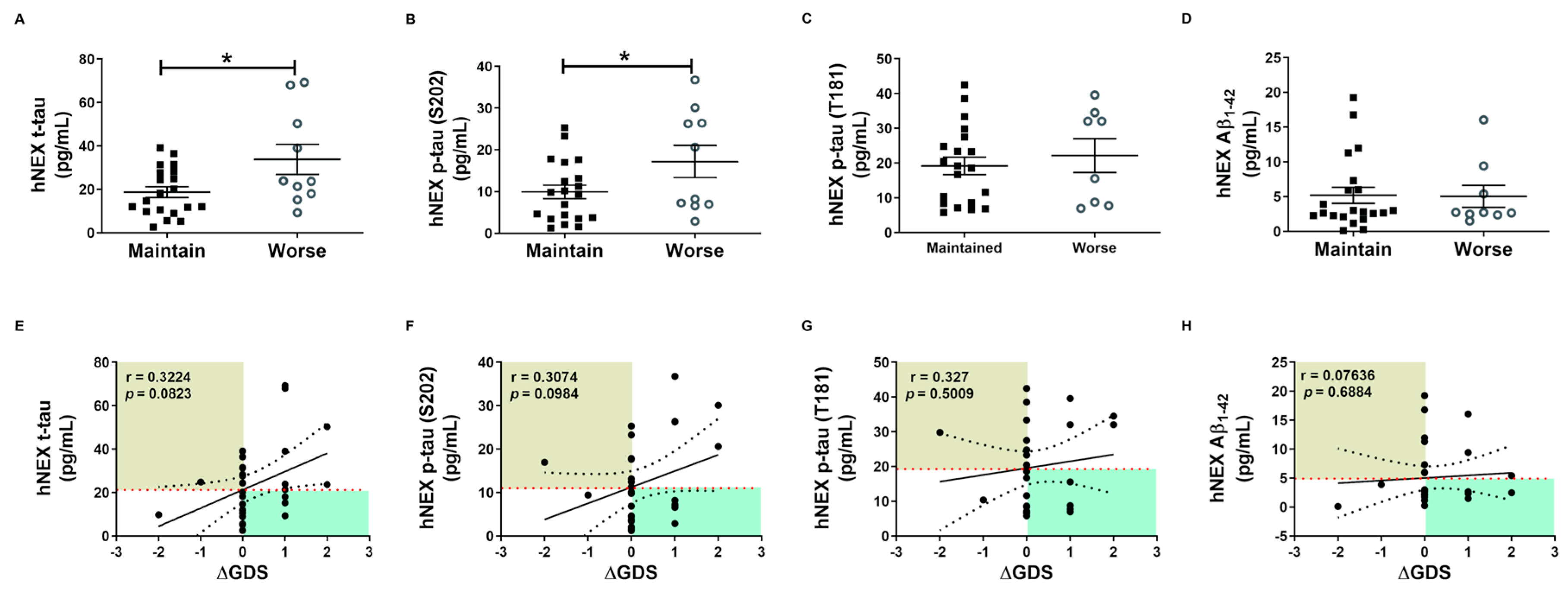
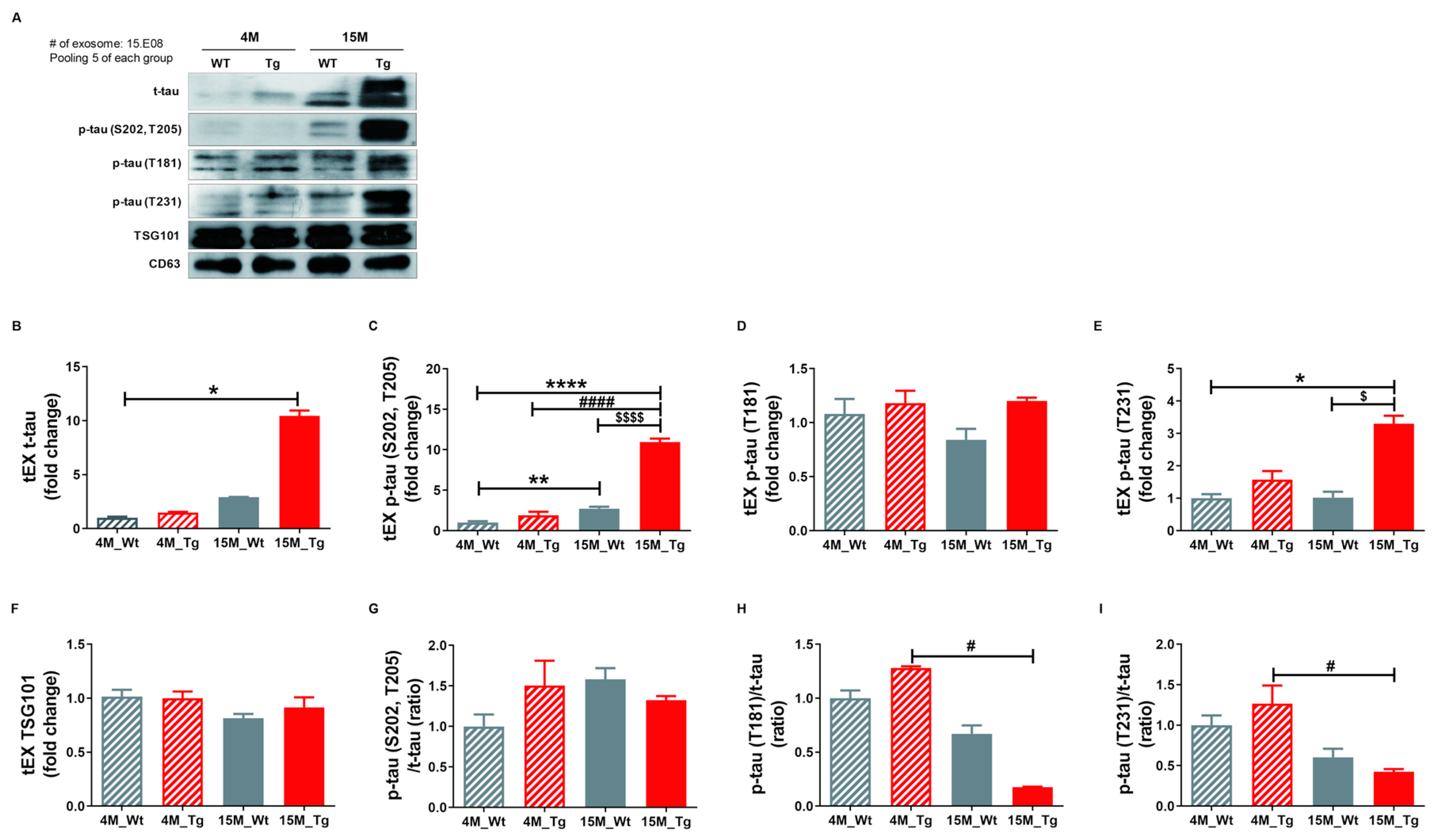
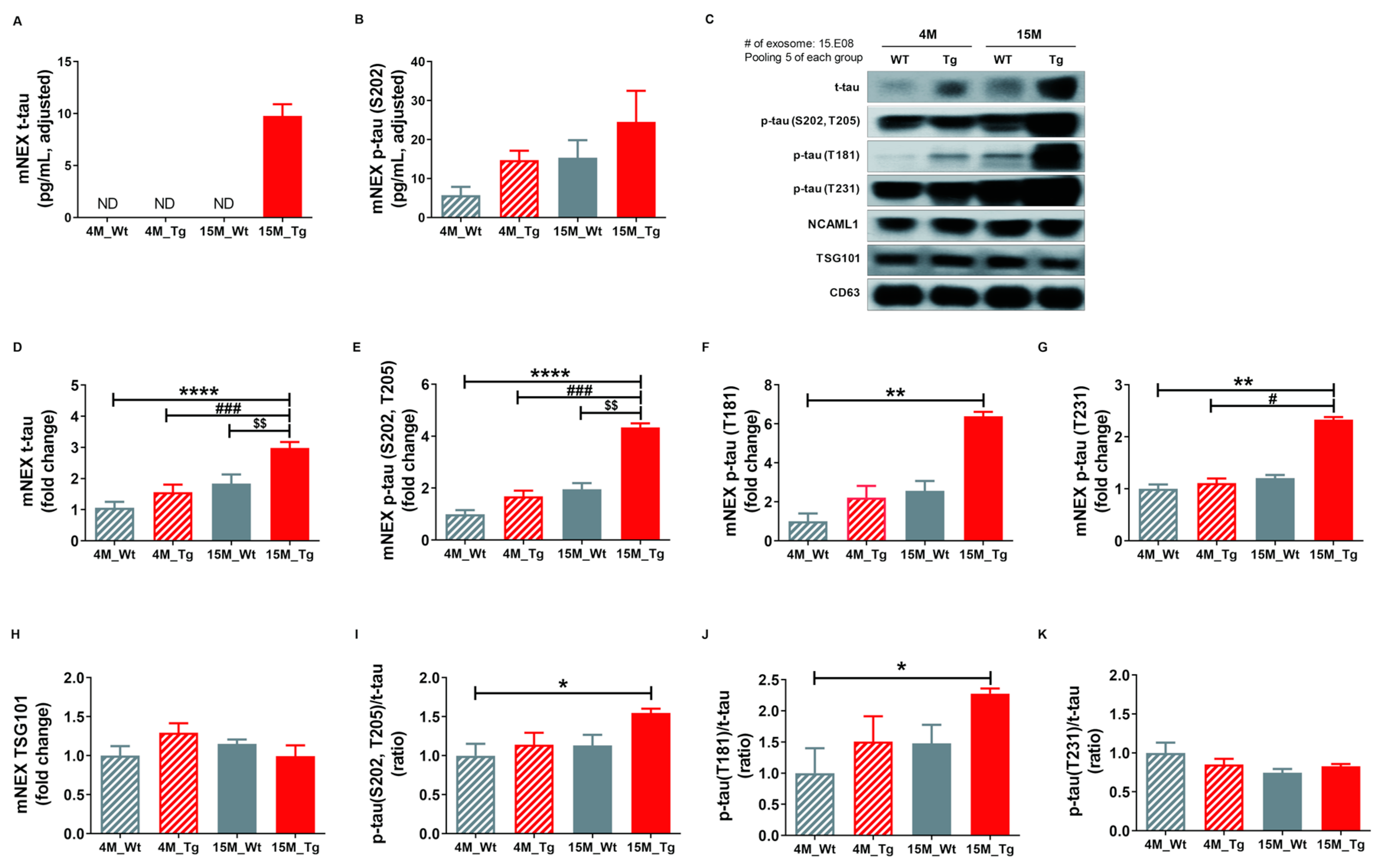
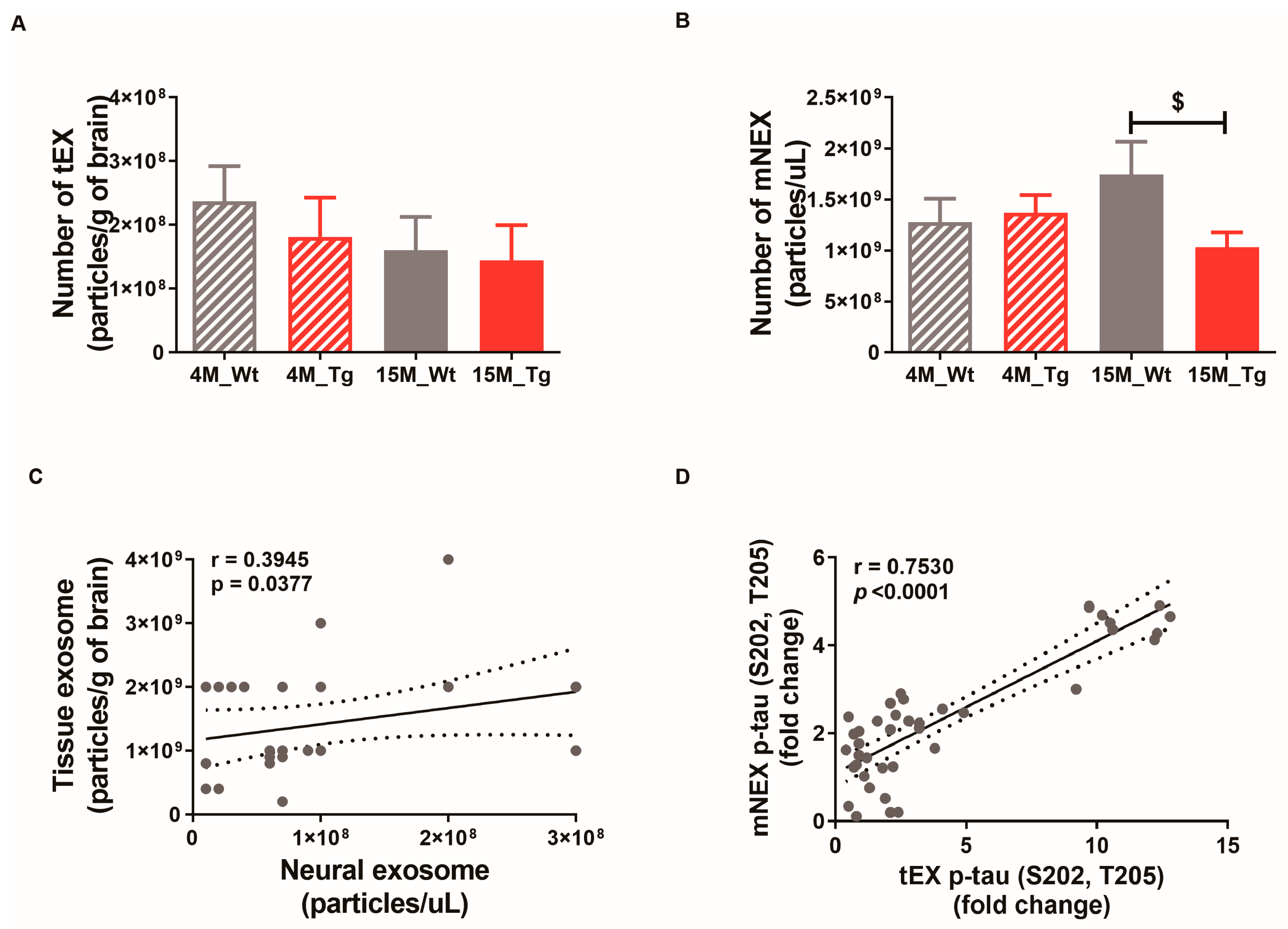
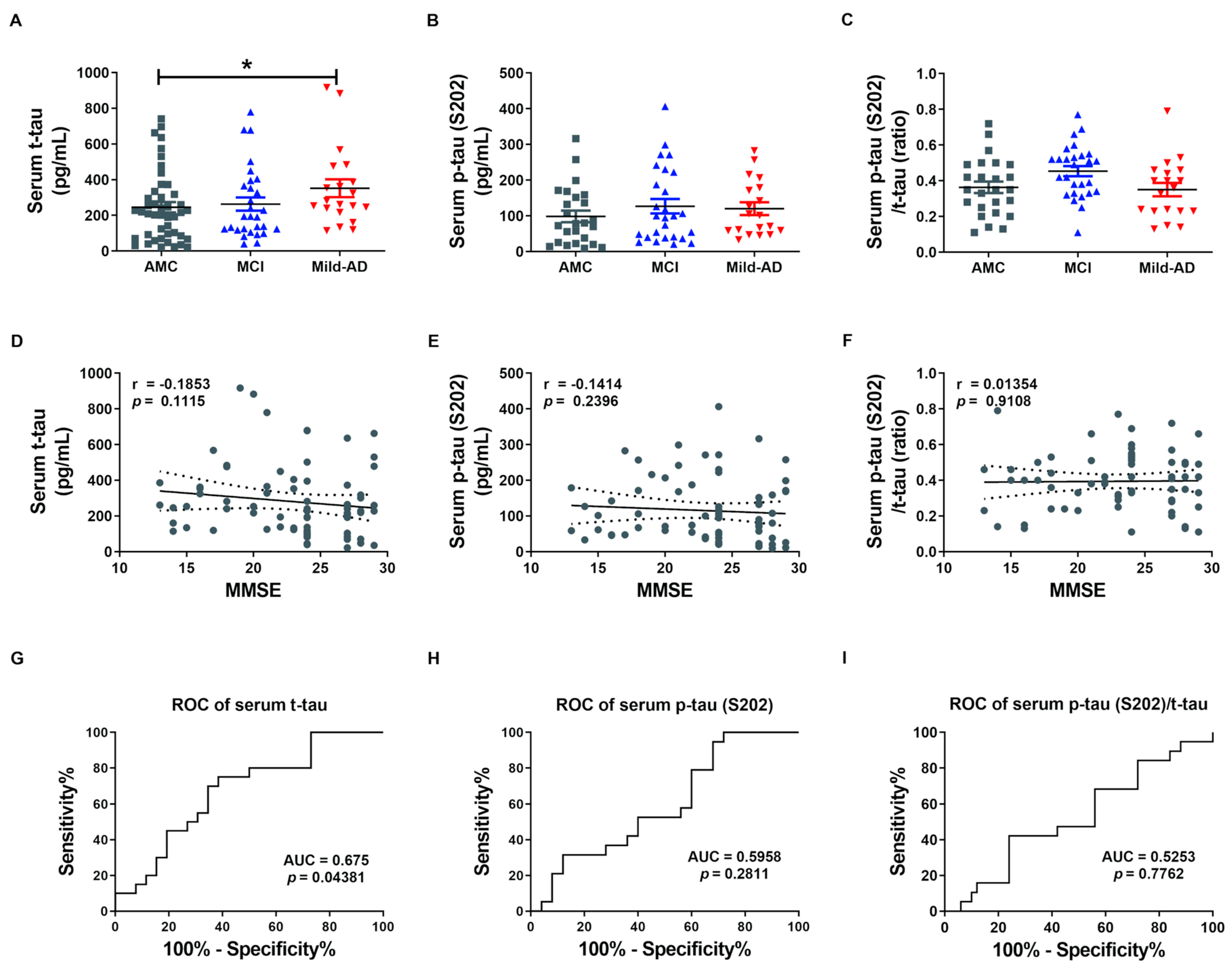
Total tau (t-tau) and phosphorylated tau (p-tau) protein elevations in cerebrospinal fluid (CFS) are well-established hallmarks of Alzheimer’s disease (AD), while the associations of serum t-tau and p-tau levels with AD have been inconsistent across studies. To identify more accessible non-invasive AD biomarkers, we measured serum tau proteins and associations with cognitive function in age-matched controls (AMC, n = 26), mild cognitive impairment group (MCI, n = 30), and mild-AD group (n = 20) according to the Mini-mental State Examination (MMSE), Clinical Dementia Rating (CDR), and Global Deterioration Scale (GDS) scores. Serum t-tau, but not p-tau, was significantly higher in the mild-AD group than AMC subjects (p < 0.05), and there were significant correlations of serum t-tau with MMSE and GDS scores. Receiver operating characteristic (ROC) analysis distinguished mild-AD from AMC subjects with moderate sensitivity and specificity (AUC = 0.675). We speculated that tau proteins in neuronal cell-derived exosomes (NEX) isolated from serum would be more strongly associated with brain tau levels and disease characteristics, as these exosomes can penetrate the blood-brain barrier. Indeed, ELISA and Western blotting indicated that both NEX t-tau and p-tau (S202) were significantly higher in the mild-AD group compared to AMC (p < 0.05) and MCI groups (p < 0.01). In contrast, serum amyloid β (Aβ1–42) was lower in the mild-AD group compared to MCI groups (p < 0.001). During the 4-year follow-up, NEX t-tau and p-tau (S202) levels were correlated with the changes in GDS and MMSE scores. In JNPL3 transgenic (Tg) mice expressing a human tau mutation, t-tau and p-tau expression levels in NEX increased with neuropathological progression, and NEX tau was correlated with tau in brain tissue exosomes (tEX), suggesting that tau proteins reach the circulation via exosomes. Taken together, our data suggest that serum tau proteins, especially NEX tau proteins, are useful biomarkers for monitoring AD progression.
Keywords: tau protein; serum; Alzheimer’s disease; biomarker; exosome tau protein; serum; Alzheimer’s disease; biomarker; exosome
Graphical Abstract