Next Article in Journal
Role of Inflammation in Pathophysiology of Colonic Disease: An Update
Next Article in Special Issue
Idiopathic Osteoporosis and Nephrolithiasis: Two Sides of the Same Coin?
Previous Article in Journal
In Vitro Assessment of the Genotoxic Hazard of Novel Hydroxamic Acid- and Benzamide-Type Histone Deacetylase Inhibitors (HDACi)
Previous Article in Special Issue
Hematological Diseases and Osteoporosis
Review

Osteoporosis in Skin Diseases

1
Department of Life, Health and Environmental Sciences, University of L’Aquila, 67100 L’Aquila, Italy
2
Allergy and Clinical Immunology Unit, Center for the Diagnosis and Treatment of Osteoporosis, AUSL 04 64100 Teramo, Italy
*
Author to whom correspondence should be addressed.
Int. J. Mol. Sci. 2020, 21(13), 4749; https://doi.org/10.3390/ijms21134749
Received: 1 June 2020 / Revised: 30 June 2020 / Accepted: 1 July 2020 / Published: 3 July 2020
(This article belongs to the Special Issue Secondary Osteoporosis in Adults)
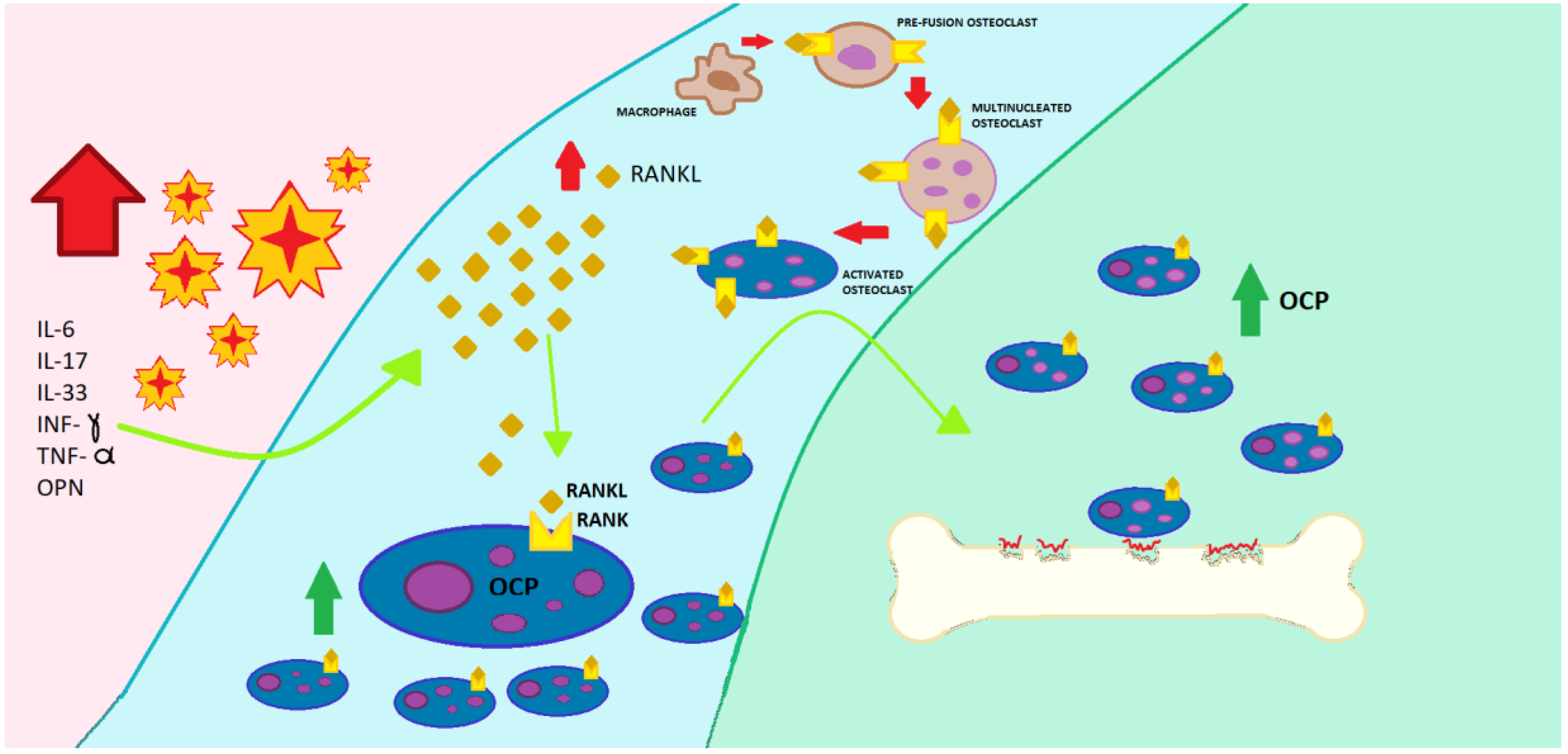
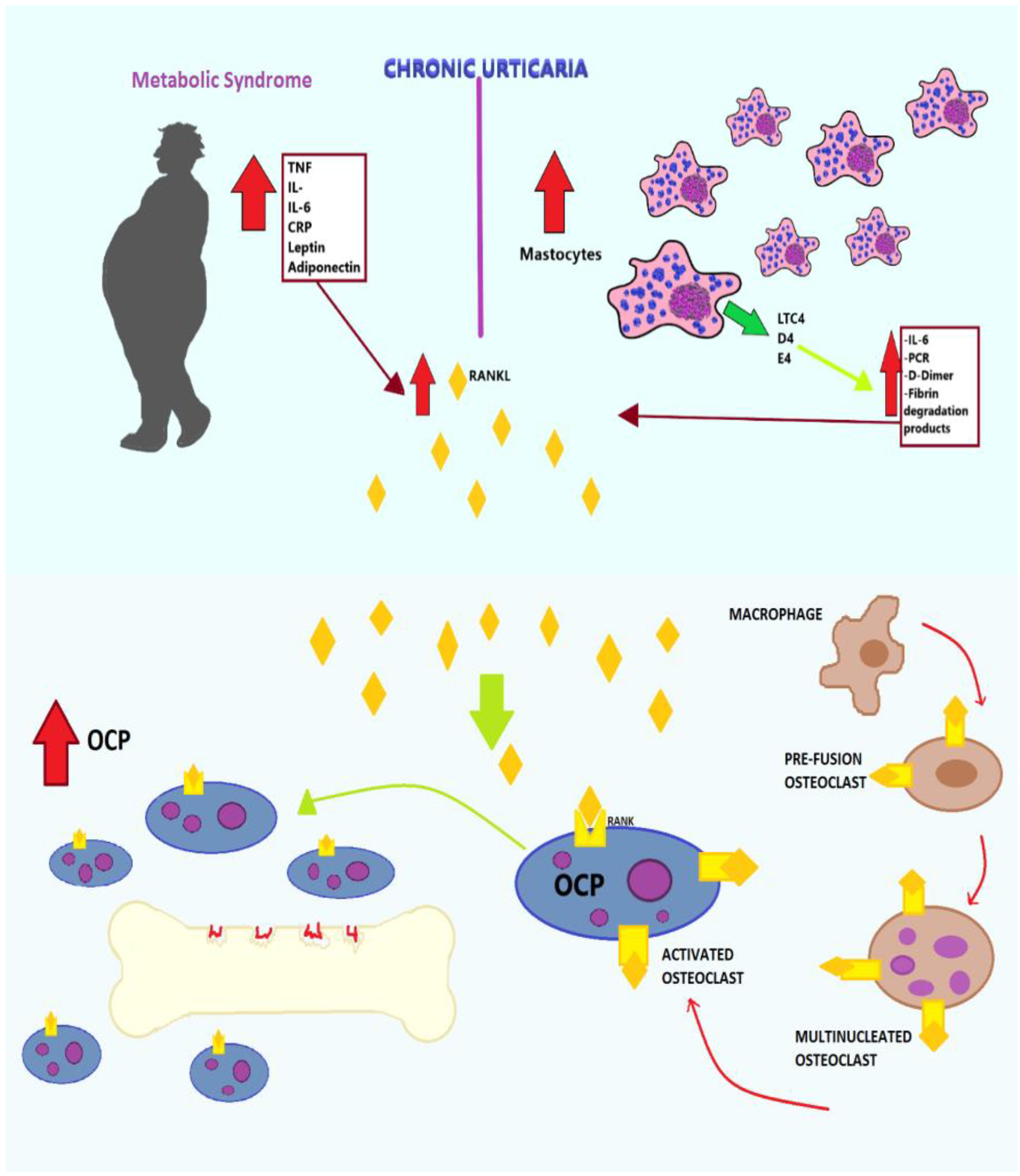
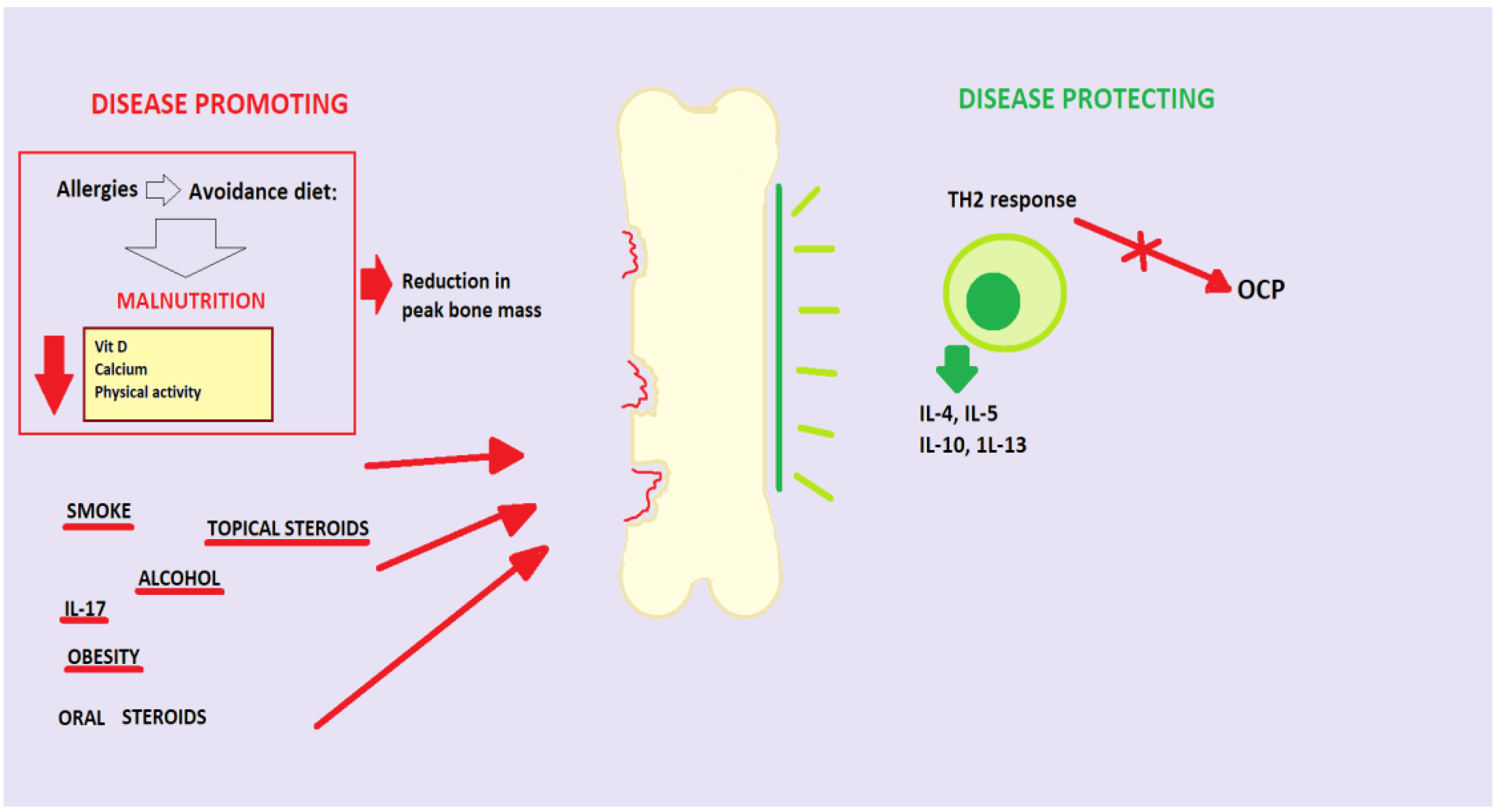
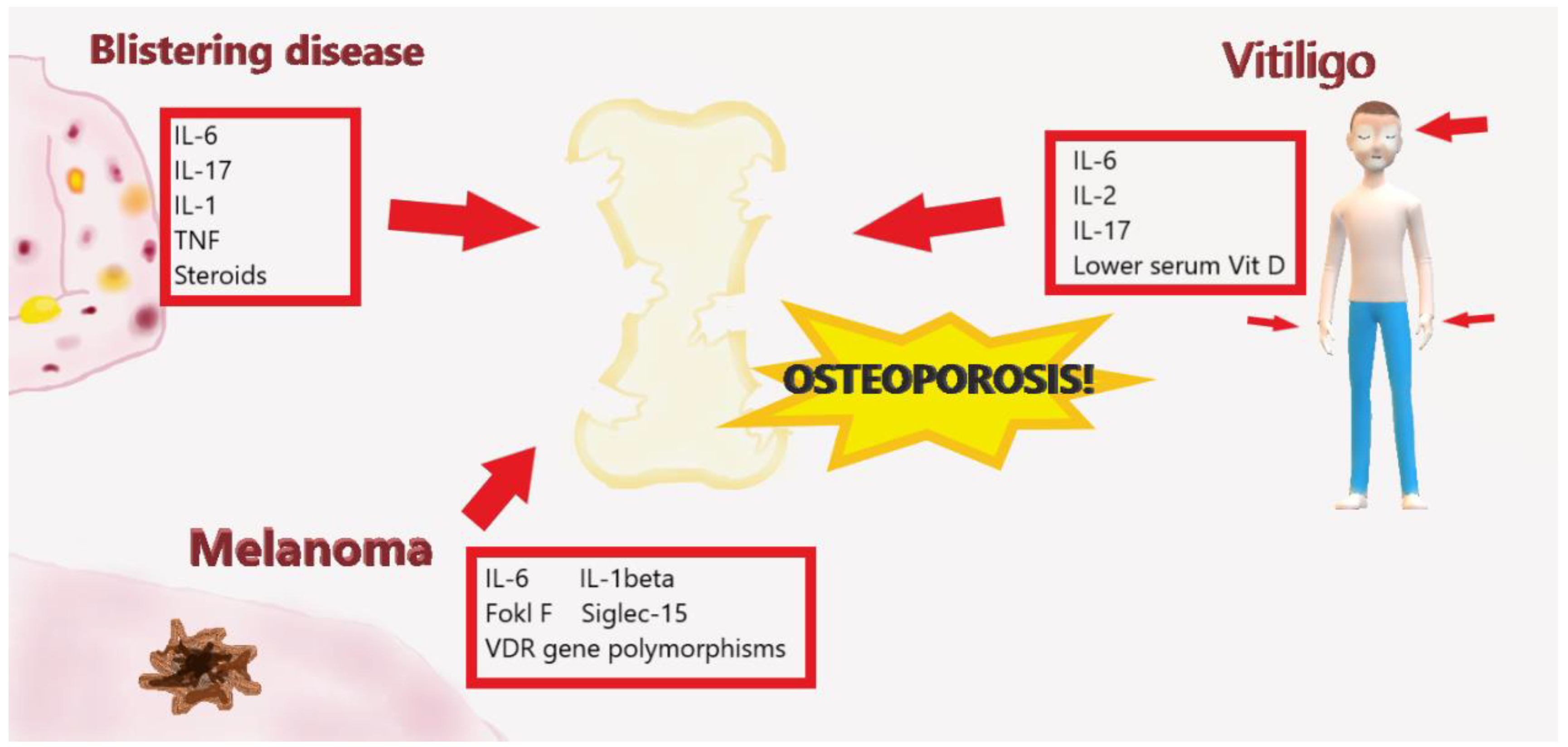
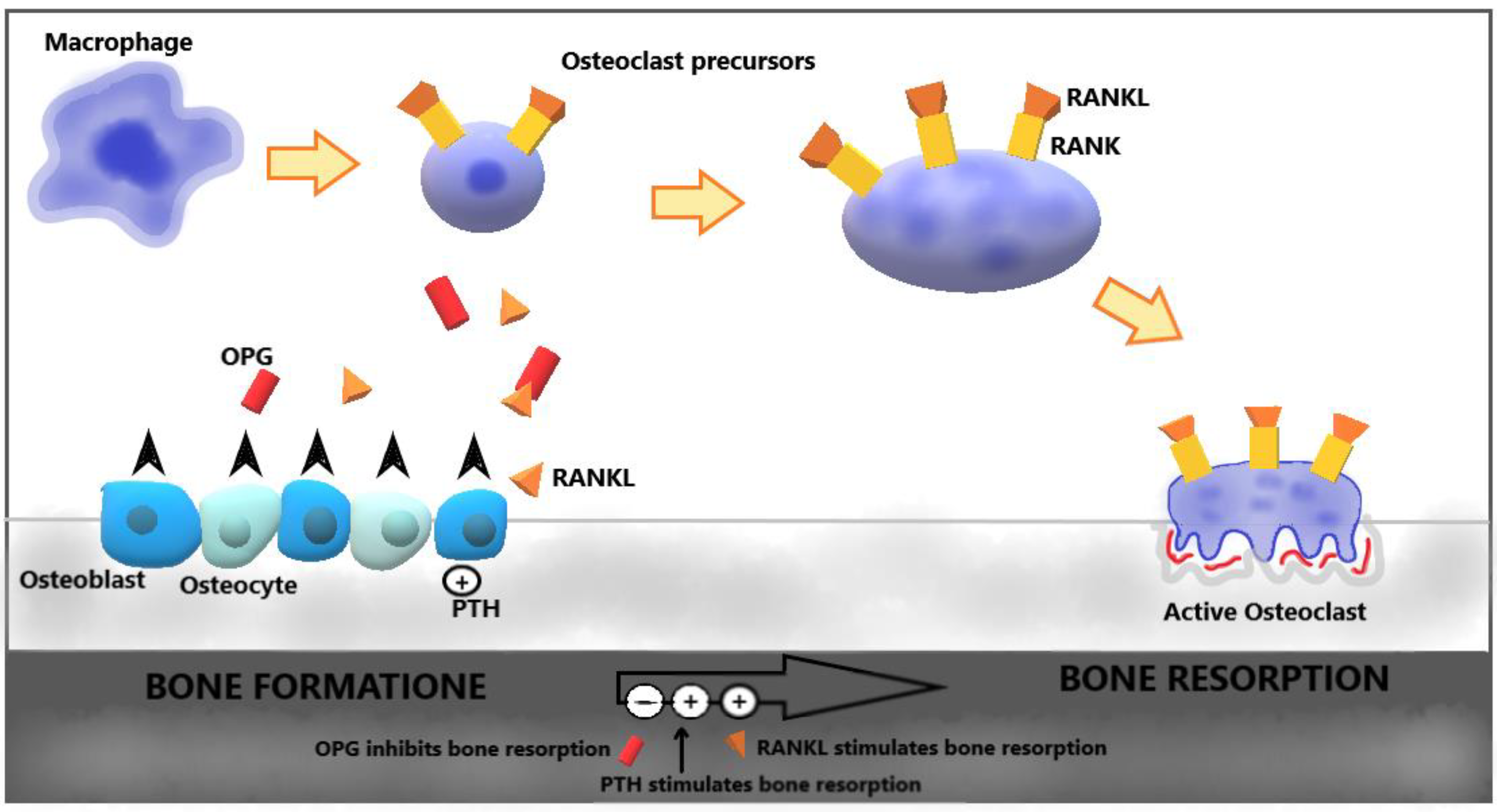
Osteoporosis (OP) is defined as a generalized skeletal disease characterized by low bone mass and an alteration of the microarchitecture that lead to an increase in bone fragility and, therefore, an increased risk of fractures. It must be considered today as a true public health problem and the most widespread metabolic bone disease that affects more than 200 million people worldwide. Under physiological conditions, there is a balance between bone formation and bone resorption necessary for skeletal homeostasis. In pathological situations, this balance is altered in favor of osteoclast (OC)-mediated bone resorption. During chronic inflammation, the balance between bone formation and bone resorption may be considerably affected, contributing to a net prevalence of osteoclastogenesis. Skin diseases are the fourth cause of human disease in the world, affecting approximately one third of the world’s population with a prevalence in elderly men. Inflammation and the various associated cytokine patterns are the basis of both osteoporosis and most skin pathologies. Moreover, dermatological patients also undergo local or systemic treatments with glucocorticoids and immunosuppressants that could increase the risk of osteoporosis. Therefore, particular attention should be paid to bone health in these patients. The purpose of the present review is to take stock of the knowledge in this still quite unexplored field, despite the frequency of such conditions in clinical practice. View Full-Text
Keywords: osteoporosis; dermatology; skin; skin diseases; bone; skeletal health; psoriasis; eczema; atopic dermatitis; urticaria; pemphigus; vitiligo osteoporosis; dermatology; skin; skin diseases; bone; skeletal health; psoriasis; eczema; atopic dermatitis; urticaria; pemphigus; vitiligo
Show Figures

Figure 1

MDPI and ACS Style

Sirufo, M.M.; De Pietro, F.; Bassino, E.M.; Ginaldi, L.; De Martinis, M. Osteoporosis in Skin Diseases. Int. J. Mol. Sci. 2020, 21, 4749. https://doi.org/10.3390/ijms21134749

AMA Style

Sirufo MM, De Pietro F, Bassino EM, Ginaldi L, De Martinis M. Osteoporosis in Skin Diseases. International Journal of Molecular Sciences. 2020; 21(13):4749. https://doi.org/10.3390/ijms21134749
Chicago/Turabian Style

Sirufo, Maria M., Francesca De Pietro, Enrica M. Bassino, Lia Ginaldi, and Massimo De Martinis. 2020. "Osteoporosis in Skin Diseases" International Journal of Molecular Sciences 21, no. 13: 4749. https://doi.org/10.3390/ijms21134749
Find Other Styles
Note that from the first issue of 2016, MDPI journals use article numbers instead of page numbers. See further details here.

Article Access Map by Country/Region

1
Back to TopTop