Review

Heme, Heme Oxygenase, and Endoplasmic Reticulum Stress—A New Insight into the Pathophysiology of Vascular Diseases


1
Department of Pediatrics, Faculty of Medicine, University of Debrecen, 4032 Debrecen, Hungary
2
HAS-UD Vascular Biology and Myocardial Pathophysiology Research Group, Hungarian Academy of Sciences, 4032 Debrecen, Hungary
3
Department of Internal Medicine, Faculty of Medicine, University of Debrecen, 4032 Debrecen, Hungary
*
Author to whom correspondence should be addressed.
Int. J. Mol. Sci. 2019, 20(15), 3675; https://doi.org/10.3390/ijms20153675
Submission received: 18 June 2019 / Revised: 23 July 2019 / Accepted: 24 July 2019 / Published: 26 July 2019
(This article belongs to the Special Issue Protective and Detrimental Role of Heme Oxygenase-1)

Abstract

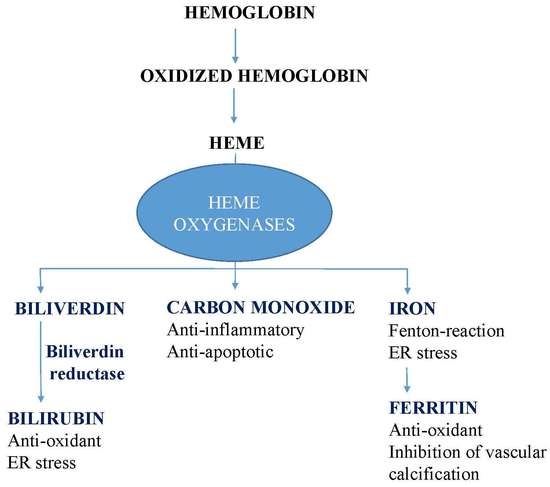
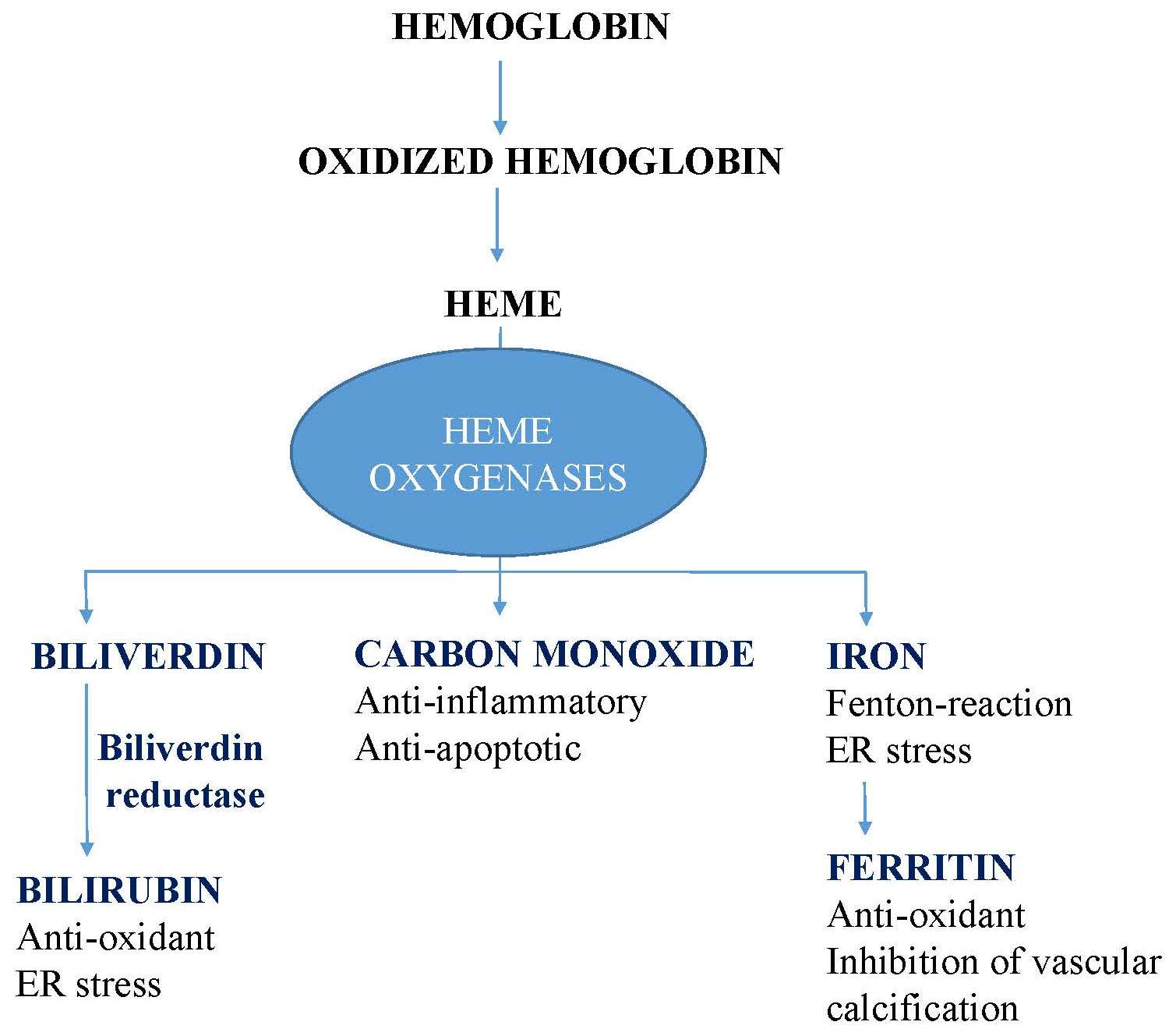
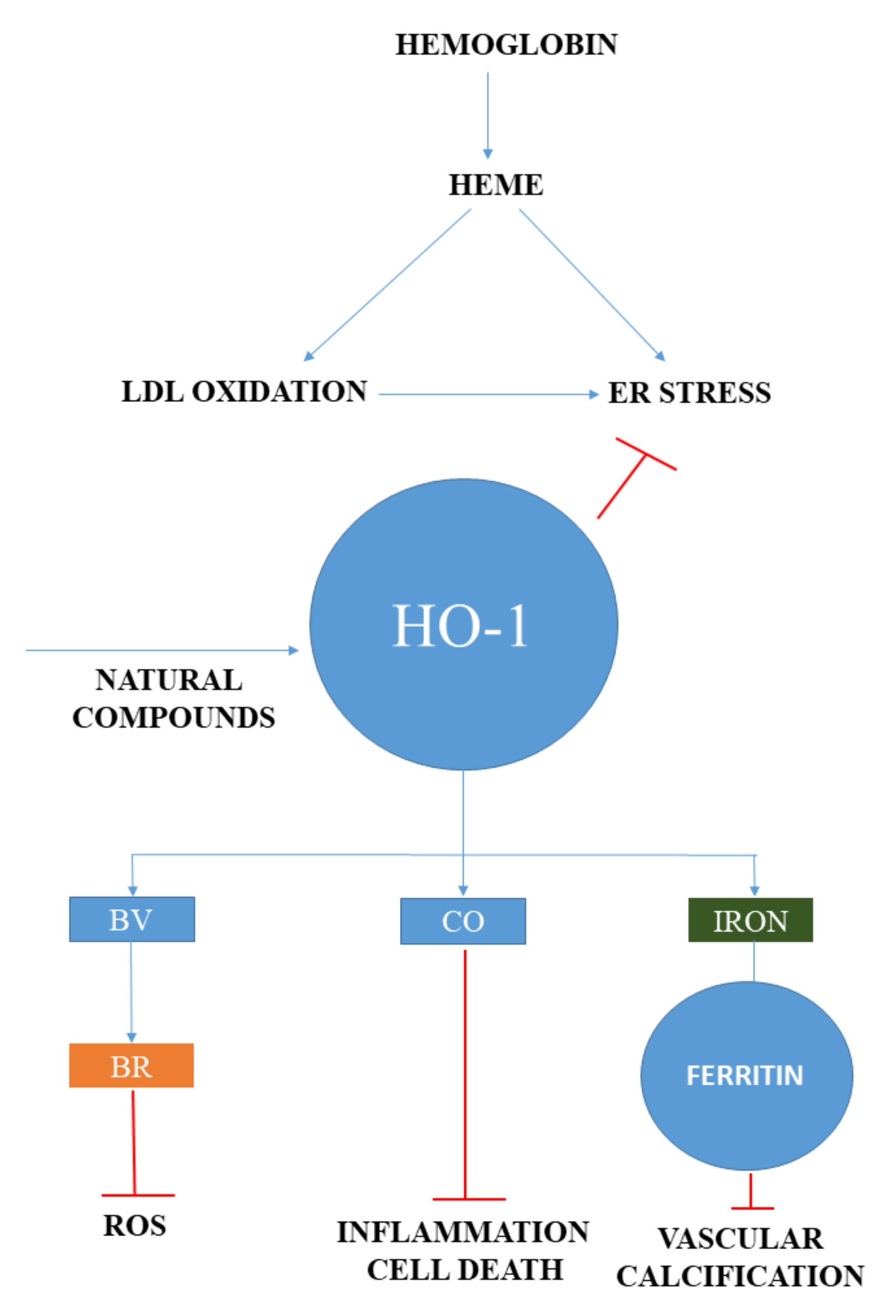
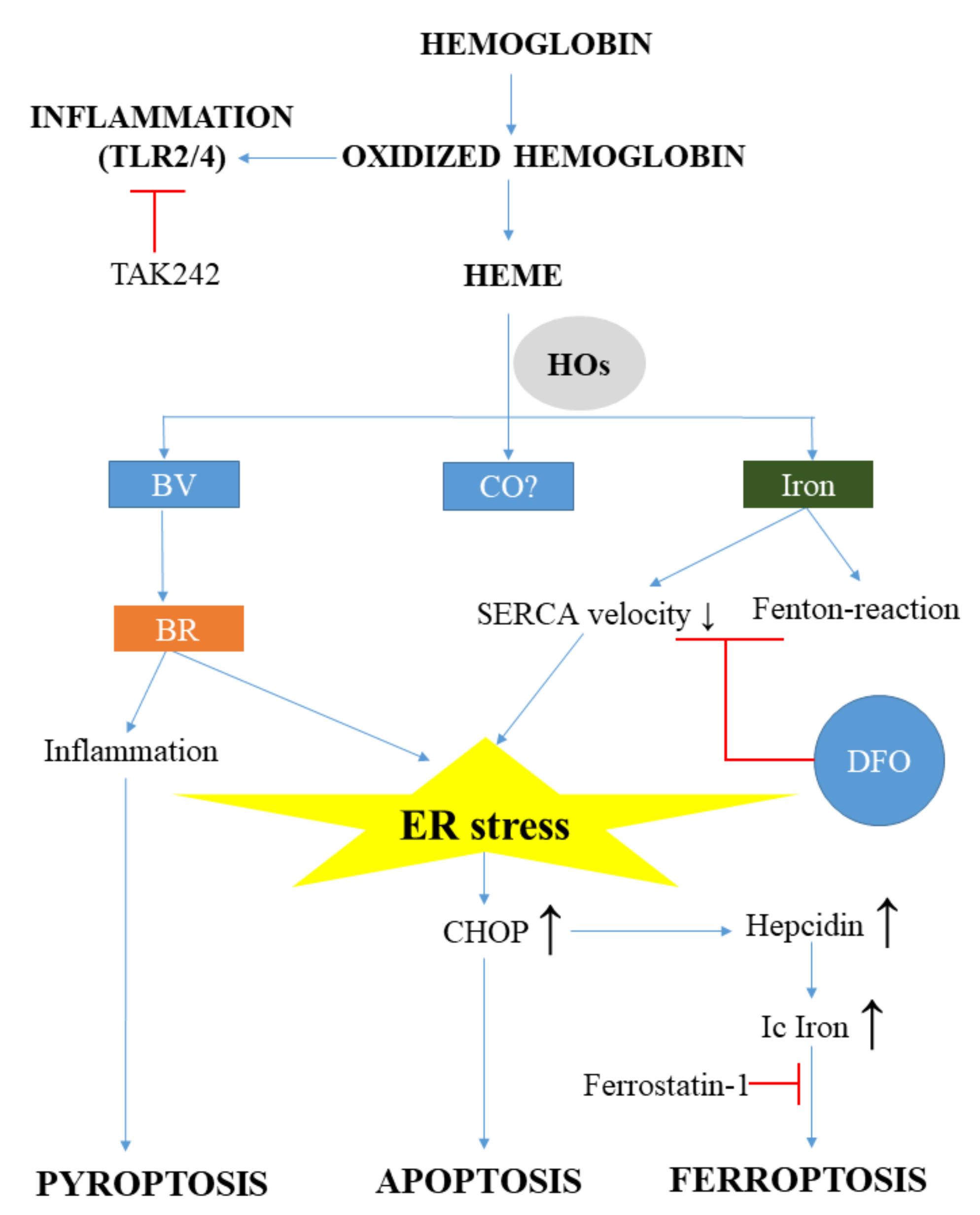
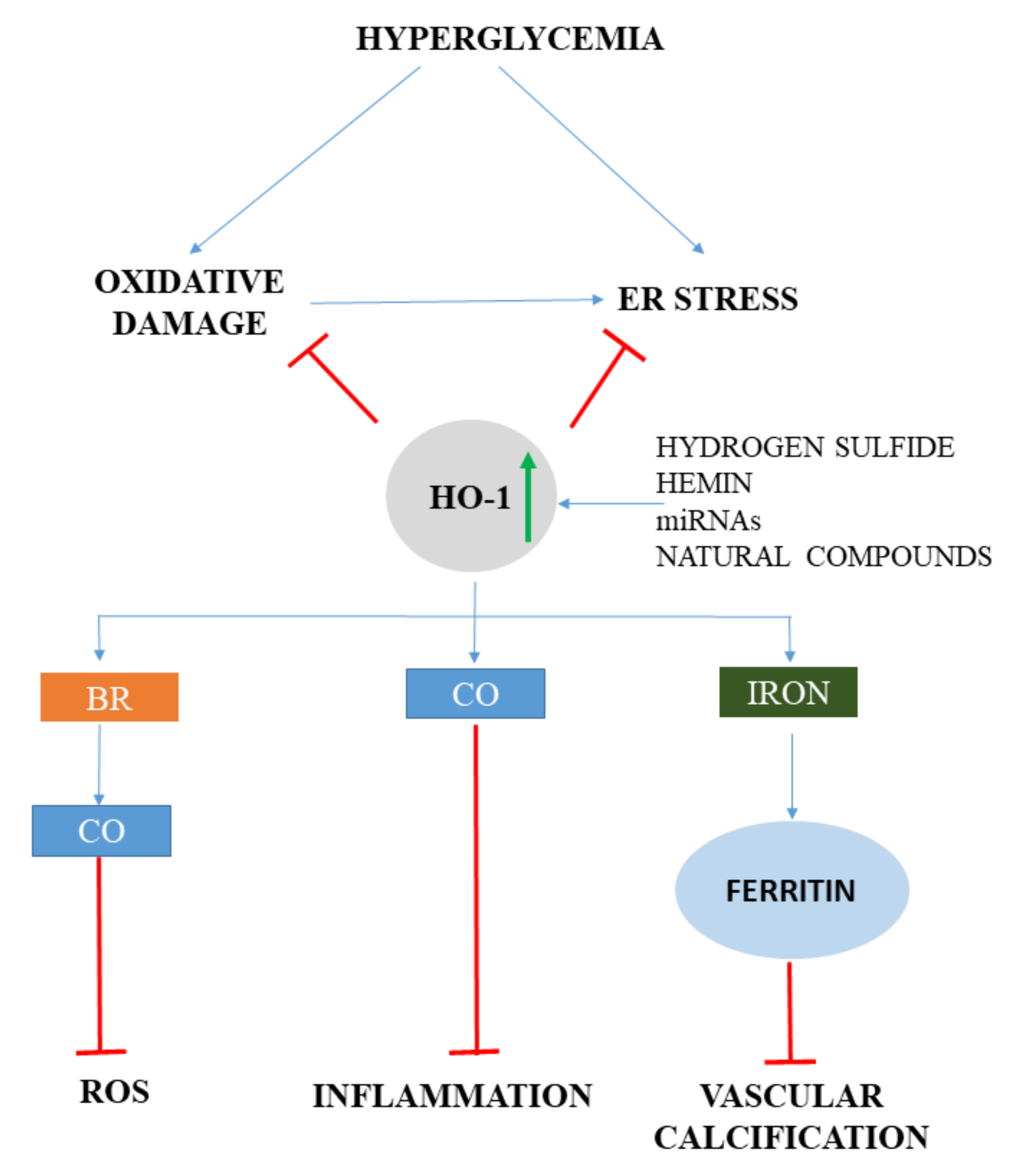
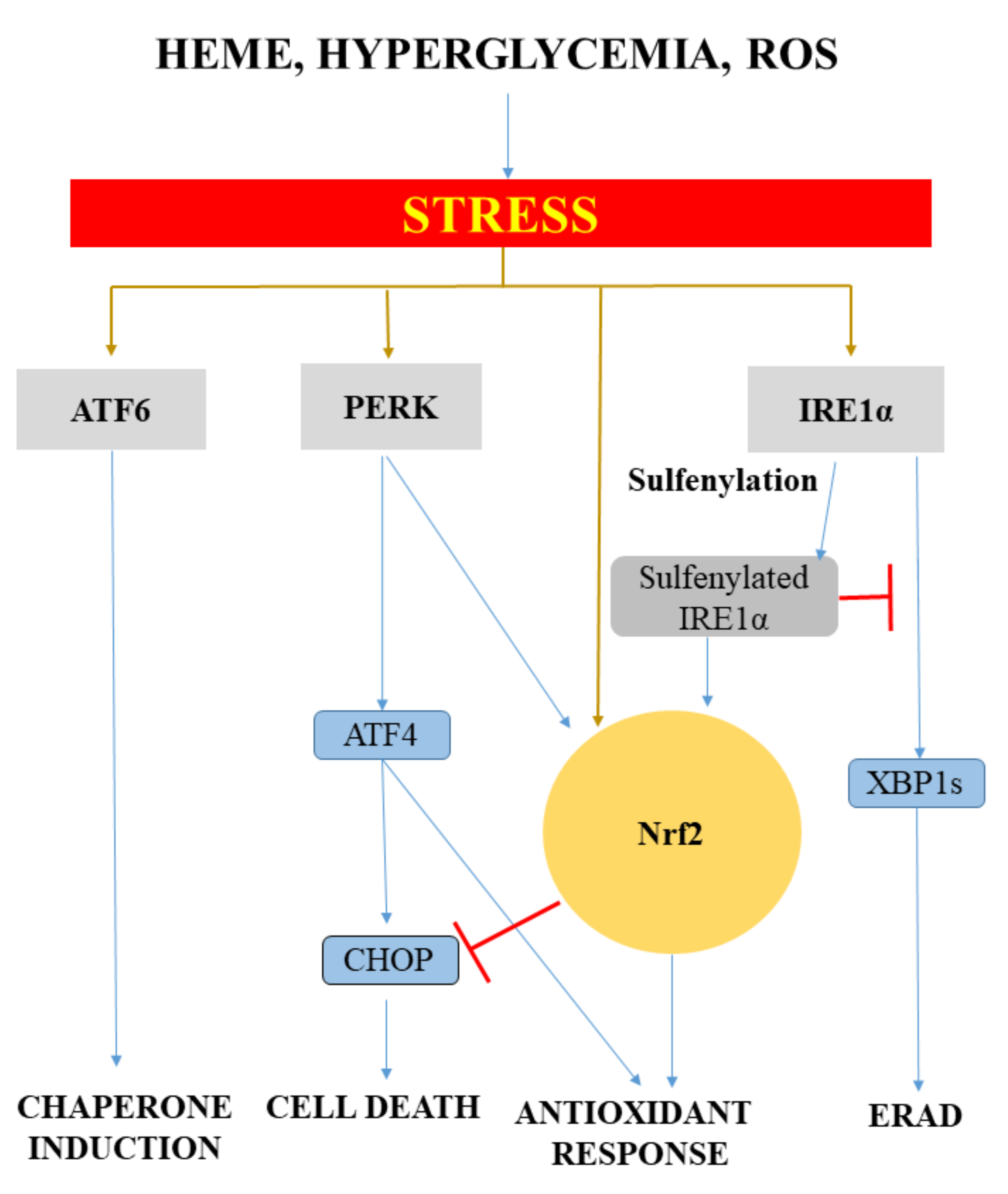
The prevalence of vascular disorders continues to rise worldwide. Parallel with that, new pathophysiological pathways have been discovered, providing possible remedies for prevention and therapy in vascular diseases. Growing evidence suggests that endoplasmic reticulum (ER) stress is involved in a number of vasculopathies, including atherosclerosis, vascular brain events, and diabetes. Heme, which is released from hemoglobin or other heme proteins, triggers various pathophysiological consequence, including heme stress as well as ER stress. The potentially toxic free heme is converted by heme oxygenases (HOs) into carbon monoxide (CO), iron, and biliverdin (BV), the latter of which is reduced to bilirubin (BR). Redox-active iron is oxidized and stored by ferritin, an iron sequestering protein which exhibits ferroxidase activity. In recent years, CO, BV, and BR have been shown to control cellular processes such as inflammation, apoptosis, and antioxidant defense. This review covers our current knowledge about how heme induced endoplasmic reticulum stress (HIERS) participates in the pathogenesis of vascular disorders and highlights recent discoveries in the molecular mechanisms of HO-mediated cytoprotection in heme stress and ER stress, as well as crosstalk between ER stress and HO-1. Furthermore, we focus on the translational potential of HIERS and heme oxygenase-1 (HO-1) in atherosclerosis, diabetes mellitus, and brain hemorrhage.
Keywords: heme oxygenase; endoplasmic reticulum stress; hemoglobin; heme heme oxygenase; endoplasmic reticulum stress; hemoglobin; heme
Graphical Abstract