Article

Effects of Oxytocin on Fear Memory and Neuroinflammation in a Rodent Model of Posttraumatic Stress Disorder


1
Graduate Institute of Medical Sciences, National Defense Medical Center, Taipei 11490, Taiwan
2
Department of Psychiatry, Tri-Service General Hospital Songshan Branch, Taipei 10581, Taiwan
3
Department of Psychiatry, Cheng Hsin General Hospital, Taipei 11220, Taiwan
4
Laboratory of Cognitive Neuroscience, Department of Physiology and Biophysics, National Defense Medical Center, Taipei 11490, Taiwan
5
Department of Psychiatry, Tri-Service General Hospital, Taipei 11490, Taiwan
6
Student Counseling Center, National Defense Medical Center, Taipei 11490, Taiwan
*
Author to whom correspondence should be addressed.
Int. J. Mol. Sci. 2018, 19(12), 3848; https://doi.org/10.3390/ijms19123848
Submission received: 1 November 2018 / Revised: 26 November 2018 / Accepted: 29 November 2018 / Published: 3 December 2018
(This article belongs to the Special Issue Neuroimmunology)

Abstract

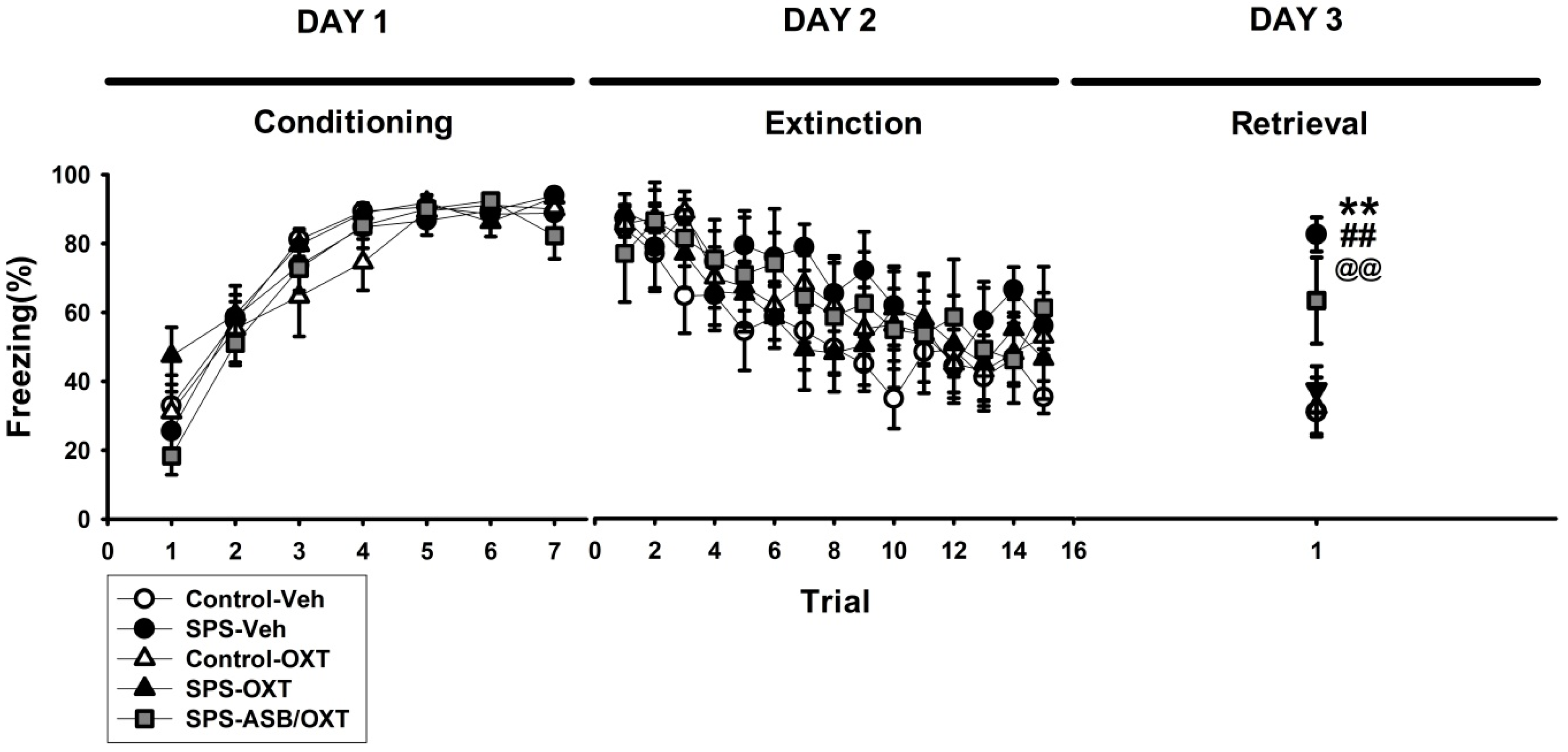
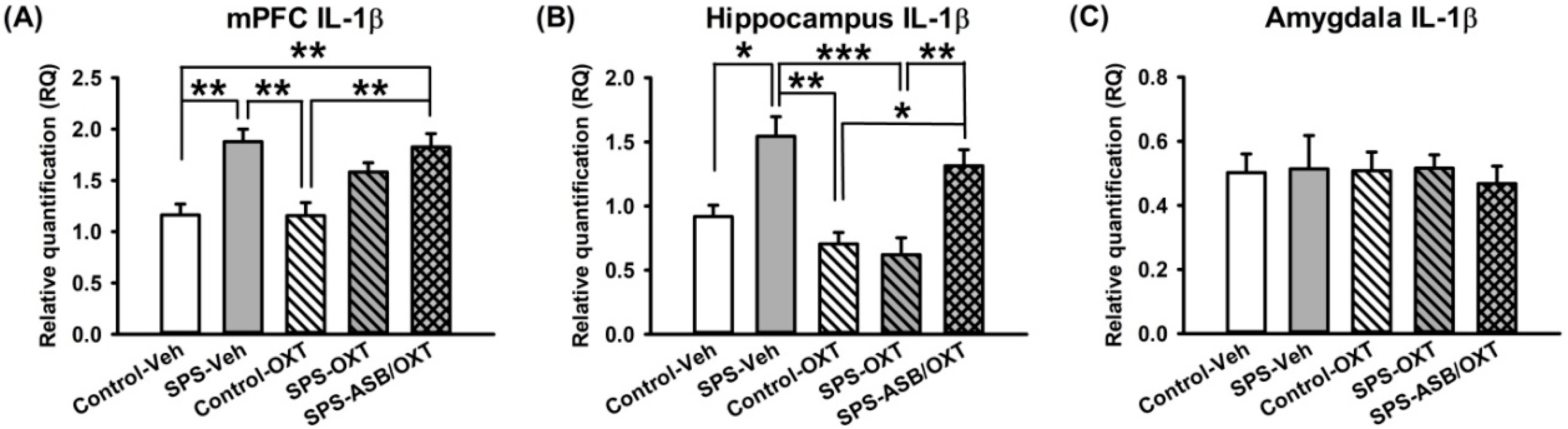
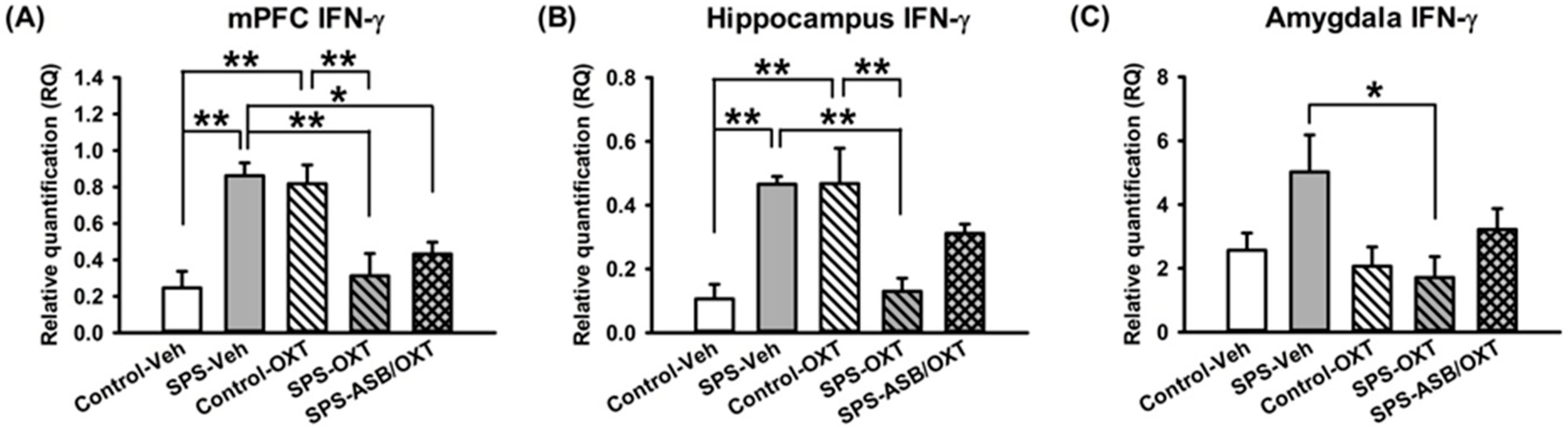
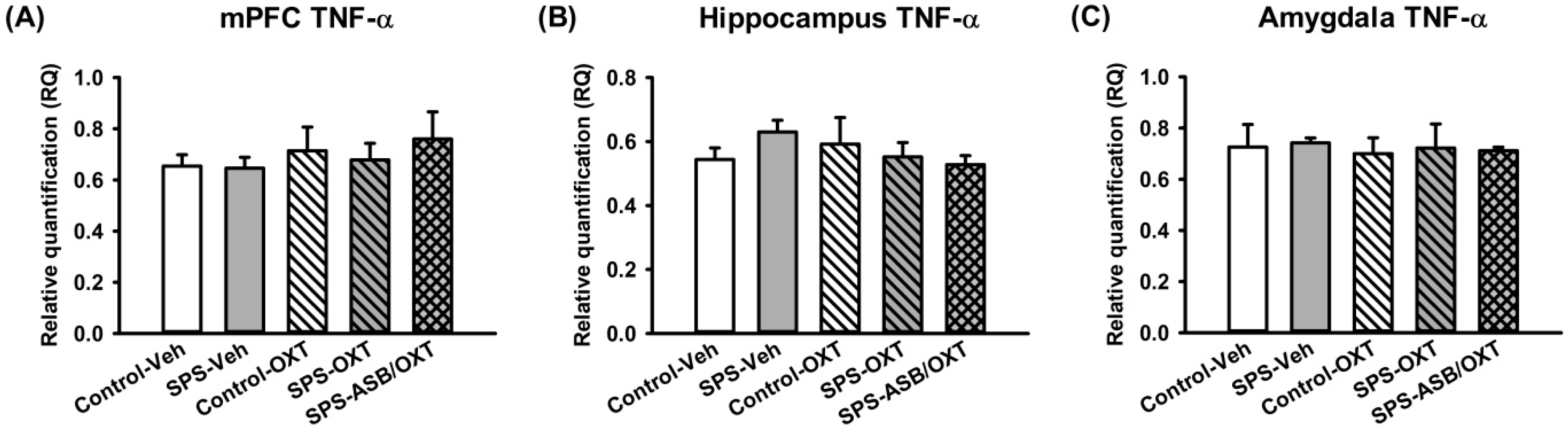
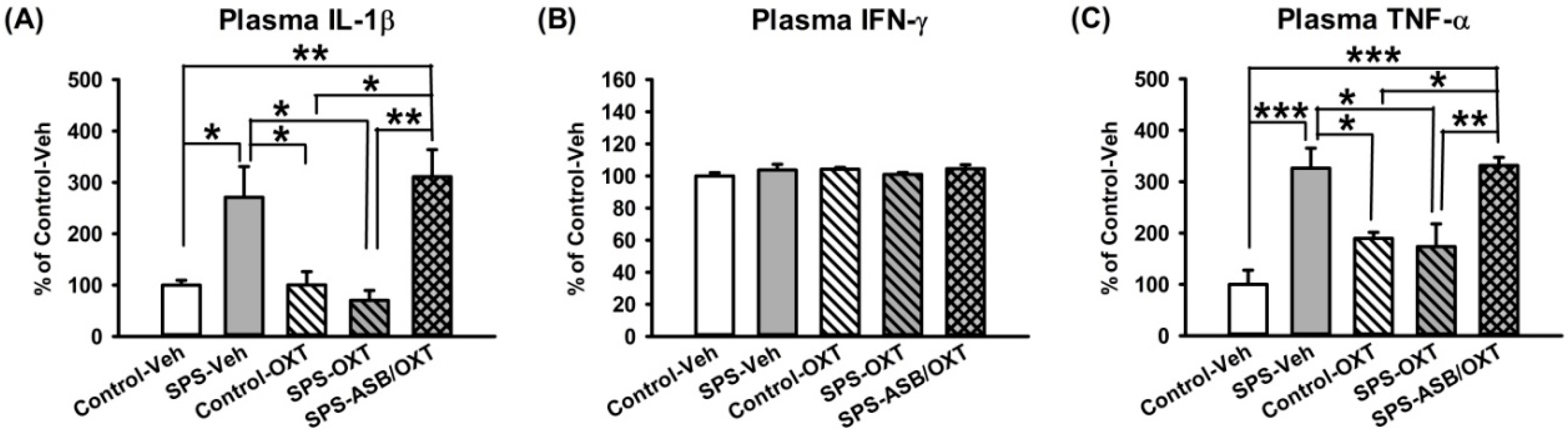
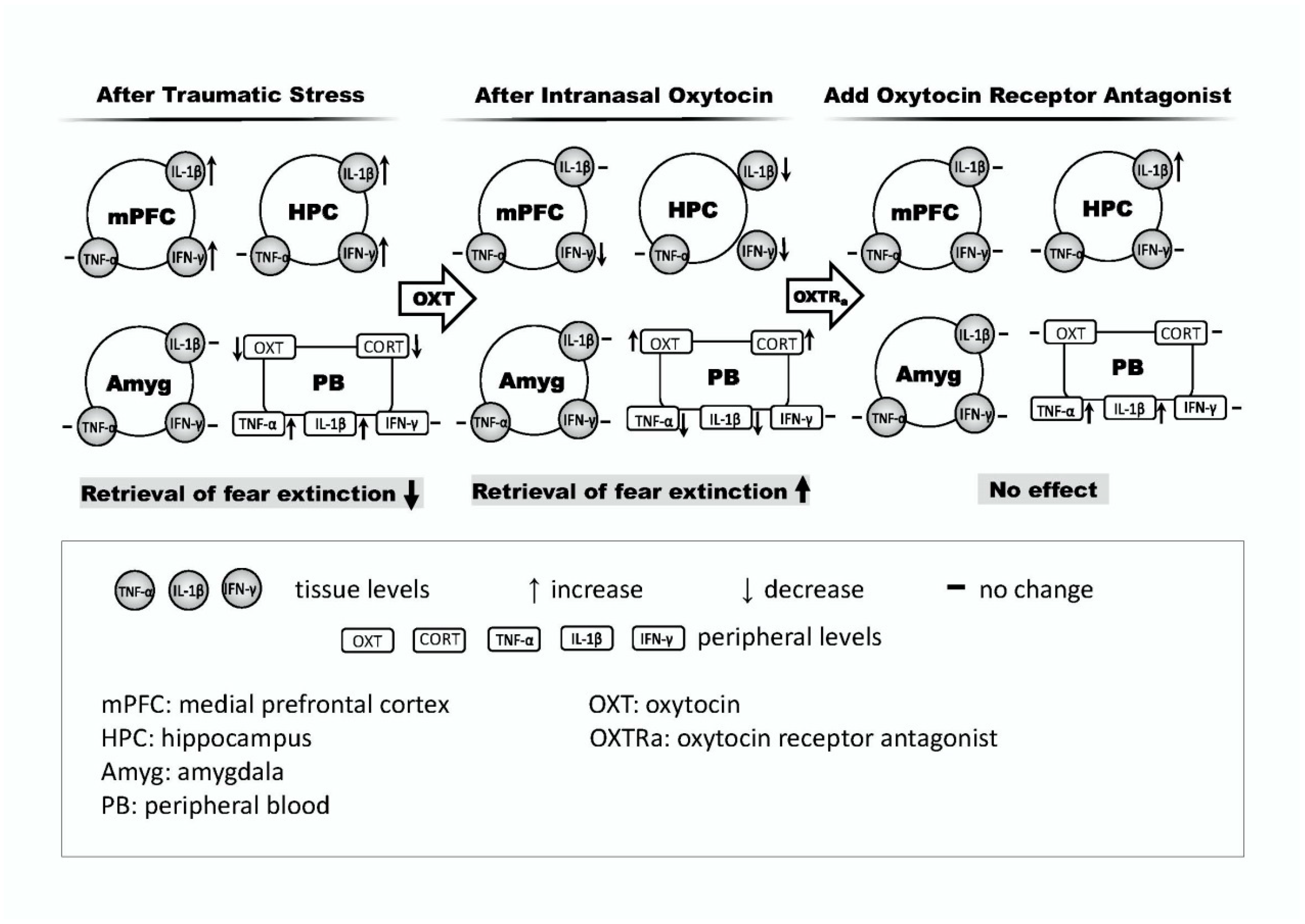
Posttraumatic stress disorder (PTSD) is a trauma-induced mental disorder characterized by fear extinction abnormalities, which involve biological dysfunctions among fear circuit areas in the brain. Oxytocin (OXT) is a neuropeptide that regulates sexual reproduction and social interaction and has recently earned specific attention due to its role in adjusting neurobiological and behavioral correlates of PTSD; however, the mechanism by which this is achieved remains unclear. The present study aimed to examine whether the effects of OXT on traumatic stress-induced abnormalities of fear extinction (specifically induced by single prolonged stress (SPS), an animal model of PTSD) are associated with pro-inflammatory cytokines. Seven days after SPS, rats received intranasal OXT 40 min before a cue-dependent Pavlovian fear conditioning-extinction test in which rats’ freezing degree was used to reflect the outcome of fear extinction. We also measured mRNA expression of IL-1β, IFN-γ, and TNF-α in the medial prefrontal cortex (mPFC), hippocampus, and amygdala at the end of the study, together with plasma oxytocin, corticosterone, IL-1β, IFN-γ, and TNF-α, to reflect the central and peripheral changes of stress-related hormones and cytokines after SPS. Our results suggested that intranasal OXT effectively amends the SPS-impaired behavior of fear extinction retrieval. Moreover, it neurochemically reverses the SPS increase in pro-inflammatory cytokines; thus, IL-1β and IFN-γ can be further blocked by the OXT antagonist atosiban (ASB) in the hippocampus. Peripheral profiles revealed a similar response pattern to SPS of OXT and corticosterone (CORT), and the SPS-induced increase in plasma levels of IL-1β and TNF-α could be reduced by OXT. The present study suggests potential therapeutic effects of OXT in both behavioral and neuroinflammatory profiles of PTSD.
Keywords: posttraumatic stress disorder; single prolonged stress; oxytocin; pro-inflammatory cytokines; tumor necrosis factor α; interleukin 1β; interferon γ posttraumatic stress disorder; single prolonged stress; oxytocin; pro-inflammatory cytokines; tumor necrosis factor α; interleukin 1β; interferon γ