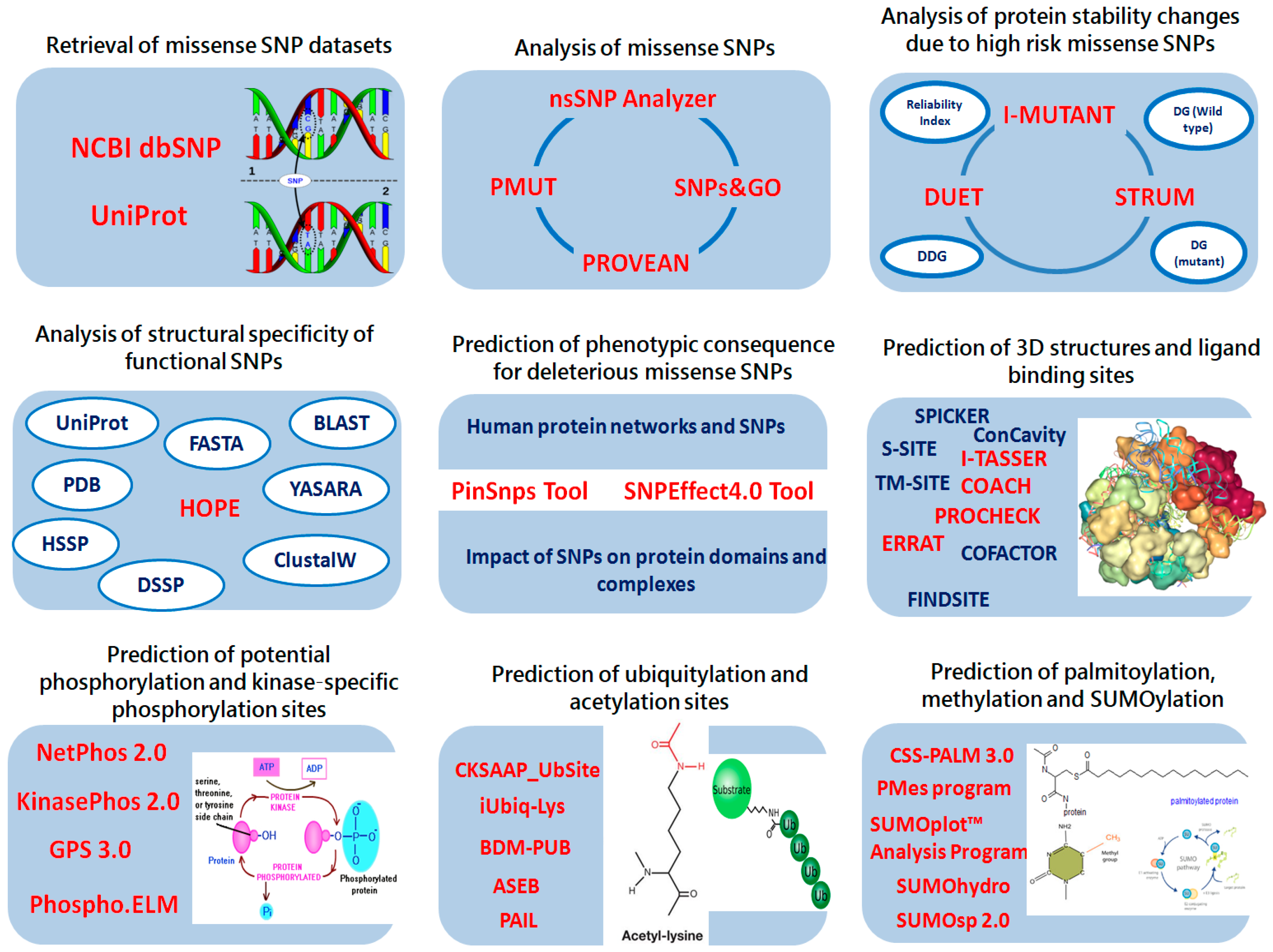
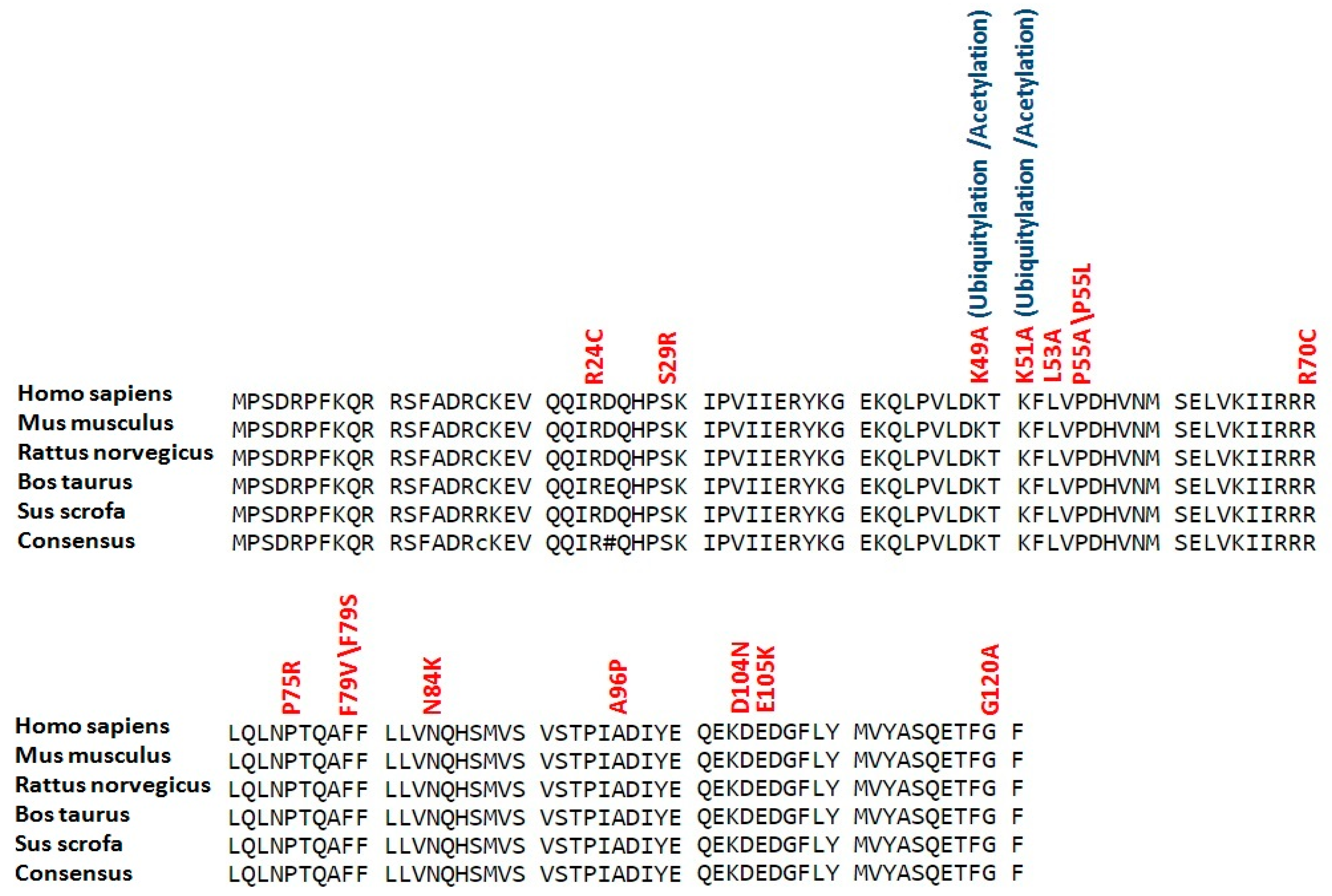
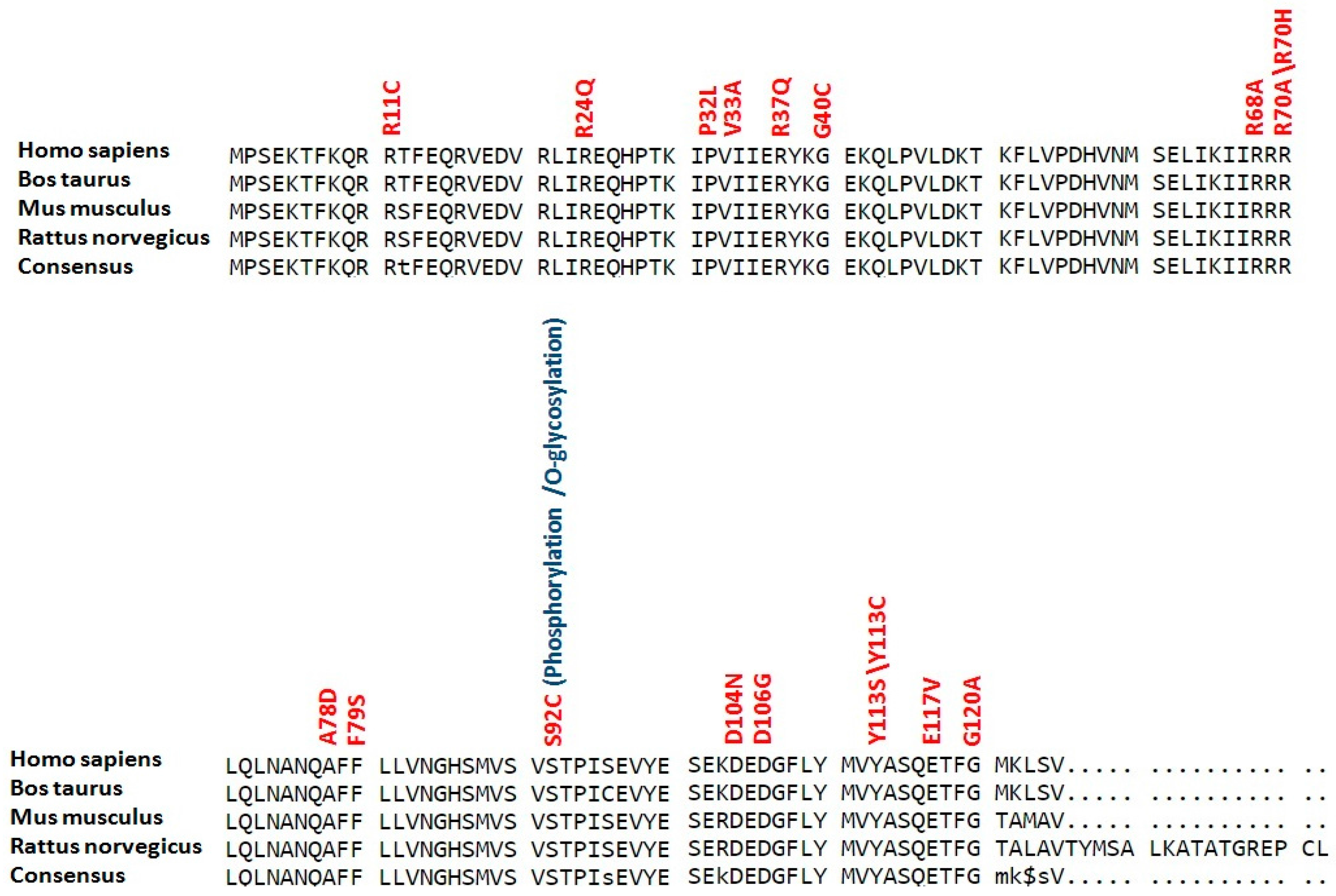
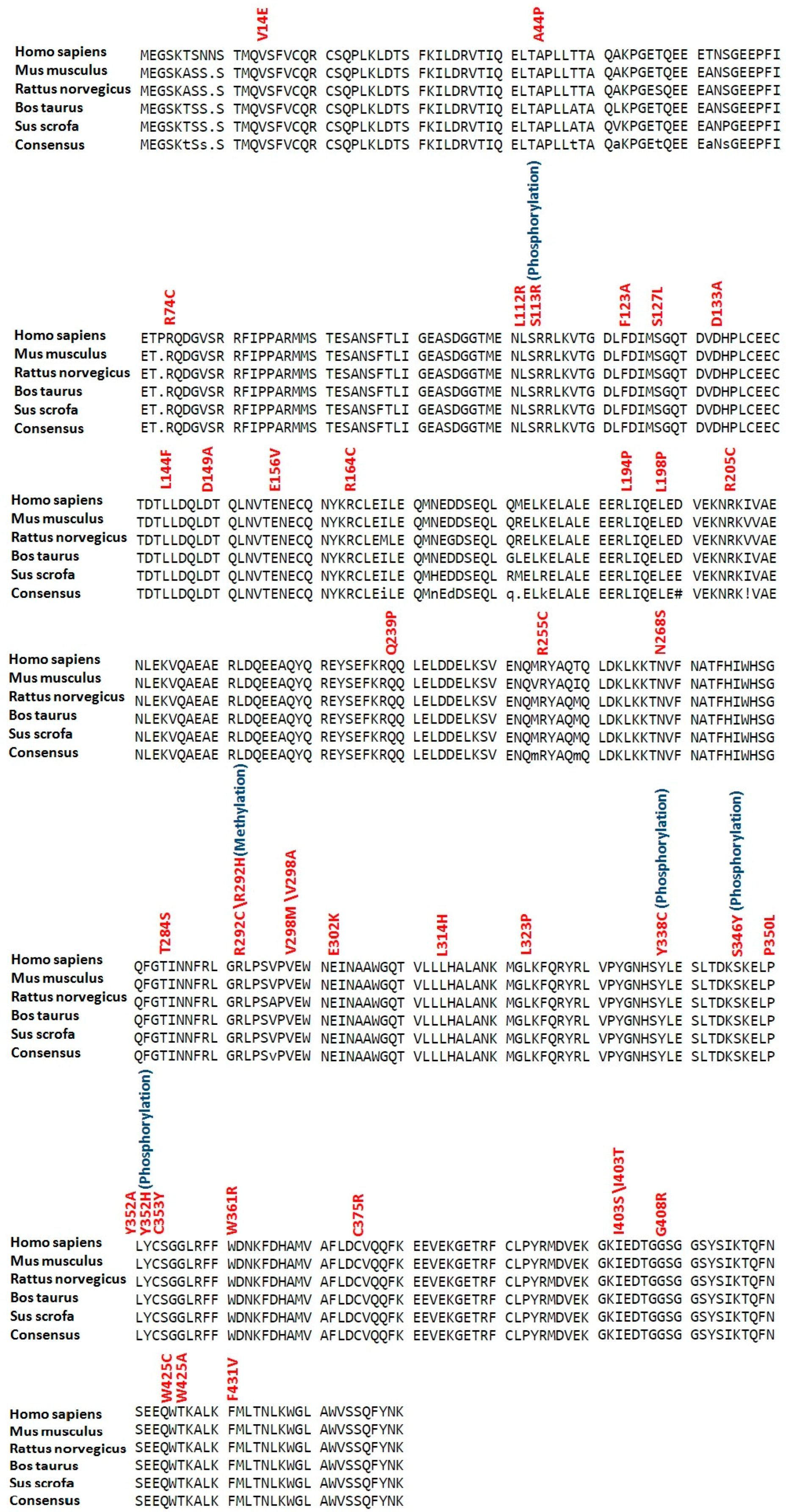
Mutation-Structure-Function Relationship Based Integrated Strategy Reveals the Potential Impact of Deleterious Missense Mutations in Autophagy Related Proteins on Hepatocellular Carcinoma (HCC): A Comprehensive Informatics Approach

Abstract
Share and Cite
Awan, F.M.; Obaid, A.; Ikram, A.; Janjua, H.A. Mutation-Structure-Function Relationship Based Integrated Strategy Reveals the Potential Impact of Deleterious Missense Mutations in Autophagy Related Proteins on Hepatocellular Carcinoma (HCC): A Comprehensive Informatics Approach. Int. J. Mol. Sci. 2017, 18, 139. https://doi.org/10.3390/ijms18010139
Awan FM, Obaid A, Ikram A, Janjua HA. Mutation-Structure-Function Relationship Based Integrated Strategy Reveals the Potential Impact of Deleterious Missense Mutations in Autophagy Related Proteins on Hepatocellular Carcinoma (HCC): A Comprehensive Informatics Approach. International Journal of Molecular Sciences. 2017; 18(1):139. https://doi.org/10.3390/ijms18010139
Chicago/Turabian StyleAwan, Faryal Mehwish, Ayesha Obaid, Aqsa Ikram, and Hussnain Ahmed Janjua. 2017. "Mutation-Structure-Function Relationship Based Integrated Strategy Reveals the Potential Impact of Deleterious Missense Mutations in Autophagy Related Proteins on Hepatocellular Carcinoma (HCC): A Comprehensive Informatics Approach" International Journal of Molecular Sciences 18, no. 1: 139. https://doi.org/10.3390/ijms18010139
APA StyleAwan, F. M., Obaid, A., Ikram, A., & Janjua, H. A. (2017). Mutation-Structure-Function Relationship Based Integrated Strategy Reveals the Potential Impact of Deleterious Missense Mutations in Autophagy Related Proteins on Hepatocellular Carcinoma (HCC): A Comprehensive Informatics Approach. International Journal of Molecular Sciences, 18(1), 139. https://doi.org/10.3390/ijms18010139