Article

Transcriptional (ChIP-Chip) Analysis of ELF1, ETS2, RUNX1 and STAT5 in Human Abdominal Aortic Aneurysm
1
Sigfried and Janet Weis Center for Research, Geisinger Health System, Danville, PA 17822, USA
2
Department of Surgery, Temple University School of Medicine, Philadelphia, PA 19140, USA
3
Department of Ophthalmology, Wayne State University School of Medicine, Detroit, MI 48202, USA
4
Department of Vascular and Endovascular Surgery, Geisinger Health System, Danville, PA 17822, USA
*
Author to whom correspondence should be addressed.
These authors contributed equally to this work.
Current address: Department of Biology, University of Virginia, Charlottesville, VA 22904, USA.
Int. J. Mol. Sci. 2015, 16(5), 11229-11258; https://doi.org/10.3390/ijms160511229
Submission received: 26 October 2014 / Accepted: 31 December 2014 / Published: 18 May 2015
(This article belongs to the Special Issue Advances in Peripheral Artery Disease)

Abstract

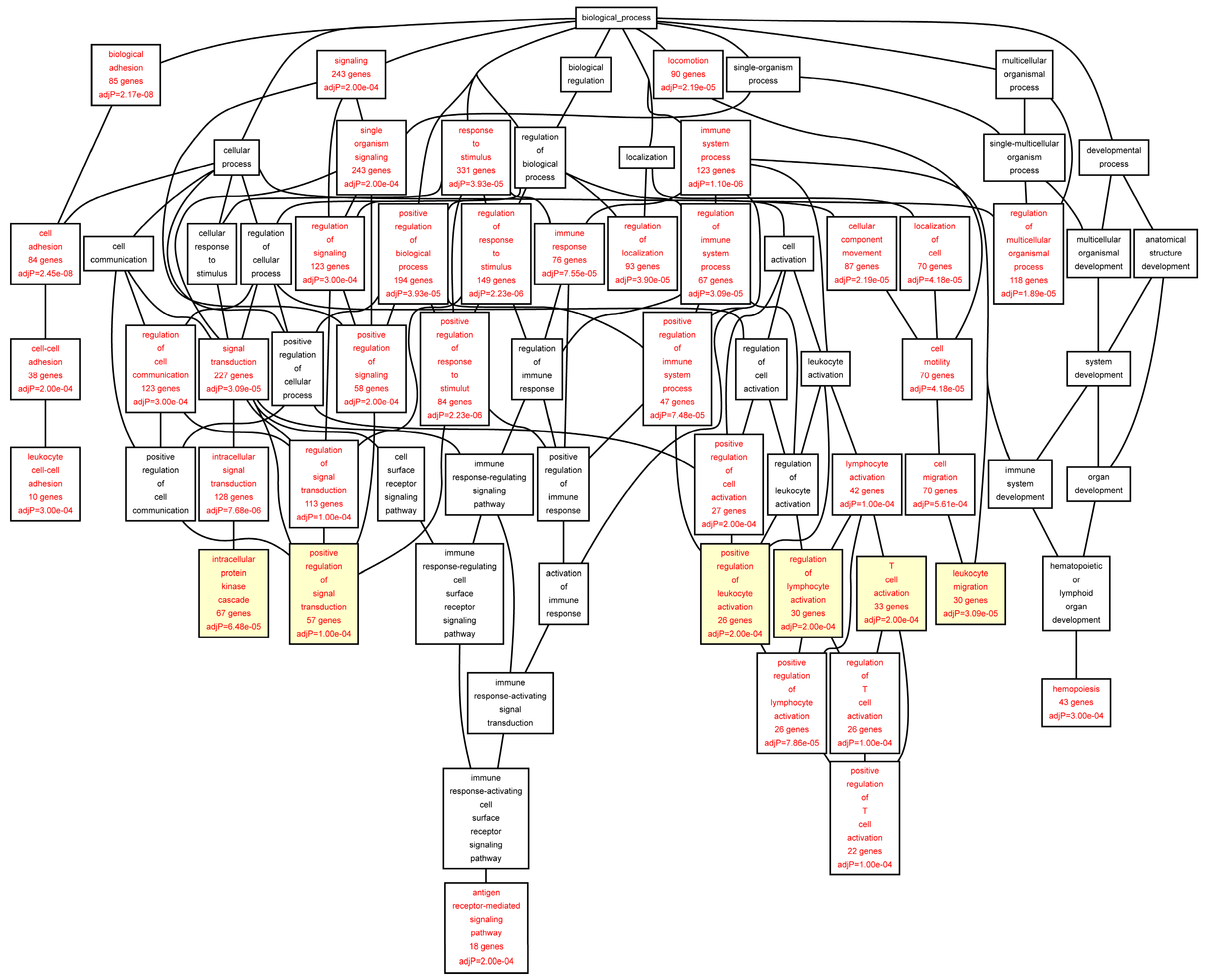
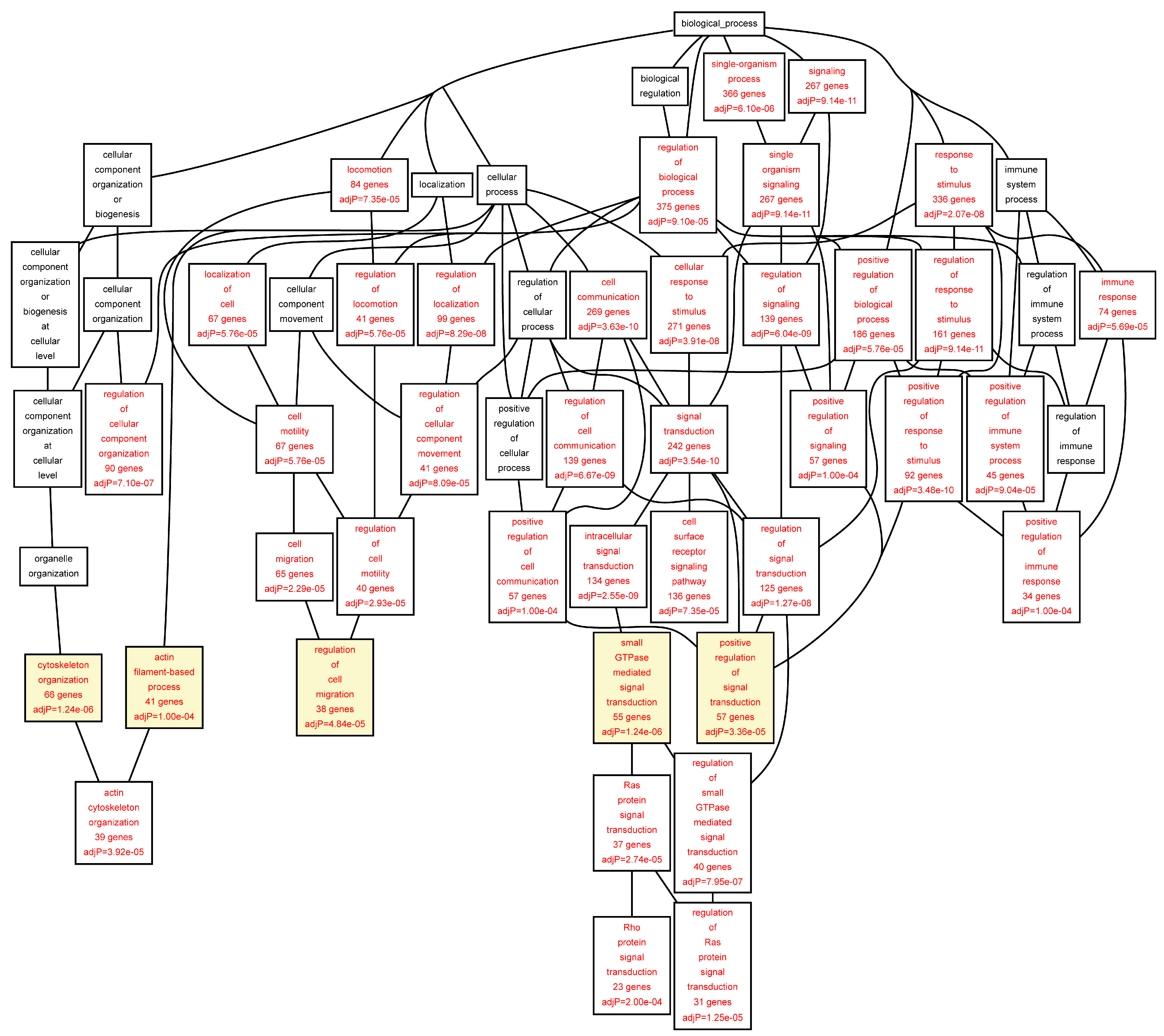
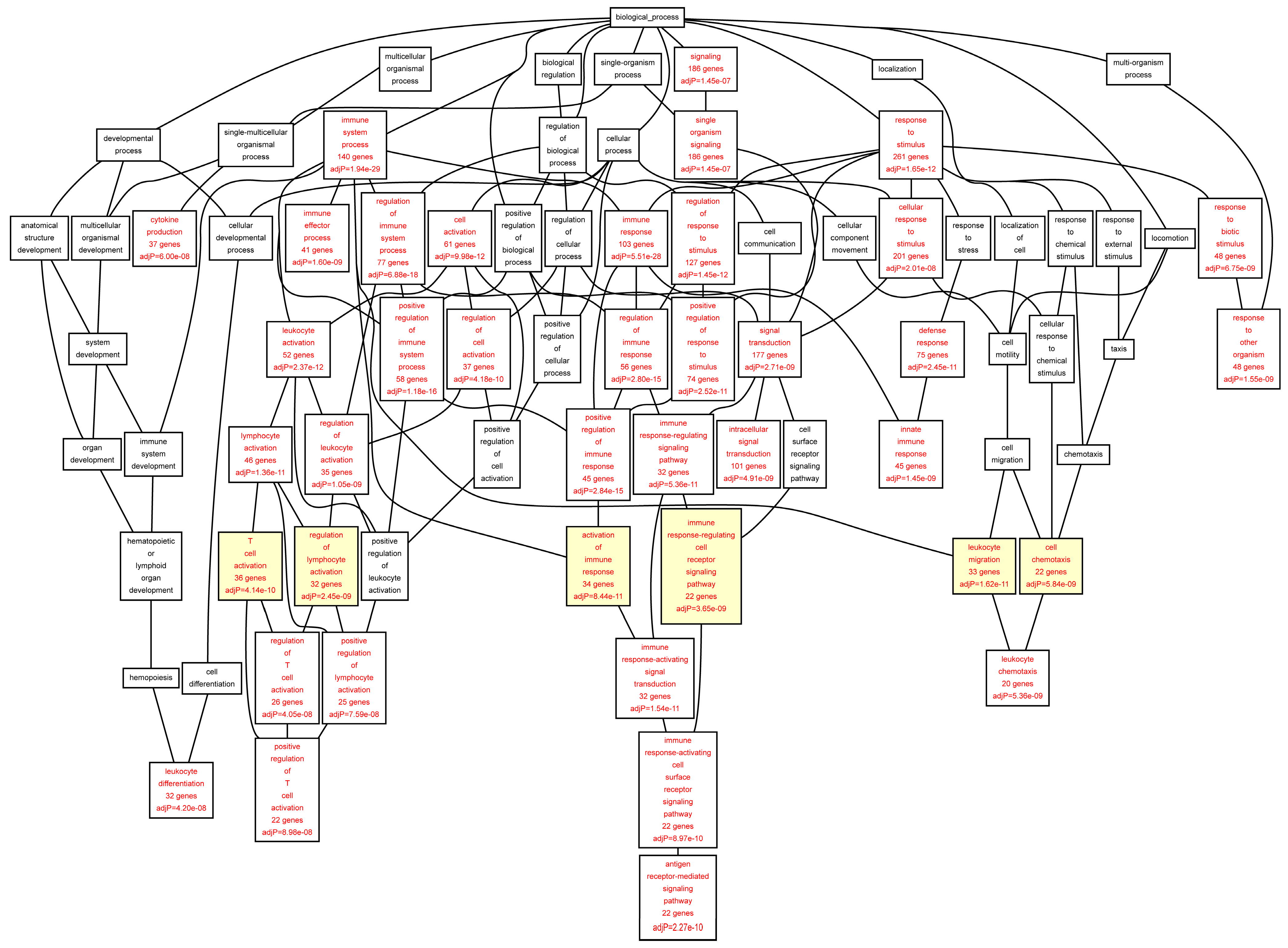
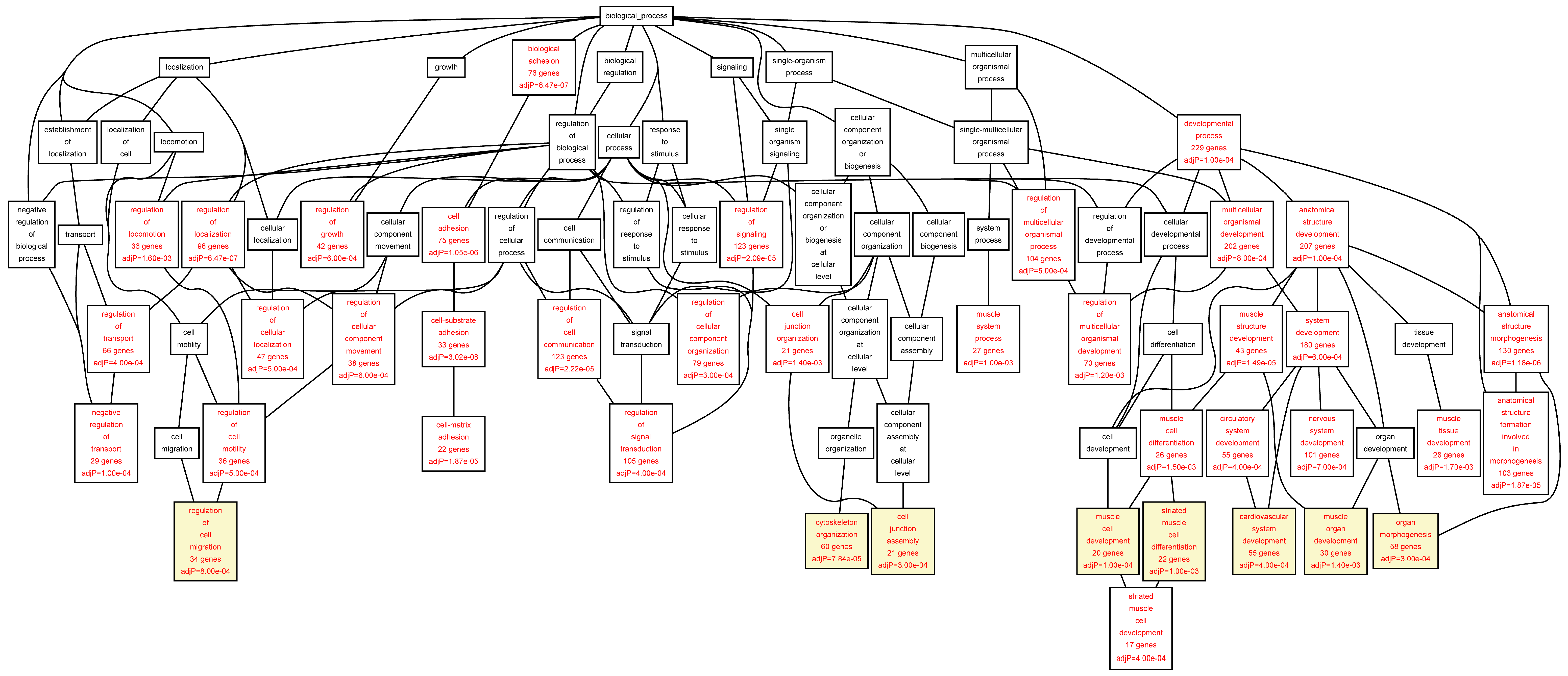
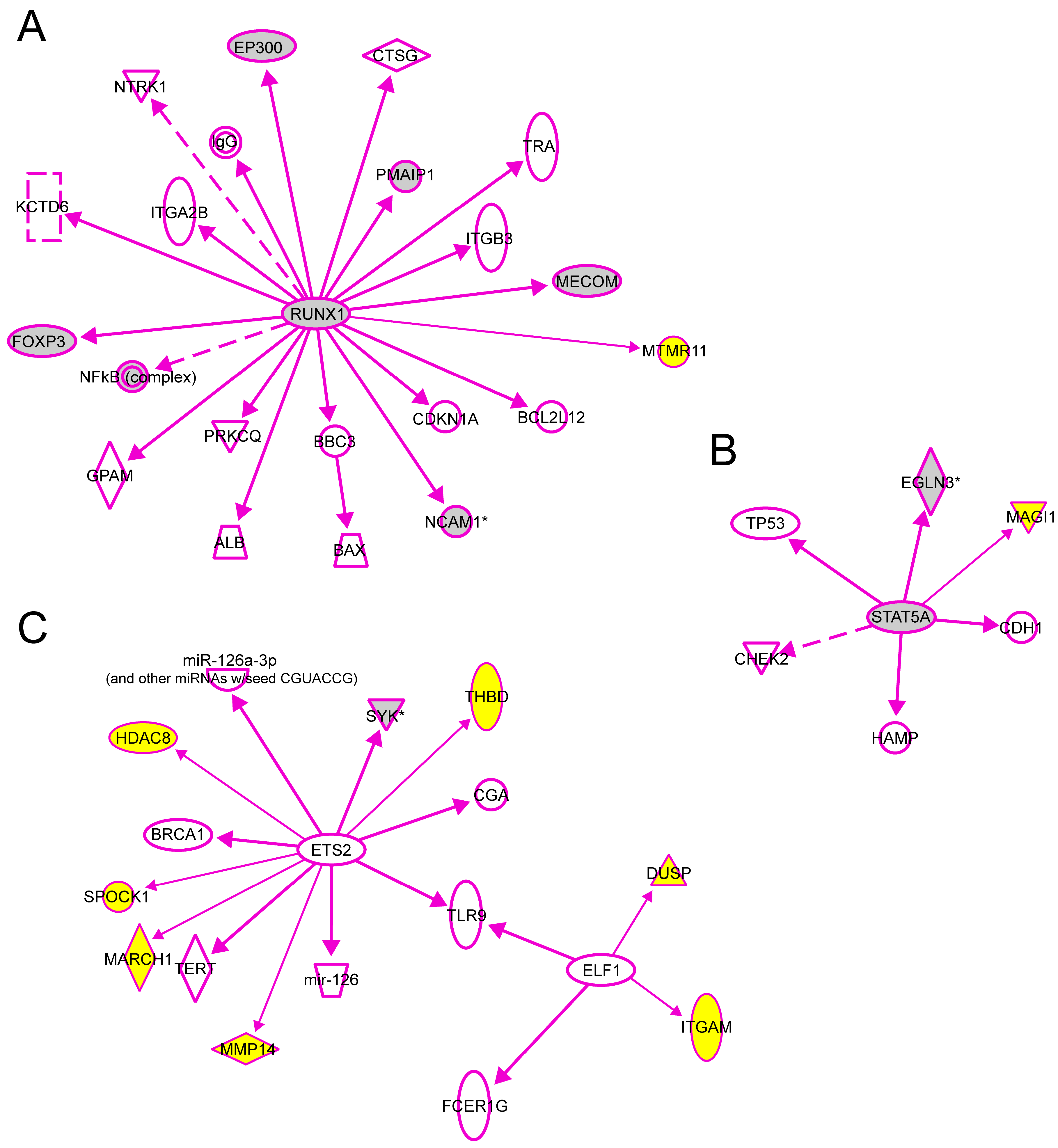
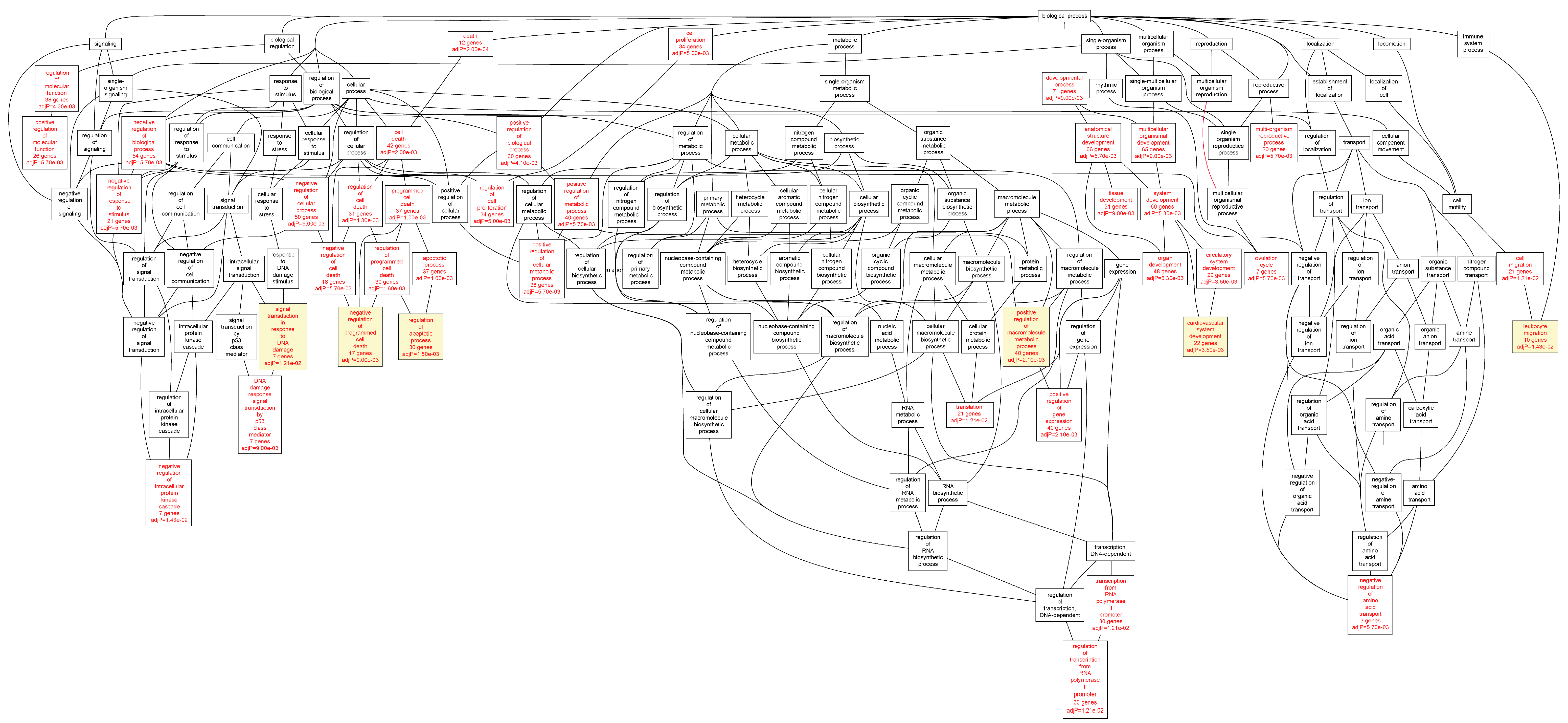
We investigated transcriptional control of gene expression in human abdominal aortic aneurysm (AAA). We previously identified 3274 differentially expressed genes in human AAA tissue compared to non-aneurysmal controls. Four expressed transcription factors (ELF1, ETS2, STAT5 and RUNX1) were selected for genome-wide chromatin immunoprecipitation. Transcription factor binding was enriched in 4760 distinct genes (FDR < 0.05), of which 713 were differentially expressed in AAA. Functional classification using Gene Ontology (GO), KEGG, and Network Analysis revealed enrichment in several biological processes including “leukocyte migration” (FDR = 3.09 × 1005) and “intracellular protein kinase cascade” (FDR = 6.48 × 1005). In the control aorta, the most significant GO categories differed from those in the AAA samples and included “cytoskeleton organization” (FDR = 1.24 × 1006) and “small GTPase mediated signal transduction” (FDR = 1.24 × 1006). Genes up-regulated in AAA tissue showed a highly significant enrichment for GO categories “leukocyte migration” (FDR = 1.62 × 10¹¹), “activation of immune response” (FDR = 8.44 × 10¹¹), “T cell activation” (FDR = 4.14 × 10¹⁰) and “regulation of lymphocyte activation” (FDR = 2.45 × 10−09), whereas the down-regulated genes were enriched in GO categories “cytoskeleton organization” (FDR = 7.84 × 1005), “muscle cell development” (FDR = 1.00 × 1004), and “organ morphogenesis” (FDR = 3.00 × 1004). Quantitative PCR assays confirmed a sub-set of the transcription factor binding sites including those in MTMR11, DUSP10, ITGAM, MARCH1, HDAC8, MMP14, MAGI1, THBD and SPOCK1.
Keywords: aneurysm; aorta; genes; transcription factor; chromatin immunoprecipitation; gene expression; gene ontology; KEGG pathway; network aneurysm; aorta; genes; transcription factor; chromatin immunoprecipitation; gene expression; gene ontology; KEGG pathway; network