


Abstract
Coffee is a very popular psychoactive beverage with a complex composition. Besides its stimulant effect due to caffeine, it contains several bioactive compounds with antioxidant properties and potent metabolic activity. Its clinical efficacy is fundamentally determined by the bioavailability and metabolic fate of its constituents. The bioactive components of coffee, such as polyphenols, melanoidins, phytosterols, biogenic amines, and carotenoids, have notable antioxidant, anti-inflammatory, and immunomodulatory effects. This review aims to present the main bioactive components of coffee, their biological effects, mechanisms of action, and the influence of preparation methods and individual variability on metabolic outcomes in common chronic diseases. The data are synthesized from clinical, prospective, and interventional studies to examine how processing variables and biological metabolism influence the health-promoting potential of coffee antioxidants. Brewing methods like hot filtration optimize the extraction of these antioxidants. Individual clinical outcomes are further modulated by genetic polymorphisms and gut microbiota variability, which influence the activation of the cellular Nrf2 antioxidant defense pathway.
1. Introduction
Coffee is the most widely consumed beverage globally after water, with significant cultural and dietary relevance in both developed and developing countries [1,2]. Its popularity is driven not only by its stimulant effects, primarily due to caffeine, but also by its complex chemical composition (Figure 1), which includes a wide array of bioactive compounds such as polyphenols, alkaloids, diterpenes, and melanoidins [1,3,4].
Figure 1.
Non-caffeine bioactive substances of coffee, their absorption and biological effects.
Oxidative stress is defined as the imbalance between the production of reactive oxygen species (ROS) and the body’s antioxidant defenses, leading to cellular and molecular damage. This process is implicated in the pathogenesis of chronic diseases, including aging, inflammation, cardiovascular disease, diabetes mellitus, neurodegeneration, and carcinogenesis [5,6].
Dietary antioxidants play a crucial role in counteracting oxidative stress. Coffee is a major source of dietary antioxidants in the Western diet, particularly phenolic compounds such as chlorogenic acids, caffeic acid, and melanoidins, which contribute to its antioxidant capacity [7,8,9,10]. The chemical composition of coffee antioxidants is influenced by bean origin, agricultural practices, and especially by processing methods such as roasting. Roasting alters the levels of chlorogenic acids and generates melanoidins, which have distinct antioxidant and anti-inflammatory properties [9,10,11]. The water used in brewing is not just a passive medium; the minerals dissolved in the water, which differ depending on the source [12], affect how aromatic and soluble compounds are extracted from the beans [13].
In vitro and in vivo studies demonstrate that regular coffee consumption is associated with increased glutathione levels, improved protection against DNA (deoxyribonucleic acid) damage, and reduced biomarkers of oxidative stress and inflammation [11,14,15]. Epidemiological data consistently show that moderate coffee intake (typically 3–5 cups/day) is associated with reduced risk of cardiovascular disease, type 2 diabetes, neurodegenerative disorders, and certain types of cancer [1,2,16,17,18]. Both caffeinated and decaffeinated coffee confer benefits, though the addition of sugar and cream may attenuate these effects [2].
Safety limitations include potential adverse effects with excessive intake, such as anxiety, sleep disturbances, and increased risk in pregnancy (limit caffeine to <200 mg/day) [2,17,19]. Some compounds formed during roasting (e.g., acrylamide) are potentially harmful, but current evidence supports the safety of moderate coffee consumption for most adults [1,3,17,19].
This review aims to provide a comprehensive overview of the main bioactive components of coffee, their biological effects, bioavailability, mechanisms of action, synergistic interactions, and the influence of preparation methods on the profile of active compounds. It also aims to analyze the metabolic effects of coffee consumption in common chronic diseases. Evidence is integrated across multiple levels of investigation, including mechanistic studies, absorption, distribution, metabolism, and excretion (ADME) processes, animal models, human clinical interventions, and epidemiological analyses. Mechanistic and experimental findings elucidate molecular pathways and metabolic transformations, while human and population studies contextualize these mechanisms within the framework of physiological bioavailability and long-term health outcomes, providing a holistic understanding of the metabolic fate and functional effects of antioxidants in coffee.
Literature Search Strategy
A structured literature search was performed in PubMed, Scopus, and Web of Science using combinations of keywords, including coffee antioxidants, chlorogenic acids, caffeine, trigonelline, melanoidins, oxidative stress, Nrf2 pathway, coffee metabolism, cardiovascular disease, type 2 diabetes, neuroprotection, preparation methods, roast degree, and bioavailability. Studies were included if they investigated coffee composition or antioxidant properties, assessed biological or clinical effects of coffee consumption, examined mechanisms of action or processing effects, and were human clinical, observational, experimental, or systematic reviews published in English-language peer-reviewed journals. Studies focusing on caffeine sources other than coffee, lacking methodological transparency, or lacking translational relevance were excluded. Titles and abstracts were screened for relevance, followed by full-text appraisal. Due to the heterogeneity of study designs, analytical methods, preparation techniques, and outcome measures, the results were synthesized narratively. The evidence was organized by thematic areas, including antioxidant classes, processing effects, bioavailability and metabolism, cellular mechanisms, metabolic and cardiovascular outcomes, neuroprotection, and individual variability. The initial search identified approximately 200 studies published between January 2020 and December 2025, supplemented by prior reference research, with 159 studies included in the final synthesis.
2. Major Antioxidants in Coffee
Coffee is a complex matrix of bioactive compounds with significant antioxidant properties. The major classes of antioxidants include chlorogenic acids (CGAs), alkaloids (caffeine and trigonelline), melanoidins formed during roasting, and lipid-soluble compounds such as tocopherols and diterpenes [20,21,22,23,24]. The concentration of these compounds differs between the coffee bean and a brewed cup, as extraction efficiency, roast degree, and brewing method strongly influence the final content. These compounds differ in concentration, mechanisms of action, and clinical/translational evidence supporting their biological effects (Table 1, Figure 2) [25].
Figure 2.
Major Coffee Antioxidants.
2.1. Chlorogenic Acids (CGAs)
Chlorogenic acids, particularly 5-O-caffeoylquinic acid (5-CQA), are the most abundant phenolic antioxidants in coffee. In addition to 5-CQA, feruloylquinic and dicaffeoylquinic acids have been identified as modulators of oxidative stress, particularly at the mitochondrial level, and as inhibitors of endothelial inflammation. In green coffee beans, CGA content is typically 5–12% of dry weight, whereas brewed coffee contains approximately 70–350 mg/100 mL depending on preparation parameters. The concentrations of CGAs in brewed coffee typically range from approximately 70 to 350 mg/100 mL, with effects that are dose-dependent on markers such as malondialdehyde and protein carbonyls [26]. Recent meta-analyses of randomized, placebo-controlled trials have demonstrated a 15–20% reduction in HOMA-IR (homeostatic model assessment of insulin resistance) among individuals consuming higher CGA doses compared to controls. Mechanistically, CGAs exhibit potent radical scavenging activity, inhibit xanthine oxidase, and activate nuclear factor erythroid 2-related factor 2 (Nrf2)-dependent cellular defense pathways, with 5-CQA showing higher activity compared to other CGAs in both polar and lipid environments (Table 1), [20,21,22]. However, many clinical studies are short term, and optimal dosing for metabolic prevention has yet to reach consensus.
2.2. Caffeine and Trigonelline
Caffeine is a major alkaloid in coffee with well-established neuroprotective, anti-inflammatory, and metabolic effects. Recent preclinical evidence (2021–2025) shows that caffeine reduces β-amyloid accumulation and protects microglia in animal models, supporting epidemiologic findings of inverse associations with neurodegenerative disease and type 2 diabetes risk [1,27,28]. Caffeine content ranges from 1 to 2% in green coffee beans and 40 to 120 mg per 100 mL in brewed coffee, depending on the brewing method [29].
Trigonelline, also present in considerable amounts, has been shown to modulate antioxidant gene expression, including Nrf2 and heme oxygenase-1 (HO-1), in vivo, complementing earlier in vitro data. Although human clinical evidence is still limited, traditional dietary exposure suggests a favorable safety profile (Table 1), [27,30]. Limitations include substantial inter-study variability in dosing and preparation methods, and incomplete characterization of bioavailability in humans.
2.3. Melanoidins
Melanoidins are high-molecular-weight brown polymers formed during the Maillard reaction in coffee roasting. They contribute significantly to coffee’s overall antioxidant capacity through radical scavenging and α-dicarbonyl trapping and have recently been shown to possess prebiotic activity, stimulating short-chain fatty acid production in the colon. Ex vivo assays have quantified α-dicarbonyl trapping with IC50 values between 50 and 120 μg/mL, comparable to or exceeding those of green tea polyphenols. Melanoidins are absent in green coffee beans and are generated during roasting; their concentration in brewed coffee is highly dependent on roast degree and brewing method, with darker roasts yielding higher melanoidin levels [31]. However, most evidence is derived from in vitro or ex vivo studies, and in vivo bioavailability in humans remains poorly defined (Table 1), [3,32,33,34].
2.4. Lipid Fraction: Tocopherols, Cafestol, and Kahweol
Coffee’s lipid fraction contains tocopherols (vitamin E) and the diterpenes cafestol and kahweol. Tocopherols contribute modestly to antioxidant capacity but have shown synergistic inhibition of lipoperoxidation when combined with CGAs. Cafestol and kahweol exhibit cellular antioxidant effects in mechanistic studies; however, randomized controlled trials have demonstrated that unfiltered coffee rich in these diterpenes raises LDL cholesterol and liver enzyme levels in a dose-dependent manner, with increases of approximately 10–25% reported. Filtered coffee substantially reduces exposure to these compounds, mitigating hyperlipidemic effects [35,36,37]. Tocopherols and diterpenes are present in both green beans and roasted coffee, but their extractable concentrations in a brewed cup depend strongly on filtration and brewing conditions [38].
Table 1.
Major antioxidants in coffee.
2.5. Comparative Contribution of Coffee Antioxidants: Direct vs. Indirect Activity
Coffee’s antioxidant profile reflects a dynamic balance between direct chemical scavenging and indirect cytoprotective mechanisms. CGAs are present at high concentrations in green and lightly roasted beans (~5–12% dry weight) and are partially extracted during brewing (~70–350 mg/100 mL depending on method), while melanoidins are absent in green beans and are generated during roasting, contributing primarily to indirect antioxidant effects in brewed coffee. Caffeine and trigonelline are present in both beans and brewed coffee, with extraction efficiency influencing their final concentrations. CGAs are the predominant contributors to radical scavenging in light-roasted coffee, acting through hydrogen donation and metal chelation. Melanoidins, formed during roasting, function primarily through carbonyl trapping and modulation of gut microbiota, representing indirect antioxidant mechanisms. Caffeine exerts comparatively weak direct radical scavenging but has significant receptor-mediated effects that influence inflammation and mitochondrial function. Importantly, in vivo antioxidant efficacy does not correlate directly with in vitro scavenging assays, as circulating metabolites, tissue distribution, and signaling pathways determine biological outcomes [29,39,40].
2.6. Integrated Perspectives
The interactions between coffee’s bioactive constituents may produce synergistic or antagonistic effects that explain heterogeneity in epidemiological findings. The concentrations of these compounds differ between green beans, roasted beans, and brewed coffee, influencing both their direct and indirect biological activities. CGAs and alkaloids are partially extracted during brewing, while melanoidins are generated during roasting and are present primarily in the prepared beverage. These variations determine the exposure of human tissues to bioactive compounds and circulating metabolites, affecting the measured oxidative and inflammatory biomarkers [39,41]. Recent studies employing omics approaches (metabolomics, lipidomics) have linked coffee consumption to specific oxidative and inflammatory biomarkers, advancing our understanding of mechanistic pathways [14] (Table 2).
Table 2.
Approximate antioxidant retention across coffee roast degrees and brewing methods.
3. Impact of Processing and Brewing
The antioxidant profile of coffee is shaped by the interplay of roasting and brewing, with light-to-medium roasts and hot, pressure-based brewing methods maximizing the concentration and extractable activity of antioxidant compounds in the prepared beverage, while the physiological bioavailability of these compounds depends on absorption and metabolism in the human body. Quantitative differences in antioxidant content exist depending on roast degree and extraction methods (Table 2).
3.1. Roasting Degree
Green coffee beans contain the highest levels of chlorogenic acids (CGAs), particularly caffeoylquinic acids, which are heat-labile and undergo significant degradation during roasting. Recent studies confirm that the roasting process does not only cause the degradation of bioactive compounds, but also generates a dynamic balance between their loss and neoformation. Thus, the content of chlorogenic acid, the main antioxidant in raw beans, decreases progressively during roasting, from approximately 34.18 mg/g to 2.58 mg/g after intense roasting at 220 °C, while the concentrations of some derivative compounds, such as gallic acid and caffeic acid, as well as the products of the Maillard reaction (melanoidins with antioxidant activity), increase concomitantly [42]. Melanoidins contribute substantially to the antioxidant activity of roasted coffee, especially at darker roast levels, although their formation does not fully compensate for the loss of CGAs in terms of total antioxidant capacity [43,44,45,46]. Additionally, the structure and molecular weight of melanoidins influence their bioaccessibility and interaction with metal ions, which may modulate oxidative processes in vivo. Recent studies suggest that the balance between CGA degradation and melanoidin formation determines the net antioxidant potential, and this dynamic is also affected by factors such as bean origin, roasting profile, and brewing method. Moreover, CGA-derived metabolites and melanoidins may act synergistically, contributing to both direct radical scavenging and modulation of endogeno us antioxidant pathways [34].
Recent analyses performed using Liquid Chromatography–Mass Spectrometry (LC-MS) techniques show that the degree of roasting significantly influences the phenolic profile, with light roasting being associated with a maximum content of phenolic compounds, medium roasting offering an optimal balance between bioactivity and sensory characteristics, and intense roasting causing a pronounced degradation of phenolic compounds [47]. Light and medium roasts generally preserve more CGAs and exhibit higher antioxidant capacity compared to dark roasts. Multiple assays, including FRAP (Ferric Reducing Antioxidant Power) and ORAC (Oxygen Radical Absorbance Capacity), consistently show that antioxidant activity peaks at light-to-medium roast degrees and declines with further roasting due to progressive CGA degradation. The contribution of melanoidins to antioxidant capacity increases with roast degree, but the overall antioxidant potential is highest when both CGAs and melanoidins are present in significant amounts, as seen in light and medium roasts [9,45,46,47,48,49,50,51,52]. Furthermore, the synergistic interactions between residual CGAs and melanoidins may enhance radical scavenging efficiency, while differences in molecular size and solubility of melanoidins influence their bioaccessibility and functional activity in vivo. Roasting-induced structural changes in CGAs and melanoidins may also modulate their capacity to chelate transition metals and affect redox signaling pathways, contributing to differential antioxidant outcomes depending on roast profile. These results support the current perspective according to which roasting does not simply reduce the antioxidant potential, but remodels the phenolic profile of the final product [42]. Although excessive or uncontrolled frying can favor the formation of compounds with toxicological potential, such as acrylamide, polycyclic aromatic hydrocarbons and advanced glycation end products, common commercial practices generally maintain their levels within limits considered safe, and recent data show that acrylamide reaches maximum concentrations in the early stages of frying and subsequently decreases through thermal degradation, while antioxidant activity is relatively preserved due to the concomitant formation of new bioactive compounds, supporting the current concept according to which the frying process simultaneously generates both potentially harmful molecules and molecules with a protective effect, the final proportion available for physiological activity being further influenced by the preparation method and extraction parameters [49,50,51,52,53]. Recent data indicate a differential sensitivity of bioactive compounds to the roasting process, with caffeine being relatively thermally stable, chlorogenic acids showing increased sensitivity to temperature, while flavonoids undergo changes dependent on the degree of roasting [54].
3.2. Brewing Methods
The latest randomized controlled trials and meta-analyses demonstrated that brewing methods significantly influence the clinical outcomes of coffee consumption by altering the levels and bioavailability of key antioxidants. Hot brewing methods (e.g., espresso, hand-filtered, and fully automated machine brews) consistently yield higher concentrations of chlorogenic acids, total phenolics and melanoidins, which are associated with improved endothelial function and reduced cardiovascular risk, as evidenced by significant increases in flow-mediated vasodilation (FMD) in both acute and longer-term studies [55,56,57]. The efficiency of antioxidant extraction is influenced not only by temperature and pressure but also by particle size, brew ratio, and contact time, highlighting the multifactorial nature of bioactive compound availability in vivo. Cold brew methods generally extract less chlorogenic acid and melanoidins but may yield higher caffeine content, depending on steeping time and temperature [58,59,60]. Interestingly, prolonged cold steeping may also lead to selective enrichment of minor phenolic metabolites, potentially modulating neuroprotective and anti-inflammatory effects (Table 2).
Unfiltered brewing methods (e.g., French press, Turkish, Scandinavian boiled coffee) result in higher levels of cafestol and kahweol, which are linked to increased LDL (low density lipoprotein) cholesterol and should be avoided in individuals at risk for hyperlipidemia or cardiovascular disease [46]. Filtered methods (e.g., paper filter, V60) effectively reduce diterpene content, mitigating this risk while preserving antioxidant benefits [56,61,62,63,64,65,66,67,68,69,70] (Table 3). Moreover, filtration may influence the matrix interactions between melanoidins, CGAs, and other phenolics, thereby affecting both absorption kinetics and systemic bioactivity
Table 3.
Impact of brewing methods on coffee bioactive compounds and LDL-associated effects [58,59,60,61,62,63,64,65,66].
Neuroprotective effects are primarily attributed to caffeine, chlorogenic acids, and trigonelline, with evidence supporting reduced risk of neurodegenerative diseases and stroke across brewing methods, though the magnitude of effect may be greater with methods that maximize extraction of these compounds [27,56,60]. The highest antioxidant and phenolic content is typically observed in espresso and machine-brewed coffee, while cold brew and percolation-based cold maceration can enhance lipid and trigonelline extraction [56,57,60].
Hot, filtered brewing methods optimize cardiovascular and metabolic benefits by maximizing antioxidant extraction and minimizing diterpene intake, while cold brew and unfiltered methods may increase caffeine and diterpene exposure, respectively, with implications for individual risk profiles [55,56,57,60,61].
4. Bioavailability, Metabolism and Cellular Mechanisms
The comparative efficacy and bioavailability of major coffee antioxidants in humans are determined by their chemical structure, absorption kinetics, metabolism, and tissue distribution, which in turn influence clinical outcomes. These effects are further modulated by individual genetic polymorphisms in metabolizing enzymes, diet, and gut microbiota composition, highlighting the inter-individual variability in clinical responses.
4.1. Absorption and Metabolism
Chlorogenic acids undergo biphasic absorption and extensive metabolism in the human gastrointestinal (GI) tract. Only a small fraction (approximately 33%) of intact CGAs is absorbed in the small intestine, with the majority reaching the colon where gut microbiota plays a crucial role in their transformation [36,43,51,71,72,73,74]. Recent metabolomics studies have quantified more than 40 distinct colonic CGA metabolites, emphasizing the complex biotransformation network and potential bioactive diversity in systemic circulation [75]. In the stomach and small intestine, CGAs are partially hydrolyzed by esterases to release caffeic, feruloyl, and quinic acids, which are then absorbed and undergo phase II metabolism (sulfation, glucuronidation, methylation) to form circulating conjugates [60,71,72]. These metabolites exhibit antioxidant and anti-inflammatory effects, with clinical trials showing acute improvements in plasma antioxidant capacity and endothelial function after CGA-rich coffee consumption [43,72,76,77,78,79].
Colonic metabolism by gut microbiota is the predominant pathway for CGA biotransformation. The gut microbiota rapidly degrades CGAs (within 1–6 h) through a series of enzymatic reactions, including ester hydrolysis, reduction in the aliphatic double bond, dehydroxylation, and ring fission [80,81,82]. The major bioavailable metabolites produced by colonic bacteria include dihydrocaffeic acid, dihydroferulic acid, and 3-(3′-hydroxyphenyl) propionic acid, which comprise 75–83% of total catabolites and are efficiently absorbed into systemic circulation [81,82,83]. These colonic metabolites exhibit delayed kinetics (peak at 8–12 h post-consumption) and represent the most abundant group of coffee phenolic metabolites in plasma and urine [84,85]. These delayed metabolites may exert prolonged biological activity, including modulation of endothelial function and gut-liver axis signaling, which could contribute to long-term health benefits.
Caffeine is rapidly and almost completely absorbed, with peak plasma levels within 15–120 min and a half-life of 2.5–4.5 h in adults. It distributes widely, crosses the blood–brain barrier, and is metabolized by hepatic CYP1A2 to paraxanthine, theobromine, and theophylline, which also possess antioxidant properties [1,86]. Trigonelline is absorbed early and persists in plasma with a half-life of ~5 h. It is metabolized to nicotinic acid and other derivatives, contributing to antioxidant and neuroprotective effects [84,85,86,87]. Melanoidins are poorly absorbed in the upper GI tract but reach the colon, where they are fermented by gut microbiota, releasing phenolic compounds and short-chain fatty acids (SCFAs) [88,89,90,91,92]. SCFAs produced during fermentation also act as signaling molecules that regulate inflammation and gut barrier integrity, linking coffee intake to systemic metabolic effects [93,94]. Recent studies indicate that phenolic compounds in roasted coffee remain bioaccessible after digestion and can modulate the gut microbiota by stimulating SCFA production, and in vitro and in vivo analyses show that light to medium roasting degrees are associated with increased hepatic antioxidant enzyme activity and reduced expression of proinflammatory markers, while intense roasting diminishes these beneficial biological effects [47,51].
4.2. Cellular Mechanisms—The Nrf2 Pathway
Beyond direct radical scavenging, coffee components activate the pathway, the master regulator of cellular antioxidant responses. Activation of Nrf2 by coffee components also upregulates cytoprotective genes involved in phase III transport and mitochondrial function, which may synergize with direct antioxidant effects [95]. Chlorogenic acids, N-methylpyridinium (a roasting product), and other coffee phenolics induce Nrf2 nuclear translocation and activate antioxidant response element (ARE)-dependent gene expression, leading to upregulation of endogenous antioxidant and phase II detoxification enzymes [7,93,94].
Animal and human studies demonstrate that coffee consumption significantly increases the activity of key antioxidant enzymes: superoxide dismutase (SOD) by 74.8%, catalase (CAT) by 59.4%, and glutathione peroxidase (GPx) by 135.2%, along with increased Nrf2 levels (131.3%) and total antioxidant capacity (25.1%) [96,97]. These effects occur both acutely and chronically, with dose-dependent responses and long-lasting protection against oxidative stress [15,98,99]. Furthermore, modulation of Nrf2 signaling by coffee has been associated with anti-inflammatory gene expression and improved mitochondrial biogenesis in preclinical models, indicating a broader cytoprotective role beyond classical antioxidant defense [7].
5. Individual Variability and Synergistic Interactions
5.1. Genetics and Microbiota Variability
Individual variability in gut microbiota composition and genetic polymorphisms, such as Nrf2 and phase II enzyme variants, substantially influence the bioavailability and clinical efficacy of coffee antioxidants [100]. The gut microbiota is the primary driver of inter- and intra-individual differences in the metabolism of coffee-derived phenolics [101]. Genetic polymorphisms in the Nrf2 (NFE2L2) gene, particularly promoter SNPs (Single Nucletide Polymorphisms) such as -617C/A, are associated with reduced basal and inducible Nrf2 transcriptional activity. However, coffee consumption can still induce Nrf2 gene transcription even in SNP carriers, though the magnitude of response is genotype-dependent [102]. Similarly, null genotypes in phase II enzymes (e.g., GSTT1) modulate the induction of detoxification pathways by coffee [93]. Moreover, epistatic interactions between Nrf2 variants and phase II enzyme polymorphisms may further influence individual responsiveness to coffee-derived antioxidants, highlighting the complex gene–nutrient interplay [103].
Targeted modulation of gut microbiota through probiotics (e.g., Lactobacillus plantarum, Bifidobacterium longum) and prebiotics (e.g., inulin-type fructans) can enhance the bioavailability and efficacy of coffee antioxidants by improving the production of bioactive colonic metabolites [49,73,74,80,81,82,83,87], given the presence of dysbiosis in a large number of individuals [104,105,106,107]. This microbial enhancement is particularly relevant for individuals with Nrf2 polymorphisms, as increased metabolite production can compensate for reduced genetic capacity to activate antioxidant pathways [103]. Additionally, synergistic interactions between coffee metabolites and probiotic-derived metabolites may potentiate Nrf2 activation and antioxidant enzyme expression, providing a mechanistic basis for personalized dietary interventionsm [108].
5.2. Dietary Synergy
Coffee consumption interacts synergistically with other dietary polyphenols, such as those from tea, cocoa, and berries, to enhance antioxidant capacity via shared metabolic pathways in the gut microbiota [7,109,110]. Emerging evidence suggests that co-consumption may also influence the bioavailability and systemic distribution of polyphenolic metabolites, leading to enhanced plasma antioxidant levels and improved modulation of redox-sensitive signaling pathways [111].
Co-consumption leads to increased production of SCFAs and phenolic metabolites, modulating gut microbiota composition and function to support anti-inflammatory profiles [106,107]. For example, cocoa and coffee polyphenols undergo cometabolism, producing metabolites that exert additive or synergistic effects on host physiology [107,108]. These metabolites can interact with cellular targets, including Nrf2, NF-κB, and sirtuin pathways, amplifying cytoprotective and anti-inflammatory responses. The synergistic enhancement of health outcomes is mediated by convergent activation of cellular defense mechanisms [7,106,107,108].
6. Coffee and Metabolic Health—Type 2 Diabetes and Obesity
Habitual coffee consumption is consistently associated with a reduced risk of type 2 diabetes mellitus (T2DM) [112]. Meta-analyses of over 1.1 million participants found a 6% reduction in T2DM risk for each additional cup of coffee per day, with the highest consumption categories showing a pooled relative risk of 0.71 [113]. Both caffeinated and decaffeinated coffee demonstrate similar protective effects [114]. These associations remain significant after adjustment for major confounders such as body mass index, physical activity, and dietary patterns, suggesting that coffee-derived bioactive compounds may exert independent metabolic benefits. Prospective cohort studies also indicate dose–response relationships across diverse populations, supporting a consistent epidemiological link between coffee intake and improved glycemic outcomes [115].
6.1. Mechanisms Related to Glucose Metabolism
Chlorogenic acids (CGAs) improve glucose metabolism by inhibiting hepatic glucose-6-phosphatase, competitive inhibition of intestinal glucose absorption, and enhancement of GLP-1 (glucagon-like peptide-1) secretion [112]. Additionally, CGAs may modulate glucose homeostasis through activation of AMP-activated protein kinase (AMPK), which enhances insulin signaling and promotes glucose uptake in skeletal muscle and adipose tissue [116,117]. Coffee extracts also demonstrate potent α-glucosidase inhibitory activity, which delays carbohydrate digestion and reduces postprandial glucose spikes [118,119,120]. Long-term exposure to coffee bioactives may also protect pancreatic β-cells by reducing oxidative damage and supporting mitochondrial function, thereby contributing to sustained insulin secretory capacity [121,122]. While caffeine acutely reduces insulin sensitivity, habitual consumption leads to tolerance and overall improvements in insulin sensitivity and beta-cell function [123,124].
6.2. Anti-Inflammatory Effects on Adipose Tissue
Coffee exerts significant anti-inflammatory effects on adipose tissue, which partially mediate its protective effects against T2DM. Higher consumption is associated with lower concentrations of CRP (C-reactive protein) (−16.6%), IL-6 (interleukine-6) (−8.1%), and higher adiponectin levels (+9.3%). These biomarker changes reflect a shift toward a more favorable adipokine profile that improves insulin sensitivity and systemic metabolic regulation [124,125,126]. Coffee phenolics counteract TNF-α (tumor necrosis factor-α)-induced inflammation in adipocytes by reducing pro-inflammatory cytokines while increasing glutathione expression [127]. Animal studies show that coffee prevents high-fat diet-induced obesity, reduces macrophage infiltration in adipose tissue, and preserves brown adipose tissue thermogenic capacity [128]. Preservation of brown adipose tissue activity may contribute to improved metabolic flexibility and enhanced energy expenditure [129]. Additional mechanisms include regulation of transcription factors involved in adipocyte differentiation, such as PPARγ and C/EBPα, which play central roles in adipose tissue development and lipid storage [130]. Coffee also inhibits adipogenesis by interrupting insulin signaling through the downregulation of IRS1 (insulin-receptor substrate 1) [131].
6.3. Obesity and Weight Management
The relationship of coffee consumption with obesity is modest; meta-analyses show small inverse associations with BMI (body mass index) and waist circumference [132]. These associations are thought to result from a combination of metabolic, behavioral, and neuroendocrine effects related to caffeine and other coffee bioactives. Increasing unsweetened caffeinated coffee intake is associated with reduced 4-year weight gain, though adding sugar counteracts this benefit [133]. Moderate consumption is linked to favorable changes in total and visceral body fat [134,135]. Visceral adiposity is particularly relevant because of its strong association with cardiometabolic risk and insulin resistance. Caffeine may improve energy balance by increasing basal metabolic rate and thermogenesis, though clinical weight management impacts remain modest. Mechanistically, caffeine stimulates sympathetic nervous system activity and increases catecholamine release, promoting lipolysis and fatty acid oxidation [135].
7. Cardiovascular Protection and Endothelial Function
Moderate filtered coffee intake improves endothelial function via hydroxycinnamic acid-mediated NO (nitric oxide) production, protects against LDL oxidation, and lowers systemic inflammation. These cardioprotective effects are attributed to the combined action of coffee polyphenols, caffeine, and other bioactive compounds that influence oxidative stress, vascular tone, and inflammatory signaling pathways. Emerging evidence suggests that these compounds interact with redox-sensitive transcription factors and endothelial signaling cascades, thereby contributing to improved vascular homeostasis [135].
7.1. Vascular Health
Hydroxycinnamic acids found in coffee enhance endothelial nitric oxide synthase (eNOS) activity, leading to increased NO bioavailability. Randomized controlled trials show that chlorogenic acid-rich coffee significantly increases FMD by 1.5–2.5 percentage points over placebo. This improvement in endothelial-dependent vasodilation reflects enhanced vascular responsiveness and reduced oxidative inactivation of nitric oxide. Chlorogenic acids may also improve endothelial function by attenuating NADPH oxidase–derived reactive oxygen species and by modulating intracellular signaling pathways involved in vascular relaxation. Additionally, coffee polyphenols may protect endothelial cells from oxidative damage and improve mitochondrial function, further supporting vascular integrity and microcirculatory regulation [136,137,138].
7.2. Lipid Profile and Inflammation
Coffee’s impact on lipid profile is preparation-dependent. Unfiltered coffee raises LDL cholesterol due to cafestol, a potent agonist of the farnesoid X receptor. This difference is largely explained by the retention of diterpenes in paper filters, which significantly reduces circulating levels of cafestol and kahweol after consumption [139]. In contrast, filtered coffee does not associate with adverse lipid changes [139]. Coffee polyphenols provide anti-atherogenic effects by inhibiting LDL oxidation. Inhibition of LDL oxidation is a key mechanism in preventing the formation of atherogenic oxidized LDL particles that promote endothelial dysfunction and foam cell formation within arterial walls [140,141]. Habitual intake is linked to lower plasma concentrations of CRP and IL-6, independent of caffeine content. These reductions in inflammatory biomarkers suggest that coffee consumption may attenuate chronic low-grade inflammation, a central driver of atherosclerosis and cardiometabolic disease [141].
7.3. Cardiovascular Effect
Comprehensive reviews, including an umbrella review of over 200 meta-analyses, confirmed that the most significant relative risk reductions were observed with a consumption of 3–4 cups of coffee per day, CVD (cardiovascular disease) mortality showed a 19% decrease [142]. These findings support a nonlinear dose–response relationship in which moderate consumption provides maximal cardiovascular benefit, while extremely high intake does not confer additional protection. Potential mechanisms underlying these epidemiological observations include improved endothelial function, reduced oxidative stress, enhanced insulin sensitivity, and modulation of inflammatory pathways. Collectively, these mechanisms contribute to the observed associations between moderate coffee consumption and reduced risk of coronary heart disease, stroke, and cardiovascular mortality [143].
8. Neuroprotection—Coffee and the Aging Brain
Epidemiological evidence shows a strong inverse association between coffee consumption and the risk of neurodegenerative diseases. These associations are supported by converging experimental, clinical, and mechanistic data indicating that coffee bioactive compounds influence multiple pathways involved in neuronal survival, oxidative stress regulation, and neuroinflammation.
Caffeinated coffee intake is consistently associated with a lower risk of Parkinson’s disease, with hazard ratios ranging from 0.18 to 0.85 in men [144]. Sex-specific differences observed in epidemiological studies may be partially explained by hormonal modulation of caffeine metabolism and adenosine receptor signaling, which influence dopaminergic neurotransmission [145].
Adenosine A2A receptor antagonism by caffeine is central to neuroprotection in Parkinson’s, reducing neuroinflammation and dopaminergic neuron loss. Blockade of A2A receptors also modulates glutamatergic neurotransmission and reduces excitotoxicity, a key contributor to neuronal degeneration. Furthermore, A2A receptor inhibition enhances mitochondrial efficiency and reduces oxidative stress within dopaminergic neurons [146,147]. For Alzheimer’s, mechanisms include protection against beta-amyloid toxicity and inhibition of tau hyperphosphorylation, mediated by caffeine and polyphenols [144]. Coffee polyphenols may additionally interfere with amyloid aggregation processes and promote clearance pathways through activation of proteostatic mechanisms [148].
Recent studies have highlighted emerging new mechanisms, including caffeine modulation of α-Syn degradation with enhanced autophagy and caffeine modulation of gut microbiota and the gut–brain axis in Parkinson`s disease [149]. Alterations in gut microbiota composition may influence neuroinflammation through microbial metabolite signaling, including short-chain fatty acids that regulate microglial activation and blood–brain barrier integrity [149].
Bioactive compounds like pyrocatechol suppress neuroinflammation by inhibiting NF-κB (nuclear factor-kappa B) signaling in microglia. Inhibition of NF-κB signaling reduces the production of pro-inflammatory cytokines and reactive oxygen species, thereby limiting chronic neuroinflammatory responses implicated in neurodegenerative progression [150,151,152,153,154].
Mendelian randomization (MR) studies provide mixed results regarding causality. Genetically predicted higher plasma caffeine levels indicate lower risk of Alzheimer’s and Parkinson’s, though some MR studies report no causal association or even a possible increased risk, highlighting the complexity of genetic instruments. These discrepancies may reflect pleiotropic genetic effects, variability in caffeine metabolism genes such as CYP1A2, and differences between lifelong genetic exposure and behavioral consumption patterns [155].
The effect is primarily attributed to caffeine, as decaffeinated coffee does not confer similar protection [1,138,139]. For Alzheimer’s disease, higher intake of unsweetened, caffeinated coffee (≥3 cups/day) is associated with a reduced risk (HR—hazard ratio: 0.75), while no benefit is seen for sweetened coffee [156,157,158]. This observation suggests that metabolic factors such as glycemic load and insulin signaling may modify neuroprotective outcomes, reinforcing the importance of overall dietary context in cognitive aging [159,160,161,162,163].
9. Risk of Genetic Variability CYP1A2 and Risk of High Caffeine Intake
9.1. Caffeine Sensitivity, Gastrointestinal Issues and Ergogenic Effects
Coffee stimulates gastric acid secretion and may exacerbate symptoms in patients with GERD (gastroesophageal reflux disease) or gastritis. This effect is mediated not only by caffeine but also by other coffee constituents that stimulate gastrin release and gastric secretory activity, potentially influencing lower esophageal sphincter tone in susceptible individuals [140,159,162,163].
Genetic variability in CYP1A2 and ADORA2A affects caffeine sensitivity; slow metabolizers are at increased risk for insomnia, anxiety, and palpitations. Polymorphisms in CYP1A2 influence hepatic caffeine clearance rates, resulting in prolonged plasma caffeine exposure and enhanced stimulation of central nervous system and cardiovascular responses in slow metabolizers. Variants in ADORA2A further modulate individual susceptibility through altered adenosine receptor signaling, affecting sleep regulation, anxiety responses, and perceived stimulant effects [164,165,166,167,168,169,170]. Although genetic testing has limited routine clinical utility, individualized assessment is recommended [155].
According to an investigation, while CYP1A2 genotypes may impact the ergogenic effects of caffeine to some degree, there may be other factors influencing physical performance and physiological response [164,165,166].
Caffeine has been shown to enhance neuromuscular performance by improving skeletal muscle contractile properties, including reduced contraction time and increased maximal muscle displacement, suggesting both peripheral and central contributions to its ergogenic effects [171]. These physiological responses may improve muscle responsiveness and support enhanced physical performance during high-intensity or repeated muscular efforts.
Furthermore, caffeine exerts ergogenic effects along the neuromuscular pathway, from central nervous system stimulation to motor unit recruitment and excitation–contraction coupling within skeletal muscle fibers. Through antagonism of adenosine receptors and increased neurotransmitter release, caffeine may enhance voluntary force production, reduce perceived fatigue, and improve neuromuscular efficiency, supporting its role as an ergogenic aid in both trained and recreational individuals [172].
9.2. The Risk of High Caffeine Intake in the Pregnancy and Contaminants
Consensus guidelines recommend restricting caffeine intake to <200 mg/day during pregnancy and lactation to avoid risks of miscarriage and low birth weight [173].
Regarding toxicological contaminants, acrylamide is formed during roasting, and mycotoxins may contaminate poorly stored beans; mitigation includes optimizing roasting and storage conditions [174,175]. Acrylamide formation depends on roasting temperature and duration through Maillard reaction pathways, while proper post-harvest drying, humidity control, and quality monitoring reduce the risk of ochratoxin A contamination. Current exposure assessments indicate that levels in commercially regulated coffee generally remain within established safety thresholds when good manufacturing practices are followed [176,177,178].
10. Valorization of Coffee Waste—Spent Coffee Grounds
Spent coffee grounds (SCG) retain substantial amounts of bioactive compounds, including chlorogenic acids and caffeine. In addition to these compounds, SCG contain dietary fiber, proteins, lipids, and phenolic polymers such as melanoidins, which contribute to their functional and nutraceutical potential. The residual antioxidant capacity of SCG depends on roasting degree, extraction efficiency during brewing, and storage conditions prior to processing [179,180,181,182,183]. Extraction methods like subcritical water or deep eutectic solvents can efficiently recover these compounds for use in dietary supplements. These green extraction technologies improve extraction yield while reducing solvent toxicity and environmental impact, supporting sustainable recovery of high-value bioactives. Optimization of extraction parameters, including temperature, pressure, and solvent polarity, further enhances phenolic recovery and biological activity [184]. SCG extracts demonstrate robust free radical scavenging capacity and prebiotic activity, supporting beneficial gut microbiota. Fermentable polysaccharides and melanoidins present in SCG may selectively stimulate the growth of beneficial bacterial genera, contributing to short-chain fatty acid production and improved gut metabolic function. Additionally, SCG-derived compounds have shown antimicrobial and anti-inflammatory properties in experimental models, suggesting broader applications in functional foods and nutraceutical formulations [59,184,185,186]. Valorization of SCG aligns with circular bioeconomy principles, though safety assessments for contaminants remain necessary. Potential safety concerns include accumulation of heavy metals, pesticide residues, and processing-derived compounds, emphasizing the importance of standardized quality control and toxicological evaluation prior to human consumption [182,183].
11. Coffee Consumption and Associated Rituals
Beyond its role as a primary source of caffeine, coffee has important social significance, being associated with daily rituals (e.g., drinking in the morning to stimulate alertness or in social contexts to facilitate interaction) [1]. These consumption rituals represent learned behavioral patterns that may influence psychological well-being, circadian regulation, and cognitive performance through conditioned associations between sensory cues and neurophysiological responses. Regular coffee rituals are also linked to social bonding and structured daily routines, factors known to support mental health and perceived quality of life [187].
These rituals vary significantly between cultures, but often include moments of relaxation, socialization, or a break at work, and may contribute to psychosocial well-being. From a behavioral health perspective, coffee consumption rituals may influence stress regulation through social interaction, conditioned relaxation responses, and modulation of neuroendocrine pathways associated with mood and cognitive performance [188].
Consumption rituals, such as adding sugar or cream, can attenuate the beneficial effects of coffee. Associating coffee consumption with smoking, for example, is detrimental to health, and it is recommended to avoid smoking both in general and in combination with coffee consumption. Co-consumption behaviors may modify metabolic outcomes by increasing caloric intake, glycemic load, or exposure to harmful compounds, thereby confounding epidemiological associations between coffee intake and health outcomes. Consideration of lifestyle context is therefore essential when interpreting the health effects of coffee consumption [2,189].
In addition, coffee is often used to increase productivity and alertness, being an integral part of the daily routine for many adults [1,2]. The alertness-promoting effects are primarily mediated by caffeine-induced antagonism of adenosine receptors, which enhances dopaminergic and noradrenergic signaling involved in attention, motivation, and executive function. Furthermore, habitual consumption within predictable daily contexts may reinforce behavioral reinforcement mechanisms and improve task engagement, although excessive reliance on caffeine for performance may contribute to sleep disruption in sensitive individuals [190]. However, the magnitude of these physiological and cognitive responses to caffeine varies considerably between individuals due to differences in caffeine metabolism and genetic polymorphisms affecting enzymes and receptors involved in caffeine pharmacokinetics and pharmacodynamics [191,192,193,194].
Future Perspectives: Machine Learning in Coffee Bioactivity Research
The integration of artificial intelligence methods into biomedical research has enabled a more precise evaluation of the relationships between bioactive compounds and clinical parameters. The use of machine learning algorithms in the analysis of preclinical data and health questionnaires facilitates the identification of metabolic and behavioral patterns that would otherwise remain undetected through traditional statistical approaches. Such methodologies can contribute to characterizing how individual variability influences the response to coffee metabolites and can support the development of predictive models regarding their biological effects. In this context, the study conducted by Avram et al. demonstrates the utility of algorithm-assisted assessment in evaluating health profiles, providing a methodological framework that can also be applied to investigating the impact of coffee bioactive compounds on metabolic risk [195,196].
12. Limitations
Key limitations of this review include study heterogeneity, residual confounding in observational analyses, variations in coffee types and brewing methods, and potential influences of co-consumption factors (e.g., sugar or cream). Future research should aim to clarify where evidence is robust versus uncertain or context-dependent, which would help improve the overall scientific balance.
13. Conclusions
Moderate coffee consumption (3–4 cups/day) is generally beneficial for oxidative stress reduction and the prevention of obesity, chronic metabolic and neurodegenerative diseases in healthy adults and it is also linked to reduced all-cause mortality. Important knowledge gaps remain, particularly the need for more long-term human intervention trials (in vivo) to complement observational data and clarify the causal mechanisms of specific bioactive metabolites.
Current literature highlights both the positive impact of moderate coffee consumption on health and its central role in daily habits and rituals, contributing to psychosocial well-being.
Overall, the evidence discussed in this review integrates mechanistic insights, ADME-related processes, experimental models, and human studies, collectively supporting a comprehensive understanding of the bioavailability and metabolic fate of coffee antioxidants.
Author Contributions
Conceptualization H.F., S.P. and E.N.-N.; Methodology, H.F., S.P. and E.N.-N.; Software, S.P.; Validation, M.S., Z.F. and M.-C.C.; Formal Analysis, D.-E.C.; Data Curation, D.-E.C.; Writing—Original Draft Preparation, H.F., S.P. and E.N.-N.; Writing—Review and Editing, M.S., Z.F. and F.R.; Visualization, S.P.; Supervision, E.N.-N. and C.-F.B. All authors have read and agreed to the published version of the manuscript.
Funding
This research received no external funding.
Data Availability Statement
The data supporting the findings of this study are available from the corresponding author upon reasonable request.
Conflicts of Interest
The authors declare no conflicts of interest.
Abbreviations
The following abbreviations are used in this manuscript:
| ADME | Absorption, distribution, metabolism, and excretion |
| AGEs | Advanced Glycation End-products |
| ARE | Antioxidant response element |
| CAT | Catalase |
| CGAs | Chlorogenic acids |
| 5-CQA | 5-O-caffeoylquinic acid |
| CRP | C-reactive protein |
| CVD | Cardiovascular disease |
| DNA | Deoxyribonucleic acid |
| eNOS | endothelial nitrix oxide synthase |
| FMD | Flow-mediated vasodilation |
| FRAP | Ferric Reducing Antioxidant Power |
| GERD | Gastroesophageal reflux disease |
| GI | Gastrointestinal |
| GLP-1 | Glucagon-like peptide-1 |
| GPx | Glutathione peroxidase |
| HOMA-IR | Homeostatic Model Assessment of Insulin Resistance |
| HR | Hazard ratio |
| IL-6 | Interleukine-6 |
| IRS1 | Insulin receptor substrate 1 |
| LDL | Low density lipoprotein |
| MR | Mendelian randomization |
| NF-kB | Nuclear factor-kappa B |
| NO | Nitric oxide |
| NrF2 | Nuclear factor erythroid 2-related factor 2 |
| ORAC | Oxygen Radical Absorbance Capacity |
| ROS | Reactive Oxygen Species |
| SCFAs | Short-chain fatty acids |
| SCG | Spent coffee grounds |
| SNPs | Single nucleotide polymorphisms |
| SOD | Superoxide dismutase |
| T2DM | Type 2 diabetes mellitus |
| TNF-α | Tumor necrosis factor-α |
References
- van Dam, R.M.; Hu, F.B.; Willett, W.C. Coffee, caffeine, and health. N. Engl. J. Med. 2020, 383, 369–378. [Google Scholar] [CrossRef] [Scilit] [PubMed]
- Emadi, R.C.; Kamangar, F. Coffee’s Impact on Health and Well-Being. Nutrients 2025, 17, 2558. [Google Scholar] [CrossRef] [Scilit]
- Machado, F.; Coimbra, M.A.; Castillo, M.D.D.; Coreta-Gomes, F. Mechanisms of Action of Coffee Bioactive Compounds-A Key to Unveil the Coffee Paradox. Crit. Rev. Food Sci. Nutr. 2024, 64, 10164–10186. [Google Scholar] [CrossRef] [Scilit]
- Saeed, M.; Naveed, M.; BiBi, J.; Ali Kamboh, A.; Phil, L.; Chao, S. Potential Nutraceutical and Food Additive Properties and Risks of Coffee: A Comprehensive Overview. Crit. Rev. Food Sci. Nutr. 2019, 59, 3293–3319. [Google Scholar] [CrossRef] [Scilit] [PubMed]
- Jomova, K.; Raptova, R.; Alomar, S.Y.; Alwasel, S.H.; Nepovimova, E.; Kuca, K.; Valko, M. Reactive Oxygen Species, Toxicity, Oxidative Stress, and Antioxidants: Chronic Diseases and Aging. Arch. Toxicol. 2023, 97, 2499–2574. [Google Scholar] [CrossRef] [Scilit]
- Leyane, T.S.; Jere, S.W.; Houreld, N.N. Oxidative Stress in Ageing and Chronic Degenerative Pathologies: Molecular Mechanisms Involved in Counteracting Oxidative Stress and Chronic Inflammation. Int. J. Mol. Sci. 2022, 23, 7273. [Google Scholar] [CrossRef] [Scilit]
- Kolb, H.; Kempf, K.; Martin, S. Health Effects of Coffee: Mechanism Unraveled? Nutrients 2020, 12, E1842. [Google Scholar] [CrossRef] [Scilit]
- Murai, T.; Matsuda, S. The Chemopreventive Effects of Chlorogenic Acids, Phenolic Compounds in Coffee, Against Inflammation, Cancer, and Neurological Diseases. Molecules 2023, 28, 2381. [Google Scholar] [CrossRef] [Scilit]
- Alnsour, L.; Issa, R.; Awwad, S.; Albals, D.; Al-Momani, I. Quantification of Total Phenols and Antioxidants in Coffee Samples of Different Origins and Evaluation of the Effect of Degree of Roasting on Their Levels. Molecules 2022, 27, 1591. [Google Scholar] [CrossRef] [Scilit] [PubMed]
- Ponder, A.; Krakówko, K.; Kruk, M.; Kuliński, S.; Magoń, R.; Ziółkowski, D.; Jariene, E.; Hallmann, E. Organic and Conventional Coffee Beans, Infusions, and Grounds as a Rich Sources of Phenolic Compounds in Coffees From Different Origins. Molecules 2025, 30, 1290. [Google Scholar] [CrossRef] [Scilit]
- Grzelczyk, J.; Budryn, G.; Szwajgier, D.; Baranowska-Wójcik, E.; Zakłos-Szyda, M. Evaluation of the Effect of Roasting and Digestion on Biological Activity of Compounds of Coffee Extracts. Food Chem. 2024, 460, 140648. [Google Scholar] [CrossRef] [Scilit]
- Ruta, F.; Avram, C.; Maior, R. Physico-Chemical and Microbiological Differences between Mains and Bottled Water, in an Area in the Central Area of Romania. Int. J. Environ. Res. Public Health 2023, 20, 1115. [Google Scholar] [CrossRef] [Scilit]
- Kang, G.W.; Piao, Z.; Ko, J.Y. Effects of water types and roasting points on consumer liking and emotional responses toward coffee. Food Qual. Prefer. 2022, 101, 104631. [Google Scholar] [CrossRef] [Scilit]
- Dludla, P.V.; Cirilli, I.; Marcheggiani, F.; Silvestri, S.; Orlando, P.; Muvhulawa, N.; Moetlediwa, M.T.; Nkambule, B.B.; Mazibuko-Mbeje, S.E.; Hlengwa, N.; et al. Potential Benefits of Coffee Consumption on Improving Biomarkers of Oxidative Stress and Inflammation. Molecules 2023, 28, 6440. [Google Scholar] [CrossRef] [Scilit] [PubMed]
- Martini, D.; Del Bo’, C.; Tassotti, M.; Riso, P.; Del Rio, D.; Brighenti, F.; Porrini, M. Coffee Consumption and Oxidative Stress: A Review of Human Intervention Studies. Molecules 2016, 21, 979. [Google Scholar] [CrossRef] [Scilit] [PubMed]
- Freeman, A.M.; Morris, P.B.; Aspry, K.; Gordon, N.F.; Barnard, N.D.; Esselstyn, C.B.; Ros, E.; Devries, S.; O’Keefe, J.; Miller, M.; et al. A Clinician’s Guide for Trending Cardiovascular Nutrition Controversies: Part II. J. Am. Coll. Cardiol. 2018, 72, 553–568. [Google Scholar] [CrossRef] [Scilit]
- Barrea, L.; Pugliese, G.; Frias-Toral, E.; El Ghoch, M.; Castellucci, B.; Chapela, S.P.; Carignano, M.L.A.; Laudisio, D.; Savastano, S.; Colao, A.; et al. Coffee Consumption, Health Benefits and Side Effects: A Narrative Review and Update for Dietitians and Nutritionists. Crit. Rev. Food Sci. Nutr. 2023, 63, 1238–1261. [Google Scholar] [CrossRef] [Scilit] [PubMed]
- Chereches, M.C.; Popa, C.O.; Finta, H. The dynamics of food for special medical purposes (FSMPs) utilization in cancer care: From doctor recommendations to online pharmacy procurement. Front. Pharmacol. 2024, 15, 1393784. [Google Scholar] [CrossRef] [Scilit]
- Voidazan, S.; Tarcea, M.; Abram, Z.; Georgescu, M.; Mărginean, C.; Grama, O.; Buicu, F.; Ruţa, F. Associations between Lifestyle Factors and Smoking Status during Pregnancy in a Group of Romanian Women. Birth Defects Res. 2018, 110, 519–526. [Google Scholar] [CrossRef] [Scilit]
- Zalewska, K.; Kulawik, M.; Gierszewska, J.; Gramala, Z.; Kalus, O.; Karpiński, M.; Maćkowiak, J.; Staniewski, A.; Szymańska, Z.; Zalewska, B.; et al. Chlorogenic Acid’s Role in Metabolic Health: Mechanisms and Therapeutic Potential. Nutrients 2025, 17, 3303. [Google Scholar] [CrossRef] [Scilit]
- Boulebd, H.; Carmena-Bargueño, M.; Pérez-Sánchez, H. Exploring the Antioxidant Properties of Caffeoylquinic and Feruloylquinic Acids. Antioxidants 2023, 12, 1669. [Google Scholar] [CrossRef] [Scilit]
- Lu, H.; Tian, Z.; Cui, Y.; Liu, Z.; Ma, X. Chlorogenic Acid: A Comprehensive Review of the Dietary Sources, Processing Effects, Bioavailability, Beneficial Properties, Mechanisms of Action, and Future Directions. Compr. Rev. Food Sci. Food Saf. 2020, 19, 3130–3158. [Google Scholar] [CrossRef] [Scilit]
- Bakuradze, T.; Lang, R.; Hofmann, T.; Stiebitz, H.; Bytof, G.; Lantz, I.; Baum, M.; Eisenbrand, G.; Janzowski, C. Antioxidant Effectiveness of Coffee Extracts and Selected Constituents in Cell-Free Systems and Human Colon Cell Lines. Mol. Nutr. Food Res. 2010, 54, 1734–1743. [Google Scholar] [CrossRef] [Scilit] [PubMed]
- Liang, N.; Xue, W.; Kennepohl, P.; Kitts, D.B. Interactions Between Major Chlorogenic Acid Isomers and Chemical Changes in Coffee Brew That Affect Antioxidant Activities. Food Chem. 2016, 213, 251–259. [Google Scholar] [CrossRef] [Scilit]
- Tfouni, S.A.V.; Carreiro, L.B.; Teles, C.R.A.; Furlani, R.P.Z.; Cipolli, K.M.V.A.B.; Camargo, M.C.R. Caffeine and chlorogenic acids intake from coffee brew: Influence of roasting degree and brewing procedure. Int. J. Food Sci. Technol. 2014, 49, 747–752. [Google Scholar] [CrossRef] [Scilit]
- Liang, N.; Kitts, D.D. Role of chlorogenic acids in controlling oxidative and inflammatory stress conditions. Nutrients 2015, 8, 16. [Google Scholar] [CrossRef] [Scilit]
- Socała, K.; Szopa, A.; Serefko, A.; Poleszak, E.; Wlaź, P. Neuroprotective Effects of Coffee Bioactive Compounds: A Review. Int. J. Mol. Sci. 2020, 22, E107. [Google Scholar] [CrossRef] [Scilit]
- Romualdo, G.R.; Rocha, A.B.; Vinken, M.; Cogliati, B.; Moreno, F.S.; Chaves, M.A.G.; Barbisan, L.F. Drinking for Protection? Epidemiological and Experimental Evidence on the Beneficial Effects of Coffee or Major Coffee Compounds Against Gastrointestinal and Liver Carcinogenesis. Food Res. Int. 2019, 123, 567–589. [Google Scholar] [CrossRef] [Scilit] [PubMed]
- dePaula, J.; Farah, A. Caffeine Consumption through Coffee: Content in the Beverage, Metabolism, Health Benefits and Risks. Beverages 2019, 5, 37. [Google Scholar] [CrossRef] [Scilit]
- Konstantinidis, N.; Franke, H.; Schwarz, S.; Lachenmeier, D.W. Risk Assessment of Trigonelline in Coffee and Coffee by-Products. Molecules 2023, 28, 3460. [Google Scholar] [CrossRef] [Scilit]
- Moreira, A.S.; Nunes, F.M.; Domingues, M.R.; Coimbra, M.A. Coffee melanoidins: Structures, mechanisms of formation and potential health impacts. Food Funct. 2012, 3, 903–915. [Google Scholar] [CrossRef] [Scilit] [PubMed]
- Zhang, H.; Zhang, H.; Troise, D.D.; Fogliano, V. Melanoidins From Coffee, Cocoa, and Bread Are Able to Scavenge A-Dicarbonyl Compounds Under Simulated Physiological Conditions. J. Agric. Food Chem. 2019, 67, 10921–10929. [Google Scholar] [CrossRef] [Scilit]
- Troup, G.J.; Navarini, L.; Suggi Liverani, F.; Drew, S.C. Stable Radical Content and Anti-Radical Activity of Roasted Arabica Coffee: From in-Tact Bean to Coffee Brew. PLoS ONE 2015, 10, e0122834. [Google Scholar] [CrossRef] [Scilit]
- Pastoriza, S.; Rufián-Henares, J.A. Contribution of Melanoidins to the Antioxidant Capacity of the Spanish Diet. Food Chem. 2014, 164, 438–445. [Google Scholar] [CrossRef] [Scilit]
- O’Keefe, J.H.; Bhatti, S.K.; Patil, H.R.; DiNicolantonio, J.J.; Lucan, S.C.; Lavie, C.J. Effects of Habitual Coffee Consumption on Cardiometabolic Disease, Cardiovascular Health, and All-Cause Mortality. J. Am. Coll. Cardiol. 2013, 62, 1043–1051. [Google Scholar] [CrossRef] [Scilit]
- Guercia, E.; Berti, F.; De Zorzi, R.; Navarini, L.; Geremia, S.; Medagli, B.; De Conto, M.; Cassetta, A.; Forzato, C. On the Cholesterol Raising Effect of Coffee Diterpenes Cafestol and 16-O-Methylcafestol: Interaction With Farnesoid X Receptor. Int. J. Mol. Sci. 2024, 25, 6096. [Google Scholar] [CrossRef] [Scilit]
- Urgert, R.; Essed, N.; van der Weg, G.; Kosmeijer-Schuil, T.G.; Katan, M.B. Separate Effects of the Coffee Diterpenes Cafestol and Kahweol on Serum Lipids and Liver Aminotransferases. Am. J. Clin. Nutr. 1997, 65, 519–524. [Google Scholar] [CrossRef] [Scilit] [PubMed]
- Echeverri-Giraldo, L.F.; Pinzón Fandiño, M.I.; González Cadavid, L.M.; Rodriguez Marín, N.D.; Moreno Ríos, D.A.; Osorio Pérez, V. Determination of Lipids and Fatty Acids in Green Coffee Beans (Coffea arabica L.) Harvested in Different Agroclimatic Zones of the Department of Quindío, Colombia. Agronomy 2023, 13, 2560. [Google Scholar] [CrossRef] [Scilit]
- Iriondo-DeHond, A.; Elizondo, A.S.; Iriondo-DeHond, M.; Ríos, M.B.; Mufari, R.; Mendiola, J.A.; Ibañez, E.; del Castillo, M.D. Assessment of Healthy and Harmful Maillard Reaction Products in a Novel Coffee Cascara Beverage: Melanoidins and Acrylamide. Foods 2020, 9, 620. [Google Scholar] [CrossRef] [Scilit]
- Rodrigues, R.; Oliveira, M.B.P.P.; Alves, R.C. Chlorogenic Acids and Caffeine from Coffee By-Products: A Review on Skincare Applications. Cosmetics 2023, 10, 12. [Google Scholar] [CrossRef] [Scilit]
- Rothwell, J.A.; Keski-Rahkonen, P.; Robinot, N.; Assi, N.; Casagrande, C.; Jenab, M.; Ferrari, P.; Boutron-Ruault, M.C.; Mahamat-Saleh, Y.; Mancini, F.R.; et al. A metabolomic study of biomarkers of habitual coffee intake in four European countries. Mol. Nutr. Food Res. 2019, 63, e1900659. [Google Scholar] [CrossRef] [Scilit]
- Mehaya, F.M.; Mohammad, A.A. Thermostability of bioactive compounds during roasting process of coffee beans. Heliyon 2020, 6, e05508. [Google Scholar] [CrossRef] [Scilit]
- Clifford, M.N.; Kerimi, A.; Williamson, G. Bioavailability and Metabolism of Chlorogenic Acids (Acyl-Quinic Acids) in Humans. Compr. Rev. Food Sci. Food Saf. 2020, 19, 1299–1352. [Google Scholar] [CrossRef] [Scilit]
- Perrone, D.; Farah, A.; Donangelo, C.M. Influence of Coffee Roasting on the Incorporation of Phenolic Compounds Into Melanoidins and Their Relationship With Antioxidant Activity of the Brew. J. Agric. Food Chem. 2012, 60, 4265–4275. [Google Scholar] [CrossRef] [Scilit]
- Smrke, S.; Opitz, S.E.; Vovk, I.; Yeretzian, C. How Does Roasting Affect the Antioxidants of a Coffee Brew? Exploring the Antioxidant Capacity of Coffee via on-Line Antioxidant Assays. Food Funct. 2013, 4, 1082–1092. [Google Scholar] [CrossRef] [Scilit]
- Opitz, S.E.; Goodman, B.A.; Keller, M.; Smrke, S.; Wellinger, M.; Schenker, S.; Yeretzian, C. Understanding the Effects of Roasting on Antioxidant Components of Coffee Brews by Coupling on-Line ABTS Assay to HPSEC. Phytochem. Anal. 2017, 28, 106–114. [Google Scholar] [CrossRef] [Scilit] [PubMed]
- Wu, H.; Lu, P.; Liu, Z.; Sharifi-Rad, J.; Suleria, H.A.R. Impact of roasting on the phenolic and volatile compounds in coffee beans. Food Sci. Nutr. 2022, 10, 2408–2425. [Google Scholar] [CrossRef] [Scilit] [PubMed]
- Gallardo-Ignacio, J.; Santibáñez, A.; Oropeza-Mariano, O.; Salazar, R.; Montiel-Ruiz, R.M.; Cabrera-Hilerio, S.; Gonzáles-Cortazar, M.; Cruz-Sosa, F.; Nicasio-Torres, P. Chemical and Biological Characterization of Green and Processed Coffee Beans From Coffea Arabica Varieties. Molecules 2023, 28, 4685. [Google Scholar] [CrossRef] [Scilit]
- Schouten, M.A.; Tappi, S.; Angeloni, S.; Cortese, M.; Caprioli, G.; Vittori, S.; Romani, S. Acrylamide Formation and Antioxidant Activity in Coffee During Roasting-A Systematic Study. Food Chem. 2021, 343, 128514. [Google Scholar] [CrossRef] [Scilit] [PubMed]
- Hamzalıoğlu, A.; Gökmen, V. 5-Hydroxymethylfurfural accumulation plays a critical role on acrylamide formation in coffee during roasting as confirmed by multiresponse kinetic modelling. Food Chem. 2020, 318, 126467. [Google Scholar] [CrossRef] [Scilit]
- Awwad, S.; Issa, R.; Alnsour, L.; Albals, D.; Al-Momani, I. Quantification of Caffeine and Chlorogenic Acid in Green and Roasted Coffee Samples Using HPLC-DAD. Molecules 2021, 26, 7502. [Google Scholar] [CrossRef] [Scilit]
- Gamboa-Gómez, C.I.; Barragán-Zúñiga, J.; Herrera, M.D.; Alongi, M.; Rocha-Guzmán, N.E.; Herrera-Rocha, K.M.; Dominguez, D.; Valles-Araiza, K.F.; Anese, M.; Rodríguez-Morán, M.; et al. Influence of Coffee Roasting Degree From Four Mexican Regions on in Vitro Antioxidant Activity and Its in Vivo Effects. Int. J. Mol. Sci. 2025, 26, 10067. [Google Scholar] [CrossRef] [Scilit]
- Bekedam, E.K.; Schols, H.A.; van Boekel, M.A.; Smit, G. High molecular weight melanoidins from coffee brew. J. Agric. Food Chem. 2006, 54, 7658–7666. [Google Scholar] [CrossRef] [Scilit]
- Maiyah, N.; Kerdpiboon, S.; Kerr, W.L.; Klaypradit, W.; Smithisukul, C.; Supapvanich, S. Impact of roasting levels and brewing cycles on bioactive compounds in spent coffee grounds. Food Chem. 2026, 34, 103661. [Google Scholar] [CrossRef] [Scilit]
- Nijssen, K.M.R.; Mensink, R.P.; Joris, P.J. Effects of Coffee-Related Bioactive Components on Flow-Mediated Vasodilation: A Meta-Analysis. Nutr. Rev. 2025, nuaf211. [Google Scholar] [CrossRef] [Scilit]
- Sijko-Szpańska, M.; Mystkowska, I.; Dmitrowicz, A. Influence of Brewing Methods on the Bioactive and Mineral Composition of Coffee Beverages. Molecules 2025, 30, 4080. [Google Scholar] [CrossRef] [Scilit] [PubMed]
- Stiefel, C.; Lindemann, B.; Morlock, G.E. Non-Target Bioactive Compound Profiles of Coffee Roasts and Preparations. Food Chem. 2022, 391, 133263. [Google Scholar] [CrossRef] [Scilit] [PubMed]
- Yust, B.G.; Wilkinson, F.; Rao, N.Z. Variables Affecting the Extraction of Antioxidants in Cold and Hot Brew Coffee: A Review. Antioxidants 2023, 13, 29. [Google Scholar] [CrossRef] [Scilit]
- Muzykiewicz-Szymańska, A.; Nowak, A.; Wira, D.; Klimowicz, A. The Effect of Brewing Process Parameters on Antioxidant Activity and Caffeine Content in Infusions. Molecules 2021, 26, 3681. [Google Scholar] [CrossRef] [Scilit] [PubMed]
- Stanek, N.; Zarębska, M.; Biłos, Ł.; Barabosz, K.; Nowakowska-Bogdan, E.; Semeniuk, I.; Błaszkiewicz, J.; Kulesza, R.; Matejuk, R.; Szkutnik, K. Influence of Coffee Brewing Methods on the Chromatographic and Spectroscopic Profiles, Antioxidant and Sensory Properties. Sci. Rep. 2021, 11, 21377. [Google Scholar] [CrossRef] [Scilit]
- Dewland, T.A.; van Dam, R.M.; Marcus, G.M. Coffee and Cardiovascular Disease. Eur. Heart J. 2025, 46, 3546–3554. [Google Scholar] [CrossRef] [Scilit] [PubMed]
- Farah, A.; Donangelo, C.M. Phenolic compounds in coffee. Braz. J. Plant Physiol. 2006, 18, 23–36. [Google Scholar] [CrossRef] [Scilit]
- Nehlig, A. Effects of coffee/caffeine on brain health and disease: What should I tell my patients? Prion 2016, 10, 75–87. [Google Scholar] [CrossRef] [Scilit]
- Gökmen, V.; Serpen, A.; Fogliano, V. Direct measurement of the total antioxidant capacity of foods: The ‘QUENCHER’ approach. Trends Food Sci. Technol. 2009, 20, 278–288. [Google Scholar] [CrossRef] [Scilit]
- Farah, A.; de Paulis, T.; Trugo, L.C.; Martin, P.R. Effect of roasting on the formation of chlorogenic acids lactones in coffee. J. Agric. Food Chem. 2005, 53, 1505–1513. [Google Scholar] [CrossRef] [Scilit] [PubMed]
- Hu, G.L.; Wang, X.; Zhang, L.; Qiu, M.H. The sources and mechanisms of bioactive ingredients in coffee. Food Funct. 2019, 10, 3113–3126. [Google Scholar] [CrossRef] [Scilit]
- Novaes, F.J.M.; da Silva, M.A.E.; Silva, D.C.; Aquino Neto, F.R.; Rezende, C.M. Extraction of diterpene-phytochemicals in raw and roasted coffee beans and beverage preparations and their relationship. Plants 2023, 12, 1580. [Google Scholar] [CrossRef] [Scilit]
- Mendoza, M.F.; Sulague, R.M.; Posas-Mendoza, T.; Lavie, C.J. Impact of coffee consumption on cardiovascular health. Ochsner J. 2023, 23, 152–158. [Google Scholar] [CrossRef] [Scilit]
- Wołosiak, R.; Pakosz, P.; Drużyńska, B.; Janowicz, M. Antioxidant Activity of Coffee Components Influenced by Roast Degree and Preparation Method. Appl. Sci. 2023, 13, 2057. [Google Scholar] [CrossRef] [Scilit]
- Urgert, R.; Katan, M.B. The cholesterol-raising factor from coffee beans. Annu. Rev. Nutr. 1997, 17, 305–324. [Google Scholar] [CrossRef] [Scilit]
- Singh, A.K.; Singla, R.K.; Pandey, A.K. Chlorogenic Acid: A Dietary Phenolic Acid With Promising Pharmacotherapeutic Potential. Curr. Med. Chem. 2023, 30, 3905–3926. [Google Scholar] [CrossRef] [Scilit] [PubMed]
- Farah, A.; Monteiro, M.; Donangelo, C.M.; Lafay, S. Chlorogenic Acids From Green Coffee Extract Are Highly Bioavailable in Humans. J. Nutr. 2008, 138, 2309–2315. [Google Scholar] [CrossRef] [Scilit]
- Monteiro, M.; Farah, A.; Perrone, D.; Trugo, L.C.; Donangelo, C. Chlorogenic Acid Compounds From Coffee Are Differentially Absorbed and Metabolized in Humans. J. Nutr. 2007, 137, 2196–2201. [Google Scholar] [CrossRef] [Scilit]
- Naylor, L.H.; Zimmermann, D.; Guitard-Uldry, M.; Poquet, L.; Lévêques, A.; Eriksen, B.; Bel Rhlid, R.; Galaffu, N.; D’Urzo, C.; De Castro, A.; et al. Acute Dose-Response Effect of Coffee-Derived Chlorogenic Acids on the Human Vasculature: A RCT. Am. J. Clin. Nutr. 2021, 113, 370–379. [Google Scholar] [CrossRef] [Scilit] [PubMed]
- Sánchez-Medina, A.; Redondo-Puente, M.; Dupak, R.; Bravo-Clemente, L.; Goya, L.; Sarriá, B. Colonic Coffee Phenols Metabolites, Dihydrocaffeic, Dihydroferulic, and Hydroxyhippuric Acids Protect Hepatic Cells from TNF-α-Induced Inflammation and Oxidative Stress. Int. J. Mol. Sci. 2023, 24, 1440. [Google Scholar] [CrossRef] [Scilit]
- Agudelo-Ochoa, G.M.; Pulgarín-Zapata, I.C.; Velásquez-Rodriguez, C.M.; Duque-Ramírez, M.; Naranjo-Cano, M.; Quintero-Ortiz, M.M.; Lara-Guzmán, O.J.; Muñoz-Durango, K. Coffee Consumption Increases the Antioxidant Capacity of Plasma in Healthy Adults. J. Nutr. 2016, 146, 524–531. [Google Scholar] [CrossRef] [Scilit]
- Clifford, M.N.; Jaganath, I.B.; Ludwig, I.A.; Crozier, A. Chlorogenic Acids and the Acyl-Quinic Acids: Discovery, Biosynthesis, Bioavailability and Bioactivity. Nat. Prod. Rep. 2017, 34, 1391–1421. [Google Scholar] [CrossRef] [Scilit]
- Zhang, T.; Song, J.; Shen, Z.; Yin, K.; Yang, F.; Yang, H.; Ma, Z.; Chen, L.; Lu, Y.; Xia, Y. Associations Between Different Coffee Types, Neurodegenerative Diseases, and Related Mortality: Findings From a Large Prospective Cohort Study. Am. J. Clin. Nutr. 2024, 120, 918–926. [Google Scholar] [CrossRef] [Scilit]
- Kong, H.; Han, J.; Meng, X.; Wang, X.; Zhang, X.A. Chlorogenic Acid-Gut Microbiota Interactions: New Insights for Alleviating Chronic Diseases and Health Disorders. Nutr. Rev. 2025, nuaf227. [Google Scholar] [CrossRef] [Scilit]
- Ludwig, I.A.; Paz de Peña, M.; Concepción, C.; Alan, C. Catabolism of Coffee Chlorogenic Acids by Human Colonic Microbiota. BioFactors 2013, 39, 623–632. [Google Scholar] [CrossRef] [Scilit] [PubMed]
- Tomas-Barberan, F.; García-Villalba, R.; Quartieri, A.; Raimondi, S.; Amaretti, A.; Leonardi, A.; Rossi, M. In Vitro Transformation of Chlorogenic Acid by Human Gut Microbiota. Mol. Nutr. Food Res. 2014, 58, 1122–1131. [Google Scholar] [CrossRef] [Scilit]
- Mills, C.E.; Tzounis, X.; Oruna-Concha, M.J.; Mottram, D.S.; Gibson, G.R.; Spencer, J.P. In Vitro Colonic Metabolism of Coffee and Chlorogenic Acid Results in Selective Changes in Human Faecal Microbiota Growth. Br. J. Nutr. 2015, 113, 1220–1227. [Google Scholar] [CrossRef] [Scilit] [PubMed]
- Mena, P.; Bresciani, L.; Tassotti, M.; Rosi, A.; Martini, D.; Antonini, M.; Cas, A.D.; Bonadonna, R.; Brighenti, F.; Del Rio, D. Effect of Different Patterns of Consumption of Coffee and a Cocoa-Based Product on the Nutrikinetics and Excretion of Phenolic Compounds. Am. J. Clin. Nutr. 2021, 114, 2107–2118. [Google Scholar] [CrossRef] [Scilit]
- Gómez-Juaristi, M.; Martínez-López, S.; Sarria, B.; Bravo, L.; Mateos, R. Bioavailability of Hydroxycinnamates in an Instant Green/Roasted Coffee Blend in Humans. Food Func. 2018, 9, 331–343. [Google Scholar] [CrossRef] [Scilit]
- Grzegorzewski, J.; Bartsch, F.; Köller, A.; König, M. Pharmacokinetics of Caffeine: A Systematic Analysis of Reported Data. Front. Pharmacol. 2021, 12, 752826. [Google Scholar] [CrossRef] [Scilit]
- Lang, R.; Dieminger, N.; Beusch, A.; Lee, Y.M.; Dunkel, A.; Suess, B.; Skurk, T.; Wahl, A.; Hauner, H.; Hofmann, T. Bioappearance and Pharmacokinetics of Bioactives Upon Coffee Consumption. Anal. Bioanal. Chem. 2013, 405, 8487–8503. [Google Scholar] [CrossRef] [Scilit]
- Nguyen, V.; Taine, E.G.; Meng, D.; Cui, T.; Tan, W. Pharmacological Activities, Therapeutic Effects, and Mechanistic Actions of Trigonelline. Int. J. Mol. Sci. 2024, 25, 3385. [Google Scholar] [CrossRef] [Scilit]
- Liang, Y.; Dai, X.; Cao, Y.; Wang, X.; Lu, J.; Xie, L.; Liu, K.; Li, X. The Neuroprotective and Antidiabetic Effects of Trigonelline: A Review of Signaling Pathways and Molecular Mechanisms. Biochimie 2023, 206, 93–104. [Google Scholar] [CrossRef] [Scilit]
- Shaheen, S.; Shorbagi, M.; Lorenzo, J.M.; Farag, M.A. Dissecting Dietary Melanoidins: Formation Mechanisms, Gut Interactions and Functional Properties. Crit. Rev. Food Sci. Nutr. 2022, 62, 8954–8971. [Google Scholar] [CrossRef] [Scilit]
- Pérez-Burillo, S.; Rajakaruna, S.; Pastoriza, S.; Paliy, O.; Ángel Rufián-Henares, J. Bioactivity of Food Melanoidins Is Mediated by Gut Microbiota. Food Chem. 2020, 316, 126309. [Google Scholar] [CrossRef] [Scilit] [PubMed]
- Grzelczyk, J.; Szwajgier, D.; Baranowska-Wójcik, E.; Budryn, G.; Zakłos-Szyda, M.; Sosnowska, B. Bioaccessibility of Coffee Bean Hydroxycinnamic Acids During in Vitro Digestion. Food Chem. 2022, 392, 133328. [Google Scholar] [CrossRef] [Scilit]
- Volz, N.; Boettler, U.; Winkler, S.; Teller, N.; Schwarz, C.; Bakuradze, T.; Eisenbrand, G.; Haupt, L.; Griffiths, L.R.; Stiebitz, H.; et al. Effect of Coffee Combining Green Coffee Bean Constituents With Typical Roasting Products on the Nrf2/Are Pathway in Vitro and in Vivo. J. Agric. Food Chem. 2012, 60, 9631–9641. [Google Scholar] [CrossRef] [Scilit]
- Shin, Y.; Han, S.; Kwon, J.; Ju, S.; Choi, T.G.; Kang, I.; Kim, S.S. Roles of Short-Chain Fatty Acids in Inflammatory Bowel Disease. Nutrients 2023, 15, 4466. [Google Scholar] [CrossRef] [Scilit] [PubMed]
- Jyoti Dey, P. Mechanisms and implications of the gut microbial modulation of intestinal metabolic processes. npj Metab. Health Dis. 2025, 3, 24. [Google Scholar] [CrossRef] [Scilit]
- Qader, M.; Xu, J.; Yang, Y.; Liu, Y.; Cao, S. Natural Nrf2 Activators from Juices, Wines, Coffee, and Cocoa. Beverages 2020, 6, 68. [Google Scholar] [CrossRef] [Scilit]
- Boettler, U.; Sommerfeld, K.; Volz, N.; Pahlke, G.; Teller, N.; Somoza, V.; Lang, R.; Hofmann, T.; Marko, D. Coffee Constituents as Modulators of Nrf2 Nuclear Translocation and ARE (EpRE)-dependent Gene Expression. J. Nutr. Biochem. 2011, 22, 426–440. [Google Scholar] [CrossRef] [Scilit] [PubMed]
- Vicente, S.J.; Ishimoto, E.Y.; Torres, E.A. Coffee Modulates Transcription Factor Nrf2 and Highly Increases the Activity of Antioxidant Enzymes in Rats. J. Agric. Food Chem. 2014, 62, 116–122. [Google Scholar] [CrossRef] [Scilit]
- Vicente, S.J.; Ishimoto, E.Y.; Cruz, R.J.; Pereira, C.D.; Torres, E.A. Increase of the Activity of Phase II Antioxidant Enzymes in Rats After a Single Dose of Coffee. J. Agric. Food Chem. 2011, 59, 10887–10892. [Google Scholar] [CrossRef] [Scilit] [PubMed]
- Kerimi, A.; Kraut, N.U.; da Encarnacao, J.A.; Williamson, G. The Gut Microbiome Drives Inter- And Intra-Individual Differences in Metabolism of Bioactive Small Molecules. Sci. Rep. 2020, 10, 19590. [Google Scholar] [CrossRef] [Scilit]
- Boettler, U.; Volz, N.; Teller, N.; Haupt, L.M.; Bakuradze, T.; Eisenbrand, G.; Bytof, G.; Lantz, I.; Griffiths, L.R.; Marko, D. Induction of Antioxidative Nrf2 Gene Transcription by Coffee in Humans: Depending on Genotype? Mol. Biol. Rep. 2012, 39, 7155–7162. [Google Scholar] [CrossRef] [Scilit]
- González, S.; Salazar, N.; Ruiz-Saavedra, S.; Gómez-Martín, M.; de Los Reyes-Gavilán, C.G.; Gueimonde, M. Long-Term Coffee Consumption Is Associated With Fecal Microbial Composition in Humans. Nutrients 2020, 12, E1287. [Google Scholar] [CrossRef] [Scilit]
- Pérez-Burillo, S.; Mehta, T.; Esteban-Muñoz, A.; Pastoriza, S.; Paliy, O.; Ángel Rufián-Henares, J. Effect of in Vitro Digestion-Fermentation on Green and Roasted Coffee Bioactivity. Food Chem. 2019, 279, 252–259. [Google Scholar] [CrossRef] [Scilit]
- Zazueta, C.; Jimenez-Uribe, A.P.; Pedraza-Chaverri, J.; Buelna-Chontal, M. Genetic Variations on Redox Control in Cardiometabolic Diseases: The Role of Nrf2. Antioxidants 2022, 11, 507. [Google Scholar] [CrossRef] [Scilit]
- Ruța, F.; Pribac, M.; Mardale, E.; Suciu, S.; Maior, R.; Bogdan, S.; Avram, C. Associations between Gut Microbiota Dysbiosis and Other Risk Factors in Women with a History of Urinary Tract Infections. Nutrients 2024, 16, 1753. [Google Scholar] [CrossRef] [Scilit] [PubMed]
- Tomás-Barberán, F.A.; Selma, M.V.; Espín, J.C. Interactions of Gut Microbiota With Dietary Polyphenols and Consequences to Human Health. Curr. Opin. Clin. Nutr. Metab. Care 2016, 19, 471–476. [Google Scholar] [CrossRef] [Scilit] [PubMed]
- Etxeberria, U.; Fernández-Quintela, A.; Milagro, F.I.; Aguirre, L.; Martínez, J.A.; Portillo, M.P. Impact of Polyphenols and Polyphenol-Rich Dietary Sources on Gut Microbiota Composition. J. Agric. Food Chem. 2013, 61, 9517–9533. [Google Scholar] [CrossRef] [Scilit] [PubMed]
- Moco, S.; Martin, F.P.; Rezzi, S. Metabolomics View on Gut Microbiome Modulation by Polyphenol-Rich Foods. J. Proteome Res. 2012, 11, 4781–4790. [Google Scholar] [CrossRef] [Scilit]
- Karaca, B.; Yilmaz, M.; Gursoy, U.K. Targeting Nrf2 with Probiotics and Postbiotics in the Treatment of Periodontitis. Biomolecules 2022, 12, 729. [Google Scholar] [CrossRef] [Scilit]
- Visser, E.; Geleijnse, J.M.; de Roos, B. Inter-Individual Variation in Cancer and Cardiometabolic Health Outcomes in Response to Coffee Consumption. Mol. Nutr. Food Res. 2020, 64, e1900479. [Google Scholar] [CrossRef] [Scilit]
- Clifford, M.N.; King, L.J.; Kerimi, A.; Pereira-Caro, M.G.; Williamson, G. Metabolism of Phenolics in Coffee and Plant-Based Foods by Canonical Pathways. Crit. Rev. Food Sci. Nutr. 2024, 64, 3326–3383. [Google Scholar] [CrossRef] [Scilit]
- Erskine, E.; Gültekin Subaşı, B.; Vahapoglu, B.; Capanoglu, E. Coffee Phenolics and Their Interaction With Other Food Phenolics: Antagonistic and Synergistic Effects. ACS Omega 2022, 7, 1595–1601. [Google Scholar] [CrossRef] [Scilit]
- LIczbiński, P.; Bukowska, B. Tea and Coffee Polyphenols and Their Biological Properties Based on the Latest Investigations. Ind. Crop Prod. 2022, 175, 114265. [Google Scholar] [CrossRef] [Scilit]
- Carlström, M.; Larsson, S.C. Coffee consumption and reduced risk of developing type 2 diabetes: A systematic review with meta-analysis. Nutr. Rev. 2018, 76, 395–417. [Google Scholar] [CrossRef] [Scilit]
- Ding, M.; Bhupathiraju, S.N.; Chen, M.; van Dam, R.M.; Hu, F.B. Caffeinated and Decaffeinated Coffee Consumption and Risk of Type 2 Diabetes: A Dose-Response Meta-Analysis. Diabetes Care 2014, 37, 569–586. [Google Scholar] [CrossRef] [Scilit]
- Bae, J.M. Coffee consumption and risk of type 2 diabetes mellitus in Asians: A meta-epidemiological study of population-based cohort studies. World J. Diabetes 2021, 12, 908–915. [Google Scholar] [CrossRef] [Scilit] [PubMed]
- Ong, K.W.; Hsu, A.; Tan, B.K. Chlorogenic acid stimulates glucose transport in skeletal muscle via AMPK activation: A contributor to the beneficial effects of coffee on diabetes. PLoS ONE 2012, 7, e32718. [Google Scholar] [CrossRef] [Scilit] [PubMed]
- Henn, M.; Glenn, A.J.; Willett, W.C.; Martínez-González, M.A.; Sun, Q.; Hu, F.B. Coffee Consumption, Additive Use, and Risk of Type 2 Diabetes-Results From 3 Large Prospective US Cohort Studies. Am. J. Clin. Nutr. 2025, 121, 695–702. [Google Scholar] [CrossRef] [Scilit]
- van Dam, R.M.; Hu, F.B. Coffee Consumption and Risk of Type 2 Diabetes: A Systematic Review. JAMA 2005, 294, 97–104. [Google Scholar] [CrossRef] [Scilit]
- Kim, H.; Kim, S.R.; Jung, U.J. Coffee and Its Major Polyphenols in the Prevention and Management of Type 2 Diabetes: A Comprehensive Review. Int. J. Mol. Sci. 2025, 26, 5544. [Google Scholar] [CrossRef] [Scilit]
- Alongi, M.; Frías Celayeta, J.M.; Vriz, R.; Kinsella, G.K.; Rulikowska, A.; Anese, M. In Vitro Digestion Nullified the Differences Triggered by Roasting in Phenolic Composition and A-Glucosidase Inhibitory Capacity of Coffee. Food Chem. 2021, 342, 128289. [Google Scholar] [CrossRef] [Scilit] [PubMed]
- Mitiku, H.; Kim, T.Y.; Kang, H.; Apostolidis, E.; Lee, J.Y.; Kwon, Y.I. Selected Coffee (Coffea arabica L.) Extracts Inhibit Intestinal A-Glucosidases Activities in-Vitro and Postprandial Hyperglycemia. BMC Complement. Med. Ther. 2022, 22, 249. [Google Scholar] [CrossRef] [Scilit] [PubMed]
- Alongi, M.; Anese, M. Effect of Coffee Roasting on in Vitro A-Glucosidase Activity: Inhibition and Mechanism of Action. Food Res. Int. 2018, 111, 480–487. [Google Scholar] [CrossRef] [Scilit]
- Loopstra-Masters, R.C.; Liese, A.D.; Haffner, S.M.; Wagenknecht, L.E.; Hanley, A.J. Associations Between the Intake of Caffeinated and Decaffeinated Coffee and Measures of Insulin Sensitivity and Beta Cell Function. Diabetologia 2011, 54, 320–328. [Google Scholar] [CrossRef] [Scilit]
- Kolb, H.; Martin, S.; Kempf, K. Coffee and Lower Risk of Type 2 Diabetes: Arguments for a Causal Relationship. Nutrients 2021, 13, 1144. [Google Scholar] [CrossRef] [Scilit]
- Hang, D.; Kværner, A.S.; Ma, W.; Hu, Y.; Tabung, F.K.; Nan, H.; Hu, Z.; Shen, H.; Mucci, L.A.; Chan, A.T.; et al. Coffee Consumption and Plasma Biomarkers of Metabolic and Inflammatory Pathways in US Health Professionals. Am. J. Clin. Nutr. 2019, 109, 635–647. [Google Scholar] [CrossRef] [Scilit] [PubMed]
- Ochoa-Rosales, C.; van der Schaft, N.; Braun, K.V.E.; Ho, F.K.; Petermann-Rocha, F.; Ahmadizar, F.; Kavousi, M.; Pell, J.P.; Ikram, M.A.; Celis-Morales, C.A.; et al. C-Reactive Protein Partially Mediates the Inverse Association Between Coffee Consumption and Risk of Type 2 Diabetes. Clin. Nutr. 2023, 42, 661–669. [Google Scholar] [CrossRef] [Scilit] [PubMed]
- Goya, L.; Sánchez-Medina, A.; Redondo-Puente, M.; Dupak, R.; Bravo, L.; Sarriá, B. Main Colonic Metabolites From Coffee Chlorogenic Acid May Counteract TNF-A-Induced Inflammation and Oxidative Stress in 3t3-L1 Cells. Molecules 2023, 29, 88. [Google Scholar] [CrossRef] [Scilit]
- Martins, B.C.; Soares, A.C.; Martins, F.F.; Resende, A.C.; Inada, K.O.P.; Souza-Mello, V.; Nunes, N.M.; Daleprane, J.B. Coffee Consumption Prevents Obesity-Related Comorbidities and Attenuates Brown Adipose Tissue Whitening in High-Fat Diet-Fed Mice. J. Nutr. Biochem. 2023, 117, 109336. [Google Scholar] [CrossRef] [Scilit]
- Wang, Z.; Wang, Q.A.; Liu, Y.; Jiang, L. Energy metabolism in brown adipose tissue. FEBS J. 2021, 288, 3647–3662. [Google Scholar] [CrossRef] [Scilit]
- Wu, Z.; Rosen, E.D.; Brun, R.; Hauser, S.; Adelmant, G.; Troy, A.E.; McKeon, C.; Darlington, G.J.; Spiegelman, B.M. Cross-regulation of C/EBP alpha and PPAR gamma controls the transcriptional pathway of adipogenesis and insulin sensitivity. Mol. Cell 1999, 3, 151–158. [Google Scholar] [CrossRef] [Scilit]
- Maki, C.; Funakoshi-Tago, M.; Aoyagi, R.; Ueda, F.; Kimura, M.; Kobata, K.; Tago, K.; Tamura, H. Coffee Extract Inhibits Adipogenesis in 3t3-L1 Preadipocyes by Interrupting Insulin Signaling Through the Downregulation of IRS1. PLoS ONE 2017, 12, e0173264. [Google Scholar] [CrossRef] [Scilit]
- Lee, A.; Lim, W.; Kim, S.; Khil, H.; Cheon, E.; An, S.; Hong, S.; Lee, D.H.; Kang, S.S.; Oh, H.; et al. Coffee Intake and Obesity: A Meta-Analysis. Nutrients 2019, 11, E1274. [Google Scholar] [CrossRef] [Scilit]
- Henn, M.; Glenn, A.J.; Willett, W.C.; Martínez-González, M.A.; Sun, Q.; Hu, F.B. Changes in Coffee Intake, Added Sugar and Long-Term Weight Gain-Results From Three Large Prospective US Cohort Studies. Am. J. Clin. Nutr. 2023, 118, 1164–1171. [Google Scholar] [CrossRef] [Scilit]
- Henn, M.; Babio, N.; Romaguera, D.; Vázquez-Ruiz, Z.; Konieczna, J.; Vioque, J.; Torres-Collado, L.; Razquin, C.; Buil-Cosiales, P.; Fitó, M.; et al. Increase From Low to Moderate, but Not High, Caffeinated Coffee Consumption Is Associated With Favorable Changes in Body Fat. Clin. Nutr. 2023, 42, 477–485. [Google Scholar] [CrossRef] [Scilit]
- Cao, C.; Liu, Q.; Abufaraj, M.; Han, Y.; Xu, T.; Waldhoer, T.; Shariat, S.F.; Li, S.; Yang, L.; Smith, L. Regular Coffee Consumption Is Associated With Lower Regional Adiposity Measured by DXA Among US Women. J. Nutr. 2020, 150, 1909–1915. [Google Scholar] [CrossRef] [Scilit]
- Azad, B.J.; Heshmati, J.; Daneshzad, E.; Palmowski, A. Effects of Coffee Consumption on Arterial Stiffness and Endothelial Function: A Systematic Review and Meta-Analysis. Crit. Rev. Food Sci. Nutr. 2021, 61, 1013–1026. [Google Scholar] [CrossRef] [Scilit] [PubMed]
- Yamagata, K. Do Coffee Polyphenols Have a Preventive Action on Metabolic Syndrome Associated Endothelial Dysfunctions? An Assessment of the Current Evidence. Antioxidants 2018, 7, E26. [Google Scholar] [CrossRef] [Scilit]
- Silva, H.; Lopes, N.M.F. Cardiovascular Effects of Caffeic Acid and Its Derivatives: A Comprehensive Review. Front. Physiol. 2020, 11, 595516. 595516. [Google Scholar] [CrossRef] [Scilit]
- Karagöz, M.F.; Koçyiğit, E.; Koçak, T.; Özturan Şirin, A.; Icer, M.A.; Ağagündüz, D.; Coreta-Gomes, F. Decoding Coffee Cardiometabolic Potential: Chemical Composition, Nutritional, and Health Relationships. Compr. Rev. Food Sci. Food Saf. 2024, 23, e13414. [Google Scholar] [CrossRef] [Scilit] [PubMed]
- Poole, R.; Kennedy, O.J.; Roderick, P.; Fallowfield, J.A.; Hayes, P.C.; Parkes, J. Coffee consumption and health: Umbrella review of meta-analyses of multiple health outcomes. BMJ. 2017, 359, j5024. [Google Scholar] [CrossRef] [Scilit] [PubMed]
- Chieng, D.; Kistler, P.M. Coffee and tea on cardiovascular disease (CVD) prevention. Trends Cardiovasc. Med. 2022, 32, 399–405. [Google Scholar] [CrossRef] [Scilit] [PubMed]
- Godos, J.; Pluchinotta, F.R.; Marventano, S.; Buscemi, S.; Li Volti, G.; Galvano, F.; Grosso, G. Coffee Components and Cardiovascular Risk: Beneficial and Detrimental Effects. Int. J. Food Sci. Nutr. 2014, 65, 925–936. [Google Scholar] [CrossRef] [Scilit]
- Ascherio, A.; Schwarzschild, M.A. The Epidemiology of Parkinson’s Disease: Risk Factors and Prevention. Lancet Neurol. 2016, 15, 1257–1272. [Google Scholar] [CrossRef] [Scilit]
- Zhao, Y.; Lai, Y.; Konijnenberg, H.; Huerta, J.M.; Vinagre-Aragon, A.; Sabin, J.A.; Hansen, J.; Petrova, D.; Sacerdote, C.; Zamora-Ros, R.; et al. Association of Coffee Consumption and Prediagnostic Caffeine Metabolites With Incident Parkinson Disease in a Population-Based Cohort. Neurology 2024, 102, e209201. [Google Scholar] [CrossRef] [Scilit] [PubMed]
- Lopes, C.R.; Oliveira, A.; Gaspar, I.; Rodrigues, M.S.; Santos, J.; Szabó, E.; Silva, H.B.; Tomé, Â.R.; Canas, P.M.; Agostinho, P.; et al. Effects of Chronic Caffeine Consumption on Synaptic Function, Metabolism and Adenosine Modulation in Different Brain Areas. Biomolecules 2023, 13, 106. [Google Scholar] [CrossRef] [Scilit]
- Ren, X.; Chen, J.F. Caffeine and Parkinson’s Disease: Multiple Benefits and Emerging Mechanisms. Front. Neurosci. 2020, 14, 602697. [Google Scholar] [CrossRef] [Scilit]
- Ikram, M.; Park, T.J.; Ali, T.; Kim, M.O. Antioxidant and Neuroprotective Effects of Caffeine Against Alzheimer’s and Parkinson’s Disease. Antioxidants 2020, 9, E902. [Google Scholar] [CrossRef] [Scilit]
- Mancini, R.S.; Wang, Y.; Weaver, D.F. Phenylindanes in Brewed Coffee Inhibit Amyloid-Beta and Tau Aggregation. Front. Neurosci. 2018, 12, 735. [Google Scholar] [CrossRef] [Scilit]
- Chenghan, M.; Wanxin, L.; Bangcheng, Z.; Yao, H.; Qinxi, L.; Ting, Z.; Xiaojie, L.; Kun, Z.; Yingqian, Z.; Zhihui, Z. Short-chain fatty acids mediate gut microbiota-brain communication and protect the blood-brain barrier integrity. Ann. N. Y. Acad. Sci. 2025, 1545, 116–131. [Google Scholar] [CrossRef] [Scilit]
- Lee, L.K.; Mhd Rodzi, N.A.R. Addressing the Neuroprotective Actions of Coffee in Parkinson’s Disease: An Emerging Nutrigenomic Analysis. Antioxidants 2022, 11, 1587. [Google Scholar] [CrossRef] [Scilit] [PubMed]
- Yelanchezian, Y.M.; Waldvogel, H.J.; Faull, R.L.M.; Kwakowsky, A. Neuroprotective Effect of Caffeine in Alzheimer’s Disease. Molecules 2022, 27, 3737. [Google Scholar] [CrossRef] [Scilit]
- Ruggiero, M.; Calvello, R.; Porro, C.; Messina, G.; Cianciulli, A.; Panaro, M.A. Neurodegenerative Diseases: Can Caffeine Be a Powerful Ally to Weaken Neuroinflammation? Int. J. Mol. Sci. 2022, 23, 12958. 12958. [Google Scholar] [CrossRef] [Scilit]
- Murata, T.; Tago, K.; Miyata, K.; Moriwaki, Y.; Misawa, H.; Kobata, K.; Nakazawa, Y.; Tamura, H.; Funakoshi-Tago, M. Suppression of Neuroinflammation by Coffee Component Pyrocatechol via Inhibition of NF-κB in Microglia. Int. J. Mol. Sci. 2023, 25, 316. [Google Scholar] [CrossRef] [Scilit]
- Pohanka, M. Role of Caffeine in the Age-Related Neurodegenerative Diseases: A Review. Mini Rev. Med. Chem. 2022, 22, 2726–2735. [Google Scholar] [CrossRef] [Scilit]
- Larsson, S.C.; Woolf, B.; Gill, D. Plasma Caffeine Levels and Risk of Alzheimer’s Disease and Parkinson’s Disease: Mendelian Randomization Study. Nutrients 2022, 14, 1697. [Google Scholar] [CrossRef] [Scilit] [PubMed]
- Nordestgaard, A.T.; Nordestgaard, B.G.; Frikke-Schmidt, R.; Juul Rasmussen, I.; Bojesen, S.E. Self-Reported and Genetically Predicted Coffee Consumption and Smoking in Dementia: A Mendelian Randomization Study. Atherosclerosis 2022, 348, 36–43. [Google Scholar] [CrossRef] [Scilit]
- Zhang, J.; Liu, Y.; Xu, G.; Cao, X.; Wang, W.; Zhang, D.; Zhu, M. Causal Relationship Between Coffee Intake and Neurological Diseases: A Mendelian Randomization Study. Eur. J. Clin. Nutr. 2024, 78, 114–119. [Google Scholar] [CrossRef] [Scilit]
- Zhang, Z.; Wang, M.; Yuan, S.; Cai, H.; Zhu, S.G.; Liu, X. Genetically Predicted Coffee Consumption and Risk of Alzheimer’s Disease and Stroke. J. Alzheimer Dis. 2021, 83, 1815–1823. [Google Scholar] [CrossRef] [Scilit]
- Cornelis, M.C.; Munafo, M.R. Mendelian Randomization Studies of Coffee and Caffeine Consumption. Nutrients 2018, 10, E1343. [Google Scholar] [CrossRef] [Scilit] [PubMed]
- Kapellou, A.; King, A.; Graham, C.A.M.; Pilic, L.; Mavrommatis, Y. Genetics of Caffeine and Brain-Related Outcomes-A Systematic Review of Observational Studies and Randomized Trials. Nutr. Rev. 2023, 81, 1571–1598. [Google Scholar] [CrossRef] [Scilit] [PubMed]
- Low, J.J.; Tan, B.J.; Yi, L.X.; Zhou, Z.D.; Tan, E.K. Genetic Susceptibility to Caffeine Intake and Metabolism: A Systematic Review. J. Transl. Med. 2024, 22, 961. [Google Scholar] [CrossRef] [Scilit] [PubMed]
- Katz, P.O.; Dunbar, K.B.; Schnoll-Sussman, F.H.; Greer, K.B.; Yadlapati, R.; Spechler, S.J. ACG Clinical Guideline for the Diagnosis and Management of Gastroesophageal Reflux Disease. Am. J. Gastroenterol. 2022, 117, 27–56. [Google Scholar] [CrossRef] [Scilit] [PubMed]
- Fass, R. Gastroesophageal Reflux Disease. N. Engl. J. Med. 2022, 387, 1207–1216. [Google Scholar] [CrossRef] [Scilit] [PubMed]
- Watson, M.S. Clinical Utility of Genetic and Genomic Services: A Position Statement of the American College of Medical Genetics and Genomics. Genet. Med. 2015, 17, 505–507. [Google Scholar] [CrossRef] [Scilit]
- Barreto, G.; Grecco, B.; Merola, P.; Reis, C.E.G.; Gualano, B.; Saunders, B. Novel Insights on Caffeine Supplementation, CYP1A2 Genotype, Physiological Responses and Exercise Performance. Eur. J. Appl. Physiol. 2021, 121, 749–769. [Google Scholar] [CrossRef] [Scilit]
- Prather, J.M.; Florez, C.M.; Vargas, A.; Soto, B.; Ross, A.; Harrison, A.; Secrest, A.H.; Willoughby, D.S.; Kutter, S.; Taylor, L.W. Impact of CYP1A2 Genotypes on the Ergogenic Effects and Subjective Mood States of Caffeine Ingestion in Resistance-Trained Women. Nutrients 2024, 16, 2767. [Google Scholar] [CrossRef] [Scilit]
- Koonrungsesomboon, N.; Khatsri, R.; Wongchompoo, P.; Teekachunhatean, S. The Impact of Genetic Polymorphisms on CYP1A2 Activity in Humans: A Systematic Review and Meta-Analysis. Pharmacogenomics J. 2018, 18, 760–768. [Google Scholar] [CrossRef] [Scilit]
- Banks, N.F.; Tomko, P.M.; Colquhoun, R.J.; Muddle, T.W.D.; Emerson, S.R.; Jenkins, N.D.M. Genetic Polymorphisms in ADORA2A and CYP1A2 Influence Caffeine’s Effect on Postprandial Glycaemia. Sci. Rep. 2019, 9, 10532. [Google Scholar] [CrossRef] [Scilit]
- Bulczak, E.; Chmurzynska, A. Disclosure of Genotype Information to Reduce Caffeine Intake in Slow Metabolizers. Nutrients 2025, 17, 3236. [Google Scholar] [CrossRef] [Scilit]
- Kukal, S.; Thakran, S.; Kanojia, N.; Yadav, S.; Mishra, M.K.; Guin, D.; Singh, P.; Kukreti, R. Genic-Intergenic Polymorphisms of CYP1A Genes and Their Clinical Impact. Gene 2023, 857, 147171. [Google Scholar] [CrossRef] [Scilit]
- Berman, N.K.; Honig, S.; Cronstein, B.N.; Pillinger, M.H. The Effects of Caffeine on Bone Mineral Density and Fracture Risk. Osteoporos. Int. 2022, 33, 1235–1241. [Google Scholar] [CrossRef] [Scilit] [PubMed]
- Liu, Q.P.; Chai, S.T. Caffeine Intake Is Inversely Associated With Osteoporosis Risk Based on Cross-Sectional and Genetic Evidence. Sci. Rep. 2025, 15, 20720. [Google Scholar] [CrossRef] [Scilit]
- James, J.E. Maternal Caffeine Consumption and Pregnancy Outcomes. Adv. Exp. Med. Biol. 2026, 1500, 303–336. [Google Scholar]
- Struniewicz, K.M.; Ptaszek, M.M.; Ziółkowska, A.M.; Nitsch-Osuch, A.; Kozłowska, A. Pregnancy and Caffeine Metabolism: Updated Insights and Implications for Maternal-Fetal Health. Nutrients 2025, 17, 3173. [Google Scholar] [CrossRef] [Scilit]
- Strocchi, G.; Rubiolo, P.; Cordero, C.; Bicchi, C.; Liberto, E. Acrylamide in Coffee: What Is Known and What Still Needs to Be Explored. Food Chem. 2022, 393, 133406. [Google Scholar] [CrossRef] [Scilit]
- da Costa, D.S.; Albuquerque, T.G.; Costa, H.S.; Bragotto, A.P.A. Thermal Contaminants in Coffee Induced by Roasting: A Review. Int. J. Environ. Res. Public. Health 2023, 20, 5586. [Google Scholar] [CrossRef] [Scilit] [PubMed]
- Heintz, M.M.; Doepker, C.L.; Wikoff, D.S.; Hawks, S.E. Assessing the food safety risk of ochratoxin A in coffee: A toxicology-based approach to food safety planning. J. Food Sci. 2021, 86, 4799–4810. [Google Scholar] [CrossRef] [Scilit]
- Simon-Szabó, Z.; Pál, S.; Pándi, A.; Gáll, Z.; Finta, H.; Incze-Bartha, Z.; Maki, C.; Cucerea, M. Retrospective Analysis of the Prevalence and Risk Factors of Retinopathy of Prematurity in a Single-Center Cohort in Romania and Comparison with National and European Data. Medicina 2025, 61, 149. [Google Scholar] [CrossRef] [Scilit]
- Andrade, C.; Perestrelo, R.; Câmara, J.S. Bioactive Compounds and Antioxidant Activity From Spent Coffee Grounds as a Powerful Approach for Its Valorization. Molecules 2022, 27, 7504. [Google Scholar] [CrossRef] [Scilit]
- Navarro-Hoyos, M.; Vargas-Huertas, L.F.; Chacón-Vargas, J.D.; Leandro-Aguilar, V.; Alvarado-Corella, D.; Vega-Baudrit, J.R.; Romero-Esquivel, L.G.; Sánchez-Kopper, A.; Monge-Navarro, A.; Araya-Sibaja, A.M. HRMS Characterization and Antioxidant Evaluation of Costa Rican Spent Coffee Grounds as a Source of Bioactive Polyphenolic Extracts. Foods 2025, 14, 448. [Google Scholar] [CrossRef] [Scilit] [PubMed]
- Panusa, A.; Zuorro, A.; Lavecchia, R.; Marrosu, G.; Petrucci, R. Recovery of Natural Antioxidants From Spent Coffee Grounds. J. Agric. Food Chem. 2013, 61, 4162–4168. [Google Scholar] [CrossRef] [Scilit]
- Pyrzynska, K. Spent Coffee Grounds as a Source of Chlorogenic Acid. Molecules 2025, 30, 613. [Google Scholar] [CrossRef] [Scilit] [PubMed]
- Ramón-Gonçalves, M.; Gómez-Mejía, E.; Rosales-Conrado, N.; León-González, M.E.; Madrid, Y. Extraction, Identification and Quantification of Polyphenols From Spent Coffee Grounds by Chromatographic Methods and Chemometric Analyses. Waste Manag. 2019, 96, 15–24. [Google Scholar] [CrossRef] [Scilit]
- Karprakhon, V.; Sirisangsawang, R.; Kaewkroek, K.; Rojviroon, T.; Phetyim, N.; Sukpancharoen, S. Optimization of Combined Subcritical Water and CO2 Extraction for Enhanced Phenolics and Antioxidant Activity From Coffee Byproducts. Sci. Rep. 2025, 15, 8964. [Google Scholar] [CrossRef] [Scilit]
- Ge, Y.; He, C.; Zhou, W. Simultaneous Recovery of Mannooligosaccharides and Chlorogenic Acids From Spent Coffee Grounds. J. Agric. Food Chem. 2025, 73, 32577–32587. [Google Scholar] [CrossRef] [Scilit]
- Yoo, D.E.; Jeong, K.M.; Han, S.Y.; Kim, E.M.; Jin, Y.; Lee, J. Deep Eutectic Solvent-Based Valorization of Spent Coffee Grounds. Food Chem. 2018, 255, 357–364. [Google Scholar] [CrossRef] [Scilit]
- Raza, M.L.; Haghipanah, M.; Moradikor, N. Coffee and stress management: How does coffee affect the stress response? Prog. Brain Res. 2024, 288, 59–80. [Google Scholar] [CrossRef] [Scilit] [PubMed]
- Dajero, B.K.; Dag-um, I.J.; Flores, D.J.; Barete, M.; Taja-on, E. Coffee Culture and Mental Health: A Qualitative Exploration of Perceptions and Experiences of Coffee Enthusiast. Asia Pac. J. Educ. Technol. Psychol. Soc. Sci. 2025, 1, 1–24. [Google Scholar] [CrossRef] [Scilit]
- Ianosi, E.-S.; Ianosi, R.-I.; Finta, H.; Lefter, R.-A.; Văsieșiu, A.M.; Huțanu, D.; Ianosi, M.-B. The Influence of Smoking on Respiratory Function in Medical Students at the University of Medicine, Pharmacy, Science and Technology of Târgu-Mureș. Biomedicines 2026, 14, 164. [Google Scholar] [CrossRef] [Scilit] [PubMed]
- Rauf, M.Q.; Sharma, L.; Essiet, E.; Elhassan, O.; Fahim, R.; Irem-Oko, F.; Sreedharan, J. Caffeine Consumption Patterns, Health Impacts, and Media Influence: A Narrative Review. Cureus 2025, 17, e86215. [Google Scholar] [CrossRef] [Scilit]
- Nehlig, A. Interindividual Differences in Caffeine Metabolism and Factors Driving Caffeine Consumption. Pharmacol. Rev. 2018, 70, 384–411. [Google Scholar] [CrossRef] [Scilit] [PubMed]
- Fulton, J.L.; Dinas, P.C.; Carrillo, A.E.; Edsall, J.R.; Ryan, E.J.; Ryan, E.J. Impact of Genetic Variability on Physiological Responses to Caffeine in Humans: A Systematic Review. Nutrients 2018, 10, E1373. [Google Scholar] [CrossRef] [Scilit] [PubMed]
- Southward, K.; Rutherfurd-Markwick, K.; Badenhorst, C.; Ali, A. The Role of Genetics in Moderating the Inter-Individual Differences in the Ergogenicity of Caffeine. Nutrients 2018, 10, E1352. [Google Scholar] [CrossRef] [Scilit]
- Popa, L.C.; Abu-Awwad, A.; Farcas, S.S.; Abu-Awwad, S.A.; Andreescu, N.I. Genotype-Drug-Diet Interactions in Metabolic Regulation: CYP1A2 Rs762551 Modulates the Effect of Caffeine on Lipid and Glucose Profiles. Nutrients 2025, 17, 2288. [Google Scholar] [CrossRef] [Scilit] [PubMed]
- Avram, C.; Gligor, A.; Roman, D.; Soylu, A.; Nyulas, V.; Avram, L. Machine learning based assessment of preclinical health questionnaires. Int. J. Med. Inform. 2023, 180, 105248. [Google Scholar] [CrossRef] [Scilit]
- Calin, A.; Adrian, G.; Laura, A.E. New approach on optimal decision making based on formal automata models. Procedia Econ. Financ. 2012, 3, 852–857. [Google Scholar] [CrossRef] [Scilit]
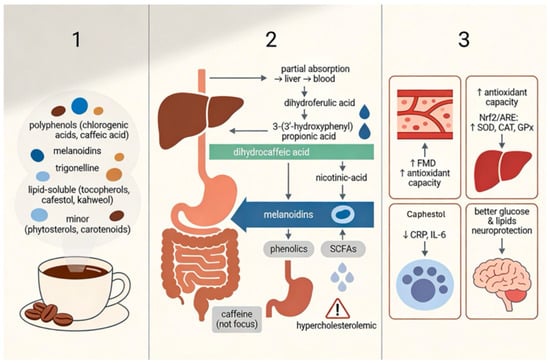
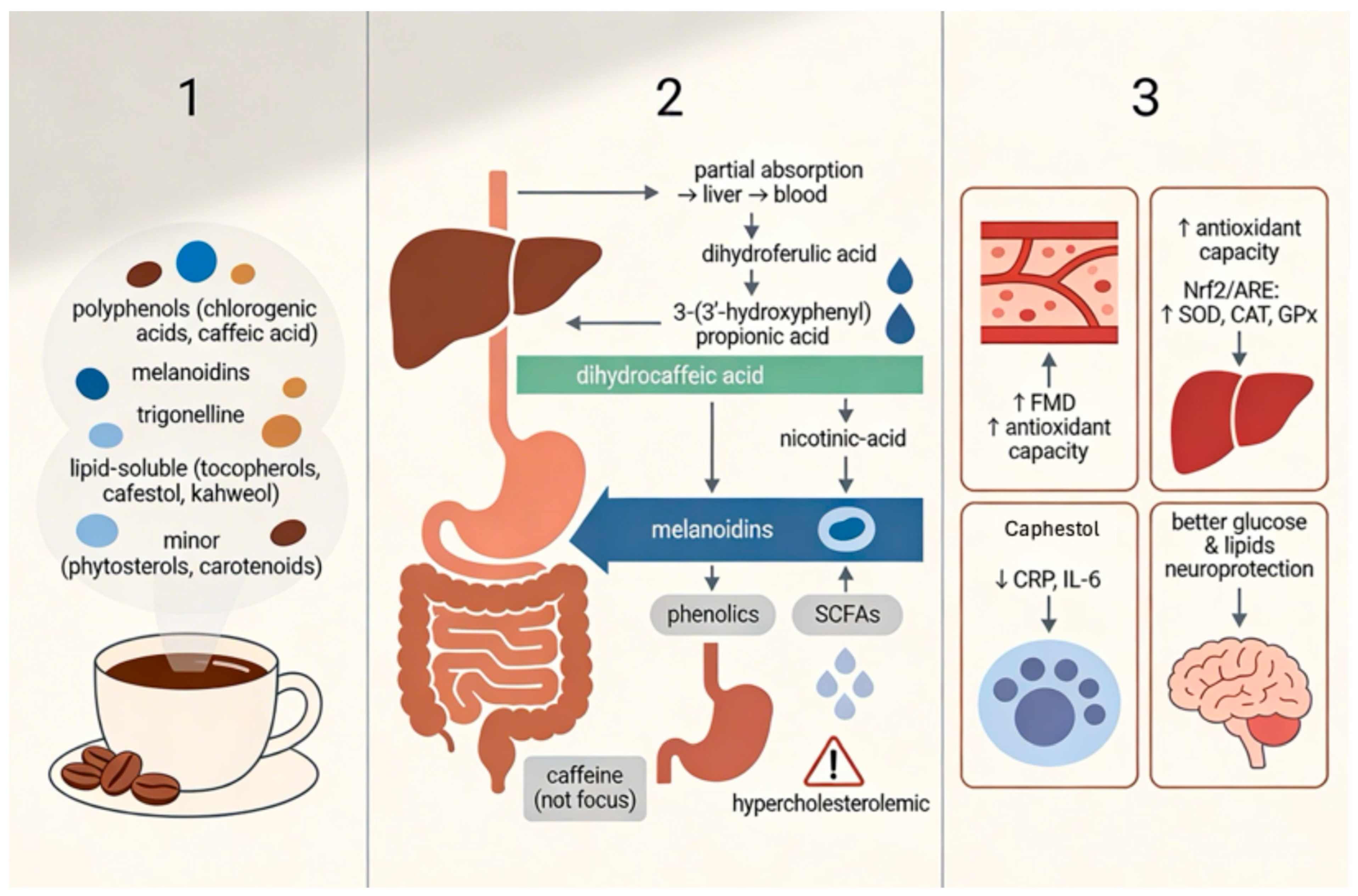
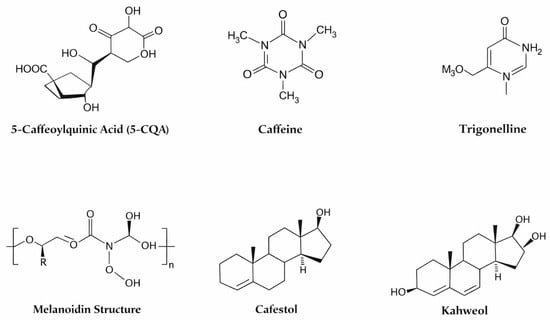
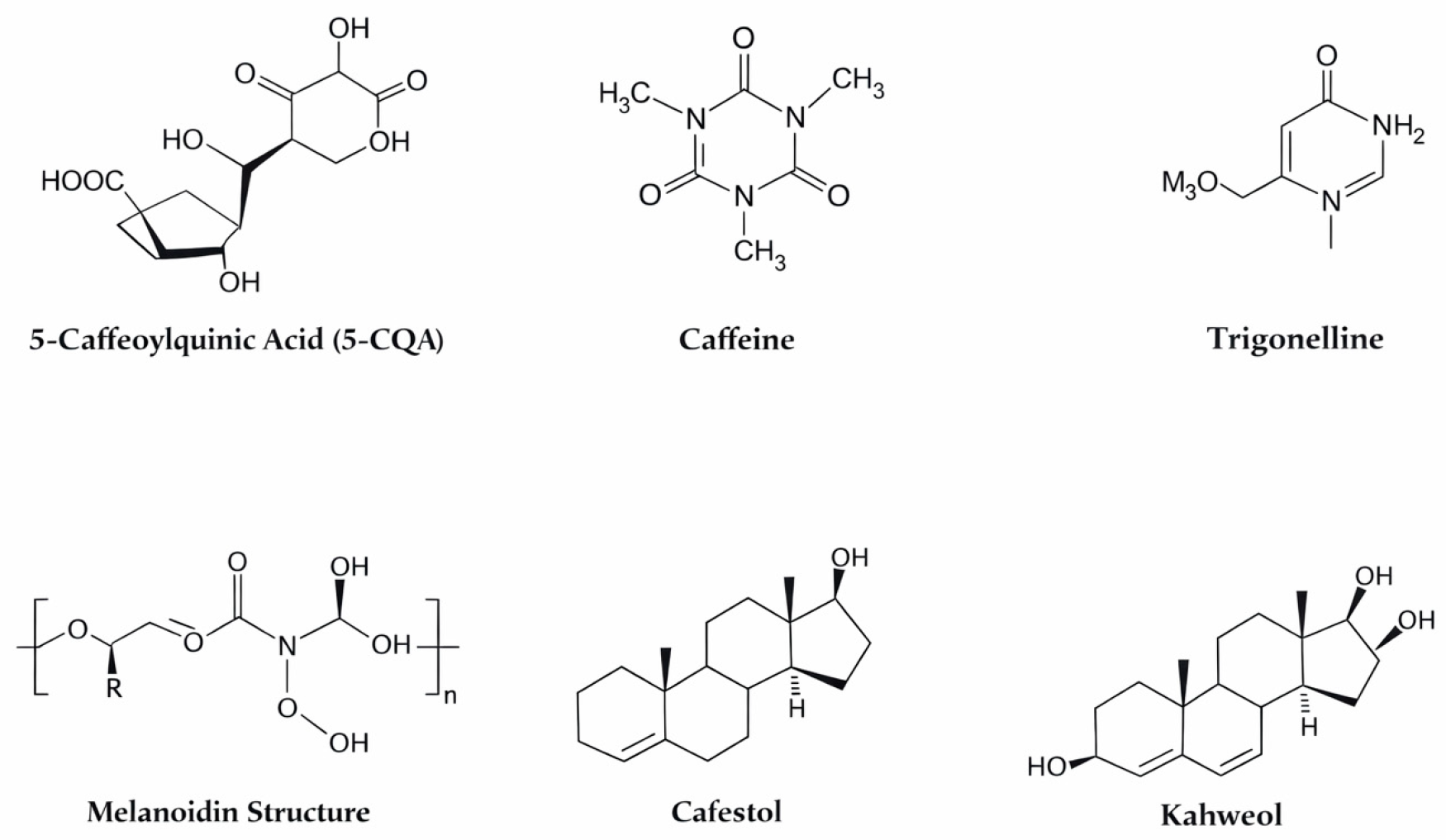

Disclaimer/Publisher’s Note: The statements, opinions and data contained in all publications are solely those of the individual author(s) and contributor(s) and not of MDPI and/or the editor(s). MDPI and/or the editor(s) disclaim responsibility for any injury to people or property resulting from any ideas, methods, instructions or products referred to in the content. |
© 2026 by the authors. Licensee MDPI, Basel, Switzerland. This article is an open access article distributed under the terms and conditions of the Creative Commons Attribution (CC BY) license.