Understanding the Antihyperglycemic Activity of Annona cherimola Leaves. An Edible and Medicinal Plant in Mexico: In Vivo and Ex-Vivo Studies

 ,
,  ,
,  ,
,  ,
,  , and
, and
Abstract
1. Introduction
2. Results
2.1. In Vivo Assays
2.1.1. Acute Oral Toxicity Study of Petroleum Ether Extract from Annona cherimola Leaves
2.1.2. Acute Antihyperglycemic Evaluation of Petroleum Ether Extract of Annona cherimola Leaves in Female and Male Streptozocin-Induced Type 2 Diabetes Mellitus Mice
2.1.3. Subchronic Antihyperglycemic Evaluation of Petroleum Ether Extract of Annona cherimola Leaves in Female Streptozocin-Induced Type 2 Diabetes Mellitus Mice
2.1.4. Glycated Hemoglobin Evaluation of Petroleum Ether Extract from Annona cherimola Leaves on Female Streptozocin-Induced Type 2 Diabetes Mellitus Mice with a Sub-Chronic Hyperglycemia
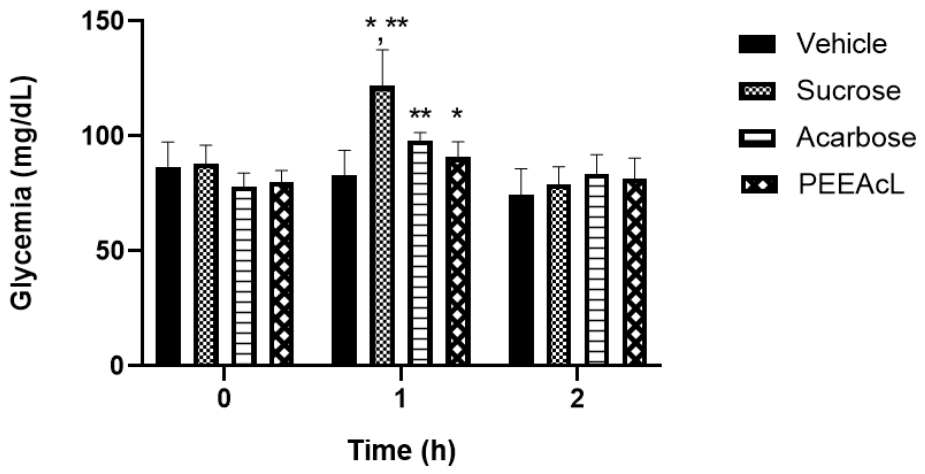
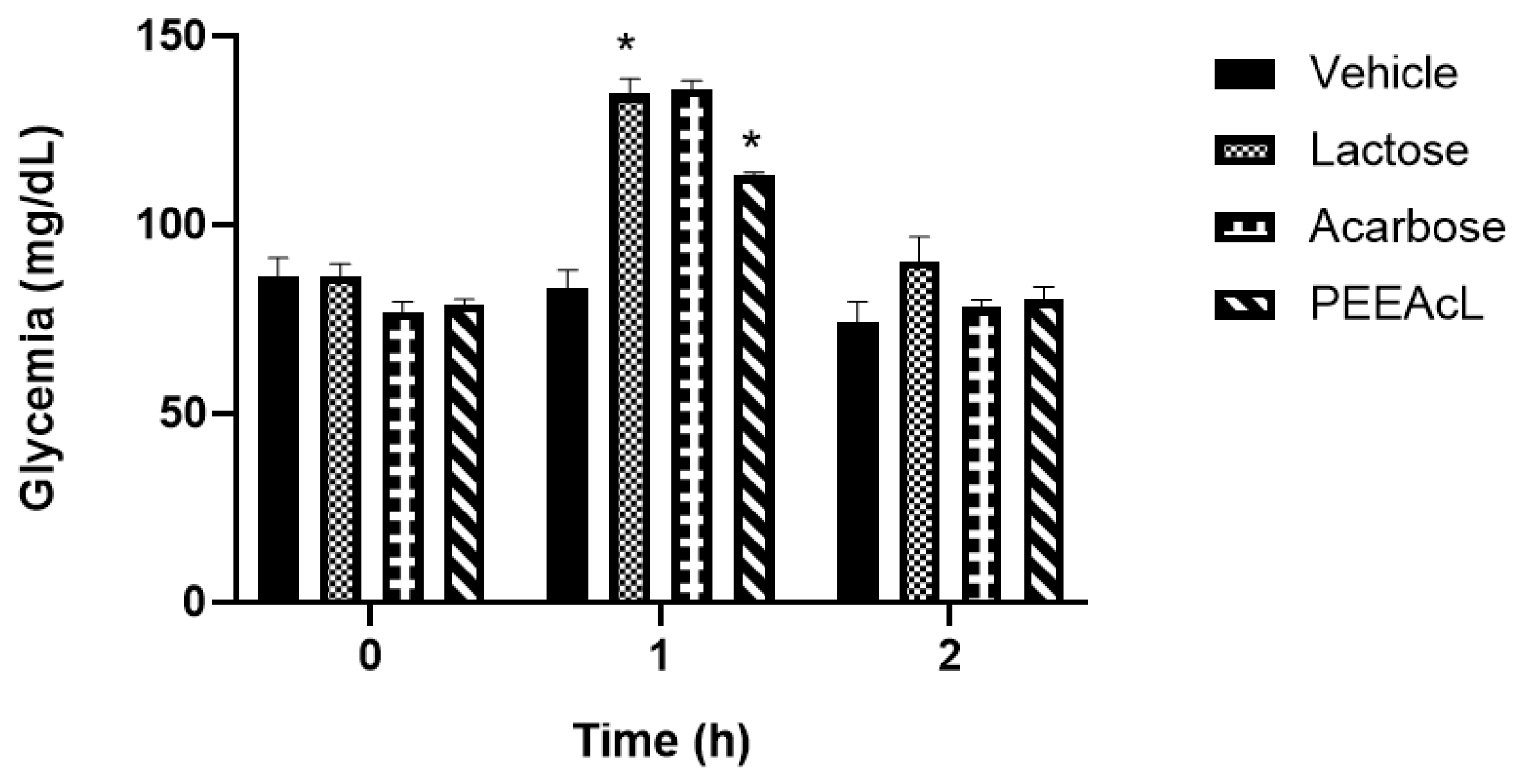
2.1.5. Oral Sucrose and Lactose Tolerance Tests of Petroleum Ether Extract from Annona cherimola Leaves on Fasted Normoglycemic Mice
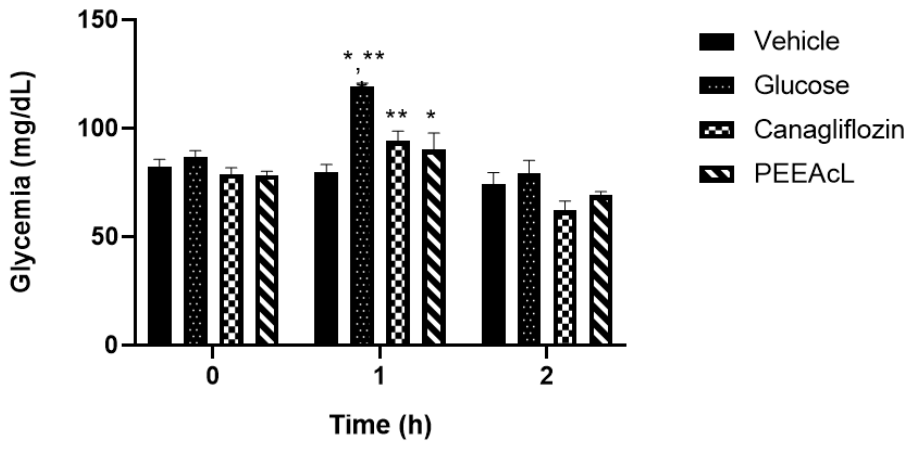
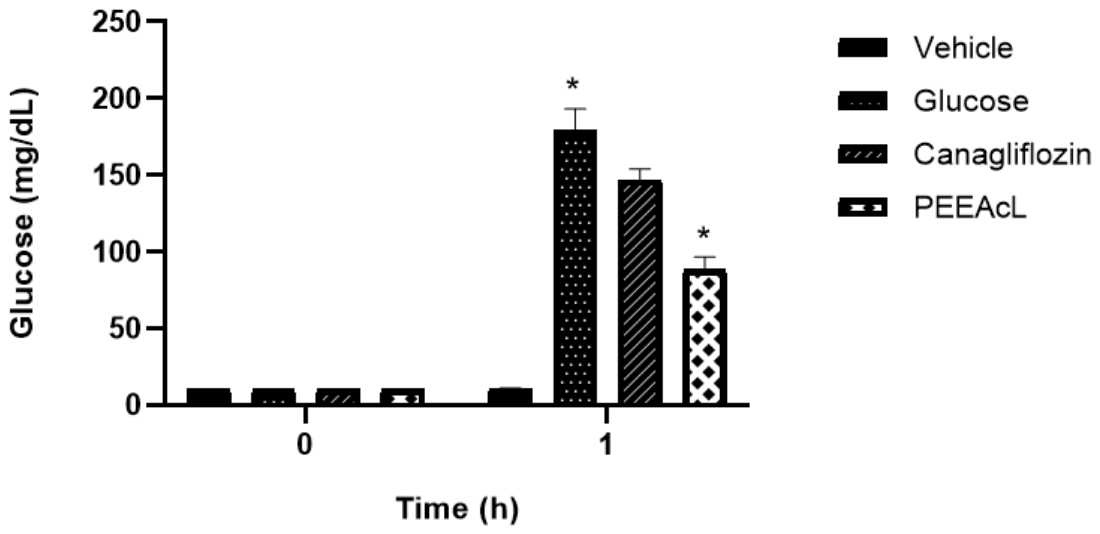
2.1.6. Oral Glucose Tolerance Test of PEEAcL on Fasted Normoglycemic Mice
2.2. Ex Vivo Assays
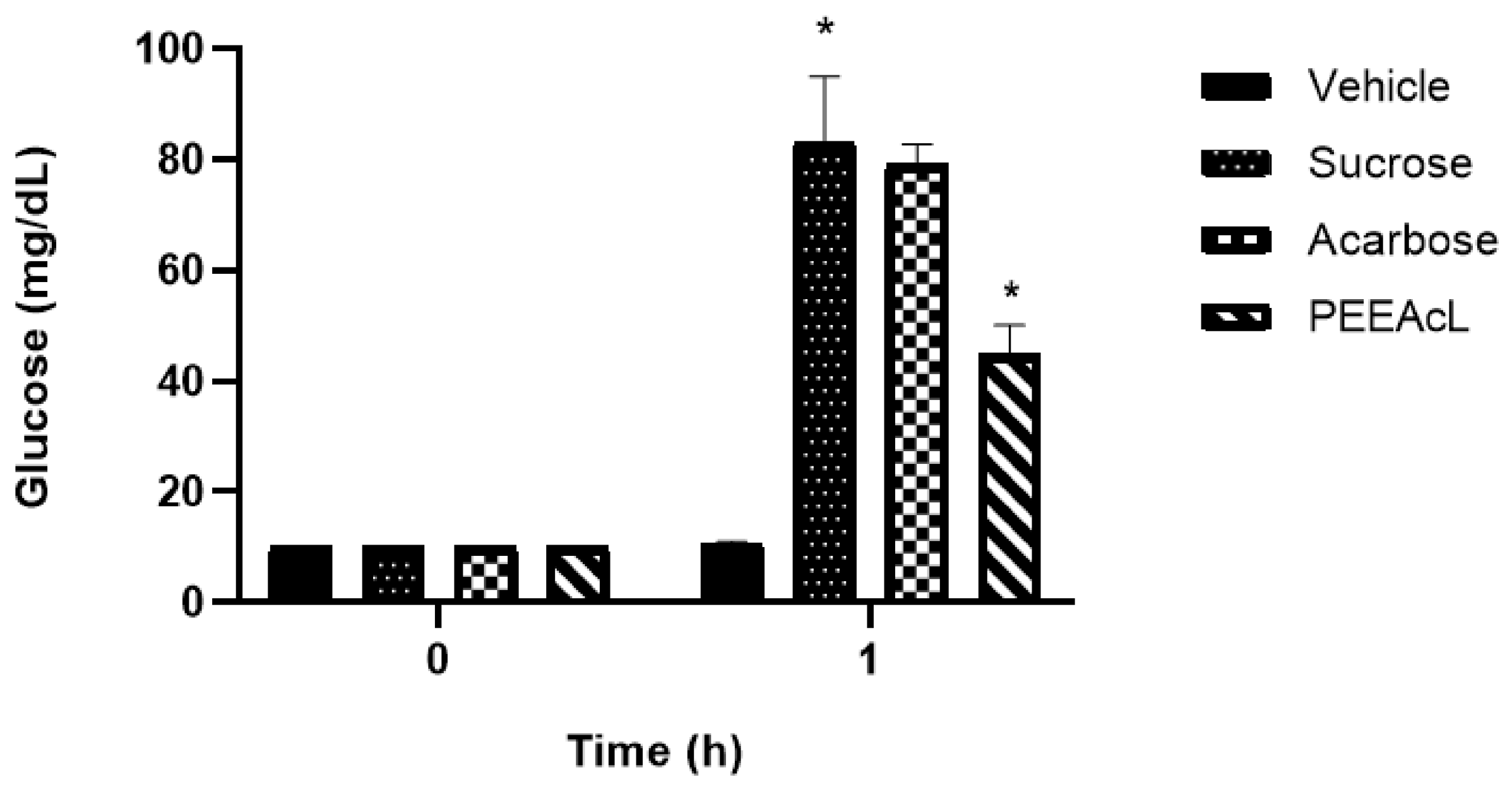
2.2.1. Evaluation of the Inhibitory Effect of the Petroleum Ether Extract from Leaves of Annona cherimola on the Intestinal Hydrolysis of Sucrose
2.2.2. Evaluation of the Inhibitory Effect of the Petroleum Ether Extract Derived from Leaves of Annona cherimola on Intestinal Glucose Absorption
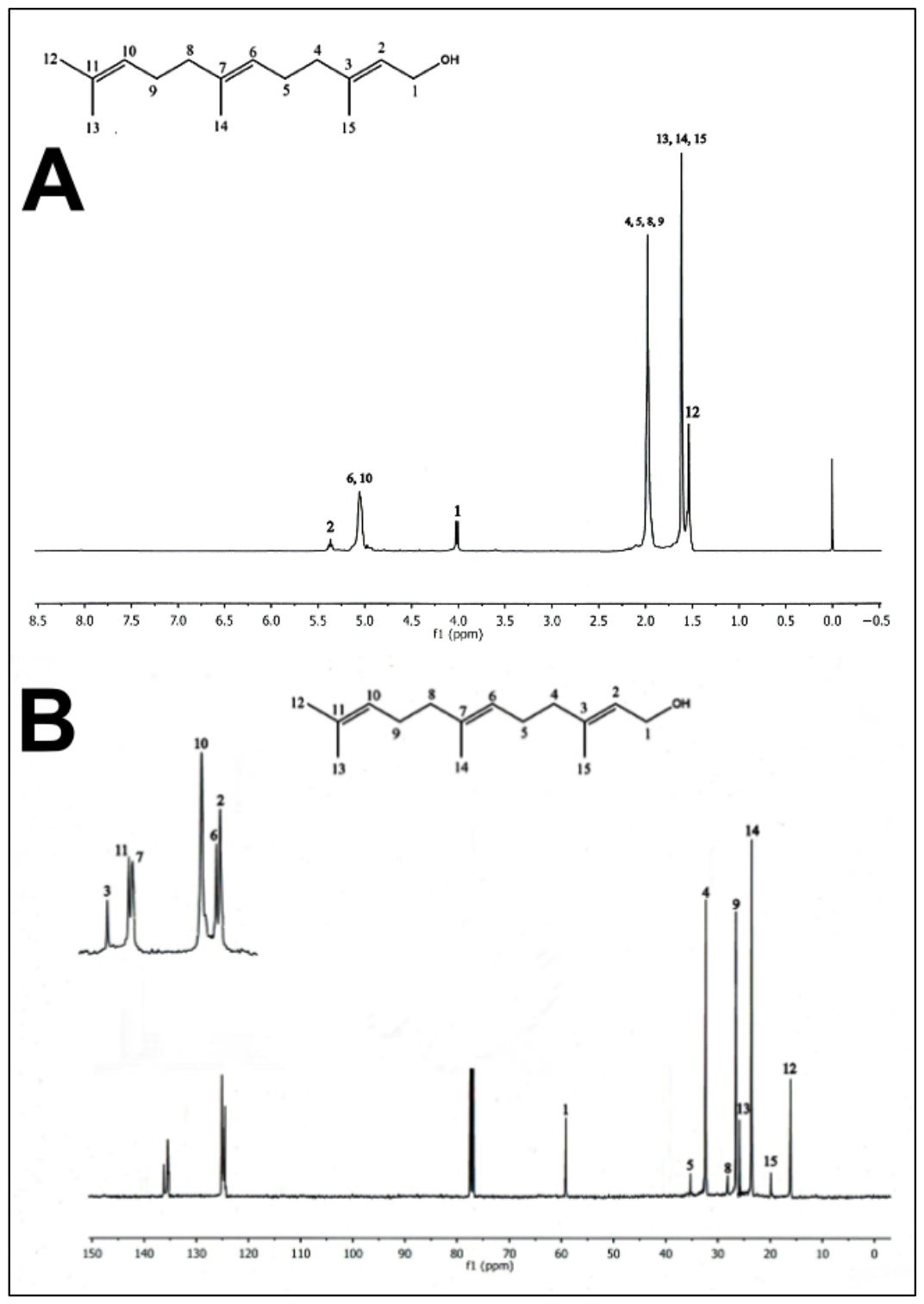
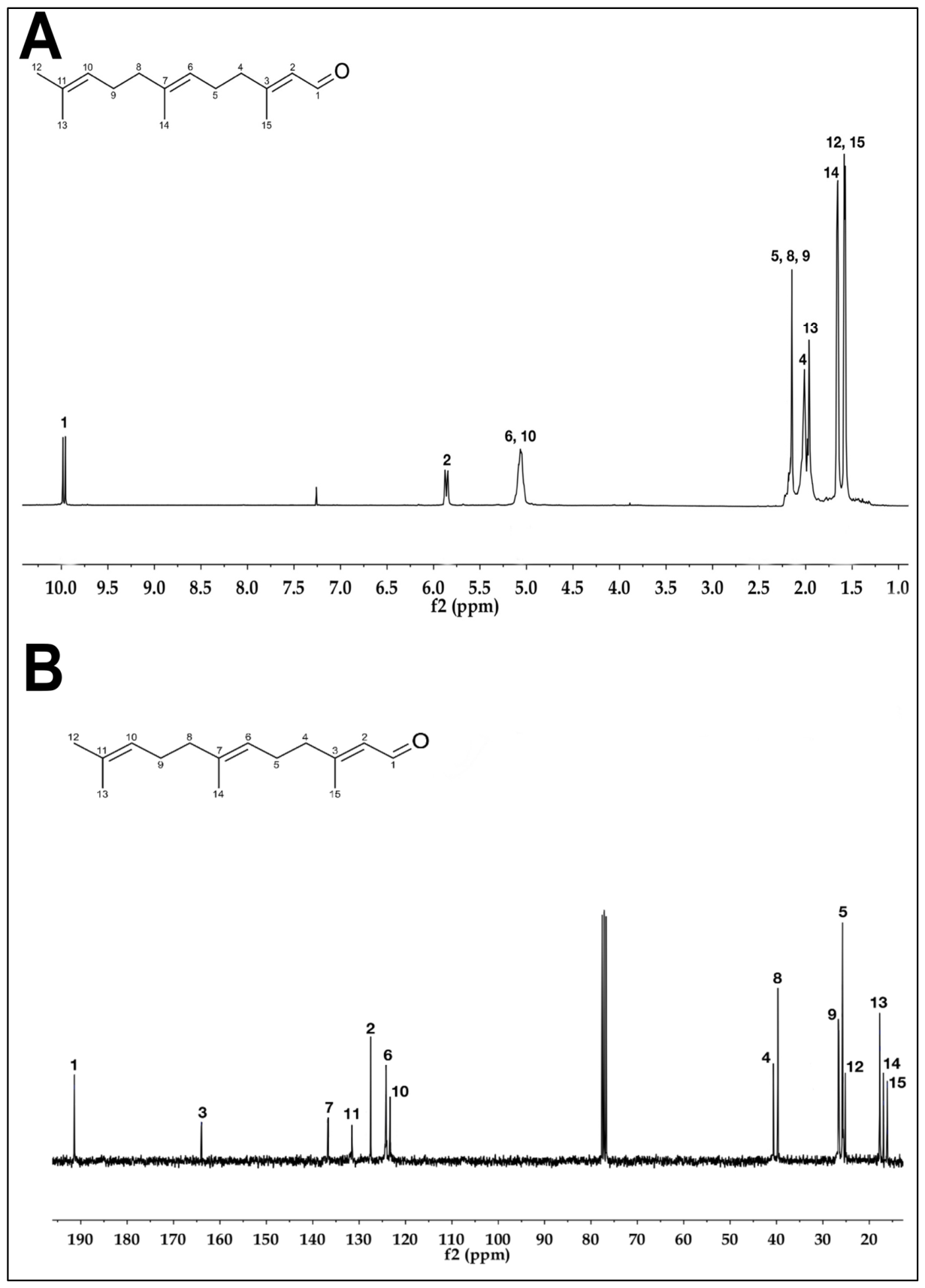
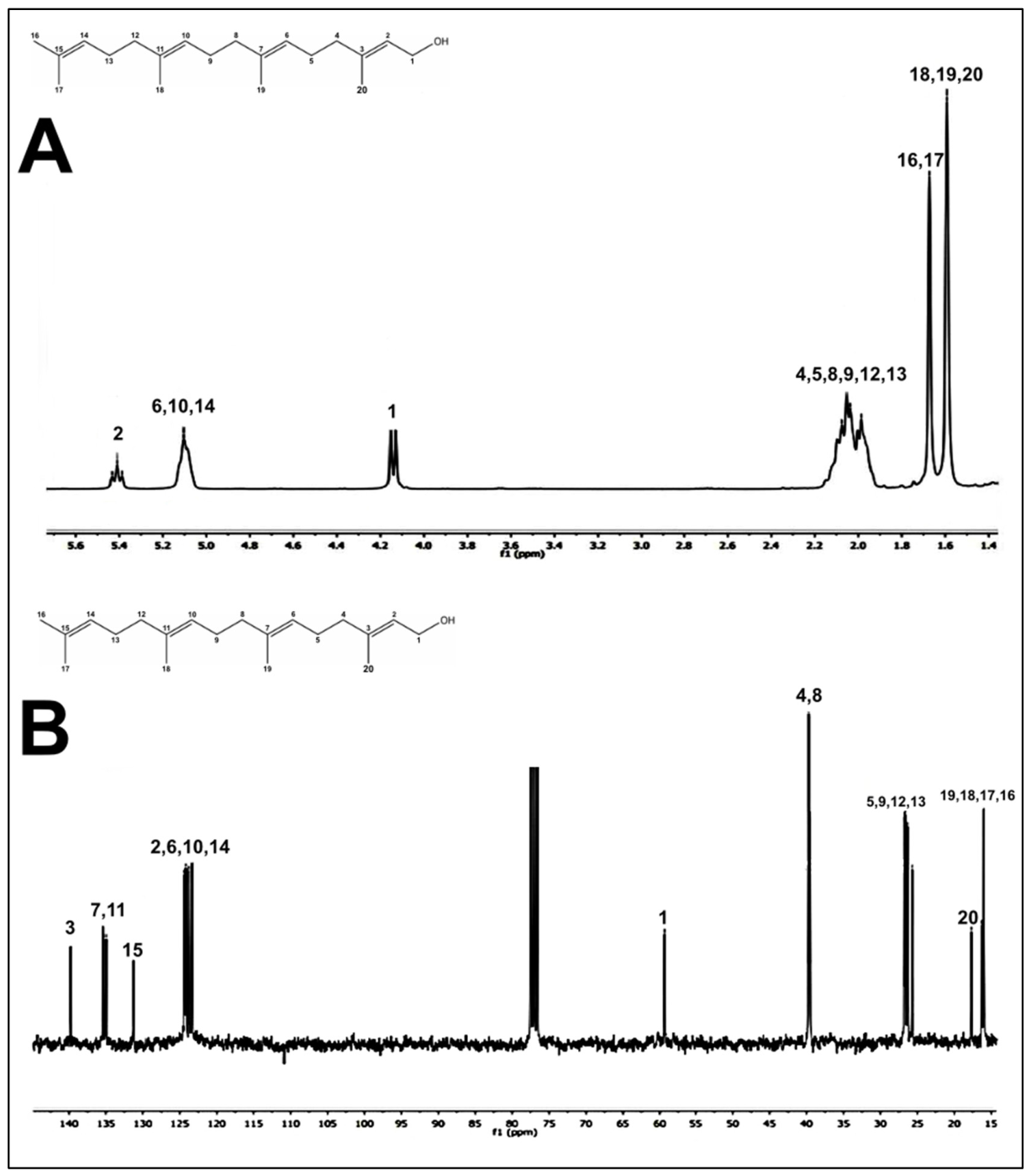
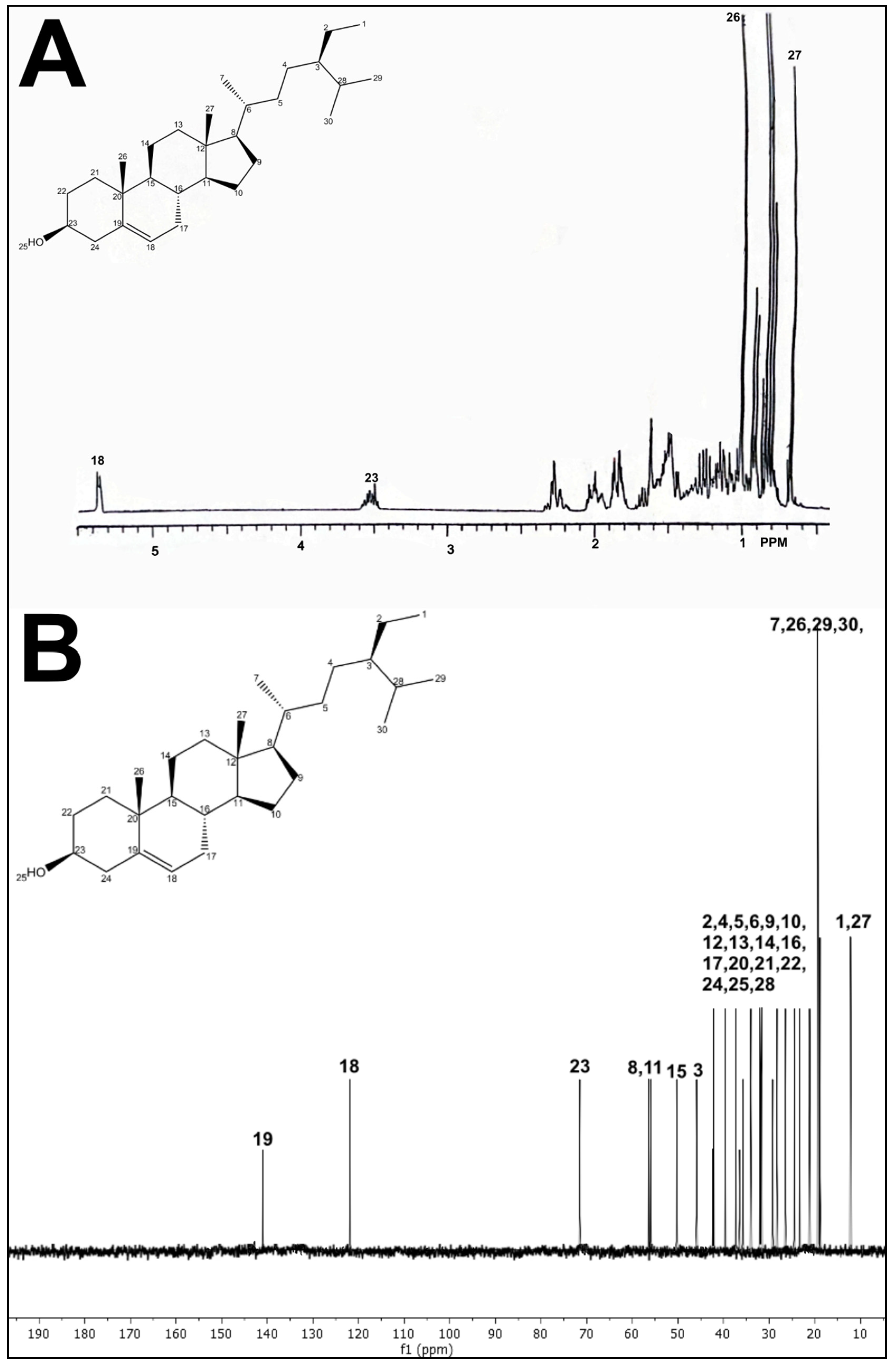
2.2.3. Isolation and Identification of Secondary Metabolites Present in Petroleum Ether Extract from Annona cherimola Leaves by Preparative Thin-Layer Chromatography
3. Discussion
4. Materials and Methods
4.1. General Information
4.2. Plant Material
4.2.1. Obtaining Petroleum Ether Extract of Annona cherimola Leaves
4.2.2. Preparative Thin-Layer Chromatography of Petroleum Ether Extract from Annona cherimola Leaves
4.3. Animals
4.4. In Vivo Assays
4.4.1. Acute Oral Toxicity Test
4.4.2. Streptozocin-Induced Type 2 Diabetes Mellitus Mice
4.4.3. Acute Antihyperglycemic Evaluation of Petroleum Ether Extract of Annona cherimola Leaves in Female and Male Streptozocin-Induced Type 2 Diabetes Mellitus Mice
4.4.4. Subchronic Antihyperglycemic Evaluation of Petroleum Ether Extract of Annona cherimola Leaves in Female Streptozocin-Induced Type 2 Diabetes Mellitus Mice
4.4.5. Measurement of % of Glycosylated Hemoglobin
4.4.6. Oral Sucrose and Lactose Tolerance Test of Petroleum Ether Extract of Annona cherimola Leaves in Fasted Normoglycemic Mice
4.4.7. Oral Glucose Tolerance Test of Petroleum Ether Extract of Annona cherimola Leaves in Fasted Normoglycemic Mice
4.5. Ex Vivo Assays
Evaluation of the Inhibitory Effect of the Intestinal Sucrose Hydrolysis and Intestinal Glucose Absorption
4.6. Statistical Analysis
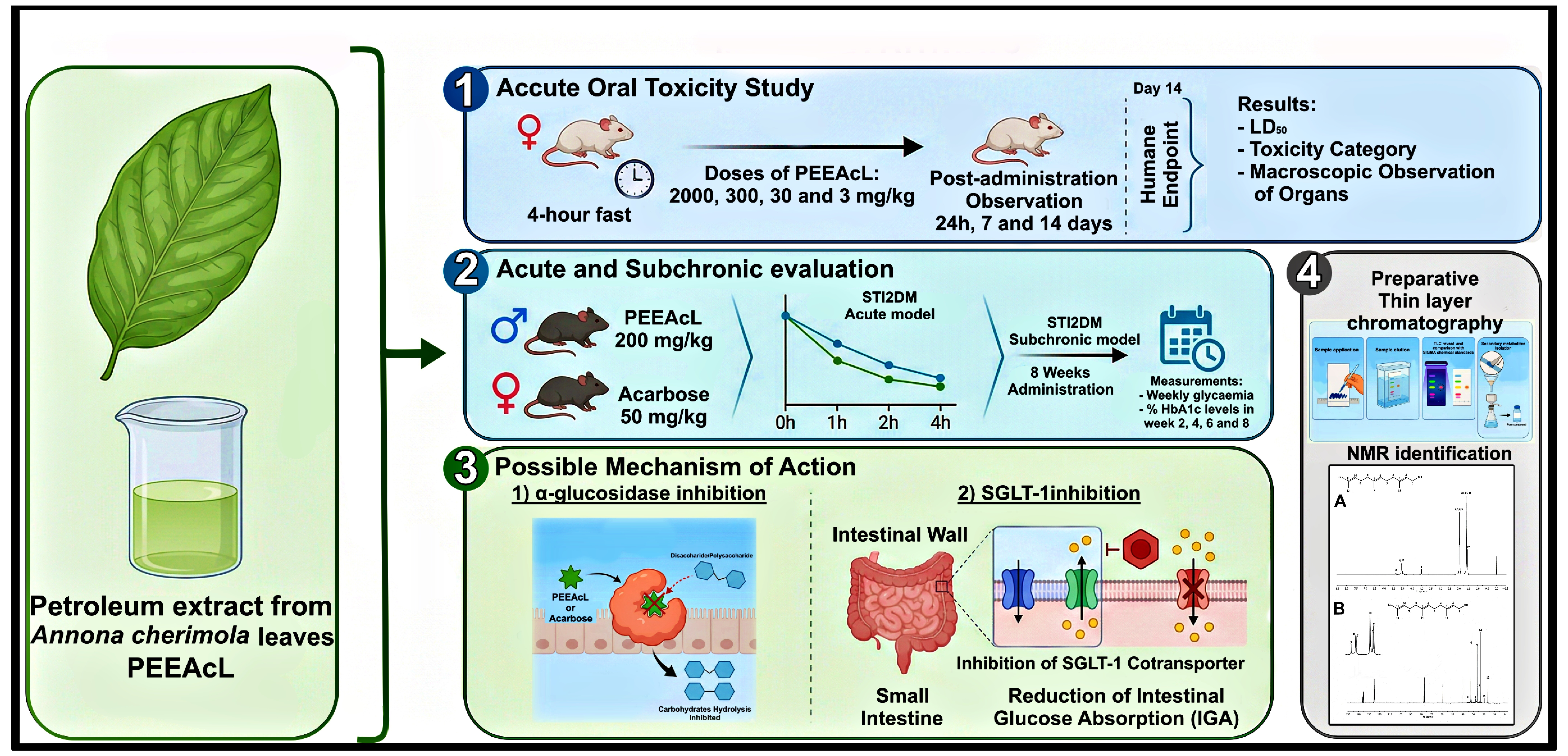
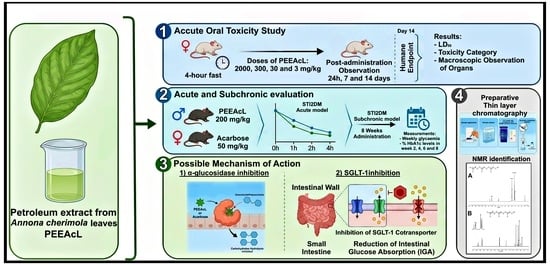
4.7. Graphical Abstract
5. Conclusions
Author Contributions
Funding
Institutional Review Board Statement
Informed Consent Statement
Data Availability Statement
Acknowledgments
Conflicts of Interest
References
- Magliano, D.J.; Boyko, E.J. IDF Diabetes Atlas, 10th ed.; International Diabetes Federation: Brussels, Belgium, 2021; Available online: https://fmdiabetes.org/atlas-idf-10o-edicion-2021/ (accessed on 8 January 2025).
- American Diabetes Association. Economic Cost of Diabetes in the US. in 2017. Diabetes Care 2018, 41, 917–928. [Google Scholar] [CrossRef]
- Kumar, A.; Gangwar, R.; Zargar, A.A.; Kumar, R.; Sharma, A. Prevalence of diabetes in India: A review of IDF diabetes atlas 10th edition. Curr. Diabetes Rev. 2024, 20, 105–114. [Google Scholar] [CrossRef] [PubMed]
- Instituto Nacional de Estadística y Geografia. Available online: https://www.inegi.org.mx/contenidos/saladeprensa/boletines/2025/edr/edr2024_en-jun_RR.pdf (accessed on 8 January 2026).
- International Diabetes Federation. México: Informe Nacional Sobre la Diabetes 2000–2050. Available online: https://diabetesatlas.org/es/data-by-location/country/mexico/ (accessed on 8 January 2026).
- Polo-Barranco, A.; Rebolledo-Maldonado, C.; Esquiaqui-Rangel, V.; Nuñez-Mejia, A.; Rambal-Torres, J.; Barraza-Ahumada, V.; Vargas-Cantillo, S.; Benavides-De la Cruz, W.; Liñan-Martinez, V.; Rada-Obeso, V.; et al. Diabtes mellitus and lipoprotein (a): A determinant interaction in Micro- and Macrobascular damage. Int. J. Mol. Sci. 2025, 26, 11427. [Google Scholar] [CrossRef]
- Mrugacz, M.; Pony-Uram, M.; Bryl, A.; Zorena, K. Current approach to the pathogenesis of diabetic cataracts. Int. J. Mol. Sci. 2023, 24, 6317. [Google Scholar] [CrossRef] [PubMed]
- Secretaria de Salud. Norma Oficial Mexicana NOM-015-SSA2-2010, Para la Prevención, Tratamiento y Control de la Diabetes Mellitus. Diario Oficial de la Federación. 2016. Available online: https://www.dof.gob.mx/normasOficiales/4215/salud/salud.htm (accessed on 9 April 2026).
- American Diabetes Association. Standards of Care in Diabetes. Diabetes Care 2025, 48, S6–S13. [Google Scholar]
- Moreno-Altamirano, L.; García-García, J. Diabetes Mellitus 2 in Mexico: Challenge for the health system. Rev. Méd. Hosp. Gen. México 2025, 88, 1–3. [Google Scholar] [CrossRef]
- Skugor, M. Medical Treatment of Diabetes Mellitus. Cleve Clin. J. Med. 2017, 84, S57–S61. [Google Scholar] [CrossRef]
- Phadi, S.; Nayak, A.; Behera, A. Type II diabetes mellitus: A review on recent drug based therapeutics. Biomed. Pharmacother. 2020, 131, 110708. [Google Scholar] [CrossRef]
- Polonsky, W.; Henry, R. Poor medication adherence in type 2 diabetes: Recognizing the scope of the problem and its key contributions. Patient Prefer. Adherence 2016, 10, 1299–1307. [Google Scholar] [CrossRef]
- Esquivel-Gutiérrez, E.; Noriega-Cisneros, R.; Saavedra-Molina, A.; Salgado-Garciglia, R. Plants used in Mexican folk medicine with antidiabetic and antihypertensive properties. Pharmacol. Online 2013, 2, 15–23. [Google Scholar]
- Al Kazman, B.S.M.; Harnett, J.E.; Hanrahan, J.R. Traditional uses, phytochemistry and pharmacological activities of Annonacae. Molecules. Molecules 2022, 27, 3462. [Google Scholar] [CrossRef]
- Clazada, F.; Valdes, M.; García-Hernández, N.; Velázquez, C.; Barbosa, E.; Bustos-Brito, C.; Quijano, L.; Pina-Jiménez, E.; Mendieta-Wejebe, J. Antihyperglycemic Activity of he Leaves from Annona diversifolia Safford. And Farnesol on Normal and Alloxan-Induced Diabetic Mice. Pharmacogn. Mag. 2019, 15, S5–S11. [Google Scholar]
- Valdes, M.; Calzada, F.; Mendieta-Wejebe, J.; Merlín-Lucas, V.; Velázque, C.; Barbosa, E. Antihyperglycemic Effects of Annona diversifolia Safford and Its Acyclic Terpenoids: α-Glucosidase and Selective SGLT1 Inhibitiors. Molecules 2020, 25, 3361. [Google Scholar] [CrossRef] [PubMed]
- Jyothi, A.B.; Venkatesh, K.; Chakrapani, P.; Rani, A.R. Phytochemical and pharmacological potential of Annona cherimola—A review. Int. J. Phytomed 2011, 3, 439–447. [Google Scholar]
- Argueta, A.; Cano, L.; Rodarte, M. Atlas de las Plantas de la Medicina Tradicional Mexicana; Instituto Nacional Indigenista: Mexico City, Mexico, 1994; Volume 3.
- Calzada, F.; Valdes, M.; Martínez-Solis, J.; Velázquez, C.; Barbosa, E. Annona cherimola Miller and Its Flavonoids, an Important Source of Products for the Treatment of Diabetes Mellitus: In Vivo and In Silico Evaluations. Pharmaceuticals 2023, 16, 724. [Google Scholar] [CrossRef] [PubMed]
- Mannino, G.; Gentile, C.; Porcu, A.; Agliassa, C.; Caradonna, F.; Bertea, C.M. Chemical profile and biological ctivity of cherimoya (Annona cherimola Mill.) and atemoya (Annona atemoya) leaves. Molecules 2020, 25, 2612. [Google Scholar] [CrossRef]
- Díaz-de-Cerio, E.; Aguilera-Saez, L.M.; Gómez-Caravaca, A.; Verardo, V.; Fernández-Gutierrez, A.; Fernández, I.; Arráez-Román, D. Characterization of bioactive compounds of Annona cherimola L. leaves using a combined approach based on HPLC-ESI-TOF-MS and NMR. Anal. Bioanal. Chem. 2018, 410, 3607–3619. [Google Scholar] [CrossRef]
- Ramírez-Santos, J.; Calzada, F.; Martínez-Rodríguez, J.; Valdes, M.; Barbosa, E.; Velázquez, C. Aqueous extracts and flavonoids obtained from Annona cherimola Miller as antidiabetic treatments alone and in combination with antidiabetic drugs: In vivo and in silico studies. Pharmaceuticals 2025, 18, 1754. [Google Scholar] [CrossRef]
- Martínez-Solís, C.; Calzada, F.; Barbosa, E.; Valdes, M. Antihyperglycemic and Antilipidemic Properties of a Tea Infusion of the Leaves from Annona cherimola Miller on Streptozocin-Induced Type 2 Diabetic Mice. Molecules 2021, 26, 2408. [Google Scholar] [CrossRef]
- Jamkhande, P.G.; Ajgunde, B.R.; Jadge, D.R. Annona cherimola Mill (Custard apple): A review on its plant profile, nutritional values, traditional claims, and ethnomedicinal properties. Orient. Pharm. Exp. Med 2017, 17, 189–201. [Google Scholar] [CrossRef]
- OECD. Guideline for Testing of Chemicals 423. Acute Oral Toxicity-Acute Toxic Class Method. Organizacion para la Cooperación el Desarrollo Economicos, OECD/OCDE. 2001. Available online: https://read.oecd-ilibrary.org/environment/test-no-423-acute-oral-toxicity-acute-toxic-class-method_9789264071001-en#page1 (accessed on 17 February 2026).
- Khalid, M.; Petroianu, G.; Adem, A. Advanced glycation end products and diabetes mellitus: Mechanism and perspectives. Biomolecules 2022, 12, 542. [Google Scholar] [CrossRef]
- Medina-Chavez, J.; Vazquez-Parrodi, M.; Mendoza-Matinez, P.; Rios-Mejia, E.D.; de Anda-Garay, J.C.; Balandran-Duarte, D.A. Protocolo de atención integral: Prevención, diagnostic y tratamiento de diabetes mellitus 2. Rev. Med. Inst. Mex. Seguro Soc. 2022, 60, S4–S18. [Google Scholar]
- Pan, G.; Lu, Y.; Wei, Z.; Li, Y.; Li, L.; Pan, X. A review on the in vitro and in vivo screening of a-glucosidase inhibitors. Heliyon 2024, 10, e37467. [Google Scholar] [CrossRef] [PubMed]
- Yan, L.J. The nicotinamide/streptozotocin rodent model of type 2 diabetes: Renal pathophysiology and redox imbalance features. Biomolecules 2022, 12, 1225. [Google Scholar] [CrossRef] [PubMed]
- Karimova, M.V.; Vasiliev, A.V.; Vorotelyak, E.A. Type 2 diabetes mellitus: Pathogenic features and experimental models in rodents. Acta Naturae 2022, 14, 57–68. [Google Scholar] [CrossRef]
- Florence, N.T.; Benoit, M.Z.; Jonas, K.; Alexandra, T.; Désiré, D.D.P.; Pierre, K.; Théophile, D. Antidiabetic and antioxidant effects of Annona muricata (Annonaceae), aqueous extract on streptozotocin-induced diabetic rats. J. Ethnopharmacol. 2014, 151, 784–790. [Google Scholar] [CrossRef] [PubMed]
- Adeleye, O.E.; Aboajah, N.A.; Adeleye, A.I.; Sogebi, E.A.O.; Mshelbwala, F.M.; Adetomiwa, A.S.; Olukunle, J.O. Annona muricata Linn. ethanolic leaf extract ameliorates reproductive complications in streptozotocin-induced diabetic Wistar rats. J. Nat. Sci. Eng. Technol. 2019, 18, 166–175. [Google Scholar] [CrossRef]
- Grunberger, G. Should side effects influence the selection of antidiabetic therapies in type 2 diabetes? Curr. Diab. Rep 2017, 17, 21. [Google Scholar] [CrossRef]
- Bischoff, H.; Puls, W.; Krause, H.P.; Schutt, H.; Thomas, G. Pharmacologicañ properties of the novel glucosidase inhibitors BAYm 1099 (miglitol) and BAYo 1248. Diabetes Res. Clin. Pract. 1985, 1, 53–62. [Google Scholar]
- Ali, A.; Cottrell, J.J.; Dunshea, F.R. Antioxidant, alpha-glucosidase inhibition activities, in silico molecular docking and pharmacokinetics study of phenolic compounds from native Australian fruits and species. Antioxidants 2023, 12, 524. [Google Scholar] [CrossRef]
- Elian, V.; Popovici, V.; Karampelas, O.; Pircalabioru, G.G.; Radulian, G.; Musat, M. Risks and benefits of SGLT-2 inhibitors for type 1 diabetes patients using automated insulin delivery systems—A literature review. Int. J. Mol. Sci. 2024, 25, 1972. [Google Scholar] [CrossRef] [PubMed]
- Koevary, S. Effects of acarbose on the development of diabetes in BB/W or rats. Metabolism 1990, 39, 865–870. [Google Scholar] [CrossRef] [PubMed]
- Valdés, M.; Calzada, F.; Mendieta-Wejebe, J. Structure-Activity Relationship Study of Acyclic Terpenes in Blood Glucose Levels: Potential α-Glucosidase and Sodium Glucose Cotransporter (SGLT-1) Inhibitors. Molecules 2019, 24, 4020. [Google Scholar] [CrossRef] [PubMed]
- Gupta, R.; Sharma, A.K.; Dobhal, M.P.; Sharma, M.C.; Gupta, R.S. Antidiabetic and antioxidant potential of b-sitosterol in streptozotocin-induced experimental hyperglycemia. J. Diabetes 2011, 3, 29–37. [Google Scholar] [CrossRef]
- NOM-062-ZOO-1999. Norma Oficial Mexicana, NOM-062-ZOO-1999: Especificaciones Técnicas para la Producción, Cuidado y Uso de los Animals de Laboratorio. Available online: https://www.gob.mx/cms/uploads/attachment/file/203498/NOM-062-ZOO-1999_220801.pdf (accessed on 18 March 2026).





| Treatment | Glycemia (mg/dL) | |||
|---|---|---|---|---|
| 0 h | 1 h | 2 h | 4 h | |
| Male mice | ||||
| NM control | 150.00 ± 5.70 | 163.20 ± 15.91 | 135.20 ± 11.40 | 110.60 ± 8.11 |
| SIT2DM control | 309.80 ± 12.30 | 479.00 ± 17.80 | 486.30 ± 14.90 * | 463.00 ± 16.40 * |
| NM + PEEAcL | 140.80 ± 12.51 | 153.60 ± 18.90 | 138.80 ± 8.60 | 117.60 ± 9.10 |
| SIT2DM + PEEAcL | 323.20 ± 17.40 | 472.80 ± 19.61 | 416.00 ± 12.11 * | 317.00 ± 12.70 * |
| SIT2DM + acarbose | 337.70 ± 12.90 | 300.30 ± 19.90 | 196.80 ± 12.60 | 335.50 ± 12.50 |
| Female mice | ||||
| NM control | 144.60 ± 4.33 | 158.00 ± 6.80 | 140.80 ± 14.60 | 120.60 ± 9.61 |
| SIT2DM control | 319.80 ± 16.21 | 437.20 ± 12.12 | 450.60 ± 19.31 ** | 467.20 ± 11.90 ** |
| NM + PEEAcL | 137.40 ± 4.33 | 143.80 ± 6.80 | 137.00 ± 14.60 | 115.60 ± 9.61 |
| SIT2DM + PEEAcL | 327.80 ± 17.11 | 446.30 ± 10.11 | 330.50 ± 11.82 ** | 316.50 ± 12.92 ** |
| SIT2DM + acarbose | 335.50 ± 13.00 | 305.50 ± 15.30 | 206.50 ± 13.80 | 330.00 ± 16.50 |
| Treatment | Glycemia (mg/dL) | ||||
|---|---|---|---|---|---|
| Week 0 | Week 2 | Week 4 | Week 6 | Week 8 | |
| NM control | 144.60 ± 4.97 | 158.00 ± 6.67 | 140.80 ± 14.60 # | 145.80 ± 10.40 # | 151.4 ± 12.32 # |
| SIT2DM control | 280.00 ± 12.93 | 284.00 ± 13.38 * | 274.00 ± 10.42 *,** | 282.50 ± 11.97 *,** | 287.25 ± 8.30 *,** |
| PEEAcL (200mg/dL) | 271.60 ± 18.25 | 228.60 ± 11.45 * | 157.40 ± 10.98 *,# | 163.20 ± 14.66 *,# | 163.80 ± 13.27 *,# |
| Acarbose (50 mg/dL) | 285.80 ± 15.06 | 257.60 ± 14.77 | 233.00 ± 13.7 ** | 192.00 ± 4.98 ** | 190.00 ± 14.50 ** |
| Treatment | Percentage of Glycated Hemoglobin | ||||
|---|---|---|---|---|---|
| Week 0 | Week 2 | Week 4 | Week 6 | Week 8 | |
| NM control | 5.12 ± 0.33 | 5.28 ± 0.32 | 8.40 ± 0.30 | 5.48 ± 0.33 | 5.68 ± 0.29 |
| SIT2DM control | 8.66 ± 0.41 | 8.98 ± 0.44 | 9.08 ± 0.42 ** | 9.22 ± 0.46 *,** | 9.52 ± 0.49 *,** |
| PEEAcL (200mg/dL) | 8.76 ± 0.42 | 8.64 ± 0.44 | 8.30 ± 0.40 | 8.10 ± 0.40 * | 7.88 ± 0.43 * |
| Acarbose (50 mg/dL) | 8.76 ± 0.42 | 8.40 ± 0.30 | 8.18 ± 0.29 ** | 7.90 ± 0.30 ** | 7.68 ± 0.27 ** |
| Compound Name | R.f * | Molecular Weight (g/mol) | Molecular Formula | Presence |
|---|---|---|---|---|
| β-sitosterol | 0.267 | 414.7 | C29H50O | Positive |
| Farnesal | 0.674 | 220.35 | C15H24O | Positive |
| Farnesol | 0.418 | 222.37 | C15H26O | Positive |
| Phytol | 0.465 | 296.5 | C20H40O | Negative |
| Geranylgeraniol | 0.453 | 290.5 | C20H34O | Positive |
Disclaimer/Publisher’s Note: The statements, opinions and data contained in all publications are solely those of the individual author(s) and contributor(s) and not of MDPI and/or the editor(s). MDPI and/or the editor(s) disclaim responsibility for any injury to people or property resulting from any ideas, methods, instructions or products referred to in the content. |
© 2026 by the authors. Licensee MDPI, Basel, Switzerland. This article is an open access article distributed under the terms and conditions of the Creative Commons Attribution (CC BY) license.
Share and Cite
Calzada, F.; Ruedaflores, Y.L.; Mendieta-Wejebe, J.E.; Ramírez-Santos, J.; Valdes, M.; Velázquez, C.; Barbosa, E. Understanding the Antihyperglycemic Activity of Annona cherimola Leaves. An Edible and Medicinal Plant in Mexico: In Vivo and Ex-Vivo Studies. Molecules 2026, 31, 1393. https://doi.org/10.3390/molecules31091393
Calzada F, Ruedaflores YL, Mendieta-Wejebe JE, Ramírez-Santos J, Valdes M, Velázquez C, Barbosa E. Understanding the Antihyperglycemic Activity of Annona cherimola Leaves. An Edible and Medicinal Plant in Mexico: In Vivo and Ex-Vivo Studies. Molecules. 2026; 31(9):1393. https://doi.org/10.3390/molecules31091393
Chicago/Turabian StyleCalzada, Fernando, Yoseth L. Ruedaflores, Jessica Elena Mendieta-Wejebe, Jesica Ramírez-Santos, Miguel Valdes, Claudia Velázquez, and Elizabeth Barbosa. 2026. "Understanding the Antihyperglycemic Activity of Annona cherimola Leaves. An Edible and Medicinal Plant in Mexico: In Vivo and Ex-Vivo Studies" Molecules 31, no. 9: 1393. https://doi.org/10.3390/molecules31091393
APA StyleCalzada, F., Ruedaflores, Y. L., Mendieta-Wejebe, J. E., Ramírez-Santos, J., Valdes, M., Velázquez, C., & Barbosa, E. (2026). Understanding the Antihyperglycemic Activity of Annona cherimola Leaves. An Edible and Medicinal Plant in Mexico: In Vivo and Ex-Vivo Studies. Molecules, 31(9), 1393. https://doi.org/10.3390/molecules31091393