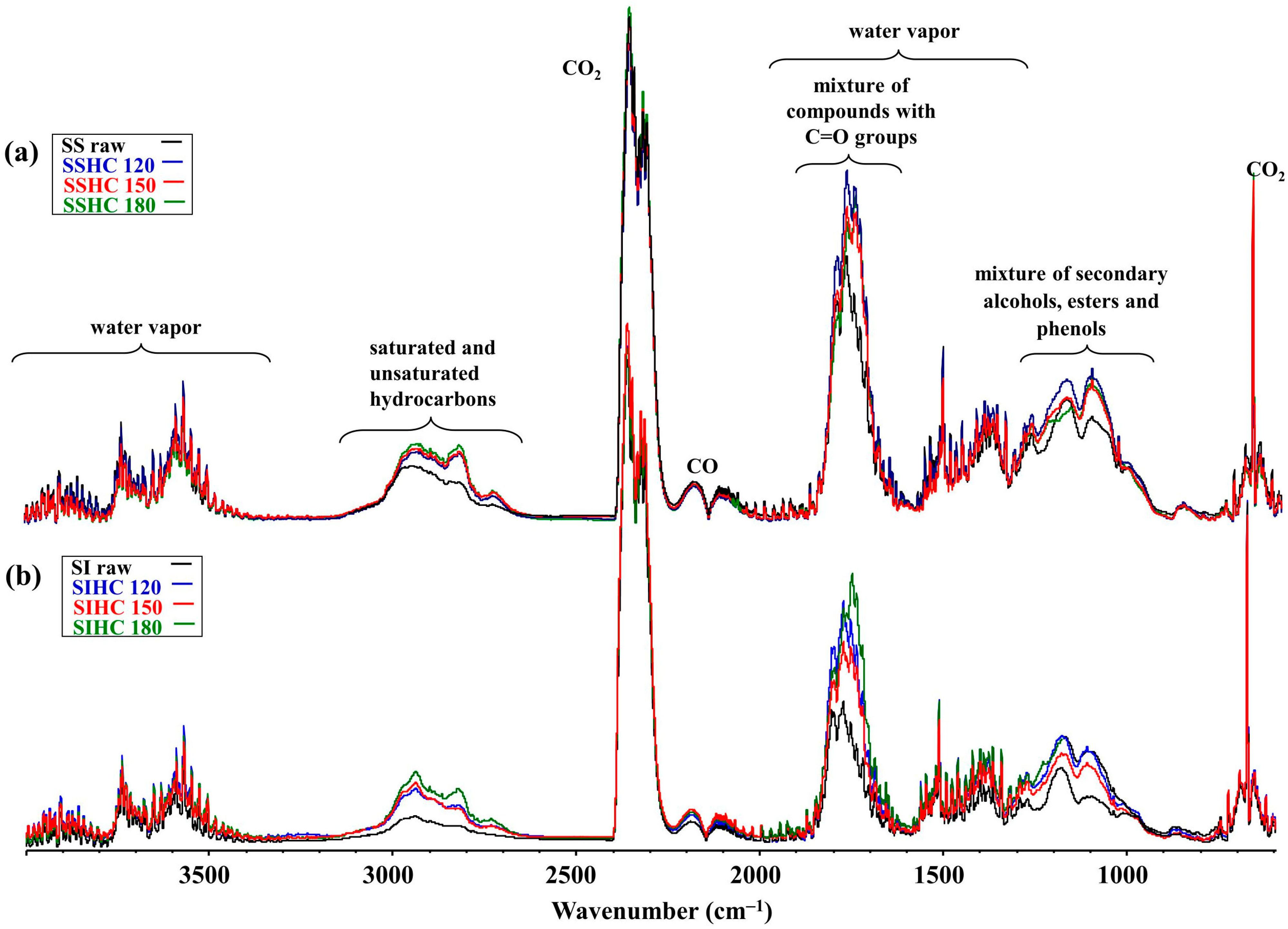
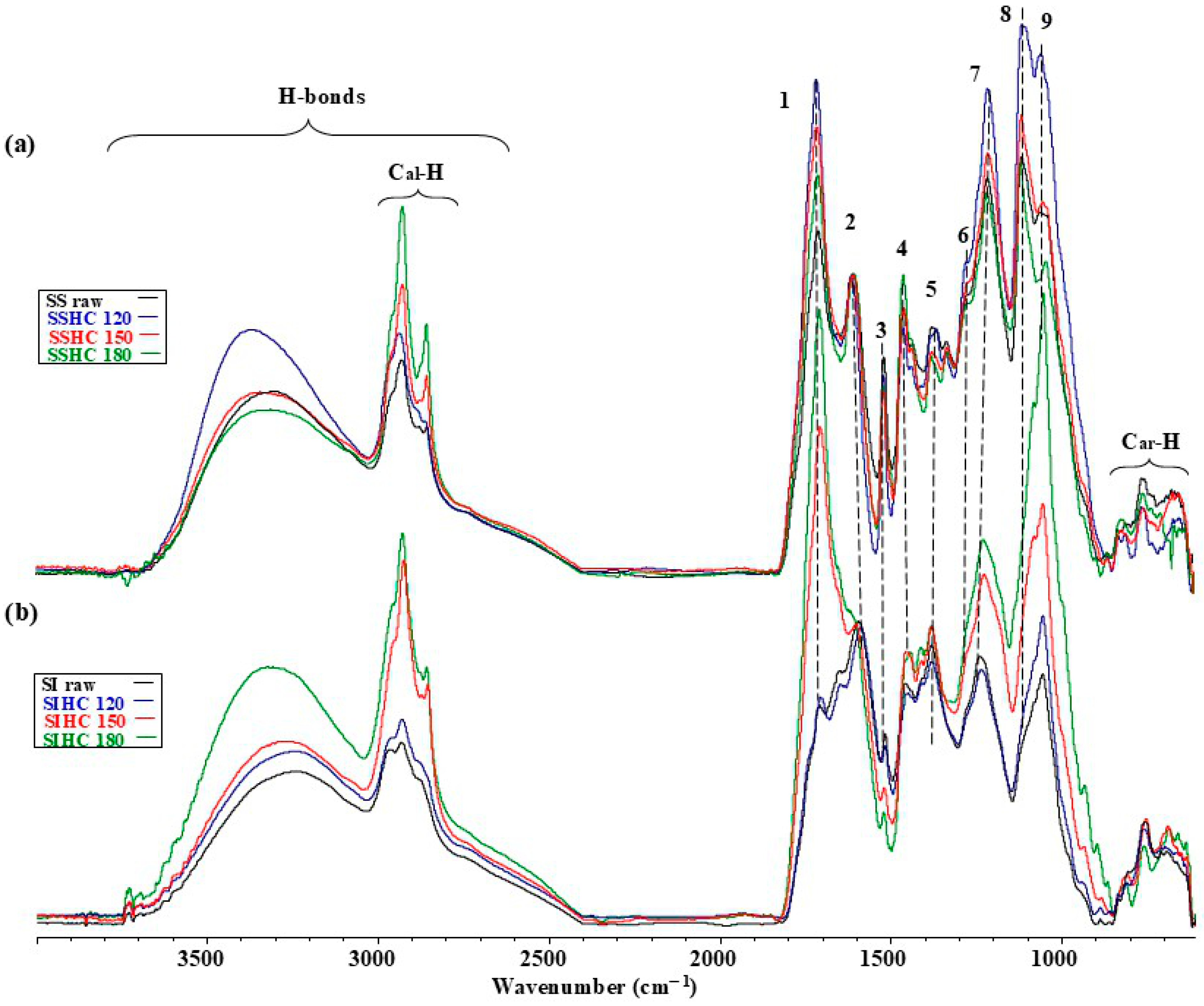
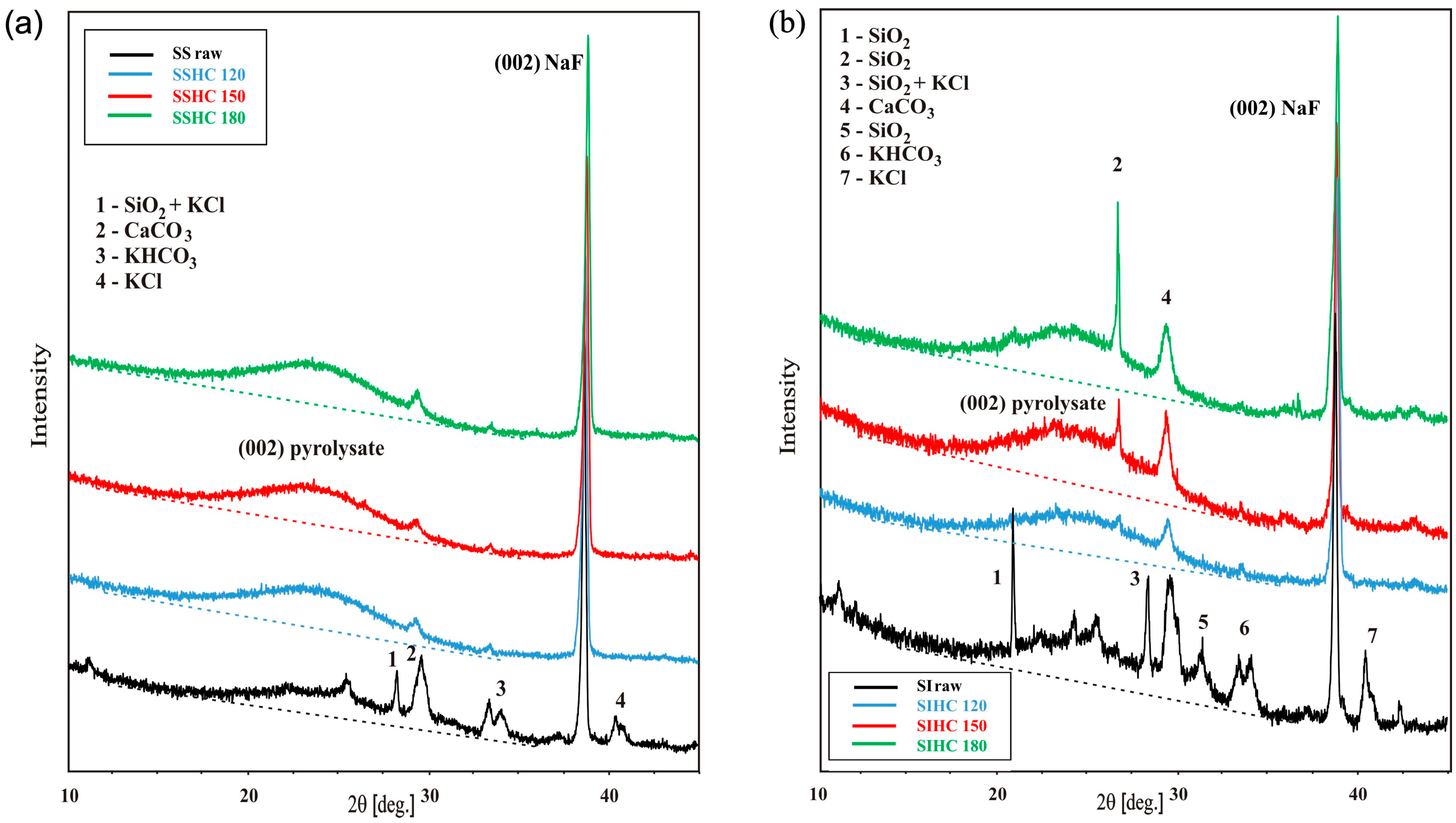
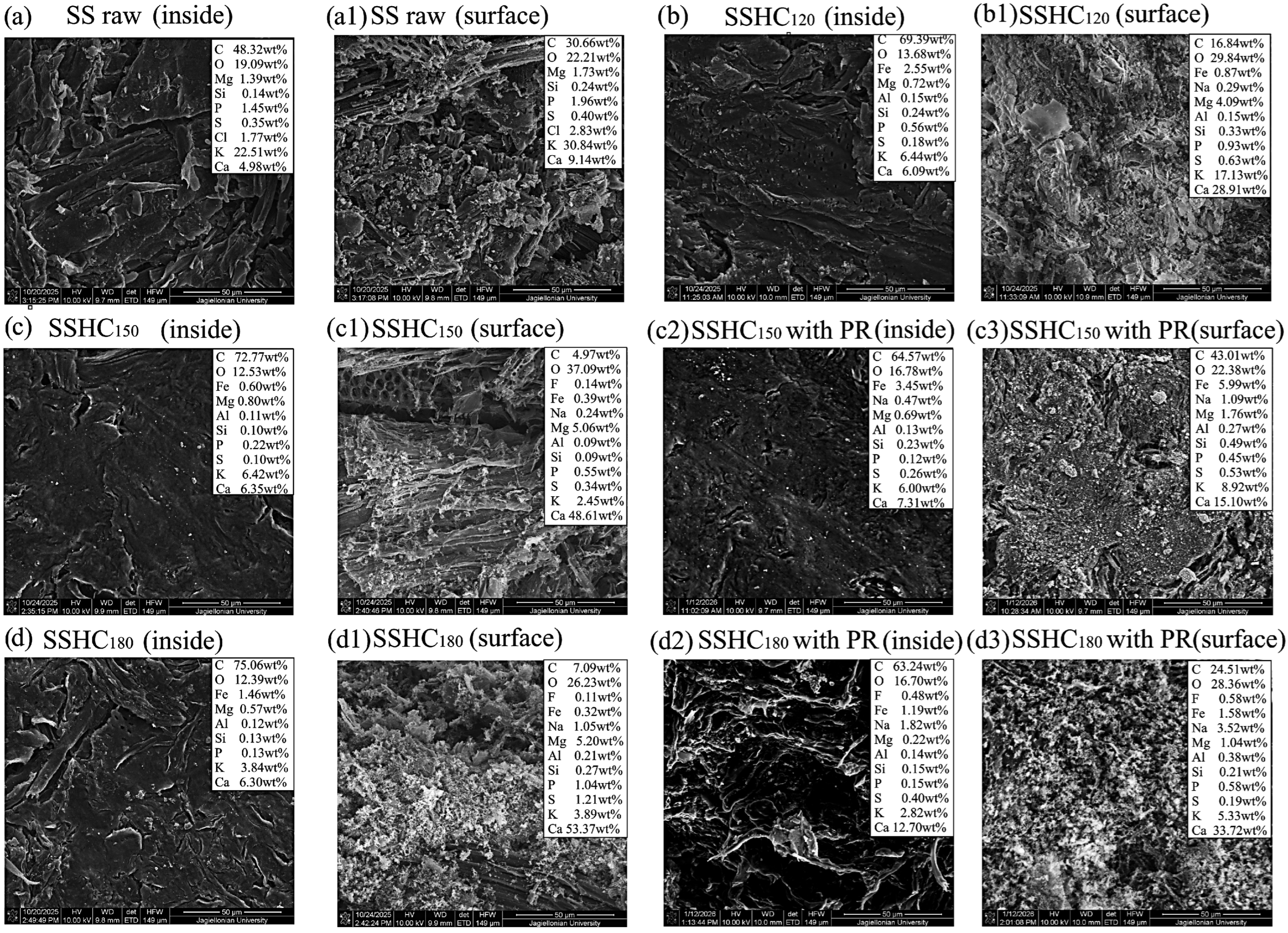
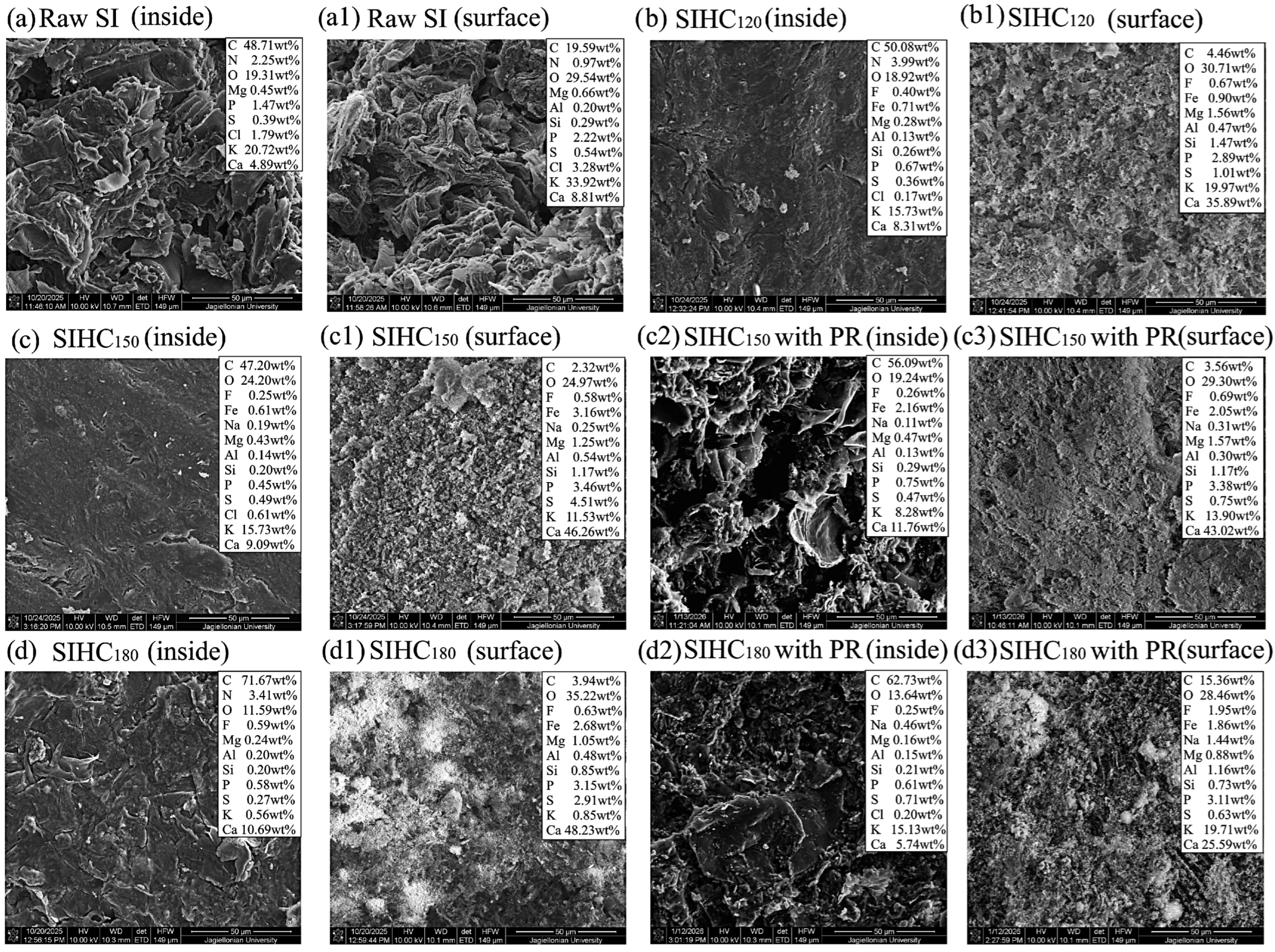
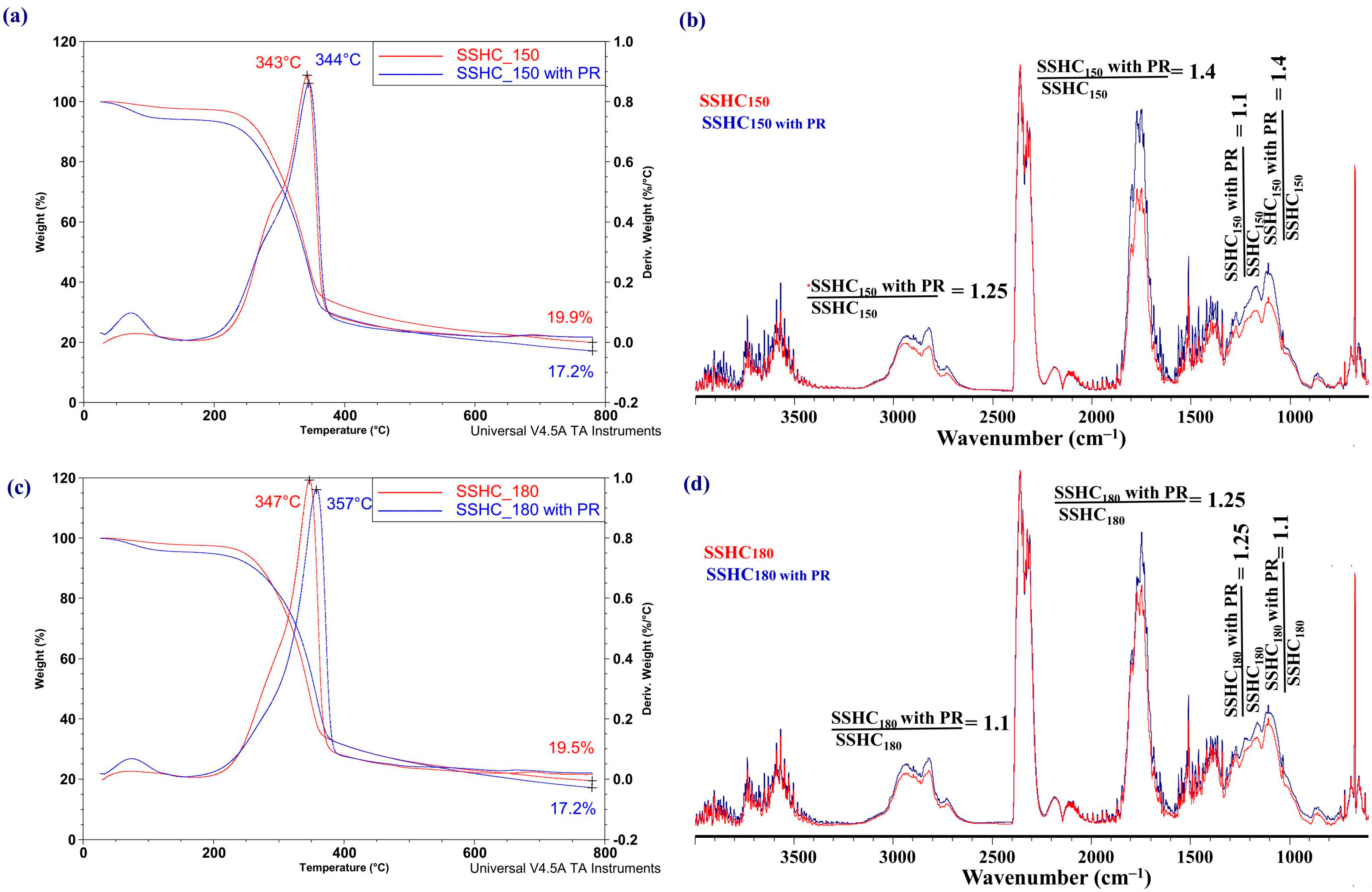
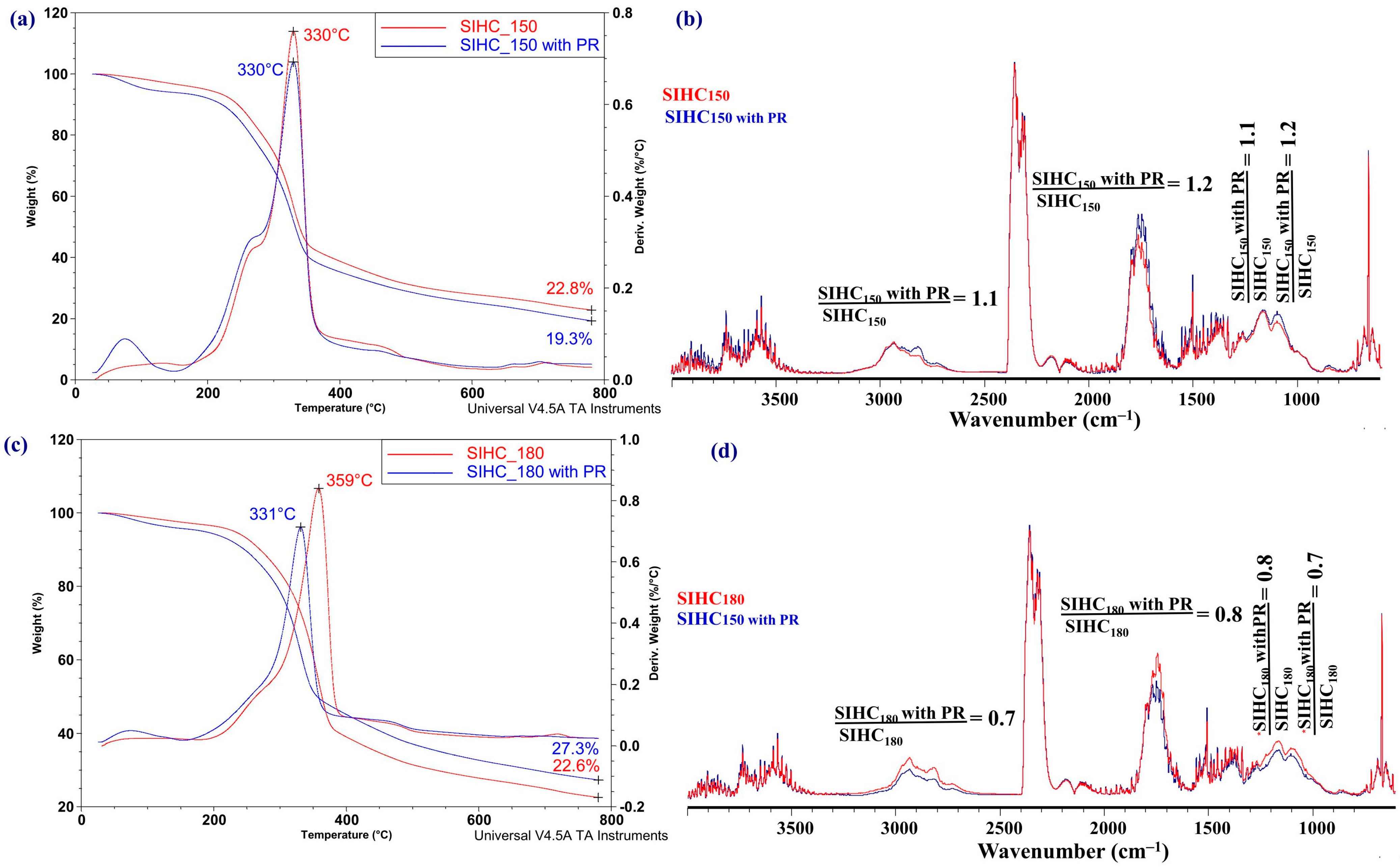
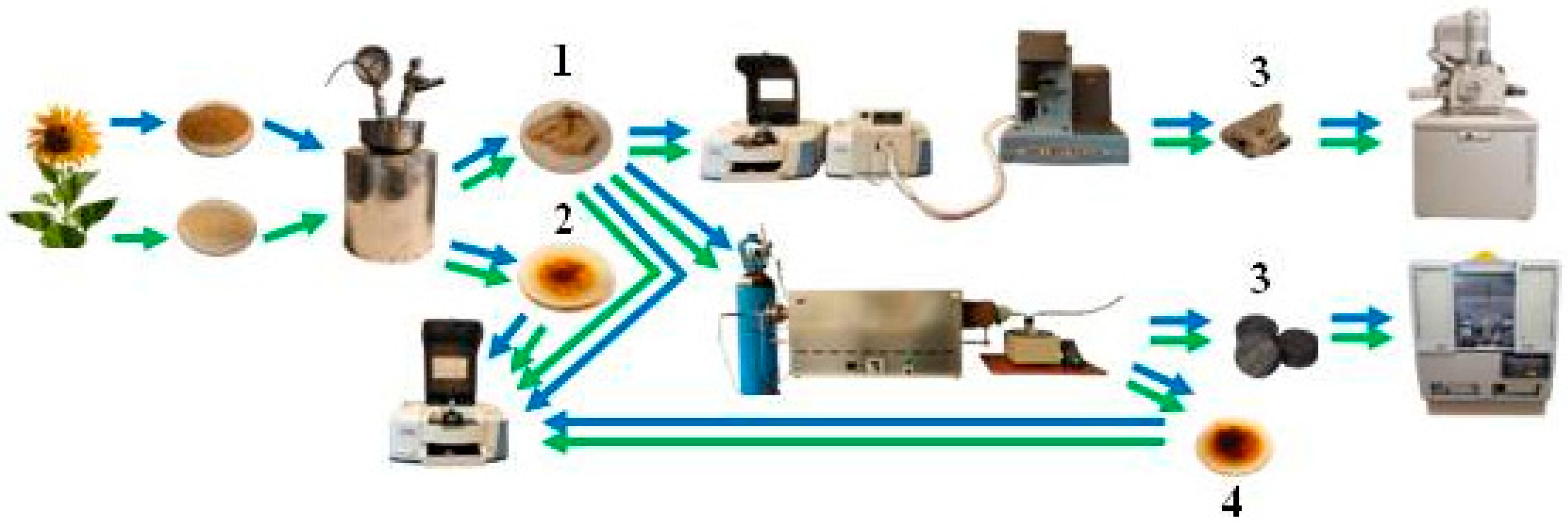
The Influence of Autohydrolysis Temperature and the Addition of 2 wt% of Expired Paracetamol on the Thermal Behavior and Composition of Pyrolysis Products After Hydrothermal Treatment of Sunflower Stems (SSs) and Sunflower Inflorescences (SIs)

Abstract
Share and Cite
Strojwas, A.; Zubkova, V.; Masternak, J.; Stabrawa, I. The Influence of Autohydrolysis Temperature and the Addition of 2 wt% of Expired Paracetamol on the Thermal Behavior and Composition of Pyrolysis Products After Hydrothermal Treatment of Sunflower Stems (SSs) and Sunflower Inflorescences (SIs). Molecules 2026, 31, 1236. https://doi.org/10.3390/molecules31081236
Strojwas A, Zubkova V, Masternak J, Stabrawa I. The Influence of Autohydrolysis Temperature and the Addition of 2 wt% of Expired Paracetamol on the Thermal Behavior and Composition of Pyrolysis Products After Hydrothermal Treatment of Sunflower Stems (SSs) and Sunflower Inflorescences (SIs). Molecules. 2026; 31(8):1236. https://doi.org/10.3390/molecules31081236
Chicago/Turabian StyleStrojwas, Andrzej, Valentina Zubkova, Joanna Masternak, and Ilona Stabrawa. 2026. "The Influence of Autohydrolysis Temperature and the Addition of 2 wt% of Expired Paracetamol on the Thermal Behavior and Composition of Pyrolysis Products After Hydrothermal Treatment of Sunflower Stems (SSs) and Sunflower Inflorescences (SIs)" Molecules 31, no. 8: 1236. https://doi.org/10.3390/molecules31081236
APA StyleStrojwas, A., Zubkova, V., Masternak, J., & Stabrawa, I. (2026). The Influence of Autohydrolysis Temperature and the Addition of 2 wt% of Expired Paracetamol on the Thermal Behavior and Composition of Pyrolysis Products After Hydrothermal Treatment of Sunflower Stems (SSs) and Sunflower Inflorescences (SIs). Molecules, 31(8), 1236. https://doi.org/10.3390/molecules31081236