Technological Approaches for Olive Oil Flavoring and Their Impact on Oxidative Stability and Nutritional Quality: A Review

 ,
,  ,
,  ,
,  , , and
Abstract
1. Introduction
2. Chemical Composition of Olive Oil
3. Volatile Compounds of EVOO

| Chemical Class | Representative Volatile Compounds | Origin/Formation | Reported Sensory Relevance | Main Factors Affecting Concentration | Ref |
|---|---|---|---|---|---|
| C6 aldehydes | Hexanal, (E)-2-hexenal, (Z)-3-hexenal, (E)-3-hexenal | LOX pathway from linoleic and α-linolenic acids; hydroperoxides are cleaved by hydroperoxide lyase | Important contributors to green and fruity notes; (E)-2-hexenal is associated with cut-grass/lawn and bitter-almond perceptions; hexanal contributes to green and other sensory attributes | Cultivar, ripeness, malaxation time and temperature, agronomic conditions | [26,28,29,31] |
| C6 alcohols | Hexan-1-ol, (Z)-3-hexen-1-ol, (E)-3-hexen-1-ol, (E)-2-hexen-1-ol | Reduction of C6 aldehydes by alcohol dehydrogenase (ADH) | (Z)-3-hexen-1-ol is associated with green sensations; some C6 alcohols can be associated with less attractive sensory perceptions depending on their concentration | Cultivar/ADH activity, ripening, malaxation temperature and duration | [25,28,29] |
| C6 esters | Hexyl acetate, (Z)-3-hexenyl acetate | Esterification of C6 alcohols by alcohol acetyltransferase | Important contributors to delicate green, fruity and banana-like notes | Malaxation time and particularly temperature; cultivar/AAT activity | |
| C5 carbonyls and alcohols | 1-Penten-3-one, 1-penten-3-ol, (E)-2-pentenal, (E)-2-penten-1-ol | Secondary reactions associated with the LOX pathway | 1-Penten-3-one contributes to several sensory attributes and has been related to bitter and pungent perceptions | Malaxation temperature and duration; cultivar | [28] |
| Terpenes/hydrocarbons | 3-Carene, terpene hydrocarbons and other cultivar-dependent hydrocarbons | Mainly related to genetic and varietal characteristics | Can contribute to varietal aroma and may serve as markers of cultivar or geographic origin | Genotype, cultivar, geographical origin | [30] |
| Short-chain esters associated with defects | Ethyl butanoate, ethyl propanoate, butyl acetate | Mainly associated with fermentative processes in inadequately stored fruits | Ethyl butanoate showed particularly high sensory relevance in the fusty defect | Pre-extraction fruit storage and microbial activity | [31] |
| Short-chain acids | Acetic, propanoic, butanoic, pentanoic acids | Fermentative metabolism and/or degradation reactions | Acetic acid is strongly associated with winey–vinegary notes; propanoic and butanoic acids contribute to fusty defects | Fruit storage, fermentation and microbial activity | |
| Microbial/defect-related alcohols | 3-Methylbutan-1-ol, 1-octen-3-ol | Microbial degradation and fermentation | 1-Octen-3-ol is a major contributor to mustiness–humidity; 3-methylbutanol contributes to winey–vinegary and other defective profiles | Poor fruit storage, humidity and microbial development | |
| Oxidation-derived aldehydes | Nonanal, (E)-2-heptenal, (E)-2-octenal, 2,4-heptadienal, 2,4-decadienal | Secondary products of lipid autoxidation | Fatty, oily, painty, pungent and rancid notes | Oxygen exposure, storage time and oxidative deterioration | [31,32] |
| Storage-related VOCs | Hexanal, nonanal, trans,trans-2,4-octadienal, acetic acid, 1-octen-3-ol | Increase during progressive oxidative/storage deterioration | Associated with reduction in fresh/herbaceous sensory characteristics during use | Time, oxygen exposure after bottle opening, initial phenolic content | [32] |
4. Flavoring Technologies
4.1. Conventional Extraction Technologies
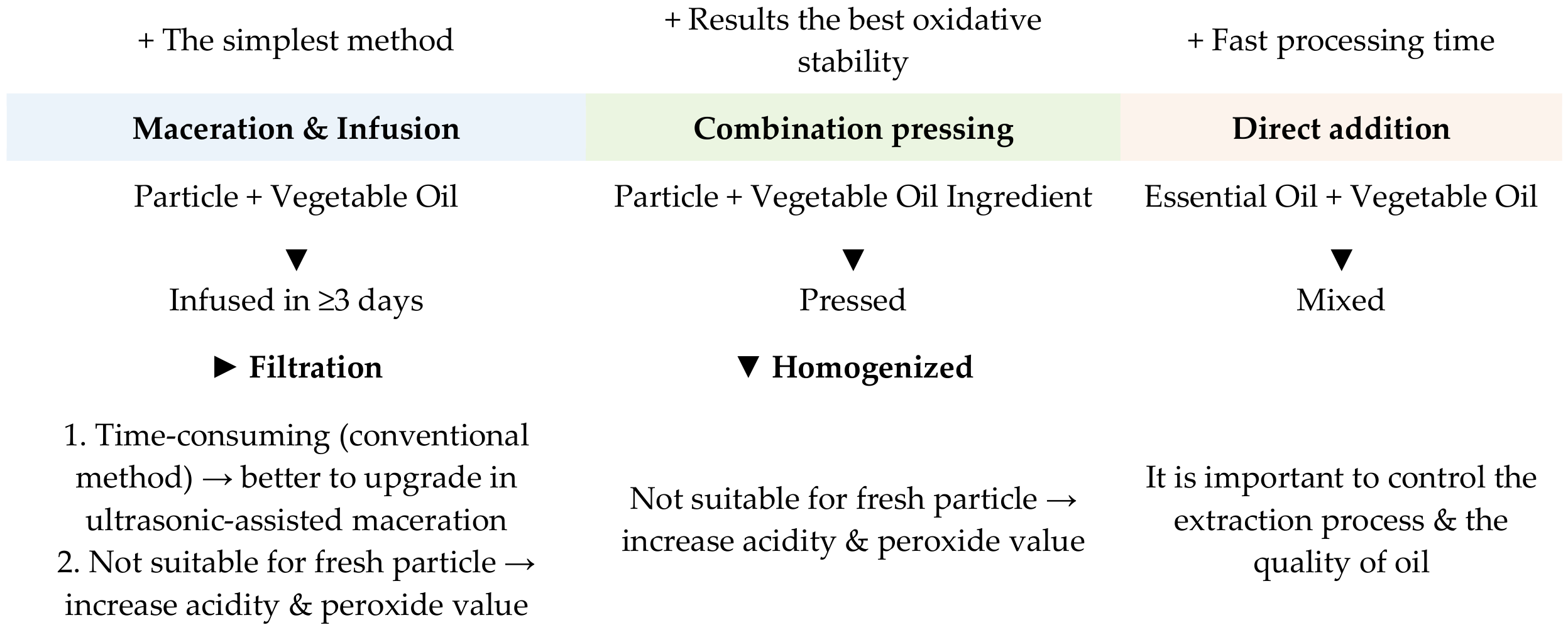
4.1.1. Maceration and Infusion
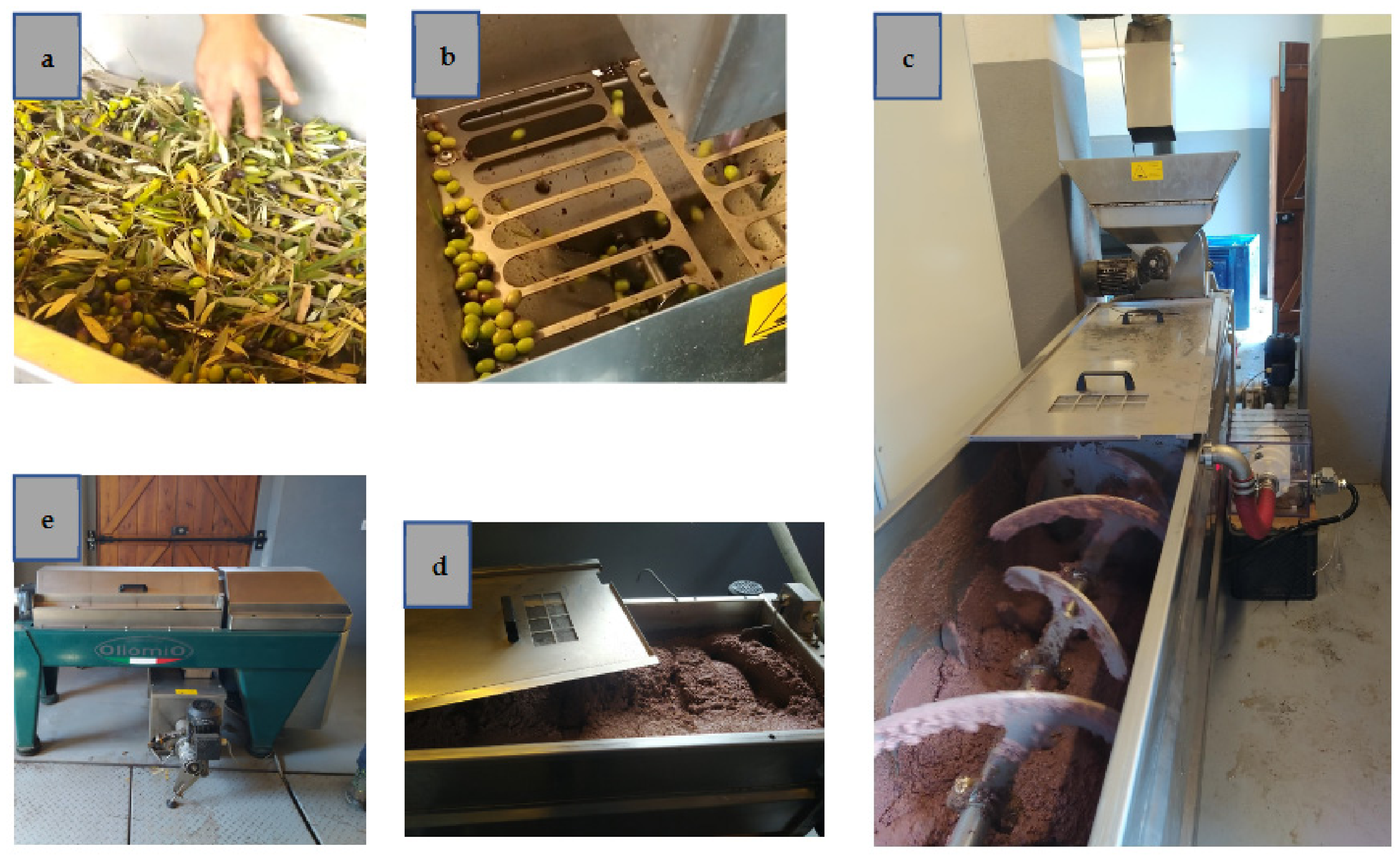
4.1.2. Co-Pressing/Co-Processing
4.1.3. Direct Addition of Natural Extracts and Essential Oils
4.2. Emerging Extraction Technologies
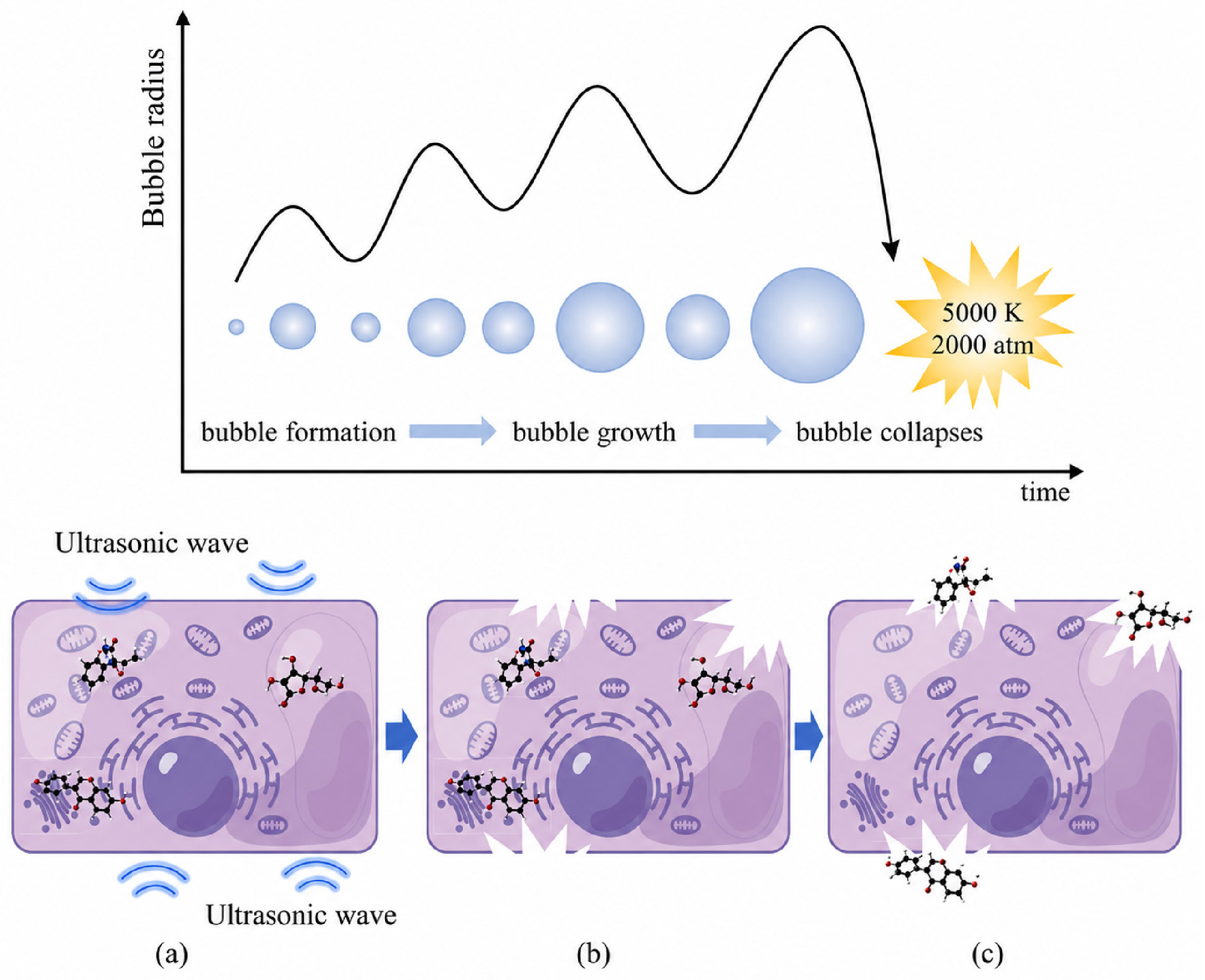
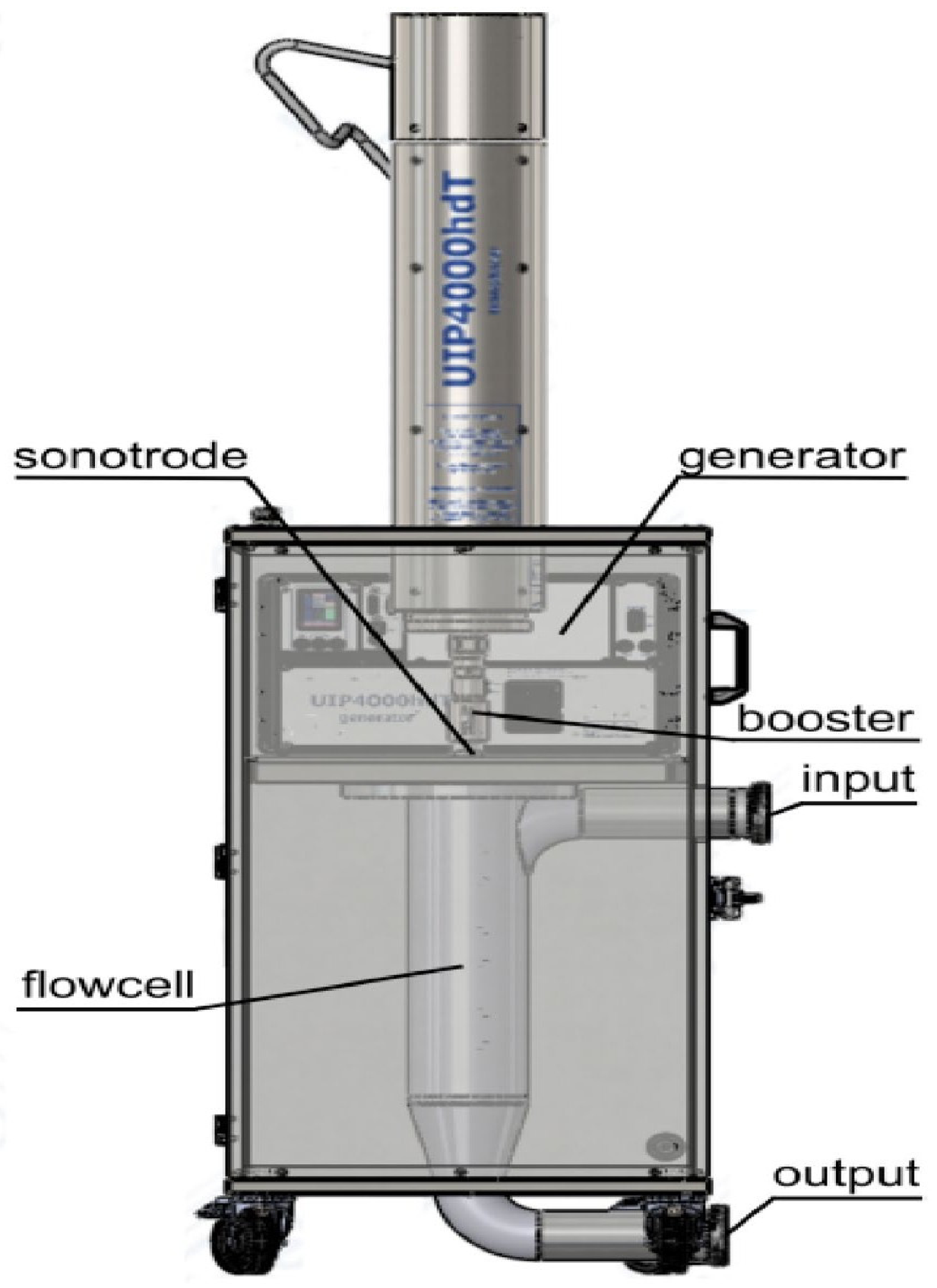
4.2.1. Ultrasonic-Assisted Extraction
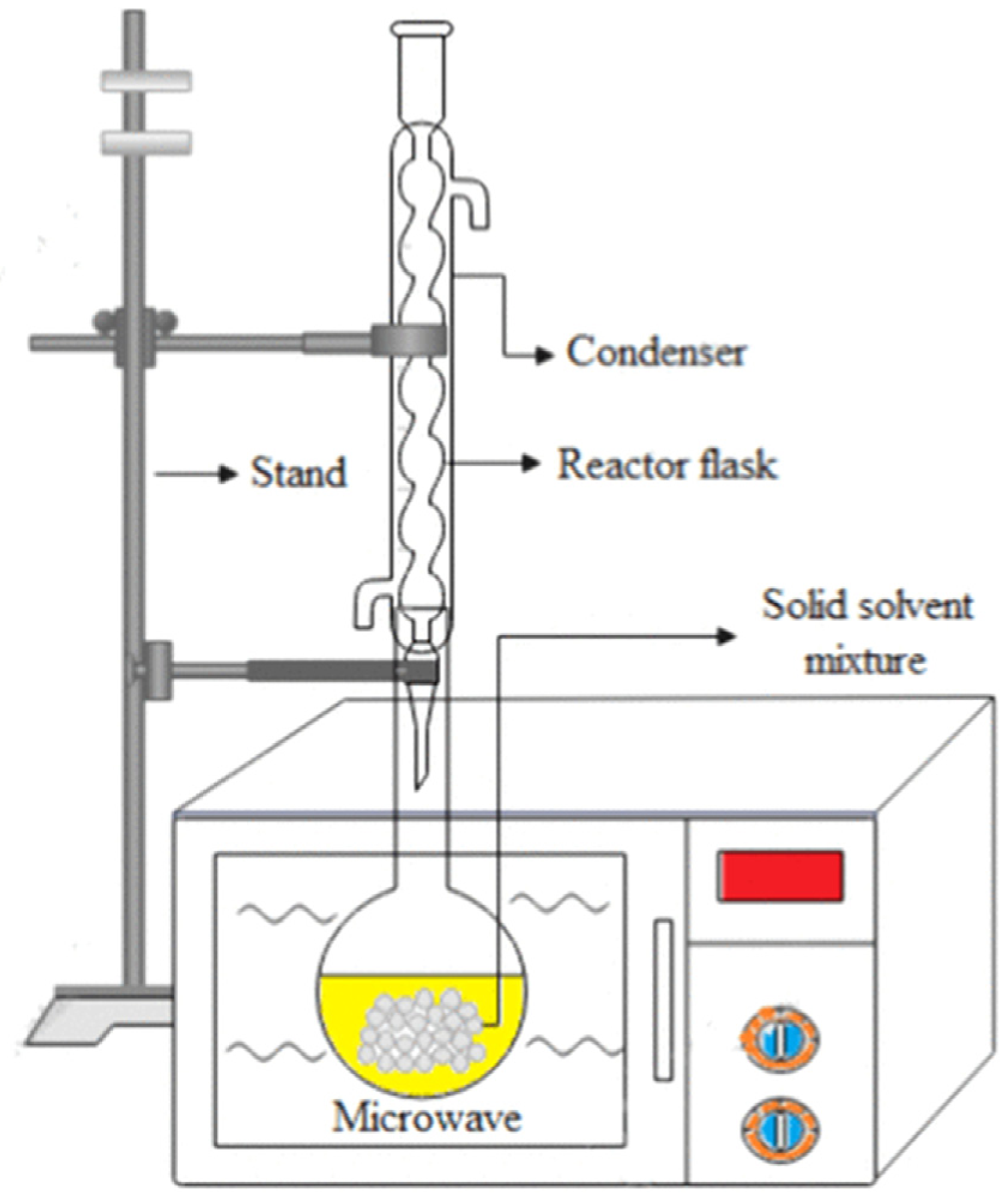
4.2.2. Microwave-Assisted Extraction
4.2.3. Pulsed Electric Field Technology
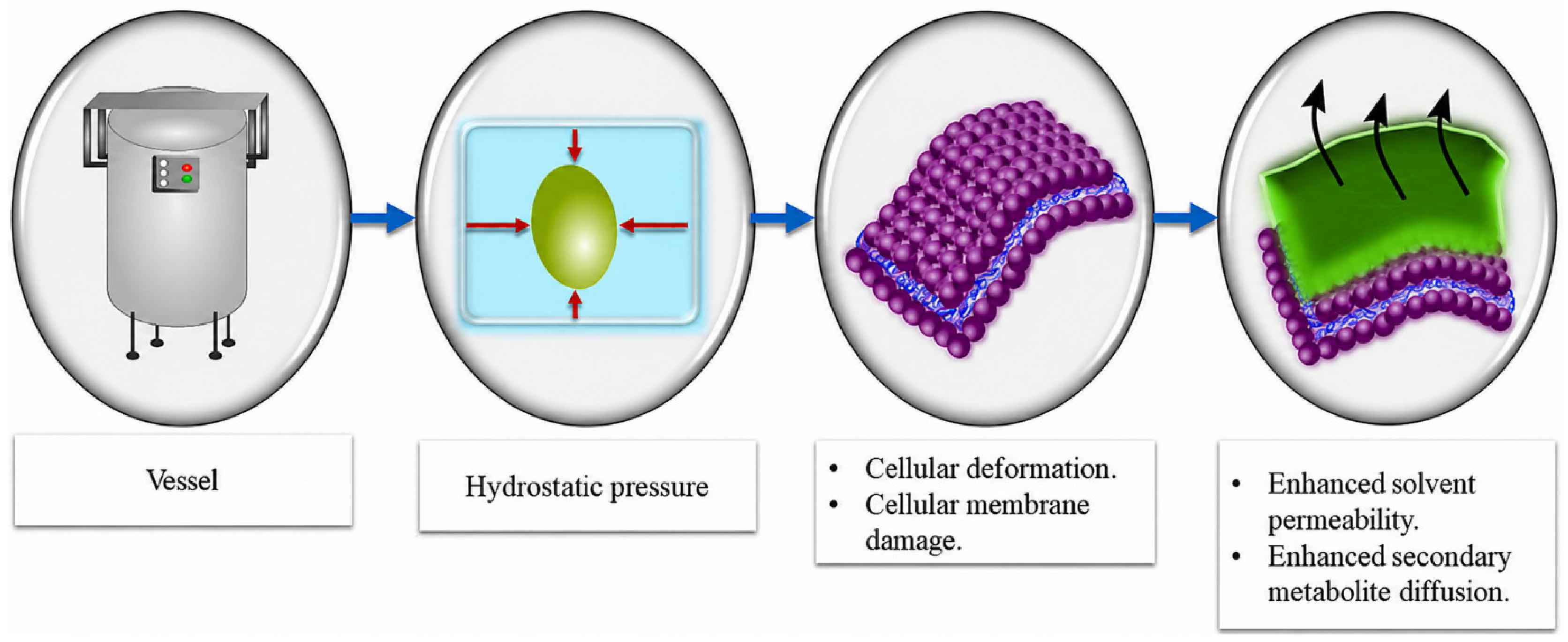
4.2.4. High-Pressure Processing
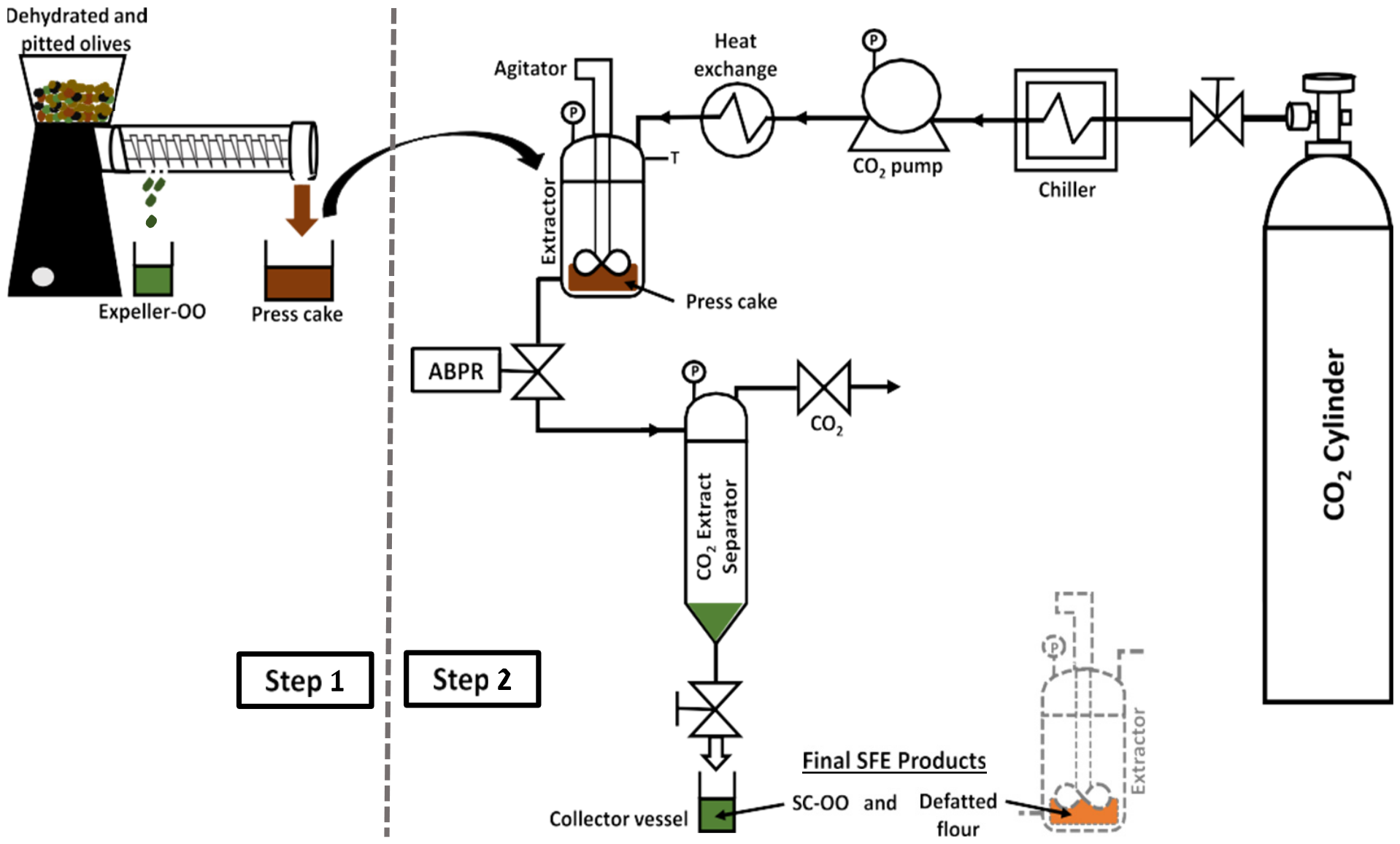
4.2.5. Supercritical Carbon Dioxide Extraction (Sc-CO2)
5. Comparative Analysis of Olive Oil Flavoring Technologies
| Technique/Category | Polyphenol Enhancement | Oxidative Stability | Processing Time | Energy Consumption | Relative Cost | Industrial Applicability | Main Limitations | Ref |
|---|---|---|---|---|---|---|---|---|
| Traditional maceration and infusion | Low to moderate, depending strongly on infusion time and ingredient type | Low to moderate; fresh plant materials may increase acidity and peroxide values | Long, generally ≥3 days | Very low because the process is mainly passive | Very low | Easily scalable and simple to implement | Time-consuming; poorly suited to fresh ingredients that may promote acidity and oxidation | [15,43,65] |
| Combined pressing or co-pressing | Noticeable improvement in nutritional value and antioxidant activity | Generally high compared with other traditional methods | Moderate; integrated into the pressing stage | Low | Low | Easily integrated into existing pressing lines | Fresh herbs or spices may increase acidity and peroxide values | [52,65] |
| Direct addition of essential oils or extracts | Variable, depending on the type and concentration of the added extract | Potentially low; acid, p-anisidine, and total oxidation values may increase | Very short, generally a few minutes | Very low | Low | Simple to implement at industrial scale | May impair several oxidative quality parameters; high concentrations may also cause undesirable sensory effects | [43] |
| Ultrasound-assisted extraction (UAE) | Marked increase in oleuropein, tocopherols, and phenolic compounds | Generally improved, particularly during oil aromatization | Strongly reduced, from several days to a few minutes | Generally lower than conventional methods, although comparisons remain mainly qualitative | Moderate | Industrial scale-up is feasible but still limited by the lack of standardized operating parameters | No consensus regarding amplitude, power, and treatment duration; excessive power or prolonged treatment may degrade sensitive compounds | [2,53,54,59] |
| Microwave-assisted extraction (MAE) | Variable, depending on the matrix, solvent, and target compounds | Insufficiently quantified and highly dependent on operating conditions | Short, although treatment parameters remain poorly standardized | Often reported as reduced, but quantitative comparative data are limited | Moderate to high, depending on the equipment | Mainly validated at laboratory or pilot scale | Lack of standardized protocols; limited reproducibility; risk of overheating; insufficient energy and large-scale validation data | [15,16,63,64,66] |
| Pulsed electric fields (PEF) | Heterogeneous and cultivar-dependent; substantial increases have been reported for Carolea, Coratina, and Ottobratica, but limited effects for Manzanilla, Empeltre, and Nocellara del Belice | Generally reported as neutral or beneficial, although large-scale evidence remains limited | Malaxation time may be reduced by up to approximately 33% | Approximately 1.6–70 kJ/kg; the wide range indicates limited standardization | High initial investment, with potential profitability at medium or large scale | More suitable for medium- and large-scale production; equipment rental or shared use may be preferable for small facilities | Results are difficult to generalize; strong dependence on cultivar and treatment parameters; insufficient energy standardization | [17,43,70] |
| High-pressure processing (HPP) | Contrasting results for olive oil: secoiridoids may increase, whereas some phenolic compounds may decrease because of PPO and POX activity | Variable; lipid oxidation may increase in high-fat matrices | Short cycles, generally 3–7 min, but the process is discontinuous | High; reported values range from 2.5 to 3.2 kWh/kg and may greatly exceed those of thermal treatment | High; equipment costs may reach approximately US$2.5 million per unit | Adoption remains limited because of high capital costs and batch operation | High capital and operating costs; discontinuous process; limited suitability for certain matrices | [13,71,72,84] |
| Supercritical CO2 extraction (Sc-CO2) | Adjustable selectivity; highly effective for lipophilic compounds but less efficient for highly polar compounds without a co-solvent | Good preservation of thermosensitive compounds because of moderate temperatures and limited oxygen exposure | Variable, depending on pressure, temperature, CO2 flow rate, and matrix characteristics | CO2 compression is energy-intensive despite the relatively moderate operating temperatures | High because of the required high-pressure equipment | Mainly operated in batch mode; industrial scale-up remains technically complex | High investment cost; sensitivity to matrix moisture; need for qualified personnel; limited efficiency for polar compounds | [16,88,89] |
| Main Focus | Main Composition/Compounds Considered | Techniques/Processes Covered | Representative Conditions Reported | Flavoring | Emerging Technologies | Oxidative Stability | Industrial Aspects | Ref |
|---|---|---|---|---|---|---|---|---|
| Chemical composition of olive oil and health effects | Fatty acids, polyphenols, vitamins, minerals and other minor constituents; emphasis on phenolic antioxidants | Conventional olive-oil extraction; discussion of press, two-phase centrifugation and three-phase centrifugation | No standardized operating conditions are compared; the paper discusses three industrial-scale extraction systems and factors such as cultivar, ripeness, storage and extraction technology | No | No | Limited | Limited | [6] |
| Emerging technologies for EVOO production, consumer acceptance and olive-mill waste valorization | Phenolic compounds, tocopherols, chlorophylls, carotenoids, volatile compounds and conventional quality parameters | PEF, HPP, ultrasound/high-power ultrasound and microwave treatments compared with conventional EVOO extraction | Conditions vary among studies; examples include PEF at 0.7–1.3 kV/cm, energy inputs up to tens of kJ/kg, and HPP around 608 MPa for 6 min | No | Yes | Yes | Partial | [14] |
| Extraction of plant bioactives and enrichment of vegetable oils with natural antioxidants | Polyphenols, flavonoids, carotenoids, tocopherols, volatile compounds, essential oils and other plant antioxidants | Maceration/infusion, co-processing, essential-oil addition, extract addition, ultrasound-assisted enrichment, microwave-assisted infusion and several upstream extraction technologies | Highly method-dependent; examples include flavored oils stored for 7 months after maceration; rosemary/thyme-enriched oils heated for 24 h at 180 °C; ultrasound reduced treatment from hours/days to minutes; microwave-assisted rosemary infusion produced flavored oil within a few minutes | Yes | Yes | Yes | Partial | [15] |
| Advanced extraction of bioactive compounds from natural sources | Phenolics, flavonoids, alkaloids, essential oils, polysaccharides and other natural bioactives | SFE, MAE, UAE, subcritical solvent extraction, SPME and combined/green extraction techniques | Conditions depend on matrix and target compound; examples include SFE at 25 MPa, 40 °C, 30 min and MAE power in the 500–700 W range in cited case studies; solvent, temperature, time and ultrasound amplitude are treated as key variables | No | Yes | No | Yes, general | [16] |
| Sustainable vegetable-oil extraction and phenolic enrichment/stabilization | Phenolics, tocopherols, sterols, hydroxytyrosol, oleuropein derivatives, lignans, chlorophylls, carotenoids and volatile compounds | PEF, HHP, UAE, EAE, SWE, emulsions, microemulsions and nanoemulsions | Wide range according to cultivar/technology; PEF examples include 2–24 kV/cm and approximately 4–70 kJ/kg; HHP studies include 200–600 MPa for 1–5 min | Limited/indirect | Yes | Yes | Yes | [9,17] |
| Health effects and therapeutic potential of Olea europaea-derived secoiridoids | Oleuropein, oleocanthal, oleacein, ligstroside and related secoiridoids | Biological and pharmacological evidence; not an olive-oil processing technology review | Processing conditions are not a central subject; evidence is organized around biological mechanisms, bioavailability and therapeutic effects | No | No | No * | No | [9] |
| Antitumor properties of olive-derived compounds and extracts | Hydroxytyrosol, oleuropein, oleocanthal, oleacein, maslinic acid, phenolic alcohols, secoiridoids and triterpenes | Review of in vitro and in vivo biological studies | No olive-oil flavoring/extraction operating conditions are systematically compared | No | No | No * | No | [11] |
| Integrated comparison of conventional and emerging olive-oil flavoring technologies | Phenolics, secoiridoids, tocopherols, pigments, volatile compounds, fatty-acid profile and oxidation-related quality indicators | Maceration/infusion, co-pressing, direct addition, UAE, MAE, PEF, HPP and sc-CO2 | Compares treatment time, temperature, pressure, electric-field intensity, energy demand and other operating parameters across conventional and emerging methods | Yes | Yes | Yes | Yes | Present review |
6. Impact of Flavoring Technologies on Nutritional Quality and Health Properties
7. Regulatory Framework and Labeling
7.1. Definition and Chemical Specifications of EVOO
7.2. Recent Revisions and Global Harmonization
8. Challenges and Future Perspectives
8.1. Technological and Methodological Challenges
8.2. Industrial and Economic Challenges
8.3. Regulatory Challenges
8.4. Future Research Priorities
- Process standardization and cultivar-specific optimization: establish reproducible operating ranges for UAE, MAE, PEF, HPP, and Sc-CO2 according to olive cultivar, flavoring material, and targeted bioactive compounds, and evaluate hybrid processing strategies where appropriate.
- Long-term quality and safety assessment: conduct extended storage studies to determine changes in phenolic compounds, volatile profiles, oxidative stability, sensory quality, and microbiological safety under realistic storage conditions.
- Bioavailability and health effects: Complement compositional and in vitro studies with in vivo investigations and, where appropriate, human studies to determine whether technologically induced compositional changes translate into improved bioavailability and demonstrable nutritional or physiological benefits.
- Techno-economic and environmental assessment: perform techno-economic analyses and life-cycle assessments to quantify capital and operating costs, energy consumption, environmental impacts, and the feasibility of industrial-scale implementation.
- Packaging and consumer acceptance: investigate packaging systems that limit oxygen and light exposure and conduct sensory and consumer studies to determine acceptance of both flavored products and emerging processing technologies.
- Regulatory harmonization: develop internationally recognized analytical methods, quality criteria, labeling rules, and product classifications specifically adapted to flavored olive oils.
9. Conclusions
Author Contributions
Funding
Institutional Review Board Statement
Informed Consent Statement
Data Availability Statement
Acknowledgments
Conflicts of Interest
Abbreviations
| 3,4-DHPEA-EDA | Dialdehydic form of decarboxymethyl oleuropein aglycone (oleacein) |
| AAT | Alcohol Acetyltransferase |
| ABTS | 2,2′-Azino-bis(3-ethylbenzothiazoline-6-sulfonic acid) |
| ADH | Alcohol Dehydrogenase |
| DPPH | 2,2-Diphenyl-1-picrylhydrazyl |
| EAE | Enzyme-Assisted Extraction |
| EEC | European Economic Community |
| EU | European Union |
| EVOO | Extra Virgin Olive Oil |
| GAE | Gallic Acid Equivalents |
| GC–MS | Gas Chromatography–Mass Spectrometry |
| HHP | High Hydrostatic Pressure |
| HPP | High-Pressure Processing |
| IOC | International Olive Council |
| LOX | Lipoxygenases |
| MAE | Microwave-Assisted Extraction |
| MUFAs | Monounsaturated Fatty Acids |
| OO | Olive Oil |
| PEF | Pulsed Electric Field |
| p-HPEA-EDA | Dialdehydic form of decarboxymethyl ligstroside aglycone (oleocanthal) |
| POX | Peroxidase |
| PPO | Polyphenol Oxidase |
| PUFA | Polyunsaturated Fatty Acid |
| PV | Peroxide Value |
| Sc-CO2 | Supercritical Carbon Dioxide Extraction |
| SFA | Saturated Fatty Acid |
| SFE | Supercritical Fluid Extraction |
| SWE | Subcritical Water Extraction |
| TAGs | Triacylglycerols |
| TOTOX | Total Oxidation |
| UAE | Ultrasound-Assisted Extraction |
| VOCs | Volatile Organic Compounds |
| VOO | Virgin Olive Oil |
References
- Debs, E.; Abi-Khattar, A.-M.; Rajha, H.N.; Abdel-Massih, R.M.; Assaf, J.-C.; Koubaa, M.; Maroun, R.G.; Louka, N. Valorization of Olive Leaves through Polyphenol Recovery Using Innovative Pretreatments and Extraction Techniques: An Updated Review. Separations 2023, 10, 587. [Google Scholar] [CrossRef] [Scilit]
- Contreras-Angulo, L.A.; Laaroussi, H.; Ousaaid, D.; Bakour, M.; Lyoussi, B.; Ferreira-Santos, P. Sustainable Valorization of Olive Oil By-Products: Green Extraction of Phytochemicals, Encapsulation Strategies, and Food Applications. J. Food Sci. 2025, 90, e70412. [Google Scholar] [CrossRef] [Scilit] [PubMed]
- Teixeira, P.; Amorim, I.; Brito, A.M.; Magalhães, D.; Guedes, S. Development of an Exfoliant Soap from Subproducts of the Olive Oil Industry. U.Porto J. Eng. 2026, 12, 3–18. [Google Scholar] [CrossRef] [Scilit] [PubMed]
- Chéu-Guedes, M.H.; La Rubia, M.D.; Sánchez, S.; Ramos, N.; Pacheco, R. Characterization of Flavoured Olive Oils of ‘Madural’ Variety. Processes 2023, 11, 205. [Google Scholar] [CrossRef] [Scilit]
- Lazzarini, C.; Tura, M.; Mandrioli, M.; Setti, M.; Mokhtari, N.; Ait Elkassia, A.; Barbieri, S.; Valli, E.; Bendini, A.; Gallina Toschi, T. Characterization of New Flavored Oils Obtained Through the Co-Milling of Olives and Vegetable Food Products. Foods 2025, 14, 687. [Google Scholar] [CrossRef] [Scilit] [PubMed]
- Cizmarova, B.; Birkova, A.; Hubkova, B. Chemical Composition of Olive Oil-an Essential Component of the Mediterranean Diet and Its Impact on Human Health. Funct. Food Sci. 2022, 2, 136–143. [Google Scholar] [CrossRef] [Scilit]
- Marx, Í.M.G. Co-Extraction Technique Improves Functional Capacity and Health-Related Benefits of Olive Oils: A Mini Review. Foods 2023, 12, 1667. [Google Scholar] [CrossRef] [Scilit] [PubMed]
- Castillo-Luna, A.; Priego-Capote, F. Absolute Quantitation of Phenolic Compounds in Olive Oil for Health Claim Recognition. Antioxidants 2026, 15, 511. [Google Scholar] [CrossRef] [Scilit] [PubMed]
- Filardo, S.; Roberto, M.; Di Risola, D.; Mosca, L.; Di Pietro, M.; Sessa, R. Olea Europaea L-Derived Secoiridoids: Beneficial Health Effects and Potential Therapeutic Approaches. Pharmacol. Ther. 2024, 254, 108595. [Google Scholar] [CrossRef] [Scilit] [PubMed]
- Wang, W.; Du, L.; Wei, Q.; Lu, M.; Xu, D.; Li, Y. Synthesis and Health Effects of Phenolic Compounds: A Focus on Tyrosol, Hydroxytyrosol, and 3,4-Dihydroxyacetophenone. Antioxidants 2025, 14, 476. [Google Scholar] [CrossRef] [Scilit] [PubMed]
- Melo Ferreira, D.; Oliveira, M.B.P.P.; Alves, R.C. A Comprehensive Review of the Antitumor Activity of Olive Compounds: The Case of Olive Oil, Pomace, and Leaf Extracts, Phenolic Alcohols, Secoiridoids, and Triterpenes. Antioxidants 2025, 14, 237. [Google Scholar] [CrossRef] [Scilit] [PubMed]
- Nardella, M.; Moscetti, R.; Bedini, G.; Bandiera, A.; Chakravartula, S.S.N.; Massantini, R. Impact of Traditional and Innovative Malaxation Techniques and Technologies on Nutritional and Sensory Quality of Virgin Olive Oil—A Review. Food Chem. Adv. 2023, 2, 100163. [Google Scholar] [CrossRef] [Scilit]
- Olmo-Cunillera, A.; Pérez, M.; López-Yerena, A.; Abuhabib, M.M.; Ninot, A.; Romero-Aroca, A.; Vallverdú-Queralt, A.; Lamuela-Raventós, R.M. Oleacein and Oleocanthal: Key Metabolites in the Stability of Extra Virgin Olive Oil. Antioxidants 2023, 12, 1776. [Google Scholar] [CrossRef] [Scilit] [PubMed]
- Pérez, M.; López-Yerena, A.; Lozano-Castellón, J.; Olmo-Cunillera, A.; Lamuela-Raventós, R.M.; Martin-Belloso, O.; Vallverdú-Queralt, A. Impact of Emerging Technologies on Virgin Olive Oil Processing, Consumer Acceptance, and the Valorization of Olive Mill Wastes. Antioxidants 2021, 10, 417. [Google Scholar] [CrossRef] [Scilit] [PubMed]
- Oubannin, S.; Bijla, L.; Ahmed, M.N.; Ibourki, M.; El Kharrassi, Y.; Devkota, K.; Bouyahya, A.; Maggi, F.; Caprioli, G.; Sakar, E.H.; et al. Recent Advances in the Extraction of Bioactive Compounds from Plant Matrices and Their Use as Potential Antioxidants for Vegetable Oils Enrichment. J. Food Comp. Anal. 2024, 128, 105995. [Google Scholar] [CrossRef] [Scilit]
- Bhadange, Y.A.; Carpenter, J.; Saharan, V.K. A Comprehensive Review on Advanced Extraction Techniques for Retrieving Bioactive Components from Natural Sources. ACS Omega 2024, 9, 31274–31297. [Google Scholar] [CrossRef] [Scilit] [PubMed]
- Montoro-Alonso, S.; Expósito-Almellón, X.; Martínez-Baena, D.; Martínez-Martí, J.; Rueda-Robles, A.; Pérez-Gálvez, R.; Quirantes-Piné, R.; Lozano-Sánchez, J. Bioactive Enrichment and Sustainable Processing of Vegetable Oils: New Frontiers in Agri-Food Technology. Foods 2025, 14, 769. [Google Scholar] [CrossRef] [Scilit] [PubMed]
- Costa, J.; Baratto, M.C.; Borghini, F.; Nardin, R.; Riccaboni, A.; Pogni, R. Oxidative Stability of Extra Virgin Olive Oil Assessed by Electron Paramagnetic Resonance, Chemical Composition, and Multivariate Analysis. Curr. Res. Food Sci. 2026, 12, 101263. [Google Scholar] [CrossRef] [Scilit] [PubMed]
- Chabni, A.; Bañares, C.; Vázquez, L.; Torres, C.F. Combination of Expeller and Supercritical CO2 for the Extraction of a Phenolic-Rich Olive Oil—A Preliminary Chemical Characterization. J. Ind. Eng. Chem. 2025, 147, 755–767. [Google Scholar] [CrossRef] [Scilit]
- Chahdoura, H.; Mzoughi, Z.; Ziani, B.E.C.; Chakroun, Y.; Boujbiha, M.A.; El Bok, S.; M’hadheb, M.B.; Majdoub, H.; Mnif, W.; Flamini, G.; et al. Effect of Flavoring with Rosemary, Lemon and Orange on the Quality, Composition and Biological Properties of Olive Oil: Comparative Study of Extraction Processes. Foods 2023, 12, 1301. [Google Scholar] [CrossRef] [Scilit] [PubMed]
- Razem, M.; Suhag, R.; Buddhika, A.; Ferrentino, G. Enrichment of Mayonnaise with Plant-Based Antioxidants Enhances Phenolic Bioaccessibility and Oxidative Stability. Food Chem. X 2026, 33, 103475. [Google Scholar] [CrossRef] [Scilit] [PubMed]
- Bayram, I.; Decker, E.A. Underlying Mechanisms of Synergistic Antioxidant Interactions during Lipid Oxidation. Trends Food Sci. Technol. 2023, 133, 219–230. [Google Scholar] [CrossRef] [Scilit]
- Miftahurrahmi; Antarlina, S.S.; Ginting, E.; Khamidah, A.; Purwani, E.Y.; Sihono; Ismail, N.; Yustina, I.; Ambarsari, I.; Fauziah, L. Sorghum Phenolic Compounds: Chemistry, Health Benefits, Processing Effects, and Applications in Functional Foods. J. Agric. Food Res. 2026, 31, 103269. [Google Scholar] [CrossRef] [Scilit]
- Huang, Y.; Long, F.; Li, W.; Liu, C.; Zheng, C. Interaction of Polyphenols, Proteins, and Lipids: Formation, Characterization, and Functional Applications. Oil Crop Sci. 2026; in press. [CrossRef] [Scilit]
- Guerfel, M.; Ben Mansour, M.; Ouni, Y.; Guido, F.; Boujnah, D.; Zarrouk, M. Triacylglycerols Composition and Volatile Compounds of Virgin Olive Oil from Chemlali Cultivar: Comparison among Different Planting Densities. Sci. World J. 2012, 2012, 354019. [Google Scholar] [CrossRef] [Scilit] [PubMed]
- Tanouti, K.; Serghini-Caid, H.; Sindic, M.; Wathelet, J.-P.; Bouseta, A.; Elamrani, A. Volatile Compounds, Profiles of Virgin Olive Oils Produced In the Eastern Morocco: Oxidative Stability and Sensory Defects. J. Food Res. 2012, 1, 194. [Google Scholar] [CrossRef] [Scilit]
- Belbachir, Y.; El, H.; Melhaoui, R.; Beraich, A.; Elamrani, A.; Talhaoui, A.; El Farissi, H.; Melhaoui, R.; Beraich, A.; Elamrani, A.; et al. Exploring Accelerated Oxidative and Physicochemical Properties of Arbequina and Moroccan Picholine Olive Oils: A Preliminary Study on Molecular Interactions. Biocatal. Agric. Biotechnol. 2024, 56, 103037. [Google Scholar] [CrossRef] [Scilit]
- Angerosa, F.; Mostallino, R.; Basti, C.; Vito, R. Influence of Malaxation Temperature and Time on the Quality of Virgin Olive Oils. Food Chem. 2001, 72, 19–28. [Google Scholar] [CrossRef] [Scilit]
- Díaz-Montaña, E.J.; Aparicio-Ruiz, R.; Morales, M.T. Effect of Flavorization on Virgin Olive Oil Oxidation and Volatile Profile. Antioxidants 2023, 12, 242. [Google Scholar] [CrossRef] [Scilit] [PubMed]
- Cecchi, T.; Alfei, B. Volatile Profiles of Italian Monovarietal Extra Virgin Olive Oils via HS-SPME–GC–MS: Newly Identified Compounds, Flavors Molecular Markers, and Terpenic Profile. Food Chem. 2013, 141, 2025–2035. [Google Scholar] [CrossRef] [Scilit] [PubMed]
- Morales, M.T.; Luna, G.; Aparicio, R. Comparative Study of Virgin Olive Oil Sensory Defects. Food Chem. 2005, 91, 293–301. [Google Scholar] [CrossRef] [Scilit]
- Donnarumma, R.; Balivo, A.; Ambrosino, M.L.; De Luca, L.; Genovese, A.; Sacchi, R. Evolution of Sensory Properties of Extra Virgin Olive Oil with Different Levels of Total Polyphenols During Daily Consumption. Appl. Sci. 2026, 16, 3183. [Google Scholar] [CrossRef] [Scilit]
- Servili, M.; Taticchi, A.; Esposto, S.; Urbani, S.; Selvaggini, R.; Montedoro, G. Influence of the Decrease in Oxygen during Malaxation of Olive Paste on the Composition of Volatiles and Phenolic Compounds in Virgin Olive Oil. J. Agric. Food Chem. 2008, 56, 10048–10055. [Google Scholar] [CrossRef] [Scilit] [PubMed]
- Singh, P.K.; Singh, N.; Chopra, R.; Garg, M.; Chand, M.; Dhiman, A.; Homroy, S.; Talwar, B. Rosemary Bioactives as Antioxidant Agent: A Bidirectional Approach to Improving Human Health and Vegetable Oil Stability. Food Chem. Adv. 2025, 7, 100952. [Google Scholar] [CrossRef] [Scilit]
- Custureri, I.M.G.; Giuffrè, A.M.; Loizzo, M.R.; Tundis, R.; Soria, A.C.; Sicari, V. Bergamot Flavoured Olive Oil: Comparison between Enrichment Processes, Evaluation of Shelf-Life and Health Properties. Appl. Food Res. 2024, 4, 100400. [Google Scholar] [CrossRef] [Scilit]
- Caponio, F.; Durante, V.; Varva, G.; Silletti, R.; Previtali, M.A.; Viggiani, I.; Squeo, G.; Summo, C.; Pasqualone, A.; Gomes, T.; et al. Effect of Infusion of Spices into the Oil vs. Combined Malaxation of Olive Paste and Spices on Quality of Naturally Flavoured Virgin Olive Oils. Food Chem. 2016, 202, 221–228. [Google Scholar] [CrossRef] [Scilit] [PubMed]
- Yang, Z.; Liu, X.; Song, C.; Hu, B.; Tang, J.; Zhang, S.; Ao, Z.; Zhu, C.; Laghi, L. Effects of Ultrasonic-Assisted Maceration on Flavor, Metabolites and Antioxidant Properties of Kiwi Wine. LWT 2025, 227, 118002. [Google Scholar] [CrossRef] [Scilit]
- Durand, E.; Laguerre, M.; Bourlieu-Lacanal, C.; Lecomte, J.; Villeneuve, P. Navigating the Complexity of Lipid Oxidation and Antioxidation: A Review of Evaluation Methods and Emerging Approaches. Prog. Lipid Res. 2025, 97, 101317. [Google Scholar] [CrossRef] [Scilit] [PubMed]
- Grzelczyk, J.; Budryn, G.; Kołodziejczyk, K.; Ziętala, J. The Influence of Maceration and Flavoring on the Composition and Health-Promoting Properties of Roasted Coffee. Nutrients 2024, 16, 2823. [Google Scholar] [CrossRef] [Scilit] [PubMed]
- Cecchi, L.; Balli, D.; Urciuoli, S.; Urciuolo, A.; Bordiga, M.; Travaglia, F.; Zanoni, B.; Mulinacci, N. Co-Milling of Sound Olives with Fresh Chili Peppers Improves the Volatile Compound, Capsaicinoid and Sensory Profiles of Flavoured Olive Oil with Respect to the Typical Infusion. Food Chem. 2023, 404, 134696. [Google Scholar] [CrossRef] [Scilit] [PubMed]
- Peres, F.; Roldão, M.; Mourato, M.; Martins, L.L.; Ferreira-Dias, S. Co-Processed Olive Oils with Thymus Mastichina L.—New Product Optimization. Life 2021, 11, 1048. [Google Scholar] [CrossRef] [Scilit] [PubMed]
- Peres, F.; Marques, M.P.; Mourato, M.; Martins, L.L.; Ferreira-Dias, S. Ultrasound Assisted Coextraction of Cornicabra Olives and Thyme to Obtain Flavored Olive Oils. Molecules 2023, 28, 6898. [Google Scholar] [CrossRef] [Scilit] [PubMed]
- Yang, H.; Wang, Y.; Wang, D.; Wang, X. Difference among the Quality Indices, Chemical Composition and Frying Performance of Galangal Flavored Sunflower Oil Prepared by Three Methods. Grain Oil Sci. Technol. 2022, 5, 70–78. [Google Scholar] [CrossRef] [Scilit]
- Barreca, S.; La Bella, S.; Maggio, A.; Licata, M.; Buscemi, S.; Leto, C.; Pace, A.; Tuttolomondo, T. Flavouring Extra-Virgin Olive Oil with Aromatic and Medicinal Plants Essential Oils Stabilizes Oleic Acid Composition during Photo-Oxidative Stress. Agriculture 2021, 11, 266. [Google Scholar] [CrossRef] [Scilit]
- Kalompatsios, D.; Athanasiadis, V.; Giannakopoulou, A.; Mantiniotou, M.; Bozinou, E.; Papachatzis, A.; Lalas, S.I. Evaluation of Oxidative Stability and Antioxidant Capacity of Infused Olive Oil with Plant-Based Essential Oils. Lipidology 2026, 3, 14. [Google Scholar] [CrossRef] [Scilit]
- Gonçalves, T.R.; Teixeira, G.G.; Santos, P.M.; Matsushita, M.; Valderrama, P. Excitation-Emission Matrices and PARAFAC in the Investigation of the Bioactive Compound Effects from the Flavoring Process in Olive Oils. Microchem. J. 2023, 187, 108360. [Google Scholar] [CrossRef] [Scilit]
- Ennouri, M.; Smaoui, S.; Varzakas, T. Flavouring Tunisian Extra Virgin Olive Oil (EVOO) with Cloves: Quality Indices, Stability, and Consumers’ Purchase Survey. Foods 2025, 14, 2114. [Google Scholar] [CrossRef] [Scilit] [PubMed]
- Ayadi, M.A.; Grati-Kamoun, N.; Attia, H. Physico-Chemical Change and Heat Stability of Extra Virgin Olive Oils Flavoured by Selected Tunisian Aromatic Plants. Food Chem. Toxicol. 2009, 47, 2613–2619. [Google Scholar] [CrossRef] [Scilit] [PubMed]
- Frangipane, M.T.; Costantini, L.; Merendino, N.; Massantini, R. Antioxidant Profile and Sensory Analysis in Olive Oils of Different Quality Grades. Agriculture 2023, 13, 993. [Google Scholar] [CrossRef] [Scilit]
- Macaluso, M.; Mercanti, N.; Pieracci, Y.; Mangia, R.; Verdini, P.G.; Zinnai, A. Unconventional Extraction and Storage Strategies in Order to Enhance the Shelf Life of Virgin Olive Oil. Foods 2024, 13, 2088. [Google Scholar] [CrossRef] [Scilit] [PubMed]
- Predieri, S.; Medoro, C.; Magli, M.; Gatti, E.; Rotondi, A. Virgin Olive Oil Sensory Properties: Comparing Trained Panel Evaluation and Consumer Preferences. Food Res. Int. 2013, 54, 2091–2094. [Google Scholar] [CrossRef] [Scilit]
- Ayu, A.M.; Anjani, G.; Afifah, D.N.; Asikin, Y.; Ayustaningwarno, F. Enhancing Quality and Stability of Herbs, Spices, and Citrus Flavored Vegetable Oil: Challenges and Future Developments. Fut. Foods 2024, 10, 100455. [Google Scholar] [CrossRef] [Scilit]
- Belbahi, A.; Dairi, S.; Aoun, O.; Dahmoune, F.; Kadri, N.; Remini, H.; Hadjadj, M.; Cristol, J.P.; Madani, K.; Boulekbache-Makhlouf, L. Ultrasound Assisted Maceration with Pistachia lentiscus (Lentisk) Leaves to Enhance the Antioxidant Activity and the Oxidative Stability of Extra Virgin Olive Oil. J. Food Meas. Charact. 2023, 17, 4715–4726. [Google Scholar] [CrossRef] [Scilit]
- Guerra, D.R.; Pletsch, L.B.H.; Santos, S.P.; Robalo, S.S.; Ribeiro, S.R.; Emanuelli, T.; Bertuol, D.A.; Cichoski, A.J.; Wagner, R.; Barcia, M.T.; et al. Increase in the Bioactive Potential of Olive Pomace Oil after Ultrasound-Assisted Maceration. Foods 2023, 12, 2157. [Google Scholar] [CrossRef] [Scilit] [PubMed]
- Shen, L.; Pang, S.; Zhong, M.; Sun, Y.; Qayum, A.; Liu, Y.; Rashid, A.; Xu, B.; Liang, Q.; Ma, H.; et al. A Comprehensive Review of Ultrasonic Assisted Extraction (UAE) for Bioactive Components: Principles, Advantages, Equipment, and Combined Technologies. Ultrason. Sonochem. 2023, 101, 106646. [Google Scholar] [CrossRef] [Scilit] [PubMed]
- Corsetti, S.; Alessandroni, L.; Coppin, J.C.; Tonanni, V.; Floridi, M.; Sagratini, G. Cross-Supply-Chain by-Product Valorization: Optimization of Sorrento Lemon Peel Aromatization of Refined Olive and Grape Seed Oils via Ultrasound-Assisted Extraction. Appl. Food Res. 2026, 6, 101854. [Google Scholar] [CrossRef] [Scilit]
- Kraljić, K.; Filipan, K.; Balbino, S.; Obranović, M.; Vukušić Pavičić, T.; Jukić Špika, M.; Stulić, V.; Ivanov, M.; Herceg, Z.; Stuparević, I.; et al. Implementation of Pulsed Electric Field in Virgin Olive Oil Production: Impact on Oil Yield, Quality and Volatile Profile. Appl. Sci. 2025, 15, 12139. [Google Scholar] [CrossRef] [Scilit]
- Expósito-Almellón, X.; Munguía-Ubierna, Á.; Duque-Soto, C.; Borrás-Linares, I.; Quirantes-Piné, R.; Lozano-Sánchez, J. Optimized Ultrasound-Assisted Extraction for Enhanced Recovery of Valuable Phenolic Compounds from Olive By-Products. Antioxidants 2025, 14, 938. [Google Scholar] [CrossRef] [Scilit] [PubMed]
- Boffa, L.; Calcio Gaudino, E.; Grillo, G.; Binello, A.; Capaldi, G.; Rego, D.; Pereira, M.; Cravotto, G. Industrial Production of Bioactive Nutrient-Enhanced Extra Virgin Olive Oil under Continuous-Flow Ultrasound and Pulsed Electric Field Treatment. Foods 2024, 13, 2613. [Google Scholar] [CrossRef] [Scilit] [PubMed]
- Gagour, J.; Hallouch, O.; Asbbane, A.; Bijla, L.; Laknifli, A.; Lee, L.-H.; Zengin, G.; Bouyahya, A.; Sakar, E.H.; Gharby, S. A Review of Recent Progresses on Olive Oil Chemical Profiling, Extraction Technology, Shelf-Life, and Quality Control. Chem. Biodivers. 2024, 21, e202301697. [Google Scholar] [CrossRef] [Scilit] [PubMed]
- Bubulac, L.; Bogdan-Andreescu, C.F.; Voica, D.V.; Cristea, B.M.; Chiș, M.S.; Slăvescu, D.A. From Olive Oil to Pomace: Sustainable Valorization Pathways Linking Food Processing and Human Health. Appl. Sci. 2025, 15, 10717. [Google Scholar] [CrossRef] [Scilit]
- Juliano, P.; Gaber, M.A.F.M.; Romaniello, R.; Tamborrino, A.; Berardi, A.; Leone, A. Advances in Physical Technologies to Improve Virgin Olive Oil Extraction Efficiency in High-Throughput Production Plants. Food Eng. Rev. 2023, 15, 625–642. [Google Scholar] [CrossRef] [Scilit]
- Marđokić, A.; Maldonado, A.E.; Klosz, K.; Molnár, M.A.; Vatai, G.; Bánvölgyi, S. Optimization of Conditions for Microwave-Assisted Extraction of Polyphenols from Olive Pomace of Žutica Variety: Waste Valorization Approach. Antioxidants 2023, 12, 1175. [Google Scholar] [CrossRef] [Scilit] [PubMed]
- Tsevdou, M.; Ntzimani, A.; Katsouli, M.; Dimopoulos, G.; Tsimogiannis, D.; Taoukis, P. Comparative Study of Microwave, Pulsed Electric Fields, and High Pressure Processing on the Extraction of Antioxidants from Olive Pomace. Molecules 2024, 29, 2303. [Google Scholar] [CrossRef] [Scilit] [PubMed]
- Nid Ahmed, M.; Abourat, K.; Gagour, J.; Sakar, E.H.; Majourhat, K.; Koubachi, J.; Gharby, S. Valorization of Saffron (Crocus Sativus L.) Stigma as a Potential Natural Antioxidant for Soybean (Glycine Max L.) Oil Stabilization. Heliyon 2024, 10, e25875. [Google Scholar] [CrossRef] [Scilit] [PubMed]
- Yaman, M.; Arslan, S.N.; Gençay, G.; Nemli, E.; Peker, M.Y.; Şen, F.B.; Capanoglu, E.; Bener, M.; Apak, R. Optimization and Modeling of Ultrasound- and Microwave-Assisted Extraction of Turmeric to Efficiently Recover Curcumin and Phenolic Antioxidants Followed by Food Enrichment to Enhance Health-Promoting Effects. Food Sci. Nutr. 2025, 13, e70093. [Google Scholar] [CrossRef] [Scilit] [PubMed]
- Maheshwari, P.; Sharma, S.K.; Vats, S.; Bisht, C.; Singh, S.; Shukla, A.D.; Gangwar, A. Enhancing Yield, Quality, and Stability of Essential Oils by Application of Pulse Electric Field (PEF): A Review. J. Adv. Biol. Biotechnol. 2026, 29, 773–785. [Google Scholar] [CrossRef] [Scilit]
- Martínez-Beamonte, R.; Ripalda, M.; Herrero-Continente, T.; Barranquero, C.; Dávalos, A.; López de las Hazas, M.C.; Álvarez-Lanzarote, I.; Sánchez-Gimeno, A.C.; Raso, J.; Arnal, C.; et al. Pulsed Electric Field Increases the Extraction Yield of Extra Virgin Olive Oil without Loss of Its Biological Properties. Front. Nutr. 2022, 9, 1065543. [Google Scholar] [CrossRef] [Scilit] [PubMed]
- Yang, S.; Li, S.; Li, G.; Li, C.; Li, W.; Bi, Y.; Wei, J. Pulsed Electric Field Treatment Improves the Oil Yield, Quality, and Antioxidant Activity of Virgin Olive Oil. Food Chem. X 2024, 22, 101372. [Google Scholar] [CrossRef] [Scilit] [PubMed]
- Dias, S.; Pino-Hernández, E.; Gonçalves, D.; Rego, D.; Redondo, L.; Alves, M. Challenges and Opportunities for Pilot Scaling-Up Extraction of Olive Oil Assisted by Pulsed Electric Fields: Process, Product, and Economic Evaluation. Appl. Sci. 2024, 14, 3638. [Google Scholar] [CrossRef] [Scilit]
- Lisboa, H.M.; Pasquali, M.B.; dos Anjos, A.I.; Sarinho, A.M.; de Melo, E.D.; Andrade, R.; Batista, L.; Lima, J.; Diniz, Y.; Barros, A. Innovative and Sustainable Food Preservation Techniques: Enhancing Food Quality, Safety, and Environmental Sustainability. Sustainability 2024, 16, 8223. [Google Scholar] [CrossRef] [Scilit]
- Chaudhary, M.N.; Hussain, M.; Al-Ansi, W.; Luo, W. Rethinking Food Processing for a Sustainable Future: A Review of Innovative Nonthermal Technologies. Int. J. Environ. Agric. Biotechnol. 2024, 9, 123–134. [Google Scholar] [CrossRef] [Scilit]
- Shad, E.; Raninen, K.; Podergina, S.; Chan, L.I.; Tong, K.P.; Hälikkä, H.; Huovinen, M.; Korhonen, J. Impact of High-Pressure Processing on Quality and Safety of High-Oil-Content Pesto Sauce: A Comparative Study with Thermal Processing. Appl. Sci. 2024, 14, 9425. [Google Scholar] [CrossRef] [Scilit]
- Olmo-Cunillera, A.; Ribas-Agustí, A.; Lozano-Castellón, J.; Pérez, M.; Ninot, A.; Romero-Aroca, A.; Lamuela-Raventós, R.M.; Vallverdú-Queralt, A. High Hydrostatic Pressure Enhances the Formation of Oleocanthal and Oleacein in ‘Arbequina’ Olive Fruit. Food Chem. 2024, 437, 137902. [Google Scholar] [CrossRef] [Scilit] [PubMed]
- De Feo, M.; Conte, A.; Del Nobile, M.A. Supercritical Fluid Extraction to Valorise Fruit and Vegetable By-Products. Foods 2026, 15, 1692. [Google Scholar] [CrossRef] [Scilit] [PubMed]
- Lopes, G.d.S.; Conceição, M.A.; Hiranobe, C.T.; da Silva, C.; da Silva, E.A.; dos Santos, R.J.; Ferreira-Pinto, L. Supercritical CO2 Extraction from Bacupari (Garcinia Brasiliensis) and Leiteira (Tabernaemontana Catharinensis) Seeds. Sustain. Chem. 2025, 6, 35. [Google Scholar] [CrossRef] [Scilit]
- Shofinita, D.; Benigna Achmadi, A.; Tjahjadi, J.T.; Azizah, R.A.; Nopianti, R. Green Coffee Extracts: Advances in Green Extraction, Bioactivity, and Food Applications with Emphasis on Sustainable Processing. Sustain. Food Technol. 2026, 4, 3668–3688. [Google Scholar] [CrossRef] [Scilit]
- Milovanovic, S.; Lukic, I.; Stamenic, M.; Kamiński, P.; Florkowski, G.; Tyśkiewicz, K.; Konkol, M. The Effect of Equipment Design and Process Scale-up on Supercritical CO2 Extraction: Case Study for Silybum Marianum Seeds. J. Supercrit. Fluids 2022, 188, 105676. [Google Scholar] [CrossRef] [Scilit]
- Wei, J.; Tao, B.; Ye, Z.; Li, Y.; Zhou, Z. Ultrasound-Assisted Extraction of Carotenoids from Citrus Peel by Olive Oil and Its Application in Functional Emulsions. Ultrason. Sonochem. 2025, 122, 107629. [Google Scholar] [CrossRef] [Scilit] [PubMed]
- Nam, J.K.; Han, Y.J.; Kim, M.R.; Hyeon, J.E.; Jang, H.W. Application of Insect Oils in Bone Broth: Effects of Roasting and Ultrasound-Assisted Extraction on Meat-like Volatiles, Fatty Acid Profile and Sensory Properties. Food Chem. 2026, 525, 150290. [Google Scholar] [CrossRef] [Scilit] [PubMed]
- Binello, A.; Rosso, E.; Gandlevskiy, N.; Carnaroglio, D.; Visinoni, F.; Di Franco, M.; Barge, A.; Cravotto, G. A New Prototype Reactor for the Fast Microwave-Assisted Decarboxylation and Extraction of Cannabinoids in Olive Oil from Cannabis Inflorescences. Sustain. Chem. Pharm. 2023, 36, 101303–101312. [Google Scholar] [CrossRef] [Scilit]
- Tran, N.T.K.; Nguyen, V.B.; Van Tran, T.; Nguyen, T.T.T. Microwave-Assisted Extraction of Pectin from Jackfruit Rags: Optimization, Physicochemical Properties and Antibacterial Activities. Food Chem. 2023, 418, 135807. [Google Scholar] [CrossRef] [Scilit] [PubMed]
- Chen, Y.; Zhang, J.; Lan, S.; Lei, Y.; Zhou, X.; Ding, Y.; Liu, S.; Lu, B. Comparative Evaluation of Sequence-Dependent Effects of Pulsed Electric Field Coupled with Pectinase Treatment on Olive Oil Extraction Efficiency. Food Chem. 2026, 520, 149669. [Google Scholar] [CrossRef] [Scilit] [PubMed]
- Kusuma Nurjati, S.; Stevviani, R.; Purnawan, M.A. High-Pressure Processing (HPP) Energy Efficiency and Scalability Challenges in Ultra-Processed Meat: A Review. J. Clean Technol. 2025, 2, 45–56. [Google Scholar] [CrossRef] [Scilit]
- Lino, T.; Siclari, C.; Rodolfi, M.; Rinaldi, M.; Dhenge, R.; Bernini, V.; Marrella, M.; Fontechiari, L.; Galaverni, M.; Ganino, T. The Application of High-Pressure Processing and Green Preservation Media for the Extended Storage of Fresh Hop Cones. J. Agric. Food Res. 2026, 29, 103061. [Google Scholar] [CrossRef] [Scilit]
- Chabni, A.; Bañares, C.; Vázquez, L.; Torres, C.F. Chemical Characterization and Oxidative Status of Olive Oils Extracted by Expeller Pressing and Supercritical CO2 Extraction: Impact on Quality Standards and Their Regulatory Recognition. J. Food Comp. Anal. 2025, 148, 108249. [Google Scholar] [CrossRef] [Scilit]
- Martínez-Terol, S.; Pallarés, N.; Marti-Quijal, F.J.; Ros, R.; Martínez-Culebras, P.V.; Barba, F.J. Sequential Supercritical CO2 and Subcritical Water Extraction (SWE) of Olive Mill Wastewater (OMW) Sludge: Phenolic Enrichment and Contaminant Distribution Assessed by ICP–MS and UHPLC–MS/MS. Innov. Food Sci. Emerg. Technol. 2026, 113, 104730. [Google Scholar] [CrossRef] [Scilit]
- Herzyk, F.; Piłakowska-Pietras, D.; Korzeniowska, M. Supercritical Extraction Techniques for Obtaining Biologically Active Substances from a Variety of Plant Byproducts. Foods 2024, 13, 1713. [Google Scholar] [CrossRef] [Scilit] [PubMed]
- Nastić, N.; Mazumder, J.A.; Banat, F. Supercritical CO2 Extraction of Oil from Fruit Seed By-Product: Advances, Challenges, and Pathways to Commercial Viability. Crit. Rev. Food Sci. Nutr. 2026, 66, 589–606. [Google Scholar] [CrossRef] [Scilit] [PubMed]
- The European Commission Supplementing Regulation (EU) No 1308/2013 of the European Parliament and of the Council as Regards Marketing Standards for Olive Oil, and Repealing Commission Regulation. 2022. Available online: https://eur-lex.europa.eu/eli/reg_del/2022/2104/oj/eng (accessed on 15 September 2026).
- Food and Agriculture Organization of the United Nations. Codex Alimentarius Standard Standard for Olive Oils and Olive-Pomace Oils CXS 33-1981, ADOPTED 1981 Revised 2024; FAO: Rome, Italy, 2026; Available online: https://www.internationaloliveoil.org/what-we-do/chemistry-standardisation-unit/standards-and-methods/ (accessed on 15 September 2026).
- Arafat, S.M.; Basuny, A.M.; Awad-Allah, M.M.A.; Abdein, M.A.; Hikal, D.M. Quality Indices, Phenolic Compounds and Sensory Evaluation of Flavored Olive Oil. J. Oleo Sci. 2023, 72, 369–377. [Google Scholar] [CrossRef] [Scilit] [PubMed]
- IOC. Trade Standard Applying to Olive Oils and Olive Pomace Oils; International Olive Council: Madrid, Spain, 2019; Volume 15, pp. 1–17. [Google Scholar]

| Component/Fraction | Main Constituent or Typical Content | Representative Compounds/Values | Ref |
|---|---|---|---|
| Major components | |||
| Triacylglycerols (TAGs) | 98–99% of olive oil | TAGs mainly esterified with oleic, palmitic and linoleic acids | [6] |
| Monounsaturated fatty acids (MUFAs) | 55–83% oleic acid | Oleic acid (C18:1); approximately 70.6–73.8% in ‘Madural’ oils | [4,6] |
| Saturated fatty acids (SFAs) | 7.5–20% palmitic acid | Palmitic acid (C16:0), approximately 10.0–11.7% in ‘Madural’ oil; stearic acid (C18:0), approximately 2.2–2.7% | |
| Polyunsaturated fatty acids (PUFAs) | 2.5–21% linoleic acid | Linoleic acid (C18:2), approximately 11.6–12.3%; linolenic acid (C18:3), approximately 1.0–1.1% in ‘Madural’ oils | |
| Minor components | |||
| Free fatty acids | Minor fraction | Mainly expressed as free oleic acid; acidity approximately 0.10–0.35% in the ‘Madural’ study | [6] |
| Phosphatides | Minor fraction; not quantitatively reported | Phospholipid fraction | |
| Glycerol | Minor fraction; not quantitatively reported | Free glycerol | |
| Hydrocarbons | Minor unsaponifiable fraction | Squalene | [9] |
| Sterols/phytosterols | Total sterols approximately 1893–1978 mg/kg in ‘Madural’ oils | β-Sitosterol, campesterol, stigmasterol, clerosterol, Δ5-avenasterol | [4,6,9] |
| β-Sitosterol | Predominant sterol | Approximately 83.4–86.3% of individual sterols in ‘Madural’ oil | [4] |
| Campesterol | Minor sterol | Approximately 2.2–2.4% | |
| Stigmasterol | Minor sterol | Approximately 0.4–0.5% | |
| Δ5-Avenasterol | Minor sterol | Approximately 9.8–10.7% | |
| Triterpene alcohols | Minor fraction | Erythrodiol and uvaol, approximately 0.8–1.5% in the studied oils | |
| Tocopherols (Vitamin E) | Approximately 203–376.5 mg/kg in the ‘Madural’ study | Mainly α-tocopherol; smaller amounts of β- and γ-tocopherols | |
| α-Tocopherol | Major tocopherol isoform | Approximately 203–369.3 mg/kg in ‘Madural’ oils | |
| β-Tocopherol | Minor tocopherol isoform | Generally, <1–3 mg/kg | |
| γ-Tocopherol | Minor tocopherol isoform | Approximately <0.1–5.6 mg/kg | |
| Pigments | Minor fraction | Chlorophylls and carotenoids | [6,9] |
| Phenolic compounds | Highly variable; approximately 50–1000 mg/kg reported across olive oils | Secoiridoids, phenolic alcohols, phenolic acids, flavonoids and lignans | |
| Total phenolic compounds | Approximately 200–269 mg/kg in flavored and monovarietal ‘Madural’ oils | Expressed as caffeic-acid equivalents | [4] |
| Phenolic alcohols | Minor phenolic subclass | Hydroxytyrosol, tyrosol | [6,9] |
| Phenolic acids | Minor phenolic subclass | Vanillic, gallic, coumaric, caffeic, hydroxycinnamic and hydroxybenzoic acids | |
| Secoiridoids | Major bioactive phenolic subclass | Oleuropein, ligstroside, oleuropein aglycone, ligstroside aglycone, oleacein and oleocanthal | |
| Lignans | Minor phenolic subclass | Pinoresinol, 1-acetoxypinoresinol | |
| Flavonoids | Minor phenolic subclass | Luteolin, apigenin | [9,17] |
| Volatile compounds | Minor fraction with high sensory relevance | Aldehydes, alcohols, ketones, esters and hydrocarbons | [9] |
| Alcohols | Part of volatile fraction | Aliphatic alcohols | |
| Aldehydes | Part of volatile fraction | Aliphatic aldehydes; several compounds contribute to aroma | [4,6,9] |
| Ketones | Minor volatile fraction | Various volatile ketones | |
| Waxes | Minor non-glyceride ester fraction | Approximately 31–49 mg/kg in ‘Madural’ oils | |
Disclaimer/Publisher’s Note: The statements, opinions and data contained in all publications are solely those of the individual author(s) and contributor(s) and not of MDPI and/or the editor(s). MDPI and/or the editor(s) disclaim responsibility for any injury to people or property resulting from any ideas, methods, instructions or products referred to in the content. |
© 2026 by the authors. Licensee MDPI, Basel, Switzerland. This article is an open access article distributed under the terms and conditions of the Creative Commons Attribution (CC BY) license.
Share and Cite
Rahmani, H.; El Farissi, H.; Azar, F.-Z.; Danoun, K.; Cacciola, F.; Kasmi, A.E.; Hammoudani, Y.E.; Dimane, F. Technological Approaches for Olive Oil Flavoring and Their Impact on Oxidative Stability and Nutritional Quality: A Review. Molecules 2026, 31, 3507. https://doi.org/10.3390/molecules31193507
Rahmani H, El Farissi H, Azar F-Z, Danoun K, Cacciola F, Kasmi AE, Hammoudani YE, Dimane F. Technological Approaches for Olive Oil Flavoring and Their Impact on Oxidative Stability and Nutritional Quality: A Review. Molecules. 2026; 31(19):3507. https://doi.org/10.3390/molecules31193507
Chicago/Turabian StyleRahmani, Hiba, Hammadi El Farissi, Fatima-Zahra Azar, Karim Danoun, Francesco Cacciola, Achraf El Kasmi, Yahya El Hammoudani, and Fouad Dimane. 2026. "Technological Approaches for Olive Oil Flavoring and Their Impact on Oxidative Stability and Nutritional Quality: A Review" Molecules 31, no. 19: 3507. https://doi.org/10.3390/molecules31193507
APA StyleRahmani, H., El Farissi, H., Azar, F.-Z., Danoun, K., Cacciola, F., Kasmi, A. E., Hammoudani, Y. E., & Dimane, F. (2026). Technological Approaches for Olive Oil Flavoring and Their Impact on Oxidative Stability and Nutritional Quality: A Review. Molecules, 31(19), 3507. https://doi.org/10.3390/molecules31193507