Evaluation of the Biochemical, Colorimetric, and Microbiological Stability of Red Cabbage Anthocyanin Extracts for Application as Natural Indicators


Faculty of Food Engineering, Ștefan cel Mare University of Suceava, 720229 Suceava, Romania
*
Author to whom correspondence should be addressed.
Molecules 2026, 31(18), 3339; https://doi.org/10.3390/molecules31183339 (registering DOI)
Submission received: 18 July 2026
/
Revised: 11 September 2026
/
Accepted: 15 September 2026
/
Published: 20 September 2026
(This article belongs to the Special Issue Natural Products: Extraction, Analysis and Biological Activities: 2nd Edition)
Simple Summary
Abstract
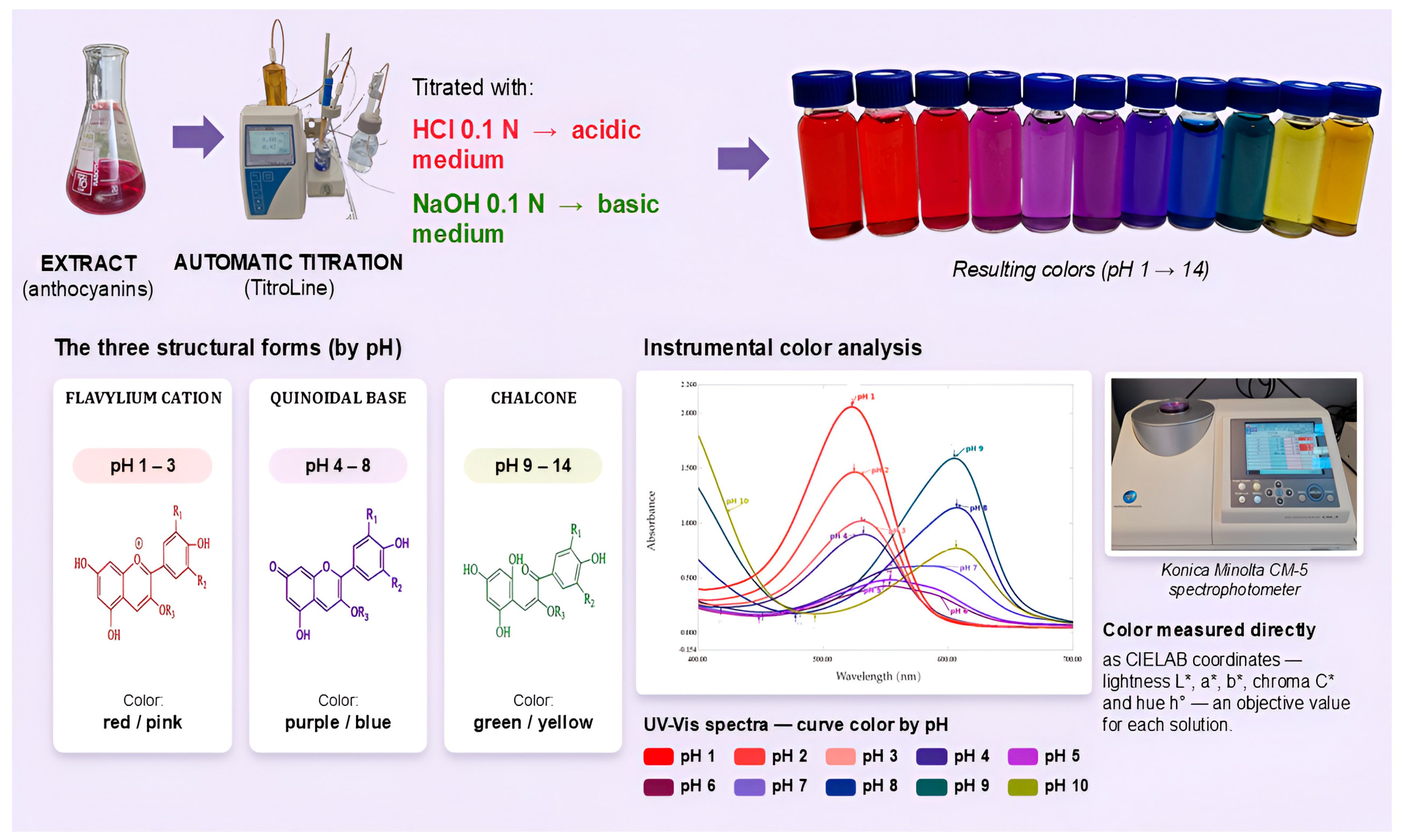
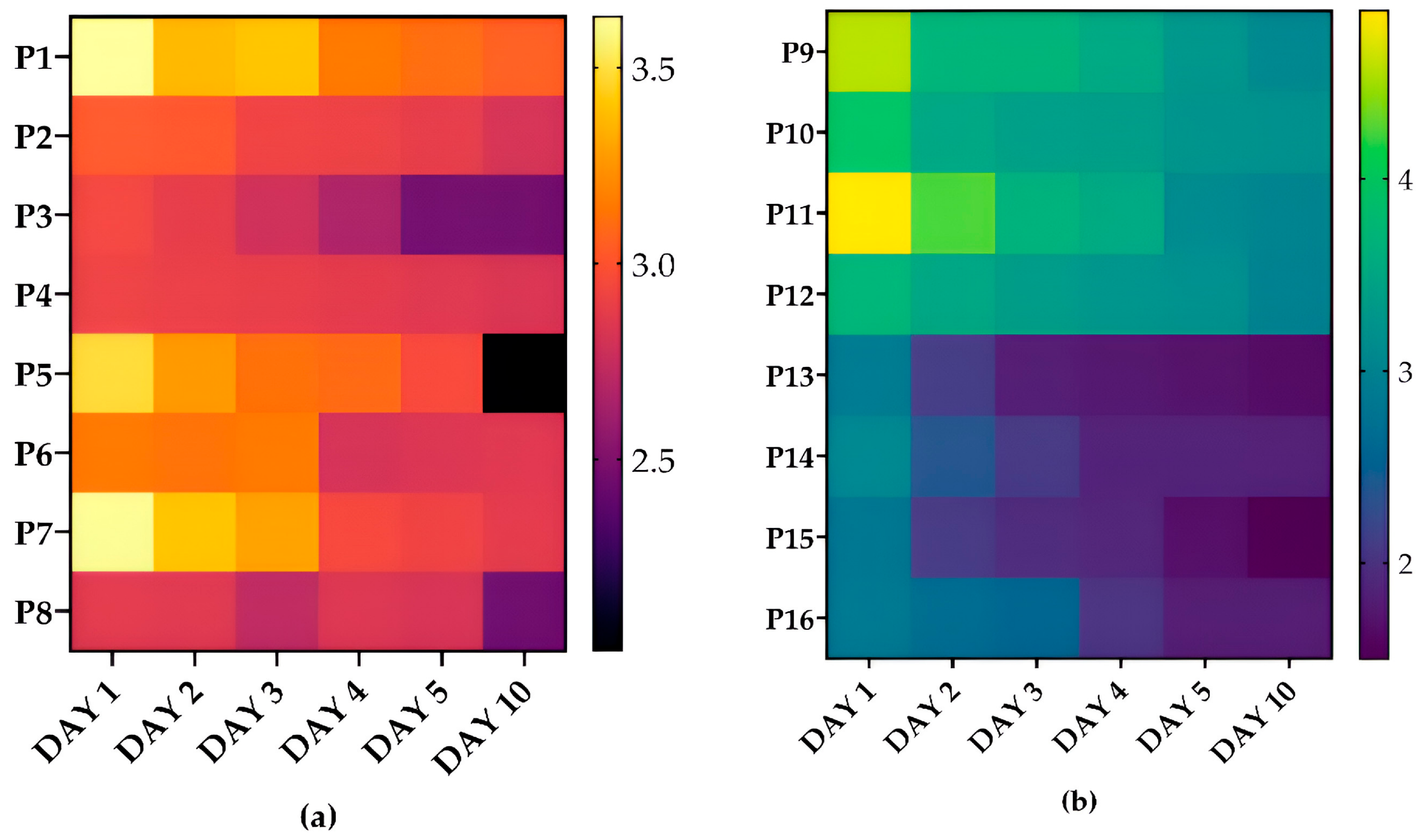
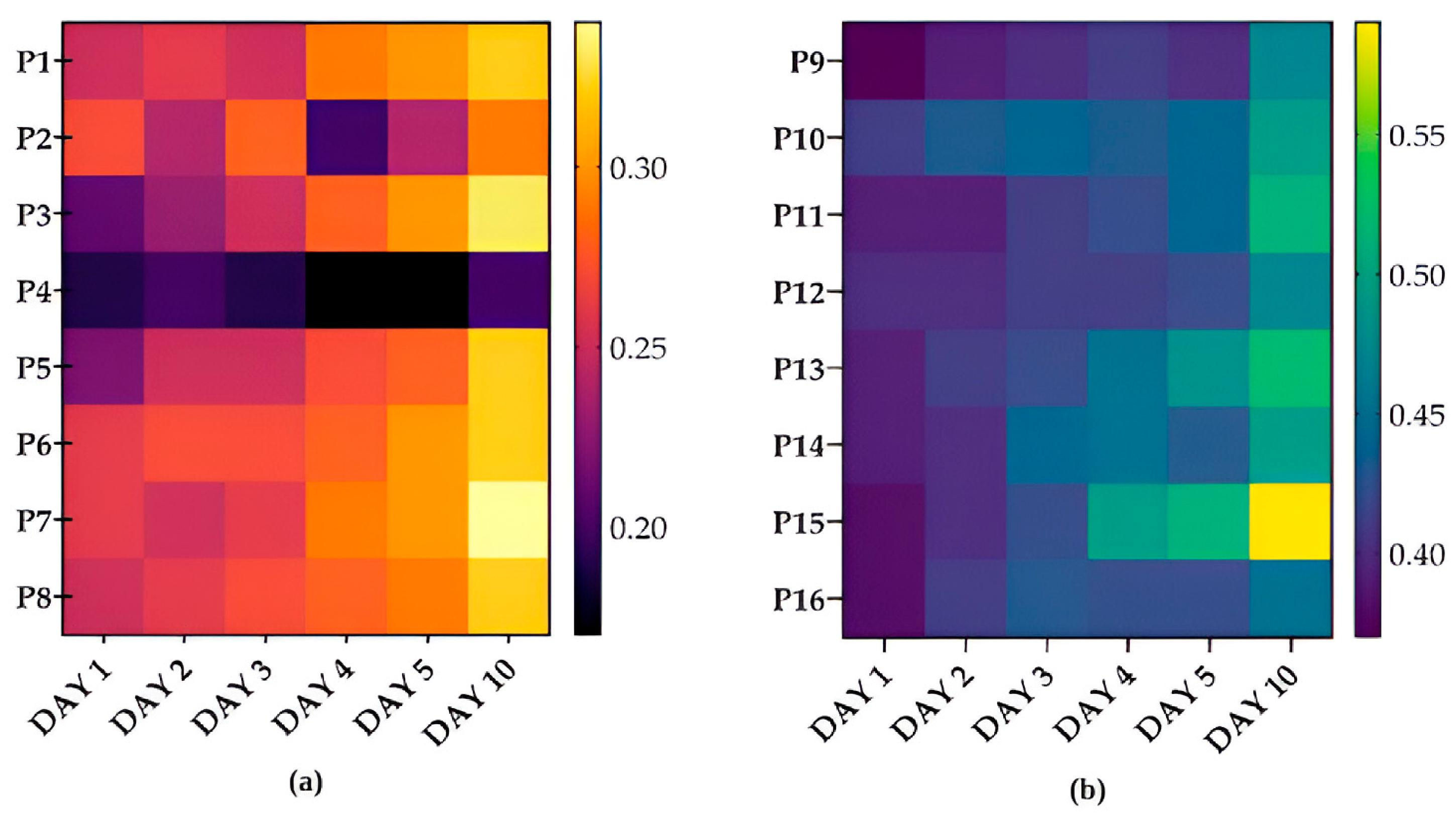
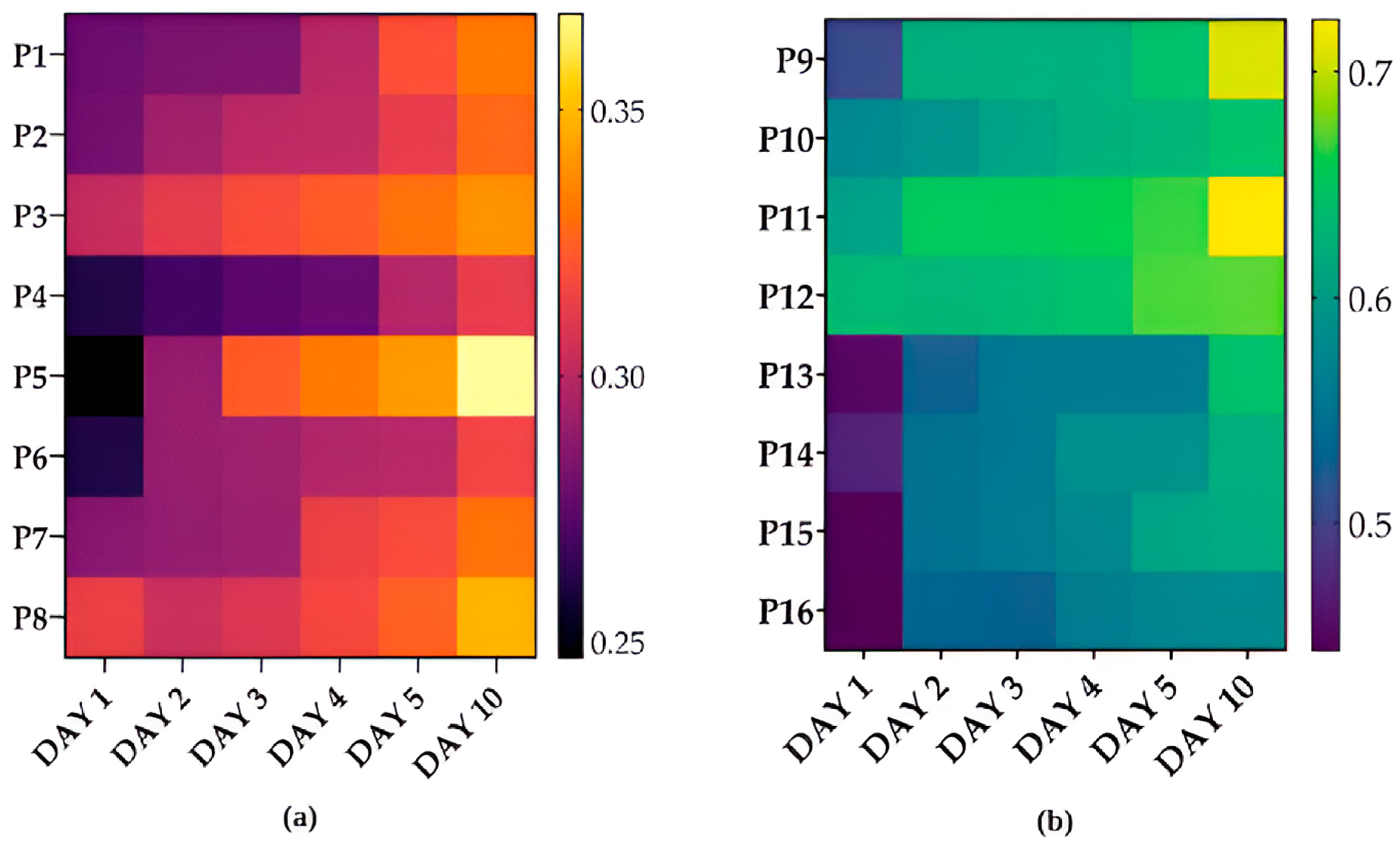
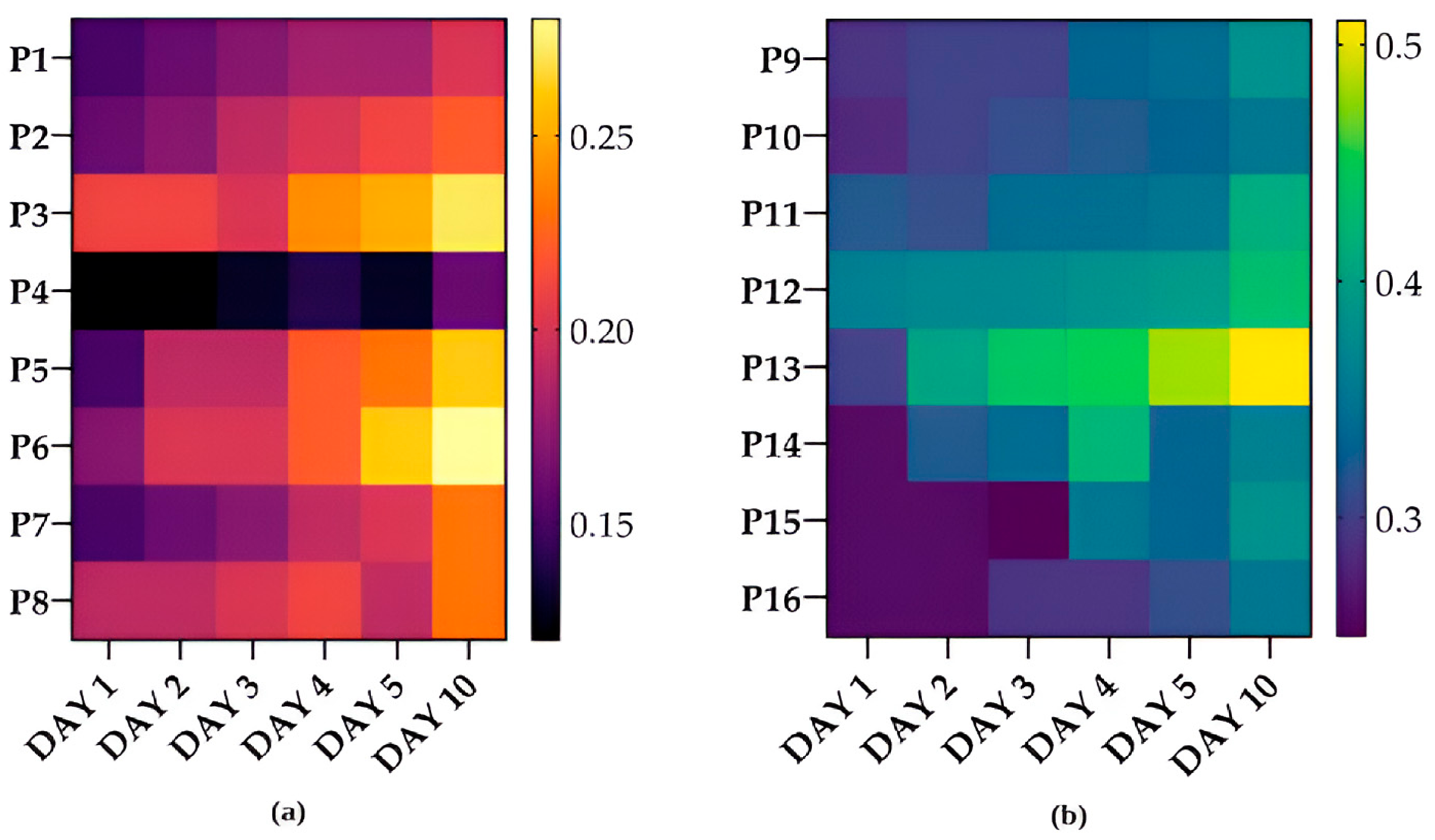
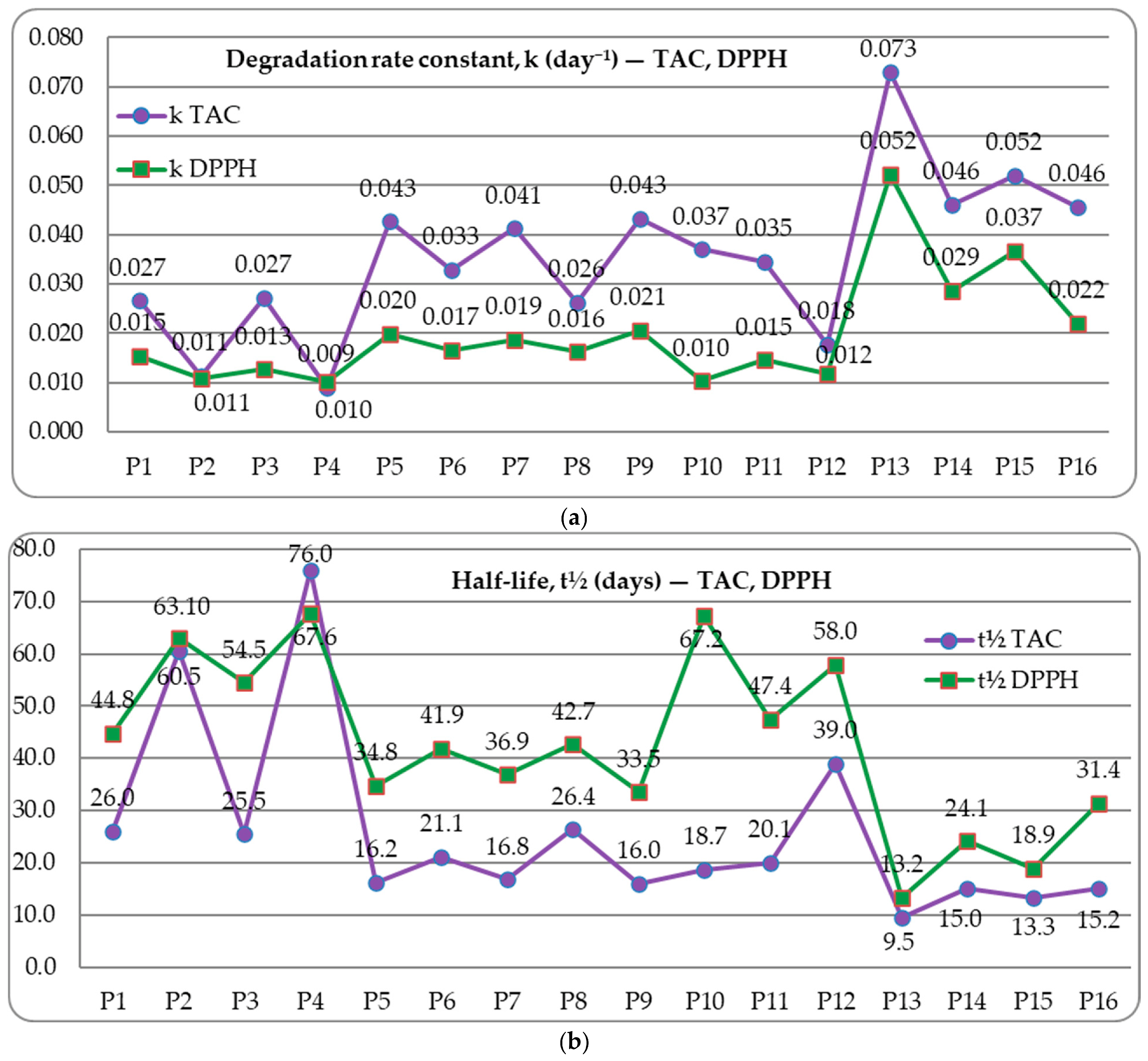
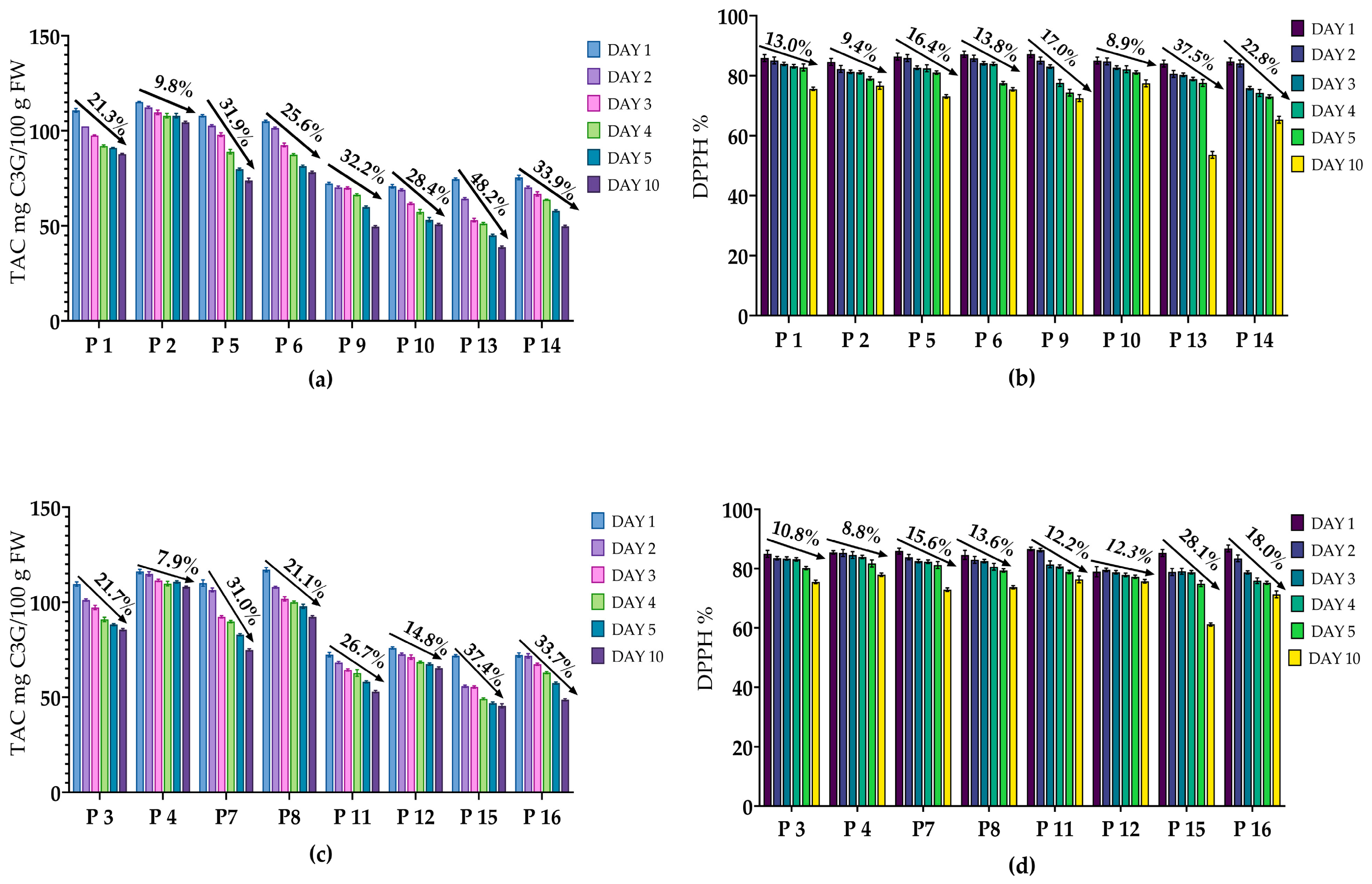
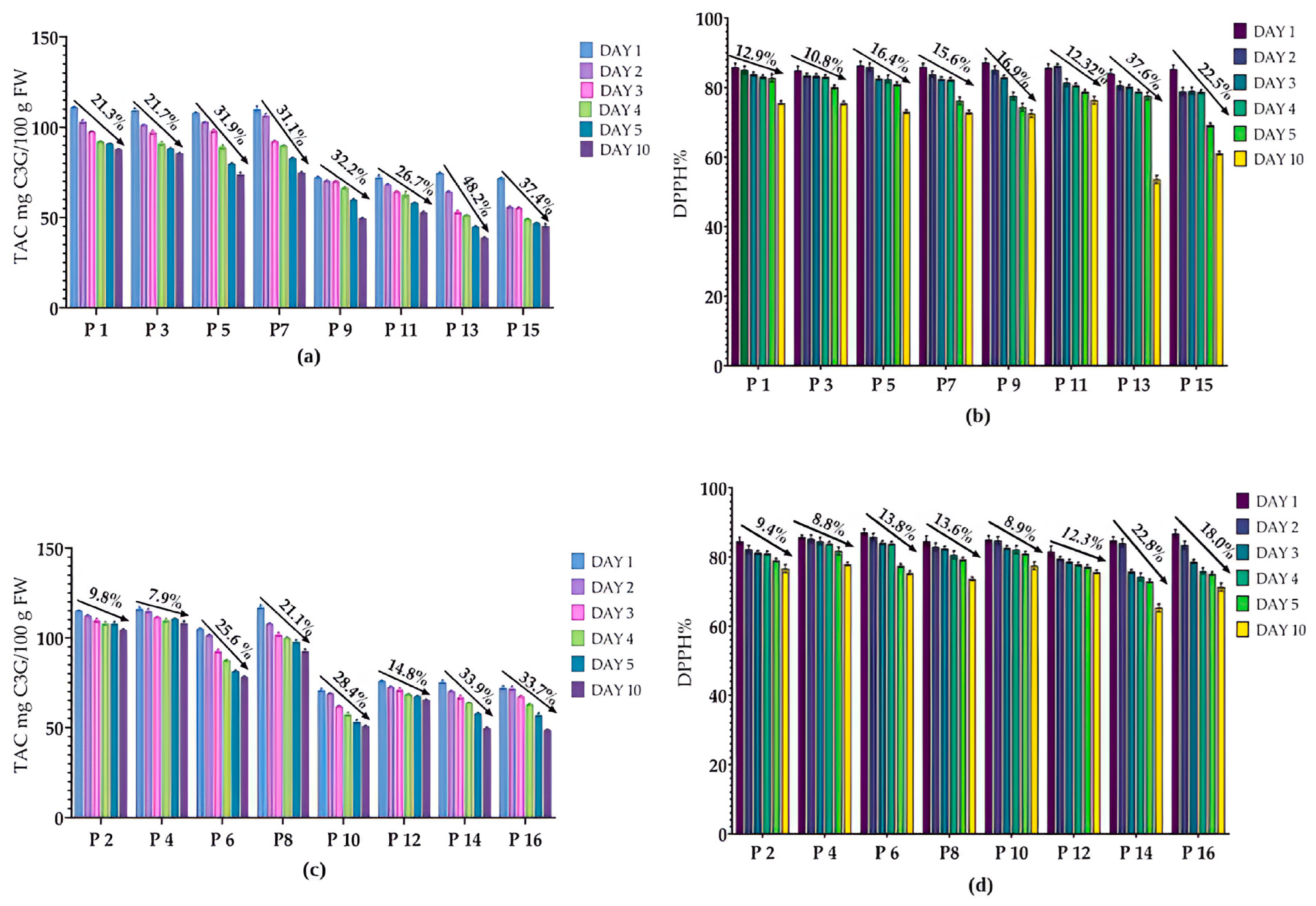
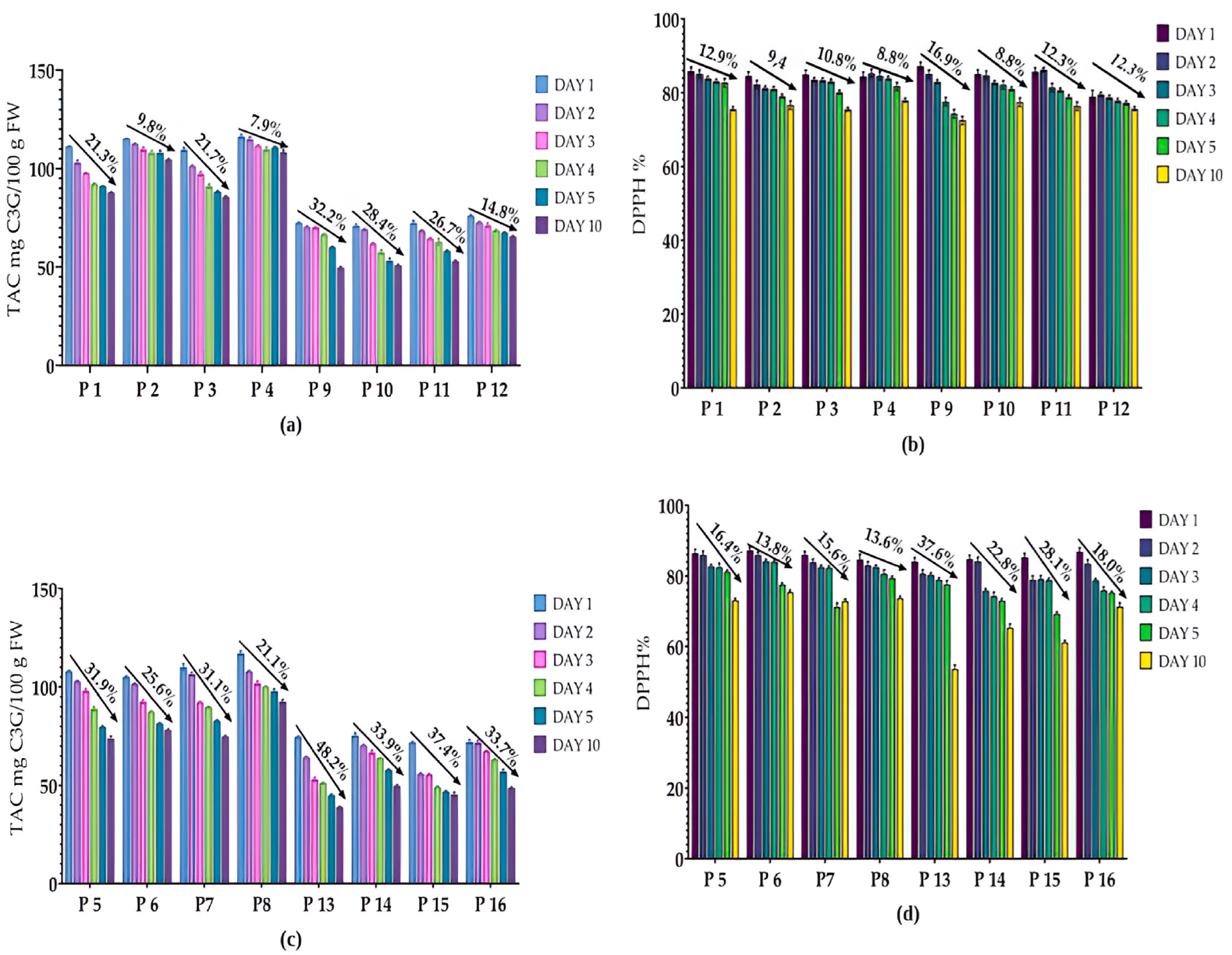
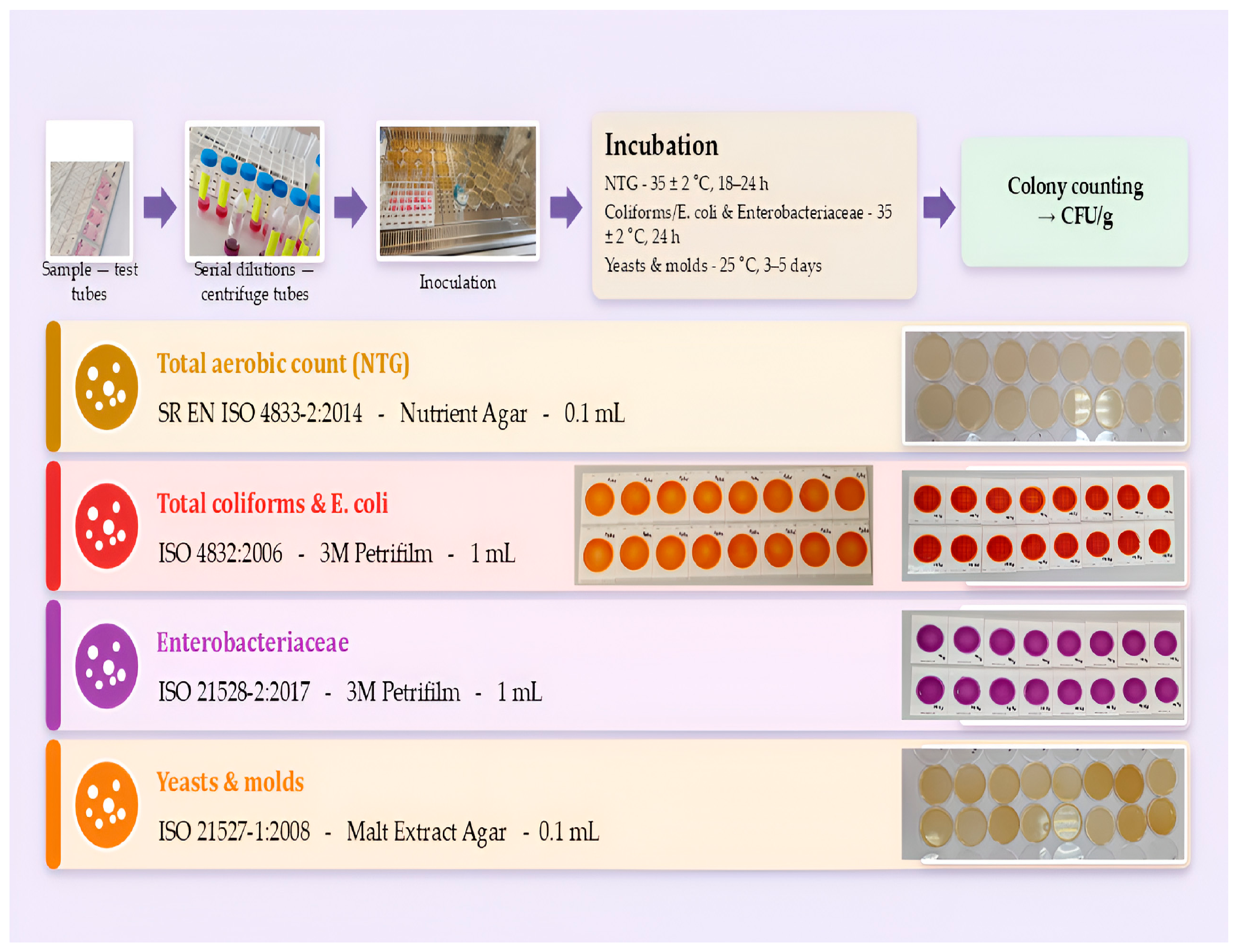
Food spoilage is accompanied by changes in pH, which allows freshness to be monitored using colorimetric indicators. Due to their color response, the anthocyanins in red cabbage are of interest for smart packaging. However, their applicability depends on their stability during storage. This study evaluated the stability of red cabbage anthocyanin extracts obtained in water and in 50% ethanol, monitored for 10 days by analyzing total anthocyanin content (TAC), antioxidant activity (DPPH), colorimetric properties, color stability as a function of pH, degradation kinetics, and microbiological load. The ethanol extracts exhibited the best stability, with TAC decreasing from 116 to 73 mg CGE/100 g FW (t½ = 16–76 days), compared to the aqueous extracts, in which TAC decreased from 74 to 38 mg CGE/100 g FW (t½ = 9.5 days). DPPH followed the same trend, with a maximum half-life (t½) of 67.7 days. Temperature was the main factor contributing to degradation, followed by light and oxygen. Color varied depending on pH, ranging from red under acidic conditions to blue–green under alkaline conditions. The ethanolic extract exhibited the best color stability (ΔE < 1). Its stability at 4 °C, corresponding to food refrigeration conditions, highlights its potential as a colorimetric indicator.