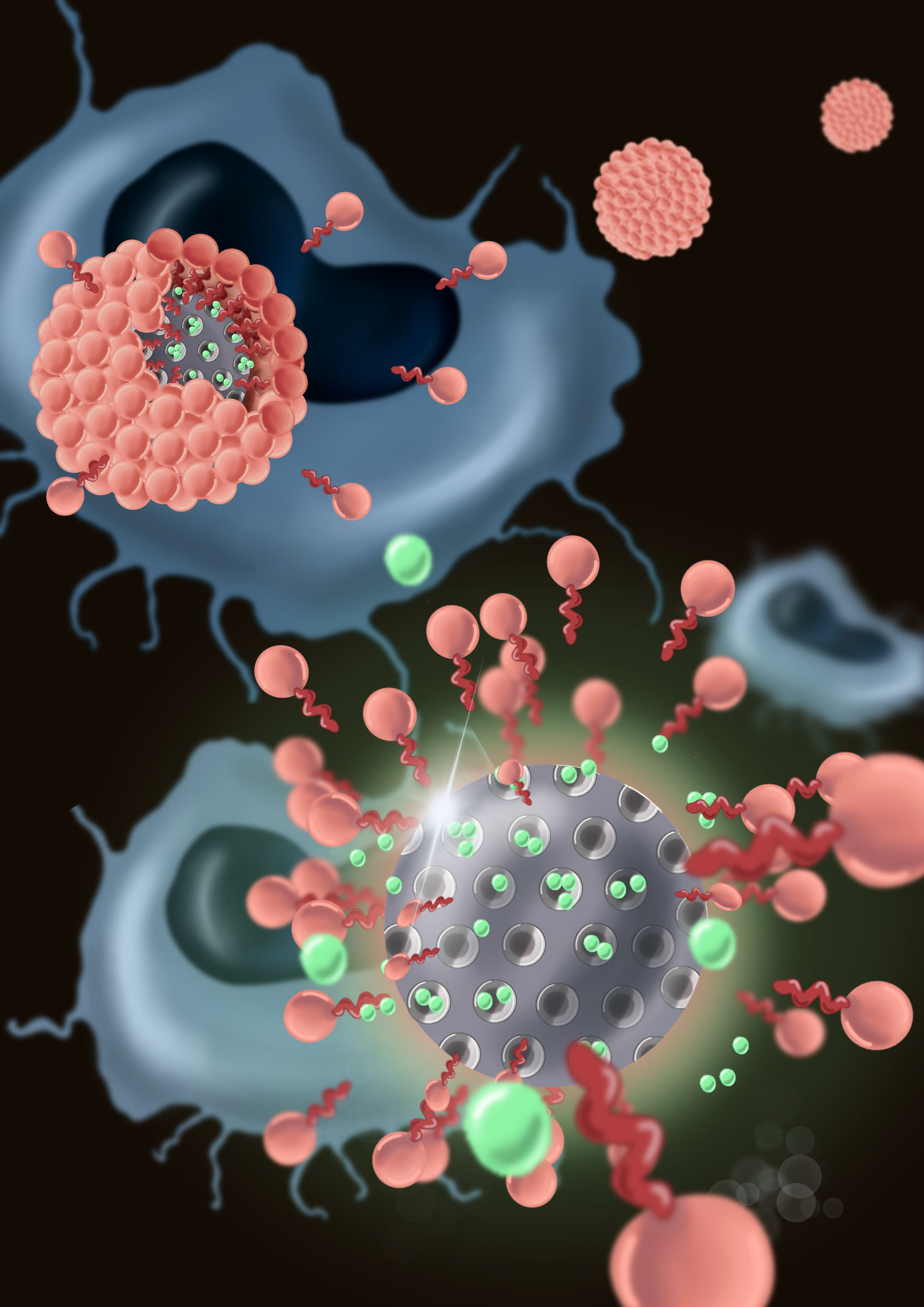
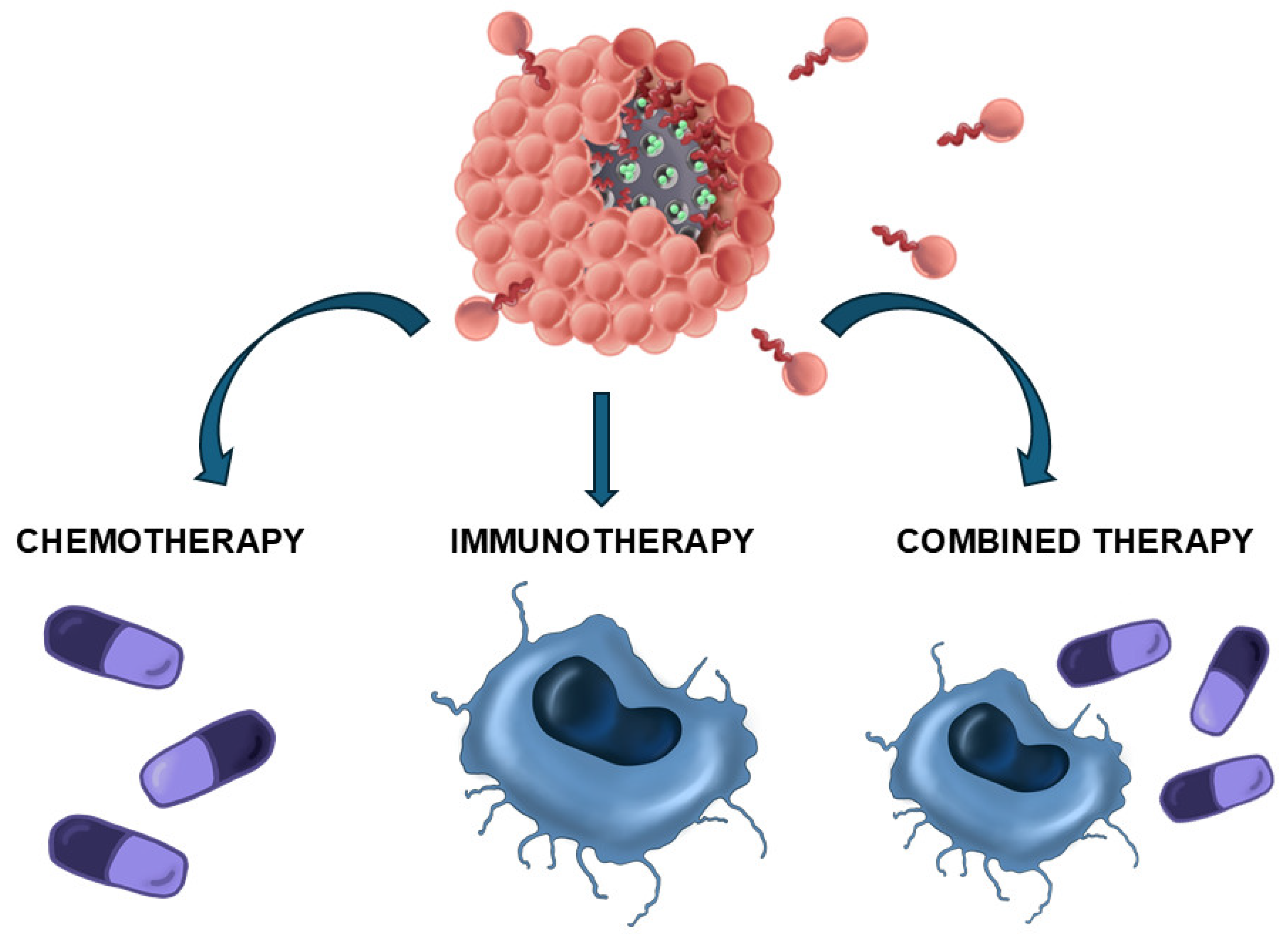
Silicasomes in Oncology: From Conventional Chemotherapy to Combined Immunotherapy


 , ,
, , 

Abstract
Share and Cite
Arroyo-Nogales, A.; Plaza-Palomo, G.; González-Larre, J.; Jiménez-Falcao, S.; Baeza, A. Silicasomes in Oncology: From Conventional Chemotherapy to Combined Immunotherapy. Molecules 2025, 30, 1257. https://doi.org/10.3390/molecules30061257
Arroyo-Nogales A, Plaza-Palomo G, González-Larre J, Jiménez-Falcao S, Baeza A. Silicasomes in Oncology: From Conventional Chemotherapy to Combined Immunotherapy. Molecules. 2025; 30(6):1257. https://doi.org/10.3390/molecules30061257
Chicago/Turabian StyleArroyo-Nogales, Alicia, Guillermo Plaza-Palomo, Javier González-Larre, Sandra Jiménez-Falcao, and Alejandro Baeza. 2025. "Silicasomes in Oncology: From Conventional Chemotherapy to Combined Immunotherapy" Molecules 30, no. 6: 1257. https://doi.org/10.3390/molecules30061257
APA StyleArroyo-Nogales, A., Plaza-Palomo, G., González-Larre, J., Jiménez-Falcao, S., & Baeza, A. (2025). Silicasomes in Oncology: From Conventional Chemotherapy to Combined Immunotherapy. Molecules, 30(6), 1257. https://doi.org/10.3390/molecules30061257