Article

Improved Mechanical and Thermal Properties of Date Palm Microfiber-Reinforced PCL Biocomposites for Rigid Packaging

Portsmouth Centre for Advanced Materials and Manufacturing (PCAMM), School of Electrical and Mechanical Engineering, University of Portsmouth, Portsmouth PO1 3DJ, UK
*
Author to whom correspondence should be addressed.
Molecules 2025, 30(4), 857; https://doi.org/10.3390/molecules30040857

Submission received: 31 December 2024 / Revised: 6 February 2025 / Accepted: 10 February 2025 / Published: 13 February 2025
(This article belongs to the Topic Biomass for Energy, Chemicals and Materials)

Abstract

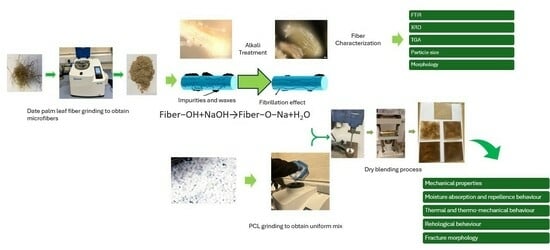
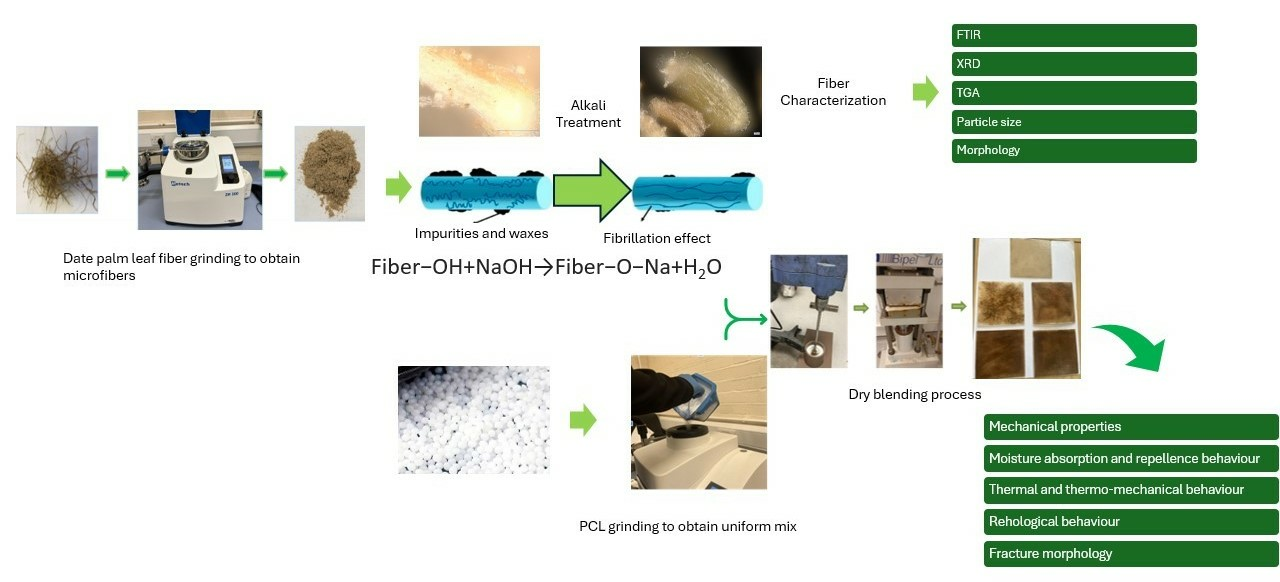
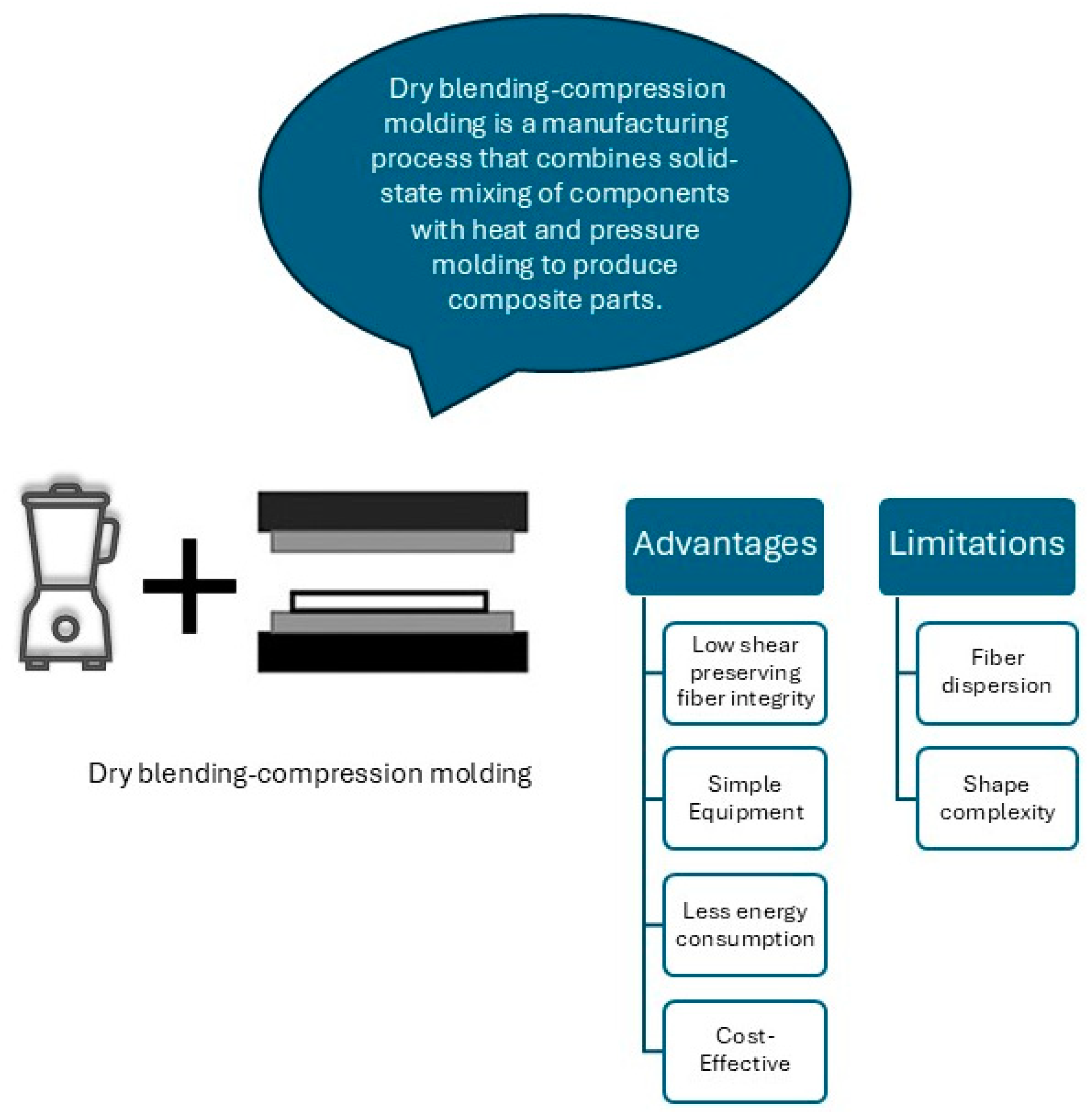
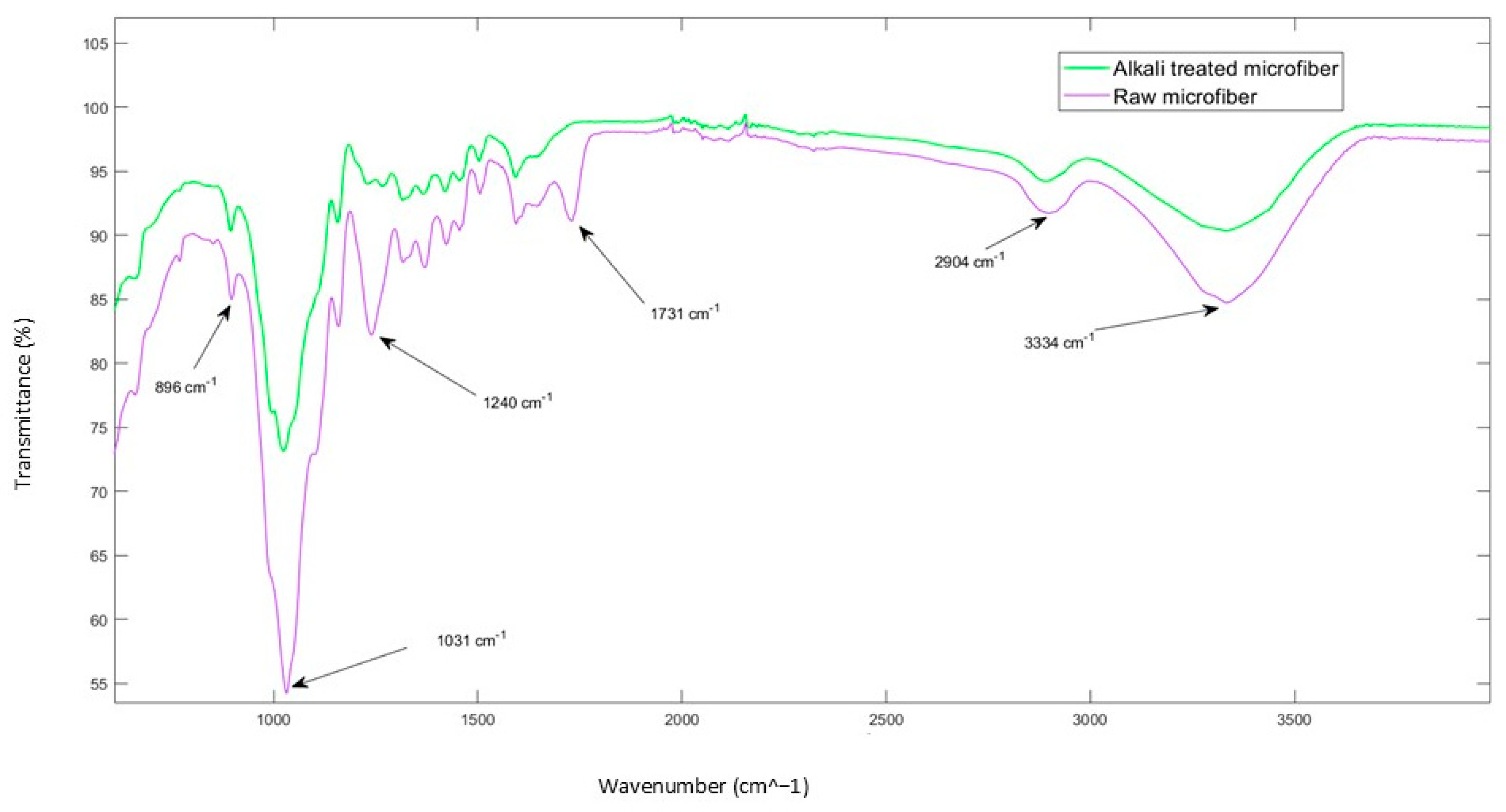
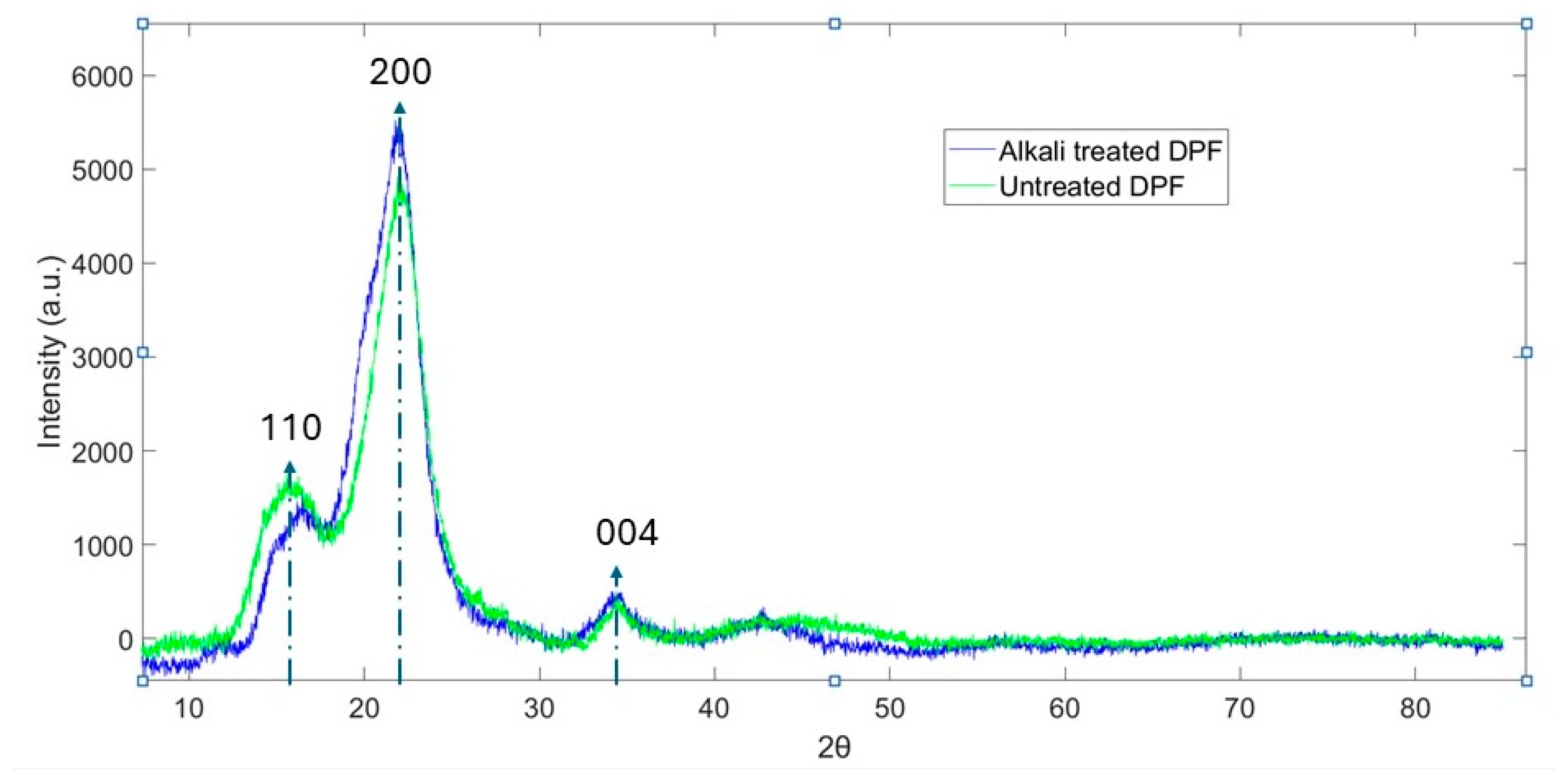
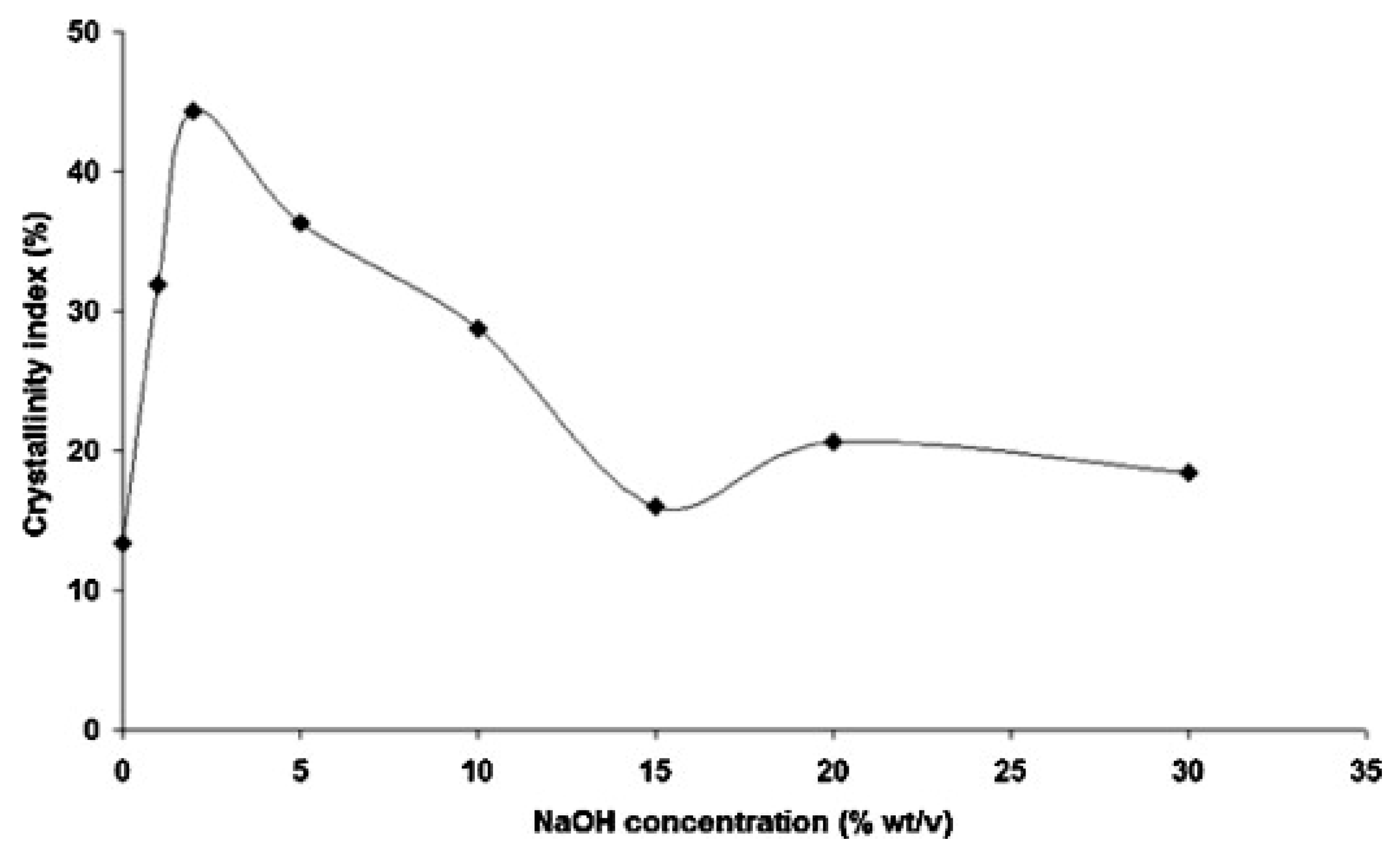
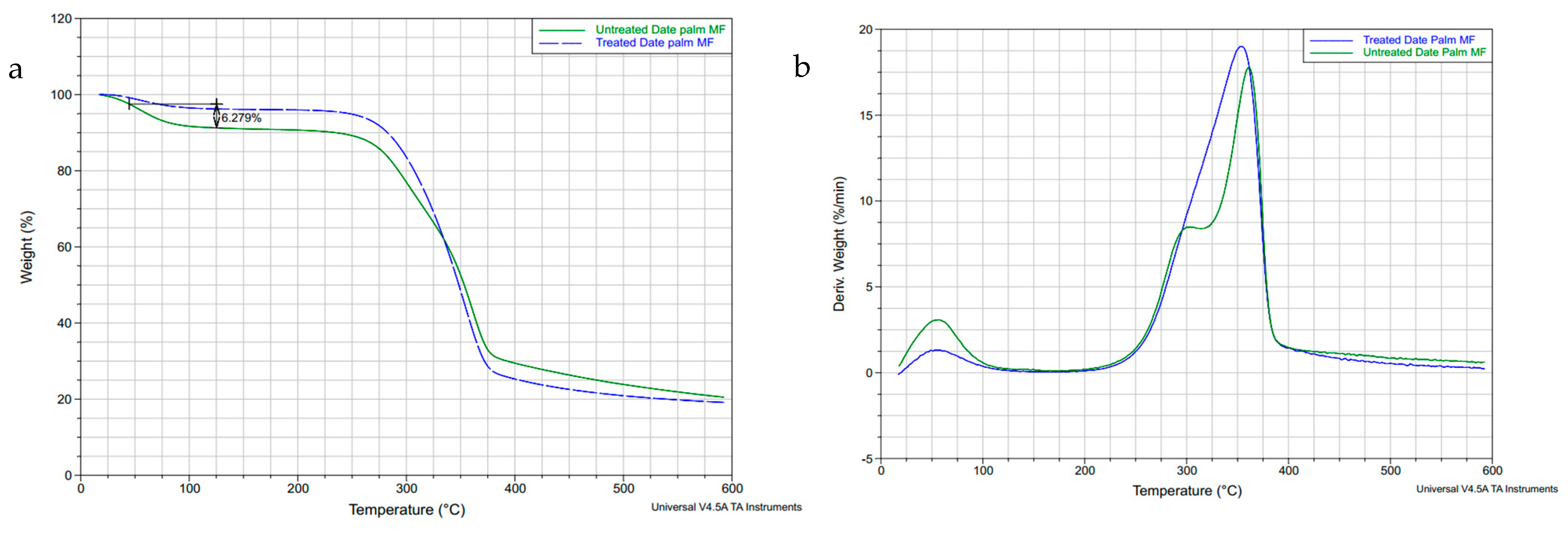
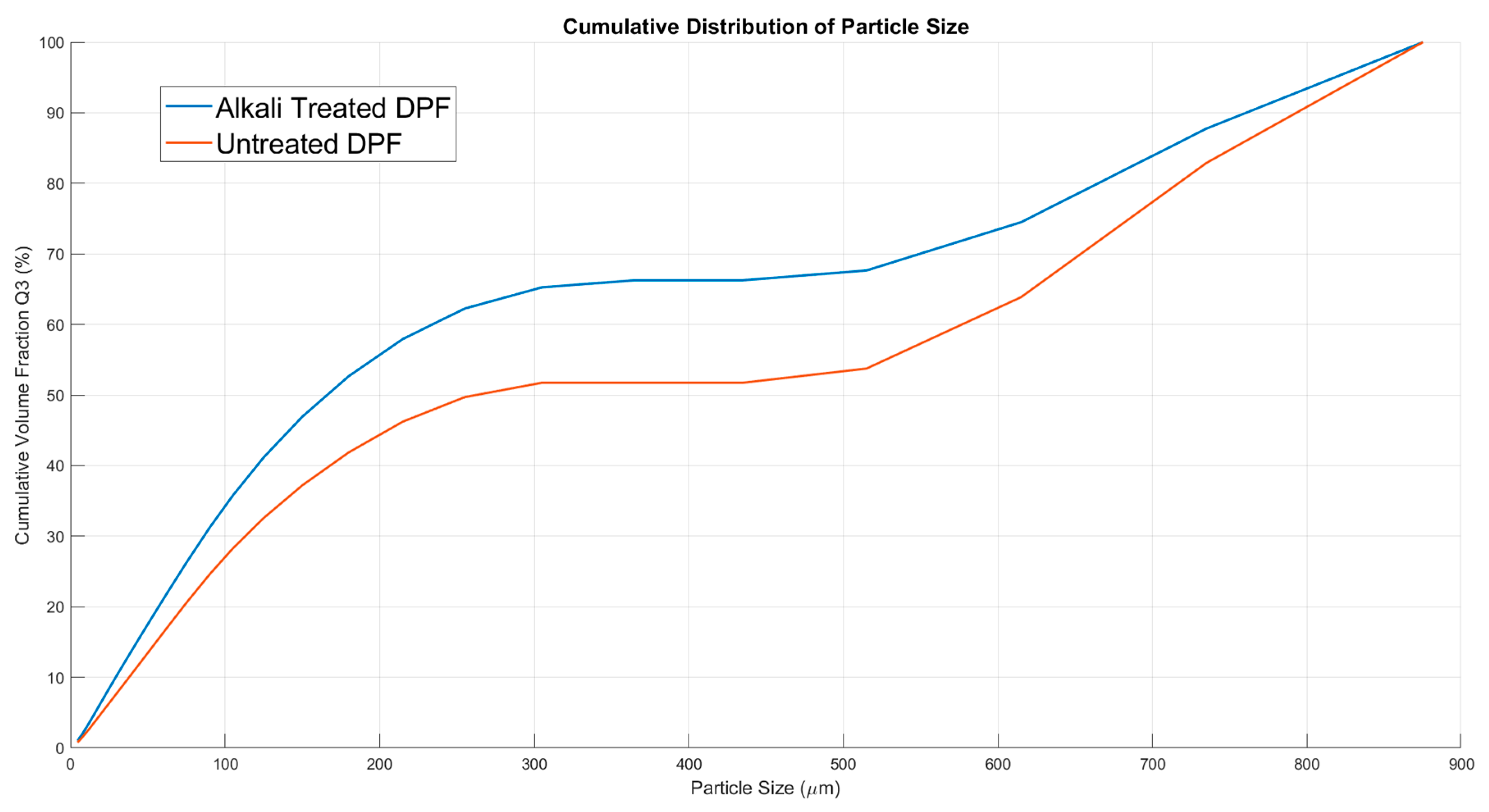
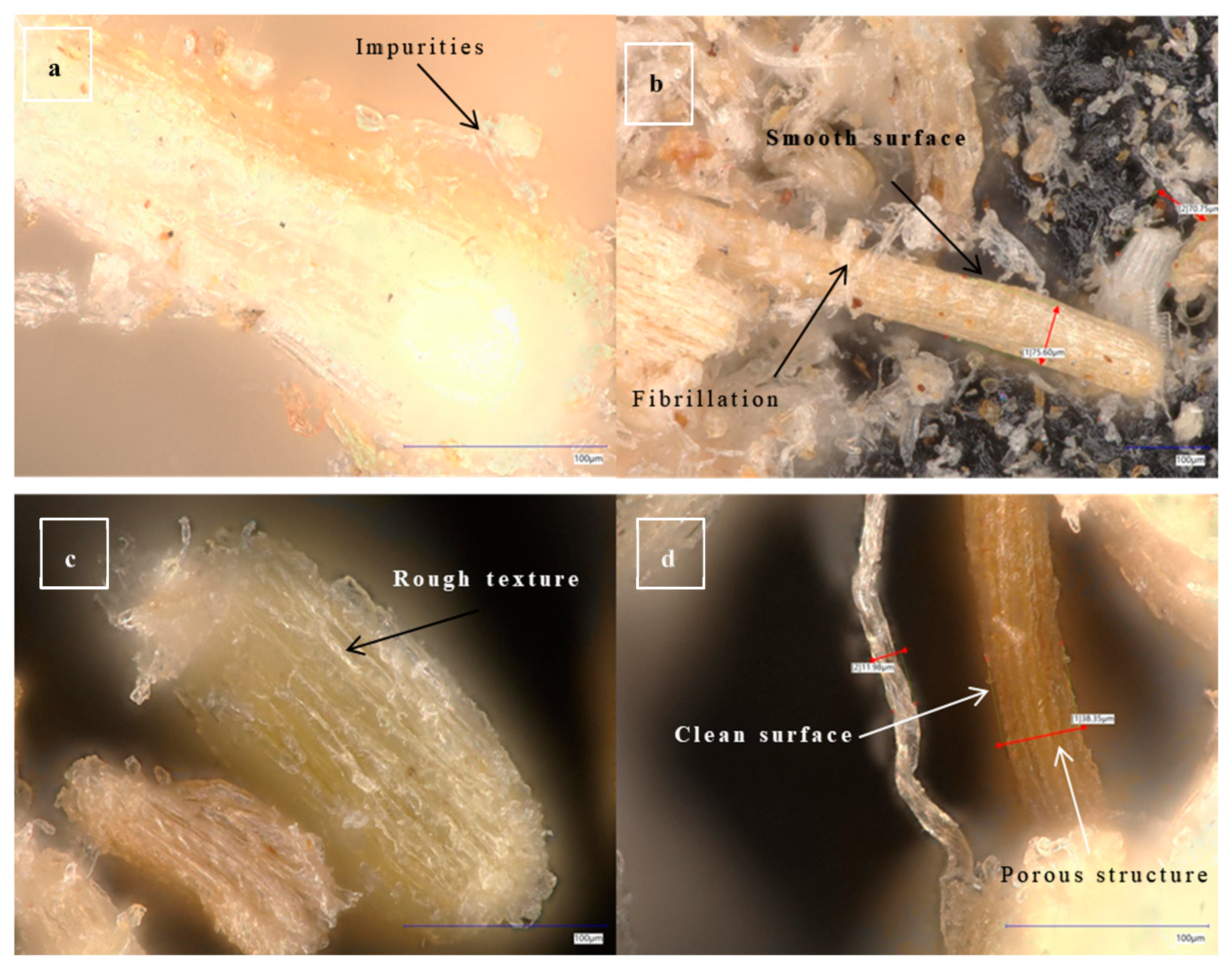
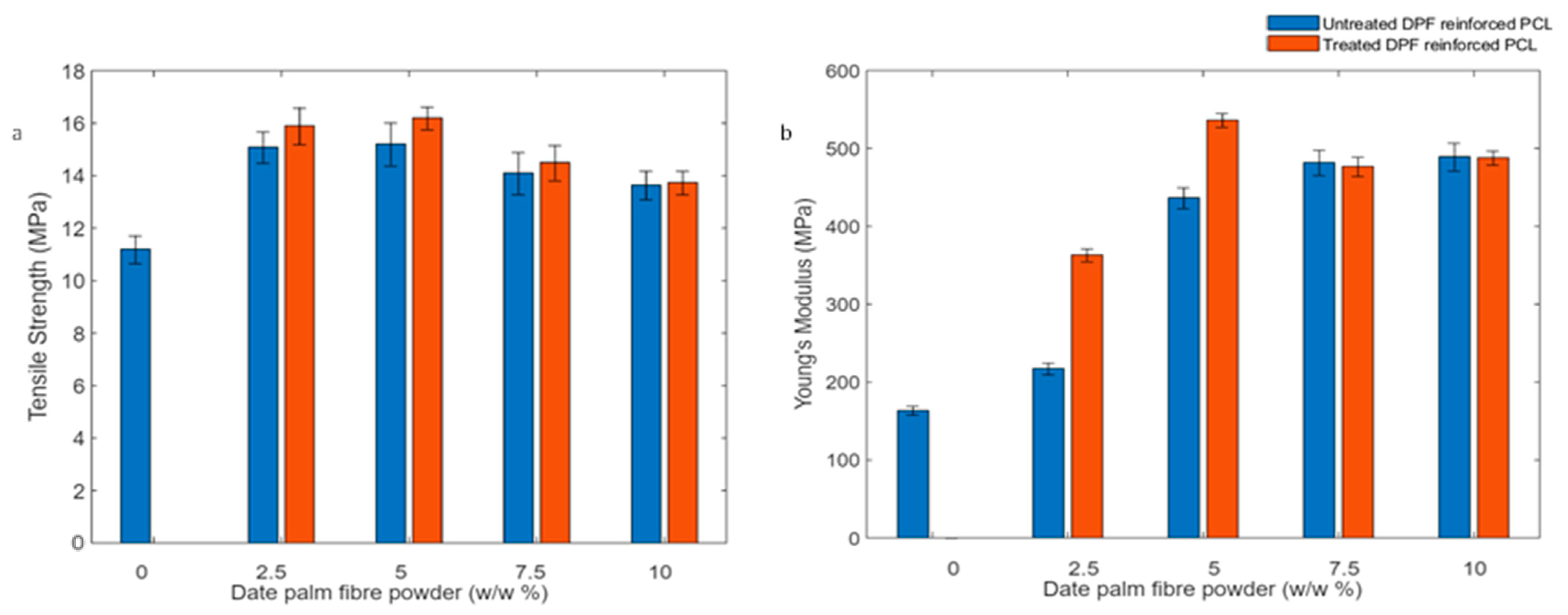
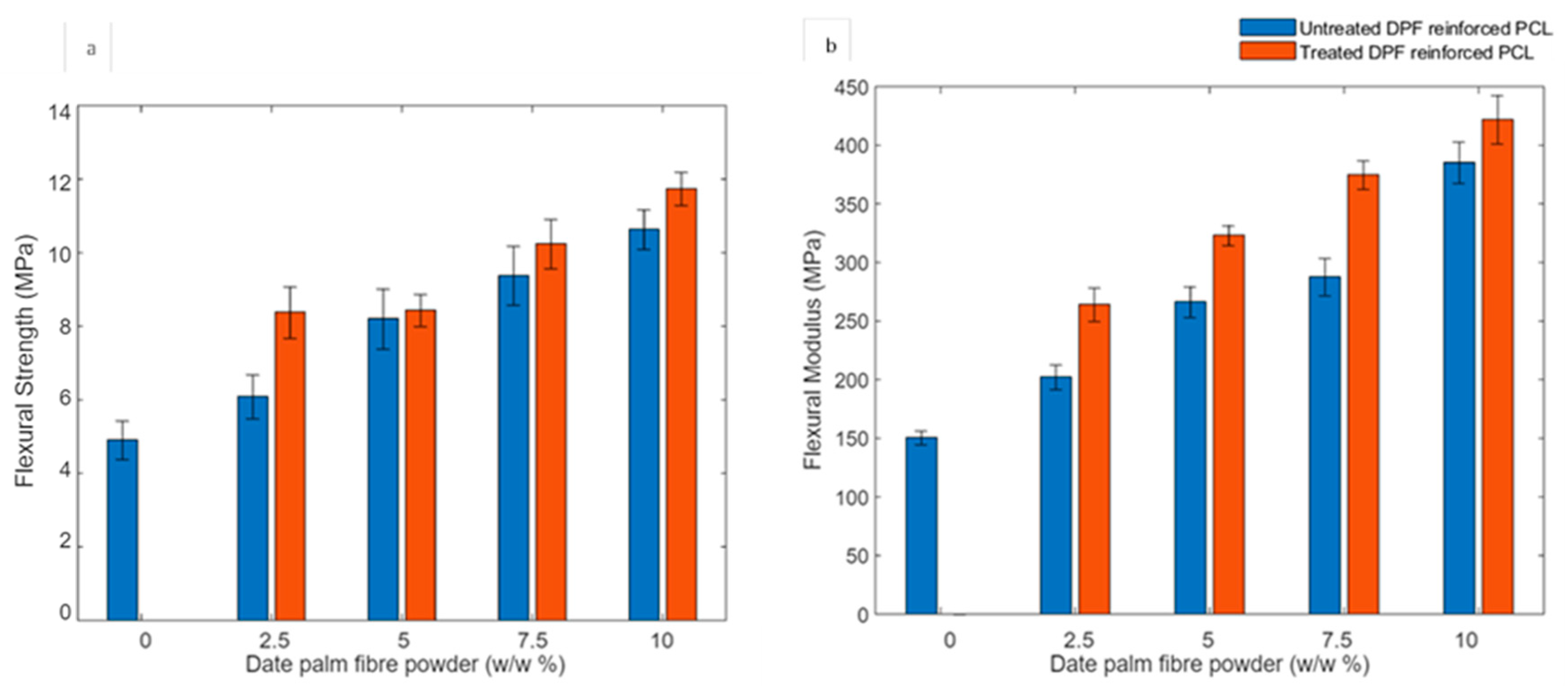
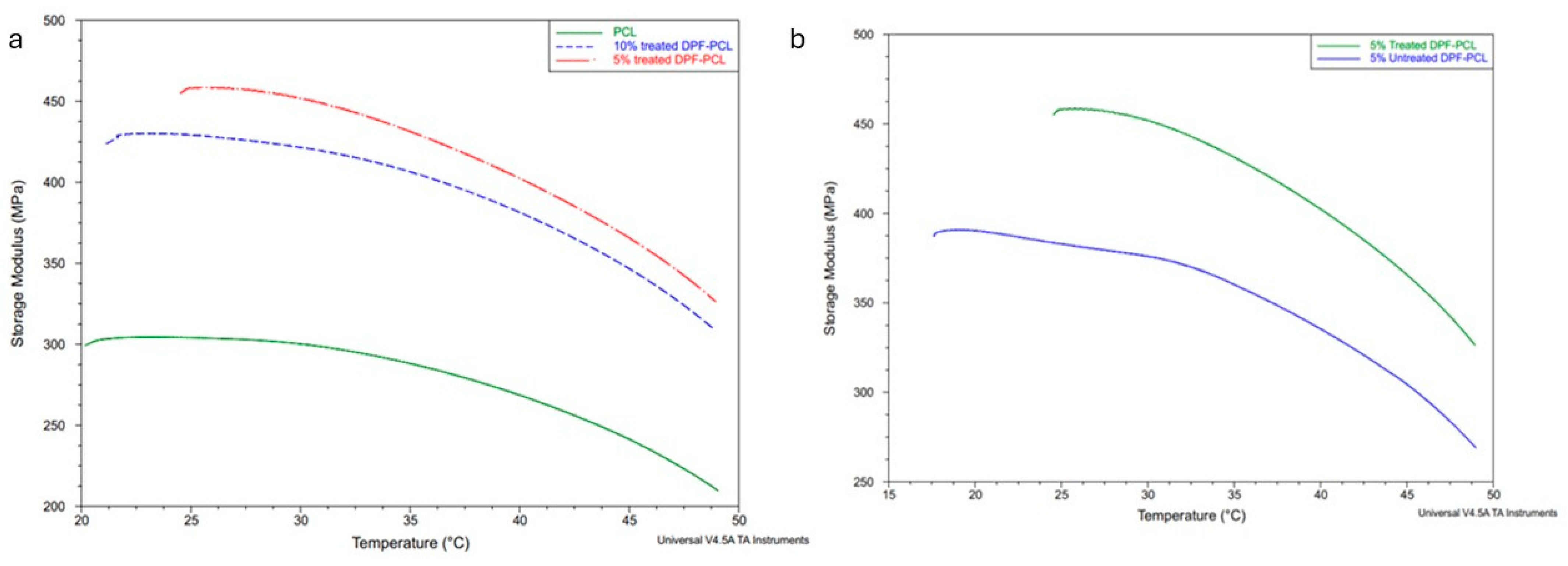
To increase the use of agricultural residues, such as date palm fibers, for the sustainable reinforcement of biocomposites, this study investigated the incorporation of varying weight percentages of date palm microfibers (DPMF) ranging from 0 wt.% to 10 wt.% into polycaprolactone (PCL) matrix. Biocomposites were fabricated using a combination of compression molding and dry blending techniques with and without sodium hydroxide (NaOH) alkali treatment. The surface modification was found to increase the surface roughness of the fibers, removing impurities such as lignin, hemicellulose, and wax, while improving crystallinity, as evidenced by FTIR, XRD, TGA, and particle size analyses. Among the different biocomposites investigated, the results for 5 wt.% DPMF content biocomposites exhibited the highest tensile properties: approximately 20% increase in tensile strength and 164% increase in Young’s Modulus in comparison to neat PCL. The crystallinity of the matrix exhibited an increasing trend from approximately 39% for neat PCL to 43% for the 5 wt.% DPMF biocomposites. Furthermore, treated biocomposites demonstrated higher water-repellency behavior and improved thermal properties. Dynamic mechanical analysis (DMA) results indicated enhanced storage moduli for alkali-treated composites; at 35 °C, the storage modulus showed approximately 22% increase compared to the untreated DPMF biocomposites, reflecting improved stiffness and thermomechanical performances. This study highlights the potential of DPMF as an efficient, eco-friendly alternative to fossil-based conventional reinforcement for biocomposite materials’ potential for sustainable rigid packaging applications.
Keywords: date palm fibers; mechanical properties; biocomposites; surface treatment; packaging date palm fibers; mechanical properties; biocomposites; surface treatment; packaging
Graphical Abstract