


Abstract
Compounds based on an isoquinoline scaffold (benzo[c]pyridine) display a broad spectrum of biological activities. In recent years, studies have focused mainly on their anticancer properties. Their antiproliferative effects are associated with diverse mechanisms that include targeting PI3K/Akt/mTOR signaling pathways and reactive oxygen species or inducing apoptosis and cell cycle arrest. Furthermore, isoquinolines may inhibit microtubule polymerization, topoisomerase, or tumor multidrug resistance. Recent studies have also shown that these compounds may act as effective antimicrobial, antifungal, antiviral, and antiprotozoal agents. Moreover, it has also been demonstrated that isoquinoline derivatives exhibit potent anti-Alzheimer effects, alleviating central nervous system functions. Additionally, they possess anti-inflammatory and antidiabetic properties. Due to the presence of donor nitrogen, the isoquinoline core constitutes an appropriate ligand that may be employed for the development of metal complexes with improved pharmacological properties. A number of chelates containing copper, iridium, or platinum were found to exhibit prominent biological activity, which places them in a leading position for the development of effective medications. This review summarizes the recent development of synthetic isoquinoline-based compounds with proven pharmacological properties in the period of 2020–2025. Also, other biomedical applications for synthetic isoquinoline derivatives are provided.
1. Introduction
The isoquinoline or benzo[c]pyridine scaffold consists of fuses of two aromatic rings—benzene and pyridine (Figure 1)—also known as 2-azanaphthalene, 2-benzazine, or 3,4-benzopyridine. In nature, this nitrogen-containing carbocyclic ring can be found as the structural part of an extremely large group of compounds—alkaloids—mostly occurring in high plants in several families, including Ranunculacae, Berberidacae, and Papaveracae [1]. Therefore, alkaloids containing an isoquinoline scaffold as a basic structural motif are extensively studied compounds with diverse biological activities that possess anticancer and anti-infective potential [2,3,4,5,6,7,8,9,10]. An example of an isoquinoline-based alkaloid is 1-[(3,4-dimethoxyphenyl)methyl]-6,7-dimethoxyisoquinoline—Papaverine (Figure 1)—extracted from Rauwolfia serpentina and Papaver somniferum [11]. This heteroaromatic system may be foreseen as a promising scaffold for the design and synthesis of pharmacologically active compounds [12]. Since this privileged structural framework occupies a prominent place in the medicinal chemistry field, a wide range of drugs are based on isoquinoline, including agents used in hypertension, anemia, smooth muscle spasms, or viral infections.
Figure 1.
Chemical structures of isoquinoline (benzo[c]pyridine), natural alkaloid—Papaverine, and synthetic isoquinoline-based drugs—Roxadustat, Quinisocaine, and Asunaprevir.
Recent advances in the synthesis of nitrogen-containing heterocycles have led to the development of novel isoquinoline derivatives. Such synthetic isoquinoline-based compounds are endowed with great therapeutic potential. For example, anemia associated with chronic kidney disease can be treated with an isoquinoline-based compound—2-[(4-hydroxy-1-methyl-7-phenoxyisoquinolin-3-yl)formamido]acetic acid—a first-of-its-kind hypoxia-inducible factor prolyl hydroxylase inhibitor, recently approved by the European Commission under the tradename Roxadustat (Figure 1) [13,14,15]. Isoquinoline also constitutes the framework of a topically used anesthetic agent—{2-[(3-butylisoquinolin-1-yl)oxy]ethyl}dimethylamine (Quinisocaine, Figure 1)—and a potent hepatitis C virus (HCV) NS3 protease inhibitor—Asunaprevir (BMS-650032) (Figure 1) [16].
Structurally close to the isoquinolines are the 1,2- or 3,4-dihydroisoquinolines (1,2-DHIQs or 3,4-DHIQs) that contain scaffolds with two hydrogen atoms added [17,18,19]. They constitute key intermediates or building blocks in the synthesis of several isoquinoline-containing products such as tetrahydroisoquinolines (THIQs) (Figure 2). In light of the literature, THIQs may possess interesting biological properties and may constitute potential therapeutic agents [20,21,22,23,24,25]. For example, the THIQ core is a significant component of angiotensin inhibitors approved for use in hypertension, such as Quinalapril (Figure 2) [26] and Moexipril (Figure 2) [27]. Drotaverine—a selective inhibitor of phosphodiesterase-4, commonly used in clinical practice as an antispasmodic agent—also contains THIQ core (Figure 2) [28]. Another example constitutes a competitive long-lasting muscarinic receptor antagonist Solifenacin, indicated to treat an overactive bladder (Figure 2) [29].
Figure 2.
1,2- or 3,4-dihydroisoquinoline, 1,2,3,4-tetrahydroisoquinoline, and 5,6,7,8-tetrahydroisoquinoline cores—synthetic drugs containing the 1,2,3,4-tetrahydroisoquinoline core: Quinalapril, Moexipril, Drotaverine, and Solifenacin.
The fully saturated isoquinoline analog, 1,2,3,4,4a,5,6,7,8,8a-decahydroisoquinoline (decahydroisoquinoline), forms two cis-isomers (4aR,8aR and 4aS,8aS) and two trans-isomers (4aR,8aS and 4aS,8aR) [30,31,32]. Numerous pharmaceutical products incorporate a decahydroisoquinoline ring system, including the protease inhibitors for Human Immunodeficiency Virus Type 1 (HIV-1), Nelfinavir and Saquinavir, as shown in Figure 3.
Figure 3.
Cis- and trans-deca(per)hydroisoquinolines and antiviral agents based on their core.
Special attention should be paid to derivatives where the isoquinoline system is combined with other heterocyclic or aromatic rings, resulting in more complex molecular structures. These fused isoquinoline derivatives such as pyrrolo[2,1-a]isoquinoline, pyrazolo[5,1-a]isoquinoline, 1,2,4-triazolo[3,4-a]isoquinoline, thieno[2,3-c]isoquinoline, 11H-indolo[3,2-c]isoquinoline, benzo[4,5]imidazo[2,1-a]isoquinoline, and 7H-benzo[de]imidazo[2,1-a]isoquinoline are of significant interest in medicinal chemistry (Figure 4).
Figure 4.
Examples of isoquinoline-based fused systems.
They are abundantly found in nature as plant or marine alkaloids. To date, due to the diverse and significant biological properties of isoquinoline-based compounds, a growing number of articles has been published. The aim of this review is to provide insight into the papers filed in the years 2020–2025 and to consider isoquinoline-, tetrahydroisoquinoline-, and dihydroisoquinoline-containing compounds and metal complexes with ligands bearing isoquinoline scaffolds with proven biological properties. Special attention is paid to agents that may be used as potential lead structures in drug design, or for which practical applications may be found.
2. Chemotherapeutic Activity
2.1. Anticancer Agents
Although cancer therapeutics have advanced dramatically, the limitations of traditional anticancer treatments are due to chemoresistance. Hence, antitumor drugs are mostly ineffective against rapidly dividing cancer cells. Consequently, designing new antitumor drugs still remains one of the most important areas of drug development [33]. Studies on the molecular mechanisms involved in tumor pathogenesis and progression have led to the identification of key tumor signal transduction pathways such as PI3K/Akt/NF-κB or Ras-Raf-MEK-ERK and p38 MAPK, which become a promising therapeutic option for several types of malignant diseases. Another therapeutically useful anticancer strategy consists of interactions with several proteins, e.g., topoisomerase or tyrosyl-DNA phosphodiesterase 2 (TDP2) or targeting microtubules (Figure 5).
Figure 5.
Possible modes of anticancer action of isoquinoline-based compounds.
In recent studies, there has been a growing body of evidence that semi-synthetic or synthetic isoquinoline-based compounds are promising anticancer drug candidates, since they interact strongly with the above-mentioned targets.
2.1.1. Isoquinoline-Based Compounds
The serine/threonine kinase Akt, also known as protein kinase B, plays a crucial role in numerous cellular processes as a key component of the phosphoinositide-3-kinase (PI3K)-Akt signaling pathway. The dysregulation of Akt activity has been linked to several diseases, including cancer, diabetes, cardiovascular, and neurological disorders. In particular, excessive Akt activation affects a wide array of downstream targets and regulates multiple pathways that drive tumor development, such as those controlling cell growth, survival, and proliferation. Therefore, the inhibition of Akt or its associated routes using natural or synthetic compounds has gained significant attention as a promising strategy for cancer prevention and treatment [34]. The prominent anti-non-small-cell lung cancer (NSCLC) activity of 4-(naphthalen-2-yl)-2-[2-((quinolin-4-yl)methylene)hydrazinyl]thiazole prompted Orujova and co-workers to design a new class of anticancer agents via the molecular hybridization strategy of a bioisosteric isoquinoline scaffold with thiazole and hydrazone moieties. The designed hybrids were screened for their cytotoxic effects on human lung adenocarcinoma (A549) and mouse embryonic fibroblast (L929) cell lines [34]. Three compounds, 1a, 1b, and 1c, depicted in Figure 6, demonstrated in vitro selective anti-A549 activity with assessed IC50 values of 1.43, 1.75, and 3.93 µM, respectively. Their calculated selectivity index values were SI = 20.28, >28.57, and 11.20, respectively.
Figure 6.
Designed isoquinoline–hydrazinyl-thiazole hybrids 1a, 1b, and 1c with anticancer activity and in silico molecular docking simulations for 2-(2-(isoquinolin-5-ylmethylene)hydrazinyl)-4-(4-methoxyphenyl)thiazole (1a) and serine/threonine kinase Akt.
Compound 1b, bearing a 4-methylsulfonyl group, and compound 1c, containing a 3,4-methylenedioxy moiety, were more efficacious than Cisplatin (IC50 = 3.90 µM), whereas 4-methoxy-substituted compound 1a displayed a potency comparable with a reference drug. The synthesized compounds in A549 cells induce apoptosis in the early and late stages. Furthermore, it was found that compound 1a in the A549 cell line showed a stronger Akt-inhibiting activity than GSK690693—an ATP-competitive pan-Akt inhibitor (IC50 = 3.55 µM vs. 4.93 µM). The authors supported this through molecular docking studies that provided insight into its binding mode. Induced-fit docking studies showed the binding pose of compound 1a and provided a detailed understanding of the 1a binding mechanism (Figure 6).
Compound 1a is represented by a distinctive binding geometry, which creates interactions mainly at the entrance site. In the tight and deep hydrophobic pocket, the compound extends along the narrow binding cavity. The hydrogen bond and π–π interaction that stabilize the 1a-Akt complex are observed at the isoquinoline site. Alanine 232 residue creates an additional hydrogen bond. Moreover, this compound forms a hydrogen bond with negatively charged glutaminic acid 236. The obtained results indicate that compound 1a may serve as a promising anti-NSCLC agent, displaying selective anticancer activity by suppressing Akt in A549 cells. Unlike 1a, derivatives 1b and 1c did not exhibit Akt-inhibiting activity at their IC50 concentrations, indicating that their anticancer properties in A549 cells are associated with a different signaling route.
As cancer cells rely upon high levels of copper to promote angiogenesis, tumor growth, and metastasis, the binding of this transition metal is intriguing from an anticancer therapy perspective. It has been demonstrated that several small organic compounds can disrupt copper homeostasis in cancer, either by chelating copper or increasing its intracellular levels [35,36,37].
Sun and co-workers rediscovered isoquinoline-based α-N-heterocyclic carboxaldehyde thiosemicarbazones (HCTs) as methylated and fluorinated antiproliferative agents, whose activities were potentiated by physiologically relevant Cu2+ levels [38]. Their cytotoxic studies identified a highly potent 2-((6-fluoroisoquinolin-1-yl)methylene)-N,N-dimethylhydrazinecarbothioamide (2) (Figure 7) in a panel of pancreatic cancer, small-cell lung carcinoma, prostate cancer, and leukemia, with IC50 values in the low-to-mid nanomolar range.
Figure 7.
Highly potent anticancer thiosemicarbazone 2.
The lead compound 2 was tested against several aggressive cancer models and non-cancerous cell lines to determine whether its activity varies among cancers that require high copper levels for growth, such as PDAC, SCLC, and prostate cancer. Moreover, 2 was also evaluated in an aggressive leukemia model to prove its potency in the treatment of hematological malignancies such as acute myeloid leukemia (AML). The in vitro study showed that the non-cancerous human epithelial cell line (HPDE) was significantly more resistant to 2 in comparison to the tested tumor cell lines. Compound 2—as a highly potent cancer cell growth inhibitor—was shown to possess a high degree of cancer-specific cytotoxicity, and its activity is dependent strongly on specific cancer characteristics. Calculated IC50 values were in the range of 1 nM to 200 nM. These results were supported by computational calculations that indicated that fluorination at the 6-position of the isoquinoline ring is beneficial for ligand–copper interactions and the formation of stable chelates. Further in vitro assays have shown that, in cancer cells, 2 induces oxidative stress, ROS production, has selective mitochondrial-dependent toxicity, and targets oxidative phosphorylation (OXPHOS). Compound 2 chelated with copper displayed in vivo effectiveness and tolerability in aggressive models of systemic leukemia—a murine BCR-ABL—expressing Arf-null pre-B, and a human systemic acute myeloid leukemia (AML) model (MV4-11). These cancers are characterized by aggressive phenotypes with high intrinsic OXPHOS levels. After 14 and 19 days of treatment, there was a significant reduction in the systemic disease burden for mice treated with the tested 2 copper(II) complex.
The anticancer mechanism of pyrrolo[2,1-a]isoquinoline-fused marine alkaloids—lamellarins—includes the inhibition of DNA topoisomerase I (Topo1), cyclin-dependent kinases (CDKs), mitochondrial topoisomerase I (Topo1Mt), and the induction of mitochondrial apoptosis. For this reason, there has been considerable interest in novel analogs of lamellarins. The DNA-Topo1 complex, also known as the cleavage complex, is stabilized by lamellarins, which block the religation step. A key enzyme for DNA replication, Topo1 catalyzes the transition from supercoiled DNA to relaxed DNA by creating a transient break on one strand of the DNA duplex, then sealing the nick by rejoining the cleaved strand. In order to design topoisomerase I inhibitors, scaffolding hopping or lead hopping has been applied to the design of new benzo[6,7]indolo[3,4-c]isoquinolines.
Sakai and colleagues synthesized a series of pentacyclic analogs of natural lamellarins through Bischler–Napieralski condensation [39]. An in vitro evaluation of the anticancer potency of novel benzo[6,7]indolo[3,4-c]isoquinolines was carried out using a panel of human cancer cell lines (breast, CNS, colon, lung, melanoma, ovarian, renal, stomach, and prostate). In the testing, N-(3-morpholinopropyl)-substituted isoquinoline derivative 3 (Figure 8) appeared to be the most effective antiproliferative compound, with a mean GI50 value of 39 nM. Compound 3 showed clear bands of nicked DNA, with intensities similar to the reference topoisomerase inhibitors—Camptothecin (CPT) and lamellarin D. As a result, 2-methoxy-13-(3-morpholinopropyl)-13H-benzo[6,7]indolo[3,2-c]isoquinoline-3,10-diol (3) inhibits the activity of topoisomerase I by stabilizing the enzyme–DNA complex. The authors suggest that nitrogen substitution on the pyrrole nitrogen atom plays a significant role in the antiproliferative properties of these isoquinoline derivatives. Their activity can be improved by further optimizing the N-alkyl side chain. Consequently, N-substituted derivatives could prove to be promising scaffolds for anticancer drug development.
Figure 8.
N-(3-morpholinopropyl)-substituted isoquinoline 3, with antiproliferative activity.
As compared with the subtypes IA and IB topoisomerases, type IA topoisomerases change the linking number of circular DNA strands by strict units of 1, while type IB topoisomerases change the linking number by multiples of 1. Among the topoisomerase I inhibitors under clinical trials designed to treat advanced solid tumors are indenoisoquinoline derivatives—Indotecan (LMP400) and Indimitecan (LMP776) (Figure 9).
Figure 9.
Type I topoisomerase inhibitors—Indotecan (LMP400) and Indimitecan (LMP776)—as lead structures for novel Topo I/c-MYC dual inhibitors.
In 2025, based on the structure of the 7-azaindenoisoquinoline moiety and quindoline scaffold, Zheng et al. evaluated the Topo I inhibitory and antiproliferative activity of designed pyrido[3′,2′:4,5]thieno[3,2-c]isoquinoline 11,11-dioxides against frequent human cancers, including non-small-cell lung (NCI-H460 and A549), renal (ACHN), oral (Cal27), and gastric (MGC-803) carcinomas, as well as non-cancerous human urinary tract epithelial cells (SV-HUC-1) [40]. The most potent Topo I inhibitor 4 (Figure 10) displayed antiproliferative activity against a Cal27 cell line, with a calculated IC50 value of 1.12 μM. This oral cancer cell line is characterized by a high Topo I expression level.
Figure 10.
Topo I inhibitor 4 and results of molecular docking of 4 with Topo I/DNA.
Moreover, it was discovered that compound 4 repressed transcription factor c-MYC, as well as exerting its potent inhibitory activity against the PI3K/AKT/NF-κB pathway. According to further studies, 7,9-dimethyl-5-((2-(piperidin-1-yl)ethyl)amino)pyrido[3′,2′:4,5]thieno[3,2-c]isoquinoline 11,11-dioxide (4) was also shown to induce S-phase cell-cycle arrest, inhibit colony formation and migration, and trigger both autophagy and apoptosis in the representative Cal27 cell line. The estimated number of apoptotic cells in the early and late phases increased from 5.9% to 32.8%. Additionally, in vivo studies revealed that compound 4 inhibited the growth of a human oral cancer Cal27 xenograft tumor without significant adverse effects on the major organs of animals. After 21 days of treatment at a dose of 20 mg/kg, the relative tumor proliferation and suppression rates were approximately 34% and 65%, respectively. To elucidate the mechanism of Topo I inhibition, molecular docking was used to predict compound 4–enzyme binding modes (Figure 10). It was found that compound 4 could interact with enzymes through two hydrogen bonds formed between the sulfonyl group and one arginine residue (ARG-364), with distances of 2.2 Å and 2.5 Å, respectively. It may suggest the importance of the sulfonyl group for Topo I inhibition. Also, the 2-(piperidin-1-yl)ethanamine side chain of the docked molecule 4 interacted with asparagine (ASP-533), resulting in the formation of two additional hydrogen bonds with distances of 2.0 Å and 3.4 Å. In addition, the polyaromatic ring was capable of embedding into double-stranded DNA.
Based on an SAR analysis (Figure 11), it was found that the antitumor potency of the designed pyrido[3′,2′:4,5]thieno[3,2-c]isoquinoline 11,11-dioxide derivatives was significantly improved when two methyl groups were introduced in the polyaromatic ring (R1 and R2). Activity was also affected by the length of the side chain (R3), where three carbon atoms seemed to be optimal. On the other hand, compounds with piperidinyl or pyrrolidinyl scaffolds at the end of the chain mostly displayed potent antitumor and Topo I inhibitory activity, while those with morpholinyl and imidazolyl exerted a low cytotoxic effect. This suggests that the nature of the heterocyclic ring at the end of the chain may affect antitumor activity. The presence of a heterocyclic ring with more basic properties, such as pyrrolidine or piperidine, appears to be more favorable for the anticancer activity of this class of compounds. Based on these findings, compound 4 can be identified as a candidate for further development of Topo I/c-MYC dual inhibitors that combat oral cancers.
Figure 11.
SAR analysis for pyrido[3′,2′:4,5]thieno[3,2-c]isoquinoline 11,11-dioxide derivatives designed by Zheng.
2.1.2. Dihydroisoquinoline-Based Compounds
Apart from the extensively explored isoquinolines, Kruschel et al. designed novel anticancer derivatives containing a privileged isoquinoline-5,8-dione pharmacophore, known as isoquinolinequinone (IQQ). This unique framework was reported in the structure of Caulibugulones—marine cytotoxic —and Mansouramycins—found as secondary active metabolites of Streptomyces [41]. It was found that the transformation of the IQQ framework into N-oxide resulted in an alteration of the electronic properties of the quinone to improve its overall cytotoxicity. Preliminary studies on the precursor scaffold—4-(methoxycarbonyl)-1,3-dimethyl-5,8-dioxo-5,8-dihydroisoquinoline N-oxide (5) (Figure 12) at 10 µM—revealed notable cytotoxic activities against several human cancer lines, including melanoma, breast, colon, and ovarian, with a mean cell growth of −29.45%. A regioselective substitution of the IQQ framework led to an amino-benzylated analog 6 (Figure 12), which exhibited a lower mean cell growth of −35.1%. A five-dose screening against the full panel of 53 common human tumor cells showed excellent potency (the mean GI50 value was 0.91 µM). The most responsive to 6-(benzylamino)-4-(methoxycarbonyl)-1,3-dimethyl-5,8-dioxo-5,8-dihydroisoquinoline N-oxide (6) were breast cancer cell lines MDA-MB-468 (GI50 = 259 nM), MCF-7 (GI50 = 290 nM), melanomas MALME-3M (GI50 = 134 nM) and MDA-MB-435 (GI50 = 208 nM), and ovarian adenocarcinoma OVCAR-3 (GI50 = 272 nM), including a high-grade serous ovarian cancer cell line (HGSOC) OVCAR-8 (GI50 = 484 nM) that has a low survival rate.
Figure 12.
Dihydroisoquinoline N-oxide 5 and its amino-benzylated analog 6, with cytotoxic properties.
One of the most crucial enzymes involved in regulating the growth, metabolism, and survival of cells is AMP-activated protein kinase (AMPK). As well as regulating energy homeostasis, AMPK also inhibits the unfolded protein response (UPR), as it inhibits the synthesis of protein and the growth of cells. Since the enzyme regulates key metabolic pathways such as glucose and lipid homeostasis, it may reprogram eukaryotic cell metabolism, making it a promising therapeutic target for metabolic diseases or cancers. Nascimento Mello and co-workers, based on the structure of a cytotoxic isoquinolinequinone from marine Streptomyces—mansouramycin—identified a novel isoquinoline-based AMPK activator that inhibits mTORC1 signaling (compound 7, Figure 13) [42].
Figure 13.
A novel isoquinoline-based AMPK activator—ethyl 1-ethyl-6-((4-(methoxycarbonyl)-1,3-dimethyl-5,8-dioxo-5,8-dihydroisoquinolin-7-yl)amino)-4-oxo-1,4-dihydroquinoline-3-carboxylate (7).
In a breast cancer cell line (MCF-7), compound 7 was shown to induce the dose-dependent phosphorylation of AMPK and its downstream target acetyl-CoA carboxylase (ACC). Additionally, compound 7 has the ability to decrease lactate formation and glucose uptake, leading to a significant decreasing intracellular ATP content. As a result, AMPK activation by compound 7 inhibited the activity of the mammalian target of Rapamycin complex 1 (mTORC1). Treatment with 7 also triggered both apoptosis and necrosis in MCF-7 cells. Moreover, the isoquinoline derivative 7 stimulates autophagy in these cells, increasing it by 1.6-fold at 12 µM and by 8-fold at 24 µM.
Pancreatic cancer is one of the most aggressive and deadly malignancies, with survival rates below 10% after five years. This tumor has a high propensity for metastasis, with cancerous cells migrating to particular critical organs, such as the liver, duodenum, or stomach. Unfortunately, most cancer patients are diagnosed at an advanced metastasis stage [43,44,45].
Antimetabolites that interfere with DNA synthesis, such as Gemcitabine, are used for treating advanced and metastatic stages of pancreatic cancer. Although Gemcitabine inhibits rapid cell division in tumor areas with blood vessels, it is ineffective when nutrients and oxygen are low. In prolonged periods of nutrient deprivation, pancreatic cancer cells are capable of surviving [46,47,48].
The isoquinoline moiety is an important part of the structure of interesting structurally diverse biaryl alkaloids found in Asian and African plants—naphthylisoquinolines (NIQs)—since they display strong cytotoxic activity and create the phenomenon of an axial chirality due to the restricted rotation around a C,C- or N,C-bond biaryl axis (they are rotationally hindered) [49,50]. Based on the structure of these N,C-coupled naphthylisoquinoline alkaloids, an N-biphenyl-dihydroisoquinoline derivative—Toyaburgine (Figure 14)—was synthesized by a team led by Brigmann. This simplified structural analog was designed to avoid axial chirality by introducing an N-biphenyl substitutent that can freely rotate [51].
Figure 14.
Antimetastatic compound—Toyaburgine—against human pancreatic cancer.
The compound has shown a strong antimetastatic nanomolar potential against the human pancreatic cancer cell line (MIA PaCa-2) (PC50 = 3.8 nM). The fact that pancreatic cancer cells migrate to different organs leads to invasion and colony formation, making surgical interventions ineffective. Therefore, the inhibitory effect on MIA PaCa-2 colony formation of Toyaburgine was assessed. It was found that the derivative, at a concentration of 5 μM, strongly inhibited cell colony formation in a concentration-dependent manner, indicating the effective antimetastatic potential of the compound. Furthermore, Toyaburgine inhibits the PI3K/Akt/mTOR signaling pathway, which is involved in progression, angiogenesis, and metastasis. It is well known that the PI3K/Akt/mTOR pathway contributes to Gemcitabine resistance in pancreatic cancer, and the dysregulation of this pathway is frequently observed in pancreatic cancer. This makes targeting the PI3K/Akt/mTOR pathway the therapeutic strategy for overcoming drug resistance. A Western blot analysis clearly showed that MIA PaCa-2 cells treated with the compound downregulated key proteins in a concentration-dependent manner, such as phosphorylated Akt (p-Akt S473), PI3K (p110α and p110β), Akt, mTOR, and phosphorylated mTOR (p-mTOR S2448). Additionally, an in vivo assessment proved that Toyaburgine has significant anticancer properties. The tested compound inhibited tumor growth dose-dependently, with high-dose treatments being more effective than low-dose treatments. Combined with Gemcitabine, the compound showed a synergistic effect, significantly reducing tumor weight and volume. Considering the superior performance of combination therapy, the authors suggest that Toyaburgine may potentiate Gemcitabine activity, potentially overcoming drug resistance and reducing adverse effects.
Clinically, breast cancer has particularly high recurrence, metastasis, and mortality rates. This complex disease is classified into distinct subtypes, which affect prognosis and treatment options. The acquired resistance of breast cancer cells, limited effectiveness of several drugs, and their significant toxicity stimulate the search for novel synthetic agents with high potency and tumor selectivity. The efficient synthesis of 3-acyl isoquinolin-1(2H)-one derivatives and their anticancer screening prompted Ma and colleagues to the deep examination of the effects of those identified during preliminary tests, e.g., methyl 4-(3-butyryl-1-oxo-1,2-dihydroisoquinolin-4-yl)benzoate (8) (Figure 15), on breast cancers MCF-7 and MDA-MB-231 [52].
Figure 15.
A novel 3-acyl isoquinolin-1(2H)-one derivative 8, which induces G2-phase arrest, apoptosis, and GSDME-dependent pyroptosis in breast cancer.
Compound 8 in both cancer cell lines showed a significantly better antiproliferative activity than the reference drug—5-Fluorouracil—in a dose-dependent manner, with calculated half-maximum inhibitory concentrations ranging from 2.4 μM to 5.7 μM. Upon cytotoxicity testing against normal human mammary epithelial cells (MCF10A), compound 8 proved to be selectively toxic towards cancer cells. As a result of treating MCF-7 and MDA-MB-231 cells with compound 8, a dose-dependent increase in the proportion of cells in the G2 phase was observed. Furthermore, a Western blot analysis clearly confirmed that compound 8 induced G2-phase cell-cycle arrest. A decrease in CDK1 expression was also observed. It was demonstrated that compound 8 is involved in the mitochondrial-mediated intrinsic apoptosis pathway. The pro-apoptotic protein Bax expression was significantly increased by compound 8, while Bcl-2 expression was significantly reduced. The results of further studies revealed that the tested compound 8 blocks the mitogen-activated protein kinase MAPK/ERK or Ras-Raf-MEK-ERK and p38 MAPK pathways, which play an important role in signal transduction in cells. Finally, an induction of programmed cell death via pyroptosis by 8 was observed, which involves the caspase-3 cleavage of the protein gasdermin E (GSDME). An N-terminal cleavage fragment of GSDME has a pore-forming ability. In this way, caspase-3-mediated pyroptosis may contribute a significant role in cancer treatment. It was found that the GSDME cleavage was enhanced by 8 in a dose-dependent manner.
In 2021, interesting cyano-substituted pyrrole-fused isoquinolines were reported by Al-Matarneh and colleagues [53]. In this study, a (tetrahydro)pyrrolo[2,1-a]isoquinoline scaffold was constructed via the [3+2] cycloaddition reaction of cycloimmonium ylides with fumaronitrile. The identified cycloaddition products possessed two different configurations of the nitrile groups—identical to the parent alkene or reverse. The synthesized compounds were evaluated for anticancer potency against a panel of human cancer cell lines (NCI). Most of the tested derivatives were inactive, except for isoquinoline with reverse configuration 9a (Figure 16), which selectively inhibited ovarian cancer cells (OVCAR-8, GI = 100%, 10−5 M) and colon cancer cells (SW-620, GI = 82%, 10−5 M). Moreover, a non-selective inhibition and moderate activity against several cancer lines were proven for compound 9b (Figure 16).
Figure 16.
Pyrrolo[2,1-a]isoquinoline derivatives 9a and 9b, designed by Al-Matarneh, with anticancer activity and molecular docking results obtained for 3-(4-methoxybenzoyl)-1,2,3,10b-tetrahydropyrrolo[2,1-a]isoquinoline-1,2-dicarbonitrile (9a) and 3-(4-cyanobenzoyl)pyrrolo[2,1-a]isoquinoline-1-carbonitrile (9b).
To gain more insight into the possible mechanisms of anticancer activity of compounds 9a and 9b, molecular docking simulations were conducted for the α,β-tubulin Colchicine binding site (Figure 16). Compound 9a, with a binding energy value of −9.7 kcal/mol after being placed in the binding pocket, was stabilized through hydrophobic contact with amino acids in the tubulin β subunit. In the case of 3-(4-cyanobenzoyl)pyrrolo[2,1-a]isoquinoline-1-carbonitrile (9b), with a Gibbs free energy value ∆G = −10.8 kcal/mol, an additional interaction through a nitrile group with tyrosine 224 and glutamine 11 of the α-subunit was observed.
Neuroblastoma is one of the most common types of pediatric cancer, accounting for nearly 15% of deaths from newborn tumors. While rigorous treatment, including radio-, chemo-, and immunotherapy, surgery, and stem cell transplantation, is available for children at high risk, their survival rates are poor [54,55,56,57].
In 2021, Tber and colleagues reported on the identification of isosteres of an isoquinoline bearing a tetracyclic alkaloid, Ellipticine, via a one-pot, three-component Groebke–Blackburn–Bienaymé (GBB) reaction that involved a 2-aminoheteroaryl derivative, 2-formylbenzonitrile, and tert-butylisocyanide in DCM at room temperature [58]. The anticancer potential of the synthesized pyrido[2′,1′:2,3]imidazo[4,5-c]isoquinolin-5-amine derivatives were evaluated in the human neuroblastoma cell line using a colorimetric cell viability assay. Even though the tested isoquinoline derivatives showed a moderate antiproliferative activity against cancer cells, N-phenyl-6a,8-dihydropyrido[2′,1′:2,3]imidazo[4,5-c]isoquinolin-5-amine (10a), N-(pyridin-3-yl)-6a,8-dihydropyrido[2′,1′:2,3]imidazo[4,5-c]isoquinolin-5-amine (10b), and 6-benzyl-6,6a-dihydropyrido[2′,1′:2,3]imidazo[4,5-c]isoquinolin-5(8H)-imine (11) (Figure 17) had a regulatory effect on apoptosis via mitochondrial dysfunction.
Figure 17.
Ellipticine analogs 10a, 10b, and 11—potential anti-neuroblastoma chemotherapeutic agents—and interactions between pro-apoptotic Bax protein and compounds 10a, 10b, and 11.
When compounds 10a, 10b, and 11 were exposed at a concentration of 10 μM, the number of human neuroblastoma cell colonies decreased approximately by 51%, 38%, and 27%, respectively. A significant alteration in caspase-3 and PARP-1 cleavage was also observed when these compounds were applied to neuroblastoma cells. The results from the protein expression analysis revealed that, during the treatment of the neuroblastoma cell line SH-SY5Y with the tested compounds, apoptotic proteins such as Bax, cleaved caspase-3, and cleaved PARP-1 were upregulated. Moreover, it was found that an increased Bax protein level in cells at the highest concentrations of compounds was accompanied by a concurrent decrease in the bcl-2 protein level. Since the balance between Bax and bcl-2 controls cellular apoptosis, this clearly indicates that the tested compounds have a regulatory potential for apoptosis. The identified Ellipticine analogs 10a, 10b, and 11 enhance caspase-3 cleavage in a dose-dependent manner, initiating the intrinsic apoptotic cascade and inducing mitochondrial dysfunction. Furthermore, the promising pro-apoptotic properties of the compounds were supported by molecular modeling investigations. The in silico results indicated the possible binding modes to the pro-apoptotic Bax protein retrieved from the RCSB protein data bank. In docking studies of the ligands 10a, 10b, and 11, different affinities were observed for their interaction with the helices α1 and α2. As shown in Figure 17, π-σ, π-alkyl, and π-donor H-bond mixed interactions, as well as non-classical hydrogen bonds (ligand 11), seem to play a significant role in activating the Bax protein. All three docked ligands 10a, 10b, and 11 interacted primarily with leucine 25 and the two proline residues 49 and 51.
2.1.3. Tetrahydroisoquinoline-Based Compounds
Since the mid-1950s in the 20th century, Noscapine—a tetrahydroisoquinoline alkaloid isolated from Papaver somniferum—has been frequently used as a cough suppressant. There was great interest in Noscapine after the anti-mitotic properties of the compound were discovered. Its low toxicity and high bioactivity make Noscapine an ideal platform for subsequent modifications and advancement in the pursuit of innovative chemotherapeutic agents [59]. To date, several novel semi-synthetic Noscapine derivatives have been developed, and their biological activities have been extensively studied as potential pharmaceuticals.
Dash and colleagues described a novel class of Noscapine derivatives tethered to the imidazo[1,2-a]pyridine (impy) core, which exhibited potent cytotoxicity against breast cancer cell lines (MCF-7 and MDA-MB-231), with IC50 values ranging from 3.7 µM to 32.4 µM [60]. These Noscapine hybrids display no toxicity against normal human embryonic kidney (HEK) cells (IC50 value > 1500 µM). The tested compounds showed a high affinity for tubulin binding, with equilibrium dissociation constants ranging from 35 µM to 78 µM. Moreover, docking studies at the noscapinoid site of tubulin using the GlideXP score function revealed better scores (−6.213 to −7.897 kcal/mol) than were achieved for Noscapine (−4.96 kcal/mol). When the MDA-MD-231 line was treated with the most active compound 12 (Figure 18) at an IC50 concentration of 5.6 µM, a significant number of cells in the early (45%) and late phase of apoptosis (35%) were observed after 72 h of incubation. The study revealed that N-imidazopyridine derivative 12 arrested the cell cycle in the G2/M phase. According to in vivo xenograft mouse model studies, compound 12 substantially reduced the volume of the implanted MCF-7 tumor without adversely affecting vital organs.
Figure 18.
N-imidazopyridine derivative of Noscapine 12 as potent anti-tubulin agent.
Of the various classes of naturally occurring isoquinoline-based alkaloids, special attention has been paid to the bis-benzylisoquinoline-based compound tetrandrine (TET) [61,62,63,64,65,66,67,68]. Recent studies revealed that this alkaloid extracted from Stephania tetrandra displays tumorigenesis suppressing properties via multiple signaling pathways involving the VEGF/HIF-1α/ICAM-1 or the PI3K/AKT/ mTOR [69,70].
Considering the preeminent antitumor properties of tetrandrine (TET), in 2022, Wang and co-workers designed a series of 14-N-amino acid-substituted TET derivatives with improved anticancer potency and aqueous solubility [71]. Among the synthesized amino acid derivatives, compound 13, bearing proline, shown in Figure 19, exerted the highest antiproliferative activity against the human colorectal cancer cell line (HCT-15), with an IC50 value of 0.57 μM. Importantly, in comparison to tetrandrine, the solubility of TET derivative 13 was enhanced by 5 times. As determined through a Western blot analysis, proline TET derivative 13 in the HCT-15 line induced autophagy—significantly decreasing p62/SQSTM1 (sequestosome 1) levels and enhancing Beclin-1 levels and LC3-II/LC3-I ratios. As a further result of compound 13, double-staining and flow cytometry experiments showed that compound 13 impairs the morphology and motility of colorectal cancer cells, inducing their death. Moreover, the anti-angiogenic effect of 13 was demonstrated—the compound effectively inhibited the proliferation and migration of Human Umbilical Vein Endothelial Cells (HUVEC). Based on these findings, amino acid TET derivative 13 appears to have the potential to be a promising candidate for further testing.
Figure 19.
14-N-amino acid-substituted TET derivative 13 with anticancer potency.
Even though TET has antitumor activity, it still faces some challenges in its medical applications, including poor bioavailability, and possibly unknown targets [72]. From this point of view, in 2024, Ling and colleagues performed some rational structural modifications to design TET-based sulfonyl compounds, which could be particularly valuable as highly active and target-oriented anticancer lead compounds [73]. It was found that sulfonamido-TET ethyl acrylate 14 (Figure 20) exerted an in vitro high potency against the human colorectal carcinoma cell line (HCT116) and BALB/c mouse-derived colorectal carcinoma cell line (CT26) Compound 14 effectively inhibits the proliferation and migration of colorectal carcinoma cells.
Figure 20.
Sulfonamido-TET ethyl acrylate 14 exhibiting anticancer activity and binding capacity of compound 14 to PI3K.
The results of a cytotoxicity test revealed that compound 14 inhibited colon cancer cell viability (HCT116 and CT26) in a dose- and time-dependent manner, with IC50 values of 0.48 μM and 0.58 μM after 24 h and 0.23 μM and 0.30 μM after 48 h, respectively. Morphological changes in colon cancer cells after 24 h of exposition with compound 14 revealed a declining number of cells with increased concentration and time. Higher concentrations of compound 14 resulted in wrinkles and the detachment of cells, indicating that compound 14 effectively promotes apoptosis. It was observed that compound 14 triggered cell cycle arrest—the number of cancer cells in the S-phase was low, while, in the G2/M phase, it increased. In HCT116 cells at a concentration of 0.4 μM, the percentage of cells blocked in the G2/M phase increased from 16% to 37%. Similarly, the proportion of CT26 cells arrested in the G2/M phase increased from 12% to 32%. The suppression of the PI3K/AKT/mTOR signaling pathway activates mitochondrial damage and the mitochondrial apoptotic pathway.
Molecular docking simulations indicated that compound 14 forms a specific interaction with the binding pocket of phosphoinositide 3-kinase (PI3K) by participating in two distinct hydrogen-π stackings with isoleucine (Ile932) and methionine (Met922) (Figure 20). As a result of this multisite interaction, the possible rigidity may be enhanced, along with the binding affinity for PI3K. Additionally, strong hydrogen bonds were formed between the sulfonyl group and both arginine (Arg770) and glutamine (Gln859) residues. Moreover, the potential interaction between the terminal double bond and histidine (His855) may enhance the stability of the compound–protein complex.
Recent studies demonstrated that certain 1,2,3,4-tetrahydroisoquinolines (THIQ) with an oxime moiety display diverse biological activities [74,75], including the strong ability to induce cytotoxicity and apoptosis in various cells [76]. In this line, Zandona and colleagues selected three THIQ-oxime hybrids, 15a, 15b, and 15c (Figure 21), to evaluate their impact on common malignant human tumors: breast MDA-MB-231 and MCF-7 (ER-positive cells, progesterone receptor positive, and HER2 negative), prostate cancer PC-3, and malignant glioblastoma U251 [77].
Figure 21.
THIQ-oxime hybrids 15a, 15b, and 15c with anticancer activity.
After 24 h of exposure, compounds 15a, 15b, and 15c exhibited time- and concentration-dependent cytotoxicity to ER-positive breast cancer cells (MCF-7) with calculated IC50 values of 74 µM, 21 µM, and 7 µM. The THIQ derivative substituted with a phenyl ring—6-(5-(6,7-dimethoxy-1-phenyl-3,4-dihydroisoquinolin-2(1H)-yl)pentyl)-3-hydroxypicolinaldehyde oxime (15b)—showed cytotoxicity against triple-negative breast cancer cells MDA-MB-231 (IC50 = 22 µM), whereas the compound bearing N,N-dimethylaminophenyl substituent 15c displayed a cytotoxic effect against malignant glioblastoma multiforme cells U251 (IC50 = 36 µM). The reference antineoplastic agent Temozolomide achieved an IC50 value of 176.5 µM. Moreover, compound 15c displayed activity against the MDA-MB-231 cell line, being 75 times less potent than Doxorubicin (IC50 = 21 µM vs. IC50 = 0.28 μM). It should be noted that the non-substituted tetrahydroisoquinoline derivative (15a, R = H) showed a cytotoxic effect only against the MCF-7 cell line (IC50 = 74 µM).
In MCF-7 cells, all tested compounds decreased mitochondrial membrane potential, with statistical significance shown for compound 15c. A major effect of the tested compounds was the activation of caspase-9 and the modulation of the mitochondrial membrane potential, which implicates mitochondrial activation of the intrinsic apoptosis signaling pathway.
The insulin receptor tyrosine kinase (RTK) family includes the anaplastic lymphoma kinase (ALK). The ALK gene has gained much attention due to the association between ALK-positive tumors that may be found in various types of cancer including diffuse large B-cell lymphoma (DLBCL), non-small-cell lung cancer (NSCLC), and anaplastic large-cell lymphoma (ALCL). The first ALK inhibitor drug to be approved for the treatment of ALK-positive NSCLC was Crizotinib [78,79]. It has only taken one to two years since Crizotinib was introduced into the clinic for patients to develop Crizotinib-resistant mutants. A potent alternative to Crizotinib and to anaplastic lymphoma kinase is second-generation Ceritinib (LDK378), which can overcome drug-resistant issues [80]. According to some researchers, the toxicity profile of LDK378 may originate from the 1,4-diaminophenyl scaffold of the pyrimidine ring. A significant effort was made to circumvent this problem by introducing a more metabolically favorable piperidinyl substituent. As a result of exploring the two-position side chains of the pyrimidine in LDK378 with a tetrahydroisoquinoline (THIQ) moiety, novel highly effective ALK inhibitors 16a and 16b were identified [81] (Figure 22).
Figure 22.
Designed THIQs 16a and 16b as highly potent ALK inhibitors.
THIQs 16a and 16b demonstrated in vitro and in vivo xenograft model inhibitory efficacies comparable to LDK378 against various ALK mutant enzymes, including G1202R. Based on these findings, it is apparent that these compounds can be further optimized as potential ALK inhibitors that can overcome the resistance issues associated with Crizotinib and LDK378. On the other hand, isoquinoline-based derivatives appear completely inactive, whereas dihydroisoquinolines only have a slight active level in enzyme assays. Based on the docking results, the terminal secondary amine on the THIQ scaffold may significantly affect ALK binding in these compounds.
Microtubules (microtubuli cellulares) are polymerized tubular structures produced by α- and β-tubulin dimers that constitute a key element of the cytoskeleton. Among many cellular functions, tubulin promotes cytoskeletal components’ integrity, regulates cell signaling, and segregates chromosomes during mitosis. Many natural and synthetic compounds may target microtubules by binding to different protein domains that prevent their polymerization or depolymerization. Therefore, tubulin has emerged as a potential molecular target for anticancer drugs.
Li and co-workers designed a novel class of tetrahydroisoquinoline-stilbene derivatives that display in vitro inhibitory activity against human lung cancer cells A549, breast cancer cells MCF-7, and colorectal carcinoma HT-29 [82]. An exceptional level of cytotoxicity was demonstrated for the 6,7-dimethoxy-1-(4-nitrophenyl)-3,4-dihydroisoquinolin-2(1H)-yl)(4-styrylphenyl)methanone (17) (Figure 23), with an IC50 value of 25 nM. As assessed through a tubulin polymerization assay, compound 17 showed a higher inhibitory activity than the reference Colchicine at the same concentration. In a flow cytometry and Western blot study, 17 reduced the mitochondrial membrane potential, produced ROS, increased the level of cleaved caspase-3, and promoted the release of cytochrome C from mitochondria into the cytoplasm. These results indicated that tetrahydroisoquinoline stilbene derivative 17 caused apoptosis via the mitochondrial-dependent apoptotic pathway. According to the findings, compound 17 arrested A549 cells in the G2/M phase by downregulating the expression of cell division cycle 2 (Cdc2) and upregulating the expression of proliferating cell nuclear antigen (PCNA) and cyclin B1.
Figure 23.
Tetrahydroisoquinoline stilbene derivative 17 as potential antitumor agent.
An evolutionarily conserved multifunctional transcription factor known as nuclear factor-κB (NF-κB) is a key mediator that regulates a wide range of physiological processes, such as cell proliferation and differentiation, inflammatory and immune responses, and apoptosis. Therefore, through the abnormal modulation of the NF-κB signaling cascade, it may be involved in multiple human diseases, chronic inflammation, autoimmune diseases, neurodegeneration, and tumors. In several cancers, such as the colon, breast, and melanoma, NF-κB is upregulated and suppresses apoptosis, inducing proliferation and promoting angiogenesis and metastasis.
Sim and collaborators present novel 1,2,3,4-tetrahydroisoquinoline derivatives that display anticancer activities against various human cancer cell lines. Cancer treatment may be more effective in inhibiting the NF- κB signaling pathway, and these compounds were rationally designed based on known NF-κB inhibitors [83]. Based on preliminary SAR results, it was found that the isoquinoline moiety appeared to be less effective for the anticancer potency of the designed compounds. The selective hydrogenation of the isoquinoline ring into the 1,2,3,4-tetrahydroisoquinoline core and the presence of the 4-chlorobenzoyl group provided a beneficial anticancer activity. As revealed through in vitro studies, the 2-(4-chlorobenzoyl)-N-(2-methoxyphenyl)-1,2,3,4-tetrahydroisoquinoline-1-carboxamide (18) (Figure 24) with a methoxyl group exhibited the most antiproliferative activity in an SRB cytotoxicity assay against six human cancer cell lines, including NUGC-3 (gastric), ACHN (renal), NCl-H23 (lung), HCT15 (colon), MDA-MB- 231 (breast), and PC-3 (prostate), with GI50 values ranging from 1.591 to 2.281 μM. The performed immunocytochemical analysis has demonstrated that compound 18 inhibits the nuclear translocation of NF-κB in LPS-stimulated MDA-MB-231 cells.
Figure 24.
1,2,3,4-tetrahydroisoquinoline-1-carboxamide 18 with antiproliferative activity, designed by Sim et al.
In the current state of chemotherapy, multidrug resistance (MDR) is one of the most significant threats. There are different mechanisms contributing to MDR—two of the most critical ones are ABC transporter family proteins—the P-glycoprotein (P-gp or ABCB1) that significantly enhances drug efflux from cancerous cells and the metabolic cytochrome P450 enzyme, CYP1B1. To overcome MDR, it has been suggested that P-glycoprotein be disabled from performing its efflux function. To date, many efforts have been made to design novel compounds that effectively modulate P-glycoprotein’s efflux function.
Recently, several structural modifications of a third-generation P-gp inhibitor—N-(2-((4-(2-(6,7-dimethoxy-3,4-dihydroisoquinolin-2(1H)-yl)ethyl)phenyl)carbamoyl)phenyl)-3,4-dimethoxybenzamide (compound 19 or WK-X-34), depicted in Figure 25—led to the discovery of more potent compounds [84,85,86].
Figure 25.
Tetrahydroisoquinoline-based third-generation P-gp inhibitor 19.
In 2024, based on pharmacophore hybridization, bioisosteric, and fragment-growing strategies, Dong and colleagues designed and synthesized eleven novel tetrahydroisoquinoline-benzo[h]chromen-4-one conjugates exhibiting dual glycoprotein-P and CYP1B1 inhibitory activity [87].
It has been shown that, in the colorectal cancer cell line (SW620/AD300), compound 20 displayed a drug resistance reversal potency similar to WK-X-34, a third-generation inhibitor (IC50 = 0.25 μM, RF = 44.4) (Figure 26). Moreover, 20 with Doxorubicin (20 + DOX) at a concentration of 5 μM exhibited a remarkable drug resistance reversing activity (IC50 = 4.7 M, RF = 13.7) in the DOX-SW620/AD300-1B1 resistance line, which overexpressed ABCB1 and CYP1B1. Compound 20 was more potent than the non-selective CYP1B1 inhibitor α-naphthoflavone (ANF). Furthermore, the molecular docking studies showed hydrophobic, hydrogen-bonding, and face-to-face or T-shaped π–π stacking interactions between compound 20, P-gp, and CYP1B1 (Figure 26). It was found that the molecule is stabilized in a hydrophobic pocket of P-glycoprotein formed by tryptophan, phenylalanine, alanine, and valine residues (Trp232, Phe303, Phe343, Phe770, Ala987, and Val991). A methoxyl substituent group on the benzo[h]chromen-4-one may increase the lipophilic character of the molecule, causing more effective hydrophobic pocket interactions. A face-to-face π–π stacking interaction was formed between the phenyl ring of benzo[h]chromen-4-one and phenylalanine 343; an extra T-shaped π–π stacking interaction was detected between the linking phenyl ring and phenylalanine 303. Additionally, in P-gp, hydrogen bonding was observed between benzo[h]chromen-4-one and glutamine (Gln347) and glutaminic acid (Glu875), as well as between the 1,2,3,4-tetrahydroisoquinoline ring and glutamine (Gln725). In the case of the CYP1B1 protein, compound 20 shares a hydrogen bond with Aspartic acid 326. The π–π stacking interaction was established between the benzo[h]chromen-4-one scaffold and the phenylalanine residue (Phe231). Docked molecule 20 extended towards the heme molecule via its 1,2,3,4-tetrahydroisoquinoline moiety. These results prove that this conjugate constitutes a reference scaffold for the further development of agents with MDR reversing ability.
Figure 26.
Tetrahydroisoquinoline-benzo[h]chromen-4-one conjugate 20, exhibiting dual glycoprotein-P and CYP1B1 inhibitory activity, and the results of docking studies showing interactions between compound 20 and active domains of P-gp (blue) and CYP1B1 (red).
Tangles and supercoils of DNA can be managed with type II topoisomerase (Top2), which cleaves both strands simultaneously. During DNA cleavage, Top2 employs its tyrosine residue, producing a transient Top2 cleavage complex (Top2cc) in which the enzyme is covalently bound by phosphoryl bonds. Top2 cuts DNA using its tyrosine residue, resulting in the formation of a transient Top2 cleavage complex in which the enzyme is covalently bound to the DNA via phosphoryl bonds. Specifically, Top2 poisons like Etoposide (ETP), Teniposide, and Doxorubicin are widely used as second-line treatments for platinum-resistant ovarian cancers. These chemotherapeutics bind to Top2cc and stabilize it, causing DNA double-strand breaks (DSBs). In a pharmacological sense, it depends largely on the quantity of trapped cross-links between Top2-DNA. Topoisomerase II (Top2)-mediated DNA double-strand breaks (DSBs) are repaired for tyrosyl-DNA phosphodiesterase 2 (TDP2), which undermines the anticancer mechanism of Top2 poisons such as Etoposide (ETP). It has been suggested that inhibiting TDP2 could expose cancer cells to TOP2 agents by increasing Top2 cleavage complex levels. The DSBs, however, usually trigger repair pathways, which can reduce sensitivity as a consequence. In addition, tyrosyl-DNA phosphodiesterase 2 (TDP2) is the only known human enzyme capable of selectively cleaving the 5′ phosphotyrosyl covalent bond to initiate Top2cc repair. Unfortunately, it appears that many TDP2 inhibitors possess a moderate activity and poor characterization, or do not display drug-like properties. To date, only a few reports on TDP2 inhibitors can be found in the literature.
Recently, the isoquinoline-1,3-dione scaffold was identified as a novel chemotype for constructing selective TDP2 inhibitors. However, the reported structure–activity relationship was limited to simple substitution patterns [88]. Senaweera and co-workers synthesized and tested a series of 50 analogs modified at positions N-2 and C-4 of isoquinoline-1,3(2H,4H)-dione [89]. It was found that the benzylidene-substituted derivatives showed a low micromolar potency. The highest TDP2 inhibition was demonstrated for 4-((1,3-dioxo-2,3-dihydroisoquinolin-4(1H)-ylidene)methyl)benzoic acid (21) (Figure 27), which achieved an IC50 value of 4.8 μM.
Figure 27.
TDP2 inhibitor isoquinoline-1,3(2H,4H)-dione derivative 21 and the binding mode of benzylideneisoquinoline-1,3(2H,4H)-dione 21 with TDP2 protein.
The authors performed molecular modeling with numerous mouse TDP2 (mTDP2) and human TDP2 (hTDP2) crystal structures with bound ligands and a high-resolution hTDP2 structure with a metal ion at the active site. Based on the results of a detailed docking analysis, the binding mode for the most prominent benzylideneisoquinoline-1,3(2H,4H)-dione 21 was predicted. It was found that both the NH group and the two carbonyl groups (C=O) of the isoquinoline-1,3-dione core are crucial to H-bond formation with glutminic acid residues (GLU 152 and 236) and the coordination of magnesium ions (C-1-carbonyl group). On the other hand, the carboxylate anion located on the terminal phenyl ring interacts with tyrosine residue (TYR 178) (Figure 27).
Recently, Sayed and co-workers [90] synthesized novel 5,6,7,8-tetrahydroisoquinolines and 6,7,8,9-tetrahydrothieno[2,3-c]isoquinolines to evaluate their anticancer activity towards two cell lines: the A459 cell line (lung cancer cells) and MCF7 cell line (breast cancer cells) (Figure 28).
Figure 28.
5,6,7,8-tetrahydroisoquinoline 22 and 6,7,8,9-tetrahydrothieno[2,3-c]isoquinoline 23 with anticancer activity, designed by Sayed.
Compared with reference Doxorubicin, isoquinoline derivative 22 displayed the highest level of cytotoxic activity against the adenocarcinoma cell line (A549), while compound 23 showed the highest potency against the human breast cancer cell line (MCF7). The estimated IC50 values were 0.155 µM and IC50 0.170 µM, respectively. Furthermore, the impact of compounds 22 and 23 on the growth of A549 and MCF7 cell lines was also investigated using flow cytometry and Annexin V-FITC apoptotic assays. Based on the results, compound 22 interrupted the G2/M phase of the cell cycle, causing a 79-fold increased apoptosis in A459 cells than in control cells, while 6,7,8,9-tetrahydrothieno[2,3-c]isoquinoline derivative 23 caused cell cycle arrest at the S-phase, with a 69-fold increase in apoptosis in the MCF7 cell line. Authors claimed that compound 22 behaves as a potent cyclin-dependent kinase 2 (CDK2) inhibitor, with an IC50 of 0.149 µM, whereas compound 23 significantly inhibits dihydrofolate reductase (DHFR), with an IC50 of 0.199 µM. Experimental findings were also supported by in silico docking studies.
More recently, in 2025, Bakhite and colleagues synthesized analogous tetrahydroisoquinolines bearing a nitrophenyl group that target heat shock protein 90 (HSP90) and the RET enzyme (Figure 29) [91]. The compounds were evaluated for their antitumor activities against breast and liver cancer cell lines. It should be pointed out that many conditionally activated signaling proteins, as well as a number of mutant or overexpressed signaling proteins that promote the survival or proliferation of cancer cells, require the molecular chaperone HSP90 to function and maintain their stability. The interaction with HSP90 maintains their proper conformation and activity, which is essential to cancer cell growth. Therefore, HSP90 represents an important target for cancer therapies, as it can destabilize and degrade cancer-promoting proteins when inhibited.
Figure 29.
Tetrahydroisoquinolines bearing nitrophenyl group targeting HSP90 and RET enzyme, and docking results of compound 24 to chaperone HSP90 (left) and compound 25 to RET enzyme (right).
Based on the in vitro test results, compound 24 (Figure 29) demonstrated cytotoxic activity, especially on HEPG2 cells, with an IC50 value of 75 μg/mL. The annexin V-FITC test and flow cytometry revealed that compound 24 in HEPG2 cells induced a 59-fold increase in apoptosis and cell cycle arrest at the G0–G1 and G2/M phases. Compound 25 (Figure 29) displayed the strongest antiproliferative activity against the MCF7 cell line, with an IC50 of 12 μg/mL. The molecular docking results showed that compound 24 exhibits a strong binding affinity with heat shock protein HSP90, with a relatively small difference in comparison to the reference HSP90 inhibitor (ΔG = −6.8 kcal/mol vs. Onalespib ΔG = −7.1 kcal/mol). Further in silico simulations of possible interactions revealed that the protein–compound 24 complex may be stabilized by three conventional hydrogen bonds with tyrosine 305 and arginine 378 residues, with distances ranging from 2.41 Å to 2.71 Å. In addition, compound 24 interacted with aspartic acid 311 (π-anion, 4.04 Å) and formed π-sulfur (5.27 Å), hydrophobic π-π T-shaped, and π-alkyl interactions with phenylalanine residue 341 (Figure 29). Compound 25 binds to a tyrosine kinase-type receptor (rearranged during transfection, RET) with a Gibbs free energy (∆G) of −6.8 kcal/mol. Reference Alectinib—a selective RET inhibitor—exhibited a binding energy of −7.2 kcal/mol. The cell signaling pathways controlled by RET are essential for cell growth, differentiation, and survival. The inhibition of RET enhances antiproliferative activity in several cancers. Compound 25 formed a classical hydrogen bond with lysine 893, a non-classical carbon–hydrogen bond with proline residue 892, a π-σ bond with valine 892, and π-alkyl bonds with arginine 889 and proline 931 residues (Figure 29).
In 2025, Saddik and colleagues reported two series of 5,6,7,8-tetrahydroisoquinolines and 6,7,8,9-tetrahydrothieno[2,3-c]isoquinolines to assess their anticancer potential on eight tumor cell lines and the safety profile using a normal human skin fibroblast cell line [92]. In comparison with the positive control—Doxorubicin—compounds 26a, 26b, 28a, and 29 (Figure 30) showed the highest levels of cytotoxicity against the human liver cell line (HEPG2), with IC50 values ranging from 31 to 42 µg/mL. Among all of the isoquinolines tested, 27a, 27b, and 28b had the most considerable IC50 values against the colon cancer cell line (HCT116) (IC50 = 50, 55, and 49 µg/mL, respectively).
Figure 30.
Cytotoxic 5,6,7,8-tetrahydroisoquinolines and 6,7,8,9-tetrahydrothieno[2,3-c]isoquinolines 26a, 26b, 27a, 27b, 28a, 28b, and 29, designed by Saddik. In silico results obtained for 7-acetyl-3-(ethylthio)-6-hydroxy-1,6-dimethyl-8-(2-nitrophenyl)-5,6,7,8-tetrahydroisoquinoline-4-carbonitrile (26a) docked into RET protein.
It was evident that, after treatment with the most potent compound 26a at an IC50 concentration of 31 µg/mL, the population of HEPG2 cells in the G2/M phase increased from 12.12% (in control cells) to 19.45%. A significant increase in the percentage of apoptotic cells was found at the early stage (from 0.31% to 15.3%) and at the late stage (from 0.20% to 11.41%). Furthermore, 5,6,7,8-tetrahydroisoquinoline-4-carbonitrile 26a was docked into the RET receptor (rearranged during transfection), which is a key component of the cell-signaling pathway that regulates growth, differentiation, and survival. The docking study indicated a favorable binding interaction, with a Gibbs free energy ∆G value of −5.2 kcal/mol. Compound 26a forms a hydrogen bond with isoleucine 890, with π-σ, alkyl–alkyl, and hydrophobic interactions (Figure 30). As part of the cell signaling pathway involved in growth, differentiation, and survival, RET plays a key role. Even though the synthesized compounds displayed a moderate overall selectivity, the selectivity indexes for compounds 26a, 26b, and 28a were higher than 2. Consequently, these compounds prefer cancerous cells, making them potential candidates for further development.
There is significant interest in heterocyclic systems containing fused pyrrole and tetrahydroisoquinoline rings as potential anticancer drugs [93,94,95,96,97]. Based on these premises, Nevskaya et al. reported a novel class of 5,6-dihydropyrrolo[2,1-a]isoquinolines that prove to be selective P-glycoprotein (P-pg) efflux pump or multidrug resistance-associated protein 1 (MRP1) inhibitors 30 (Figure 31). Such P-gp and MRP1 modulators display the in vitro ability to reverse multidrug resistance in a Doxorubicin-resistant tumor cell model, reaching submicromolar IC50 values [98].
Figure 31.
P-gp inhibitors 30 designed by Nevskaya [98].
Another series of nature-inspired aza-heterocycles exhibiting significant antiproliferative activity and P-gp/MRP1 inhibition potency include derivatives based on the 1-phenyl-5,6-dihydropyrrolo[2,1-a]isoquinoline scaffold (1-Ph-DHPIQ) [99]. An example of a compound with antitumor potency in the submicromolar range of concentrations (IC50 < 20 μM) presented here is a DHPIQ bearing the basic 2-morpholinomethyl chain at C2 (Figure 32). Moderately selective Mannich base 31 prepared as water soluble HCl-salt (morpholinium chloride), stable at pH 2 and 7.4, was approximately 30-fold more potent against P-gp (IC50 = 0.45 µM P-gp vs. IC50 = 12.1 µM MRP1).
Figure 32.
Novel P-gp inhibitor designed by Nevskaya: 4-((1-(3,4-diethoxyphenyl)-8,9-diethoxy-5,6-dihydropyrrolo[2,1-a]isoquinolin-2-yl)methyl)morpholine (31).
A series of sulfonated indolo[2,1-a]isoquinolines and benzimidazo[2,1-a]isoquinolin-6(5H)-ones have been designed via a facile copper(II) bromide-induced radical-transmitted addition/cyclization starting from alkene derivatives and di-substituted-thiosulfonates. These sulfonated derivatives, incorporating isoquinoline, have been explored in vitro for antitumor activity using a cell counting colorimetric assay to determine the cell viability and proliferation of MGC-803, T-24, and HeLa tumor cell lines and Paclitaxel as a positive reference drug. The most prominent compound was benzo[4,5]imidazo[2,1-a]isoquinolin-6(5H)-one (32), which exhibited a potent inhibitory activity against human gastric cancer cells (MGC-803), with an IC50 value of 4.0 μM (Figure 33) [100].
Figure 33.
Benzimidazo[2,1-a]isoquinolin-6(5H)-one derivative 32 with antitumor activity.
Verma and co-workers have synthesized interesting indolo[3,2-c]isoquinolinyl[1,2,4]triazolo[3,4-b][1,3,4]thiadiazole derivatives whose cytotoxic effects have been evaluated on four different human cancer cell lines, such as MCF-7 (breast), A549 (lung), HeLa (cervical), and Panc-1 (pancreas) [101]. The results indicate that two compounds, 33a and 33c (Figure 34), might be the most promising in combating tumors. These derivatives showed a broad cytotoxic activity against MCF-7, A-549, HeLa, and Panc-1, achieving the following IC50 values: 0.43 µM, 0.42 µM, 0.55 µM, and 1.15 µM (for compound 33b) and 0.32 µM, 0.43 µM, 0.51 µM, and 1.11 µM (for compound 33c). The calculated IC50 values for reference Doxorubicin were 0.46 µM, 0.49 µM, 0.56 µM, and 1.17 µM, respectively. A significant cytotoxic effect was also observed for compound 33a (Figure 34) in the context of MCF-7 and Panc-1, with IC50 values equal to and the same as the standard, 0.46 µM and 1.17 µM, respectively. The electron-withdrawing groups (-Cl, -NO2) present in their structures might be significant for cytotoxic activity. By inducing a dipole moment, these groups may increase water solubility and facilitate drug–target interactions.
Figure 34.
The promising anticancer drug candidates—8-chloro-6-(6-phenyl-1,7a-dihydro-[1,2,4]triazolo[3,4-b][1,3,4]thiadiazol-3-yl)-6,11-dihydro-5H-indolo[3,2-c]isoquinolin-5-one derivatives 33a, 33b, and 33c.
In 2022, an interesting series of 6,7,8,9-tetrahydrothieno[2,3-c]isoquinoline-2-carboxamides were designed by Sayed et al. as potent anticancer agents [102]. Among them, three derivatives, 34a, 34b, and 34c (Figure 35), at a concentration of 100 µM in an MTT test displayed cytotoxicity (IC50 = 34.9–57.6 µM) against the lung carcinoma cell line (A549) compared to the reference Doxorubicin (IC50 = 54.8 µM).
Figure 35.
Cytotoxic 6,7,8,9-tetrahydrothieno[2,3-c]isoquinoline-2-carboxamides 34a, 34b, and 34c.
Moreover, 7-acetyl-1-amino-8-hydroxy-5,8-dimethyl-6-(3-nitrophenyl)-N-phenyl-6,7,8,9-tetrahydrothieno[2,3-c]isoquinoline-2-carboxamide (34a) in the DPPH assay proved to be a potent antioxidant. Compound 34a at a concentration of 0.1 µg/mL showed a high scavenging activity of 92.2%.
In 2023, Marae et al. disclosed the above-mentioned chemotype containing an anticancer thieno[2,3-c]pyridine scaffold through a molecular merging strategy [103]. According to these studies, thienoisoquinolines were examined against HepG2 cells seeking curative interventions targeting hepatocellular carcinoma (HCC). Importantly, clinically used drugs against HCC are still deemed ineffective due to their high toxicity and limited efficacy. The discovery of the lead compound 35 (Figure 36) was facilitated through structural optimizations involving the introduction of acetyl and hydroxyl groups, a pyrrole ring, and p-halogen substituted phenyl.
Figure 36.
Thienoisoquinoline derivative 35 with anti-HepG2 potency.
Although the estimated mean IC50 value of thienoisoquinoline derivative 35 against HepG2 cells was higher than those estimated for the reference antineoplastic drugs Doxorubicine and Colchicine (IC50 = 168.59 µM vs. IC50 = 22.09 µM and IC50 = 0.65 µM, respectively), compound 35 retained a safe therapeutic profile towards non-cancerous Vero cells (cytotoxicity of 1.3% vs. 99.99% for Colchicine). Based on flow cytometry and Annexin/PI staining, it was demonstrated that compound 35 arrests HepG2 cells in the G2/M phase and increases cellular apoptosis. Further investigation revealed that compound 35 displayed in vitro tubulin polymerization inhibitory properties. The calculated IC50 value of 71 μM was comparable with that achieved for a potent tubulin inhibitor, Colchicine (IC50 = 14 μM). Finally, molecular docking simulations on the Colchicine binding site (CBS) of tubulin successfully reflect the potency of the synthesized derivative 35. The authors suggested that the possible cytotoxicity of compound 35 against HepG2 cells might be connected with its tubulin inhibitory mechanism.
In recent years, it was found that tetrazabingen—5,6,13,14-tetrahydro-4bH-6,7,12,12b-tetraaza-benzo[b]chrysene (TNBG, Figure 37)—belonging to sterol-isoquinoline derivatives has a potential chemotherapeutic activity [104]. It has been demonstrated that TNBG induces S-phase arrest and apoptosis in cancer cells. Moreover, TNBG has a strong ability to stimulate lipid accumulation. Recent studies have also revealed that induced lipid storage in cells may be connected to peroxisome proliferator-activated receptor gamma (PPARγ), which controls lipid uptake, storage, transport, and metabolism through fat-specific gene expression. It has been shown that excess lipids disturb fundamental cellular processes by interfering with the cellular substructures, leading to lipoapoptosis in differentiated cancer cells. In this way, a promising cancer treatments is lipoapoptosis induction in tumor cells. Since Tetrazanbigen (TNBG) possessed a poor water solubility, this compound did not meet the criteria for a candidate compound; efforts are made to obtain compounds that contain hydrophylic groups [105,106]. For example, Gan et al. synthesized a series of TNBG derivatives that incorporate flexible linkers with diverse hydrophilic substituents attached to them. It was found that such modifications may enhance both water solubility and antiproliferative potency, e.g., compound 36 (TNBG-5602), with a -CH2CH2- linker and N,N-dimethyl group, shown in Figure 37 [107].
Figure 37.
TNBG and its analogs: compounds 36 (TNBG-5602) and 37.
In this study, Gan identified that the analog which contained a linker with three carbon atoms—3-(14,15-dihydro-4bH-isoquinolino[2′,1′:1,6]pyrazino[2,3-b]quinoxalin-6(5H)-yl)-N,N-dimethylpropan-1-amine (37) (Figure 37)—displayed the highest potency. The antiproliferative activity of the compound was evaluated against human cancer cell lines, including hepatoma (HepG2 and QGY-7701), colon (LOVO), and lung adenocarcinoma epithelial (A549) cells. It was shown that analog 37 exhibited a higher potency than TNBG, TNBG-5602, Sorafenib, and Erlotinib, which were used as positive controls in standard assays (IC50 values for 37 were in the range of 0.54–1.09 µM vs. IC50 for control drugs of 6.95–20.86 µM). Moreover, compound 37 blocked A549 cell colony formation through cytoplasmic vacuolation and lipid accumulation. According to the obtained results, derivative 37 is a partial agonist of PPARγ. It was demonstrated that 37 inhibits AKT phosphorylation and triggers apoptosis in A549 and HepG2 cells. Furthermore, in xenograft models, this compound at a dose of 10 mg/kg effectively reduced tumor growth by approximately 62%. Overall, the authors’ findings suggest that the promising TNBG analog 37 may be a lead structure for designing novel anticancer agents.
Xu and co-workers found that the tetrahydropyrazolo[5,1-a]isoquinoline derivative LFZ-4-46 (Figure 38) activates the caspase-dependent apoptosis and mitogen-activated protein kinase (MAPK) pathways [108].
Figure 38.
Tetrahydropyrazolo[5,1-a]isoquinoline derivative LFZ-4-46 that induces apoptosis and cell cycle arrest via activation of MAPK pathway.
Compound LFZ-4-46 remarkably inhibits in vitro the viability of human breast cancer cells (T47D, IC50 = 26.73 μM) and human prostate cancer cells (PC3, IC50 = 23.81 μM and DU145, IC50 = 36.44 μM). It causes G2/M phase cell cycle arrest and triggers DNA damage. Moreover, the in vivo antitumor effect of LFZ-4-46 was confirmed in a xenograft BALB/c male nude mouse model of prostate cancer. These data suggest that LFZ-4-46 may serve as a promising lead structure for developing novel antitumor drugs.
The unique structure of chalcones and their extensive biological activity make them intriguing candidates for potent drugs [109], especially chemotherapeutic agents designed to fight cancers [110,111,112,113].
In light of the fact that chalcones possess a promising antiproliferative activity, WalyEldeen and collaborators [114] examined the in vivo potency of a designed synthetic isoquinoline chalcone-based compound—1-(8,9-dimethoxy-1-phenyl-1,5,6,10b-tetrahydro-[1,2,4]triazolo[3,4-a]isoquinolin-3-yl)-3-(3,4,5-trimethoxyphenyl)prop-2-en-1-one (38)—depicted in Figure 39.
Figure 39.
Isoquinoline-based chalcone 38 exhibiting anticancer activity.
According to the author’s findings, an important mechanism of 38, which exhibits antitumor activity, is the induction of oxidative stress and DNA damage, which lead to cell death. Upon the treatment of female BALB/c mice inoculated with Ehrlich ascites carcinoma cells with compound 38, tumor weight decreased significantly. The total antioxidant concentration in tumor tissue was substantially depleted, resulting in increased oxidative stress and DNA damage. Moreover, the pro-apoptotic genes for proteins p53 and Bax were upregulated. The pilot studies also indicated that the maximum tolerated dose of the tested compound, adjusted for body weight, was 428 mg/kg. The histopathological examination revealed that treatment with 38 is not as toxic on the liver and kidneys as the reference drug—Doxorubicin, administered intraperitoneally (DOX; 4 mg/kg). Therefore, 38 could be a promising option for treating solid tumors.
Utilizing the molecular hybridization approach, chalcones tethered through a [1,2,4]triazolo[3,4-a]isoquinoline and 1,3-diphenyl-1H-pyrazole scaffold were designed and synthesized in 2024 by Abdelaal and colleagues [115]. These novel hybrids were assessed for their cytotoxic activity against a panel of human cancer cell lines, A549, HCT116, PC3, HT29, and MCF-7, in comparison with the non-tumorogenic human lung cell line WI-38. In particular, compounds 39a and 39b (Figure 40) exhibited cytotoxic properties toward non-small-cell lung cancer (A549), with IC50 values of 2.3 μM and 1.15 μM, respectively. In contrast, when WI-38 cells were taken as a reference, minimal cytotoxicity was observed.
Figure 40.
EGFR inhibitors—chalcones tethered through [1,2,4]triazolo[3,4-a]isoquinoline and 1,3-diphenyl-1H-pyrazole 39a and 39b, and interactions of compounds 39a and 39b with active site of EGFR protein (PDB ID: 1M17).
The tested compounds were found to be the most potent EGFR inhibitors, with IC50 = 0.031 μM and 0.023 μM, respectively. Particularly, triazolo[3,4-a]isoquinolines 39a and 39b demonstrated a high potency against two EGFR mutations—EGFR-L858R and EGFR-T790M, as well as the wild-type of EGFR (EGFR-wt). It should be noted that both compounds displayed selectivity against the EGFRL858R mutation. In comparison with Lapatinib, compound 39b had a selectivity index for EGFRT790M-mutant NSCLC that was 81 times higher. Furthermore, triazolo[3,4-a]isoquinolines 39a and 39b promote cell cycle arrest in G2/M and pre-G1 phases and downregulate the anti-apoptotic protein Bcl2, while upregulating pro-apoptotic proteins p53, Bax, and caspases-3, -8, and -9.
In silico studies revealed that compound 39b had the highest affinity for the active site of the EGFR protein (PDB ID: 1M17), with a binding score of −9.086 kcal/mol. This derivative forms a NO2-hydrogen bond with methionine 742, with a bond distance of 3.3 Å. The interaction also included lysine 721—one π-H with a bond distance of 3.66 Å and binding energy of −0.8 kcal/mol, and two π-cations with bond distances of 4.31 Å and 4.65 Å and binding energies of −0.6 kcal/mol and −1.8 kcal/mol, respectively (Figure 39). Compound 39a exhibited the second highest binding score of −8.412 kcal/mol and an interaction through lysine residue 721—a π-H interaction with a bond distance of 3.73 Å and binding energy of −0.7 kcal/mol and two π-cation interactions with bond distances of 4.21 and 4.68 Å and energies of −0.8 kcal/mol and −1.7 kcal/mol, respectively (Figure 40). The authors claim that synthesized isoquinoline-based chalcones 39a and 39b may represent preliminary leads for the design of more potent EGFR inhibitors.
To date, many functional modifications have been reported for tetrahydro[1,2,4]triazolo[3,4-a]isoquinoline-based chalcones. Darwish and colleagues synthesized analogous methoxy derivatives that produced Luc-4T1 cell cycle arrest, increased Bax/Bcl2 mRNA ratios, and activated caspases-3 and -7. These chalcones can be considered potent antineoplastic agents for the treatment of breast cancer [116]. Another example of potential anti-cervical cancer drugs are promising chalcones incorporating thiadiazolyl-isoquinoline obtained by I.A. Abdelhamid’s team [117] or 5,6-dihydropyrrolo[2,1-a]isoquinoline-based chalcones designed by Teleb and collaborators [118].
In 2023, the anticancer and immunomodulatory potential of 7′,8′-dimethoxy-3′,4′-dihydrospiro[indoline-3,5′-pyrazolo[3,4-c]isoquinolin]-2-one (40) (Figure 41), obtained via a modified Pictet–Spengler reaction (PSR), was investigated by de Castro Alves et al. [119].
Figure 41.
Spiroindolone derivative—7′,8′-dimethoxy-1′,3′-dimethyl-3′,4′-dihydrospiro[indoline-3,5′-pyrazolo[3,4-c]isoquinolin]-2-ones (40)—synthesized via a modified Pictet–Spengler reaction.
The selectivity of compound 40 towards the myelogenous leukemia cell line (K562) was evaluated using non-cancerous peripheral blood mononuclear cells (PBMC) and the Vero kidney epithelial cell line. It was found that spiroindolone 40 exerted cytotoxic effects on K562 cells, with an IC50 value of 25.27 µg/mL, compared to untreated control cells. A colony formation test showed that this derivative inhibits the clonal proliferation of leukemia cells, with a minimal toxic effect on non-cancerous cells. It was demonstrated that spiroindolone inhibits leukemia cells’ entry into mitosis through the induction of S and G2/M cell cycle arrest. Furthermore, compound 40 also has the ability to modulate the immune response by upregulating the production of pleiotropic cytokine IL-6 (Interleukin-6) and IL-12/23p40. It should be noted that, in chronic myeloid leukemia, IL-6 has a crucial role in promoting tumor growth by increasing the number and size of cancer cells. Considering its potential therapeutic value in treating chronic myeloid leukemia and immunomodulatory effects, the spiroindolone-derived compound is a promising drug candidate.
In 2023, Haque reported a two-step synthesis of piperazine-linked 1,8-naphthalimide-arylsulfonyl derivatives incorporating an isoquinoline scaffold, which were evaluated in vitro for cytotoxicity and as potential fluorescence imaging agents. These compounds were tested using the mouse fibroblast cell line (3T3) and the murine mammary carcinoma cell line derived from BALB/cfC3H mice (4T1). In terms of growth and metastasis, line 4T1 shares a close resemblance to human breast cancer [120]. According to imaging studies, the probes possessed green fluorescence, good membrane permeability, and were dispersed throughout the entire cytoplasm of the cells. It has been found that the obtained compounds are nontoxic to normal cells, with viability levels between 82% and 95% at a concentration of 1 μg/mL. Compounds with such high cellular viability are beneficial for staining cells and tissues. Their ability to bind to non-cancerous cells at such a low concentration also confirms their suitability for imaging cells. The most promising, 2-(2-(4-(thiophen-2-ylsulfonyl)piperazin-1-yl)ethyl)-1H-benzo[de]isoquinoline-1,3(2H)-dione (41) (Figure 42), was determined to be the most cytotoxic compound against 4T1 breast cancer cells (viability lower than 80% at 0.7 μM).
Figure 42.
Compound 41, displaying the highest cytotoxicity, and docking results for compound 41 showing binding residual amino acids of the CAIX protein.
In a docking study, carbonic anhydrase isoform-IX (CAIX) in complex with 41 had a favorable binding affinity of −7.95 kcal/mol. These results are similar to the well-established CAIX inhibitor 4-(3-(4-fluorophenyl)ureido)benzenesulfonamide, with a binding affinity of −8.39 kcal/mol. Additionally, compound 41 formed four hydrogen bonds with the protein, involving the following residues: arginine 64, histidine 68, glutamine 71, and glutamine 92 (Figure 42). Researchers suggest that piperazine-linked 1,8-naphthalimide-arylsulfonyl derivatives may provide promising therapeutic and research targets for cancer.
The reader will find more about naphthalimide derivatives in recently published papers focusing on their anticancer activities or fluorescent probes with biomedical applications [121,122,123,124,125,126,127,128,129,130,131,132,133,134,135,136,137,138,139,140].
2.2. Antibacterial Agents
Public health is particularly concerned about the microbes that cause most hospitals’ infections. It is becoming increasingly difficult to treat infections with commonly used antibiotics due to resistance. Infections caused by multidrug-resistant bacteria, for example, Gram-positive strains of methicillin-resistant Staphylococcus aureus (MRSA), Vancomycin-resistant Staphylococcus aureus (VRSA), or Vancomycin-resistant Enterococcus faecium (VRE faecium), are increasing because traditional antibiotics have been overused and new antibacterial classes are slowly being introduced. Despite advances in antimicrobial research, there are still limited therapeutic options. To successfully manage these multidrug-resistant strains, novel chemotherapeutics are needed. Notably, when it comes to finding novel antimicrobial drugs, special attention is being given to nitrogen-containing heterocyclic compounds [141]. Possible mechanisms of the antibacterial action of isoquinoline derivatives are depicted in Figure 43.
Figure 43.
Possible modes of actions of antibacterial isoquinoline-based compounds.
2.2.1. Isoquinoline-Based Compounds
Recently, Karanja and co-workers screened a library of alkynyl isoquinolines synthesized via Sonogashira coupling for potent broad spectrum Gram-positive antibacterial agents, including MRSA and VRSA [142]. The most active compounds in this class are 42a and 42b (Figure 44), which exhibit a potent activity against MRSA, VRE faecium, VRE faecalis, Methicillin-resistant Streptococcus pneumoniae, Cephalosporin-resistant Streptococcus pneumoniae, Methicillin-resistant Staphylococcus epidermis, and Linezolid-resistant Staphylococcus aureus (MICs = 4 μg/mL or 8 μg/mL). It was found that the isoquinoline present in the structure is essential for antibacterial potency. The replacement of the isoquinoline scaffold with a pyridine ring resulted in the loss of half of their activity.
Figure 44.
Alkenyl isoquinolines 42a and 42b exhibiting potent activity against MRSA.
Importantly, the identified alkynyl isoquinolines 42a and 42b exerted a potency against Ciprofloxacin-, Levofloxacin- and Norfloxacin-resistant Staphylococcus aureus (MICs = 4 µg/mL or 8 µg/mL). It was confirmed that both compounds 42a and 42b permeate macrophage cells. At the same concentration as Vancomycin, they reduce the burden of intracellular MRSA. The authors suggest that alkynyl isoquinolines may exert anti-Staphylococcus aureus activity through the cell wall disturbance or inhibition of DNA and RNA biosynthesis.
Bakker and co-workers reported the discovery of a novel class of isoquinoline sulfonamides with potent antibiotic activity against clinically relevant Gram-negative bacteria [143]. The screening of a library of synthetic small molecules for activity against Escherichia coli, accompanied by a subsequent structure–activity relationship (SAR) analysis and a rational design program, led to a potent isoquinoline-bearing sulfonamide LEI-800 (Figure 45), which achieved a minimum inhibitory concentration of 6.25 μM (2.6 μg/mL). This compound also exhibited an enhanced antimicrobial activity against the Klebsiella pneumoniae strain.
Figure 45.
LEI-800—DNA-gyrase inhibitor and molecular interactions of LEI-800 with GyrA.
DNA-gyrase was identified as the molecular target of N-(((2S,5R)-5-(4-(pyridin-3-yl)phenyl)pyrrolidin-2-yl)methyl)isoquinoline-5-sulfonamide (LEI-800), and the diastereomer bearing the cis-configuration displayed a higher potency than the others. Clearly, the cis-enantiomer of LEI-800 has a curved shape that matches the shape of the enzyme pocket. Cryogenic electron microscopy (cryo-EM) permitted the structure determination of a complex gyrase-LEI-800 and DNA. It was demonstrated that LEI-800 occupies an allosteric hydrophobic pocket in the GyrA subunit. Compared to other gyrase inhibitors, such fluoroquinolones, the compound LEI-800 exhibits a unique mode of action. The pyridine ring is located between the isoleucine and phenylalanine of GyrA. Interestingly, LEI-800, through its pyrrolidine ring and sulfone moiety, forms hydrogen bonds. It was revealed that the gyrase pocket to which LEI-800 binds is not targeted by other well-known inhibitors. LEI-800 binding did not affect the interaction with double-stranded DNA, as was observed in the case of Ciprofloxacin, which promotes double-stranded cleavage. The authors suggest that LEI-800 represents an interesting chemotype for the development of effective drugs that can overcome growing bacterial resistance to fluoroquinolones.
A series of Schiff bases of plant-derived isoquinoline alkaloid Berberine were synthesized and tested on a wide range of Gram-negative and Gram-positive bacterial strains by Noghabi and collaborators [144]. The antibacterial activity of these Berberine synthetic derivative 43 analogs (44a–e) (Figure 46) was compared with their antioxidant properties. Among them, three Schiff bases, 44a, 44b, and 44d, were effective and inhibited the growth of all tested microorganisms (IC50 values ≤ 37.74 μg/mL). The nitro-derivative of Berberine 43 turned out to be active against Gram-positive, aerotolerant strain Streptococcus pyogenes, whereas Schiff base 44c displayed antimicrobial effects in the case of Gram-negative Acinetobacter baumannii.
Figure 46.
Nitro-berberine 43 and Schiff bases 44a–e derived from Berberine, with antimicrobial activity.
Moreover, the in vitro antioxidant properties of synthesized Berberine analogs were evaluated using a colorimetric assay. In general, no correlation was found for the tested compounds in terms of antimicrobial and antioxidant activity. It should be pointed out that the presence of the electron-donating OH group at position para of the phenyl ring (compound 44e) (Figure 46) may facilitate antioxidant activity by increasing the electron density.
2.2.2. Tetrahydroisoquinoline-Based Compounds
In 2022, Payne et al. reported the synthesis of novel cationic 6,7-dimethoxy-1,2,3,4-tetrahydroisoquinolines bearing 1,2,3-triazole as a linker using copper(II)-catalyzed azide-alkyne cycloaddition (Figure 47) [145]. The designed compounds were tested against Gram-positive and Gram-negative bacteria, including clinical isolates sensitive to commonly used antibiotics.
Figure 47.
2,2-Bis((1-(aryl)-1H-1,2,3-triazol-4-yl)methyl)-6,7-dimethoxy-1,2,3,4-tetrahydroisoquinolin-2-ium derivatives 45a–c as potent antibacterial agents.
From the eighteen compounds, three isoquinolines, 45a, 45b and 45c (Figure 47), displaying prominent activity against Staphylococcus aureus and Bacillus subtilis, with MIC values of 4 µg/mL, were identified. Moreover, their bactericidal activity was confirmed at the same concentration. All compounds were inactive against Gram-negative strain Escherichia coli at a concentration of 128 µg/mL. The most prominent compound 45a exerted a broad potency and was proven to eliminate Mycobacerium tuberculosis strain H37Rv with an MIC of 6 μg/mL. It may be concluded that the introduction of hydrophobic groups such as tert-butyl (the most active compound 45a), naphthalene, biphenyl, or (benzyloxy)fluorophenyl substituent (compounds 45b and 45c) resulted in an increased activity against Staphylococcus aureus and Bacillus subtilis.
In further biological tests supported through phenotypic investigation using Bacillus subtilis as a model organism, it was found that compound 45a may target cell wall or membrane homeostasis. It was also demonstrated that 45a eliminated Staphylococcus aureus effectively, with no resistance observed after thirty days of sequential passage, even at sub-inhibitory concentrations. In light of these results, compound 45a and its analogs may be potential candidates for further drug development that could help tackle the problem of antibiotic resistance.
Using a molecular hybridization approach, Verma and co-workers have successfully synthesized a novel series of isoquinoline (8-carboline) analogs bearing pyrimidine and piperazine cores (Figure 48) [146]. In the study, the compound containing fluorine atom 46d (R = F, R1 = H) showed a strong antibacterial activity against Gram-negative strains of Escherichia coli and Klebsiella pneumoniae (MICs = 1.5 µg/mL vs. Ciprofloxacin: MICs = 1.5 µg/mL), while the compounds of alkyl and alkoxyl substituents 46b (R = OCH3, R1 = CH3), 47d (R = OCH3, R1 = OCH3), and 47e (R = CH3, R1 = OCH3) displayed antibacterial activity against Gram-positive bacteria (Staphylococcus aureus and Bacillus subtillis: MICs = 1.5 µg/mL vs. Ciprofloxacin: MICs = 3.12 µg/mL and 1.5 µg/mL). Antifungal properties against Aspergillus niger, Aspergillus oryzae, Candida albicans, and Penicillium chrysogenum have been demonstrated for compounds 46a (R = F, R1 = CH3) and 47a (R = F, R1 = F). Their calculated MICs (1.5 µg/mL) were comparable to reference Fluconazole (1.5–3.12 µg/mL). Furthermore, compound 46c (R = CH3, R1 = CH3) showed broad antioxidant properties as a radical scavenger and iron chelating agent. Interestingly, in tests against Mycobacterium tuberculosis (H37Rv strain), piperazine-containing derivatives 47b and 47c showed good anti-tuberculosis activity. The authors suggest that the synthesized compounds may serve as preliminary leading structures for designing more potent multitarget chemotherapeutic agents.
Figure 48.
Isoquinoline (8-carboline) analogs bearing pyrimidine 46a–d and piperazine 47a–e cores displaying antimicrobial activity.
2.3. Anti-Mycobacterial Agents
Globally, Mycobacterium tuberculosis (Mtb) poses a serious health concern to humans, which has led to the development of new anti-mycobacterial agents. This pathogen causes a contagious infectious disease known as tuberculosis (TB) [147]. In terms of mortality, the disorder has surpassed HIV/AIDS. It may primarily affect the lungs (pulmonary TB), but also other body parts (extrapulmonary TB). Recently, nearly 1.5 million deaths have been associated with this infectious disease, which affects about one-third of the world’s population. In the current generation of tuberculosis therapy, short-term regimens are effective in treating sensitive strains of Mtb. It is also becoming increasingly common in many countries for tuberculosis to be caused by multidrug-resistant (MDR) and extensively drug-resistant (XDR) strains of Mycobacterium tuberculosis [148]. As soon as the quinoline derivative Bedaquiline [149] (known under the brand name Sirturo) was used clinically for the treatment of MDR-TB, drug-resistant strains emerged, resulting in the rapid loss of its activity. Therefore, to combat multidrug-resistant and extensively drug-resistant tuberculosis successfully, new anti-tuberculosis molecules must continually be discovered [150].
2.3.1. Isoquinoline-Based Compounds
By condensing thiosemicarbazide with isoquinoline-4-carbaldehyde or isoquinoline-5-carbaldehyde in methanol or ethanol under mild conditions, Chun-Xiu Liu and co-workers have obtained 2-(isoquinolin-4-ylmethylene)hydrazinecarbothioamide (48a) and 2-(isoquinolin-5-ylmethylene)hydrazinecarbothioamide (48b) (Figure 49) [151].
Figure 49.
Isoquinolines 48a and 48b, with anti-Mycobacterium tuberculosis activity.
An in vitro assay revealed that isoquinoline derivative 48a had a moderate anti-mycobacterial potency (MIC = 4 μg/mL), whereas its constitutive isomer 48b displayed a relatively weak anti-Mtb activity, with an MIC value of 8 μg/mL. The positive control in the tests was Isoniazid, which achieved an MIC value of 0.25 µg/mL. Calculated for both compounds’ ClogP values, the slightly higher activity of compound 48a might be the result of its greater lipophilicity (ClogP of 48a = 2.26 vs. ClogP of 48b = 2.08). In light of these results, it seems clear that more lipophilic heterocyclic compounds might be more effective as anti-Mtb agents.
2.3.2. Tetrahydroisoquinoline-Based Compounds
In 2023, Kumar et al. reported novel hydrazides based on a 5,7-dichloro-1,2,3,4-tetrahydroisoquinoline scaffold. Apart from the cytotoxic effect of the most potent compounds, the authors also studied anti-mycobacterial activity against a luminescent strain of Mycobacterium tuberculosis (Mtb, H37ralux lab strain) [152]. In order to determine the antitubercular properties of the tested compounds, a luminescence reduction in the exposed H37Ralux strain was determined. The synthesized 5,7-di-Cl-THIQ derivative—bearing a biphenyl group—49 (Figure 50) proved to be most active, with an IC50 of 4.7 μM.
Figure 50.
Designed 5,7-di-Cl-THIQ derivative 49 with anti-mycobacterial activity, and docked pose images of designed 5,7-di-Cl-THIQ derivative 49 with enoyl reductase 4TZK (marked in red) and peptide deformylase 3E3U (marked in blue).
For the purpose of determining the putative binding position of the designed ligand 49 at the active sites of Mycobacterium tuberculosis enoyl reductase (4TZK) and peptide deformylase (3E3U), a molecular docking study of the compound was performed. Based on the computed in silico results for compound 49 and Mycobacterium tuberculosis enoyl reductase (INHA) 4TZK, the ligand formed one hydrogen bond with proline 156 and one π-π stacking with phenylalanine 97, respectively (Figure 50). In the active site, hydrogen bonds were formed between the NH2 group of the hydrazide moiety and proline 156. The 4′-phenyl substituent participated in an additional hydrogen bond with phenylalanine 97. Similarly, in the case of Mycobacterium tuberculosis peptide deformylase 3E3U, the docked compound 49 formed a hydrogen bond via the hydrazide NH2 group and Gln149. The phenyl ring took part in a π-π stacking interaction with phenylalanine 149. The authors concluded that the essential source of the anti-mycobacterial activity of the designed compounds is present in their structure: the hydrazide moiety, which is critical for forming strong hydrogen bonds with the target proteins, tetrahydroisoquinoline core, and aryl, heterocyclic, or biphenyl groups, containing electron-withdrawing substituents (Figure 51).
Figure 51.
SAR summary of the designed THIQ-hydrazide hybrids.
2.4. Antifungal Agents
In recent years, there have been an increasing number of fungal species emerging and multiplying that are resistant to antifungal agents, presenting a particular problem for public health. A number of fungi are prevalent in our environment, and individuals who have weakened immune systems are particularly at risk from several fungal strains. Among the phytopathogenic fungi, Aspergillus, Penicillium, Alternaria, and Fusarium are the most prominent ones that are commonly found in the soil and in the air. Some species of these genera can cause decay during food storage, plant diseases, and even invasive diseases in animals. Food crops are susceptible to phytopathogenic fungi that colonize them and produce mycotoxins, which pose a significant risk to humans and animals if they accumulate in an edible part. Plant-derived food products contaminated with fungi and mycotoxins can cause many adverse conditions called mycotoxicosis. These compounds are also known as allergens and carcinogens, and are linked, in particular, to hepatocarcinoma [153,154,155].
2.4.1. Isoquinoline-Based Compounds
Based on the structures of natural isoquinoline alkaloids—Sanguinarine, Chelerythrine, and Berberine—novel quaternized isoquinoline derivatives were obtained through a two-step synthetic procedure involving [4+2] cyclization and Suzuki coupling [156]. The designed compounds showed in vitro broad-spectrum and higher than Sanguinarine antifungal activity at a concentration of 50 mg/L. Particularly, compound 50 (Figure 52) was found to be effective against plant pathogens such as Alternaria solani, Alternaria alternata, and Physalospora piricola. Moreover, the estimated in vivo EC50 of 50 (3.65 mg/L) was comparable with 2,4,5,6-tetrachlorobenzene-1,3-dicarbonitrile (Chlorothalonil, 3.87 mg/L). According to the molecular electrostatic map and docking analysis, compound 50 was covered by a positive potential, which made the interaction with succinate dehydrogenase’s negative amino acid residues optimal.
Figure 52.
3-Arylisoquinoline derivative 50 with antifungal activity.
2.4.2. Tetrahydroisoquinoline-Based Compounds
The study carried out by A. Fernández Baldo et al. revealed that the obtained N-sulfonyl-1,2,3,4-tetrahydroisoquinoline (NSTHIQ) derivatives 51, 52a, and 52b (Figure 53) display significant antifungal properties against various fungal species [157].
Figure 53.
Antifungal N-sulfonyl-1,2,3,4-tetrahydroisoquinolines 51, 52a, and 52b.
Tetrahydroisoquinolines were synthesized under mild conditions using an environmentally friendly Preyssler heteropolyacid catalyst. It is worth noting that compound 51 inhibits Botrytis cinerea growth by 73.3%. Compound 52a demonstrated a significant antifungal efficacy against Aspergillus flavus and Aspergillus parasiticus (inhibition growth by 77.8% and 94.1%, respectively). Moreover, it was found that compound 52a inhibited the growth of Penicillum expansum (inhibition of growth by 73.2%) and Penicillium verrucosum (inhibition of growth by 80.9%). Additionally, compound 52a exhibited moderate antifungal properties against Botrytis cinerea (inhibition of growth by 66.7%). Also worth mentioning is compound 52b, which, in tests, showed antifungal activity against Aspergillus niger, Aspergillus flavus, Aspergillus parasiticus, and Aspergillus ochraceus, with an inhibition of growth by 71.4%, 63.9%, 73.5%, and 82.1%, respectively.
Basavarajaiah and colleagues identified a series of novel 9-chloro-1-(4-substituted-phenyl)-12H-indolo[2,3-c][1,2,4]triazolo[3,4-a]isoquinolines (53), depicted in Figure 54 [158].
Figure 54.
Identified 9-chloro-1-(4-(trifluoromethyl)phenyl)-12H-indolo[2,3-c][1,2,4]triazolo[3,4-a]isoquinoline (53) with antifungal and antimicrobial properties.
An in vitro assay determined the lowest concentration of the tested compounds that is required to inhibit the visible growth of microorganisms. The calculated MIC values for Staphylococcus aureus, Bacillus subtilis, Escherichia coli (1.56 μg/mL), Cadida albicans, Fusarium oxysporum, and Aspergillus flavus (3.125 μg/mL) were compared to the standard drugs Ciprofloxacin (MICs = 3.125 μg/mL) and Itraconazole (MICs = 6.25 μg/mL). In a DNA cleavage assay using plasmid pBR322 DNA, compound 53 was found to fully cut supercoiled DNA.
The structure–activity analysis indicates that 1,2,4-triazole and indole systems constitute a significant element of the pharmacophore of the designed molecules. Furthermore, the biological activity can be significantly enhanced by the presence of halogen atoms (e.g., a chlorine atom R1) or strongly electron-withdrawing groups (e.g., a trifluoromethyl substituent R2). In turn, the aromatic core of the isoquinoline skeleton might be responsible for good hydrophobic interactions. Moreover, beneficial for their activity is also a group that enhances the hydrophilicity of molecules (e.g., NH) (Figure 55).
Figure 55.
SAR for synthesized 12H-indolo[2,3-c][1,2,4]triazolo[3,4-a]isoquinoline derivatives.
2.5. Antiviral Agents
According to the World Health Organization (WHO) data, there are over 4 million deaths a year associated with viral infections in the human population. Particularly, chronic infections such as hepatitis B or hepatitis C have been a global health problem. The estimation shows that there are more than 250 million HBV carriers and approximately 50 million people infected with HCV [159,160]. Therefore, a major part of the worldwide population is at risk of acute or chronic liver disease. Other problems are influenza A virus (IAV) and respiratory syncytial virus (RSV), belonging to widespread human pathogens, and Human Immunodeficiency Virus, whose infections have reached over 40 million people. As a result of the COVID-19 pandemic caused by SARS-CoV-2, almost 700 million humans have been infected, and the mortality rate is approximately 1% [161,162].
2.5.1. Isoquinoline-Based Compounds
Isoquinoline derivatives are claimed to be particularly useful in the treatment and prophylaxis of Human Immunodeficiency Virus Type 1 (HIV-1) infections, especially as HIV-1 integrase inhibitors, HIV-1 integrase and reverse transcriptase dual inhibitors, HIV-1 transcription inhibitors, or HIV-1 Tat-TAR interaction inhibitors [163].
A series of 1-methylene-isoquinolines developed by Shad and co-workers were found to be CXCR4 chemokine receptor antagonists, displaying encouraging results in anti-HIV assays [164]. In particular, N1-((6-fluoroisoquinolin-1-yl)methyl)-N1-((3-methylpyridin-2-yl)methyl)butane-1,4-diamine (54), depicted in Figure 56, prepared from the Boc-protected precursor, was the most promising candidate for the further development of antiviral agents. The isoquinoline-based derivative 54 competed with CXCL12 for binding to CXCR4, as evidenced by its nanomolar IC50 value (0.64 nM). However, compound 54 displayed a diminished potency in the calcium-induced flux assay, and its concentration needed to inhibit CXCL12-induced calcium signaling by 50% was approximately 10 times higher (IC50 = 6.2 nM). It has been discovered that compound 54 has an excellent antiviral activity against HIV-1 (EC50 = 6.2 nM) and HIV-2 (EC50 = 3.8 nM), showing no cytotoxicity against human T-cells MT4, which are highly susceptible to HIV infection (concentration required to reduce viability by 50%—CC50 = 30.77 µM).
Figure 56.
Anti-HIV isoquinoline-based derivative 54.
2.5.2. Dihydroisoquinoline-Based Compounds
Every year, more than a million new cases of chronic hepatitis B are reported worldwide, affecting a global population of 250 million people. Cirrhosis and hepatocellular carcinoma are the leading causes of death related to HBV infection. Standard medical armament against chronic hepatitis B is limited to the pegylated form of interferon-α (PEG-IFN-α) and nucleotide-based antiviral agents that inhibit viral replication [165,166]. Due to the serious side effects associated with each of these agents, effective small-molecule inhibitors of hepatitis B virus replication are needed. These compounds, known as capsid assembly modulators (CAMs), interfere with capsid assembly and the encapsidation of pregenomic RNA (pgRNA) and hepatitis B viral polymerase (P).
Cole et al. identified a novel isoquinoline-based clinical candidate, (R)-3-(3-cyano-4-fluorophenyl)-1-(1-(6,7-difluoro-1-oxo-1,2-dihydroisoquinolin-4-yl)ethyl)-1-methylurea (AB-836), in a series of HBV capsid assembly modulators (Figure 57) [167]. This compound was selected for further profiling based on its combination of antiviral potency, ADME physicochemical properties, and good aqueous solubility.
Figure 57.
Isoquinoline-based clinical candidate, AB-836—HBV capsid assembly modulator.
In the hydrodynamic HBV transfection mouse model, AB-836 demonstrated an increased oral efficacy. It was also observed that this compound showed good pharmacokinetics in rats and monkeys in addition to good oral exposure in mice and low-dose efficacy in an in vivo model based on daily dosing. The biochemical analysis of viral replication intermediates allowed the authors to determine the compound’s mode of action. By incubating at a high concentration in human hepatoblastoma cells (HepDE19), pgRNA, core protein, and capsid particle formation were maintained, and rcDNA and encapsidated pgRNA were inhibited. As a result, the observed profile represents a CAM-E-mediated mechanism of action, specifically maintaining capsid formation while inhibiting pgRNA encapsidation. In addition to excellent ADME properties, this compound was also highly aqueous-soluble and demonstrated suitable pharmacokinetics. Importantly, the compound AB-836 as an advanced drug candidate has been shown to be non-mutagenic in an AMES fluctuation test up to 100 μM and possesses a clean CYP profile. In addition, this derivative entered a first-in-human trial development and, throughout 10 days, was well tolerated at single ascending dose (SAD) and multiple ascending dosage levels (MAD).
2.5.3. Tetrahydroisoquinoline-Based Compounds
Additionally, it has been observed that human-transmitted viruses can spill over to wild animals and that animals can transmit viruses to humans. Due to this, it is expected that SARS-CoV-2 will persist for a long time. COVID-19 is being treated with small-molecule drugs, including an adenosine nucleoside triphosphate analog, Remdesivir, reversible covalent SARS-CoV-2 main protease inhibitor, Paxlovid, and synthetic ribonucleoside analog of cytidine, Molnupiravir, but additional alternatives will be needed as SARS-CoV-2 variants emerge continuously, especially those with drug resistance [168,169,170,171].
In 2023, Wang and co-workers described the synthesis of two novel heterocyclic compounds based on 1,2,3,4-tetrahydroisoquinolinone cores 55a and 55b, depicted in Figure 58 [172]. In preliminary studies, it was proven that these compounds inhibited SARS-CoV-2 replication in a cell line derived from an African green monkey kidney (Vero E6).
Figure 58.
Novel compounds based on 1,2,3,4-tetrahydroisoquinoline scaffold 55a and 55b with anti-SARS-CoV-2 activity.
Compound 55a exhibited a higher anti-SARS-CoV-2 activity than 55b, with an EC50 of 3.15 μg/mL and SI exceeding 63.49. It was found that 55a, with a Boc-protective group, inhibited SARS-CoV-2 replication in human lung cells Calu-3 under 10 μM (EC50 = 2.78 μM, SI: >71.94). The estimated EC50 value for chloroquine was EC50 = 44.90 μM. To elucidate the mechanism of inhibition of viral replication, a time-of-addition assay was performed.
Compared with Chloroquine in Vero E6 and lung adenocarcinoma Calu-3 cells, 55a inhibits post-entry viral replication primarily. The authors suggest that compound 55a is a promising drug candidate and, in comparison to Chloroquine, possesses a different, unique mechanism of antiviral action. It was observed that, for tert-butyl 4-(((3R,4S)-3-(1H-indol-3-yl)-1-oxo-2-propyl-1,2,3,4-tetrahydroisoquinolin-4-yl)methyl)piperazine-1-carboxylate-targeting host cells, the pH value in the endosome was not increased. Viral entry demands lower values of endosomal pH. In the case of Chloroquine, an elevated pH of the endosome, which inhibits SARS-CoV-2 entry into host cells, is observed.
Kandinska and colleagues described anti-coronavirus preliminary studies of previously reported trisubstituted 3,4-dihydroisoquinolin-1(2H)-ones bearing different heteroaryl cores [173]. Considering the extensive work that has been carried out on antiviral investigations, the authors claimed that (3S)-4-((1H-imidazol-1-yl)methyl)-3-(1H-indol-3-yl)-2-propyl-3,4-dihydroisoquinolin-1(2H)-one 56 (Figure 59) synthesized by Burdzhiev in 2019 inhibited coronavirus (strains OC-43 and 229E) in vitro replication (IC50 = 0.5 μM for 229E and IC50 = 1 μM for OC-43) [174]. The prominent antiviral activity of compound 56 was also accompanied by its influence on the viral absorption stage (229E) after 60 min of exposure to healthy human fibroblasts (MRC-5 cell line).
Figure 59.
Anti-coronavirus synthetic 3,4-dihydroisoquinolin-1(2H)-one derivative 56.
There is strong evidence that influenza RNA-dependent RNA polymerase (RdRp) is a crucial protein for influenza replication, and its subunit polymerase acidic N-terminal (PAN) endonuclease was confirmed to be a potential target for anti-influenza agents. This subunit—polymerase acidic protein (PA)—in the second step of viral replication, cleaves nucleotides, producing capped RNA fragments that serve as primers for viral mRNA elongation. Therefore, PAN endonuclease—which is highly conserved in all influenza A strains (IFA) and subtypes—has become an attractive antiviral drug target [175]. In recent years, much effort has been made to identify novel PAN inhibitors of this widespread human pathogen. These inhibitors chemically belong to diverse classes of heterocyclic compounds or polyphenols.
Liao and colleagues, in 2020, found that the conformationally constrained analog of dopamine-amide bearing 1,2,3,4-tetrahydroisoquinoline-6,7-diol moiety 57 (Figure 60) displayed strong in vitro anti-influenza A virus activity (EC50 = 2.58 µM vs. Peramivir EC50 = 5.26 µM and Epigallocatechin gallate EGCG EC50 = 28.93 µM) [176].
Figure 60.
Constrained dopamine-based PAN endonuclease inhibitor—1-(6,7-dihydroxy-3,4-dihydroisoquinolin-2(1H)-yl)-2-(3,4-dihydroxyphenyl)ethenone (57)—and molecular docking of compound 57 binding within PA protein.
Tetrahydroisoquinoline 57 in Madin–Darby canine kidney (MDCK) cells reduced the cytopathic effect (CPE), indicating its ability to protect the cells from influenza virus-induced CPE. Moreover, it was demonstrated that compound 57 exhibited a strong inhibition of endonuclease activity (EC50 = 489.39 nM).
Regarding that PAN endonuclease is a potential drug target, compound 57 was docked into the structure of the H1N1 protein in the presence of BXA (Figure 60). It was noticed that the 1,2,3,4-tetrahydroisoquinoline-6,7-diol moiety could form hydrophobic contact with the key residue histidine 41 in endonuclease and may assist in metal (manganese) chelation. It was found that the rigid 1,2,3,4-tetrahydroisoquinoline-6,7-diol part of the molecule allowed for an orientation toward the subpocket and formed double hydrogen bonds with serine residue 194. On the other hand, the aryl ring could form a greater number of hydrophobic contacts, e.g., with lysine 34, isoleucine 38, or alanine 37.
Encouraged by these findings and based on the recently discovered chemotype of PAN endonuclease inhibitors, in 2022, Liu and co-workers developed a novel series of anti-influenza 1,3-cis-2-substituted-1-(3,4-dihydroxybenzyl)-6,7-dihydroxy-1,2,3,4-tetrahydroisoquinoline-3-carboxylic acid derivatives with optimal physicochemical properties [177]. The promising results of the antiviral activity of this series of compounds allowed for a more detailed structure–activity relationship analysis. As a result, the most prominent anti-IFA compound 58 was identified, as shown in Figure 61 (EC50 = 4.50 µM vs. Peramivir EC50 = 5.26 µM and cytotoxicity concentration CC50 > 100 µM, selectivity index SI (CC50/EC50) > 22.2 vs. Peramivir SI > 19.0). In vitro protection against influenza viral infection in A/WSN/33-virus-infected MDCK cells was confirmed.
Figure 61.
Designed novel anti-IFA 1,3-cis-2-substituted-1-(3,4-dihydroxybenzyl)-6,7-dihydroxy-1,2,3,4-tetrahydroisoquinoline-based derivative 58, and molecular docking results of 58 into PAN protein.
It was found that compound 58 fits well into a subpocket of the PAN protein, with an ortho-chlorophenyl substituent at position 3 of the 6,7-dihydroxy-1,2,3,4-tetrahydroisoquinoline moiety where the aryl ring is bonded to the hydrophobic wall (alanine residue 20). The halogen atom makes favorable contact with isoleucine residue 38. The authors speculated that the enhanced potency could be a result of the good complementarity between designed ligand 58 and protein subpockets, as well as its additional interactions with the undeveloped pocket.
In Africa, a particular concern for public health is Ebola virus disease (EVD) caused by the Sudan virus (SUDV) and Ebola virus (EBOV), which, since 1976, has emerged and spread across the continent. There is a high mortality rate associated with EVD, making it one of the most lethal transmissible infections. Although monoclonal antibodies have been approved for targeting the EBOV-GP epitopes, the production of vaccines during an outbreak of the virus is not practical. It is essential therefore to seek small-molecule drugs with stable storage properties and suitability for oral administration and that exhibit antiviral efficacy against EBOV. There are many reports about the discovery of Ebola virus entry inhibitors that have been extensively studied and synergistic drug combinations which are effective at blocking the EBOV [178].
In 2022, through the high-throughput screening of diverse libraries, Han and collaborators found a hit structure based on a decahydroisoquinoline-3-carboxamide scaffold, which upon further optimization led to a very potent Ebola entry (S)-hydroxylated inhibitor 59 (Figure 62). This compound was obtained from commercially available (S)-1,2,3,4-tetrahydroisoquinoline-3-carboxylic acid in a several-step procedure, including cyclization, aminolysis, and reduction [179].
Figure 62.
Designed Ebola virus entry inhibitor—(3S,4aS,8aS)-N-(tert-butyl)-2-((S)-3-(((S)-1-(4-chlorophenyl)ethyl)amino)-2-hydroxypropyl)decahydroisoquinoline-3-carboxamide (59)—and predicted binding mode of compound 59 with EBOV-GP.
It was found that compound 59 exerted an approximately 3 times better activity against Ebola virus glycoprotein (EBOV-GP) than the reference Toremifene, with an IC50 value of 0.05 μM and SI = 98. By interacting with EBOV-GP, Toremifene has the ability to destabilize the viral protein. Molecular docking and the prediction of binding modes of compound 59 to EBOV-GP may support its high inhibitory activity (Figure 62). The saturated isoquinoline ring is incorporated into a relatively flexible hydrophobic pocket composed of leucine residues 68, 184, 186, and 554. In the (S)-OH configuration, three hydrogen bonds are generated, two with tyrosine 517 and one aspartic acid 522, which might improve the binding with protein and enhance the inhibitory effect. A one-carbon aliphatic linker—instead of any steric, bulky groups—between the 4-chlorophenyl moiety and secondary amine group is optimal.
Based on the above-mentioned studies by Han on decahydroisoquinoline-3-carboxamide derivatives, in 2025, novel Ebola entry inhibitors bearing 1,2,3,4-tetrahydroisoquinoline, indoline, and 1H-indole scaffolds were designed and synthesized. In a study carried out by Lin and co-workers, an experimental model of the defective Ebola virus was used to confirm their antiviral activity and evaluate their cytotoxicity [180]. The most potent and easy-to-synthesize compound 60 (Figure 63) displayed an inhibitory activity compared with the previously obtained Ebola entry inhibitors and Toremifene (IC50 = 1.50 µM and IC90 = 2.01 µM vs. IC50 = 0.57 µM and IC90 = 2.86 µM). Compound 60 also demonstrated a marked reduction in toxicity towards human embryonic kidney cells (HEK293, CC50 = 64.22 µM). The estimated selectivity index (SI = CC50/IC50) of 42.81 was comparable to the reference drug (SI = 39.52). The designed (S)-2-(3-((4-chlorobenzyl)amino)propyl)-N-methyl-1,2,3,4-tetrahydroisoquinoline-3-carboxamide (60) in the future may be a promising anti-Ebola drug.
Figure 63.
Novel Ebola virus entry 1,2,3,4-tetrahydroisoquinoline-based inhibitor 60.
2.6. Antimalarial Agents
Malaria (paludismus) is a recurring disease caused by protozoan single-celled parasites of the Plasmodium genus (the malaria parasite), which are transmitted by female Anopheles mosquitoes. After being bitten by an infected mosquito, the parasites enter the human body and multiply in red blood cells, leading to their lysis. This process leads to the shedding of the parasite’s progeny, merozoids, into the plasma, during which attacks of fever and chills are observed. The disease occurs primarily in Africa, Southeast Asia, and the Mediterranean region. The global incidence of malaria remains significant, and, in areas where it occurs, resistance to the drugs used is often observed [181,182,183]. Among them, there are many aromatic heterocyclic compounds, which include quinoline derivatives, i.e., quinine, chloroquine, hydroxychloroquine, or mefloquine, and pyrimidines—pyrimethamine.
2.6.1. Isoquinoline-Based Compounds
In 2020, Sewan Theeramunkong and colleagues developed two series of novel isoquinolines containing 4-phenyl and 1,2,3-triazole rings [184]. In vitro, these compounds demonstrated differential inhibitory activity against the reference chloroquine-sensitive (3D7) and drug-resistant (K1) strains of Plasmodium falciparum. The determined IC50 values ranged from 2.31 to 364.93 µM (for 3D7) and 1.91 to 1104.51 µM (for K1). Depicted in Figure 64, 4-(3-methoxyphenyl)isoquinoline (61) proved to be the most promising compound that achieved a moderate efficacy against both strains. The determined IC50 values for 3D7 and K1 were 2.31 µM and 1.91 µM, respectively. In turn, 4-(1-(4-chlorophenyl)-1H-1,2,3-triazol-4-yl)isoquinoline (62) demonstrated the highest activity against strain K1 (IC50 4.55 µM) (Figure 64). Chloroquine, quinine, mefloquine, and dihydroartemisinin were used as reference drugs in the study. The obtained IC50 values were in the following ranges: 0.00456–0.098 µM (for Plasmodium falciparum 3D7 strain) and 0.00216–0.161 µM (for Plasmodium falciparum K1 strain).
Figure 64.
Isoquinolines 61 and 62 with anti-malarial activity.
The structure–biological activity analysis conducted for a series of isoquinolines (Figure 65) indicates that, in the group of phenyl derivatives, substitution with one electron-donating group -OCH3 significantly enhances antimalarial activity. In turn, both electron-donating (OCH3, OH, SH) and electron-withdrawing (SO2CH3) substituents in the ortho/para position limit the biological activity of the designed compounds. It could be indicated that the steric effects, rather than electronic properties of the substituents on the phenyl ring, may contribute to the anti-malarial activity of 4-phenylisoquinolines. Similarly, in a series of triazole isoquinoline derivatives, the appropriate positioning of the substituents on the phenyl ring was crucial (Figure 65). The presence of a chlorine atom in the para position was desirable due to its high antimalarial activity. Significantly lower in vitro activity was observed for the derivative in which the halogen atom remained in the meta position. Moreover, it was found that the isoquinoline ring is essential for maintaining the biological activity of derivatives. Replacing the heteroarylamine system with an isosteric naphthalene ring resulted in a decrease in antimalarial activity. It was also noted that the introduction of a 7-chloroquinoline ring, which is present in the structure of the reference drug chloroquine, into the proposed compounds also reduced its efficacy. This highlights the importance of the isoquinoline ring in the potency of this class of compounds.
Figure 65.
SAR for a series of phenylisoquinolines and triazole-bearing isoquinoline derivatives with anti-malarial activity.
Guillon and colleagues have prepared a series of novel aza-heterocyclic compounds—1,3-bis[(substituted-aminomethyl)phenyl]isoquinolines 63a–l (Figure 66)—which were evaluated in vitro against medically important protozoan strains: Plasmodium falciparum CQ-sensitive (3D7) strain, Plasmodium falciparum CQ-resistant (W2) strain, Leishmania donovani, and Trypanosoma brucei [185]. Additionally, human liver cancer cells (hepatocellular carcinoma-G2, HepG2) were used to assess the in vitro cytotoxicity of these compounds (IC50 values in the range of 2.01 µM to 14.85 µM), and the authors calculated their index of selectivity—the ratio of cytotoxic to antiparasitic activity (SI = CC50/IC50).
Figure 66.
Novel 1,3-bis[(substituted-aminomethyl)phenyl]isoquinolines 63a–l with antiprotozoal activity.
It was found that non-R1 or R2-substituted isoquinolines 63a–d (Figure 66) were the more potent compounds in this series against the 3D7 strain compared with their methoxylated analogs (compounds 63e–l). The exception was compound 63d, for which the IC50 value was 5.77 µM. The introduction of a methoxy group in the isoquinoline ring appeared to be unprofitable—mainly at position 6 (compounds 63i–l), for which the IC50 was found between 7.21 and 9.66 µM (against the 3D7 strain). The isoquinoline bearing methylpiperazinylpropylamino side chains, 63h, was identified as the most potent antimalarial candidate, with an IC50 = 1.81 µM against the Plasmodium falciparum CQ-sensitive strain 3D7 and IC50 = 1.28 µM against the Plasmodium falciparum CQ-resistant strain.
As a result of the substitution of dimethylaminoalkyl chains on position 4 of the benzyl moieties, isoquinolines 63a and 63b demonstrated a better antitrypanosomal activity, with IC50 values of 0.64 µM and 0.35 µM compared with their N-methylpiperazinealkyl analogs 63c and 63d, whose IC50 values were 1.10 µM and 1.28 µM, respectively. An interesting observation was also made with their 6- and 7-OCH3-substituted isoquinoline analogs (compounds 63e–h and 63i–l), where the dimethylamino terminal amine on the polyaminoalkyl chains was substituted with an N-CH3-piperazine group, resulting in a decrease in the anti-trypanosomal activity. The calculated IC50 values for derivatives 63e and 63f were 0.52–0.55 μM vs. 0.81–1.00 μM, achieved for 63g and 63h, and 0.59–0.64 μM for 63i and 63j vs. 0.99–1.34 μM for 63k and 63l.
2.6.2. Tetrahydroisoquinoline-Based Compounds
It is worth noting that spirofused tetrahydroisoquiniline-oxindoles demonstrate a strong antiplasmodial activity with multiple modes of action. This class of heterocyclic compounds is closely related to well-known spiroindolones or spirotetrahydro-beta-carbolines, which were claimed to effectively kill all blood stages of Plasmodium falciparum and Plasmodium vivax clinical isolates in the nanomolar concentration range. There is evidence that spiroindolones inhibit the sodium efflux pump (Pf ATP4) of Plasmodium falciparum, a key antimalarial target, and have deleterious effects on all phases of the parasite life cycle, inhibit transmission, and act in vivo [186]. Novel compounds—3′,5′-dihydro-2′H-spiro[indoline-3,1′-isoquinolin]-2-ones (DSIIQs)—were designed as molecular hybrids of two privileged scaffolds—tetrahydroisoquinoline (THIQ) and oxindole (OX) [187]. In preliminary screening, these hybrids also demonstrated a promising antiproliferative activity [188]. The authors identified a hit compound—(±)-Moxiquindole, shown in Figure 67—that exerted micromolar activity against a chloroquine-sensitive (CQ-sensitive) Plasmodium falciparum strain 3D7 (50% inhibitory concentration IC50 = 1.87 μM), as well as multidrug-resistant strain Plasmodium falciparum strain Dd2 (IC50 = 1.73 μM) [189]. A study shows that (±)-Moxiquindole inhibits hemoglobin metabolism, disrupts vacuolar lipid dynamics, and causes abnormal vacuolation in parasites. This attractive pharmacological profile makes this compound a potent rapid-acting multi-stage antimalarial agent.
Figure 67.
A hit compound—(±)-Moxiquindole—displaying antimalarial activity, and its homolog—(±)-5-chloro-6′,7′-dimethoxy-3′-methyl-3′,4′-dihydro-2′H-spiro[indoline-3,1′-isoquinolin]-2-one ((±)-64-trans).
Further modification of the (±)-Moxiquindole structure was undertaken to obtain more potent analogs. In the oxindole fragment, changes were carried out at positions C-5 and C-6, while, at the THIQ core, modifications were performed at N-2 and C-3. The most significant increase in activity was due to the introduction of a methyl group at the C-3 position of THIQ. As a result, the designed compound 64 (Figure 67) demonstrated low-nanomolar antiplasmodial properties. Its biological activity was approximately 90 times stronger than the parent (±)-Moxiquindole (Plasmodium falciparum strain 3D7, IC50 = 21 nM). It may be concluded that the methyl group at the C-3 position of the THIQ is crucial for effective interaction with the target.
2.7. Anti-Trypanosoma Agents
The human African trypanosomiasis (HAT), or sleeping sickness, is another neglected disease caused by Trypanosoma parasites. It is almost always fatal unless treated. Humans are infected with this disease when they are bitten by infected Tsetse flies. When the brain is involved, it causes a variety of neurological disturbances, including sleep disorders, comas, and death in the end. HAT comes in a slowly progressing form due to infections with Trypanosoma brucei gambiense and a fast-progressing form due to infections with Trypanosoma brucei rhodesiense. The recently approved novel drug Fexinidazole offers an alternative to existing treatments for gambiense HAT, opening up new possibilities for managing these cases [190,191].
With regard to the anti-Trypanosoma activity of isoquinoline-based compounds, Cullen and co-workers evaluated the biological potency of a series of 2-methyl-1,2,3,4-tetrahydroisoquinoline-4,6-dioles modified at the 1, 2, 4, and 6 positions of the heterocyclic core [192]. Among them, the highest Trypanosoma brucei rhodesiense growth inhibitory properties were displayed in the four derivatives 65, 66, 67, and 68, shown in Figure 68.
Figure 68.
Isoquinoline derivatives 65, 66, 67, and 68 with antitrypanosomal activity.
The compounds exhibited an in vitro antitrypanosomal activity, with IC50 values ranging from 0.25 μM to 0.39 μM, and an optimal selectivity over mammalian Vero cells (SI > 50). Based on the calculated logD values and preliminary ADME studies, these compounds are predicted to have good absorption and metabolic stability, along with passive blood–brain barrier penetration. Consequently, these compounds offer excellent prospects for developing blood–brain barrier-permeable antitrypanosomal agents in the future.
2.8. Antileishmanial Agents
There is an urgent need to develop novel compounds to treat leishmaniasis, aggravated by drug toxicity and resistance, of which morbidity and mortality have recently increased. This neglected parasitic disease is transmitted by sandflies. Leishmania species can be categorized as either flagellated or non-flagellated based on their morphology—promastigotes that move in a fly vector (or motile form) and a non-flagellated intracellular form (amastigotes). The known types of leishmaniasis include visceral leishmaniasis (VL), dermal leishmaniasis (DL), and mucocutaneous leishmaniasis (MCL), and the most common is cutaneous leishmaniasis (CL). On the other hand, the VL form of leishmaniasis is the most severe, leading to death if untreated. A major limitation of the current compounds used against leishmaniasis is their narrow therapeutic margin and their decreased efficacy. Therefore, searching for novel therapeutic alternatives with reduced toxicity is becoming increasingly important [193,194,195,196,197].
In 2021, Barbolla and co-workers examined 10-benzyl-7,8-dimethoxy-10-methyl-5,10-dihydropyrrolo[1,2-b]isoquinoline derivatives against two selected species of Leishmania, i.e., Leishmania amazonensis and Leishmania donovani, which are responsible for CL and VL, respectively [198,199]. It was noticed that the introduction of a benzyl moiety was beneficial for the potency of this class of derivatives. In particular, among the tested C-10-arylmethyl-substituted pyrrolo[1,2-b]isoquinolines, the most active compounds against the cutaneous form of Leishmania amazoniensis were 69a (IC50 = 3.30 μM) and 69b (IC50 = 3.93 μM) (Figure 69), with high selectivity index (CC50/IC50) values of 77 and 59, respectively. These compounds appeared to be approximately 10 times more potent and selective than the reference Miltefosine (IC50 = 30.70 μM, SI = 4.43), followed by 10-methyl-10-(4-nitrobenzyl)-5,10-dihydro-[1,3]dioxolo[4,5-g]pyrrolo[1,2-b]isoquinoline (70) (Figure 69), which achieved an IC50 value of 8.00 μM and SI > 34. In an in vitro amastigote assay, however, the unsubstituted compound 69c (R1, R2 = H) was generally the most active (IC50 = 33.6 μM, SI > 8.9).
Figure 69.
C-10-arylmethyl substituted pyrrolo[1,2-b]isoquinolines 69a, 69b, 69c, and 70, synthesized by Barbolla and co-workers, displaying anti-Leishmania activity.
2.9. Antischistosomal Agents
In the recent decade, more attention has been devoted to schistosomiasis—after malaria, the second neglected tropical disease caused by blood flukes belonging to the Schistosoma genus [200]. Praziquantel—(RS)-2-(cyclohexylcarbonyl)-1,2,3,6,7,11b-hexahydro-4H-pyrazino[2,1-a]isoquinolin-4-one (PZQ)—has been used for treating schistosomiasis in humans since the 1980s. Developing new therapies to combat drug resistance is necessary in order to combat this disease [201].
Kasago and colleagues synthesized a series of molecular hybrid compounds based on praziquantel and cinnamic acid [202]. Among the designed compounds, the PZQ-hybrid-containing isopropyl substituent at the para position on the cinnamic acid moiety 71 (Figure 70) showed a prominent in vitro activity against larval stage newly transformed schistosomula (NTS), which may actively infect humans and adult form Schistosoma mansoni (10 µM—78.2% activity; IC50 = 1.9 µM vs. IC50 = 0.54 µM for PZQ). As a result, (6R,11bR)-2-((E)-3-(4-isopropylphenyl)acryloyl)-6-methyl-2,3,6,7-tetrahydro-1H-pyrazino[2,1-a]isoquinolin-4(11bH)-one (71) proved to be effective as a reference drug. The isoquinoline derivative was identified as a potential candidate for further drug development that could help fight schistosomiasis.
Figure 70.
Isoquinoline derivative 71 with antischistosomal activity.
3. Anti-Alzheimer’s Disease Activity
The multifactorial nature of Alzheimer’s disease (AD) makes it difficult to design treatments that are effective. In such complex pathology, a single-target pharmacotherapy has not been sufficient. The lack of successful and long-lasting therapies for AD motivates medicinal chemists to harness multitarget drug design. Thus, new potent anti-AD drugs should be discovered by investigating multiple targets. Also there is evidence that natural isoquinoline alkaloids can exert multitarget effects on cholinergic depletion, beta amyloid aggregation, and oxidative stress, which are involved in AD pathogenesis [203,204,205,206,207].
3.1. Isoquinoline-Based Compounds
Based on the structure of Tramiprostate—a highly specific amyloid beta (Aβ) inhibitor—Chakravarty and co-workers designed a series of heterocyclic compounds that inhibit acetylcholinesterase (AChE), butyrylcholinesterase (BuChE), and amyloid beta (Aβ) aggregation [208]. It was found that the addition of an isoquinolinium ring to Tramiprosate enhanced the binding affinity for the AChE catalytic site, as well as the exclusion of the sulfonic group. Cholinesterase inhibition assays indicated that the designed compounds achieved over 70% inhibition in both AChE and BuChE at a concentration of 100 µM. In vitro Aβ aggregation tests suggested that this class of novel anti-cholinesterase agents inhibits over 10% of Aβ aggregation at a 1 mM concentration. Among them, 2-(2-((2-bromophenyl)amino)-2-oxoethyl)isoquinolin-2-ium chloride (72a) (Figure 71) at a concentration of 1 mM displayed an inhibitory effect comparable to Tramiprostate on Aβ aggregation (18.07% vs. 19.68%), along with impressive AChE and BuChE inhibitory potentials (IC50 = 12.56 µM and IC50 = 12.09 µM, respectively). Compound 72a displays the capacity to cross the blood–brain barrier. Also, there is no evidence—according to in vitro tests with the SH-SY5Y cell line—that compound 72a could be a neurotoxic agent. The neuroprotective effects of compound 72a in the triple transgenic mouse model of Alzheimer’s disease were recently investigated by Wei and colleagues. They found that compound 72a weakened Aβ42-induced cytotoxicity by inhibiting glycogen synthase kinase-3 β (GSK-3 β), associated with neurological disfunctions and apoptosis. Consequently, cognitive dysfunction was effectively modulated in AD mice at an early stage of the illness as a result of these effects [209].
Figure 71.
Isoquinoline-based dual inhibitors of AD-related targets.
Comparable results against AChE and BuChE were achieved for a dual inhibitor of ChE and Aβ aggregation bearing chlorine at the position of phenyl ring 72b (Figure 71). The compound was further extensively evaluated pharmacologically using in vitro models and a triple transgenic AD mouse model (3xTg-AD). In general, it was found that 2-(2-((2-chlorophenyl)amino)-2-oxoethyl)isoquinolin-2-ium chloride (72b) displayed an inhibition of Aβ aggregation by more than 30% (1 mM) and an over 80% inhibition of cholinesterase activity (100 µM). Compound 72b penetrated the blood–brain barrier (BBB) and elevated acetylcholine levels in triple transgenic AD mice (3xTg-AD). Furthermore, 72b significantly reduced the amyloid burden and cognitive deficits in 3xTg-AD mice after one month of treatment. As a result of 72b treatment, animals showed reduced tau pathology, reduced amyloid precursor protein (APP) processing, and mitigated synaptic dysfunction [210].
Much work has been performed on the pharmacological aspects of a small-molecule isoquinoline-based compound—Fasudil (Figure 72)—which has been approved for use in Japan and China since the year 1995 [211,212]. Fasudil belongs to a group of ROCK inhibitors, specific serine-threonine kinase (Rho-associated protein kinase). Such ROCK inhibitors have the ability to dilate blood vessels and are used to treat cerebral vasospasm, which often occurs after a subarachnoid hemorrhage.
Figure 72.
ROCK inhibitor—5-((1,4-diazepan-1-yl)sulfonyl)isoquinoline—Fasudil.
Recently, it was found that Fasudil can also improve cognitive function in post-stroke patients and is still studied for potential benefits in other neurological conditions linked with the development of dementia, such as Alzheimer’s disease [213]. More is known about Alzheimer’s disease’s neuropathology. It is immediately clear that the progressive accumulation of extracellular β-amyloid (Aβ) plaques and intracellular neurofibrillary tangles (NFTs) involves different signaling pathways. Apart from the well-known signaling pathways, like tau-protein hyperphosphorylation or Aβ production, the modulation of ROCK though the activation of β-secretase may facilitate the formation of β-amyloid plaques. Moreover, ROCK signaling plays an important role in oxidative stress and neuroinflammation. Using specific inhibitors for RhoA-ROCK signaling, such as Fasudil, may help decrease the neuropathology associated with AD [214].
With regard to the subpopulation of patients suffering from Alzheimer’s disease presenting with an overload of copper, it may be noted that some chelating ligands that contain aromatic N-donor groups could potentially be used in Alzheimer’s disease therapies. It is known that an excess of Cu2+ can catalyze the production of reactive oxygen species and aggravate characteristic markers of Alzheimer’s disease progression.
Crnich and co-workers investigated the chelating ability of the sulfur-bridged isoquinoline-based ligand 1-(2′-thiopyridyl)isoquinoline (1TPIQ) obtained from 1-chloroisoquinoline and 2-mercaptopyridine in the presence of caesium carbonate (Figure 73) [215].
Figure 73.
Chelator for Cu2+—1-(pyridin-2-ylthio)isoquinoline (1TPIQ).
The effectiveness of 1TPIQ was evaluated in the presence of different redox agents under physiological conditions. The authors measured the electrochemical response of the tested compound to copper, employing hydrogen peroxide (H2O2) and ascorbic acid (AA). The cyclic voltammetry (CV) results were compared with those obtained for similar N-donor aromatic ligands without sulfur atoms in their structure. The authors claimed that ROS production in a solution could be limited by sulfur-bridged ligands due to the altered Cu-electrochemistry in the presence of ascorbic acid.
In recent years, there has been growing interest in the role of mitophagy in the development of neurodegenerative diseases. Mitophagy is a type of selective autophagy in which inefficient mitochondria are degraded. It has been shown that impaired mitochondrial function and the loss of mitochondrial capacity in nerve cells may contribute to their death. In Alzheimer’s and Parkinson’s diseases, several abnormalities related to the expression and function of proteins involved in this process have been observed. The modulation of mitophagy currently appears to be a crucial solution to maintaining the homeostasis of nerve cells [216,217]. It was found that isoquinoline-based alkaloids such as Berberine, Epiberberine, Palmatine, and Coptisine display mitophagy-inducing activity. Based on these premises, six isoquinolinium derivatives closely related to Palmatine and Berberine were synthesized by Um and colleagues through simple transformations of phenolic methyl and methylene ethers into corresponding hydroxyl groups (Figure 74) [218].
Figure 74.
Six isoquinolinium derivatives, 73a–e and 74, based on palmatine and Berberine structures.
Among these six compounds, one 2,3,9,10-tetrahydroxy-5,6-dihydroisoquinolino[3,2-a]isoquinolin-7-ium bromide (73b) exerts specific mitophagy-inducing activity. Compound 73b, with increased hydrophilicity, was obtained though the deprotection of all phenolic ether groups on Palmatine or Berberine with boron tribromide (BBr3).
Both in vitro and in vivo assays showed that isoquinoline derivative 73b specifically induces mitophagy in human neuroblastoma cell line SH-SY5Y-expressing mutant APP through the ULK1-Rab9-dependent alternative pathway. Additionally, compound 73b is nontoxic to mitochondria in SH-SY5Y cells. These effects were also estimated on transgenic mouse models of Alzheimer’s disease (five-FAD mutations and PS2APP), where 73b reversed mitochondrial dysfunction and cognitive defects. Based on the findings, compound 73b appears to be a potent agent in treating AD due to its ability to relieve mitochondrial dysfunction. The study also showed that the ULK1-Rab9 alternative mitophagy pathway can be considered a good therapeutic target. In view of the above, this compound is still the subject of further research [219].
3.2. Tetrahydroisoquinoline-Based Compounds
Recently, Tan et al. reported an interesting tetrahydroisoquinoline derivative, also known under the acronymic name THICAPA (Figure 75) [220].
Figure 75.
Chemical structure of THICAPA—(S)-3-(1,2,3,4-tetrahydroisoquinoline-3-carboxamido)propanoic acid.
Chemically, THICAPA—(S)-3-(1,2,3,4-tetrahydroisoquinoline-3-carboxamido)propanoic acid—is composed of a THIQ scaffold and β-alanine chain. The neuroprotective potential of this compound was investigated by the Japanese Institute of Physical and Chemical Research, and data were collected by RIKEN Natural Products Depository (RIKEN NPDepo) [221]. THICAPA has proven to be the ligand for an amyloid-beta that reduces fibrillary Aβ42 aggregation and the accumulation of extracellular senile plaques. The biological properties of isoquinoline were performed using both in vitro and in vivo models—the PC12 cell model and transgenic Drosophila melanogaster-expressing human Aβ42 model. The treatment of neuronal cells (PC12) exposed to Aβ42 peptides (10 μM) with THICAPA at a concentration of 100 μM resulted in an over 92% cell viability. In comparison, the cell viability of controls treated with only Aβ42 was 40%. Additionally, in the Drosophila model, it was observed that cell proliferation, motor functions, and life span are enhanced. The authors indicated that THICAPA, due to the presence of β-alanine in its structure, exhibits an excellent cell-protective effectiveness, diminishing Aβ42-induced toxicity.
The P-glycoprotein efflux transporter, associated with the blood–brain barrier (BBB), causes the vast majority of bioactive compounds not to permeate easily into brain tissue. Since molecules that circumvent the P-gp efflux pump can readily cross the BBB and reach the central nervous system, Nevskaya and colleagues investigated whether synthesized 5,6-dihydro-1-phenylpyrrolo[2,1-a]isoquinoline derivatives (DHPPIQs) might interfere with drug targets for neurological diseases, displaying promise as novel anti-Alzheimer drug candidates [222]. The authors supported their assumptions using the multi-fingerprint similarity search algorithm (MuSSeL) and expanded the series of previously reported derivatives with novel aliphatic and aromatic Schiff bases of DHPPIQ 2-carbaldehyde [223]. The MuSSeL predictions confirmed that the designed homobivalent Schiff bases assembled on 1,4-phenylenediamine could serve as novel multitarget-directed ligands (MTDLs) that target the proteins associated with Alzheimer’s disease (AChE, MAO, or Aβ40). It was found that DHPPIQ-derived Schiff base 75 (Figure 76) constitutes a promising inhibitor of acetylcholinesterase (AChE, IC50 = 7.3 µM, Ki = 4.69 μM) and prevents Aβ40 self-aggregation (IC50 = 13 μM). Furthermore, compound 75 showed moderate MAO A inhibitory properties (IC50 = 12.1 µM) and a low neuronal cytotoxicity (IC50 = 29.3 µM). The cell viability was estimated for the neuroblastoma cell line SH-SY5Y using camptothecin as a positive control (IC50 = 0.272 µM).
Figure 76.
DHPPIQ-derived Schiff base 75 as a promising inhibitor of AChE.
4. Anti-Inflammatory Activity
It is worth noting that isoquinoline can be a valuable lead molecule in the development of potent anti-inflammatory agents. Isoquinoline-derived alkaloids have proven to be rich sources of molecules with such properties. Research has shown that natural isoquinoline alkaloids display the potential to work on multiple mechanisms associated with inflammation. In this context, much of the efforts are focused on isoquinolines as synthetic analogs of these natural substances [224,225,226,227,228,229,230,231,232].
4.1. Dihydroisoquinoline-Based Compounds
The family of phosphodiesterases 1-11 (PDEs 1-11) constitutes intracellular enzymes that regulate the levels of cyclic monophosphates, such as cyclic adenosine monophosphate (cAMP) and cyclic guanosine monophosphate (cGMP). Specifically distributed in certain tissues, PDEs catalyze the hydrolysis of the second messenger molecules cAMP and cGMP and are associated with a wide spectrum of physiological processes [233]. It was found that PDEs may be related to certain pathological issues such as inflammation, autoimmune responses, metabolic dysfunction, or neurological disorders [234]. For example, PDE4 is present predominantly in epithelial cells, smooth muscle cells, and inflammatory cells. Studies have shown that patients with severe inflammation have an upregulated PDE4 expression in peripheral blood mononuclear cells (PBMCs) and inflamed tissues [235,236,237]. Inhibiting PDE4 promotes intracellular cAMP accumulation, which in turn regulates inflammation and maintains immune balance.
Concerning the PDE4 inhibitors, Thirupataiah and co-workers reported a convenient approach for the synthesis of novel isoquinolin-1(2H)-one derivatives via a coupling–cyclization strategy (Figure 77) [238].
Figure 77.
Novel PDE4 inhibitors 76a–d and N-(3-(6-chloro-2-methyl-1-oxo-1,2-dihydroisoquinolin-3-yl)phenyl)thiophene-2-sulfonamide (76d) docked into the PDE4B using the iGEMDOCK.
First, the inhibitory properties of the synthesized isoquinolin-1(2H)-ones (isocarbostyril) were tested in vitro at a concentration of 10 μM against the phosphodiesterase subtype B (PDE4B). In this assay, Rolipram was a positive control. Inhibition in the range of 46–90% was observed for compounds bearing the aminosulfonyl moiety (−NHSO2R2). A lack of this group in the structure resulted in less active compounds, displaying inhibition lower than 35% at 10 µM. Moreover, the structure–activity relationship (SAR) analysis (Figure 78) revealed that an aryl or thienyl scaffold was suitable instead of a methyl substituent (R2). Moreover, the methyl or isopropyl group (R3) was better than the aryl scaffold. On the other hand, a fluorine atom at the C-7 position of the isocarbostyril moiety was also beneficial, while a chlorine atom at the C-6 position appeared to decrease the compound’s activity. Among isoquinolin-1(2H)-ones, the compounds that showed inhibition higher than 75% were chosen as ‘hit molecules’ for further evaluations at various concentrations. The most active ones, 76a (R1 = H; R2 = p-CH3-C6H4; R3 = CH3), 76b (R1 = 7-F; R2 = p-CH3-C6H4; R3 = CH3), 76c (R1 = 7-F; R2 = 2-thienyl; R3 = CH(CH3)2), and 76d (R1 = 6-Cl; R2 = 2-thienyl; R3 = CH3), achieved IC50 values of 3.77 µM (PDE4B: 82.86%), 2.43 µM (PDE4B: 89.93%), 3.26 µM (PDE4B: 79.42%), and 3.63 µM (PDE4B 82.80%), respectively (Figure 77). These compounds also show anti-inflammatory effects when tested against TNF-α in vitro. The most prominent compound, 76b, showed an inhibition of TNF-α in the range of 29.8% to 60.5% (0.3–10 µM). The reference drug, Rolipram, at a concentration of 0.1 µM, displayed 50.9% of TNF-α inhibition.
Figure 78.
SAR of PDE4 inhibitors.
The authors supported the in vitro studies with in silico experiments, which suggested favorable interactions with the PDE4B protein. In the case of compounds 76b and 76c, the C=O group present in the isocarbostyril moiety and the N-H of the aminosulfonyl group formed hydrogen bonds with the glutamine 443 and histidine 234 residues, respectively. Other interactions between amino acid residues, such as phenylalanine, isoleucine, tyrosine, and methionine, and docking compounds in the catalytic site of PDE4B include π-σ, π-π stacking, hydrophobic, and van der Waals.
Interestingly, in the case of molecule 76d (Figure 77), shifting the halogen atom from position C-7 to C-6 altered the interaction pattern. This molecule creates two hydrogen bonds with tyrosine 233 and glutamine 443 through a carbonyl group and a halogen atom, respectively. Moreover, in silico docking studies demonstrated additional interactions with isoleucine 410, methionine 411, phenylalanine 446, histidines 234 and 278, and aspartic acid 275. It should be stressed that the weaker nature of the hydrogen bonds formed by chlorine in comparison to the bond created by fluorine could be the reason for the slightly lower inhibitory activity of compound 76d.
In 2023, Akhtar and colleagues [239] obtained promising anti-inflammatory results concerning fused pyrazolo-isoquinolines 77a–h (Figure 79). A proposed mechanism of anti-inflammatory activity of synthesized 1-phenyl-3-tosyl-1,10b-dihydropyrazolo[5,1-a]isoquinolin-2(3H)-ones is associated with the inhibition of inducible nitric oxide synthase (iNOS) in a dose-dependent manner. By releasing nitric oxide from arginine, iNOS stimulates certain pro-inflammatory cytokines which generate a systematic inflammatory response syndrome. Compound 77d was the most active one, reaching an IC50 value of 20.76 μM. The reference positive control was celecoxib (IC50 = 23.1 μM).
Figure 79.
Designed 1-phenyl-3-tosyl-1,10b-dihydropyrazolo[5,1-a]isoquinolin-2(3H)-ones 77a–h, with anti-inflammatory activity.
Based on an SAR analysis, it was found that the anti-inflammatory potency of pyrazolo-isoquinolines may be related to the polarizability, location, and steric effects of substituents on the phenyl ring. For example, their activity depends on the presence and position of a halogen atom. The presence of two bromide atoms increases its anti-inflammatory capacity (compound 77d). Derivatives 77b (IC50 = 33.8 μM) and 77h (low activity at concentration of 80 μM) showed a weaker activity due to fluoro substitution at different positions, which appeared to be less favorable for their activity.
4.2. Tetrahydroisoquinoline-Based Compounds
According to recent findings on tetrahydroisoquinoline-based phosphodiesterase-4 (PDE-4) inhibitors with anti-psoriatic properties [240], Li and co-workers designed a highly selective PDE-4 inhibitor—(S)-6,7-dimethoxy-1-(2-(6-methyl-1H-indol-3-yl)ethyl)-3,4-dihydroisoquinoline-2(1H)-carbaldehyde DC591017 (Figure 80)—which demonstrated an excellent in vitro and in vivo anti-inflammatory activity [241].
Figure 80.
Tetrahydroisoquinoline-based phosphodiesterase-4 (PDE4) inhibitor DC591017.
Compound DC591017 showed a strong inhibition both on PDE4 (IC50 = 0.24 μM) and TNF-α release (IC50 = 0.65 μM) from LPS-stimulated PBMCs. This derivative notably decreased TNF-α in a dose-dependent manner, increased the secretion of anti-inflammatory interleukin-10 (IL-10) from LPS-stimulated murine macrophage-like cells (RAW 264.7 macrophages), and markedly upregulated the intracellular cAMP concentration. In addition, CREB (cAMP response element-binding protein) phosphorylation was promoted by DC591017 without affecting the total protein levels. Furthermore, this was confirmed by immunofluorescent staining. The high selectivity of the isoquinoline derivative towards the PDE-4 isoform was confirmed through an analysis of the co-crystal structure of the compound with protein, showing interactions of methoxy groups of a tetrahydroisoquinoline scaffold with a conservative glutamine 369 and the formation of hydrogen bonds between carbonyl group and histidine 160. Moreover, the introduction of a methyl group on the indole ring contributes to the formation of a more stable interaction in the hydrophobic pocket of the protein, which is in agreement with the thermodynamic profiles determined through isothermal titration calorimetry (ITC).
Cyclooxygenase or COX is an enzyme involved in the biosynthesis of prostaglandins—endogenously produced molecules with strong pro-inflammatory properties. An effective method of reducing inflammation and pain is to inhibit COX pharmacologically [242]. This enzyme is found in two isozymic forms, known as cyclooxygenase-1 (COX-1) and cyclooxygenase-2 (COX-2). COX-1 is normally constitutively expressed under normal healthy conditions and is present in most tissues, whereas COX-2 as an inducible isoform is activated during inflammation. Therefore, COX-2 has become a target for compounds that could relieve certain pathological conditions by reducing the production of pro-inflammatory prostaglandins. In this context, it could be beneficial in selective COX-2 blockage over COX-1. It may also reduce the gastrointestinal adverse effects that are associated with non-specific COX inhibition—these include pathologies such as mucosal damages and small intestine hemorrhages [243,244].
In 2024, a novel series of 1,2,4-triazole-tetrahydroisoquinoline hybrid compounds was synthesized and evaluated as potent inhibitors of COX-1 and COX-2 [245]. Hybrid compounds 78a, 78b, and 79 (Figure 81) were designed based on structure–activity relationship studies of classical non-steroidal anti-inflammatory drugs (NSAIDs). It was assumed that a heterocyclic core that is directly connected to diaryl moieties is responsible for COX-2 selective inhibition. Moreover, one of these aromatic rings must have a sulphonamide or sulfone substitute at the para position. The acidic carboxylic group taken from conventional NSAIDs in this series of compounds was replaced with a stable 1,2,4-triazole as a less ulcerogenic heterocyclic bioisostere to decrease local GI side effects.
Figure 81.
Hybrids composed of tetrahydroisoquinoline moiety and 1H-1,2,4-triazole-5(4H)-thione or 4H-1,2,4-triazol-3-yl)thio)-1-phenylethan-1-one scaffolds with anti-inflammatory properties.
Synthesized hybrid compounds displayed a lower than reference Indomethacin activity on COX-1. This may suggest an acceptable safety profile and lower gastrointestinal adverse effects. The most effective against COX-2 were compounds 78a, 78b, and 79, which were the most potent derivatives in this study against COX-2, with IC50 values of 0.87, 1.27, and 0.58 µM, respectively. In comparison, the estimated IC50 value for reference celecoxib was 0.82 µM. Interestingly, these three compounds have moderate selectivity indices (3.66–13.6) compared to celecoxib; SI = 18.3. The authors suggest that these results may be beneficial in terms of minimizing the cardiovascular side effects associated with highly selective COX-2 inhibitors.
5. Antidiabetic Activity
Diabetes mellitus is classified as a metabolic disease characterized by high blood glucose levels. There are two types of the disorder: type 1 and type 2. Type 1 diabetes mellitus (T1DM) is characterized by hyperglycemia resulting from defects in insulin secretion. High levels of sugar result from inappropriate hormone action—in particular, insulin resistance and decreased insulin secretion from the pancreas are observed in type 2 diabetes mellitus (T2DM). Long-term diabetes mellitus and chronic hyperglycaemia can damage, malfunction, or fail the critical organs, particularly the eyes, kidneys, nerves, heart, and blood vessels. Consequently, managing, controlling, and treating the disease is difficult. It depends mostly on precise blood glucose monitoring, an appropriate diet, frequent exercise, and effective and safe medications. The treatment of comorbid conditions such as hypertension or hyperlipidemia is also crucial. Estimated data show that T2DM affects millions of patients worldwide. Its heavy burden has been demonstrated by high morbidity and mortality [246].
Ordinarily, hyperglycemia can be treated in a variety of ways, including the administration of exogenous insulin, sulfonylurea derivatives as secretagogues agents, biguanides for increasing hepatic sensitivity to the pancreatic hormone, or the administration of insulin sensitizers—thiazolidinediones. A promising approach to diabetic patients’ treatment includes the delivery of insulinotropic peptides belonging to the incretin family, e.g., glucagon-like-peptide-1 (GLP-1). The benefits of incretin hormones, such as GLP-1, in lowering blood glucose have gained increased attention in recent years. This peptide with incretin hormone activity is secreted by intestinal enteroendocrine L-cells. In response to glucose, GLP-1 stimulates the release of insulin from pancreatic beta cells. Therefore, T2DM can be treated with a number of recently approved GLP-1 receptor agonists (GLP-1 RAs). In response to glucose consumption, a glucose-dependent insulinotropic polypeptide (GIP) produced in the upper small intestine stimulates insulin release from the pancreas. Recently, a novel dual-glucose-dependent insulinotropic peptide (GIP) and GLP-1 RA, tirzepatide, was approved in 2022 for the treatment of diabetes as a subcutaneous injectable. However, there is still a need for novel agents to treat diabetes and its complications. Examples of such compounds are represented by novel 6-methoxy-3,4-dihydro-1H-isoquinolines 80a, 80b, 80c, and 81 (Figure 82) [247]. The pharmaceutical composition comprising compounds 80a, 80b, 80c, and 81 and their pharmaceutically acceptable salts according to the patent document WO/2022/076503 [248] may be used as positive allosteric modulators (PAMs) of the glucagon-like peptide-1 (GLP-1) receptor (GLP-1R) and glucose-dependent insulinotropic polypeptide (GIP) receptor (GIPR) (Figure 82).
Figure 82.
Novel 6-methoxy-3,4-dihydro-1H-isoquinolines 80a, 80b, 80c, and 81, useful in the treatment of diabetes.
A ligand-dependent nuclear receptor, the peroxisome proliferator-activated receptor (PPAR), is a regulator of adipocyte differentiation that plays a crucial role in adipocyte transformation and proliferation [249]. Compounds with PPARγ agonistic activity increase adiponectin and decrease tumor necrosis factor α (TNFα) levels, enhancing insulin sensitivity. Since PPARγ agonists reduce insulin resistance in type 2 diabetics, they may be used as effective antidiabetic drugs [250]. Unfortunately, PPARγ full activation increases the risk of heart failure and bone fracture. Thus, PPARγ partial agonists or PPARγ modulators—compounds that partially activate PPARγ and antagonize PPARγ activation by PPARγ full agonists—are considered to be a safe treatment option. Such PPARγ modulators, which fully induce insulin sensitization, partially activatating PPARγ, display no adverse effects [251].
The benefits of PPARγ modulation in diabetes have increasingly been studied for many years. In 2021, Morishita and co-workers synthesized a series of novel 2,7-substituted-6-tetrazolyl-1,2,3,4-tetrahydroisoquinolines as selective PPARγ partial agonists [252]. The identified 1-(7-((2-(2,5-dihydro-1H-pyrrol-1-yl)oxazol-4-yl)methoxy)-6-(1H-tetrazol-5-yl)-3,4-dihydroisoquinolin-2(1H)-yl)-3-(furan-2-yl)prop-2-en-1-one (82) (Figure 83)—an analog of the previously reported 1,2,3,4-tetrahydroisoquinoline derivative [253]—exhibited strong PPARγ agonist (EC50 = 6 nM) and antagonist activities (IC50 = 101 nM).
Figure 83.
Selective peroxisome proliferator-activated receptor partial agonist 2,7-substituted-6-tetrazolyl-1,2,3,4-tetrahydroisoquinoline derivative 82, useful in the treatment of diabetes.
The in vivo tests with male Zucker fatty rats treated with compound 82 at 10 and 30 mg/kg for 4 weeks revealed—similar to Pioglitazone—reductions in plasma triglyceride levels, increases in plasma adiponectin levels, and the attenuation of increases in plasma glucose levels in the Oral Glucose Tolerance Test (OGTT). Derivative 82 showed optimal oral absorption and metabolic stability (Cmax = 11.4 μg/mL). Compared to the reference, Pioglitazone, the tested compound 82 did not reduce the hematocrit value at a dose of 30 mg/kg. The results of this study show that the tetrahydroisoquinoline derivative 82 was equal to Pioglitazone in terms of insulin-sensitizing properties, with minor adverse effects.
The docking studies of 1,2,3,4-tetrahydroisoquinoline 82 to the PPARγ protein have shown that the tetrazolyl ring forms a hydrogen bond with serine 342 and interacts electrostatically with the positively charged side chain of arginine 288. It was found that the 2,5-dihydro-1H-pyrrol-1-yl substituent on the oxazole ring sterically fits into the subpockets composed of cysteine 285, serine 289, isoleucine 326, tyrosine 327, leucine 330, phenylalanine 363, and methionine 364.
6. Other Biomedical Applications
Although the synthetic or semisynthetic isoquinoline-based derivatives may find applications in the medicinal field due to their wide range of pharmacological activities, they have also attracted considerable attention due to their optical or fluorescent properties. Thus, isoquinolines can also broadly be used in biology and chemistry as fluorescent sensors or probes. Fluorescence-labeled probes have great potential in this area, since fluorescence microscopes can directly visualize drug uptake. It has been proven that fluorescently labeled natural compounds such alkaloids can be used to visualize biological processes in living systems using cells or tissues [254,255].
Recently, positron emission tomography (PET)—a functional imaging technique using radiotracers to visualize and measure changes in biochemical and metabolic processes or physiological activity—has attracted considerable attention. For example, when the brain is affected by pathologies such as Alzheimer’s disease (AD), both glucose and oxygen metabolism are greatly reduced. On the other hand, at various stages of Alzheimer’s disease, tau protein—which normally helps maintain the proper structure of nerve cells and function of axons—may undergo abnormal phosphorylation and aggregation. This leads to the formation of neurofibrillary tangles and damage to neurons. Therefore, PET of the brain may also be used to perform an early diagnosis of AD [256,257].
6.1. Isoquinoline-Based Compounds
Depicted in Figure 84, 6-18fluoro-3-(1H-pyrrolo[2,3-c]pyridin-1-yl)isoquinolin-5-amine or [18F]MK-6240 is a second-generation tau PET tracer that targets neurofibrillary tangles (NFTs), which may be used for the detection and quantification of in vivo cerebral tau-pathology in AD (KD = 0.42 nM) [258]. Isoquinoline derivative [18F]MK-6240 displays a high affinity for tangled tau filaments and is frequently used in clinical trials to detect tau protein tangles in the brain, which are characteristic of Alzheimer’s disease and other neurodegenerative diseases.
Figure 84.
[18F]MK-6240—6-fluoro-3-(1H-pyrrolo[2,3-c]pyridin-1-yl)isoquinolin-5-amine—a promising PET tracer for in vivo NFT quantification.
6.2. Tetrahydroisoquinoline-Based Compounds
The altered levels of transient metal ions such as copper or iron in living cells are associated with severe pathological conditions, including cancer and neurodegeneration. Copper appears to contribute to the aggregation of amyloid peptides and their neurotoxicity. The second essential metal is iron, which is involved in basic physiological and catalytic processes that include oxygen transport, nitrogen conversion by nitrogenases, metabolism, and signaling. An excess of iron may result in hemochromatosis, liver disorders, diabetes, and even cancer. In light of this, copper or iron determination is vital for both their presence in the environment and potential hazards. Fluorescent sensors proved to be powerful tools for the detection of extremely low levels of particular metal ions through colorimetric or chelation-induced enhanced fluorescence (CHEF), or ‘turn-on’ and chelation enhancement quenching effect (CHEQ) or ‘turn-off’ responses. It should be noted that, in ‘turn-off’ response chemosensors, copper chelation may induce intrinsic fluorescence quenching. For this reason ‘turn-on’ sensors with fluorescence enhancement are more promising due to their simplicity [259].
In 2025, Murugaperumal and co-workers reported novel isoquinoline-fused benzimidazole derivatives 83 and 84 (Figure 85), which may find applications as highly selective sensors for detecting copper (Cu2+), iron (Fe3+), and chloride (Cl−) ions [260].
Figure 85.
Fluorescence sensors 83 and 84 are suitable tools for detecting Cu2+, Cl−, and Fe3+ ions.
The designed probes 83 and 84 contain donor nitrogen atoms that are capable of binding metals. The compounds display a high selectivity towards copper, iron, and chlorine. Upon the chelation of Cu2+ or Cl−, a significant increase in the fluorescence of 83 was detected. When 84 was treated with Fe3+, a bright-red- to dark-brown-colored solution was observed, suggesting that 83 and 84 could serve as potential detecting systems for Cu2+, Fe3+, or Cl− ions. Furthermore, the effect of 83 and 84 on HepG2 cells was assessed in order to include them in biological networks. Both compounds displayed a good cell permeability. Based on estimated IC50 values, it may be concluded that 83 (IC50 = 154.5 μg/mL) is less toxic than 84 (IC50 = 95 μg/mL). HepG2 cells treated with 83 and 84 exhibited blue fluorescence.
Jin and colleagues demonstrated the potential for the fluorescently labeled natural alkaloid Berberine in subcellular localization studies [261]. In this work, which may inspire ideas for the further improvement of isoquinoline-related compounds as fluorescent probes, alkylated Berberine was attached to the 4,4-difluoro-4-bora-3a,4a-diaza-s-indacene derivative to produce BBR-BODIPY (Figure 86). The authors assessed its cellular uptake and mitochondria targeting ability in human breast cancer cells (MCF7).
Figure 86.
Fluorescence sensor BBR-BODIPY based on Berberine.
The probe BBR-BODIPY was found to rapidly penetrate MCF7 human breast carcinoma cells at low concentrations, and green fluorescence was observed in the tested cells while they were incubated for 5 min. A significant increase in Bax, cytochrome C, and cleaved caspase-9 levels was demonstrated in MCF7 cells treated with Berberine and BBR-BODIPY. A rise in cleaved caspase-3 and its substrate, cleaved PARP, was associated with the decreased expression of Bcl2 and Pro-caspase-3. Compared with free Berberine, BBR-BODIPY induced larger changes in protein levels, suggesting the improved anticancer effects of Berberine when modified with a 5,5-difluoro-1,3,7,9-tetramethyl-10-phenyl-5H-dipyrrolo[1,2-c:2′,1′-f][1,3,2]diazaborinin-4-ium-5-uide fluorescent probe. In addition to providing insight into the molecular mechanisms of the anticancer activity of Berberine, these results could help develop new drugs based on Berberine to treat cancer.
7. Metal Complexes of Isoquinoline-Based Compounds with Biological Activities
The isoquinoline core can serve as a neutral monodentate ligand in the formation of metal complexes through the lone pair of electrons of the donor-character aromatic nitrogen atom. Among all transient metals, platinum, ruthenium, iridium, and copper are especially prominent, since their complexes exert pharmacological activity, specifically cytotoxicity. Therefore, they attract attention as promising antitumor agents. In comparison with their parent ligands, these coordination compounds may exert particularly enhanced biological potency. Also, these complexes were reported to be active against drug-resistant tumor cells and are excellent agents for preventing chemoresistance [262,263,264].
7.1. Anticancer Agents
Recently, Gaber and colleagues described a novel gold complex that was synthesized starting with Papaverine hydrochloride and gold(III) chloride in methanol [265]. The Au(III)–Papaverine complex 85 (Figure 87) showed cytotoxic activity against MCF-7 and Hep-G2 cell lines. Towards MCF-7, the complex exhibited a stronger anticancer activity (IC50 = 2.87 μg/mL) than the reference drug Cisplatin (IC50 = 5.71 μg/mL). As a result of these findings, Papaverine alkaloid compounds are more potent after complexation with metal ions.
Figure 87.
Au(III)–Papaverine complex 85 with anticancer activity.
Wang and co-workers synthesized four mononuclear cycloplatinated(II) complexes with an isoquinoline-based ligand—5-phenyl-[1,3]dioxolo[4,5-g]isoquinoline—and different types of auxiliary N^N ligands, which were introduced to modify the compound’s electronic and hydrophobic properties. Among them, the Pt(II)-complex 86 with the 1,10-phenanthroline N^N ligand depicted in Figure 88 exhibited selective cytotoxicity against triple-negative breast cancer (TNBC) and improved in vivo potency to Cisplatin in a mouse model [266].
Figure 88.
Cytotoxic Pt(II)-complex 86 with isoquinoline-based ligand.
The authors suggested that the platinum complex 86 could trigger the expression of autophagy-associated proteins, leading to autophagy-dependent cellular ferritin degradation. In this way, the 86 chelate can initiate ferritinophagy-dependent ferroptosis. As a result of this process, ferritin is degraded via a selective form of autophagy (ferritinophagy), releasing free iron into the cell. Moreover, it was demonstrated that, in MDA-MB-231 cells upon 86 treatment, the levels of nuclear receptor coactivator 4 (NCOA4)—a cargo receptor which targets ferritin for degradation—were decreased in a time-dependent manner. By utilizing NCOA4, the autophagy machinery recognizes ferritin and delivers it to lysosomes for degradation, increasing the labile iron pool (LIP) through ferritin liberation.
In chemotherapy, the search for ruthenium complexes as alternatives to platinum compounds is proposed because of their unique properties. In contrast to Cisplatin and its analogs, ruthenium-based compounds could be cytotoxic in both trans and cis configurations. Such complexes are promising not only as anticancer drug candidates but also as photosensitizers [267,268,269,270,271].
In this line, Chen and co-workers focused on ruthenium(II) cyclometalated anticancer complexes bearing 1-(4-fluorophenyl)isoquinoline (1-(4-F-Ph)-IQ) and 2,2′-bipyridine (bpy) scaffolds [272]. Synthesized ruthenium(II)-chelates 87a, 87b, and 87c (Figure 89) were found to exhibit a higher cytotoxic potency than Cisplatin towards the following cell lines: human lung carcinoma (A549), Cisplatin-resistant lung carcinoma epithelial cell line (A549/DDP), human liver cancer cell line (HepG2), and human breast cancer cell line (MCF-7). Also, these compounds displayed a high selectivity against cancer cells compared with non-tumorigenic cells.
Figure 89.
Ruthenium(II) cyclometalated complexes 87a, 87b, and 87c.
Particularly of interest as a candidate for further anticancer drug development is the complex containing the 6,7-dimethoxyisoquinoline scaffold [Ru(bpy)2(1-(4-F-Ph)-6,7-(OCH3)2-IQ], 87c, which had a superior activity compared with Cisplatin. Inductively coupled plasma mass spectrometry (ICP-MS) quantification showed that the penetration and cellular uptake of complex 87c in A549 and A549/DDP tumor cells is different from Cisplatin. This may be explained by their higher lipophilicity than Cisplatin, which is correlated with metal cellular content (logPo/w = 1.25 vs. logPo/w = −4.53 measured for Cisplatin). Complex 87c displayed in vitro low toxicity towards the human bronchial epithelial cell line (HBE) and zebrafish embryos in vivo. With respect to both A549 and A549/DDP cell lines, 87c showed the highest cellular uptake and a higher antiproliferative potency. Moreover, 87c was predominantly distributed in the nucleus when absorbed by A549/DDP cells. Additionally, it was found that 87c can induce ROS-mediated apoptosis by disrupting mitochondrial function, damaging DNA, and arresting the cell cycle in S and G2/M phases in A549 and A549/DDP cells. Signaling pathway analysis indicated that ruthenium(II) complexes can be developed as efficient nuclear factor erythroid 2-related factor 2 (Nrf2) inhibitors and can overcome the Cisplatin resistance in a highly metastatic and aggressive subtype—non-small-cell lung cancer (NSCLC).
Another transient metal—copper—has also emerged as a potential and valuable alternative to platinum. Two mononuclear copper complexes, 88a and 88b, depicted in Figure 90, containing 2-(6,7-dimethoxyisoquinolin-1-yl)aniline and 2-(6-methoxyisoquinolin-1-yl)aniline ligands, were synthesized in 2020 by Gul and co-workers [273]. These complexes were evaluated against a broad spectrum of tumor cell lines, including MGC80-3, T-24, SKOV-3, HeLa, A549, BEL-7704, and MDA-MB-216 in the MTT colorimetric assay (MTT). To further confirm the safety of these complexes, non-cancer human liver cells, HL-7702, were used.
Figure 90.
Cytotoxic copper(II) complexes 88a and 88b.
It should be mentioned that synthesized Cu(II) compounds 88a and 88b showed a higher effectiveness against the human lung adenocarcinoma cell line (A549) (IC50 = 3.05 μM for 88a and IC50 = 6.04 μM for 88b) than the corresponding ligands (IC50 = 52.0 μM for 88a-ligand and IC50 = 60.1 μM for 88b-ligand) and the reference Cisplatin (IC50 = 20.7 μM). The least susceptible to the effects of the tested complexes was the human gastric cancer cell line (MGC-803) (IC50 = 21.3 μM for 88a and IC50 = 36.2 μM for 88b).
It has been demonstrated that 88a and 88b induce cytotoxicity through mitochondrial-mediated apoptosis, leading to caspase cascades, reactive oxygen species generation, and ER stress, ultimately leading to cell death through the MAPK-mediated pathway. Aside from that, compounds 88a and 88b induce autophagy by regulating proteins, such as Beclin 1, p62, and LC3, which are crucial for the autophagy process. Finally, the in vivo anticancer experiments using a xenograft mouse model showed that Cu(II) complexes 88a and 88b effectively inhibit A549 tumor growth (21.1% and 41.3% for 88a and 19.5% and 41.7% for 88b), exhibiting a higher in vivo safety profile than Cisplatin during the 15-day treatment. This makes these isoquinoline-based copper(II) complexes potentially useful for the development of anticancer drugs.
Cancer-specific immune responses can be activated by several clinically used chemotherapeutic drugs, such as Oxaliplatin, by inducing immunogenic cell death (ICD). Thus, the concept of ICD has received considerable interest as a potential synergistic cancer chemotherapy approach. The induction of ICD may vary depending on the type of tumor, so the current ICD-inducing drugs are insufficient [274].
In this line, several early studies have shown that iridium(III) complexes that display cytotoxic activity attract attention as promising antitumor agents. In particular, they cause tumor cells to undergo apoptosis via ER targeting, along with the immunomodulation of the ICD to promote tumor cell death. Chen et al. described, in 2021, cyclometalated iridium(III) complex 89, depicted in Figure 91, composed of 1-phenylisoquinoline (piq) and 1,10-phenanthrolin-5-amine moieties [275]. This Ir(III)-complex 89 was synthesized and reported by Lu and collaborators in 2014 [276]. Multiple methods have been used to evaluate its anticancer effects, including subcellular organ localization, mitochondrial dysfunction, ROS production, and mitochondria-associated signaling pathways, as well as autophagy, also known as ‘self-eating’, coordinated with apoptosis.
Figure 91.
Iridium(III) complex 89 composed of 1-phenylisoquinoline and 1,10-phenanthrolin-5-amine.
Upon 24 h of treatment in the presence of 89 at a concentration of 10 μM, the proportion of A549 cells showing atypical nuclei increased to 53.5%. Due to its excellent photophysical properties, 89 was capable of detection through fluorescence microscopy. Compound 89 also showed a moderate antibacterial activity against the representative Gram-positive strain Staphylococcus aureus and Gram-negative strain Psuedomonas aeruginosa.
A challenge remains in developing anticancer drugs for treating triple-negative breast cancer (TNBC) due to the fact that TNBC is, however, not considerably affected by a large number of drugs that trigger an ICD response. None of the drugs exert a large clinical effect on the disease. A promising candidate for chemoimmunotherapy to combat triple-negative breast cancer (TNBC) is an octahedral cyclometalated iridium(III) complex based on structurally diverse CN and NN ligands 90 (Figure 92) [277]. The structure of novel Ir(III)-complex 90 designed by Lu was confirmed through single crystal X-ray analysis. Compound 90 is composed of two 3,4-methylenedioxy-1-phenylisoquinolines and an ancillary bidentate di(pyridin-2-yl)amine molecule. Introducing a phenyl group to an isoquinoline scaffold at position 1 facilitates the formation of the CN structure with a metallic center. Commonly used as a pharmacophore, the 1,3-dioxolane ring regulates the lipophilicity and bioactivity of the Ir(III) complex. The obtained Ir(III) complex in vitro exhibited a potency higher than Cisplatin against NCI-H460, A549, MGC-803, and MDA-MB-231 cell lines (IC50 1.82–2.60 µM vs. IC50 12.23–18.29 µM).
Figure 92.
The cationic cyclometalated Ir(III) complex 90.
It was demonstrated that iridium(III) complex 90, by inducing ROS-mediated endoplasmic reticulum stress, can trigger autophagy-dependent ferroptosis and ferroptosis-dependent ICD response in the MDA-MB-231 cell line. Compound 90 has also been found to be a more effective ICD inducer than Oxaliplatin in an in vivo metastatic cancer vaccination murine model. This result confirmed that 90 could significantly alter in vivo the immune microenvironment. By vaccinating BALB/c mice with TNBC cells treated with 90, a CD8+ T-cell response and Foxp3+ T-cell depletion were observed, and long-lasting antitumor immunity was induced. In a tumor growth experiment, the iridium(III) complex showed a higher anticancer activity and lower toxicity than Oxaliplatin. Moreover, the combination of 90 and anti-PD1 therapy significantly enhanced in vivo therapeutic effects.
Similarly, Liao and colleagues synthesized and studied the activity of a novel cyclometalated iridium(III) complex 91 (Figure 93) based on 1-phenylisoquinoline and the ancillary ligand 2-(quinoxalin-6-yl)-1H-imidazo[4,5-f][1,10]phenanthroline, derived from 1,10-phenanthroline-5,6-dione and quinoxaline-6-formaldehyde [278].
Figure 93.
The Ir(III) complex 91 based on 1-phenylisoquinoline and 2-(quinoxalin-6-yl)-1H-imidazo[4,5-f][1,10]phenanthroline.
Upon co-incubation with liver cancer cells (HepG2 line), complex 91 was found to induce paraptosis as well as endoplasmic reticulum stress (ER stress). As a result of ER stress, CD8+ co-receptors were exposed to the surface T cells; high mobility group box 1 protein (HMGB1) and ATP were released into the extracellular space. In addition, 91 induced the immunogenic cell death of the human liver cancer cell line (HepG2) without altering the cell cycle or reactive oxygen species. Upon treatment with 91, the maturation of dendritic cells was accelerated, effector T cells were more likely to migrate to tumor tissue sites, and immune suppression was alleviated by reducing the proportion of Treg cells in tumor tissues. It is worth noting that 91 did not increase cellular ROS, as other metal complexes with ICD effects have—e.g., Oxaliplatin.
7.2. Anti-Alzheimer Agents
Both symmetrical and asymmetrical Schiff bases bearing a di-imine moiety, due to the metal ions’ chelating properties, constitute compounds with promising pharmacological properties. To date, a large group of active metal complexes based on these ligands has been reported [279,280].
The treatment of the Schiff base—(N1E,N2E)-N1,N2-bis(isoquinolin-4-ylmethylene)benzene-1,2-diamine—with cis-dichloro-bis(dimethylsulfoxido)platinum(II) and dichlorotetrakis-(dimethylsulfoxide)ruthenium(II) in toluene or carbon tetrachloride, at a molar ratio of 1:1, furnished two mononuclear metal complexes bearing di-imine skeletons, 92 and 93 (Figure 94) [281].
Figure 94.
Platinum and ruthenium complexes 92 and 93 with anti-AD activity.
Interestingly, the synthesized complexes 92 and 93 display the ability to inhibit in vitro amyloid beta (Aβ1–42) aggregation in a dose-dependent manner in the SH-SY5Y cell line. The interaction between the complexes and amyloid beta (Aβ1–42) was tested at different concentration ranges. The most effective interaction was observed when the complex/β-amyloid ratio equaled 1:1 and the concentration of 92 or 93 and Aβ1–42 was 20 μM. It was demonstrated that both complexes at a concentration of 10 μM were nontoxic to the SH-SY5Y cell line, which shows a high cellular viability. Moreover, it was proven that both complexes displayed optimal lipophilic properties, and therefore they could cross the blood–brain barrier. Complexes 92 and 93 may constitute promising anti-amyloid agents to prevent amyloid aggregation and reduce amyloid cytotoxicity.
7.3. Photosensitizers
In the field of photosensitizers, porphyrin-based compounds with intense near-infrared (NIR) absorption are currently being investigated. During near-infrared photodynamic therapy (NIR-PDT), such compounds generate reactive oxygen species (ROS), which may lead to cancer cell death. Typically, many porphyrins can absorb visible light; therefore, research focuses on modifying their structure to develop NIR-absorbing compounds. Moreover, to increase the targeting of cancer and the effectiveness of treatment, efforts are currently being made to combine these compounds with specialized nanocarriers [282].
Li and colleagues disclosed the synthesis of isoquinoline-fused porphyrins 94 and 95 (Figure 95), with an impressive NIR absorbing capacity, through a direct rhodium-catalyzed [4+2] cycloaddition reaction [283].
Figure 95.
Isoquinoline-based porphyrins 94a–d and 95a–d, designed for near-infrared photodynamic anticancer treatment.
For compounds 94a–d in the DMSO solution, a strong light absorption in the near-infrared (NIR) region (an intense NIR Q-band) was observed. Due to the expanded π-conjugation system of derivatives 95a, 95b, 95c, and 95d, the recorded Q-bands were red-shifted. In particular, in the absorption spectrum of compound 95a, red-shifted Soret bands at λ = 527 nm and λ = 554 nm were visible, accompanied by broad Q-bands extending to 1000 nm. Due to the remarkable singlet oxygen generation properties of porphyrin type 94 upon NIR laser (0.24 W/cm2, 10 min) irradiation in the phototherapeutic window (λ = 660 nm), the representative nanoparticles assembled (94a-NPs) were examined in HeLa cells, displaying excellent tumoricidal activity and good biocompatibility. The compound showed cytoxicic properties in a concentration-dependent manner, with a calculated half-maximal inhibitory value of 35 μg/mL (IC50 = 39 μM).
8. Conclusions
Isoquinolines are a significant class of heterocyclic aromatic organic compounds composed of a benzene ring fused to a pyridine ring. Among the abundant groups and classes of heterocyclic compounds, the isoquinoline scaffold is recognized as a promising privileged structure for drug development.
In nature, isoquinoline forms the structural backbone of many alkaloids known as isoquinoline-based alkaloids—widely distributed in plants, particularly in species of the families Papaveraceae, Berberidaceae, Ranunculacae, and Menispermaceae. These natural products include pharmacologically valuable compounds such as Papaverine, a spasmolytic agent, or Morphine, a well-known analgesic derived from the opium poppy (Papaver somniferum). Berberine—in traditional Chinese medicine—was used as an antimicrobial and anti-inflammatory drug. Apart from Berberine, isoquinoline-based alkaloids such as Epiberberine, Palmatine, Coptisine, Sanguinarine, and Chelerythrine display antioxidant, antifungal, or antiviral properties. The diversity and complexity of isoquinoline alkaloids make them a fascinating subject for study in natural product chemistry and pharmacognosy.
From a synthetic point of view, numerous methods have been developed to efficiently produce functionalized isoquinoline derivatives with potential biological activities. Isoquinoline and its derivatives play a crucial role in various industrial and pharmaceutical applications. In the synthesis of dyes, pesticides, and specialty chemicals, they frequently serve as major intermediates.
In the context of drug discovery, a wide range of their diverse pharmacological properties has been discovered. Isoquinoline derivatives are claimed to be particularly promising agents in cancer treatment. Several synthetic compounds have shown promise as inhibitors of enzymes and receptors, exerting an array of antiproliferative mechanisms. Isoquinoline derivatives have shown promise as inhibitors of enzymes or receptor modulators involved in Alzheimer’s disease and inflammatory or diabetic disorders. They also possess good antibacterial, antifungal, antiviral, and antiprotozoal properties. Therefore, isoquinoline-based compounds may find potential applications in medicine as candidates for effective therapeutic agents used in the treatment and prophylaxis of Human Immunodeficiency Virus, hepatitis B virus, or influenza infections.
Furthermore, isoquinoline-based compounds are also valuable in materials science due to their ability to form stable chelates with different metals. Due to the presence of a donor-character aromatic nitrogen atom, an isoquinoline core can function as an appropriate ligand for the synthesis of stable metal complexes. The metal-coordinated isoquinolines exhibit diverse pharmacological activities and have recently attracted attention as promising drug candidates. In comparison with free ligands, these metal chelates may exert a higher potency. Moreover, several complexes demonstrate unique optical and electronic properties, which are advantageous for the development of fluorescent-labeled probes or other biomedical electronic materials. In the field of photosensitizers, isoquinoline-fused zinc-containing porphyrins display an impressive NIR absorption capacity.
In summary, isoquinolines represent a versatile and scientifically significant group of nitrogen-containing heterocyclic compounds. Their rich chemistry, diverse biological activities, and broad range of practical applications continue to attract attention from chemists, pharmacologists, and material scientists. The study of isoquinolines not only contributes to a deeper understanding of heterocyclic chemistry but also provides valuable insights into the development of novel drugs and functional materials. On the other hand, several challenges persist. Many existing studies still do not provide thorough assessments of safety or pharmacokinetic profiles, and the mechanisms underlying the activity of numerous isoquinoline-based compounds are limited. A more detailed understanding of their molecular targets and modes of action is crucial for fully exploiting their therapeutic potential. Furthermore, the use of advanced computational modeling and quantitative structure–activity relationship (QSAR) approaches is expected to support the development of isoquinoline derivatives with a greater target selectivity, reduced toxicity, and improved pharmacokinetic properties. The development of appropriate formulations may also enhance the bioavailability and therapeutic index of these molecules. Despite these ongoing challenges, the progress made across diverse applications underscores the importance of the isoquinoline scaffold as a privileged structure in modern drug design. Examples of valuable and promising isoquinoline-based compounds and their metal complexes discussed in this review are presented in Table 1 and Table 2.
Table 1.
Examples of valuable isoquinoline-based compounds, their biological activities and molecular targets.
Table 2.
Examples of valuable metal complexes of isoquinoline-based compounds, their biological activities and molecular targets.
Author Contributions
Ł.B. was responsible for the review of the scientific literature and writing the original manuscript. Ł.B. and A.K. were responsible for the manuscript review. A.K. and Ł.B. were also responsible for the supervision and funding acquisition of this project. All authors have read and agreed to the published version of the manuscript.
Funding
This review was funded by Office for Research, Medical University of Gdańsk (No. 01-62025/0008403/643).
Institutional Review Board Statement
Not applicable.
Informed Consent Statement
Not applicable.
Data Availability Statement
Not applicable.
Conflicts of Interest
The authors declare no conflicts of interest.
References
- Khan, A.Y.; Suresh, K.G. Natural isoquinoline alkaloids: Binding aspects to functional proteins, serum albumins, hemoglobin, and lysozyme. Biophys. Rev. 2015, 7, 407–420. [Google Scholar] [CrossRef] [Scilit]
- Tuzimski, T.; Petruczynik, A. New trends in the practical use of isoquinoline alkaloids as potential drugs applicated in infectious and non-infectious diseases. Biomed. Pharmacother. 2023, 168, 115704. [Google Scholar] [CrossRef] [Scilit] [PubMed]
- Yang, X.; Miao, X.; Dai, L.; Guo, X.; Jenis, J.; Zhang, J.; Shang, X. Isolation, biological activity, and synthesis of isoquinoline alkaloids. Nat. Prod. Rep. 2024, 41, 1652. [Google Scholar] [CrossRef] [Scilit] [PubMed]
- Yun, D.; Yoon, S.Y.; Park, S.J.; Park, Y.J. The anticancer effect of natural plant alkaloid isoquinolines. Int. J. Mol. Sci. 2021, 22, 1653. [Google Scholar] [CrossRef] [Scilit] [PubMed]
- Fu, C.; Guan, G.; Wang, H. The anticancer effect of sanguinarine: A review. Curr. Pharm. Des. 2018, 24, 2760–2764. [Google Scholar] [CrossRef] [Scilit]
- Achkar, I.W.; Mraiche, F.; Mohammad, R.M.; Uddin, S. Anticancer potential of sanguinarine for various human malignancies. Future Med. Chem. 2017, 9, 933–950. [Google Scholar] [CrossRef] [Scilit]
- Kumar, S.; Sagar, B.; Gaur, A.; Shukla, S.; Pandey, E.; Gulati, S. Insight into the tubulin-targeted anticancer potential of noscapine and its structural analogs. Anti-Cancer Agents Med. Chem. 2023, 23, 624–641. [Google Scholar] [CrossRef] [Scilit]
- Lou, G.; Wang, J.; Hu, J.; Gan, Q.; Peng, C.; Xiong, H.; Huang, Q. Sanguinarine: A double-edged sword of anticancer and carcinogenesis and its future application prospect. Anti-Cancer Agents Med. Chem. 2021, 21, 2100–2110. [Google Scholar] [CrossRef] [Scilit]
- Qing, Z.X.; Huang, J.L.; Yang, X.Y.; Liu, J.H.; Cao, H.L.; Xiang, F.; Cheng, P.; Zeng, J.G. Anticancer and reversing multidrug resistance activities of natural isoquinoline alkaloids and their structure-activity relationship. Curr. Med. Chem. 2018, 25, 5088–5114. [Google Scholar] [CrossRef] [Scilit]
- Yadav, P.; Kumar, A.; Althagafi, I.; Nemaysh, V.; Rai, R.; Pratap, R. The recent development of tetrahydro-quinoline/isoquinoline based compounds as anticancer agents. Curr. Top. Med. Chem. 2021, 21, 1587–1622. [Google Scholar] [CrossRef] [Scilit]
- Bhambhani, S.; Kondhare, K.R.; Giri, A.P. Diversity in chemical structures and biological properties of plant alkaloids. Molecules 2021, 26, 3374. [Google Scholar] [CrossRef] [Scilit] [PubMed]
- Wang, Y.; Patil, P.; Kurpiewska, K.; Kalinowska-Tluscik, J.; Dömling, A. Diverse isoquinoline scaffolds by Ugi/Pomeranz–Fritsch and Ugi/Schlittler–Müller reactions. Org. Lett. 2019, 21, 3533–3537. [Google Scholar] [CrossRef] [Scilit] [PubMed]
- Barratt, J.; Andric, B.; Tataradze, A.; Schomig, M.; Reusch, M.; Valluri, U.; Mariat, C. Roxadustat for the treatment of anaemia in chronic kidney disease patients not on dialysis: A Phase 3, randomized, open-label, active-controlled study (DOLOMITES). Nephrol. Dial. Transplant. 2021, 36, 1616–1628. [Google Scholar] [CrossRef] [Scilit]
- Zhu, X.; Jiang, L.; Wei, X.; Long, M.; Du, Y. Roxadustat: Not just for anemia. Front. Pharmacol. 2022, 13, 971795. [Google Scholar] [CrossRef] [Scilit] [PubMed]
- Chen, N.; Hao, C.; Peng, X.; Lin, H.; Yin, A.; Hao, L.; Tao, Y.; Liang, X.; Liu, Z.; Xing, C.; et al. Roxadustat for anemia in patients with kidney disease not receiving dialysis. N. Engl. J. Med. 2019, 381, 1001–1010. [Google Scholar] [CrossRef] [Scilit]
- Eley, T.; Garimella, T.; Li, W.; Bertz, R.J. Asunaprevir: A review of preclinical and clinical pharmacokinetics and drug–drug interactions. Clin. Pharmacokinet. 2015, 54, 1205–1222. [Google Scholar] [CrossRef] [Scilit]
- Hajinasiri, R. A review of the synthesis of 1,2-dihydroisoquinoline, [2,1-a] isoquinoline and [5,1-a] isoquinoline since 2006. Tetrahedron 2022, 104, 132576. [Google Scholar] [CrossRef] [Scilit]
- Shklyaev, Y.V.; Nifontov, Y.V. Three-component synthesis of 3,4-dihydroisoquinoline derivatives. Russ. Chem. Bull. 2002, 51, 844–849. [Google Scholar] [CrossRef] [Scilit]
- Yoshida, M.; Imaji, R.; Shiomi, S. Synthesis of substituted 1,2-dihydroisoquinolines by palladium-catalyzed cascade cyclization-coupling of trisubstituted allenamides with arylboronic acids. Molecules 2024, 29, 2917. [Google Scholar] [CrossRef] [Scilit]
- Pyne, M.E.; Martin, V.J.J. Microbial synthesis of natural, semisynthetic, and new-to-nature tetrahydroisoquinoline alkaloids. Curr. Opin. Green Sustain. Chem. 2022, 33, 100561. [Google Scholar] [CrossRef] [Scilit]
- Faheem; Karan Kumar, B.; Venkata Gowri Chandra Sekhar, K.; Chander, S.; Kunjiappan, S.; Murugesan, S. 1,2,3,4-Tetrahydroisoquinoline (THIQ) as privileged scaffold for anticancer de novo drug design. Expert Opin. Drug Discov. 2021, 16, 1119–1147. [Google Scholar] [CrossRef] [Scilit] [PubMed]
- Singh, I.P.; Shah, P. Tetrahydroisoquinolines in therapeutics: A patent review (2010–2015). Expert Opin. Ther. Pat. 2017, 27, 17–36. [Google Scholar] [CrossRef] [Scilit]
- Tanwar, A.K.; Sengar, N.; Mase, N.; Singh, I.P. Tetrahydroisoquinolines—An updated patent review for cancer treatment (2016–present). Expert Opin. Ther. Pat. 2024, 34, 873–906. [Google Scholar] [CrossRef] [Scilit] [PubMed]
- Kim, A.N.; Ngamnithiporn, A.; Du, E.; Stoltz, B.M. Recent advances in the total synthesis of the tetrahydroisoquinoline alkaloids (2002–2020). Chem. Rev. 2023, 123, 9447–9496. [Google Scholar] [CrossRef] [Scilit] [PubMed]
- Ngamnithiporn, A.; Welin, E.R.; Pototschnig, G.; Stoltz, B.M. Evolution of a synthetic strategy toward the syntheses of bis-tetrahydroisoquinoline alkaloids. Acc. Chem. Res. 2024, 57, 1870–1884. [Google Scholar] [CrossRef] [Scilit]
- Barkhordarian, M.; Lawrence, J.A.; Ulusan, S.; Erbay, M.I.; Aronow, W.S.; Gupta, R. Benefit and risk evaluation of quinapril hydrochloride. Expert Opin. Drug Saf. 2023, 22, 271–277. [Google Scholar] [CrossRef] [Scilit]
- Chrysant, G.S.; Nguyen, P.K. Moexipril and left ventricular hypertrophy. Vasc. Health Risk Manag. 2007, 3, 23–30. [Google Scholar]
- Patai, Z.; Guttman, A.; Mikus, E.G. Potential L-type voltage-operated calcium channel blocking effect of drotaverine on functional models. J. Pharmacol. Exp. Ther. 2016, 359, 442–451. [Google Scholar] [CrossRef] [Scilit]
- Doroshyenko, O.; Fuhr, U. Clinical pharmacokinetics and pharmacodynamics of solifenacin. Clin. Pharmacokinet. 2009, 48, 281–302. [Google Scholar] [CrossRef] [Scilit]
- Witkop, B. Preparation of cis- and trans-decahydroisoquinolines and of bz-tetrahydroisoquinoline. J. Am. Chem. Soc. 1948, 70, 2617–2619. [Google Scholar] [CrossRef] [Scilit]
- Mathison, I.W.; Morgan, P.H.; Tidwell, R.R.; Handorf, C.R. Steric and physicochemical studies of decahydroisoquinolines possessing antiarrhythmic activity. J. Pharm. Sci. 1972, 61, 637–639. [Google Scholar] [CrossRef] [Scilit] [PubMed]
- O’Neill, M.J.; Bond, A.; Ornstein, P.L.; Ward, M.A.; Hicks, C.A.; Hoo, K.; Bleakman, D.; Lodge, D. Decahydroisoquinolines: Novel competitive AMPA/kainate antagonists with neuroprotective effects in global cerebral ischaemia. Neuropharmacology 1998, 37, 1211–1222. [Google Scholar] [CrossRef] [Scilit] [PubMed]
- Gomes, D.A.; Joubert, A.M.; Visagie, M.H. The biological relevance of papaverine in cancer cells. Cells 2022, 11, 3385. [Google Scholar] [CrossRef] [Scilit] [PubMed]
- Orujova, T.; Ece, A.; Akalın, Ç.G.; Özdemir, A.; Altıntop, M.D. A new series of thiazole-hydrazone hybrids for Akt-targeted therapy of non-small cell lung cancer. Drug Dev. Res. 2023, 84, 185–199. [Google Scholar] [CrossRef] [Scilit]
- Tang, X.; Yan, Z.; Miao, Y.; Ha, W.; Li, Z.; Yang, L.; Mi, D. Copper in cancer: From limiting nutrient to therapeutic target. Front. Oncol. 2023, 13, 1209156. [Google Scholar] [CrossRef] [Scilit]
- Abdolmaleki, S.; Aliabadi, A.; Khaksar, S. Unveiling the promising anticancer effect of copper-based compounds: A comprehensive review. J. Cancer Res. Clin. Oncol. 2024, 150, 213. [Google Scholar] [CrossRef] [Scilit]
- Shan, D.; Song, J.; Ren, Y.; Zhang, Y.; Ba, Y.; Luo, P.; Cheng, Q.; Xu, H.; Weng, S.; Zuo, A.; et al. Copper in cancer: Friend or foe? Metabolism, dysregulation, and therapeutic opportunities. Cancer Commun. 2025, 45, 577–607. [Google Scholar] [CrossRef] [Scilit]
- Sun, D.L.; Poddar, S.; Pan, R.D.; Rosser, E.W.; Abt, E.R.; Van Valkenburgh, J.; Le, T.M.; Lok, V.; Hernandez, S.P.; Song, J.; et al. Isoquinoline thiosemicarbazone displays potent anticancer activity with in vivo efficacy against aggressive leukemias. RSC Med. Chem. 2020, 11, 392–410. [Google Scholar] [CrossRef] [Scilit]
- Sakai, K.; Soshima, T.; Hirose, Y.; Ishibashi, F.; Hirao, S. Design, synthesis, and biological evaluation of novel benzo[6,7]indolo [3,4-c]isoquinolines as anticancer agents with topoisomerase I inhibition. Bioorganic Med. Chem. Lett. 2024, 104, 129710. [Google Scholar] [CrossRef] [Scilit]
- Zheng, B.; Wang, Y.X.; Wu, Z.Y.; Li, X.W.; Qin, L.Q.; Chen, N.Y.; Su, G.F.; Su, J.C.; Pan, C.X. Design, synthesis and bioactive evaluation of Topo I/c-MYC dual inhibitors to inhibit oral cancer via regulating the PI3K/AKT/NF-κB signaling pathway. Molecules 2025, 30, 894. [Google Scholar] [CrossRef] [Scilit]
- Kruschel, R.D.; Buzid, A.; Khandavilli, U.B.R.; Lawrence, S.E.; Glennon, J.D.; McCarthy, F.O. Isoquinolinequinone N-oxides as anticancer agents effective against drug resistant cell lines. Org. Biomol. Chem. 2020, 18, 557–568. [Google Scholar] [CrossRef] [Scilit] [PubMed]
- Nascimento Mello, A.L.; Sagrillo, F.S.; de Souza, A.G.; Costa, A.R.P.; Campos, V.R.; Cunha, A.C.; Imbroisi Filho, R.; da Costa Santos Boechat, F.; Sola-Penna, M.; de Souza, M.C.B.V.; et al. Selective AMPK activator leads to unfolded protein response downregulation and induces breast cancer cell death and autophagy. Life Sci. 2021, 276, 119470. [Google Scholar] [CrossRef] [Scilit] [PubMed]
- Kolbeinsson, H.M.; Chandana, S.; Wright, G.P.; Chung, M. Pancreatic cancer: A review of current treatment and novel therapies. J. Investig. Surg. 2023, 36, 2129884. [Google Scholar] [CrossRef] [Scilit] [PubMed]
- Halbrook, C.J.; Lyssiotis, C.A.; Pasca di Magliano, M.; Maitra, A. Pancreatic cancer: Advances and challenges. Cell 2023, 186, 1729–1754. [Google Scholar] [CrossRef] [Scilit]
- Sherman, M.H.; Beatty, G.L. Tumor microenvironment in pancreatic cancer pathogenesis and therapeutic resistance. Annu. Rev. Pathol. 2023, 18, 123–148. [Google Scholar] [CrossRef] [Scilit]
- Beutel, A.K.; Halbrook, C.J. Barriers and opportunities for gemcitabine in pancreatic cancer therapy. Am. J. Physiol. Cell Physiol. 2023, 324, C540–C552. [Google Scholar] [CrossRef] [Scilit]
- Sharma, P.; Vuthaluru, S.; Chowdhury, S.; Are, C. Global trends in the incidence and mortality of pancreatic cancer based on geographic location, socioeconomic status, and demographic shift. J. Surg. Oncol. 2023, 128, 989–1002. [Google Scholar] [CrossRef] [Scilit]
- Ashrafizadeh, M.; Luo, K.; Zhang, W.; Reza Aref, A.; Zhang, X. Acquired and intrinsic gemcitabine resistance in pancreatic cancer therapy: Environmental factors, molecular profile and drug/nanotherapeutic approaches. Environ. Res. 2024, 240, 117443. [Google Scholar] [CrossRef] [Scilit]
- Fayez, S.; Bruhn, T.; Feineis, D.; Assi, L.A.; Kushwaha, P.P.; Kumar, S.; Bringmann, G. Naphthylisoindolinone alkaloids: The first ring-contracted naphthylisoquinolines, from the tropical liana Ancistrocladus abbreviatus, with cytotoxic activity. RSC Adv. 2022, 12, 28916–28928. [Google Scholar] [CrossRef] [Scilit]
- Tajuddeen, N.; Bringmann, G. N,C-coupled naphthylisoquinoline alkaloids: A versatile new class of axially chiral natural products. Nat. Prod. Rep. 2021, 38, 2154–2186. [Google Scholar] [CrossRef] [Scilit]
- Awale, S.; Maneenet, J.; Phan, N.D.; Nguyen, H.H.; Fujii, T.; Ihmels, H.; Soost, D.; Tajuddeen, N.; Feineis, D.; Bringmann, G. Toyaburgine, a synthetic N-biphenyl-dihydroisoquinoline inspired by related N,C-coupled naphthylisoquinoline alkaloids, with high in vivo efficacy in preclinical pancreatic cancer models. ACS Chem. Biol. 2025, 20, 917–929. [Google Scholar] [CrossRef] [Scilit] [PubMed]
- Ma, L.; Bian, M.; Gao, H.; Zhou, Z.; Yi, W. A novel 3-acyl isoquinolin-1(2H)-one induces G2 phase arrest, apoptosis and GSDME-dependent pyroptosis in breast cancer. PLoS ONE 2022, 17, e0268060. [Google Scholar] [CrossRef] [Scilit] [PubMed]
- Al-Matarneh, M.C.; Amărandi, R.M.; Mangalagiu, I.I.; Danac, R. Synthesis and biological screening of new cyano-substituted pyrrole fused (iso)quinoline derivatives. Molecules 2021, 26, 2066. [Google Scholar] [CrossRef] [Scilit] [PubMed]
- Nakagawara, A.; Li, Y.; Izumi, H.; Muramori, K.; Inada, H.; Nishi, M. Neuroblastoma. Jpn. J. Clin. Oncol. 2018, 48, 214–241. [Google Scholar] [CrossRef] [Scilit]
- Kennedy, P.T.; Zannoupa, D.; Son, M.H.; Dahal, L.N.; Woolley, J.F. Neuroblastoma: An ongoing cold front for cancer immunotherapy. J. Immunother. Cancer 2023, 11, e007798. [Google Scholar] [CrossRef] [Scilit]
- Khan, S.; AlSayyad, K.; Siddiqui, K.; AlAnazi, A.; AlSeraihy, A.; AlAhmari, A.; ElSolh, H.; Ghemlas, I.; AlSaedi, H.; AlJefri, A.; et al. Pediatric high risk neuroblastoma with autologous stem cell transplant—20 years of experience. Int. J. Pediatr. Adolesc. Med. 2021, 8, 253–257. [Google Scholar] [CrossRef] [Scilit]
- Sainero-Alcolado, L.; Sjöberg Bexelius, T.; Santopolo, G.; Yuan, Y.; Liaño-Pons, J.; Arsenian-Henriksson, M. Defining neuroblastoma: From origin to precision medicine. Neuro-Oncology 2024, 26, 2174–2192. [Google Scholar] [CrossRef] [Scilit]
- Tber, Z.; Loubidi, M.; Jouha, J.; Hdoufane, I.; Erdogan, M.A.; Saso, L.; Armagan, G.; Berteina-Raboin, S. Pyrido[2′,1′:2,3]imidazo[4,5-c]isoquinolin-5-amines as potential cytotoxic agents against human neuroblastoma. Pharmaceuticals 2021, 14, 750. [Google Scholar] [CrossRef] [Scilit]
- Nemati, F.; Ata Bahmani Asl, A.; Salehi, P. Synthesis and modification of noscapine derivatives as promising future anticancer agents. Bioorganic Chem. 2024, 153, 107831. [Google Scholar] [CrossRef] [Scilit]
- Dash, P.; Pragyandipta, P.; Kantevari, S.; Naik, P.K. N-imidazopyridine derivatives of noscapine as potent tubulin-binding anticancer agents: Chemical synthesis and cellular evaluation. J. Comput. Aided Mol. Des. 2025, 39, 36. [Google Scholar] [CrossRef] [Scilit]
- Bhagya, N.; Chandrashekar, K.R. Tetrandrine—A molecule of wide bioactivity. Phytochemistry 2016, 125, 5–13. [Google Scholar] [CrossRef] [Scilit] [PubMed]
- Gao, X.Z.; Lv, X.T.; Zhang, R.R.; Luo, Y.; Wang, M.X.; Chen, J.S.; Zhang, Y.K.; Sun, B.; Sun, J.Y.; Liu, Y.F.; et al. Design, synthesis and in vitro anticancer research of novel tetrandrine and fangchinoline derivatives. Bioorganic Chem. 2021, 109, 104694. [Google Scholar] [CrossRef] [Scilit] [PubMed]
- Lan, J.; Huang, L.; Lou, H.; Chen, C.; Liu, T.; Hu, S.; Yao, Y.; Song, J.; Luo, J.; Liu, Y.; et al. Design and synthesis of novel C14-urea-tetrandrine derivatives with potent anti-cancer activity. Eur. J. Med. Chem. 2018, 143, 1968–1980. [Google Scholar] [CrossRef] [Scilit] [PubMed]
- Lan, J.; Wang, N.; Huang, L.; Liu, Y.; Ma, X.; Lou, H.; Chen, C.; Feng, Y.; Pan, W. Design and synthesis of novel tetrandrine derivatives as potential anti-tumor agents against human hepatocellular carcinoma. Eur. J. Med. Chem. 2017, 127, 554–566. [Google Scholar] [CrossRef] [Scilit]
- Wei, X.; Qu, T.L.; Yang, Y.F.; Xu, J.F.; Li, X.W.; Zhao, Z.B.; Guo, Y.W. Design and synthesis of new tetrandrine derivatives and their antitumor activities. J. Asian Nat. Prod. Res. 2016, 18, 966–975. [Google Scholar] [CrossRef] [Scilit]
- Song, J.; Lan, J.; Chen, C.; Hu, S.; Song, J.; Liu, W.; Zeng, X.; Lou, H.; Ben-David, Y.; Pan, W. Design, synthesis and bioactivity investigation of tetrandrine derivatives as potential anti-cancer agents. Med. Chem. Comm. 2018, 9, 1131–1141. [Google Scholar] [CrossRef] [Scilit]
- Li, D.; Liu, H.; Liu, Y.; Zhang, Q.; Liu, C.; Zhao, S.; Jiao, B. Design, synthesis and biological activities of tetrandrine and fangchinoline derivatives as antitumer agents. Bioorganic Med. Chem. Lett. 2017, 27, 533–536. [Google Scholar] [CrossRef] [Scilit]
- Schütz, R.; Müller, M.; Geisslinger, F.; Vollmar, A.; Bartel, K.; Bracher, F. Synthesis, biological evaluation and toxicity of novel tetrandrine analogues. Eur. J. Med. Chem. 2020, 207, 112810. [Google Scholar] [CrossRef] [Scilit]
- Chen, Z.; Zhao, L.; Zhao, F.; Yang, G.; Wang, J.J. Tetrandrine suppresses lung cancer growth and induces apoptosis, potentially via the VEGF/HIF-1α/ICAM-1 signaling pathway. Oncol. Lett. 2018, 15, 7433–7437. [Google Scholar] [CrossRef] [Scilit]
- Song, J.; Xu, J.; Guo, J.; Shang, Y.; Wang, J.; Wang, T. The enhancement of tetrandrine to gemcitabine-resistant PANC-1 cytochemical sensitivity involves the promotion of PI3K/Akt/mTOR-mediated apoptosis and AMPK-regulated autophagy. Acta Histochem. 2021, 123, 151769. [Google Scholar] [CrossRef] [Scilit]
- Wang, Y.C.; Zhang, R.; Hu, S.C.; Zhang, H.; Yang, D.; Zhang, W.L.; Zhao, Y.L.; Cui, D.B.; Li, Y.J.; Pan, W.D.; et al. Design, synthesis, and biological evaluation of N14-amino acid-substituted tetrandrine derivatives as potential antitumor agents against human colorectal cancer. Molecules 2022, 27, 4040. [Google Scholar] [CrossRef] [Scilit]
- Hu, S.C.; Yang, J.; Chen, C.; Song, J.R.; Pan, W.D. Design, synthesis of novel Tetrandrine-14-l-amino acid and tetrandrine-14-l-amino acid-urea derivatives as potential anti-cancer agents. Molecules 2020, 25, 1738. [Google Scholar] [CrossRef] [Scilit] [PubMed]
- Ling, J.; Li, X.; Wang, M.; Zhang, C.; Liu, Y.; Zhang, X.; Liu, C.; Ren, Q.; Zeng, Y.; Wang, C.; et al. Novel sulfonyl-substituted tetrandrine derivatives for colon cancer treatment by inducing mitochondrial apoptosis and inhibiting PI3K/AKT/mTOR pathway. Bioorganic Chem. 2024, 143, 107069. [Google Scholar] [CrossRef] [Scilit] [PubMed]
- Faheem; Karan Kumar, B.; Chandra Sekhar, K.V.G.; Chander, S.; Kunjiappan, S.; Murugesan, S. Medicinal chemistry perspectives of 1,2,3,4-tetrahydroisoquinoline analogs—Biological activities and SAR studies. RSC Adv. 2021, 11, 12254–12287. [Google Scholar] [CrossRef] [Scilit]
- Jin, Y.; Chen, F.; Long, Y.; Luo, J.; Guo, S.; Wang, L.; Chen, W. Design, synthesis, and mechanism study of novel isoquinoline derivatives containing an oxime moiety as antifungal agents. Mol. Divers. 2025. [Google Scholar] [CrossRef] [Scilit] [PubMed]
- Zandona, A.; Madunić, J.; Miš, K.; Maraković, N.; Dubois-Geoffroy, P.; Cavaco, M.; Mišetić, P.; Padovan, J.; Castanho, M.; Jean, L.; et al. Biological response and cell death signaling pathways modulated by tetrahydroisoquinoline-based aldoximes in human cells. Toxicology 2023, 494, 153588. [Google Scholar] [CrossRef] [Scilit]
- Zandona, A.; Jurić, M.; Jean, L.; Renard, P.Y.; Katalinić, M. Assessment of cytotoxic properties of tetrahydroisoquinoline oximes in breast, prostate and glioblastoma cancer cells. Drug Chem. Toxicol. 2025, 48, 856–863. [Google Scholar] [CrossRef] [Scilit]
- Heigener, D.F.; Reck, M. Crizotinib. In Small Molecules in Oncology; Springer: Cham, Switzerland, 2018; Volume 211, pp. 57–65. [Google Scholar] [CrossRef] [Scilit]
- Timm, A.; Kolesar, J.M. Crizotinib for the treatment of non-small-cell lung cancer. Am. J. Health Syst. Pharm. 2013, 70, 943–947. [Google Scholar] [CrossRef] [Scilit]
- Li, S.; Qi, X.; Huang, Y.; Liu, D.; Zhou, F.; Zhou, C. Ceritinib (LDK378): A potent alternative to crizotinib for ALK-rearranged non–small-cell lung cancer. Clin. Lung Cancer 2015, 16, 86–91. [Google Scholar] [CrossRef] [Scilit]
- Achary, R.; Yun, J.I.; Park, C.; Mathi, G.R.; Lee, J.Y.; Ha, J.D.; Chae, C.H.; Ahn, S.; Park, C.; Lee, C.O.; et al. Discovery of novel tetrahydroisoquinoline-containing pyrimidines as ALK inhibitors. Bioorganic Med. Chem. 2016, 24, 207–219. [Google Scholar] [CrossRef] [Scilit]
- Li, B.; Wang, J.; Yuan, M.; Miao, Y.; Zhang, H.; Zhang, J. Design, synthesis, and biological evaluation of tetrahydroisoquinoline stilbene derivatives as potential antitumor candidates. Chem. Biol. Drug 2023, 101, 364–379. [Google Scholar] [CrossRef] [Scilit] [PubMed]
- Sim, S.; Lee, S.; Ko, S.; Phuong Bui, B.; Linh Nguyen, P.; Cho, J.; Lee, K.; Kang, J.S.; Jung, J.K.; Lee, H. Design, synthesis, and biological evaluation of potent 1,2,3,4-tetrahydroisoquinoline derivatives as anticancer agents targeting NF-κB signaling pathway. Bioorganic Med. Chem. 2021, 46, 116371. [Google Scholar] [CrossRef] [Scilit]
- Cao, F.; Li, Y.; Ma, F.; Wu, Z.; Li, Z.; Chen, Z.S.; Cheng, X.; Qin, J.J.; Dong, J. Synthesis and evaluation of WK-X-34 derivatives as P-glycoprotein (P-gp/ABCB1) inhibitors for reversing multidrug resistance. RSC Med. Chem. 2023, 15, 506–518. [Google Scholar] [CrossRef] [Scilit]
- Zeng, M.; Sun, S.; Feng, H.; Tan, Z.; Zhao, J.; Wu, Y.; Yuan, W.; Li, Z.; Qiu, J.; Niu, M.; et al. Discovery of novel third generation P-glycoprotein inhibitors bearing an azo moiety with MDR-reversing effect. Eur. J. Med. Chem. 2024, 280, 116943. [Google Scholar] [CrossRef] [Scilit] [PubMed]
- Kono, Y.; Kawahara, I.; Shinozaki, K.; Nomura, I.; Marutani, H.; Yamamoto, A.; Fujita, T. Characterization of P-glycoprotein inhibitors for evaluating the effect of P-glycoprotein on the intestinal absorption of drugs. Pharmaceutics 2021, 13, 388. [Google Scholar] [CrossRef] [Scilit] [PubMed]
- Dong, J.; Li, Y.; Jin, Z.; Wu, Z.; Cai, M.; Pan, G.; Ye, W.; Zhou, W.; Li, Z.; Tian, S.; et al. Synthesis and evaluation of novel tetrahydroisoquinoline-benzo[h]chromen-4-one conjugates as dual ABCB1/CYP1B1 inhibitors for overcoming MDR in cancer. Bioorganic Med. Chem. 2024, 114, 117944. [Google Scholar] [CrossRef] [Scilit]
- Kankanala, J.; Marchand, C.; Abdelmalak, M.; Aihara, H.; Pommier, Y.; Wang, Z. Isoquinoline-1,3-diones as selective inhibitors of tyrosyl DNA phosphodiesterase II (TDP2). J. Med. Chem. 2016, 59, 2734–2746. [Google Scholar] [CrossRef] [Scilit]
- Senaweera, S.; He, T.; Cui, H.; Aihara, H.; Wang, Z. 4-Benzylideneisoquinoline-1,3(2H,4H)-diones as tyrosyl DNA phosphodiesterase 2 (TDP2) inhibitors. Med. Chem. Res. 2021, 30, 371–386. [Google Scholar] [CrossRef] [Scilit]
- Sayed, E.M.; Bakhite, E.A.; Hassanien, R.; Farhan, N.; Aly, H.F.; Morsy, S.G.; Hassan, N.A. Novel tetrahydroisoquinolines as DHFR and CDK2 inhibitors: Synthesis, characterization, anticancer activity and antioxidant properties. BMC Chem. 2024, 18, 34. [Google Scholar] [CrossRef] [Scilit]
- Bakhite, E.A.; Hassanien, R.; Farhan, N.; Sayed, E.M.; Sharaky, M. New tetrahydroisoquinolines bearing nitrophenyl group targeting HSP90 and RET enzymes: Synthesis, characterization and biological evaluation. BMC Chem. 2025, 19, 46. [Google Scholar] [CrossRef] [Scilit]
- Saddik, A.A.; Bakhite, E.A.; Hassanien, R.; Farhan, N.; Sayed, E.M.; Sharaky, M. New 5,6,7,8-tetrahydro-isoquinolines bearing 2-nitrophenyl group targeting RET enzyme: Synthesis, anticancer activity, apoptotic induction and cell cycle arrest. Chem. Biodivers. 2025, 22, e202402758. [Google Scholar] [CrossRef] [Scilit] [PubMed]
- García Maza, L.J.; Salgado, A.M.; Kouznetsov, V.V.; Meléndez, C.M. Pyrrolo[2,1-a]isoquinoline scaffolds for developing anti-cancer agents. RSC Adv. 2024, 14, 1710–1728. [Google Scholar] [CrossRef] [Scilit] [PubMed]
- Matveeva, M.D.; Purgatorio, R.; Voskressensky, L.G.; Altomare, C.D. Pyrrolo[2,1-a]isoquinoline scaffold in drug discovery: Advances in synthesis and medicinal chemistry. Future Med. Chem. 2019, 11, 2735–2755. [Google Scholar] [CrossRef] [Scilit] [PubMed]
- Pässler, U.; Knölker, H.J. The pyrrolo[2,1-a]isoquinoline alkaloids. In The Alkaloids: Chemistry and Biology; Elsevier: Amsterdam, The Netherlands, 2011; Volume 70, pp. 79–151. [Google Scholar] [CrossRef] [Scilit]
- Cui, H.L. Recent progress in the synthesis of pyrrolo[2,1-a]isoquinolines. Org. Biomol. Chem. 2022, 20, 2779–2801. [Google Scholar] [CrossRef] [Scilit]
- Chávez-Santos, R.M.; Reyes-Gutiérrez, P.E.; Torres-Ochoa, R.O.; Ramírez-Apan, M.T.; Martínez, R. 5,6-dihydropyrrolo[2,1-a]isoquinolines as alternative of new drugs with cytotoxic activity. Chem. Pharm. Bull. 2017, 65, 973–981. [Google Scholar] [CrossRef] [Scilit]
- Nevskaya, A.A.; Matveeva, M.D.; Borisova, T.N.; Niso, M.; Colabufo, N.A.; Boccarelli, A.; Purgatorio, R.; de Candia, M.; Cellamare, S.; Voskressensky, L.G.; et al. A new class of 1-aryl-5,6-dihydropyrrolo[2,1-a]isoquinoline derivatives as reversers of P-glycoprotein-mediated multidrug resistance in tumor cells. ChemMedChem 2018, 13, 1588–1596. [Google Scholar] [CrossRef] [Scilit]
- Nevskaya, A.A.; Purgatorio, R.; Borisova, T.N.; Varlamov, A.V.; Anikina, L.V.; Obydennik, A.Y.; Nevskaya, E.Y.; Niso, M.; Colabufo, N.A.; Carrieri, A.; et al. Nature-inspired 1-phenylpyrrolo[2,1-a]isoquinoline scaffold for novel antiproliferative agents circumventing P-glycoprotein-dependent multidrug resistance. Pharmaceuticals 2024, 17, 539. [Google Scholar] [CrossRef] [Scilit]
- Pan, Y.L.; Gong, X.M.; Hao, R.R.; Zeng, S.X.; Shen, Z.R.; Huang, W.H. The synthesis of anticancer sulfonated indolo[2,1-a]isoquinoline and benzimidazo[2,1-a]isoquinolin-6(5H)-ones derivatives via a free radical cascade pathway. RSC Adv. 2022, 12, 9763–9772. [Google Scholar] [CrossRef] [Scilit]
- Verma, V.A.; Saundane, A.R.; Shamrao, R.; Meti, R.S.; Shinde, V.M. Novel indolo[3,2-c]isoquinoline-5-one-6-yl[1,2,4]triazolo [3,4-b][1,3,4]thiadiazole analogues: Design, synthesis, anticancer activity, docking with SARS-CoV-2 omicron protease and MESP/TD-DFT approaches. J. Mol. Struct. 2022, 1264, 133153. [Google Scholar] [CrossRef] [Scilit]
- Sayed, E.M.; Hassanien, R.; Farhan, N.; Aly, H.F.; Mahmoud, K.; Mohamed, S.K.; Mague, J.T.; Bakhite, E.A. Nitrophenyl-group-containing heterocycles. I. Synthesis, characterization, crystal structure, anticancer activity, and antioxidant properties of some new 5,6,7,8-tetrahydroisoquinolines bearing 3(4)-nitrophenyl group. ACS Omega 2022, 7, 8767–8776. [Google Scholar] [CrossRef] [Scilit]
- Marae, I.S.; Maklad, R.M.; Samir, S.; Bakhite, E.A.; Sharmoukh, W. Thieno [2,3-c]isoquinolines: A novel chemotype of antiproliferative agents inducing cellular apoptosis while targeting the G2/M phase and tubulin. Drug Dev. Res. 2023, 84, 747–766. [Google Scholar] [CrossRef] [Scilit] [PubMed]
- Zheng, X.; Li, W.; Lan, Z.; Yang, X.; Li, L.; Yuan, Y.; Xia, Z.; Chen, X.; Zhang, X.; Yu, Y. Antitumour effects of tetrazanbigen against human hepatocellular carcinoma QGY-7701 through inducing lipid accumulation in vitro and in vivo. J. Pharm. Pharmacol. 2015, 67, 1593–1602. [Google Scholar] [CrossRef] [Scilit] [PubMed]
- Hu, X.; Wan, C.; Gan, Z.; Liu, R.; Chen, Y.; Wang, J.; Gan, L.; Chen, Y.; Li, Y.; He, B.; et al. TNBG-5602, a novel derivative of quinoxaline, inhibits liver cancer growth via upregulating peroxisome proliferator-activated receptor γ in vitro and in vivo. J. Pharm. Pharmacol. 2019, 71, 1684–1694. [Google Scholar] [CrossRef] [Scilit] [PubMed]
- Chen, X.; Gan, Y.J.; Yu, Y.; Zhang, Y. Synthesis and evaluation of new sterol derivatives as potential antitumor agents. RSC Adv. 2018, 8, 26528–26537. [Google Scholar] [CrossRef] [Scilit]
- Gan, L.; Gan, Z.; Dan, Y.; Li, Y.; Zhang, P.; Chen, S.; Ye, Z.; Pan, T.; Wan, C.; Hu, X.; et al. Tetrazanbigen derivatives as peroxisome proliferator-activated receptor gamma (PPARγ) partial agonists: Design, synthesis, structure-activity relationship, and anticancer activities. J. Med. Chem. 2021, 64, 1018–1036. [Google Scholar] [CrossRef] [Scilit]
- Xu, L.; Huang, G.; Zhu, Z.; Tian, S.; Wei, Y.; Hong, H.; Lu, X.; Li, Y.; Liu, F.; Zhao, H. LFZ-4-46, a tetrahydroisoquinoline derivative, induces apoptosis and cell cycle arrest via induction of DNA damage and activation of MAPKs pathway in cancer cells. Anti-Cancer Drugs 2021, 32, 842–854. [Google Scholar] [CrossRef] [Scilit]
- Mazumder, R.; Ichudaule; Ghosh, A.; Deb, S.; Ghosh, R. Significance of chalcone scaffolds in medicinal chemistry. Top. Curr. Chem. 2024, 382, 22. [Google Scholar] [CrossRef] [Scilit]
- Dandawate, P.; Ahmed, K.; Padhye, S.; Ahmad, A.; Biersack, B. Anticancer active heterocyclic chalcones: Recent developments. Anti-Cancer Agents Med. Chem. 2021, 21, 558–566. [Google Scholar] [CrossRef] [Scilit]
- Leite, F.F.; de Sousa, N.F.; de Oliveira, B.H.M.; Duarte, G.D.; Ferreira, M.D.L.; Scotti, M.T.; Filho, J.M.B.; Rodrigues, L.C.; de Moura, R.O.; Mendonça-Junior, F.J.B.; et al. Anticancer activity of chalcones and its derivatives: Review and in silico studies. Molecules 2023, 28, 4009. [Google Scholar] [CrossRef] [Scilit]
- Toublet, F.X.; Laurent, A.; Pouget, C. A review of natural and synthetic chalcones as anticancer agents targeting topoisomerase enzymes. Molecules 2025, 30, 2498. [Google Scholar] [CrossRef] [Scilit]
- Souza, J.M.T.; Silva, S.A.N.M.; Rocha, R.B.D.; Machado, F.D.S.; Marinho Filho, J.D.B.; Araújo, A.J. Uncovering the potential of chalcone-sulfonamide hybrids: A systematic review on their anticancer activity and mechanisms of action. Cell Biochem. Funct. 2024, 42, e70001. [Google Scholar] [CrossRef] [Scilit] [PubMed]
- WalyEldeen, A.A.; El-Shorbagy, H.M.; Hassaneen, H.M.; Abdelhamid, I.A.; Sabet, S.; Ibrahim, S.A. [1,2,4] Triazolo [3,4-a]isoquinoline chalcone derivative exhibits anticancer activity via induction of oxidative stress, DNA damage, and apoptosis in Ehrlich solid carcinoma-bearing mice. Naunyn-Schmiedeberg’s Arch. Pharmacol. 2022, 395, 1225–1238. [Google Scholar] [CrossRef] [Scilit] [PubMed]
- Abdelaal, N.; Ragheb, M.A.; Hassaneen, H.M.; Elzayat, E.M.; Abdelhamid, I.A. Design, in silico studies and biological evaluation of novel chalcones tethered triazolo[3,4-a]isoquinoline as EGFR inhibitors targeting resistance in non-small cell lung cancer. Sci. Rep. 2024, 14, 26647. [Google Scholar] [CrossRef] [Scilit] [PubMed]
- Darwish, M.I.M.; Moustafa, A.M.; Youssef, A.M.; Mansour, M.; Yousef, A.I.; El Omri, A.; Shawki, H.H.; Mohamed, M.F.; Hassaneen, H.M.; Abdelhamid, I.A.; et al. Novel tetrahydro-[1,2,4]triazolo[3,4-a]isoquinoline chalcones suppress breast carcinoma through cell cycle arrests and apoptosis. Molecules 2023, 28, 3338. [Google Scholar] [CrossRef] [Scilit]
- Tantawy, M.A.; Sroor, F.M.; Mohamed, M.F.; El-Naggar, M.E.; Saleh, F.M.; Hassaneen, H.M.; Abdelhamid, I.A. Molecular docking study, cytotoxicity, cell cycle arrest and apoptotic induction of novel chalcones incorporating thiadiazolyl isoquinoline in cervical cancer. Anti-Cancer Agents Med. Chem. 2020, 20, 70–83. [Google Scholar] [CrossRef] [Scilit]
- Teleb, M.A.M.; Kamel, M.G.; Mikhail, M.S.; Hassaneen, H.M.; Erian, A.W.; Helmy, M.T. Synthesis, reactions, antitumor and antimicrobial activity of new 5,6-dihydropyrrolo[2,1-a]isoquinoline chalcones. BMC Chem. 2025, 19, 204. [Google Scholar] [CrossRef] [Scilit]
- de Castro Alves, C.E.; Bogza, S.L.; Bohdan, N.; Rozhenko, A.B.; de Freitas Gomes, A.; de Oliveira, R.C.; de Azevedo, R.G.; Maciel, L.R.S.; Dhyani, A.; Grafov, A.; et al. Pharmacological assessment of the antineoplastic and immunomodulatory properties of a new spiroindolone derivative (7′,8′-dimethoxy-1′,3′-dimethyl-1,2,3′,4′-tetrahydrospiro[indole-3,5′-pyrazolo [3,4-c]isoquinolin]-2-one) in chronic myeloid leukemia. Investig. New Drugs 2023, 41, 629–637. [Google Scholar] [CrossRef] [Scilit]
- Haque, A.; Alenezi, K.M.; Al-Otaibi, A.; Alsukaibi, A.K.D.; Rahman, A.; Hsieh, M.F.; Tseng, M.W.; Wong, W.Y. Synthesis, characterization, cytotoxicity, cellular imaging, molecular docking, and ADMET studies of piperazine-linked 1,8-naphthalimide-arylsulfonyl derivatives. Int. J. Mol. Sci. 2024, 25, 1069. [Google Scholar] [CrossRef] [Scilit]
- Ruan, W.; Xie, Z.; Wang, Y.; Xia, L.; Guo, Y.; Qiao, D. An overview of naphthylimide as specific scaffold for new drug discovery. Molecules 2024, 29, 4529. [Google Scholar] [CrossRef] [Scilit]
- Tandon, R.; Luxami, V.; Tandon, N.; Paul, K. Recent developments on 1,8-naphthalimide moiety as potential target for anticancer agents. Bioorganic Chem. 2022, 121, 105677. [Google Scholar] [CrossRef] [Scilit]
- Mohan, B.; Estalayo-Adrián, S.; Umadevi, D.; la Cour Poulsen, B.; Blasco, S.; McManus, G.J.; Gunnlaugsson, T.; Shanmugaraju, S. Design, synthesis, and anticancer studies of a p-cymene-Ru(II)-curcumin organometallic conjugate based on a fluorescent 4-amino-1,8-naphthalimide Tröger’s base scaffold. Inorg. Chem. 2022, 61, 11592–11599. [Google Scholar] [CrossRef] [Scilit] [PubMed]
- Rykowski, S.; Gurda-Woźna, D.; Orlicka-Płocka, M.; Fedoruk-Wyszomirska, A.; Giel-Pietraszuk, M.; Wyszko, E.; Kowalczyk, A.; Stączek, P.; Biniek-Antosiak, K.; Rypniewski, W.; et al. Design of DNA intercalators based on 4-carboranyl-1,8-naphthalimides: Investigation of their DNA-binding ability and anticancer activity. Int. J. Mol. Sci. 2022, 23, 4598. [Google Scholar] [CrossRef] [Scilit] [PubMed]
- Nekvinda, J.; Różycka, D.; Rykowski, S.; Wyszko, E.; Fedoruk-Wyszomirska, A.; Gurda, D.; Orlicka-Płocka, M.; Giel-Pietraszuk, M.; Kiliszek, A.; Rypniewski, W.; et al. Synthesis of naphthalimide-carborane and metallacarborane conjugates: Anticancer activity, DNA binding ability. Bioorganic Chem. 2020, 94, 103432. [Google Scholar] [CrossRef] [Scilit] [PubMed]
- Rykowski, S.; Gurda-Woźna, D.; Orlicka-Płocka, M.; Fedoruk-Wyszomirska, A.; Giel-Pietraszuk, M.; Wyszko, E.; Kowalczyk, A.; Stączek, P.; Bak, A.; Kiliszek, A.; et al. Design, synthesis, and evaluation of novel 3-carboranyl-1,8-naphthalimide derivatives as potential anticancer agents. Int. J. Mol. Sci. 2021, 22, 2772. [Google Scholar] [CrossRef] [Scilit]
- Rani, S.; Luxami, V.; Paul, K. Synthesis of triphenylethylene-naphthalimide conjugates as topoisomerase-IIα inhibitor and HSA binder. ChemMedChem 2021, 16, 1822–1832. [Google Scholar] [CrossRef] [Scilit]
- Wang, K.; Wang, L.; Shang, Z.; Yang, X.; Li, H.; Wang, X.; Zhu, M.; Meng, Q. A series of DNA targeted Cu(II) complexes containing 1,8-naphthalimide ligands: Synthesis, characterization and in vitro anticancer activity. J. Inorg. Biochem. 2024, 261, 112721. [Google Scholar] [CrossRef] [Scilit]
- Yildiz, U.; Kandemir, I.; Cömert, F.; Akkoç, S.; Coban, B. Synthesis of naphthalimide derivatives with potential anticancer activity, their comparative ds- and G-quadruplex-DNA binding studies and related biological activities. Mol. Biol. Rep. 2020, 47, 1563–1572. [Google Scholar] [CrossRef] [Scilit]
- Wang, X.; Zhang, M.; Xiong, X.Q.; Yang, H.; Wang, P.; Zhang, K.; Awadasseid, A.; Narva, S.; Wu, Y.L.; Zhang, W. Design, synthesis and bioactivity of novel naphthalimide-benzotriazole conjugates against A549 cells via targeting BCL2 G-quadruplex and inducing autophagy. Life Sci. 2022, 302, 120651. [Google Scholar] [CrossRef] [Scilit]
- Dai, F.; Cao, Y.; Zhu, C.; Li, Y.; Ma, X.; Wang, S.; Liu, H.; Xie, X.; Gao, L.; Wang, Y.; et al. Design, synthesis, and biological evaluation of naphthalimide-polyamine conjugate as a potential anti-colorectal cancer agent. Chem. Biodivers. 2025, 22, e202401873. [Google Scholar] [CrossRef] [Scilit]
- Fan, Y.R.; Wang, B.J.; Jia, D.G.; Yang, X.B.; Huang, Y. Synthesis, electrochemistry, DNA binding and in vitro cytotoxic activity of tripodal ferrocenyl bis-naphthalimide derivatives. J. Inorg. Biochem. 2021, 219, 111425. [Google Scholar] [CrossRef] [Scilit]
- Canonico, B.; Cangiotti, M.; Montanari, M.; Papa, S.; Fusi, V.; Giorgi, L.; Ciacci, C.; Ottaviani, M.F.; Staneva, D.; Grabchev, I. Characterization of a fluorescent 1,8-naphthalimide-functionalized PAMAM dendrimer and its Cu(II) complexes as cytotoxic drugs: EPR and biological studies in myeloid tumor cells. Biol. Chem. 2021, 403, 345–360. [Google Scholar] [CrossRef] [Scilit] [PubMed]
- Li, Y.; Yue, K.; Li, L.; Niu, J.; Liu, H.; Ma, J.; Xie, S. A Pt(IV)-based mononitro-naphthalimide conjugate with minimized side-effects targeting DNA damage response via a dual-DNA-damage approach to overcome cisplatin resistance. Bioorganic Chem. 2020, 101, 104011. [Google Scholar] [CrossRef] [Scilit] [PubMed]
- Wang, Y.; Zhou, F.; Meng, Q.; Zhang, S.; Jia, H.; Wang, C.; Zhang, R.; Zhang, Z. A novel fluorescence probe for the reversible detection of bisulfite and hydrogen peroxide pair in vitro and in vivo. Chem. Asian J. 2021, 16, 3419–3426. [Google Scholar] [CrossRef] [Scilit] [PubMed]
- Li, Y.; Zhang, N.; Wang, Y.; Lu, S.; Sheng, J.; Liu, X.; Wei, Y.; Shangguan, D. A naphthalimide-based fluorescent platform for endoplasmic reticulum targeted imaging. Chem. Commun. 2024, 60, 8565–8568. [Google Scholar] [CrossRef] [Scilit]
- Li, Y.; Cai, Z.; Gu, J.; Chen, J.; Zhang, Y. Naphthalimide-based functional glycopolymeric nanoparticles as fluorescent probes for selective imaging of tumor cells. Chemistry 2024, 30, e202304165. [Google Scholar] [CrossRef] [Scilit]
- Roy, S.; Pattanaik, P.P.K.M.N.; Moitra, P.; Dandela, R. Rational design and syntheses of naphthalimide-based fluorescent probes for targeted detection of diabetes biomarkers. Bioorganic Chem. 2025, 154, 108013. [Google Scholar] [CrossRef] [Scilit]
- Roy, S.; Pan, S.; Sivaram, S.; De, P. Naphthalimide-based fluorescent polymeric probe: A dual-phase sensor for formaldehyde detection. Sci. Technol. Adv. Mater. 2025, 26, 2469493. [Google Scholar] [CrossRef] [Scilit]
- Yang, Y.; Yan, D.X.; Rong, R.X.; Shi, B.Y.; Zhang, M.; Liu, J.; Xin, J.; Xu, T.; Ma, W.J.; Li, X.L.; et al. Nucleolus imaging based on naphthalimide derivatives. Bioorganic Chem. 2024, 142, 106969. [Google Scholar] [CrossRef] [Scilit]
- Jama-Kmiecik, A.; Mączyńska, B.; Frej-Mądrzak, M.; Choroszy-Król, I.; Dudek-Wicher, R.; Piątek, D.; Kujawa, K.; Sarowska, J. The changes in the antibiotic resistance of Staphylococcus aureus, Streptococcus pneumoniae, Enterococcus faecalis and Enterococcus faecium in the clinical isolates of a multiprofile hospital over 6 years (2017–2022). J. Clin. Med. 2025, 14, 332. [Google Scholar] [CrossRef] [Scilit]
- Karanja, C.W.; Naganna, N.; Abutaleb, N.S.; Dayal, N.; Onyedibe, K.I.; Aryal, U.; Seleem, M.N.; Sintim, H.O. Isoquinoline antimicrobial agent: Activity against intracellular bacteria and effect on global bacterial proteome. Molecules 2022, 27, 5085. [Google Scholar] [CrossRef] [Scilit]
- Bakker, A.T.; Kotsogianni, I.; Avalos, M.; Punt, J.M.; Liu, B.; Piermarini, D.; Gagestein, B.; Slingerland, C.J.; Zhang, L.; Willemse, J.J.; et al. Discovery of isoquinoline sulfonamides as allosteric gyrase inhibitors with activity against fluoroquinolone-resistant bacteria. Nat. Chem. 2024, 16, 1462–1472. [Google Scholar] [CrossRef] [Scilit] [PubMed]
- Alipour Noghabi, S.; Ghamari Kargar, P.; Bagherzade, G.; Beyzaei, H. Comparative study of antioxidant and antimicrobial activity of berberine-derived Schiff bases, nitro-berberine and amino-berberine. Heliyon 2023, 9, e22783. [Google Scholar] [CrossRef] [Scilit] [PubMed]
- Payne, M.; Bottomley, A.L.; Och, A.; Hiscocks, H.G.; Asmara, A.P.; Harry, E.J.; Ung, A.T. Synthesis and biological evaluation of tetrahydroisoquinoline-derived antibacterial compounds. Bioorganic Med. Chem. 2022, 57, 116648. [Google Scholar] [CrossRef] [Scilit] [PubMed]
- Verma, V.A.; Saundane, A.R.; Meti, R.S.; Vennapu, D.R. Synthesis of novel indolo[3,2-c]isoquinoline derivatives bearing pyrimidine, piperazine rings and their biological evaluation and docking studies against COVID-19 virus main protease. J. Mol. Struct. 2021, 1229, 129829. [Google Scholar] [CrossRef] [Scilit]
- Hatiya, M.; Merid, Y.; Mola, A.; Belayneh, F.; Ali, M.M. Prevalence of drug-resistant Mycobacterium tuberculosis and its associated factors among tuberculosis patients attending Dilla university referral hospital, Ethiopia. BMC Infect. Dis. 2025, 25, 797. [Google Scholar] [CrossRef] [Scilit]
- Chin, K.L.; Anibarro, L.; Chang, Z.Y.; Palasuberniam, P.; Mustapha, Z.A.; Sarmiento, M.E.; Acosta, A. Impacts of MDR/XDR-TB on the global tuberculosis epidemic: Challenges and opportunities. Curr. Res. Microb. Sci. 2024, 7, 100295. [Google Scholar] [CrossRef] [Scilit]
- Mase, S.; Chorba, T.; Parks, S.; Belanger, A.; Dworkin, F.; Seaworth, B.; Warkentin, J.; Barry, P.; Shah, N. Bedaquiline for the treatment of multidrug-resistant tuberculosis in the United States. Clin. Infect. Dis. 2020, 71, 1010–1016. [Google Scholar] [CrossRef] [Scilit]
- Elbehiry, A.; Marzouk, E.; Edrees, H.M.; AlShaqi, R.; Ellethy, A.T.; Alzaben, F.; Anagreyyah, S.; Algarni, A.; Almuhaydili, K.; Alotaibi, I.; et al. Advancing the fight against tuberculosis: Integrating innovation and public health in diagnosis, treatment, vaccine development, and implementation science. Front. Med. 2025, 12, 1596579. [Google Scholar] [CrossRef] [Scilit]
- Liu, C.X.; Zhao, X.; Wang, L.; Yang, Z.C. Quinoline derivatives as potential anti-tubercular agents: Synthesis, molecular docking and mechanism of action. Microb. Pathog. 2022, 165, 105507. [Google Scholar] [CrossRef] [Scilit]
- Kumar, B.V.S.; Khetmalis, Y.M.; Nandikolla, A.; Kumar, B.K.; Van Calster, K.; Murugesan, S.; Cappoen, D.; Sekhar, K.V.G.C. Design, synthesis, and antimycobacterial evaluation of novel tetrahydroisoquinoline hydrazide analogs. Chem. Biodivers. 2023, 20, e202200939. [Google Scholar] [CrossRef] [Scilit]
- Habschied, K.; Krstanović, V.; Zdunić, Z.; Babić, J.; Mastanjević, K.; Šarić, G.K. Mycotoxins biocontrol methods for healthier crops and stored products. J. Fungi 2021, 7, 348. [Google Scholar] [CrossRef] [Scilit] [PubMed]
- Latiffah, Z. An overview of Aspergillus species associated with plant diseases. Pathogens 2024, 13, 813. [Google Scholar] [CrossRef] [Scilit] [PubMed]
- Al-Shaarani, A.A.Q.A.; Pecoraro, L. A review of pathogenic airborne fungi and bacteria: Unveiling occurrence, sources, and profound human health implication. Front. Microbiol. 2024, 15, 1428415. [Google Scholar] [CrossRef] [Scilit] [PubMed]
- Chen, W.; Zhang, R.; Chen, Y.; Yu, P.; Lan, Y.; Xu, H.; Lei, S. Design, synthesis and mechanism study of novel natural-derived isoquinoline derivatives as antifungal agents. Mol. Divers. 2023, 27, 1011–1022. [Google Scholar] [CrossRef] [Scilit]
- Rinaldi Tosi, M.E.; Palermo, V.; Giannini, F.A.; Fernández Baldo, M.A.; Díaz, J.R.A.; Lima, B.; Feresin, G.E.; Romanelli, G.P.; Baldoni, H.A. N-sulfonyl-1,2,3,4-tetrahydroisoquinoline derivatives: Synthesis, antimicrobial evaluations, and theoretical insights. Chem. Biodivers. 2023, 20, e202300905. [Google Scholar] [CrossRef] [Scilit]
- Basavarajaiah, S.M.; Badiger, J.; Yernale, N.G.; Gupta, N.; Karunakar, P.; Sridhar, B.T.; Javeed, M.; Kiran, K.S.; Rakesh, B. Exploration of indolo [3,2c]isoquinoline derived triazoles as potential antimicrobial and DNA cleavage agents: Synthesis, DFT calculations, and molecular modeling studies. Bioorganic Chem. 2023, 137, 106598. [Google Scholar] [CrossRef] [Scilit]
- Lingala, S.; Ghany, M.G. Hepatitis B: Screening, awareness, and the need to treat. Fed. Pract. 2016, 33, 19S–23S. [Google Scholar]
- Trickey, A.; Artenie, A.; Feld, J.J.; Vickerman, P. Estimating the annual number of hepatitis C virus infections through vertical transmission at country, regional, and global levels: A data synthesis study. Lancet Gastroenterol. Hepatol. 2025, 10, 904–914. [Google Scholar] [CrossRef] [Scilit]
- Abbasi, S.A.A.; Noor, T.; Mylavarapu, M.; Sahotra, M.; Bashir, H.A.; Bhat, R.R.; Jindal, U.; Amin, U.V.A.; Siddiqui, H.F. Double trouble co-infections: Understanding the correlation between COVID-19 and HIV viruses. Cureus 2023, 15, e38678. [Google Scholar] [CrossRef] [Scilit]
- Feehan, J.; Apostolopoulos, V. Is COVID-19 the worst pandemic? Maturitas 2021, 149, 56–58. [Google Scholar] [CrossRef] [Scilit]
- Hu, S.; Chen, J.; Cao, J.X.; Zhang, S.S.; Gu, S.X.; Chen, F.E. Quinolines and isoquinolines as HIV-1 inhibitors: Chemical structures, action targets, and biological activities. Bioorganic Chem. 2023, 136, 106549. [Google Scholar] [CrossRef] [Scilit] [PubMed]
- Shad, M.S.; Claes, S.; Goffin, E.; Van Loy, T.; Schols, D.; De Jonghe, S.; Dehaen, W. Synthesis and anti-HIV activity of a novel series of isoquinoline-based CXCR4 antagonists. Molecules 2021, 26, 6297. [Google Scholar] [CrossRef] [Scilit] [PubMed]
- Ye, J.; Chen, J. Interferon and hepatitis B: Current and future perspectives. Front. Immunol. 2021, 12, 733364. [Google Scholar] [CrossRef] [Scilit] [PubMed]
- Sonneveld, M.J.; Janssen, H.L. Chronic hepatitis B: Peginterferon or nucleos(t)ide analogues? Liver Int. 2011, 31, 78–84. [Google Scholar] [CrossRef] [Scilit]
- Cole, A.G.; Kultgen, S.G.; Mani, N.; Fan, K.Y.; Ardzinski, A.; Stever, K.; Dorsey, B.D.; Mesaros, E.F.; Thi, E.P.; Graves, I.; et al. Rational design, synthesis, and structure–activity relationship of a novel isoquinolinone-based series of HBV capsid assembly modulators leading to the identification of clinical candidate AB-836. J. Med. Chem. 2024, 67, 16773–16795. [Google Scholar] [CrossRef] [Scilit]
- Vangeel, L.; Chiu, W.; De Jonghe, S.; Maes, P.; Slechten, B.; Raymenants, J.; André, E.; Leyssen, P.; Neyts, J.; Jochmans, D. Remdesivir, Molnupiravir and Nirmatrelvir remain active against SARS-CoV-2 Omicron and other variants of concern. Antivir. Res. 2022, 198, 105252. [Google Scholar] [CrossRef] [Scilit]
- Soares, V.C.; Moreira, I.B.G.; Dias, S.S.G. SARS-CoV-2 infection and antiviral strategies: Advances and limitations. Viruses 2025, 17, 1064. [Google Scholar] [CrossRef] [Scilit]
- Tian, L.; Pang, Z.; Li, M.; Lou, F.; An, X.; Zhu, S.; Song, L.; Tong, Y.; Fan, H.; Fan, J. Molnupiravir and its antiviral activity against COVID-19. Front. Immunol. 2022, 13, 855496. [Google Scholar] [CrossRef] [Scilit]
- Najjar-Debbiny, R.; Gronich, N.; Weber, G.; Khoury, J.; Amar, M.; Stein, N.; Goldstein, L.H.; Saliba, W. Effectiveness of Paxlovid in reducing severe coronavirus disease 2019 and mortality in high-risk patients. Clin. Infect. Dis. 2023, 76, e342–e349. [Google Scholar] [CrossRef] [Scilit]
- Wang, X.; Burdzhiev, N.T.; Hu, H.; Li, Y.; Li, J.; Lozanova, V.V.; Kandinska, M.I.; Wang, M. Novel tetrahydroisoquinoline-based heterocyclic compounds efficiently inhibit SARS-CoV-2 infection in vitro. Viruses 2023, 15, 502. [Google Scholar] [CrossRef] [Scilit]
- Kandinska, M.I.; Burdzhiev, N.T.; Cheshmedzhieva, D.V.; Ilieva, S.V.; Grozdanov, P.P.; Vilhelmova-Ilieva, N.; Nikolova, N.; Lozanova, V.V.; Nikolova, I. Synthesis of novel 1-oxo-2,3,4-trisubstituted tetrahydroisoquinoline derivatives, bearing other heterocyclic moieties and comparative preliminary study of anti-coronavirus activity of selected compounds. Molecules 2023, 28, 1495. [Google Scholar] [CrossRef] [Scilit] [PubMed]
- Burdzhiev, N.T.; Baramov, T.I.; Stanoeva, E.R.; Yanev, S.G.; Stoyanova, T.D.; Dimitrova, D.H.; Kostadinova, K.A. Synthesis of novel trans-4-(phthalimidomethyl)- and 4-(imidazol-1-ylmethyl)-3-indolyl-tetrahydroisoquinolinones as possible aromatase inhibitors. Chem. Pap. 2019, 73, 1263–1277. [Google Scholar] [CrossRef] [Scilit]
- Liu, S.; Li, Y.; Peng, B.; Ni, S.; Wang, S.; Zhu, Q.; Li, H.; Yang, Q.; Zhang, H.; Pan, P.; et al. Design and synthesis of PAN endonuclease inhibitors through spirocyclization strategy against influenza A virus. J. Med. Chem. 2025, 68, 13393–13407. [Google Scholar] [CrossRef] [Scilit] [PubMed]
- Liao, Y.; Ye, Y.; Li, S.; Zhuang, Y.; Chen, L.; Chen, J.; Cui, Z.; Huo, L.; Liu, S.; Song, G. Synthesis and SARs of dopamine derivatives as potential inhibitors of influenza virus PAN endonuclease. Eur. J. Med. Chem. 2020, 189, 112048. [Google Scholar] [CrossRef] [Scilit]
- Liu, Z.; Gu, S.; Zhu, X.; Liu, M.; Cao, Z.; Qiu, P.; Li, S.; Liu, S.; Song, G. Discovery and optimization of new 6,7-dihydroxy-1,2,3,4-tetrahydroisoquinoline derivatives as potent influenza virus PAN inhibitors. Eur. J. Med. Chem. 2022, 227, 113929. [Google Scholar] [CrossRef] [Scilit]
- Khan, S.; Shrivastava, N.; Akhtar, M.; Ahmad, A.; Husain, A. Current updates on the epidemiology, pathogenesis and development of small molecule therapeutics for the treatment of Ebola virus infections. Asian Pac. J. Trop. Med. 2024, 17, 285–298. [Google Scholar] [CrossRef] [Scilit]
- Han, S.; Li, H.; Chen, W.; Yang, L.; Tong, X.; Zuo, J.; Hu, Y. Discovery of potent Ebola entry inhibitors with (3S,4aS,8aS)-2-(3-amino-2-hydroxypropyl) decahydroisoquinoline-3-carboxamide scaffold. Eur. J. Med. Chem. 2022, 240, 114608. [Google Scholar] [CrossRef] [Scilit]
- Lin, J.; Xiao, F.; Han, S.; Hu, Y.; Zuo, J.; Tong, X.; Chen, W. Discovery of novel Ebola entry inhibitors with 1,2,3,4-tetrahydroisoquinoline-3-carboxamide based on (3S,4aS,8aS)-2-(3-amino-2-hydroxypropyl)decahydroisoquinoline-3-carboxamide scaffold. Bioorganic Med. Chem. Lett. 2025, 123, 130230. [Google Scholar] [CrossRef] [Scilit]
- Dahalan, F.A.; Churcher, T.S.; Windbichler, N.; Lawniczak, M.K.N. The male mosquito contribution towards malaria transmission: Mating influences the Anopheles female midgut transcriptome and increases female susceptibility to human malaria parasites. PLoS Pathog. 2019, 15, e1008063. [Google Scholar] [CrossRef] [Scilit]
- Savi, M.K. An overview of malaria transmission mechanisms, control, and modeling. Med. Sci. 2022, 11, 3. [Google Scholar] [CrossRef] [Scilit]
- Poespoprodjo, J.R.; Douglas, N.M.; Ansong, D.; Kho, S.; Anstey, N.M. Malaria. Lancet 2023, 402, 2328–2345. [Google Scholar] [CrossRef] [Scilit] [PubMed]
- Theeramunkong, S.; Thiengsusuk, A.; Vajragupta, O.; Muhamad, P. Synthesis, characterization and antimalarial activity of isoquinoline derivatives. Med. Chem. Res. 2021, 30, 109–119. [Google Scholar] [CrossRef] [Scilit]
- Guillon, J.; Cohen, A.; Boudot, C.; Valle, A.; Milano, V.; Das, R.N.; Guédin, A.; Moreau, S.; Ronga, L.; Savrimoutou, S.; et al. Design, synthesis, and antiprotozoal evaluation of new 2,4-bis[(substituted-aminomethyl)phenyl]quinoline, 1,3-bis[(substituted-aminomethyl)phenyl]isoquinoline and 2,4-bis[(substituted-aminomethyl)phenyl]quinazoline derivatives. J. Enzym. Inhib. Med. Chem. 2020, 35, 432–459. [Google Scholar] [CrossRef] [Scilit] [PubMed]
- Rottmann, M.; McNamara, C.; Yeung, B.K.; Lee, M.C.; Zou, B.; Russell, B.; Seitz, P.; Plouffe, D.M.; Dharia, N.V.; Tan, J.; et al. Spiroindolones, a potent compound class for the treatment of malaria. Science 2010, 329, 1175–1180. [Google Scholar] [CrossRef] [Scilit]
- Efange, N.M.; Lobe, M.M.M.; Keumoe, R.; Ayong, L.; Efange, S.M.N. Spirofused tetrahydroisoquinoline-oxindole hybrids as a novel class of fast acting antimalarial agents with multiple modes of action. Sci. Rep. 2020, 10, 17932. [Google Scholar] [CrossRef] [Scilit]
- Lobe, M.M.M.; Efange, S.M.N. 3′,4′-Dihydro-2′H-spiro[indoline-3,1′-isoquinolin]-2-ones as potential anti-cancer agents: Synthesis and preliminary screening. R. Soc. Open Sci. 2020, 7, 191316. [Google Scholar] [CrossRef] [Scilit]
- Efange, N.M.; Lobe, M.M.M.; Yamthe, L.R.T.; Pekam, J.N.M.; Tarkang, P.A.; Ayong, L.; Efange, S.M.N. Spirofused tetrahydroisoquinoline-oxindole hybrids (Spiroquindolones) as potential multitarget antimalarial agents: Preliminary hit optimization and efficacy evaluation in mice. Antimicrob. Agents Chemother. 2022, 66, e0060722. [Google Scholar] [CrossRef] [Scilit]
- Papagni, R.; Novara, R.; Minardi, M.L.; Frallonardo, L.; Panico, G.G.; Pallara, E.; Cotugno, S.; Ascoli Bartoli, T.; Guido, G.; DeVita, E.; et al. Human African Trypanosomiasis (sleeping sickness): Currentknowledge and future challenges. Front. Trop. Dis. 2023, 4, 1087003. [Google Scholar] [CrossRef] [Scilit]
- Wendt, E.M.; Tobolowsky, F.A.; Priotto, G.; Franco, J.R.; Chancey, R. Notes from the field: Rhodesiense Human African Trypanosomiasis (sleeping sickness) in a traveler returning from Zimbabwe—United States, August 2024. MMWR–Morb. Mortal. Wkly. Rep. 2025, 74, 158–159. [Google Scholar] [CrossRef] [Scilit]
- Cullen, D.R.; Gallagher, A.; Duncan, C.L.; Pengon, J.; Rattanajak, R.; Chaplin, J.; Gunosewoyo, H.; Kamchonwongpaisan, S.; Payne, A.; Mocerino, M. Synthesis and evaluation of tetrahydroisoquinoline derivatives against Trypanosoma brucei rhodesiense. Eur. J. Med. Chem. 2021, 226, 113861. [Google Scholar] [CrossRef] [Scilit]
- Pradhan, S.; Schwartz, R.A.; Patil, A.; Grabbe, S.; Goldust, M. Treatment options for leishmaniasis. Clin. Exp. Dermatol. 2022, 47, 516–521. [Google Scholar] [CrossRef] [Scilit]
- Sundar, S.; Madhukar, P.; Kumar, R. Anti-leishmanial therapies: Overcoming current challenges with emerging therapies. Expert Rev. Anti-Infect. Ther. 2025, 23, 159–180. [Google Scholar] [CrossRef] [Scilit] [PubMed]
- Dorlo, T.P.C.; Chu, W.Y. Skin pharmacokinetics of miltefosine in the treatment of post-kala-azar dermal leishmaniasis in South Asia—Authors’ response. J. Antimicrob. Chemother. 2025, 80, 1162–1164. [Google Scholar] [CrossRef] [Scilit] [PubMed]
- Sundar, S.; Singh, V.K.; Agrawal, N.; Singh, O.P.; Kumar, R. Investigational new drugs for the treatment of leishmaniasis. Expert Opin. Investig. Drugs 2024, 33, 1029–1046. [Google Scholar] [CrossRef] [Scilit] [PubMed]
- Majoor, A.; Michel, G.; Marty, P.; Boyer, L.; Pomares, C. Leishmaniases: Strategies in treatment development. Parasite 2025, 32, 18. [Google Scholar] [CrossRef] [Scilit]
- Barbolla, I.; Sotomayor, N.; Lete, E. Carbopalladation/Suzuki coupling cascade for the generation of quaternary centers: Access to pyrrolo[1,2-b]isoquinolines. J. Org. Chem. 2019, 84, 10183–10196. [Google Scholar] [CrossRef] [Scilit]
- Barbolla, I.; Hernández-Suárez, L.; Quevedo-Tumailli, V.; Nocedo-Mena, D.; Arrasate, S.; Dea-Ayuela, M.A.; González-Díaz, H.; Sotomayor, N.; Lete, E. Palladium-mediated synthesis and biological evaluation of C-10b substituted dihydropyrrolo[1,2-b]isoquinolines as antileishmanial agents. Eur. J. Med. Chem. 2021, 220, 113458. [Google Scholar] [CrossRef] [Scilit]
- Waechtler, A.; Cezanne, B.; Maillard, D.; Sun, R.; Wang, S.; Wang, J.; Harder, A. Praziquantel—50 years of research. ChemMedChem 2023, 18, e202300154. [Google Scholar] [CrossRef] [Scilit]
- Vale, N.; Gouveia, M.J.; Rinaldi, G.; Brindley, P.J.; Gärtner, F.; Correia da Costa, J.M. Praziquantel for schistosomiasis: Single-drug metabolism revisited, mode of action, and resistance. Antimicrob. Agents Chemother. 2017, 61, e02582-16. [Google Scholar] [CrossRef] [Scilit]
- Kasago, F.M.; Häberli, C.; Keiser, J.; Masamba, W. Design, synthesis and evaluation of praziquantel analogues and new molecular hybrids as potential antimalarial and anti-schistosomal agents. Molecules 2023, 28, 5184. [Google Scholar] [CrossRef] [Scilit]
- Plazas, E.; Hagenow, S.; Avila, M.M.; Stark, H.; Cuca, L.E. Isoquinoline alkaloids from the roots of Zanthoxylum rigidum as multi-target inhibitors of cholinesterase, monoamine oxidase A and Aβ1-42 aggregation. Bioorganic Chem. 2020, 98, 103722. [Google Scholar] [CrossRef] [Scilit] [PubMed]
- Cahlíková, L.; Vrabec, R.; Pidaný, F.; Peřinová, R.; Maafi, N.; Mamun, A.A.; Ritomská, A.; Wijaya, V.; Blunden, G. Recent progress on biological activity of amaryllidaceae and further isoquinoline alkaloids in connection with Alzheimer’s disease. Molecules 2021, 26, 5240. [Google Scholar] [CrossRef] [Scilit] [PubMed]
- Liu, P.; Chen, X.; Zhou, H.; Wang, L.; Zhang, Z.; Ren, X.; Zhu, F.; Guo, Y.; Huang, X.; Liu, J.; et al. The isoquinoline alkaloid dauricine targets multiple molecular pathways to ameliorate Alzheimer-like pathological changes in vitro. Oxidative Med. Cell. Longev. 2018, 2018, 2025914. [Google Scholar] [CrossRef] [Scilit] [PubMed]
- Plazas, E.; Avila, M.M.C.; Muñoz, D.R.; Cuca, S.L.E. Natural isoquinoline alkaloids: Pharmacological features and multi-target potential for complex diseases. Pharmacol. Res. 2022, 177, 106126. [Google Scholar] [CrossRef] [Scilit]
- Li, J.; Wu, Y.; Dong, S.; Yu, Y.; Wu, Y.; Xiang, B.; Li, Q. Research progress on neuroprotective effects of isoquinoline alkaloids. Molecules 2023, 28, 4797. [Google Scholar] [CrossRef] [Scilit]
- Chakravarty, H.; Ju, Y.; Chen, W.H.; Tam, K.Y. Dual targeting of cholinesterase and amyloid beta with pyridinium/isoquinolium derivatives. Drug Dev. Res. 2020, 81, 242–255. [Google Scholar] [CrossRef] [Scilit]
- Wei, R.; He, J.Q.; Chen, W.H.; Tam, K.Y. Evaluations of the neuroprotective effects of a dual-target isoquinoline inhibitor in the triple transgenic mouse model of Alzheimer’s disease. Neurosci. Lett. 2023, 802, 137166. [Google Scholar] [CrossRef] [Scilit]
- Ju, Y.; Chakravarty, H.; Tam, K.Y. An isoquinolinium dual inhibitor of cholinesterases and amyloid β aggregation mitigates neuropathological changes in a triple-transgenic mouse model of Alzheimer’s disease. ACS Chem. Neurosci. 2020, 11, 3346–3357. [Google Scholar] [CrossRef] [Scilit]
- Roskoski, R., Jr. Small molecule protein kinase inhibitors approved by regulatory agencies outside of the United States. Pharmacol. Res. 2023, 194, 106847. [Google Scholar] [CrossRef] [Scilit]
- Wolff, A.W.; Peine, J.; Höfler, J.; Zurek, G.; Hemker, C.; Lingor, P. SAFE-ROCK: A phase I trial of an oral application of the ROCK inhibitor fasudil to assess bioavailability, safety, and tolerability in healthy participants. CNS Drugs 2024, 38, 291–302. [Google Scholar] [CrossRef] [Scilit]
- Al-Kuraishy, H.M.; Sulaiman, G.M.; Mohammed, H.A.; Al-Gareeb, A.I.; Albuhadily, A.K.; Mohammed, S.G. Role of RhoA-ROCK signaling inhibitor fasudil in Alzheimer disease. Behav. Brain Res. 2025, 484, 115524. [Google Scholar] [CrossRef] [Scilit]
- Ouyang, X.; Collu, R.; Benavides, G.A.; Tian, R.; Darley-Usmar, V.; Xia, W.; Zhang, J. ROCK inhibitor fasudil attenuates neuroinflammation and associated metabolic dysregulation in the tau transgenic mouse model of Alzheimer’s disease. Curr. Alzheimer Res. 2024, 21, 183–200. [Google Scholar] [CrossRef] [Scilit] [PubMed]
- Crnich, E.; Sanchez, E.; Havens, M.A.; Kissel, D.S. Sulfur-bridging the gap: Investigating the electrochemistry of novel copper chelating agents for Alzheimer’s disease applications. J. Biol. Inorg. Chem. 2023, 28, 643–653. [Google Scholar] [CrossRef] [Scilit] [PubMed]
- Xie, C.; Zhuang, X.X.; Niu, Z.; Ai, R.; Lautrup, S.; Zheng, S.; Jiang, Y.; Han, R.; Gupta, T.S.; Cao, S.; et al. Amelioration of Alzheimer’s disease pathology by mitophagy inducers identified via machine learning and a cross-species workflow. Nat. Biomed. Eng. 2022, 6, 76–93. [Google Scholar] [CrossRef] [Scilit] [PubMed]
- Fang, E.F.; Hou, Y.; Palikaras, K.; Adriaanse, B.A.; Kerr, J.S.; Yang, B.; Lautrup, S.; Hasan-Olive, M.M.; Caponio, D.; Dan, X.; et al. Mitophagy inhibits amyloid-beta and tau pathology and reverses cognitive deficits in models of Alzheimer’s disease. Nat. Neurosci. 2019, 22, 401–412. [Google Scholar] [CrossRef] [Scilit]
- Um, J.H.; Shin, D.J.; Choi, S.M.; Nathan, A.B.P.; Kim, Y.Y.; Lee, D.Y.; Jeong, D.J.; Kim, D.H.; Kim, K.H.; Kim, Y.H.; et al. Selective induction of Rab9-dependent alternative mitophagy using a synthetic derivative of isoquinoline alleviates mitochondrial dysfunction and cognitive deficits in Alzheimer’s disease models. Theranostics 2024, 14, 56–74. [Google Scholar] [CrossRef] [Scilit]
- Oh, S.J.; Kim, Y.Y.; Ma, R.; Choi, S.T.; Choi, S.M.; Cho, J.H.; Hur, J.Y.; Yoo, Y.; Han, K.; Park, H.; et al. Pharmacological targeting of mitophagy via ALT001 improves herpes simplex virus 1 (HSV1)-mediated microglial inflammation and promotes amyloid β phagocytosis by restricting HSV1 infection. Theranostics 2025, 15, 4890–4908. [Google Scholar] [CrossRef] [Scilit]
- Tan, F.H.P.; Ting, A.C.J.; Najimudin, N.; Watanabe, N.; Shamsuddin, S.; Zainuddin, A.; Osada, H.; Azzam, G. 3-[[(3S)-1,2,3,4-Tetrahydroisoquinoline-3-carbonyl]amino]propanoic acid (THICAPA) is protective against Aβ42-induced toxicity in vitro and in an Alzheimer’s disease drosophila. J. Gerontol. Ser. A 2023, 78, 1944–1952. [Google Scholar] [CrossRef] [Scilit]
- Thangeswaran, D.; Shamsuddin, S.; Balakrishn, V. A comprehensive review on the progress and challenges of tetrahydroisoquinoline derivatives as a promising therapeutic agent to treat Alzheimer’s disease. Heliyon 2024, 10, e30788. [Google Scholar] [CrossRef] [Scilit]
- Nevskaya, A.A.; Anikina, L.V.; Purgatorio, R.; Catto, M.; Nicolotti, O.; de Candia, M.; Pisani, L.; Borisova, T.N.; Miftyakhova, A.R.; Varlamov, A.V.; et al. Homobivalent lamellarin-like Schiff bases: In vitro evaluation of their cancer cell cytotoxicity and multitargeting anti-Alzheimer’s disease potential. Molecules 2021, 26, 359. [Google Scholar] [CrossRef] [Scilit]
- Alberga, D.; Trisciuzzi, D.; Montaruli, M.; Leonetti, F.; Mangiatordi, G.F.; Nicolotti, O. A new approach for drug target and bioactivity prediction: The multifingerprint similarity search algorithm (MuSSeL). J. Chem. Inf. Model. 2019, 59, 586–596. [Google Scholar] [CrossRef] [Scilit] [PubMed]
- Valipour, M.; Hosseini, A.; Di Sotto, A.; Irannejad, H. Dual action anti-inflammatory/antiviral isoquinoline alkaloids as potent naturally occurring anti-SARS-CoV-2 agents: A combined pharmacological and medicinal chemistry perspective. Phytother. Res. 2023, 37, 2168–2186. [Google Scholar] [CrossRef] [Scilit] [PubMed]
- Zhu, C.; Li, K.; Peng, X.X.; Yao, T.J.; Wang, Z.Y.; Hu, P.; Cai, D.; Liu, H.Y. Berberine a traditional Chinese drug repurposing: Its actions in inflammation-associated ulcerative colitis and cancer therapy. Front. Immunol. 2022, 13, 1083788. [Google Scholar] [CrossRef] [Scilit] [PubMed]
- Yahiaoui, S.; Khamtache-Abderrahim, S.; Kati, D.E.; Bettache, N.; Bachir-Bey, M. Anti-inflammatory potential of isoquinoline alkaloids from Fumaria officinalis: In vitro, in vivo, and in silico evaluation. J. Comput. Aided Mol. Des. 2025, 39, 47. [Google Scholar] [CrossRef] [Scilit]
- Nair, J.J.; van Staden, J. Anti-inflammatory principles of the plant family Amaryllidaceae. Planta Medica 2024, 90, 900–937. [Google Scholar] [CrossRef] [Scilit]
- Yuan, H.L.; Zhao, Y.L.; Qin, X.J.; Liu, Y.P.; Yang, X.W.; Luo, X.D. Diverse isoquinolines with anti-inflammatory and analgesic bioactivities from Hypecoum erectum. J. Ethnopharmacol. 2021, 270, 113811. [Google Scholar] [CrossRef] [Scilit]
- Gu, Y.; Leng, A.; Zhang, W.; Ying, X.; Stien, D. A novel alkaloid from Portulaca oleracea L. and its anti-inflammatory activity. Nat. Prod. Res. 2022, 36, 595–600. [Google Scholar] [CrossRef] [Scilit]
- Lyu, X.; Liu, J.; Liu, Z.; Wu, Y.; Zhu, P.; Liu, C. Anti-inflammatory effects of reticuline on the JAK2/STAT3/SOCS3 and p38 MAPK/NF-κB signaling pathway in a mouse model of obesity-associated asthma. Clin. Respir. J. 2024, 18, e13729. [Google Scholar] [CrossRef] [Scilit]
- Kem, W.R.; Soti, F.; Rocca, J.R.; Johnson, J.V. New pyridyl and dihydroisoquinoline alkaloids isolated from the Chevron Nemertean Amphiporus angulatus. Mar. Drugs 2024, 22, 141. [Google Scholar] [CrossRef] [Scilit]
- Cui, L.; Peng, C.; Li, J.; Cheng, X.; Fan, X.; Li, J.; Yang, Z.; Zhao, Y.; Ma, Y. The anti-inflammatory and analgesic activities of 2Br-crebanine and stephanine from Stephania yunnanenses H. S.Lo. Front. Pharmacol. 2023, 13, 1092583. [Google Scholar] [CrossRef] [Scilit]
- Ahmad, F.; Murata, T.; Shimizu, K.; Degerman, E.; Maurice, D.; Manganiello, V. Cyclic nucleotide phosphodiesterases: Important signaling modulators and therapeutic targets. Oral Dis. 2015, 21, e25–e50. [Google Scholar] [CrossRef] [Scilit] [PubMed]
- Maurice, D.H.; Ke, H.; Ahmad, F.; Wang, Y.; Chung, J.; Manganiello, V.C. Advances in targeting cyclic nucleotide phosphodiesterases. Nat. Rev. Drug Discov. 2014, 13, 290–314. [Google Scholar] [CrossRef] [Scilit] [PubMed]
- Silverberg, J.I.; French, L.E.; Warren, R.B.; Strober, B.; Kjøller, K.; Sommer, M.O.A.; Andres, P.; Felding, J.; Weiss, A.; Tutkunkardas, D.; et al. Pharmacology of orismilast, a potent and selective PDE4 inhibitor. J. Eur. Acad. Dermatol. Venereol. 2023, 37, 721–729. [Google Scholar] [CrossRef] [Scilit] [PubMed]
- Sakkas, L.I.; Mavropoulos, A.; Bogdanos, D.P. Phosphodiesterase 4 inhibitors in immune-mediated diseases: Mode of action, clinical applications, current and future perspectives. Curr. Med. Chem. 2017, 24, 3054–3067. [Google Scholar] [CrossRef] [Scilit]
- Li, H.; Fan, C.; Feng, C.; Wu, Y.; Lu, H.; He, P.; Yang, X.; Zhu, F.; Qi, Q.; Gao, Y.; et al. Inhibition of phosphodiesterase-4 attenuates murine ulcerative colitis through interference with mucosal immunity. Br. J. Pharmacol. 2019, 176, 2209–2226. [Google Scholar] [CrossRef] [Scilit]
- Thirupataiah, B.; Mounika, G.; Sujeevan, R.G.; Sandeep, K.J.; Kapavarapu, R.; Medishetti, R.; Mudgal, J.; Mathew, J.E.; Shenoy, G.G.; Mallikarjuna, R.C.; et al. CuCl2-catalyzed inexpensive, faster and ligand/additive free synthesis of isoquinolin-1(2H)-one derivatives via the coupling-cyclization strategy: Evaluation of a new class of compounds as potential PDE4 inhibitors. Bioorganic Chem. 2021, 115, 105265. [Google Scholar] [CrossRef] [Scilit]
- Akhtar, M.; Niu, J.; Zhu, Y.; Luo, Z.; Tian, T.; Dong, Y.; Wang, Y.; Fareed, M.S.; Lin, L. Anti-inflammatory efficacy and relevant SAR investigations of novel chiral pyrazolo isoquinoline derivatives: Design, synthesis, in-vitro, in-vivo, and computational studies targeting iNOS. Eur. J. Med. Chem. 2023, 256, 115412. [Google Scholar] [CrossRef] [Scilit]
- Zhang, X.; Dong, G.; Li, H.; Chen, W.; Li, J.; Feng, C.; Gu, Z.; Zhu, F.; Zhang, R.; Li, M.; et al. Structure-aided identification and optimization of tetrahydro-isoquinolines as novel PDE4 inhibitors leading to discovery of an effective antipsoriasis agent. J. Med. Chem. 2019, 62, 5579–5593. [Google Scholar] [CrossRef] [Scilit]
- Li, H.; Li, J.; Zhang, X.; Feng, C.; Fan, C.; Yang, X.; Zhang, R.; Zhu, F.; Zhou, Y.; Xu, Y.; et al. DC591017, a phosphodiesterase-4 (PDE4) inhibitor with robust anti-inflammation through regulating PKA-CREB signaling. Biochem. Pharmacol. 2020, 177, 113958. [Google Scholar] [CrossRef] [Scilit]
- Wirth, T.; Lafforgue, P.; Pham, T. NSAID: Current limits to prescription. Jt. Bone Spine 2024, 91, 105685. [Google Scholar] [CrossRef] [Scilit]
- Arfeen, M.; Srivastava, A.; Srivastava, N.; Khan, R.A.; Almahmoud, S.A.; Mohammed, H.A. Design, classification, and adverse effects of NSAIDs: A review on recent advancements. Bioorganic Med. Chem. 2024, 112, 117899. [Google Scholar] [CrossRef] [Scilit]
- Tai, F.W.D.; McAlindon, M.E. Non-steroidal anti-inflammatory drugs and the gastrointestinal tract. Clin. Med. 2021, 21, 131–134. [Google Scholar] [CrossRef] [Scilit] [PubMed]
- Abo-Elmagd, M.I.; Hassan, R.M.; Aboutabl, M.E.; Amin, K.M.; El-Azzouny, A.A.; Aboul-Enein, M.N. Design, synthesis and anti-inflammatory assessment of certain substituted 1,2,4-triazoles bearing tetrahydroisoquinoline scaffold as COX 1/2-inhibitors. Bioorganic Chem. 2024, 150, 107577. [Google Scholar] [CrossRef] [Scilit] [PubMed]
- Antar, S.A.; Ashour, N.A.; Sharaky, M.; Khattab, M.; Ashour, N.A.; Zaid, R.T.; Roh, E.J.; Elkamhawy, A.; Al-Karmalawy, A.A. Diabetes mellitus: Classification, mediators, and complications; a gate to identify potential targets for the development of new effective treatments. Biomed. Pharmacother. 2023, 168, 115734. [Google Scholar] [CrossRef] [Scilit] [PubMed]
- Sabnis, R.W. Novel 6-methoxy-3,4-dihydro-1H-isoquinoline compounds for treating diabetes. ACS Med. Chem. Lett. 2022, 13, 891–892. [Google Scholar] [CrossRef] [Scilit]
- Eli Lilly and Company. 6-Methoxy-3,4-dihydro-1H-isoquinoline Compounds Useful in the Treatment of Diabetes. International Application No. PCT/US2021/053691, 14 April 2022. [Google Scholar]
- Skoczyńska, A.; Ołdakowska, M.; Dobosz, A.; Adamiec, R.; Gritskevich, S.; Jonkisz, A.; Lebioda, A.; Adamiec-Mroczek, J.; Małodobra-Mazur, M.; Dobosz, T. PPARs in clinical experimental medicine after 35 years of worldwide scientific investigations and medical experiments. Biomolecules 2024, 14, 786. [Google Scholar] [CrossRef] [Scilit]
- Gupta, O.; Pradhan, T.; Chawla, G. Structural and Functional Insights into PPAR-γ: Review of its potential and drug design innovations for the development of antidiabetic agents. Eur. J. Med. Chem. 2025, 302, 118264. [Google Scholar] [CrossRef] [Scilit]
- Amato, A.A.; de Assis, R.N.F. Idealized PPARγ-based therapies: Lessons from bench and bedside. PPAR Res. 2012, 2012, 978687. [Google Scholar] [CrossRef] [Scilit]
- Morishita, K.; Ito, Y.; Otake, K.; Takahashi, K.; Yamamoto, M.; Kitao, T.; Ozawa, S.I.; Hirono, S.; Shirahase, H. Synthesis and evaluation of a novel series of 2,7-substituted-6-tetrazolyl-1,2,3,4-tetrahydroisoquinoline derivatives as selective peroxisome proliferator-activated receptor γ partial agonists. Chem. Pharm. Bull. 2021, 69, 333–351. [Google Scholar] [CrossRef] [Scilit]
- Morishita, K.; Miike, T.; Takeda, S.; Fukui, M.; Ito, Y.; Kitao, T.; Ozawa, S.I.; Hirono, S.; Shirahase, H. (S)-1,2,3,4-Tetrahydroisoquinoline derivatives substituted with an acidic group at the 6-position as a selective peroxisome proliferator-activated receptor γ partial agonist. Chem. Pharm. Bull. 2019, 67, 1211–1224. [Google Scholar] [CrossRef] [Scilit] [PubMed]
- Sun, T.; Zhao, H.; Hu, L.; Shao, X.; Lu, Z.; Wang, Y.; Ling, P.; Li, Y.; Zeng, K.; Chen, Q. Enhanced optical imaging and fluorescent labeling for visualizing drug molecules within living organisms. Acta Pharm. Sin. B 2024, 14, 2428–2446. [Google Scholar] [CrossRef] [Scilit] [PubMed]
- Sung, D.B.; Lee, J.S. Natural-product-based fluorescent probes: Recent advances and applications. RSC Med. Chem. 2022, 14, 412–432. [Google Scholar] [CrossRef] [Scilit] [PubMed]
- Lu, F.M.; Yuan, Z. PET/SPECT molecular imaging in clinical neuroscience: Recent advances in the investigation of CNS diseases. Quant. Imaging Med. Surg. 2015, 5, 433–447. [Google Scholar] [CrossRef] [Scilit] [PubMed]
- Herholz, K.; Carter, S.F.; Jones, M. Positron emission tomography imaging in dementia. Br. J. Radiol. 2007, 80, S160–S167. [Google Scholar] [CrossRef] [Scilit]
- Gérard, T.; Colmant, L.; Malotaux, V.; Salman, Y.; Huyghe, L.; Quenon, L.; Dricot, L.; Ivanoiu, A.; Lhommel, R.; Hanseeuw, B. The spatial extent of tauopathy on [18F]MK-6240 tau PET shows stronger association with cognitive performances than the standard uptake value ratio in Alzheimer’s disease. Eur. J. Nucl. Med. Mol. Imaging 2024, 51, 1662–1674. [Google Scholar] [CrossRef] [Scilit]
- Rajasekar, M.; Ranjitha, V.; Rajasekar, K. Recent advances in fluorescent-based cation sensors for biomedical applications. Results Chem. 2023, 5, 100850. [Google Scholar] [CrossRef] [Scilit]
- Murugaperumal, P.; Sriram, V.; Nallathambi, S.; Ayyanar, S.; Balasubramaniem, A. isoquinoline-fused benzimidazoles based highly selective fluorogenic receptors for detection of Cu2+, Fe3+, and Cl− ions: Cytotoxicity and HepG2 cancer cell imaging. Luminescence 2025, 40, e70137. [Google Scholar] [CrossRef] [Scilit] [PubMed]
- Jin, M.; Ji, X.; Stoika, R.; Liu, K.; Wang, L.; Song, Y. Synthesis of a novel fluorescent berberine derivative convenient for its subcellular localization study. Bioorganic Chem. 2020, 101, 104021. [Google Scholar] [CrossRef] [Scilit]
- Adhikari, S.; Nath, P.; Das, A.; Datta, A.; Baildya, N.; Duttaroy, A.K.; Pathak, S. A review on metal complexes and its anticancer activities: Recent updates from in vivo studies. Biomed. Pharmacother. 2024, 171, 116211. [Google Scholar] [CrossRef] [Scilit]
- Ndagi, U.; Mhlongo, N.; Soliman, M.E. Metal complexes in cancer therapy—An up-date from drug design perspective. Drug Des. Dev. Ther. 2017, 11, 599–616. [Google Scholar] [CrossRef] [Scilit]
- Bormio Nunes, J.H.; Hager, S.; Mathuber, M.; Pósa, V.; Roller, A.; Enyedy, É.A.; Stefanelli, A.; Berger, W.; Keppler, B.K.; Heffeter, P.; et al. Cancer cell resistance against the clinically investigated thiosemicarbazone COTI-2 is based on formation of intracellular copper complex glutathione adducts and ABCC1-mediated efflux. J. Med. Chem. 2020, 63, 13719–13732. [Google Scholar] [CrossRef] [Scilit] [PubMed]
- Gaber, A.; Alsanie, W.F.; Kumar, D.N.; Refat, M.S.; Saied, E.M. Novel papaverine metal complexes with potential anticancer activities. Molecules 2020, 25, 5447. [Google Scholar] [CrossRef] [Scilit] [PubMed]
- Wang, F.Y.; Yang, L.M.; Wang, S.S.; Lu, H.; Wang, X.S.; Lu, Y.; Ni, W.X.; Liang, H.; Huang, K.B. Cycloplatinated (II) complex based on isoquinoline alkaloid elicits ferritinophagy-dependent ferroptosis in triple-negative breast cancer cells. J. Med. Chem. 2024, 67, 6738–6748. [Google Scholar] [CrossRef] [Scilit]
- Sun, Q.; Li, Y.; Shi, H.; Wang, Y.; Zhang, J.; Zhang, Q. Ruthenium complexes as promising candidates against lung cancer. Molecules 2021, 26, 4389. [Google Scholar] [CrossRef] [Scilit]
- Lee, S.Y.; Kim, C.Y.; Nam, T.G. Ruthenium complexes as anticancer agents: A brief history and perspectives. Drug Des. Dev. Ther. 2020, 14, 5375–5392. [Google Scholar] [CrossRef] [Scilit]
- Ng, X.Y.; Fong, K.W.; Kiew, L.V.; Chung, P.Y.; Liew, Y.K.; Delsuc, N.; Zulkefeli, M.; Low, M.L. Ruthenium(II) polypyridyl complexes as emerging photosensitisers for antibacterial photodynamic therapy. J. Inorg. Biochem. 2024, 250, 112425. [Google Scholar] [CrossRef] [Scilit] [PubMed]
- Liu, T.; Pan, C.; Shi, H.; Huang, T.; Huang, Y.L.; Deng, Y.Y.; Ni, W.X.; Man, W.L. Cytotoxic cis-ruthenium(III) bis(amidine) complexes. Dalton Trans. 2023, 52, 8540–8548. [Google Scholar] [CrossRef] [Scilit]
- Stepanenko, I.; Zalibera, M.; Schaniel, D.; Telser, J.; Arion, V.B. Ruthenium-nitrosyl complexes as NO-releasing molecules, potential anticancer drugs, and photoswitches based on linkage isomerism. Dalton Trans. 2022, 51, 5367–5393. [Google Scholar] [CrossRef] [Scilit] [PubMed]
- Chen, L.; Wang, J.; Cai, X.; Chen, S.; Zhang, J.; Li, B.; Chen, W.; Guo, X.; Luo, H.; Chen, J. Cyclometalated Ru(II)-isoquinoline complexes overcome cisplatin resistance of A549/DDP cells by downregulation of Nrf2 via Akt/GSK-3β/Fyn pathway. Bioorganic Chem. 2022, 119, 105516. [Google Scholar] [CrossRef] [Scilit]
- Gul, N.S.; Khan, T.M.; Chen, M.; Huang, K.B.; Hou, C.; Choudhary, M.I.; Liang, H.; Chen, Z.F. New copper complexes inducing bimodal death through apoptosis and autophagy in A549 cancer cells. J. Inorg. Biochem. 2020, 213, 111260. [Google Scholar] [CrossRef] [Scilit]
- Zhai, J.; Gu, X.; Liu, Y.; Hu, Y.; Jiang, Y.; Zhang, Z. Chemotherapeutic and targeted drugs-induced immunogenic cell death in cancer models and antitumor therapy: An update review. Front. Pharmacol. 2023, 14, 1152934. [Google Scholar] [CrossRef] [Scilit] [PubMed]
- Chen, B.B.; Pan, N.L.; Liao, J.X.; Huang, M.Y.; Jiang, D.C.; Wang, J.J.; Qiu, H.J.; Chen, J.X.; Li, L.; Sun, J. Cyclometalated iridium(III) complexes as mitochondria-targeted anticancer and antibacterial agents to induce both autophagy and apoptosis. J. Inorg. Biochem. 2021, 219, 111450. [Google Scholar] [CrossRef] [Scilit] [PubMed]
- Lu, L.; Chan, D.S.-H.; Kwong, D.W.J.; He, H.-Z.; Leung, C.-H.; Ma, D.-L. Detection of nicking endonuclease activity using a G-quadruplex-selective luminescent switch-on probe. Chem. Sci. 2014, 5, 4561–4568. [Google Scholar] [CrossRef] [Scilit]
- Lu, Y.; Wang, S.S.; Li, M.Y.; Liu, R.; Zhu, M.F.; Yang, L.M.; Wang, F.Y.; Huang, K.B.; Liang, H. Cyclometalated iridium(III) complex based on isoquinoline alkaloid synergistically elicits the ICD response and IDO inhibition via autophagy-dependent ferroptosis. Acta Pharm. Sin. B 2025, 15, 424–437. [Google Scholar] [CrossRef] [Scilit]
- Liao, J.; Zhang, Y.; Huang, M.; Liang, Z.; Gong, Y.; Liu, B.; Li, Y.; Chen, J.; Wu, W.; Huang, Z.; et al. Cyclometalated iridium(III) complexes induce immunogenic cell death in HepG2 cells via paraptosis. Bioorganic Chem. 2023, 140, 106837. [Google Scholar] [CrossRef] [Scilit]
- Sinicropi, M.S.; Ceramella, J.; Iacopetta, D.; Catalano, A.; Mariconda, A.; Rosano, C.; Saturnino, C.; El-Kashef, H.; Longo, P. Metal complexes with Schiff bases: Data collection and recent studies on biological activities. Int. J. Mol. Sci. 2022, 23, 14840. [Google Scholar] [CrossRef] [Scilit]
- Boulechfar, C.; Ferkous, H.; Delimi, A.; Djedouani, A.; Kahlouche, A.; Boublia, A.; Darwish, A.S.; Lemaoui, T.; Verma, R.; Benguerba, Y. Schiff bases and their metal complexes: A review on the history, synthesis, and applications. Inorg. Chem. Commun. 2023, 150, 110451. [Google Scholar] [CrossRef] [Scilit]
- Günnaz, S.; Yildiz, E.; Tunçel, O.A.; Yurt, F.; Erdem, A.; Irişli, S. Schiff base-platinum and ruthenium complexes and anti-Alzheimer properties. J. Inorg. Biochem. 2025, 264, 112790. [Google Scholar] [CrossRef] [Scilit]
- Grebinyk, A.; Chepurna, O.; Frohme, M.; Qu, J.; Patil, R.; Vretik, L.O.; Ohulchansky, T.Y. Molecular and nanoparticulate agents for photodynamic therapy guided by near infrared imaging. J. Photochem. Photobiol. C Photochem. Rev. 2024, 58, 100652. [Google Scholar] [CrossRef] [Scilit]
- Li, C.; Wang, Y.; Wu, S.; Zhuang, W.; Huang, Z.; Zhou, L.; Li, Y.; Chen, M.; You, J. Direct [4 + 2] Cycloaddition to Isoquinoline-Fused Porphyrins for Near-Infrared Photodynamic Anticancer Agents. Org. Lett. 2022, 24, 175–180. [Google Scholar] [CrossRef] [Scilit]
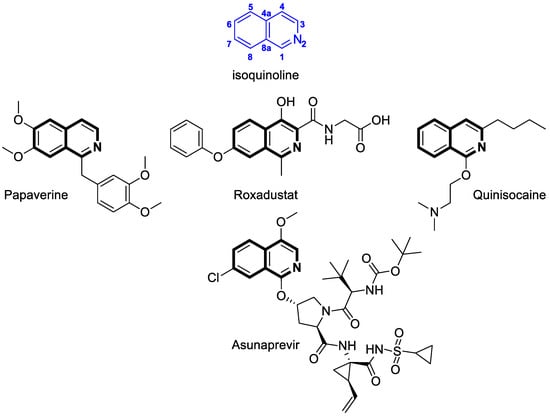
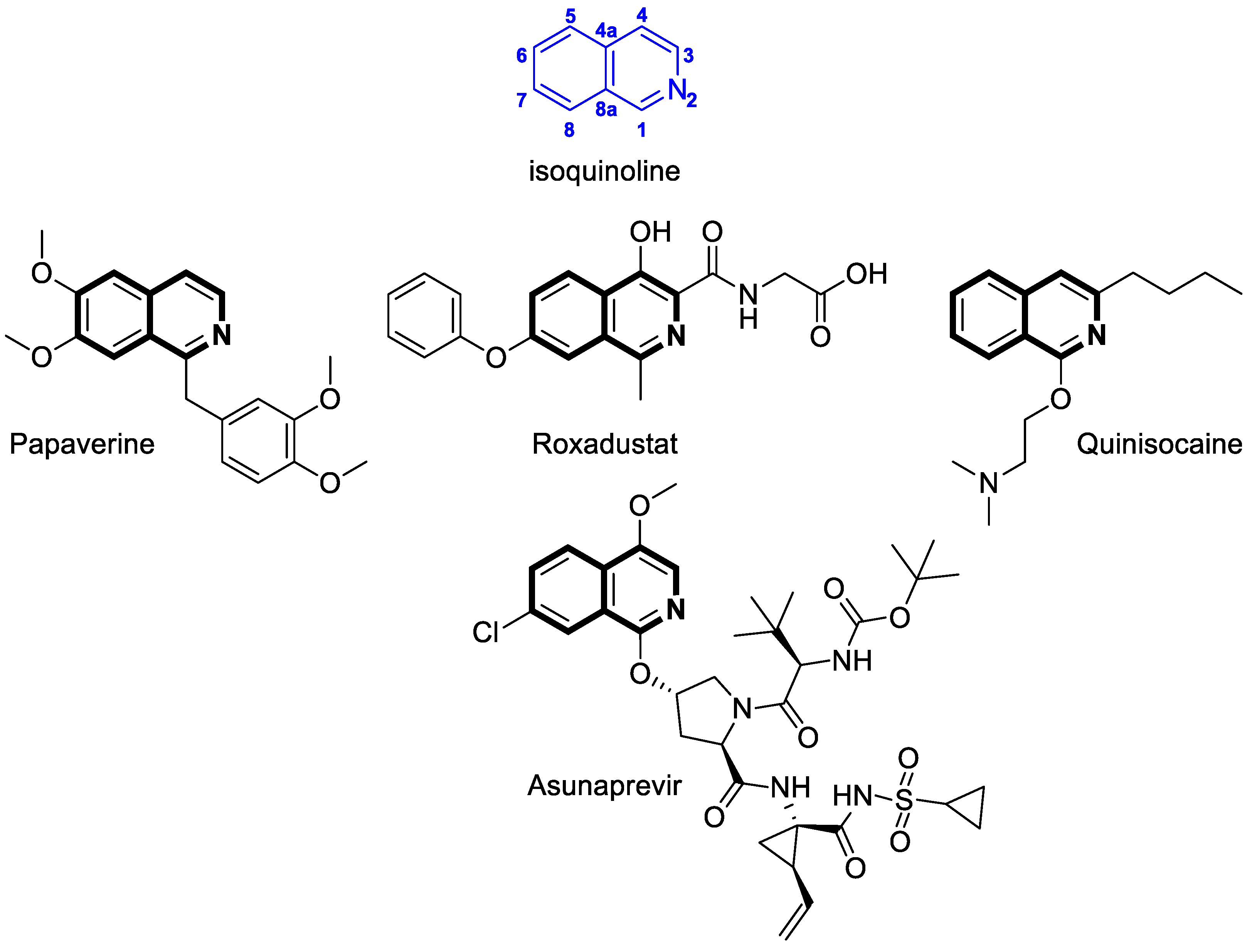
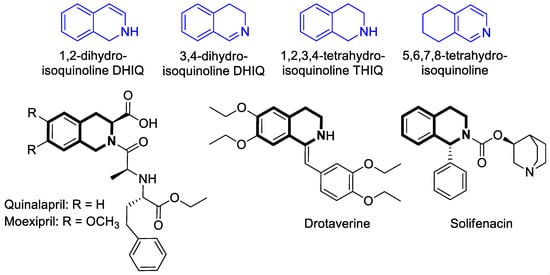
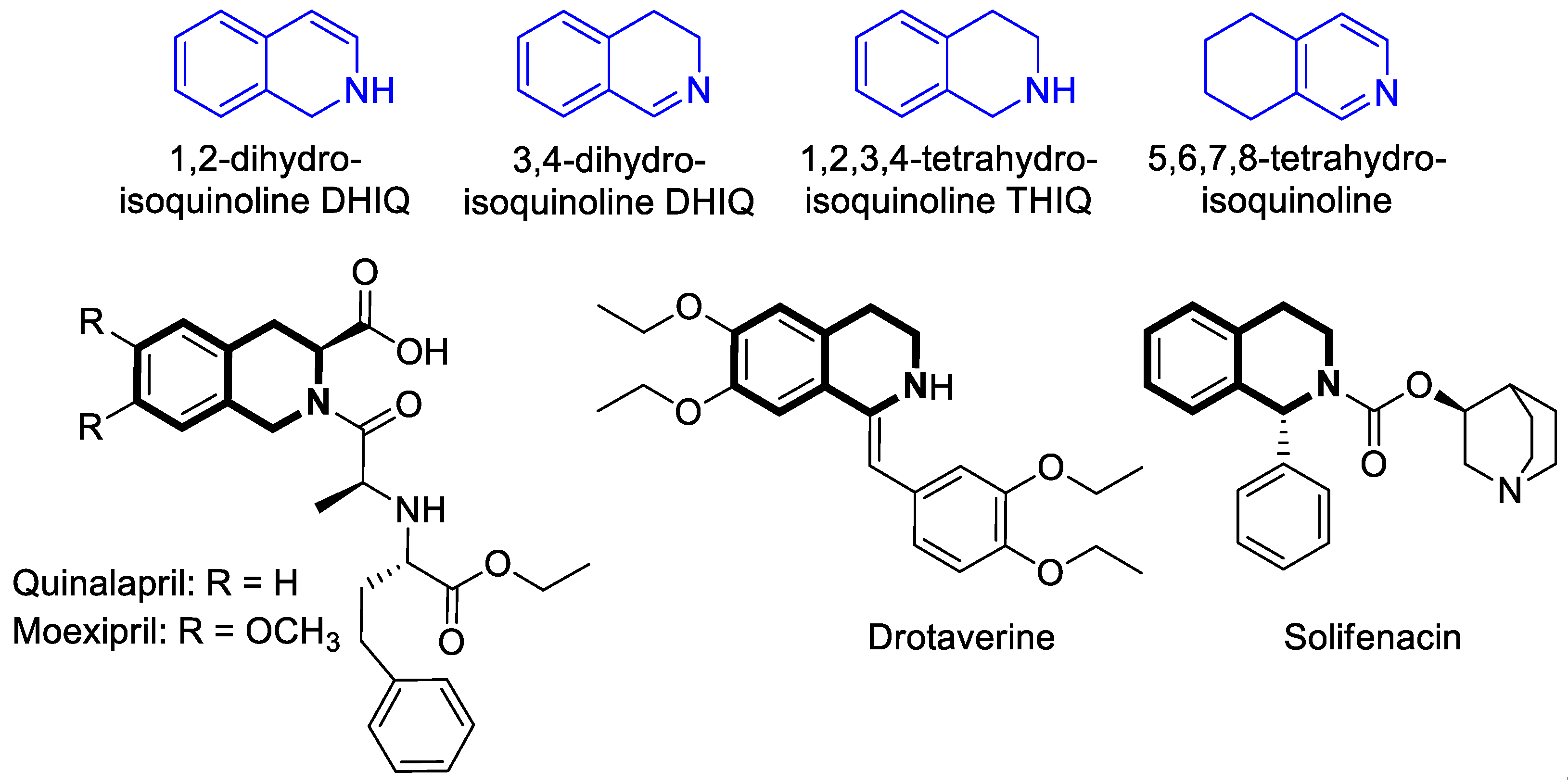
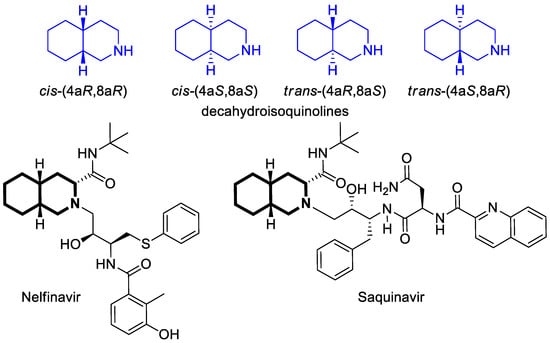
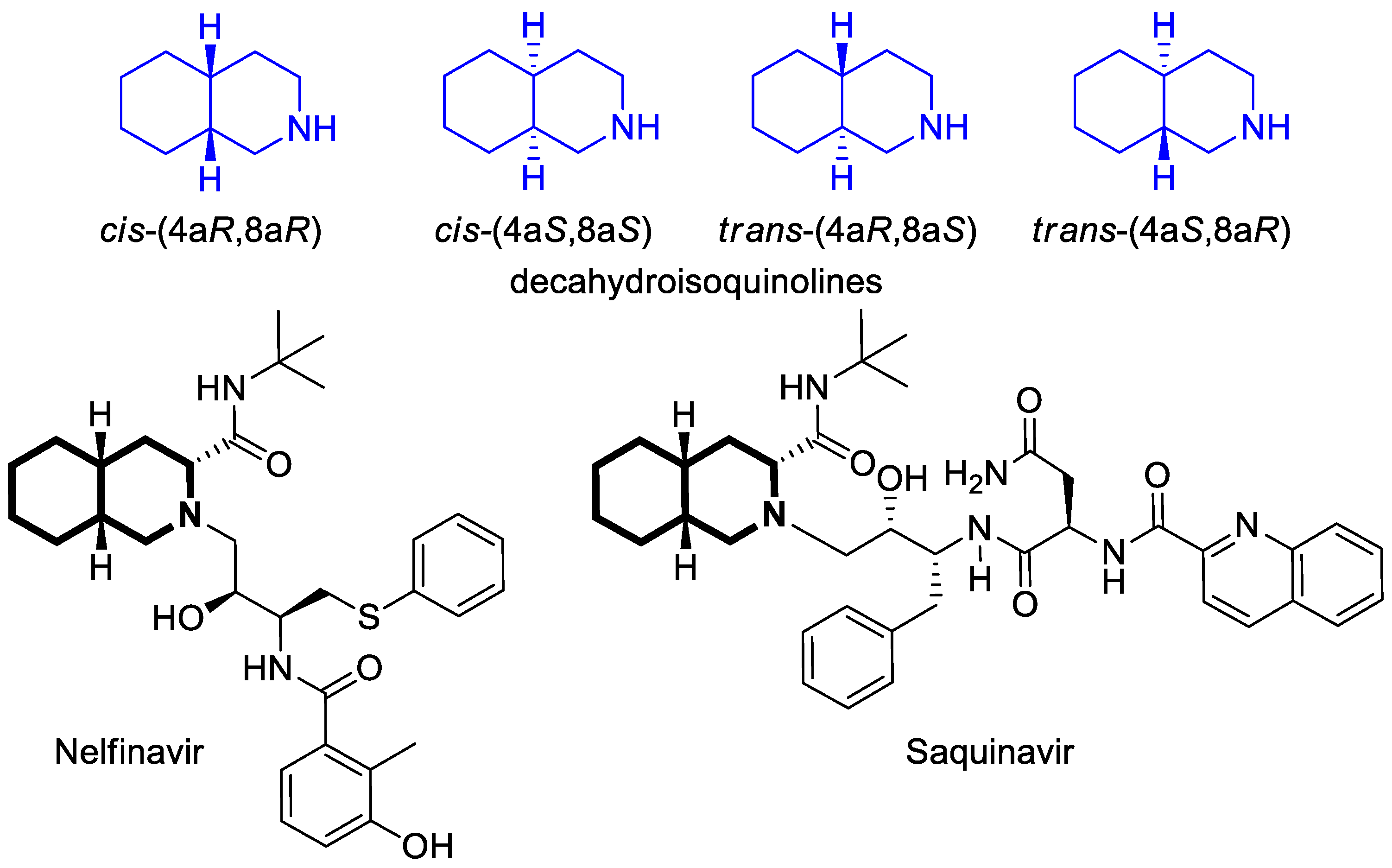
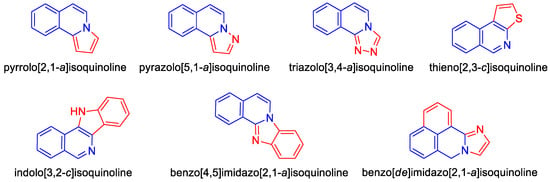
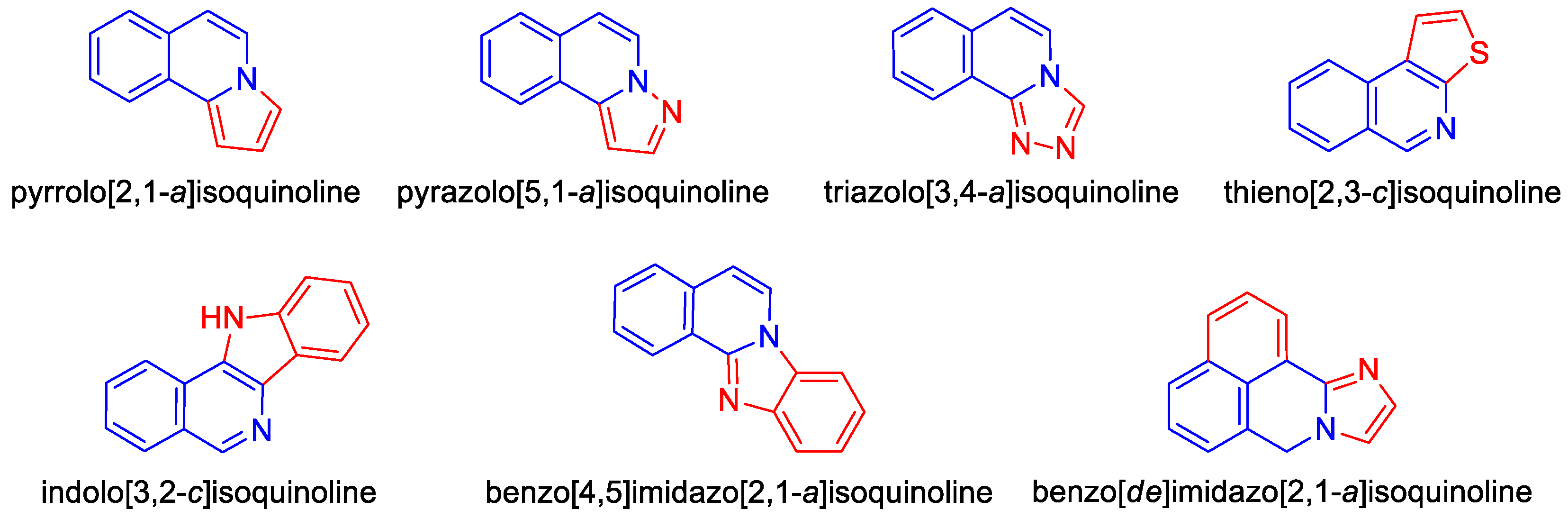
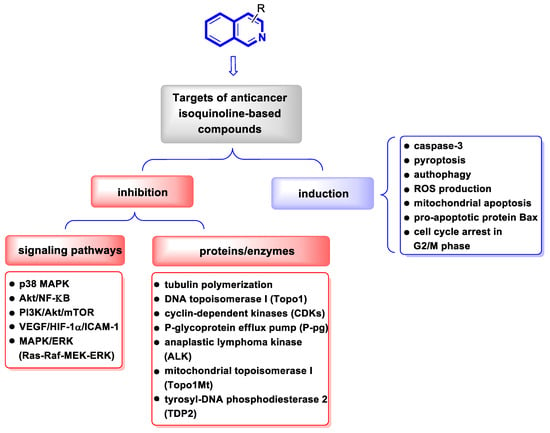
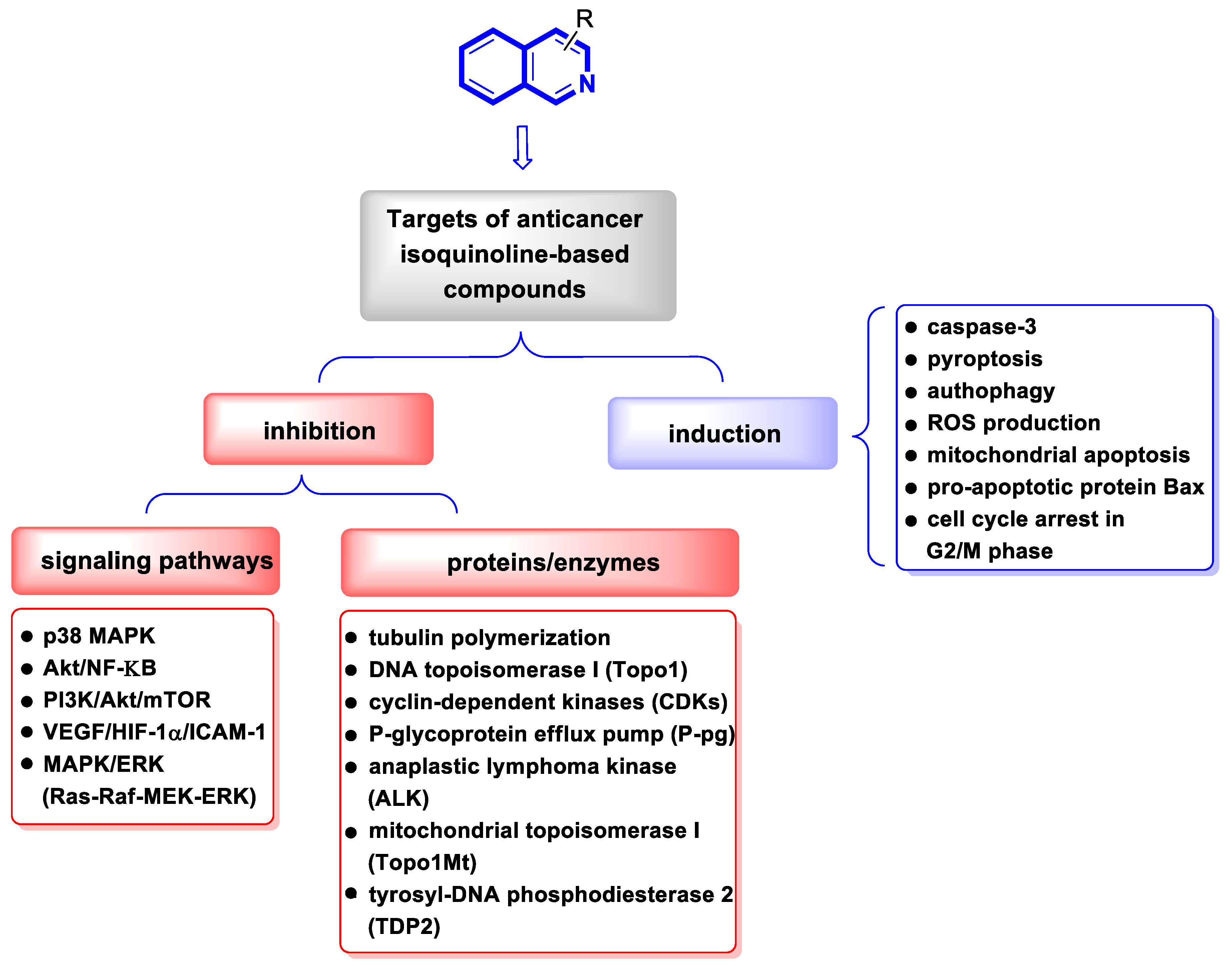
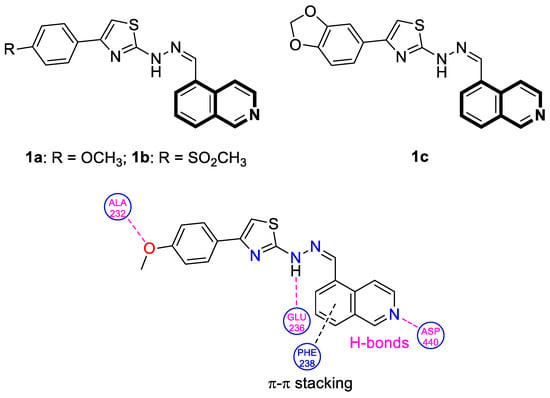
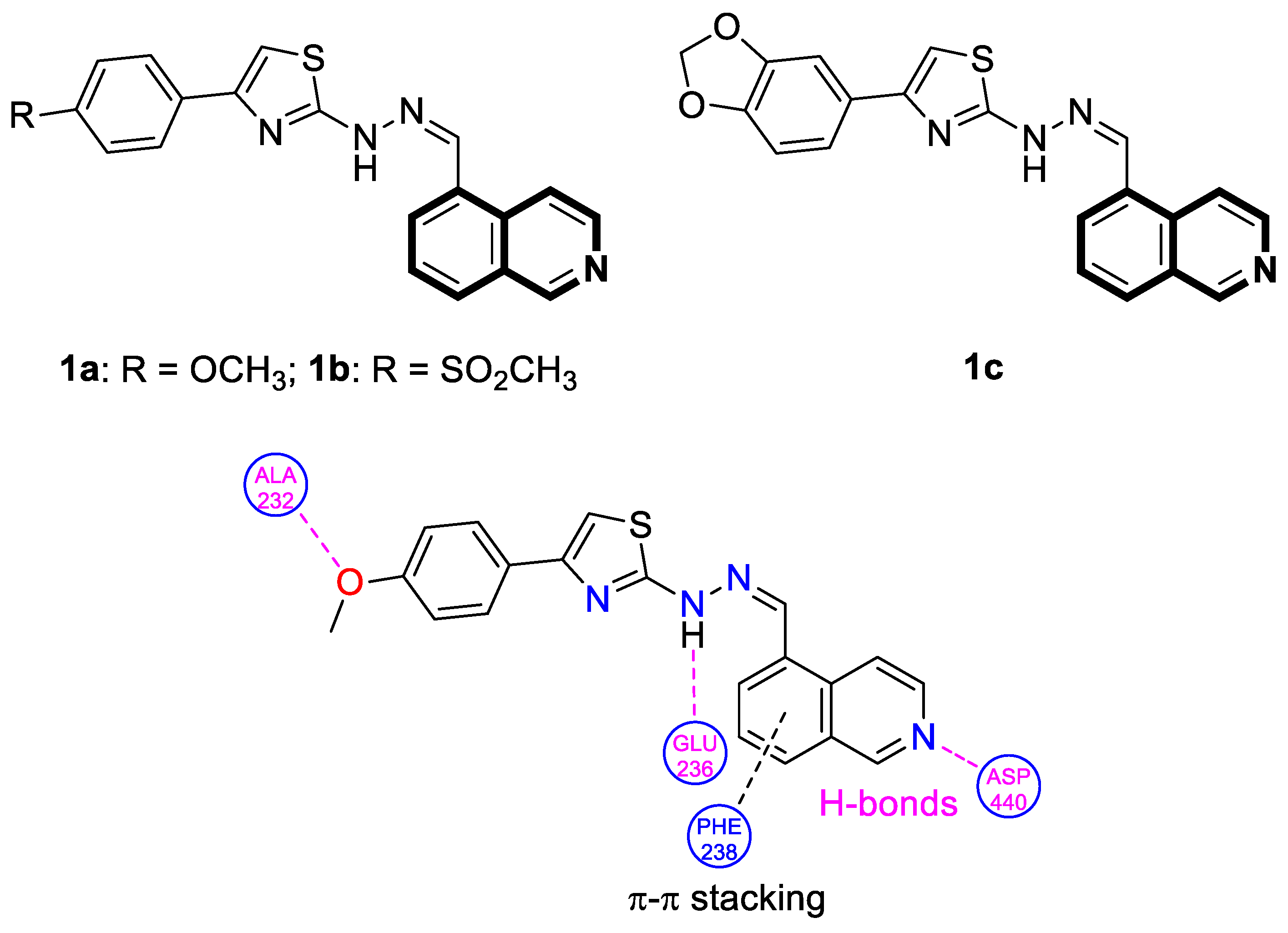
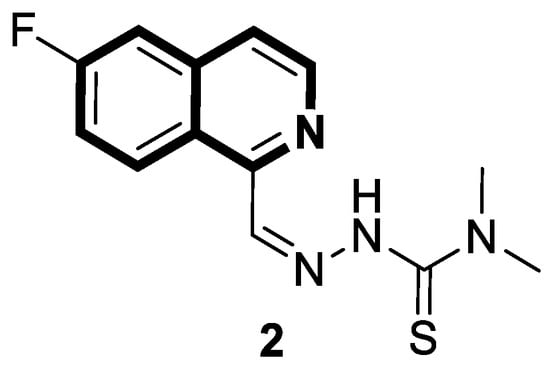
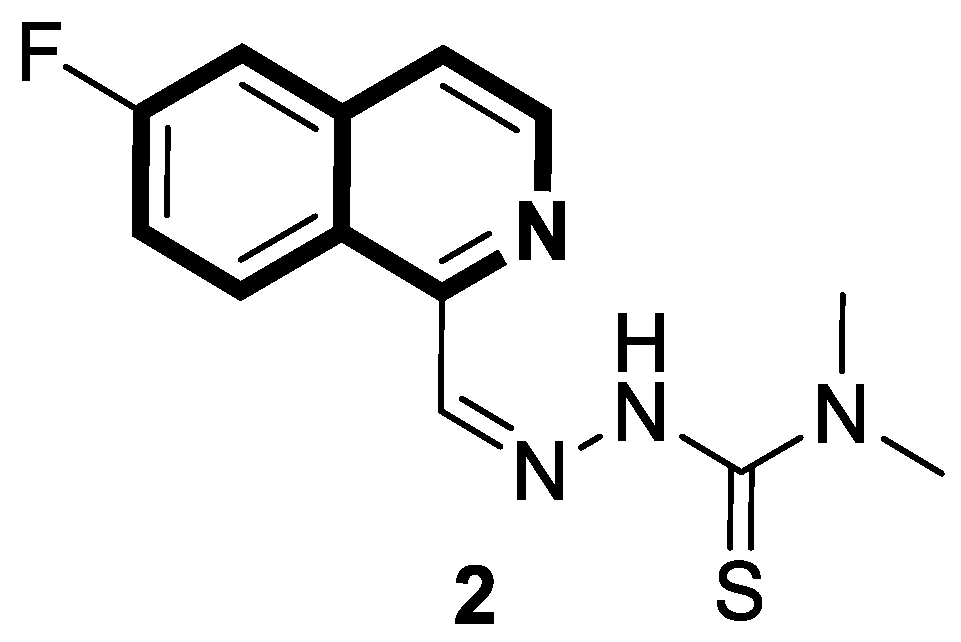
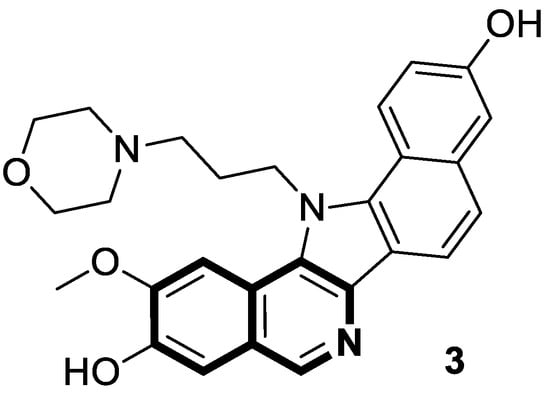
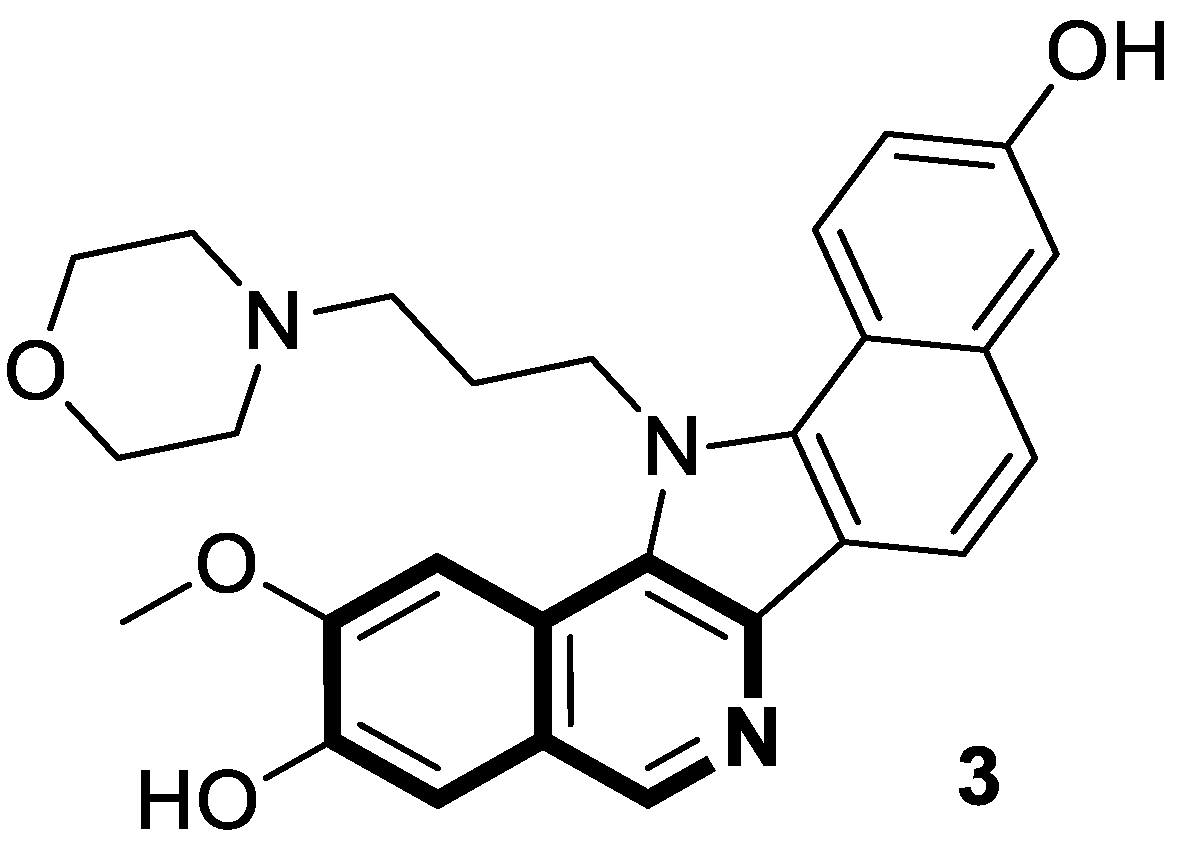
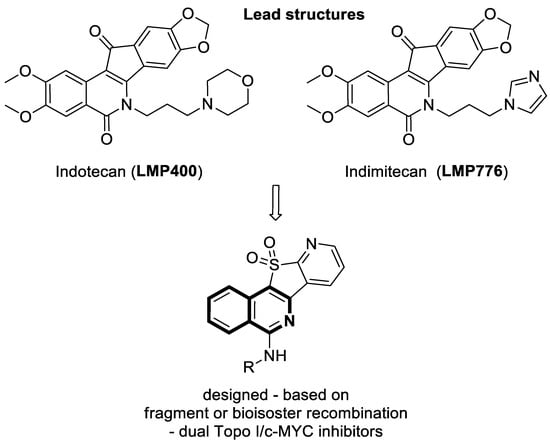
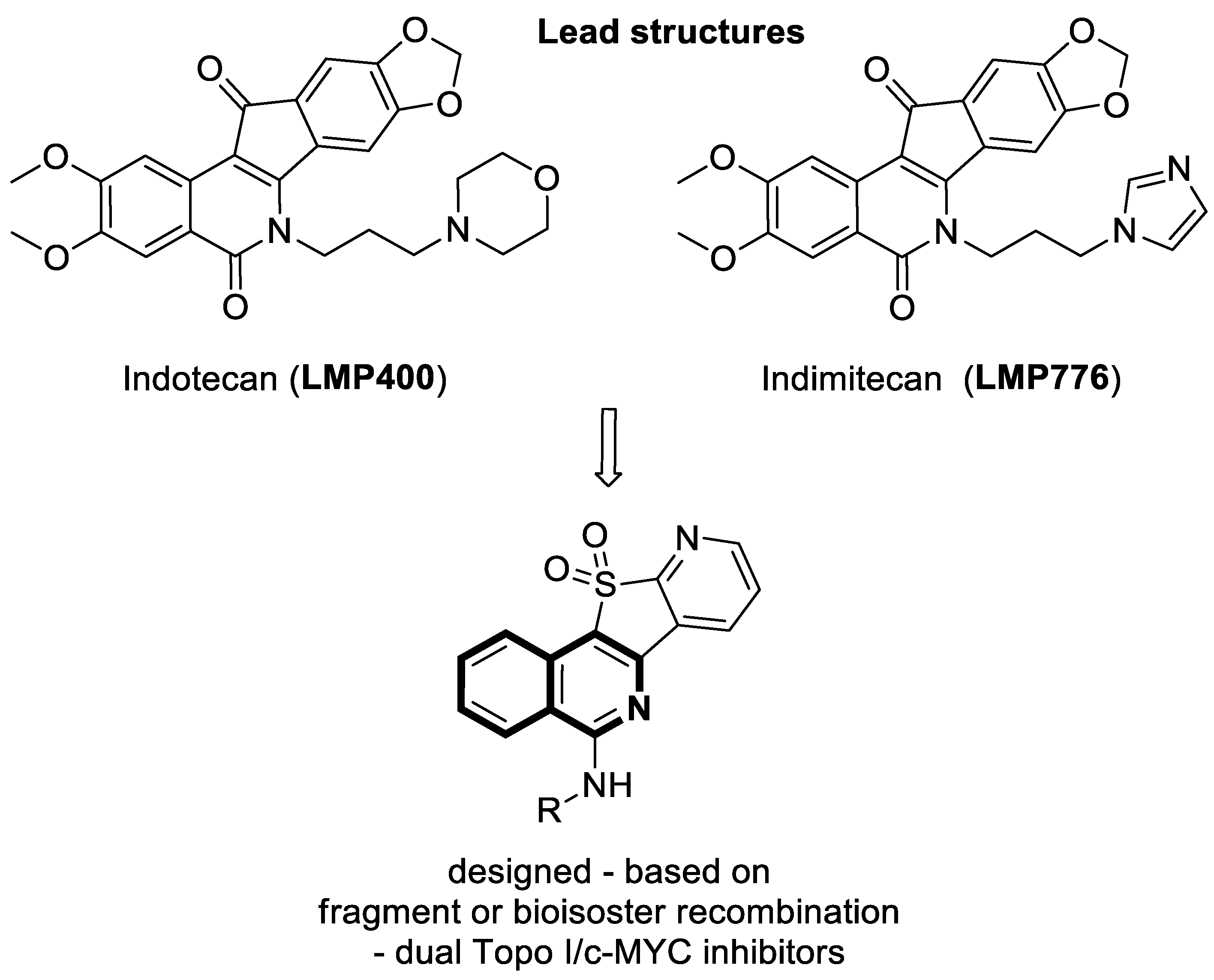
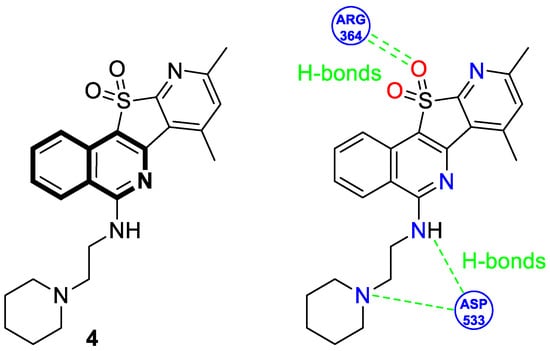
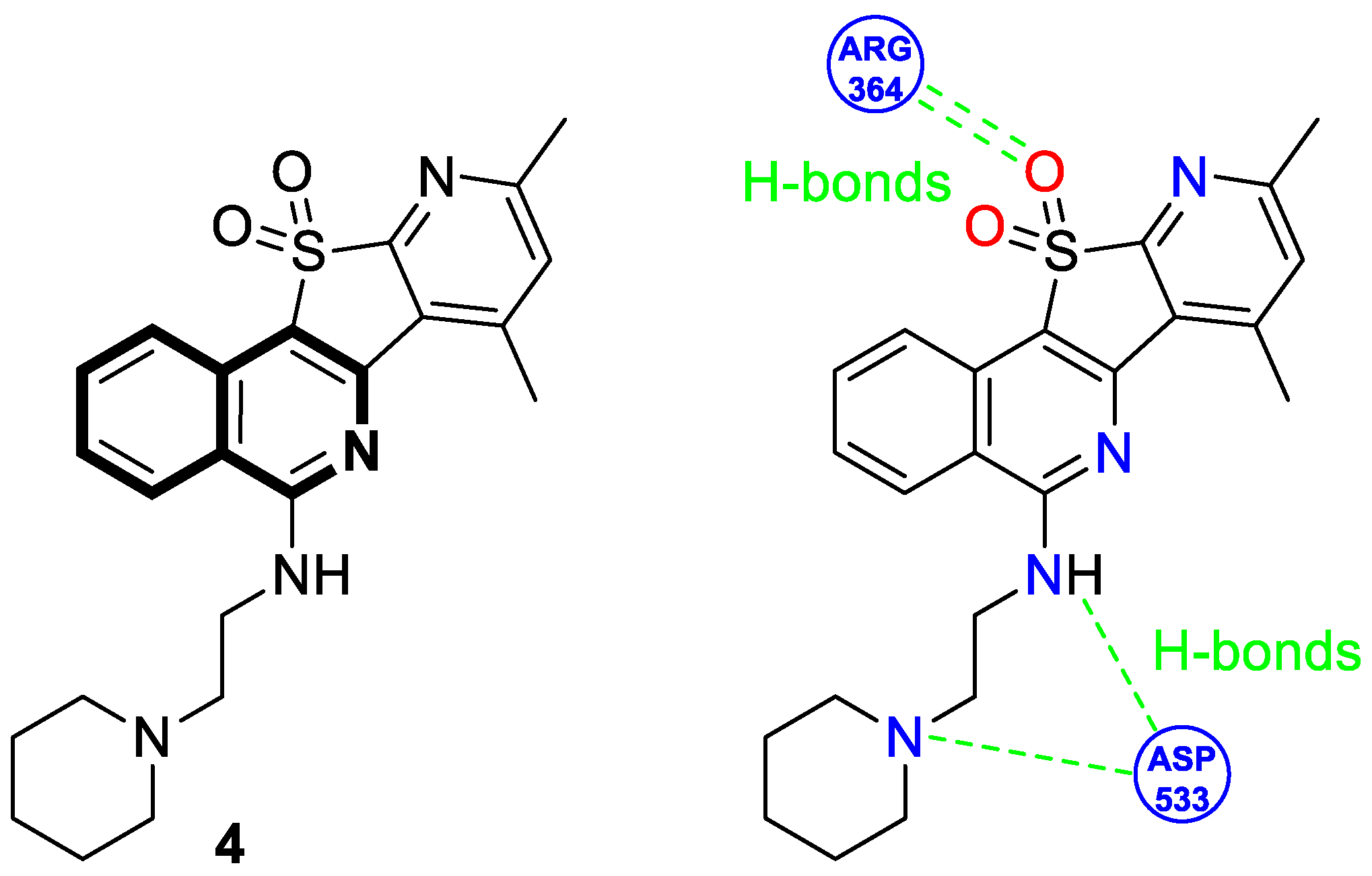
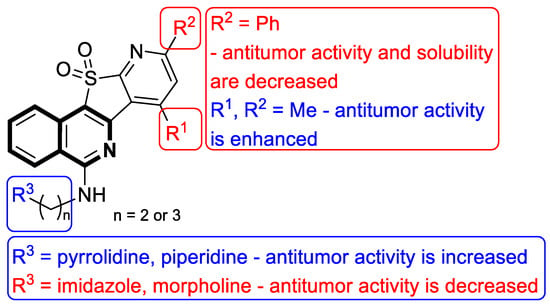
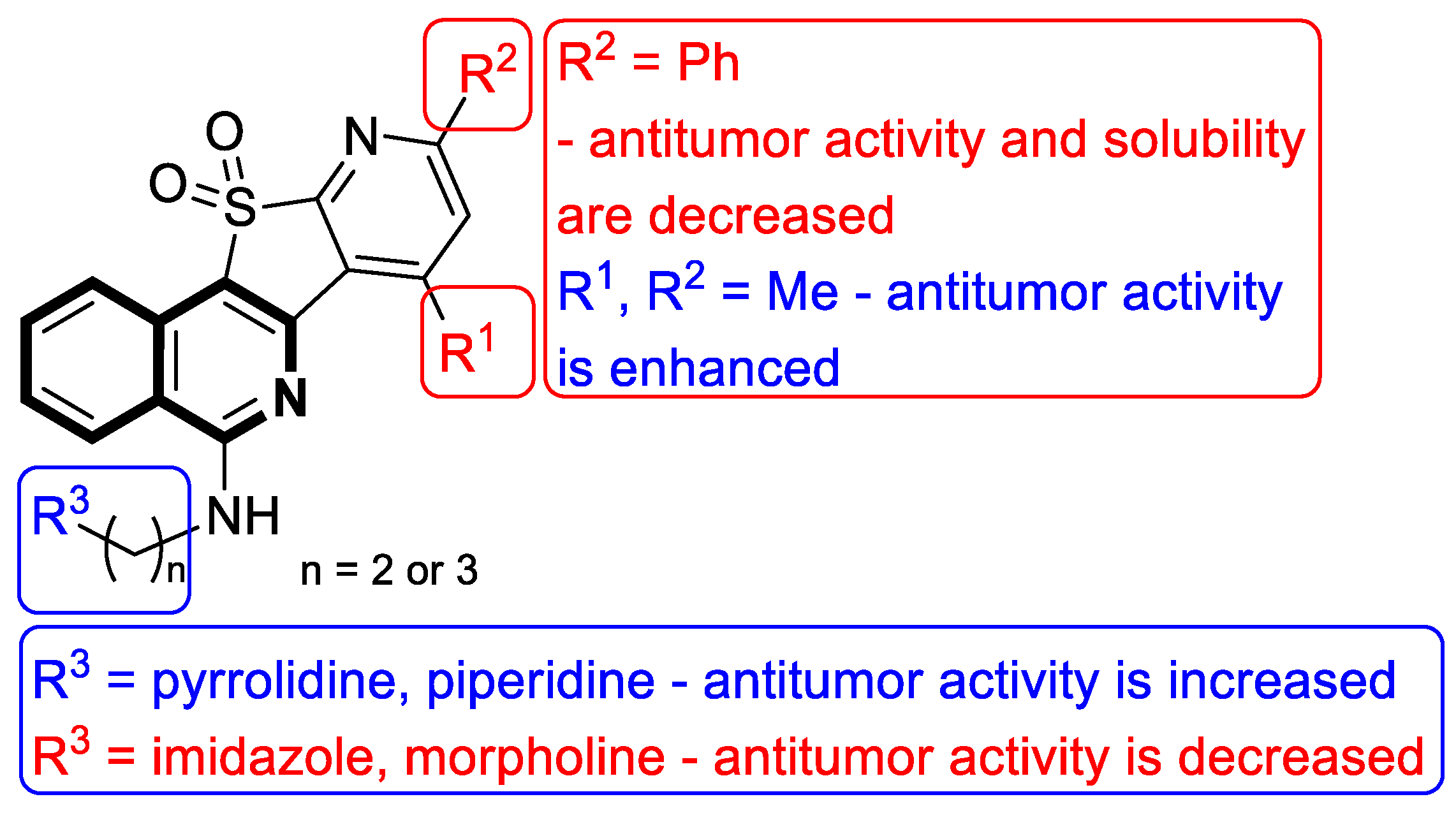
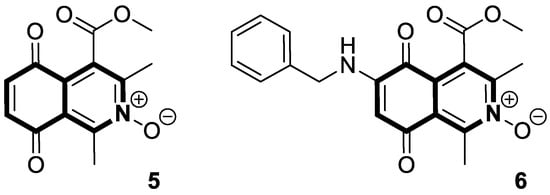
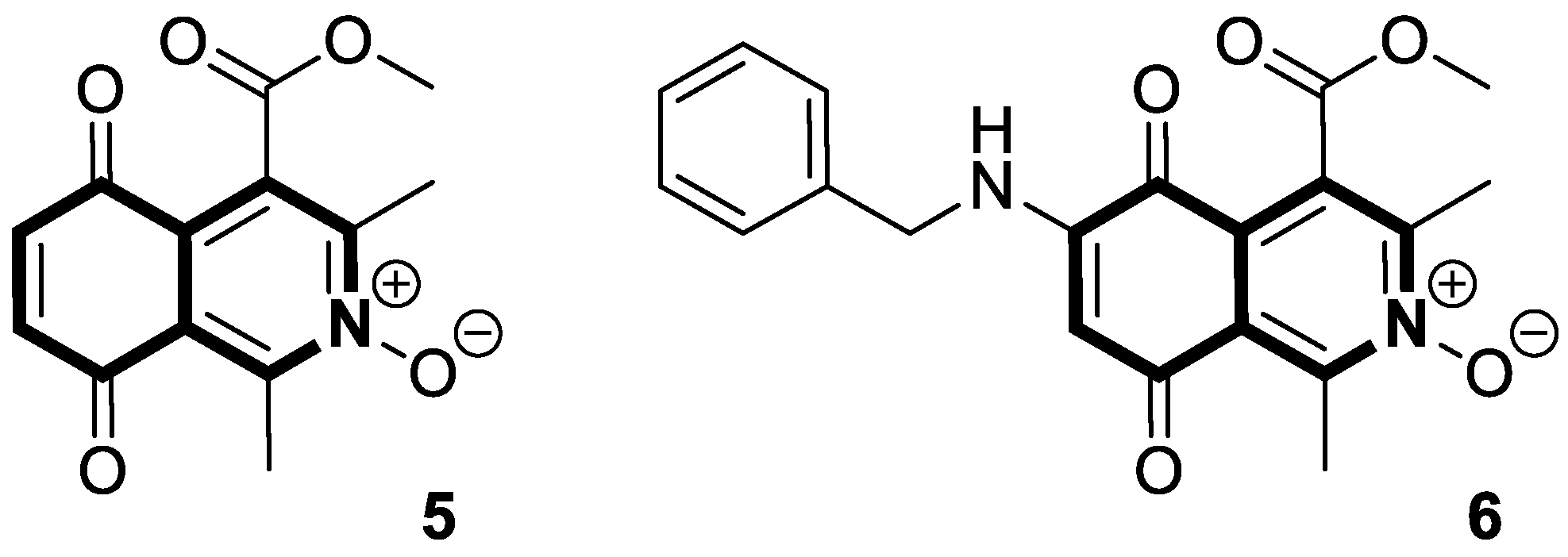
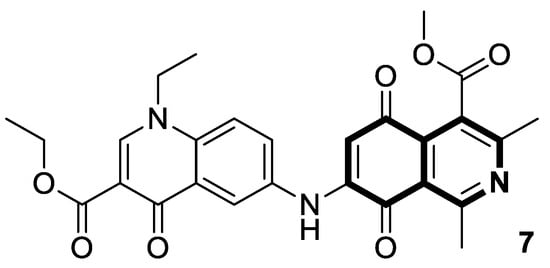
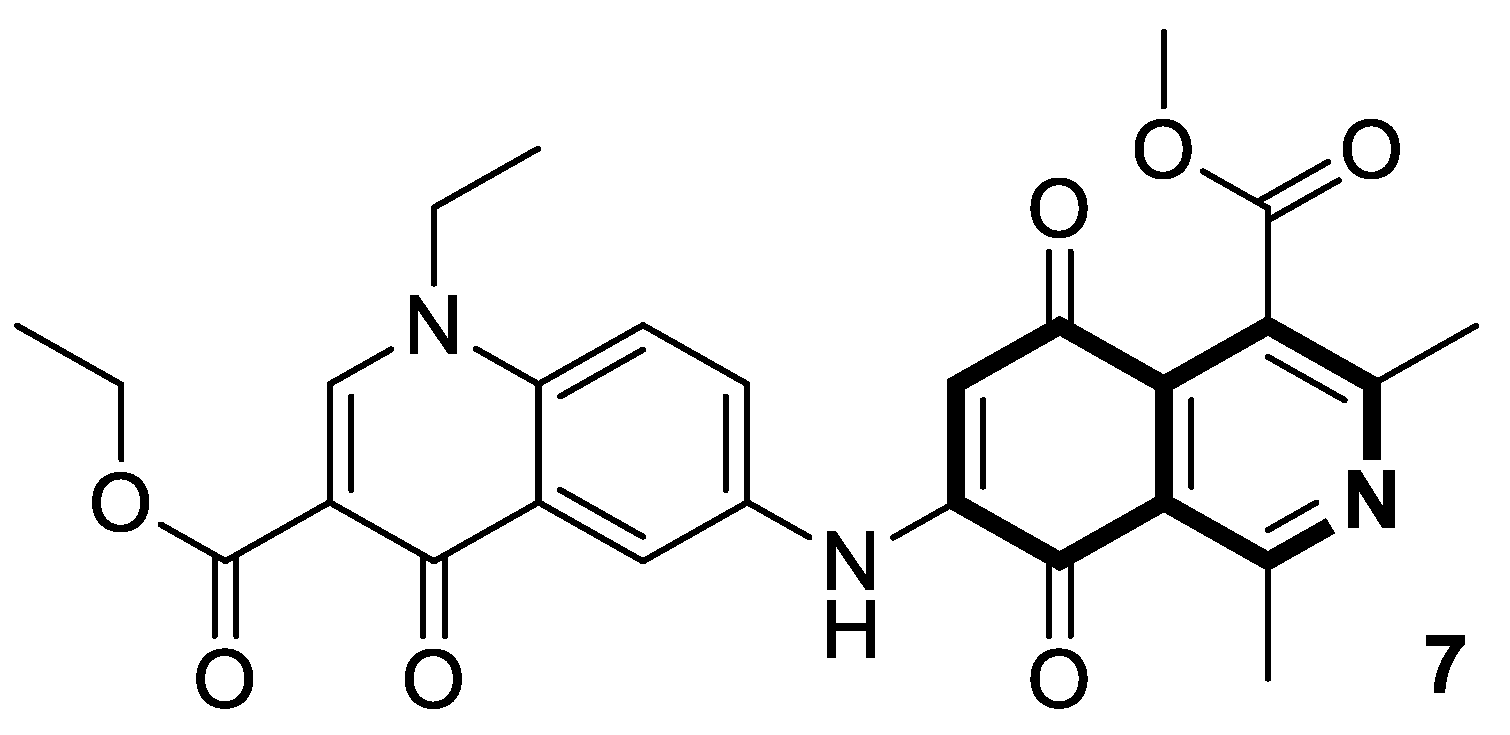
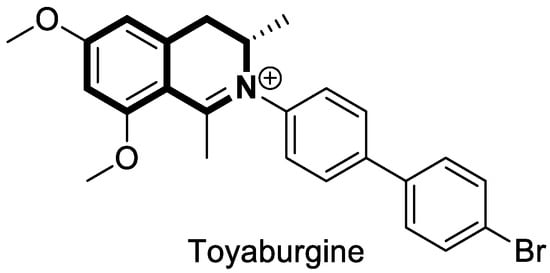
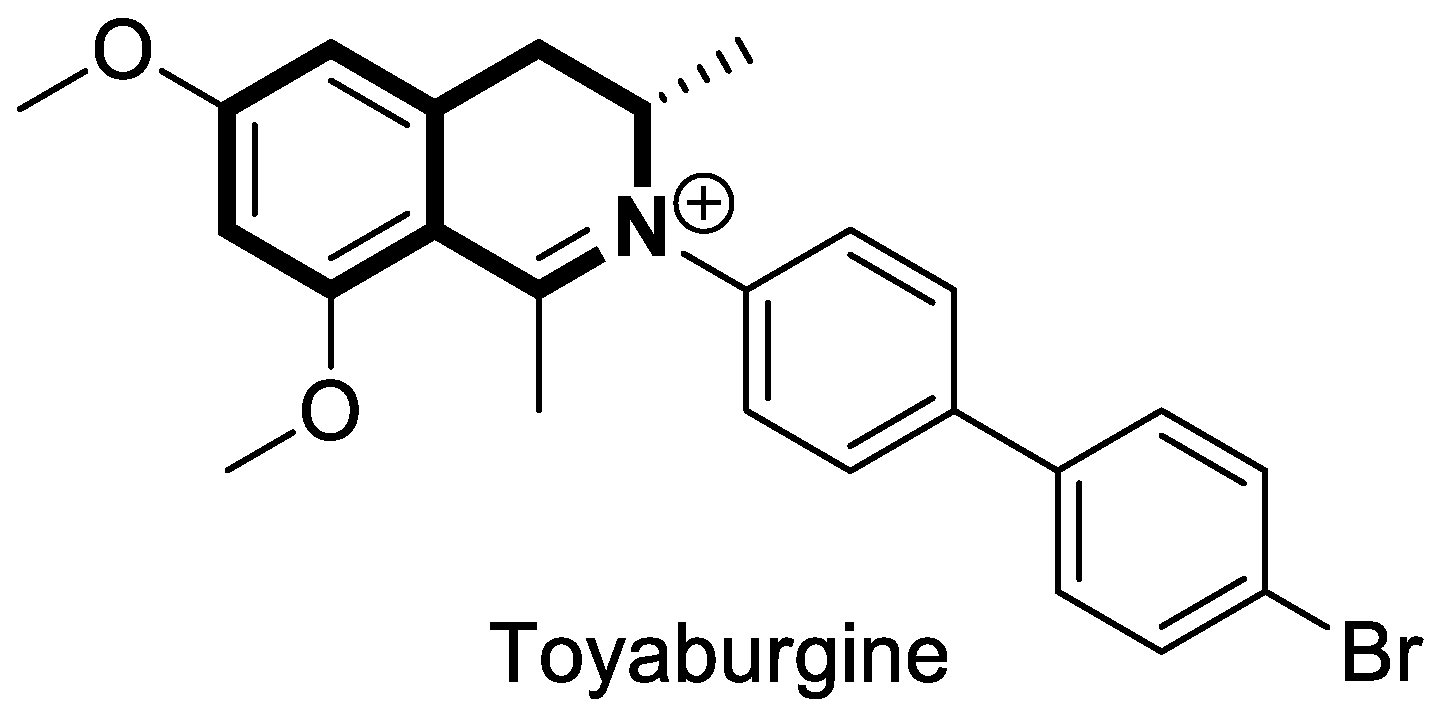
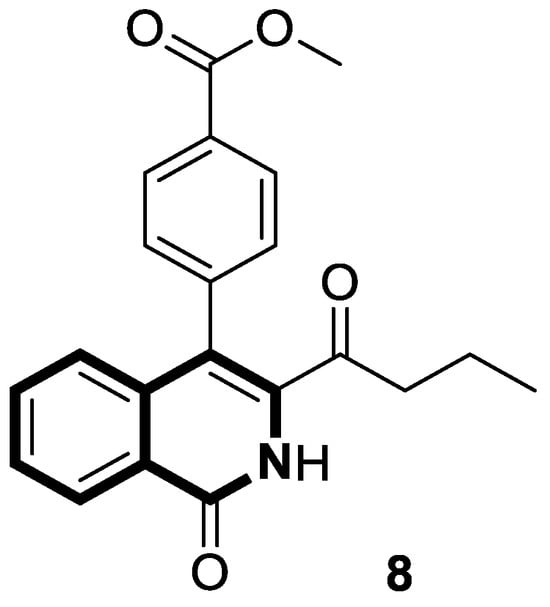
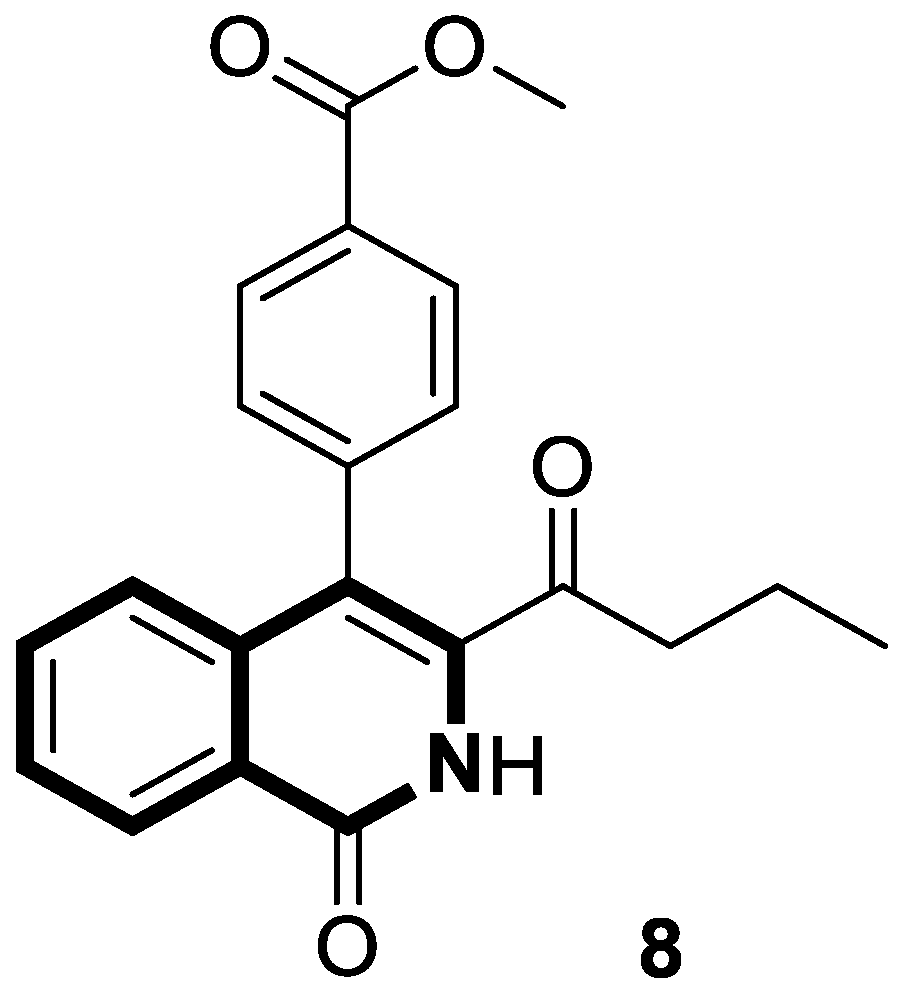
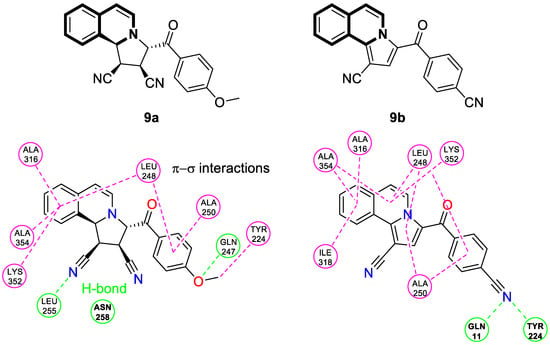
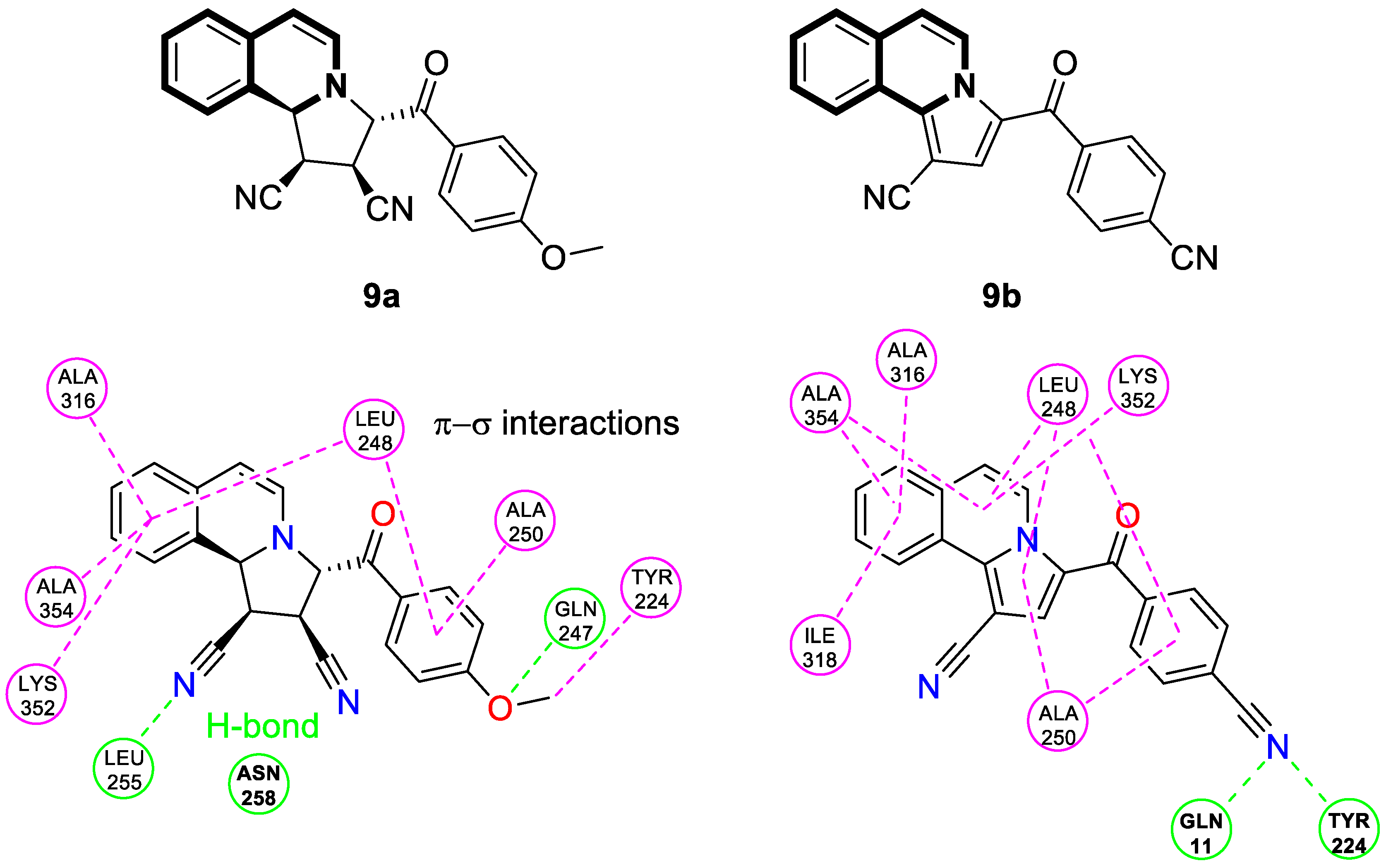
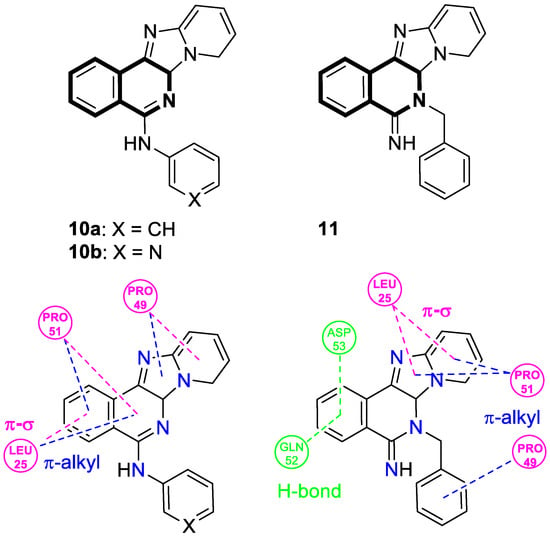
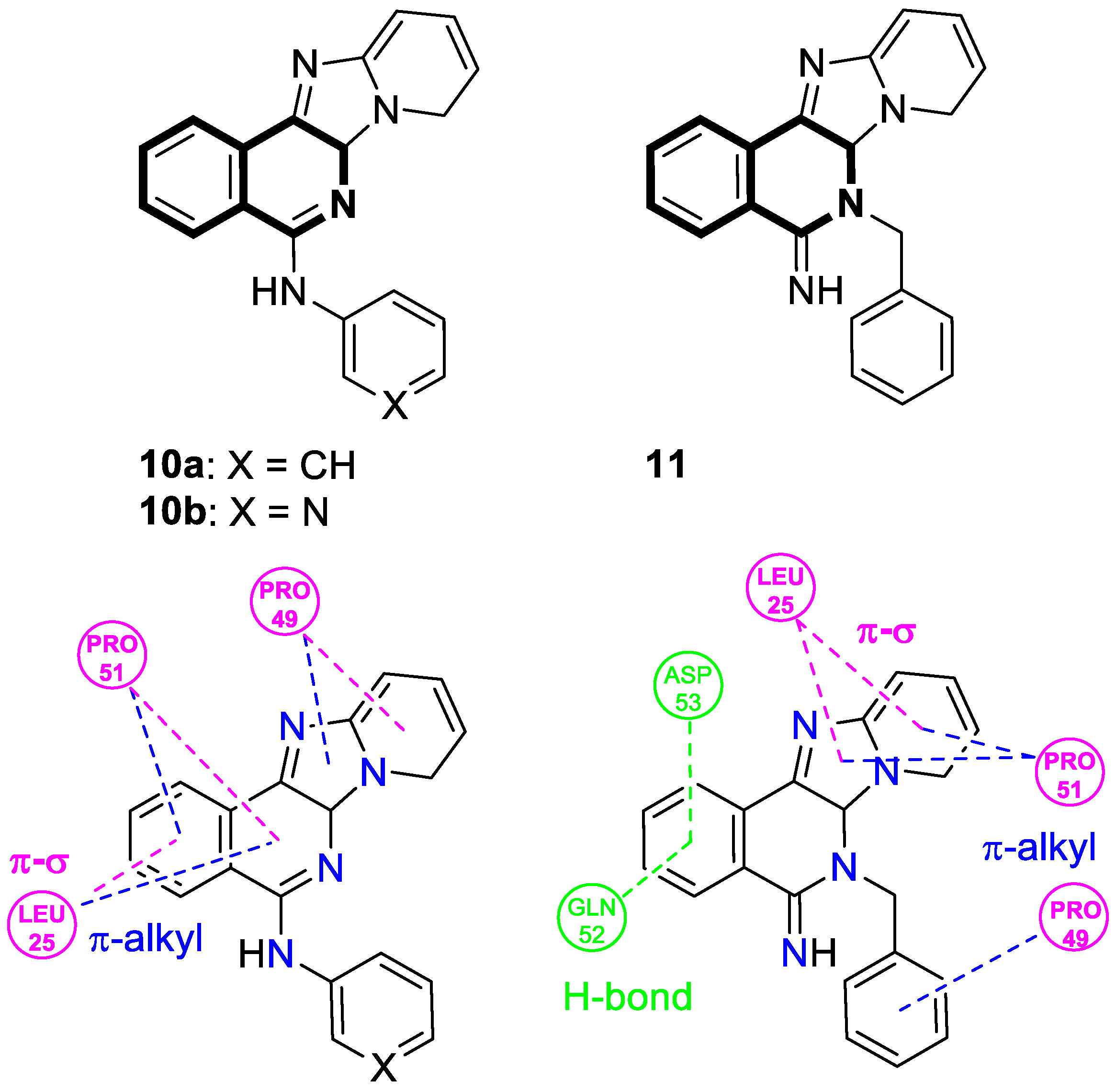
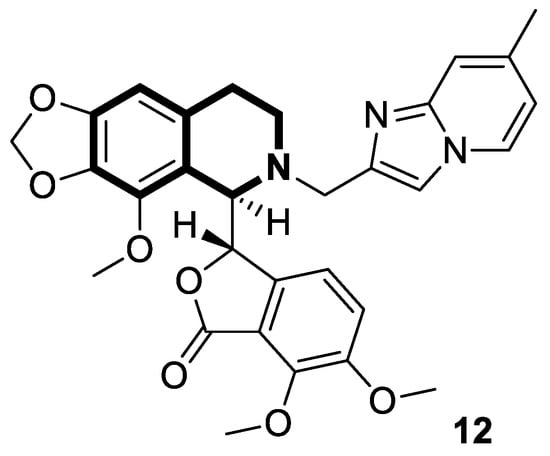
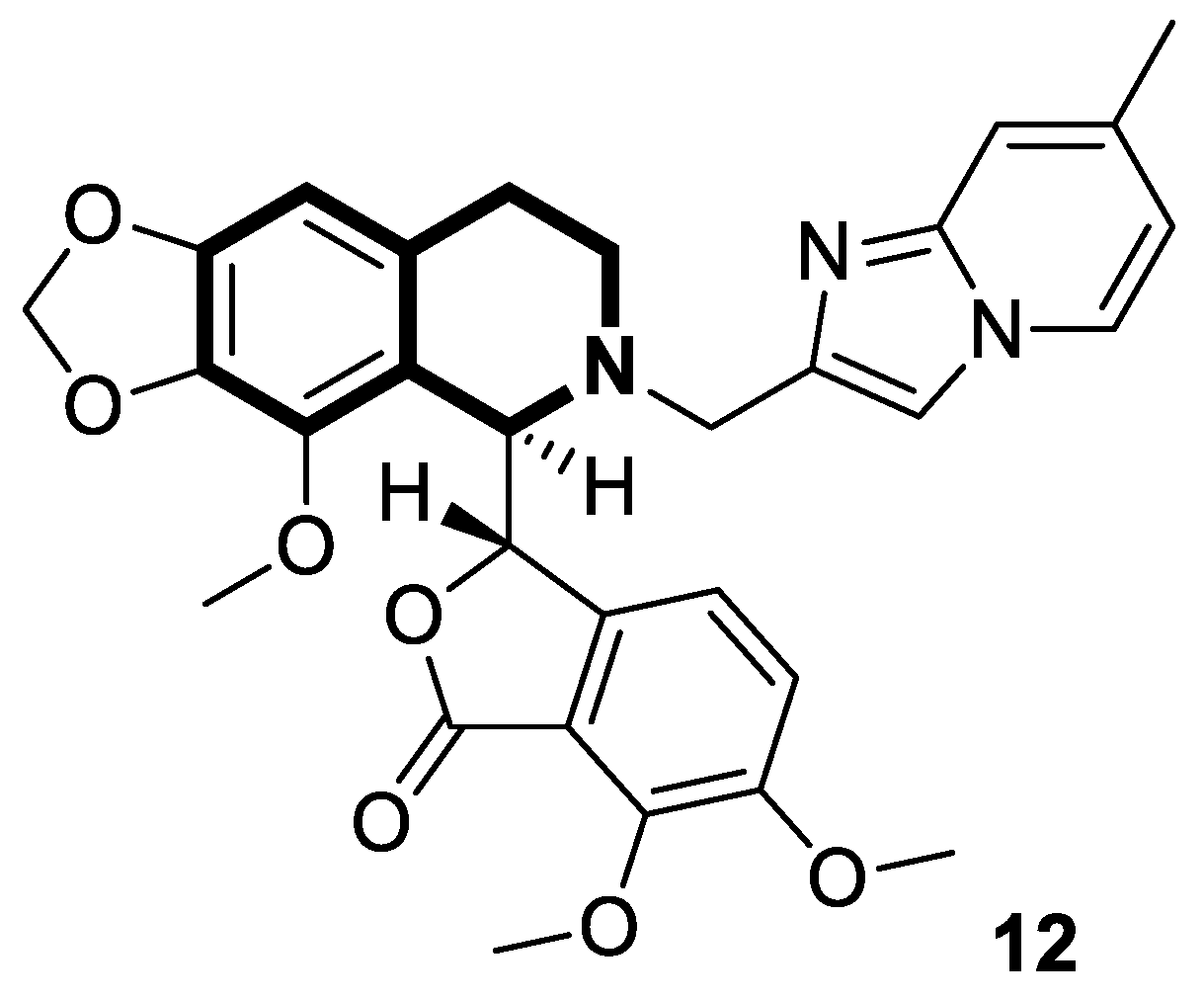
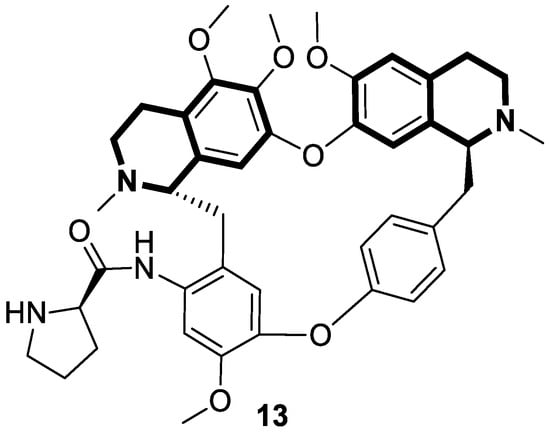
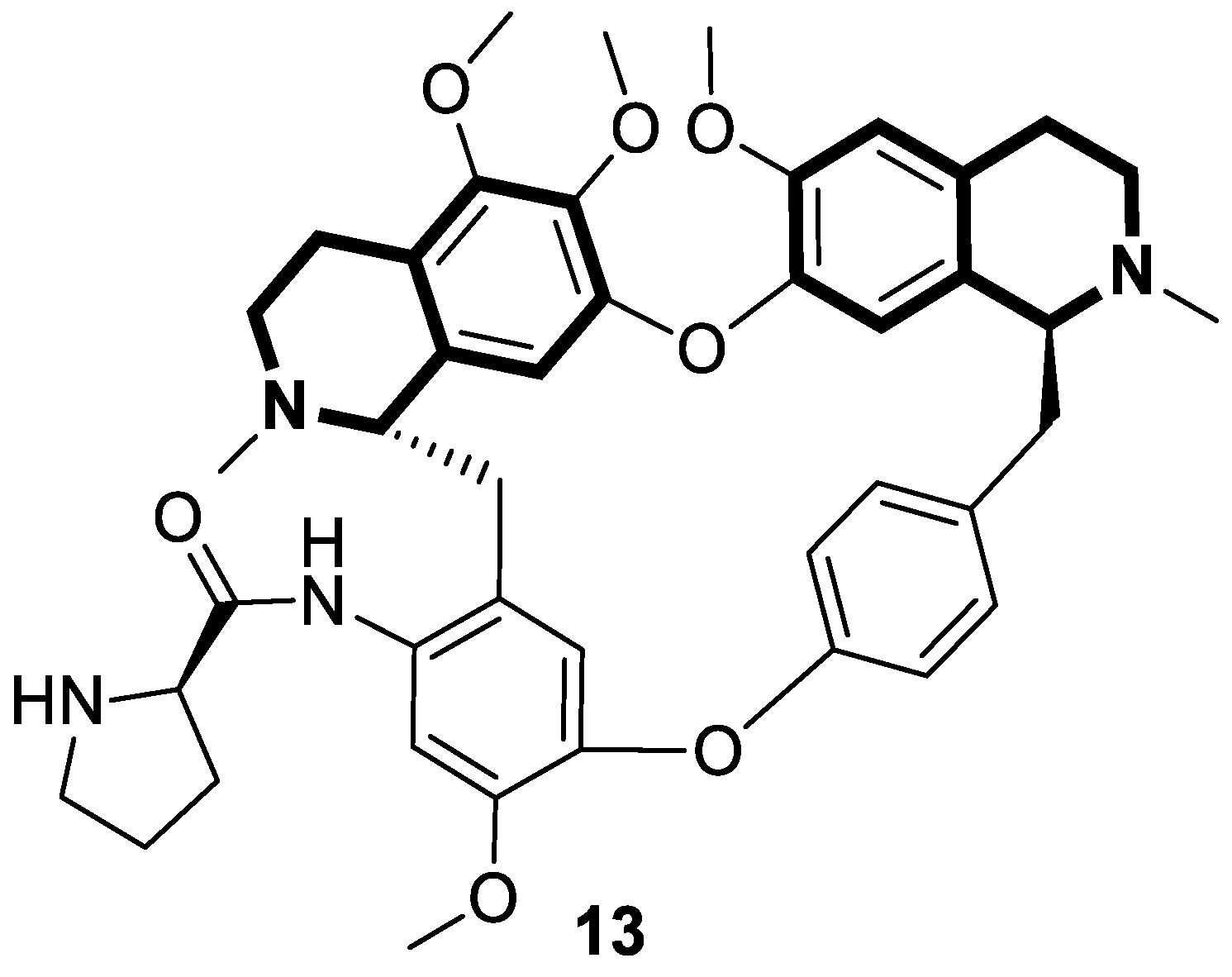
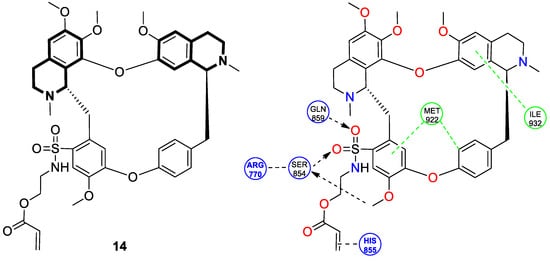
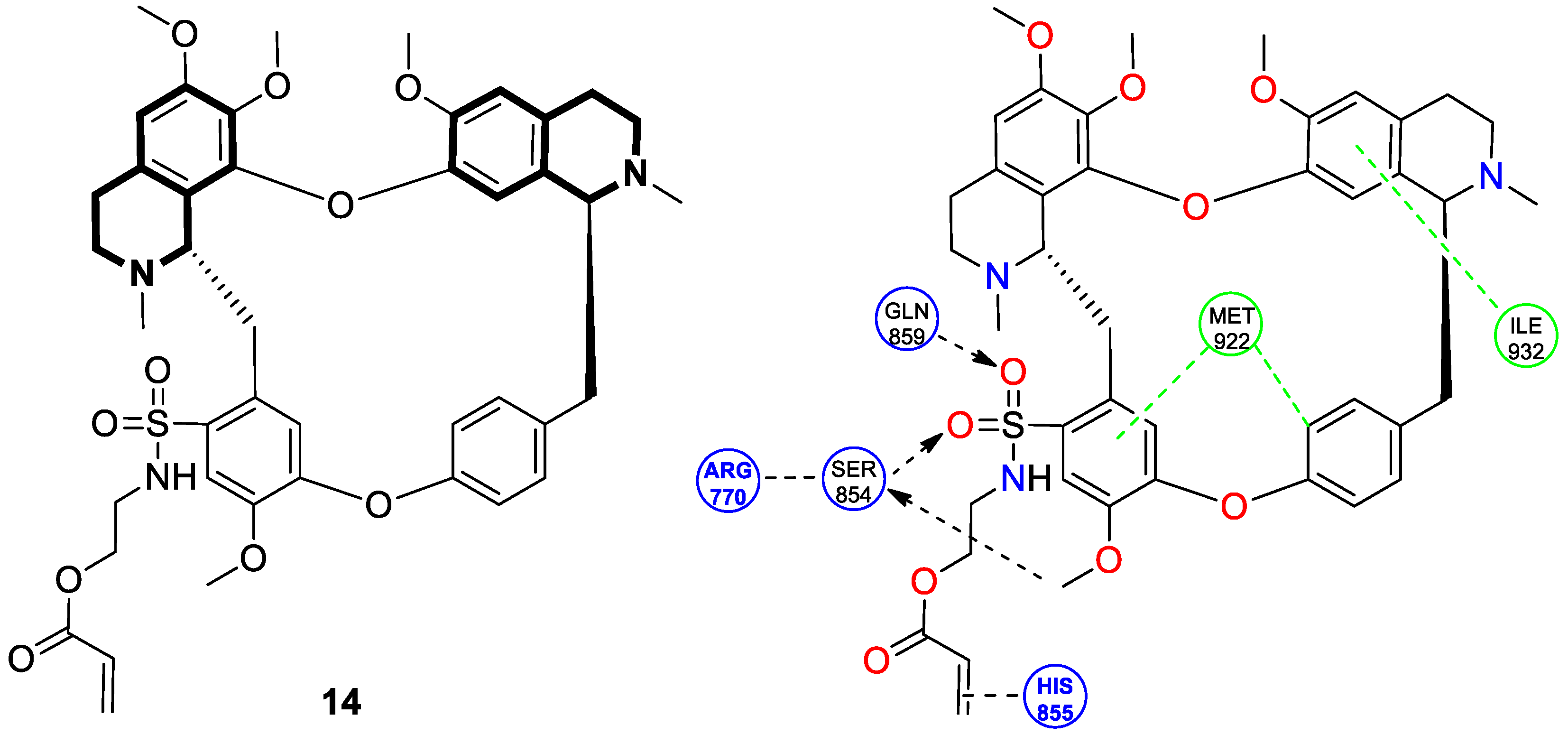
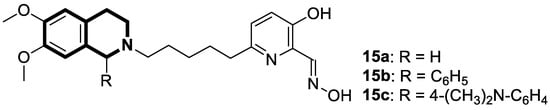
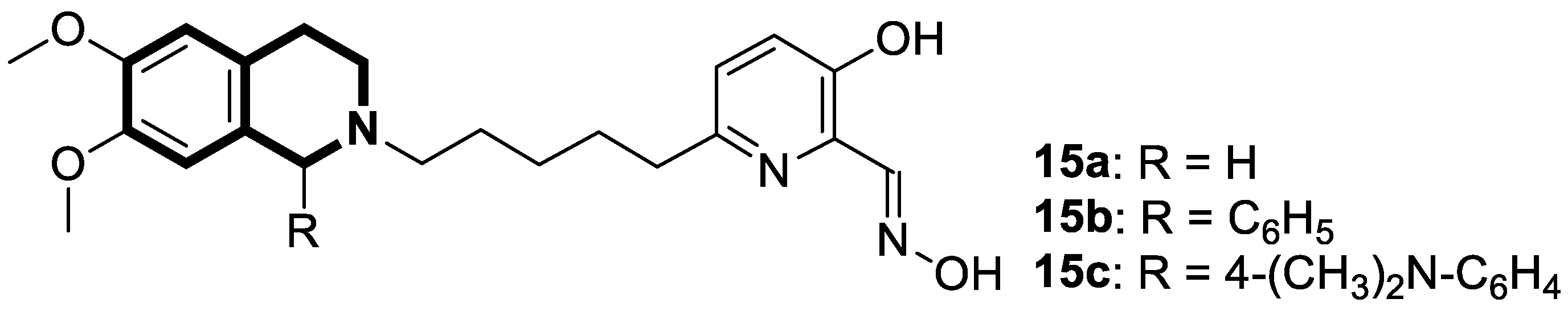
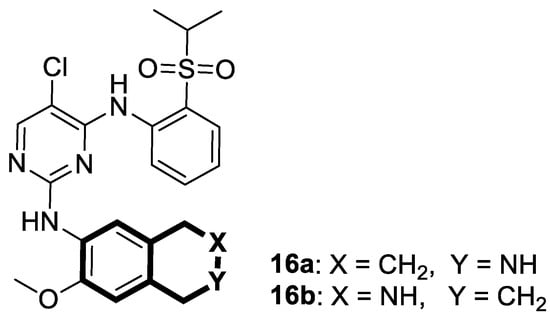
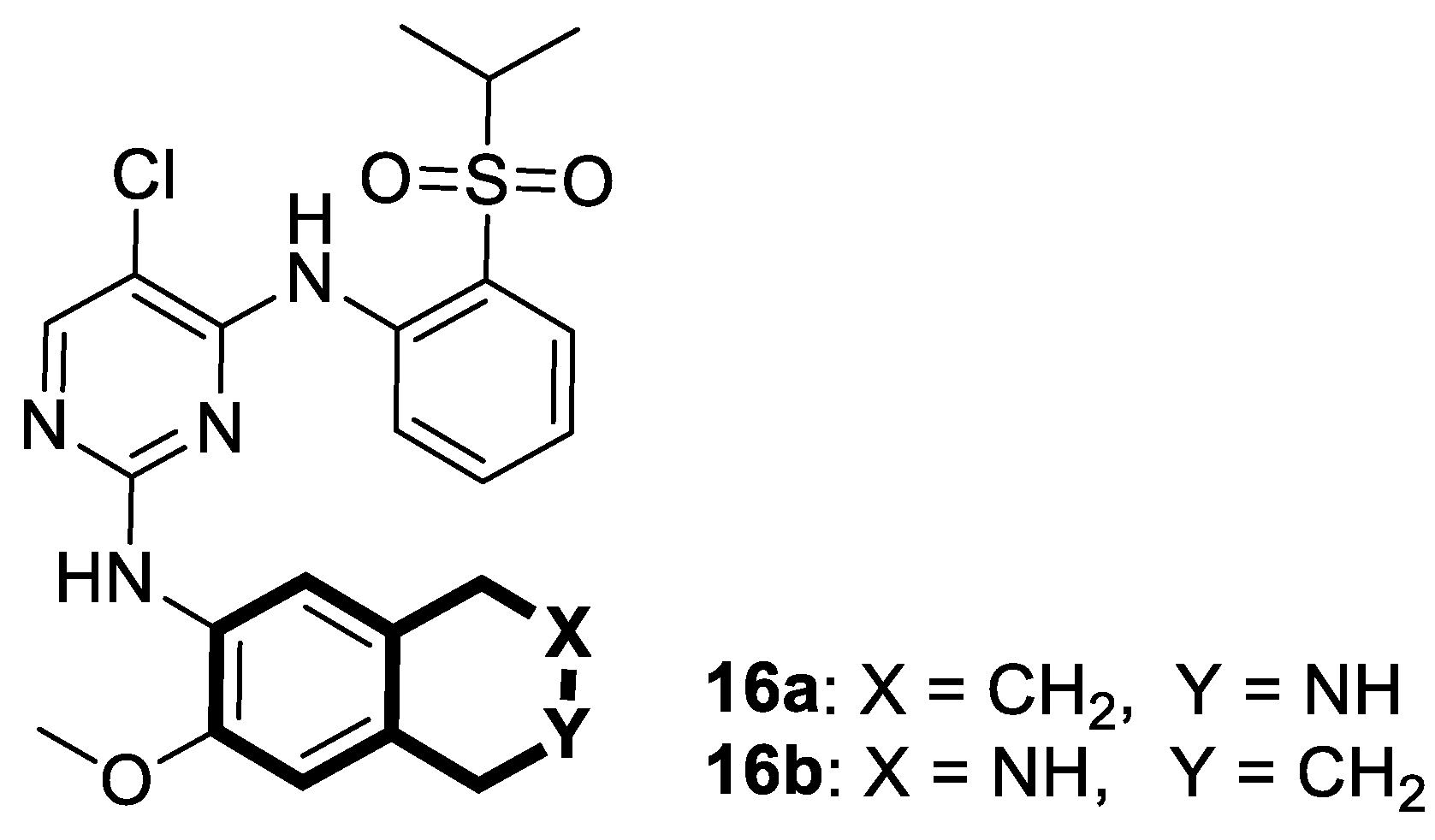
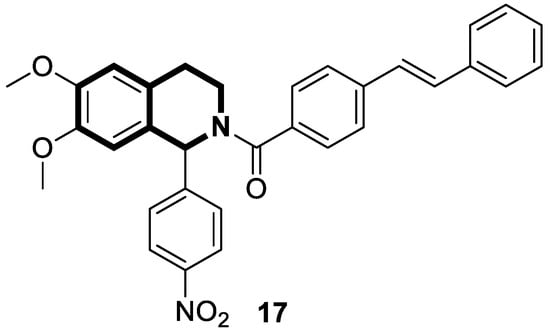
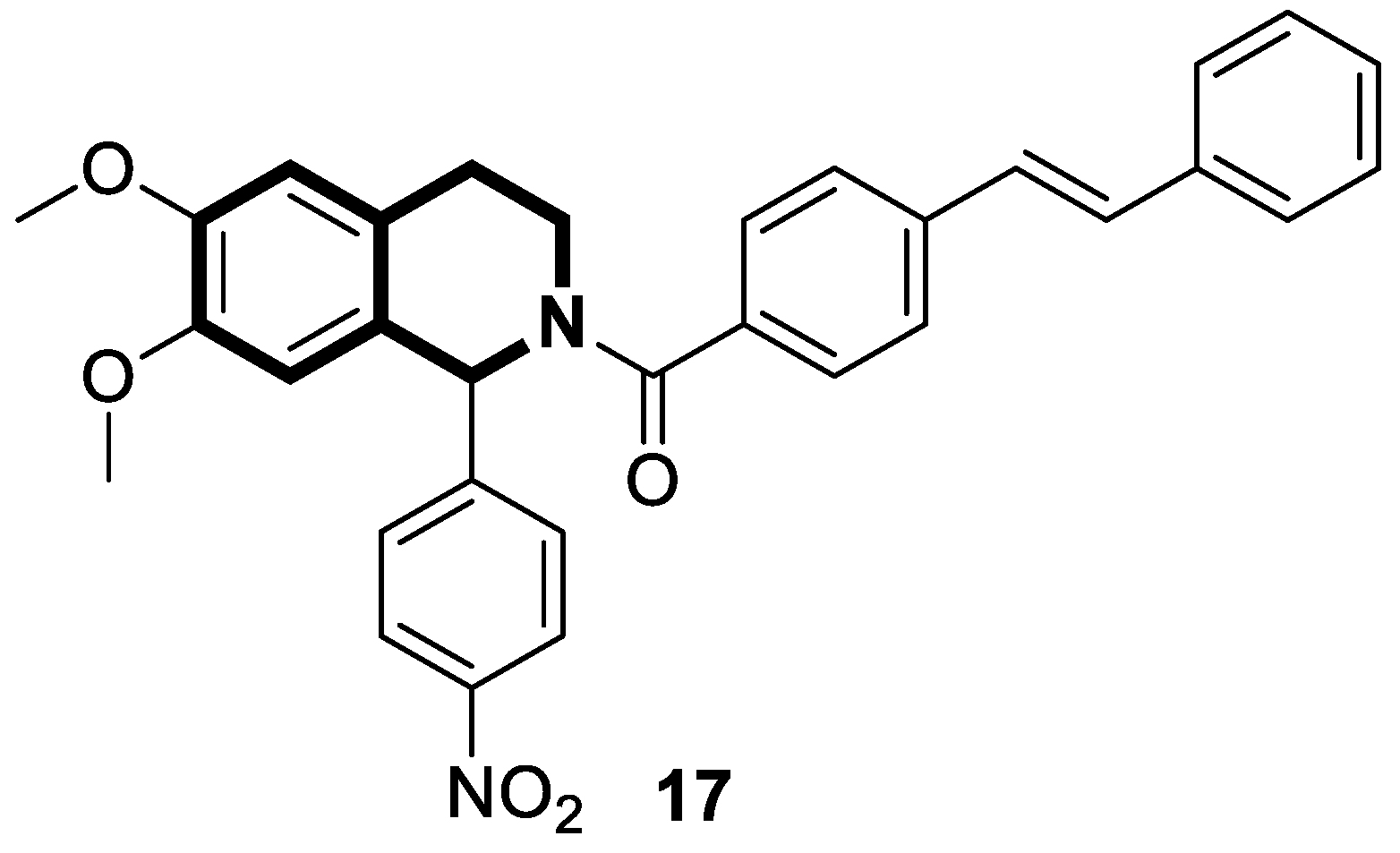
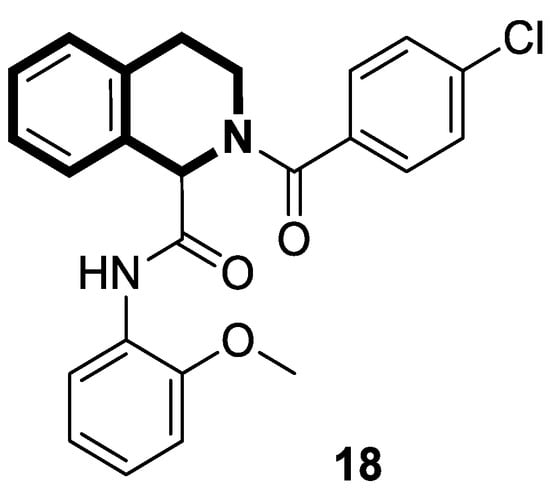
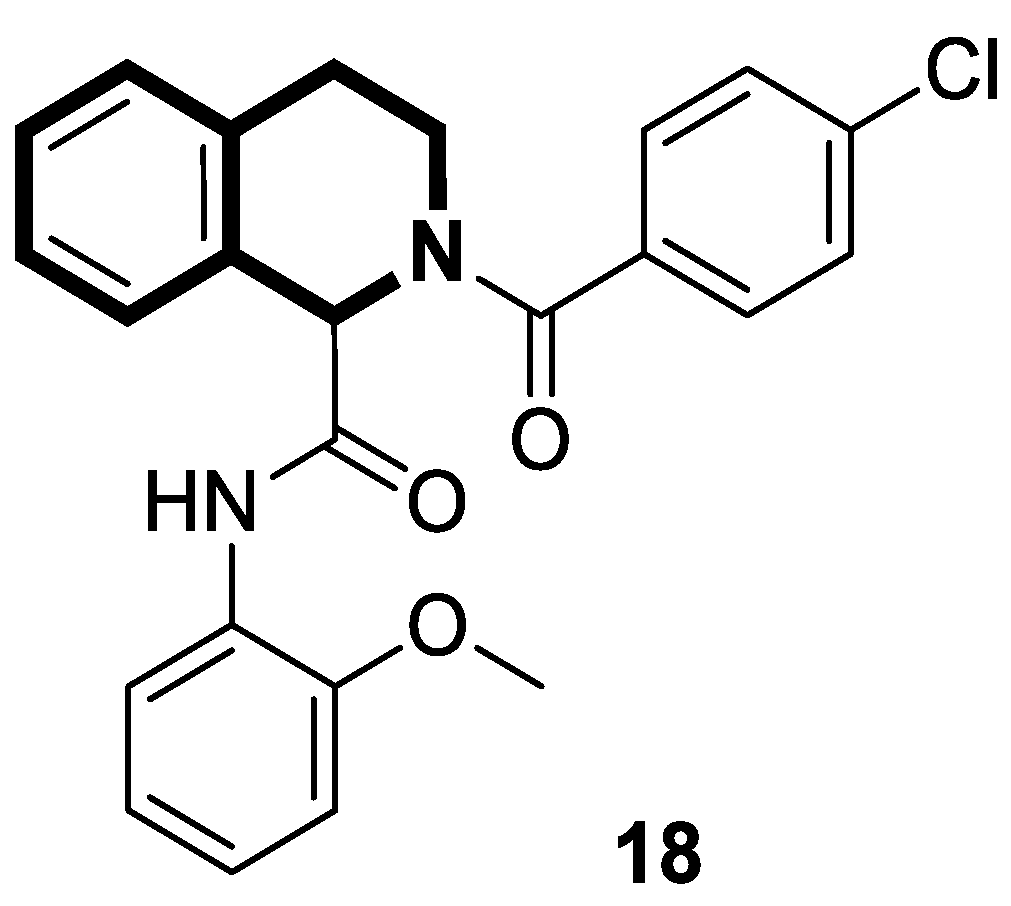
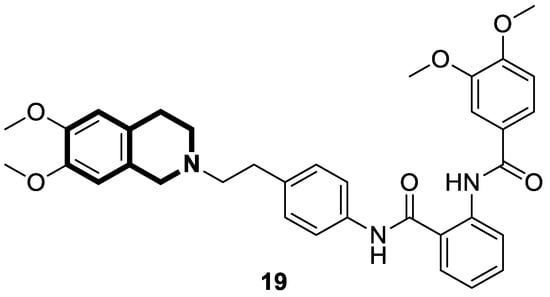
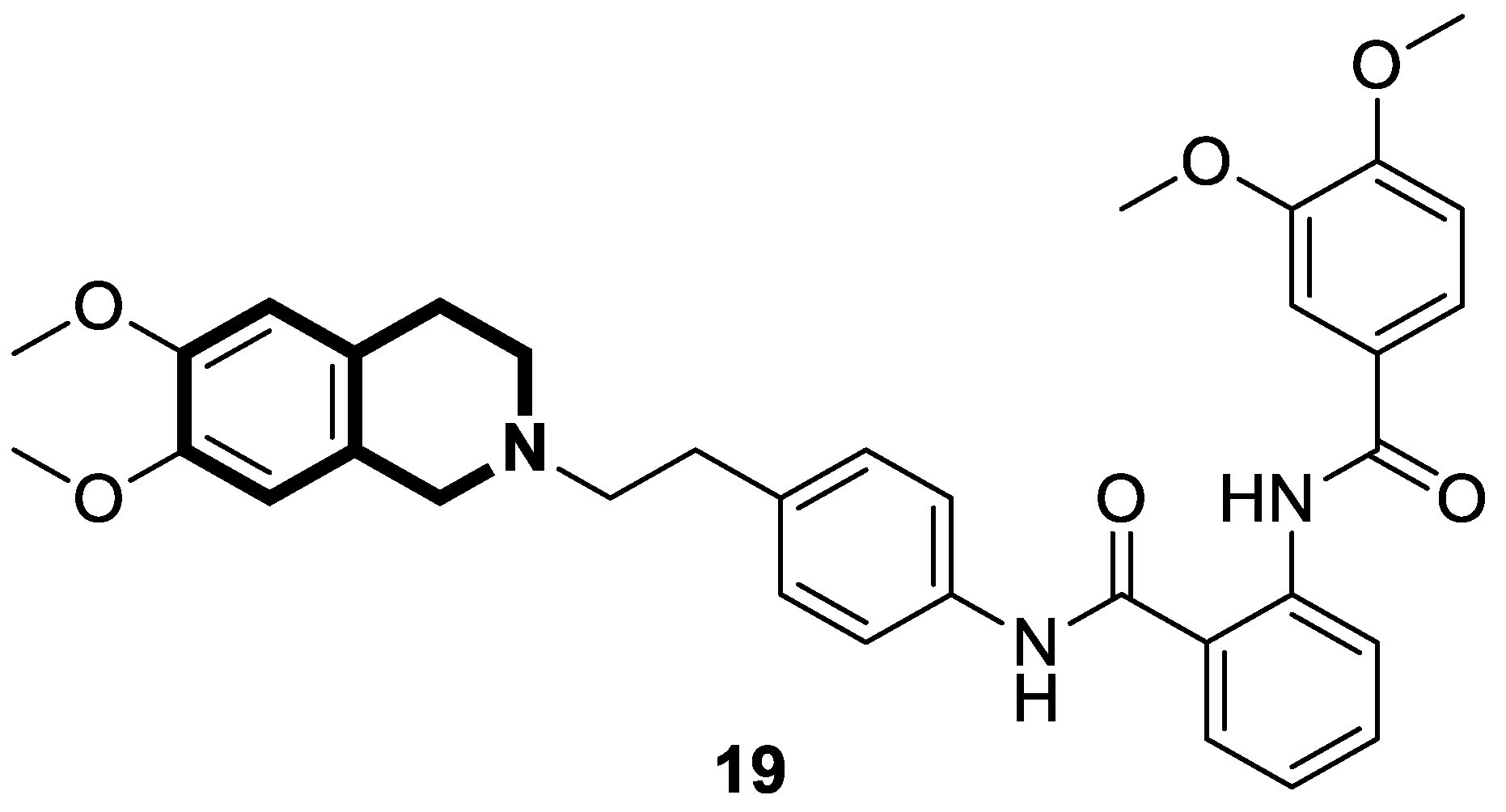
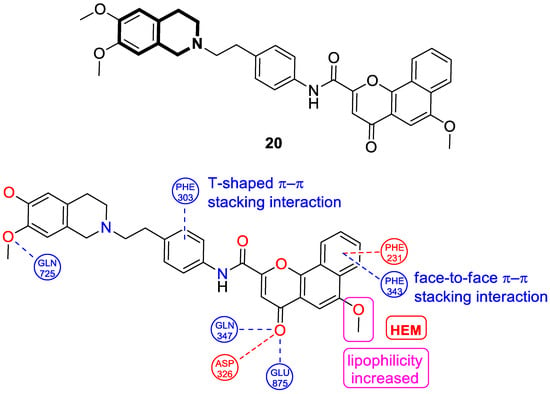
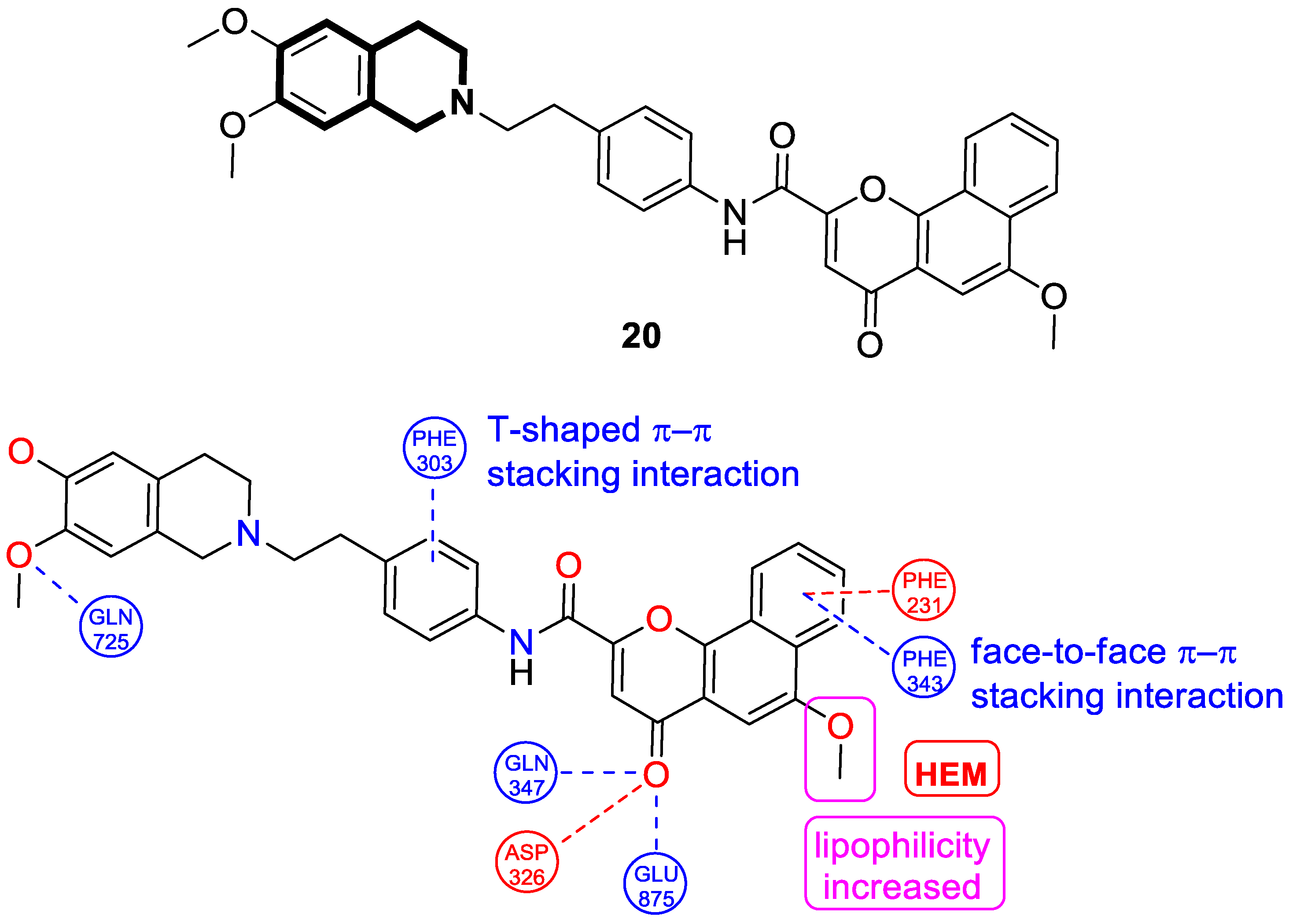
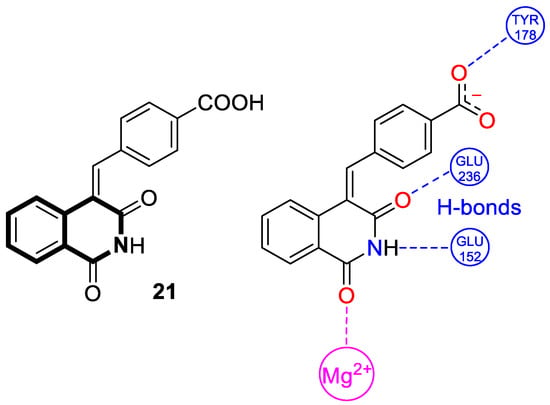
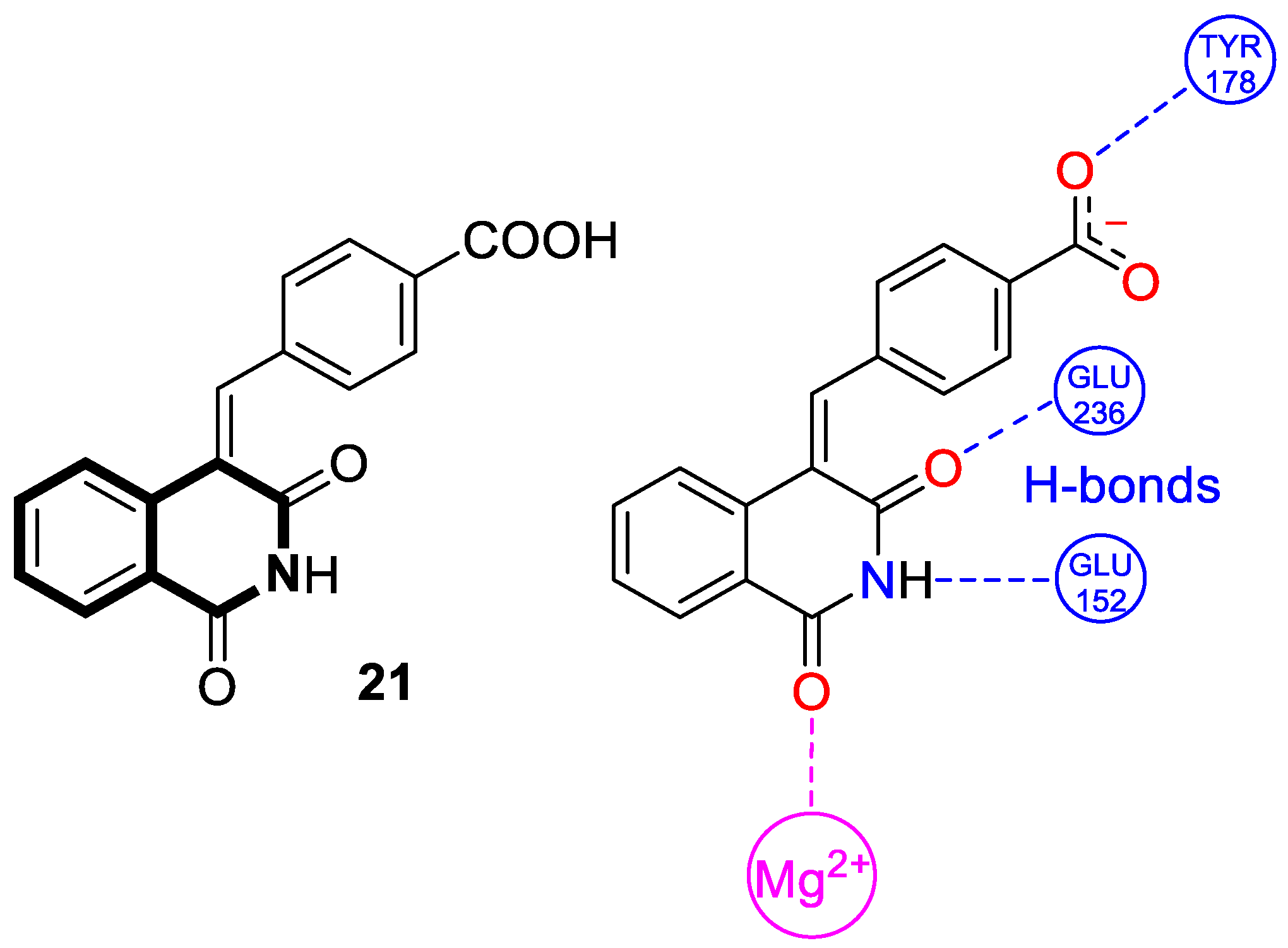
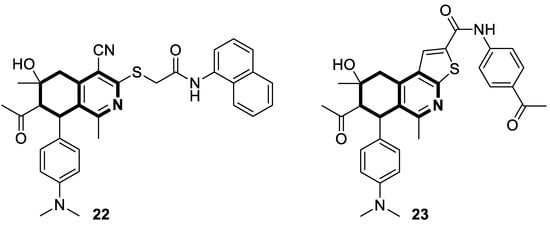
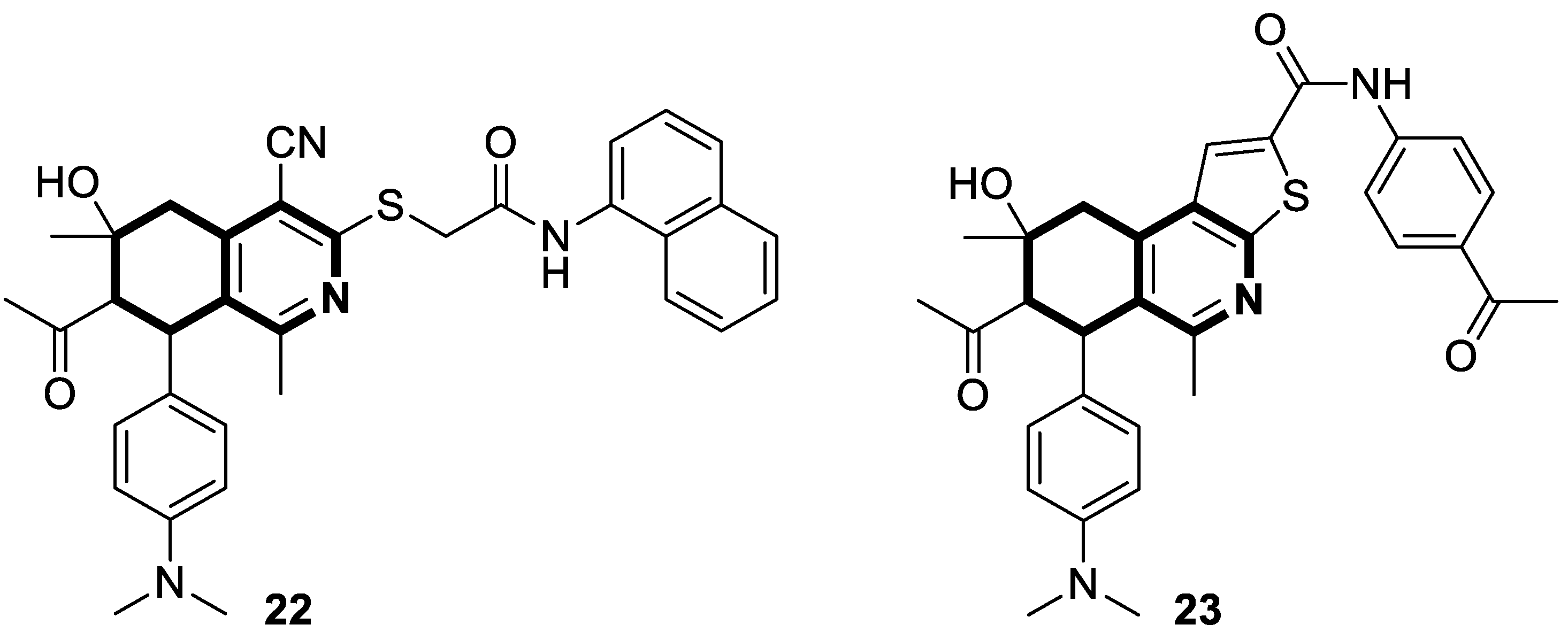
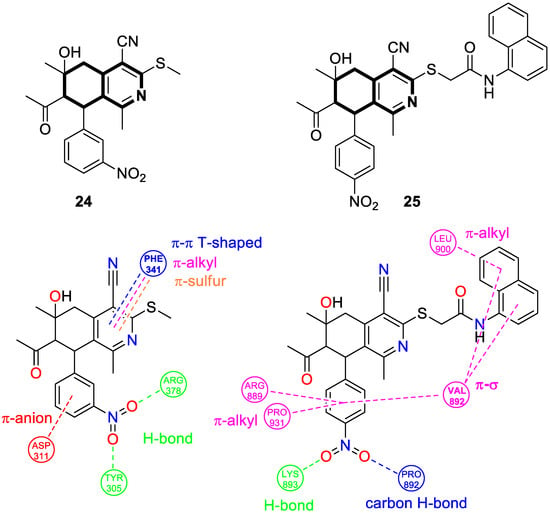
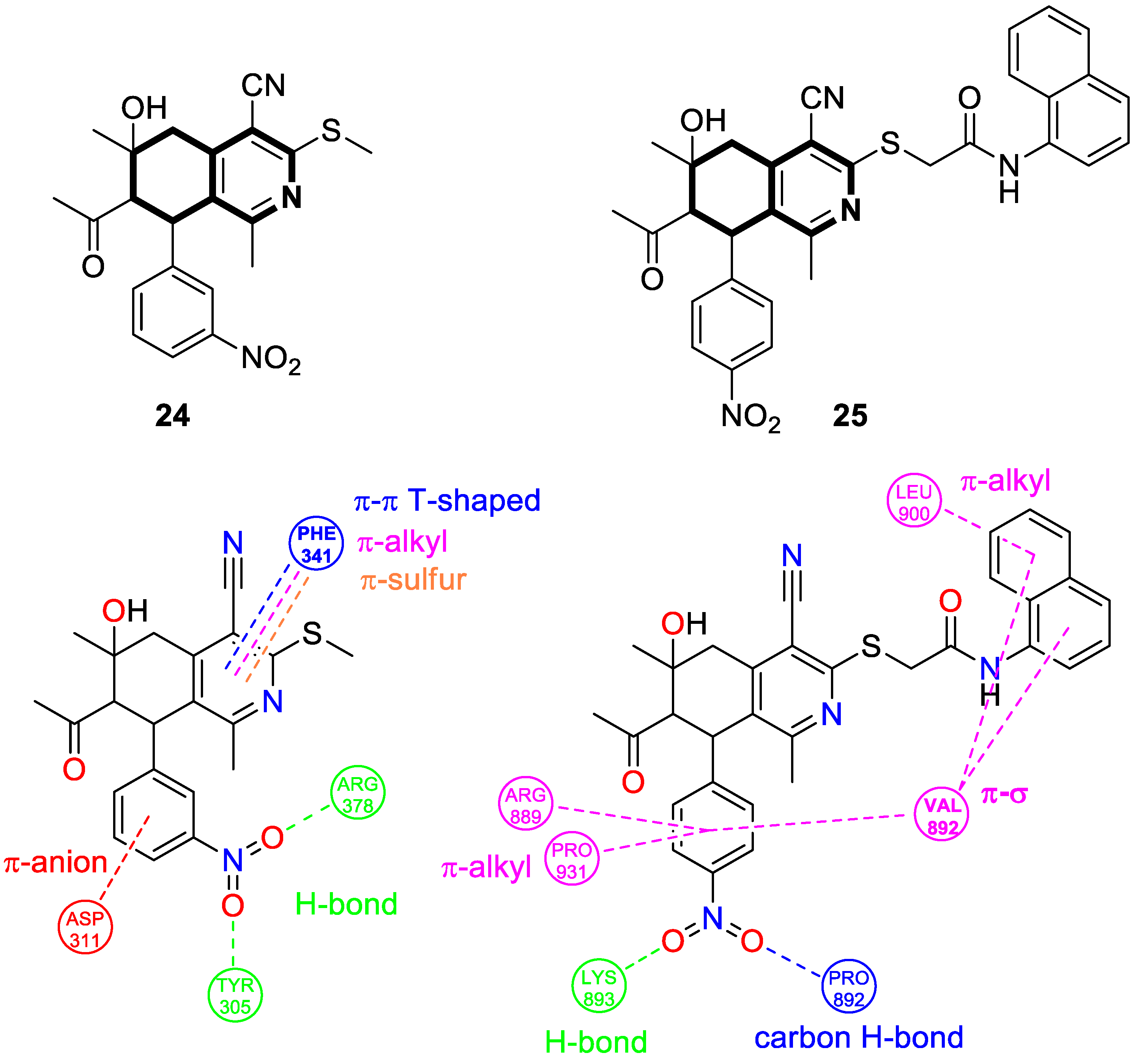
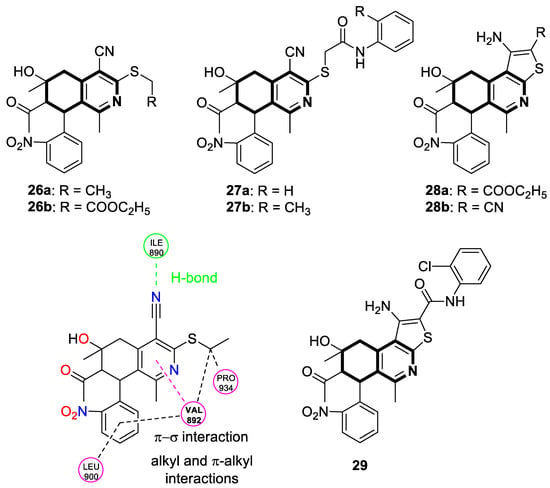
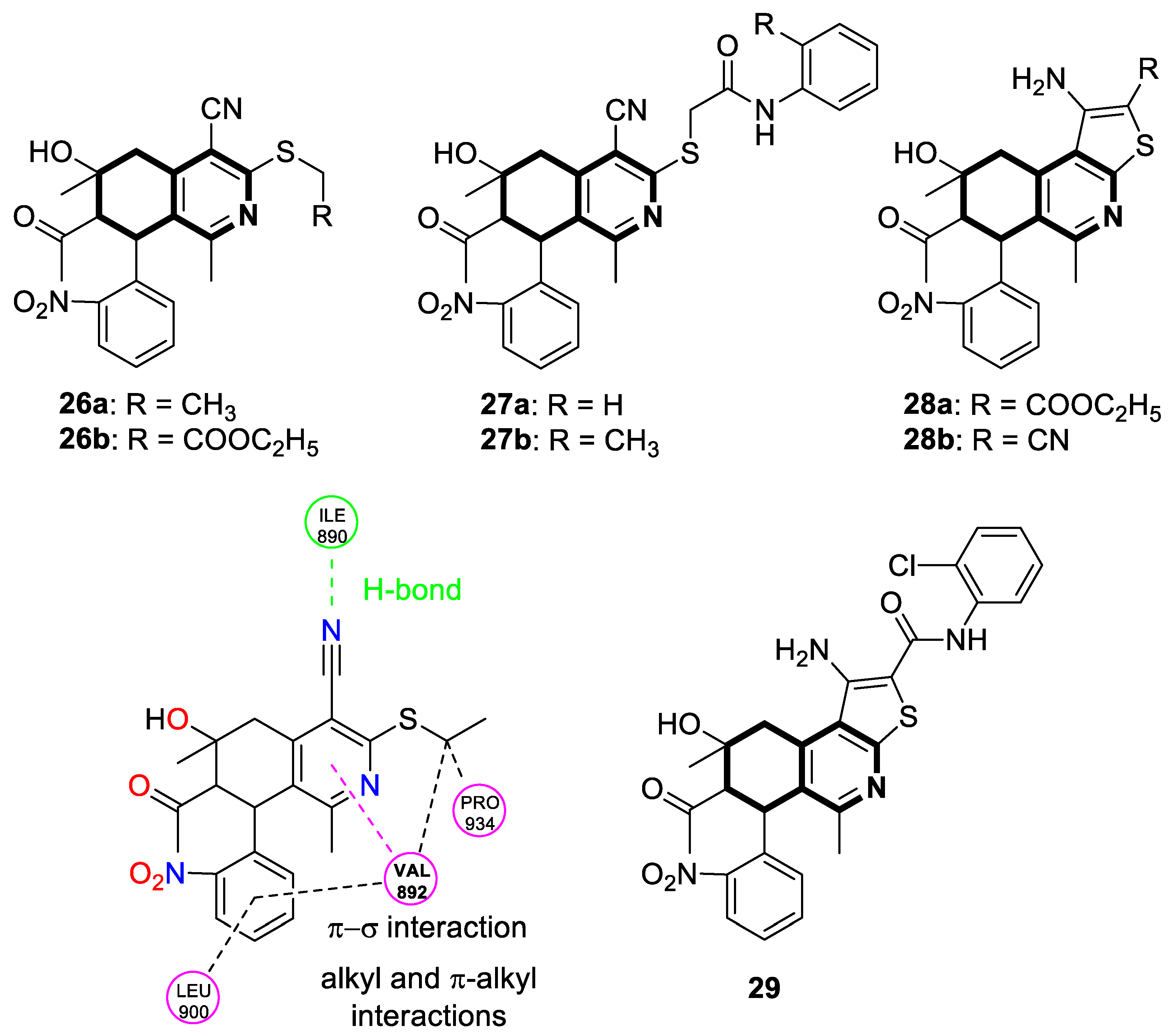
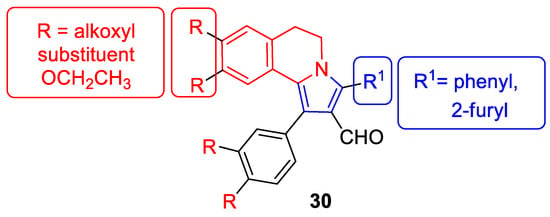
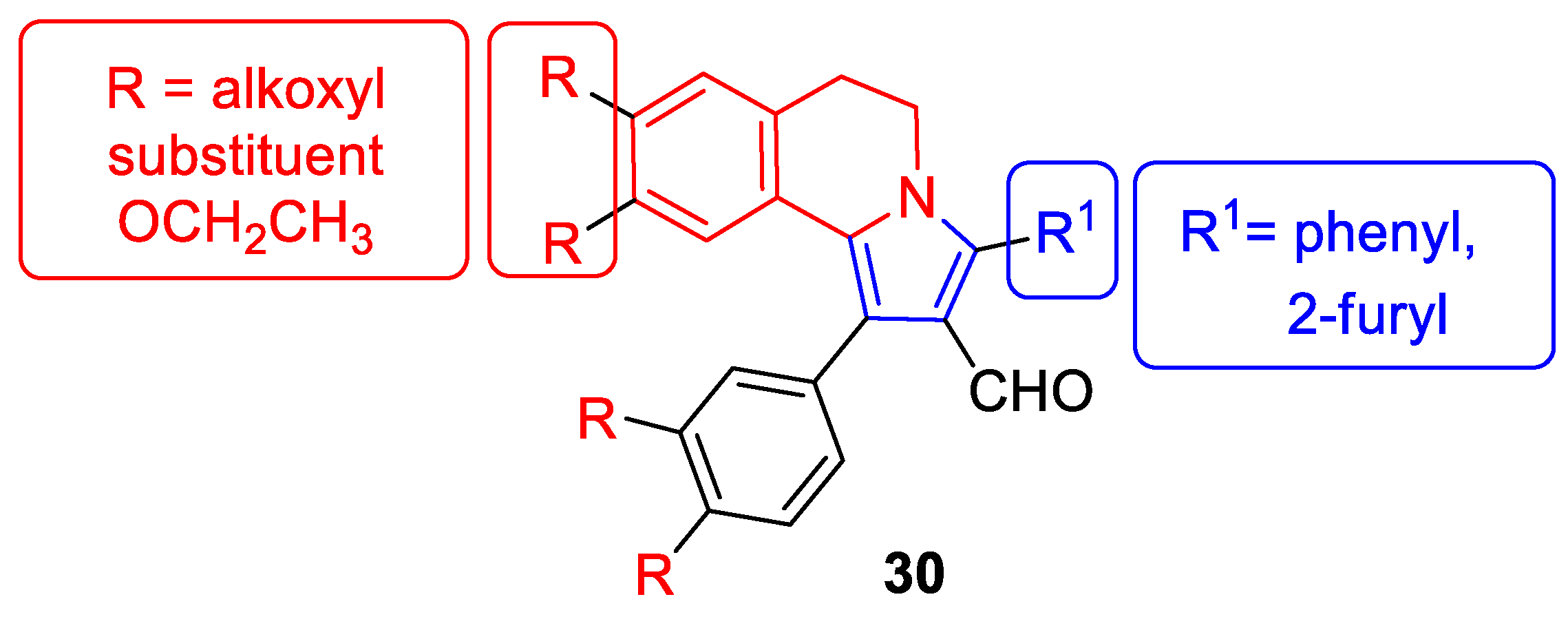
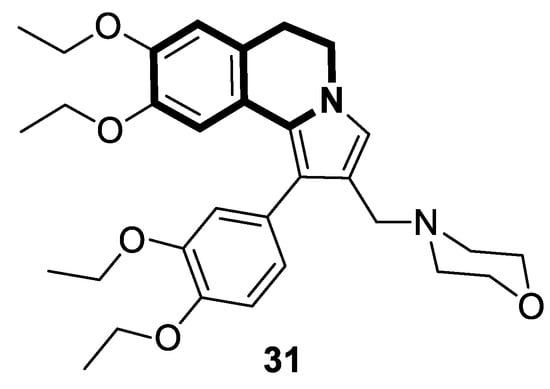
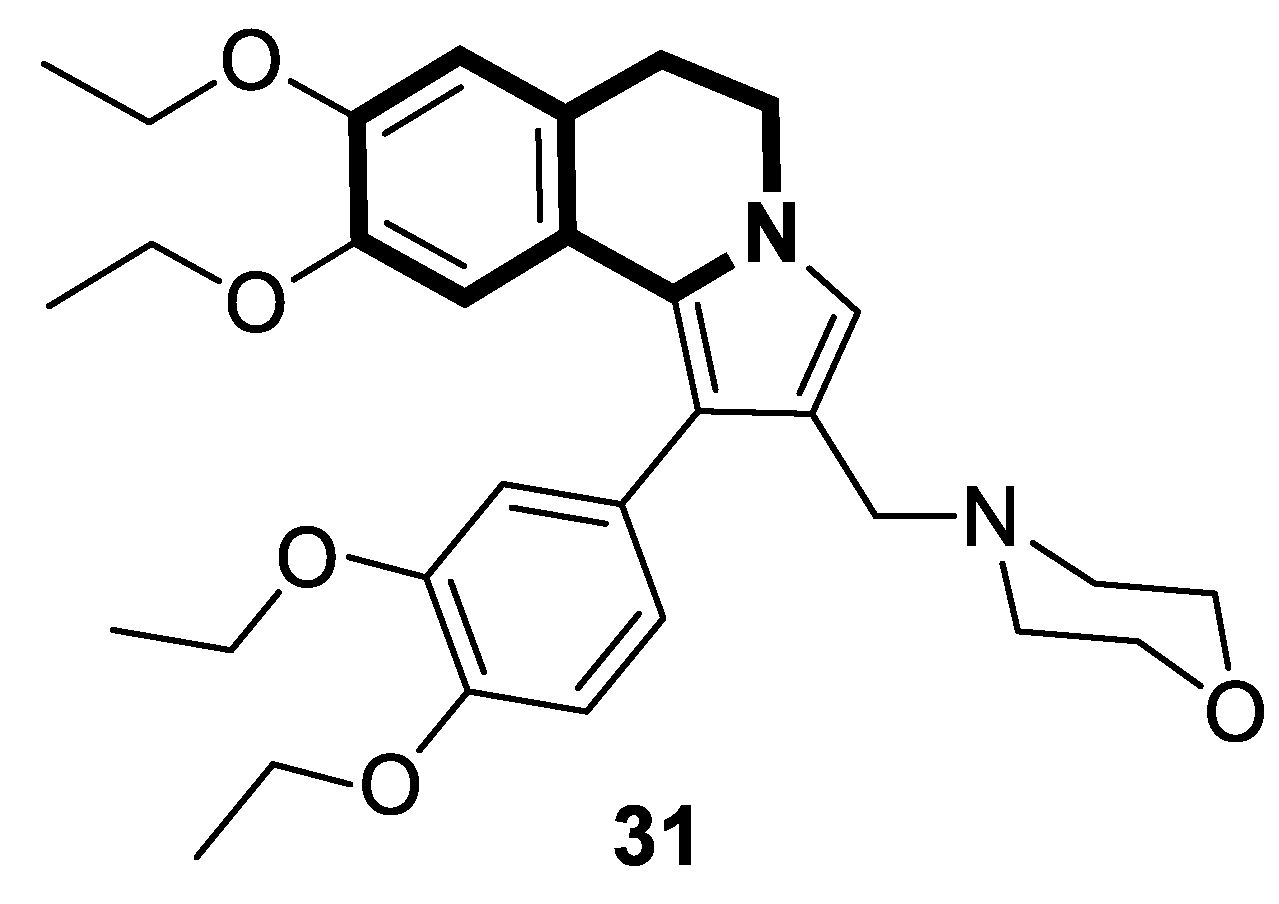
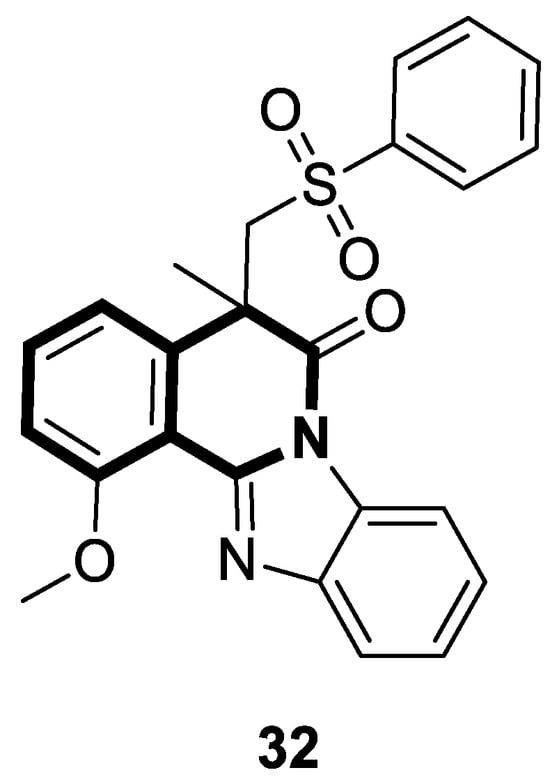
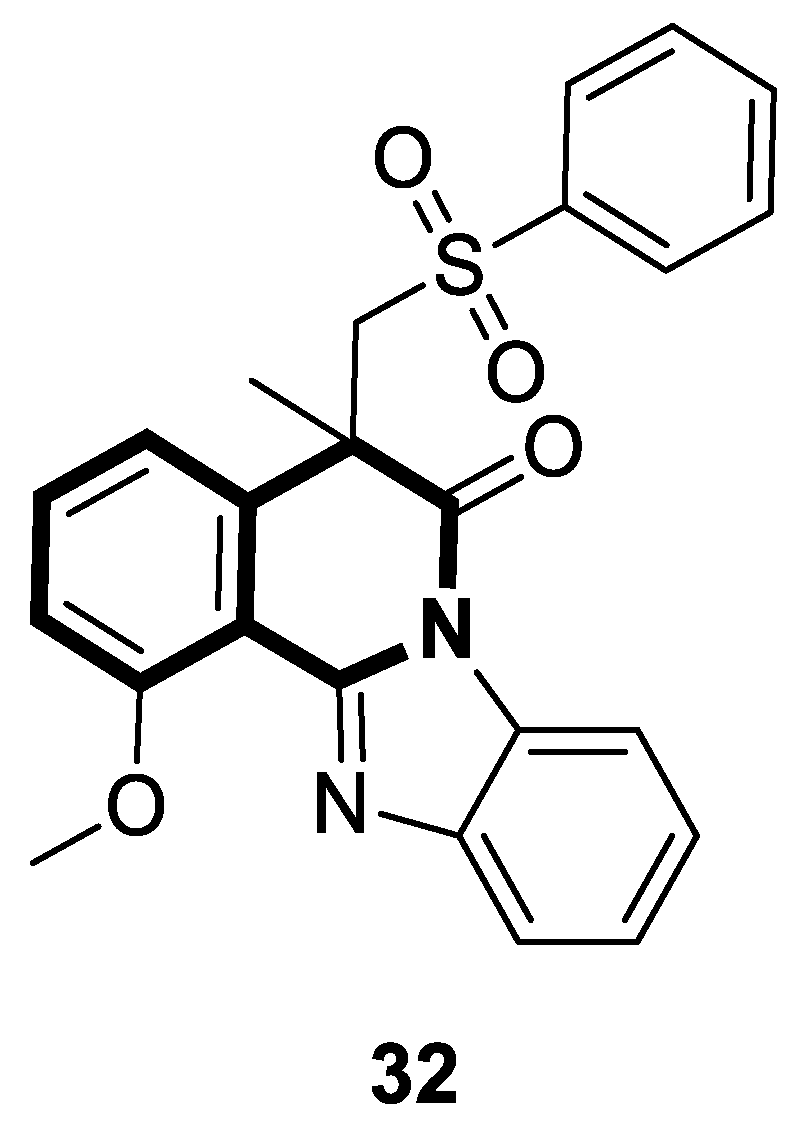
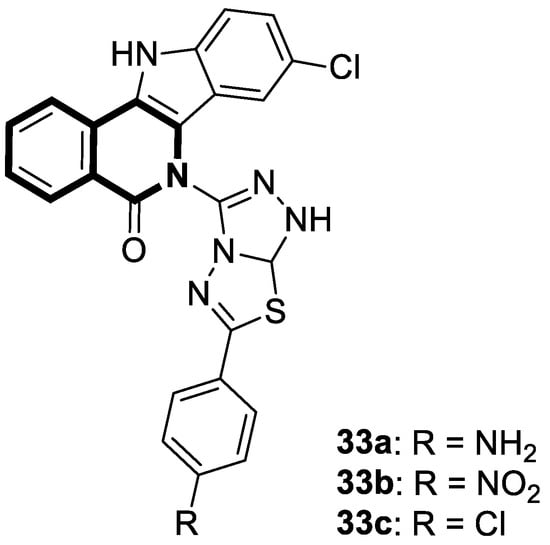
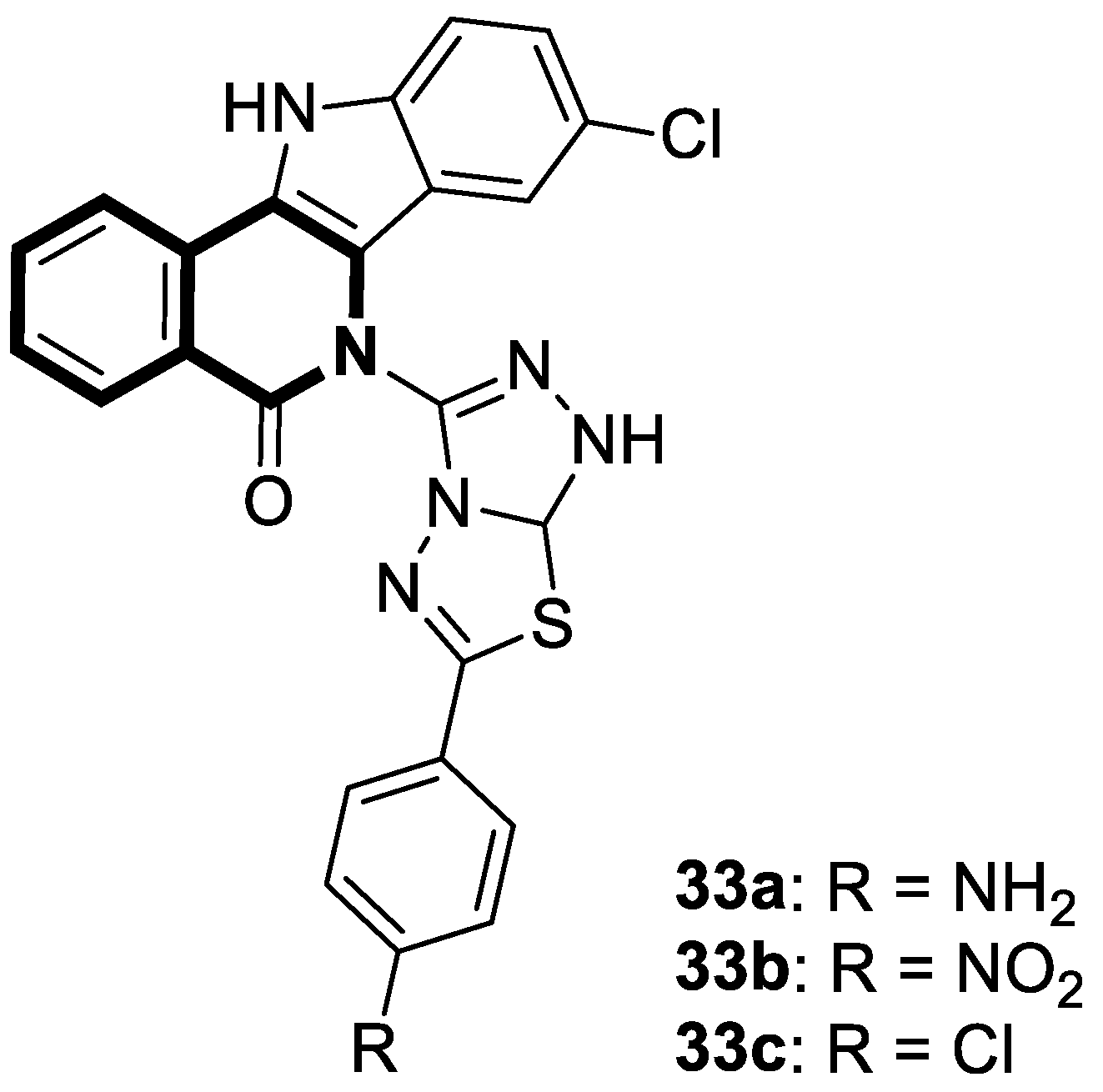
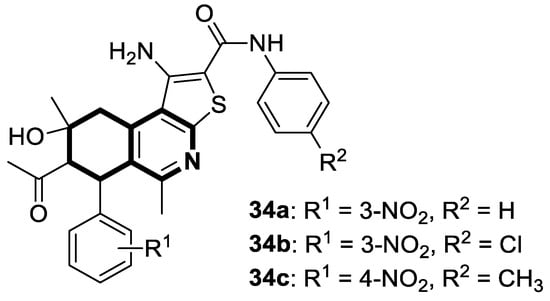
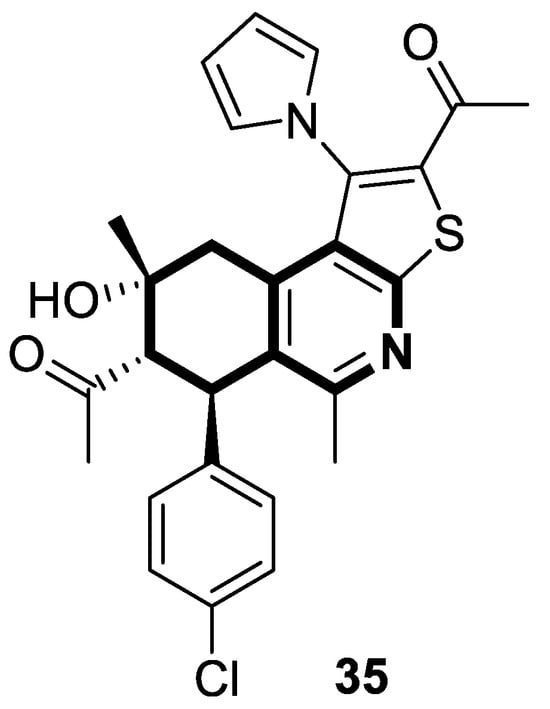
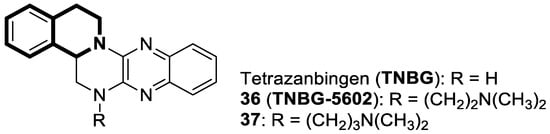
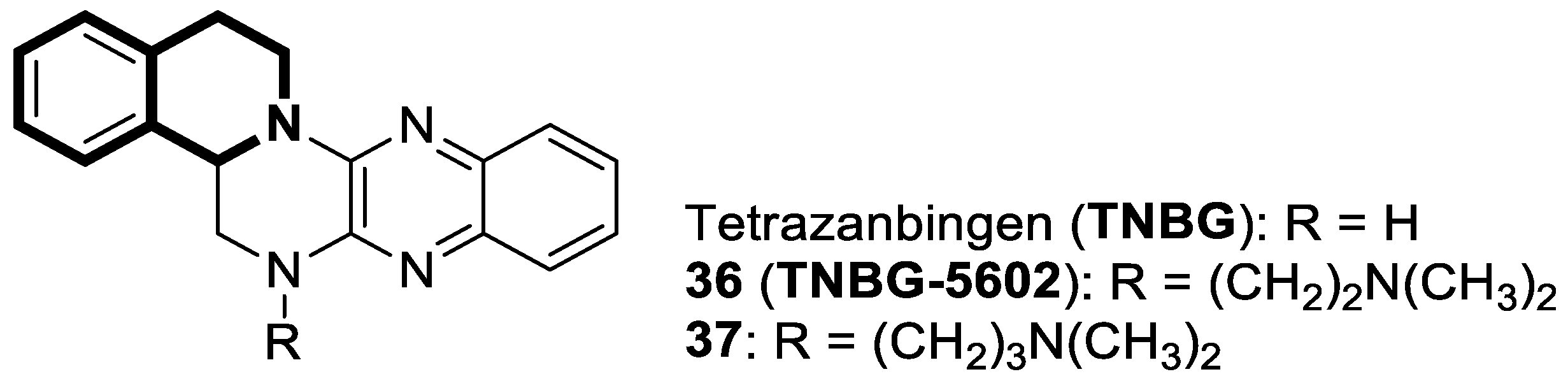
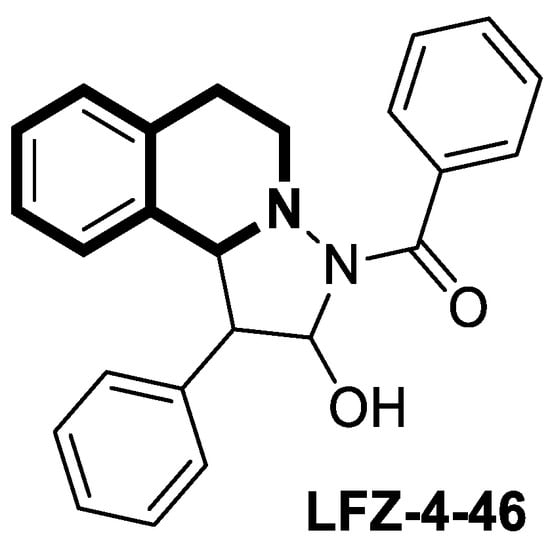
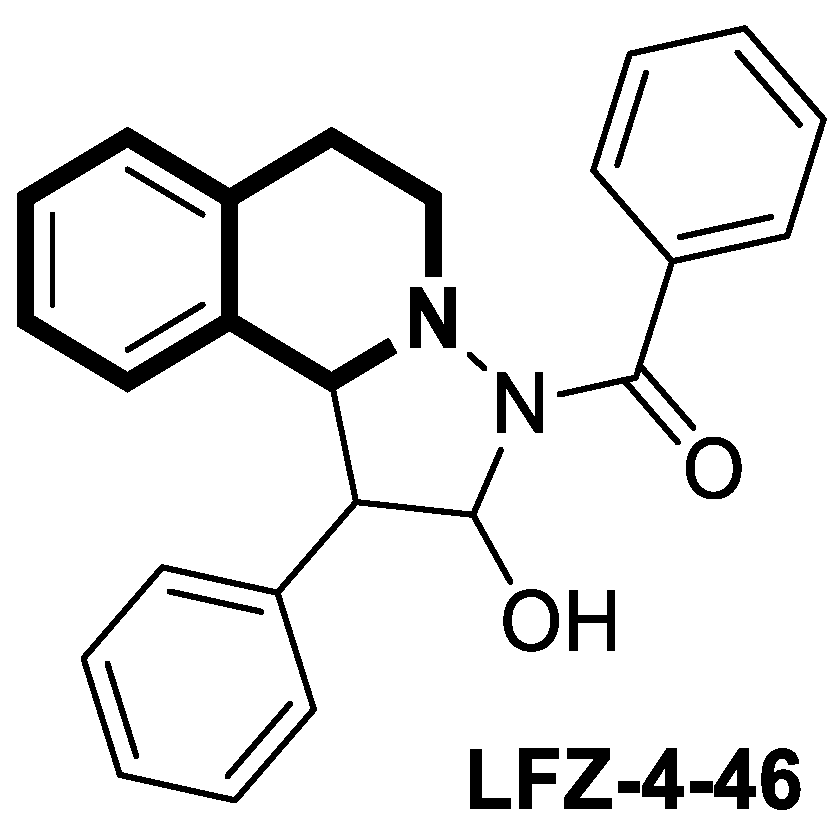
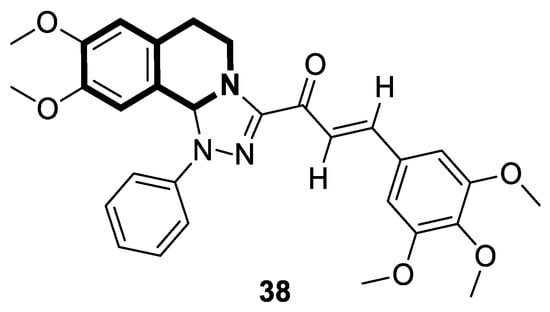
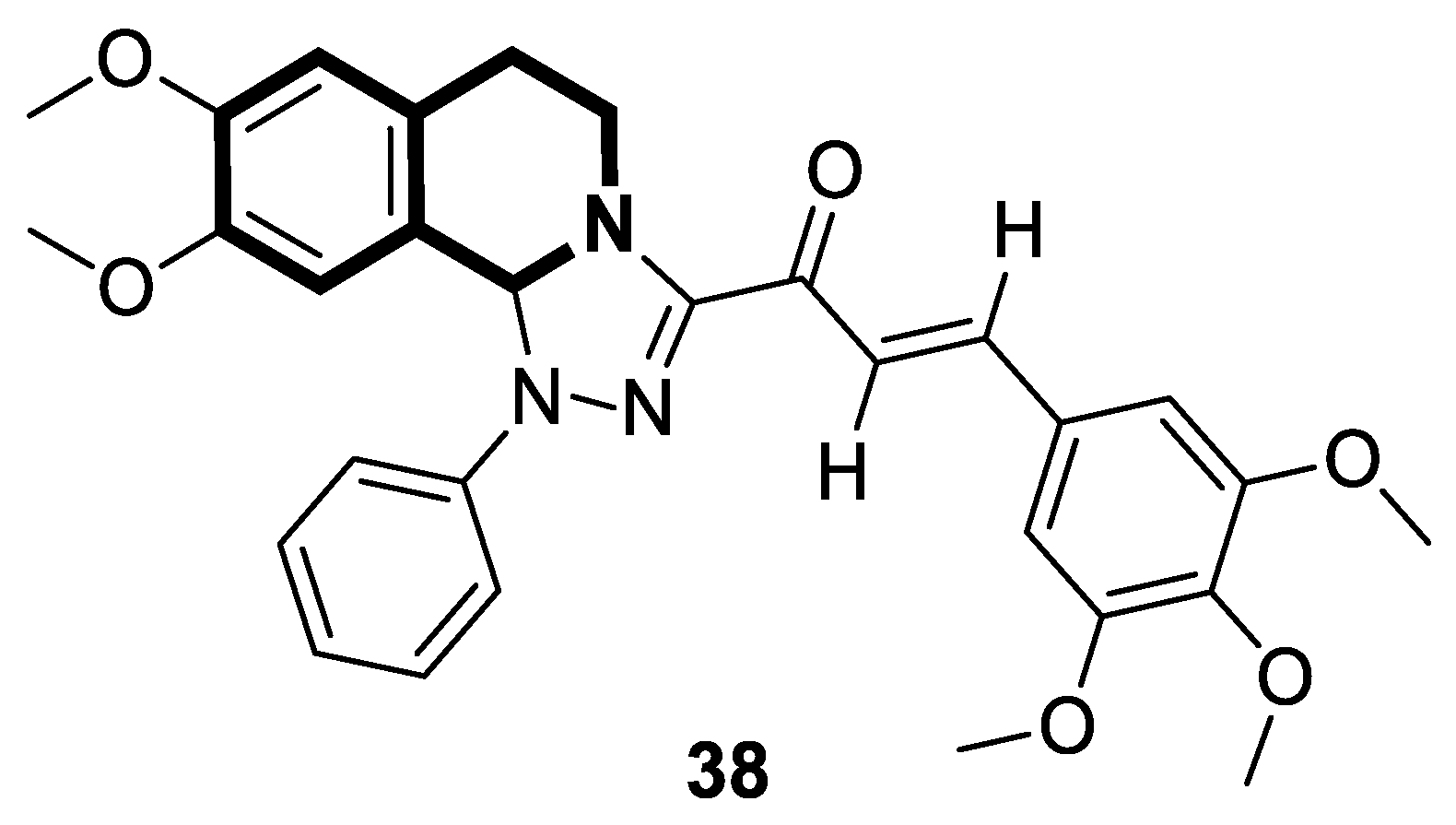
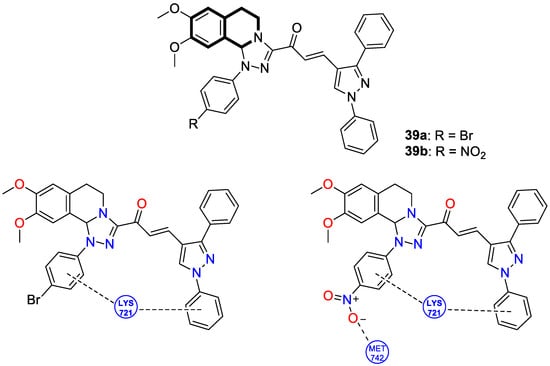
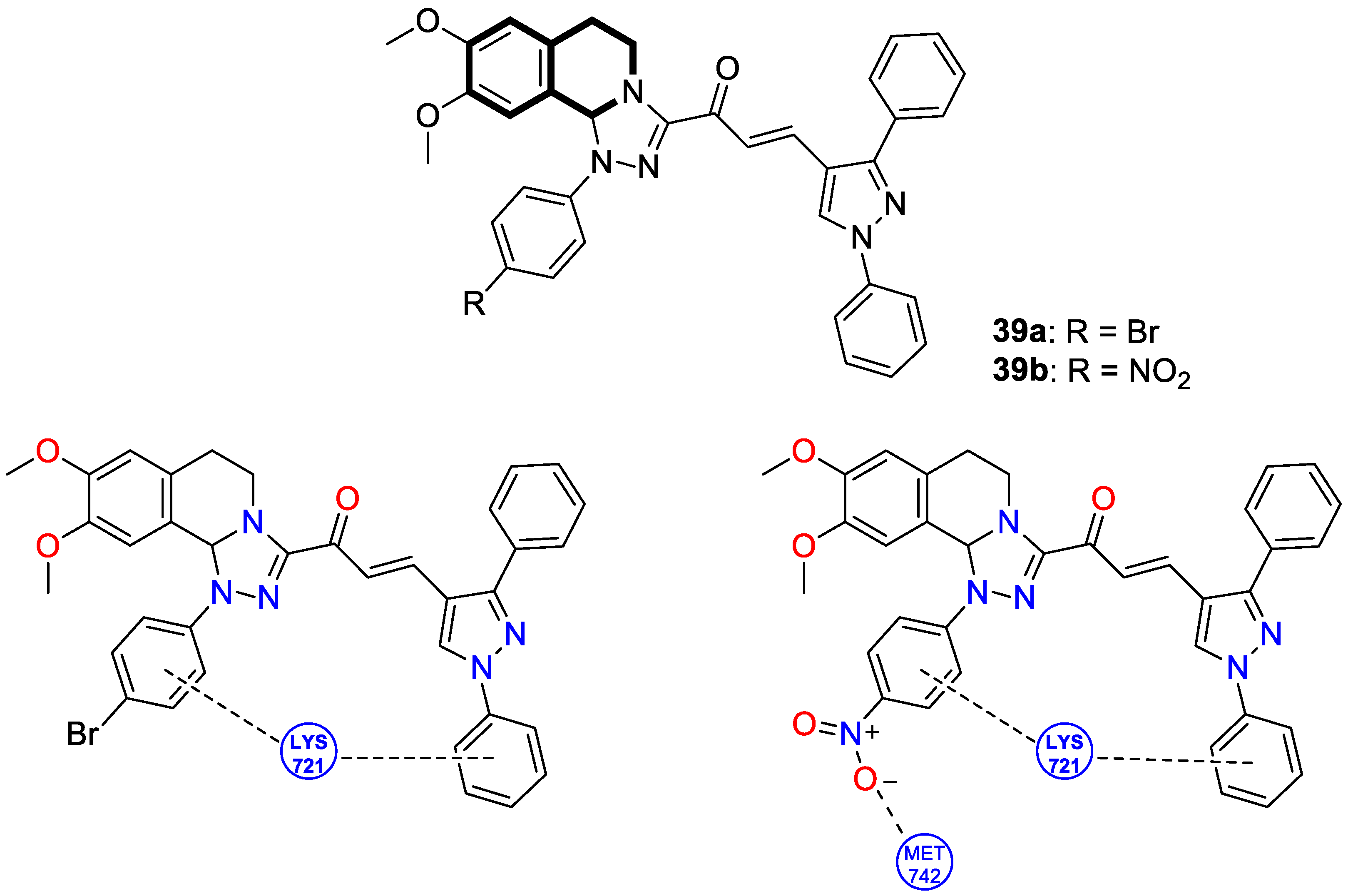
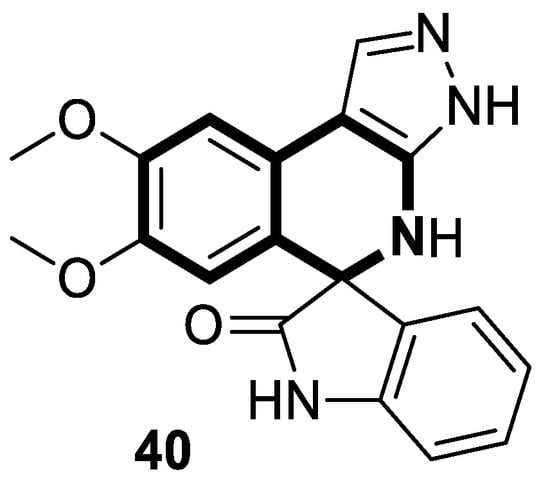
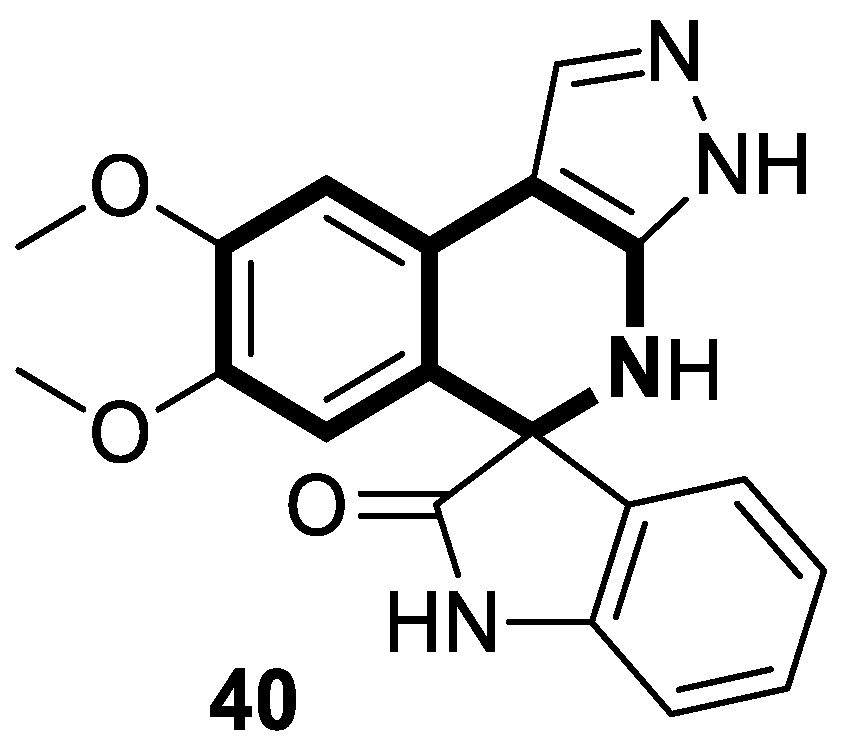
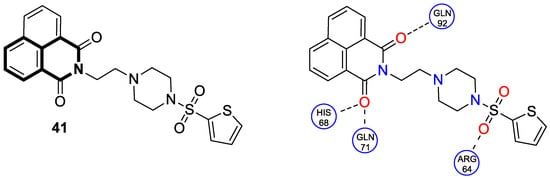
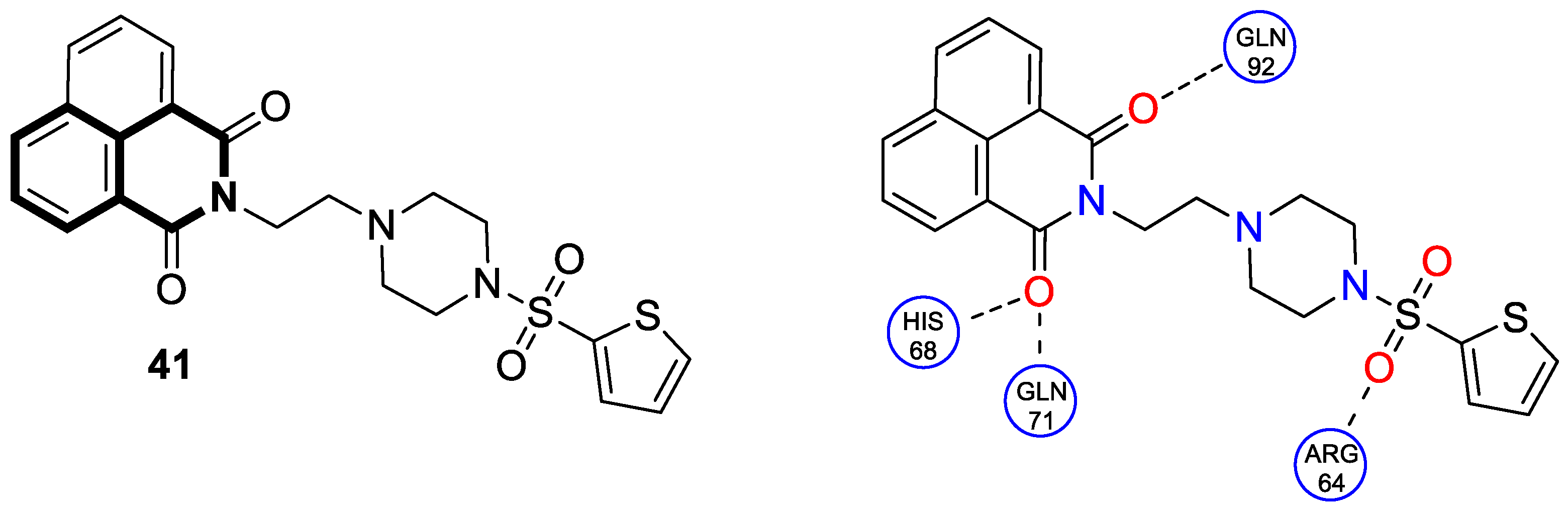
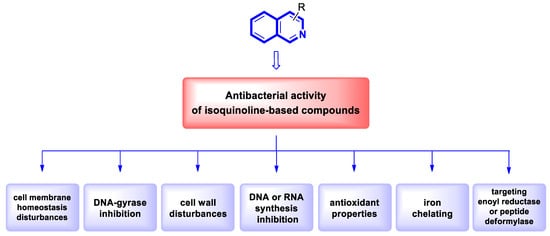
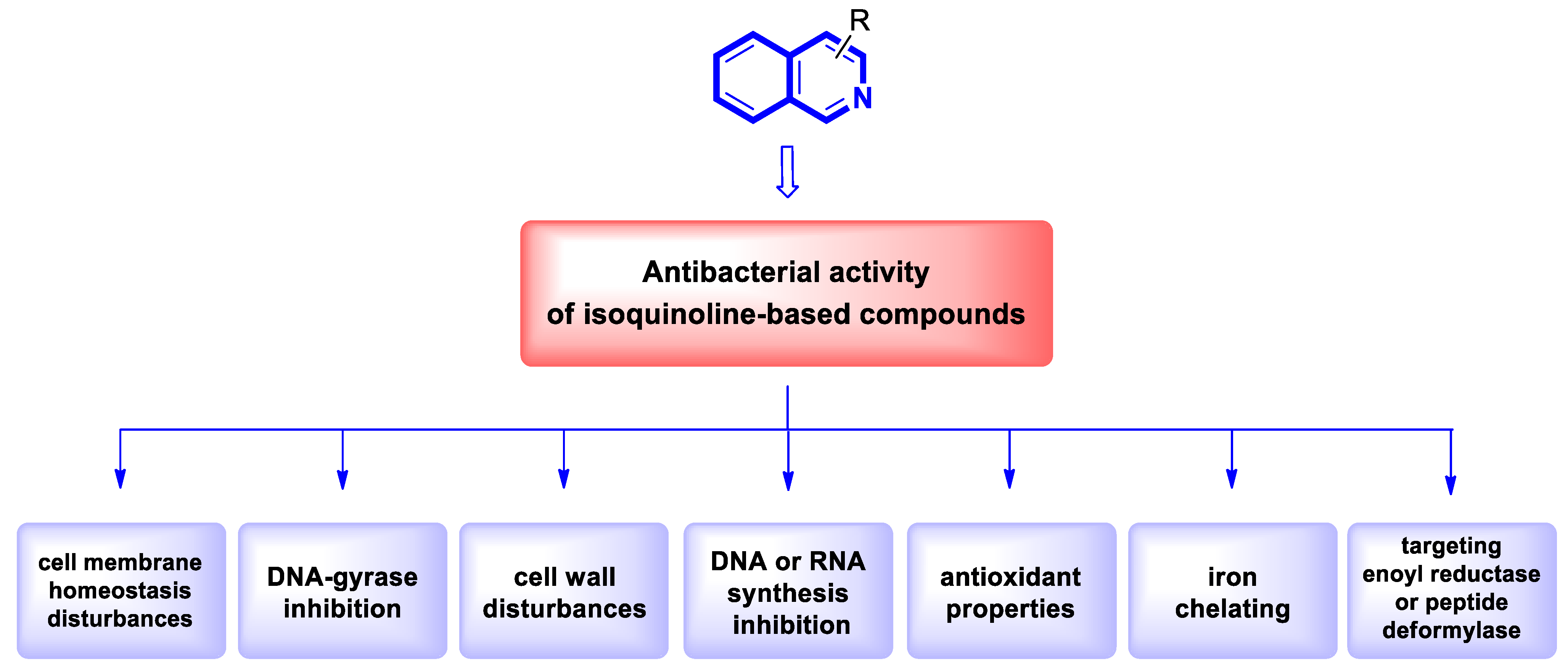
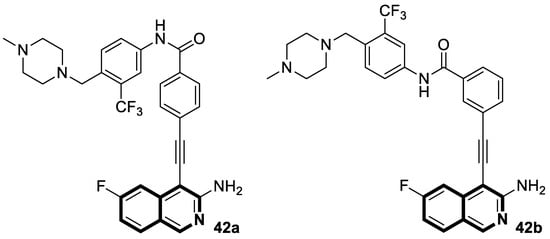
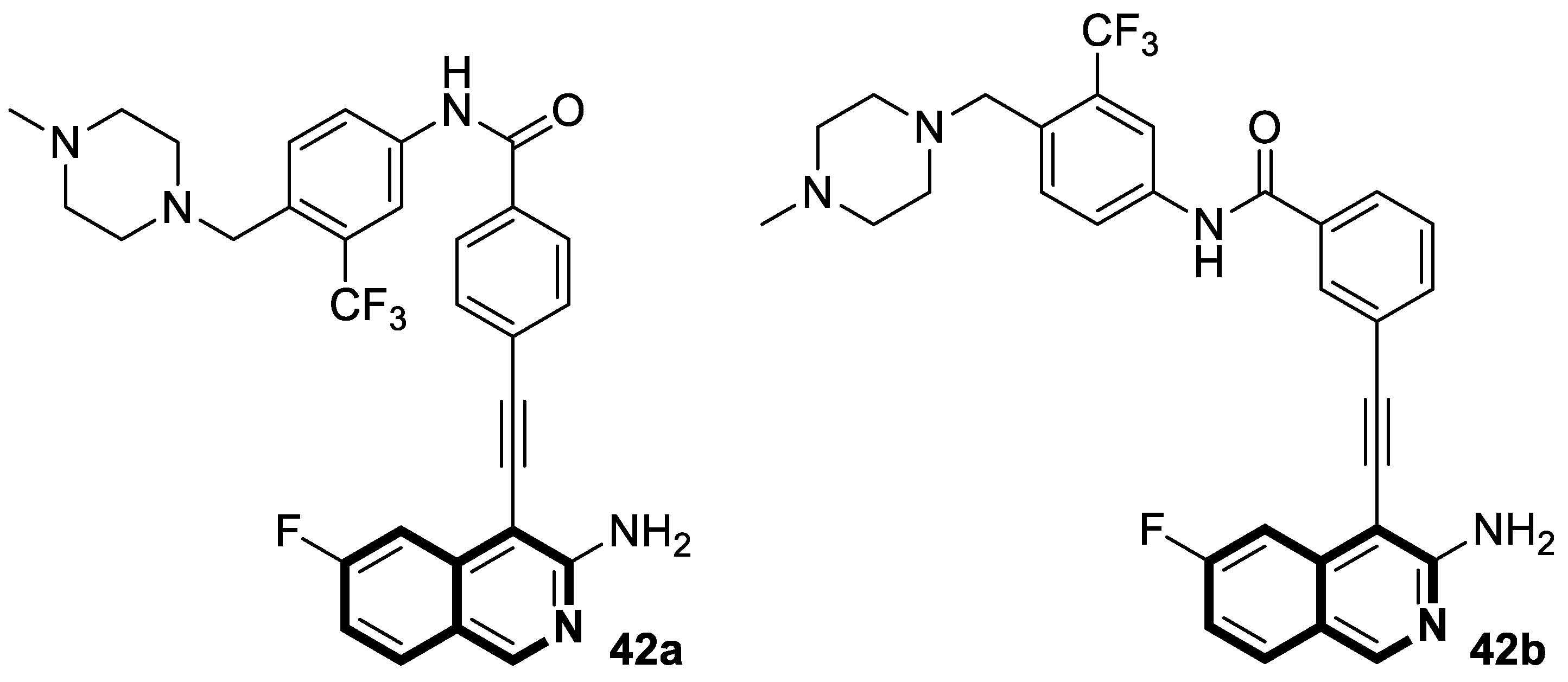
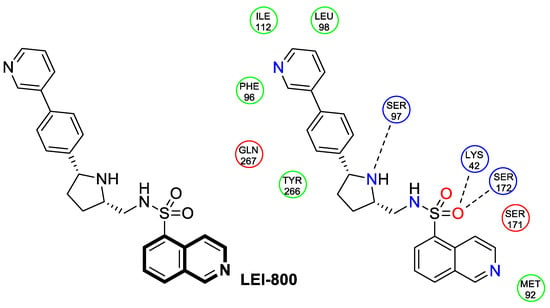
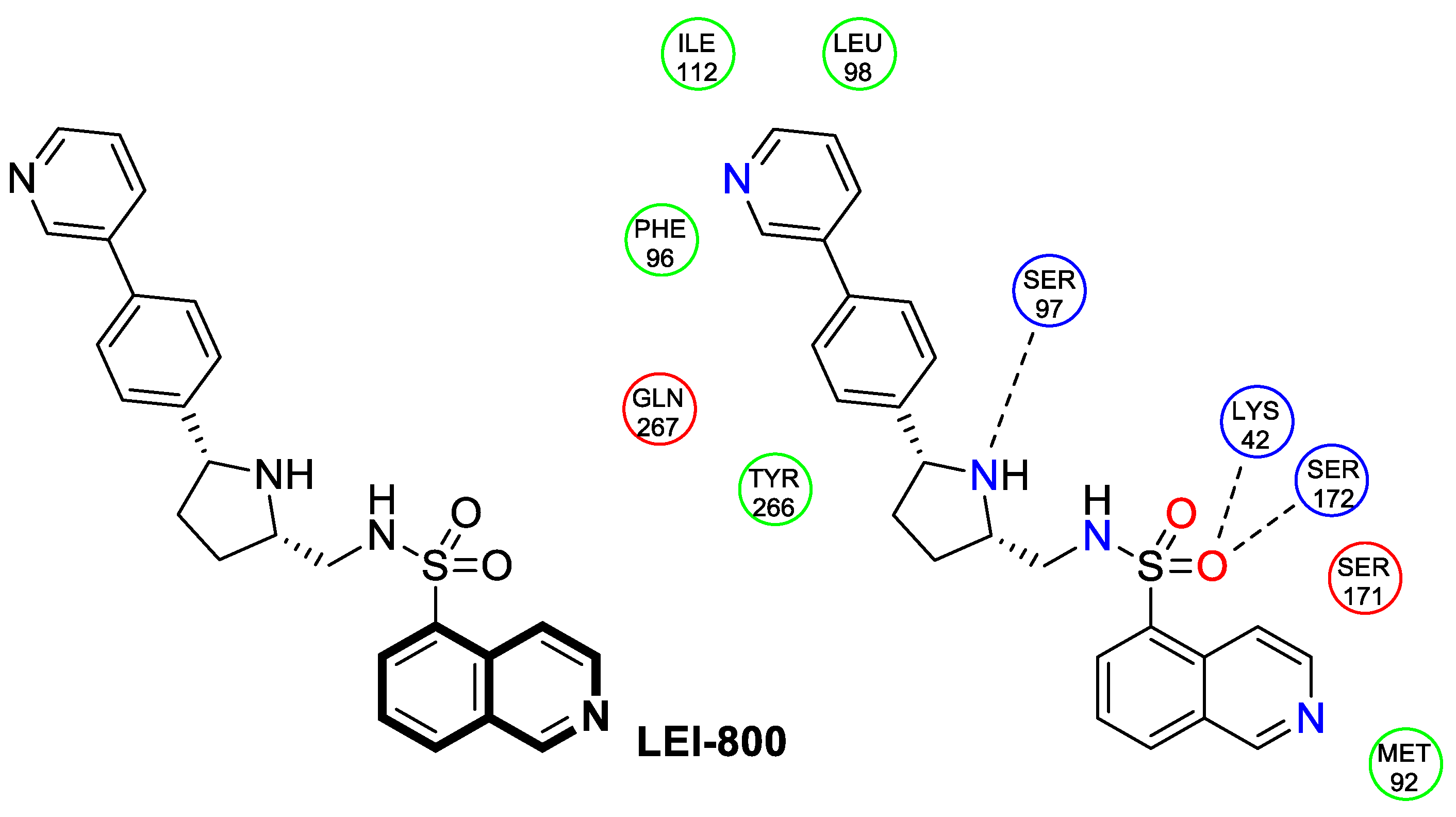
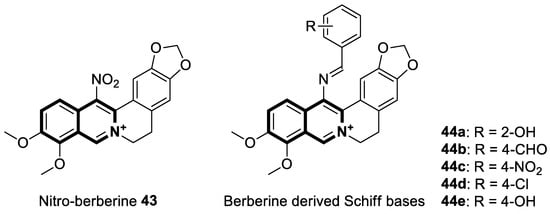
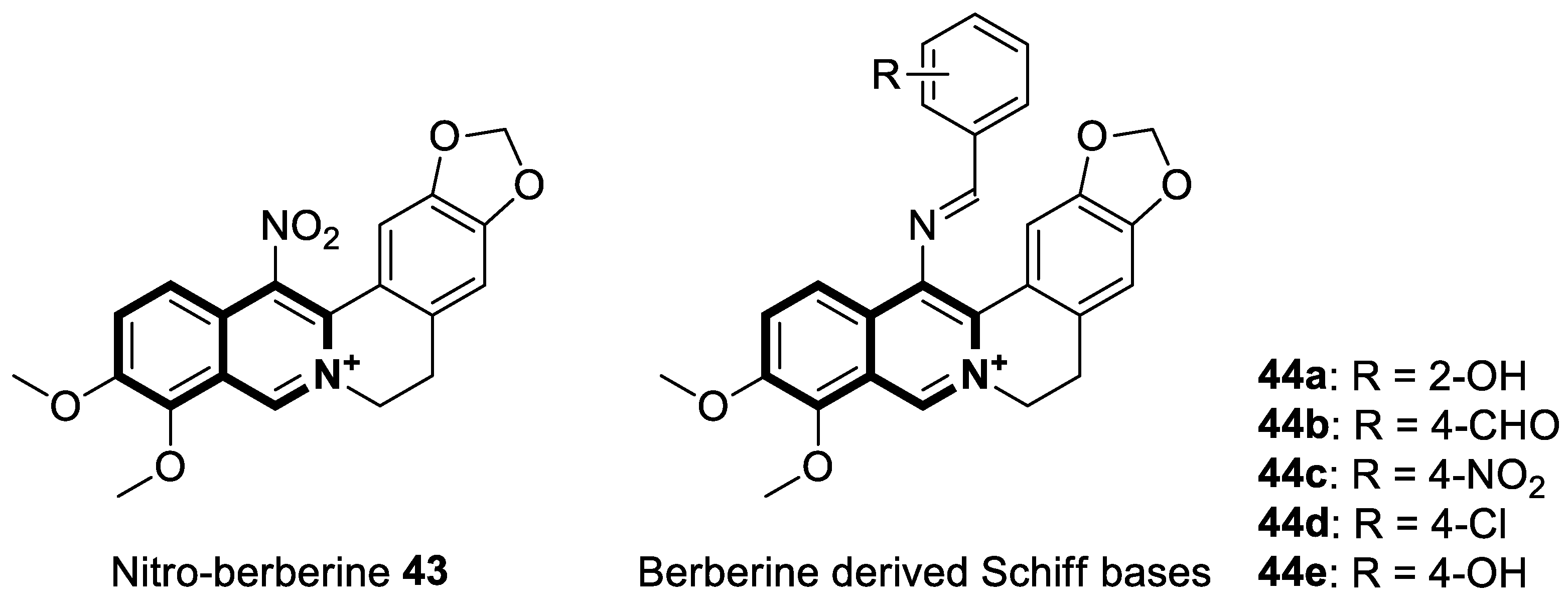
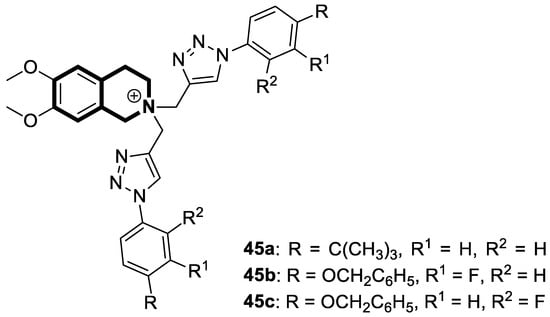
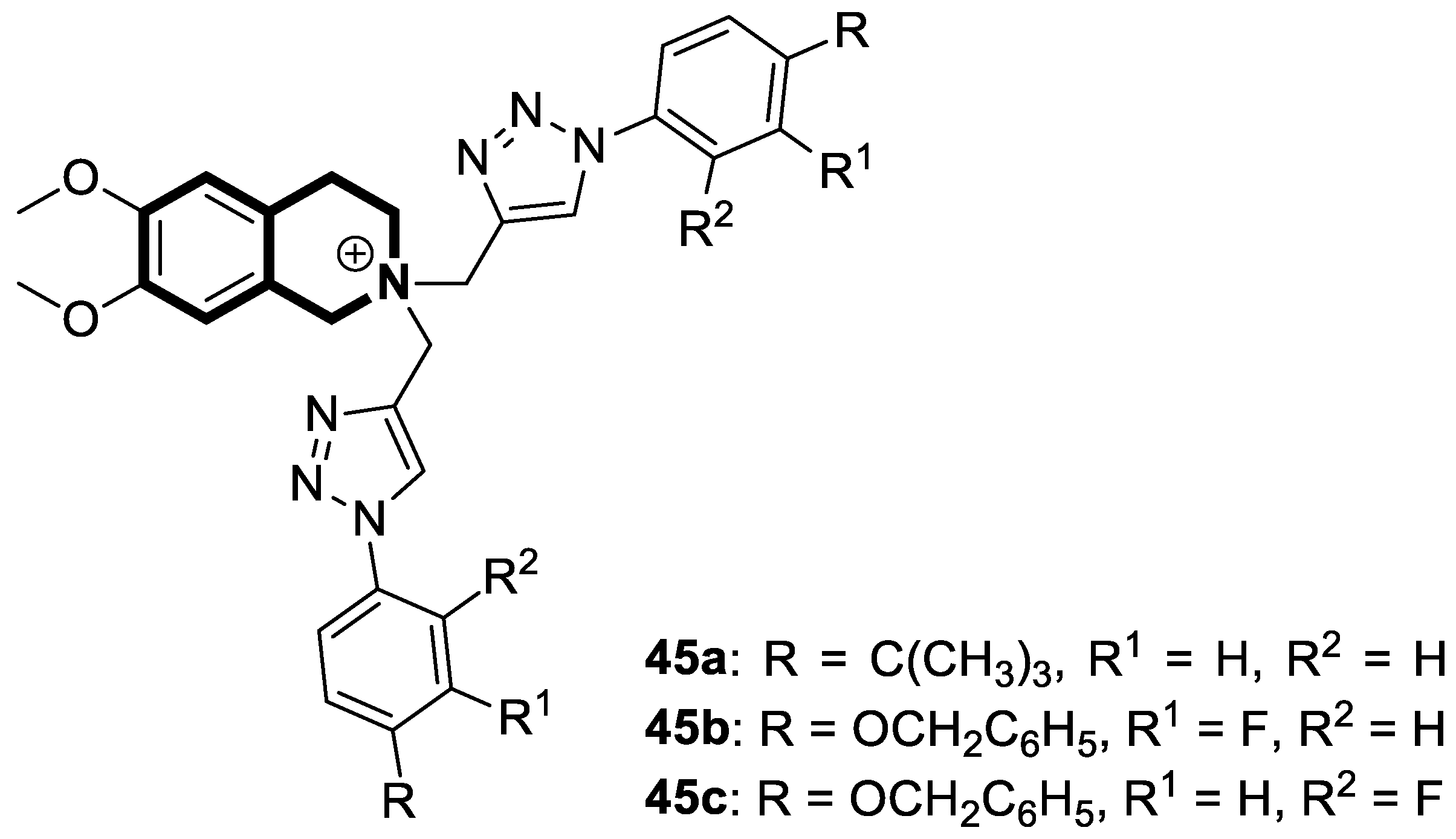
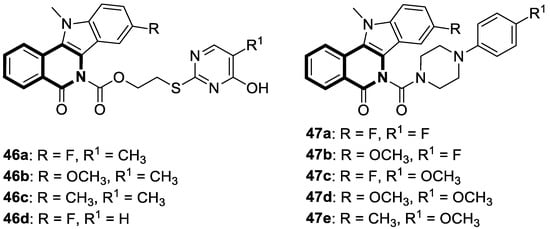
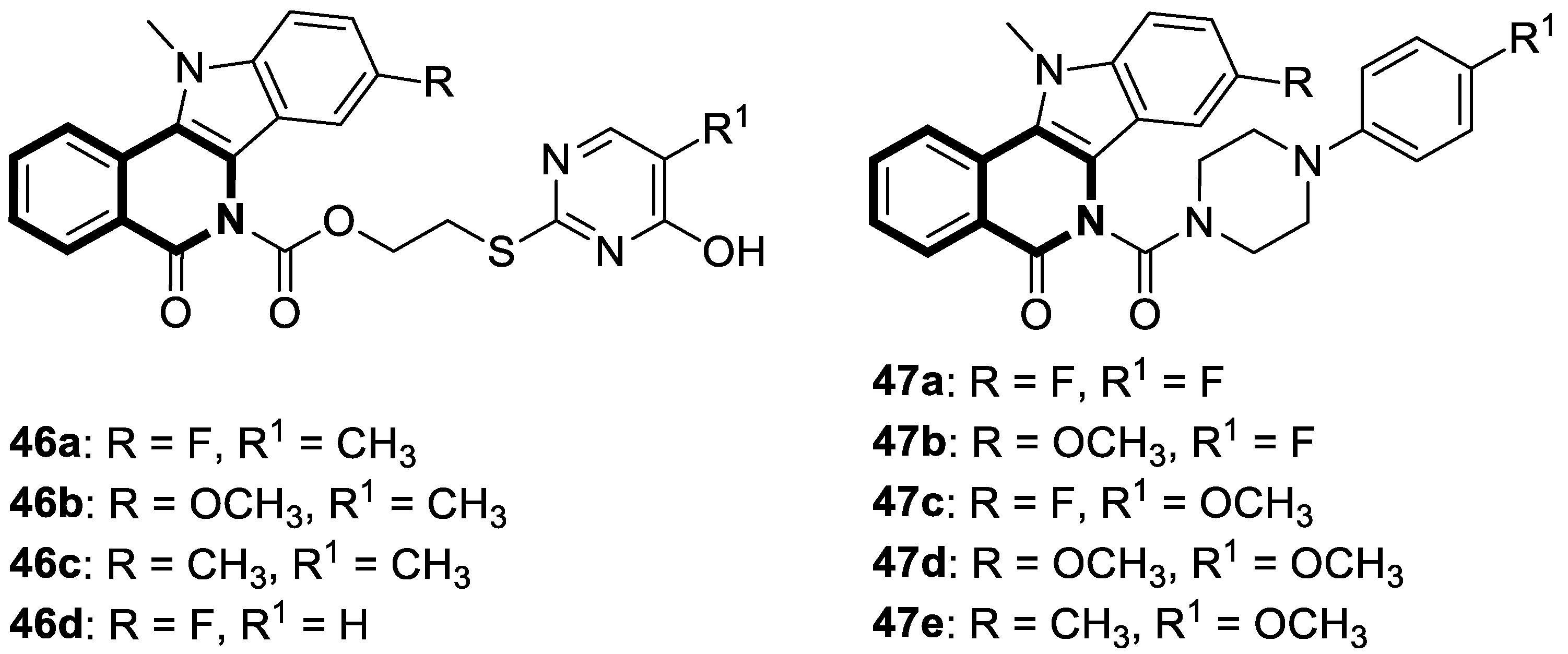
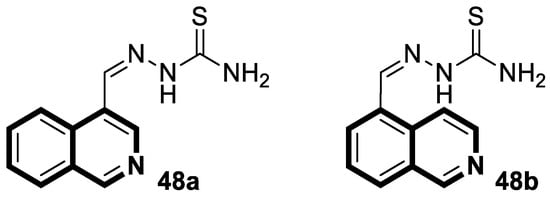
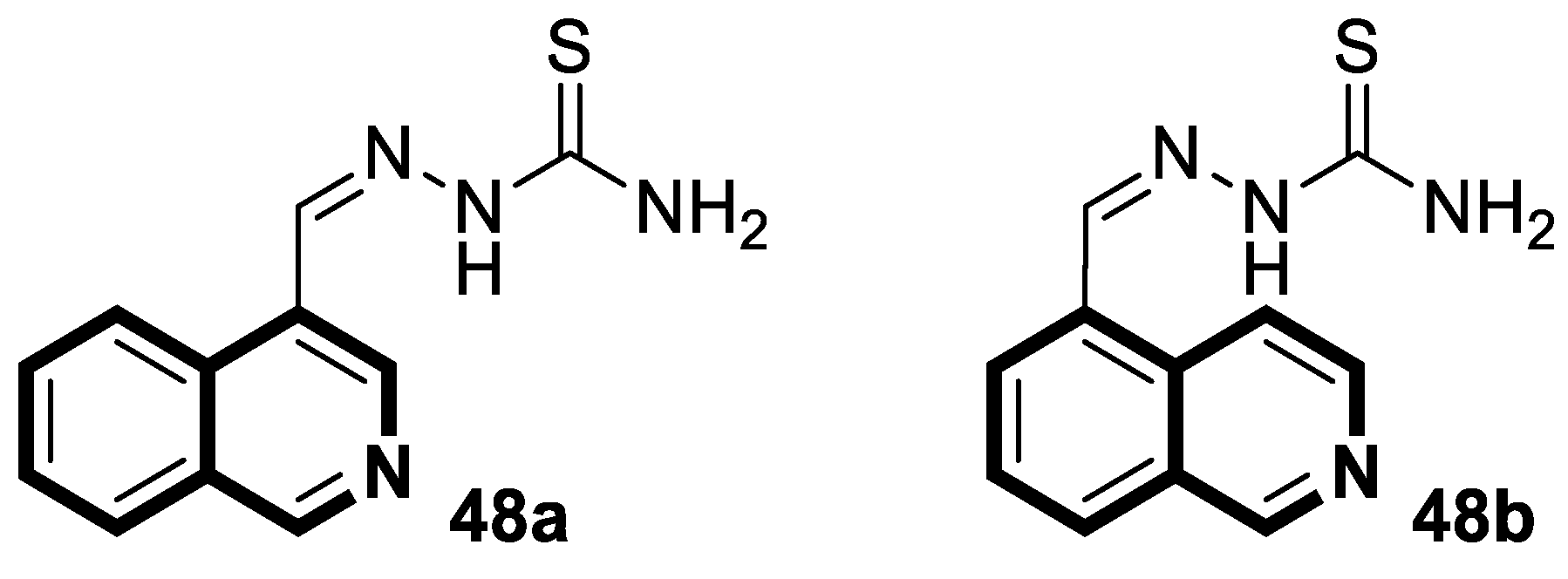
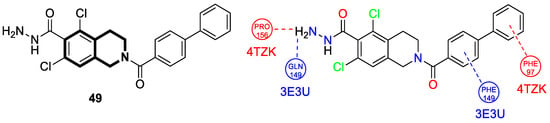
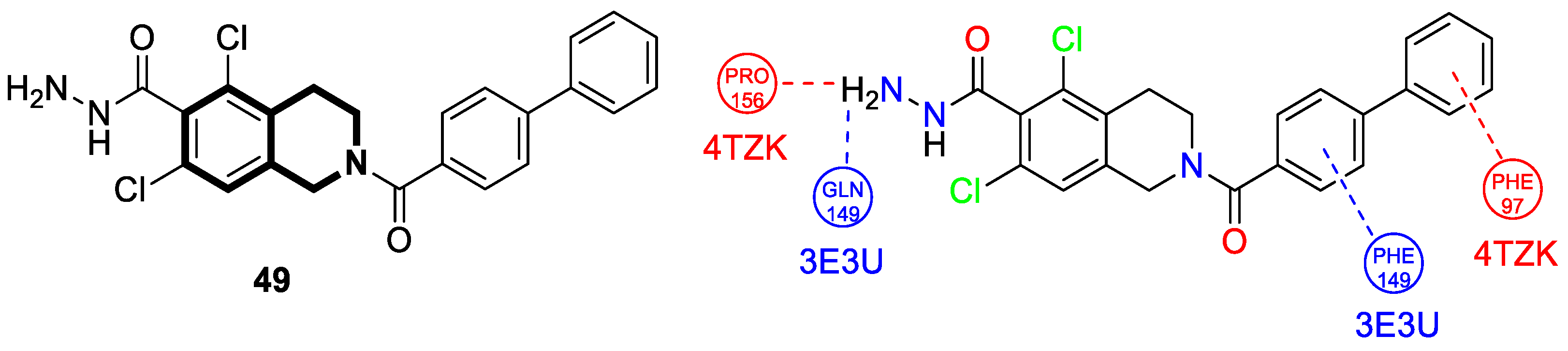
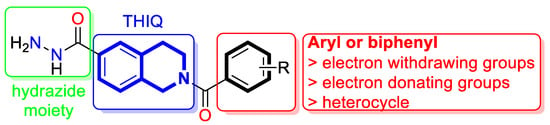
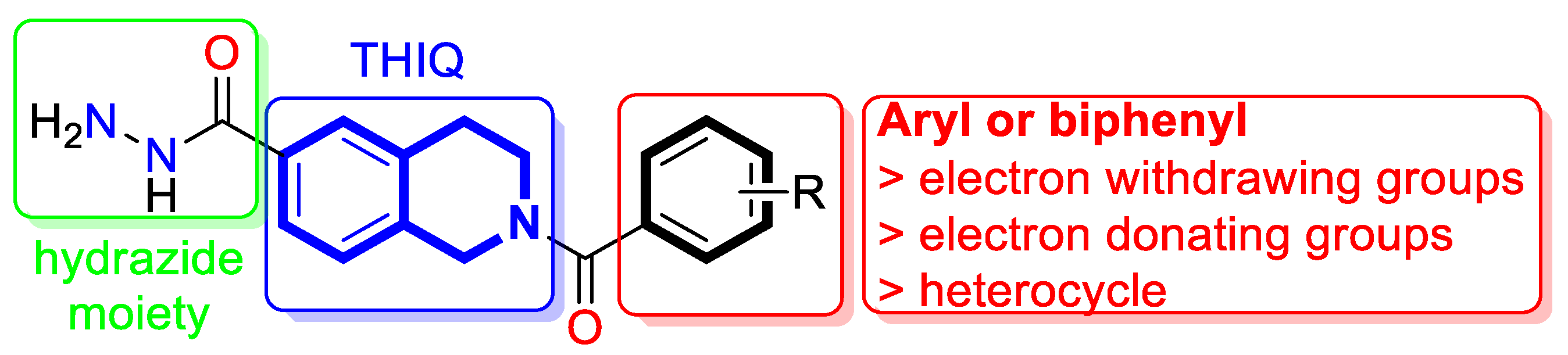
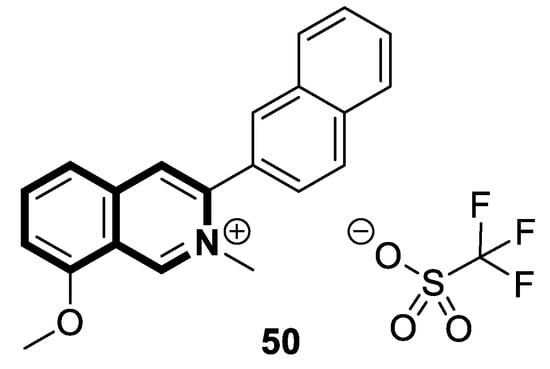
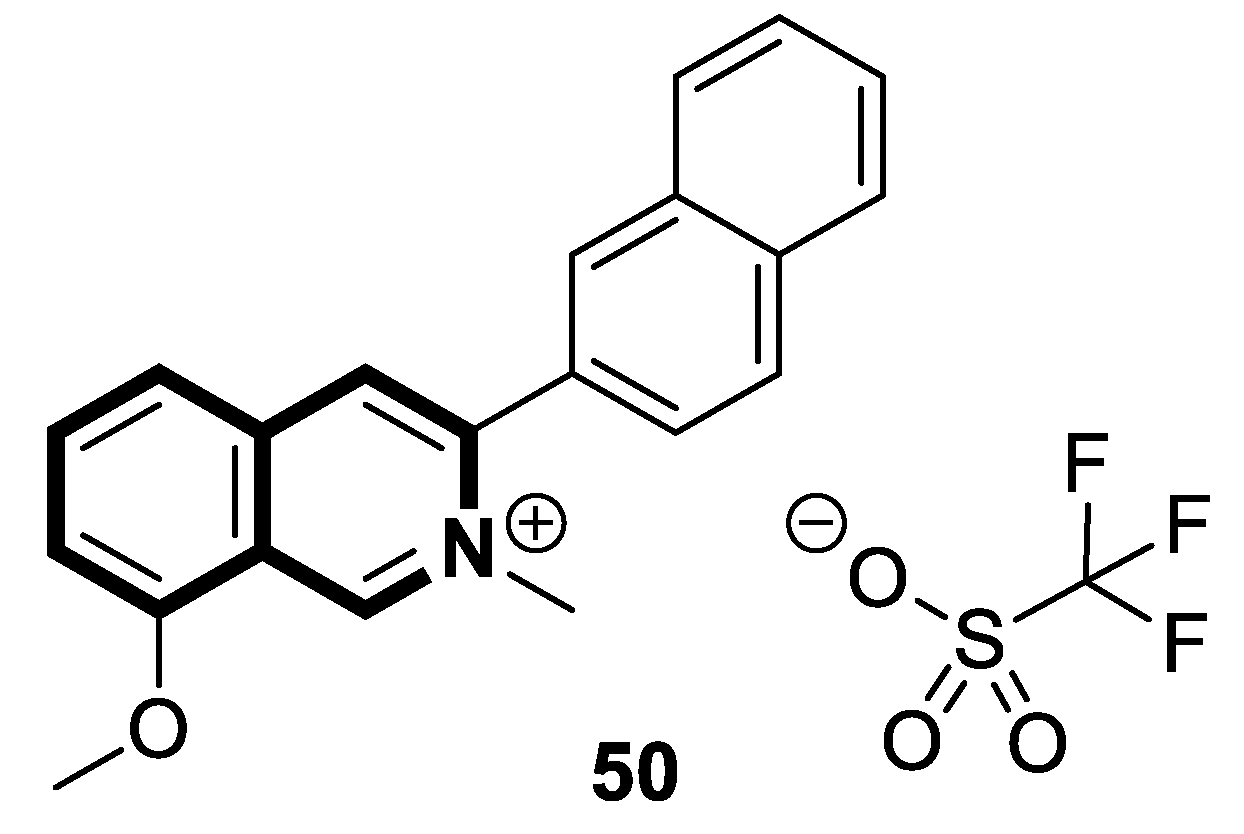
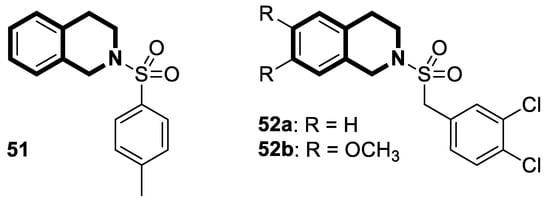
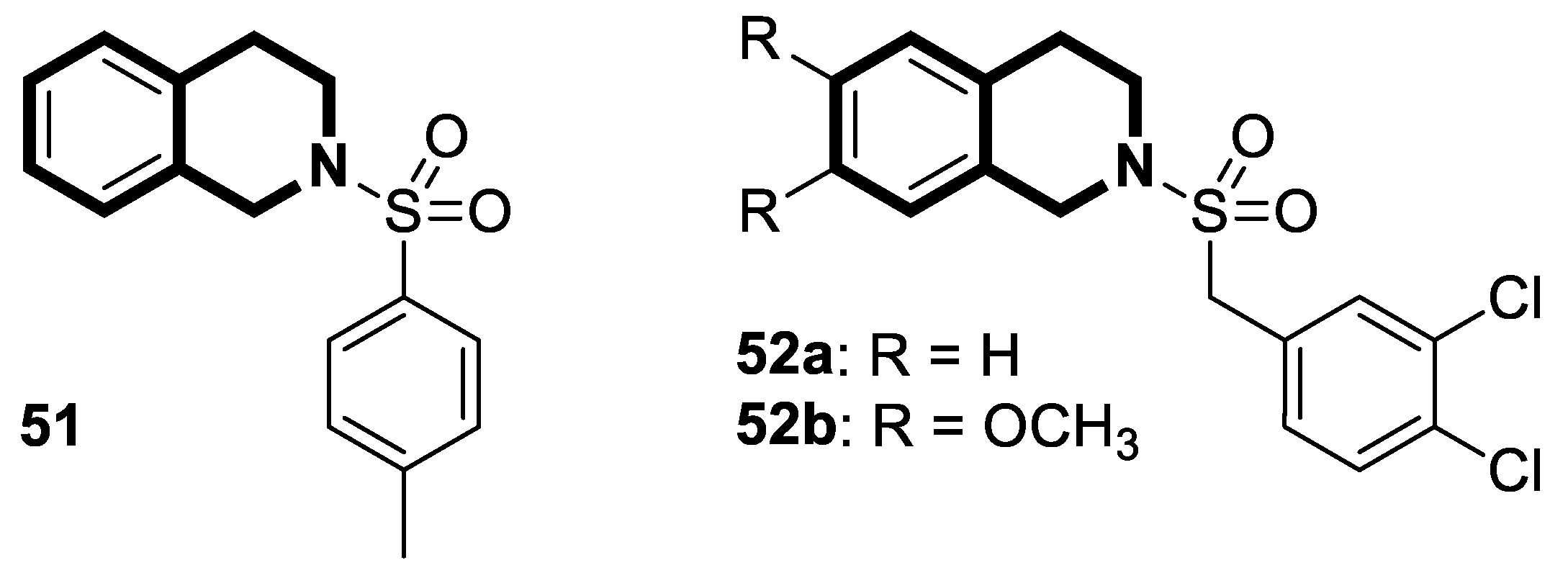
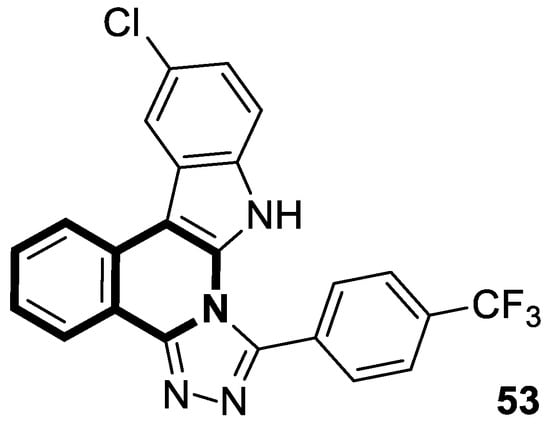
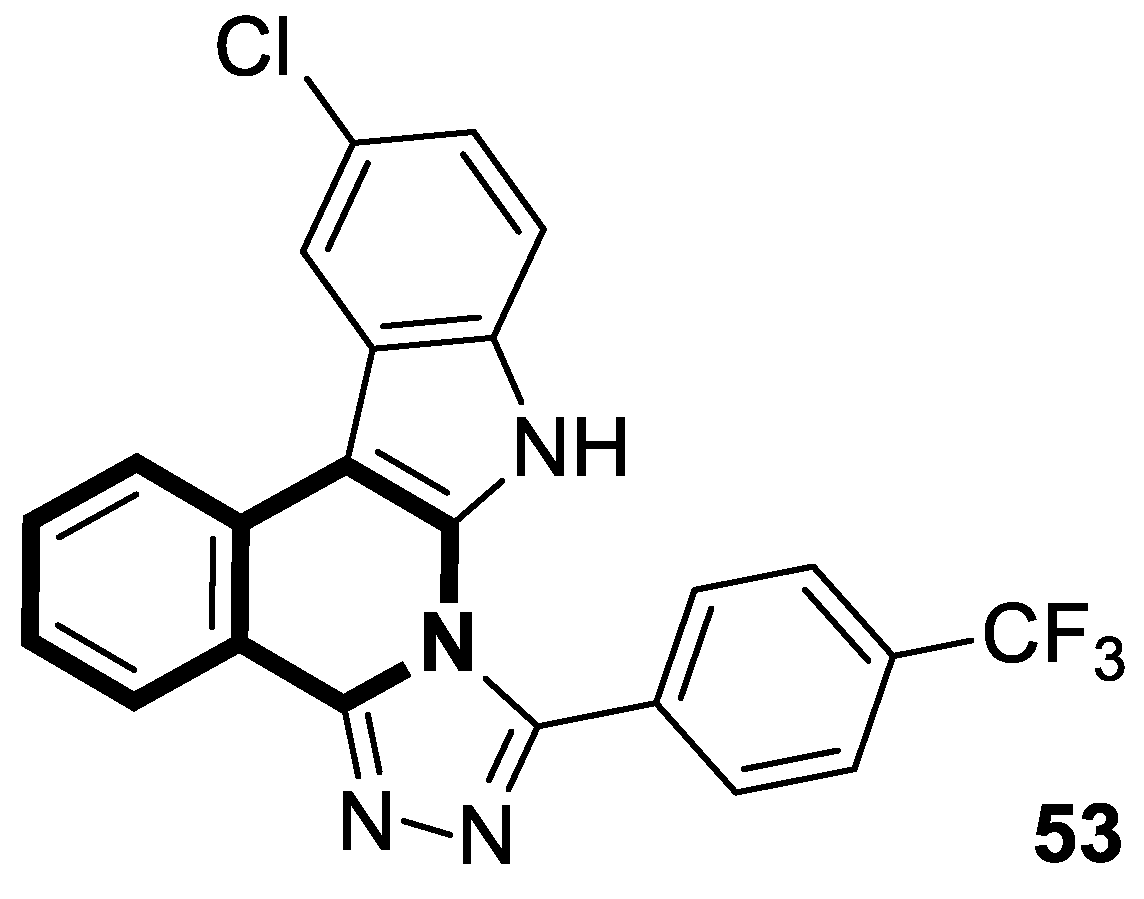
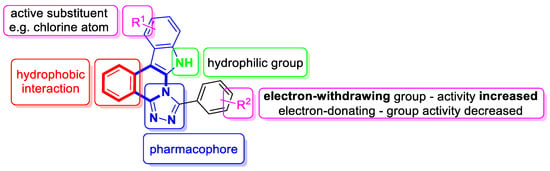
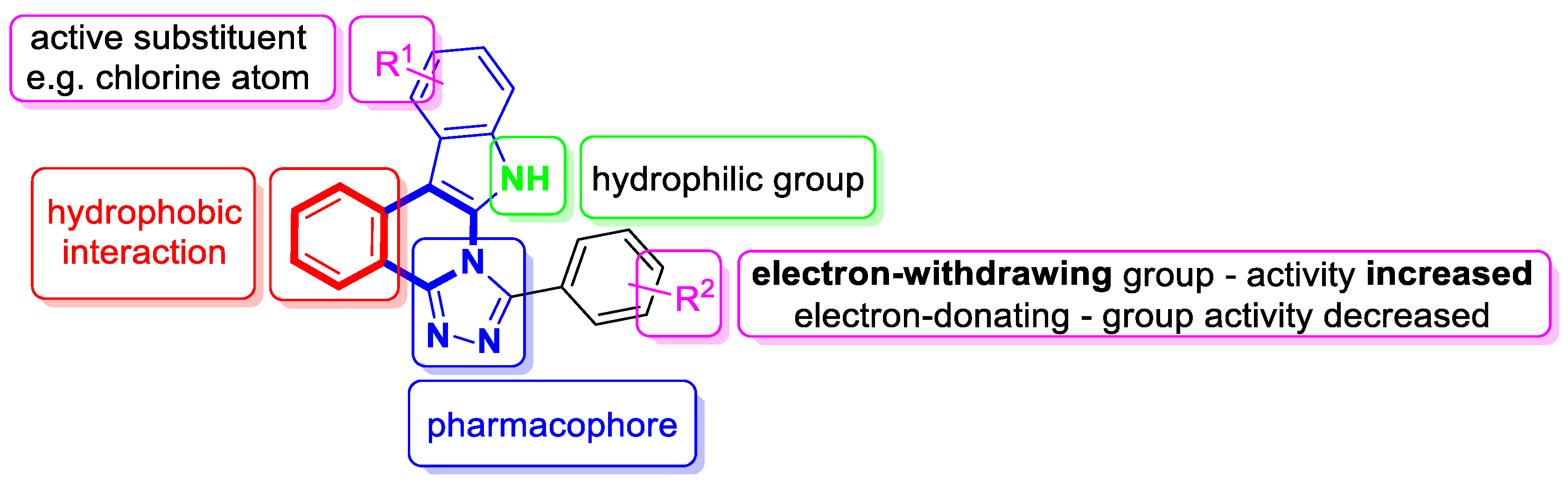
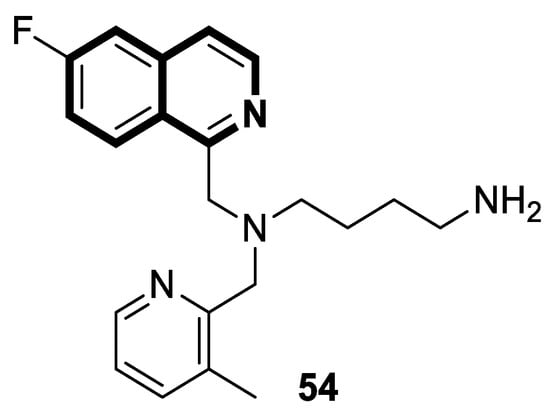
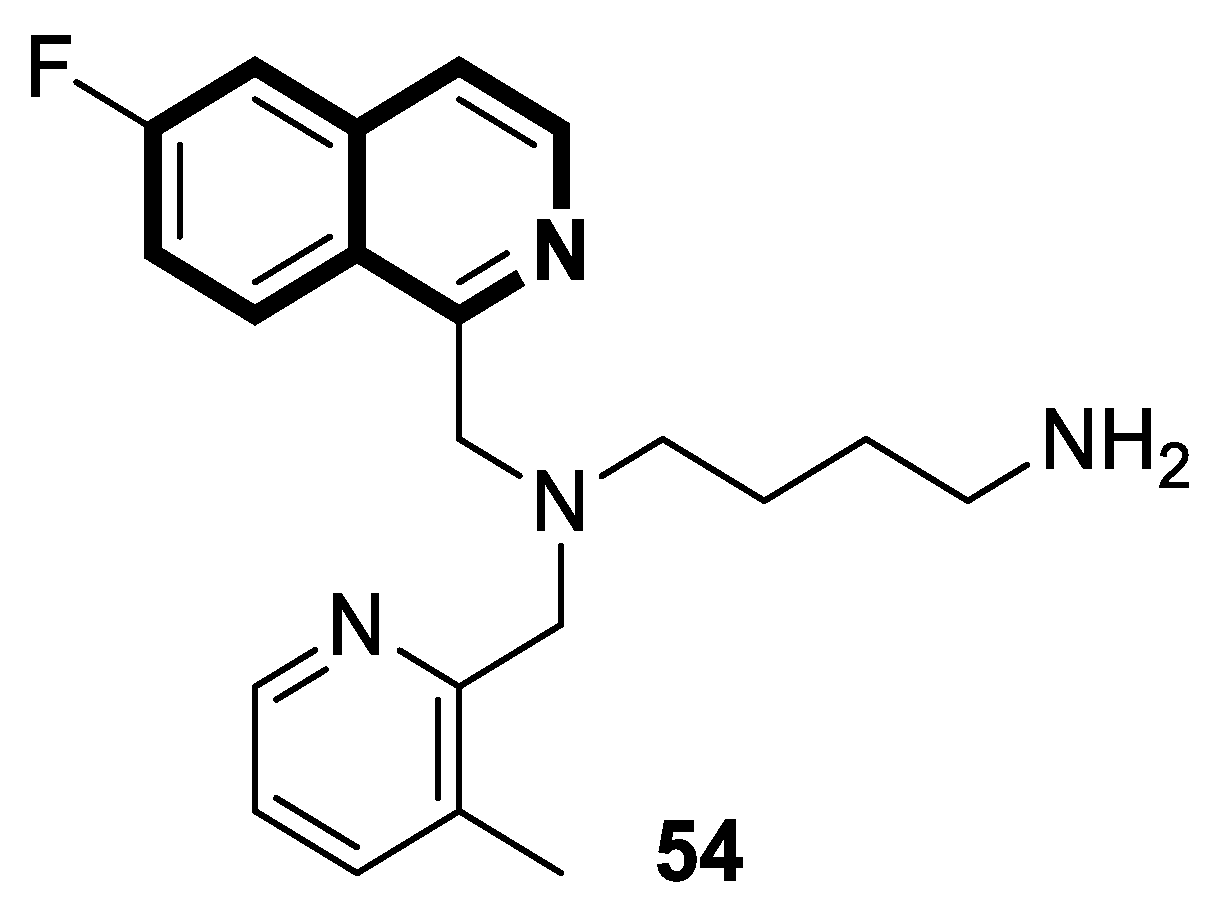
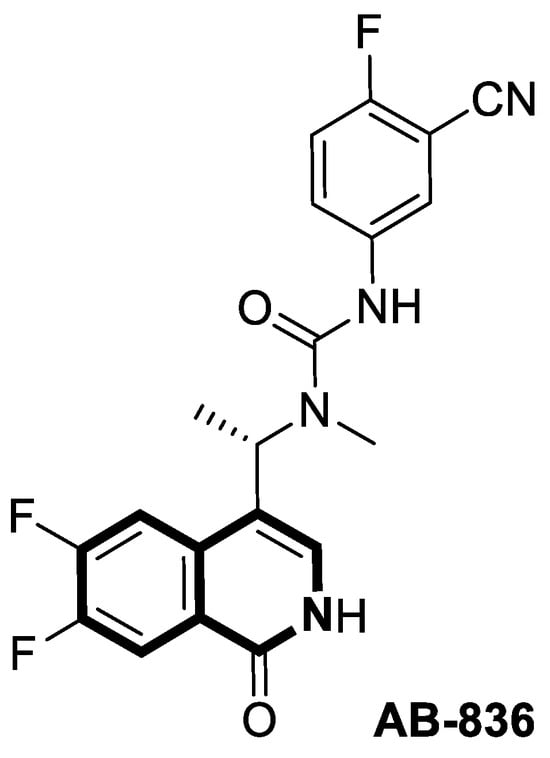
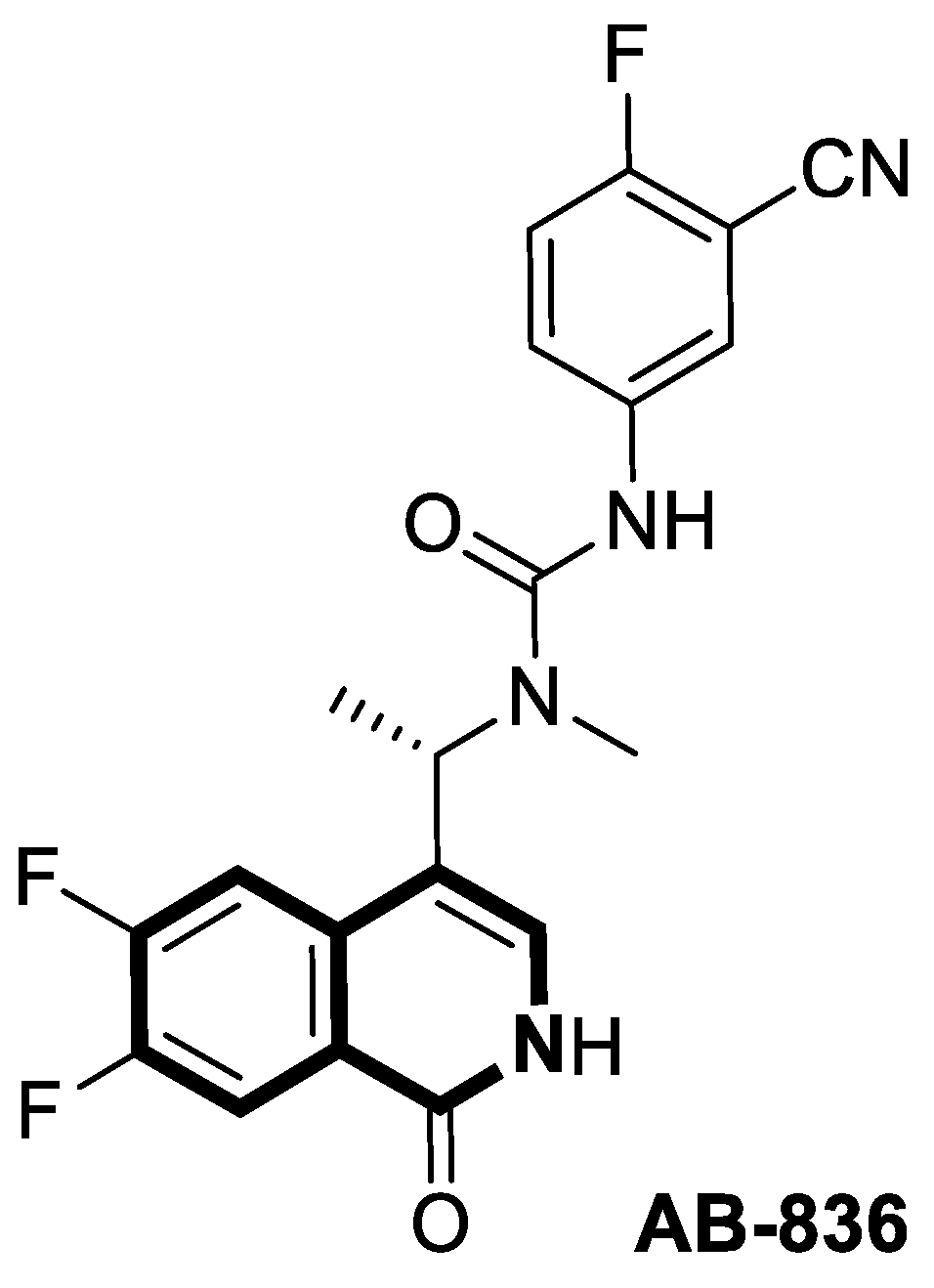
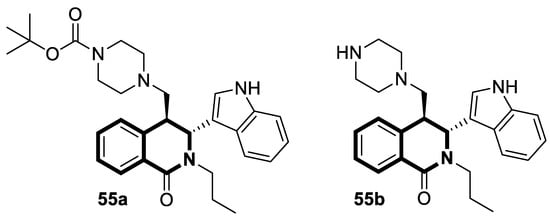
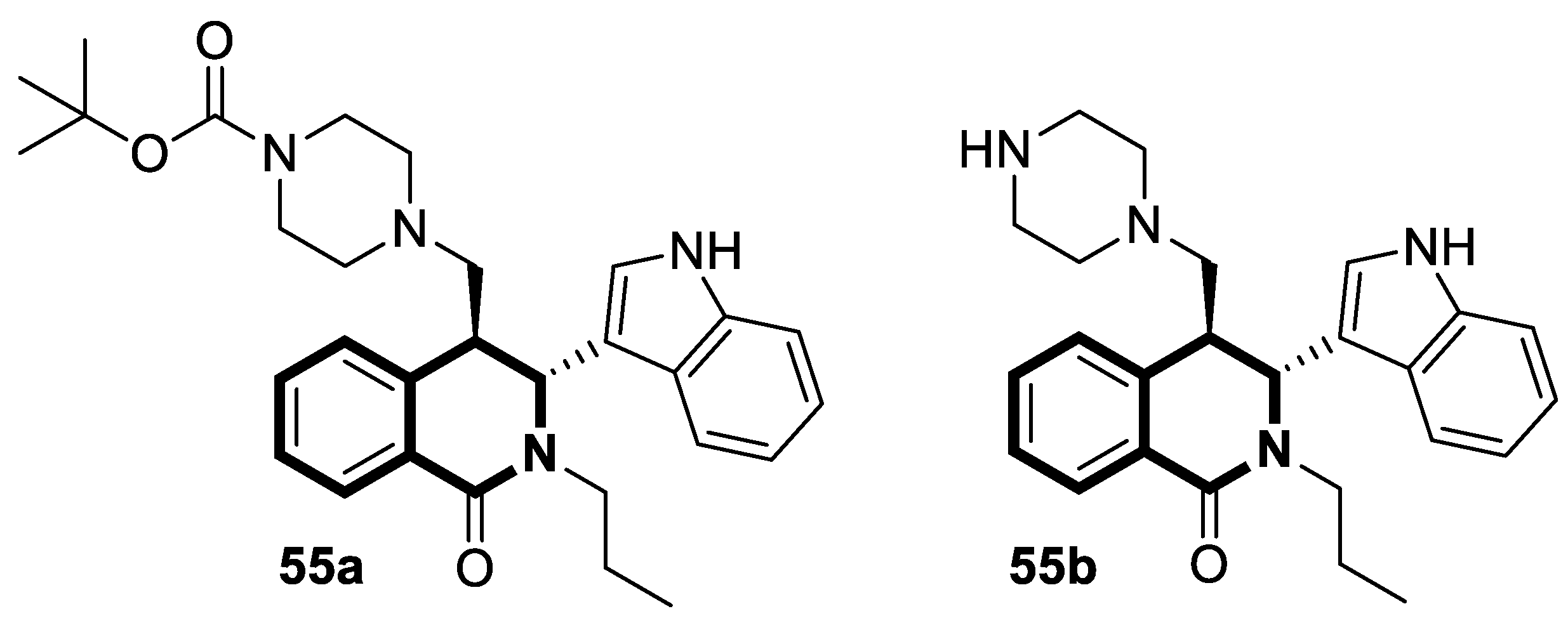
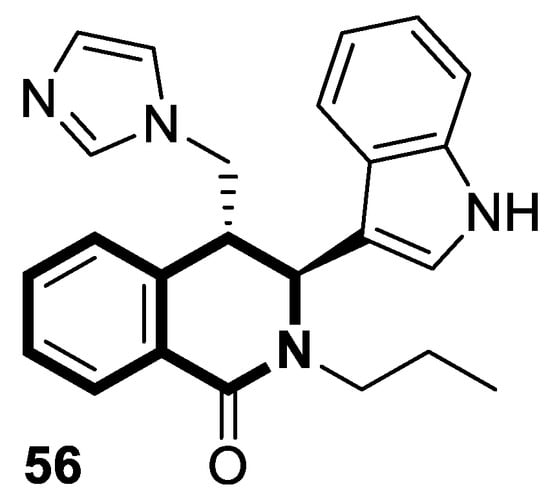
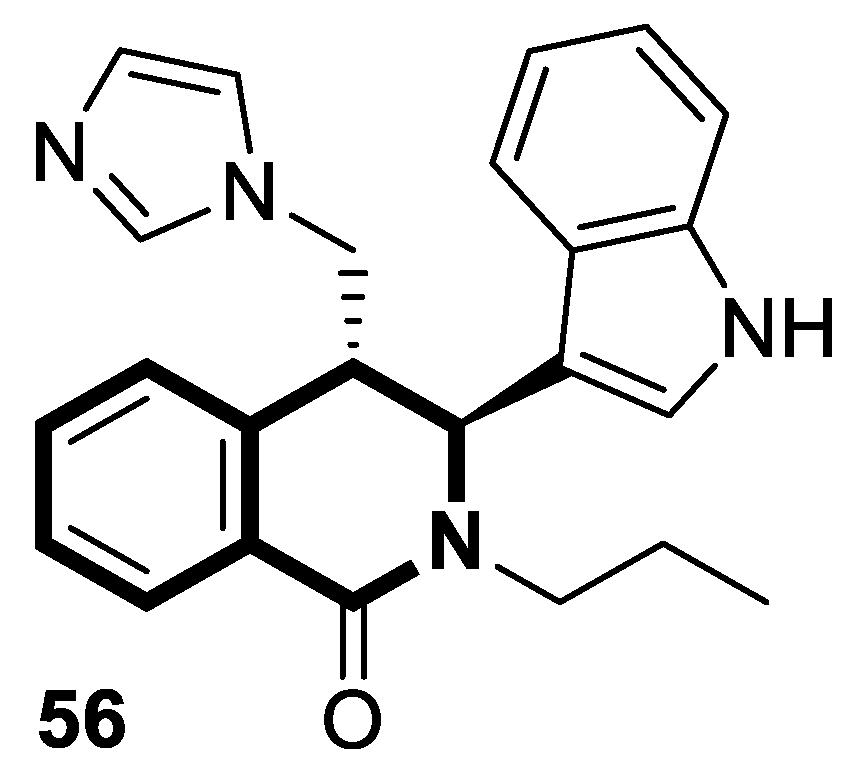
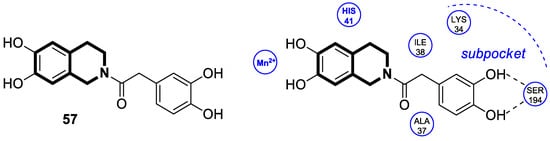
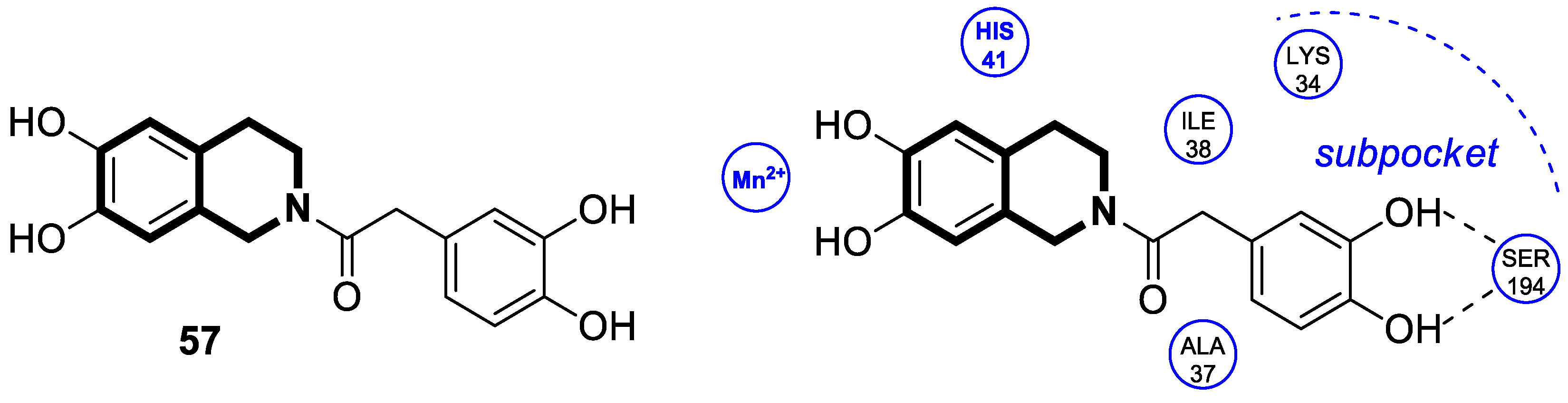
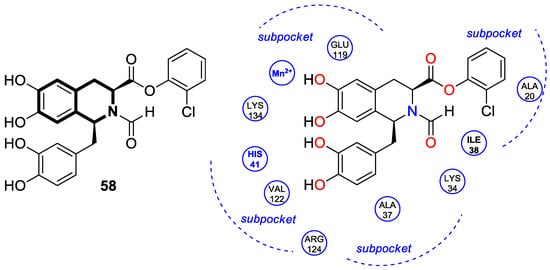
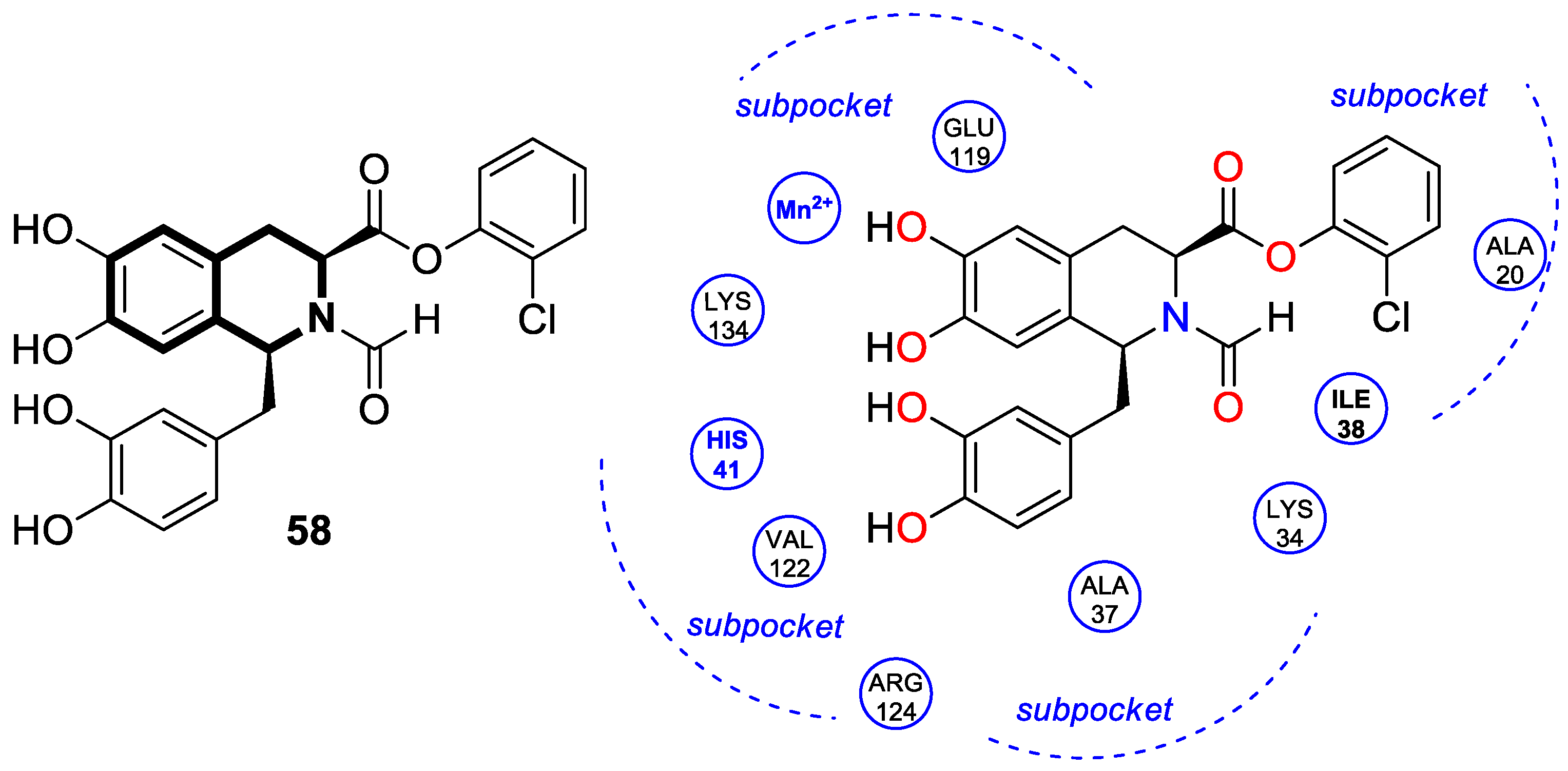
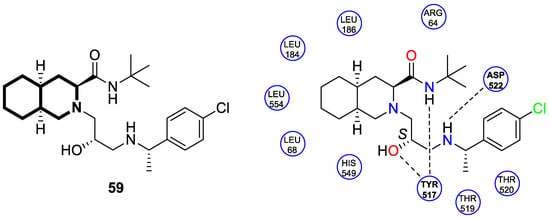
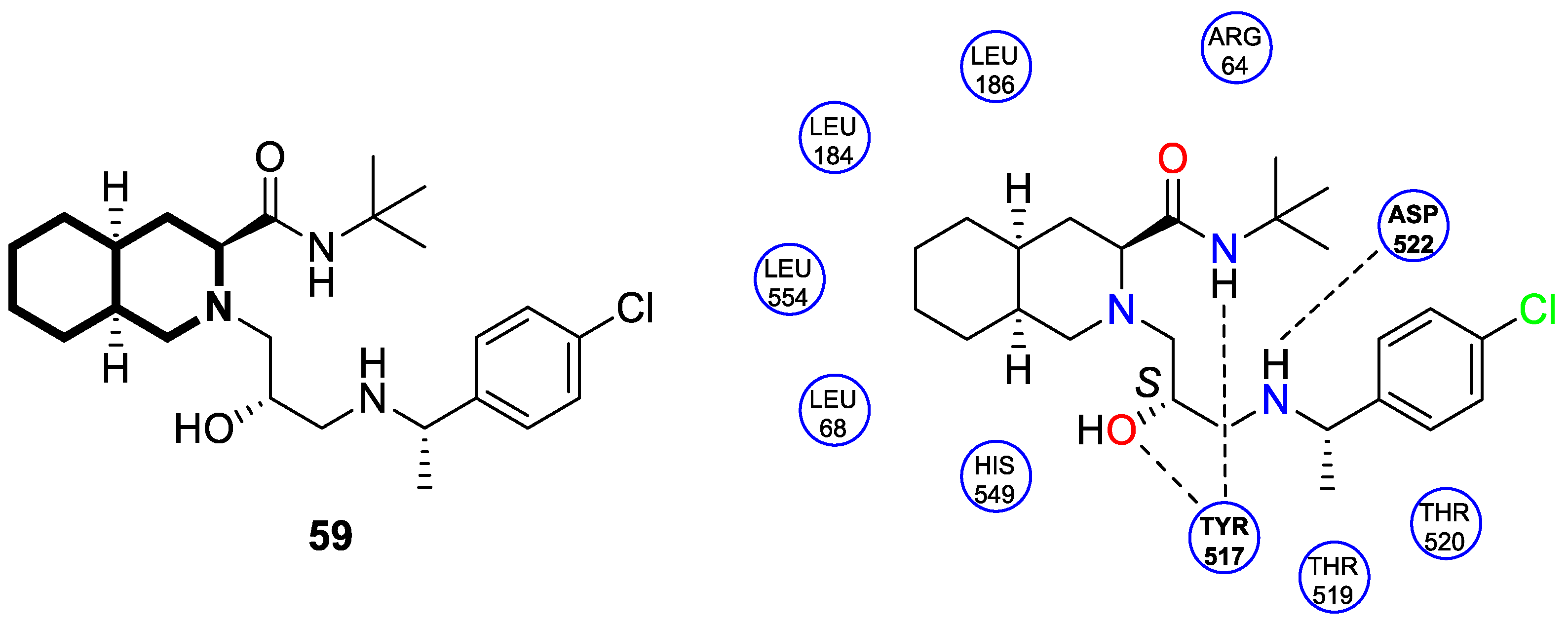
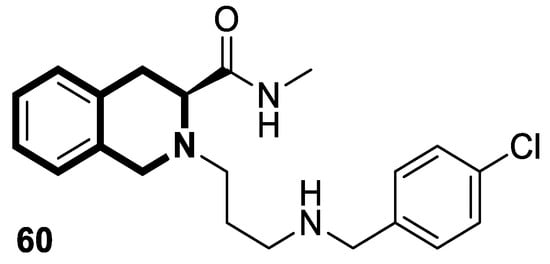
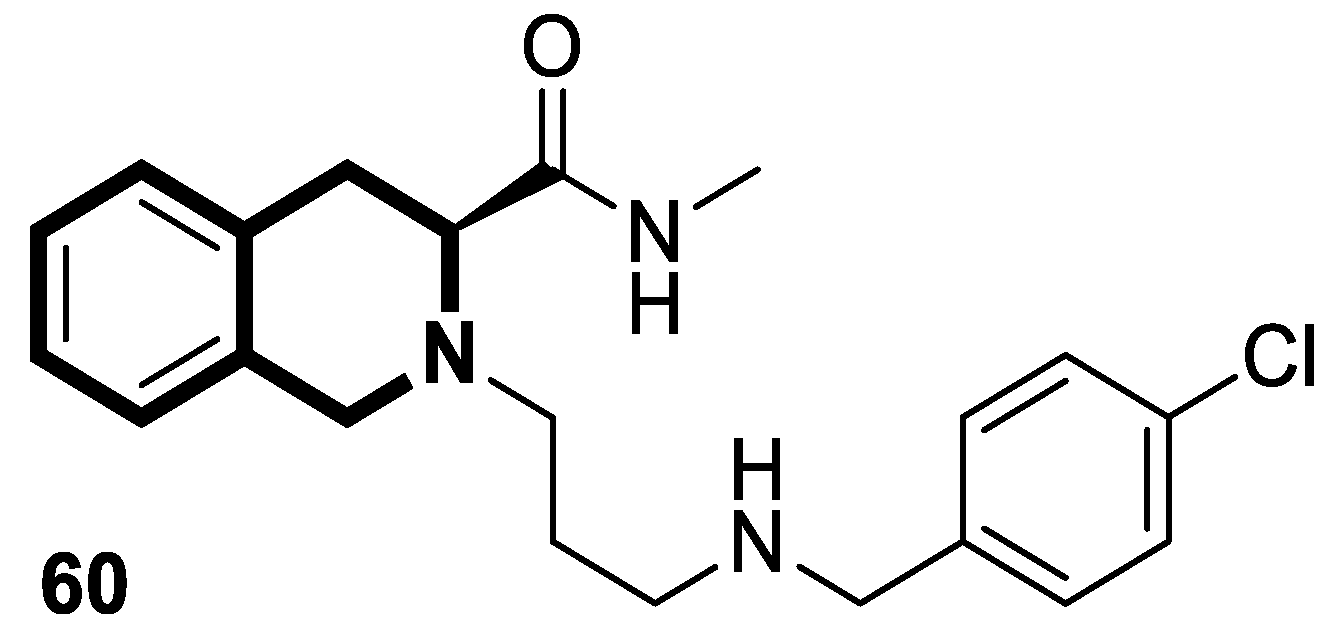
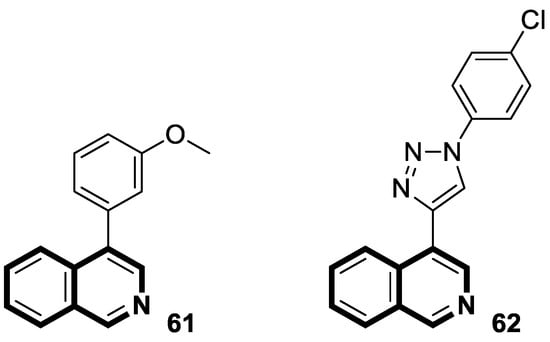
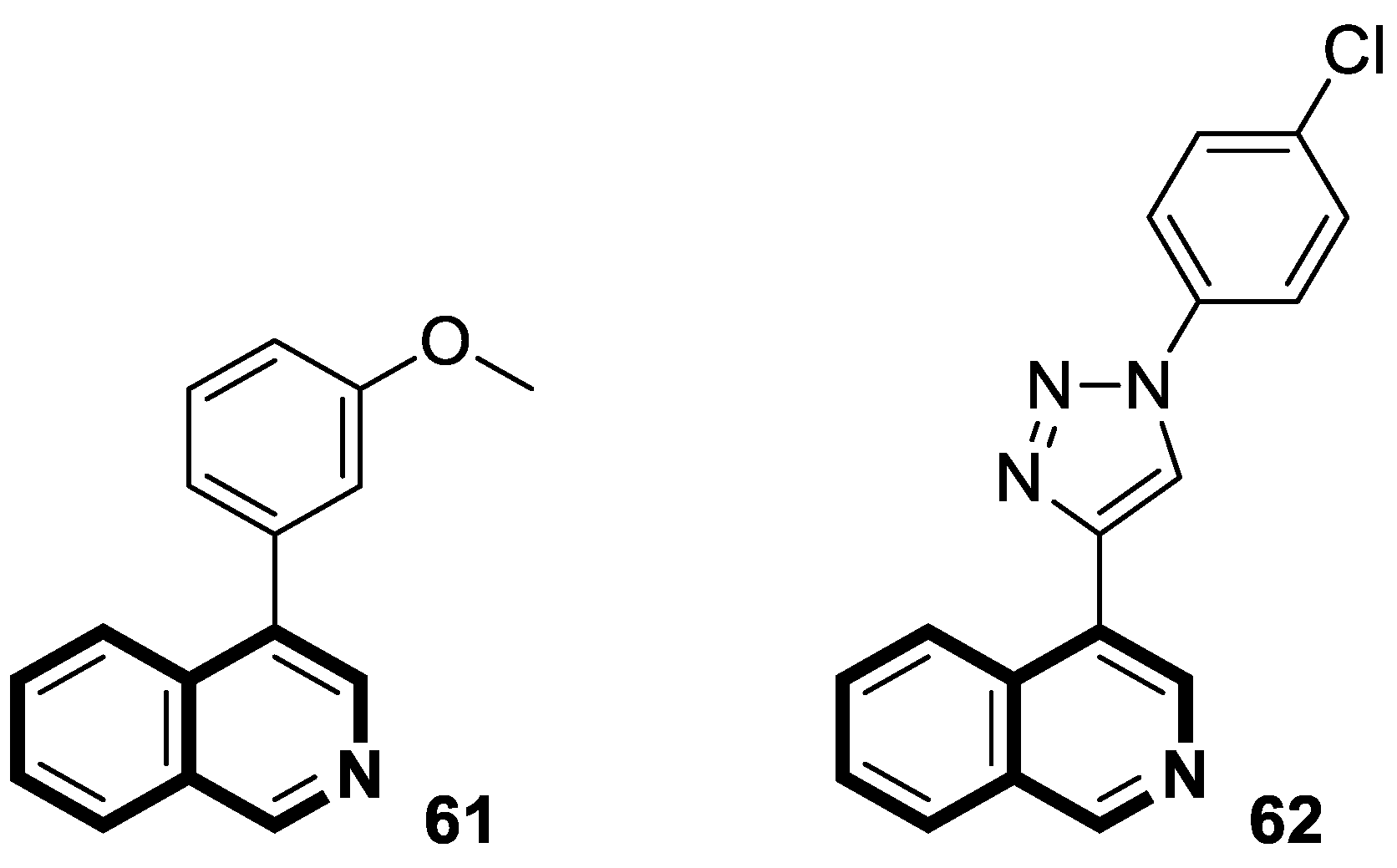
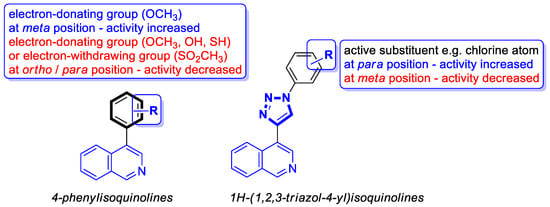
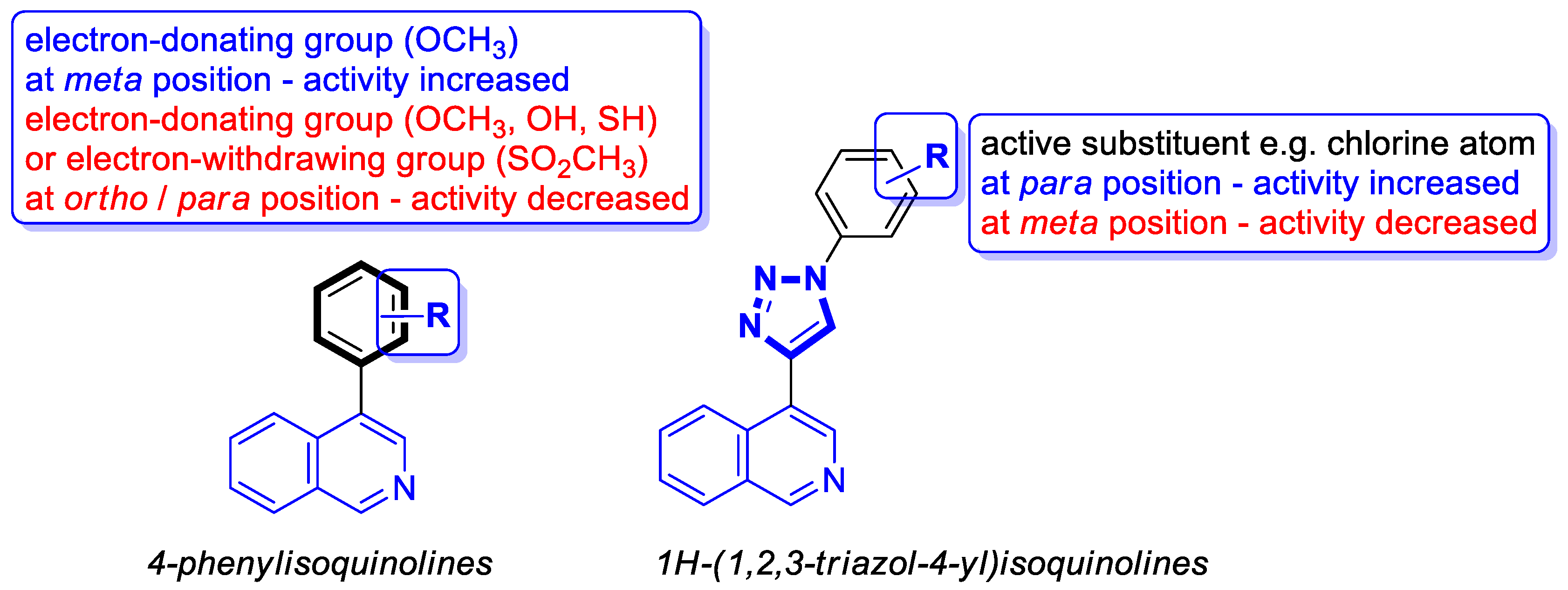
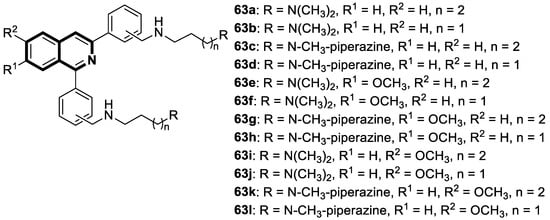
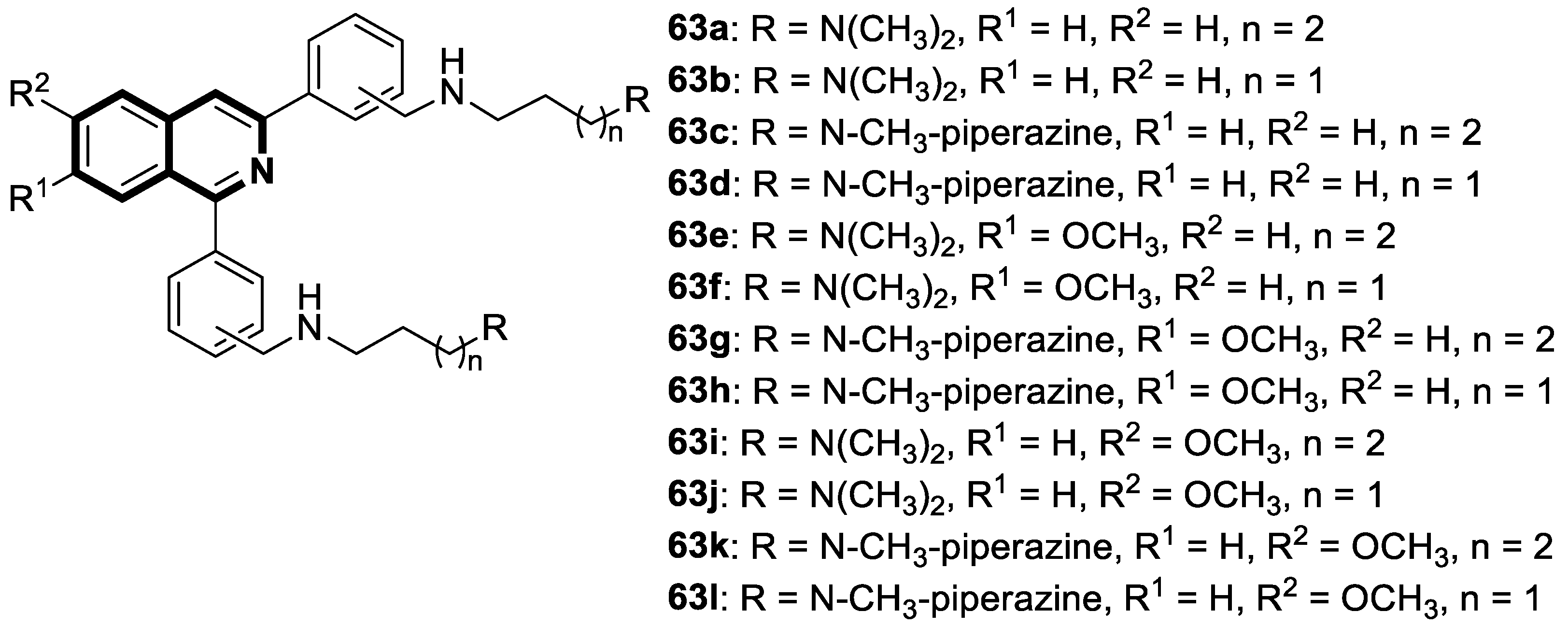
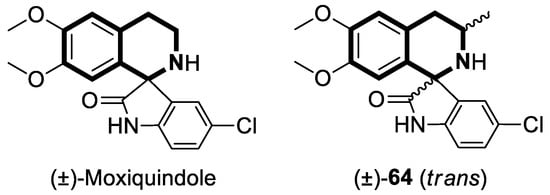
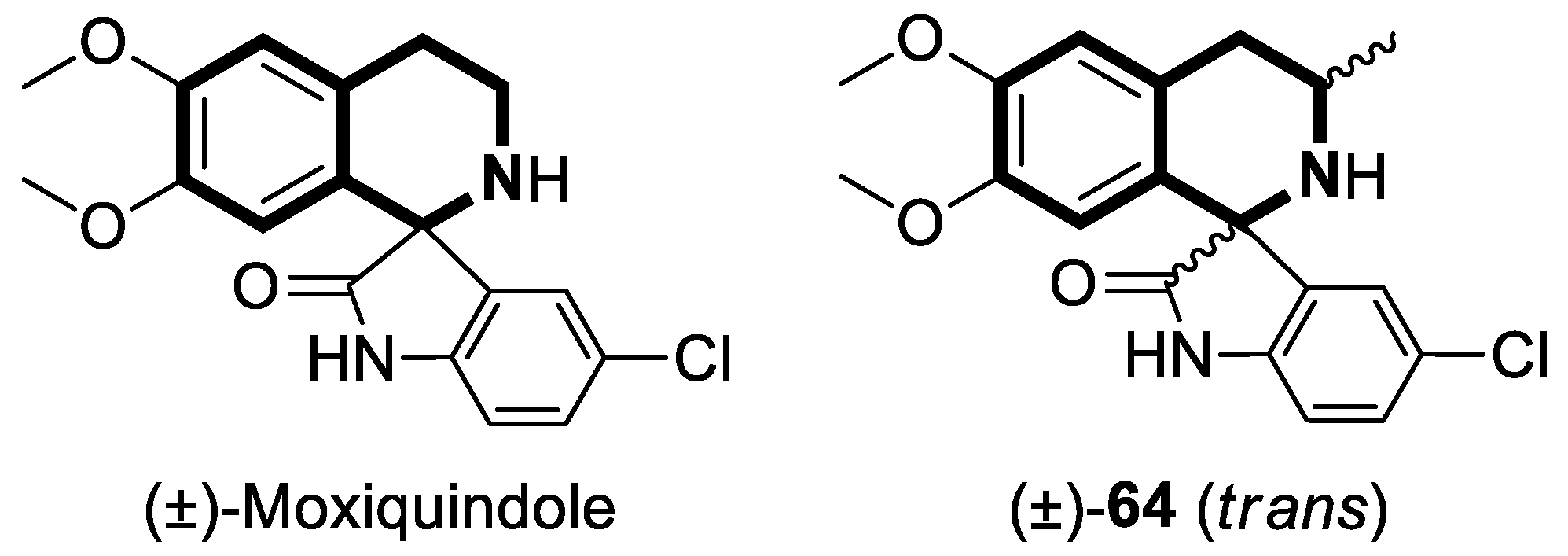
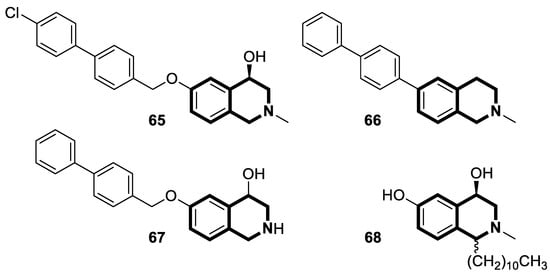
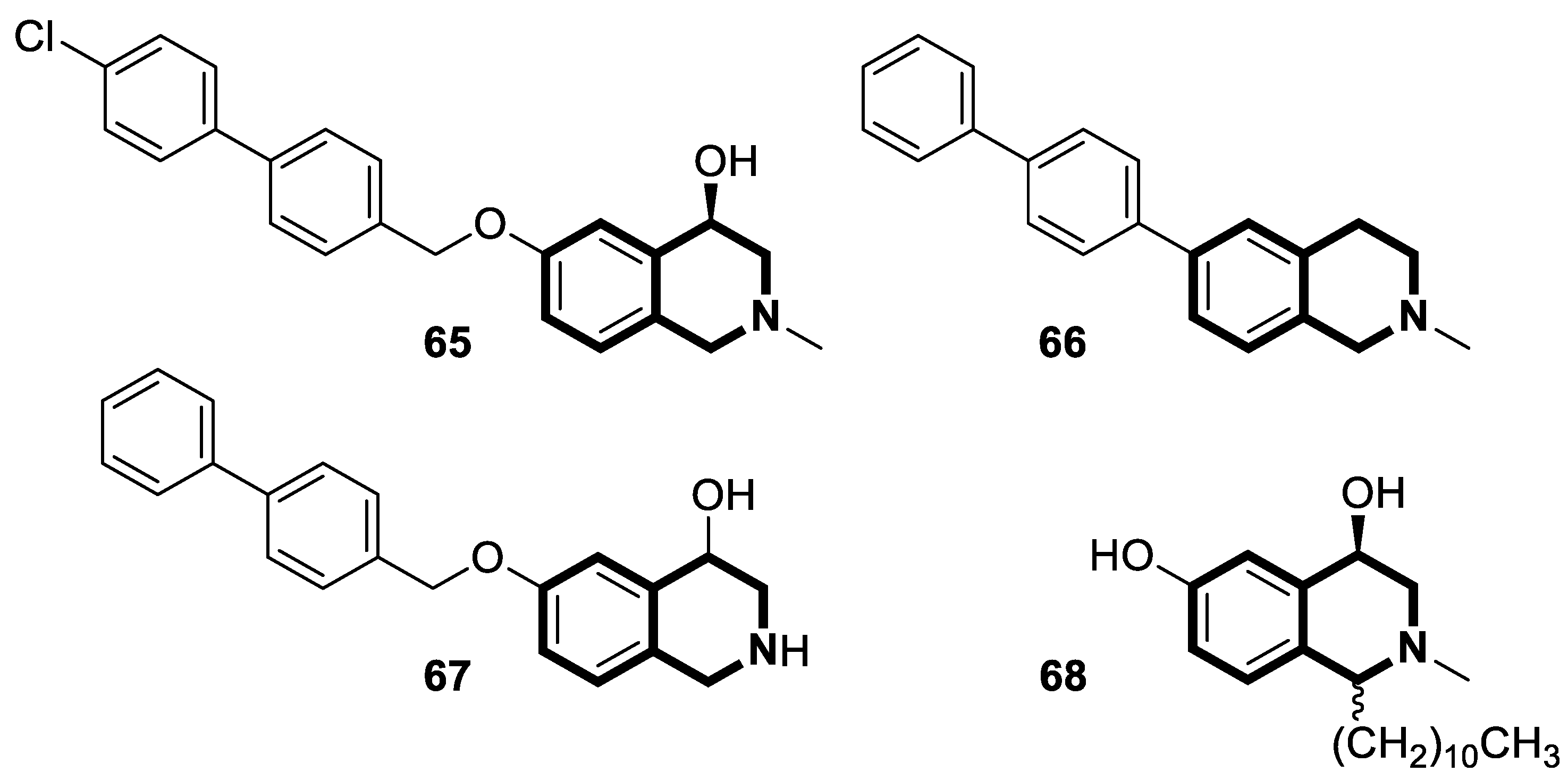
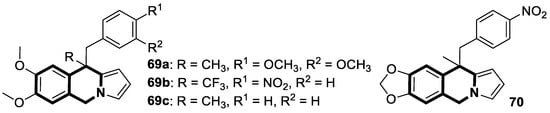
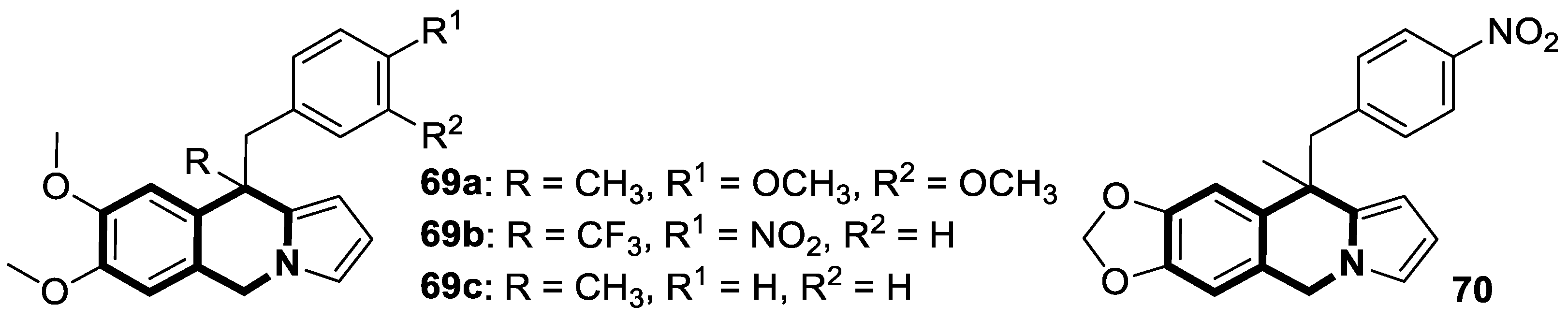
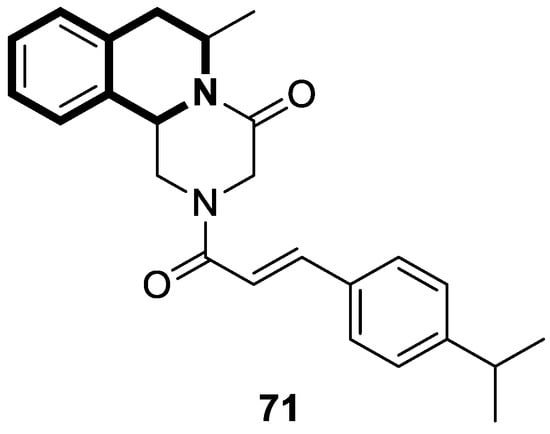
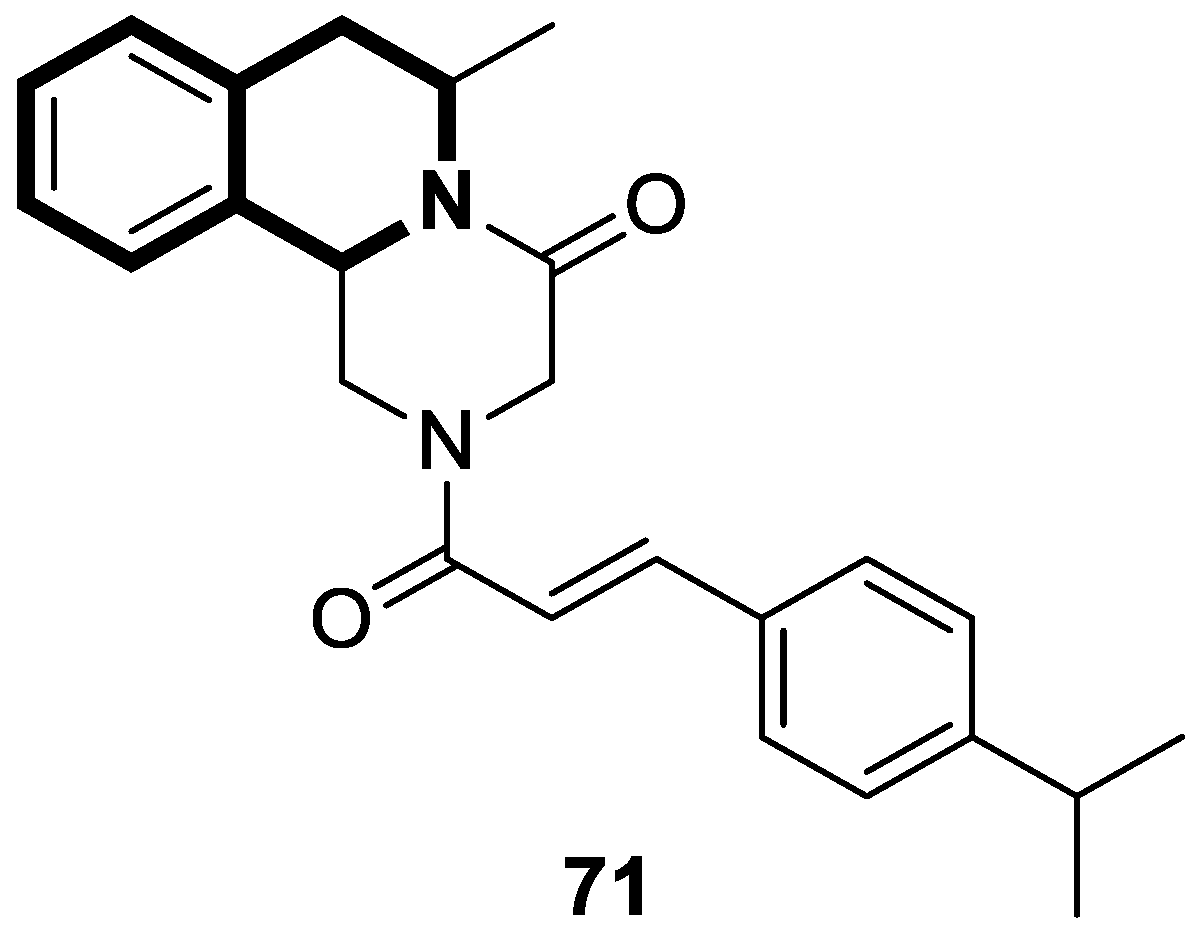
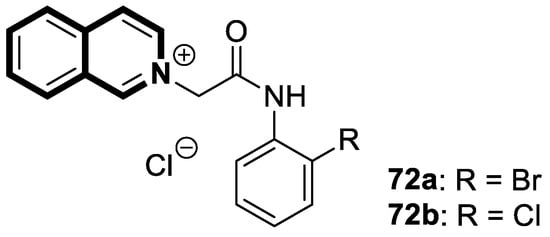
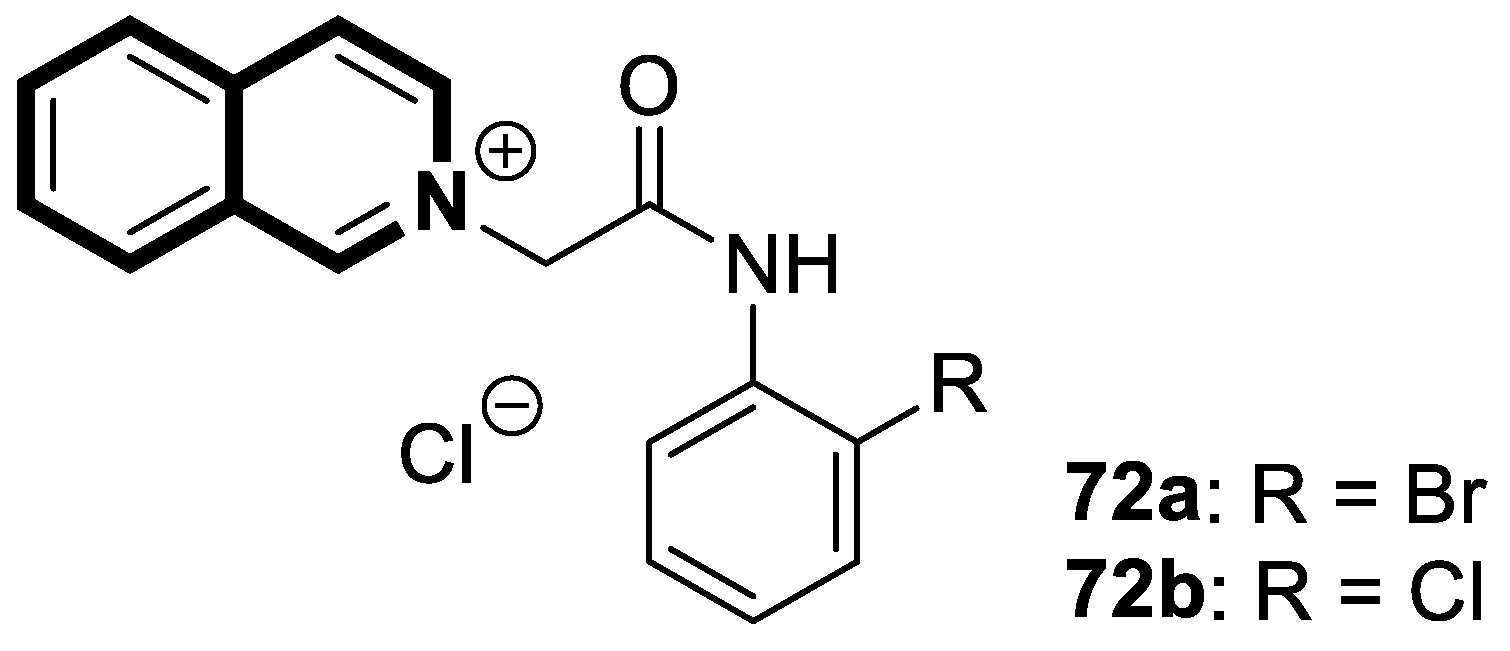
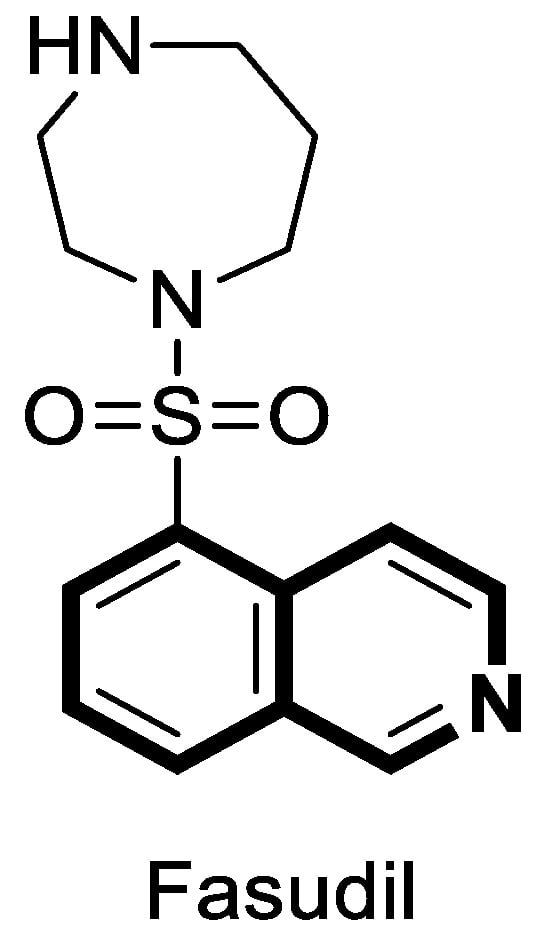
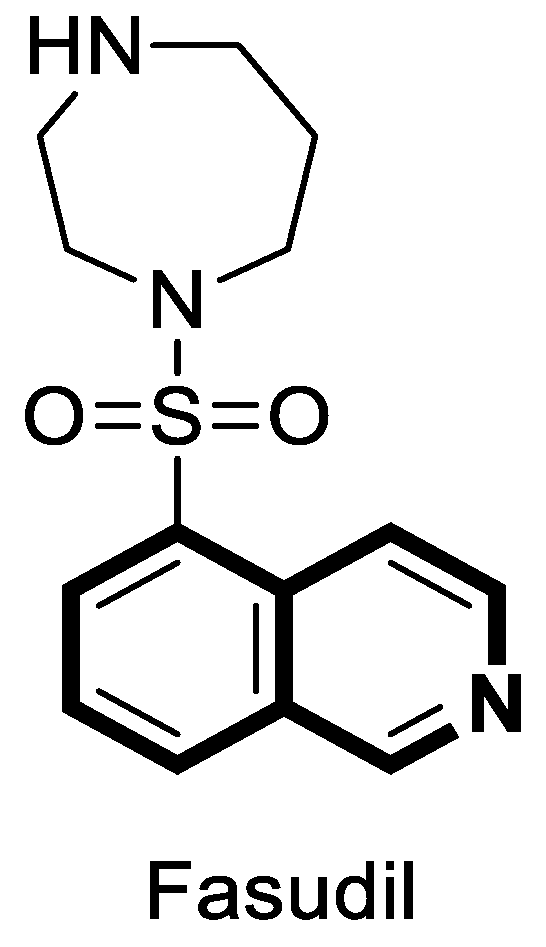
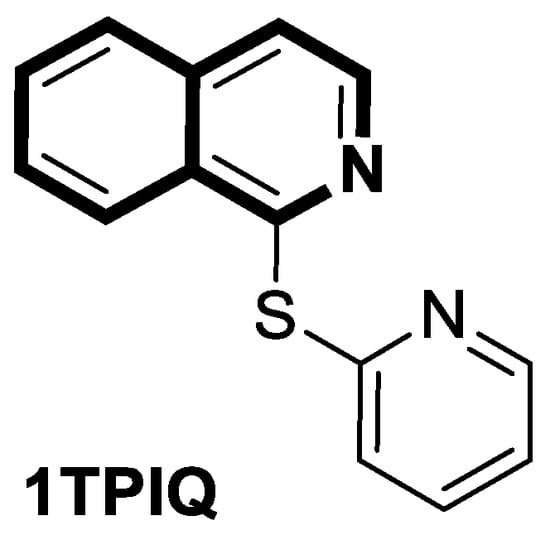
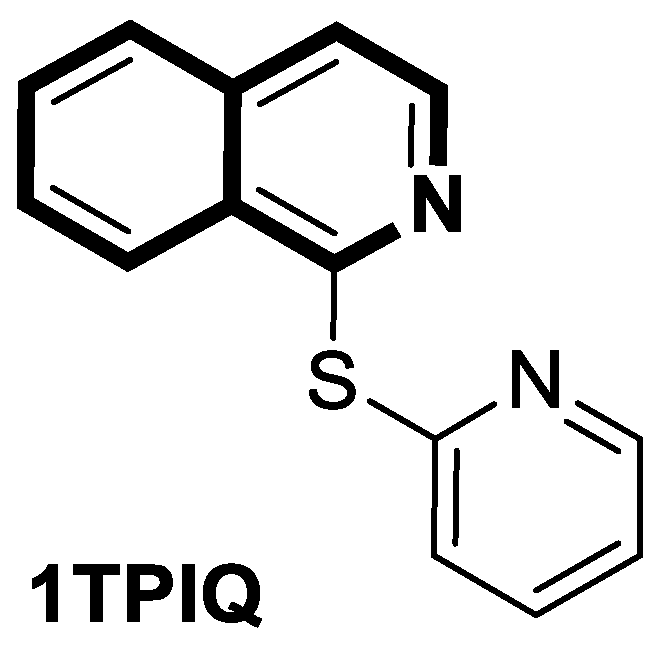
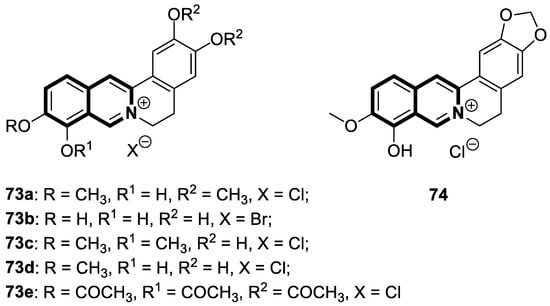
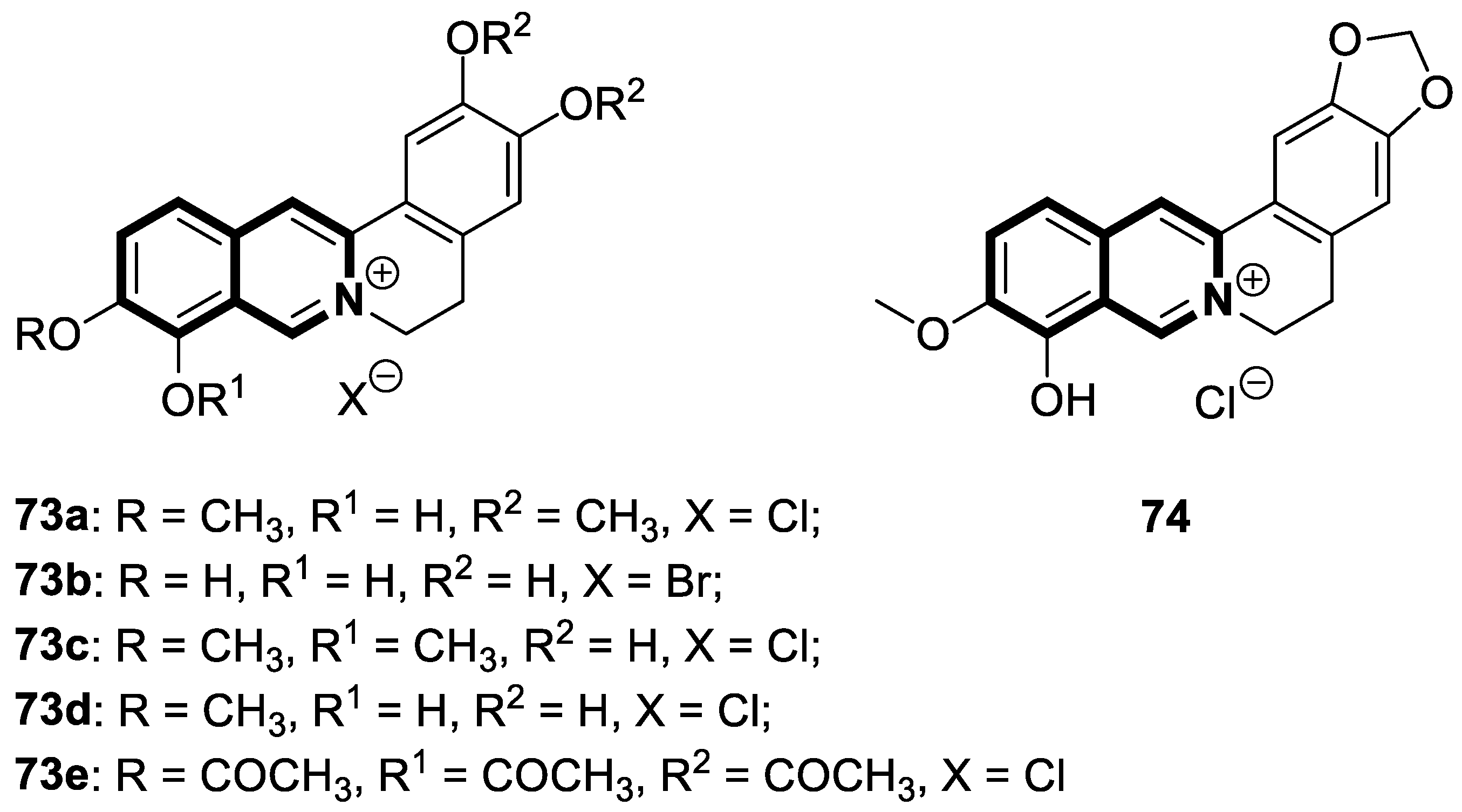
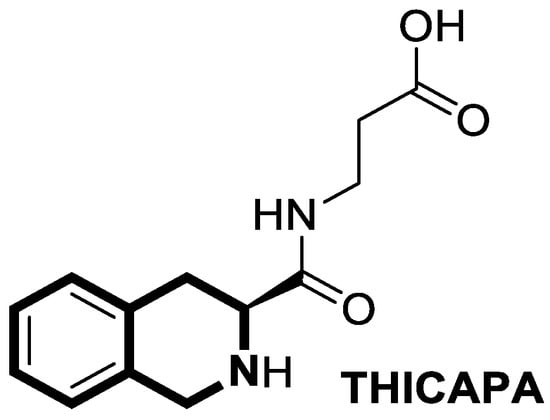
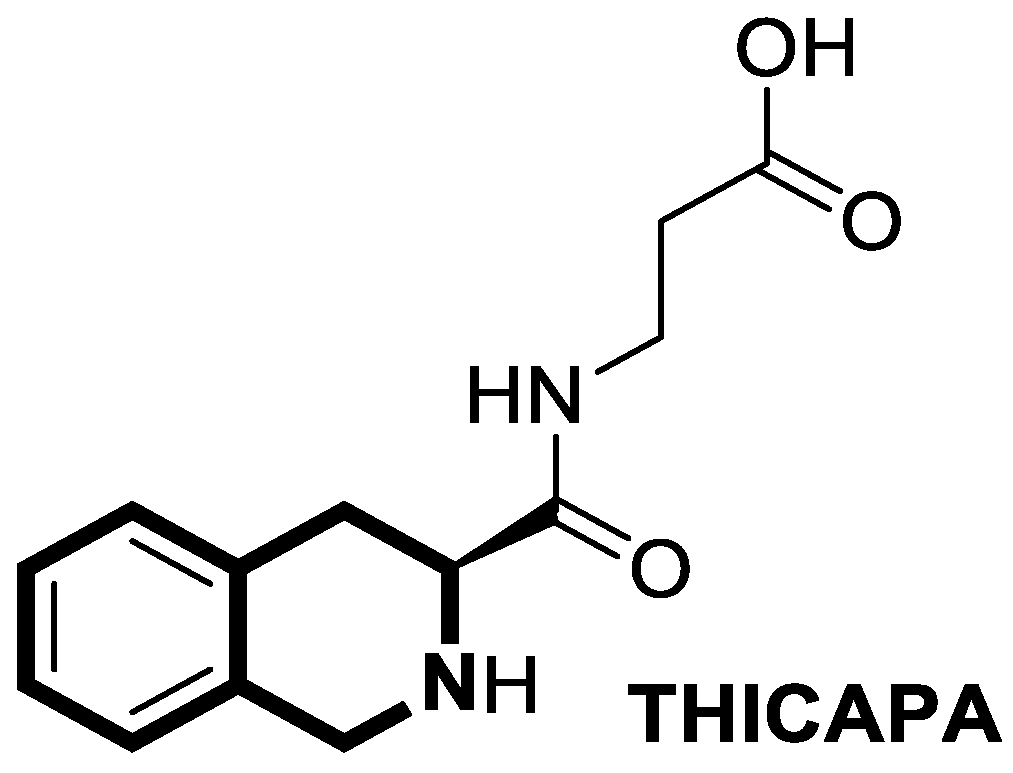
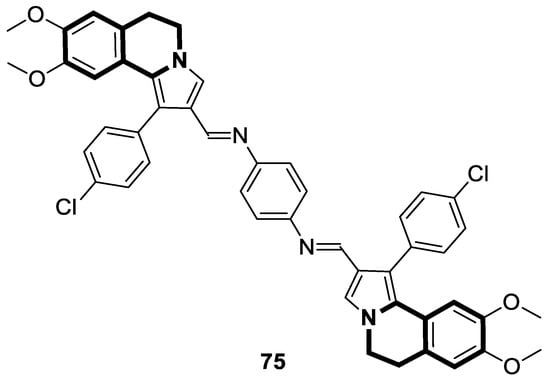
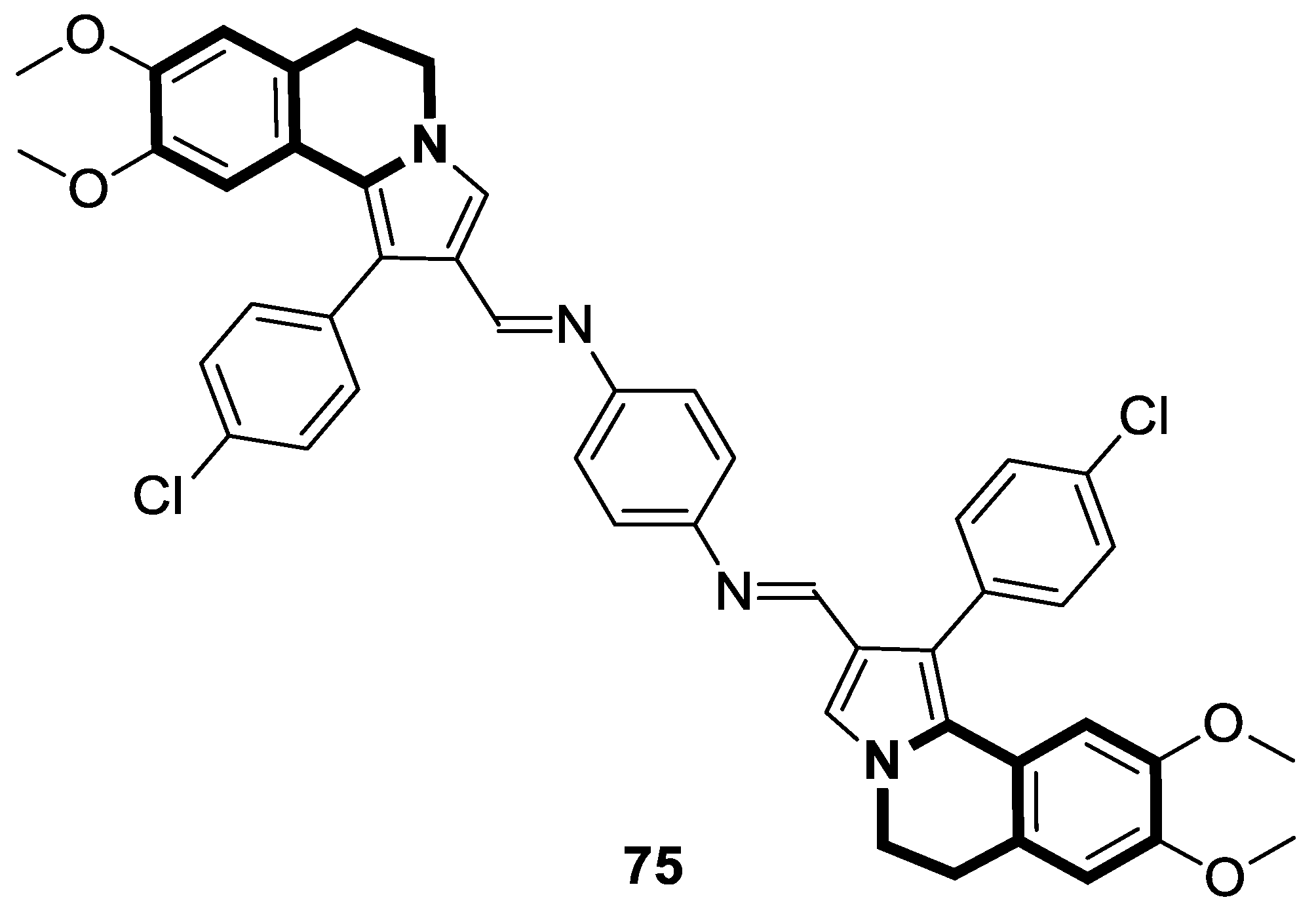
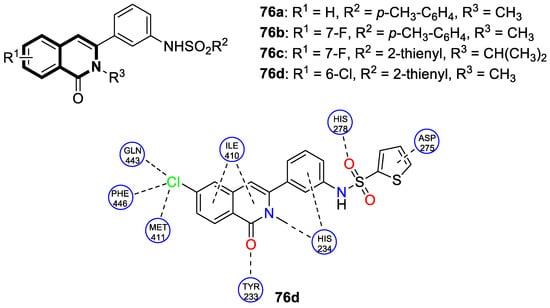
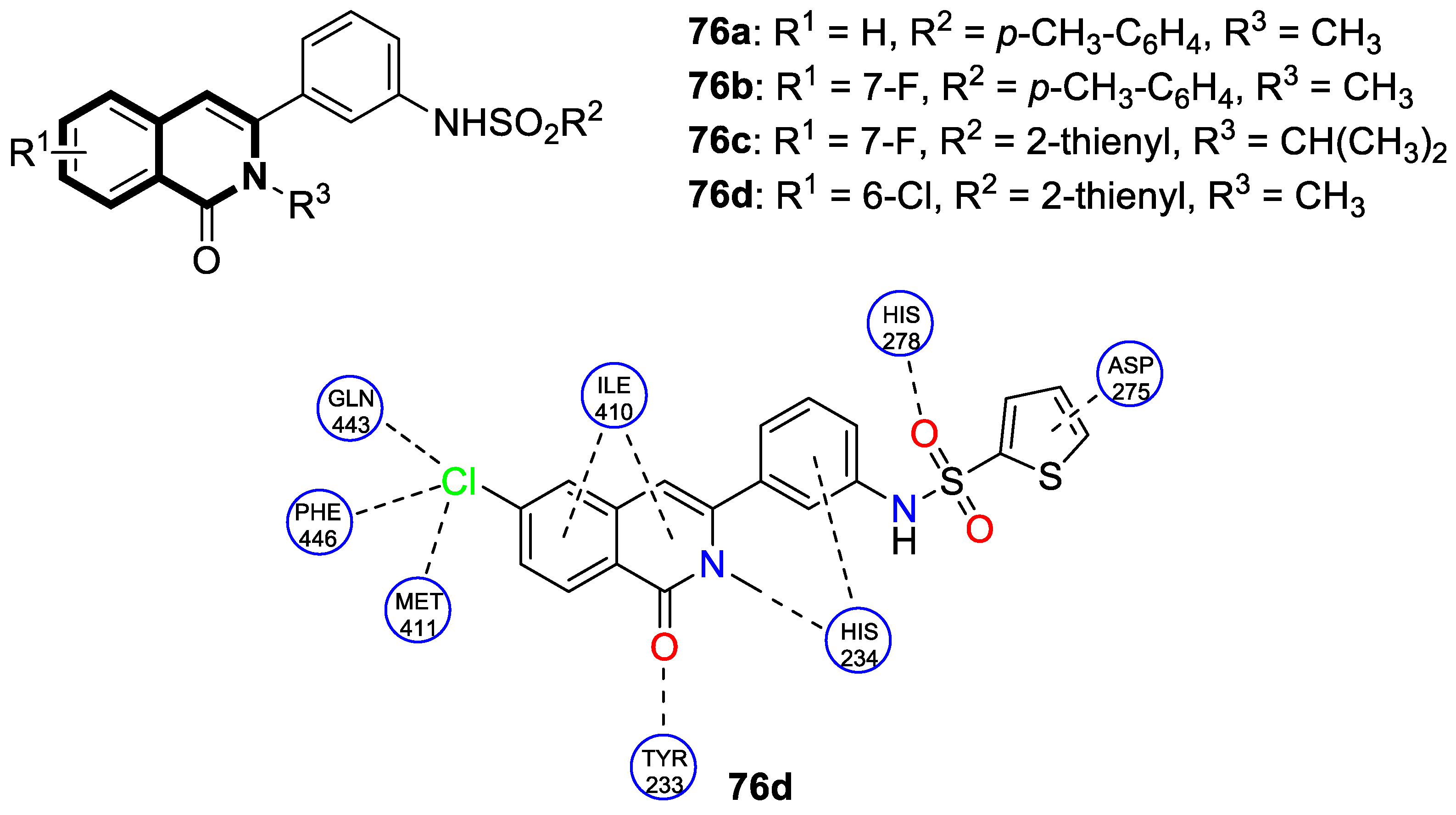
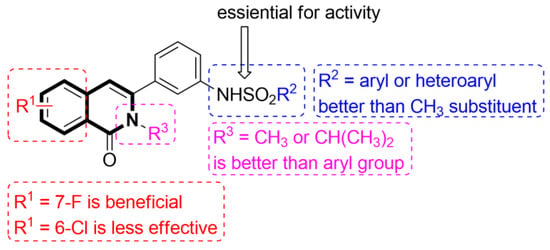
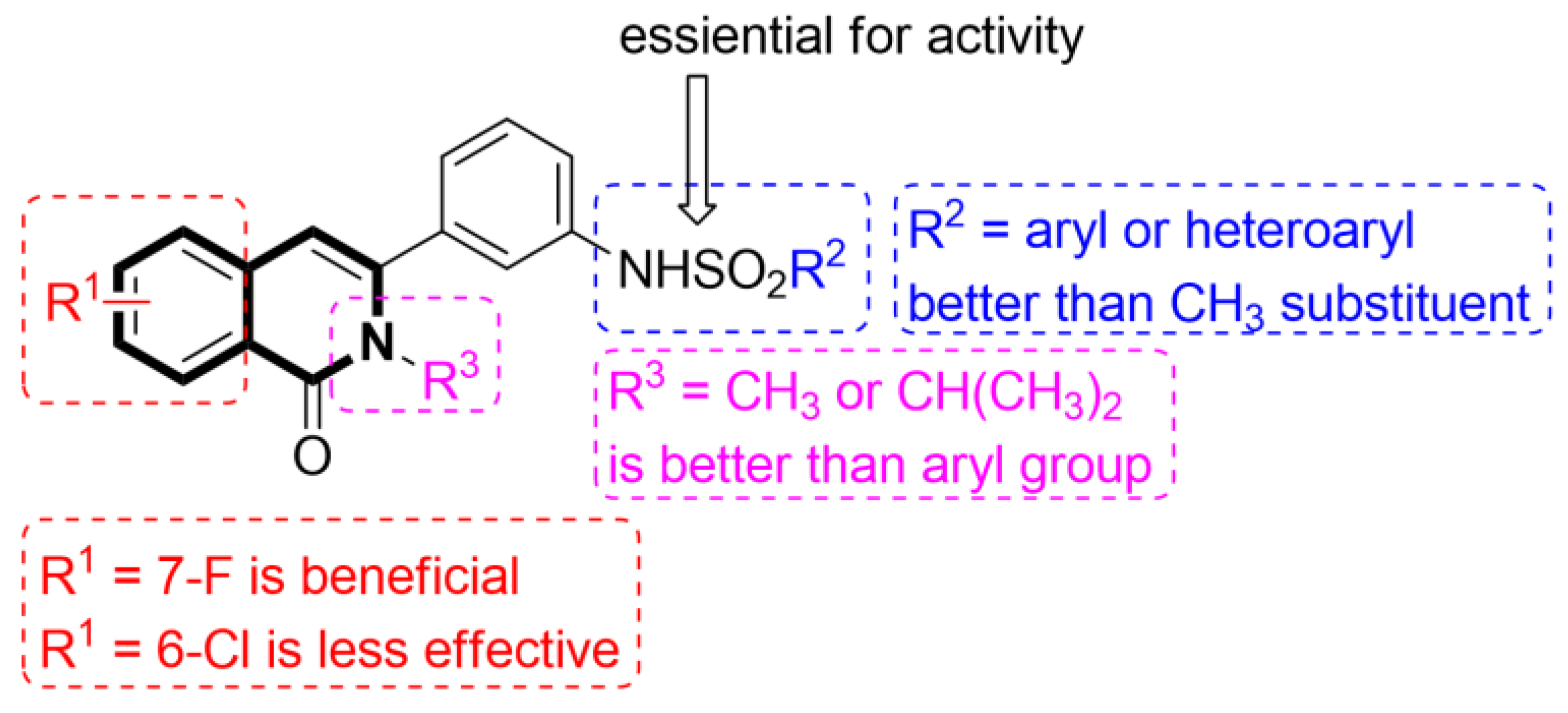
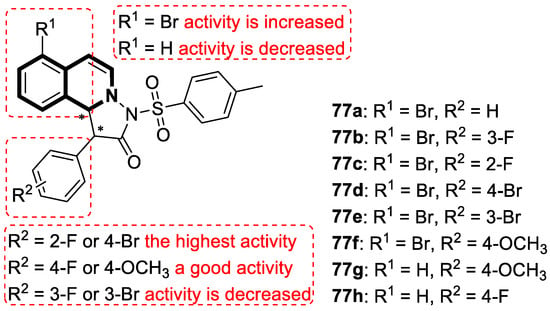
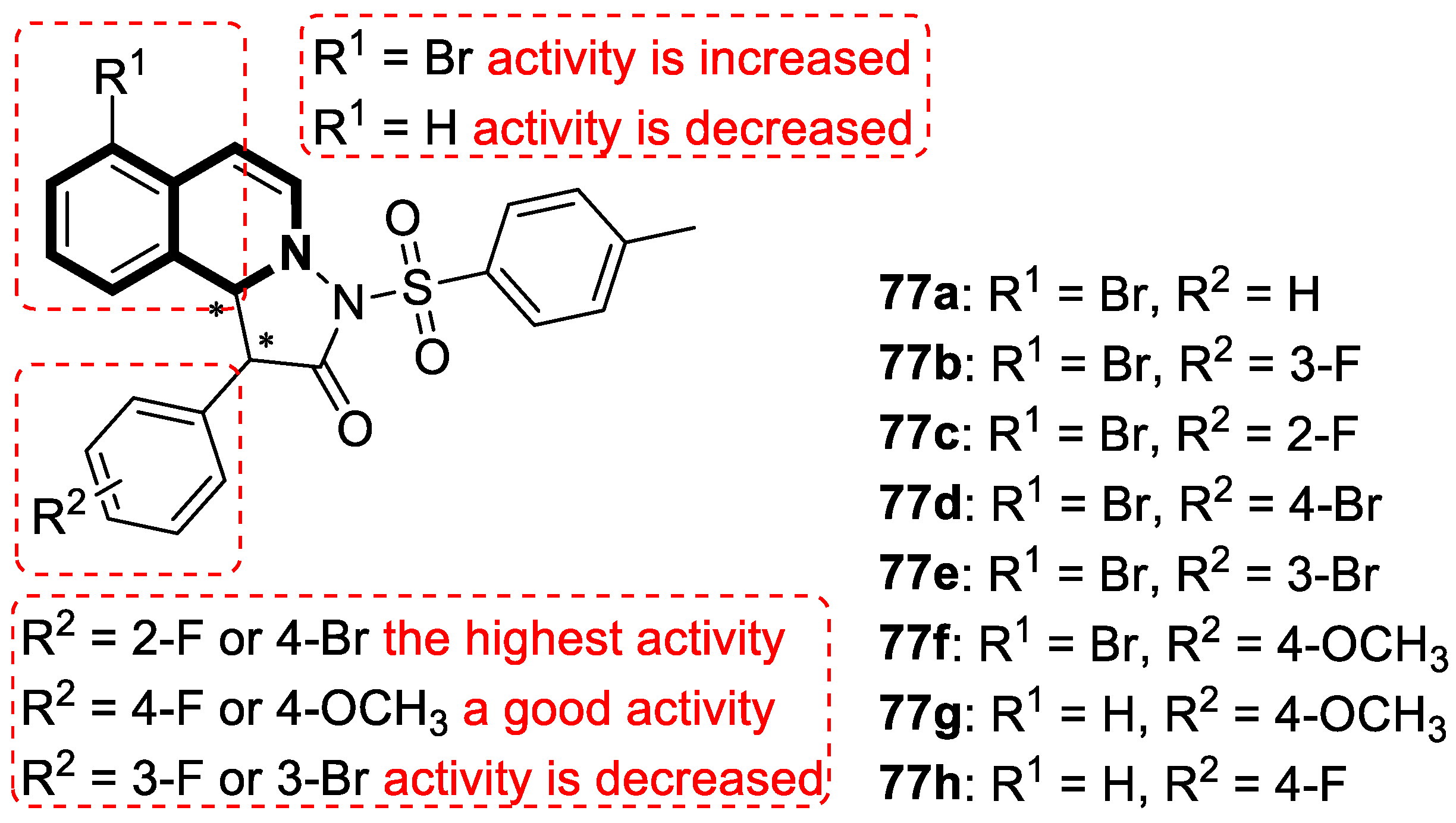
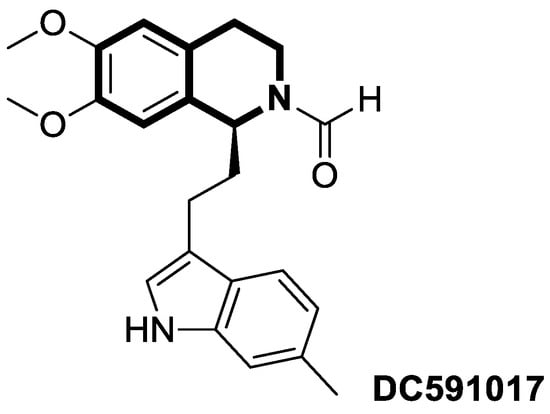
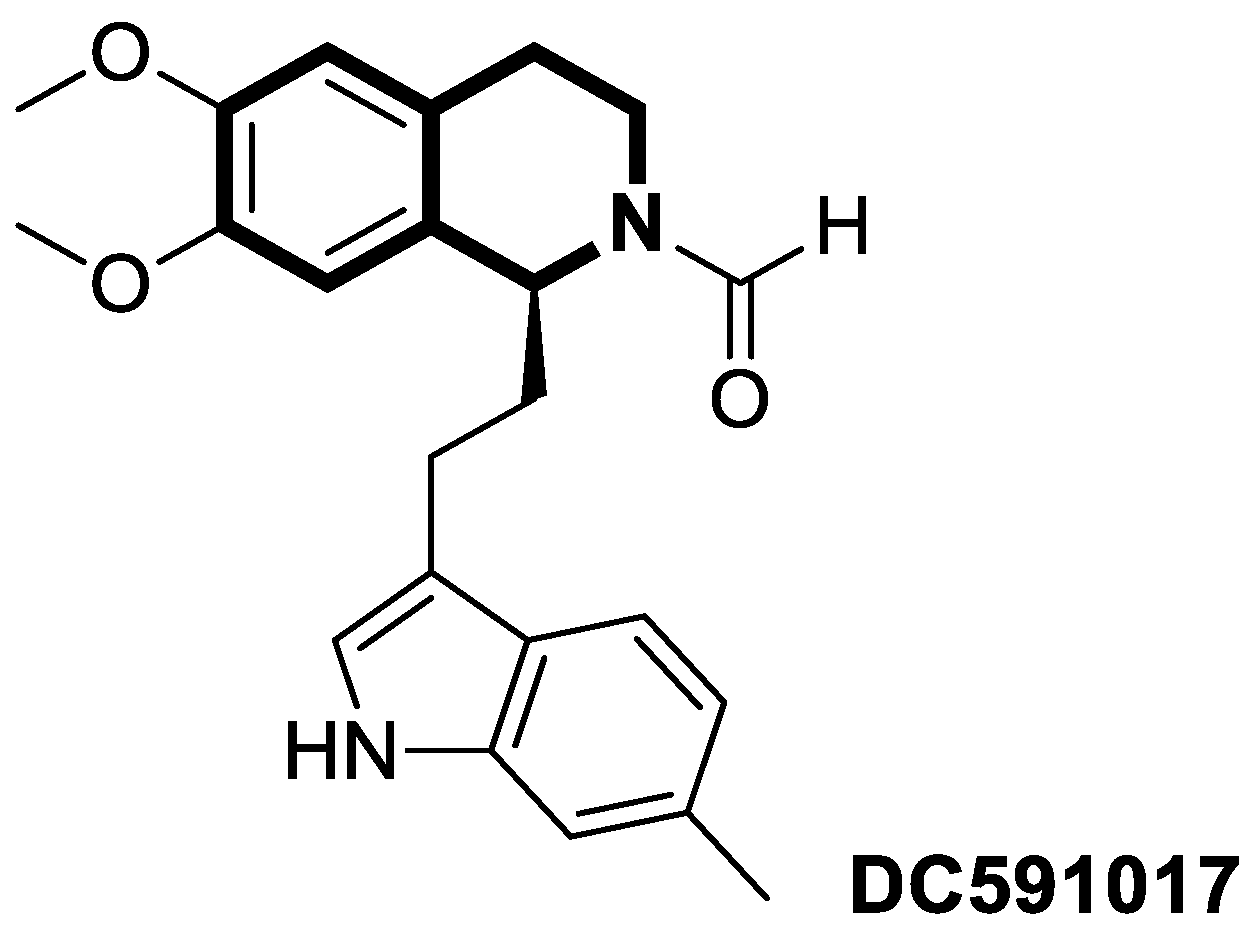
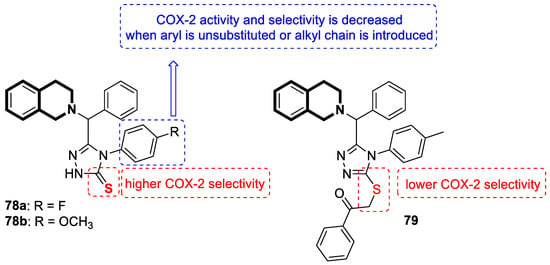
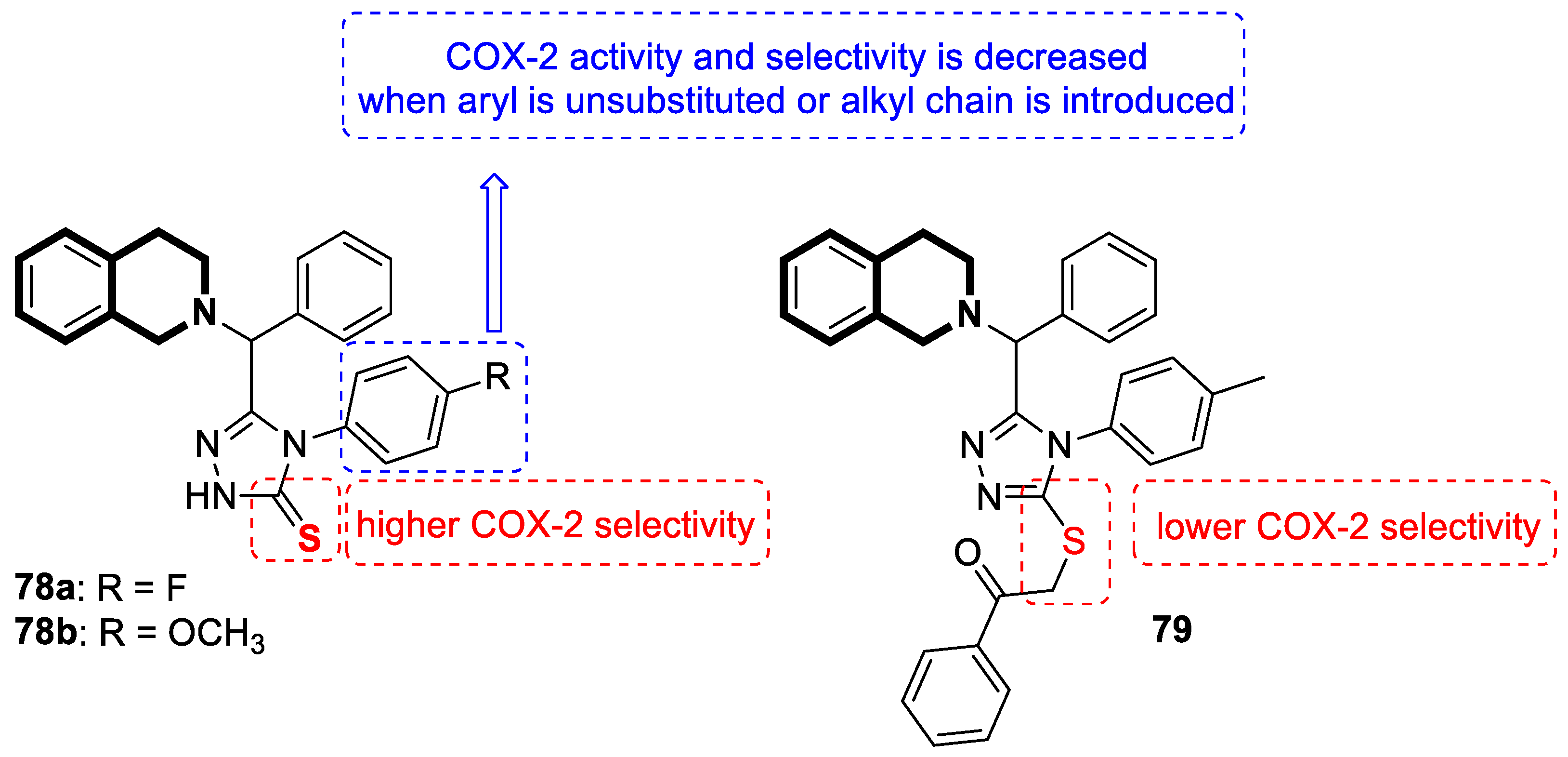
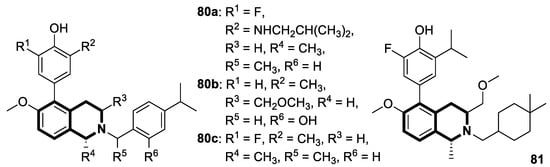
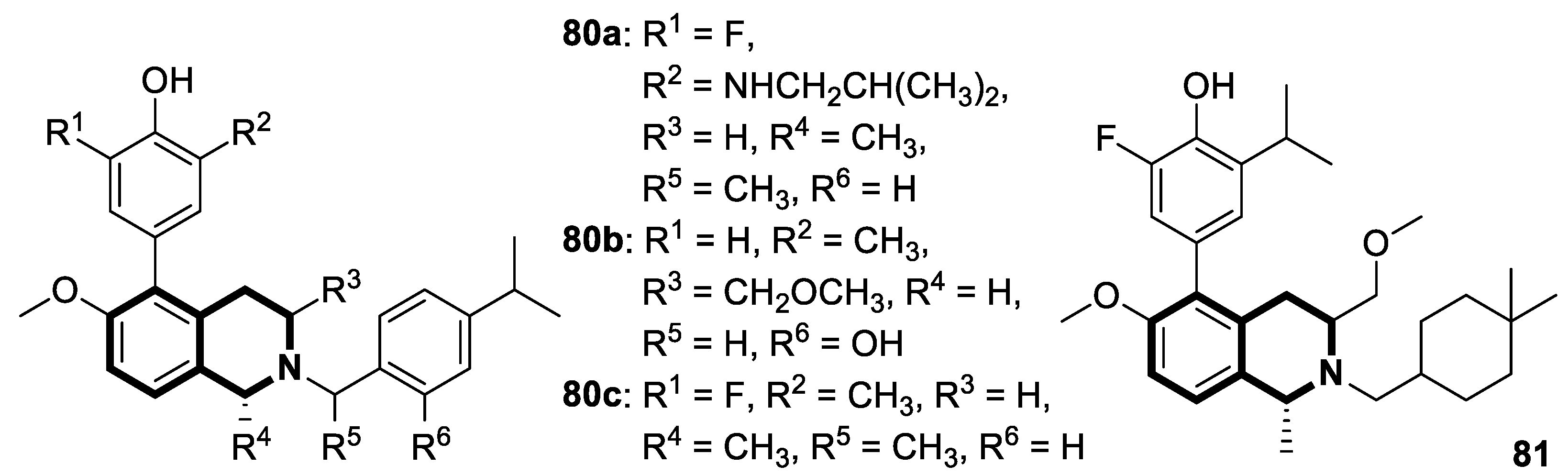
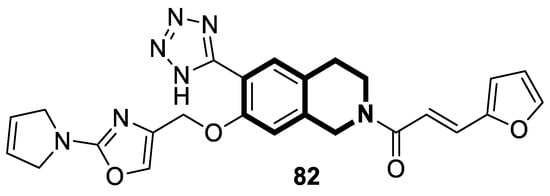
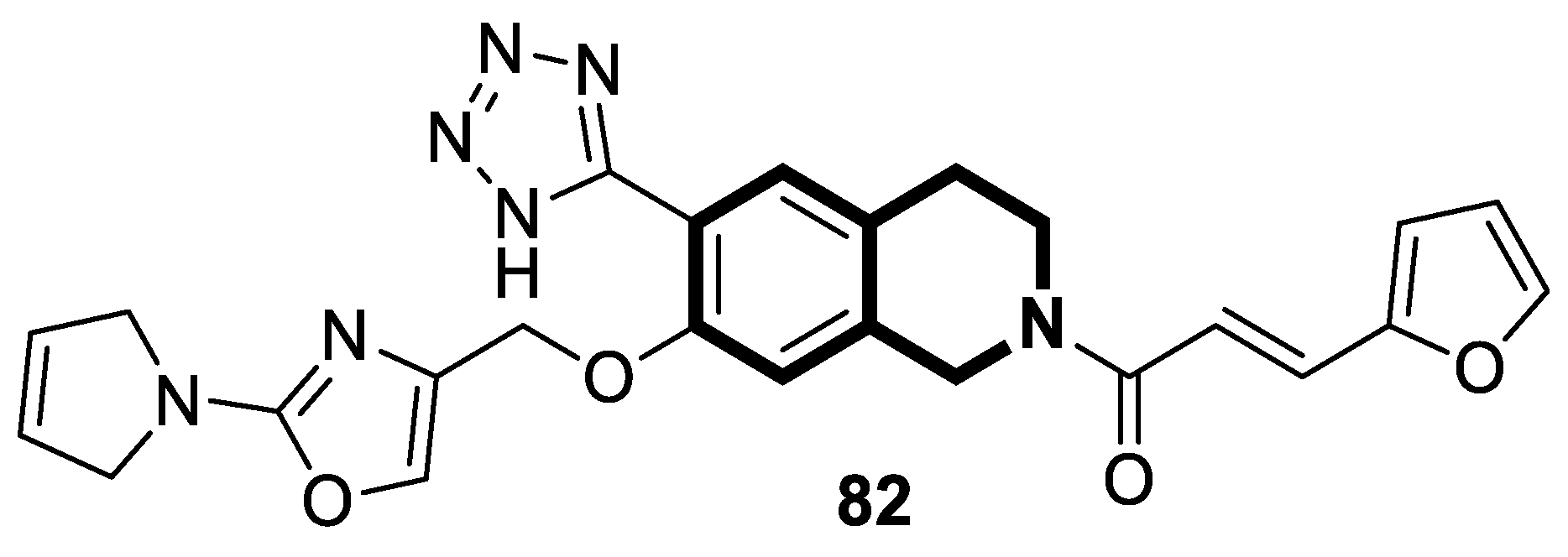
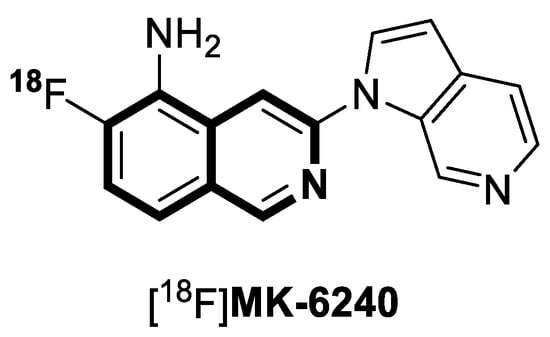
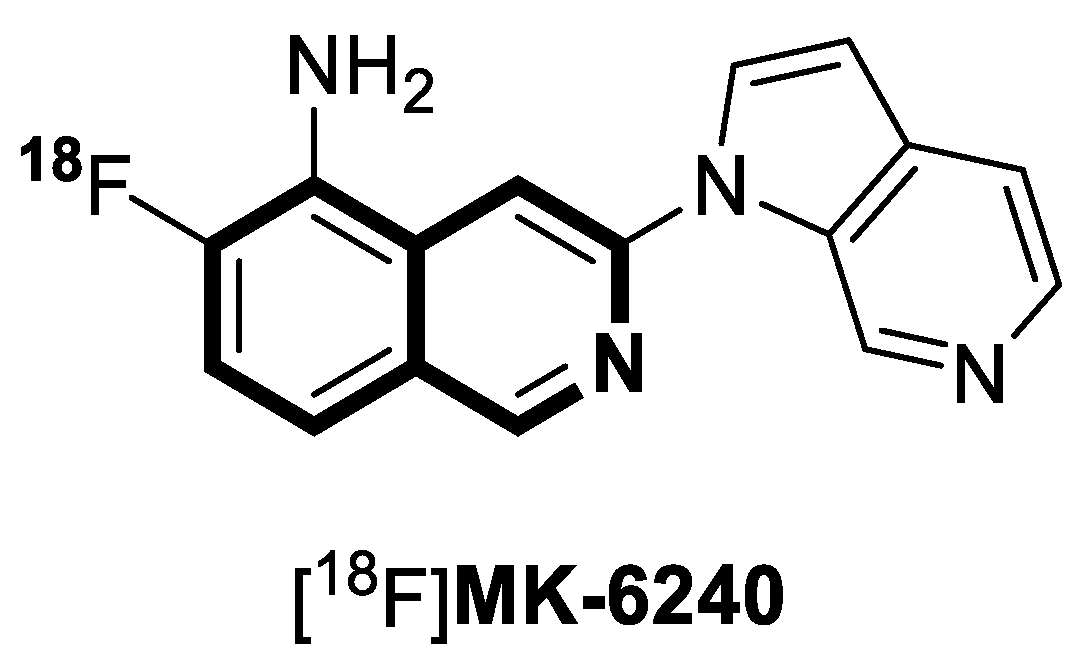
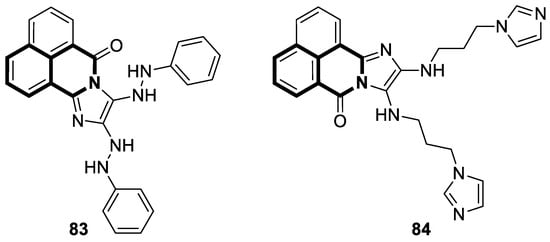
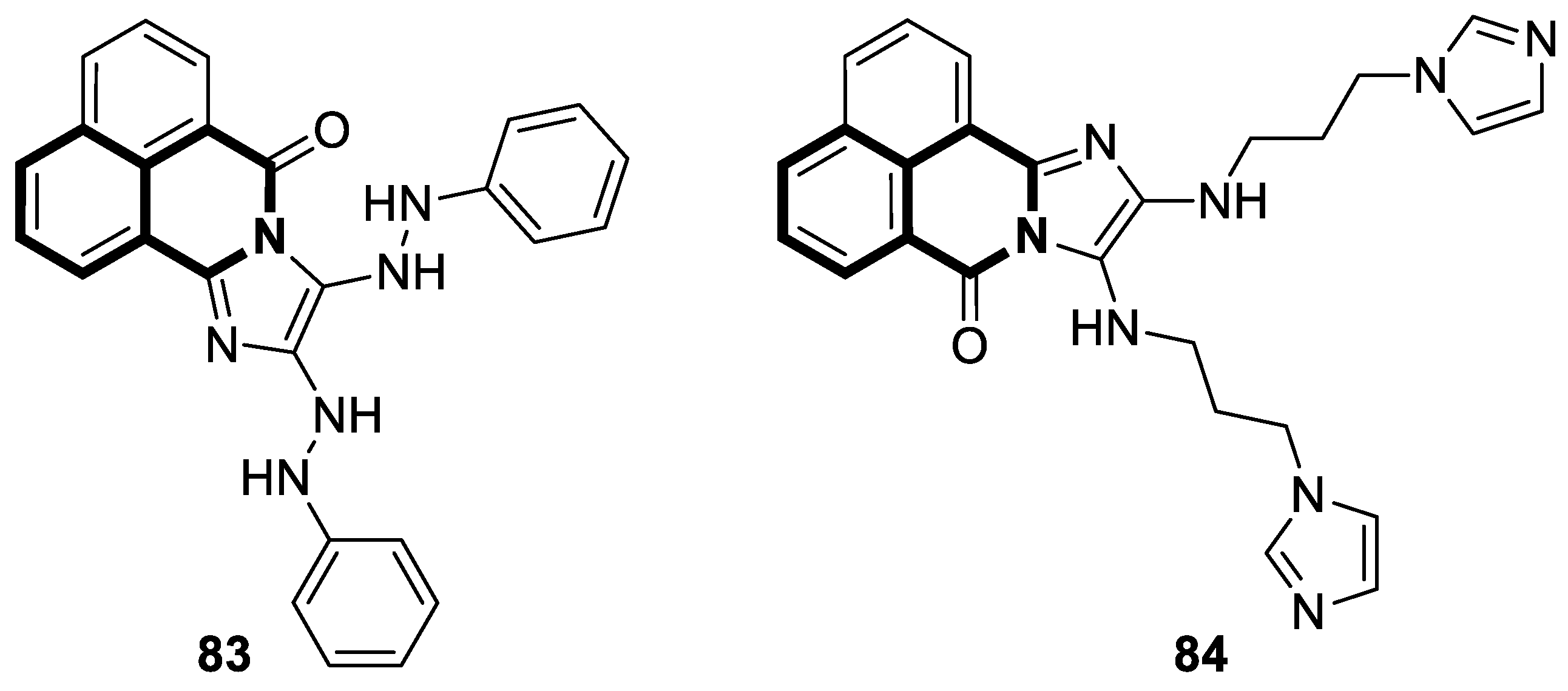
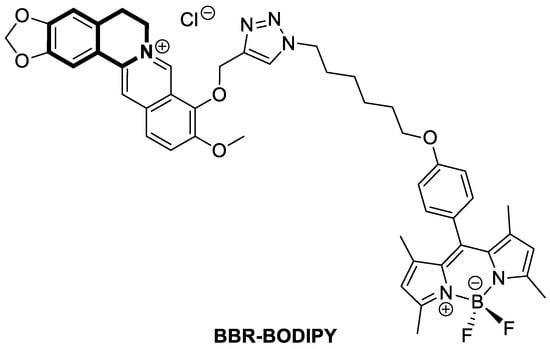
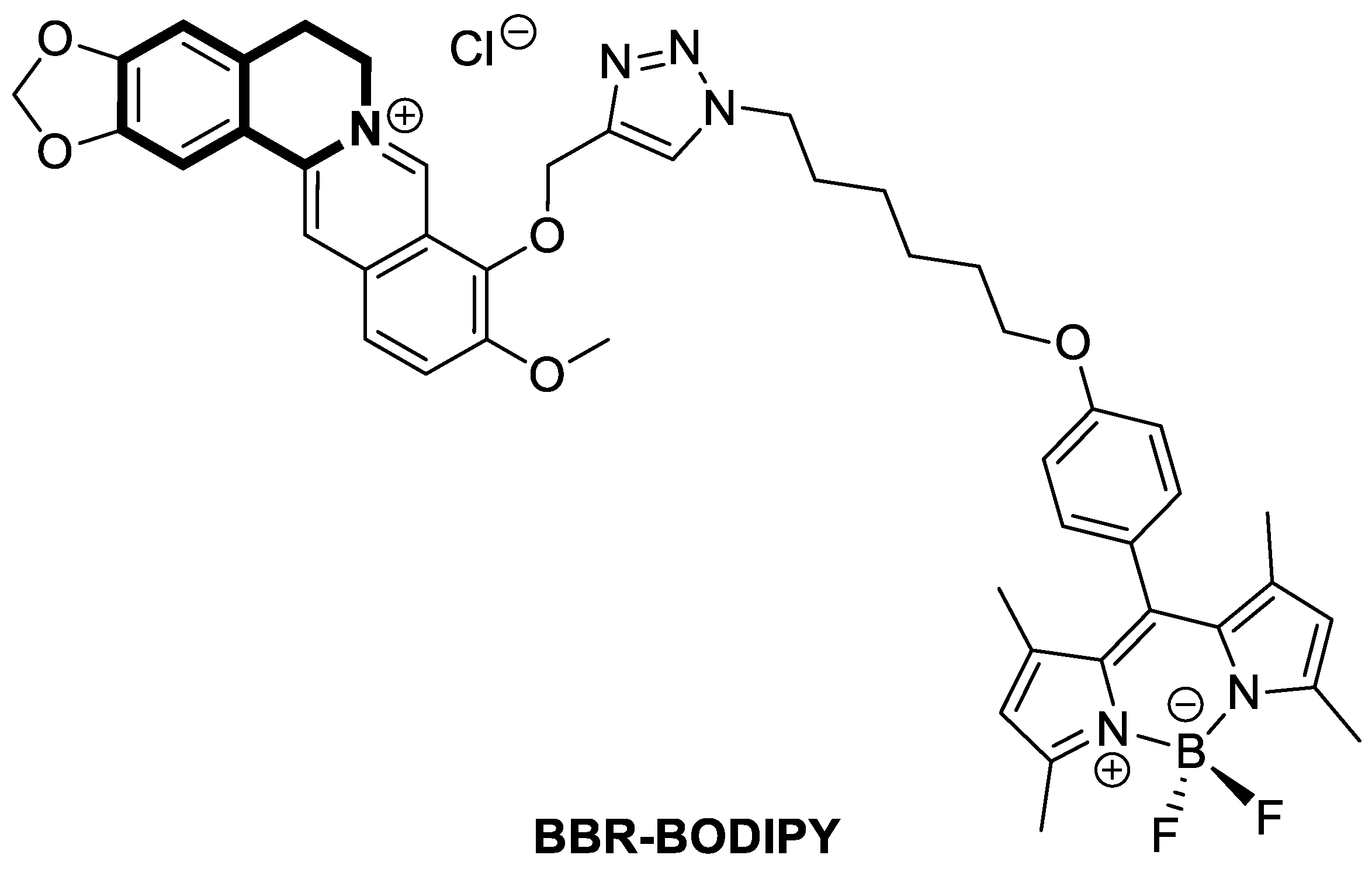
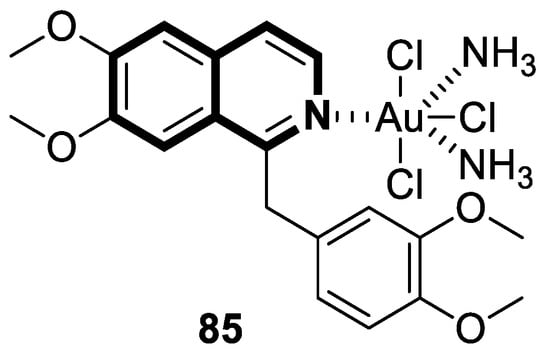
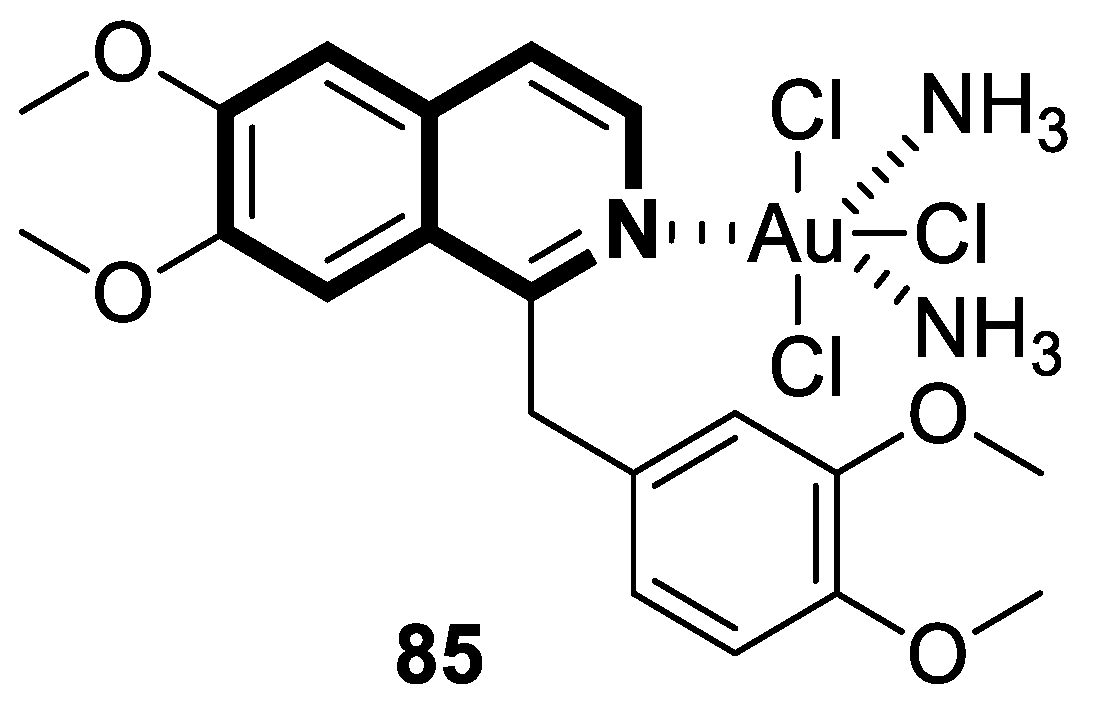
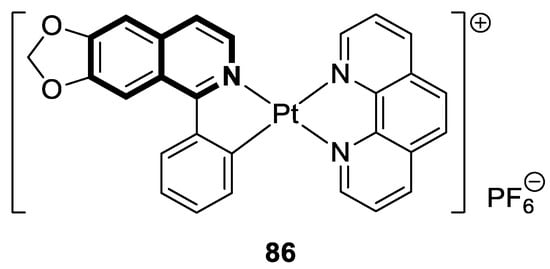
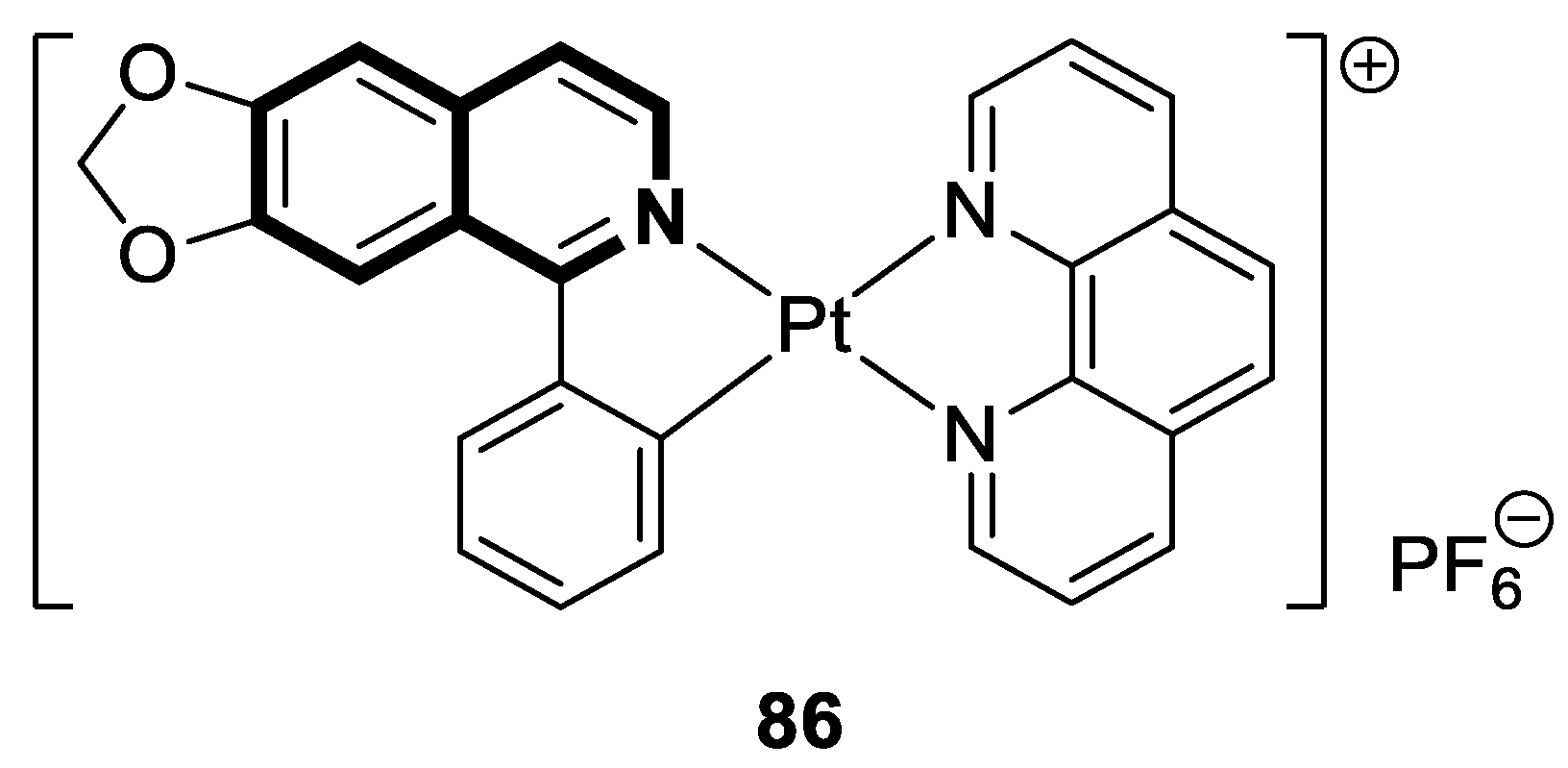
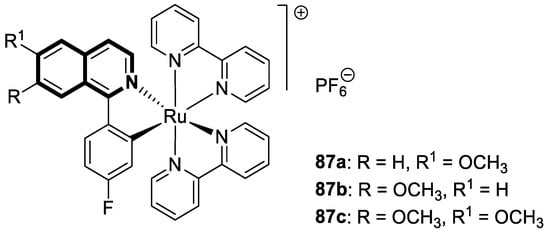
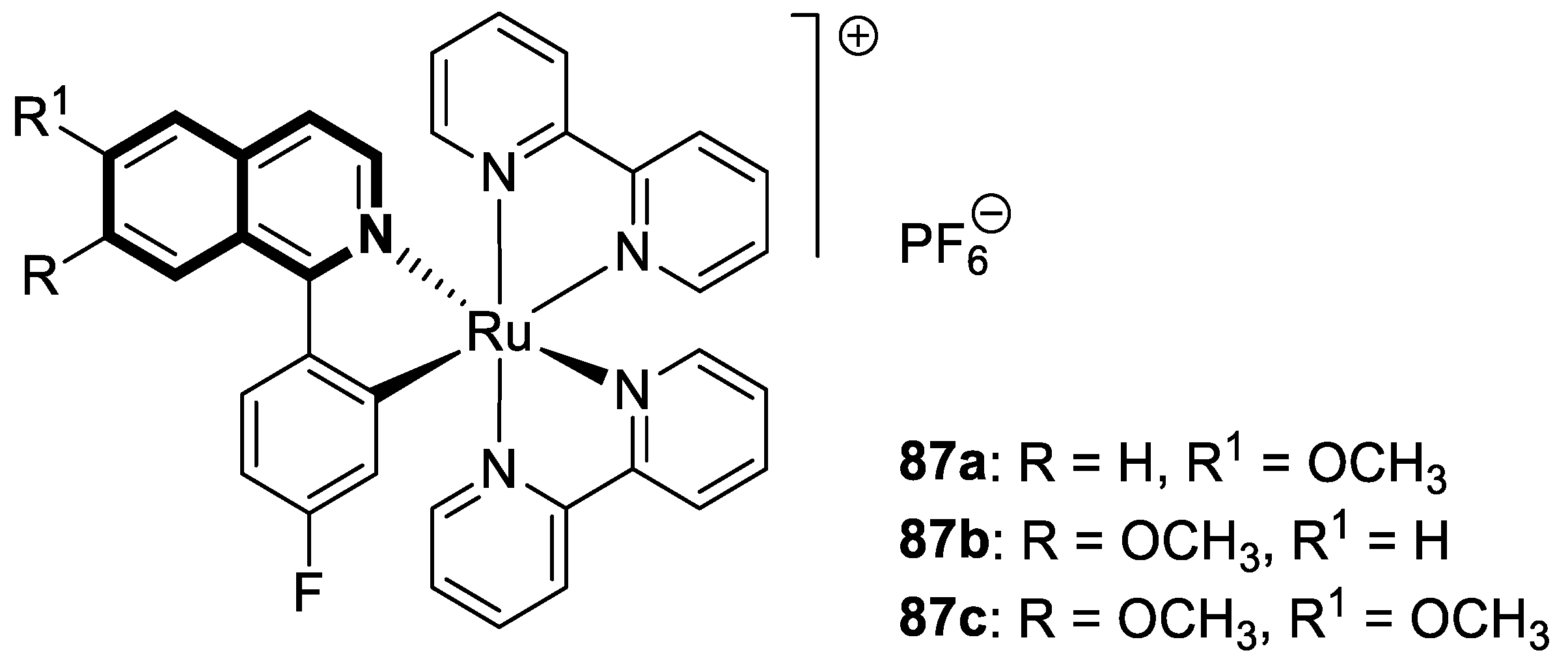
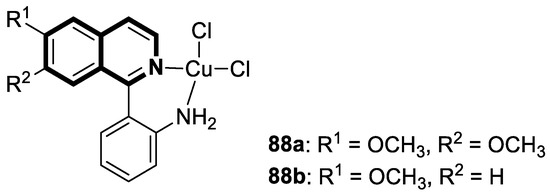
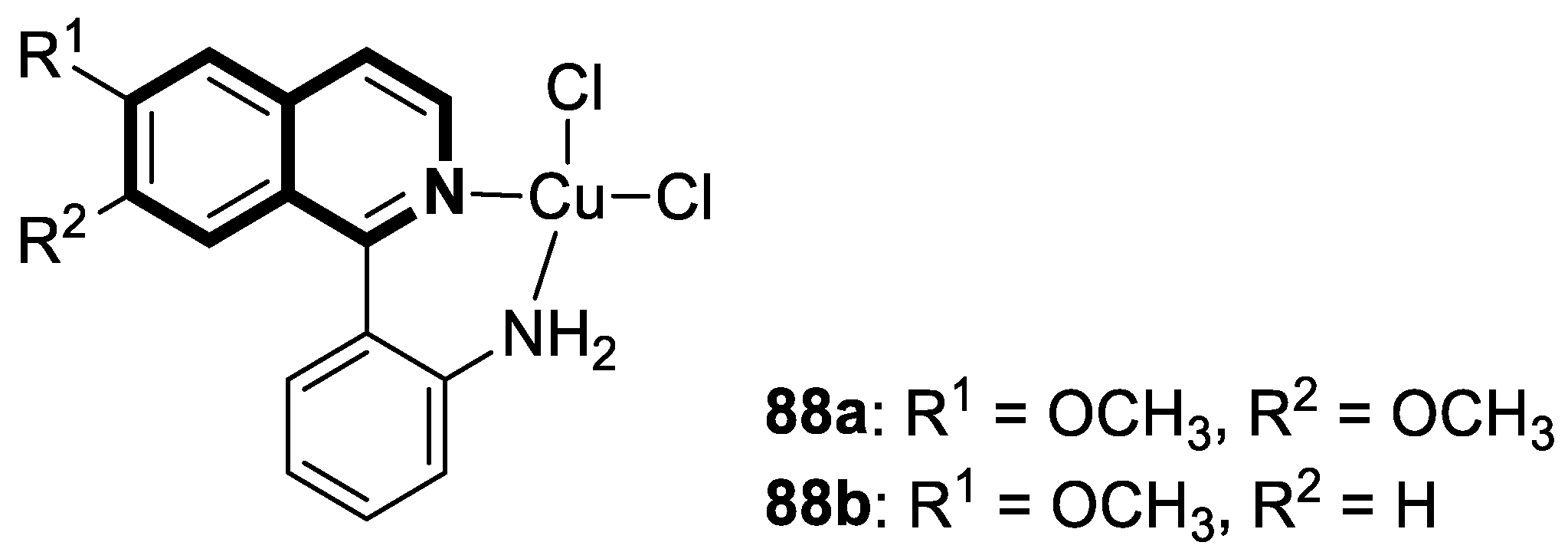
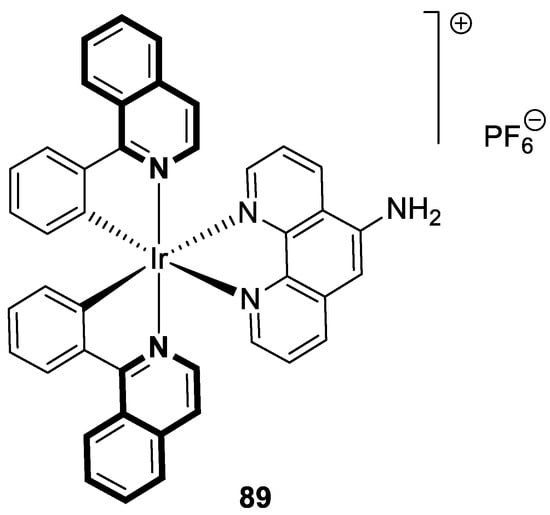
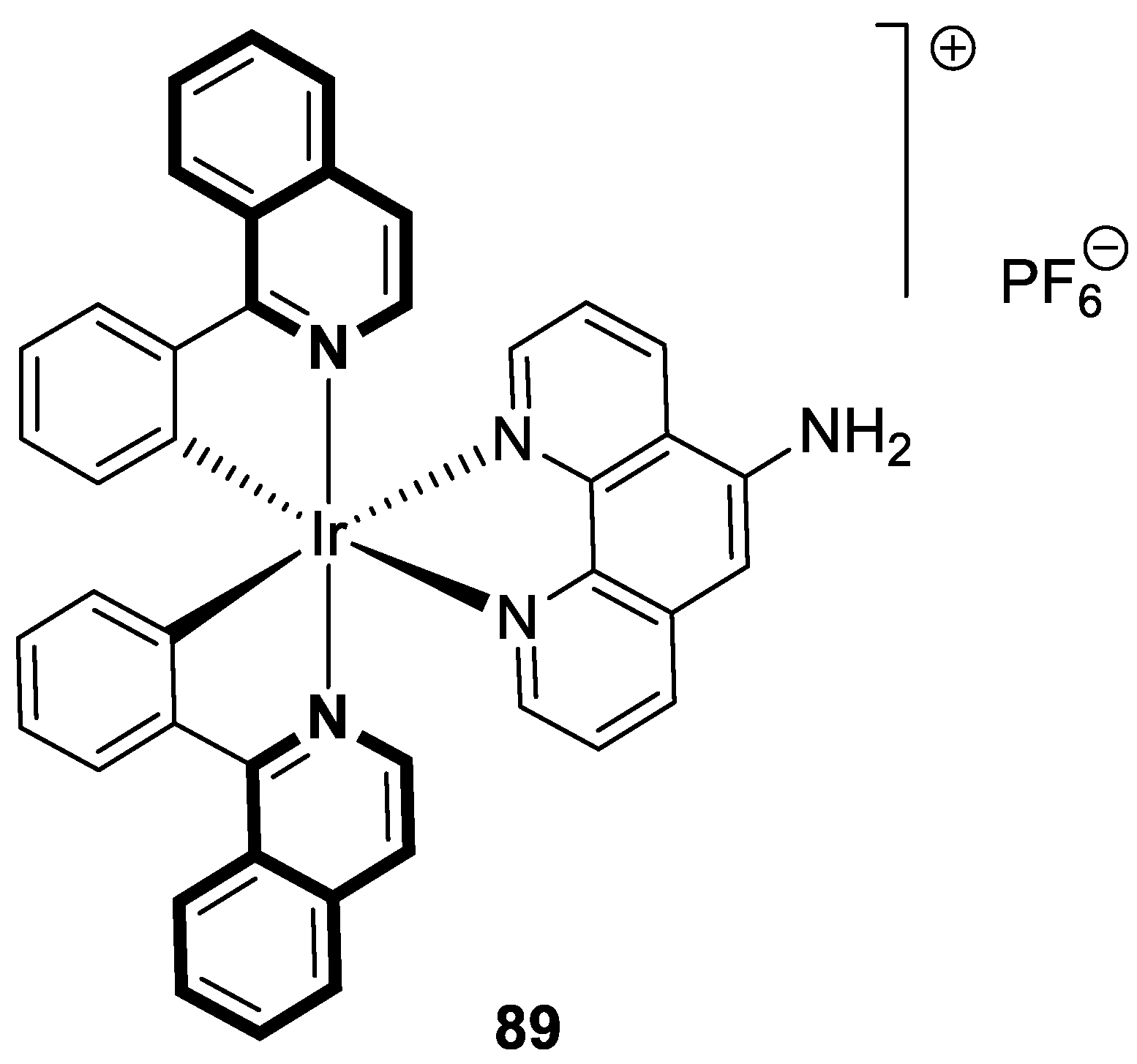
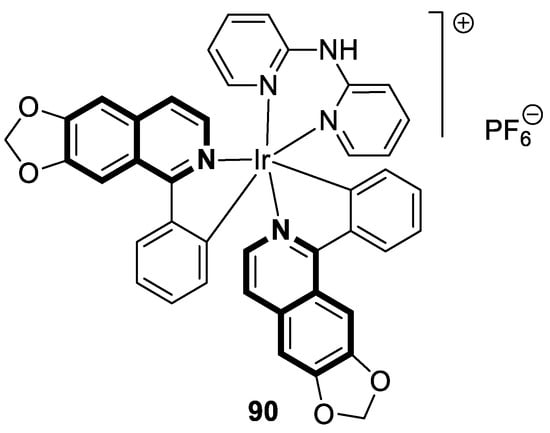
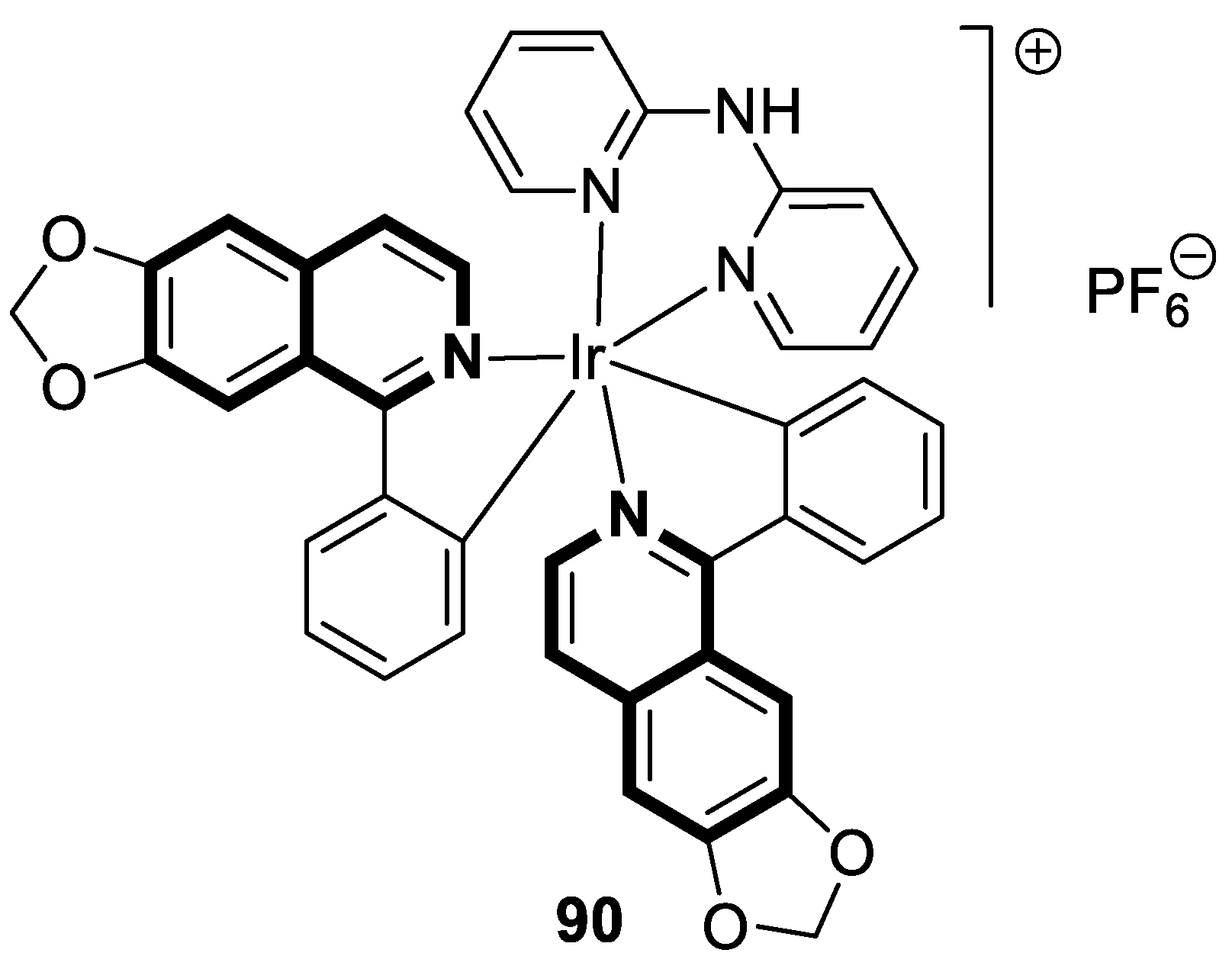
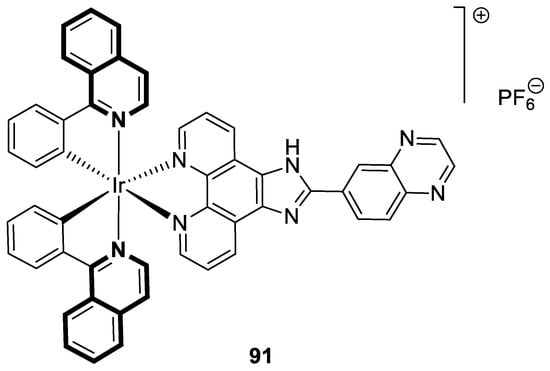
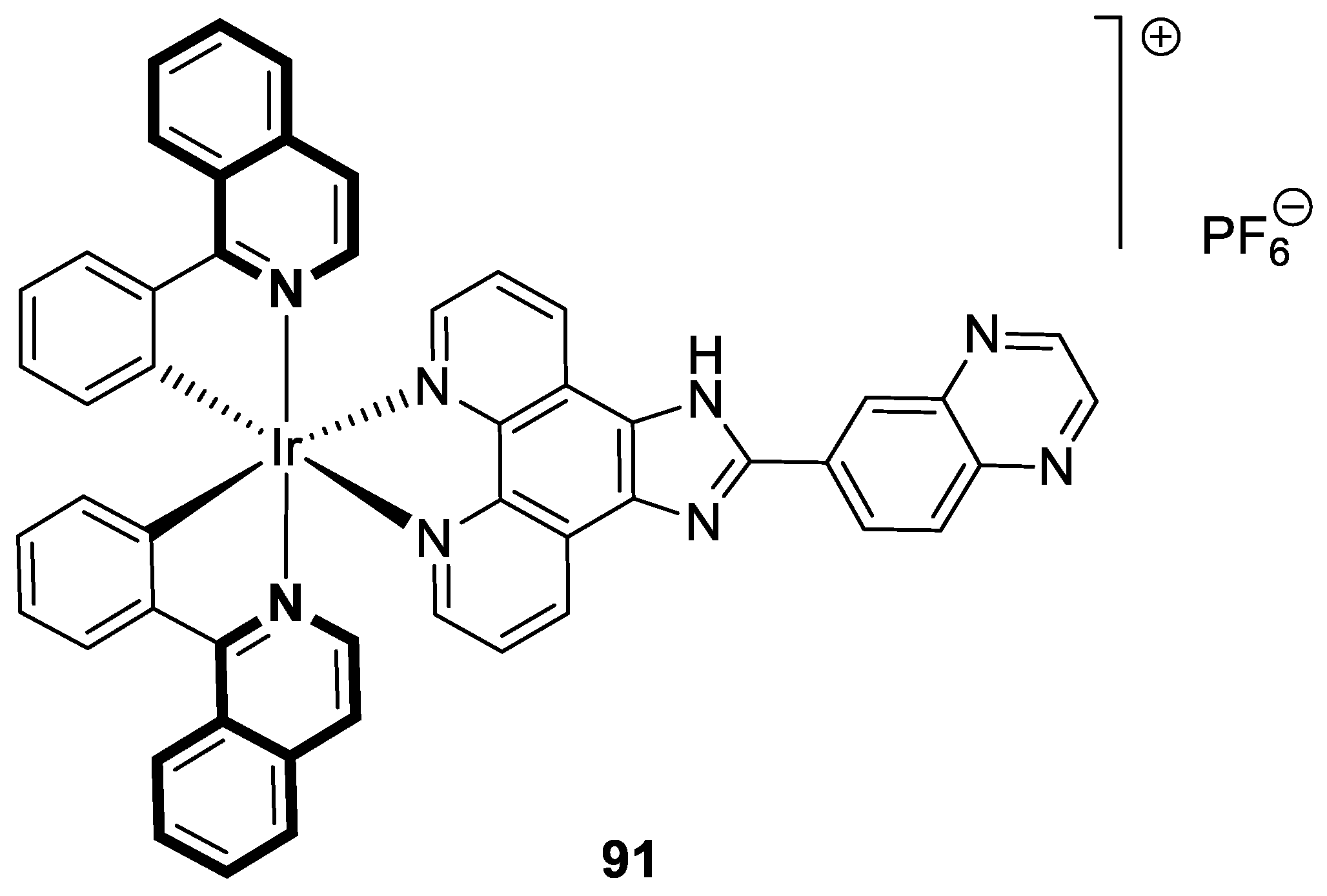
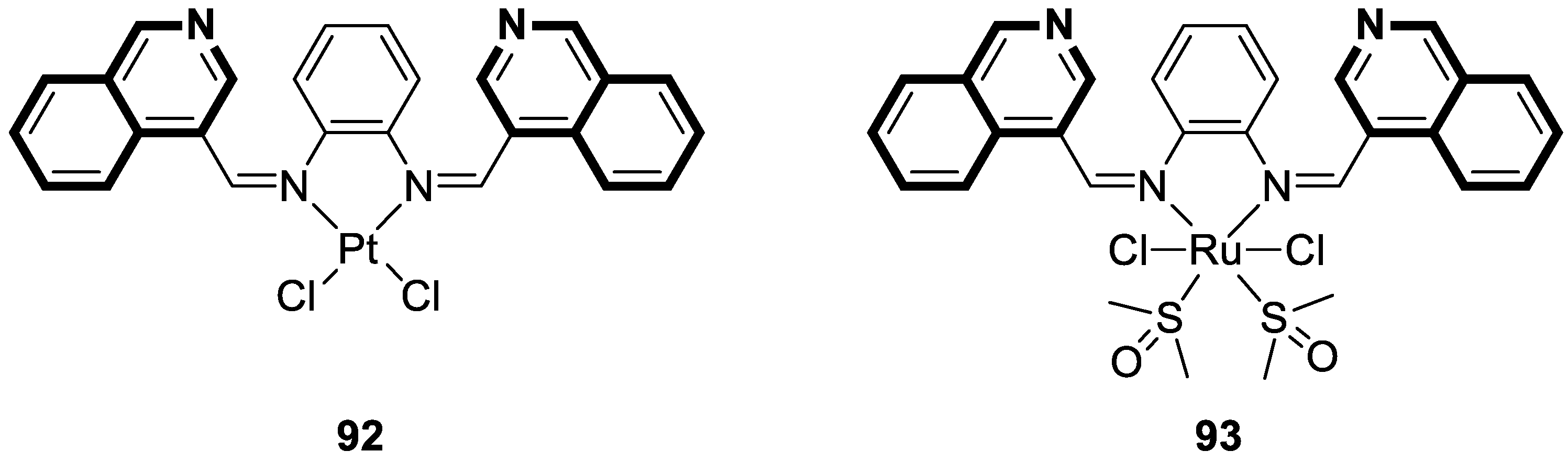
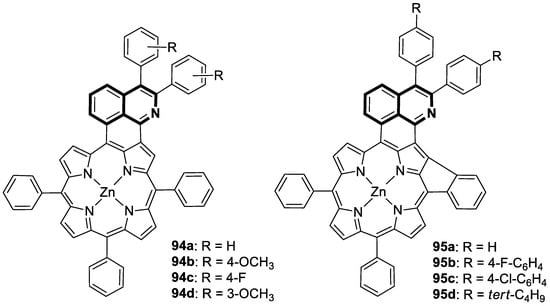
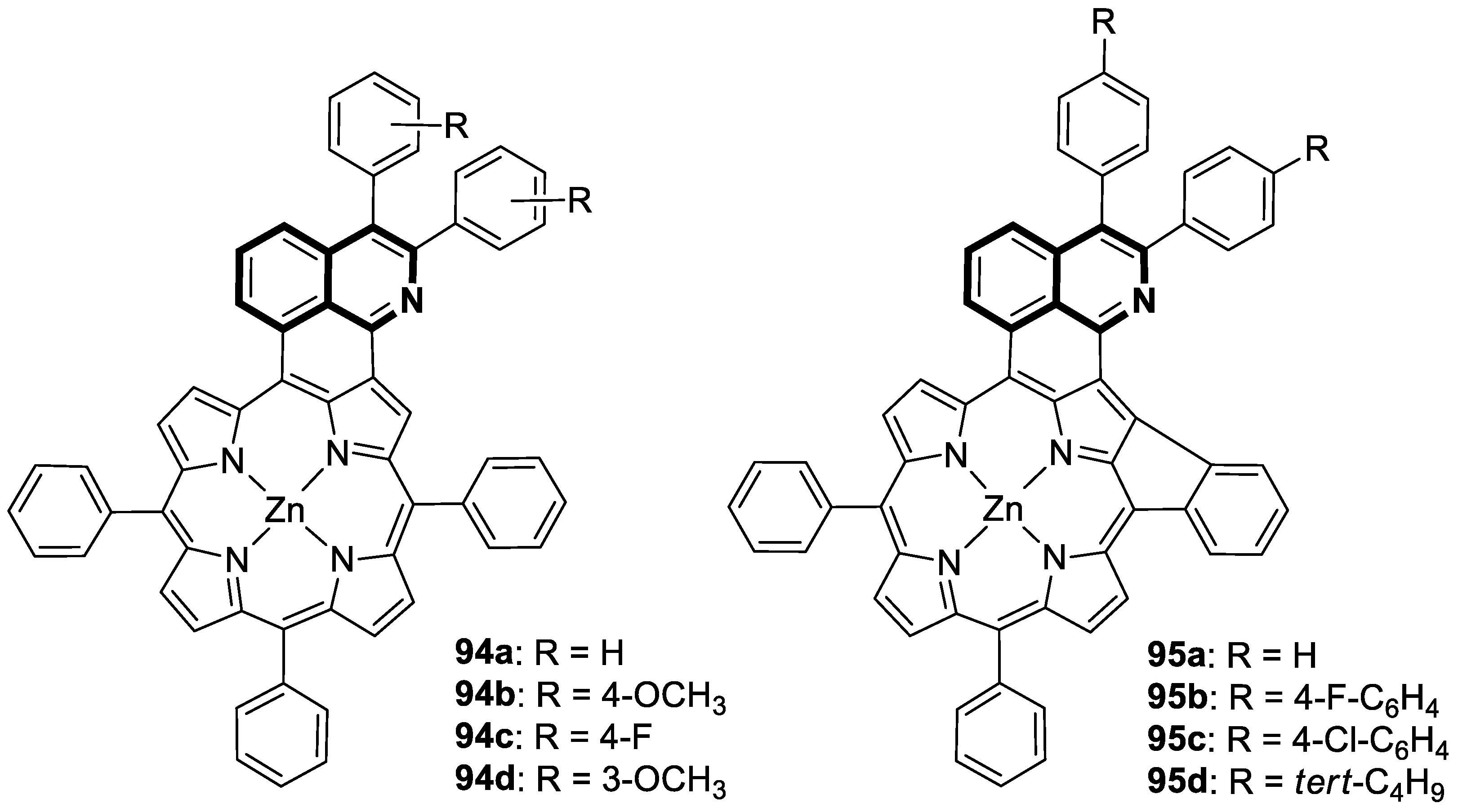

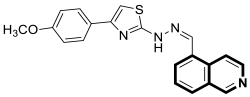
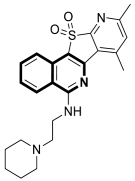
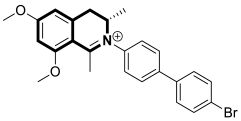
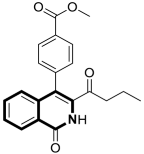
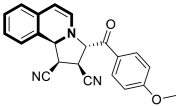
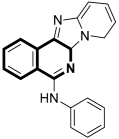
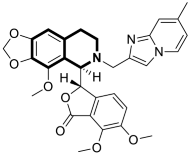
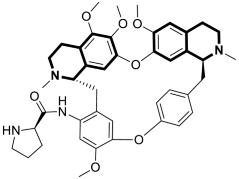
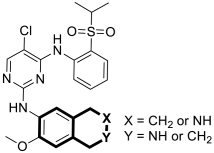
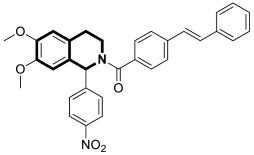
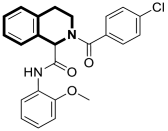
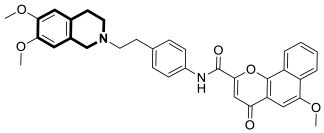
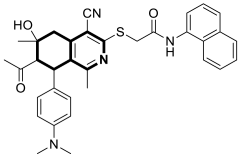
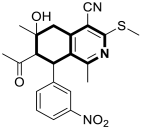
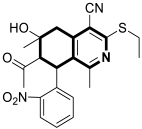
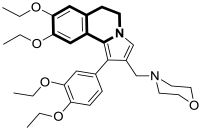
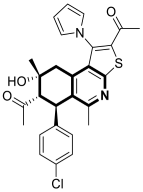
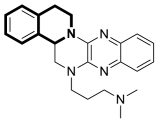
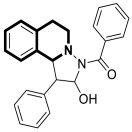
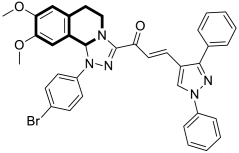
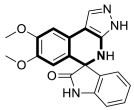
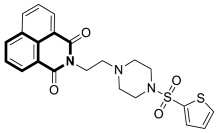
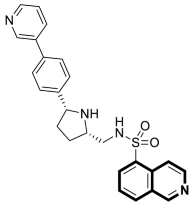
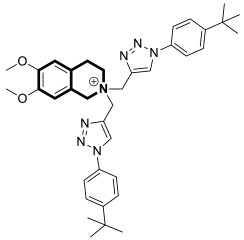
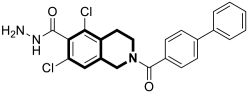
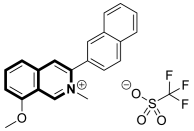
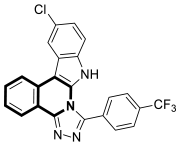
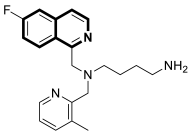
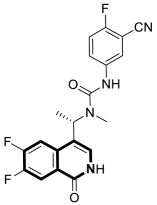
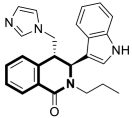
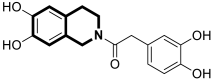
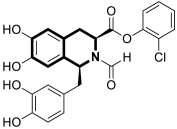
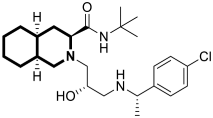
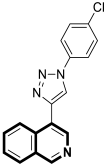
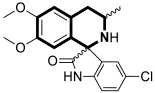
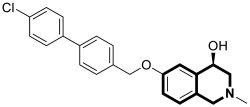
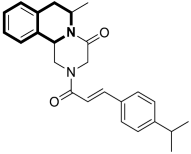
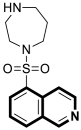
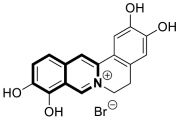
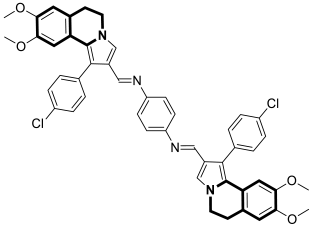
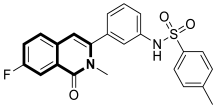
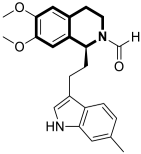
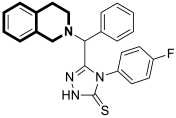
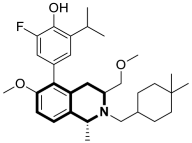
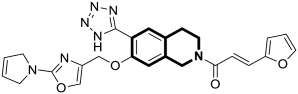
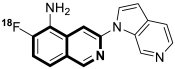
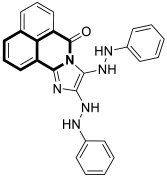
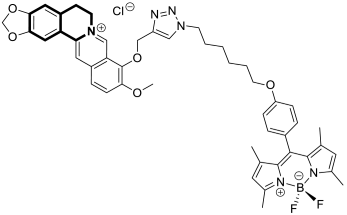
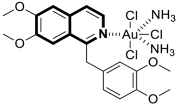
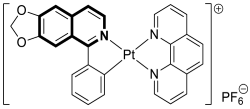
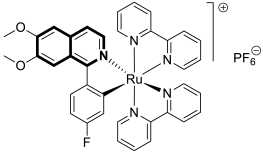
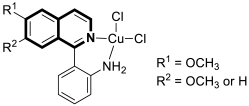
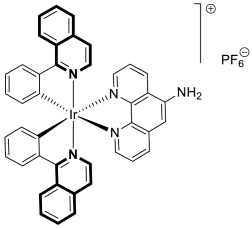
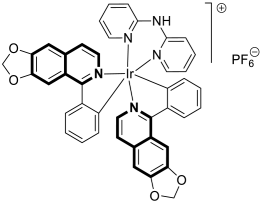
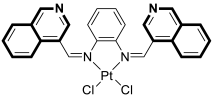
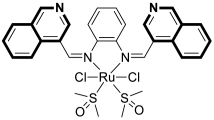
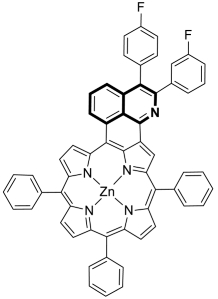
Disclaimer/Publisher’s Note: The statements, opinions and data contained in all publications are solely those of the individual author(s) and contributor(s) and not of MDPI and/or the editor(s). MDPI and/or the editor(s) disclaim responsibility for any injury to people or property resulting from any ideas, methods, instructions or products referred to in the content. |
© 2025 by the authors. Licensee MDPI, Basel, Switzerland. This article is an open access article distributed under the terms and conditions of the Creative Commons Attribution (CC BY) license (https://creativecommons.org/licenses/by/4.0/).