Article

Molecular Simulation Study on the Aging Mechanism of NEPE Propellant Matrix

1
Department of Aircraft Engineering, Naval Aviation University, Yantai 264001, China
2
School of Physics and Optoelectronic Engineering, Ludong University, Yantai 264001, China
*
Author to whom correspondence should be addressed.
Molecules 2023, 28(4), 1792; https://doi.org/10.3390/molecules28041792

Submission received: 8 December 2022 / Revised: 12 January 2023 / Accepted: 3 February 2023 / Published: 14 February 2023
(This article belongs to the Section Materials Chemistry)

Abstract

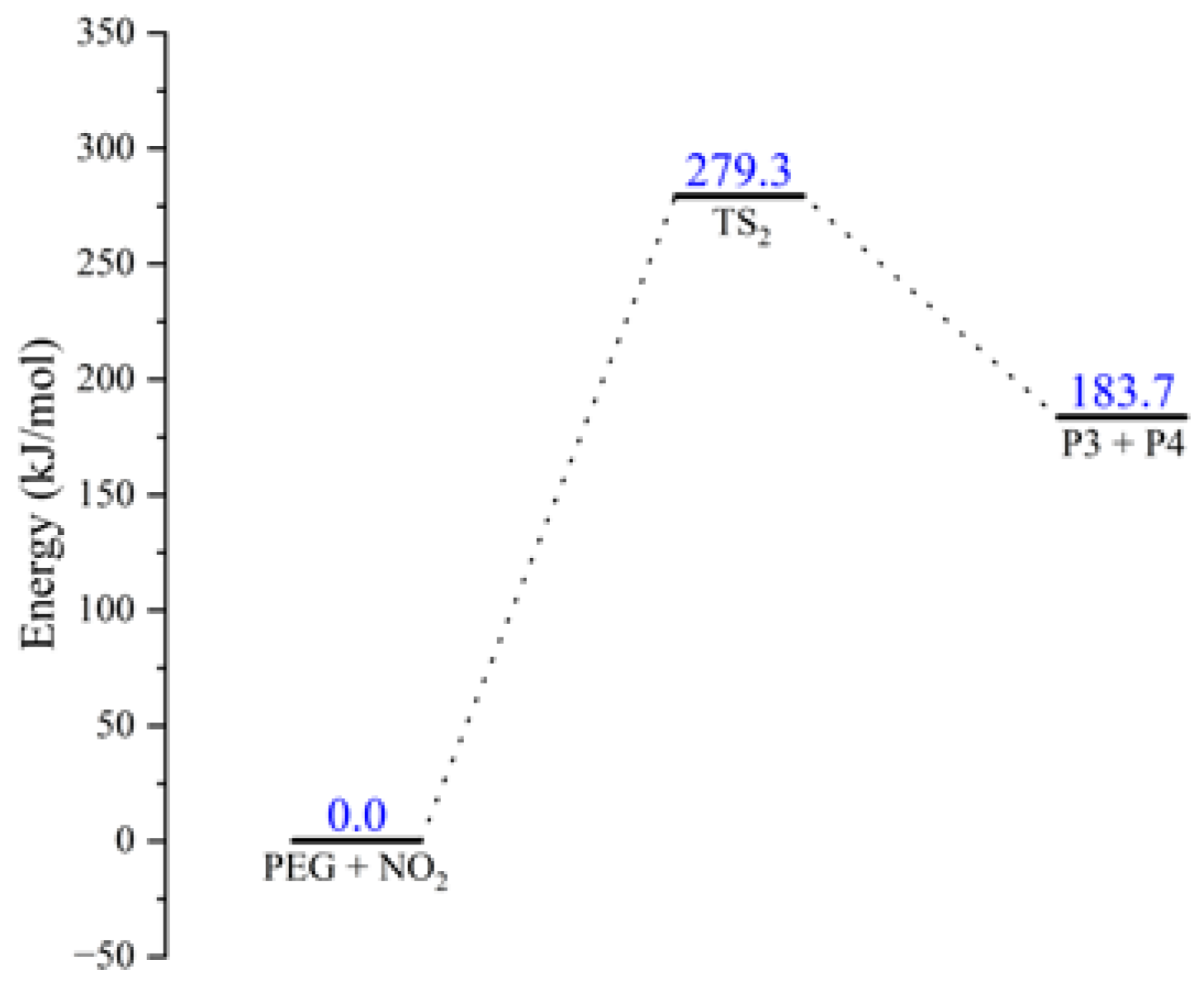
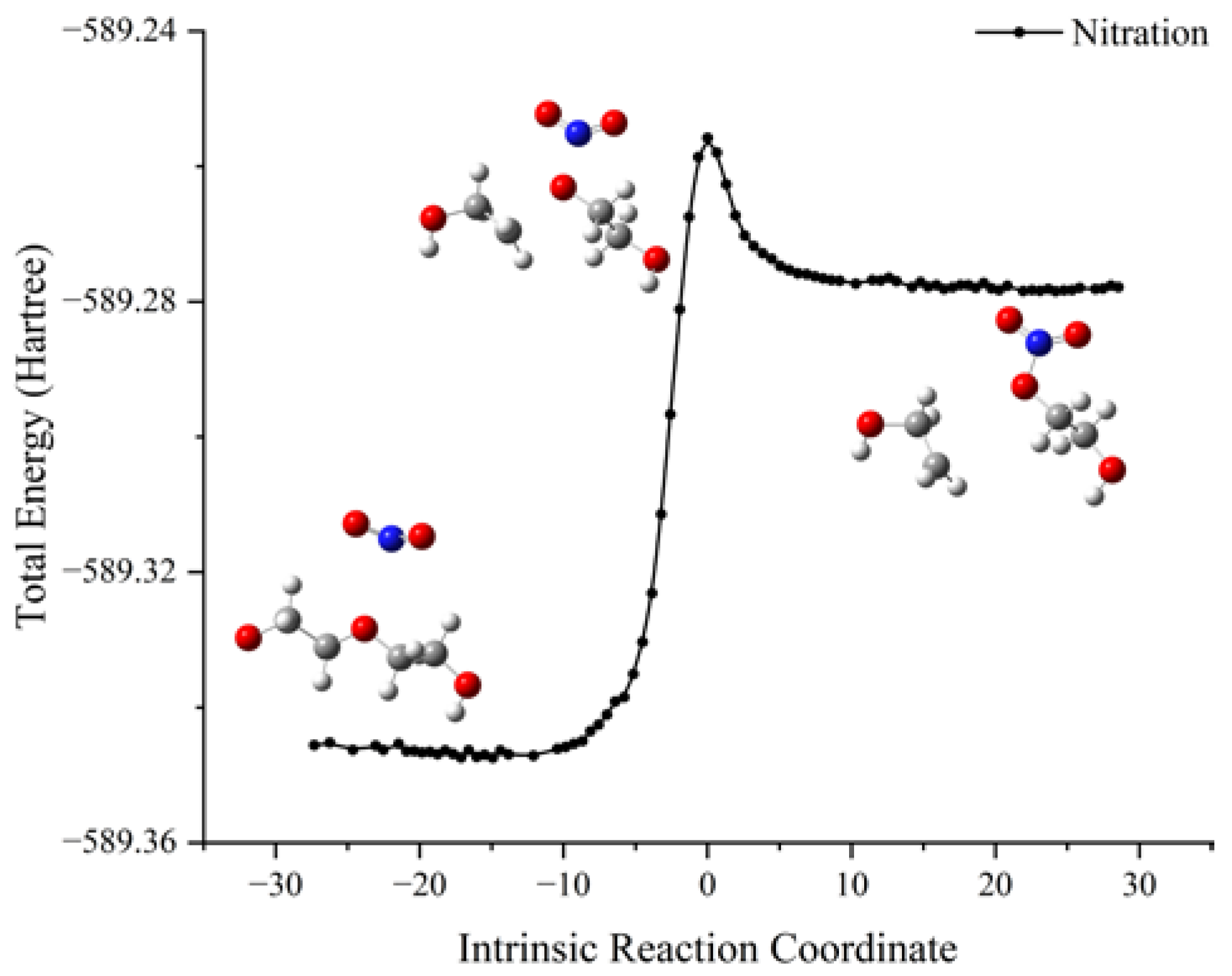
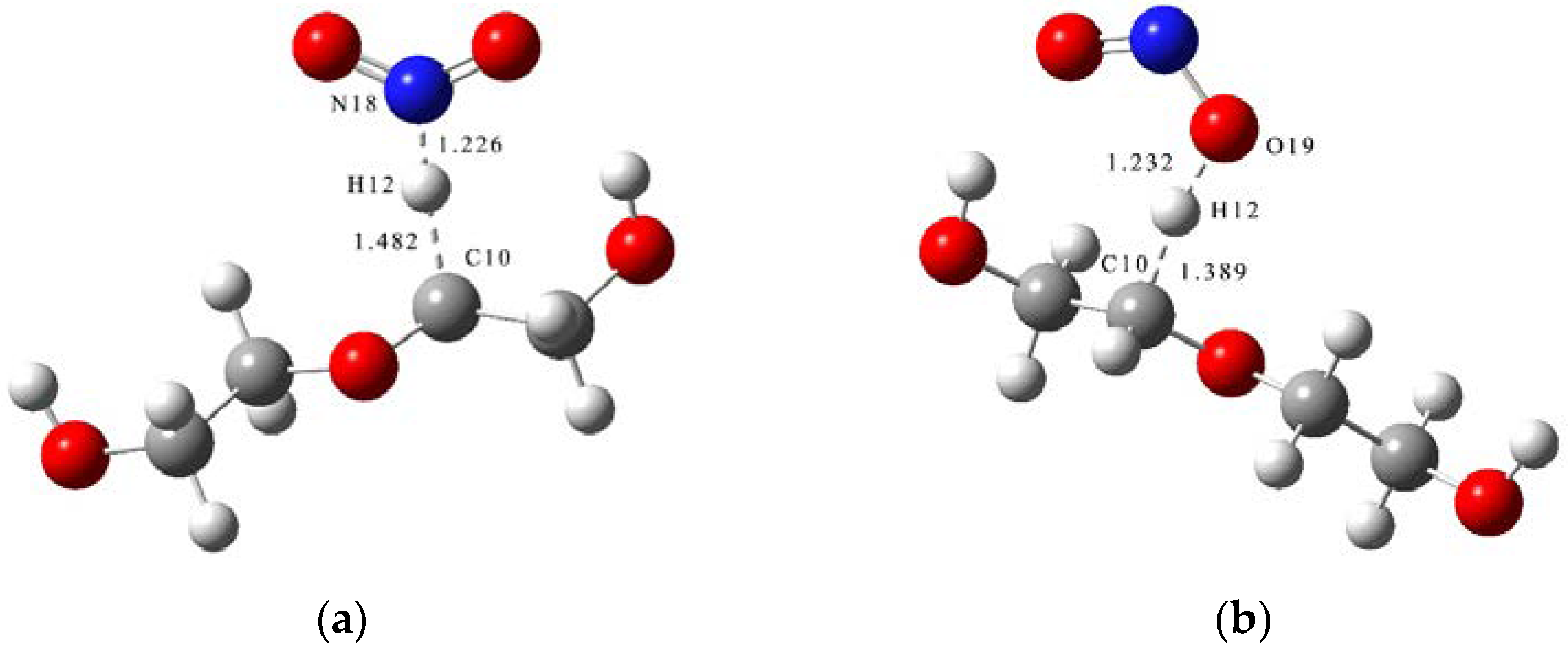
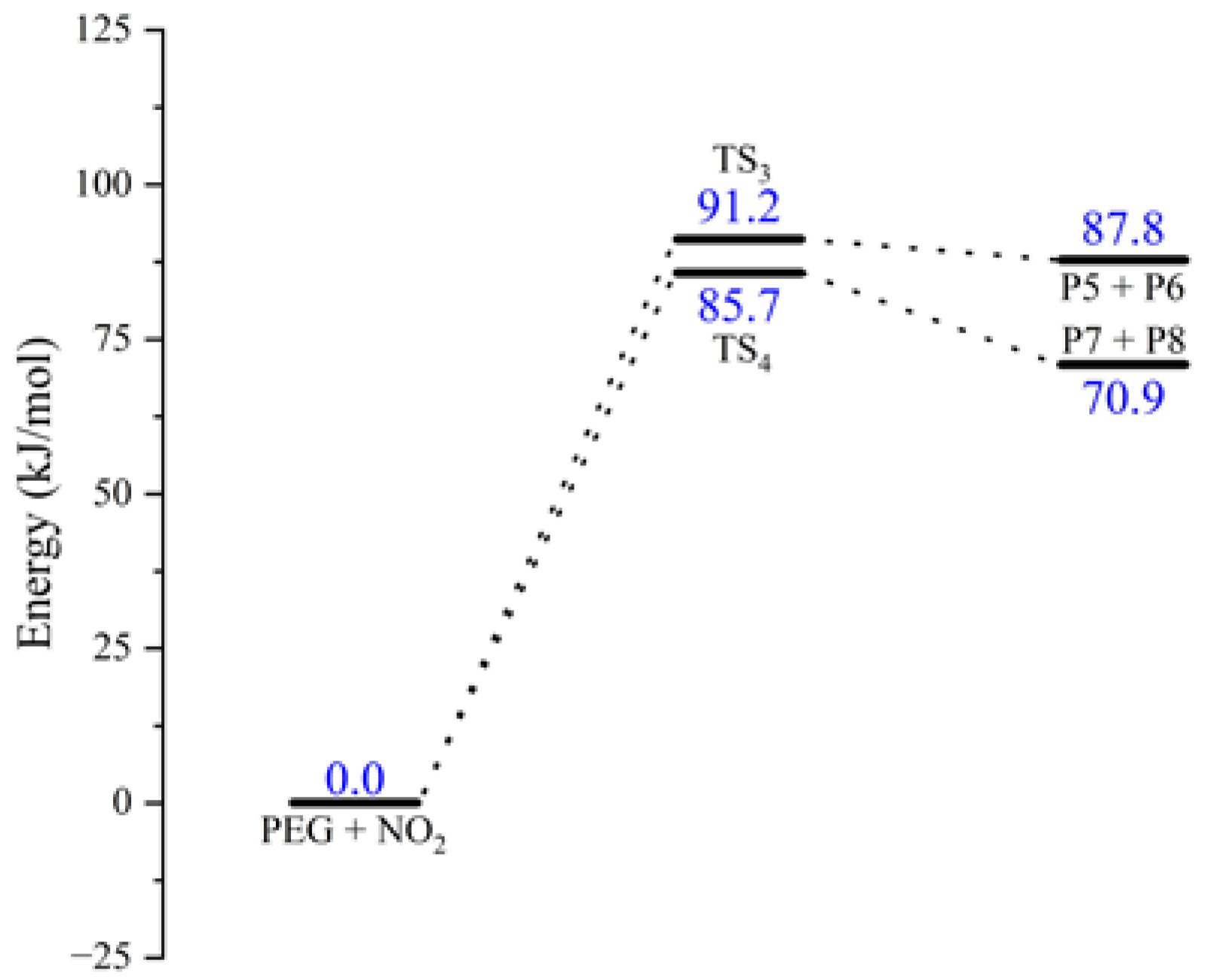
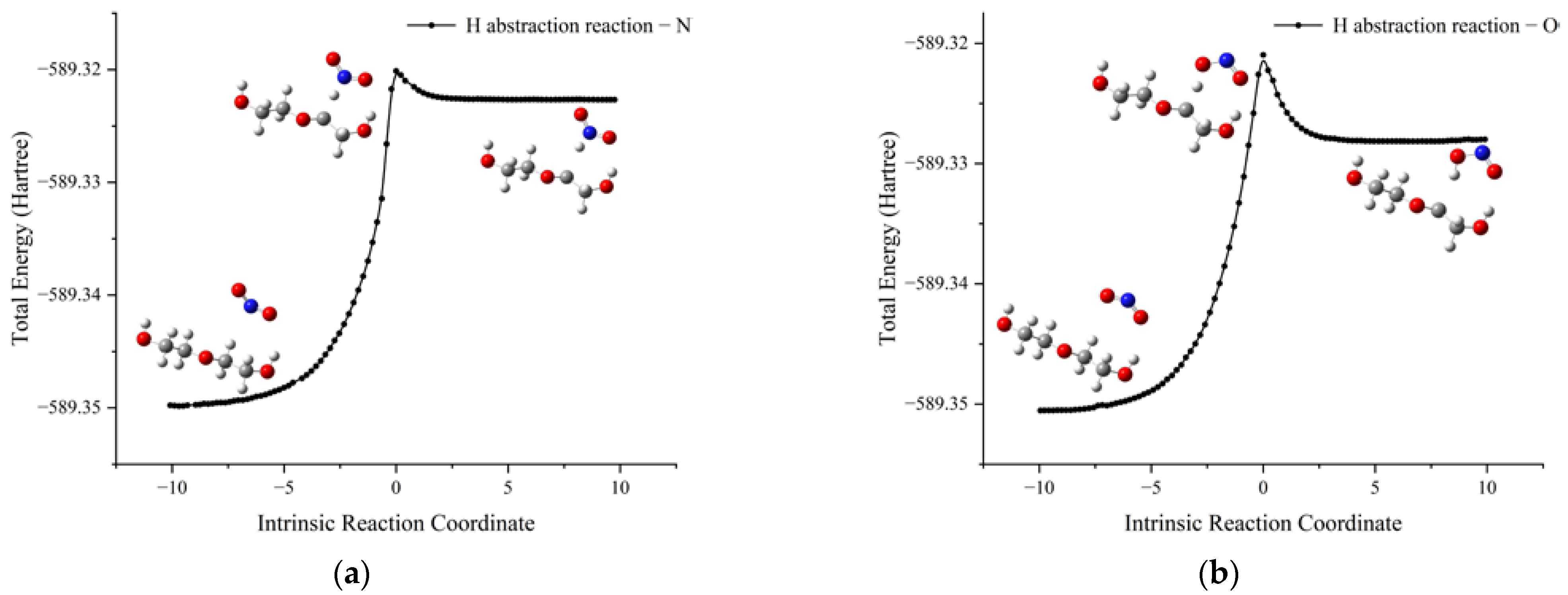
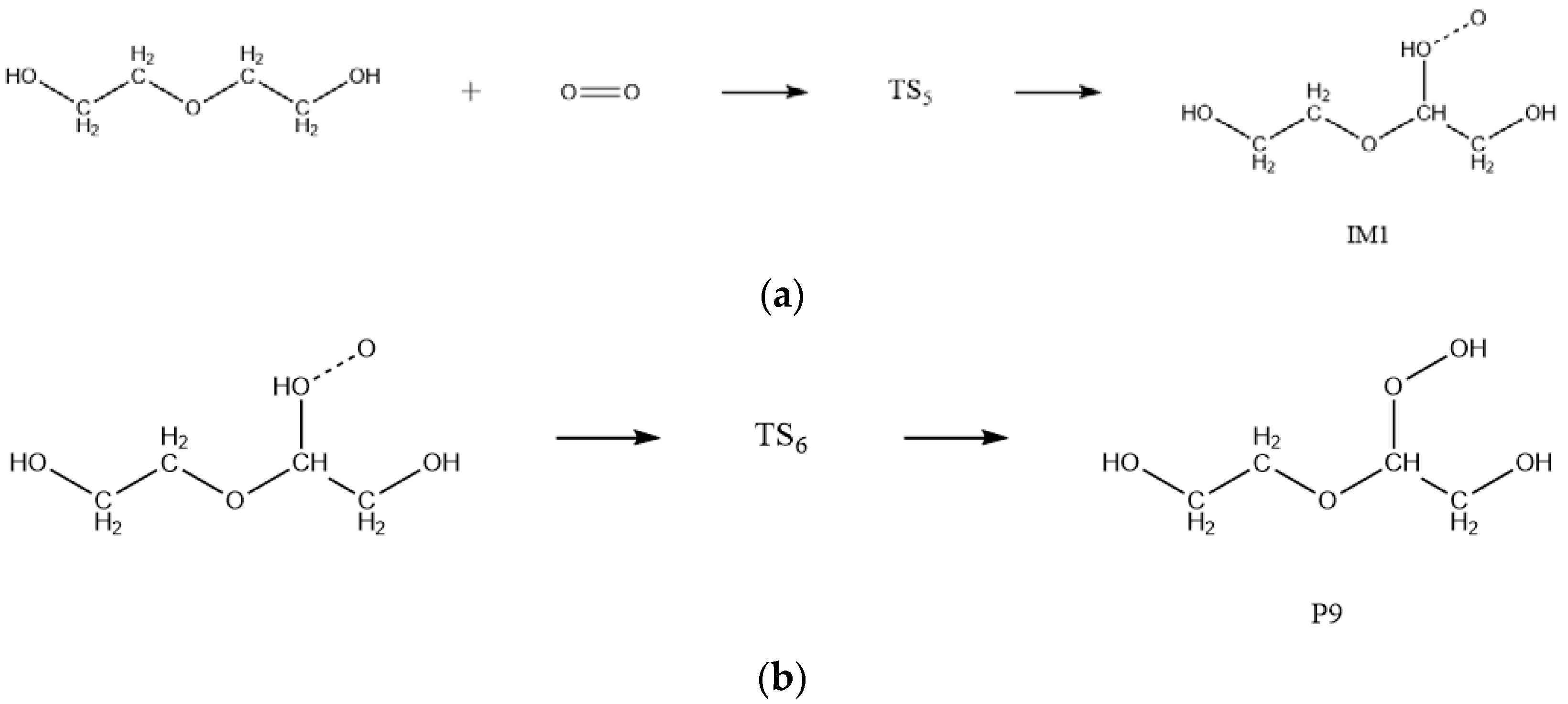
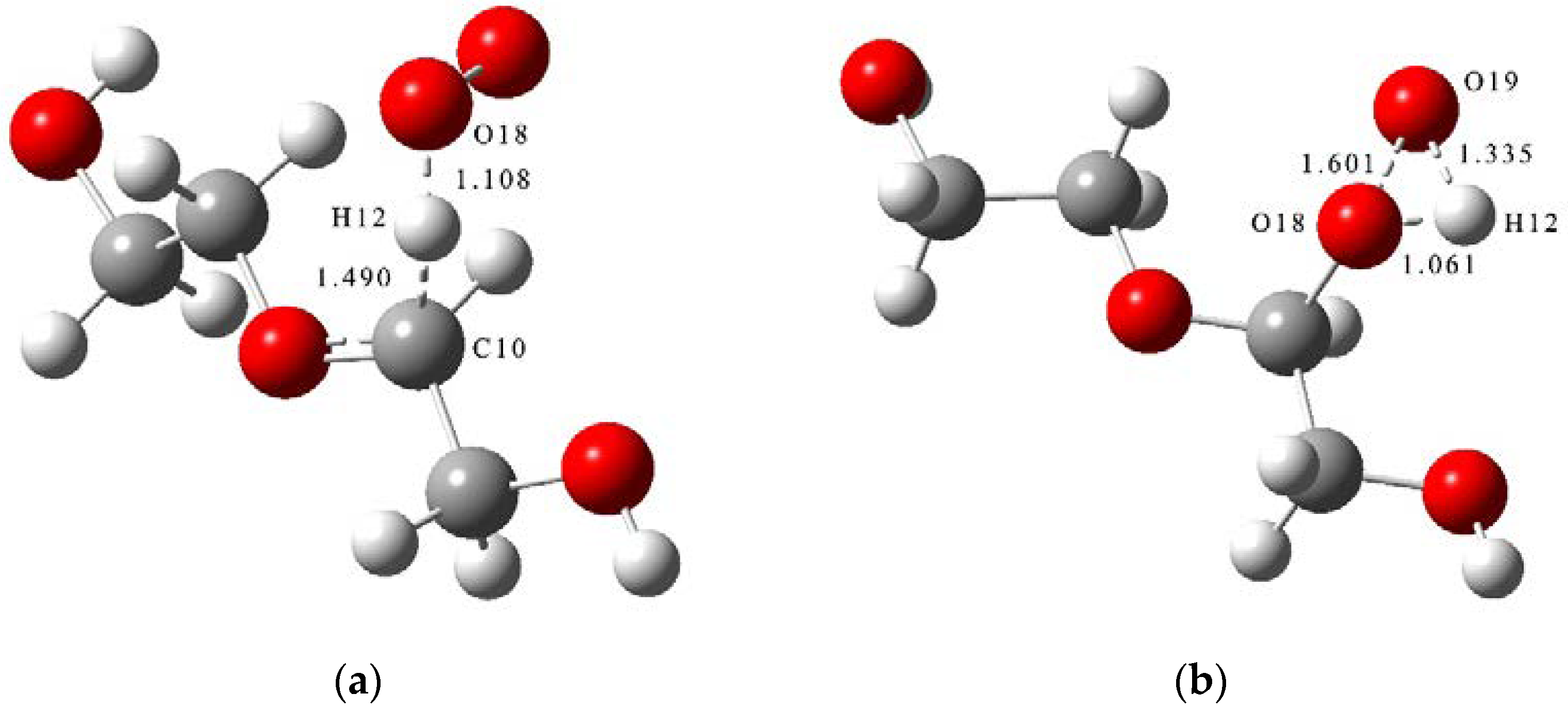
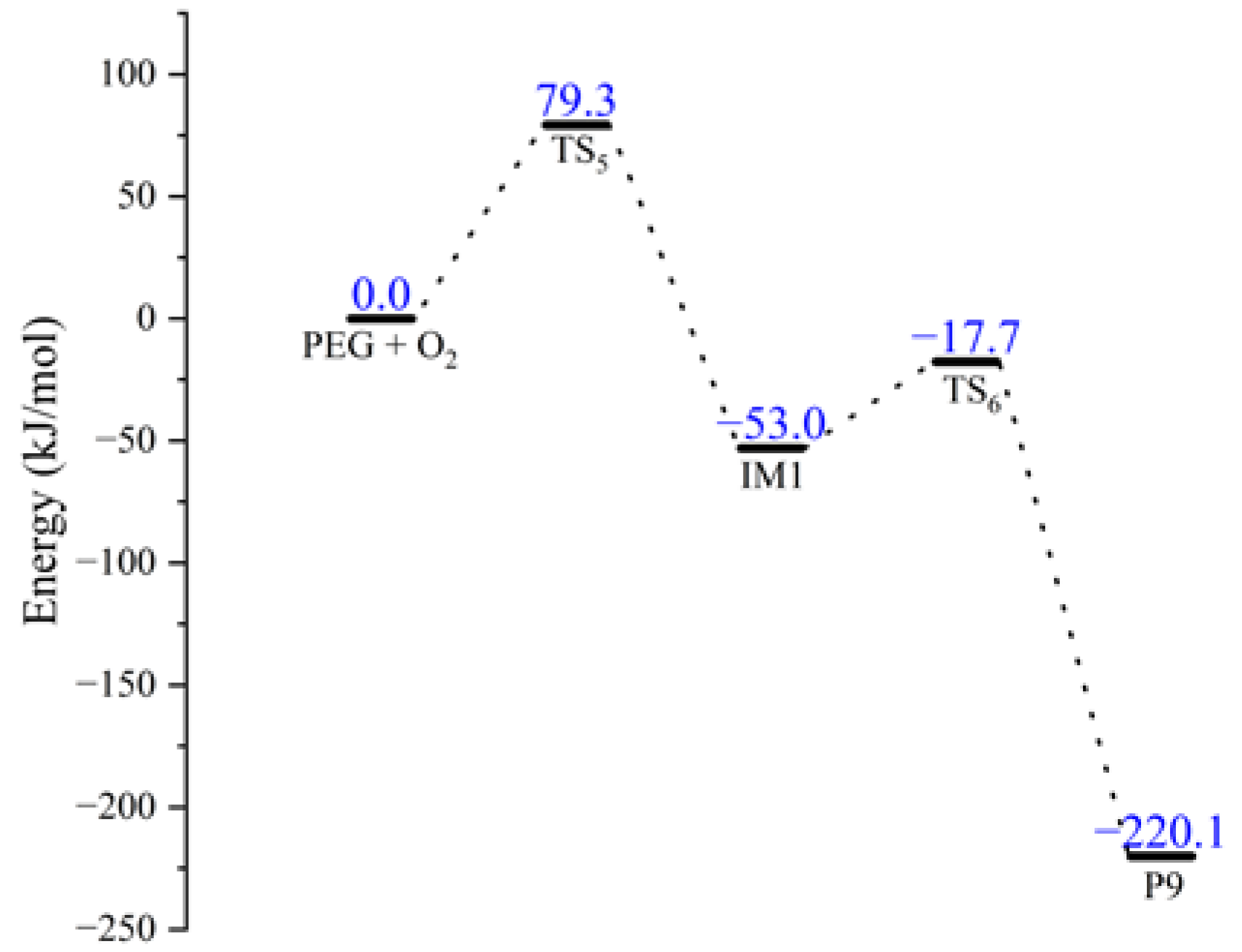
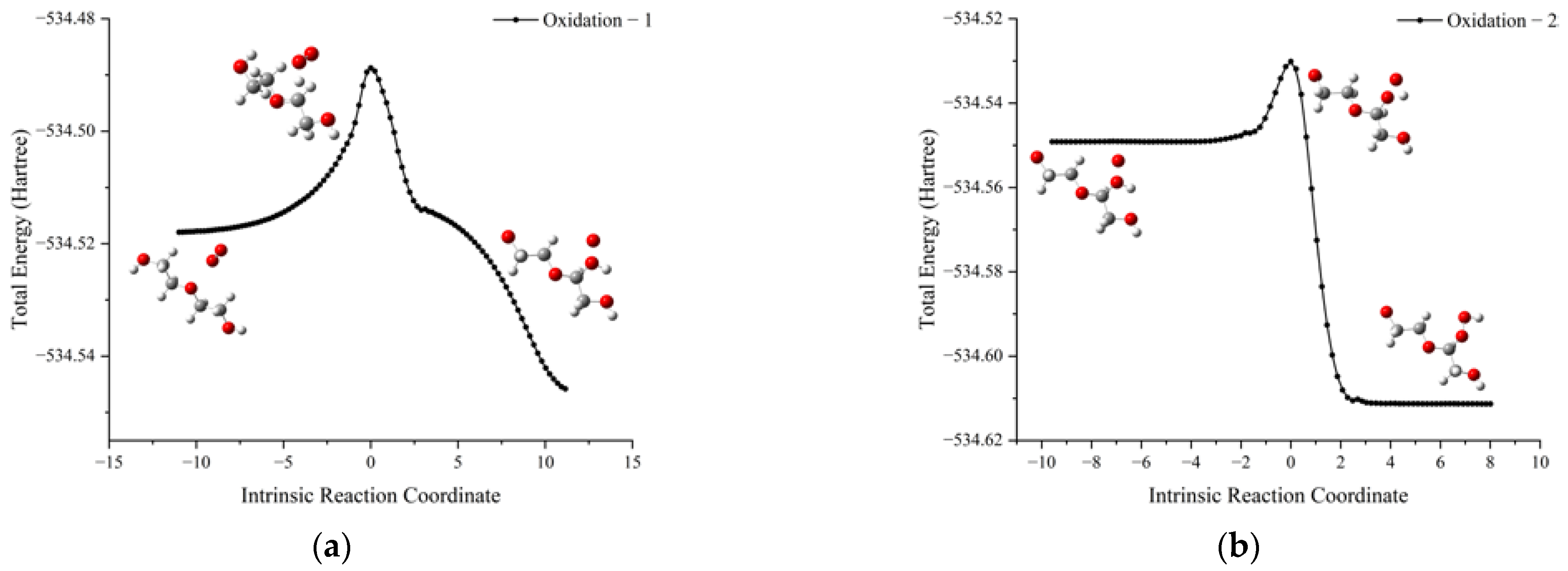
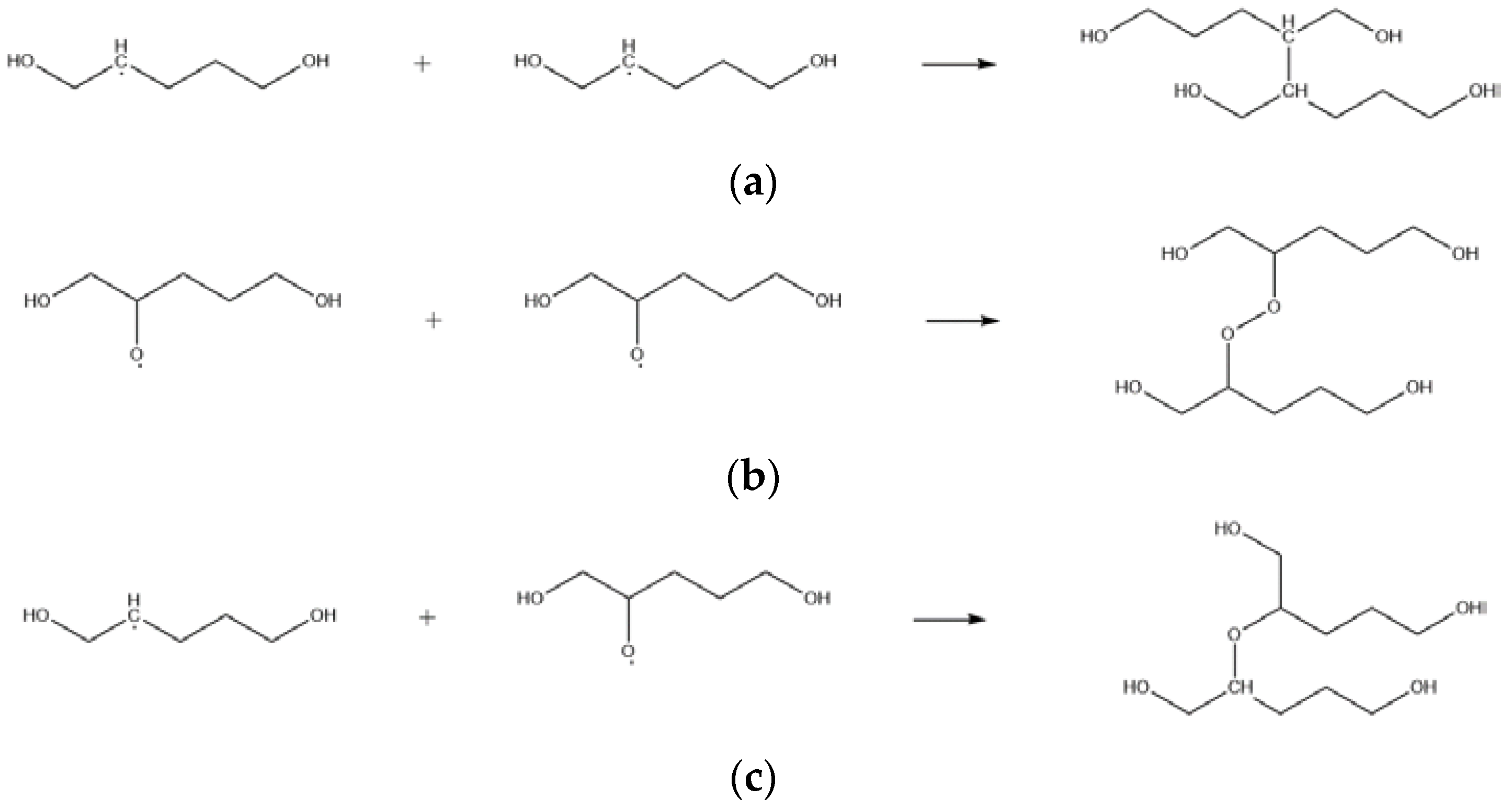
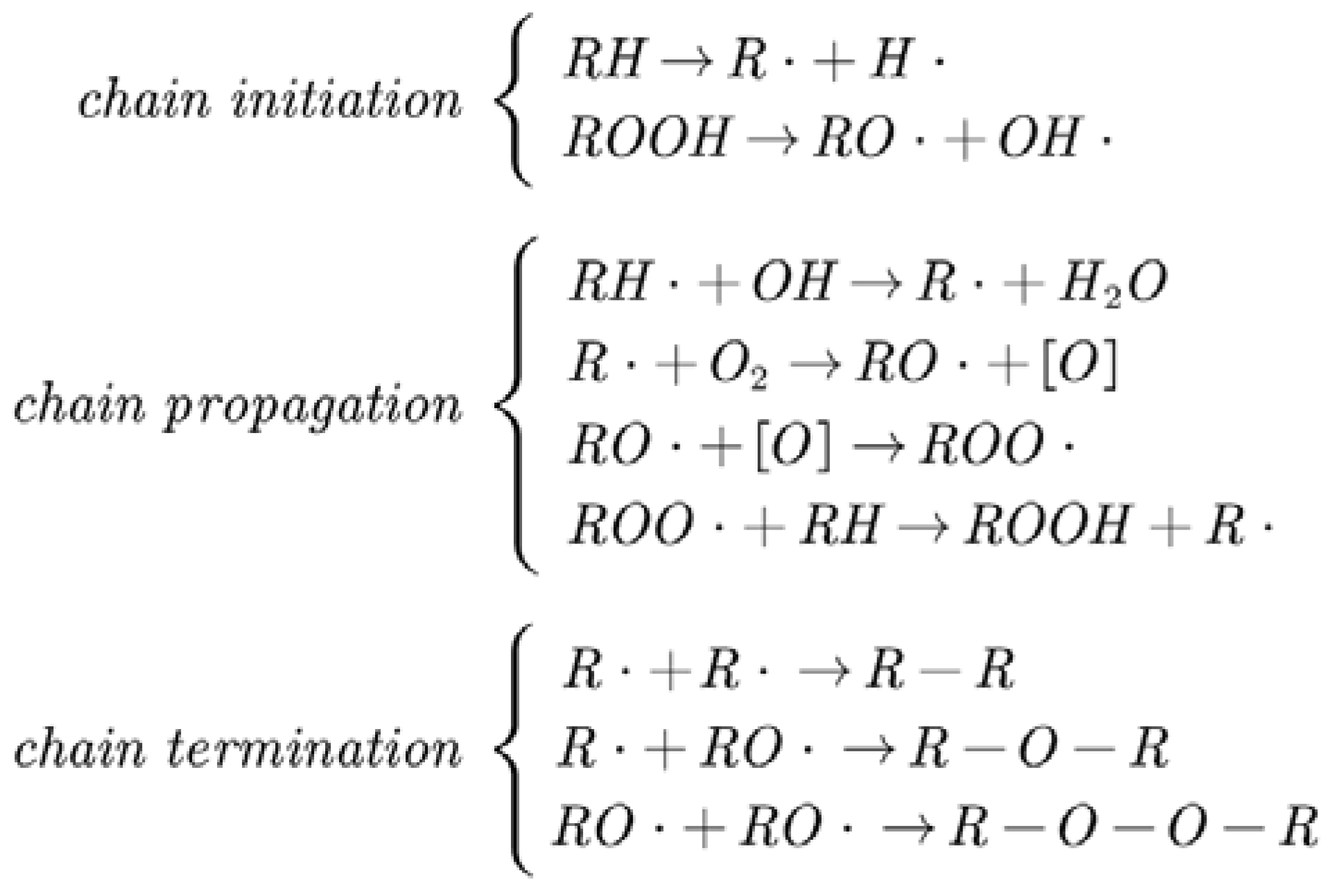
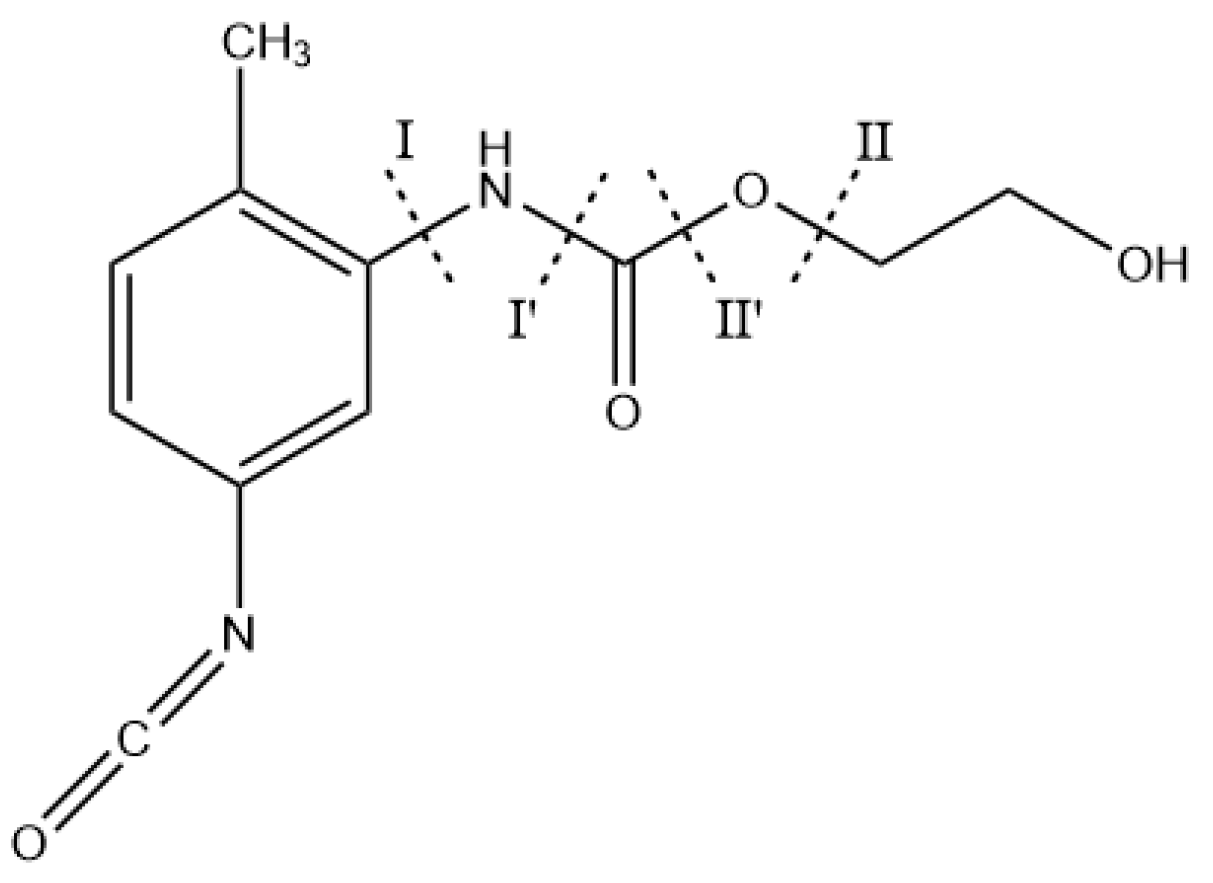
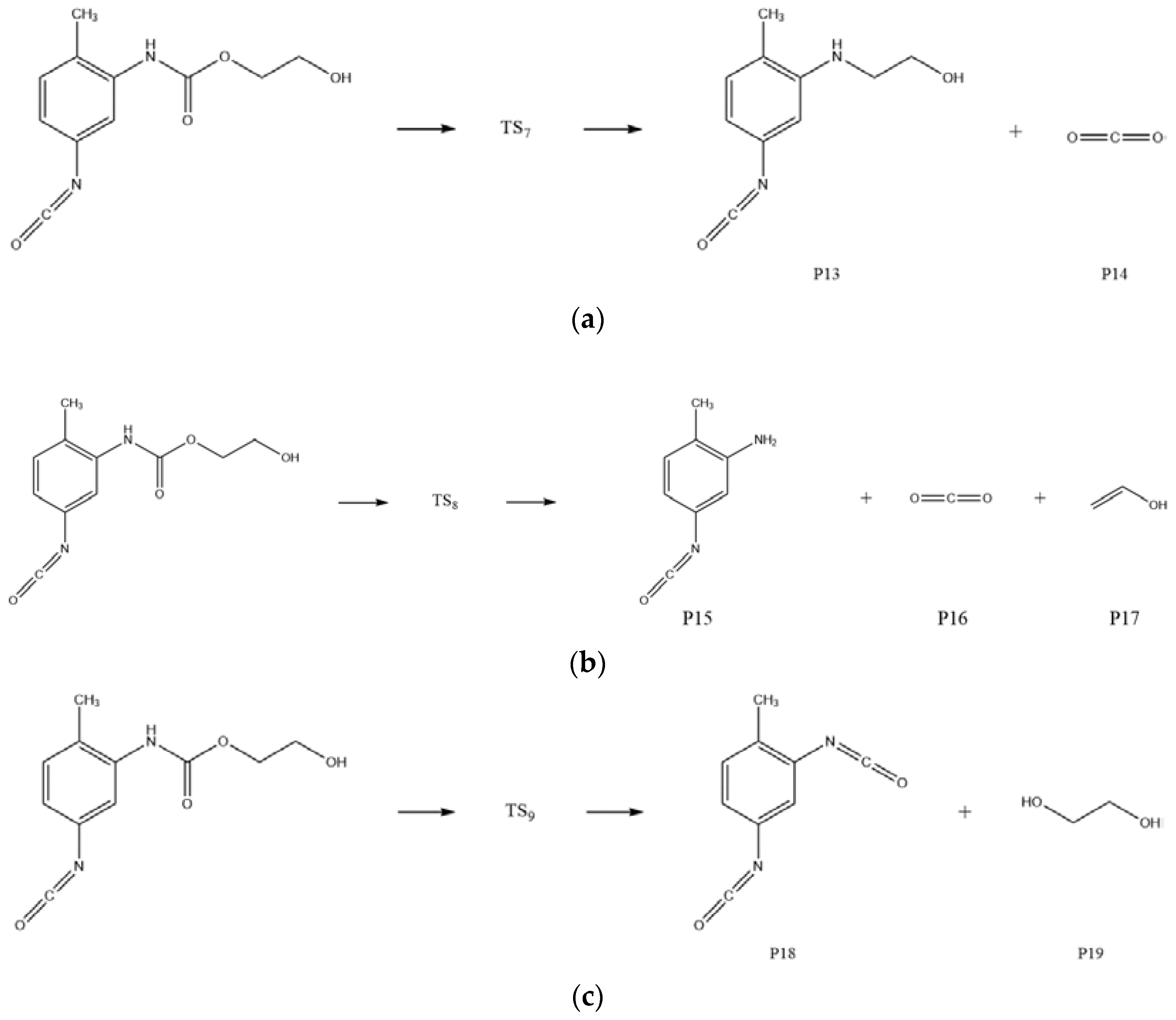
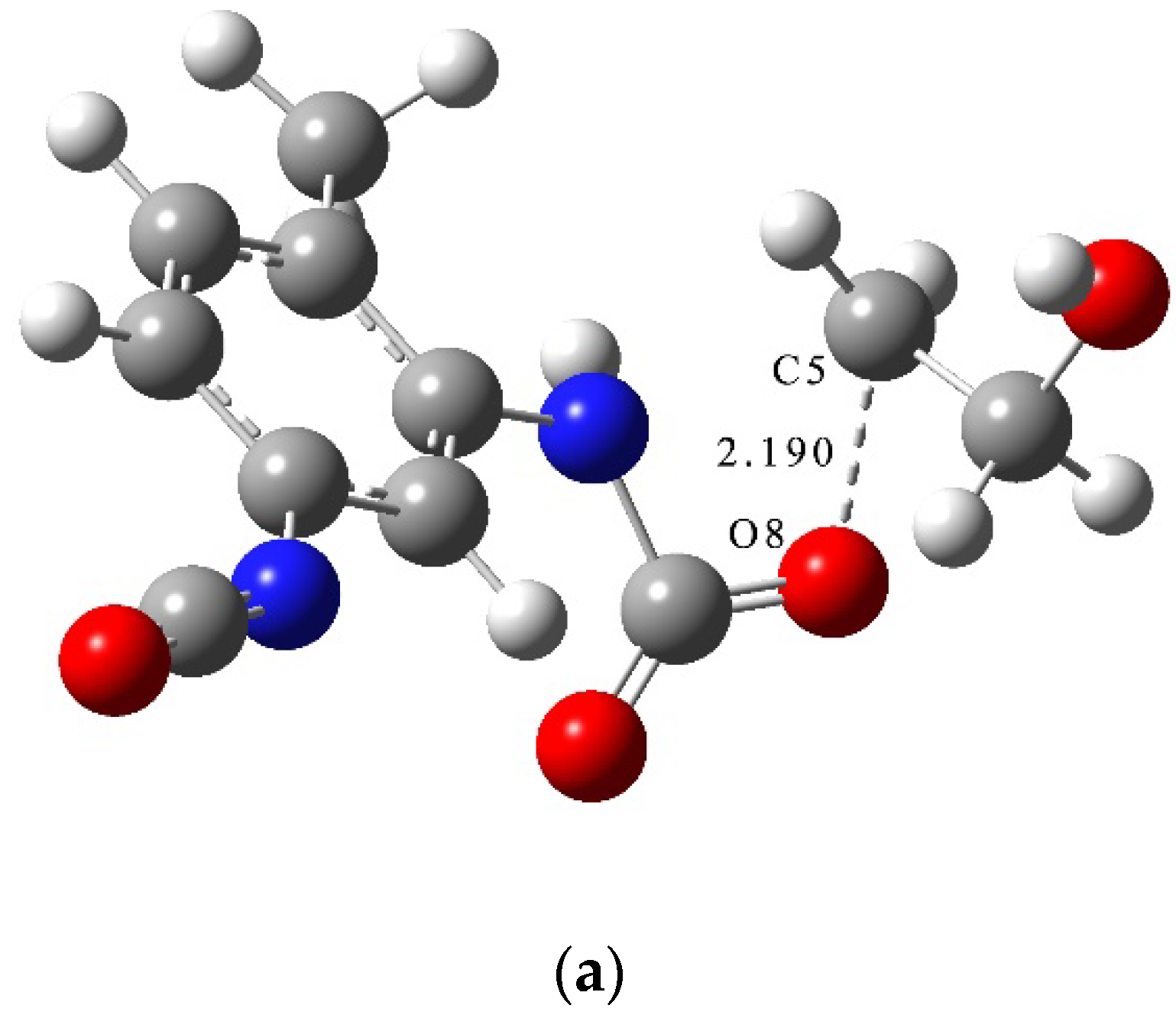
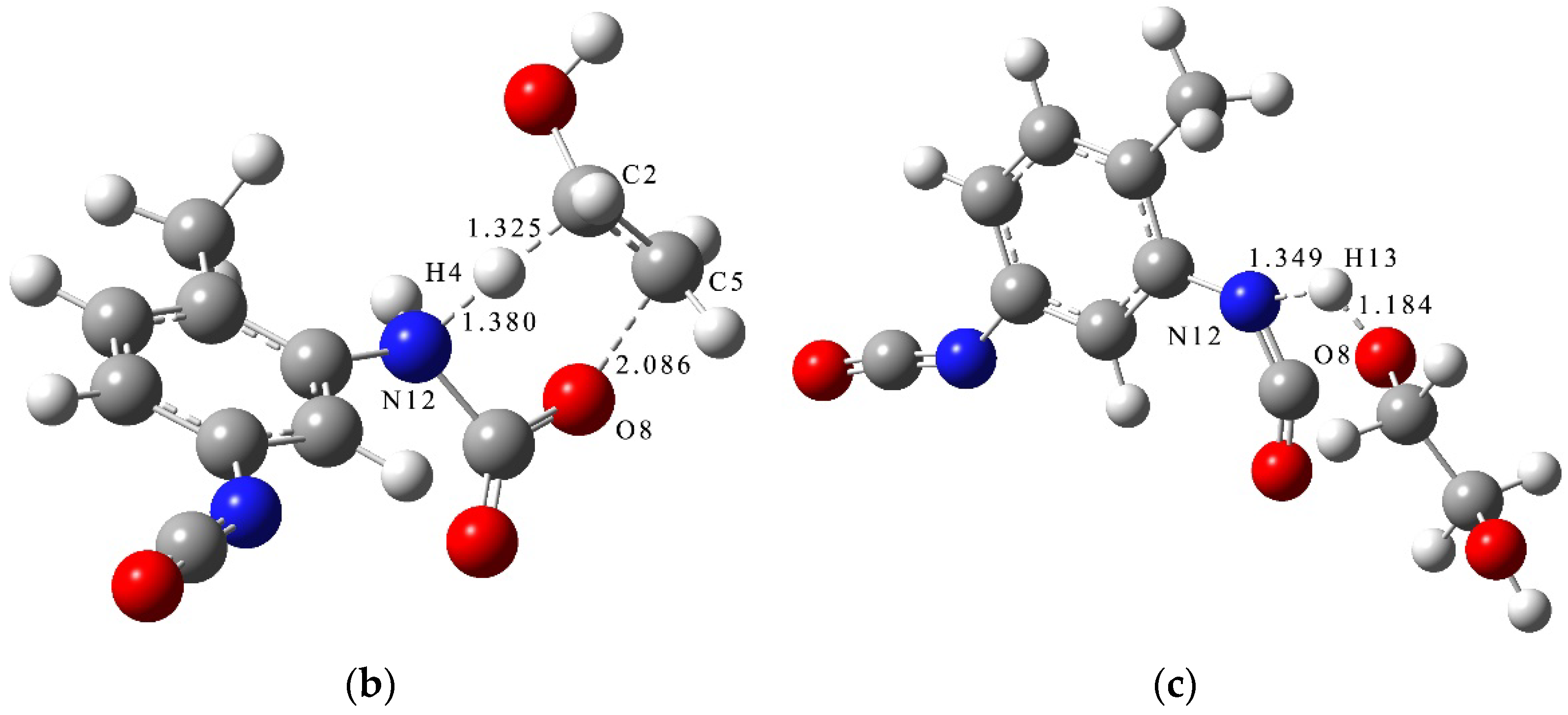
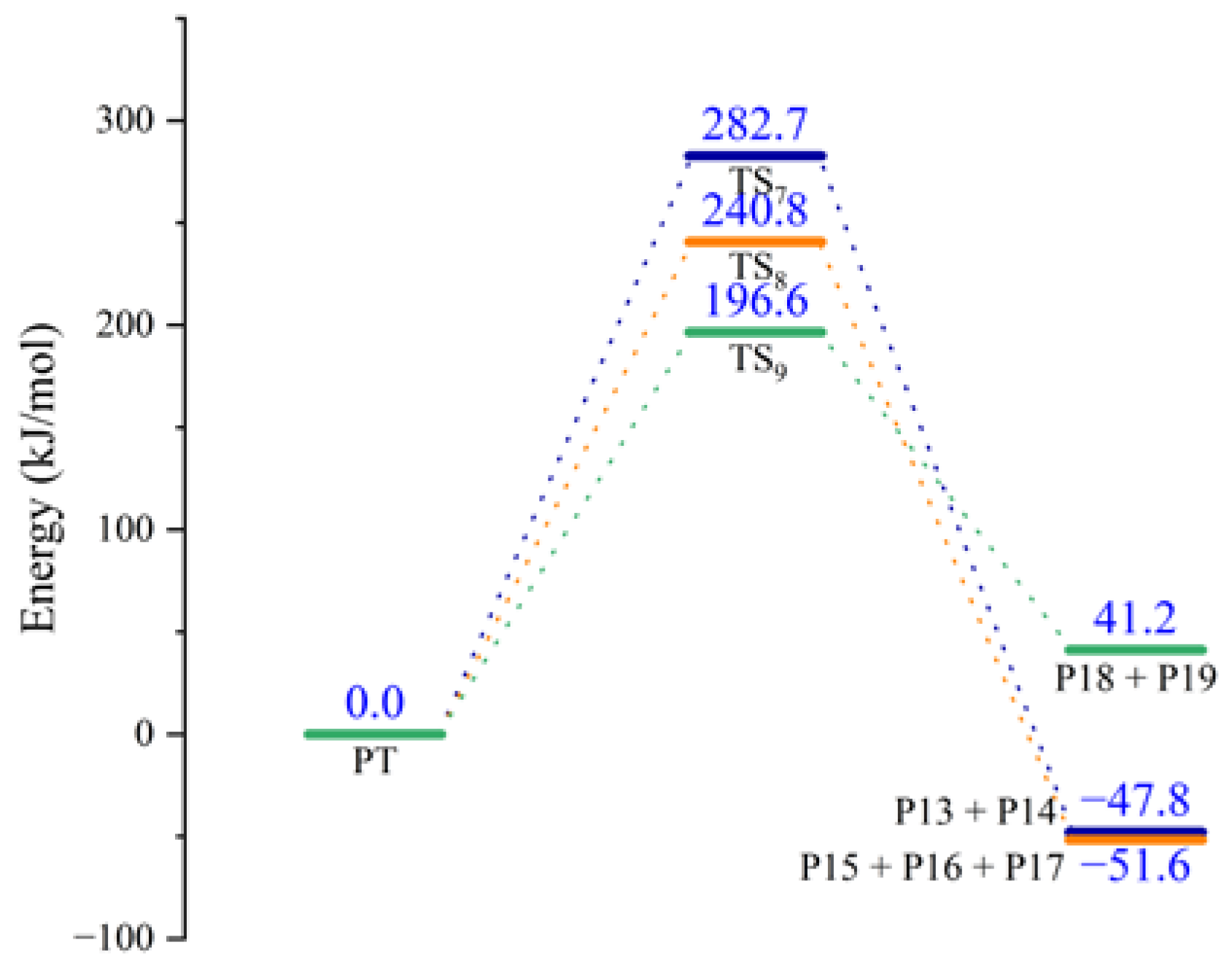
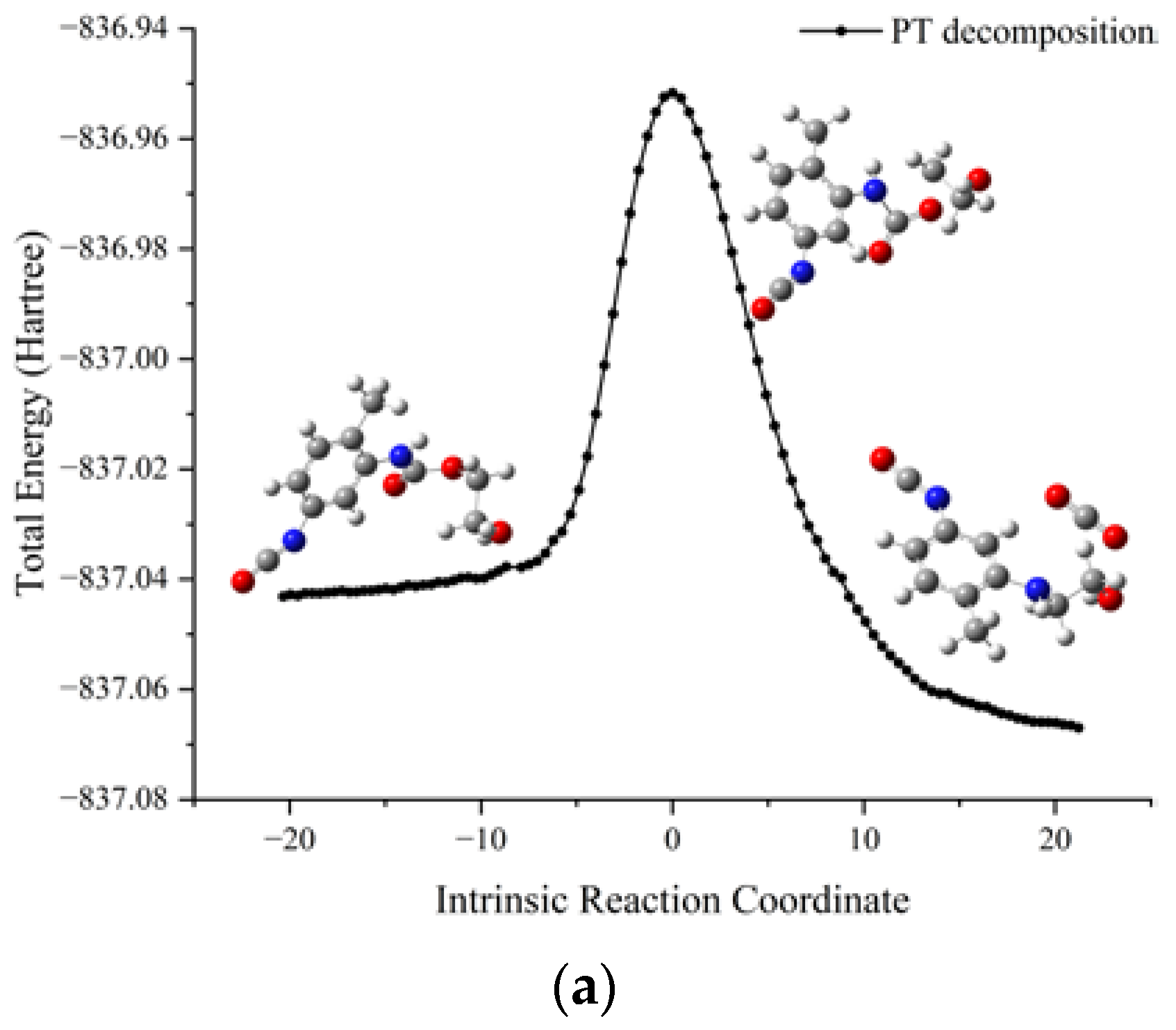
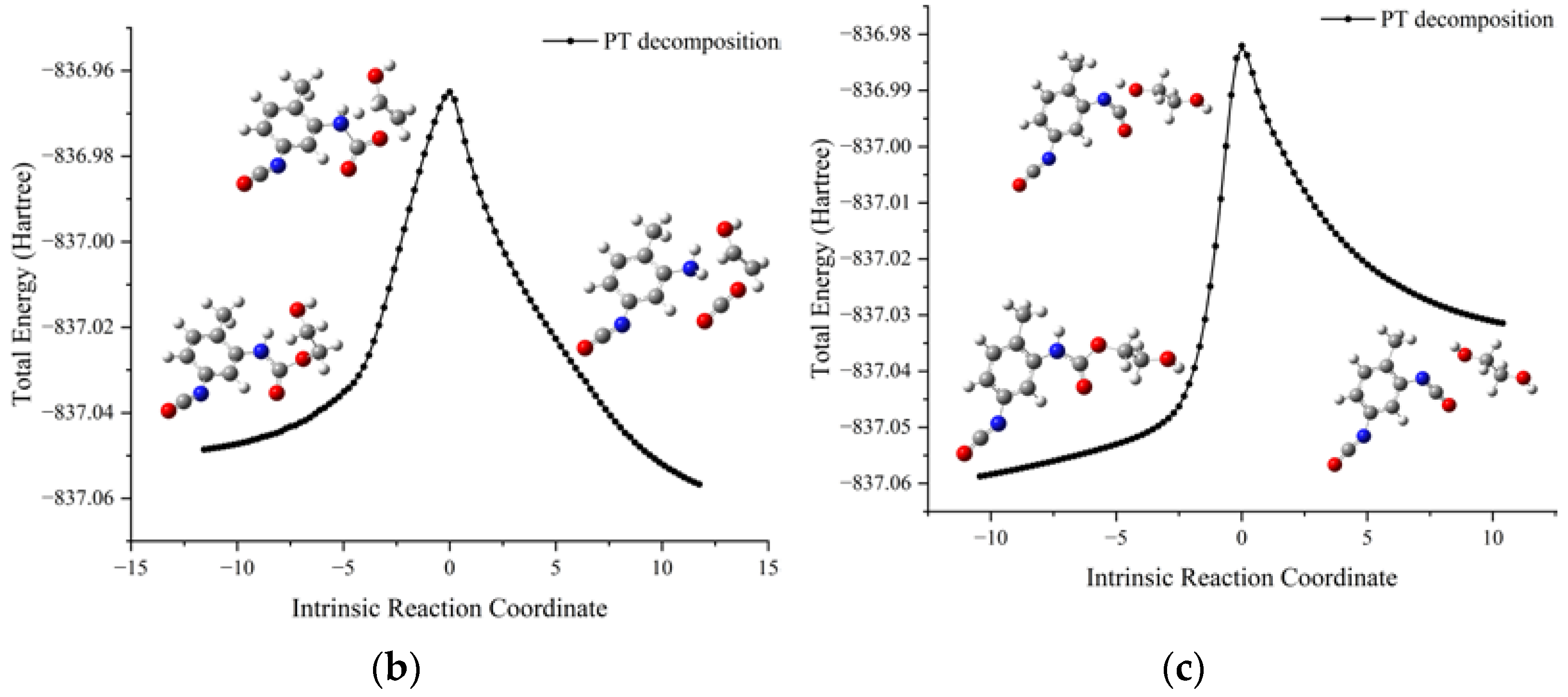
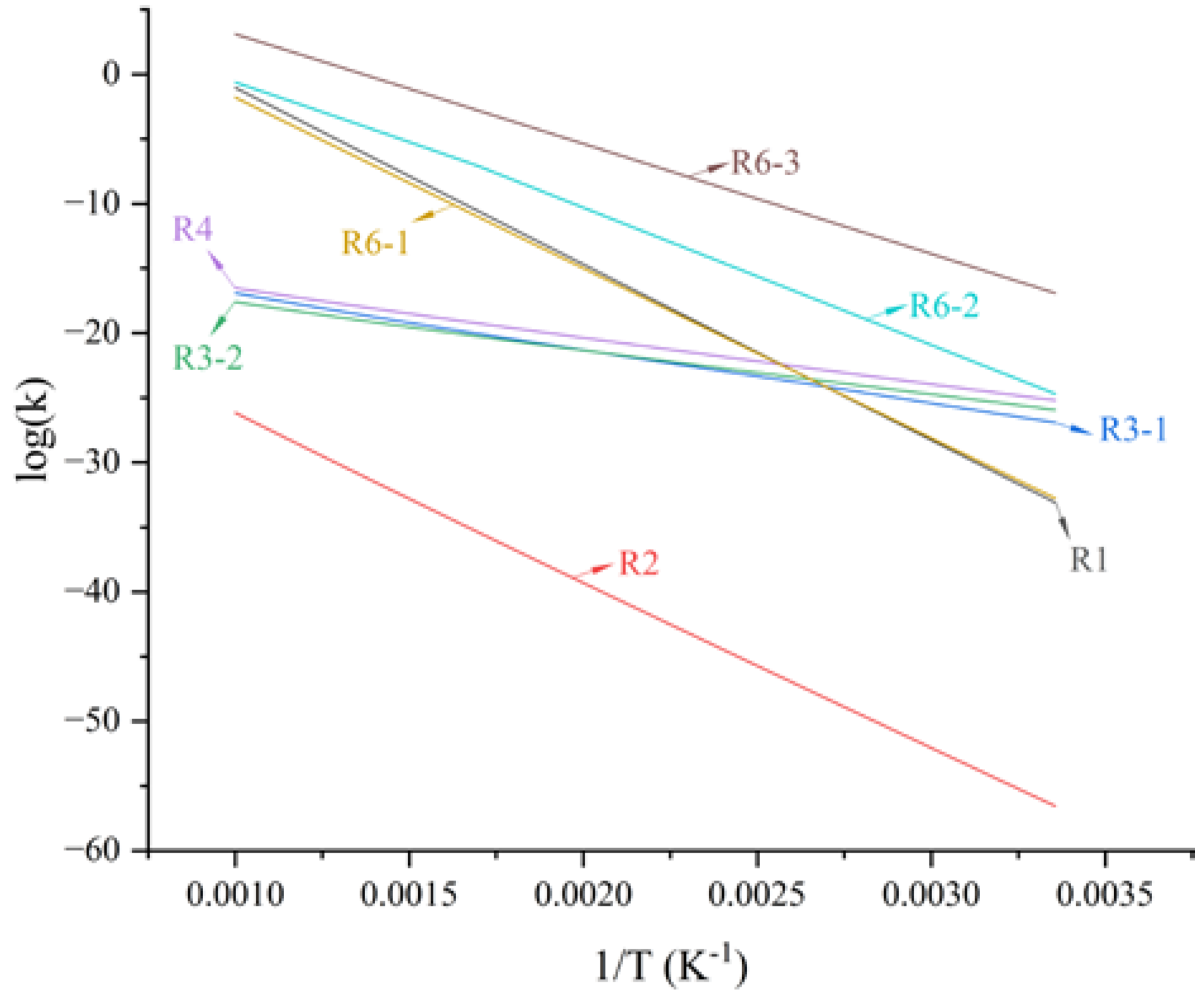
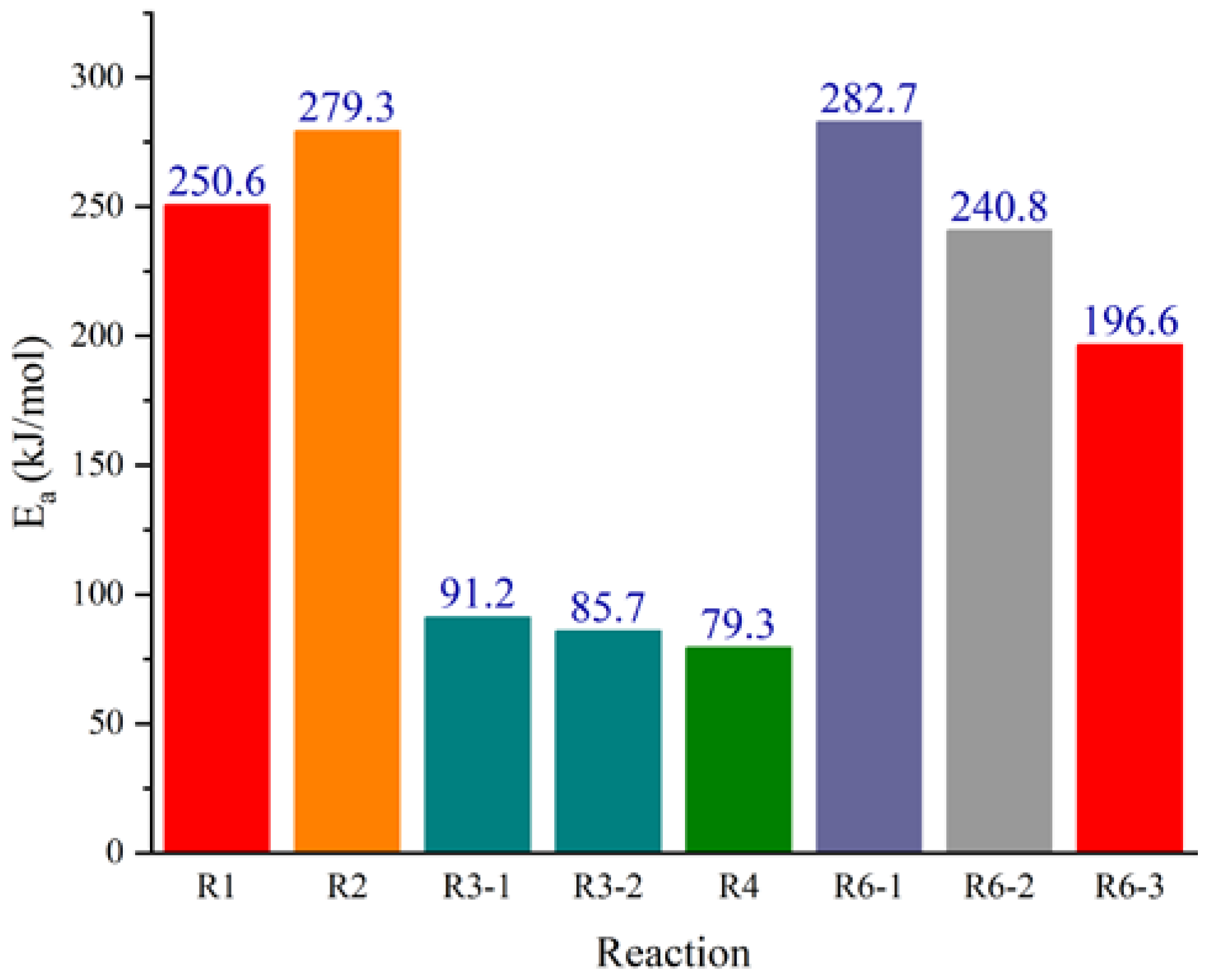
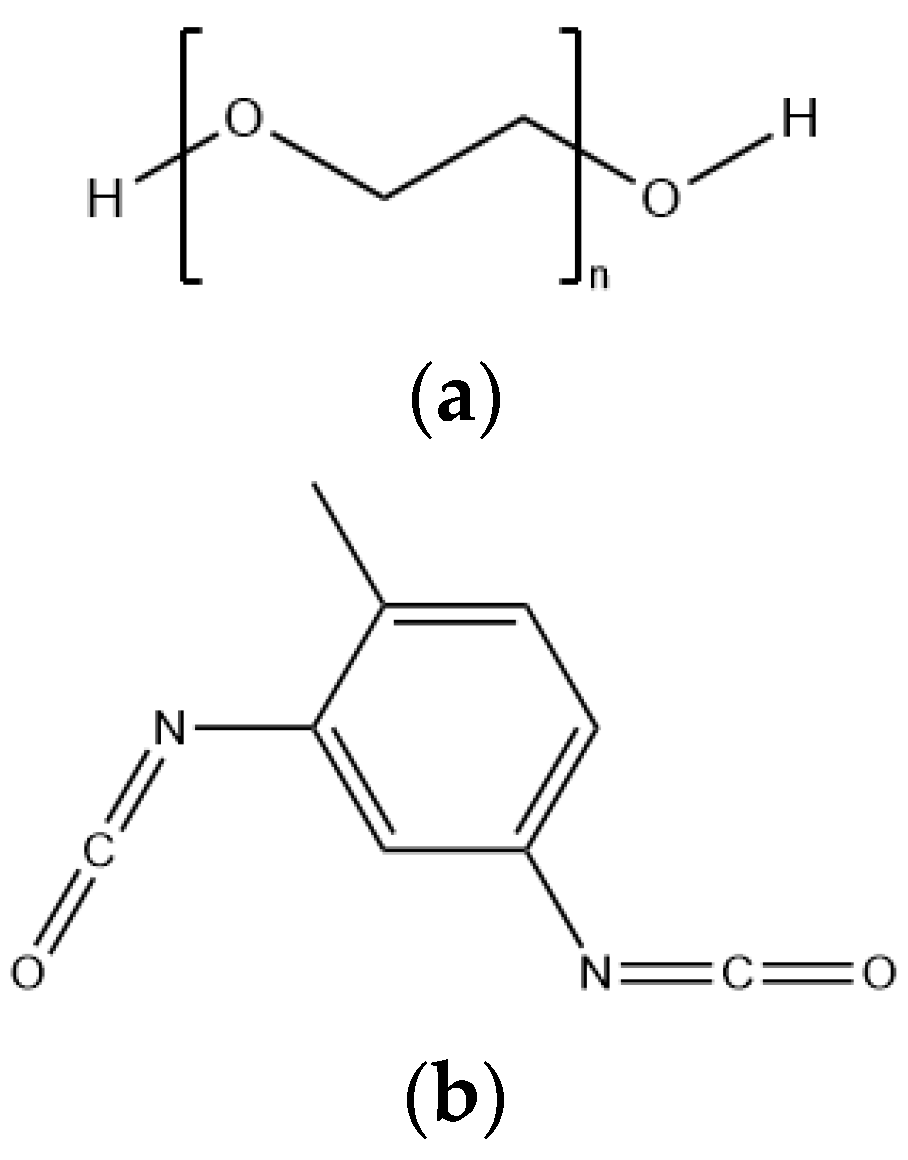
Polyethylene glycols (PEG) and toluene diisocyanate (TDI) are often used as the main components of binders and curing agents in solid propellants, and their aging is an important issue in the storage and use of propellants. To study the aging behavior and aging mechanism of nitrate ester plasticized polyether propellant (NEPE) matrix during storage, the transition states of aging reactions of binder and curing agent were optimized at the (U)B3LYP/6-311G(d,p) level of theory, and the rate coefficients over the temperature range of 298–1000 K were calculated by CVT theory. The results showed that there were five kinds of aging reactions for binder, which included decomposition, nitration, H abstraction, oxidation, and crosslinking reactions. Among them, theenergy barriers of oxidation and H abstraction reactions were relatively low (79.3–91.2 kJ·mol−1) and the main reaction types of binder aging. The main aging reaction of curing agent was decomposition. Compared with the aging reactions of binder, the energy barriers of curing agent are higher (196.6–282.7 kJ·mol−1) and the reaction is more difficult to occur. By comparing the energy barriers and rate constants of different reactions, it is found that the aging of NEPE propellant matrix can be divided into two stages. In the first stage, the propellant matrix mainly undergoes H abstraction and oxidation reaction, and as the reaction proceeds, the products crosslink to form -O-O-, -C-C-, and -C-O-C- bonds. At this time, the long chain molecules of the propellant matrix crosslink, and the molecular weight increases. This stage corresponds to the rising stage of mechanical properties in the aging process of the propellant. In the second stage, the propellant matrix mainly undergoes decomposition and nitration, resulting in degradation, the reduction of molecular weights, and the appearance of holes and microcracks in the matrix. This stage corresponds to the decline of mechanical properties in the aging process of the propellant. The above simulation results are in good agreement with the aging experimental phenomena, revealing the microscopic mechanism of the changes in the macroscopic properties of NEPE propellant during the aging process, and providing a theoretical basis for the related research on the aging properties and anti-aging technology of NEPE propellant.
Keywords: molecular simulation; NEPE; PEG; TDI; DFT; VTST; solid propellant molecular simulation; NEPE; PEG; TDI; DFT; VTST; solid propellant