Article

Removal of Zinc from Concentrated Galvanic Wastewater by Sodium Trithiocarbonate: Process Optimization and Toxicity Assessment


1
Faculty of Environmental Engineering and Energy, Cracow University of Technology, Warszawska 24, 31-155 Cracow, Poland
2
Department of Chemistry, Faculty of Natural Sciences, Matej Bel University, Tajovskeho 40, 97401 Banská Bystrica, Slovakia
3
Faculty of Chemical Engineering and Technology, Cracow University of Technology, Warszawska 24, 31-155 Cracow, Poland
4
Department of Extraction Technologies, Rockburst and Risk Assessment, Central Mining Institute, 40-166 Katowice, Poland
5
Institute of Environmental Engineering, Wrocław University of Environmental and Life Sciences, 50-365 Wrocław, Poland
*
Authors to whom correspondence should be addressed.
Molecules 2023, 28(2), 546; https://doi.org/10.3390/molecules28020546

Submission received: 30 November 2022 / Revised: 21 December 2022 / Accepted: 3 January 2023 / Published: 5 January 2023
(This article belongs to the Special Issue Chemical-Based Removal of Heavy Metal Ions from Wastewater)

Abstract

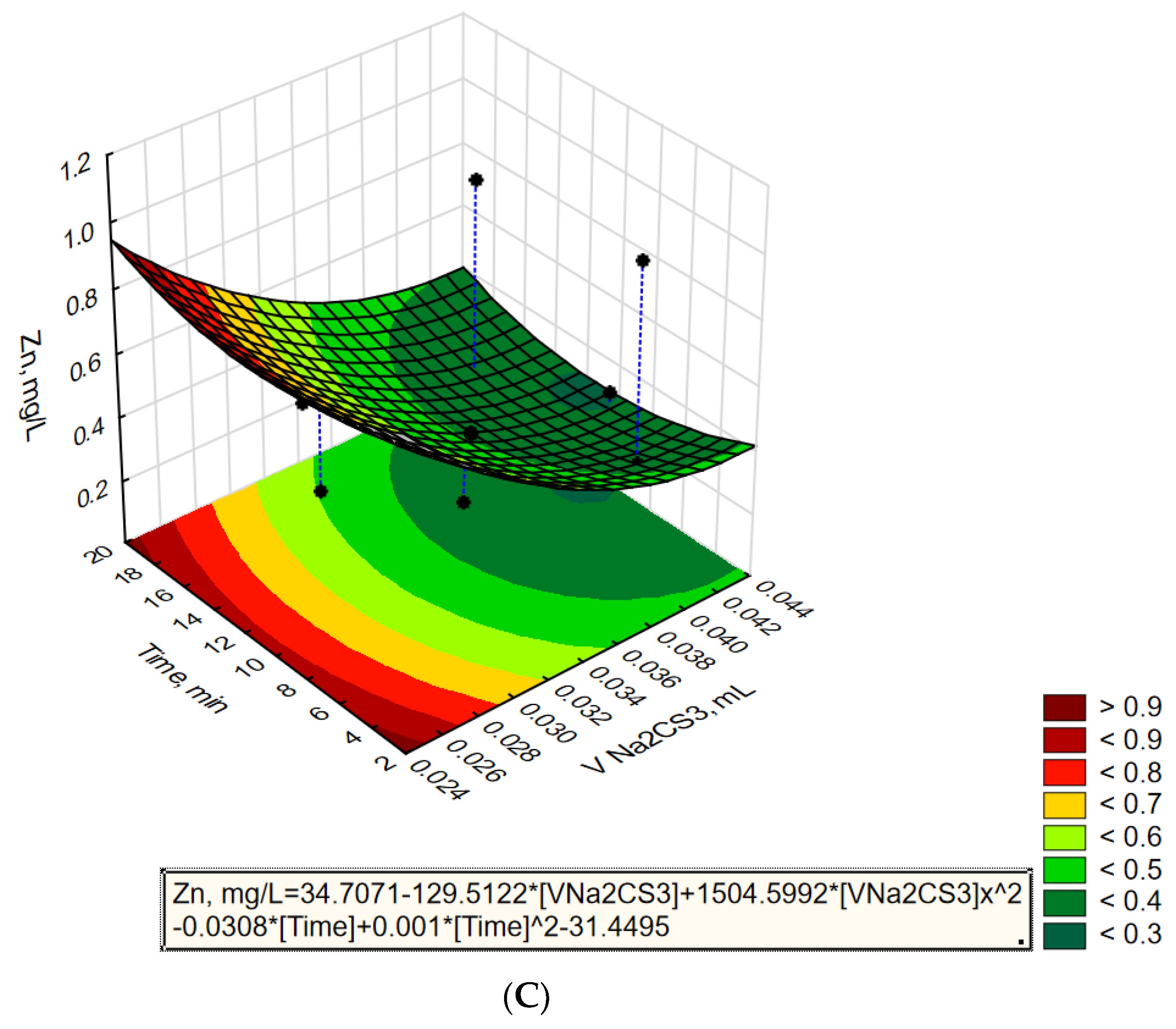
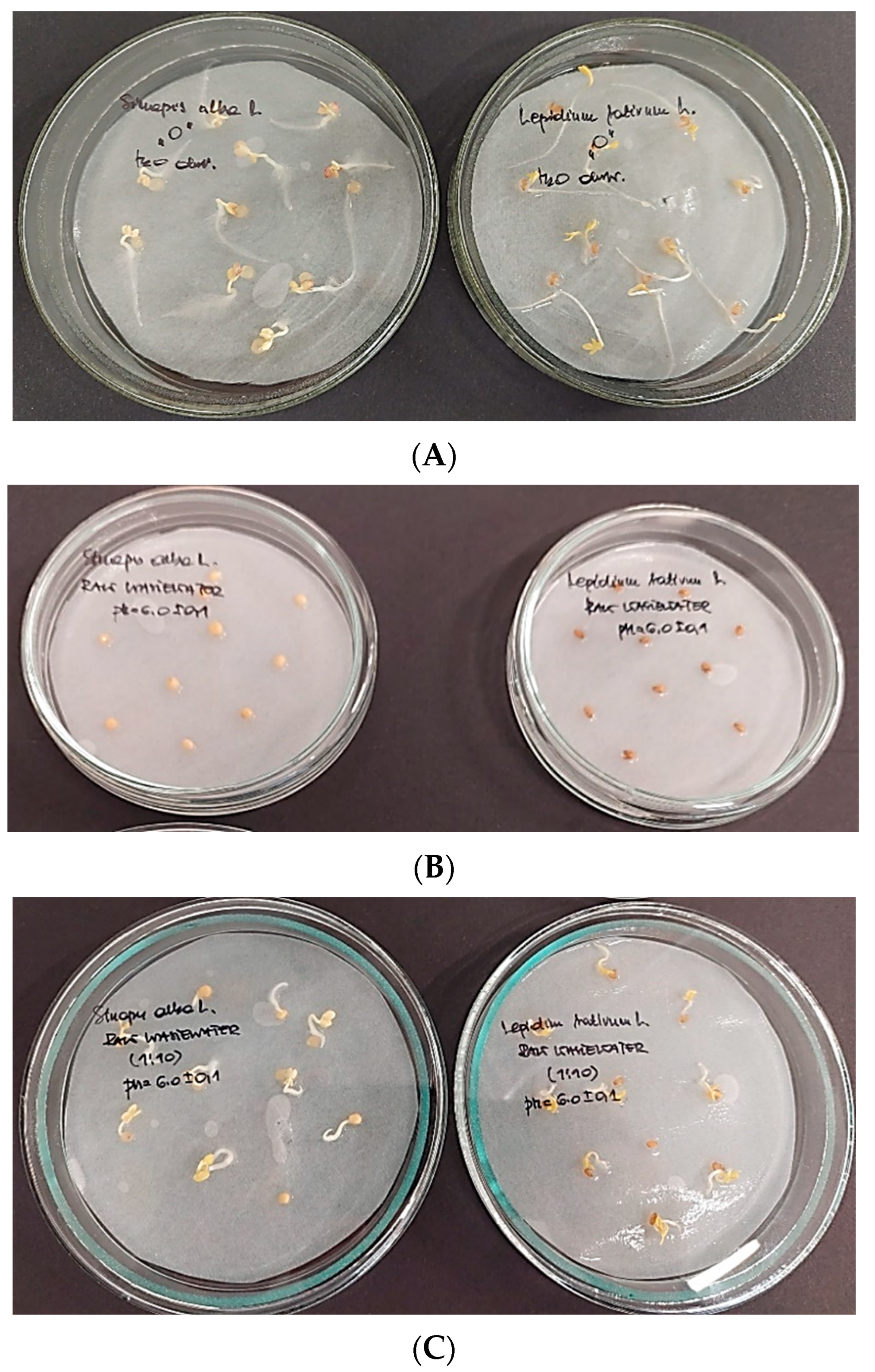
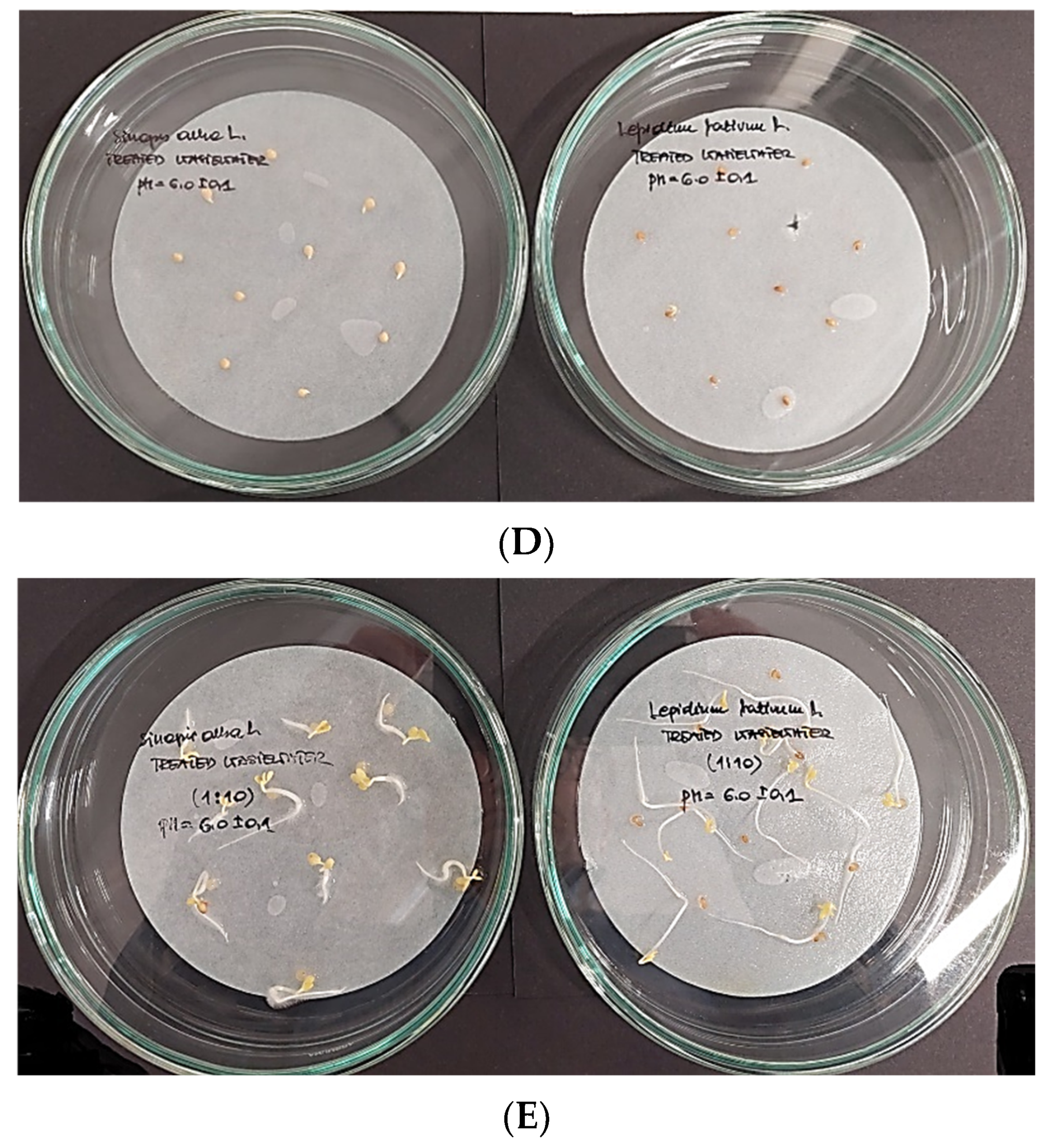
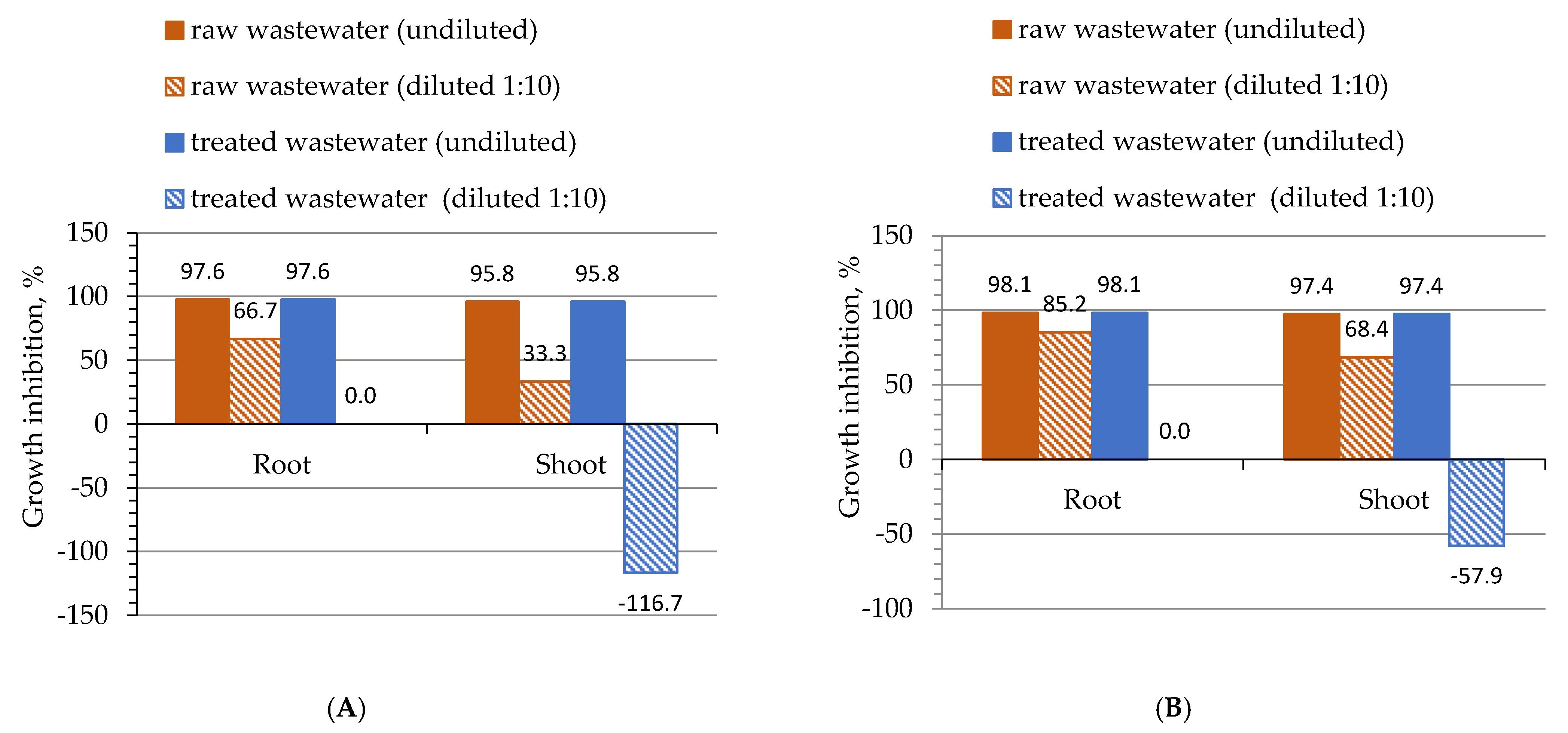
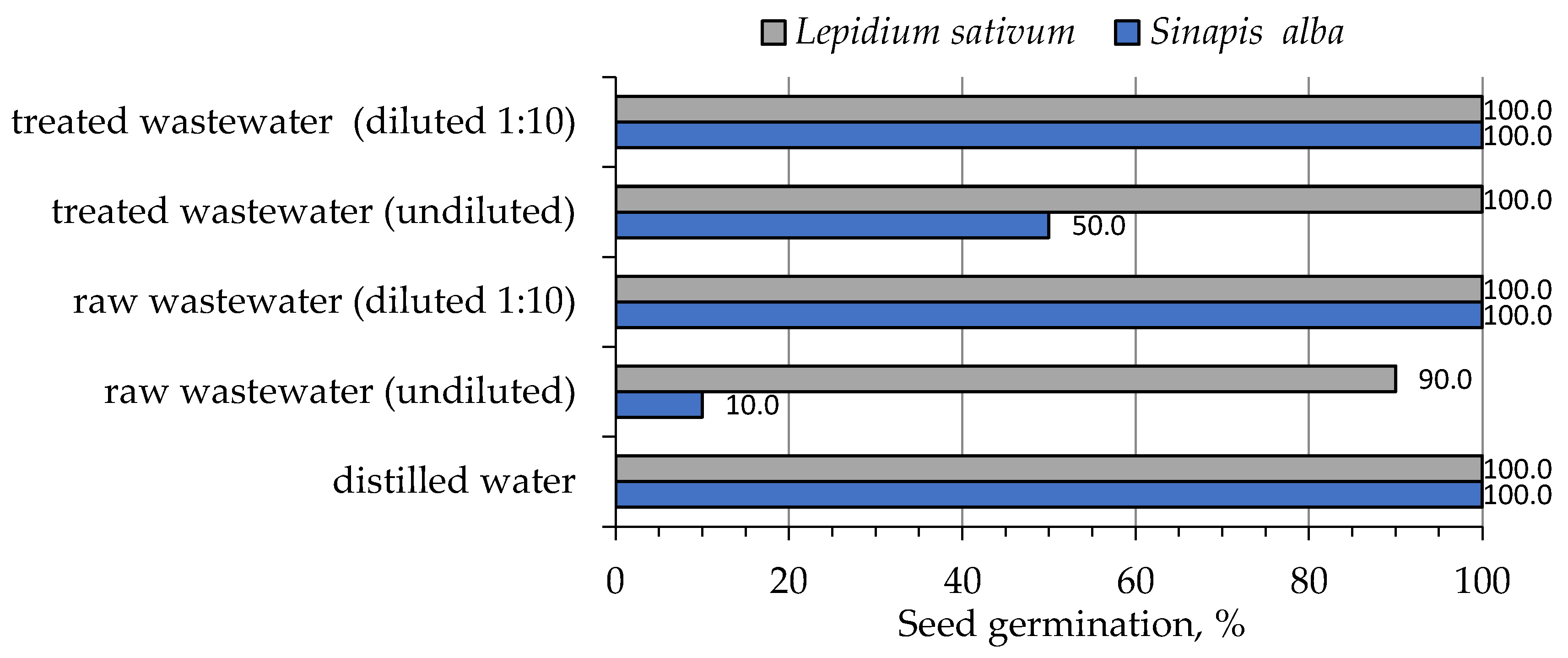
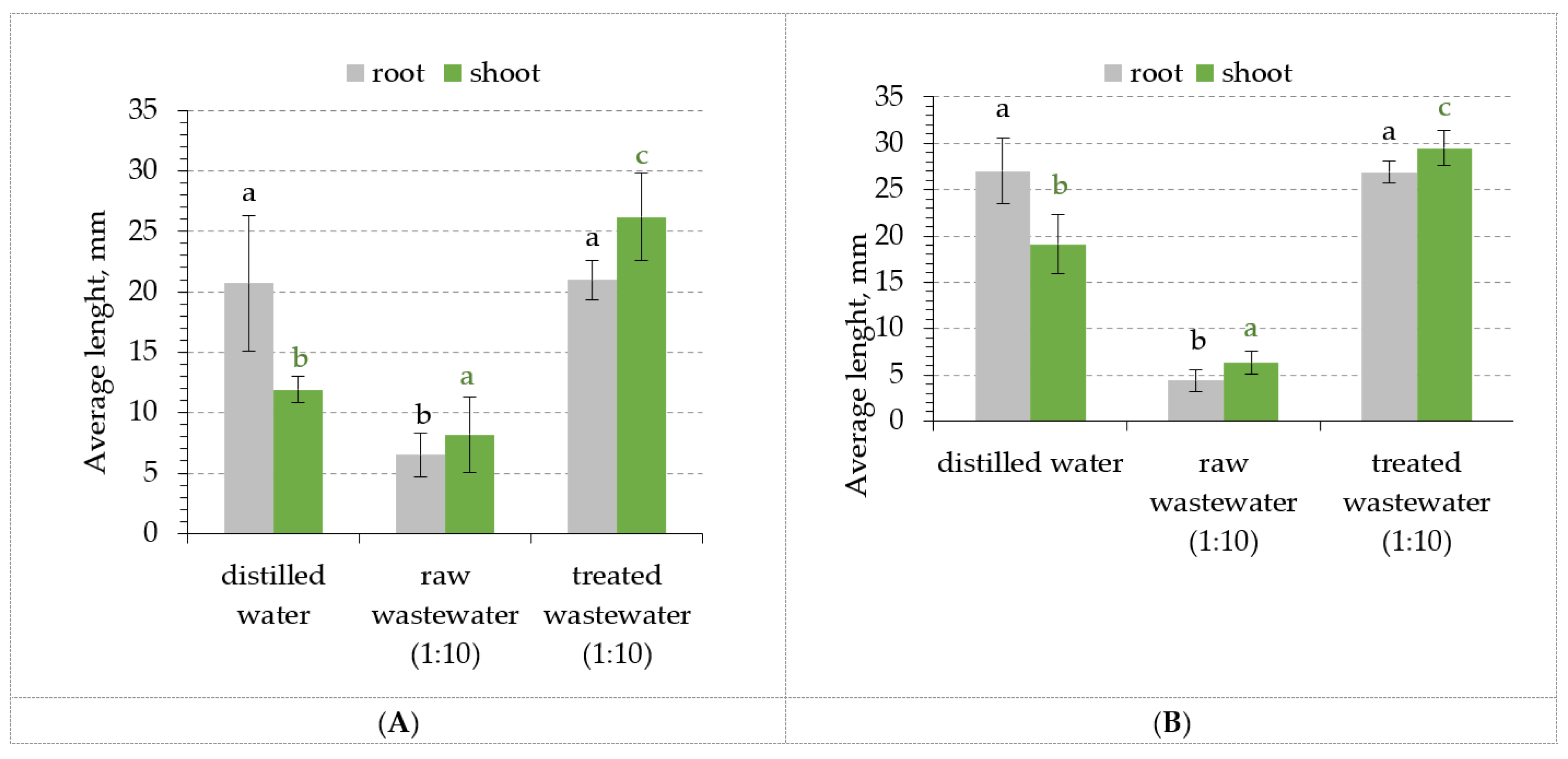
In the present research, the removal of zinc from concentrated galvanic wastewater (pH 3.1, conductivity 20.31 mS/cm, salinity, 10.16 g/L, Chemical Oxygen Demand (COD) 2900 mg O2/L, Total Organic Carbon (TOC) 985 mg/L, zinc (Zn) 1534 mg/L and ethylenediaminetetraacetic acid (EDTA) 70 mg/L) by combination of lime (Ca(OH)2) and sodium trithiocarbonate (Na2CS3) as precipitation agents is studied. Central Composite Design (CCD) and response surface methodology (RSM) were applied for modelling and optimizing the designed wastewater treatment process. Analysis of Variance (ANOVA) and the experimental verification of the model confirmed the consistency of the experimental and estimated data calculated from the model (R2 = 0.9173, R2adj. = 0.8622). The use of Ca(OH)2 and Na2CS3 in the optimal condition calculated from the model (pH = 10.75 ± 0.10, V Na2CS3 dose 0.043 mL/L and time = 5 min) resulted in a decrease in the concentration of Zn in treated wastewater by 99.99%. Other physicochemical parameters of wastewater also improved. Simultaneously, the application of Ca(OH)2 and Na2CS3 reduced the inhibition of activated sludge dehydrogenase from total inhibition (for raw wastewater) to −70% (for treated wastewater). Under the same conditions the phytotoxicity tests revealed that the seed germination index for the raw and treated wastewater increased from 10% to 50% and from 90% to 100% for white mustard (Sinapis alba) and garden cress (Lepidium sativum L.), respectively. The parameters of root and shoot growth showed a statistically significant improvement. Treated wastewater (1:10) showed a stimulating effect (shoot growth) compared to the control sample (GI = −116.7 and −57.9 for S. alba and L. sativum L., respectively). Thus, the use of Na2CS3 is a viable option for the treatment of concentrated galvanic wastewater containing zinc.
Keywords: zinc; sodium trithiocarbonate; coagulation; response surface methodology; phytotoxicity zinc; sodium trithiocarbonate; coagulation; response surface methodology; phytotoxicity