Article

Enantioselective Toxic Effects of Prothioconazole toward Scenedesmus obliquus

1
College of Chemical Engineering, Zhejiang University of Technology, Hangzhou 310014, China
2
Environmental Microplastic Pollution Research Center, Zhejiang University of Technology, Hangzhou 310014, China
*
Author to whom correspondence should be addressed.
Molecules 2023, 28(12), 4774; https://doi.org/10.3390/molecules28124774

Submission received: 7 May 2023 / Revised: 8 June 2023 / Accepted: 12 June 2023 / Published: 15 June 2023

Abstract

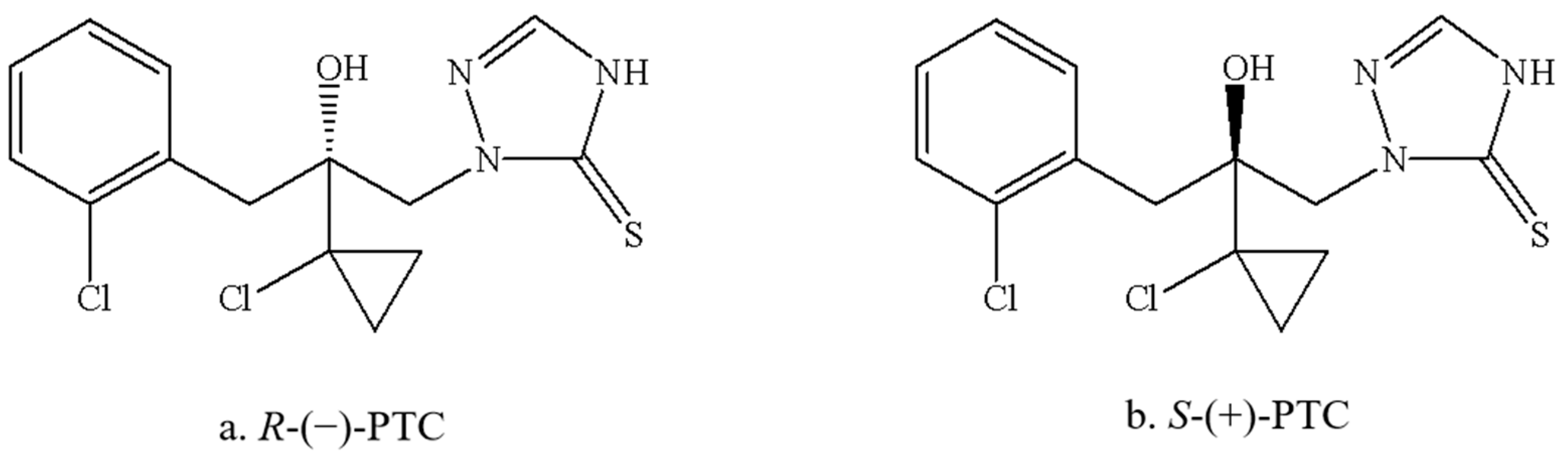
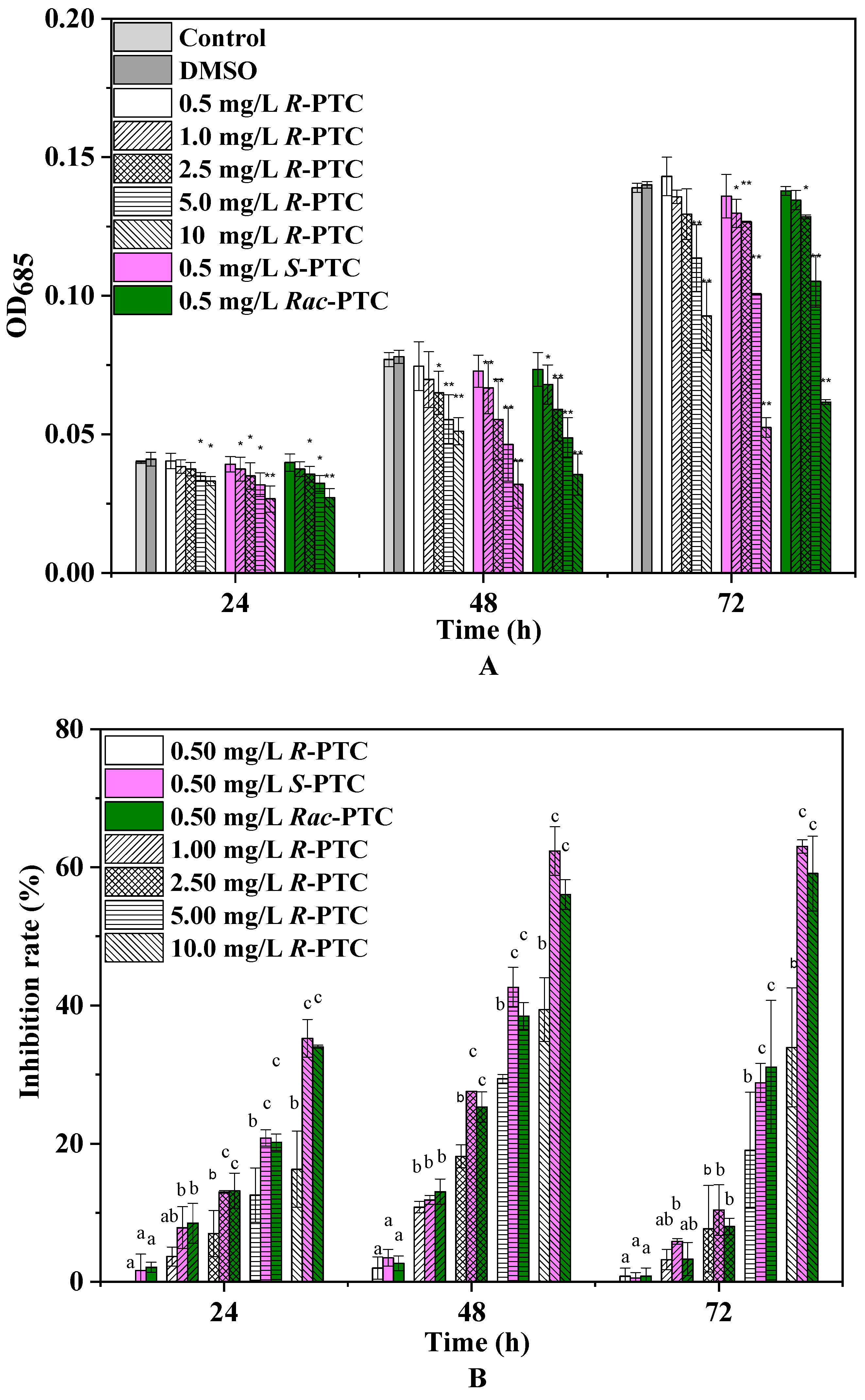
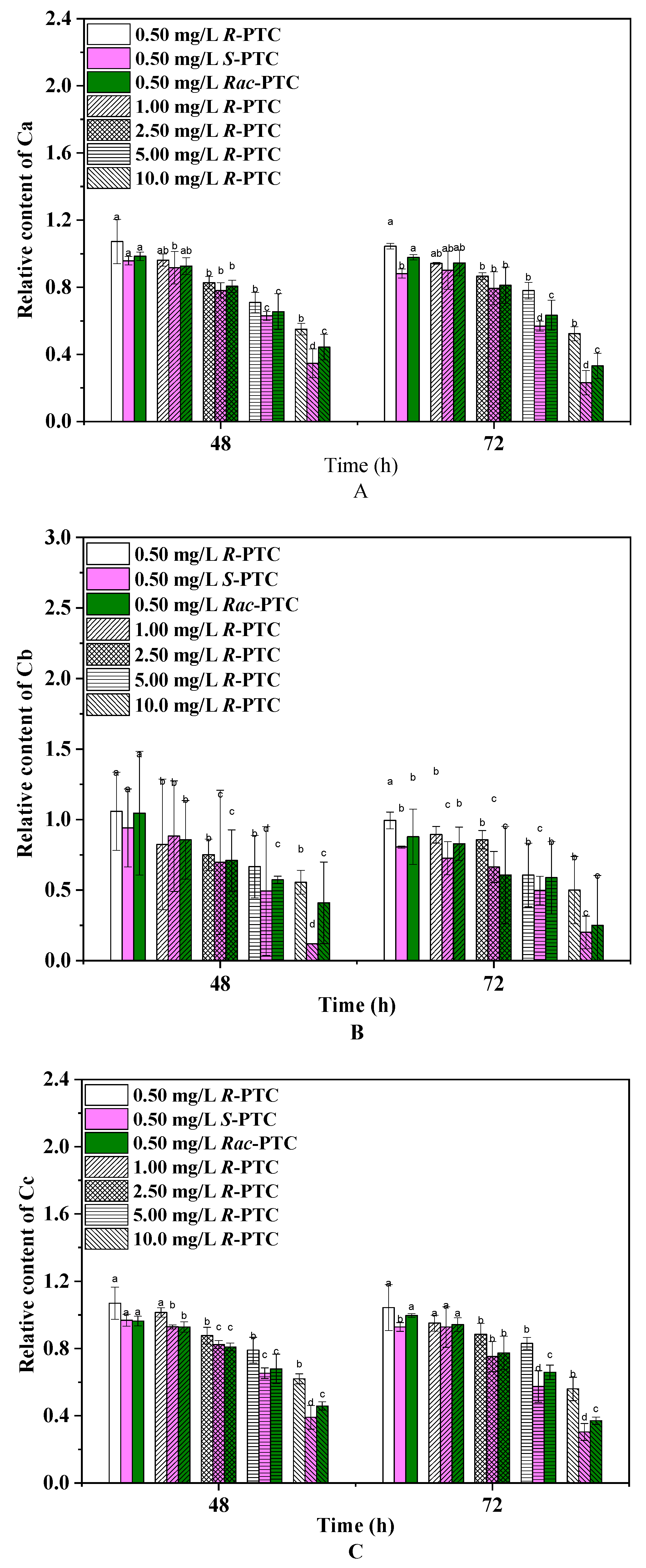
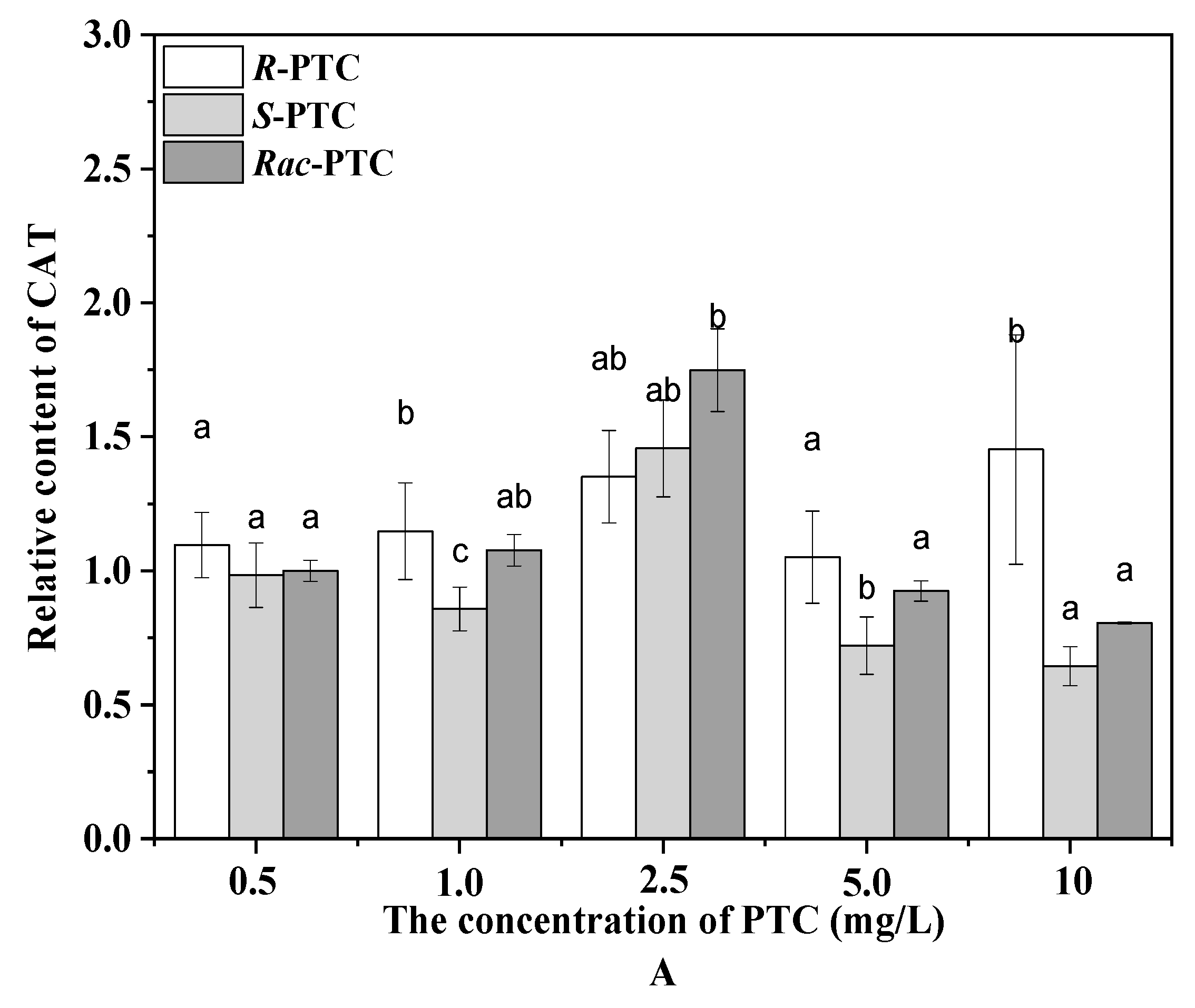
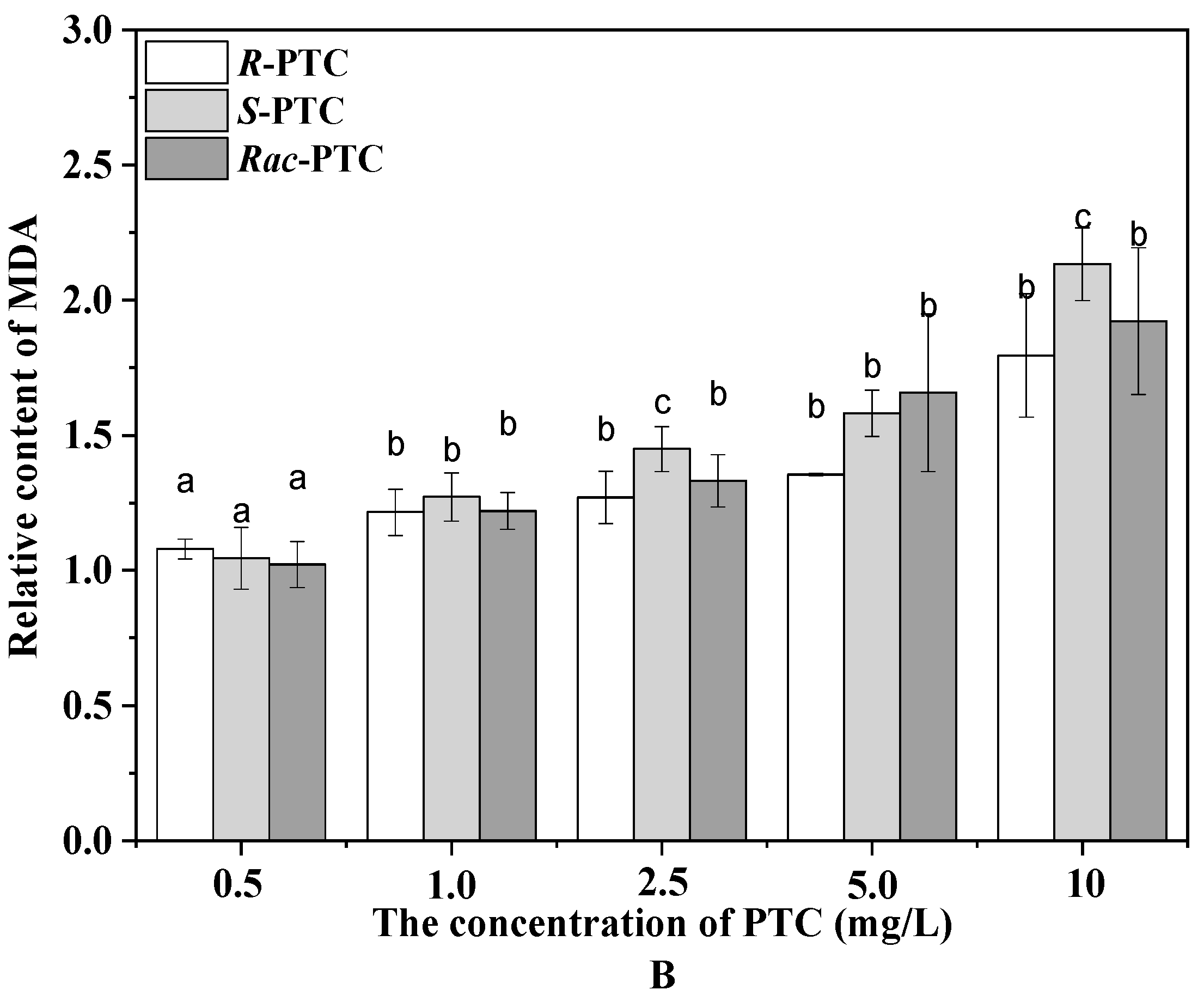
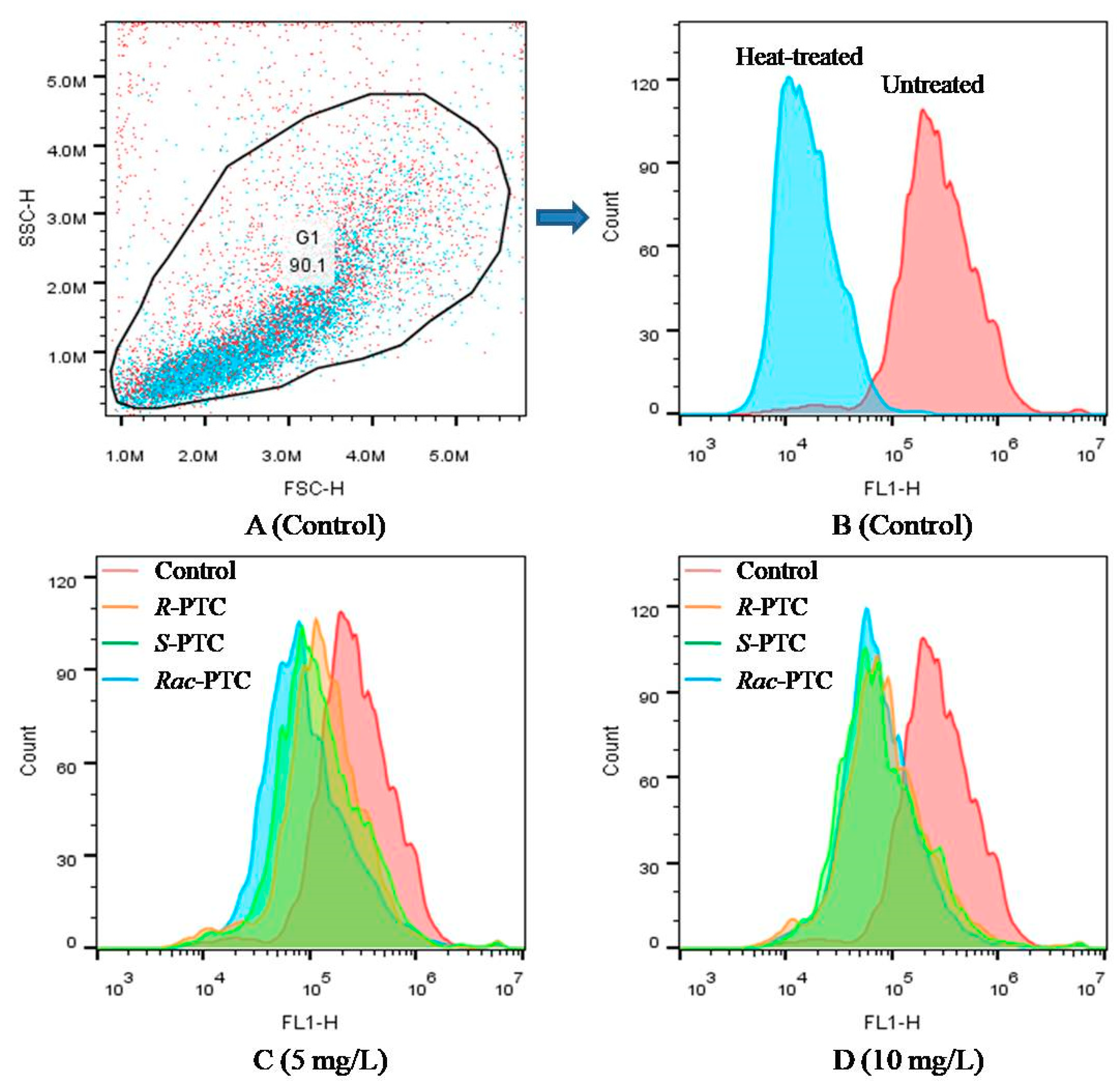
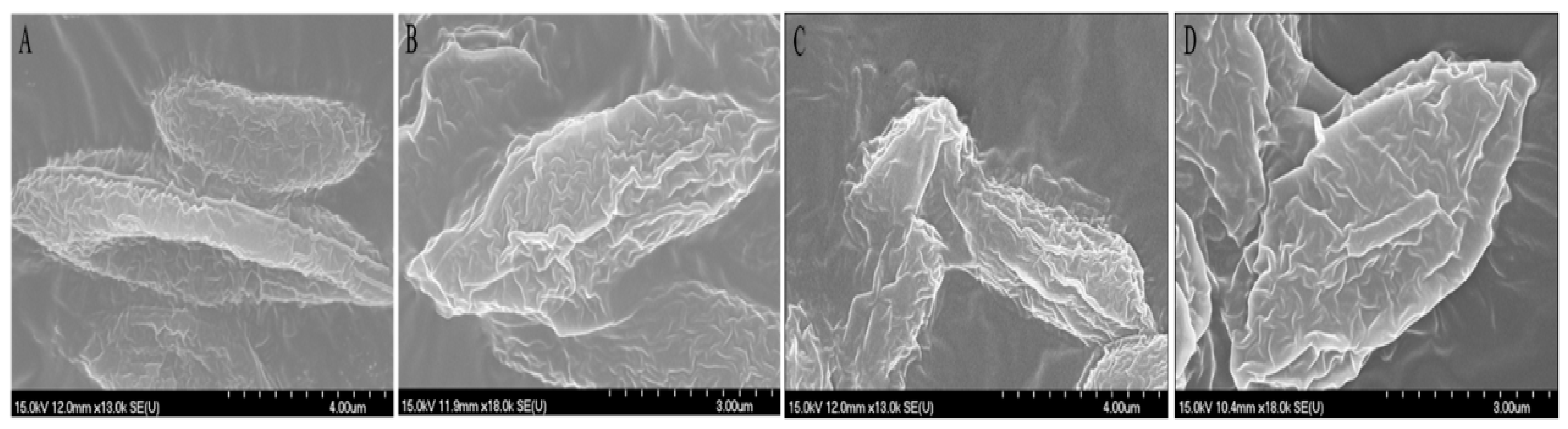
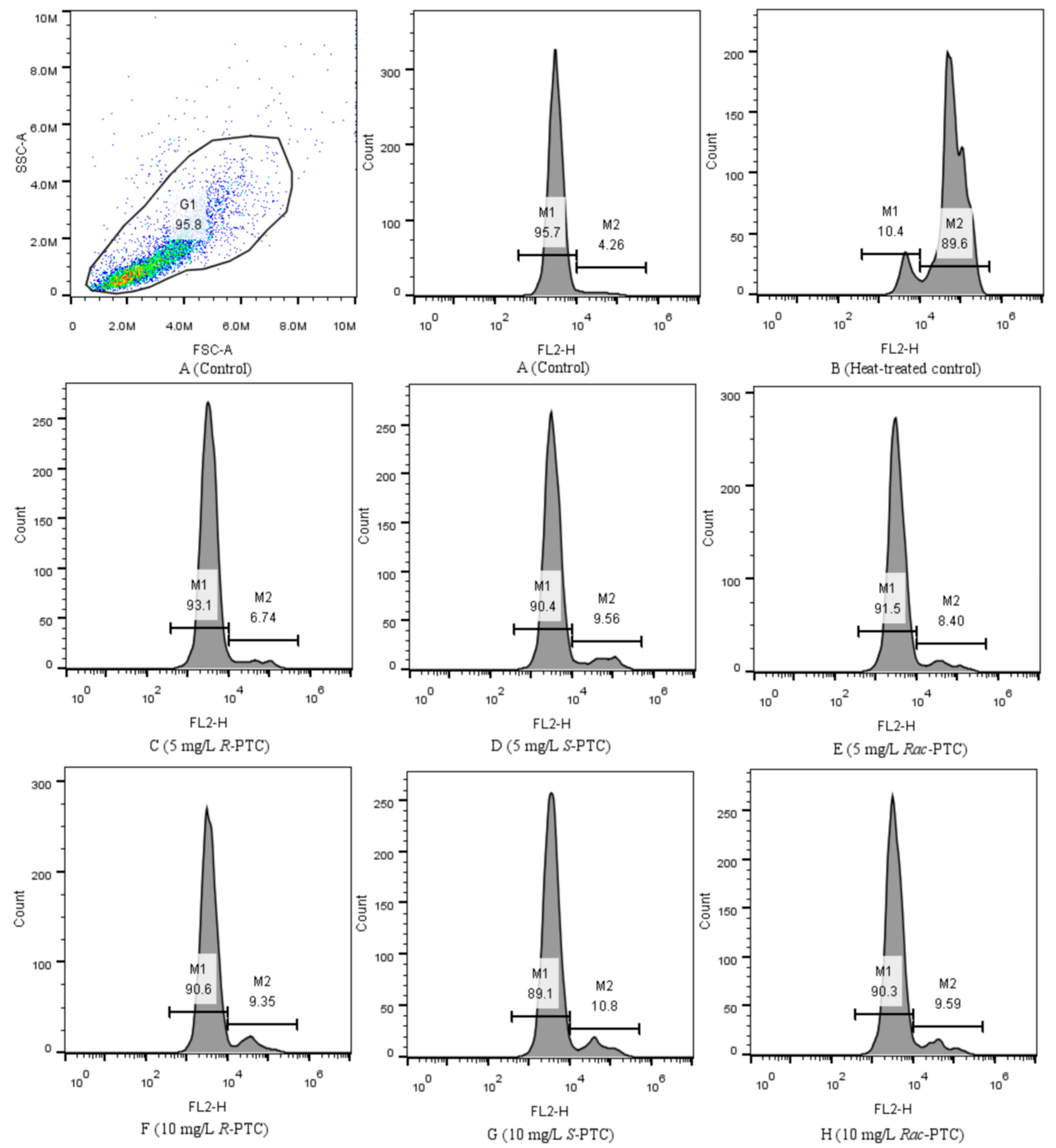
Prothioconazole (PTC) is a broad-spectrum triazole fungicide with one asymmetric center and consists of two enantiomers, R-(−)-PTC and S-(+)-PTC. To address the concern of its environmental safety, the enantioselective toxic effects of PTC on Scendesmus obliquus (S. obliquus) were investigated. PTC racemates (Rac-PTC) and enantiomers exhibited dose-dependent acute toxicity effects against S. obliquus at a concentration from 1 to 10 mg·L−1. The 72 h-EC50 value of Rac-, R-(−)-, and S-(+)-PTC is 8.15, 16.53, and 7.85 mg·L−1, respectively. The growth ratios and photosynthetic pigment contents of the R-(−)-PTC treatment groups were higher than the Rac- and S-(+)-PTC treatment groups. Both catalase (CAT) activities and esterase activities were inhibited in the Rac- and S-(+)-PTC treatment groups at high concentrations of 5 and 10 mg·L−1, and the levels of malondialdehyde (MDA) were elevated, which exceeded the levels in algal cells for the R-(−)-PTC treatment groups. PTC could disrupt the cell morphology of S. obliquus and induce cell membrane damage, following the order of S-(+)-PTC ≈ Rac-PTC > R-(−)-PTC. The enantioselective toxic effects of PTC on S. obliquus provide essential information for its ecological risk assessment.
Keywords: prothioconazole; toxicity effects; Scenedesmus obliquus; enantioselectivity prothioconazole; toxicity effects; Scenedesmus obliquus; enantioselectivity