Review

Stereoselective Synthesis of Flavonoids: A Brief Overview

by
Ana Margarida Pereira
1,2,
Honorina Cidade
1,2 and
Maria Elizabeth Tiritan
1,2,3,*
1
Laboratory of Organic and Pharmaceutical Chemistry, Department of Chemical Sciences, Faculty of Pharmacy, University of Porto, Rua Jorge de Viterbo Ferreira 228, 4050-313 Porto, Portugal
2
CIIMAR—Interdisciplinary Centre of Marine and Environmental Research, University of Porto, Terminal de Cruzeiros do Porto de Leixões, Avenida General Norton de Matos, s/n, 4450-208 Matosinhos, Portugal
3
TOXRUN—Toxicology Research Unit, University Institute of Health Sciences, CESPU, CRL, Rua Central de Gandra 1317, 4585-116 Gandra, Portugal
*
Author to whom correspondence should be addressed.
Molecules 2023, 28(1), 426; https://doi.org/10.3390/molecules28010426

Submission received: 20 November 2022 / Revised: 23 December 2022 / Accepted: 27 December 2022 / Published: 3 January 2023
(This article belongs to the Section Bioorganic Chemistry)

Abstract

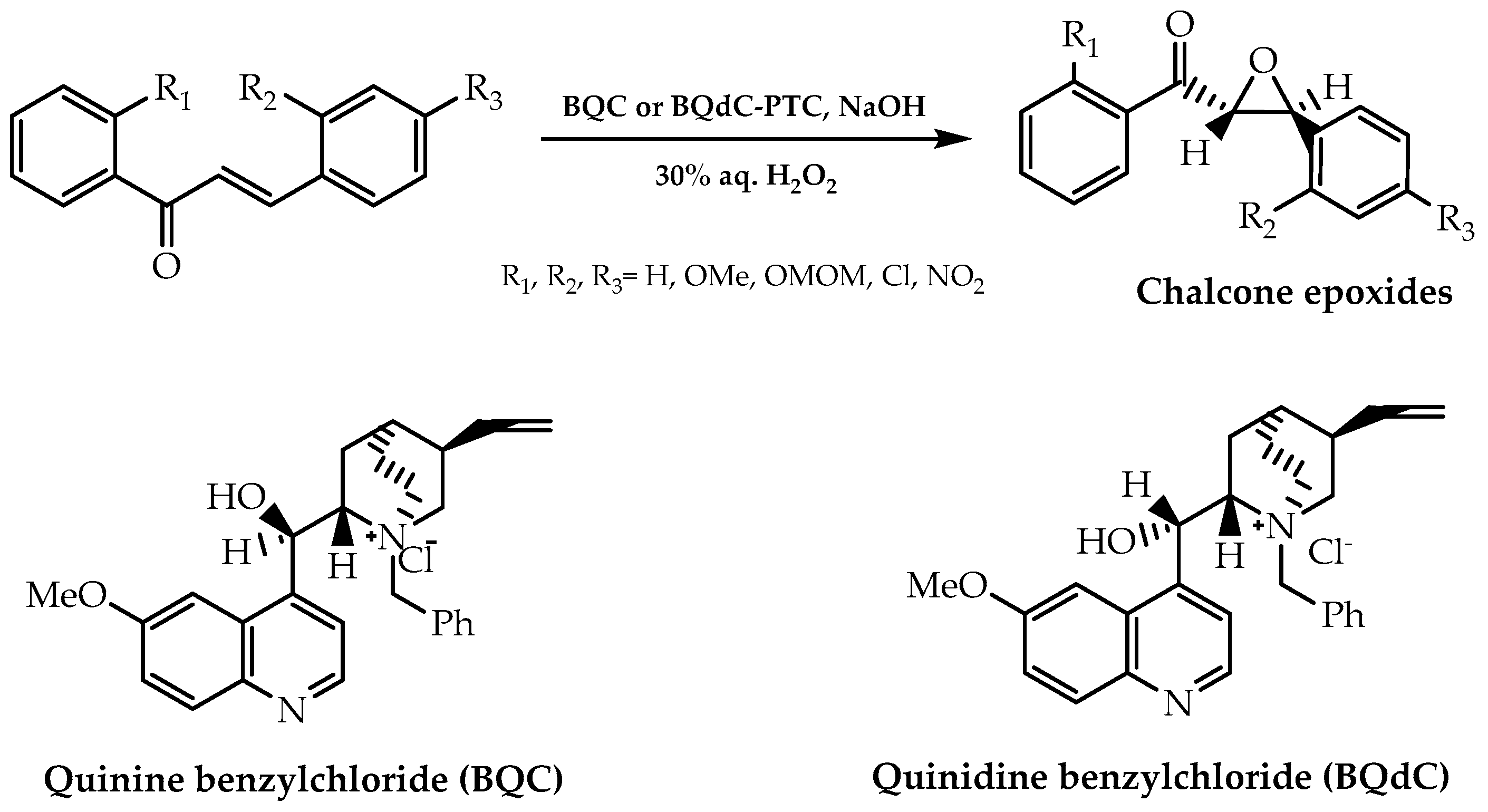
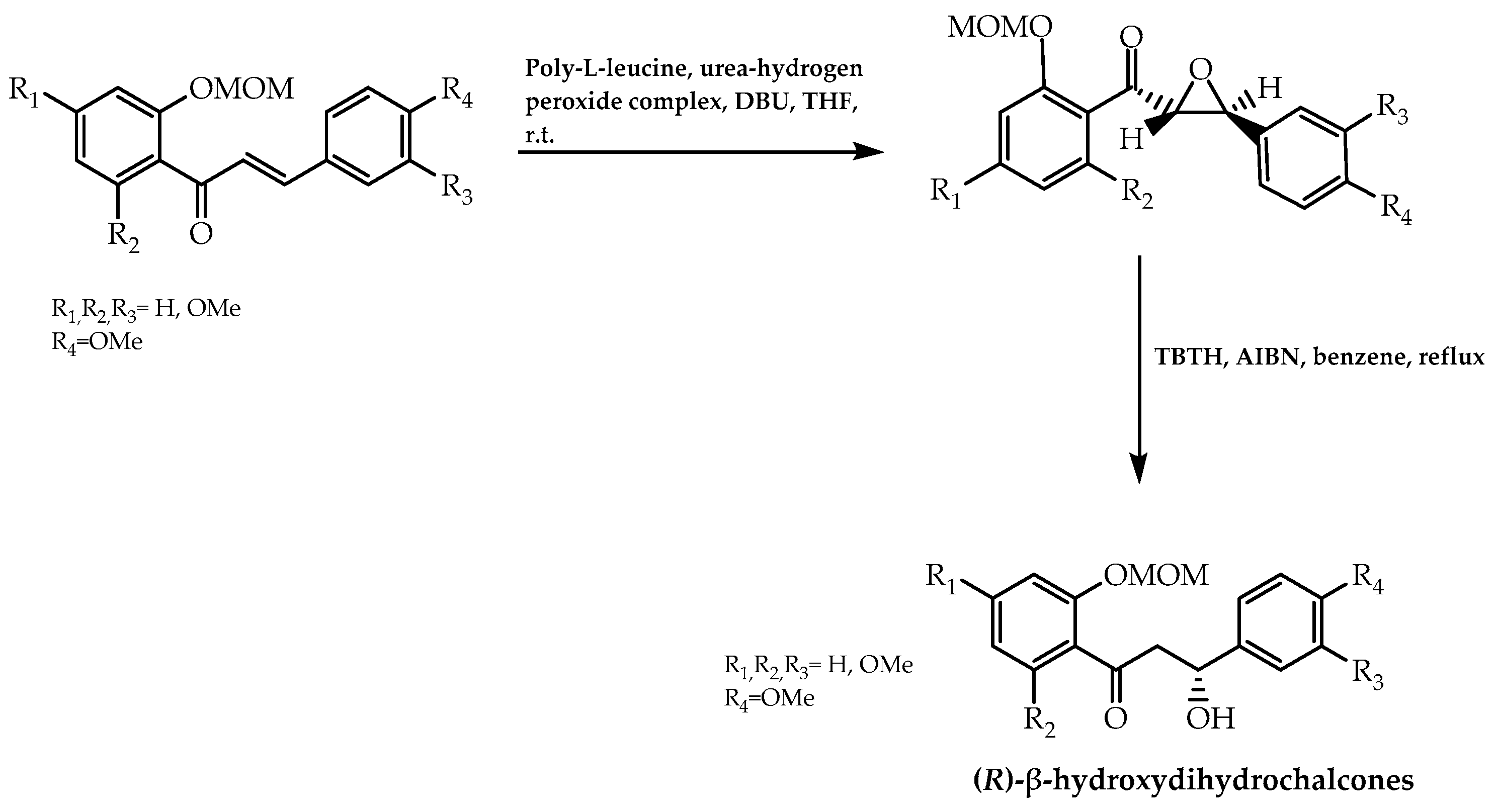
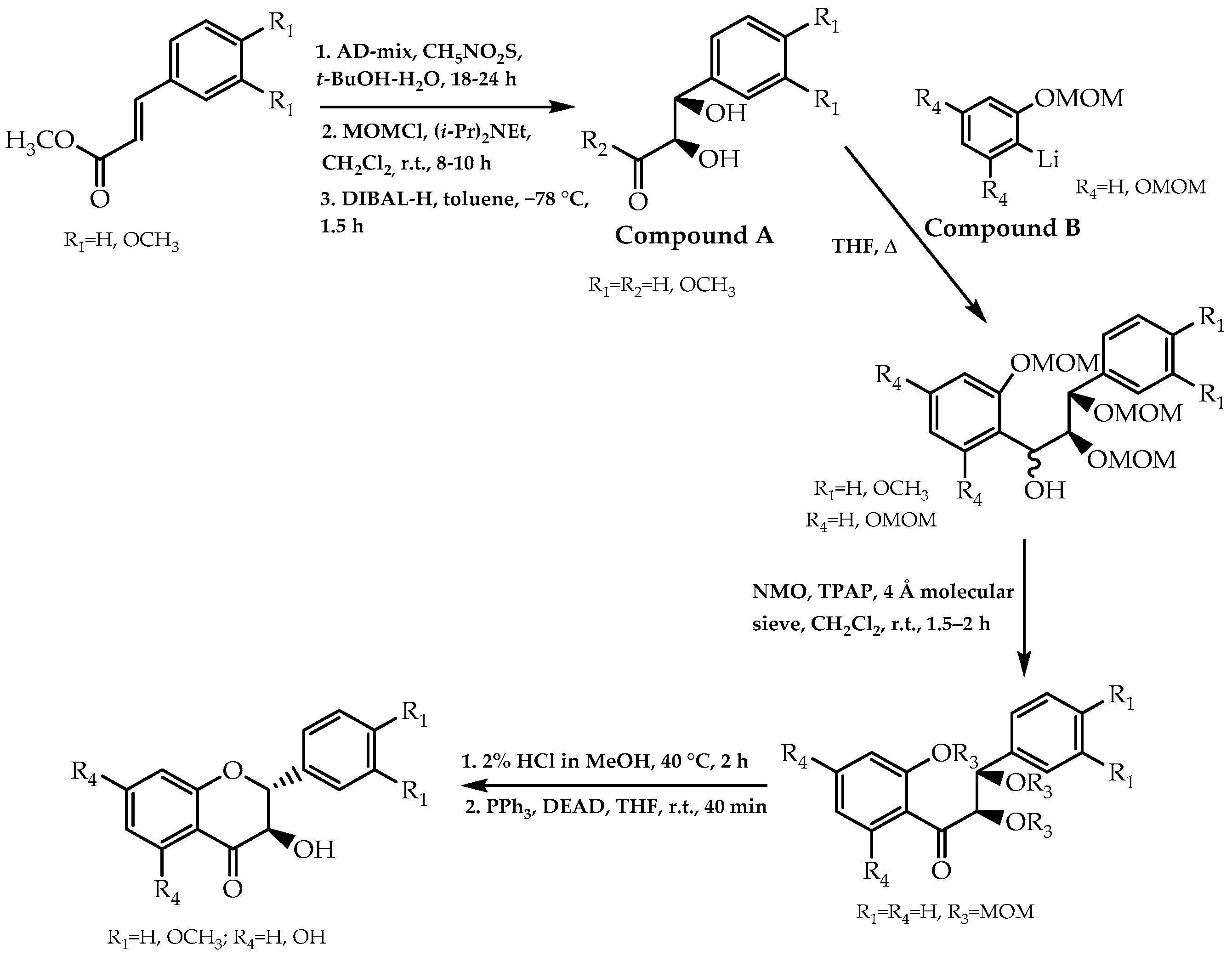
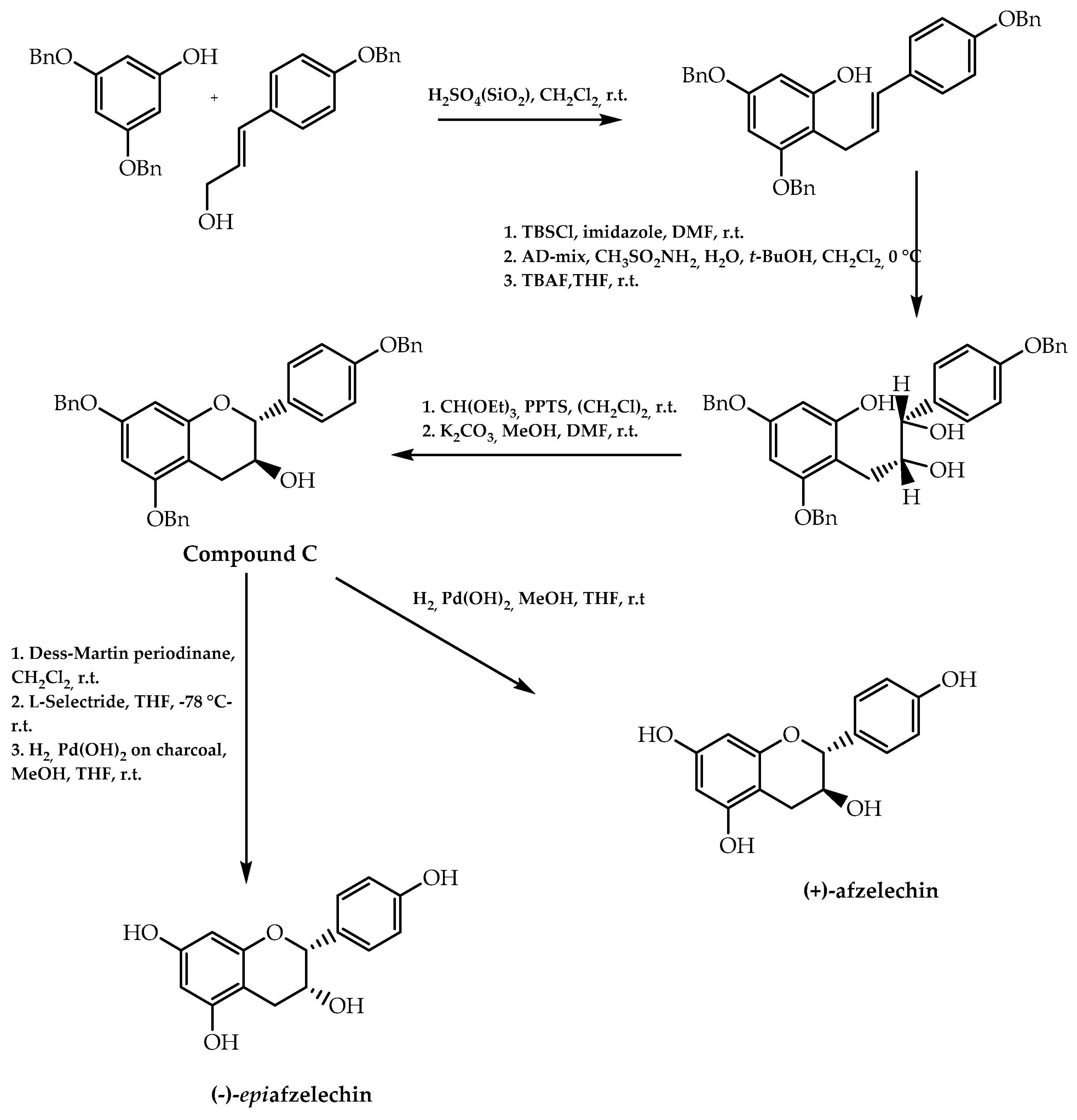
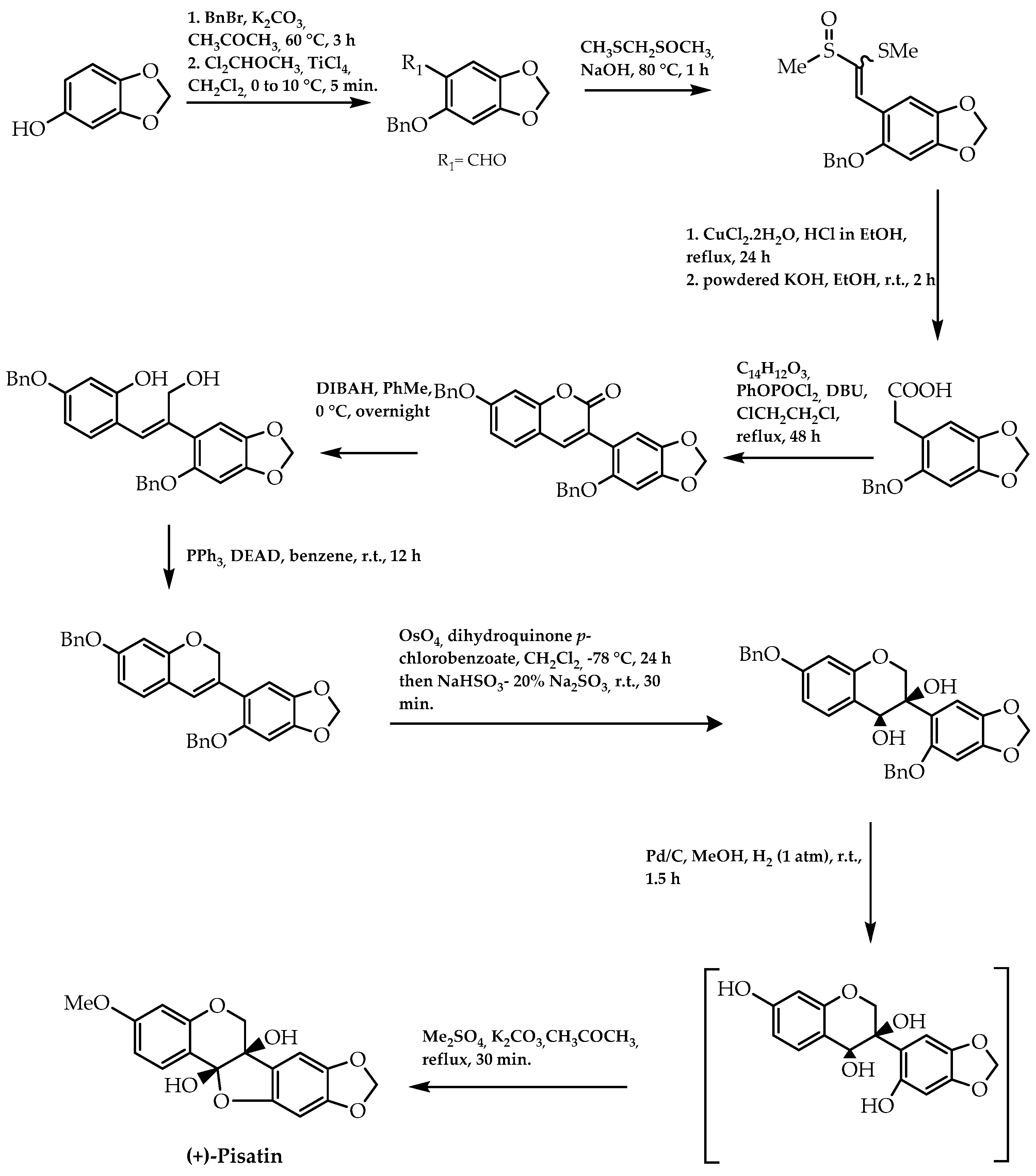
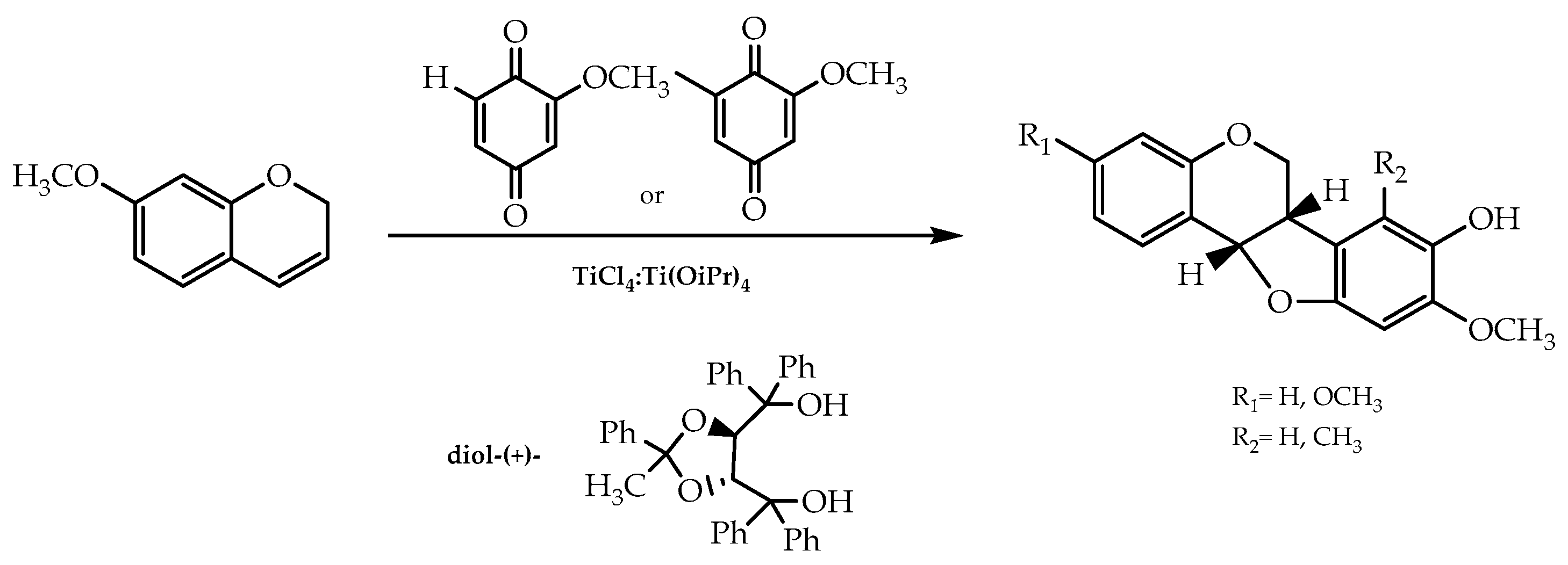
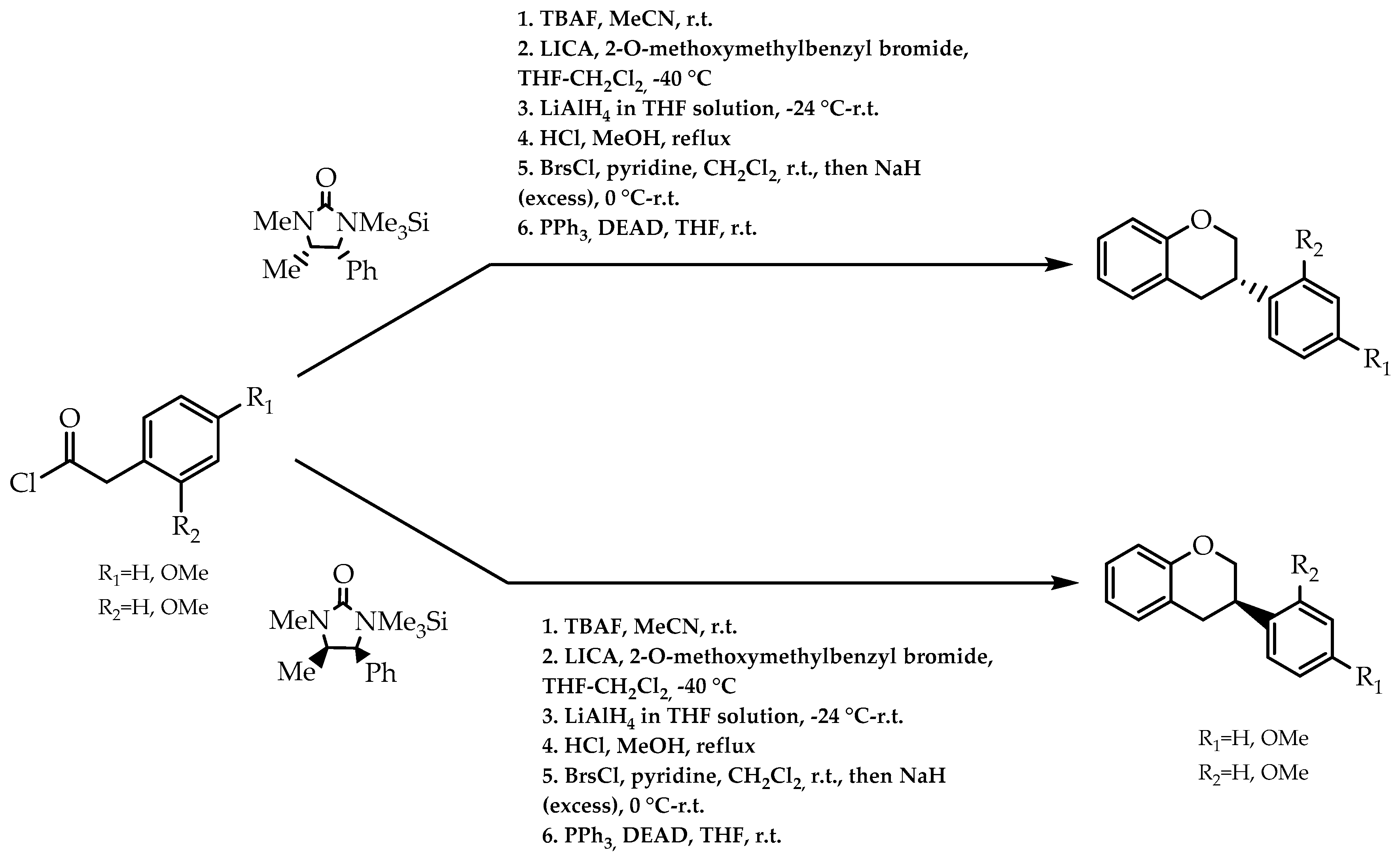
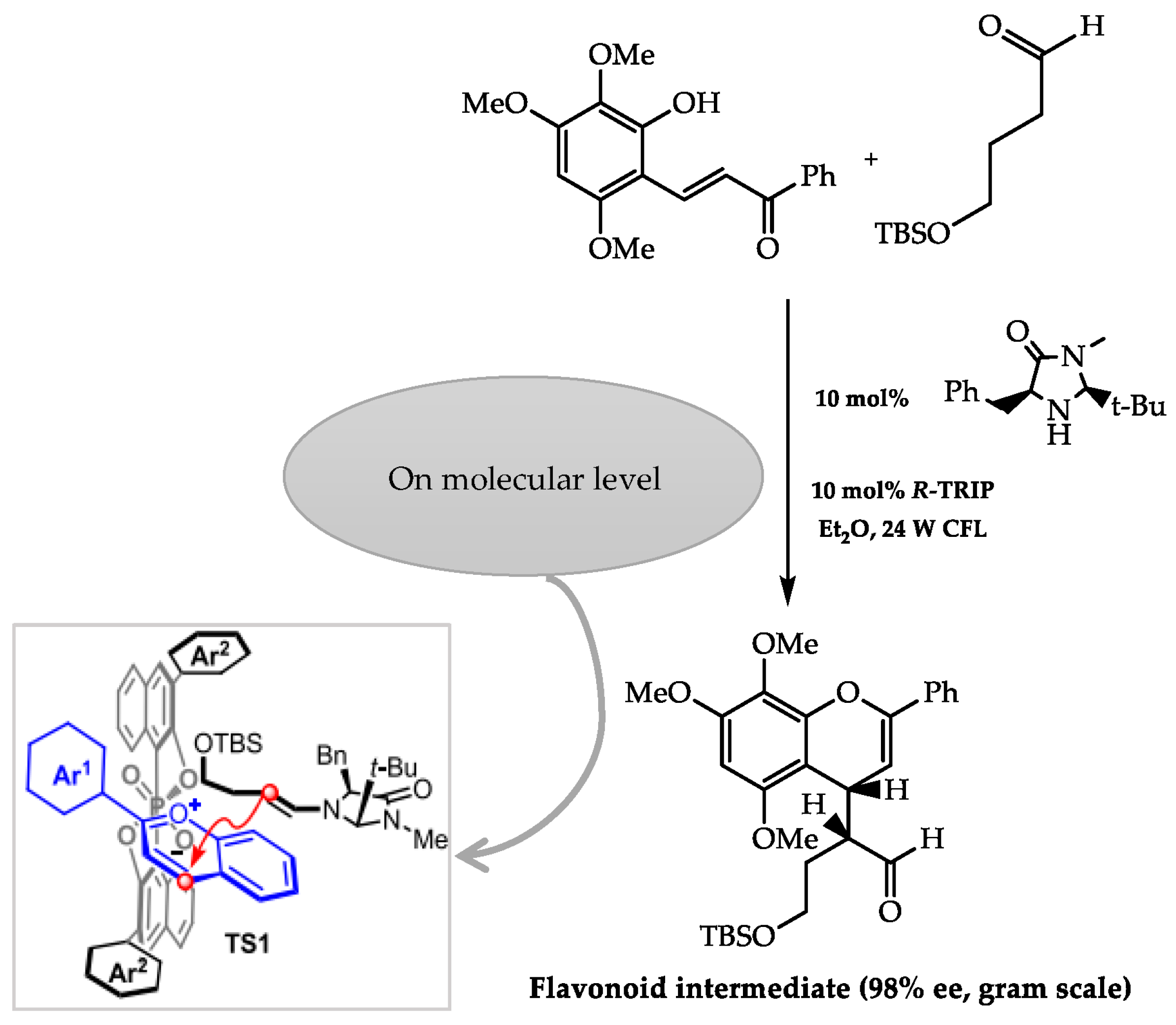
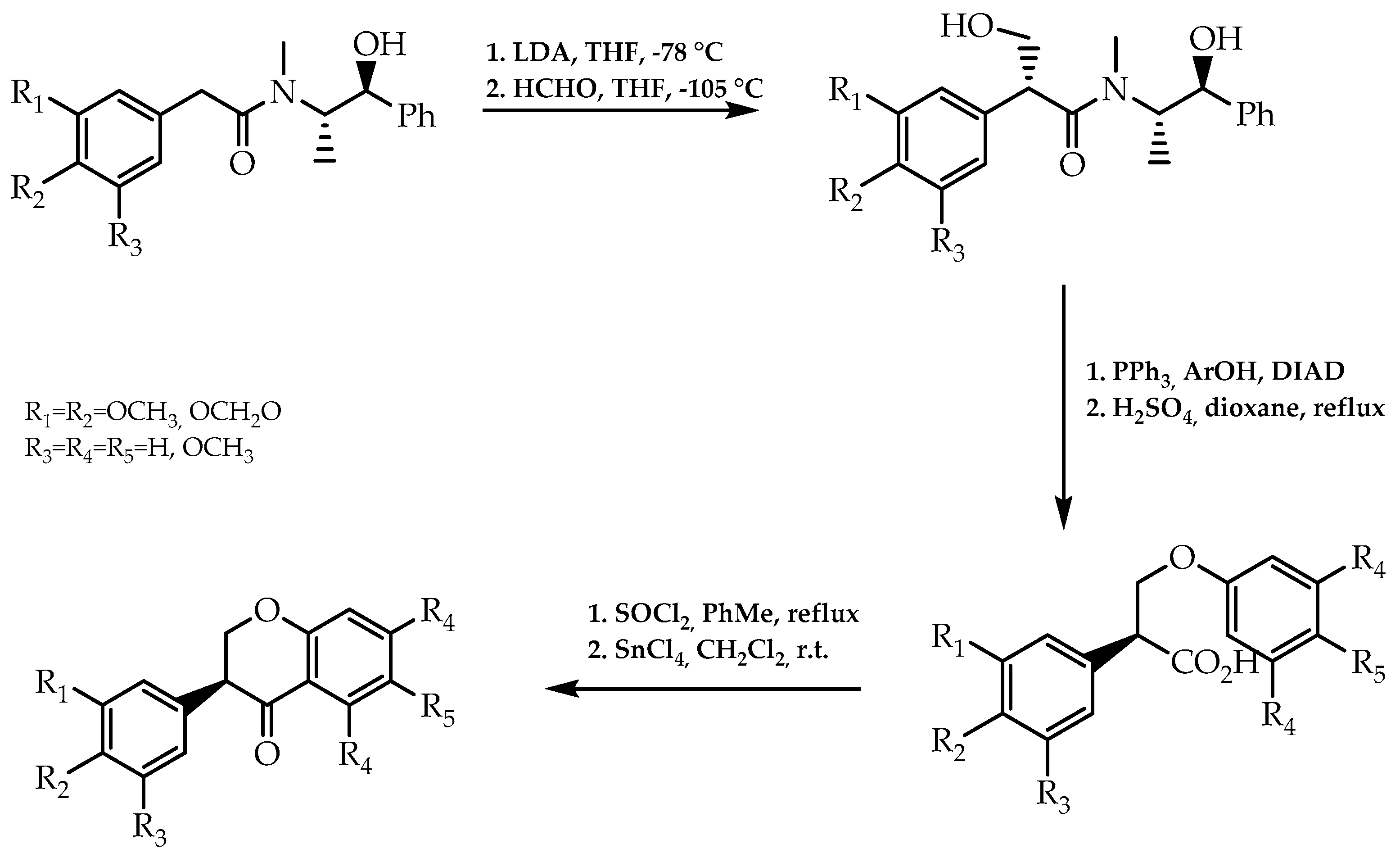
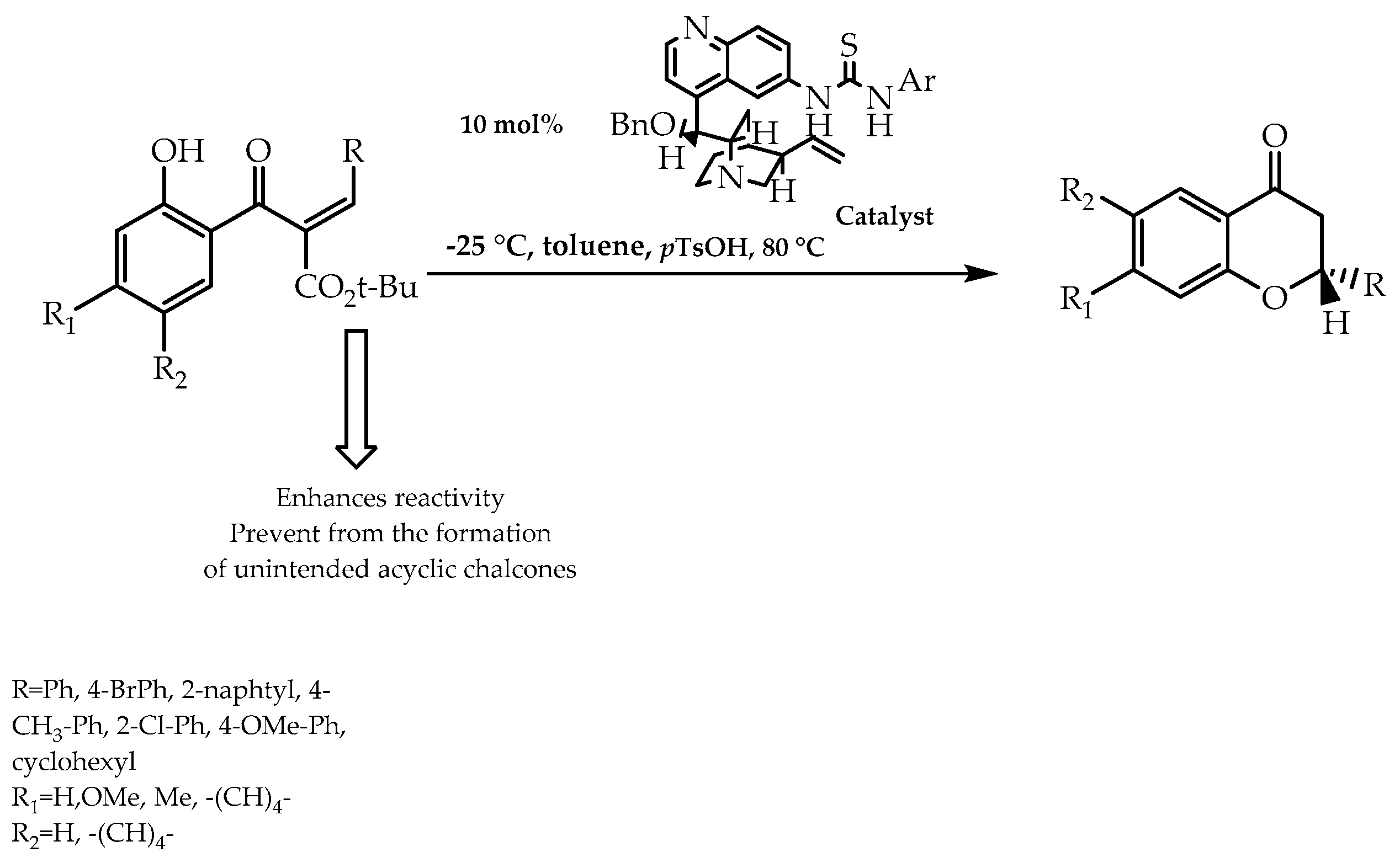
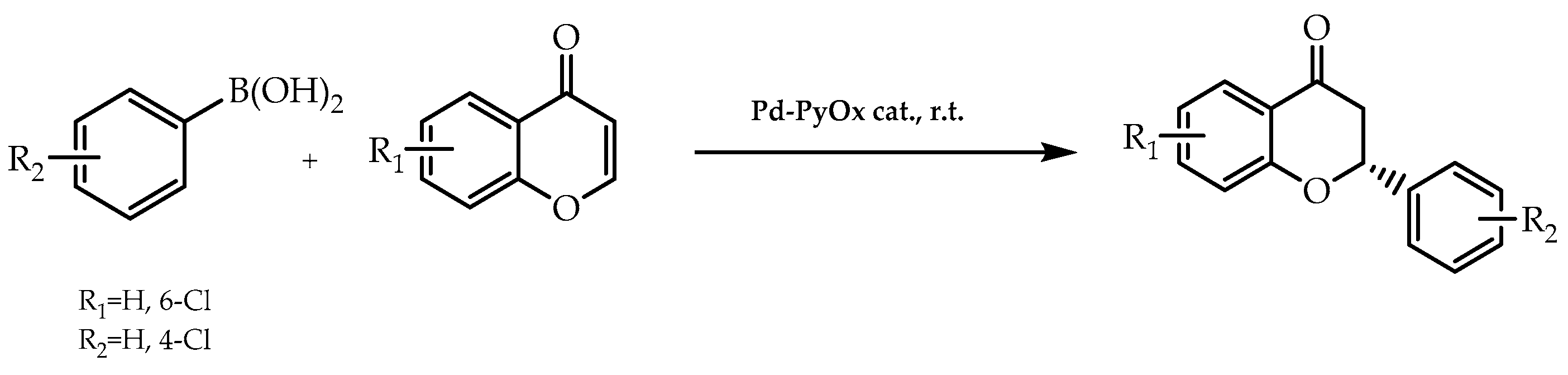
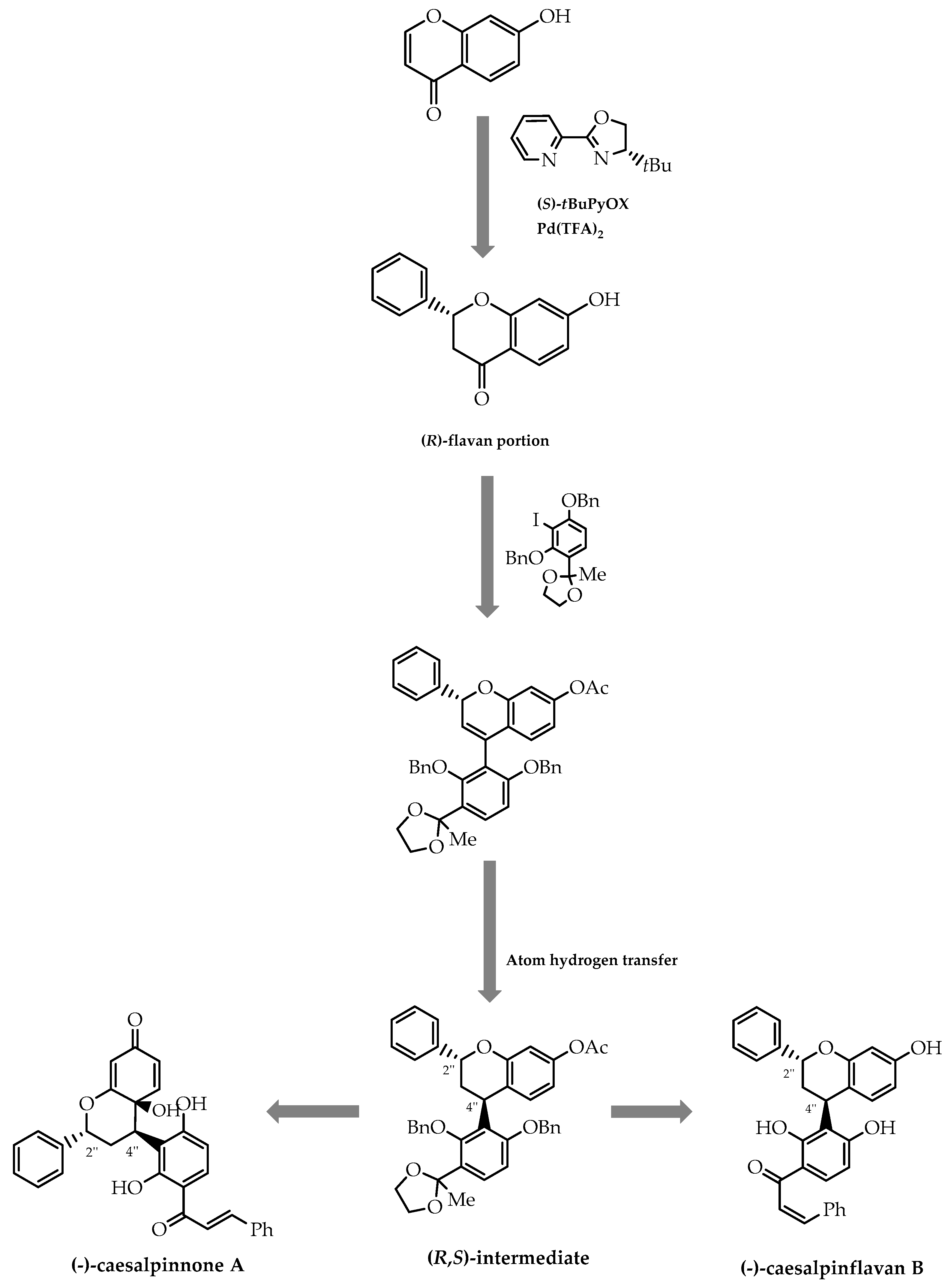
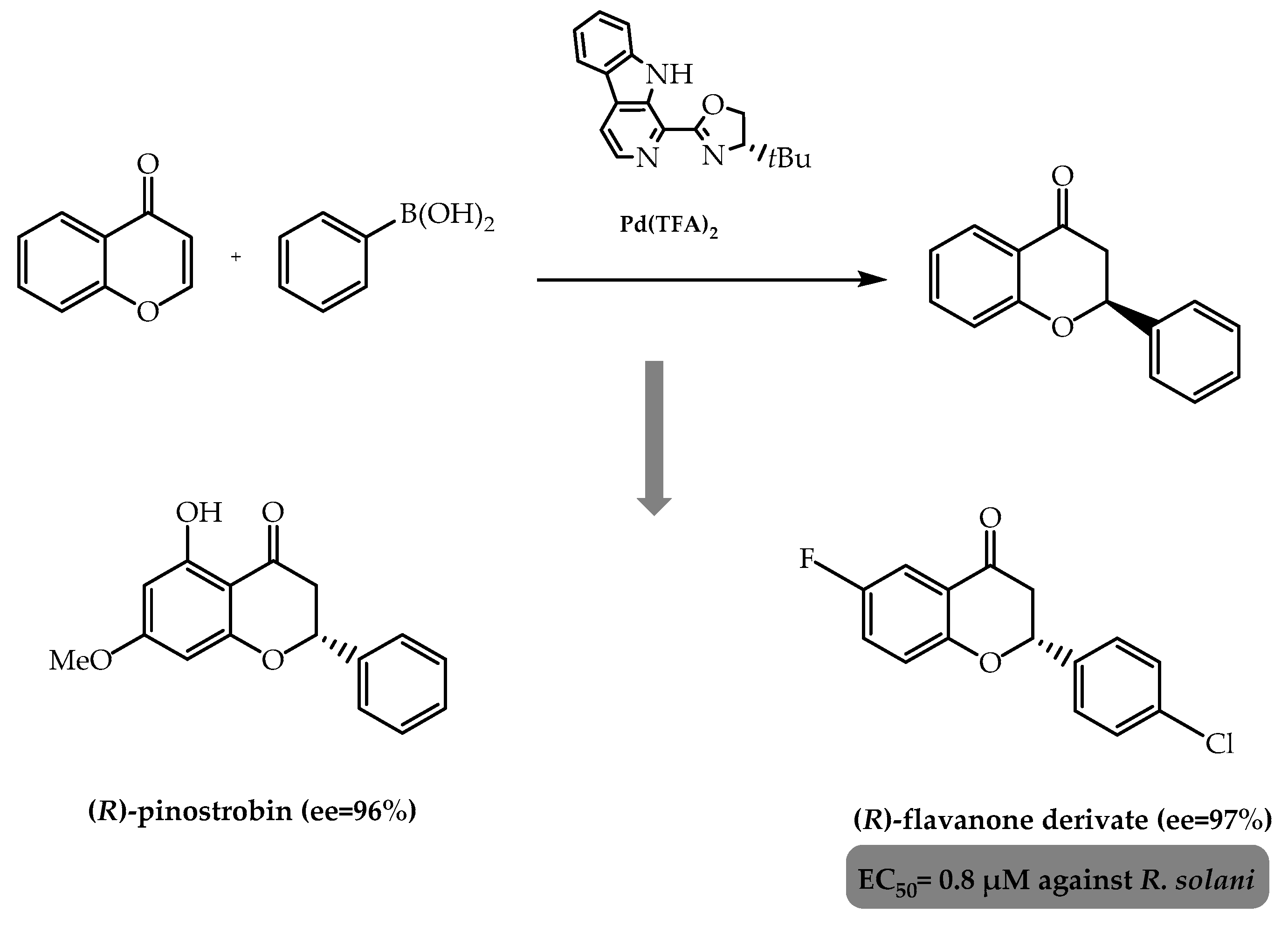
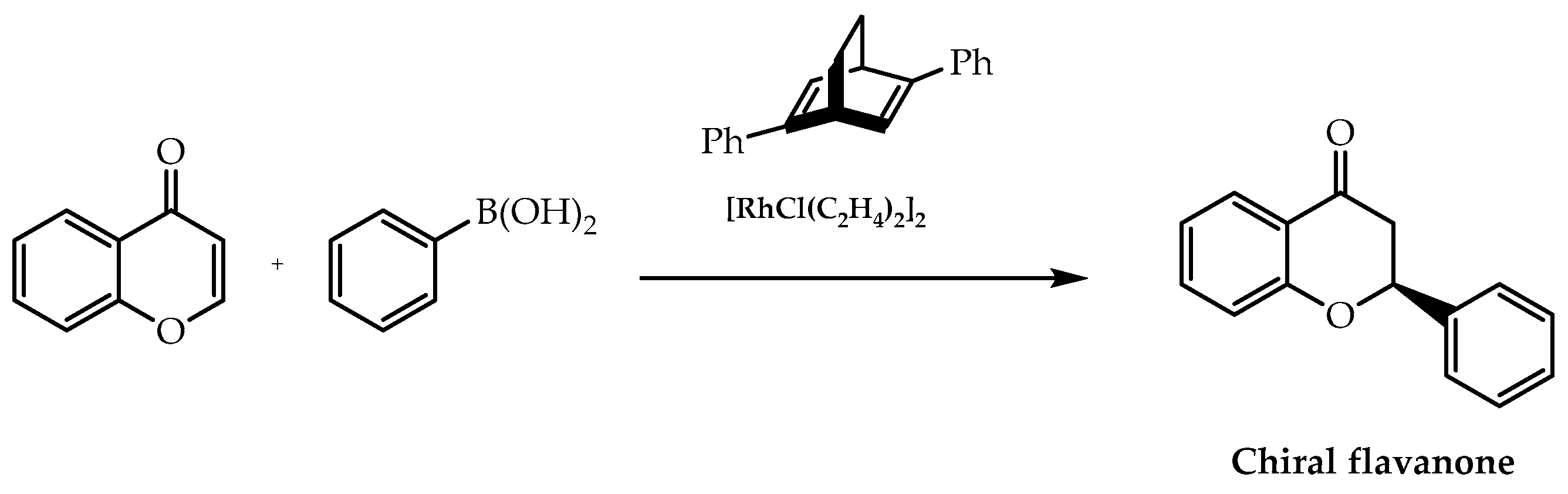
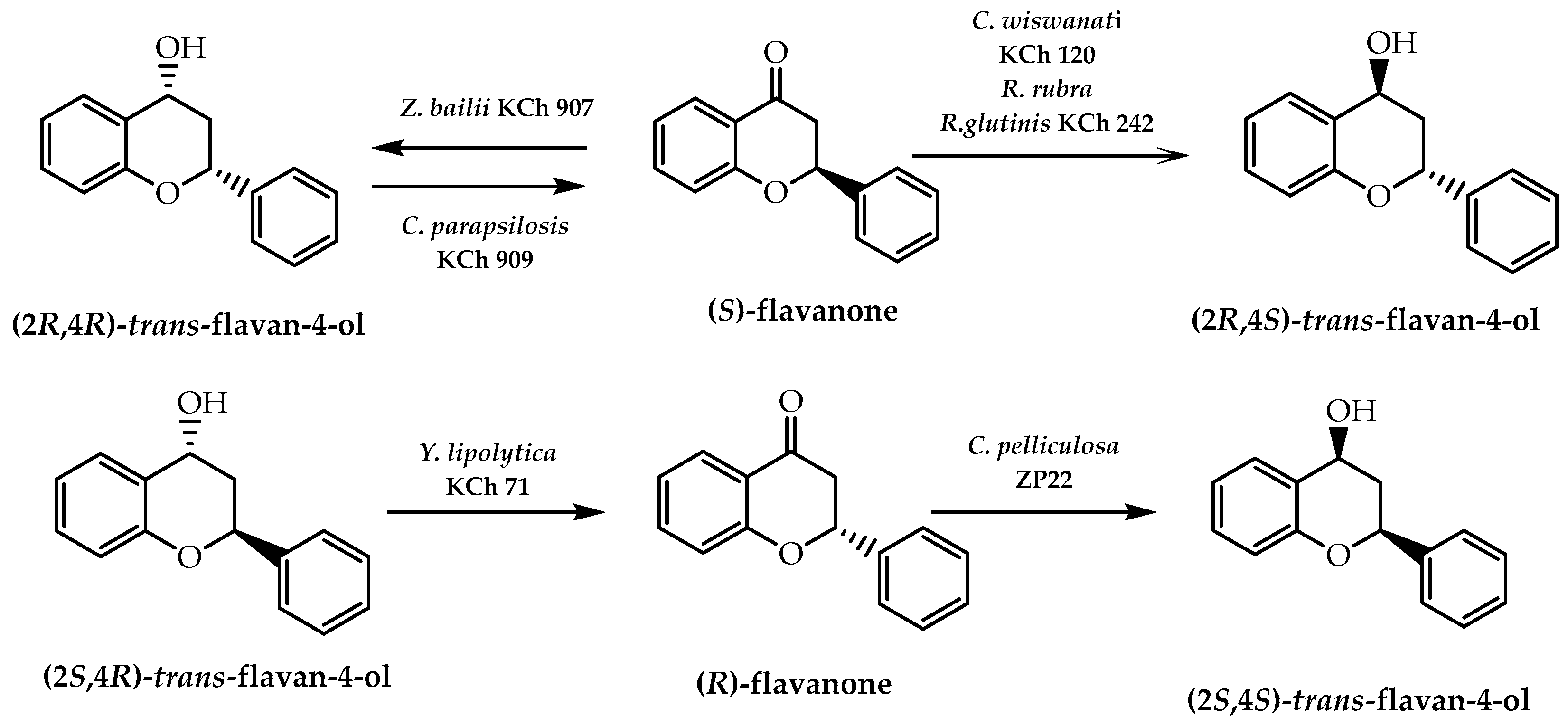
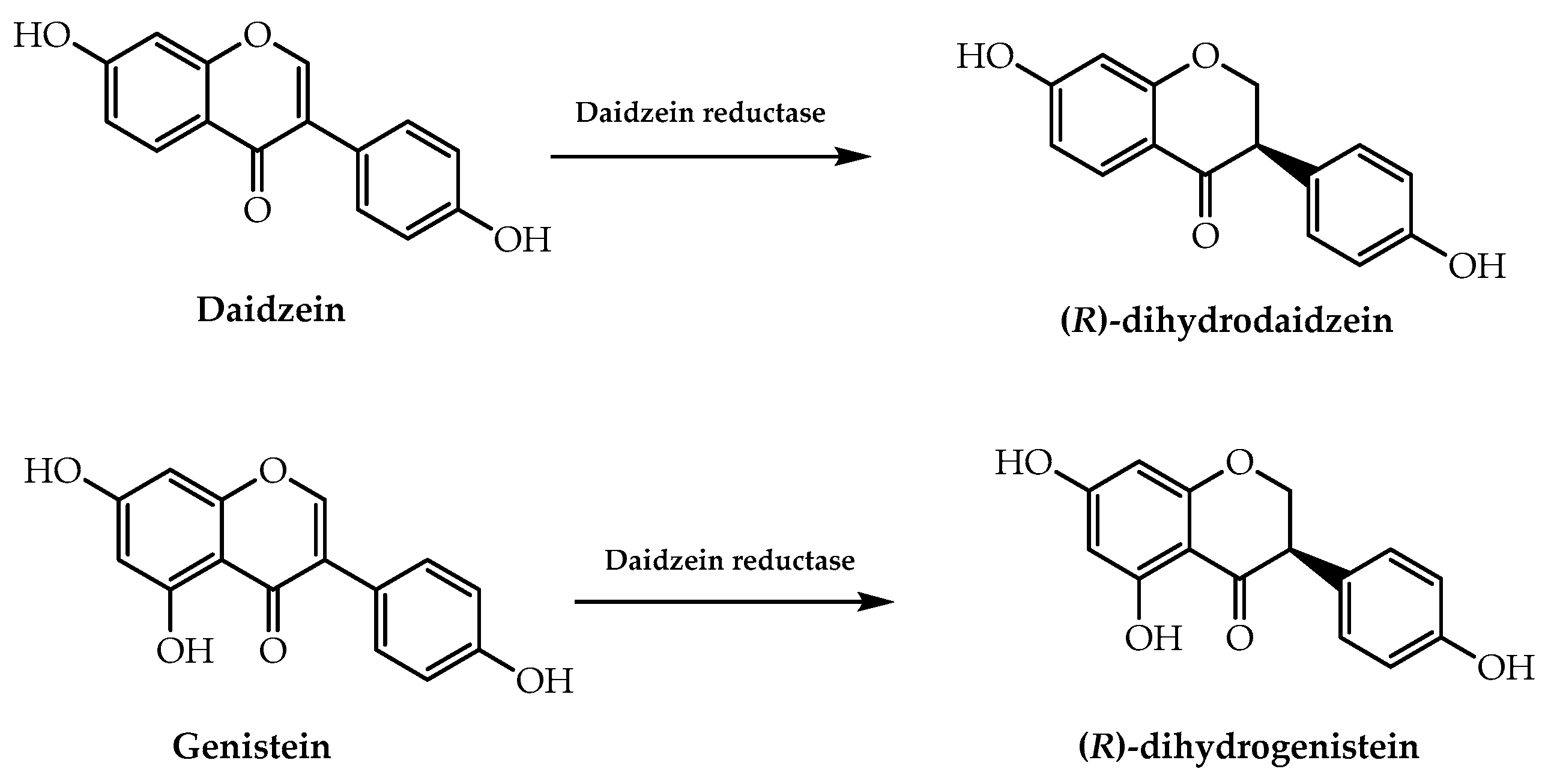
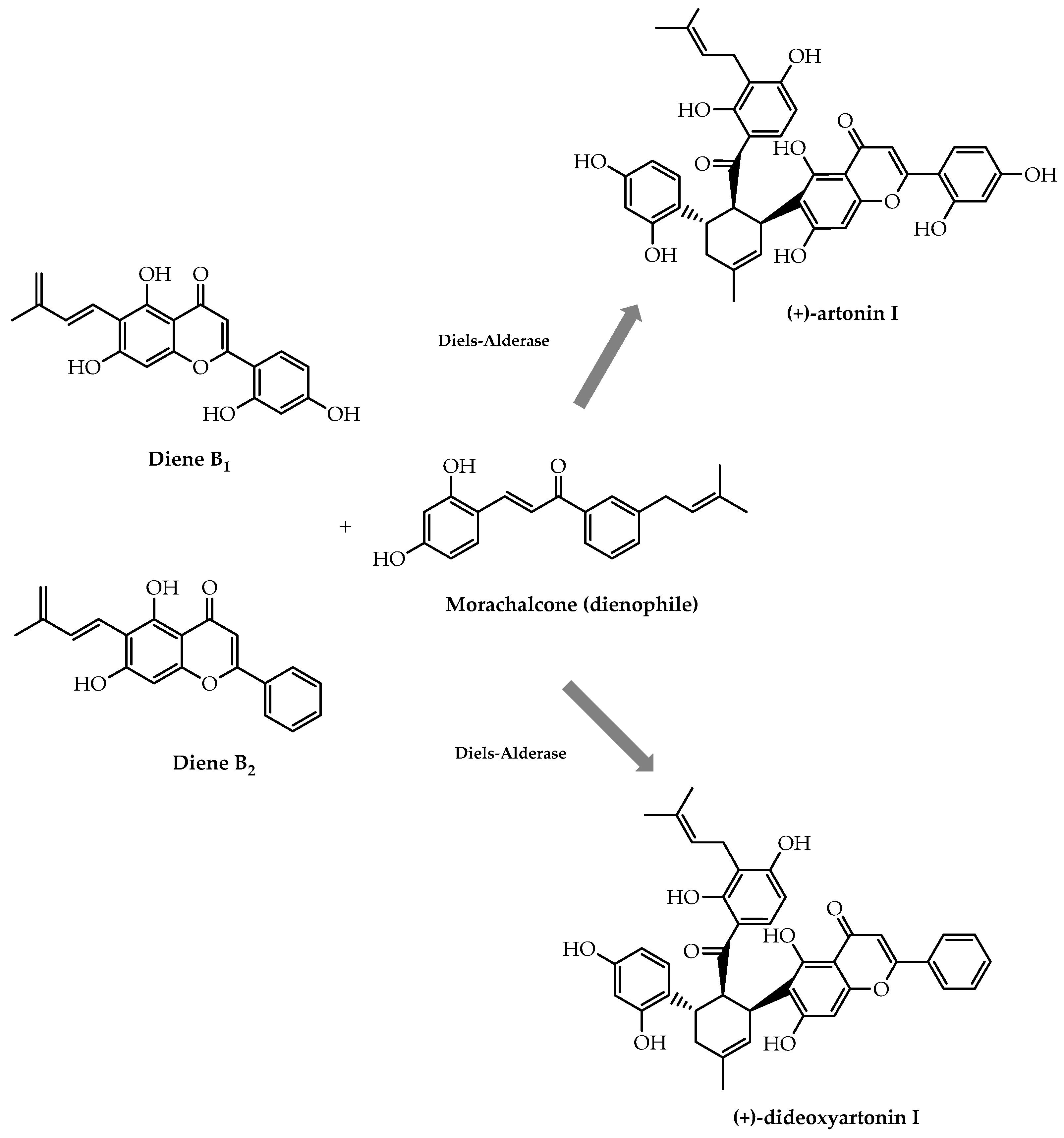
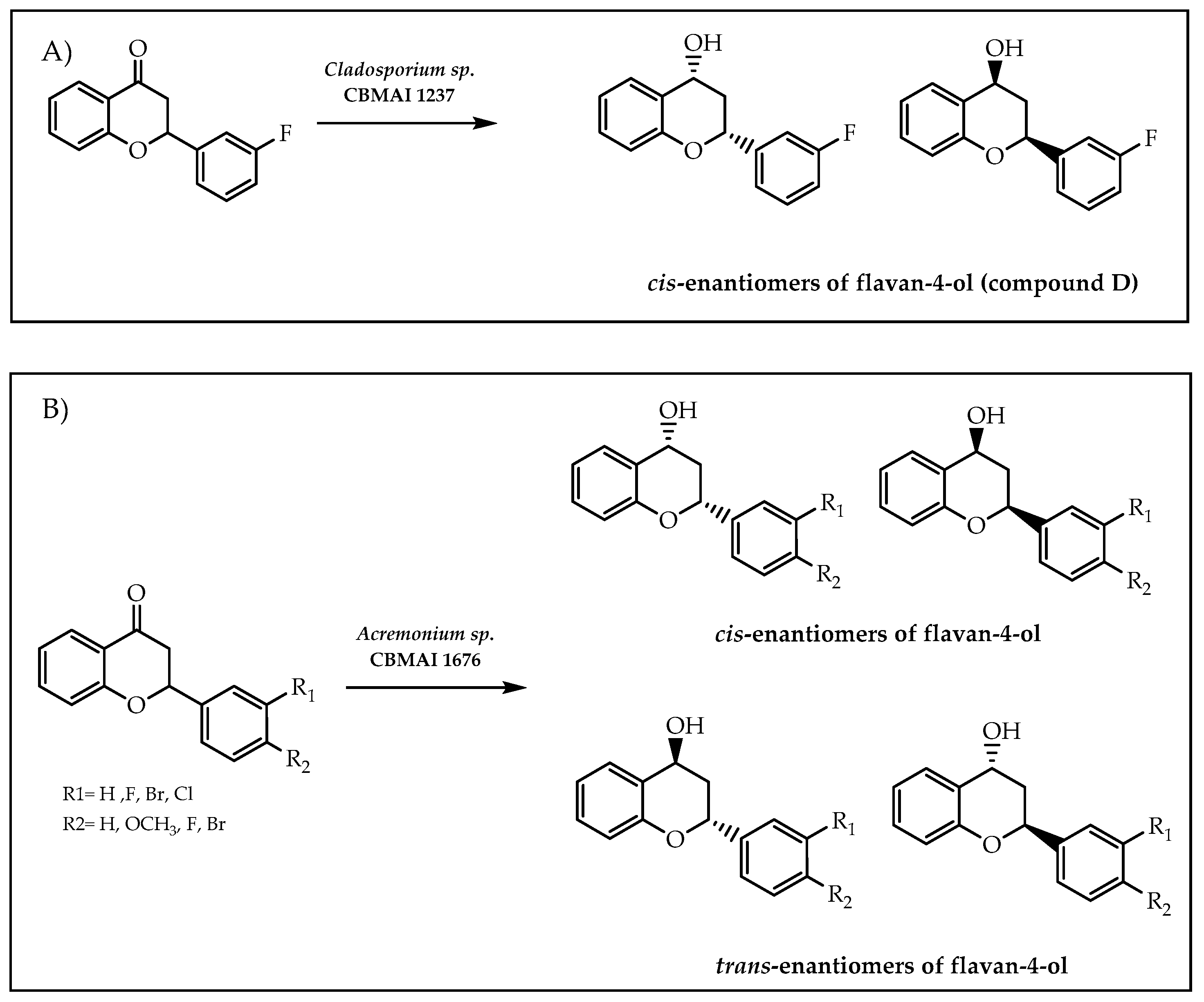
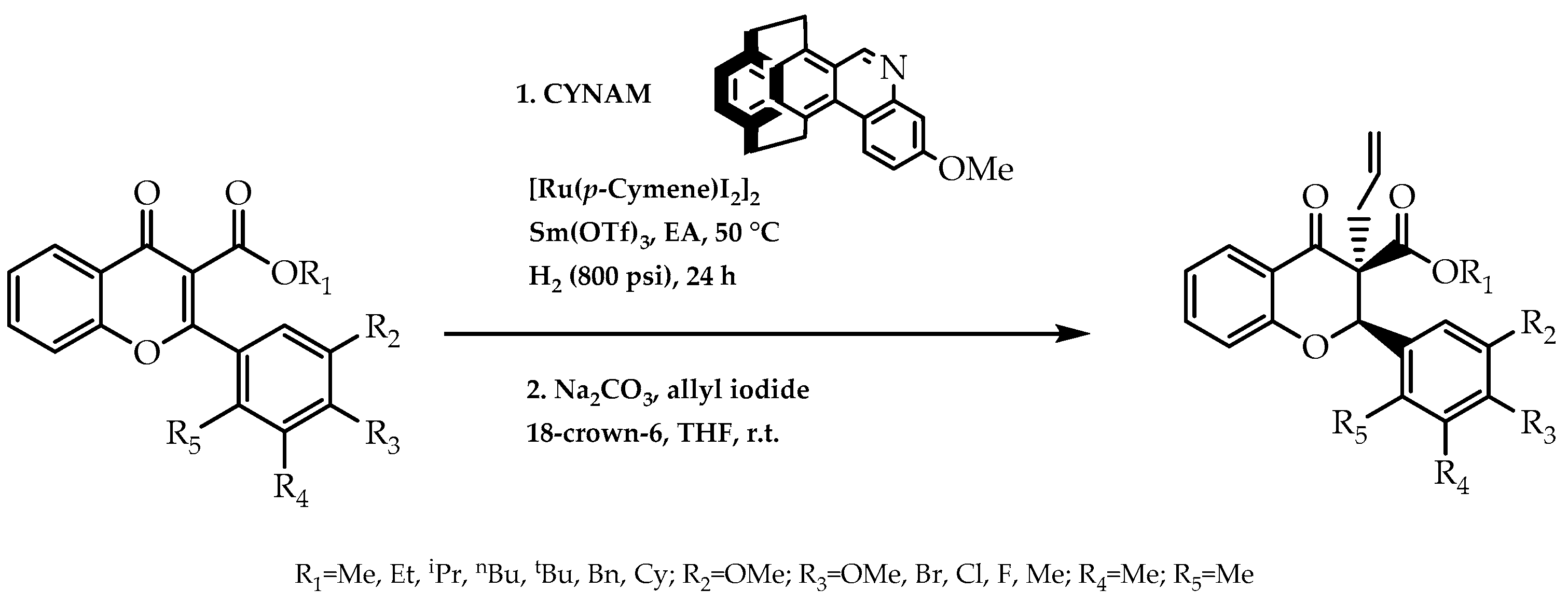
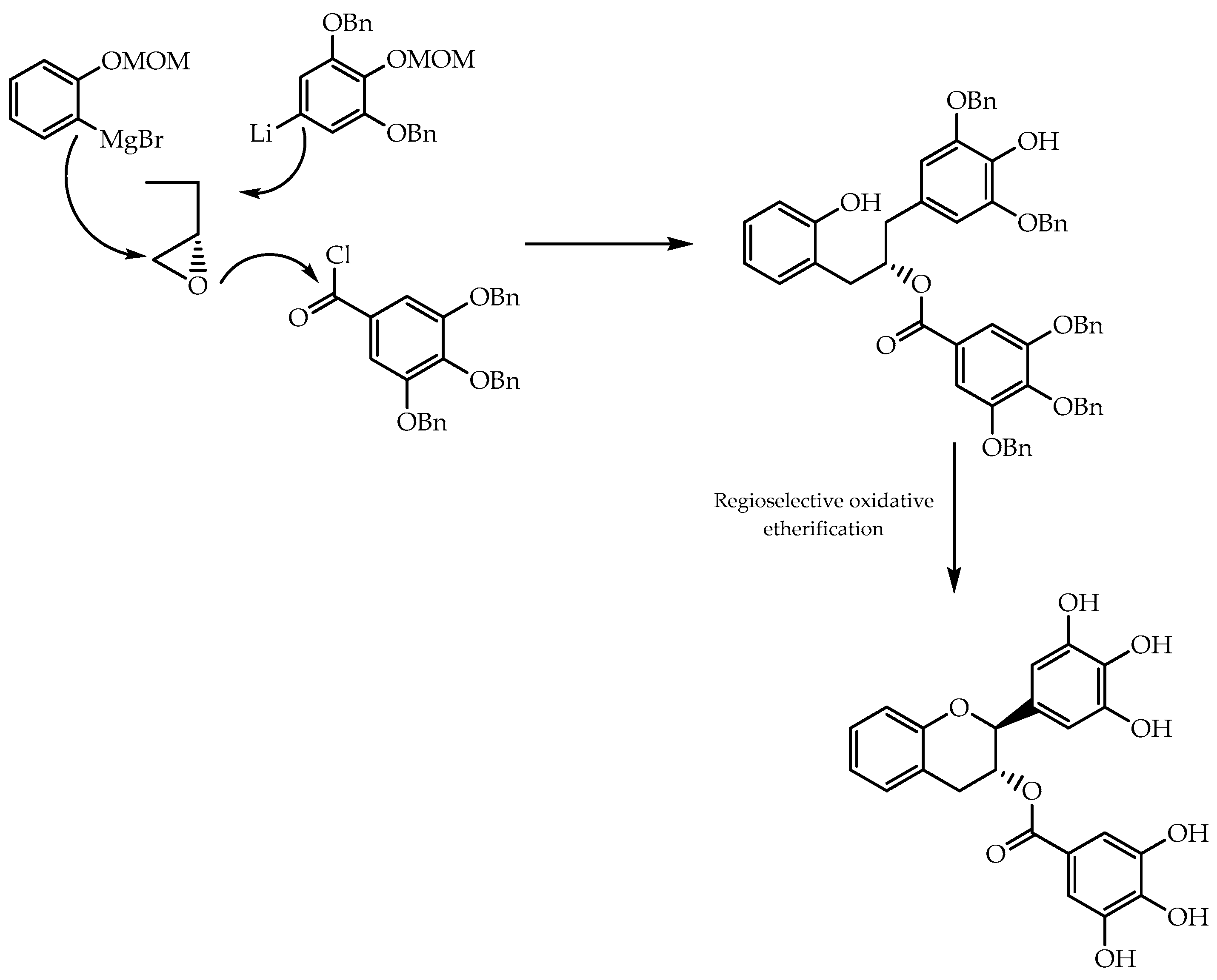
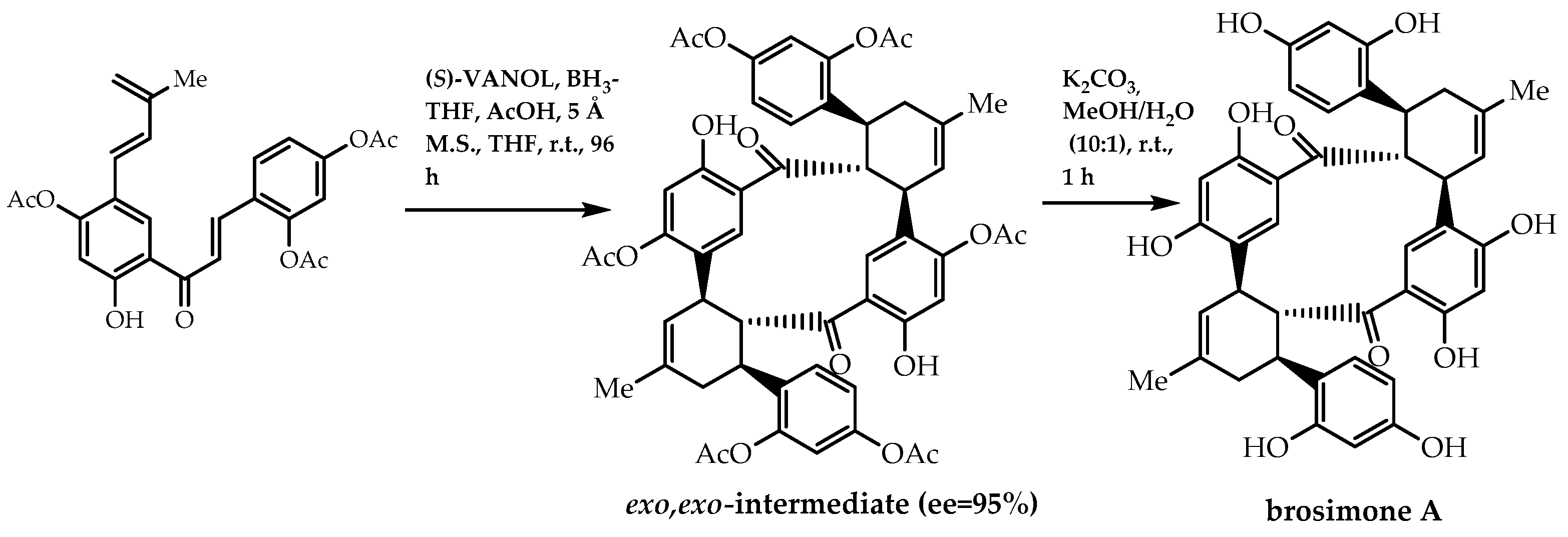
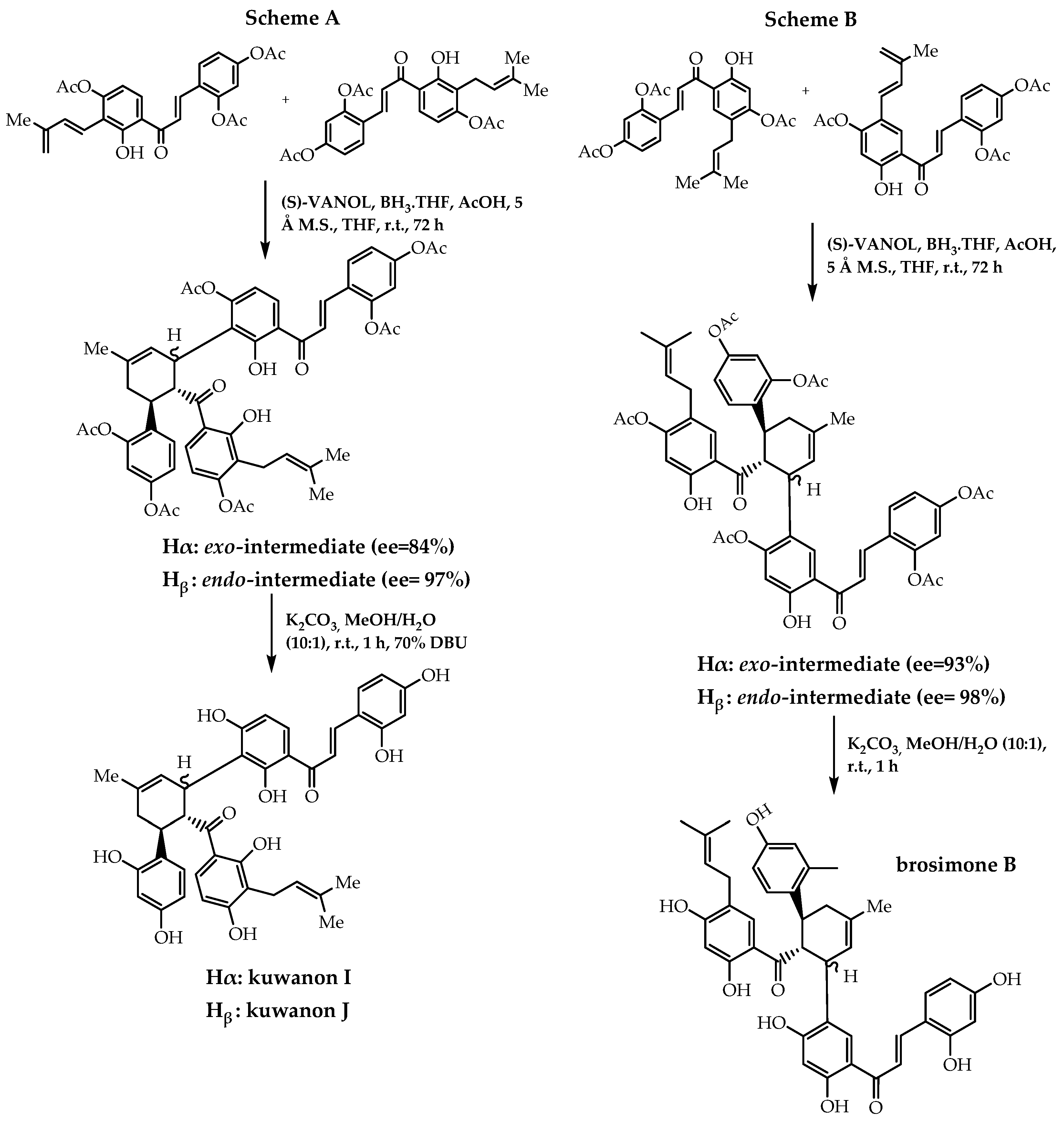
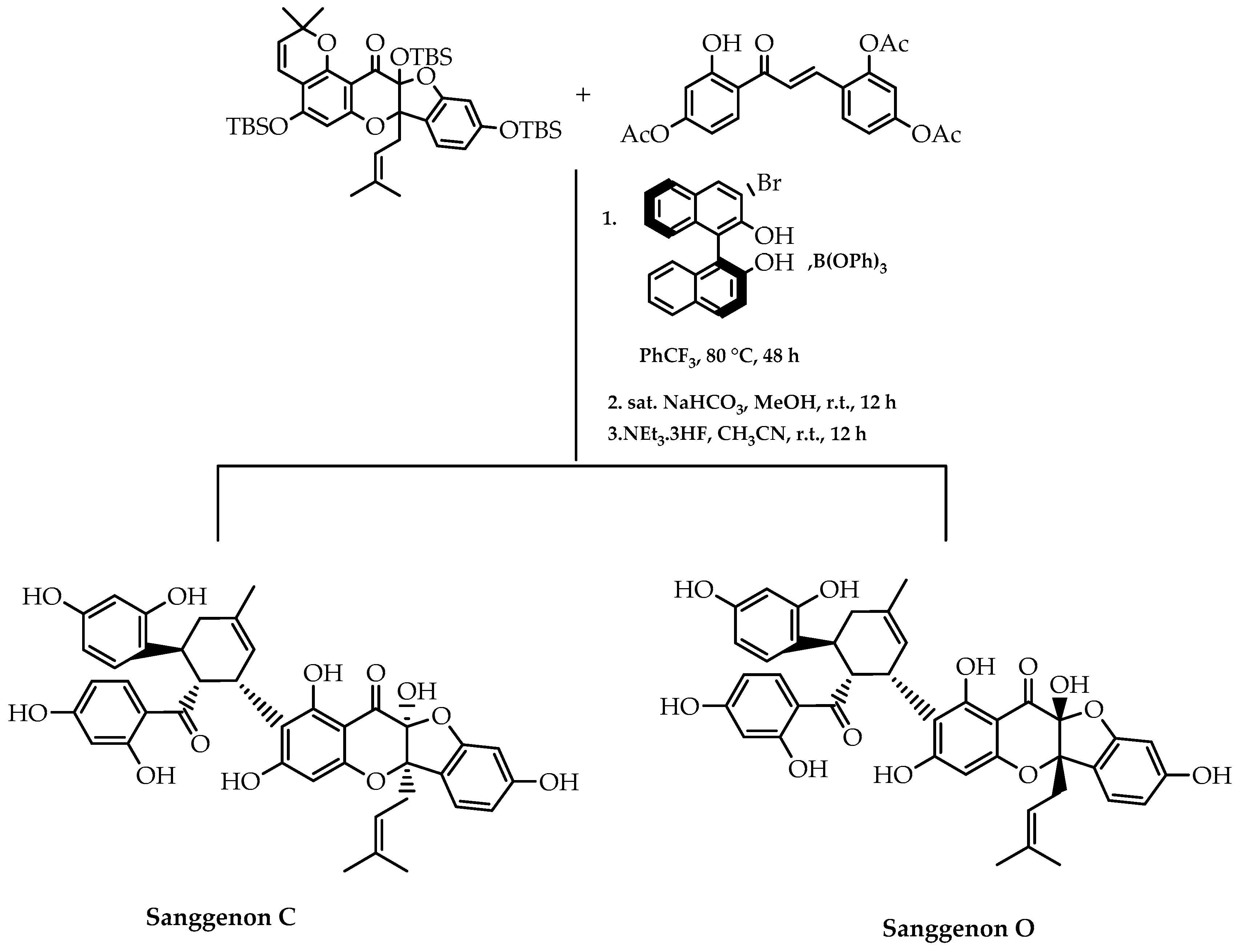
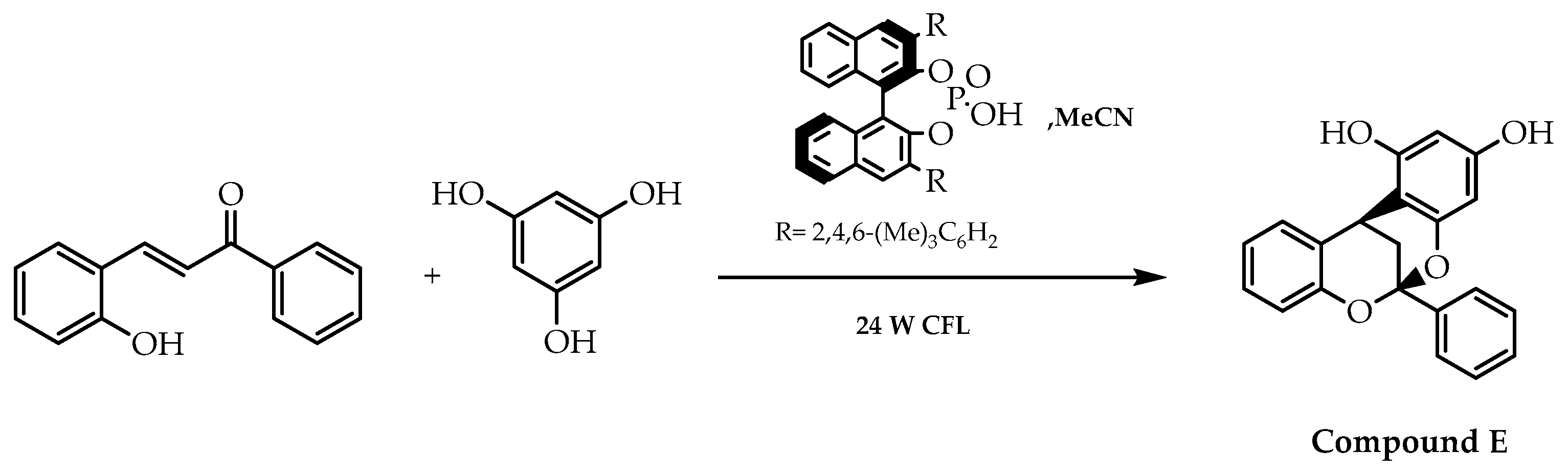
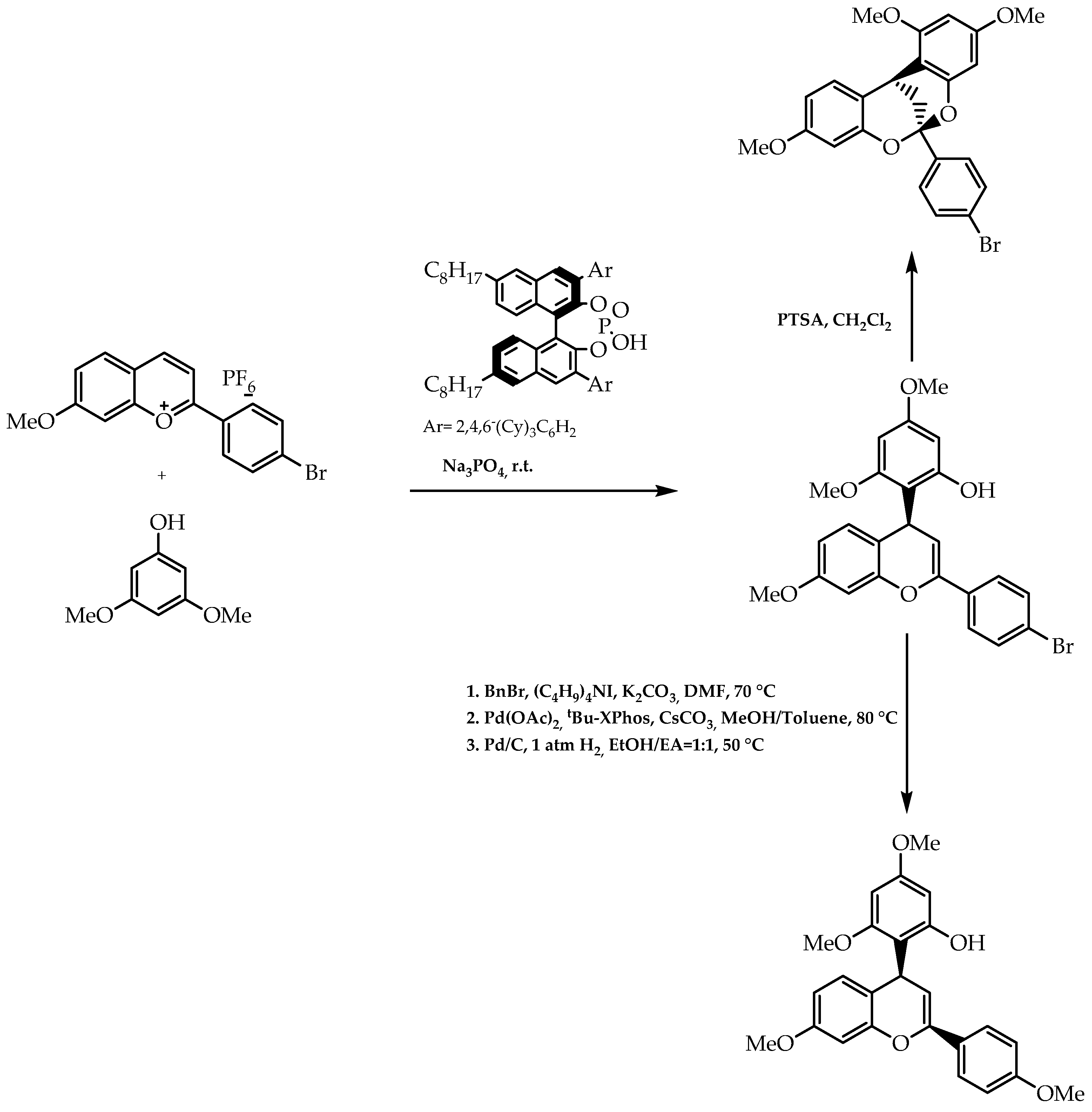
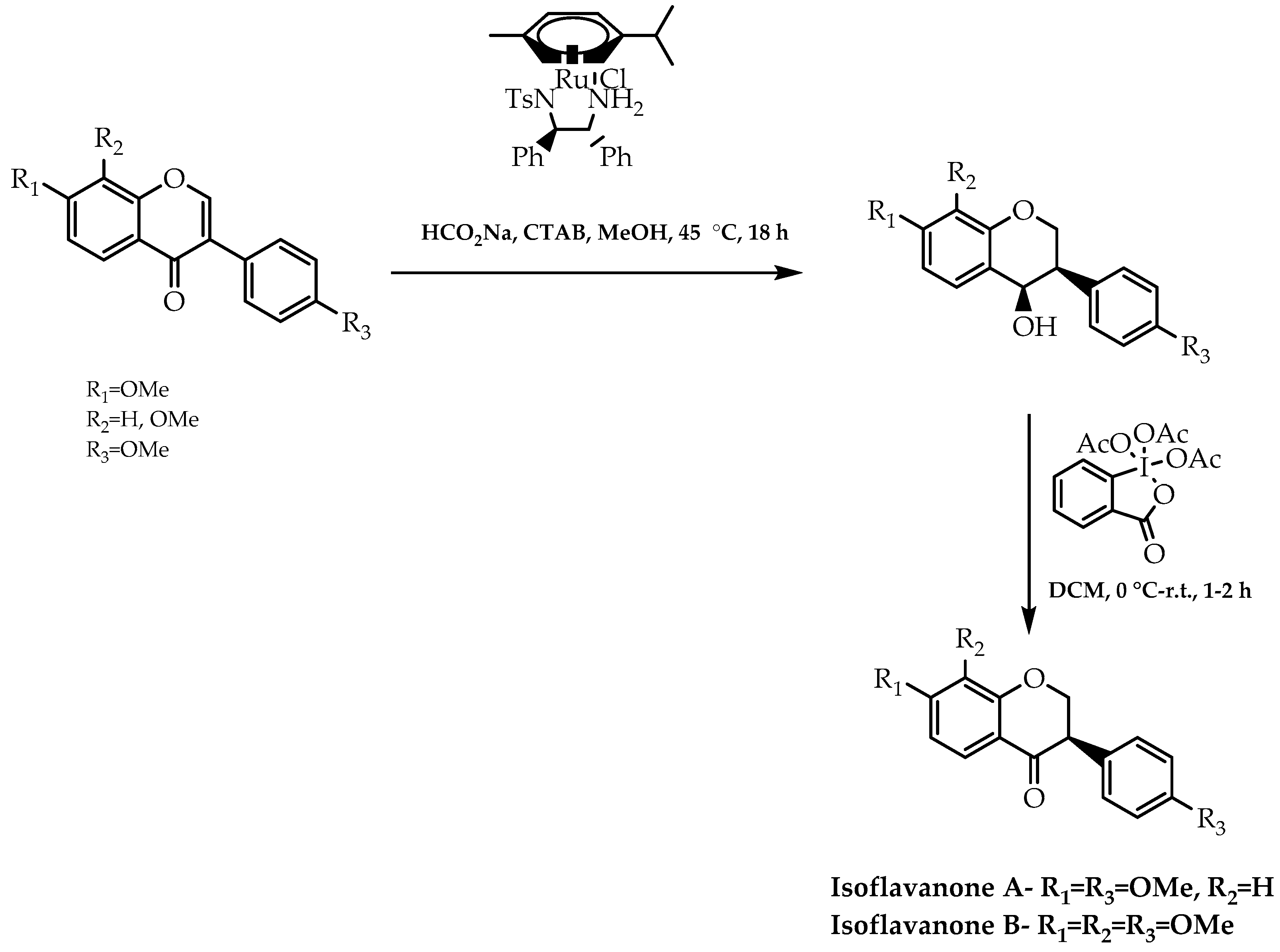
Stereoselective synthesis has been emerging as a resourceful tool because it enables the obtaining of compounds with biological interest and high enantiomeric purity. Flavonoids are natural products with several biological activities. Owing to their biological potential and aiming to achieve enantiomerically pure forms, several methodologies of stereoselective synthesis have been implemented. Those approaches encompass stereoselective chalcone epoxidation, Sharpless asymmetric dihydroxylation, Mitsunobu reaction, and the cycloaddition of 1,4-benzoquinone. Chiral auxiliaries, organo-, organometallic, and biocatalysis, as well as the chiral pool approach were also employed with the goal of obtaining chiral bioactive flavonoids with a high enantiomeric ratio. Additionally, the employment of the Diels–Alder reaction based on the stereodivergent reaction on a racemic mixture strategy or using catalyst complexes to synthesise pure enantiomers of flavonoids was reported. Furthermore, biomimetic pathways displayed another approach as illustrated by the asymmetric coupling of 2-hydroxychalcones driven by visible light. Recently, an asymmetric transfer hydrogen-dynamic kinetic resolution was also applied to synthesise (R,R)-cis-alcohols which, in turn, would be used as building blocks for the stereoselective synthesis of flavonoids.
Keywords: flavonoids; enantiomers; enantioselective synthesis; chiral flavonoids; enantiomers; enantioselective synthesis; chiral