Article

Nanoporous Carbon from Oil Palm Leaves via Hydrothermal Carbonization-Combined KOH Activation for Paraquat Removal

by
Sirayu Chanpee
1,
Napat Kaewtrakulchai
2,
Narathon Khemasiri
3,
Apiluck Eiad-ua
4 and
Pornsawan Assawasaengrat
1,*
1
Department of Chemical Engineering, School of Engineering, King Mongkut’s Institute of Technology Ladkrabang, Ladkrabang, Bangkok 10520, Thailand
2
KUbiomass Laboratory, Kasetsart Agricultural and Agro-Industrail Product Improvement Institute, Kasetsart University, Bangkok 10900, Thailand
3
National Nanotechnology Center (NANOTEC), National Science and Technology Development Agency, 111 Thailand Science Park, Paholyothin Road, Klong Nueng, Klong Luang, Pathum Thani 12120, Thailand
4
College of Materials Innovation and Technology, King Mongkut’s Institute of Technology Ladkrabang, Ladkrabang, Bangkok 10520, Thailand
*
Author to whom correspondence should be addressed.
Molecules 2022, 27(16), 5309; https://doi.org/10.3390/molecules27165309

Submission received: 16 June 2022 / Revised: 2 August 2022 / Accepted: 17 August 2022 / Published: 19 August 2022
(This article belongs to the Special Issue Carbon-Based Materials for Sustainable Chemistry)

Abstract

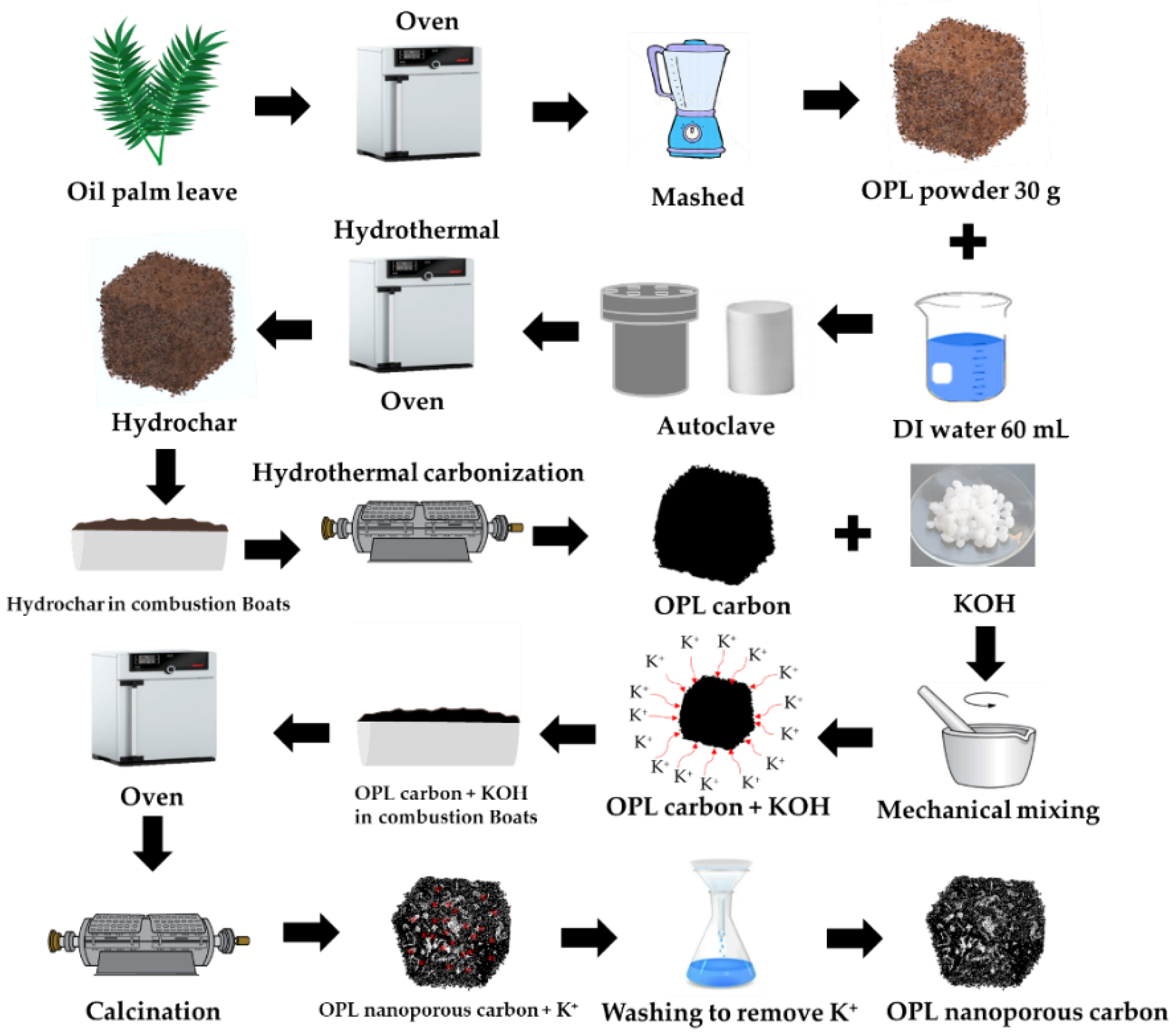
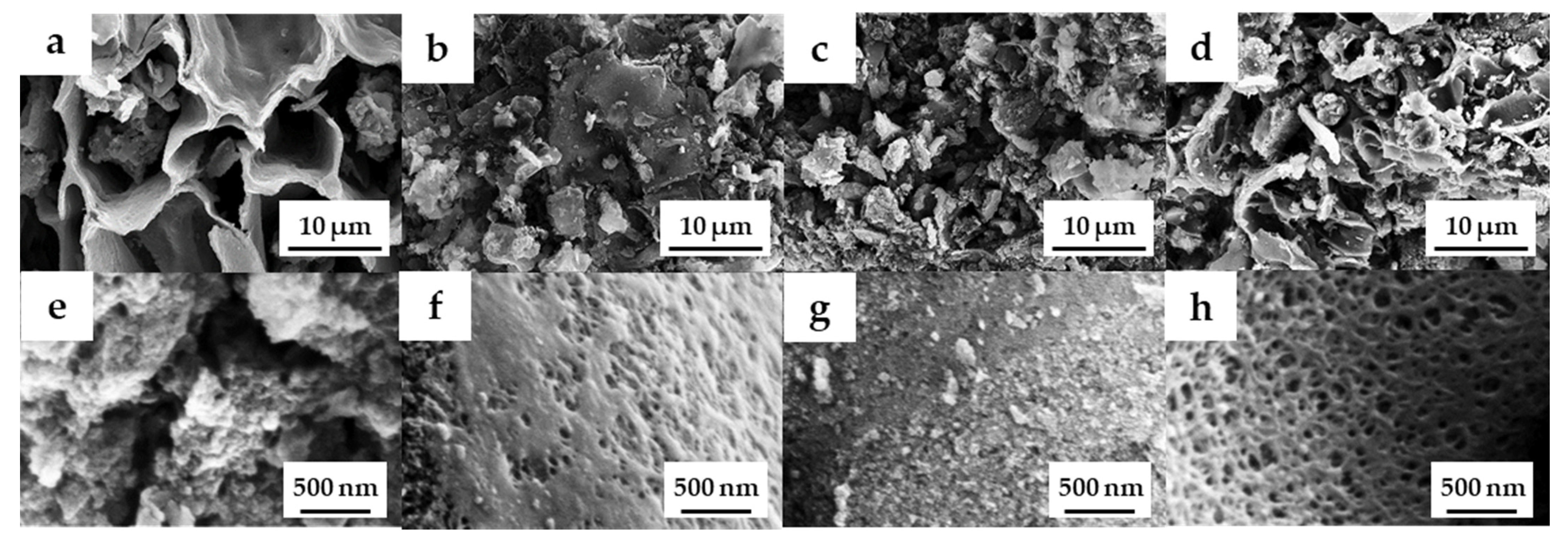
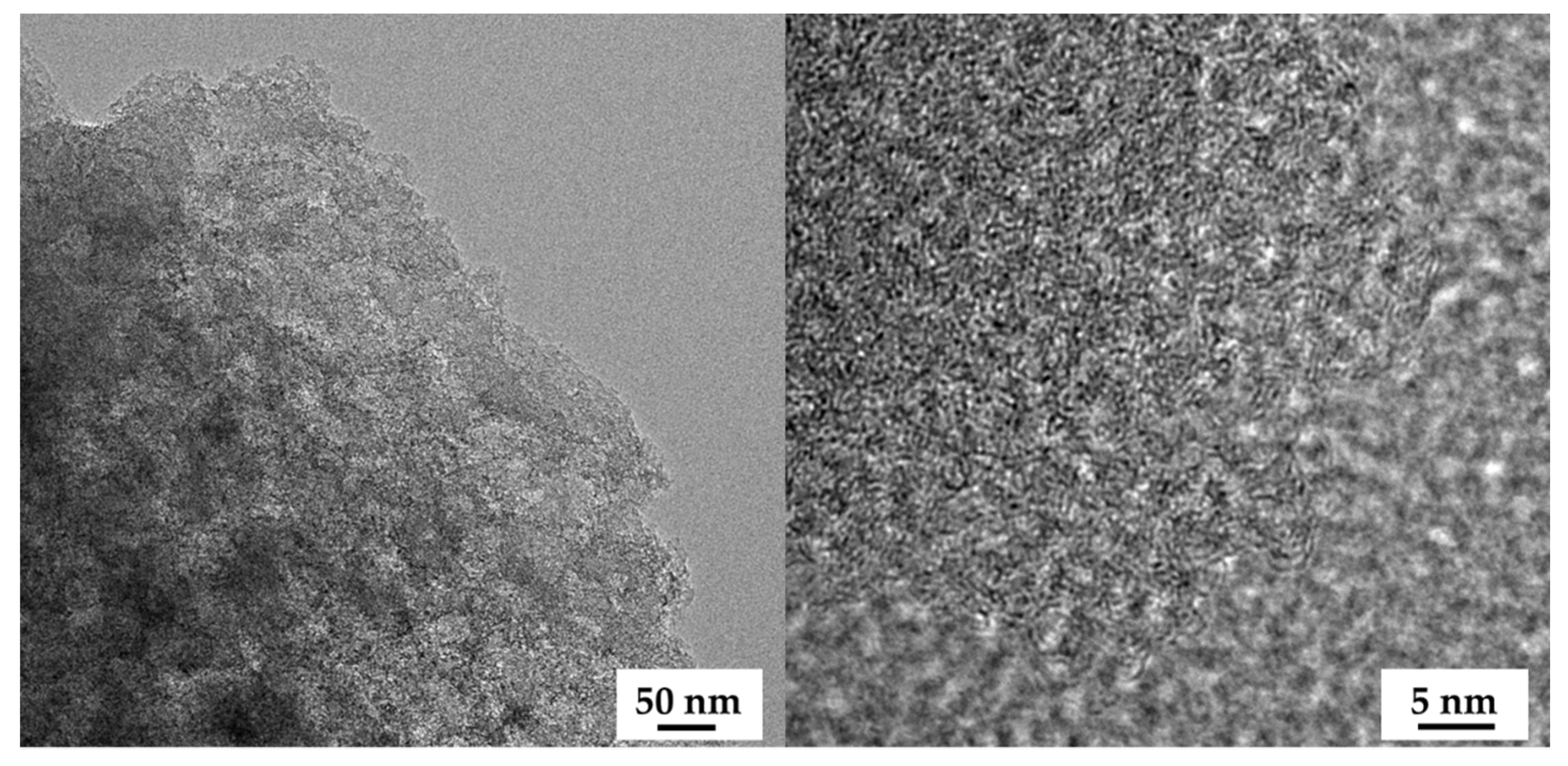
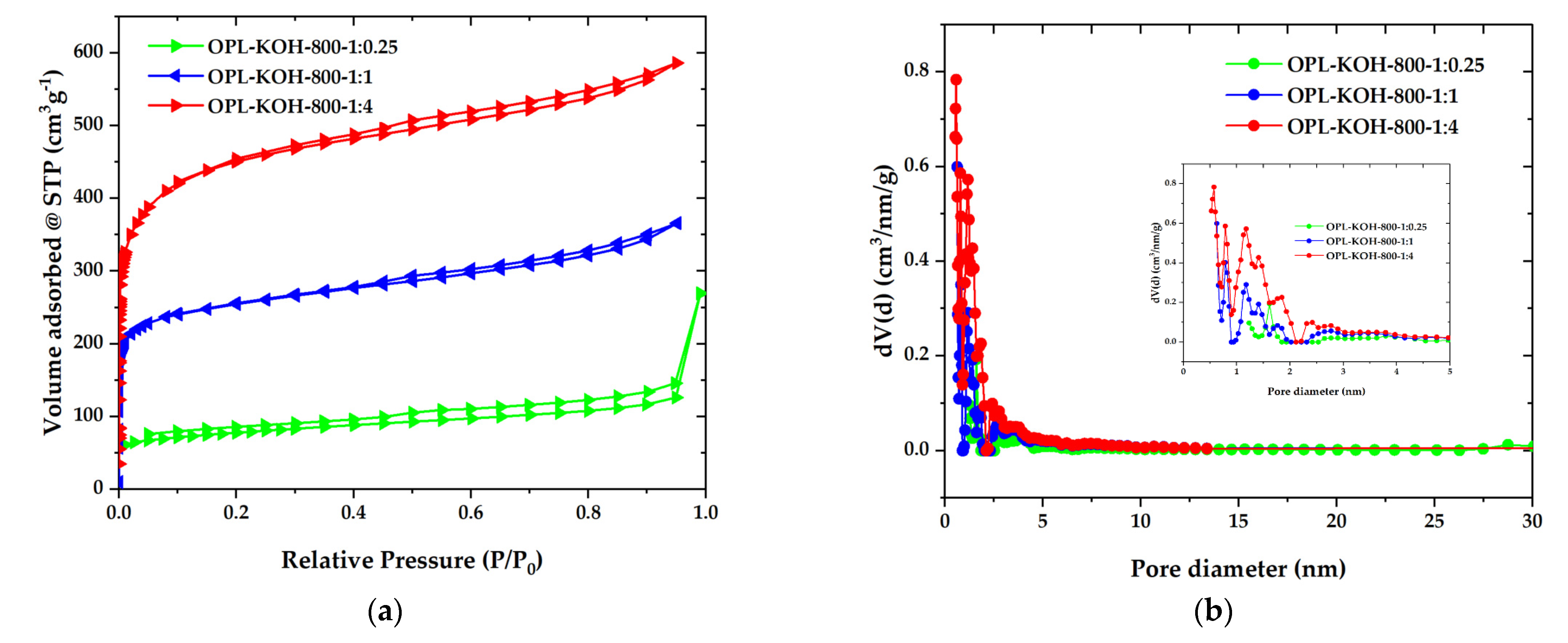
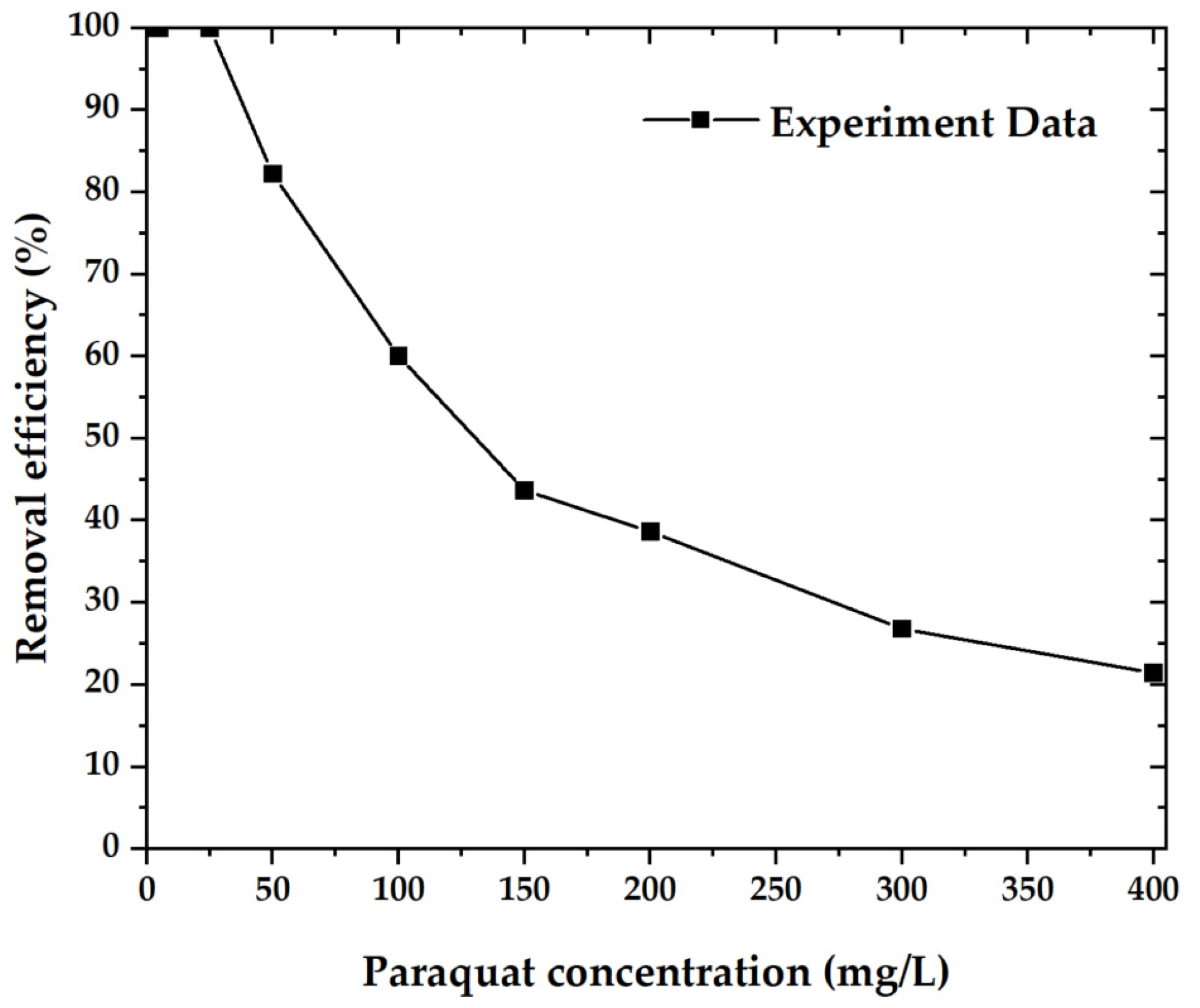
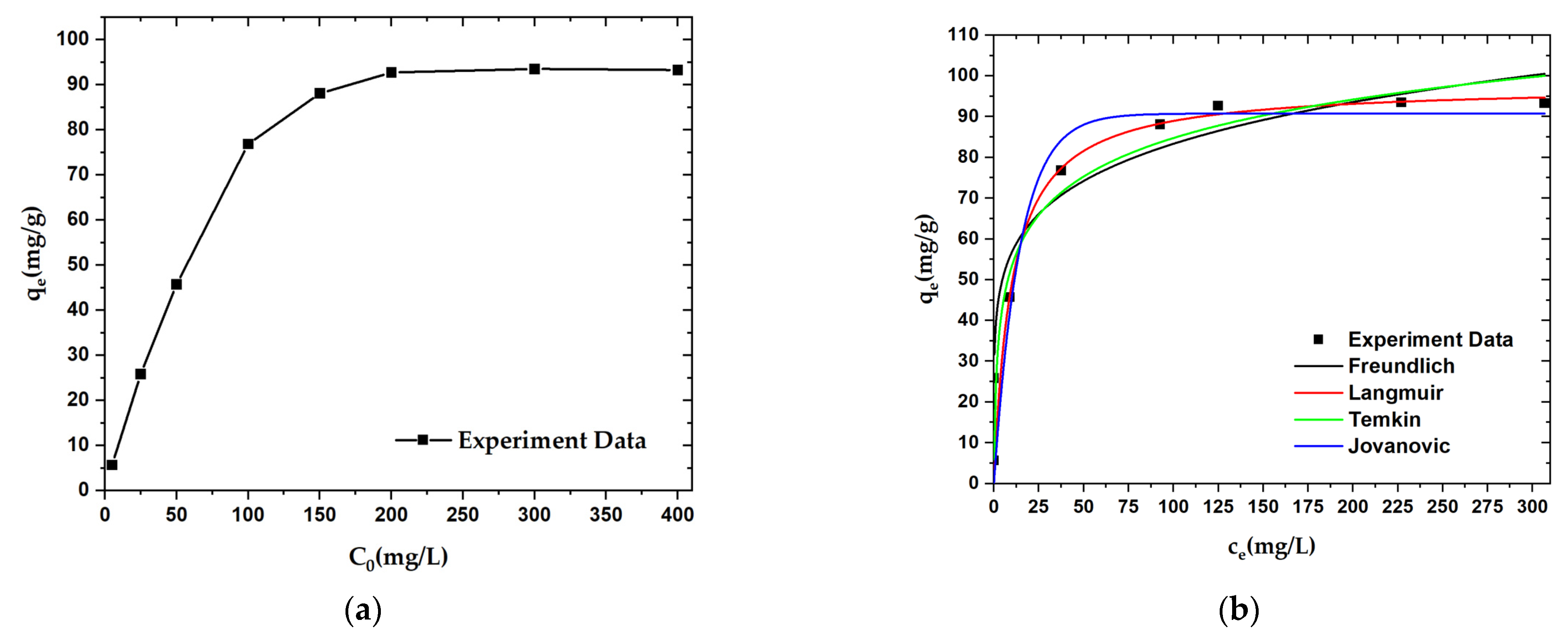
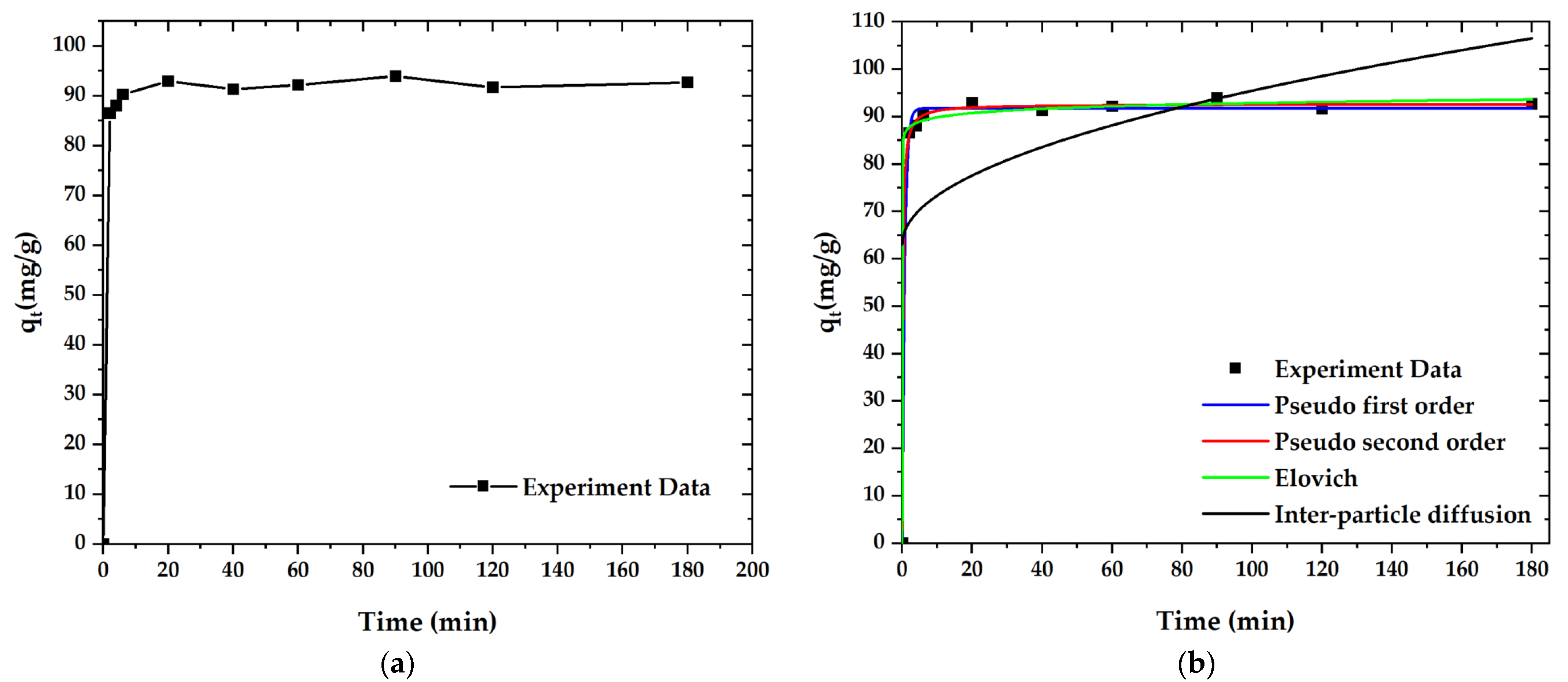
In this study, nano-porous carbon was completely obtained from oil palm leaves (OPL) by hydrothermal pretreatment with chemical activation, using potassium hydroxide (KOH) as an activating agent. Potassium hydroxide was varied, with different ratios of 1:0.25, 1:1, and 1:4 (C: KOH; w/w) during activation. The physical morphology of nano-porous carbon has a spongy, sponge-like structure indicating an increase in specific surface area and porosity with the increasing amount of KOH activating agent. The highest specific surface area of OPL nano-porous carbon is approximately 1685 m2·g−1, with a total pore volume of 0.907 cm3·g−1. Moreover, the OPL nano-porous carbon significantly showed a mesoporous structure designed specifically to remove water pollutants. The adsorptive behavior of OPL nano-porous carbon was quantified by using paraquat as the target pollutant. The equilibrium analyzes were explained by the Langmuir model isotherm and pseudo-second-order kinetics. The maximum efficiency of paraquat removal in wastewater was 79%, at a paraquat concentration of 400 mg·L−1, for 10 min in the adsorption experiment. The results of this work demonstrated the practical application of nano-porous carbon derived from oil palm leaves as an alternative adsorbent for removing paraquat and other organic matter in wastewater.
Keywords: nano-porous carbons; oil palm leaves; chemical activation; adsorption; paraquat nano-porous carbons; oil palm leaves; chemical activation; adsorption; paraquat