Article

Assessment of Bleached and Unbleached Nanofibers from Pistachio Shells for Nanopaper Making

1
Biorefinery Processes Research Group, Chemical & Environmental Engineering Department, Faculty of Engineering, Gipuzkoa, University of the Basque Country UPV/EHU, Plaza Europa 1, 20018 Donostia, Spain
2
University of Pau and the Adour Region, E2S UPPA, CNRS, Institute of Analytical and Physicochemi-cal Sciences for the Environment and Materials (IPREM-UMR 5254), 371 Rue du Ruisseau, 40004 Mont de Marsan, France
*
Author to whom correspondence should be addressed.
Molecules 2021, 26(5), 1371; https://doi.org/10.3390/molecules26051371

Submission received: 19 December 2020 / Revised: 26 February 2021 / Accepted: 1 March 2021 / Published: 4 March 2021
(This article belongs to the Special Issue Lignocellulosic Materials)

Abstract

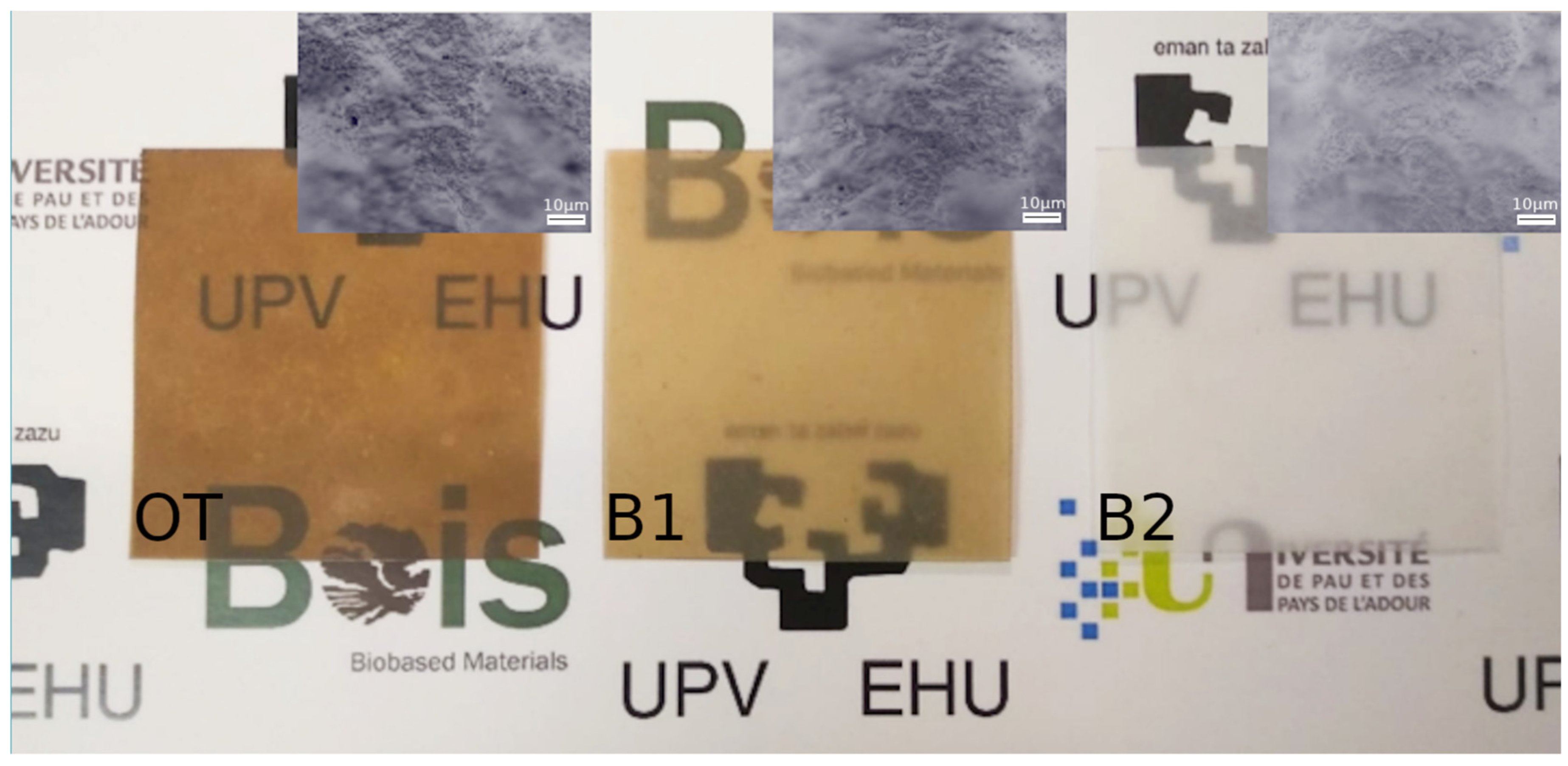
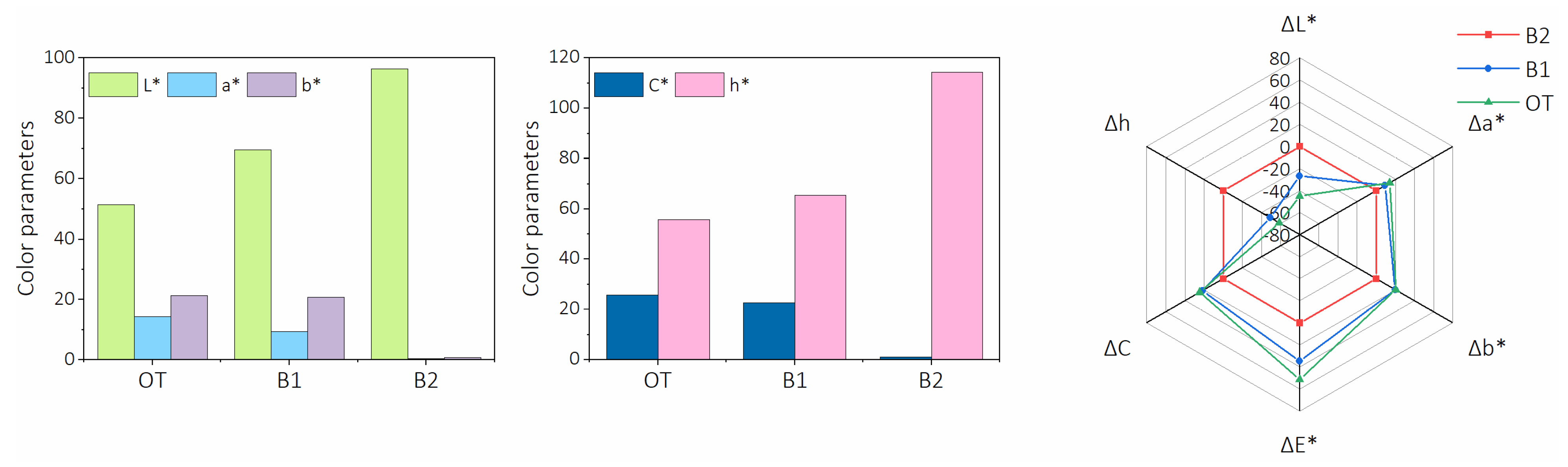
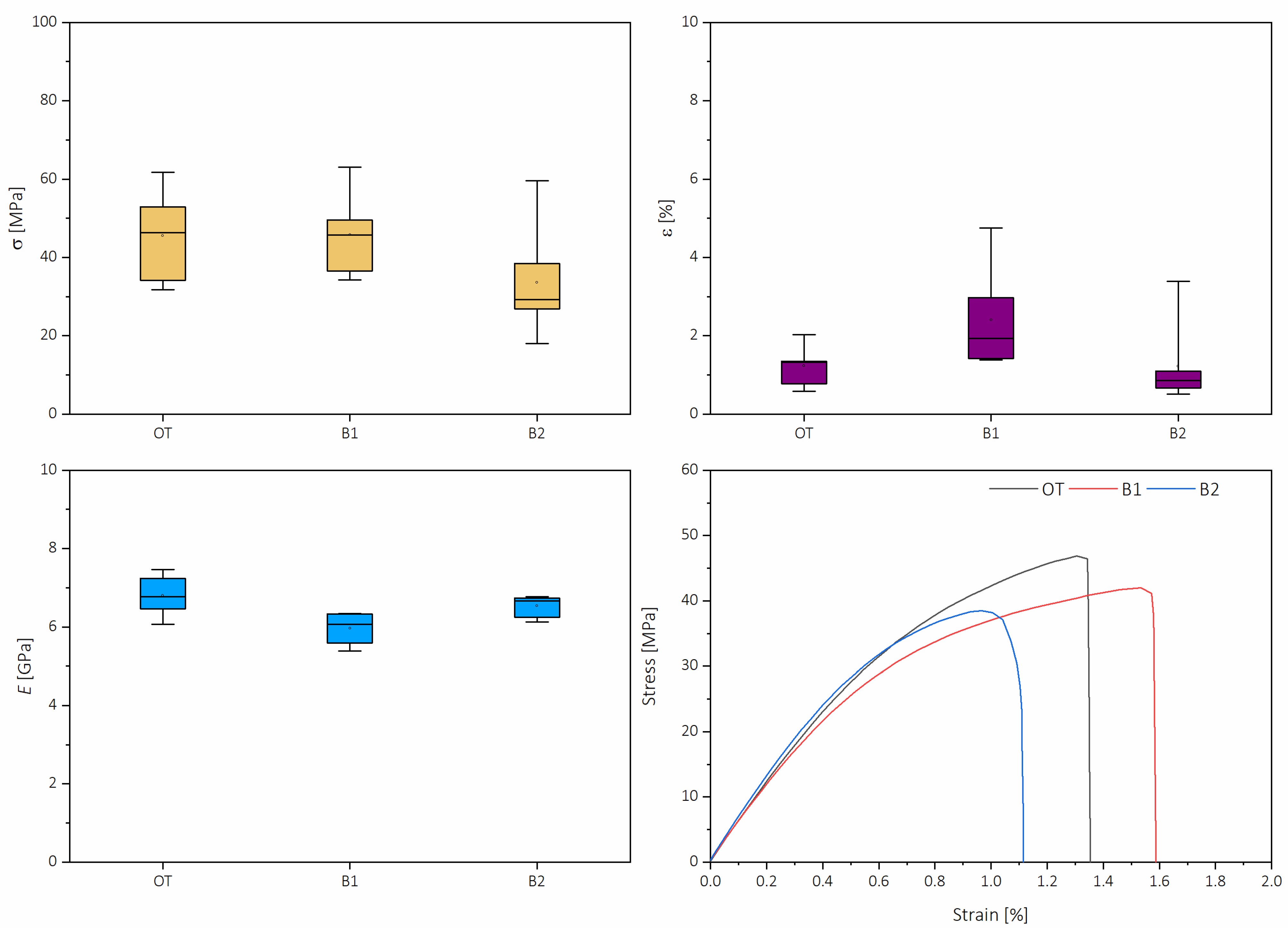
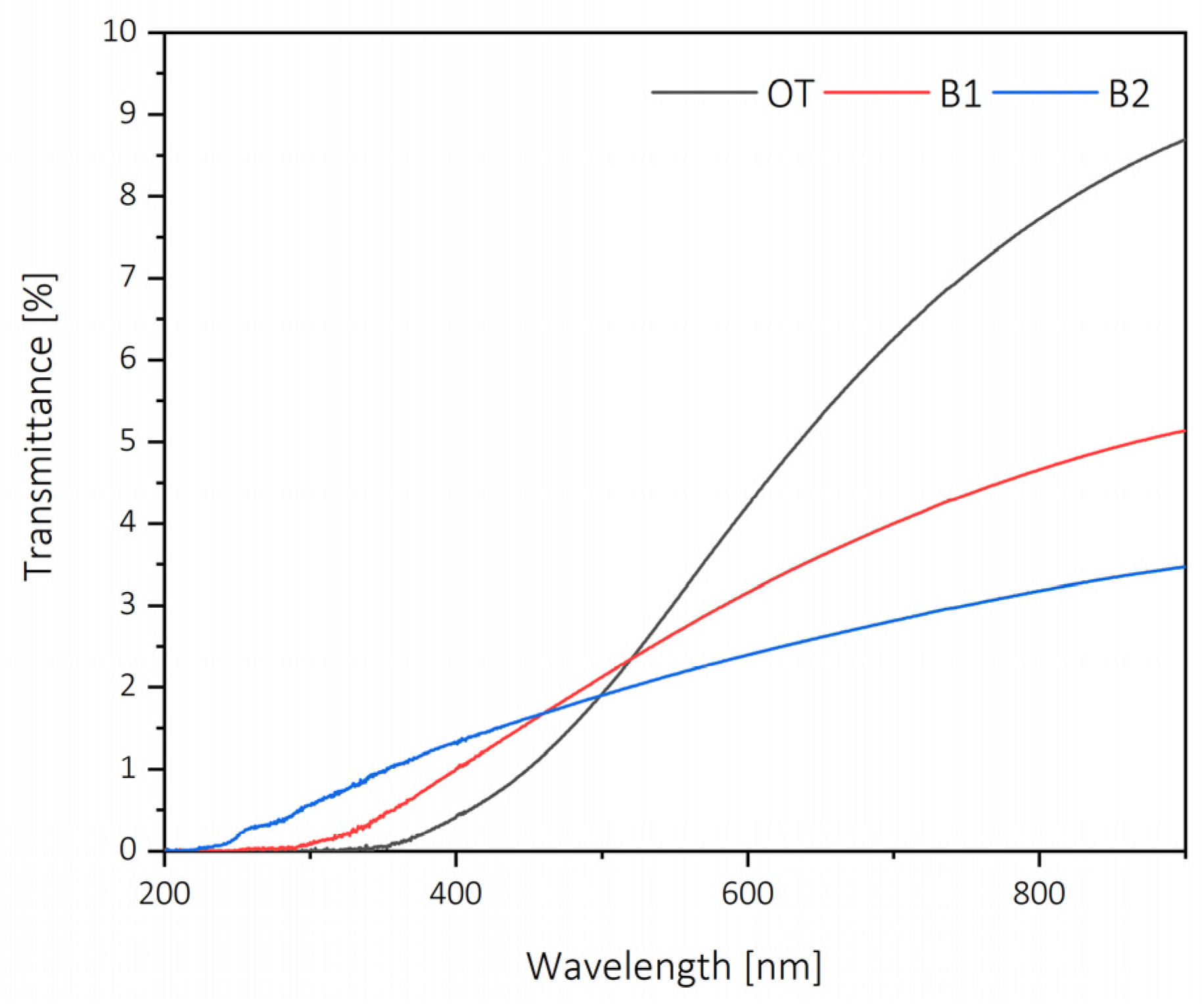
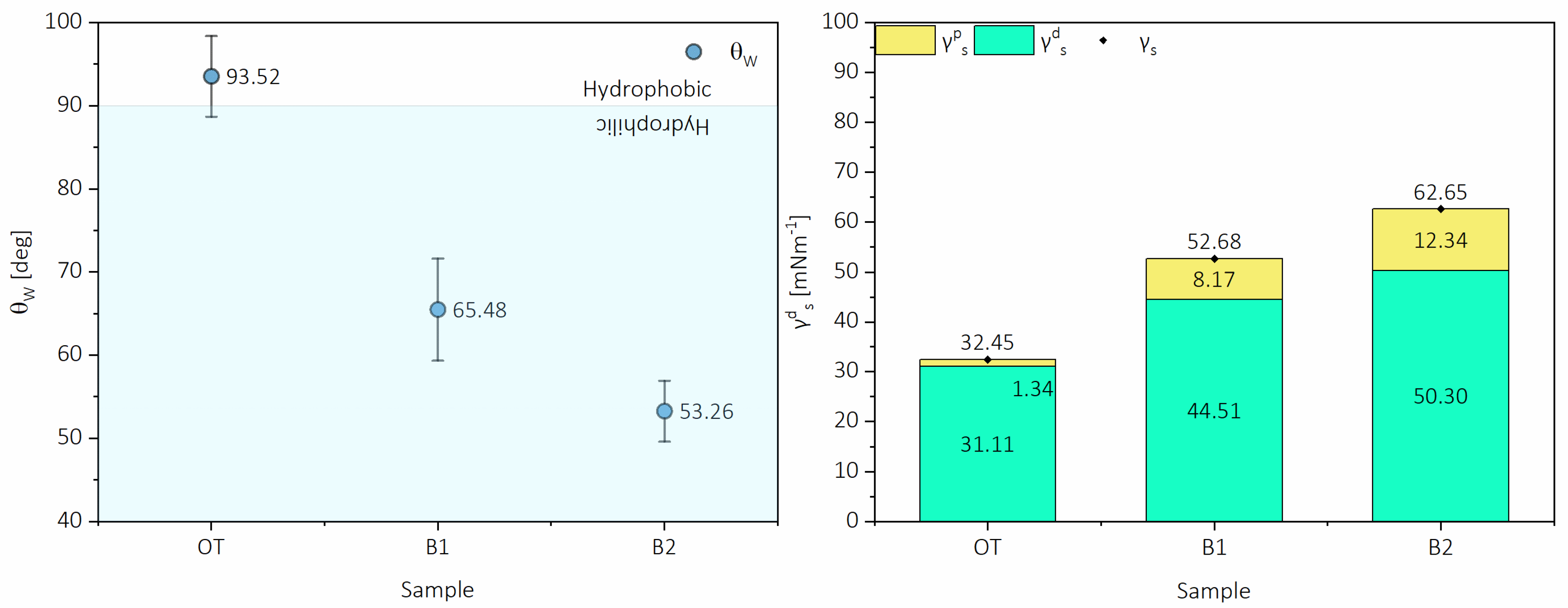
Cellulose and lignocellulose nanofibrils were extracted from pistachio shells utilizing environmentally friendly pulping and totally chlorine-free bleaching. The extracted nanofibers were used to elaborate nanopaper, a continuous film made by gravimetric entanglement of the nanofibers and hot-pressed to enhance intramolecular bonding. The elaborated nanopapers were analyzed through their mechanical, optical, and surface properties to evaluate the influence of non-cellulosic macromolecules on the final properties of the nanopaper. Results have shown that the presence of lignin augmented the viscoelastic properties of the nanopapers by ≈25% compared with fully bleached nanopaper; moreover, the hydrophobicity of the lignocellulose nanopaper was achieved, as the surface free energy was diminished from 62.65 to 32.45 mNm−1 with an almost non-polar component and a water contact angle of 93.52°. On the other hand, the presence of lignin had an apparent visual effect on the color of the nanopapers, with a ΔE of 51.33 and a ΔL of −44.91, meaning a substantial darkening of the film. However, in terms of ultraviolet transmittance, the presence of lignin resulted in a practically nonexistent transmission in the UV spectra, with low transmittance in the visible wavelengths. In general, the presence of lignin resulted in the enhancement of selected properties which are desirable for packaging materials, which makes pistachio shell nano-lignocellulose an attractive option for this field.
Keywords: pistachio shells; organosolv; lignocellulose; nanofibers pistachio shells; organosolv; lignocellulose; nanofibers