Article

Acer tataricum subsp. ginnala Inhibits Skin Photoaging via Regulating MAPK/AP-1, NF-κB, and TGFβ/Smad Signaling in UVB-Irradiated Human Dermal Fibroblasts

1
Department of Life and Nanopharmaceutical Sciences, Graduate School, Kyung Hee University, Seoul 02447, Korea
2
Department of Oriental Pharmaceutical Science, College of Pharmacy, Kyung Hee University, Seoul 02447, Korea
3
Department of Preventive Pharmacy and Toxicology, College of Pharmacy, Kyung Hee University, Seoul 02447, Korea
*
Author to whom correspondence should be addressed.
Molecules 2021, 26(3), 662; https://doi.org/10.3390/molecules26030662

Submission received: 24 December 2020 / Revised: 23 January 2021 / Accepted: 23 January 2021 / Published: 27 January 2021
(This article belongs to the Special Issue Natural Products and Skin Diseases)

Abstract

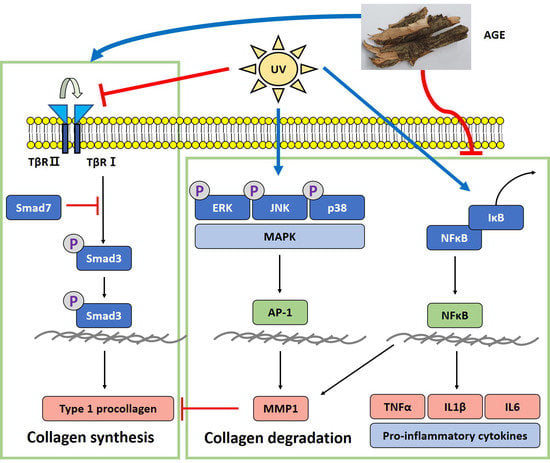

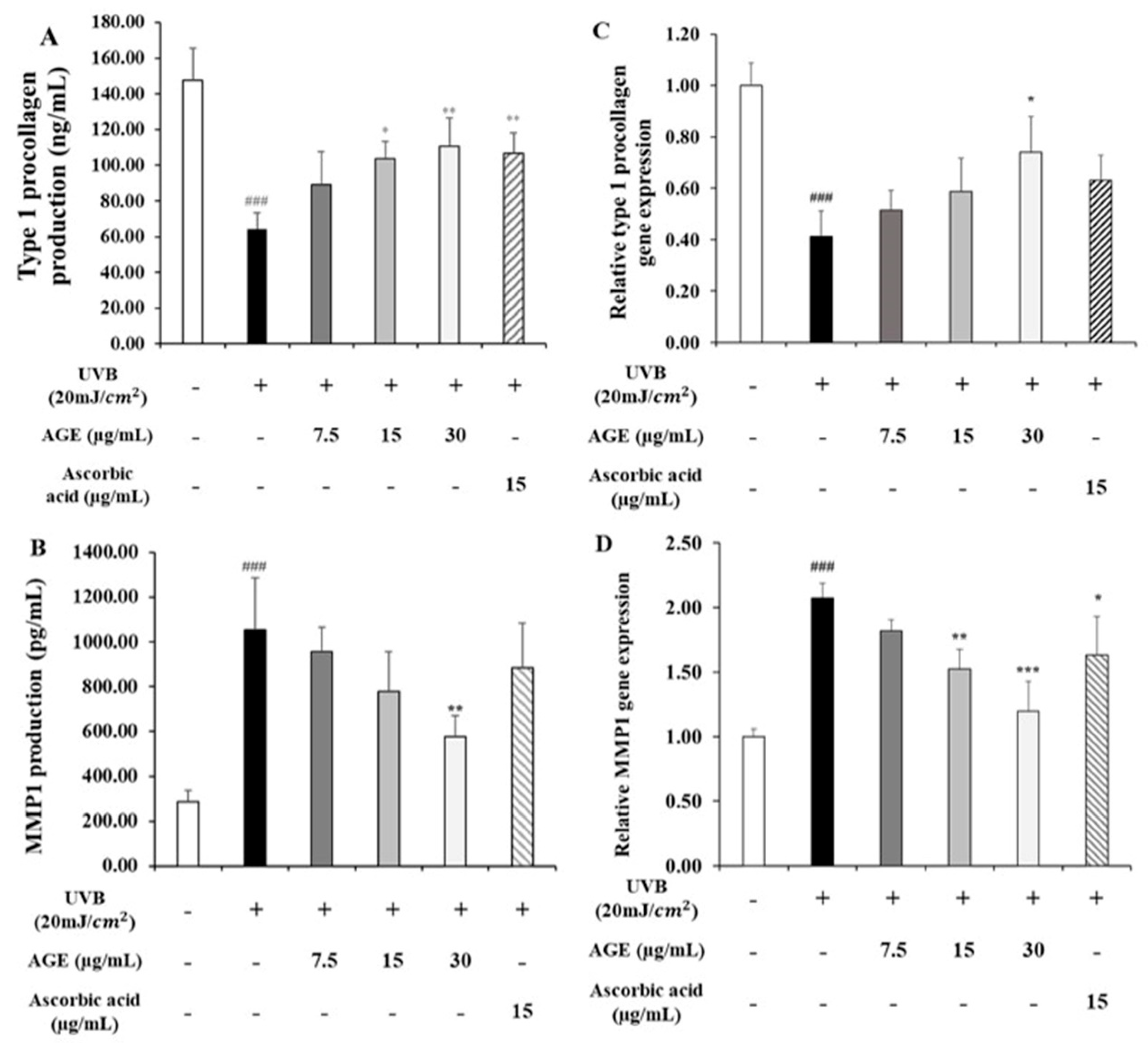
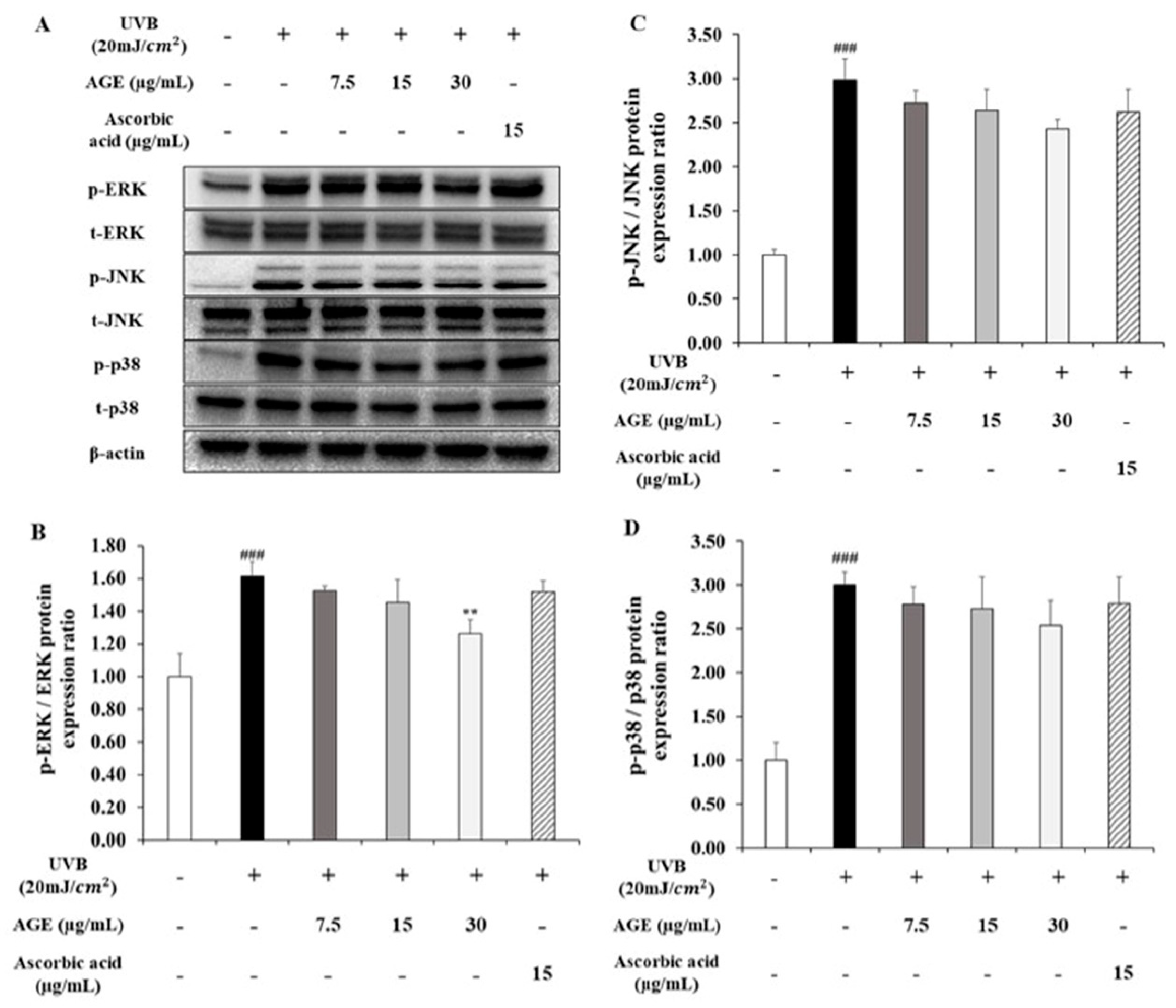
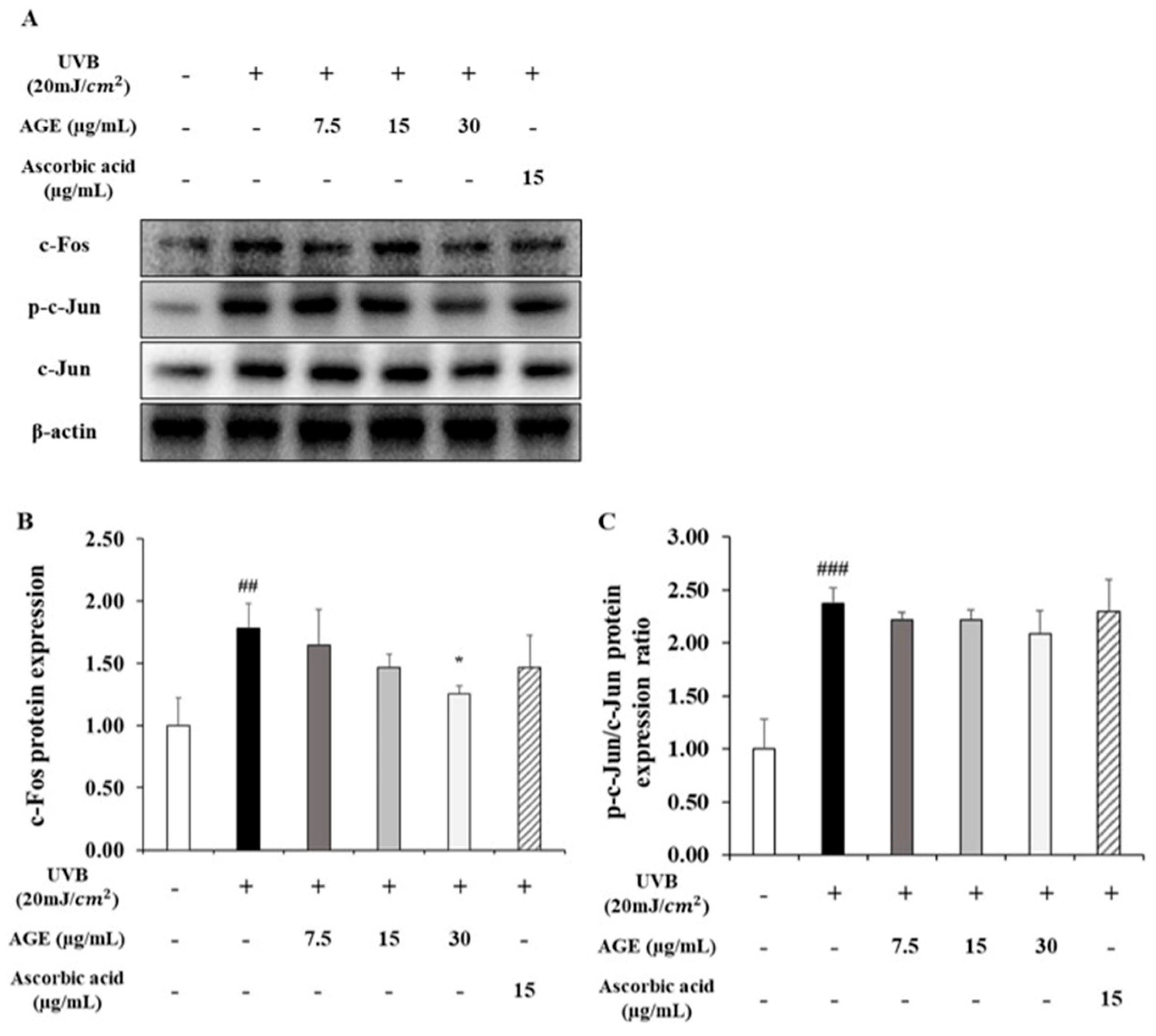
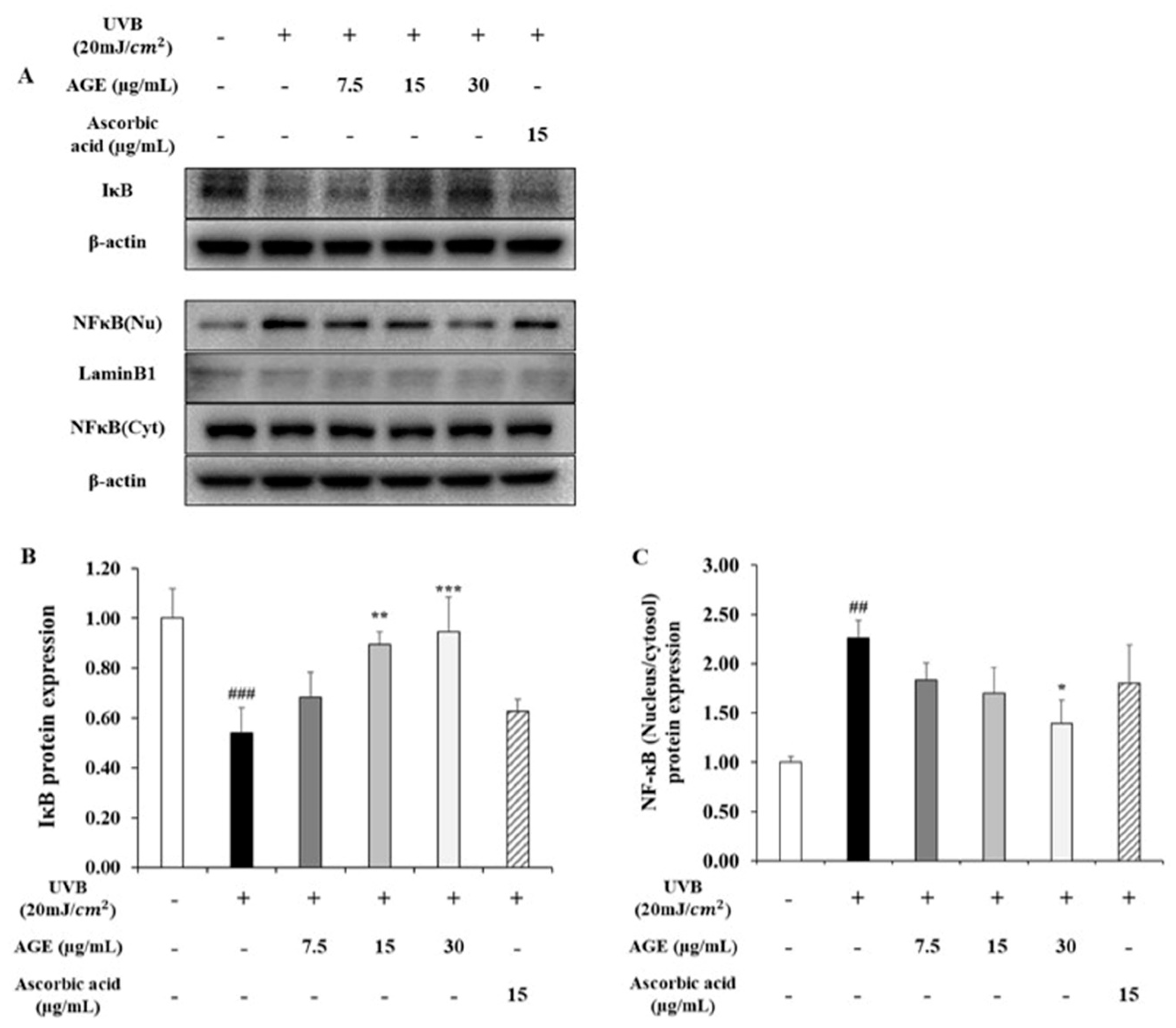
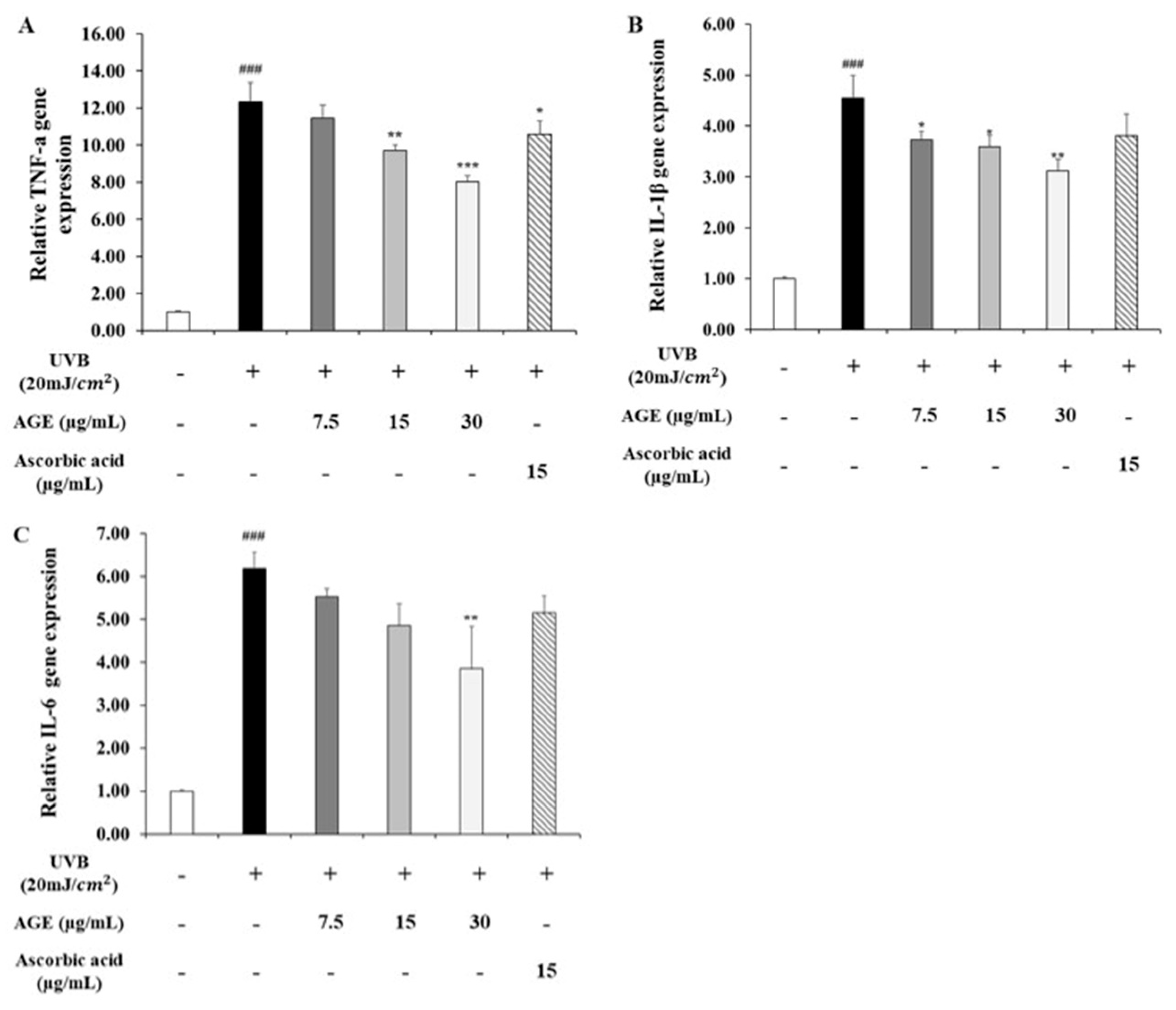
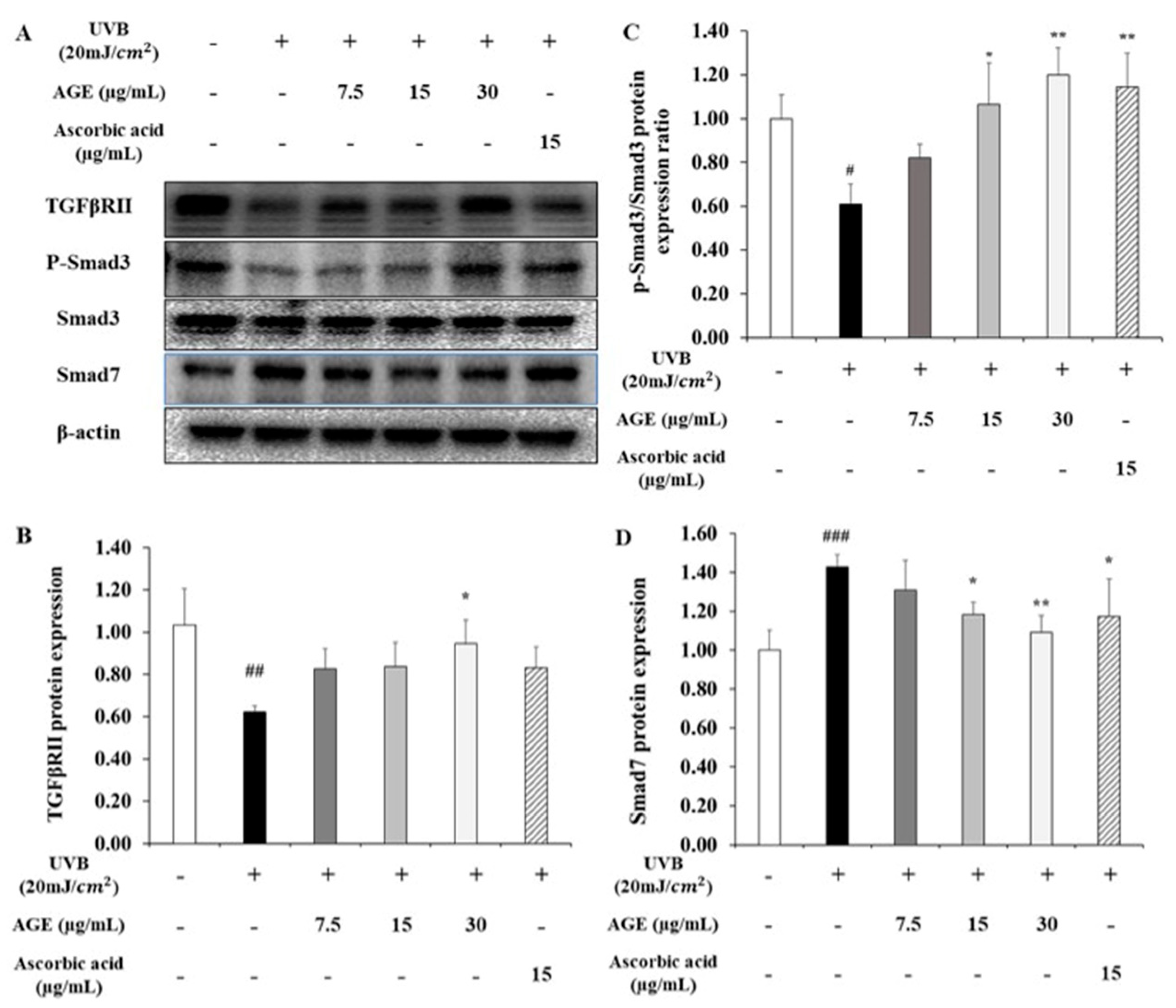
Skin, the organ protecting the human body from external factors, maintains structural and tensile strength by containing many collagen fibrils, particularly type I procollagen. However, oxidative stress by ultraviolet (UV) exposure causes skin photoaging by activating collagen degradation and inhibiting collagen synthesis. Acer tataricum subsp. ginnala extract (AGE) is a herbal medicine with anti-inflammatory and anti-oxidative effects, but there is no report on the protective effect against skin photoaging. Therefore, we conducted research concentrating on the anti-photoaging effect of Acer tataricum subsp. ginnala (AG) in UVB (20 mJ/cm2)-irradiated human dermal fibroblasts (HDF). Then, various concentrations (7.5, 15, 30 µg/mL) of AGE were treated in HDF for 24 h following UVB irradiation. After we performed AGE treatment, the matrix metalloproteinase1 (MMP1) expression was downregulated, and the type I procollagen level was recovered. Then, we investigated the mitogen-activated protein kinases/activator protein 1 (MAPK/AP-1) and nuclear factor-κB (NF-κB) pathway, which induce collagen breakdown by promoting the MMP1 level and pro-inflammatory cytokines. The results indicated that AGE downregulates the expression of the MAPK/AP-1 pathway, leading to MMP1 reduction. AGE inhibits nuclear translocation of NF-κB and inhibitor of nuclear factor-κB (IκB) degradation. Therefore, it downregulates the expression of MMP1 and pro-inflammatory cytokines such as TNF-α, IL-1β, and IL-6 increased by UVB. Besides, the TGFβ/Smad pathway, which is mainly responsible for the collagen synthesis in the skin, was also analyzed. AGE decreases the expression of Smad7 and increases TGFβRII expression and Smad3 phosphorylation. This means that AGE stimulates the TGFβ/Smad pathway that plays a critical role in promoting collagen synthesis. Thus, this study suggests that AGE can be a functional material with anti-photoaging properties.
Keywords: Acer tataricum subsp. ginnala; matrix metalloproteinase (MMP); MAPK/AP-1; NF-kB; type I procollagen; TGFβ/Smad Acer tataricum subsp. ginnala; matrix metalloproteinase (MMP); MAPK/AP-1; NF-kB; type I procollagen; TGFβ/Smad
Graphical Abstract