Article

Synthesis of Potential Haptens with Morphine Skeleton and Determination of Protonation Constants †
1
Department of Pharmaceutical Chemistry, Semmelweis University, Hogyes Endre u. 9., H-1092 Budapest, Hungary
2
Department of Plant Anatomy, Institute of Biology, Eötvös Loránd University, Pázmány Péter sétány 1/C, H-1117 Budapest, Hungary
*
Author to whom correspondence should be addressed.
Presented in part at the 23rd International Electronic Conference on Synthetic Organic Chemistry, 15 November–15 December 2019. Available online: https://ecsoc-23.sciforum.net/.
Molecules 2020, 25(17), 4009; https://doi.org/10.3390/molecules25174009

Submission received: 7 August 2020 / Revised: 24 August 2020 / Accepted: 1 September 2020 / Published: 2 September 2020
(This article belongs to the Special Issue ECSOC-23)

Abstract

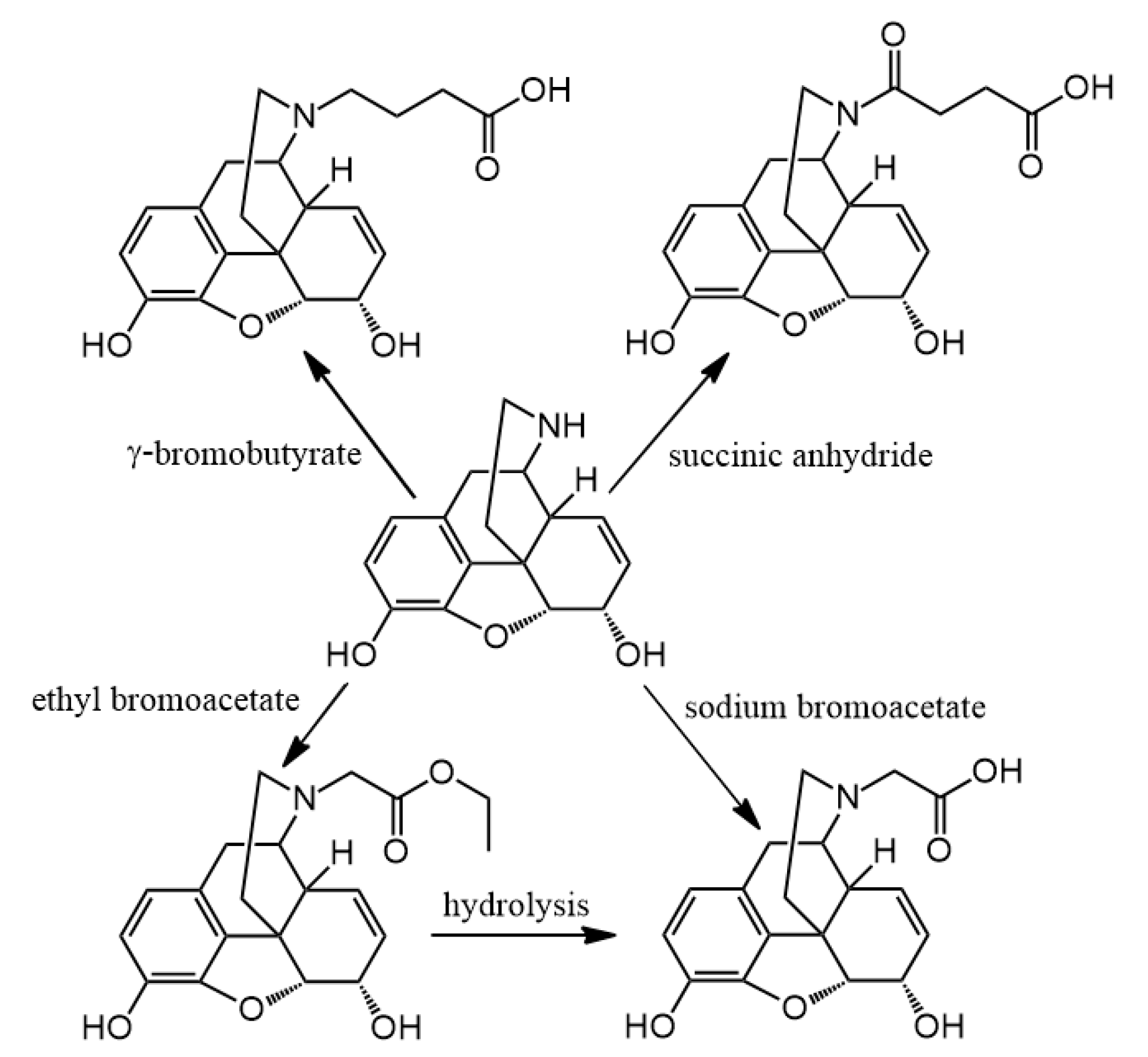
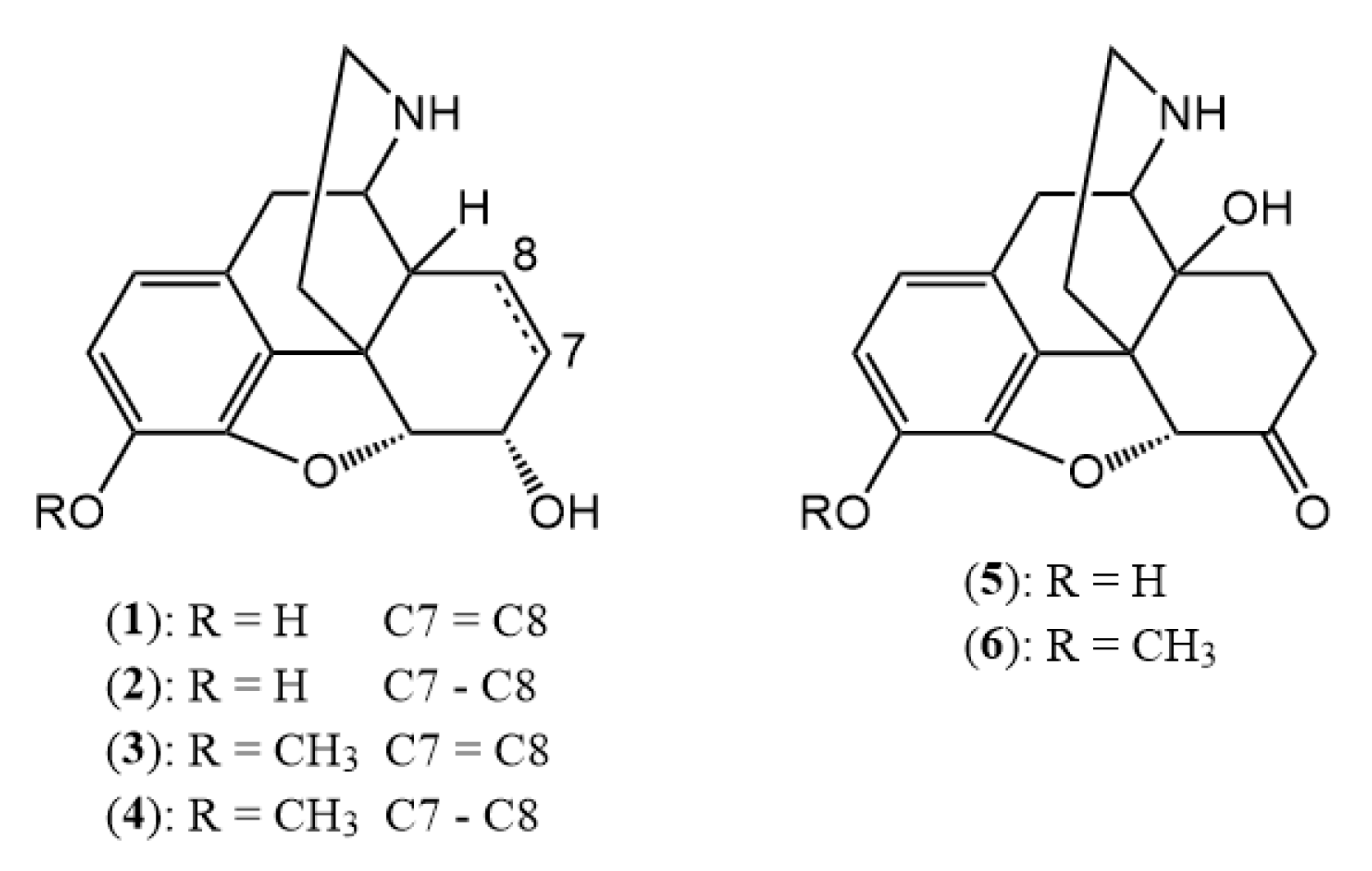
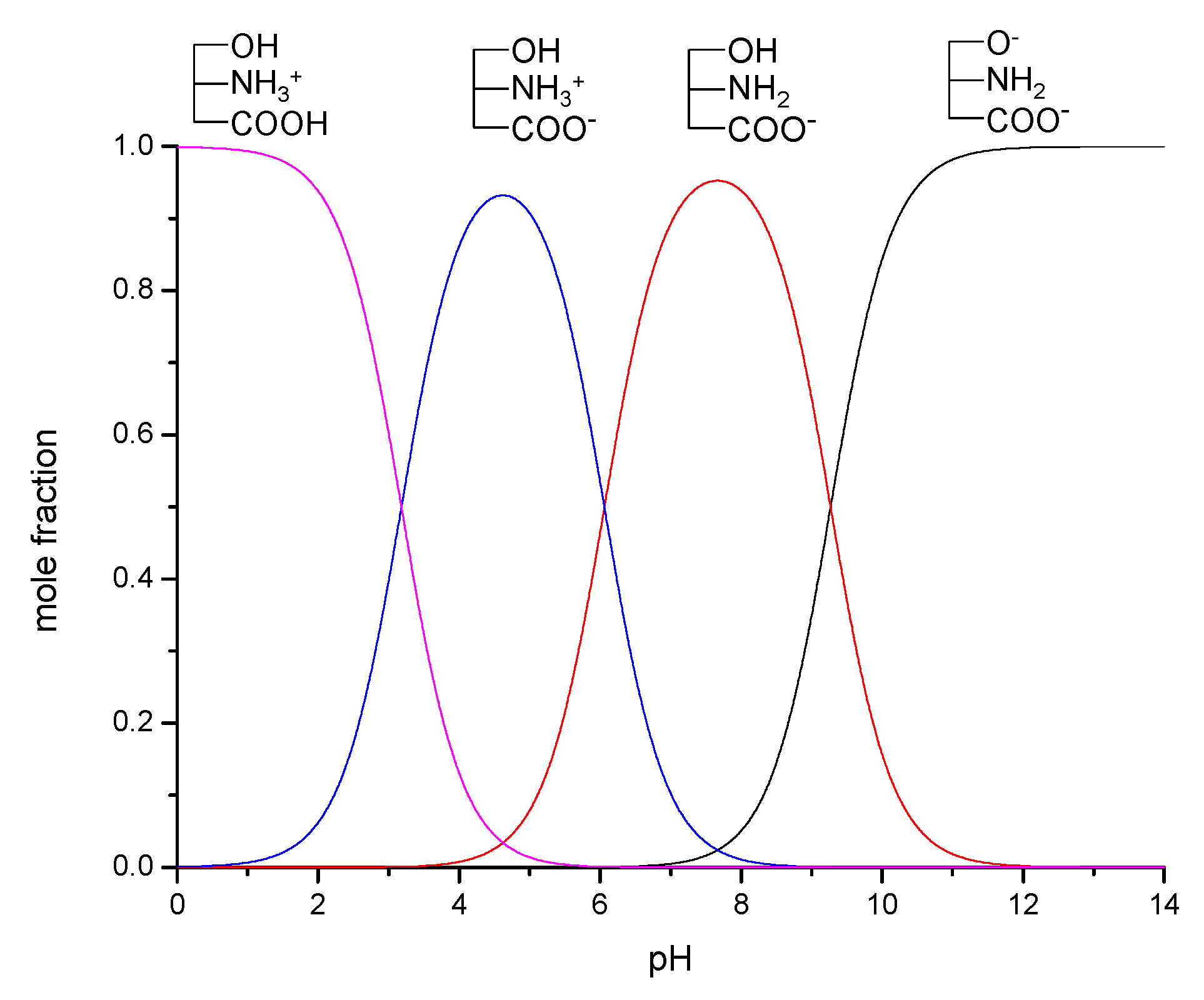
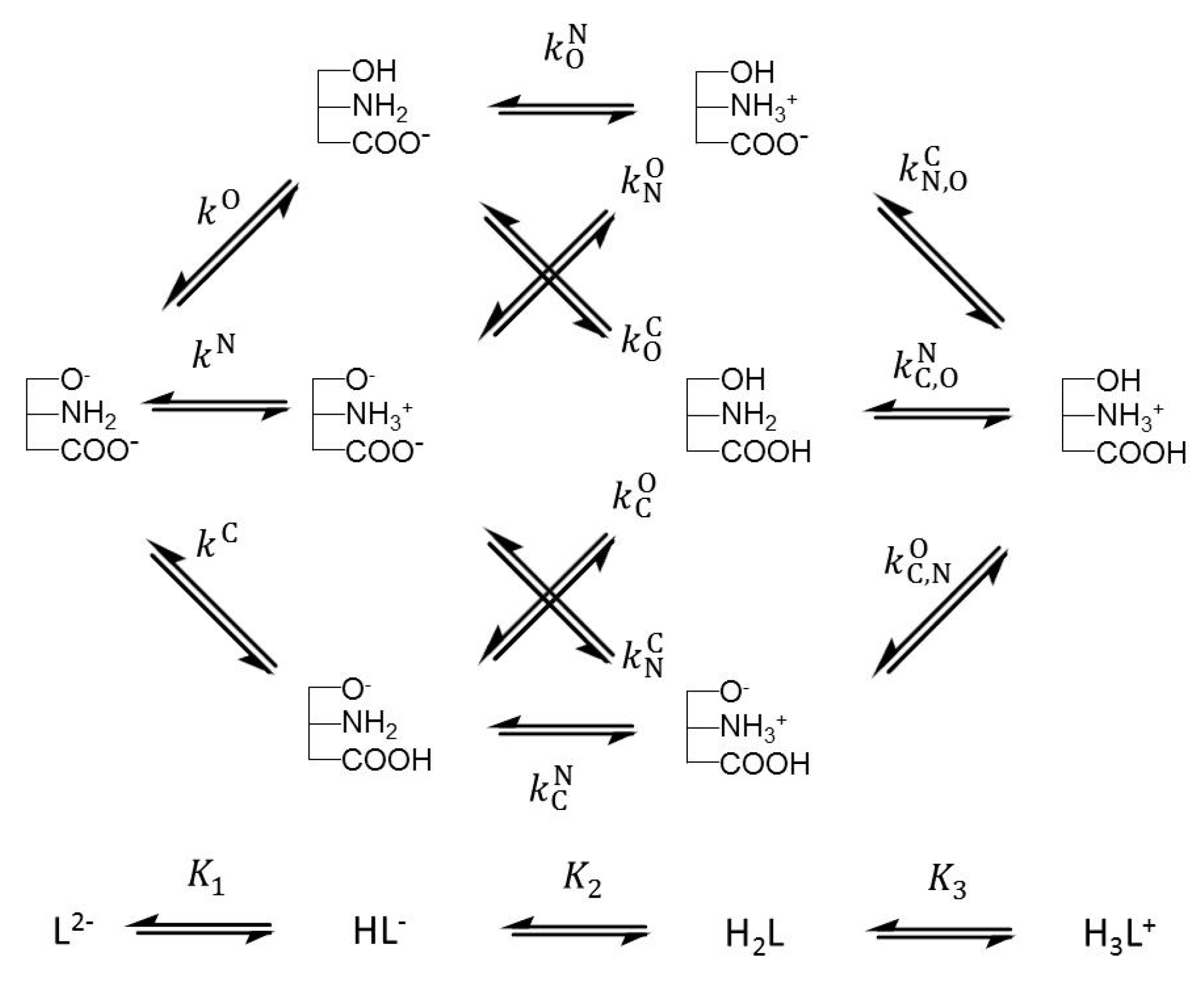
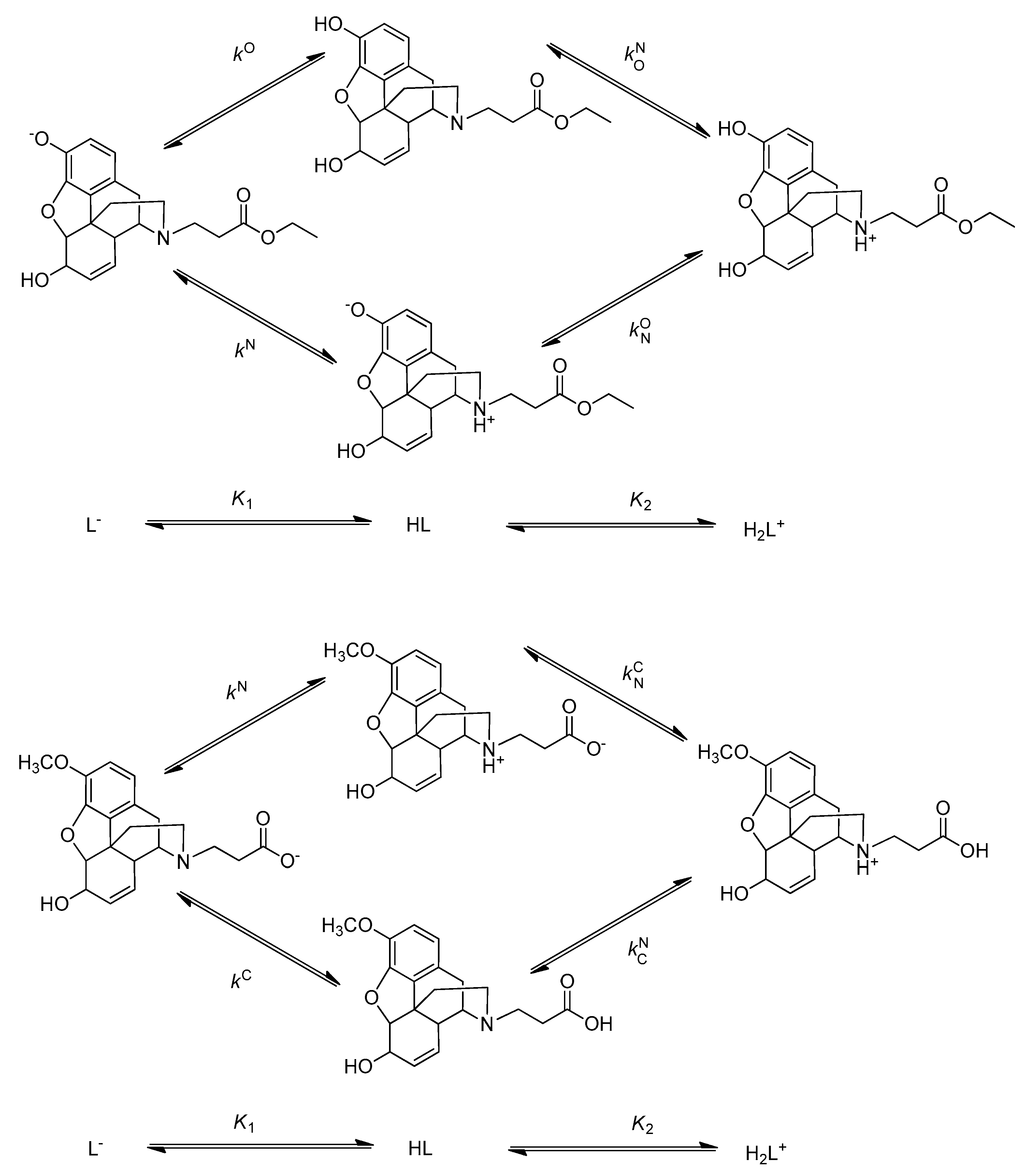
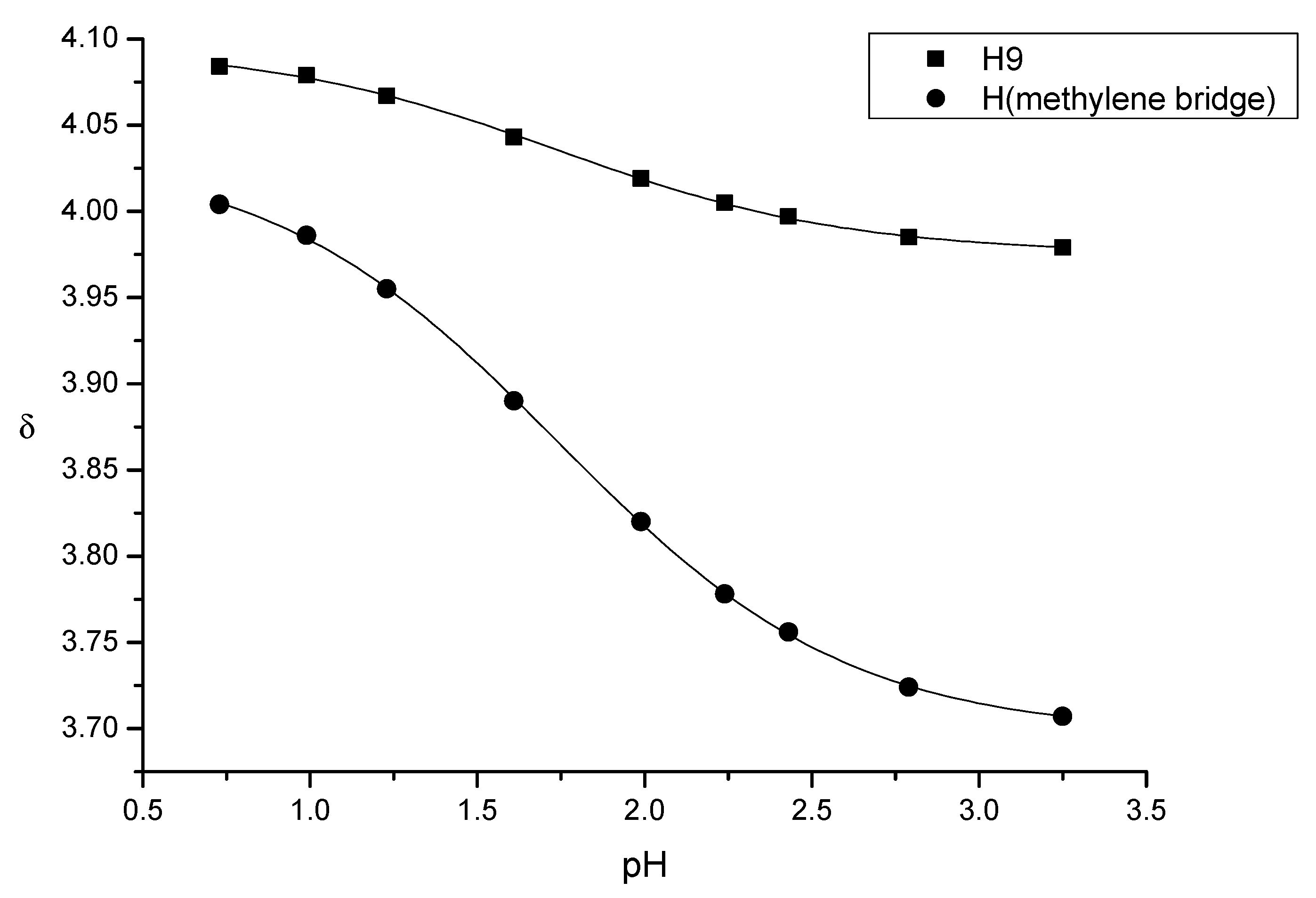
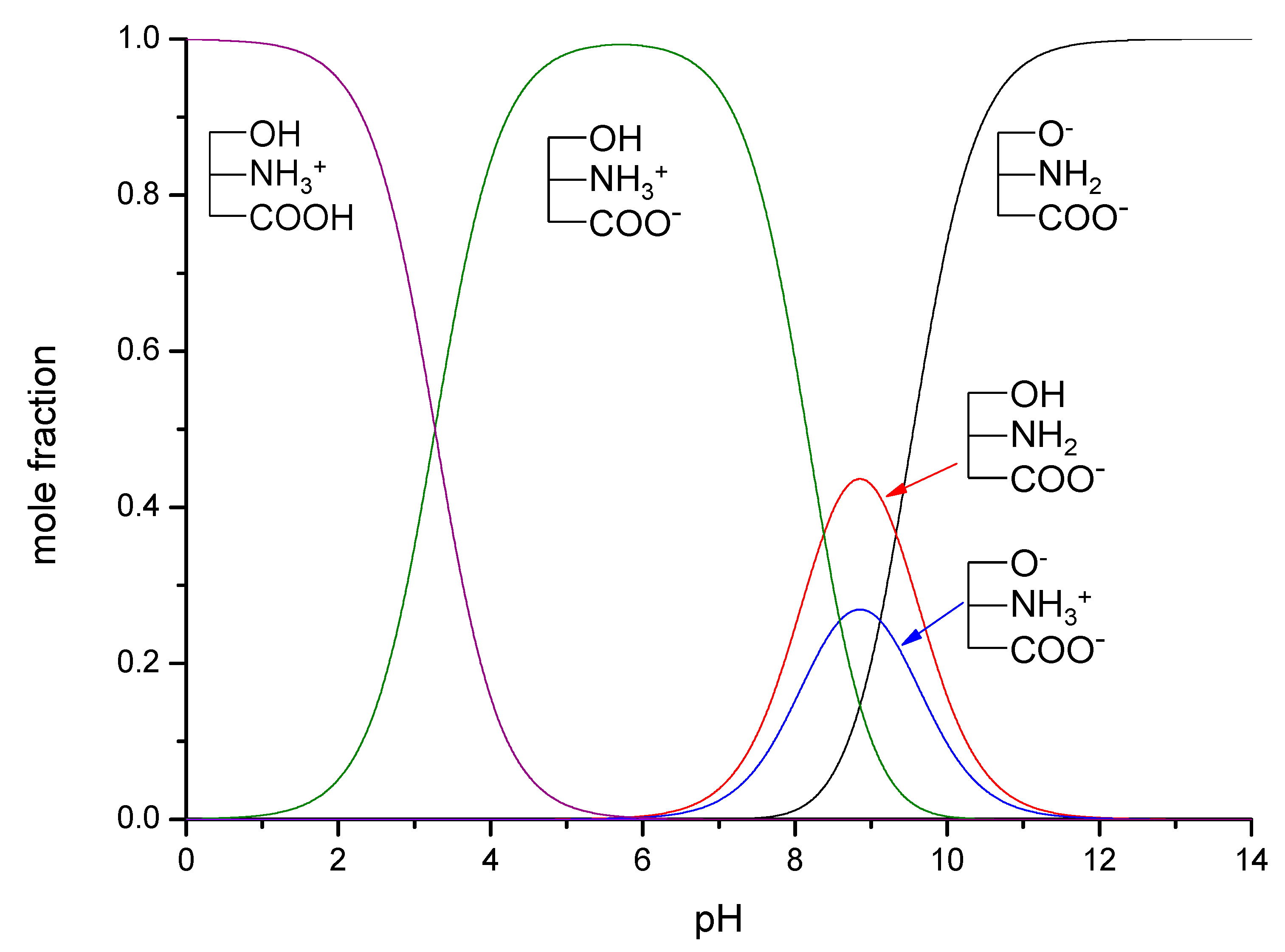
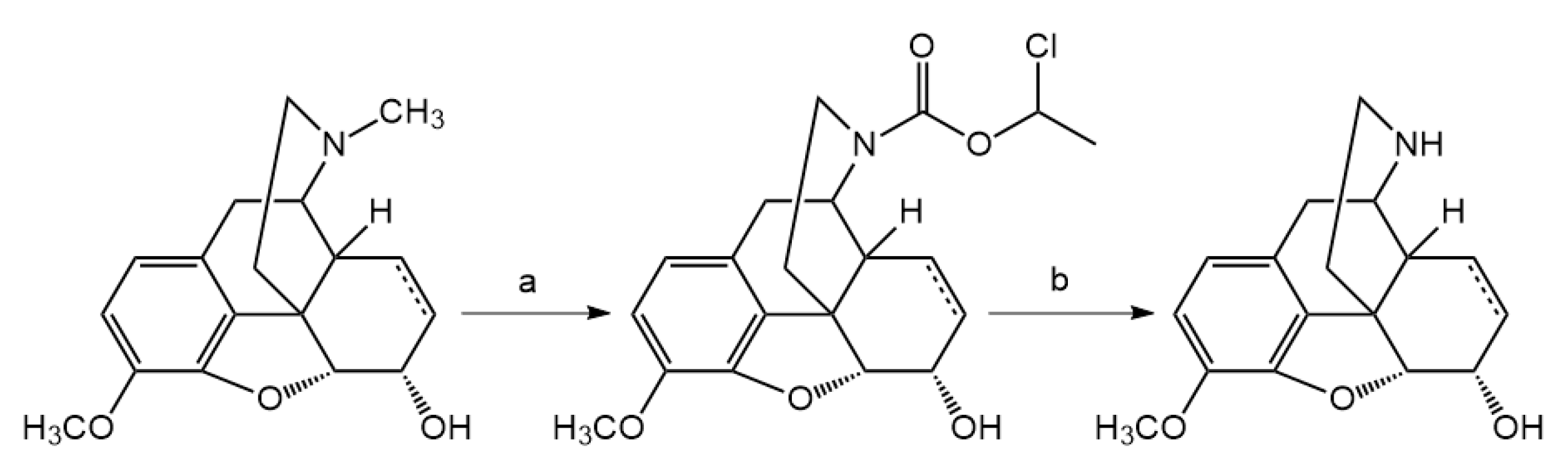
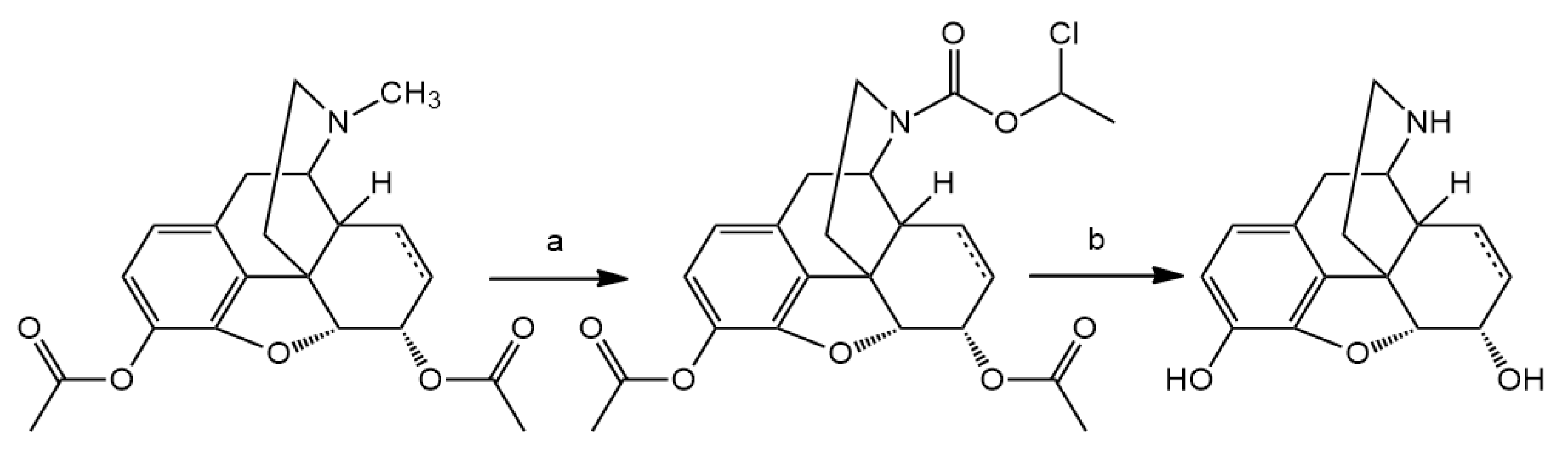
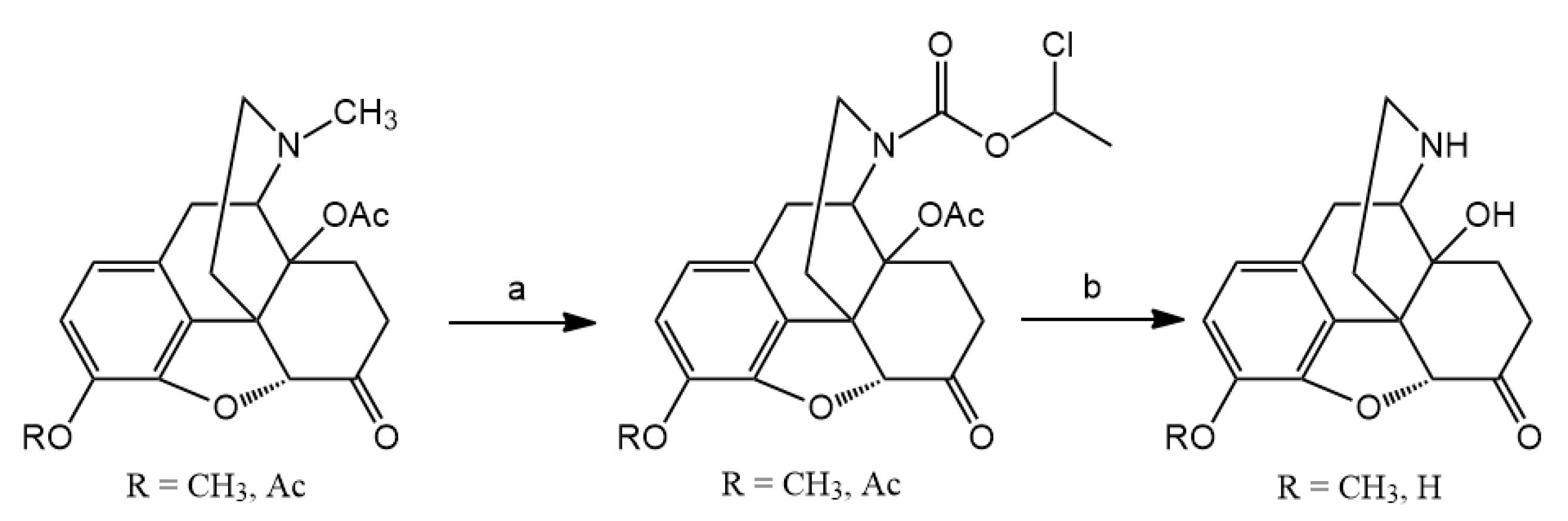
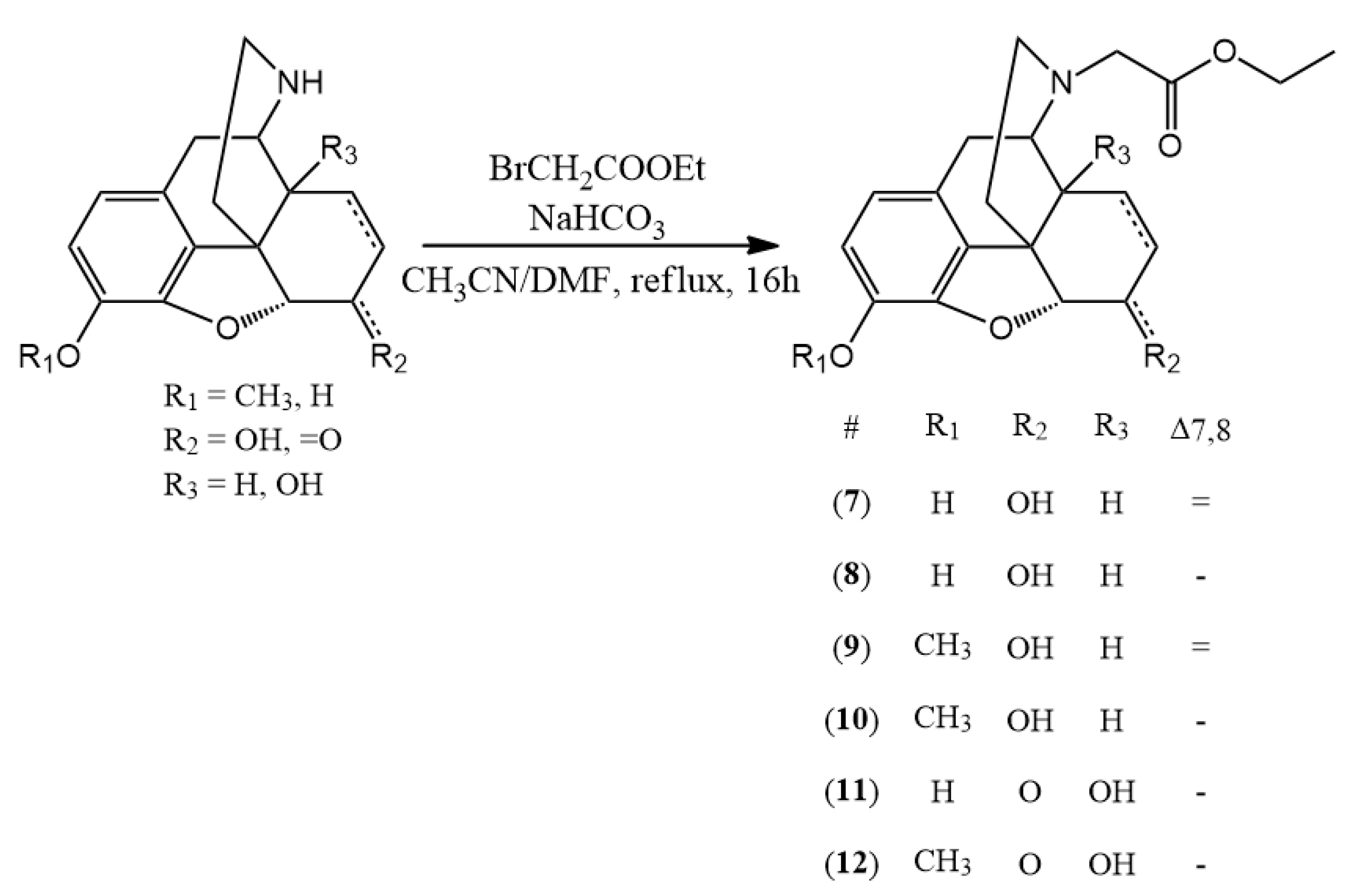
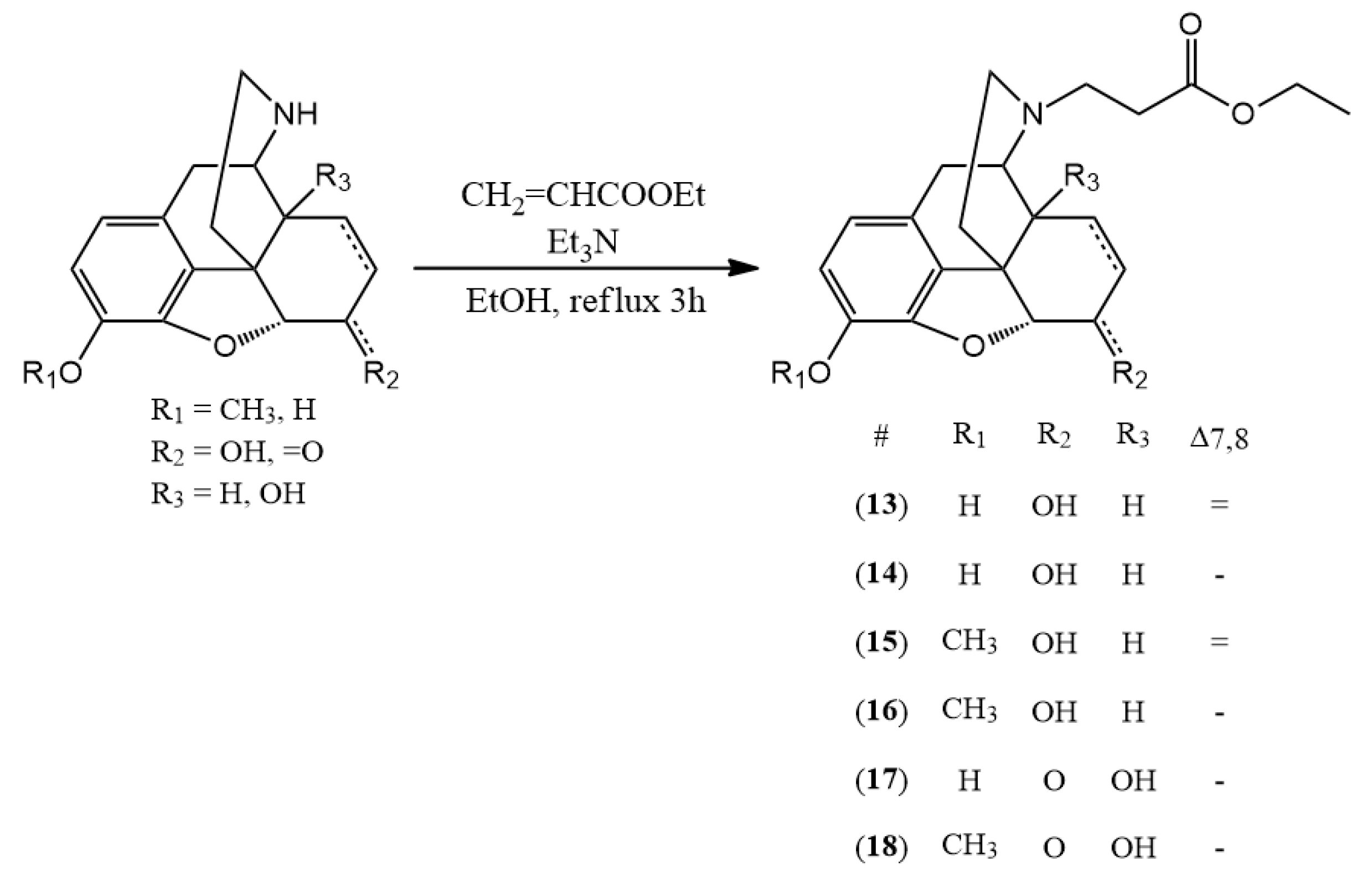
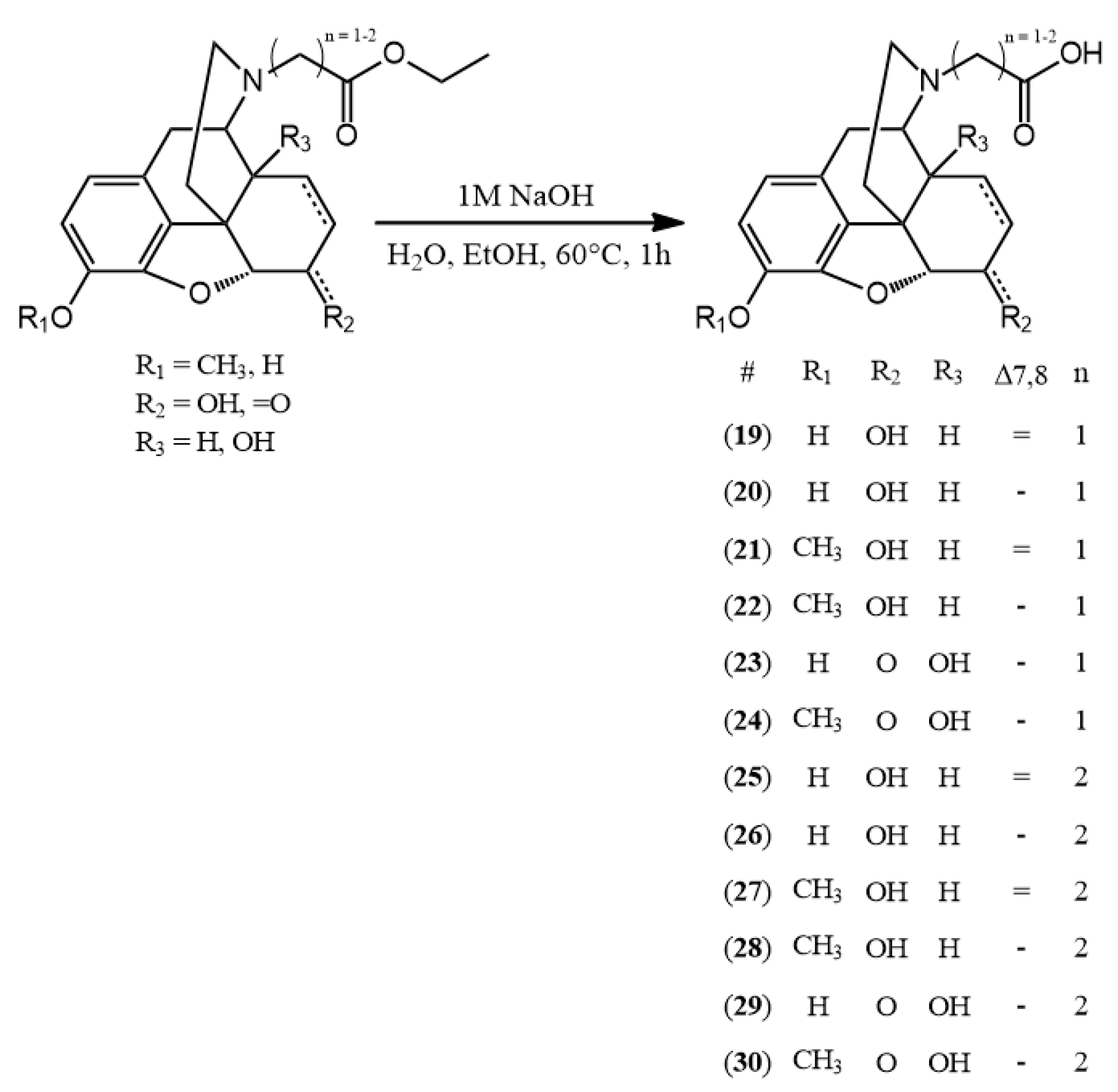
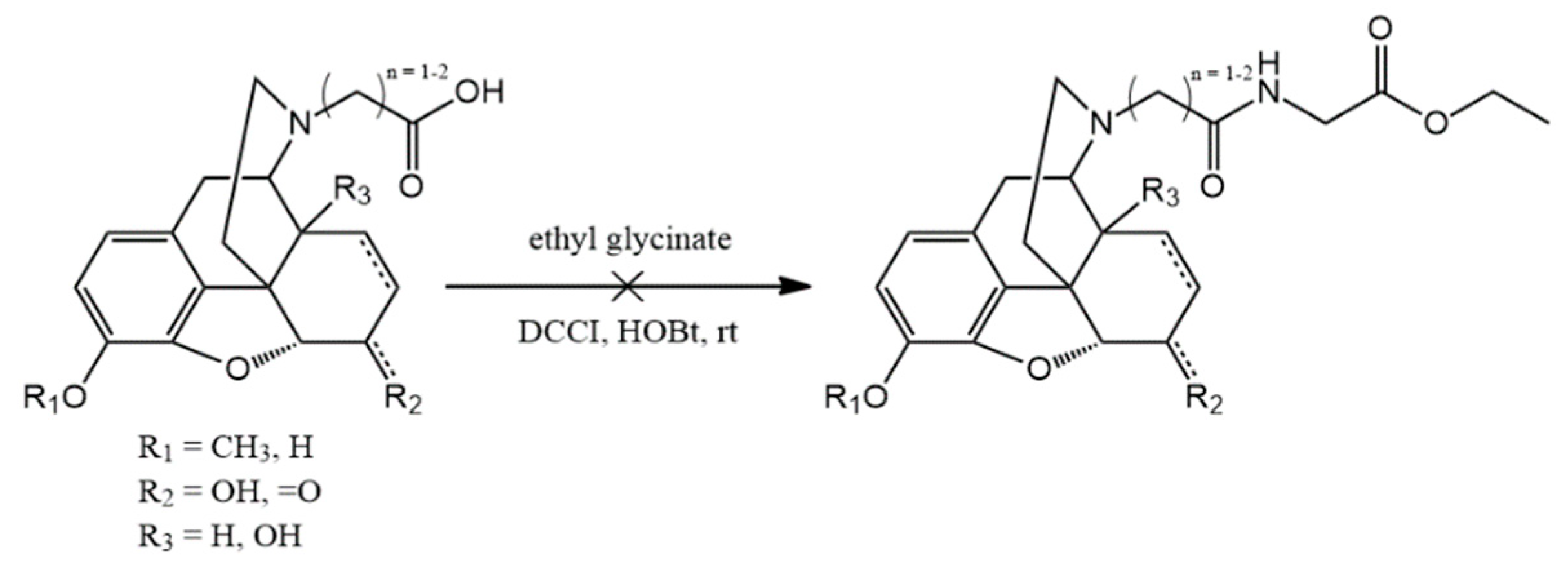
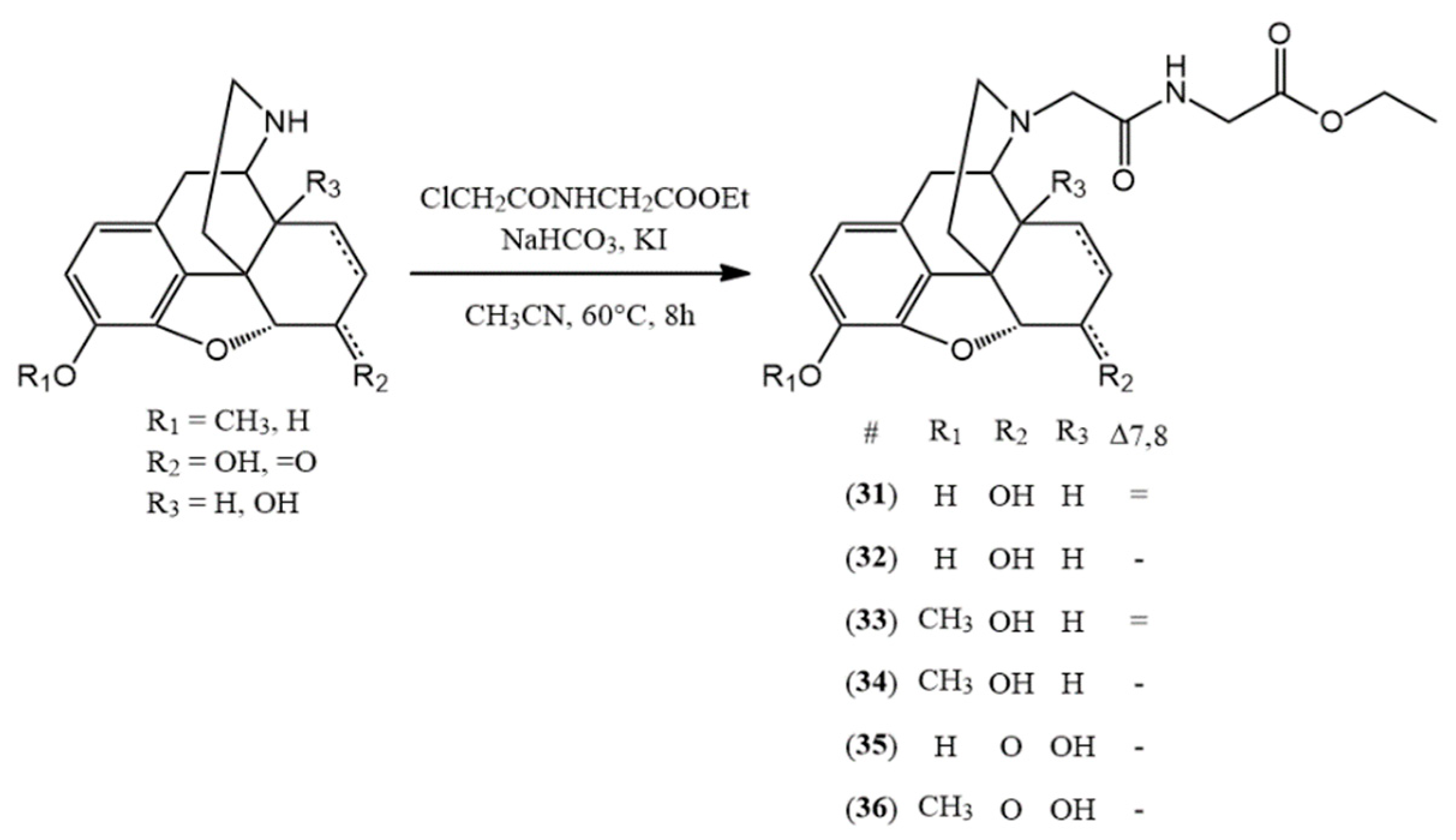
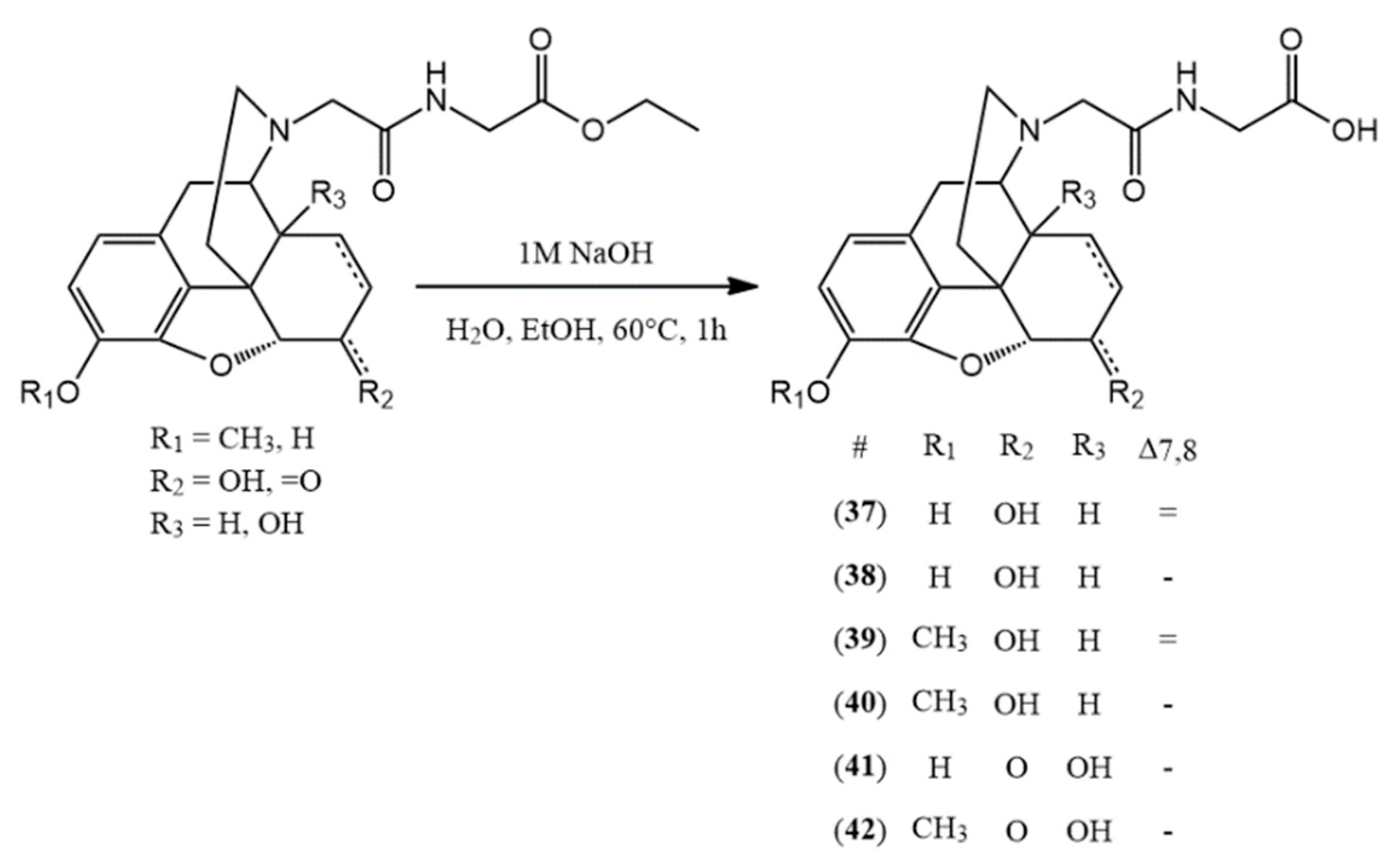
Vaccination could be a promising alternative warfare against drug addiction and abuse. For this purpose, so-called haptens can be used. These molecules alone do not induce the activation of the immune system, this occurs only when they are attached to an immunogenic carrier protein. Hence obtaining a free amino or carboxylic group during the structural transformation is an important part of the synthesis. Namely, these groups can be used to form the requisite peptide bond between the hapten and the carrier protein. Focusing on this basic principle, six nor-morphine compounds were treated with ethyl acrylate and ethyl bromoacetate, while the prepared esters were hydrolyzed to obtain the N-carboxymethyl- and N-carboxyethyl-normorphine derivatives which are considered as potential haptens. The next step was the coupling phase with glycine ethyl ester, but the reactions did not work or the work-up process was not accomplishable. As an alternative route, the normorphine-compounds were N-alkylated with N-(chloroacetyl)glycine ethyl ester. These products were hydrolyzed in alkaline media and after the work-up process all of the derivatives contained the free carboxylic group of the glycine side chain. The acid-base properties of these molecules are characterized in detail. In the N-carboxyalkyl derivatives, the basicity of the amino and phenolate site is within an order of magnitude. In the glycine derivatives the basicity of the amino group is significantly decreased compared to the parent compounds (i.e., morphine, oxymorphone) because of the electron withdrawing amide group. The protonation state of the carboxylate group significantly influences the basicity of the amino group. All of the glycine ester and the glycine carboxylic acid derivatives are currently under biological tests.
Keywords: hapten; vaccine; immunotherapy; N-demethylation; nor-compounds; morphine skeleton; acid-base properties; protonation state; microspeciation hapten; vaccine; immunotherapy; N-demethylation; nor-compounds; morphine skeleton; acid-base properties; protonation state; microspeciation