Article

A Pilot Study of Multi-Input Recurrent Neural Networks for Drug-Kinase Binding Prediction
Neurochemistry Laboratory, Department of Psychiatry, Massachusetts General Hospital and Harvard Medical School, Charlestown, MA 02129, USA
*
Author to whom correspondence should be addressed.
Molecules 2020, 25(15), 3372; https://doi.org/10.3390/molecules25153372

Submission received: 24 April 2020 / Revised: 20 July 2020 / Accepted: 24 July 2020 / Published: 24 July 2020
(This article belongs to the Special Issue AI in Drug Design)

Abstract

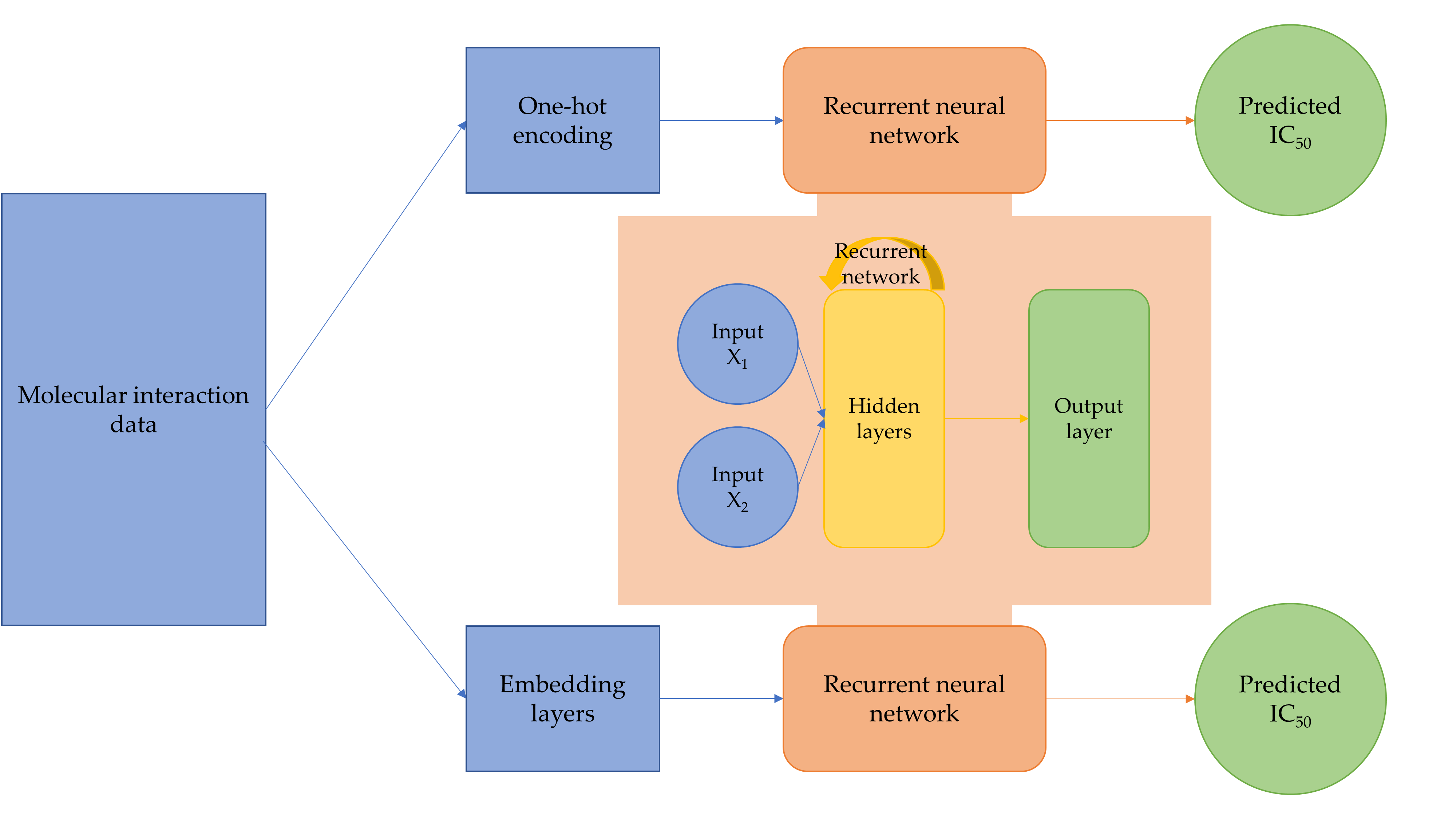
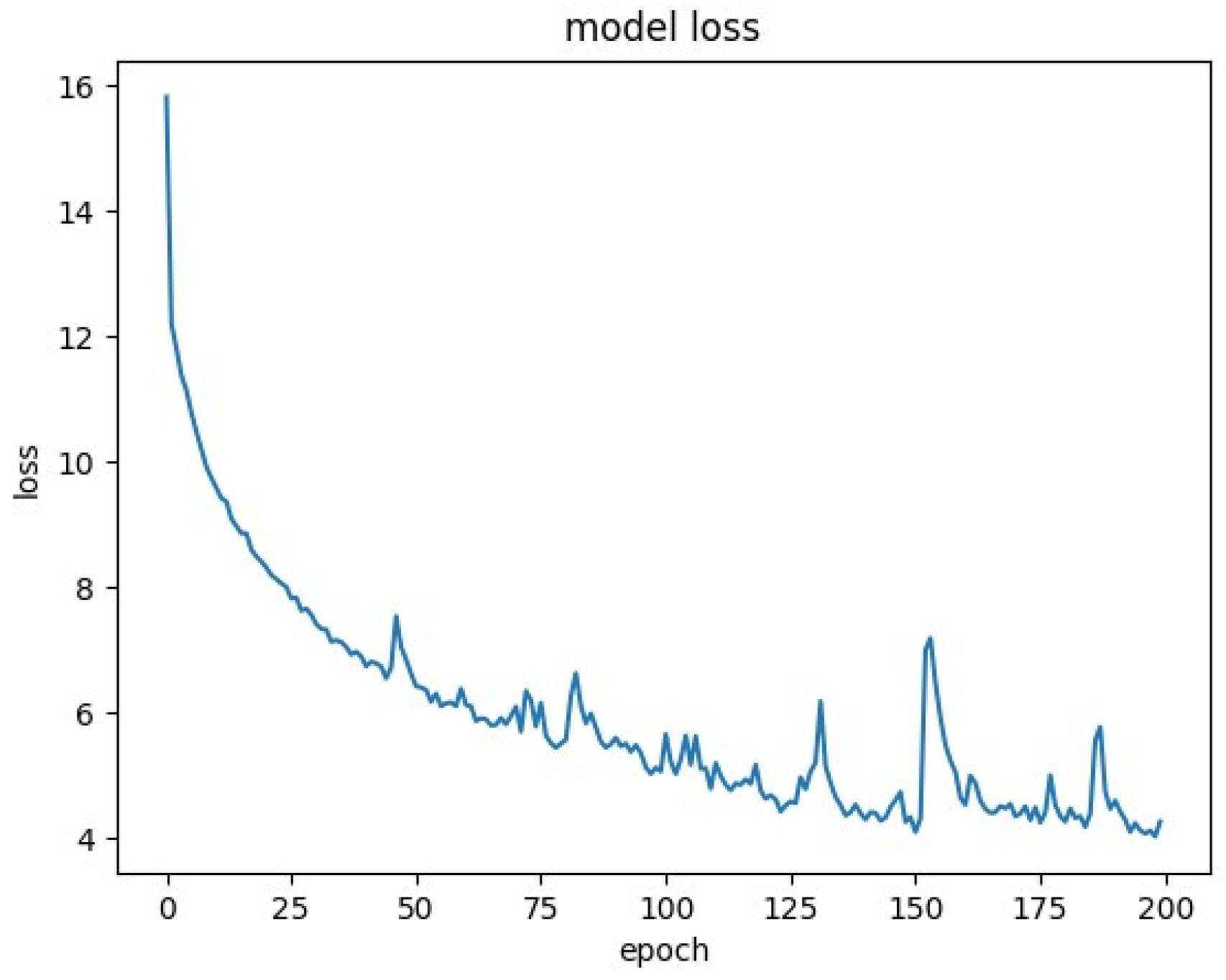
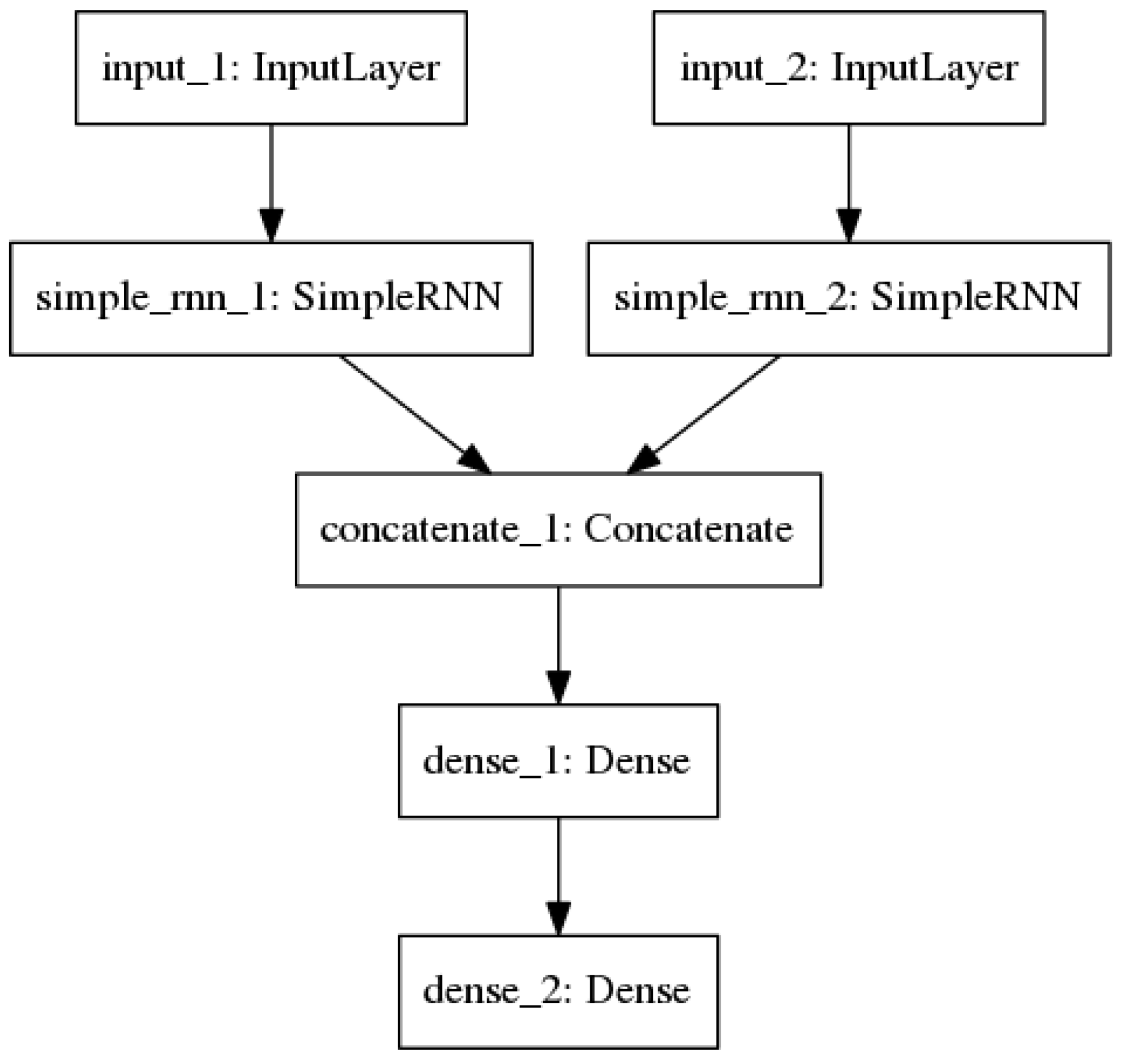
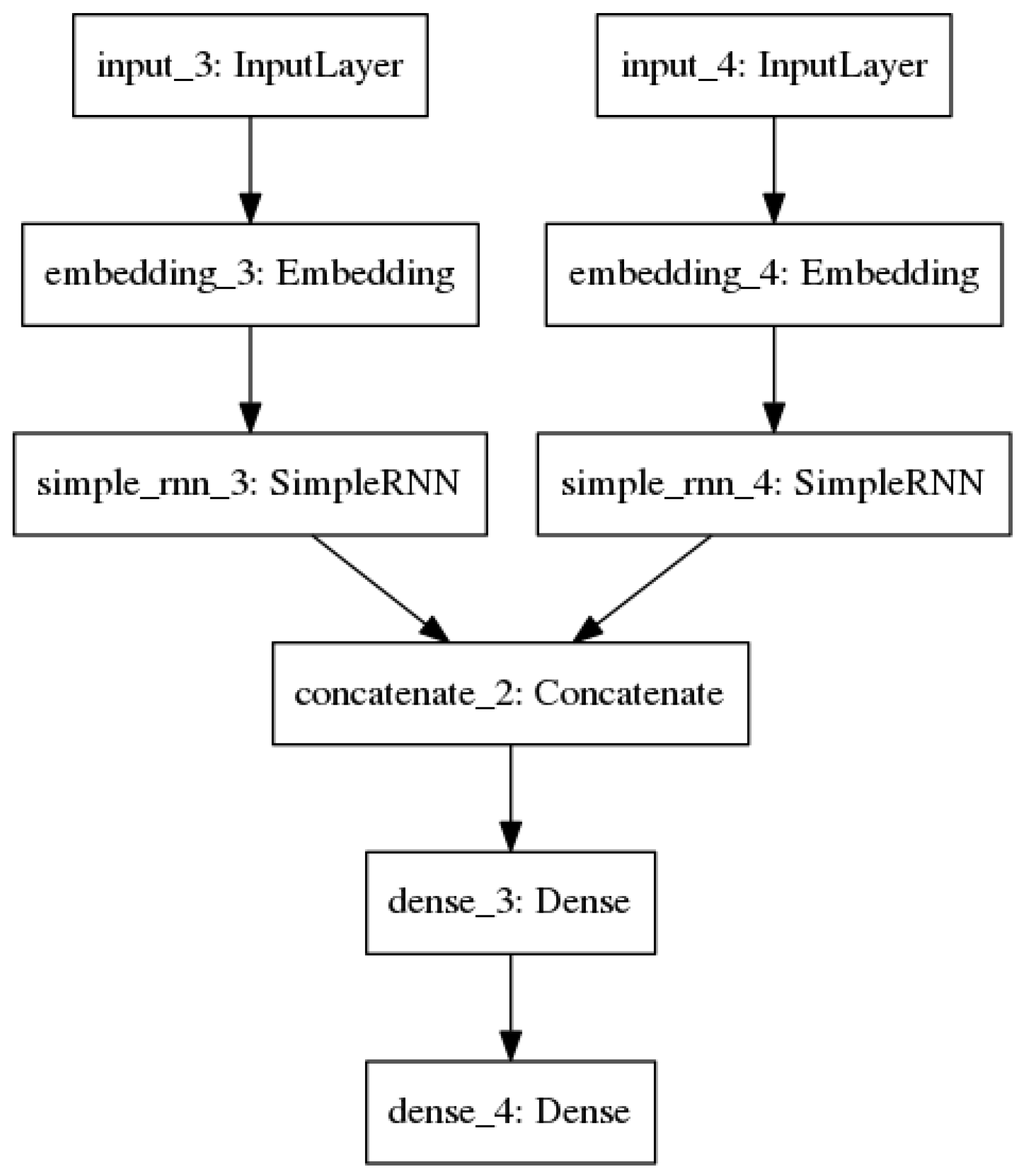
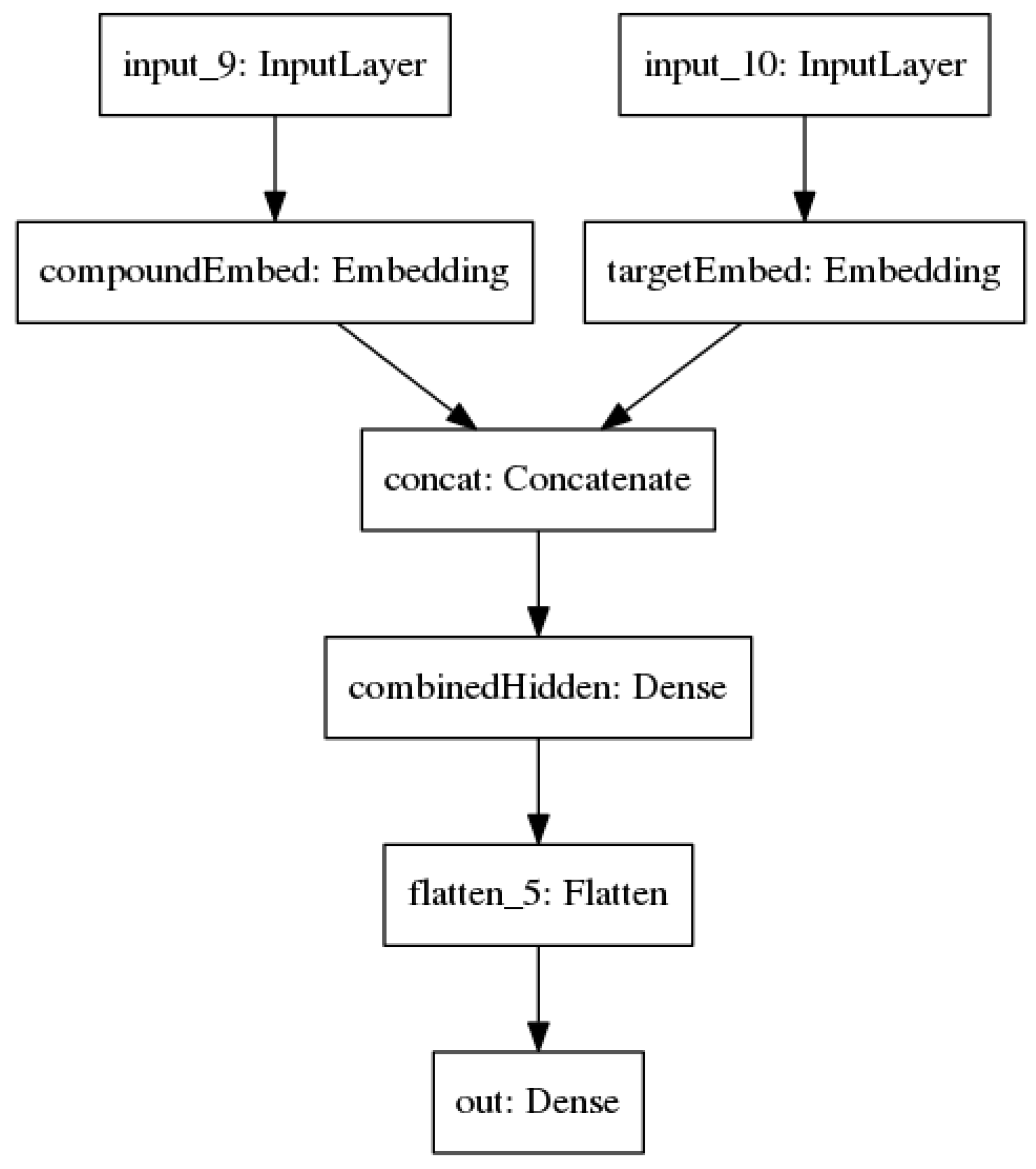
The use of virtual drug screening can be beneficial to research teams, enabling them to narrow down potentially useful compounds for further study. A variety of virtual screening methods have been developed, typically with machine learning classifiers at the center of their design. In the present study, we created a virtual screener for protein kinase inhibitors. Experimental compound–target interaction data were obtained from the IDG-DREAM Drug-Kinase Binding Prediction Challenge. These data were converted and fed as inputs into two multi-input recurrent neural networks (RNNs). The first network utilized data encoded in one-hot representation, while the other incorporated embedding layers. The models were developed in Python, and were designed to output the IC50 of the target compounds. The performance of the models was assessed primarily through analysis of the Q2 values produced from runs of differing sample and epoch size; recorded loss values were also reported and graphed. The performance of the models was limited, though multiple changes are proposed for potential improvement of a multi-input recurrent neural network-based screening tool.
Keywords: artificial intelligence (AI); machine learning (ML); deep learning (DL); recurrent neural network (RNN); virtual drug screening artificial intelligence (AI); machine learning (ML); deep learning (DL); recurrent neural network (RNN); virtual drug screening
Graphical Abstract