Article

Anticandidal Potential of Stem Bark Extract from Schima superba and the Identification of Its Major Anticandidal Compound
1
Xiamen Key Laboratory of Traditional Chinese Medicine Bio-engineering, Xiamen Medical College, Xiamen 361023, China
2
Key Laboratory of Functional and Clinical Translational Medicine, Fujian Province University, Xiamen Medical College, Xiamen 361023, China
3
Department of Medical Technology, Xiamen Medical College, Xiamen 361023, China
4
Application Technique Engineering Center of Natural Cosmeceuticals, College of Fujian Province, Xiamen Medical College, Xiamen 361023, China
5
Guangdong Province Key Laboratory of Pharmacodynamic Constituents of TCM and New Drugs Research, College of Pharmacy, Jinan University, Guangzhou 510632, China
*
Authors to whom correspondence should be addressed.
Molecules 2019, 24(8), 1587; https://doi.org/10.3390/molecules24081587

Submission received: 2 March 2019 / Revised: 18 April 2019 / Accepted: 22 April 2019 / Published: 22 April 2019
(This article belongs to the Special Issue Antimicrobial Properties of Natural Products)

Abstract

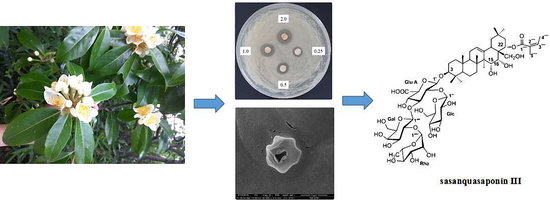
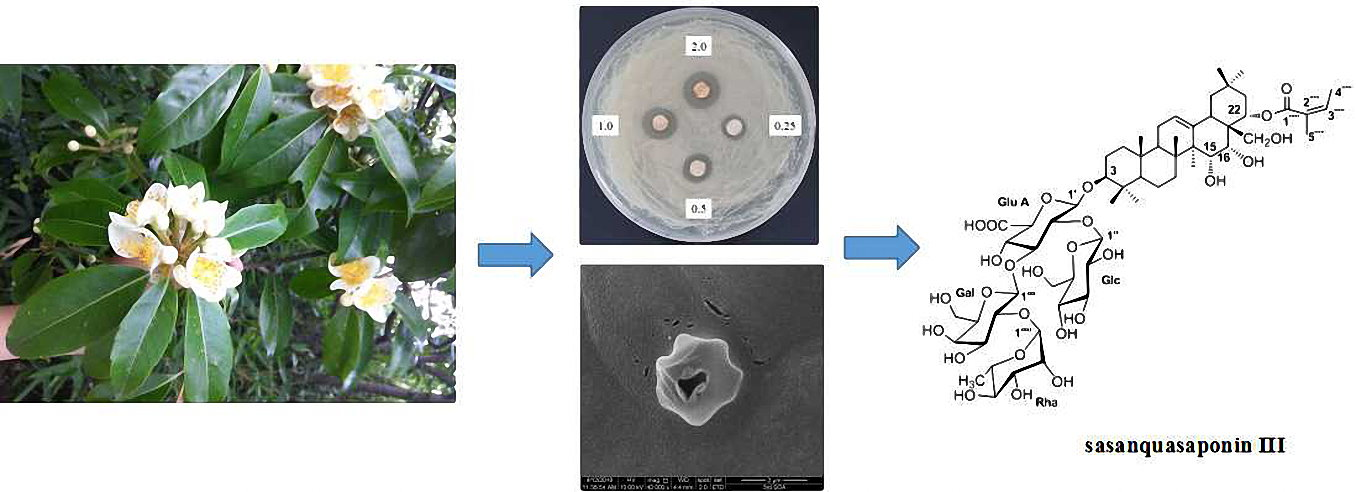
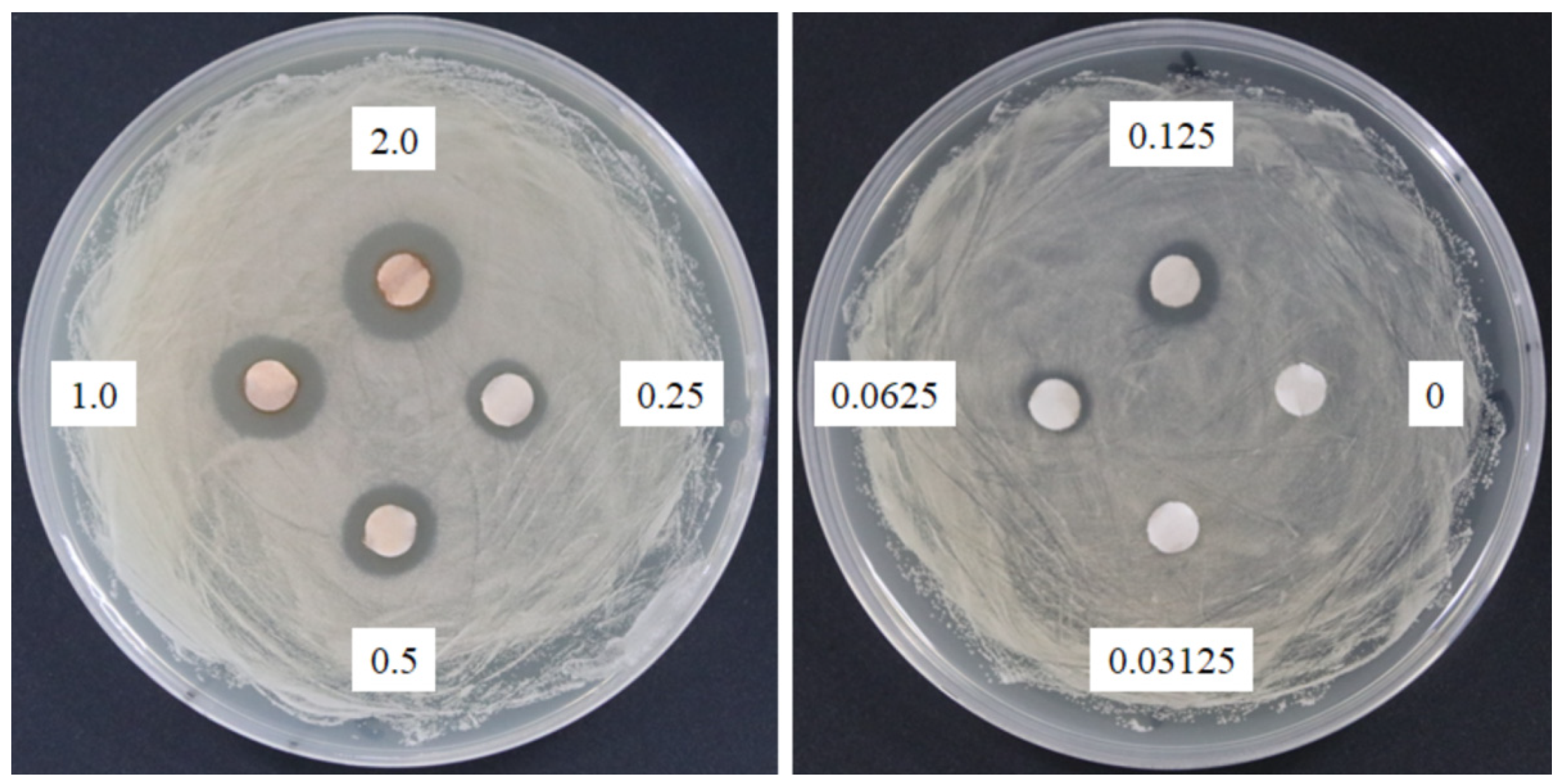
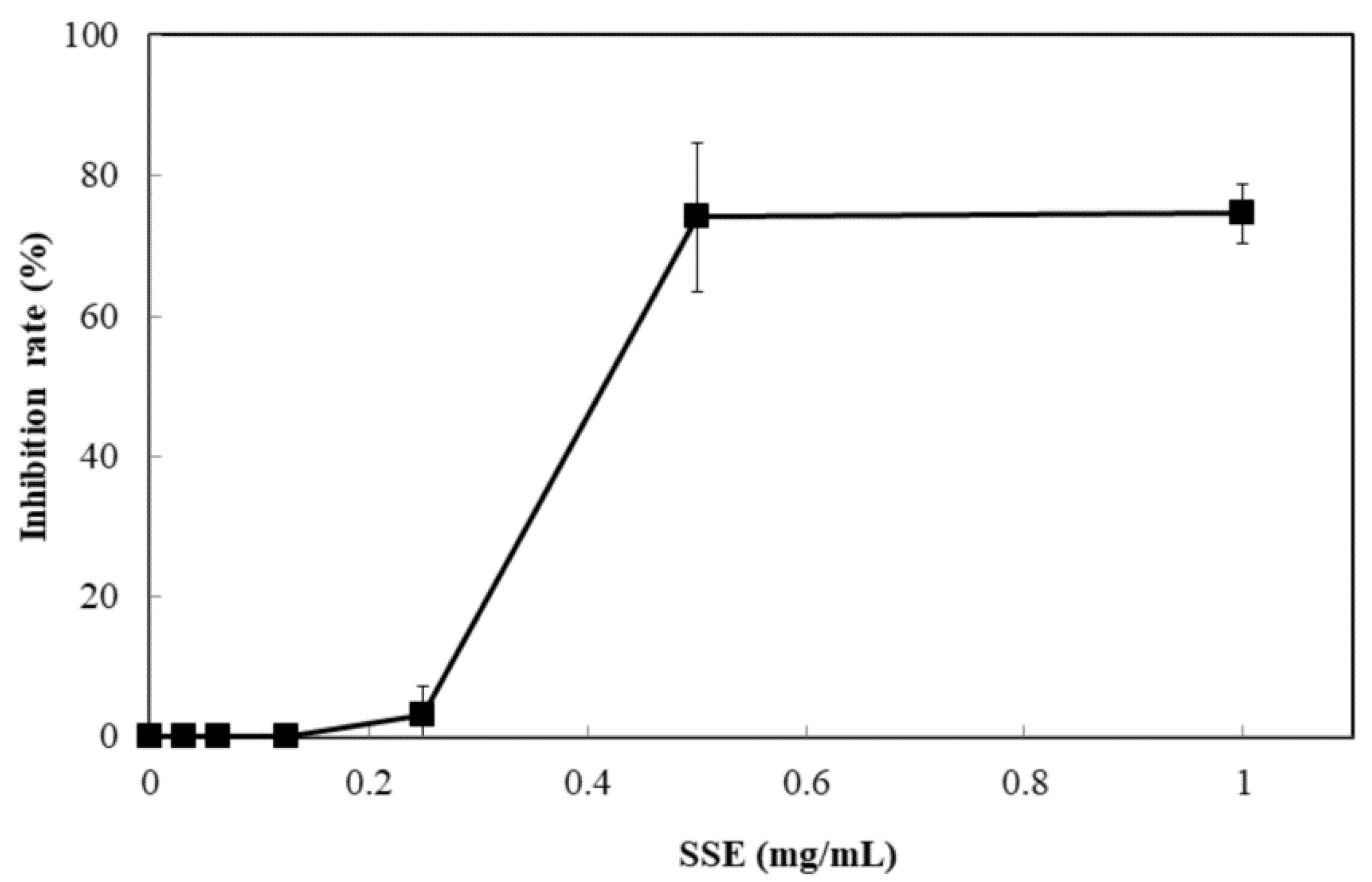
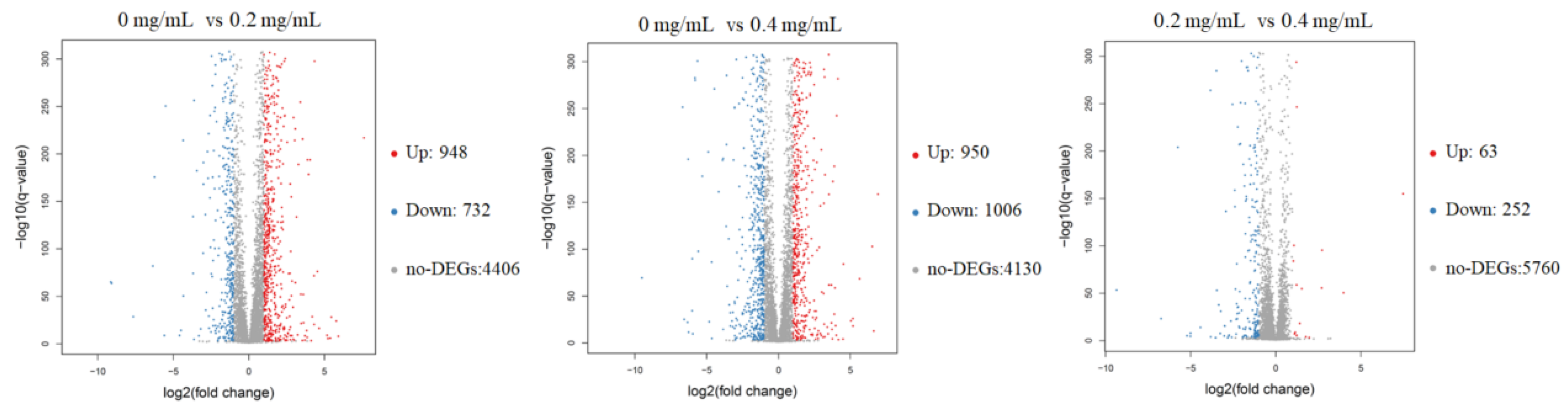
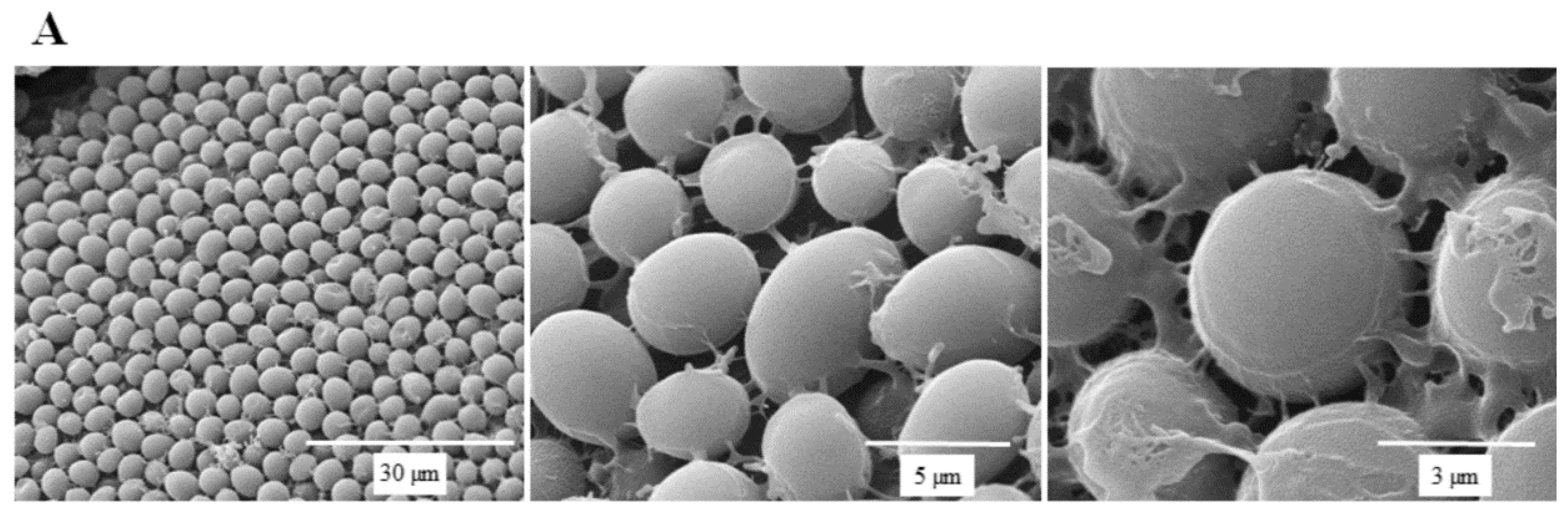
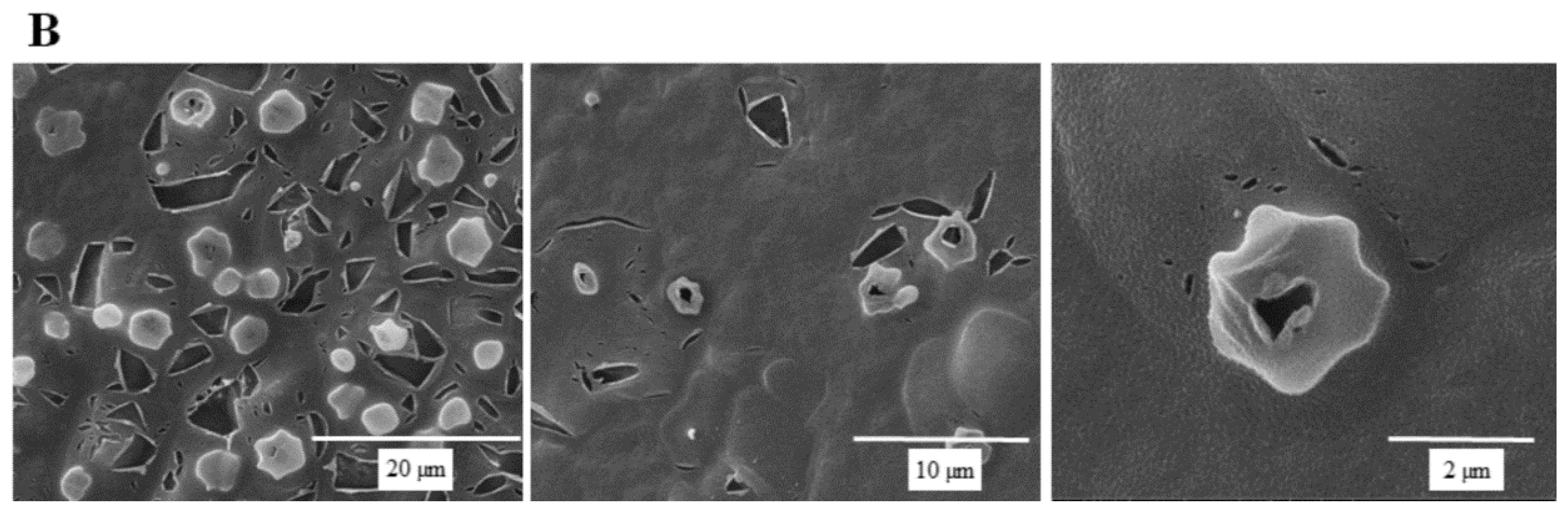
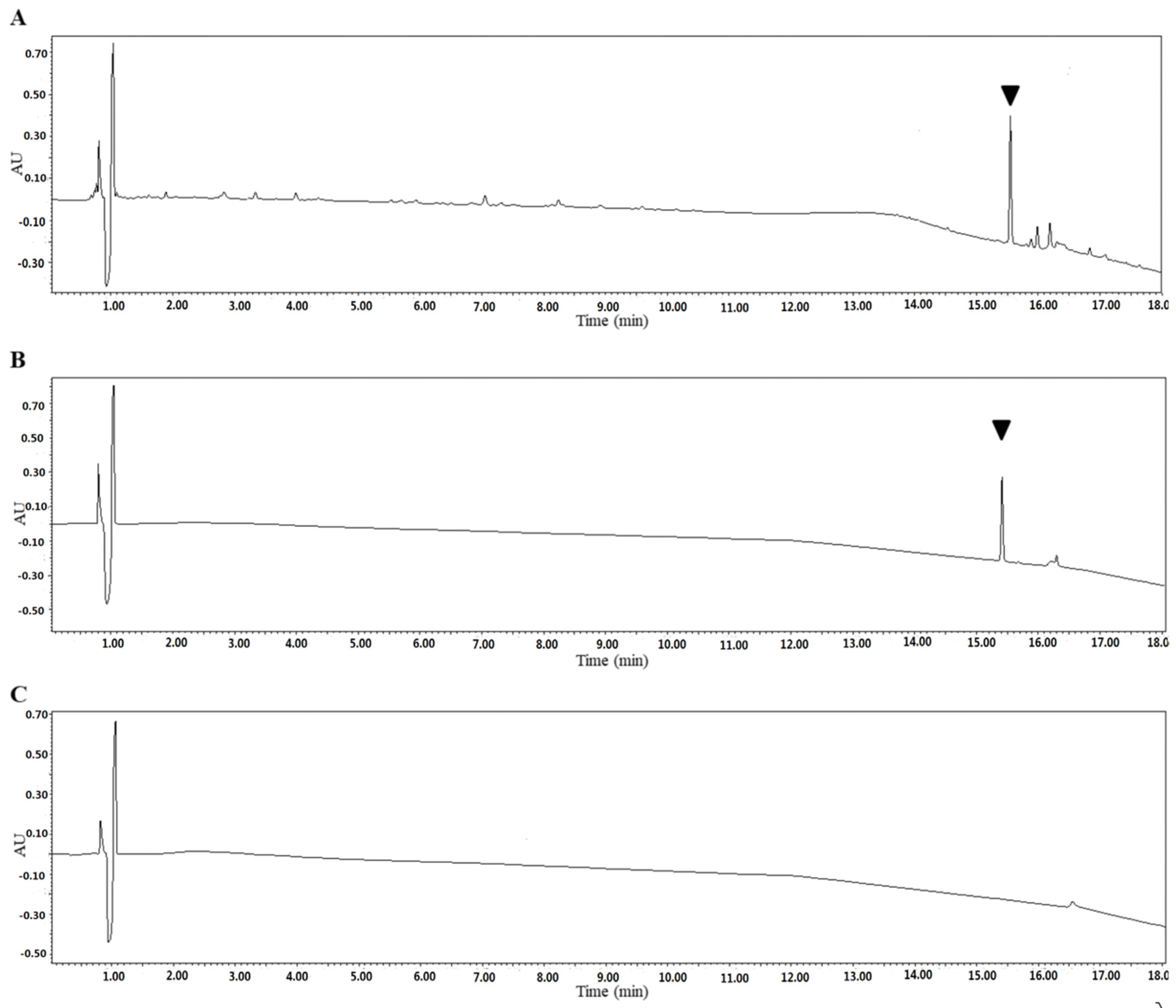
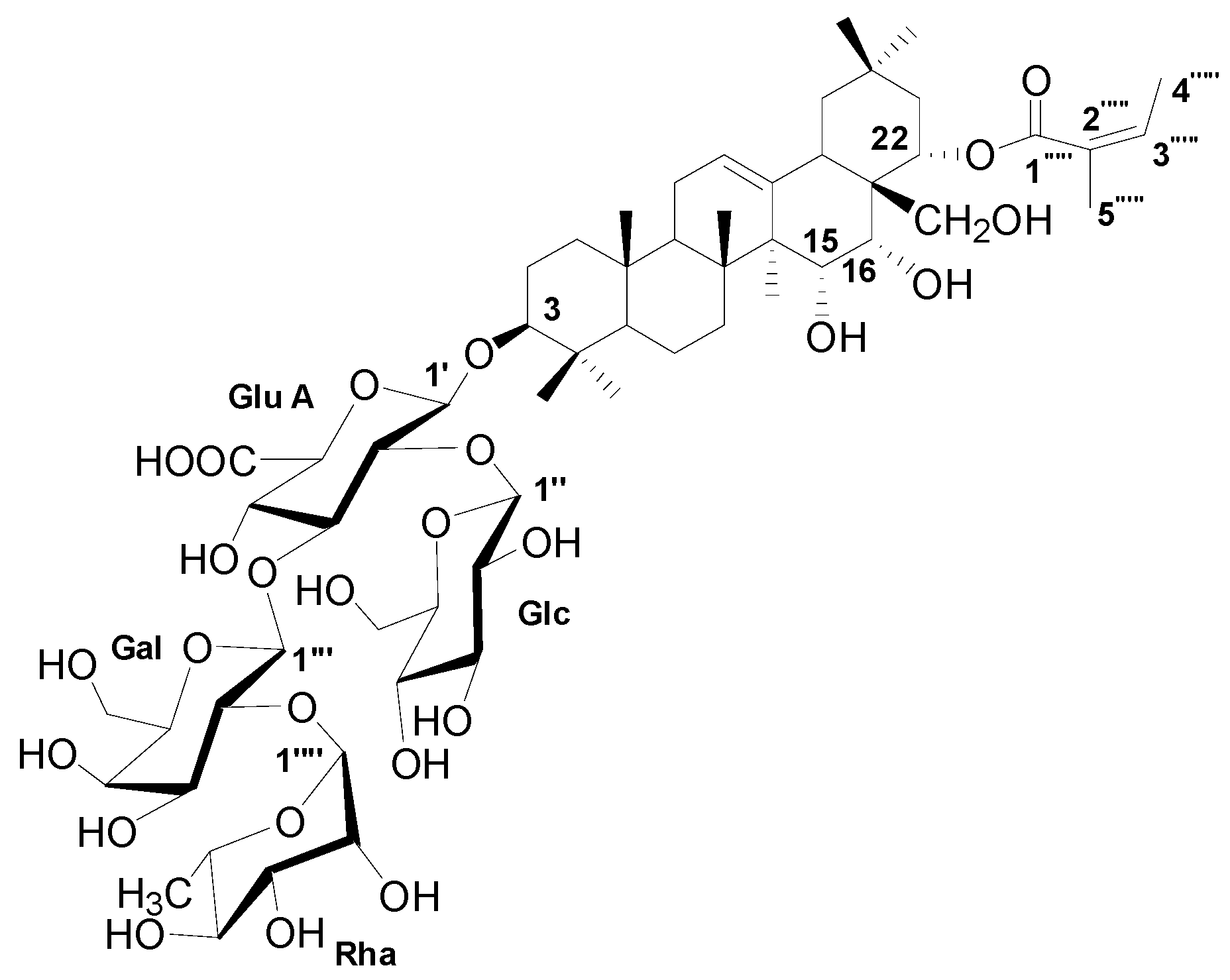
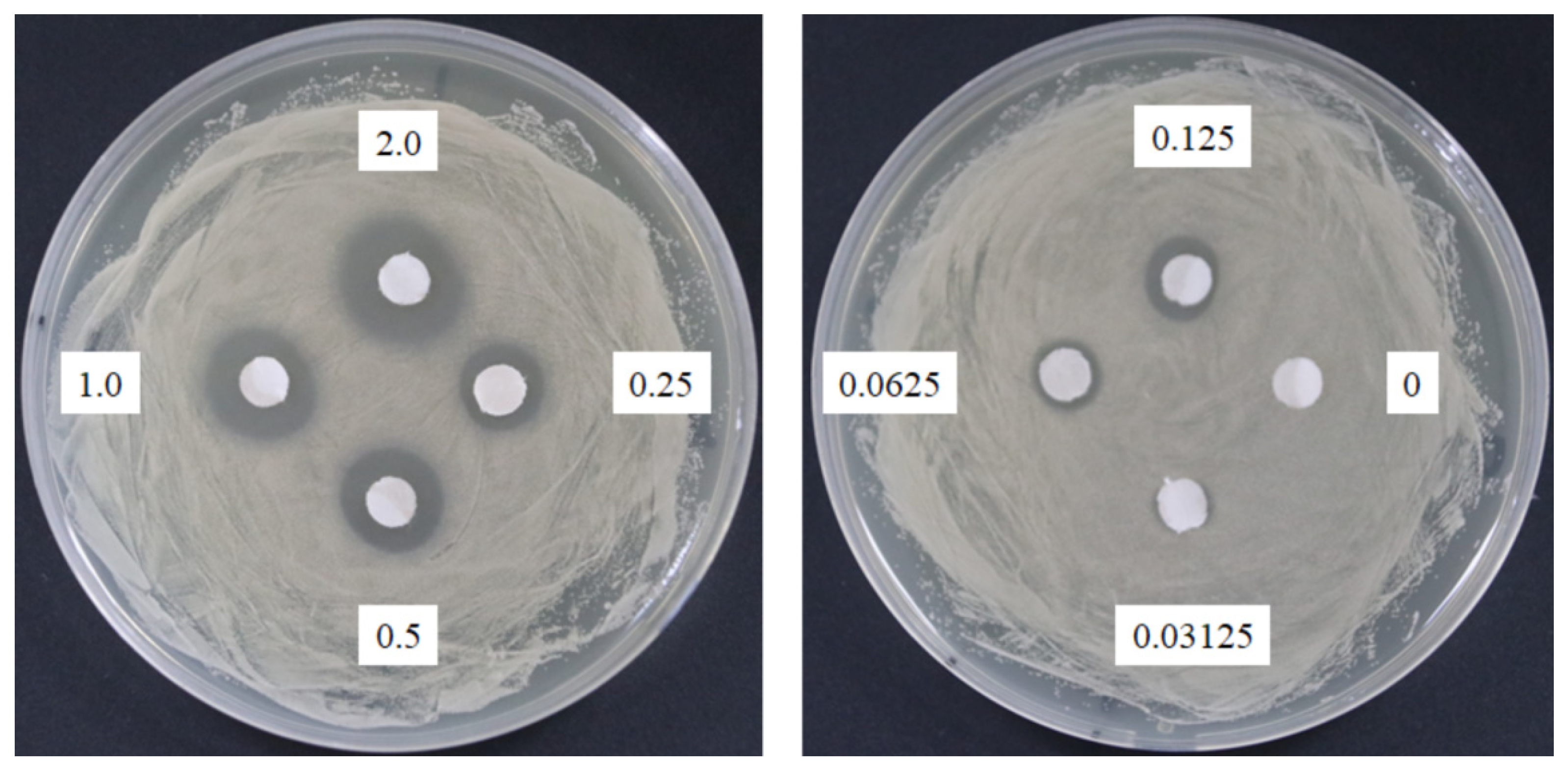
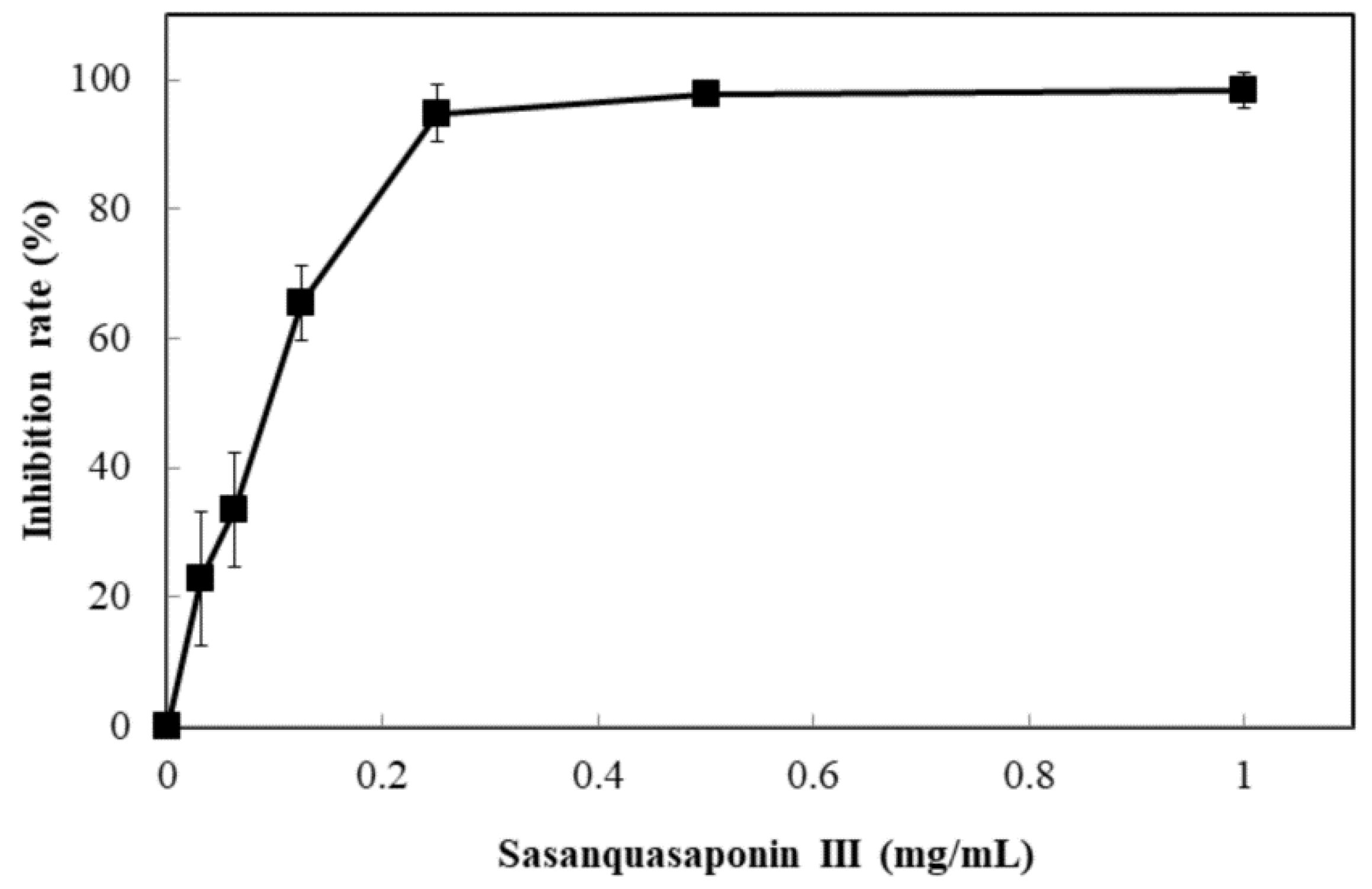
Plant-derived extracts are a promising source of new drugs. Schima superba is traditionally used in China for heat clearing, detoxification, and treatment of furuncles. In this study, the anticandidal properties and mechanism of action of S. superba (SSE) were explored using a stem bark extract. SSE possessed high polyphenol and saponin contents of 256.6 ± 5.1 and 357.8 ± 31.5 µg/mg, respectively. A clear inhibition zone was observed for C. albicans growth through the disc diffusion method and the 50% inhibition of C. albicans by SSE was 415.2 µg/mL. Transcriptomic analysis in C. albicans treated with different doses of SSE was conducted through RNA-seq. Average values of 6068 genes and 20,842,500 clean reads were identified from each sample. Among these samples, 1680 and 1956 genes were differentially expressed genes (DEGs) from the SSE treatments of 0.2 and 0.4 mg/mL, respectively. C. albicans growth was inhibited by the changes in gene expression associated with the cell wall and membrane composition including the regulation of chitin degradation and ergosterol biosynthesis. This result could be reflected in the irregularly wrinkled morphology of the ruptured cell as revealed through SEM analysis. ESI-MS and NMR analyses revealed that the major compound purified from SSE was sasanquasaponin III and the 50% inhibition of C. albicans was 93.1 µg/mL. In summary, the traditional Chinese medicine S. superba can be applied as an anticandidal agent in complementary and alternative medicine.
Keywords: Schima superba; Candida albicans; saponins; RNA-seq; sasanquasaponin III Schima superba; Candida albicans; saponins; RNA-seq; sasanquasaponin III
Graphical Abstract